
Reading view

Cold-Induced Peptides Boost Pollen and Yield

In the escalating battle against climate change, the agricultural sector faces an urgent challenge: protecting crops from the damaging impacts of cold stress. Recent groundbreaking research has illuminated a molecular mechanism that could revolutionize the way we safeguard crop yields under cold weather conditions, a phenomenon known to decisively impair pollen viability and reproductive success. At the heart of this discovery lies a novel peptide signaling pathway that confers resilience to cold-induced pollen abortion, a major contributing factor to severe yield losses in key crops such as tomato and rice.

The study focuses on a subset of small signaling peptides belonging to the RGF–GLV–CLEL family, specifically two cold-responsive peptides, SlRGF9 and SlRGF10, found in tomato plants (Solanum lycopersicum). Under optimal growth conditions, the absence of these peptides appears inconsequential; however, upon exposure to cold stress, plants deficient in SlRGF9 and SlRGF10 exhibit significant pollen abortion, pinpointing these peptides as pivotal protectors of reproductive development during environmental challenges.

At the cellular level, the perception of SlRGF9 and SlRGF10 is mediated by a receptor complex formed by leucine-rich repeat receptor-like kinases (LRR-RLKs), including SlRGFR6 and SlSERK proteins. This receptor complex localizes to the cell surface, where it specifically binds the cold-induced peptides. The subsequent activation of SlRGFR6 initiates a cascade that triggers calcium influx, predominantly through cyclic-nucleotide-gated channels, a critical signal that forestalls cold-delayed programmed cell death within the tapetum.

The tapetum, an inner layer of cells nourishing developing microspores, must undergo precise degradation to ensure successful pollen maturation. Cold stress disrupts this timing, leading to the failure of microspore development and ultimately, reproductive abortion. The SlRGF–SlRGFR6 signaling axis counteracts this disruption by modulating calcium signaling pathways, thus preserving tapetum function and enabling normal pollen development even under chilling conditions.

Importantly, the activation of this peptide signaling pathway shows remarkable conservation across a wide spectrum of plant taxa, encompassing both dicots and monocots. For example, upregulation of homologous RGF peptides in rice (Oryza sativa) confers enhanced pollen resilience, substantially mitigating cold-induced grain yield losses. These findings highlight the universal nature of this molecular defense mechanism and underscore its potential as a target for crop improvement across diverse agricultural systems.

From an applied perspective, genetically engineering tomato plants to overexpress SlRGF9 and SlRGF10 yields a striking 52% reduction in yield losses caused by cold stress. Such a substantial increase in yield resilience promises a viable strategy for enhancing food security in regions where unpredictable cold spells jeopardize agricultural output. Similarly, in rice, enhanced expression of RGF peptides restores approximately 18.3% of otherwise lost grain yield, showcasing the broad applicability of this peptide signaling module.

The implications of this discovery extend beyond cold stress tolerance. By elucidating the molecular underpinnings of pollen development resilience, this research paves the way for breeding programs and biotechnological interventions aimed at fortifying crops against a spectrum of adverse conditions affecting reproductive success. The integration of peptide signaling manipulation into crop science thus represents a frontier of innovation with meaningful agronomic and economic impacts.

The researchers employed meticulous genetic and physiological assays to dissect the roles of SlRGF peptides and their receptors. Loss-of-function mutants were analyzed under both normal and cold conditions, revealing that while vegetative growth remained unaffected, reproductive failure was unmistakably linked to the absence of these peptides during cold episodes. Advanced biochemical assays confirmed direct binding between SlRGF peptides and their cognate receptor kinases, affirming the specificity of this module.

Calcium signaling emerged as a central node downstream of the peptide-receptor interaction. Cyclic-nucleotide-gated channels (CNGCs) acted as conduits for calcium influx, a pivotal second messenger that modulates cellular responses to environmental cues. The cold-induced activation of CNGCs by SlRGF–SlRGFR6 signaling interrupts the cold-triggered delay in programmed cell death within the tapetum, restoring the developmental timeline critical for pollination success.

The study’s comprehensive approach also included cross-species analyses, demonstrating that manipulation of RGF peptide expression yields conserved phenotypic benefits in both tomatoes and rice. This cross-kingdom conservation underscores the evolutionary importance of this signaling module in cold tolerance and hints at its potential utility in a wide array of other crops affected by low temperature stress.

As climate change continues to drive erratic and extreme weather patterns, cold spells pose a growing threat to global food production. The discovery of the RGF peptide signaling axis as a master regulator of pollen resilience provides a powerful tool for developing crops capable of thriving despite these environmental uncertainties. Through targeted molecular breeding or biotechnological approaches, it may soon be possible to equip staple crops with a robust defense against cold-induced reproductive failures, enhancing yield stability on a global scale.

Beyond immediate agricultural applications, this research enriches our fundamental understanding of plant stress physiology. By connecting extracellular peptide signals with intracellular calcium dynamics and programmed cell death regulation, it exposes a finely tuned network governing plant reproductive success under thermal stress. This insight opens new vistas for exploring analogous peptide-receptor systems that might regulate other facets of plant development or stress adaptation.

In sum, this seminal work reveals a core peptide signaling axis that is essential for maintaining pollen viability during cold stress, securing crop yield, and thus holds transformative potential for global agriculture in the era of climate change. By harnessing the power of small peptides like SlRGF9 and SlRGF10, scientists have illuminated a promising path toward crops that are not only productive under ideal conditions but resilient amid the mounting challenges posed by a changing environment.


Subject of Research: Cold-induced peptide signaling pathways that confer pollen resilience and protect crop yields under cold stress conditions.

Article Title: Cold-induced peptide signalling secures pollen resilience and crop yield.

Article References:
Chen, S., Zou, Y., Cui, H. et al. Cold-induced peptide signalling secures pollen resilience and crop yield. Nature (2026). https://doi.org/10.1038/s41586-026-10603-7

Image Credits: AI Generated

DOI: https://doi.org/10.1038/s41586-026-10603-7

Keywords: Cold stress, pollen development, SlRGF peptides, SlRGFR receptors, calcium signaling, programmed cell death, tapetum degradation, crop yield resilience, genetic engineering, tomato, rice, peptide signaling pathways

  •  

A ‘mystery beetle’ is devouring North Carolina’s precious blueberries

North Carolina’s blueberries may have a beetle problem. For the first time, scientists in the Tarheel State have documented the presence of Prionus imbricornus eating blueberry bushes. This longhorn beetle and its larvae can chomp their way through the state’s valuable blueberry fields. The findings are described in a study published this week in the Journal of Integrated Pest Management

Blueberries are native to North Carolina, but were not cultivated until 1935. The state is the sixth largest blueberry producer in the United States, and the blueberry industry is valued at roughly $70 million. Protecting the plants from pests is crucial, as blueberries are considered one of North Carolina’s most valuable and desirable crops. 

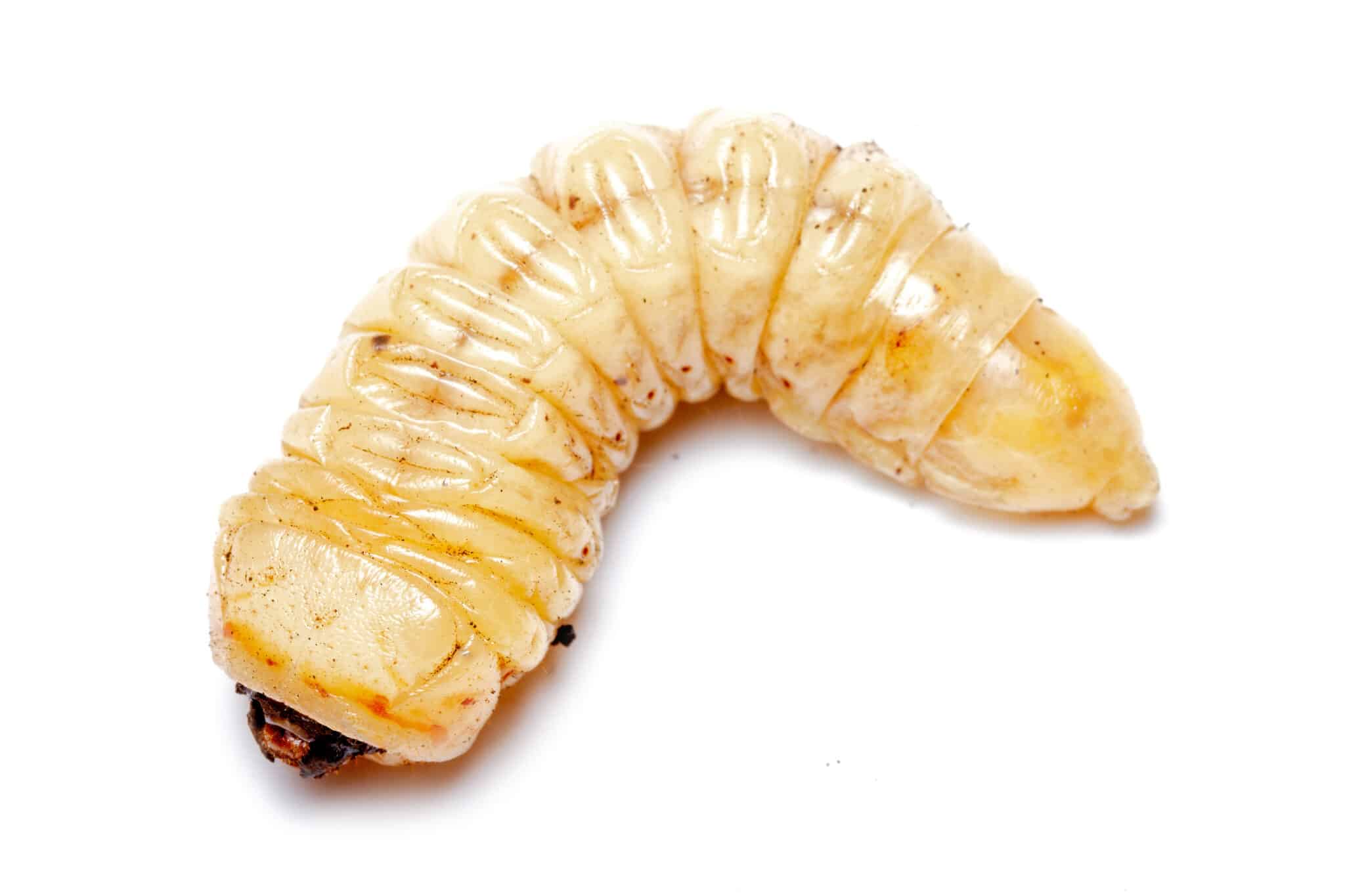
Several species including the blueberry maggot (Rhagoletis mendax), plum curculio (Conotrachelus nenuphar), and cranberry fruitworm (Acrobasis vaccinii Riley) can threaten blueberry crops. The long-horned beetle P. imbricornus may now join their ranks. P. imbricornus is known for their long antennae and are considered wood-boring beetles. The adult females typically lay their eggs in the soil near the roots of hardwood trees. The larvae then eat and destroy the roots. These larvae can grow up to five inches long and potentially kill trees, since the adults don’t feed. 

a long yellow beetle larvae
P. Imbricornis larva. The larva, which can grow up to five inches long, feed on the roots of blueberry bushes. Image: Matt Bertone/NC State.

North Carolina is the first state to report that P. imbricornus is actively feeding on blueberry bushes. However, reports of unidentified larvae from the Prionus beetle genus feeding on and damaging blueberry bush roots go back to 2010. In the 16 years since, identifying the specific species responsible has been difficult since the larvae live near the roots of the plants. Different types of longhorn beetle larvae also look very similar, and not identifying a species can harm efforts to combat harmful bugs. 

“Before now, researchers often just assumed the species of Prionus on their commodities based on adult identification,” Kenneth Geisert, a study co-author and NC State graduate student, said in a statement. “If that guess was incorrect, it could mean using a treatment strategy that did not line up with the problem and incorrectly associating species and their hosts.”

For example, P. imbricornus attacks roots, but another longhorn beetle species may go after a tree’s dead branches or trunk. 

“Without knowing which species of beetle you’re dealing with and their ecology, incorrect management can cause adverse effects on non-target insects,” Geisert added.

For this study, the team used a series of black panel traps scented with sex pheromones to attract and gather adult beetles. The traps were placed at six farms across Pender, Sampson, Bladen, and New Hanover counties. The team then used a technique called genetic barcoding on the larvae to analyze small, standardized segments of their DNA to identify the species. They then compared the unknown larval sequences with the same genetic segments from known Prionus adults.

They matched the P. imbricornus with 98 to 99 percent accuracy. According to the team, this result is both good and bad news for farmers.

“On one hand, it’s very important that we know which species we’re dealing with,” said Lorena Lopez, a study co-author and entomologist at NC State. “On the other, North Carolina was the first state to ever report Prionus infestation in blueberries, and there are no insecticides currently labeled against this pest in blueberries.”

To address this shortfall, Lopez has begun insecticide trials. Pinpointing effective insecticides and timing during P. imbricornis reproductive cycles can potentially limit larval development. Fewer larvae could help prevent major root damage and provide blueberry farmers with an effective management tool to protect their crops. 

The post A ‘mystery beetle’ is devouring North Carolina’s precious blueberries appeared first on Popular Science.

  •  

Unlocking Fungal Secrets: From Spider Silk to Scientific Discovery

In a groundbreaking exploration of the subtle intricacies woven into agricultural ecosystems, recent scientific research has unveiled an extraordinary role for spider webs as natural, non-invasive reservoirs of fungal life. This pioneering study, conducted by a team from Thammasat University alongside collaborators at Thailand’s National Center for Genetic Engineering and Biotechnology (BIOTEC), delves into the largely unappreciated function of spider orb webs in capturing and preserving living fungal communities. This discovery not only challenges conventional sampling methodologies but also opens new avenues for biodiversity assessment and environmental microbiology.

Spider webs, especially those constructed by the orb-weaving species Cyclosa mulmeinensis, were traditionally studied for their architectural marvel and predatory function, yet they stand out as natural particulate collectors in agroecosystems. This particular species is famed for its “trashline” decorations—linear arrays of assorted environmental debris including vegetation fragments, insect remnants, and dust particles—which inadvertently act as adhesive traps for airborne biological entities. The researchers hypothesized that these intricate silk matrices could be exploited to isolate and culture viable fungi, thus providing a non-destructive sampling platform to study microbial biodiversity in paddy fields.

The setting for this investigation was the tropical rice agroecosystems of Thailand, with webs harvested from embankments across multiple provinces including Pathum Thani, Nakhon Nayok, and Phetchaburi. Employing meticulous sterile collection techniques, the team ensured that the fungal samples obtained were not contaminated by external sources. Once the web material was transferred to laboratory conditions, researchers successfully cultured 112 fungal isolates. This process, unlike molecular DNA sampling that may detect dead or fragmented organisms, prioritized the recovery of living fungi, thus allowing for detailed phenotypic and genotypic assessments.

The diversity uncovered was remarkable. Isolates spanned 23 taxa within six fungal genera, notably Alternaria, Aspergillus, Cladosporium, Fusarium, Penicillium, and Talaromyces. Each of these genera holds ecological and agricultural significance, ranging from plant pathogens to beneficial decomposers. Intriguingly, certain genetic lineages, especially in Cladosporium and Talaromyces, showed no matches in existing genetic databases, indicating potential new species or cryptic diversity that have yet to be documented. This revelation underscores the webs’ potential as untapped reservoirs of microbial novelty.

One of the most compelling facets of this work is the demonstration that fungal propagules intercepted on spider silk retain viability to an extent that permits culturing. This crucial finding offers a methodological advantage over conventional techniques often reliant on environmental DNA analysis. DNA-based detection methods, while comprehensive in breadth, cannot discriminate between dormant, dead, or viable organisms. In contrast, culturing permits the isolation of active fungal cells, facilitating downstream experimentation including pathogenicity tests, resistance profiling, and ecological functional studies.

Conventional fungal biodiversity monitoring typically involves soil, air, and plant tissue sampling, or molecular-based surveys. These procedures may prove logistically demanding, invasive, or insensitive to viable organism status. By harnessing the natural particle-retentive capacity of spider webs, this innovative method introduces a supplementary, low-impact tool capable of continuous environmental sampling as spiders rebuild their webs. Because only fragments of webs were collected, the spiders themselves were unharmed, ensuring an ethical balance between scientific inquiry and ecological preservation.

Beyond the practical implications for microbial ecology, the study brings to the fore a hidden dimension of biodiversity surveillance. The notion that a seemingly ephemeral, delicate structure such as a spider web can harbor and maintain viable microbial assemblages is profound. It challenges assumptions about the limits of biological sampling surfaces and highlights everyday natural structures as rich, overlooked archives of microscale life.

This research also has far-reaching implications for agriculture. Rice fields, vital food-producing ecosystems, are vulnerable to pathogens and ecological imbalances caused by microbial factors. The ability to non-destructively monitor fungal populations via spider webs could enable earlier disease detection, inform integrated pest management strategies, and contribute to sustainable farming. Moreover, unraveling previously undocumented fungal diversity may lead to novel biotechnological or agricultural applications.

While this initial study focused on a single spider species within specific geographic regions, the principle it elucidates promises broader applicability. The universal adhesive properties of spider silk and the widespread presence of orb-weaving spiders in various ecosystems suggest that spider webs could be systematically employed to survey microbial diversity across diverse habitats globally. Further research will be crucial to optimize sampling protocols, characterize seasonal and spatial variations, and explore correlations with environmental factors.

The natural lifecycle of spider webs, characterized by periodic dismantling and reconstruction, provides a dynamic temporal dimension to sampling. This cyclical renewal means webs can continuously accumulate freshly airborne particles and associated fungi, making them living archives and potential indicators of temporal changes in microbial community composition. The adaptability and ubiquity of spider webs thus position them as potent natural biosensors for environmental monitoring.

Dr. Thanakron Into, the lead student researcher, underscores the transformative potential of this approach, emphasizing that spider webs themselves act as subtle yet intricate biological samplers. The study bridges biology and materials science, showing how engineered silk properties extend beyond prey capture to encompass ecological monitoring capabilities. This synergy between form and function exemplifies nature’s inherent ingenuity and its relevance to modern scientific challenges.

Ultimately, the revelation that something as common as a spider’s web can yield vast reservoirs of living fungal diversity reframes our understanding of microhabitat complexity. It compels scientists, ecologists, and agronomists alike to broaden their investigative horizons and reconsider how we tap into the hidden biodiversity around us. As research advances, spider webs could become vital tools in the continuous quest to document, understand, and preserve the microscopic players crucial to ecosystem health and resilience.


Subject of Research: Fungal biodiversity sampling using spider webs in agricultural ecosystems
Article Title: Spider webs as reservoirs of culturable fungal diversity: evidence from orb-weaving Cyclosa mulmeinensis spider in Thai rice agroecosystems
News Publication Date: 20-Apr-2026
Web References:

  • Biodiversity Data Journal: https://bdj.pensoft.net/article/187035/
  • DOI: http://dx.doi.org/10.3897/BDJ.14.e187035
    References: Thanakron Into et al., 2026, Biodiversity Data Journal
    Image Credits: Thanakron Into et al., 2026
    Keywords: spider silk, fungal diversity, microbial ecology, orb-weaving spider, Cyclosa mulmeinensis, agricultural ecosystems, biodiversity monitoring, culturable fungi, environmental sampling, rice fields, fungal isolation, tropical agroecosystems
  •  

Increasing Hail Threat Raises Risks for Winter Crops in Transit

Hailstorms, notorious for their sudden onset and localized devastation, have long been a bane to agriculture, capable of erasing months of hard work in mere minutes. They exhibit a stark spatial patchiness, sometimes devastating crops in one field and leaving the adjacent one untouched. A groundbreaking study published recently in Nature Climate Change by scientists from UNSW Sydney provides new insights into how the geography and seasonality of hail hazards are evolving in response to global warming, with significant implications for global food security and agricultural risk management.

The core finding of the study is striking: as the planet’s climate warms, the atmospheric conditions conducive to hail formation are not simply increasing or decreasing uniformly but are shifting latitudinally. Specifically, regions that are relatively cooler, such as southeastern Australia and New Zealand, along with parts of northern North America and Europe, are projected to experience an uptick in hail-prone atmospheric conditions. This contrasts with many warmer subtropical and mid-latitude zones—including substantial parts of Australia, India, China, and Africa—where hail risk may decline, albeit with considerable uncertainties.

Lead author Dr. Tim Raupach of the UNSW Institute of Climate Risk and Response describes this phenomenon as a poleward migration of hail hazard frequency. Model projections under scenarios of 2°C and 3°C global temperature rise reveal that hail risk is not just moving towards cooler latitudes but also shifting temporally toward cooler seasons such as winter. This seasonal shift implies that agricultural regions growing winter crops could face heightened hail threats even if summer hail incidents decrease.

The study’s approach to assessing hail risk is innovative and necessary given the complex nature of hailstorms. Direct modeling of hailstone formation and impact remains an enormous challenge due to the brief lifespan, small spatial scale, and meteorological complexity of hail events. Instead, the researchers employed multiple atmospheric proxies indicative of hail-prone conditions—such as updraft intensity and freezing-level heights—drawing on three distinct methodologies to robustly capture the underlying physical processes.

These proxies, however, do not always present a unified picture. Divergences, especially notable in tropical zones, illustrate how global warming simultaneously amplifies and suppresses different aspects of hailstorm formation. For example, warmer atmospheres inject more convective energy into storms, intensifying updrafts that can support larger hailstone development. Conversely, elevated freezing levels in warmer air mean hailstones are more likely to melt before hitting the ground, resulting in fewer reported hail events despite intense storm activity. This “atmospheric tug of war” complicates predictions and underscores persistent uncertainties in future hail hazard modeling.

Despite the potential decline in overall hailstorm frequency in some regions and seasons, the study emphasizes a troubling trend: storms that do produce hail in a warmer world may unleash larger, more destructive hailstones due to the enhanced storm dynamics. This possibility raises acute concerns for agricultural sectors where even sporadic hail impacts can cause catastrophic yield losses and economic disruption.

The research expands beyond meteorology to link these changing hail hazards with the phenology of agriculture. By examining 26 globally significant crop types, the study quantifies projected changes in crop exposure to hail-prone conditions during their growing seasons. This integration reveals that crops cultivated during cooler seasons—particularly winter cereals like wheat in southeastern Australia—may confront increasing hail risks. This poses a formidable challenge since hail damage during key developmental stages can irreversibly impair crop productivity.

Southeastern Australia emerges as a regional hotspot for rising hail hazard. Data trends from both historical records and future climate projections concur that this broad arc, stretching from Tasmania through Melbourne toward Sydney, faces increasing frequency and intensity of hail-favorable atmospheric conditions. Given Australia’s pivotal role as a global wheat exporter, these findings have profound implications for food security and commodity markets.

The nuances of the findings pose formidable challenges for farmers, insurers, and policymakers trying to navigate this evolving risk landscape. Unlike gradual climate stressors such as drought or heatwaves, hail damage often manifests abruptly and unevenly, complicating risk assessments and insurance underwriting. The poleward and seasonal shifts may also unsettle existing assumptions about climate adaptation in agriculture. As warming enables poleward migration of crop zones, new agricultural frontiers might be exposed to emerging hail threats, potentially negating some anticipated benefits of climate-driven range expansion.

Dr. Raupach underscores that despite complexities and lingering uncertainties, the overarching message is clear: hail hazard is not static under climate change but is migrating poleward and manifesting more prominently in cooler seasons. This insight provides a critical framework for more targeted climate resilience planning and resource allocation in agriculture and disaster risk reduction.

Supporting this research is QBE Insurance, through their research and development head, Dr. Joanna Aldridge, who highlights the importance of expanding the scientific evidence base for hail risk. Such knowledge is instrumental to enabling better risk modeling, disaster preparedness, and strategic decision-making not only within farming communities but also in related sectors like insurance and emergency management.

Historically overshadowed by other agricultural climate risks such as drought and bushfires, hail’s destructive potential has often been underestimated. However, this study sends a clarion call regarding hail’s immediate threat to crop yields, especially in the context of shifting climatic and atmospheric dynamics. The convergence of these shifting hazards could potentially erode some of the gains projected for certain agricultural regions under moderate warming scenarios.

Looking ahead, the study motivates further research into fine-scale hail risk modeling and improved observational networks tailored to hail phenomena. Such advancements would strengthen predictive capabilities and help better prepare vulnerable farming systems for the vagaries of a changing climate.

In sum, while the warming Earth reconfigures many patterns of extreme weather, the shifting landscape of hail risk stands out as a critical yet underappreciated aspect of climate change’s impact on agriculture. This emerging understanding equips scientists, policymakers, and the agricultural sector with vital knowledge to anticipate and mitigate one of nature’s swiftest and most damaging storms.


Subject of Research:
Shifting patterns of hail hazard and their projected impacts on crop hail risk under global warming scenarios.

Article Title:
Shifting hail hazard under global warming and effects on crop hail risk

News Publication Date:
3-Jun-2026

Web References:
https://www.nature.com/articles/s41558-026-02660-7

References:
Raupach, T., Sherwood, S., et al. (2026). Shifting hail hazard under global warming and effects on crop hail risk. Nature Climate Change. DOI: 10.1038/s41558-026-02660-7

Keywords:
Climate change, hailstorms, agriculture, crop risk, meteorology, storm dynamics, extreme weather, convective updrafts, freezing-level height, southeastern Australia, poleward climate shifts, climate adaptation

  •  

ML-Optimized Composting Boosts Nutrient Recycling, Cuts Carbon

In the ongoing global quest to combat climate change and promote sustainable agriculture, composting organic waste represents a promising circular economy solution. By recycling valuable nutrients and restoring soil health, composting holds potential for reducing our reliance on synthetic fertilizers and improving crop productivity. However, inherent challenges remain—substantial nitrogen and carbon losses during the composting process limit its environmental benefits, undermining its role as a climate-friendly technology. A groundbreaking study published in Nature Food in 2026 harnesses advanced machine learning techniques to unravel these complexities, offering actionable insights that could revolutionize organic waste management worldwide.

Composting, the biodegradation of organic matter by microbes under controlled aerobic conditions, serves as a natural method to recycle manure, food remains, and sewage sludge. This process releases essential nutrients back to soils while producing humus-like material that enhances soil structure and fertility. Nevertheless, during composting, significant quantities of nitrogen escape into the atmosphere primarily as ammonia (NH3) and nitrous oxide (N2O), a potent greenhouse gas. Simultaneously, carbon is lost through emissions of methane (CH4) and carbon dioxide (CO2). These gaseous losses not only diminish the nutrient value of compost but also contribute directly to global warming, posing a serious dilemma for policymakers and agronomists striving to balance environmental goals.

In this expansive analysis, researchers compiled and synthesized data from 848 composting experiments conducted worldwide, spanning manure, food waste, and sewage sludge feedstocks. By applying sophisticated machine learning algorithms, they quantitatively identified 19 key management parameters that collectively influence emissions of NH3, N2O, CH4, and CO2. This systemic approach transcends traditional trial-and-error methods, illuminating precise operational factors critical to optimizing compost emissions. The enhanced understanding thereby paves the way for designing evidence-based composting protocols that can minimize greenhouse gas release while maximizing nutrient retention.

The study’s findings emphasize the scale of global greenhouse gas emissions attributable to composting operations. On an annual basis, the composting of organic waste releases approximately 747 kilotonnes of nitrogen as ammonia (NH3-N), 81 kilotonnes of nitrogen as nitrous oxide (N2O-N), and 592 kilotonnes of carbon as methane (CH4-C). When converted into carbon dioxide equivalents (CO2e), the total emission burden reaches an estimated 61 million tonnes (Mt) per year. These figures highlight the urgency of developing mitigation strategies that can significantly curtail composting’s carbon footprint while sustaining its agronomic functionality.

Central to the optimization framework is the manipulation of composting management parameters such as aeration regimes, substrate carbon-to-nitrogen (C/N) ratios, moisture content, temperature control, and the inclusion of specific additives. Aeration, for instance, modulates oxygen availability, directly affecting microbial respiration pathways and the balance between nitrification and denitrification processes that produce nitrous oxide. Similarly, adjusting the C/N ratio ensures an optimal nutrient environment that suppresses excessive nitrogen volatilization. Through fine-tuning these variables, operators can substantially reduce emissions while still facilitating effective organic matter decomposition.

Under a scenario envisioned by the researchers—where composting management is optimized using insights unearthed through machine learning—the composting chain could be transformed from a net greenhouse gas emitter releasing 40.1 Mt CO2e annually to a net carbon sink absorbing 15.1 Mt CO2e. This remarkable reversal would not only conserve nutrients vital for crop growth but also contribute meaningfully to climate change mitigation by sequestering more carbon than is emitted. Achieving such a transition embodies a paradigm shift, elevating composting from a waste management tool to a proactive climate solution.

The geographic distribution of these optimized outcomes reveals important regional contributions. Among global players, China, Brazil, and the United States emerge as the top three countries with the highest carbon sink potential within the composting sector. Collectively, these nations could realize approximately 65% of total emission reductions achievable under best-practice composting strategies. This underscores the considerable influence of national waste handling practices and policies on global greenhouse gas trajectories and highlights priority areas for investment and capacity building.

The research leverages the power of big data analytics and machine learning not only to characterize emission profiles but also to predict the environmental impacts of hypothetical management adjustments before field implementation. This predictive capability accelerates innovation, enabling practitioners to tailor composting processes for site-specific conditions and waste types, thereby enhancing scalability and adaptability. Furthermore, it assists regulators and stakeholders in developing science-based guidelines aligned with emission reduction targets.

Despite the significant advancements, challenges remain in translating these findings into widespread practice. Composting sites exhibit heterogeneity in feedstock composition, technological infrastructure, and operational expertise, all of which may impact the feasibility of optimized protocols. Moreover, the economic costs and labor requirements associated with precise parameter control need careful consideration to ensure adoption by farmers, municipalities, and commercial operators, especially in resource-limited contexts.

Nonetheless, the demonstration that composting’s environmental footprint can be drastically reduced without compromising nutrient recycling galvanizes efforts to mainstream optimized organic waste management. This could complement parallel strategies such as anaerobic digestion, biochar application, and sustainable fertilizer use to forge integrated food system solutions that decrease emissions at multiple points along the supply chain—from production to consumption to waste recovery.

Beyond carbon emission mitigation, enhancing compost quality through improved processing techniques supports soil health restoration—combatting erosion, enhancing water retention, and rebuilding microbial biodiversity. These ecosystem benefits contribute to long-term agricultural resilience in the face of climate change and population growth, positioning composting as a multifunctional technology with both environmental and social dividends.

In summary, the innovative cross-disciplinary research presented in this landmark study provides a roadmap to unlock the full potential of composting as a climate-smart practice. By embracing machine learning-driven optimization of management parameters, composting operations globally can transition toward becoming significant carbon sinks, substantially lowering greenhouse gas emissions while promoting sustainable nutrient cycling. This work serves as an inspiring proof of concept for the integration of artificial intelligence into environmental stewardship frameworks.

As nations struggle to meet ambitious greenhouse gas reduction commitments under international agreements, the importance of scalable and affordable mitigation technologies becomes paramount. Composting—long lauded for its circular economy value—now stands poised to evolve into a pivotal climate solution through data-driven refinement of its processes. Future policies that incentivize adoption of machine learning-optimized compost practices have the potential to deliver transformative impacts at the intersection of agriculture, waste management, and climate action.

Ultimately, this research illuminates the untapped potential that lies in re-envisioning traditional organic waste treatment methods through the lens of cutting-edge technology. The combined power of data science, microbial ecology, and engineering innovation provides new levers to address persistent environmental challenges. Harnessing these synergies will be essential to advancing towards a more sustainable, resilient, and low-carbon food system globally.

Subject of Research:
Article Title:
Article References: Zhang, L., Yang, J., Liu, J. et al. Machine learning-optimized composting strategies can enhance nutrient recycling and transform food system waste into a net carbon sink. Nat Food (2026). https://doi.org/10.1038/s43016-026-01361-w
Image Credits: AI Generated
DOI: https://doi.org/10.1038/s43016-026-01361-w
Keywords: composting, machine learning, greenhouse gases, nutrient recycling, carbon sink, ammonia emissions, nitrous oxide, methane, carbon dioxide, organic waste management, sustainable agriculture, climate change mitigation, circular economy, waste-to-resource

  •  

Locked-in food system slows Europe's green shift, article warns

Europe's agrifood system is under severe pressure. Climate change is causing droughts and floods, and agriculture is putting pressure on nature, the climate and the environment. Diet-related lifestyle diseases are placing a growing burden on health care systems. At the same time, agriculture is expected to deliver affordable food, climate action, biodiversity and food security all at once while maintaining competitiveness in a global market.

  •  

Crop Trade Eases China’s Water Crisis Unevenly

In a world grappling with mounting water scarcity challenges, a recent study sheds light on the complex relationship between agricultural trade and water resource management, using China as a focal point. This groundbreaking research illustrates how international crop trade can serve as a critical mechanism to alleviate water shortages within a country; however, it also reveals the uneven redistribution of water value brought about by these agricultural exchanges. As one of the largest agricultural economies and water consumers globally, China presents a compelling case study to understand the intricate dynamics of virtual water trade and its implications on sustainable water use.

Water scarcity in China has reached alarming levels due to factors such as rapid urbanization, industrial growth, climate variability, and expanding agricultural demands. Agriculture alone accounts for roughly 60% of China’s total water withdrawal, making the sector pivotal in addressing the nation’s water stress issues. Researchers Wang, S., Xue, J., D’Odorico, P., and their colleagues embarked on a comprehensive analysis, employing cutting-edge models that integrate hydrological data, trade flows, and economic variables to quantify how China’s agricultural imports and exports influence regional and national water distribution.

Central to the study is the concept of “virtual water,” which refers to the volume of freshwater embedded in the production of agricultural commodities. By importing crops, a country effectively imports the water required to produce them, potentially reducing domestic water use in water-scarce areas. Conversely, exporting crops entails exporting virtual water, which can exacerbate local water deficits if production relies on limited resources. Through an innovative blend of trade analysis and hydrological accounting, the authors demonstrated how China relies heavily on virtual water inflows through agricultural imports, thereby mitigating some of the stress on its strained water systems.

The research highlights that while China’s agricultural crop trade does ease the country’s freshwater shortages overall, this relief is not uniformly distributed. Certain provinces benefit substantially by importing water-intensive crops and conserving their local water reserves, whereas others continue to bear a disproportionate burden of water extraction due to export demands. This spatial imbalance in virtual water allocation adds a nuanced layer to understanding water sustainability, emphasizing that trade alone cannot fully resolve internal water disparities without improved water governance and equitable resource management strategies.

Another significant finding from the study concerns the economic and environmental trade-offs inherent in China’s agricultural trade policies. The import of virtual water-intensive crops from water-abundant countries reduces China’s domestic water stress but may inadvertently contribute to water depletion abroad. This highlights the global interconnectivity of water resources and calls for more nuanced international cooperation to balance water footprints and ensure that one country’s solution does not become another’s problem.

Technically, the researchers employed a novel coupling of the water footprint assessment framework with detailed osmotic trade datasets, allowing for an unprecedented granularity in tracking water flows associated with specific crop types. Their methodology accounted for seasonal variability and regional water availability indices, providing a dynamic picture of how agricultural trade transactions evolve in response to shifting climatic and economic conditions. Such detailed modeling advances the field by integrating physical water constraints with economic trade mechanisms in a comprehensive system analysis.

The study also examined policy implications, particularly the importance of incorporating virtual water considerations into national and regional water resource planning. By recognizing the value embedded in traded crops, policymakers can better design incentives that promote water-saving agricultural practices and strategically select trade partners to optimize water sustainability outcomes. The uneven distribution of virtual water benefits underscores the necessity for targeted interventions at provincial levels to balance economic gains with environmental stewardship.

Importantly, this research prompts a reflection on the broader sustainability goals linked to global food security and water resource conservation. China’s experience serves as a microcosm of global trends where population growth, dietary shifts, and climate change amplify water challenges. The findings advocate for strengthened data integration and cross-sectoral collaboration, leveraging trade as a tool for sustainability while mitigating negative externalities associated with water resource exploitation.

From a scientific perspective, the articulation of water value redistribution through agricultural trade introduces a critical dimension to sustainability assessments. Understanding that water savings in one region might translate into increased pressures elsewhere propels the discourse beyond national boundaries. This cross-scale insight encourages the development of international frameworks that account for virtual water flows to harmonize trade policies with environmental imperatives.

Furthermore, the study offers methodological advancements applicable to other regions facing water scarcity. The combined use of trade flow matrices and hydrological models can be adapted to diverse geopolitical contexts, supporting global efforts to optimize water use in agriculture. This flexibility enhances the relevance of the research, positioning it as a seminal contribution to sustainable agriculture and water management literature.

In conclusion, Wang and colleagues offer a transformative perspective on the dual nature of agricultural trade—it provides vital relief to China’s water shortage crisis while simultaneously creating complexities through uneven water value redistribution. Their multidisciplinary approach underscores the importance of holistic planning that integrates water resource management with trade policies. As water scarcity intensifies worldwide, embracing such integrated frameworks becomes imperative to reconcile food production needs with the imperative of conserving precious freshwater resources.

This research not only advances our scientific understanding but also carries profound policy implications. By elucidating the nuanced impacts of virtual water trade, it encourages governments to reconsider trade strategies and environmental regulations in tandem. Their work acts as a clarion call for a new generation of water-sensitive agricultural policies that recognize the interconnectedness of global water resources in an era defined by environmental urgency.

The implications of this study extend beyond China, offering valuable lessons for countries navigating similar water-food nexus challenges. By blending economic insights with hydrological science, the authors pave the way for more equitable and sustainable water governance worldwide. Ultimately, their research reinforces that while agricultural trade can be a powerful lever to mitigate local water scarcity, its full benefits demand careful oversight and globally minded stewardship to prevent unintended consequences.

As global climate patterns become increasingly erratic and water security emerges as a top priority, this research marks a pivotal step forward in framing agricultural trade not merely as an economic transaction but as a fundamental component of water sustainability strategies. The innovative integration of trade and water management perspectives will likely inspire further investigations and policy innovations geared toward securing the planet’s invaluable freshwater resources for generations to come.


Subject of Research: China’s agricultural crop trade and its impact on alleviating national water shortages while redistributing virtual water unevenly across regions.

Article Title: Agricultural crop trade alleviates China’s water shortage but redistributes water value unevenly.

Article References:
Wang, S., Xue, J., D’Odorico, P. et al. Agricultural crop trade alleviates China’s water shortage but redistributes water value unevenly. npj Sustain. Agric. 4, 44 (2026). https://doi.org/10.1038/s44264-026-00156-7

Image Credits: AI Generated

DOI: https://doi.org/10.1038/s44264-026-00156-7

  •  

Organic farming surges in Andalusia, driven by both conviction and commercial appeal

Among the goals it has set for 2030, the European Union aims to ensure that at least one quarter of agricultural land is farmed using organic or ecological practices. In this race, Andalusia holds a significant advantage: over 50% of Spain's organic farming is concentrated in the south, making its lands a testing ground for policies that encourage and promote these practices. Until now, however, the motivations behind choosing organic practices over others had not been thoroughly studied. A team from the University of Córdoba surveyed around 200 farmers and reached a conclusion: moral motivations (concern for the environment and the social ecosystem) are just as important as those linked to profitability.

  •  
❌