
Reading view

Slate Auto gets serious about privacy for its bare-bones EV pickup

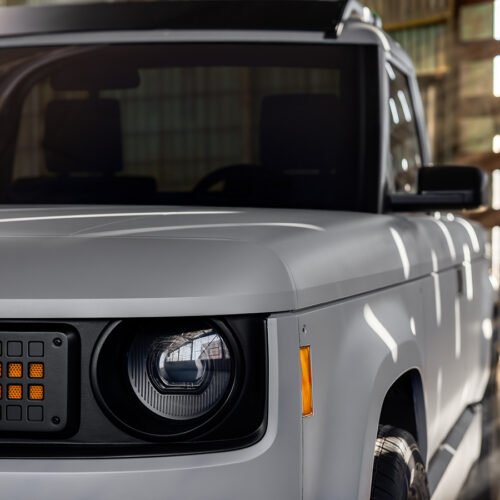
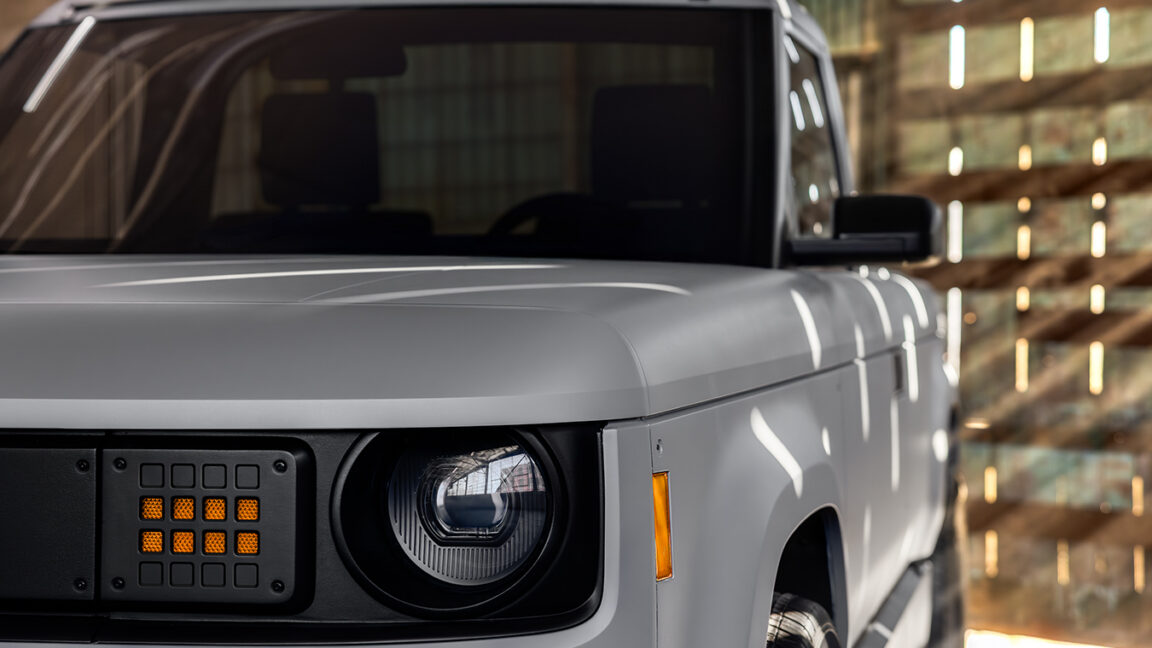
Slate Auto may be one of the most interesting companies in the American automotive industry right now. Based in Warsaw, Indiana, the startup is taking a completely different approach to building an electric pickup truck. Forget Ford's clean-sheet "skunk works" story; the Slate Truck's design has been stripped down to just 600 parts and components. That minimalism includes the interior, where you'll find two seats and manually wound windows, but no infotainment system. If you're one of Ars' many readers who want an electric car that won't track you, Slate might have what you're looking for.

It's not an entirely analog experience, though; a Slate smartphone app can manage settings, change drive mode, and provide range and charging info. But only when connected locally to the car—there's no embedded modem, so forget about remote access. And the company says that while it may use data from the app to improve its products, it won't sell that data.

That's according to a new report from SAE International's (and sometime Ars contributor) Roberto Baldwin. "We are building it around ownership value," Slate said. "We collect data to make ownership better, not to turn the owner into the product. The app will collect data only when it directly contributes to enabling or improving a customer experience. Privacy is paramount. For Slate, privacy is not a compliance footnote. It is part of the product experience."
Read full article

Comments

© Slate Auto

  •  

Slate Auto gets serious about privacy for its bare-bones EV pickup

Slate Auto may be one of the most interesting companies in the American automotive industry right now. Based in Warsaw, Indiana, the startup is taking a completely different approach to building an electric pickup truck. Forget Ford's clean-sheet "skunk works" story; the Slate Truck's design has been stripped down to just 600 parts and components. That minimalism includes the interior, where you'll find two seats and manually wound windows, but no infotainment system. If you're one of Ars' many readers who want an electric car that won't track you, Slate might have what you're looking for.

It's not an entirely analog experience, though; a Slate smartphone app can manage settings, change drive mode, and provide range and charging info. But only when connected locally to the car—there's no embedded modem, so forget about remote access. And the company says that while it may use data from the app to improve its products, it won't sell that data.

That's according to a new report from SAE International's (and sometime Ars contributor) Roberto Baldwin. "We are building it around ownership value," Slate said. "We collect data to make ownership better, not to turn the owner into the product. The app will collect data only when it directly contributes to enabling or improving a customer experience. Privacy is paramount. For Slate, privacy is not a compliance footnote. It is part of the product experience."

Read full article

Comments

© Slate Auto

  •  

People are leaving a lot of weird stuff in their robotaxis

Waymo autonomous vehicle

A unicorn Beanie Baby. A 15-pound green bowling ball. A pair of dentures.

These are just some of the items left behind in robotaxis in the past year, according to Uber's annual Lost and Found Index. For the first time, the company is expanding its annual of accounting of things forgotten in Uber vehicles to include self-driving cars because, for the first time, Uber has enough self-driving cars on its platform to matter.

Uber doesn't deploy its own robotaxis, but in the last few years it's become a clearinghouse for driverless car companies that want access to Uber's millions of customers. Here in the US, that includes Waymo (in Austin a …

Read the full story at The Verge.

  •  
❌