Reading view

Phage Sponge Proteins Diversify to Block Host Immunity

In a remarkable advance at the frontline of microbial warfare, researchers have unveiled new dimensions in the strategy viruses employ to evade the sophisticated immune defenses of their bacterial hosts. The study, recently published in Nature Microbiology, highlights the unappreciated functional diversity of phage-encoded “sponge” proteins that neutralize bacterial immune signaling molecules. These sponge proteins act as molecular decoys that absorb and sequester crucial immune messengers, effectively nullifying the host bacteria’s defensive alarms and facilitating viral infection success.

Bacteria are not passive targets; they deploy intricate immune systems that rely on small signaling molecules to orchestrate complex antiviral responses. Cyclic oligonucleotide-based anti-phage signaling systems (CBASS), Thoeris, and Pycsar are among the best characterized in bacterial antiviral immunity. These systems produce specific cyclic nucleotide signals that trigger defense cascades to thwart the invading phages. However, phages have evolved proteins that “sponge up” these signals, effectively dampening the host’s immune activation before it can become lethal.

Before this study, three families of such sponge proteins—Acb2, Tad1, and Tad2—were known but their full range of activity and evolutionary diversity remained obscured. The new research breaks new ground by systematically examining 84 proteins representing the phylogenetic spectrum of these sponge families for their ability to target seven distinct immune signals from CBASS, Thoeris, and Pycsar systems. This comprehensive approach revealed novel binding specificities and expanded the known functional repertoire of these viral suppressors.

Previously, Acb2 proteins were only documented to counter CBASS signals. The researchers discovered variants of Acb2 capable of binding 3′cADPR, an immune messenger associated with Thoeris defense, thereby broadening the known spectrum of Acb2 activity. This finding reshapes the paradigm around Acb2 function, underscoring the remarkable versatility and adaptability of phage sponge proteins in neutralizing diverse bacterial immune outputs.

Beyond Acb2, the study uncovered entirely new sponge proteins with the ability to inhibit Pycsar and type IV Thoeris immunity by selectively binding cyclic UMP (cUMP) and N7-cADPR respectively, two signaling molecules previously unrecognized as sponge protein targets. This discovery reveals that phage evasion tactics extend into previously unknown signaling landscapes, suggesting evolutionary pressure to counteract every viable bacterial defense mechanism.

The molecular insights gained through crystallography and structural modeling shed light on the precise amino acid architectures that confer selective binding to these distinct cyclic nucleotides. These analyses illustrated how subtle variations in the protein folds create pockets finely tuned to capture specific immune signals, explaining how one family of sponges can diversify its target range without losing high-affinity binding. This structural understanding promises to inform the rational design of new antiviral tools and synthetic biology applications.

Phage sponge proteins exemplify nature’s ingenuity in biological conflict. By mimicking or capturing bacterial immune signals, phages undermine the communication necessary to mount a coordinated defense, effectively throwing a molecular wrench into the bacterial alarm system. Given the escalating interest in bacteriophages as complementary agents to antibiotics, understanding these immune-suppressing proteins poses both a challenge and an opportunity for future therapeutic development.

Intriguingly, the breadth of immune signals targeted signals the existence of more extensive and nuanced bacterial-phage arms races than previously appreciated. Where bacteria diversify their signaling molecules to enhance immune detection, phages reciprocally evolve versatile sponges tuned to their host’s specific signal repertoires. This co-evolution highlights a biochemical dialogue critical in microbiomes and infectious disease scenarios.

Furthermore, this research hints at the potential modularity of sponge proteins, which could be harnessed or engineered as molecular “sponges” to selectively bind nucleotides of interest outside immune contexts—such as in biotechnology, synthetic biosensors, or even therapeutic delivery systems. The detailed elucidation of their binding motifs opens the door to customized sponge proteins adapted for novel applications.

The study’s methodological rigor, utilizing a combination of biochemical assays, phylogenetic analyses, and high-resolution crystal structures, sets a new standard for comprehensive functional characterization of phage immune inhibitors. This integrated approach not only catalogs known and new sponge proteins but also pioneers an investigative blueprint applicable to other host-pathogen molecular interactions.

Critically, this discovery revises our understanding of bacterial immune evasion, illustrating the multiplicity and sophistication of phage counter-defense. It suggests a reevaluation of the co-evolutionary dynamics in microbial ecosystems and stresses the importance of considering these mechanisms in developing bacteriophage-based therapeutic strategies to circumvent bacterial resistance.

In sum, the functional diversification of phage sponge proteins as demonstrated in this landmark study dramatically deepens our grasp of microbial immune evasion. It exposes previously uncharted territory in the molecular chess game played between bacteria and their viral predators, illuminating both fundamental biology and translational frontiers. The expanding catalog of sponge proteins and their unique binding specificities is a critical reservoir for understanding microbial immunity and exploiting its vulnerabilities.

As the landscape of phage therapy and synthetic biology blurs, the insights from this research spotlight phages not merely as pathogens or tools, but as molecular engineers deft at subverting immune language. Their sponges, now more fully mapped and mechanistically understood, offer blueprints for manipulating cellular signaling pathways with precision—a molecular legerdemain with transformative potential.

Looking ahead, the challenge will be to unravel how these sponge proteins operate in complex microbiomes, where multiple bacterial species and phage types coexist, and to explore potential synergies or antagonisms among diverse sponge families. The groundwork laid here provides a crucial platform for such investigations, as well as for improving phage-based biocontrol strategies critical in medicine, agriculture, and environmental management.

Ultimately, the revelation that phage-encoded sponge proteins are multifunctional guardians against bacterial immune signaling is a testament to the complexity and elegance of microbial interactions. By outwitting the immune sentinels of bacteria, these phages carve out niches to proliferate, shaping microbial community dynamics and influencing evolutionary trajectories across Earth’s biosphere.


Subject of Research:
Diversity and functionality of phage-encoded sponge proteins targeting bacterial cyclic nucleotide immune signals.

Article Title:
Functional diversity of phage sponge proteins that sequester host immune signals.

Article References:
Hadary, R., Chang, R.B., Béchon, N. et al. Functional diversity of phage sponge proteins that sequester host immune signals. Nat Microbiol (2026). https://doi.org/10.1038/s41564-026-02352-0

Image Credits:
AI Generated

DOI:
https://doi.org/10.1038/s41564-026-02352-0

  •  

Satan’s Lies Are More Believed Now Than Ever Before

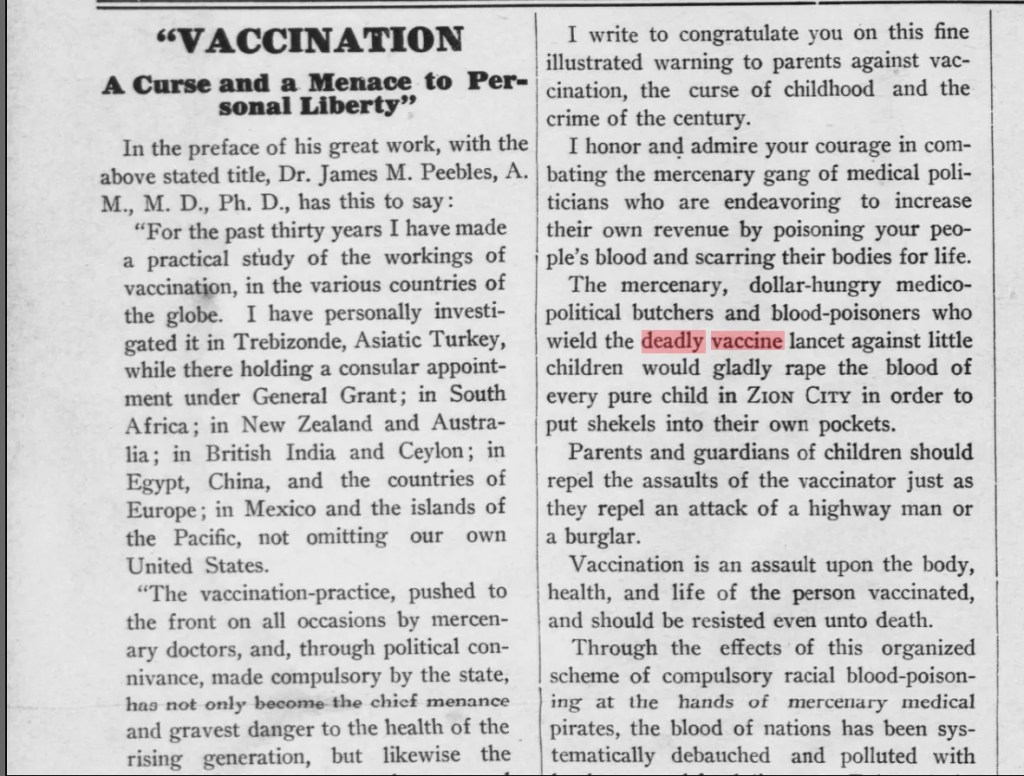
The COVID-19 pandemic and “safe and effective” vaccines are lies propagated by governments and “experts”. Many widely accepted scientific beliefs are false narratives based on Satan’s lies. Spiritual deception underlies many societal misconceptions. We must return to the foundation of biblical truths from creation to what is real science.

  •  

False Apostles of Christ, False Prophets, Deceitful Workers, False Ministers and Fake Pastors Are Being Used by Satan to Deceive and Plunge the World into War

Satan has transformed his agents into ministers of light representing themselves as apostles, prophets, ministers and pastors to deceive and influence the powerful ones like President Donald Trump. These deceitful workers are, in fact, wolves in Christian clothing pushing for Satan’s goal of all out world war.

  •  

Metamorphism | Irreducible Complexity Points to the Creator

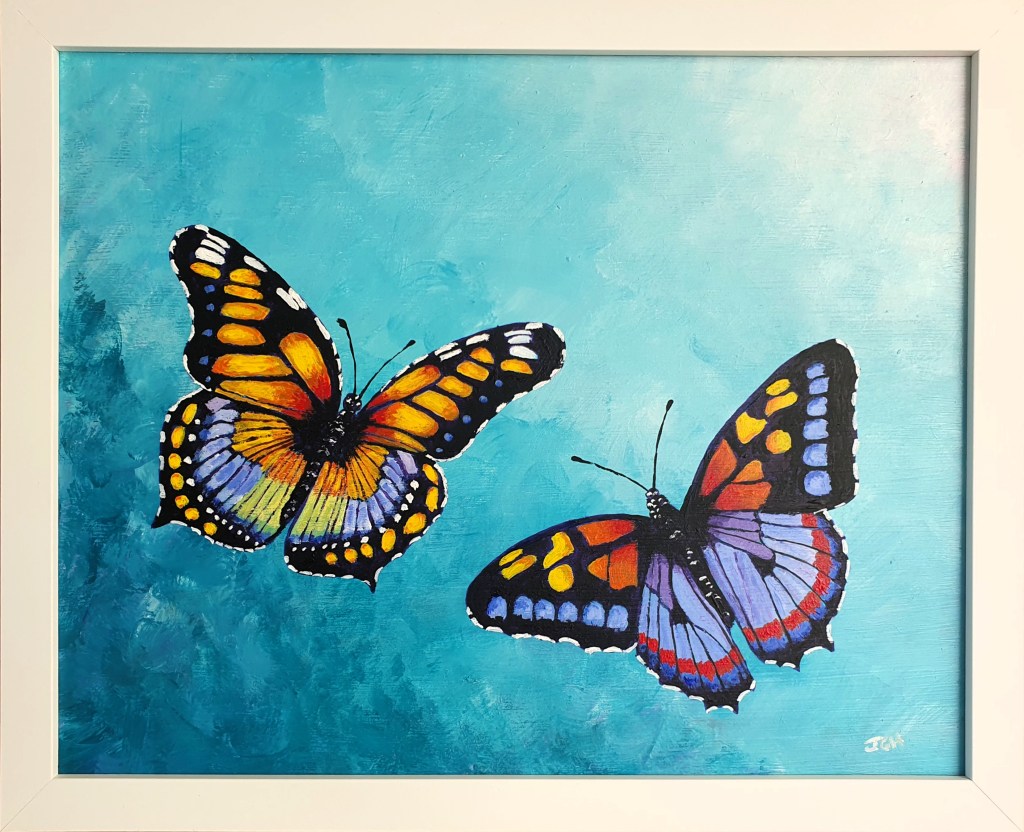
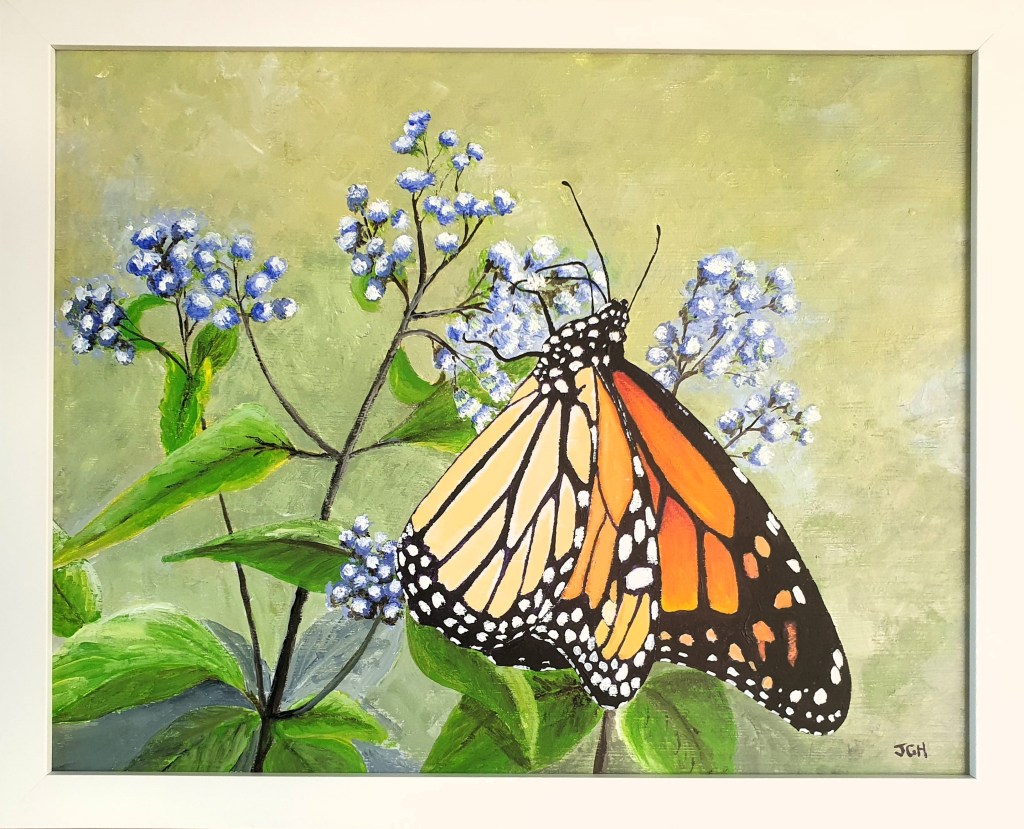
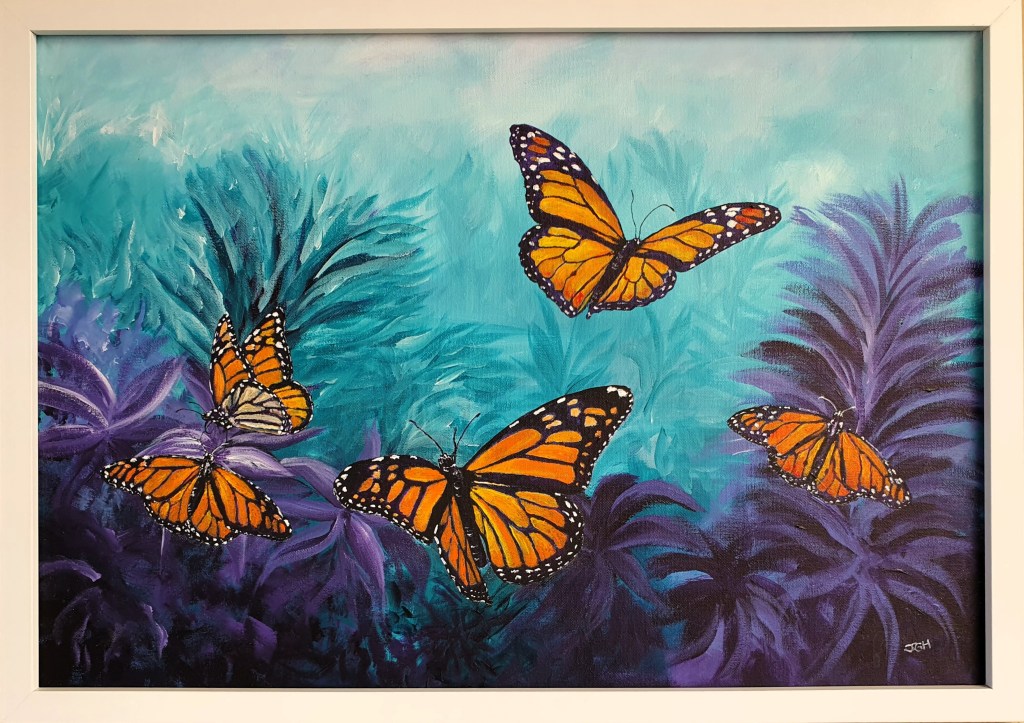
I discuss my recent painting of butterflies, emphasizing the process of metamorphosis from caterpillar to butterfly as an example of irreducible complexity. This signifies intentional design rather than Darwinian evolution.

  •  

DNA From a Decades-Old Museum Specimen Reveals the Hidden Lineage of a Tiny Underwater Predator


While most fruit flies are known for their attraction to fermenting fruit, one species has evolved to hunt in fast-moving streams in Africa, taking on the role of a predator.

A team of researchers from Lund University has mapped the genome of Drosophila enhydrobia, a fruit fly with a unique life cycle. Its larvae develop underwater in fast-flowing streams, where they prey on black fly and midge larvae. The study, published in Current Biology, reveals how a lineage that was once considered a household nuisance transitioned into a new ecological world and identifies the genetic changes that supported this shift.

“We’re talking about a fruit fly that has completely turned its lifestyle upside down,” said Marcus Stensmyr, biology researcher at Lund University and lead author of the study. “From feeding on yeast and rotting fruit, it has become a specialized predator in running water.”

Museomics Provides an Answer

D. enhydrobia has not been observed in the wild since 1981. To obtain genetic material, the research team located a single pinned specimen in a natural history museum in Zurich and used modern DNA techniques to extract an almost complete genome without damaging the specimen.

This method, called museomics, is part of a wider effort to recover genetic information from museum collections that wasn’t accessible when the specimens were first collected. The Zurich specimen, preserved for about 40 years, still contained enough intact DNA for the researchers to conduct both phylogenetic and comparative genomic studies. Earlier technology could not have achieved this result.

Not an Evolutionary Loner

One of the main findings is that D. enhydrobia is not as biologically isolated as once believed. Genomic analysis shows it belongs to a group of flies linked to water-adjacent habitats, mostly in South Asia. Its relatives already possess traits that have evolved into an extreme aquatic lifestyle in this species.

“What at first looked like an evolutionary mystery turned out to be an extreme elaboration of something that already existed,” Stensmyr said. “That makes the story both more understandable and, in a way, even more fascinating.”

A Genome Trimmed for a Different Life

Genomic analysis reveals evidence of genetic trade-offs associated with adaptation to an aquatic environment. The analysis shows that the species has lost several gene families involved in smell, taste, and metabolism, which fruit flies that feed on fermenting food typically rely on. For a species whose relatives rely on chemosensory detection to find food and mates, these losses are significant. The remaining sensory genes display signs of intensified selection, suggesting adaptation to new ecological pressures.

“It’s as if it has fewer tools in the toolbox, but the tools that remain are all the more finely tuned for this particular environment,” said Hamid Ghanavi, a biology researcher at Lund University and co-author of the study.

The findings suggest that major evolutionary shifts can involve losing functions that no longer serve a species, while refining those that do.

The Potential of Museum Collections

In addition to its evolutionary findings, the study is a prime example of the value of natural history collections worldwide. Specimens collected many years ago can now provide new genetic insights thanks to modern sequencing technology.

For species that have disappeared from the wild or gone unobserved for years, museum archives may offer the only source of available biological material. The D. enhydrobia specimen examined in this study serves as an example of this; without it, the genetic history of this unusual fruit fly would have remained unknown.

Stensmyr said his team has only scratched the surface of what those collections might contain. Continued advances in ancient DNA recovery could make museum archives a significant resource for tracking how species have evolved over time and how they might respond to future environmental shifts.

Austin Burgess is a writer and researcher with a background in sales, marketing, and data analytics. He holds an MBA, a Bachelor of Science in Business Administration, and a data analytics certification. His work focuses on breaking scientific developments, with an emphasis on emerging biology, cognitive neuroscience, and archaeological discoveries.

  •  

New Book Argues Youth Mental Health Crisis Demands Healing for Both Parents and Children

A groundbreaking paradigm shift in youth mental healthcare urges a comprehensive approach that extends support beyond the individual child to include their parents and caregivers. Alix Hearn, a child psychotherapist affiliated with Cambridge University, presents a compelling argument in her forthcoming book, Places of Safety, for redefining how mental health services engage with children and young people. She emphasizes the importance of viewing children as integral parts of an ecological system—a complex network of family, community, and cultural relationships—that is often neglected in traditional clinical frameworks overwhelmed by demand.

Hearn’s thesis rests heavily on attachment theory, a psychological model that elucidates the foundational human need for secure, reliable relationships, primarily established during early childhood through parental caregiving. Her clinical insights suggest that mental health struggles in youth frequently reflect not only individual pathology but also intergenerational patterns of emotional processing and relational dynamics. Parents’ abilities to provide safety and support are, in themselves, shaped by their antecedent experiences, creating a cascade of concealed emotional legacies, or “ghostly attachments,” transmitted often without conscious awareness. This concept revives the notion that unresolved trauma and attachment disruption ripple forward across generations, influencing behavioral and emotional responses.

The current landscape of child mental health services tends to isolate the young person as a discrete entity requiring intervention. Hearn critiques this reductionist view, asserting that children often manifest symptoms that are less about their individual deficits and more about unprocessed relational tensions within the family unit. She advocates for a systemic clinical approach, wherein therapists engage with parents or caregivers concurrently, to uncover and address these deep-rooted emotional histories. This method challenges prevailing therapeutic models focused solely on the child and highlights the necessity of a dual-generation strategy in treatment protocols.

Clinical practice and referral patterns frequently reveal that youth exhibiting withdrawn or aggressive behaviors, or tendencies toward self-harm, may be reacting to deficits in emotional support stemming from attachment insecurities. Hearn’s research corroborates that such behaviors are often manifestations of unmet developmental needs as well as the intergenerational transmission of coping mechanisms influenced by the parents’ own upbringing. Her book delineates how these “unremembered hauntings” shape the psychobiological framework within which a child’s mental health trajectory unfolds.

A particularly poignant exploration in Places of Safety addresses the epigenetic and psychosocial ramifications of collective historical trauma. Hearn provides case studies where familial responses to atrocities like the Holocaust serve as paradigmatic examples of how mass trauma imprints, via both genetic and psychological channels, continue to influence descendants’ attachment patterns and emotional regulatory capacities. This intersection of psychodynamic and epigenetic research underscores how large-scale sociohistorical crises exert pervasive effects on family systems, affecting mental health outcomes in nuanced and enduring ways.

Research into epigenetics, the dynamic modulation of gene expression in response to environmental stressors, fortifies Hearn’s thesis about the biological embedding of trauma and anxiety within family lineages. The transgenerational transmission of stress-induced gene regulation changes presents new avenues for understanding the persistent impact of socio-political turmoil on child development. Hearn’s sensitivity to contemporary global conflicts, such as those in the Middle East and Ukraine, frames her argument within a broader context of ongoing crisis, where trauma is not merely historical but immediately relevant to populations exposed to violence and displacement.

Beyond individual and familial systems, Hearn situates the current youth mental health crisis within the wider framework of global environmental instability, proposing that ecological anxiety driven by climate change acts as a collective psychosocial stressor. Drawing on the findings of The Lancet Psychiatry Commission on Youth Mental Health, she asserts that the pervasive “polycrisis” of simultaneous global shocks erodes foundational feelings of safety and security. Adults, often unknowingly, transmit anxieties about the future to younger generations, exacerbating emotional dysregulation and mental health challenges in children and adolescents.

In a novel therapeutic proposition, Hearn introduces the concept of “green care,” advocating for an intentional reconnection with the natural environment as a source of emotional security and healing. The environment is conceived not merely as a backdrop but as an attachment figure with intrinsic therapeutic potential. Detachment from nature, she argues, compounds a fragmented sense of belonging and identity among youth, exacerbating feelings of alienation and division. This ecological perspective enriches traditional psychological models by integrating holistic considerations of place, community, and environment.

Hearn highlights the profound discrepancy between adult perceptions of resilience and the realities faced by contemporary youth. Generational misunderstandings, often encapsulated in sentiments like “in my day we just carried on,” fail to capture the context of collective anxiety catalyzed by uncertain futures and environmental degradation. She foregrounds a vital existential question: in a world perceived as “on fire,” what anchors remain for children to develop secure attachments and a robust sense of self?

Clinicians, educators, and policymakers stand at a crossroads, prompted to embrace an integrative system that simultaneously addresses children’s needs and the supporting emotional infrastructures of their families. Hearn’s clinical experience and numerous scholarly collaborations underline that effective mental health interventions must acknowledge and intervene in the relational ecology surrounding children. This perspective requires reevaluating service models, resource allocation, and therapeutic curricula to transcend child-centric interventions and encompass family systems and environmental contexts.

Places of Safety emerges as a timely and critically needed blueprint for reforming youth mental health care amidst a rapidly evolving socio-political and ecological landscape. Its fusion of attachment theory, clinical experience, epigenetics, and ecological psychology offers a multidimensional framework that could reshape how mental health professionals understand and treat young people’s emotional difficulties. As youth mental health referrals face unrelenting pressure, this systemic approach promises a more comprehensive, compassionate, and effective path forward.

The book’s London launch signals the beginning of what Hearn anticipates will be a broader conversation, catalyzing a “sea change” in the mental health field. By advocating for a nuanced recognition of the interconnectedness of child and adult mental health, familial legacy, and environmental factors, Hearn challenges entrenched paradigms and invites a collective reimagining of how society nurtures its youngest members in an unstable world.

Subject of Research: Youth mental health, attachment theory, intergenerational trauma, ecological psychology, epigenetics
Article Title: Revolutionary Insights on Youth Mental Health Call for Family-Centered Psychotherapy and Ecological Healing
News Publication Date: Not specified (book launch event on 2 June)
Web References:

  •  
❌