The intelligent and thoughtful encyclical is an important warning of the uses and misuses of a rapidly developing technology. Silicon Valley is wrong to dismiss it
Often I’m asked if I think that the novels of the future will all be written by AI. It’s not so much a question as a provocation. Do I worry that a machine can do what I do, only better? I usually say something like: “No algorithm is going to write Anna Karenina!” which is also not a real answer.
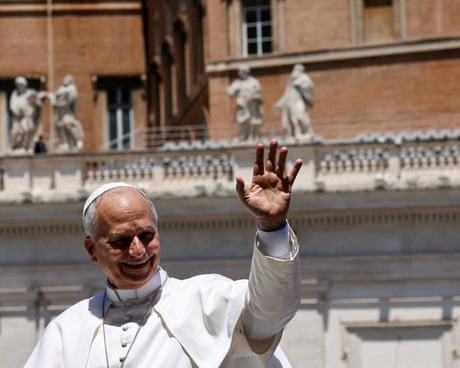
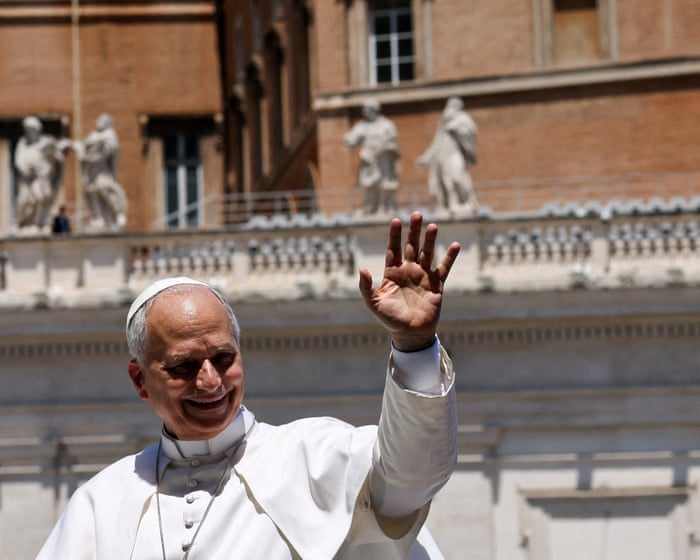
So I’m grateful to Pope Leo XIV, the American pope, for his recently issued letter to the world, Magnifica Humanitas: On Safeguarding the Human Person in the Time of Artificial Intelligence. It’s a long (more than 40,00 words), intelligent and thoughtful encyclical in which the pope addresses the uses and misuses of a rapidly developing technology. Now when someone asks my opinion of AI, I can refer them to the pope’s letter, or at least chapter three.
The company’s data editor trawls through billions of queries to deliver a portrait of the world’s preoccupations
As anyone who has procreated this century knows, childrearing involves daily rounds of online searching. The most common parenting-related queries feature in What We Ask Google, a valiant attempt by the search giant’s data editor Simon Rogers to create a “surprisingly hopeful picture of humankind” (that’s the subtitle) from searches performed over the past two decades. “Why do babies get hiccups?” we ask. “When do babies teethe?” “Why do toddlers bite?” “How do you know if your child has ADHD?” “How to tell kids about divorce?”
Since 2006, engineers have used Google Trends to make sense of common (and anonymised) queries like these, going back as far as 2004, when phones were dumb and less than half of UK households had internet access. Rogers, a British former Guardian journalist based in California, views the results as a kind of social mirror.

 Login
Login