Reading view

New Study Reveals: The Brain Anticipates Social Interactions Before They Begin

In an extraordinary leap forward in our understanding of social behavior, groundbreaking research from the Hebrew University of Jerusalem has unveiled how brains prepare for social interaction at the neural level even before any physical movement begins. Led by Dr. Lilah Avitan and her doctoral student Imri Lifshitz at the Edmond and Lily Safra Center for Brain Sciences, this pioneering study uses zebrafish as a model to explore the mysterious neural orchestration that prompts social approach, shedding light on the cognitive underpinnings of sociability across species.

At the core of this research lies the question that has fascinated neuroscientists for decades: How does the brain decide to engage with others? The team discovered that social approach is not an impulsive reaction but is preceded by a distinct and coordinated shift in brain-wide neural activity. By meticulously recording brain dynamics in real-time at single-cell resolution, they observed that this neural preparation begins several seconds before the zebrafish initiate movement toward another fish, indicating that social behavior arises from an active decision-making process rooted deeply in neural circuitry.

This neural “pre-decision state” is characterized by a strikingly distributed pattern, with increased activity in the pallium— a high-order brain region analogous to the mammalian cortex—while simultaneously, activity decreases in other brain regions. The pallium, often linked to complex behaviors and decision-making processes, emerges as a critical hub orchestrating the social drive. Contrary to the previous understanding that social behavior might depend on localized “social centers,” this study reveals that brain-wide network coordination shapes social action.

The zebrafish, a transparent and genetically tractable vertebrate, proved to be the ideal organism for this investigation. Its brain’s optical accessibility allowed the use of high-resolution fluorescence microscopy to create a three-dimensional projection of neural activity without invasive methods. In a novel experimental set-up, one fish was observed continuously to monitor its brain activity as it anticipated and responded to another’s movement, enabling the researchers to link dynamic neural patterns directly with impending social actions.

Importantly, the intensity of these coordinated neural patterns predicted not only whether a social approach would occur but also reflected the individual fish’s intrinsic social drive. Zebrafish exhibiting stronger pallium activation patterns before movement were consistently more socially engaged, suggesting that variations in social motivation could be discerned at the neural level before behavior manifests. This observation may extend beyond fish, providing a framework to understand individual differences in social behavior, including in mammals and humans.

The implications of this discovery ripple far beyond basic neuroscience. Understanding how the brain organizes itself seconds before social interaction offers a new lens to study social disorders, such as autism spectrum disorders or social anxiety, where disrupted brain network coordination might underlie behavioral deficits. These findings open pathways for future research aimed at deciphering the neural signatures that could serve as biomarkers or therapeutic targets for social dysfunction.

Dr. Avitan emphasized the novelty of identifying a brain-wide neural signature that predicts both the initiation and strength of social behavior: “Our findings indicate that the brain does not wait passively but actively gears itself for social engagement. The pallium’s role in this process highlights a conserved mechanism potentially present across vertebrates, offering clues about human social cognition as well.”

The methodological advancements in this study also deserve recognition. The team’s use of dynamic whole-brain imaging with unprecedented temporal resolution allowed them to capture the fluidity of neural transitions as social decisions formed and unfolded. This technological feat advances brain research by bridging the gap between neural activity patterns and observable social behavior in a living organism under ecologically relevant conditions.

Moreover, the identification of this “pre-decision” neural state challenges the oversimplified notion of the brain as a reactive organ. Instead, it portrays the brain as proactively setting the stage for complex social actions, making swift and nuanced decisions that integrate sensory information, prior experience, motivation, and motor planning. This integrative dynamic among disparate brain areas is an elegant example of how biological systems manage sophisticated behaviors through distributed processing.

Furthermore, the distributed neural dynamics observed encompass changes in both excitatory and inhibitory circuits within the zebrafish brain. The simultaneous upregulation and downregulation in different regions may reflect a fine-tuned balancing mechanism that optimizes the organism’s readiness for social engagement while suppressing competing non-social drives. This balance is likely crucial for adaptive social function.

The study fundamentally shifts our understanding by isolating a neural marker tied directly to social drive, enabling future comparative analyses across species, including mammals. Such cross-species insights could illuminate evolutionarily conserved principles governing social motivation and the neural plasticity that accommodates environmental and developmental influences on behavior.

Finally, with the advent of this knowledge, neuroscience enters a new era where predictive neural signatures of social behavior can be quantified and studied longitudinally. This opens exciting possibilities for personalized interventions to enhance social function or remediate social impairments by modulating neural circuits before the onset of social actions.

Subject of Research: Animals
Article Title: Distinct distributed neural dynamics predict pallium-dependent social approach
News Publication Date: 1-Jun-2026
Web References: http://dx.doi.org/10.1038/s41467-026-71666-8
Image Credits: Luke A. Hammond & Jeremy Ullmann
Keywords: Neuroscience, Behavioral psychology, Zebrafish, Social behavior, Neural dynamics, Pallium, Brain-wide coordination, Social drive, Fluorescence microscopy, Decision-making, Neuroethology, Vertebrates

  •  

Wasp Colonies Explode Into Violence After Losing Their Queen

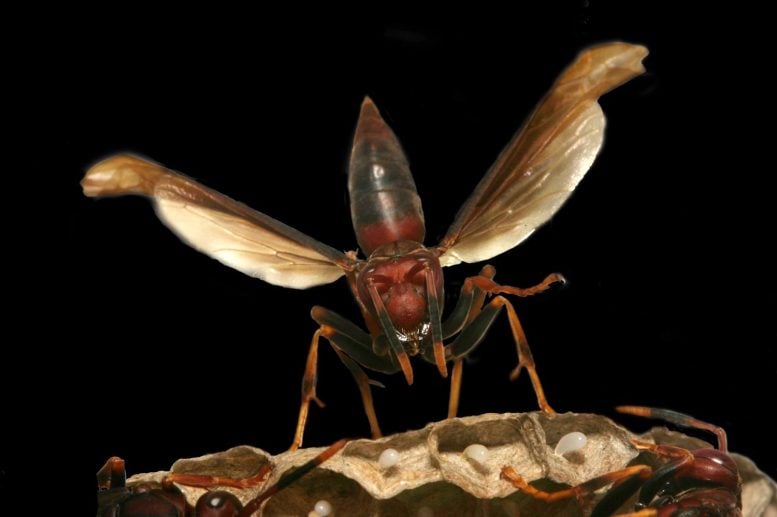
Polistes canadensis CloseThe loss of a queen triggers intense battles for power among female wasps, disrupting the colony’s social structure. Surprisingly, other wasps avoid the fighting and keep the colony functioning by taking care of its most important daily tasks. What happens when a queen suddenly disappears from a wasp colony? According to new research led by [...]
  •  

Streetlights Are Trapping Thousands of Isopods in Mysterious “Death Spirals”

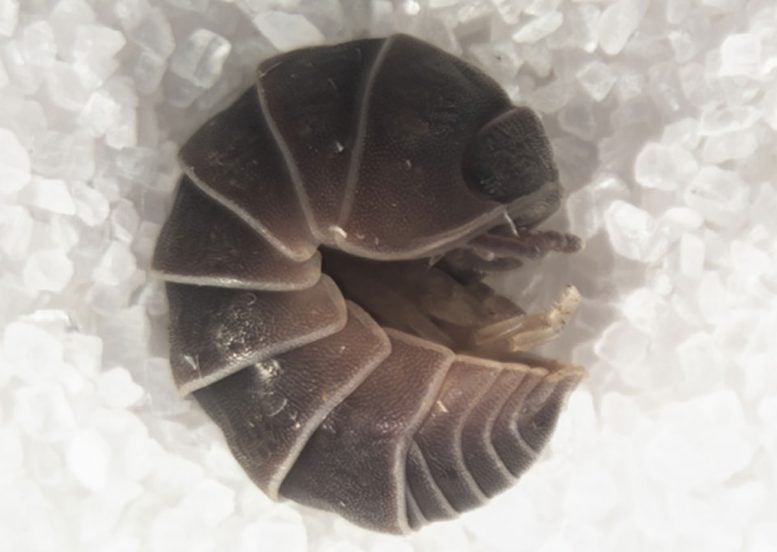
Armadillo sordidus Isopod in AggregationArtificial streetlights can lure isopods into massive circular processions that may leave them vulnerable to predators. Researchers have made a world-first observation of thousands of Israeli isopods leaving their normally solitary shelters and moving together in huge synchronized “death spirals” caused by artificial streetlights. By testing different light arrangements, the team found that vertical beams [...]
  •  

How pigeons exploit magnetic fields for navigation

Scientists have long known that migrating birds and homing pigeons navigate in part by sensing the Earth's magnetic fields, especially at night or in overcast conditions when visual landmarks or sunshine are in short supply. But exactly where this magneto-sensing occurs in the body—and the mechanism that enables it—remains a matter of intense debate. A new paper published in the journal Science suggests that homing pigeons have iron-rich immune cells in their livers that help them detect magnetic fields and transmit that information to the brain.

There are three primary hypotheses for how birds might sense Earth's geomagnetic field. One is a compass-like mechanism, whereby the Earth exerts a pull on magnetic particles in a bird's upper beak that relays directional information via a large nerve in the cranium. A second is that it happens biologically via cellular ion channels sensitive to voltage, enabling birds to sense changes in the magnetic field. And a third suggests that physical effects on retinal pigments enable birds to detect photons and send signals to the brain, although this mechanism is really only viable in the light.

None fully explain how animals can sense magnetic fields. However, “We had some clues that the liver and spleen have magnetic properties, because they break down red blood cells and so store much iron in the body,” said co-author Clivia Lisowski of the University of Bonn and the University Hospital Bonn. This refers to a 2015 paper suggesting that red pulp macrophages in the spleens of mice and humans are intrinsically superparamagnetic and hence more sensitive to magnetic fields. But it wasn't clear if those properties were involved in any kind of magnetoreception.

Read full article

Comments

© Christian Ziegler/ Max Planck Institute of Animal Behavior

  •  

Nociceptin Receptor Activation Reduces Aversive Responses

In a groundbreaking advancement poised to reshape our understanding of emotional regulation and pain processing, researchers have unveiled compelling evidence that activating the nociceptin/orphanin FQ receptor (NOP receptor) substantially dampens both behavioral and neural reactions to conditioned aversive stimuli. This revelation, detailed in a transformative study published in Translational Psychiatry, meticulously dissects the neurobiological pathways through which NOP receptor agonism modulates emotional and sensory responses, carving new avenues for therapeutic interventions targeting anxiety, trauma, and mood disorders.

The nociceptin/orphanin FQ peptide, an endogenous neuropeptide structurally related to opioids but distinct in function, binds selectively to the NOP receptor, a G protein-coupled receptor abundantly distributed across neural circuits implicated in emotion and pain regulation. Historically enigmatic in its role compared to classic opioid receptors, recent research has increasingly illuminated nociceptin’s unique capacity to fine-tune behavioral and physiological responses to stress and adverse environments. The current study expands this knowledge by providing an integrative examination of the receptor’s ability to attenuate the learned behavioral aversions and corresponding neural activity that arise from conditioned negative stimuli.

Through the deployment of precise pharmacological agonists targeting the NOP receptor, the investigative team embarked upon a multi-modal exploration, employing both behavioral assays in animal models and cutting-edge neuroimaging techniques in humans. Subjects exposed to stimuli previously paired with negative outcomes demonstrated reduced avoidance behaviors and diminished neural activation within key brain regions such as the amygdala, prefrontal cortex, and insular cortex following receptor activation. These findings elucidate how NOP receptor engagement effectively weakens the salience of threats that are internally represented through associative learning rather than immediate sensory input.

Critically, the attenuation of aversive responses does not imply a blunt suppression of sensation or cognition but rather a selective downregulation of maladaptive, conditioned fear responses. This nuanced modulation suggests potential for therapeutic application in conditions characterized by pathological fear conditioning, such as post-traumatic stress disorder (PTSD) and phobias, where heightened reactivity to environmental cues perpetuates chronic distress and dysfunction. By targeting the NOP receptor’s signaling cascades, it may be possible to recalibrate the brain’s emotional valence assignment without impairing overall sensory processing or cognitive flexibility.

Neural circuit analyses revealed that nociceptin/orphanin FQ receptor agonism primarily affects glutamatergic and GABAergic neurotransmission within limbic and cortical hubs, thereby restoring inhibitory-excitatory balance disrupted by chronic stress or traumatic conditioning. The dynamic suppression of hyperactive neurons in the amygdala curtails the amplification of fear signals, while the concurrent enhancement of prefrontal regulatory control bolsters top-down inhibition. This dual mechanism fosters an environment conducive to extinction learning, wherein previously threatening stimuli lose their emotional charge, facilitating adaptive coping and resilience.

Furthermore, the study underscores the receptor’s influence on the hypothalamic-pituitary-adrenal (HPA) axis, a critical neuroendocrine system orchestrating the stress response. Agonism of the NOP receptor markedly attenuated cortisol release in response to conditioned stressors, highlighting a systemic role in calibrating both central and peripheral stress pathways. This holistic modulation potentiates the receptor’s candidacy as a molecular target for integrative treatment approaches aimed at mitigating stress-induced psychopathology.

At the molecular level, investigations revealed that NOP receptor activation initiates intracellular signaling via Gi/o protein coupling, resulting in decreased cyclic adenosine monophosphate (cAMP) production and subsequent attenuation of protein kinase A (PKA) activity. These downstream effects culminate in the modulation of gene expression patterns linked to synaptic plasticity, enabling long-term adaptation of neuronal circuits involved in aversive conditioning. The resultant epigenetic landscape adjustments may underlie sustained therapeutic benefits following receptor-targeted interventions.

Importantly, the favorable safety profile observed with NOP receptor agonists distinguishes them from traditional opioid-based treatments, which carry high risk for dependence, tolerance, and adverse side effects. Unlike mu-opioid receptor agonists, nociceptin’s engagement does not produce significant respiratory depression nor pronounced reward-motivated behaviors, presenting a promising alternative for managing affective disorders without compromising patient safety.

These findings emerge within a broader scientific context that increasingly recognizes the complexity of the brain’s neuromodulatory systems beyond classical neurotransmitters. The study’s integrative approach—melding behavioral neuroscience, pharmacology, neuroimaging, and endocrinology—exemplifies the cutting-edge methodologies driving contemporary psychopharmacological research. The identification of the NOP receptor as a pivotal modulator of learned emotional responses heralds a paradigm shift in therapeutic strategies targeting the neurobiology of fear and anxiety.

The translational implications are profound. Pharmaceutical development based on NOP receptor agonists could usher in a new class of anxiolytics and antidepressants capable of dismantling pathological fear memories with enhanced precision. Additionally, adjunctive use in cognitive-behavioral therapies might amplify treatment efficacy by biologically facilitating fear extinction and emotional recalibration.

While the study provides robust mechanistic insights, it also evokes crucial questions about the receptor’s role across diverse populations, comorbid conditions, and chronicity of symptoms. Longitudinal clinical trials will be vital to ascertain optimal dosing regimens, durability of therapeutic effects, and potential interactions with existing pharmacotherapies or psychotherapies. Moreover, given the receptor’s involvement in multiple physiological domains, expanding research into its systemic effects will enrich understanding of its full clinical utility.

In sum, the demonstration of nociceptin/orphanin FQ receptor agonism as a modulator capable of attenuating aversive behavioral and neural responses stands as a landmark in neuropsychopharmacology. By illuminating a previously underappreciated neuromodulatory axis, this work paves the way for innovative, targeted interventions against some of the most debilitating mental health challenges rooted in maladaptive fear conditioning. As science advances, the promise of harnessing the nociceptin system to foster emotional resilience and mental well-being moves ever closer to fruition.

Subject of Research: Nociceptin/orphanin FQ receptor agonism and its effects on conditioned aversive behavioral and neural responses

Article Title: Nociceptin/orphanin FQ receptor agonism attenuates behavioral and neural responses to conditioned aversive stimuli

Article References:
Hur, KH., Pizzagalli, D.A., Stover, J. et al. Nociceptin/orphanin FQ receptor agonism attenuates behavioral and neural responses to conditioned aversive stimuli. Transl Psychiatry (2026). https://doi.org/10.1038/s41398-026-04111-5

Image Credits: AI Generated

DOI: https://doi.org/10.1038/s41398-026-04111-5

  •  

How pigeons exploit magnetic fields for navigation

Scientists have long known that migrating birds and homing pigeons navigate in part by sensing the Earth's magnetic fields, especially at night or in overcast conditions when visual landmarks or sunshine are in short supply. But exactly where this magneto-sensing occurs in the body—and the mechanism that enables it—remains a matter of intense debate. A new paper published in the journal Science suggests that homing pigeons have iron-rich immune cells in their livers that help them detect magnetic fields and transmit that information to the brain.

There are three primary hypotheses for how birds might sense Earth's geomagnetic field. One is a compass-like mechanism, whereby the Earth exerts a pull on magnetic particles in a bird's upper beak that relays directional information via a large nerve in the cranium. A second is that it happens biologically via cellular ion channels sensitive to voltage, enabling birds to sense changes in the magnetic field. And a third suggests that physical effects on retinal pigments enable birds to detect photons and send signals to the brain, although this mechanism is really only viable in the light.

None fully explain how animals can sense magnetic fields. However, “We had some clues that the liver and spleen have magnetic properties, because they break down red blood cells and so store much iron in the body,” said co-author Clivia Lisowski of the University of Bonn and the University Hospital Bonn. This refers to a 2015 paper suggesting that red pulp macrophages in the spleens of mice and humans are intrinsically superparamagnetic and hence more sensitive to magnetic fields. But it wasn't clear if those properties were involved in any kind of magnetoreception.

Read full article

Comments

© Christian Ziegler/ Max Planck Institute of Animal Behavior

  •  

How much suffering do invasive species cause? Researchers are measuring that

Avian vampire flies (Philornis downsi) were not discovered in the Galápagos Islands for almost three decades after they were thought to have arrived from mainland Ecuador in the 1960s. Even then, the first were found by accident. Birgit Fessl, a landbird ecologist, was surveying for native species on the island of Santa Cruz in 1997 when she reached into the branches of a tree to take down the huge, domed nest of a woodpecker finch. Inside was a surprise. “We found one dying chick, another dead one which just looked sucked dry and 20 large maggots full of blood,” said Fessl, who now leads the Charles Darwin Foundation’s Landbird Conservation program. “I was stunned — the first dead baby in my hands. Then I realized it wasn’t an accident: It was everywhere,” she told Mongabay over a WhatsApp call. Across each of the Galapagos’ human-inhabited islands, vampire flies had already wrought havoc, killing some chicks in nests they infiltrated and leaving others maimed for life. “But it went unseen because people didn’t really know what to look for.” Around the world, more than 37,000 invasive species have been introduced to new environments. Many of these cause suffering, from vampire flies maiming finches to yellow crazy ants (Anoplolepis gracilipes) spraying acid at the eyes of shrikes (Laniidae) on Minami-Daitō Island, Japan, and Australian quolls (Dasyurus) bleeding from the nose after eating toxic cane toads (Rhinella marina). But none of these are measured by the current global standard for assessing the impact…This article was originally published on Mongabay

  •  
❌