Reading view

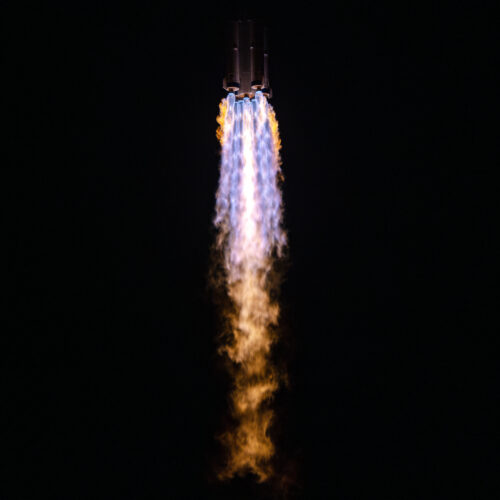
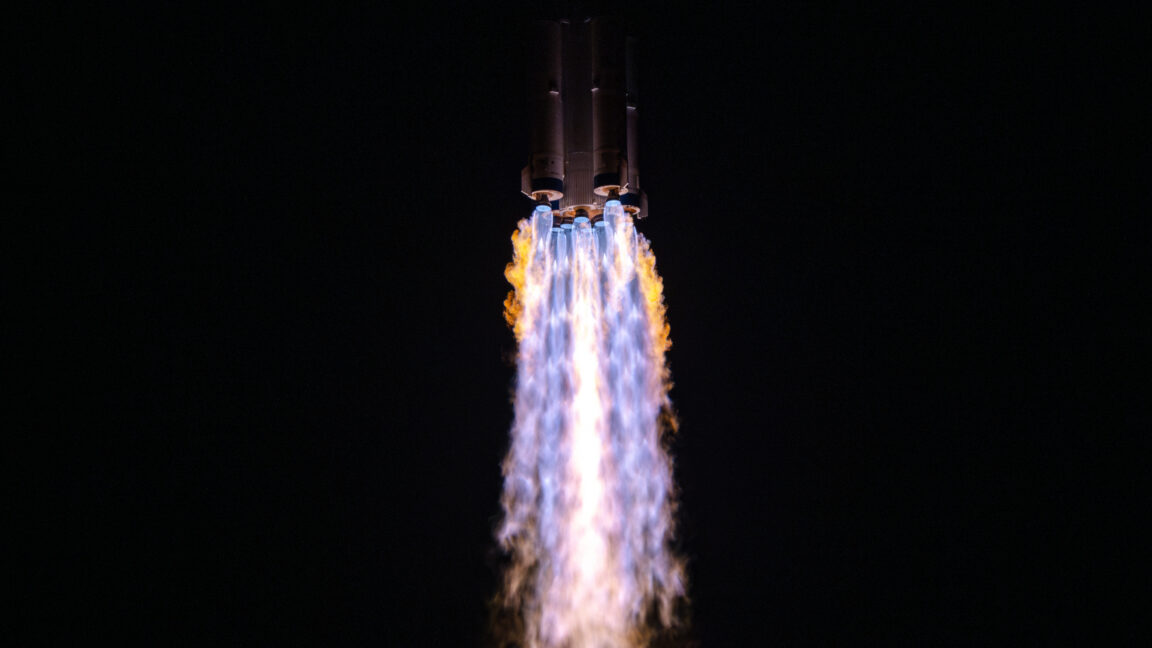
In a surprise launch, China debuts another big rocket designed for reusability

The race to field China's first reusable launch vehicle is far less predictable than a similar competition that played out in the United States a decade ago.

There was never any real question of which company would develop and demonstrate the first reusable orbital-class rocket in the United States. SpaceX landed a Falcon 9 booster for the first time in 2015, and a little more than a year later, it launched it back into space. It took nearly 10 years for anyone else to do the same. Blue Origin celebrated its first orbital-class booster landing last November with the successful recovery of one of its New Glenn boosters, followed by a relaunch of the same rocket in April.

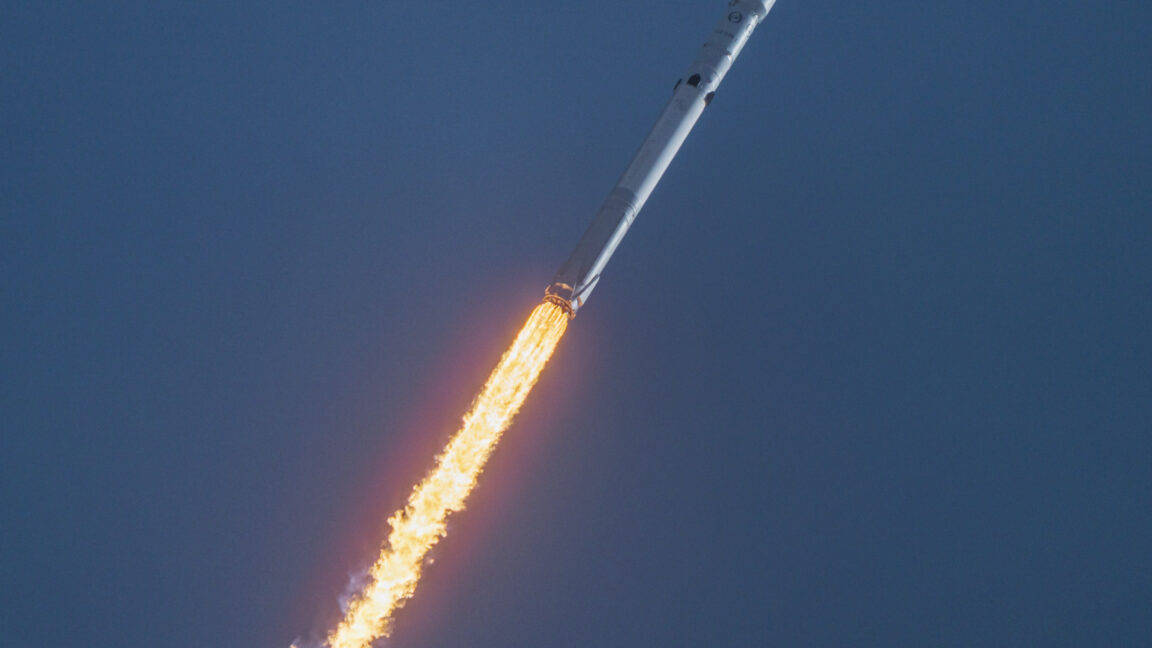
In China, several companies and state-owned enterprises have a realistic shot at landing an orbital-class booster stage this year. For a time, it seemed like China's new crop of privately funded launch companies might have the advantage in accomplishing the first landing of an orbital-class booster. But Monday's launch of China's Long March 12B rocket, backed by the nearly unrestricted resources of the country's vast state-owned aerospace enterprise, suggests the industry's legacy players may now have a leg up.
Read full article

Comments

© VCG/VCG via Getty Images
  •  

In a surprise launch, China debuts another big rocket designed for reusability

The race to field China's first reusable launch vehicle is far less predictable than a similar competition that played out in the United States a decade ago.

There was never any real question of which company would develop and demonstrate the first reusable orbital-class rocket in the United States. SpaceX landed a Falcon 9 booster for the first time in 2015, and a little more than a year later, it launched it back into space. It took nearly 10 years for anyone else to do the same. Blue Origin celebrated its first orbital-class booster landing last November with the successful recovery of one of its New Glenn boosters, followed by a relaunch of the same rocket in April.

In China, several companies and state-owned enterprises have a realistic shot at landing an orbital-class booster stage this year. For a time, it seemed like China's new crop of privately funded launch companies might have the advantage in accomplishing the first landing of an orbital-class booster. But Monday's launch of China's Long March 12B rocket, backed by the nearly unrestricted resources of the country's vast state-owned aerospace enterprise, suggests the industry's legacy players may now have a leg up.

Read full article

Comments

© VCG/VCG via Getty Images
  •  

In a surprise launch, China debuts another big rocket designed for reusability

The race to field China's first reusable launch vehicle is far less predictable than a similar competition that played out in the United States a decade ago.

There was never any real question of which company would develop and demonstrate the first reusable orbital-class rocket in the United States. SpaceX landed a Falcon 9 booster for the first time in 2015, and a little more than a year later, it launched it back into space. It took nearly 10 years for anyone else to do the same. Blue Origin celebrated its first orbital-class booster landing last November with the successful recovery of one of its New Glenn boosters, followed by a relaunch of the same rocket in April.

In China, several companies and state-owned enterprises have a realistic shot at landing an orbital-class booster stage this year. For a time, it seemed like China's new crop of privately funded launch companies might have the advantage in accomplishing the first landing of an orbital-class booster. But Monday's launch of China's Long March 12B rocket, backed by the nearly unrestricted resources of the country's vast state-owned aerospace enterprise, suggests the industry's legacy players may now have a leg up.

Read full article

Comments

© VCG/VCG via Getty Images
  •  

In a surprise launch, China debuts another big rocket designed for reusability

The race to field China's first reusable launch vehicle is far less predictable than a similar competition that played out in the United States a decade ago.

There was never any real question of which company would develop and demonstrate the first reusable orbital-class rocket in the United States. SpaceX landed a Falcon 9 booster for the first time in 2015, and a little more than a year later, it launched it back into space. It took nearly 10 years for anyone else to do the same. Blue Origin celebrated its first orbital-class booster landing last November with the successful recovery of one of its New Glenn boosters, followed by a relaunch of the same rocket in April.

In China, several companies and state-owned enterprises have a realistic shot at landing an orbital-class booster stage this year. For a time, it seemed like China's new crop of privately funded launch companies might have the advantage in accomplishing the first landing of an orbital-class booster. But Monday's launch of China's Long March 12B rocket, backed by the nearly unrestricted resources of the country's vast state-owned aerospace enterprise, suggests the industry's legacy players may now have a leg up.

Read full article

Comments

© VCG/VCG via Getty Images

  •  

In a surprise launch, China debuts another big rocket designed for reusability

The race to field China's first reusable launch vehicle is far less predictable than a similar competition that played out in the United States a decade ago.

There was never any real question of which company would develop and demonstrate the first reusable orbital-class rocket in the United States. SpaceX landed a Falcon 9 booster for the first time in 2015, and a little more than a year later, it launched it back into space. It took nearly 10 years for anyone else to do the same. Blue Origin celebrated its first orbital-class booster landing last November with the successful recovery of one of its New Glenn boosters, followed by a relaunch of the same rocket in April.

In China, several companies and state-owned enterprises have a realistic shot at landing an orbital-class booster stage this year. For a time, it seemed like China's new crop of privately funded launch companies might have the advantage in accomplishing the first landing of an orbital-class booster. But Monday's launch of China's Long March 12B rocket, backed by the nearly unrestricted resources of the country's vast state-owned aerospace enterprise, suggests the industry's legacy players may now have a leg up.

Read full article

Comments

© VCG/VCG via Getty Images
  •  

Rocket Report: A dark day for Blue Origin; Pentagon eyes new launch site

Welcome to Edition 8.43 of the Rocket Report! A disclaimer: No one yet fully appreciates the ramifications of Blue Origin's New Glenn rocket explosion Thursday night on its launch pad at Cape Canaveral, Florida. What we know as of this writing is that much of Blue's sole orbital-class launch pad has been destroyed, and the New Glenn rocket will be grounded for an extended period of time. It is too soon for any hot takes, at least until the Sun rises at the Cape on Friday morning. One thing I am sure of is that we will be writing about this event for weeks, months, and years to come.

As always, we welcome reader submissions. If you don't want to miss an issue, please subscribe using the box below (the form will not appear on AMP-enabled versions of the site). Each report will include information on small-, medium-, and heavy-lift rockets, as well as a quick look ahead at the next three launches on the calendar.

Charting China's contribution to space junk. There's a problem with the drastic uptick in Chinese space launches over the last decade. China appears to be ignoring long-established norms about disposing of the upper stages of rockets, Ars reports. These are the parts of the vehicle that separate from the first stage of a rocket and push a satellite or spacecraft into orbit. In the early decades of spaceflight, launch operators routinely left upper stages in orbit after they released their payloads. But most launch companies today reserve enough propellant in their rockets to remove them from orbit to avoid the risk of spent upper stages becoming a source of space debris. But China is not following this trend. There has been striking growth in China’s rocket body mass. In the past five years, the mass of Chinese rocket bodies in long-lived orbits has risen from less than 100 metric tons to 252, according to a new analysis by Space Domain Awareness expert Jim Shell.

Read full article

Comments

© VCG/VCG via Getty Images

  •  

Amazon turns to Jeff Bezos' other company to do some heavy lifting

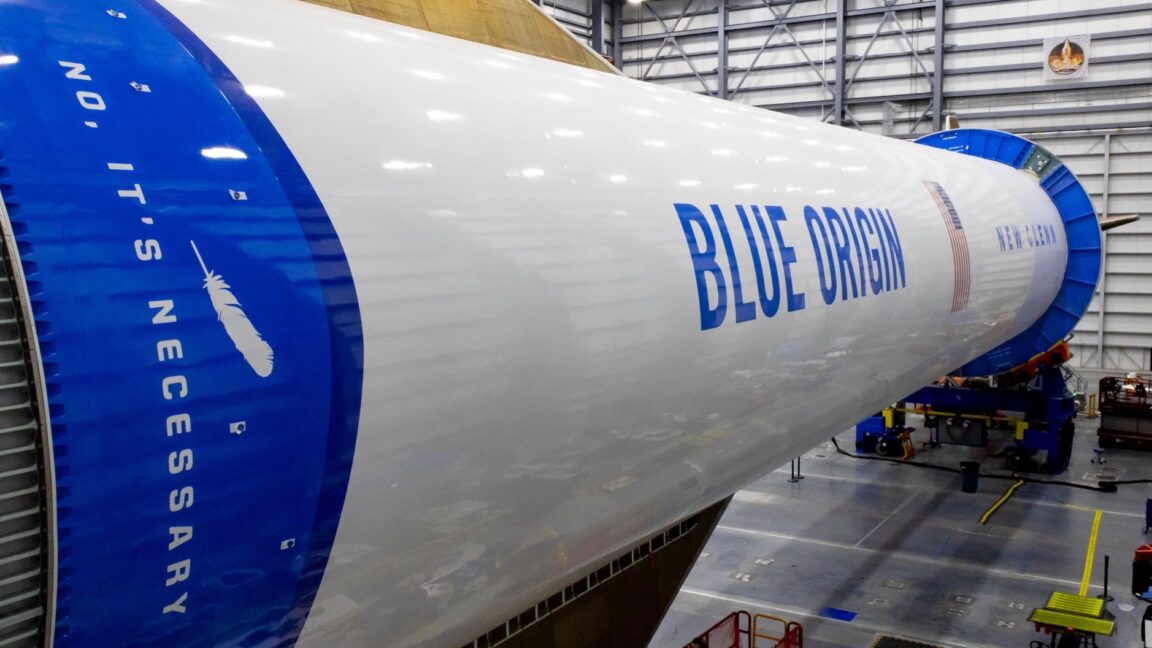
It was less than two months ago that the third flight of Blue Origin's heavy-lift New Glenn rocket left a customer's payload in an unusable orbit. Investigators have now identified the cause of the failure, and Blue Origin is preparing to launch the next New Glenn mission as soon as next week.

The Federal Aviation Administration and Blue Origin announced the closure of the failure investigation May 22. Yesterday, officials confirmed Blue Origin's next launch will loft a payload of 48 commercial satellites for Amazon's broadband network in low-Earth orbit. This will be the most satellites Amazon has launched on a single rocket, surpassing previous flights on United Launch Alliance's Atlas V, SpaceX's Falcon 9, and Europe's Ariane 6.

Blue Origin and Amazon, each founded by Jeff Bezos, have not officially revealed a target launch date, but public notices of airspace and maritime closures suggest the mission is set to lift off from Cape Canaveral Space Force Station, Florida, as soon as next Thursday, June 4. Blue Origin is expected to roll the New Glenn rocket to its launch pad in the coming days for a test-firing of its seven main engines, fueled by liquified natural gas and liquid oxygen.

Read full article

Comments

© Blue Origin

  •  

US Space Force confirms SpaceX will build sensor-to-shooter targeting network

SpaceX has won a lucrative contract to provide the US military with a means of distributing space-based sensing and targeting data, forming the "backbone" of a rearchitected network after separate Pentagon initiatives stalled, officials announced Tuesday.

Space Systems Command, the Space Force's primary procurement and acquisition center, announced the $2.29 billion firm-fixed-price agreement, confirming long-simmering reports that the Pentagon was likely to tap SpaceX for a new communications network in low-Earth orbit. SpaceX's selection for the Space Data Network (SDN) Backbone contract "accelerates the delivery of a resilient, high-speed communications network in space," Space Systems Command said in a statement.

The network will be based on technology originally developed for SpaceX's Starlink global Internet constellation. SpaceX already builds and launches specially designed satellites, called Starshield, for military applications. The SDN Backbone network in low-Earth orbit (LEO) will presumably use the Starshield platform.

Read full article

Comments

© US Space Force/Gwendolyn Kurzen

  •  

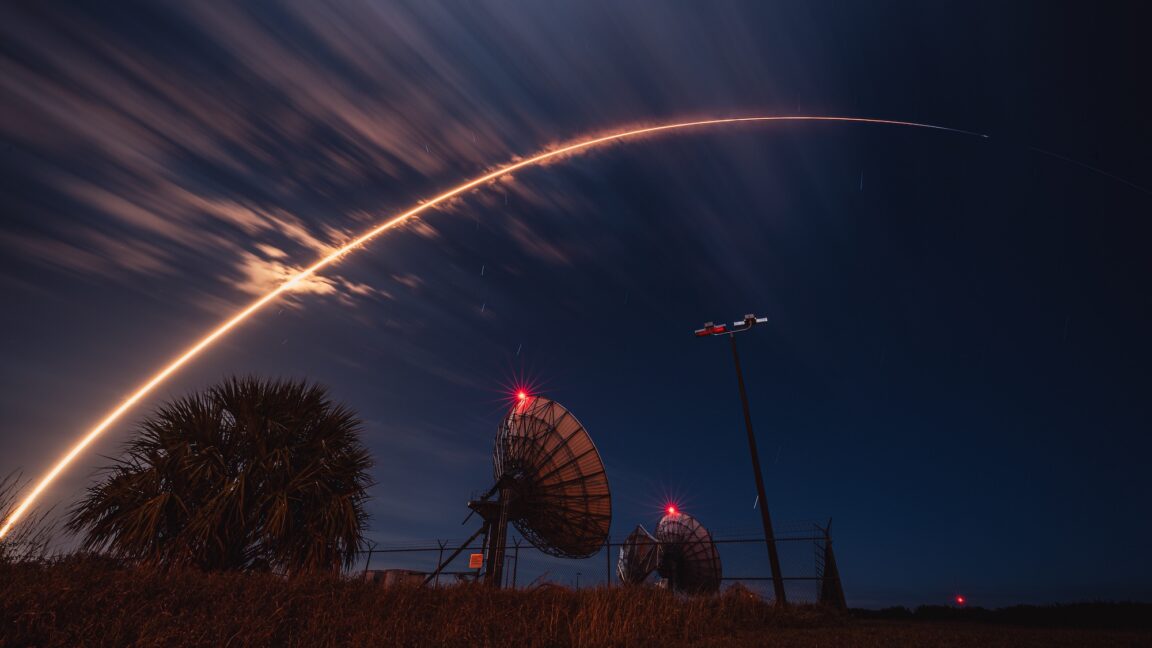
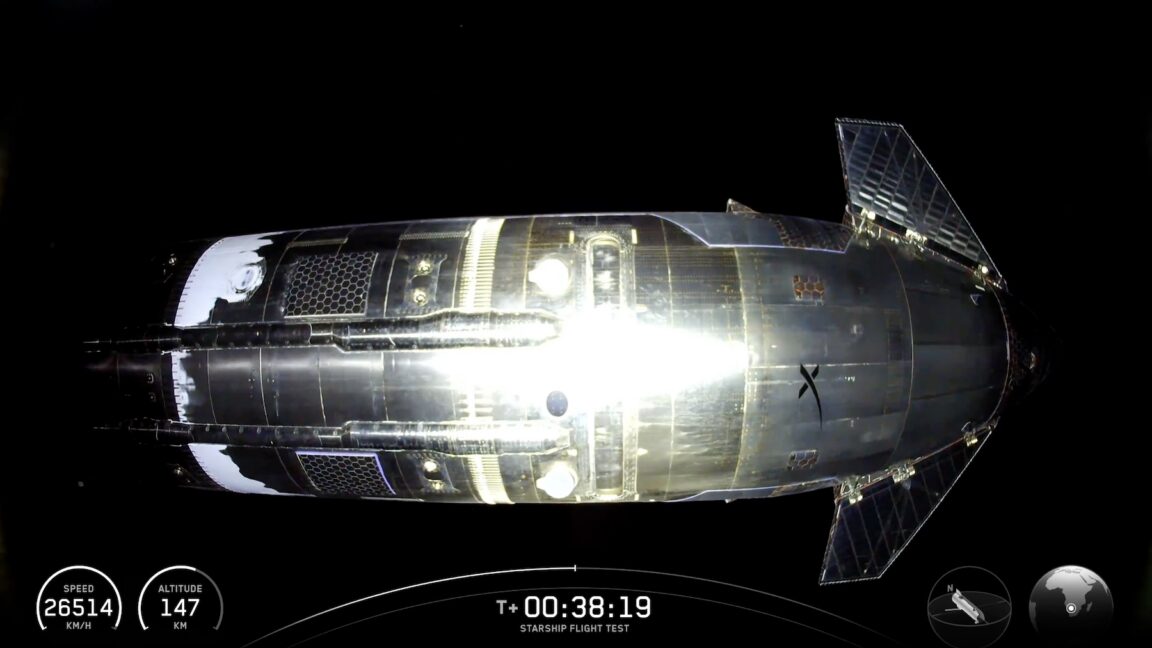
SpaceX's Starship V3—still a work in progress—mostly successful on first flight

SpaceX launched the first test flight of its upgraded Starship rocket and Super Heavy booster Friday, with mostly positive results.

The powerful rocket, propelled by 33 methane-fueled main engines, climbed away from SpaceX's Starbase launch facility in South Texas at 5:30 pm CDT (6:30 pm EDT; 22:30 UTC) Friday. Within a few seconds, the 408-foot-tall (124-meter) rocket, the largest ever built, cleared the launch tower and turned onto an eastward heading over the Gulf of Mexico.

Starship splashed down on target in the Indian Ocean a little more than an hour later to conclude the first flight of the latest version of SpaceX's stainless-steel mega-rocket. Starship V3 fared better on its debut than the first flights of Starship V1 and V2 in 2023 and 2025. Both past versions of Starship broke apart during launch on their inaugural flights.

Read full article

Comments

© SpaceX

  •  

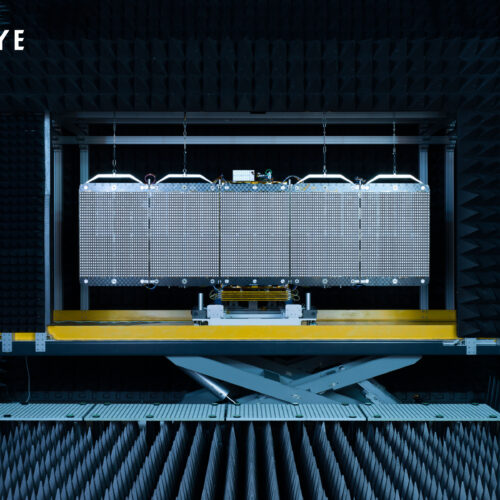
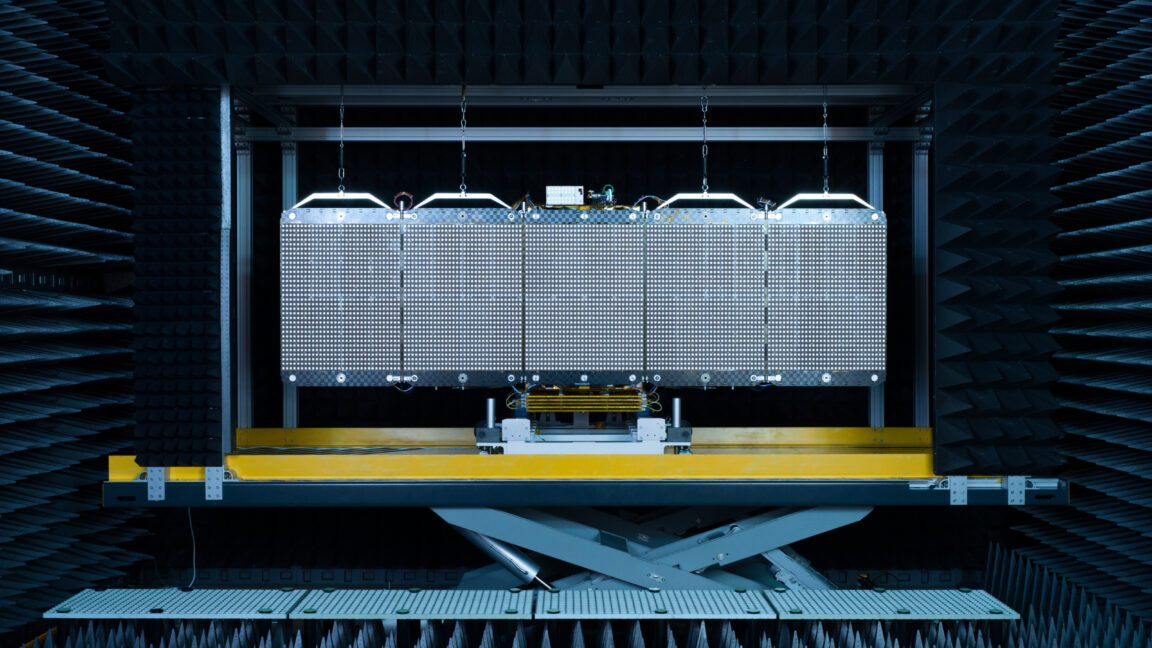
Four Russian satellites are now within striking distance of an ICEYE radarsat

At least four Russian military satellites changed their orbits to match that of a Finnish-American radar surveillance satellite in the last week, raising questions about Russia's intentions amid an ever-expanding standoff high above Earth.

The maneuvers were identified through open source orbital tracking data. Greg Gillinger, a retired Air Force space intelligence officer, revealed the orbit changes Friday in a special edition of his Integrity Flash newsletter, published by Integrity ISR, a private business that provides "combat-proven operational support and elite training that enhances mission success across ISR (Intelligence, Surveillance, and Reconnaissance), cyber, space, and targeting domains."

The Russian satellites in question, designated Kosmos 2610 through 2613, launched together on April 16 on a Soyuz-2.1b rocket from Plesetsk Cosmodrome in northern Russia. Over the last week or so, the four satellites adjusted their inclinations—the angles of their orbits to the equator—by less than a degree.

Read full article

Comments

© ICEYE

  •  

Ground system issue scrubs first launch of SpaceX's Starship V3 rocket

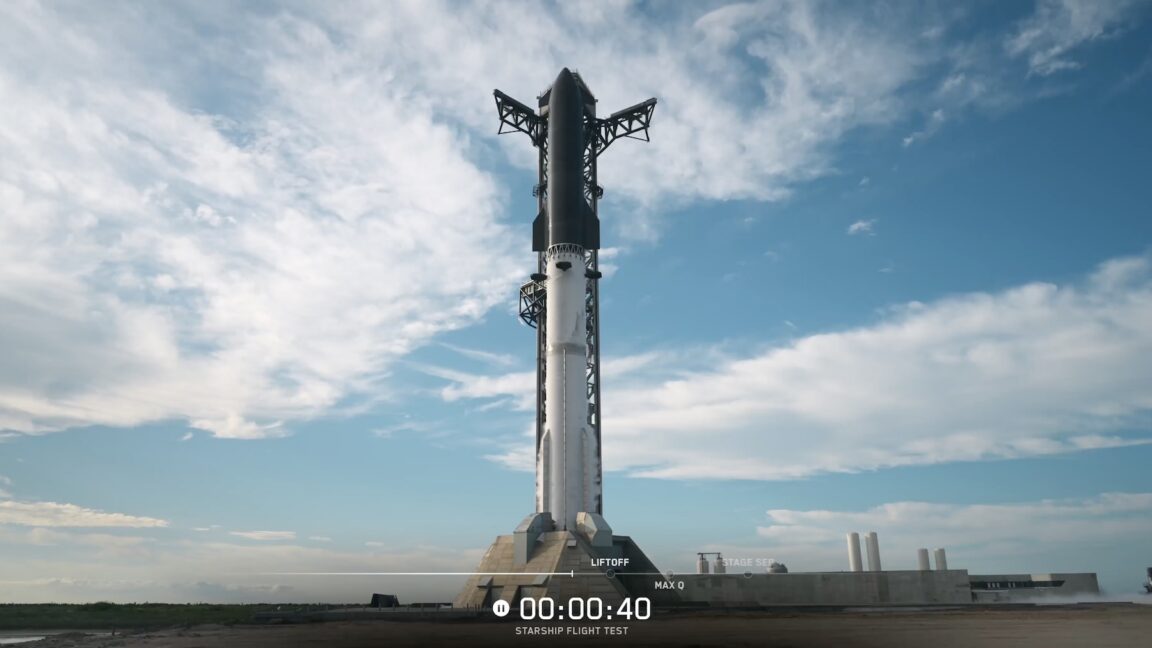
SpaceX got within 40 seconds of launching the first flight of a taller, more powerful version of its Starship rocket Thursday, but a pesky problem with the launch tower kept the vehicle bound to Earth for at least one more day.

Clouds and rain showers cleared the area around SpaceX's launch site in South Texas, leaving mostly sunny skies over the Starship launch pad Thursday afternoon. SpaceX pushed back the launch time by one hour, but the countdown appeared to proceed smoothly once propellants began loading into the rocket.

That was true, at least, until the countdown clock paused 40 seconds before liftoff. The launch team repeatedly attempted to resume the countdown, only for the computer controlling the launch sequence to stop the clock again. There were five holds in all before SpaceX called off the launch attempt.

Read full article

Comments

© SpaceX

  •  

NASA's Psyche spacecraft returns unfamiliar views of a familiar world

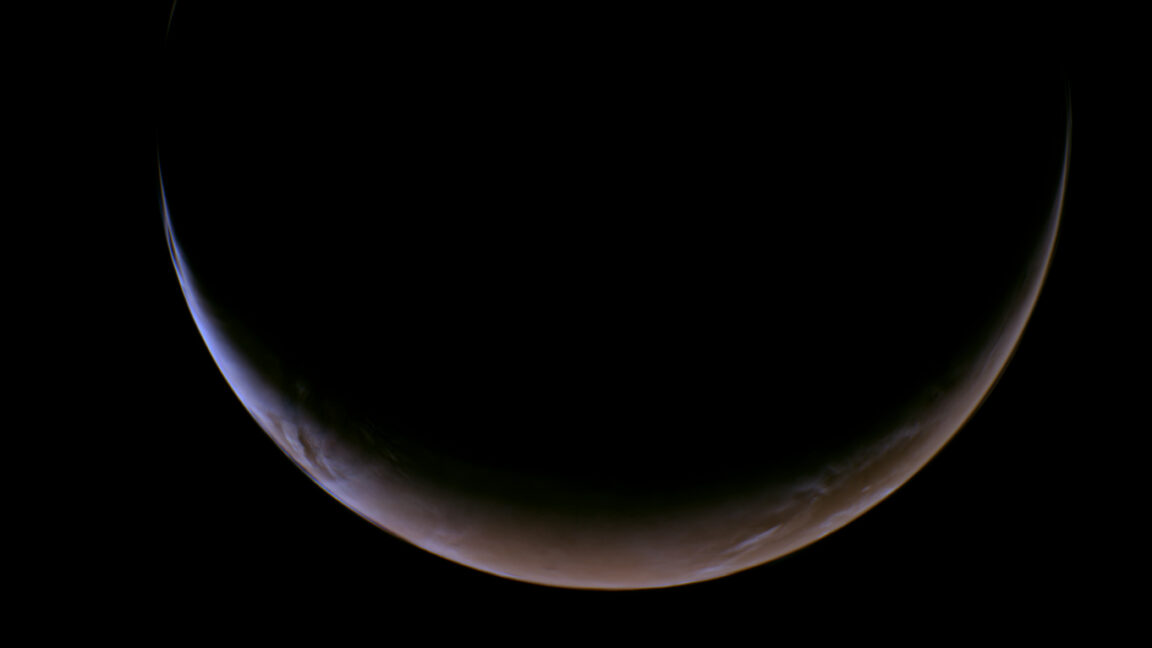
Not quite halfway through a six-year sojourn through the Solar System, a NASA spacecraft used a close encounter with Mars last week as a dress rehearsal for its arrival at the Solar System's largest metal asteroid in 2029.

The Psyche mission launched more than two-and-a-half years ago, in October 2023, from Kennedy Space Center, Florida, to kick off a journey of some 2.2 billion miles (3.6 billion km) to reach its unexplored namesake, the asteroid Psyche. The robotic research mission got an initial lift from a powerful SpaceX Falcon Heavy rocket. It uses plasma engines to gradually build up the impulse needed to reach its destination in the asteroid belt, between the orbits of Mars and Jupiter.

A flyby of Mars last Friday gave the spacecraft its most significant boost since launch. Navigators at NASA's Jet Propulsion Laboratory in California set up the spacecraft for a course taking it 2,864 miles (4,609 km) from the Martian surface, well above the planet's tenuous atmosphere. Psyche used Martian gravity like a slingshot to gain enough speed to reshape its orbit around the Sun, putting the probe on a path to intercept its asteroid target.

Read full article

Comments

© NASA/JPL-Caltech/ASU

  •  

Amazon turns to Jeff Bezos' other company to do some heavy lifting

It was less than two months ago that the third flight of Blue Origin's heavy-lift New Glenn rocket left a customer's payload in an unusable orbit. Investigators have now identified the cause of the failure, and Blue Origin is preparing to launch the next New Glenn mission as soon as next week.

The Federal Aviation Administration and Blue Origin announced the closure of the failure investigation May 22. Yesterday, officials confirmed Blue Origin's next launch will loft a payload of 48 commercial satellites for Amazon's broadband network in low-Earth orbit. This will be the most satellites Amazon has launched on a single rocket, surpassing previous flights on United Launch Alliance's Atlas V, SpaceX's Falcon 9, and Europe's Ariane 6.

Blue Origin and Amazon, each founded by Jeff Bezos, have not officially revealed a target launch date, but public notices of airspace and maritime closures suggest the mission is set to lift off from Cape Canaveral Space Force Station, Florida, as soon as next Thursday, June 4. Blue Origin is expected to roll the New Glenn rocket to its launch pad in the coming days for a test-firing of its seven main engines, fueled by liquified natural gas and liquid oxygen.

Read full article

Comments

© Blue Origin

  •  

US Space Force confirms SpaceX will build sensor-to-shooter targeting network

SpaceX has won a lucrative contract to provide the US military with a means of distributing space-based sensing and targeting data, forming the "backbone" of a rearchitected network after separate Pentagon initiatives stalled, officials announced Tuesday.

Space Systems Command, the Space Force's primary procurement and acquisition center, announced the $2.29 billion firm-fixed-price agreement, confirming long-simmering reports that the Pentagon was likely to tap SpaceX for a new communications network in low-Earth orbit. SpaceX's selection for the Space Data Network (SDN) Backbone contract "accelerates the delivery of a resilient, high-speed communications network in space," Space Systems Command said in a statement.

The network will be based on technology originally developed for SpaceX's Starlink global Internet constellation. SpaceX already builds and launches specially designed satellites, called Starshield, for military applications. The SDN Backbone network in low-Earth orbit (LEO) will presumably use the Starshield platform.

Read full article

Comments

© US Space Force/Gwendolyn Kurzen

  •  

SpaceX's Starship V3—still a work in progress—mostly successful on first flight

SpaceX launched the first test flight of its upgraded Starship rocket and Super Heavy booster Friday, with mostly positive results.

The powerful rocket, propelled by 33 methane-fueled main engines, climbed away from SpaceX's Starbase launch facility in South Texas at 5:30 pm CDT (6:30 pm EDT; 22:30 UTC) Friday. Within a few seconds, the 408-foot-tall (124-meter) rocket, the largest ever built, cleared the launch tower and turned onto an eastward heading over the Gulf of Mexico.

Starship splashed down on target in the Indian Ocean a little more than an hour later to conclude the first flight of the latest version of SpaceX's stainless-steel mega-rocket. Starship V3 fared better on its debut than the first flights of Starship V1 and V2 in 2023 and 2025. Both past versions of Starship broke apart during launch on their inaugural flights.

Read full article

Comments

© SpaceX

  •  

Ground system issue scrubs first launch of SpaceX's Starship V3 rocket

SpaceX got within 40 seconds of launching the first flight of a taller, more powerful version of its Starship rocket Thursday, but a pesky problem with the launch tower kept the vehicle bound to Earth for at least one more day.

Clouds and rain showers cleared the area around SpaceX's launch site in South Texas, leaving mostly sunny skies over the Starship launch pad Thursday afternoon. SpaceX pushed back the launch time by one hour, but the countdown appeared to proceed smoothly once propellants began loading into the rocket.

That was true, at least, until the countdown clock paused 40 seconds before liftoff. The launch team repeatedly attempted to resume the countdown, only for the computer controlling the launch sequence to stop the clock again. There were five holds in all before SpaceX called off the launch attempt.

Read full article

Comments

© SpaceX

  •  

NASA's Psyche spacecraft returns unfamiliar views of a familiar world

Not quite halfway through a six-year sojourn through the Solar System, a NASA spacecraft used a close encounter with Mars last week as a dress rehearsal for its arrival at the Solar System's largest metal asteroid in 2029.

The Psyche mission launched more than two-and-a-half years ago, in October 2023, from Kennedy Space Center, Florida, to kick off a journey of some 2.2 billion miles (3.6 billion km) to reach its unexplored namesake, the asteroid Psyche. The robotic research mission got an initial lift from a powerful SpaceX Falcon Heavy rocket. It uses plasma engines to gradually build up the impulse needed to reach its destination in the asteroid belt, between the orbits of Mars and Jupiter.

A flyby of Mars last Friday gave the spacecraft its most significant boost since launch. Navigators at NASA's Jet Propulsion Laboratory in California set up the spacecraft for a course taking it 2,864 miles (4,609 km) from the Martian surface, well above the planet's tenuous atmosphere. Psyche used Martian gravity like a slingshot to gain enough speed to reshape its orbit around the Sun, putting the probe on a path to intercept its asteroid target.

Read full article

Comments

© NASA/JPL-Caltech/ASU

  •  

"I'll buy 10 of those"—NASA science chief yearns for mass-produced satellites

There are more opportunities to access space than ever, thanks to a bevy of commercial rockets, some with reusable boosters, led by SpaceX's workhorse Falcon 9. So why is NASA launching fewer telescopes and planetary science missions than it did a quarter-century ago?

The answer is complex. It is not necessarily the money. The space agency's science budget this year is $7.25 billion, roughly the same as it was in 2000, adjusted for inflation. This is despite attempts by the Trump administration to drastically reduce NASA science funding.

In the early months of his tenure, NASA Administrator Jared Isaacman's focus has been on human spaceflight and the Moon. This isn't terribly surprising given NASA's wildly successful Artemis II mission carrying four astronauts around the Moon last month. Since taking office in December, Isaacman has announced an overhaul of the Artemis program, canceling a space station to be built in orbit around the Moon in favor of construction of a base on the lunar surface.

Read full article

Comments

© NASA/JPL-Caltech/Space Science Institute

  •  

Rocket Report: A dark day for Blue Origin; Pentagon eyes new launch site

Welcome to Edition 8.43 of the Rocket Report! A disclaimer: No one yet fully appreciates the ramifications of Blue Origin's New Glenn rocket explosion Thursday night on its launch pad at Cape Canaveral, Florida. What we know as of this writing is that much of Blue's sole orbital-class launch pad has been destroyed, and the New Glenn rocket will be grounded for an extended period of time. It is too soon for any hot takes, at least until the Sun rises at the Cape on Friday morning. One thing I am sure of is that we will be writing about this event for weeks, months, and years to come.

As always, we welcome reader submissions. If you don't want to miss an issue, please subscribe using the box below (the form will not appear on AMP-enabled versions of the site). Each report will include information on small-, medium-, and heavy-lift rockets, as well as a quick look ahead at the next three launches on the calendar.

Charting China's contribution to space junk. There's a problem with the drastic uptick in Chinese space launches over the last decade. China appears to be ignoring long-established norms about disposing of the upper stages of rockets, Ars reports. These are the parts of the vehicle that separate from the first stage of a rocket and push a satellite or spacecraft into orbit. In the early decades of spaceflight, launch operators routinely left upper stages in orbit after they released their payloads. But most launch companies today reserve enough propellant in their rockets to remove them from orbit to avoid the risk of spent upper stages becoming a source of space debris. But China is not following this trend. There has been striking growth in China’s rocket body mass. In the past five years, the mass of Chinese rocket bodies in long-lived orbits has risen from less than 100 metric tons to 252, according to a new analysis by Space Domain Awareness expert Jim Shell.

Read full article

Comments

© VCG/VCG via Getty Images

  •  

Rocket Report: A dark day for Blue Origin; Pentagon eyes new launch site

Welcome to Edition 8.43 of the Rocket Report! A disclaimer: No one yet fully appreciates the ramifications of Blue Origin's New Glenn rocket explosion Thursday night on its launch pad at Cape Canaveral, Florida. What we know as of this writing is that much of Blue's sole orbital-class launch pad has been destroyed, and the New Glenn rocket will be grounded for an extended period of time. It is too soon for any hot takes, at least until the Sun rises at the Cape on Friday morning. One thing I am sure of is that we will be writing about this event for weeks, months, and years to come.

As always, we welcome reader submissions. If you don't want to miss an issue, please subscribe using the box below (the form will not appear on AMP-enabled versions of the site). Each report will include information on small-, medium-, and heavy-lift rockets, as well as a quick look ahead at the next three launches on the calendar.

Charting China's contribution to space junk. There's a problem with the drastic uptick in Chinese space launches over the last decade. China appears to be ignoring long-established norms about disposing of the upper stages of rockets, Ars reports. These are the parts of the vehicle that separate from the first stage of a rocket and push a satellite or spacecraft into orbit. In the early decades of spaceflight, launch operators routinely left upper stages in orbit after they released their payloads. But most launch companies today reserve enough propellant in their rockets to remove them from orbit to avoid the risk of spent upper stages becoming a source of space debris. But China is not following this trend. There has been striking growth in China’s rocket body mass. In the past five years, the mass of Chinese rocket bodies in long-lived orbits has risen from less than 100 metric tons to 252, according to a new analysis by Space Domain Awareness expert Jim Shell.

Read full article

Comments

© VCG/VCG via Getty Images

  •  
❌