Reading view

Rocket Report: A dark day for Blue Origin; Pentagon eyes new launch site

Welcome to Edition 8.43 of the Rocket Report! A disclaimer: No one yet fully appreciates the ramifications of Blue Origin's New Glenn rocket explosion Thursday night on its launch pad at Cape Canaveral, Florida. What we know as of this writing is that much of Blue's sole orbital-class launch pad has been destroyed, and the New Glenn rocket will be grounded for an extended period of time. It is too soon for any hot takes, at least until the Sun rises at the Cape on Friday morning. One thing I am sure of is that we will be writing about this event for weeks, months, and years to come.

As always, we welcome reader submissions. If you don't want to miss an issue, please subscribe using the box below (the form will not appear on AMP-enabled versions of the site). Each report will include information on small-, medium-, and heavy-lift rockets, as well as a quick look ahead at the next three launches on the calendar.

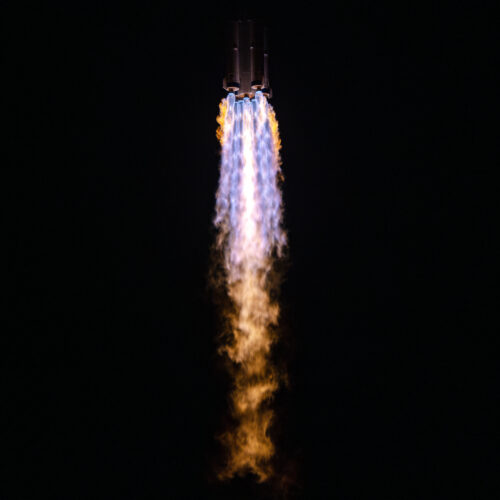
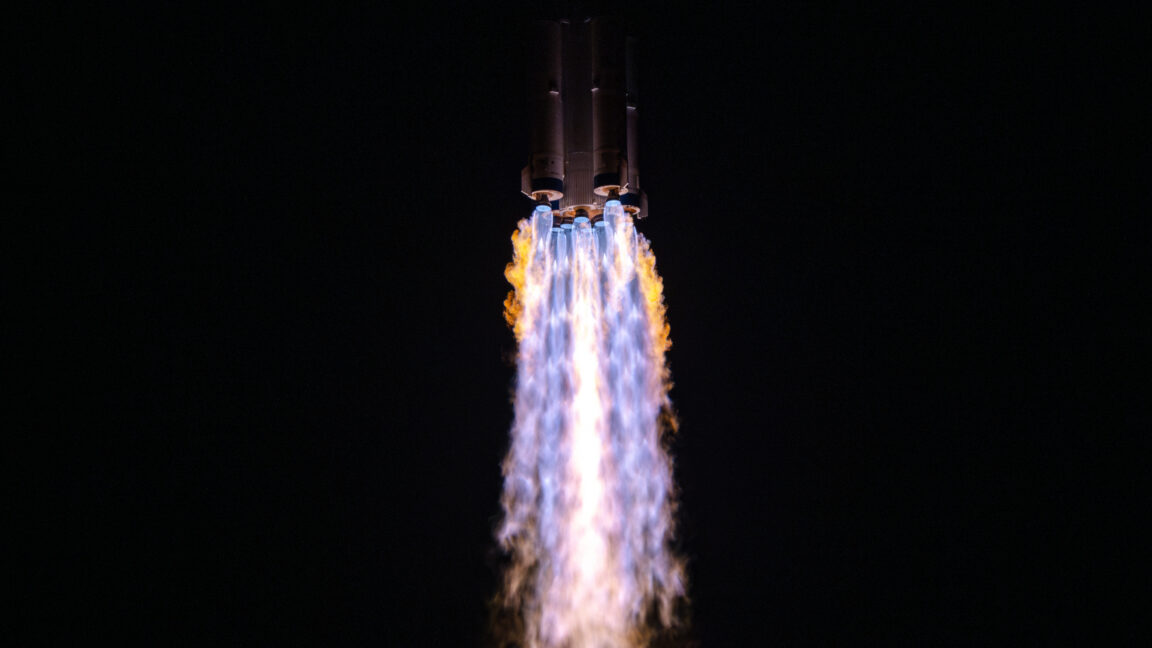
Charting China's contribution to space junk. There's a problem with the drastic uptick in Chinese space launches over the last decade. China appears to be ignoring long-established norms about disposing of the upper stages of rockets, Ars reports. These are the parts of the vehicle that separate from the first stage of a rocket and push a satellite or spacecraft into orbit. In the early decades of spaceflight, launch operators routinely left upper stages in orbit after they released their payloads. But most launch companies today reserve enough propellant in their rockets to remove them from orbit to avoid the risk of spent upper stages becoming a source of space debris. But China is not following this trend. There has been striking growth in China’s rocket body mass. In the past five years, the mass of Chinese rocket bodies in long-lived orbits has risen from less than 100 metric tons to 252, according to a new analysis by Space Domain Awareness expert Jim Shell.
Read full article

Comments

© VCG/VCG via Getty Images

  •  

Rocket Report: Starship launch delayed, German launch company may aid Canada

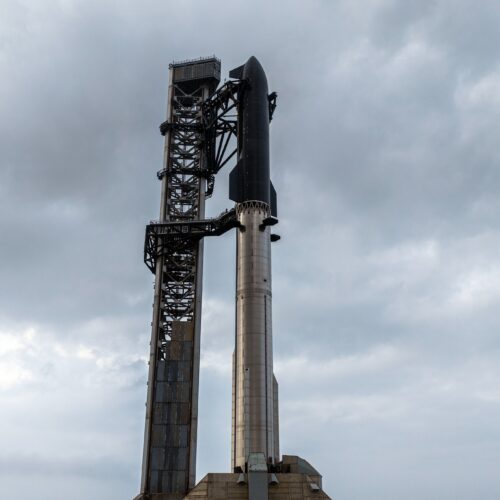
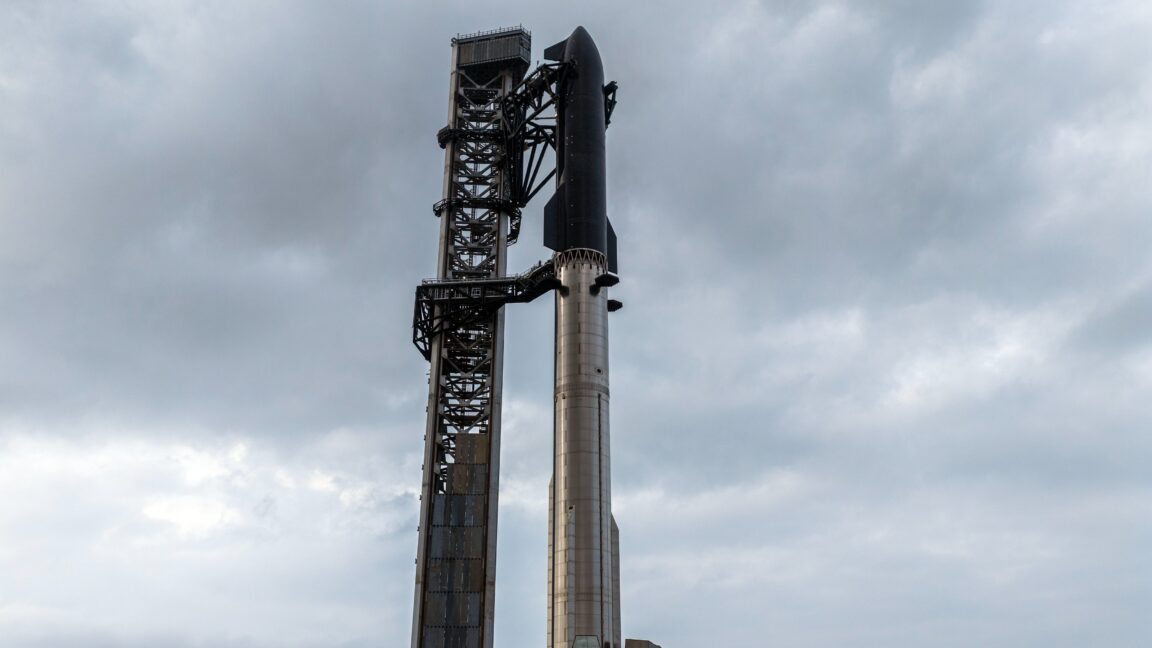
Welcome to Edition 8.42 of the Rocket Report! SpaceX nearly launched its Starship rocket on Thursday amid much pomp and circumstance in South Texas, only to be foiled by a ground system issue. Such delays are to be expected, with almost entirely new hardware on both the rocket and the ground side of things. The company will try again as soon as Friday evening, and as we discuss in this week's report, the stakes are quite high for SpaceX and much of the rest of the US spaceflight enterprise.

As always, we welcome reader submissions, and if you don't want to miss an issue, please subscribe using the box below (the form will not appear on AMP-enabled versions of the site). Each report will include information on small-, medium-, and heavy-lift rockets as well as a quick look ahead at the next three launches on the calendar.

Firefly expands Central Texas footprint. Firefly Aerospace on Tuesday announced that it has moved into a new headquarters, expanded its cleanroom space, and added an innovation lab to support its growing workforce and accelerate spacecraft production. The expansion includes two new buildings adjacent to Firefly’s existing spacecraft facility in Cedar Park, Texas, enabling a single campus with 144,000 total square feet for spacecraft assembly and testing, mission control, avionics and component production, engineering, and business operations.

Read full article

Comments

© SpaceX

  •  

Rocket Report: A dark day for Blue Origin; Pentagon eyes new launch site

Welcome to Edition 8.43 of the Rocket Report! A disclaimer: No one yet fully appreciates the ramifications of Blue Origin's New Glenn rocket explosion Thursday night on its launch pad at Cape Canaveral, Florida. What we know as of this writing is that much of Blue's sole orbital-class launch pad has been destroyed, and the New Glenn rocket will be grounded for an extended period of time. It is too soon for any hot takes, at least until the Sun rises at the Cape on Friday morning. One thing I am sure of is that we will be writing about this event for weeks, months, and years to come.

As always, we welcome reader submissions. If you don't want to miss an issue, please subscribe using the box below (the form will not appear on AMP-enabled versions of the site). Each report will include information on small-, medium-, and heavy-lift rockets, as well as a quick look ahead at the next three launches on the calendar.

Charting China's contribution to space junk. There's a problem with the drastic uptick in Chinese space launches over the last decade. China appears to be ignoring long-established norms about disposing of the upper stages of rockets, Ars reports. These are the parts of the vehicle that separate from the first stage of a rocket and push a satellite or spacecraft into orbit. In the early decades of spaceflight, launch operators routinely left upper stages in orbit after they released their payloads. But most launch companies today reserve enough propellant in their rockets to remove them from orbit to avoid the risk of spent upper stages becoming a source of space debris. But China is not following this trend. There has been striking growth in China’s rocket body mass. In the past five years, the mass of Chinese rocket bodies in long-lived orbits has risen from less than 100 metric tons to 252, according to a new analysis by Space Domain Awareness expert Jim Shell.

Read full article

Comments

© VCG/VCG via Getty Images

  •  

Rocket Report: A dark day for Blue Origin; Pentagon eyes new launch site

Welcome to Edition 8.43 of the Rocket Report! A disclaimer: No one yet fully appreciates the ramifications of Blue Origin's New Glenn rocket explosion Thursday night on its launch pad at Cape Canaveral, Florida. What we know as of this writing is that much of Blue's sole orbital-class launch pad has been destroyed, and the New Glenn rocket will be grounded for an extended period of time. It is too soon for any hot takes, at least until the Sun rises at the Cape on Friday morning. One thing I am sure of is that we will be writing about this event for weeks, months, and years to come.

As always, we welcome reader submissions. If you don't want to miss an issue, please subscribe using the box below (the form will not appear on AMP-enabled versions of the site). Each report will include information on small-, medium-, and heavy-lift rockets, as well as a quick look ahead at the next three launches on the calendar.

Charting China's contribution to space junk. There's a problem with the drastic uptick in Chinese space launches over the last decade. China appears to be ignoring long-established norms about disposing of the upper stages of rockets, Ars reports. These are the parts of the vehicle that separate from the first stage of a rocket and push a satellite or spacecraft into orbit. In the early decades of spaceflight, launch operators routinely left upper stages in orbit after they released their payloads. But most launch companies today reserve enough propellant in their rockets to remove them from orbit to avoid the risk of spent upper stages becoming a source of space debris. But China is not following this trend. There has been striking growth in China’s rocket body mass. In the past five years, the mass of Chinese rocket bodies in long-lived orbits has risen from less than 100 metric tons to 252, according to a new analysis by Space Domain Awareness expert Jim Shell.

Read full article

Comments

© VCG/VCG via Getty Images

  •  
❌