 Login
Login How to reduce your risk.


In an illuminating advance in microbiome research, a compelling study unveils how a gut commensal bacterium, Bifidobacterium breve (B. breve), producing acetylcholine (ACh), plays a pivotal role in shaping intestinal microbial communities and fortifying the host’s defenses against enteric pathogens. This groundbreaking discovery deepens our understanding of host-microbe interactions and illustrates how microbial metabolites orchestrate immune education in the gut.
To dissect the influence of bacterial-derived acetylcholine on gut microbial ecology, investigators colonized germ-free mice with either wild-type (WT) B. breve capable of producing ACh or acetylcholine-deficient mutants (Δchat). After five weeks, these mice were colonized with a defined consortium of human gut commensals to analyze microbial community assembly. Remarkably, while both groups exhibited comparable initial colonization profiles, a divergence emerged over the subsequent month. Mice harboring WT B. breve displayed distinct microbial communities compared to their Δchat counterparts, highlighting that bacterial ACh production dynamically alters microbiota composition over time.
The differentiation of gut ecosystems was most notable in specific taxa. In the absence of acetylcholine-producing B. breve, opportunistic species such as Staphylococcus sciuri, unclassified Bacillaceae, and Enterococcus thrived. Conversely, the presence of WT B. breve fostered higher abundances of Clostridium aldenense, Eubacterium dolichum, and members of the Ruminococcaceae family. These findings suggest that acetylcholine, an ancient neurotransmitter, extends its reach beyond neural communication into microbial community modulation, selectively encouraging beneficial taxa while suppressing potential pathobionts.
Building on this ecological insight, the researchers probed whether acetylcholine production by B. breve confers resistance against gastrointestinal infections. Mice monocolonized with WT or Δchat B. breve were challenged with an attenuated strain of Salmonella enterica serovar Typhimurium (S. Tm ΔssaV), lacking a critical virulence factor. Mice colonized with acetylcholine-deficient bacteria exhibited significantly higher Salmonella burdens early post-infection, despite similar inflammatory marker levels. This finding underscores that acetylcholine signaling drives protective mucosal mechanisms limiting pathogen expansion independently of overt inflammation.
To extrapolate these protective effects within a more complex gut environment, wild-type specific pathogen-free (SPF) mice treated with antibiotics to deplete native flora were colonized with either WT or Δchat B. breve. Upon Salmonella infection, WT B. breve colonized mice exhibited sustained resistance, maintaining low pathogen burdens throughout the study period. In stark contrast, Δchat-colonized counterparts succumbed to robust infection, accompanied by elevated levels of lipocalin-2, an inflammation marker. This compelling evidence demonstrates that B. breve-derived acetylcholine not only shapes resident microbiota but also primes the mucosal immune system for heightened vigilance against enteric invaders.
Mechanistically, these observations hint at multifaceted roles for commensal-derived acetylcholine in mucosal immune education. Given acetylcholine’s known capacity to modulate epithelial barrier function and immune cell signaling through cholinergic receptors, bacterial production of this molecule likely facilitates enhanced barrier integrity, antimicrobial peptide release, and potentially regulatory T cell education. These pathways collectively establish a hostile environment for pathogens while promoting beneficial microbial colonization.
Furthermore, the data imply an evolutionary advantage in harnessing neurotransmitter molecules traditionally associated with neural circuits for microbial community management and host defense. This dual-role aspect of acetylcholine aligns with emerging concepts recognizing neurotransmitters as intermediaries in microbe-host crosstalk beyond the nervous system, bridging immunity, metabolism, and microbial ecology.
This study’s implications are vast, offering a novel paradigm wherein commensal bacteria modulate gut ecosystem structure and infection resilience via acetylcholine signaling. Therapeutically, engineering probiotics capable of targeted neurotransmitter production could revolutionize preventive strategies against enteric diseases. Additionally, deciphering the molecular underpinnings of acetylcholine-mediated immune modulation may unveil new targets for enhancing mucosal immunity without provoking excess inflammation.
Moreover, the selective reshaping of gut microbiota by acetylcholine-producing B. breve underscores the intricate chemical language between microbes and host. It suggests that regulated microbial neurotransmitter production serves as a homeostatic mechanism to maintain beneficial microbial equilibria, suppress pathobiont blooms, and optimize immune responses. This refined mutualism likely evolved as an adaptation to the complex and dynamic environment of the gut lumen.
Confirming the robustness of these findings, the research incorporated comprehensive 16S rRNA profiling and pathogen burden analyses across germ-free and antibiotic-treated SPF murine models. Such multi-layered experimental design reinforces the causal link between microbial acetylcholine biosynthesis and protective health outcomes, bolstering translational potential.
In an era where antibiotic resistance and enteric infections pose growing threats, leveraging microbiome-derived metabolites like acetylcholine to preemptively bolster host defenses provides a promising frontier. Personalized microbiota modulation strategies incorporating acetylcholine-producing strains may become integral to future disease prevention and treatment modalities.
This study, led by Song et al. and published in Nature (2026), represents a milestone in microbiome science and immunology. By revealing how a seemingly simple molecule, acetylcholine, synthesized by a commensal bacterium, intricately orchestrates gut microbial landscapes and protects against infection, it opens new avenues for microbiota-targeted therapeutics and expands our comprehension of microbial symbiosis in human health.
Subject of Research: Gut microbiota modulation by commensal-derived acetylcholine and its impact on mucosal immune responses and resistance to enteric infection.
Article Title: Commensal-derived acetylcholine enhances mucosal immune education.
Article References: Song, D., Duncan-Lowey, B., Khetrapal, V. et al. Commensal-derived acetylcholine enhances mucosal immune education. Nature (2026). https://doi.org/10.1038/s41586-026-10592-7
Image Credits: AI Generated

Mental health has become an increasingly important topic in recent years. Conversations about anxiety, depression, stress, and emotional well-being are now more common than ever before. A major new international study suggests there is a good reason for this growing attention. Researchers have found that mental health disorders are now the leading cause of disability […]
The post Why So Many People Are Struggling with Mental Health Problems appeared first on Knowridge Science Report.

Many people naturally prefer staying up late and sleeping later in the morning. These individuals are often called “night owls” or evening types. While society often views this as a simple lifestyle preference, scientists are increasingly finding that a person’s natural sleep schedule may be linked to important aspects of mental health. A new study […]
The post Why Night Owls May Feel More Anxious: Study Points to Loneliness After Dark appeared first on Knowridge Science Report.
A possible case of New World screwworm has been reported in South Texas. If confirmed, it would be the first detected breach of the US-Mexico border by the ravenous flesh-eating flies, which have been making their way up through Central America for the past several years.
In a social media post Wednesday afternoon, the US Department of Agriculture said a "sample is now at USDA's National Veterinary Services Laboratories (NVSL) in Ames, lowa for confirmatory testing. We will provide updates the moment results are available." It added that "We have already activated personnel on the ground and are working with local partners."
Chatter of a screwworm detection had already been building this week, rattling the US cattle industry.


© CSIRO
In recent decades, food accessibility has emerged as a critical public health concern, with substantial implications for health equity and cancer prevention. A groundbreaking longitudinal study conducted by the American Cancer Society (ACS) sheds new light on the persistence of food deserts and the alarming expansion of food swamps across the United States from 2003 to 2023. These findings, published in the American Journal of Public Health, underscore a troubling trend: despite increasing recognition of the importance of nutritious food environments, millions of Americans remain deprived of affordable, healthy food options, a reality with profound implications for cancer risk and overall well-being.
Food deserts, defined as areas lacking access to grocery stores offering fresh produce and wholesome food, continue to impact nearly five million Americans, disproportionately concentrated in economically disadvantaged rural communities and among populations reliant on public transportation. These communities face systemic barriers, including geographic isolation and limited mobility, that severely restrict their ability to obtain nutrient-rich foods. Concomitantly, the prevalence of food swamps—areas inundated with fast-food outlets and convenience stores offering predominantly calorie-dense, nutrient-poor options—has surged nationwide, creating environments that virtually guarantee unhealthy dietary patterns and elevate chronic disease risk.
The methodology employed in this study utilized advanced geospatial analysis techniques, integrating comprehensive datasets of licensed food retailers with census tract mapping to provide an unprecedentedly detailed portrait of the evolving foodscape over a twenty-year timeframe. By applying both proximity-based criteria—focusing on a half-mile radius around tract borders—and classification metrics based on retailer types, researchers were able to quantify shifts in food desert and food swamp prevalence with high precision. This approach allows for nuanced insights into the spatial dimension of food access inequities, highlighting demographic and regional disparities with significant public health ramifications.
Quantitative analyses reveal that the proportion of census tracts designated as food swamps increased sharply from 80.2% in 2003 to 88.5% in 2023, indicative of an intensifying dominance of unhealthy food retail environments. In contrast, the decrease in food desert tracts from 6.1% to 5.5% during the same interval was marginal and statistically insignificant in terms of population-level impact. This stagnation in improving access to grocery stores is particularly disconcerting given longstanding policy efforts and public awareness campaigns aimed at promoting food equity.
Beyond mere prevalence data, the study elucidates critical socio-environmental dimensions that exacerbate food insecurity. Areas typified by persistent poverty recorded substantially higher rates of food deserts, a designation compounded by limited public transportation infrastructure that restricts the ability of residents to travel to distant grocery stores. When considering mobility constraints, over 7.4 million Americans are effectively isolated within food deserts, unable to access healthy food venues without personal vehicles. This finding highlights transportation as a pivotal yet often overlooked determinant of food access, intersecting with economic deprivation to deepen disparities.
Dr. Daniel Wiese, principal scientist and lead author, emphasizes the necessity of transforming these food-insecure geographies into “food oases,” where robust access to fresh fruits, vegetables, and other nutritious staples is the norm rather than the exception. He articulates the urgent need for multidimensional strategies that transcend traditional food policy frameworks, advocating for scalable public-private partnerships designed to infuse healthy food retailers into underserved districts. Such initiatives could serve as critical levers to disrupt the collateral damage inflicted by pervasive food swamps and food deserts alike.
The implications of limited dietary options extend beyond immediate nutrition, as poor food environments contribute to elevated cancer risk through mechanisms including obesity, inflammation, and impaired metabolic regulation. Cancer disparities, long rooted in socioeconomic inequalities, are therefore amplified by the structural determinants of food access documented in this study. The ACS underscores that addressing food accessibility must be integrated into cancer prevention efforts, leveraging cross-sector collaborations spanning urban planning, transportation, and public health.
Technological advancements in geocoding and spatial epidemiology have proven indispensable for this research, enabling researchers to move beyond aggregate statistics and explore dynamic foodscape trends at granular neighborhood levels. Such data-driven insights provide actionable intelligence to policymakers and stakeholders, fostering targeted interventions that prioritize the most vulnerable communities. Importantly, the study’s rigorous longitudinal design captures temporal shifts, a critical advancement over cross-sectional analyses that obscure evolving patterns in food availability.
This research further delineates how food swamps—characterized by an overabundance of fast-food or convenience outlets with limited healthy options—proliferate even in urban and suburban areas, often outpacing improvements in grocery store accessibility. The dominance of these unhealthy food outlets reinforces dietary behaviors that elevate cancer risk and other chronic conditions, creating a pressing call for regulatory mechanisms addressing zoning, marketing, and retail incentives in these environments.
While the slight decline in food deserts might suggest progress, the persistence of these areas in rural and poverty-stricken zones signals entrenched structural inequities resistant to conventional policy remedies. Innovative, place-based solutions leveraging technological, economic, and community assets are urgently required to dismantle the barriers perpetuating these inequities. Synergistic approaches that incorporate transportation enhancements, economic incentives, and community engagement hold promise in creating sustainable food ecosystems conducive to health.
The ACS team, comprising Drs. Marissa Shams-White, Zhiyuan Jason Zheng, and senior author Farhad Islami, stresses the importance of continued research to elucidate the complex interplay between food access and health outcomes. They advocate for granular surveillance of food environments alongside behavioral and health metrics to guide nuanced interventions and monitor progress over time. As food landscapes evolve in response to economic and social forces, adaptive research frameworks will be indispensable.
In conclusion, this comprehensive study by the American Cancer Society paints a sobering picture of food access trends across the United States. Despite ongoing efforts, the widening prevalence of food swamps alongside persistent food deserts signals an urgent public health crisis relevant not only to cancer prevention but to the broader challenge of health equity. Concerted, innovative, and data-informed action is imperative to transform food environments, mitigate disparities, and foster resilience in vulnerable communities nationwide.
Subject of Research: Food Access Inequities, Food Deserts, and Food Swamps in the United States
Article Title: American Cancer Society Warns of Increase in U.S. Food Swamps; No Substantial Progress Reducing Food Deserts for Millions of People
News Publication Date: June 3, 2026
Web References:
References: American Journal of Public Health (AJPH)
Image Credits: American Cancer Society
Keywords: Food security, food deserts, food swamps, public health, cancer disparities, nutrition access, geospatial analysis, health equity
A possible case of New World screwworm has been reported in South Texas. If confirmed, it would be the first detected breach of the US-Mexico border by the ravenous flesh-eating flies, which have been making their way up through Central America for the past several years.
In a social media post Wednesday afternoon, the US Department of Agriculture said a "sample is now at USDA's National Veterinary Services Laboratories (NVSL) in Ames, lowa for confirmatory testing. We will provide updates the moment results are available." It added that "We have already activated personnel on the ground and are working with local partners."
Chatter of a screwworm detection had already been building this week, rattling the US cattle industry.
© CSIRO
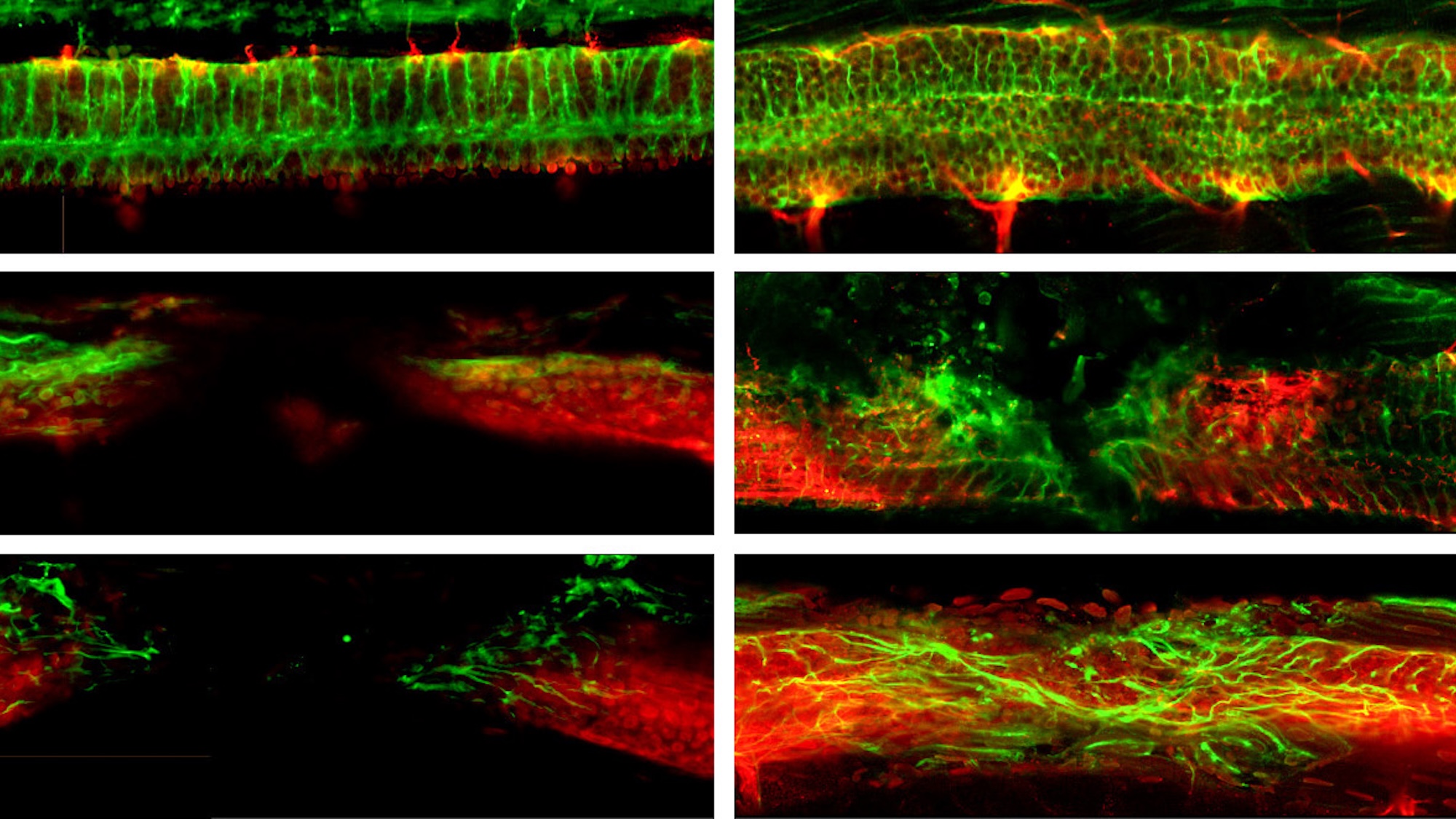
Despite significant medical advances, spinal cord damage remains one of the most difficult physical injuries to treat. Scarring frequently gets in the way of nerve fiber regrowth, while nerve cells usually cannot regenerate on their own. A possible solution? A fleet of stem cell-infused, injectable nanorobots that can help nerve cells regenerate. The tiny bots are detailed in a study recently published in the journal Nature Materials.
To build their new tools, a team at ETH Zurich in Switzerland engineered microscopic machines that combine living neural progenitor cells (NPCs)—specialized stem cells developed for the spine—with customized nanoparticles. These customized nanoparticles feature two layers—one that is sensitive to magnetic fields and another that translates them into electrical signals.
“We place a reservoir in the center where we trap the cells. Then we inject the nanoparticles and wait for the two components to bind,” Salvador Pané i Vidal, a study co-author and ETH Zurich roboticist, said in a statement.
Each nanorobot is about six micrometers wide, making them smaller than a red blood cell. However, the number of robots required to pull off a procedure is immense. Millions of nanobots are needed during animal trials. Even with such a high number, the initial experimental results are promising. In tests involving mice with severed spinal cords, nerve cells stimulated by the microrobots began reconnecting at the injury site within 28 days. By the end of the trial, the mice displayed major improvements in movement, gait, coordination, and exploratory behavior.
Significantly more research is required before these nanobots are ready for primetime, but the team hopes to one day begin testing similar devices in humans. Before that, they need to determine the most effective magnetic fields and how long to apply them to patients. In the meantime, the overall design could also be applied to help treat regenerative issues in organs and wounds.
“The reproducible and scalable production of microrobots using our lab-on-a-chip system demonstrates that the platform’s application potential extends beyond basic research,” added Pané i Vidal.
The post Injectable nanorobots may help heal spinal injuries appeared first on Popular Science.
In a groundbreaking review set to reshape public health policies, researchers at the University of Mississippi have presented compelling evidence that ambient air pollution levels deemed safe by current Environmental Protection Agency (EPA) standards may nonetheless pose a significant risk to cardiovascular health. This extensive review, recently published in the scientific journal Environmental Pollution, synthesizes decades of global research, underscoring the urgent need to revisit and potentially lower regulatory thresholds for fine particulate matter, specifically PM2.5.
PM2.5 refers to microscopic particulate matter with a diameter less than 2.5 microns—around 20 times smaller than a human hair—which makes them capable of penetrating deep into the respiratory tract and entering the bloodstream. These particles originate from diverse sources such as vehicular emissions, industrial manufacturing, biomass burning, and dust from agricultural activities. Their diminutive size allows them to circumvent the body’s natural defense mechanisms, reaching vital organs and triggering systemic health effects.
The review meticulously analyzed 95 peer-reviewed studies that addressed cardiovascular impacts related to low-level PM2.5 exposures worldwide. Strikingly, approximately two-thirds of these studies demonstrated significant associations between PM2.5 exposure and adverse cardiovascular outcomes, including heart attacks, strokes, and increased arterial plaque accumulation. Such findings suggest that even concentrations below the EPA’s current allowable limits can compromise cardiovascular function and contribute to disease progression.
One of the most alarming revelations from the review is the heightened vulnerability of specific demographic groups. Older adults, infants, individuals with preexisting heart conditions, socioeconomically disadvantaged communities, and marginalized populations bear a disproportionate burden of the health consequences posed by low-level PM2.5 exposure. The underlying reasons include a combination of biological susceptibility, existing comorbidities, and environmental inequities that result in unequal pollution exposures.
Experts leading the study emphasize that the source of PM2.5 plays a pivotal role in its health impact. Traffic-related pollution, industrial emissions, and rural dust each possess unique chemical compositions and particle characteristics that influence toxicity. For instance, black carbon—a key component of soot prevalent in urban areas—has been linked to respiratory and cardiovascular morbidity. Understanding these nuances is critical for tailoring regulatory actions and mitigation strategies.
Technological advances in air quality monitoring have highlighted the dynamic nature of pollution exposure. Daily fluctuations in PM2.5 concentrations, even within previously considered ‘safe’ ranges, can exacerbate risk. The lack of widespread public awareness regarding these subtleties hampers proactive health protection. Consequently, researchers call for enhanced education campaigns to inform communities about real-time air quality risks and personal protection measures.
Cardiovascular disease remains the leading cause of mortality on a global scale, and these findings carry profound implications for public health. The pathophysiological mechanisms implicate PM2.5 in accelerating atherosclerosis, fostering systemic inflammation, and enhancing thrombogenic potential. These processes collectively escalate the likelihood of acute cardiovascular events. The pervasiveness of PM2.5 exposure across urban, industrial, and rural environments necessitates a broad-reaching response.
Current public health recommendations to mitigate individual risk include monitoring localized air quality indices and adopting practical interventions on high-exposure days. Utilization of high-efficiency particulate air (HEPA) filtration systems within indoor environments, combined with the use of adequately rated masks such as N95 respirators, can substantially reduce personal particulate inhalation. These tools are particularly vital for sensitive populations engaging in outdoor activities during episodes of elevated pollution.
The review underscores the critical interplay between environmental science and clinical health disciplines. Healthcare providers are encouraged to integrate pollution exposure assessments into routine cardiovascular risk evaluations. Furthermore, temporal spikes in air pollution should prompt heightened clinical vigilance among patients with known cardiovascular vulnerabilities.
While treatment modalities for pollution-induced cardiovascular damage remain limited, prevention through regulatory intervention and public engagement is paramount. This study advocates for policy reforms that reflect emerging scientific evidence—ideally, lowering the maximum allowable PM2.5 levels to afford more comprehensive protection for population health. Robust air quality enforcement accompanied by community education initiatives constitutes the frontline defense.
Mississippi’s unique environmental landscape, marked by a blend of rural, industrial, and urban pollution sources, exemplifies the broader challenges in managing fine particulate exposure. Researchers at the University of Mississippi have specifically documented elevated black carbon concentrations across various locations within the state, correlating these findings with increased respiratory admissions. Such regional data, when synthesized with global research, bolster the call for targeted policy improvements.
This collective body of work spotlights the critical need for multi-sectoral collaboration spanning environmental regulation, healthcare, urban planning, and public advocacy. Addressing the insidious cardiovascular risks posed by low-level PM2.5 pollution demands concerted efforts to enhance air quality monitoring infrastructure, refine healthcare response frameworks, and cultivate informed, empowered communities.
Ultimately, the path forward rests on reimagining air quality standards rooted in rigorous health evidence. By recognizing and acting upon the risks associated with fine particulate pollution at even low concentrations, society can better safeguard cardiovascular health and reduce the burden of pollution-related morbidity on a global scale.
Subject of Research: Health impacts of low-level ambient fine particulate matter (PM2.5) exposure and cardiovascular outcomes
Article Title: A systematic review of low-level ambient fine particulate matter (PM2.5) exposures and adverse cardiovascular health outcomes
Web References:
References:
University of Mississippi Review in Environmental Pollution, DOI: 10.1016/j.envpol.2026.127978
Image Credits: Photo illustration by John McCustion/University Marketing and Communications
Keywords: Air pollution, PM2.5, cardiovascular health, fine particulate matter, environmental toxicology, public health, pollution regulation, black carbon, respiratory health, environmental epidemiology, pollution exposure, air quality monitoring
A groundbreaking study from the University of California, San Francisco (UCSF) has revealed the hidden scientific and industrial strategies employed by Philip Morris Companies Inc. in the creation and marketing of Lunchables, turning what seemed to be a simple children’s convenience food into one of America’s most pervasive ultra-processed food products. This research uncovers how advanced cigarette research, flavor chemistry, and behavioral science were ingeniously adapted to the food industry, reshaping children’s eating habits and fueling public health challenges.
When Philip Morris acquired General Foods in 1985, it gained ownership not just of an existing food company but of an innovative product still in development: Lunchables. This acquisition marked a critical convergence of tobacco industry expertise with food product innovation. The UCSF study, recently published in the American Journal of Public Health, provides the first comprehensive analysis of how this meld of industries engineered ultra-processed foods by applying decades of tobacco research to optimize flavor, texture, and consumer appeal, especially targeting children.
Ultra-processed foods have become a dominant force in the American food landscape, making up nearly two-thirds of caloric intake among U.S. children. These foods are characterized not by their natural ingredients but by complex formulations containing artificial additives and flavor enhancers. Clinical trials consistently demonstrate that such products promote overeating and contribute directly to the rising epidemics of childhood obesity, type 2 diabetes, and metabolic liver diseases. This study thus places Philip Morris’s strategies at the center of an industrial transformation that has long-term public health implications.
Delving into corporate archival documents, including memos and internal strategic reports released during legal processes, the research reveals how tobacco companies like Philip Morris and R.J. Reynolds deliberately ventured into the food industry in the 1980s. These companies owned major food brands such as Nabisco and Del Monte, and their entry into the food sector was not accidental but a carefully crafted business strategy designed to leverage synergies between tobacco and food product development.
Philip Morris’s merger with Kraft General Foods created North America’s largest food conglomerate, facilitating the transfer of proprietary knowledge and experimental techniques developed for cigarette design into food product engineering. This integration allowed for cross-division innovation, particularly in flavor chemistry and packaging technology, maximizing commercial returns by optimizing production efficiency while manipulating sensory experiences in ways that deepen consumer engagement and loyalty—particularly among young consumers.
A key element of the strategy was the concept of “technical synergies.” By adapting shelf-stable packaging technologies originally perfected for tobacco products, the company was able to develop innovative “grab-and-go” meal kits that preserved flavor and texture while appealing immensely to children’s preferences and parental desires for convenience. This packaging also extended product shelf life, thereby reducing costs and enabling rapid nationwide distribution.
Lunchables were particularly designed to tap into children’s behavioral and psychological drives. The product’s segmented packaging encouraged children to interact with their meal—essentially “playing” with food by assembling it according to their preferences—thereby fostering a sense of independence and control. Through vivid branding and familiar processed ingredients, such as Oscar Mayer meats and Kraft cheeses, the product also assuaged parental concerns while embedding itself as a staple in children’s diets across the country.
Intriguingly, when Philip Morris sought to introduce low-fat versions of Lunchables, they adapted neuroscience and behavioral testing techniques originally developed for nicotine research. Tobacco experts well-versed in the neural pathways of flavor perception applied electroencephalography (EEG) and sophisticated sensory tests to optimize the palatability of artificial fats and flavor additives without compromising taste. This crossover exemplifies the complex technological and scientific exchanges that fueled the surging growth of ultra-processed foods.
Laura Schmidt, PhD, the lead author of this study and a professor of medicine at UCSF, explicates that the fundamental difference between ultra-processed and minimally processed foods lies in these additives and flavor engineering technologies. The intricate manipulation of taste and sensory appeal using cigarette technology, she explains, was crucial in creating food products that go beyond mere sustenance to tap into deep neurobehavioral motivators shaping consumer choices—especially in children.
This research was facilitated by the accessibility of Philip Morris’s internal documents housed in the UCSF Industry Documents Library, which offers an unprecedented archive of millions of records across multiple sectors including tobacco, food, chemicals, and fossil fuels. Availability of these records has enabled researchers to reconstruct the corporate strategies behind the rise of ultra-processed foods and their lasting influence on public health.
Facing a wave of litigation and strengthening regulations during the 2000s, tobacco companies gradually divested from their food sector holdings by 2007, refocusing on their core business of cigarette manufacturing. Nevertheless, the ultra-processed food industry, once catalyzed by these tobacco conglomerates, continued its rapid expansion throughout the 21st century, perpetuating a cycle of public health concerns tied to diet-related diseases.
The UCSF study highlights an urgent need to consider the historical and industrial origins of ultra-processed foods when devising public health policies aimed at curbing the rising rates of obesity and metabolic disorders among children. Understanding that these products were engineered with sophisticated neurobehavioral insights borrowed from tobacco science underscores the challenge of addressing their pervasive role in contemporary diets.
By revealing how tobacco companies’ scientific expertise was redirected to engineer enticing food products for children, this research uncovers the hidden industrial forces that have shaped modern American dietary patterns, emphasizing the critical intersection of corporate strategy, neuroscience, and public health.
Subject of Research: Scientific and industrial strategies of tobacco companies applied to ultra-processed food product design, particularly focusing on Lunchables and associated public health impacts.
Article Title: Tobacco Science and Flavor Engineering: How Philip Morris Designed Lunchables to Maximize Children’s Appeal
News Publication Date: June 3, 2026
Web References:
– American Journal of Public Health Article: https://ajph.aphapublications.org/doi/epdf/10.2105/AJPH.2026.308491
– UCSF Industry Documents Library: https://www.industrydocuments.ucsf.edu/food/
References: Internal corporate documents from Philip Morris Companies Inc., legal discovery archives, and neuroscience studies on flavor perception.
Image Credits: Not available
Keywords
Tobacco, Behavioral neuroscience, Social neuroscience, Obesity, Childhood obesity, Children, Type 2 diabetes, Diabetes, Fatty liver disease, Weight gain, Brain



 There's some kind of pattern.
 An expert explains.