Reading view

Iron Meteorite Studies Reveal New Insights into Early Solar System and Earth’s Formation

In a groundbreaking study that reshapes our understanding of the early solar system and the origins of life-essential elements on Earth, scientists at Rice University have unveiled significant differences in the chemical composition of iron meteorites compared to younger asteroids. This research, recently published in Science Advances, highlights that the ratios of phosphorus to nitrogen in asteroidal bodies associated with iron meteorites diverge markedly from those found in chondrites, shedding new light on the distribution and delivery of these vital nutrients during planet formation.

Phosphorus and nitrogen, two elements fundamental to terrestrial life, play crucial roles in biological molecules and processes. The presence and relative abundance of these elements in nascent planetary bodies can provide key insights into the evolutionary pathways that led to habitable worlds. The Rice University team, led by Professor Rajdeep Dasgupta, embarked on a detailed investigation into the early chemical environment of planetesimals—the small bodies that coalesced to form planets—and how these environments influenced the availability of life-essential elements.

Central to this research was the recreation of iron meteorite formation conditions within the laboratory. Utilizing a high-pressure, high-temperature apparatus, the scientists simulated the crystallization processes that occurred within the metallic cores of these early planetesimals. Iron meteorites, which are fragments from these cores, provide an invaluable record of the primordial chemical environment, allowing researchers to reverse-engineer the elemental makeup of their parent bodies. Graduate student Debjeet Pathak, the study’s corresponding author, explained that their method involved correlating known meteorite chemical compositions with experimental results to deduce the nitrogen and phosphorus content in early planetesimals.

The solar system’s infancy, more than 4.5 billion years ago, was a dynamic milieu in which gases and dust laden with volatile compounds, including nitrogen and phosphorus, gradually coalesced into solid bodies. These small planetary embryos formed differentiated interiors, including metallic cores from which iron meteorites originated when disrupted by collisions or other cataclysmic events. The current repository of these iron meteorites largely resides in the asteroid belt, nestled between Mars and Jupiter, which acts as a dynamic boundary separating the inner terrestrial planets from the more distant gas giants.

The Rice team’s experimental approach offered unprecedented insight into the inner versus outer solar system’s chemical evolution. By simulating conditions of planetesimal formation across this spatial gradient, they observed a distinct variation in the phosphorus-to-nitrogen ratio. Inner solar system iron meteorites exhibited lower phosphorus to nitrogen ratios compared to their outer solar system counterparts. This spatial heterogeneity underscores the role of localized environmental conditions and processes in establishing the elemental inventory accessible to forming planets.

Interestingly, when the team compared these findings to the chemical signatures of chondrites—primitive, undifferentiated asteroids that formed slightly later—they found notable differences. Chondrites from the inner solar system possessed higher phosphorus-to-nitrogen ratios, which decreased progressively moving outward toward the outer solar system. This trend contrasts with the pattern found in iron meteorite-related planetesimals, suggesting distinct evolutionary timelines and mechanisms controlled element distribution during different formation epochs.

A pivotal factor influencing these disparities appears to be the massive gas giant, Jupiter. As it accrued mass and gravitational influence early in solar history, Jupiter likely acted as a formidable barrier, modulating the migration of volatile-rich materials across the nebula. This barrier would have curtailed the inward flow of nitrogen and phosphorus-bearing compounds from the outer to the inner solar system, leading to the decreasing elemental ratios observed in later chondritic bodies forming 2–3 million years after the iron meteorite parent planetesimals.

Crucially, both generations of planetesimals—those that spawned iron meteorites and those that formed chondrites—exhibited phosphorus-to-nitrogen ratios most closely aligned with the balance supporting life on Earth in the inner solar system. This convergence suggests that Earth’s life-essential elemental inventory may have predominantly originated from indigenous inner solar system sources rather than being imported from the more volatile-rich outer regions, challenging existing paradigms about planetary element delivery.

Professor Dasgupta emphasized the broader implications of these findings, stating that they offer a refined narrative on how early dust and planetesimal composition evolved under the combined influences of giant planetary growth and nebular cooling dynamics. The interplay between disk chemistry and planetary processes within the first few million years was integral to establishing the elemental framework that would foster habitable environments.

These discoveries advance our understanding of the cosmochemical processes governing planetary formation and evolution. By elucidating the distinct chemical reservoirs and transport mechanisms in the nascent solar system, this work provides foundational knowledge relevant not only to Earth’s history but also to the search for life-supporting conditions on exoplanets orbiting other stars.

The study’s fusion of experimental petrology, meteorite chemistry, and planetary formation models showcases how interdisciplinary approaches can unravel complex astrophysical phenomena. It affirms the idea that the early solar system was chemically and dynamically diverse, with primordial planetary building blocks exhibiting distinct evolutionary paths driven by both environmental and gravitational forces.

Sponsored by NASA grants 80NSSC18K0828 and 80NSSC22K0635, this research continues to position Rice University at the forefront of planetary origins and habitability studies. As the scientific community further explores these findings, the nuanced understanding of element delivery mechanisms will enrich our grasp of how indispensable ingredients for life were distributed, setting the stage for the emergence of life on Earth.

This work opens new avenues for future investigation into the timing, location, and processes that governed life-essential element synthesis and transport in the solar nebula. It also strengthens the conceptual framework guiding astrobiological exploration and the interpretation of meteoritic evidence in the context of planetary sciences. As humanity presses forward in unraveling the origins of life, studies like this illuminate the deep interconnections between cosmic evolution and biological potential.


Subject of Research: Elemental composition and formation history of early planetesimals in the solar system as revealed by phosphorus-nitrogen systematics in iron meteorites and chondrites.

Article Title: Phosphorus-nitrogen systematics of first-generation planetesimals constrain life-essential element delivery to Earth

News Publication Date: 3-Jun-2026

Web References:
https://www.science.org/doi/10.1126/sciadv.aed8749
http://dx.doi.org/10.1126/sciadv.aed8749

Keywords
Phosphorus, Nitrogen, Iron Meteorites, Chondrites, Planetesimals, Early Solar System, Elemental Ratios, Planet Formation, Jupiter, Habitability, Rice University, Solar Nebula

  •  

Why doesn't coffee taste like caffeine?

Though decaf fans might disagree, caffeine is a critical component of a cup of joe. This compound is incredibly bitter on its own, but regular coffee itself is not. A team reporting in the Journal of Agricultural and Food Chemistry has investigated why and explains that the answer may lie within interactions between caffeine and other coffee molecules called melanoidins that are produced during the roasting process.

  •  

Acridine Compound Binds VEGF, Cuts CAM Vascularization

In a groundbreaking advance that merges cutting-edge computational biochemistry with innovative biological experimentation, researchers have unveiled a promising acridine-derived small molecule capable of modulating vascular endothelial growth factor (VEGF) activity. This novel compound demonstrates a profound influence on angiogenesis, as evidenced by its remarkable capacity to reduce vascularization in the chick chorioallantoic membrane (CAM) model, a well-established in vivo system for studying blood vessel formation. The implications of this discovery ripple through the realms of cancer therapy, ocular diseases, and other pathological states driven by aberrant blood vessel growth.

VEGF holds a pivotal role as a signal protein that stimulates the formation of blood vessels during both normal physiological processes and pathological conditions such as tumor growth and retinopathies. Therapeutic strategies targeting VEGF have seen extensive development, yet limitations including drug resistance and side effects demand new molecular candidates. The recent study leverages sophisticated in silico methodologies—molecular docking, dynamic simulations, and binding affinity calculations—to identify and characterize a small molecule from the acridine chemical family that interacts intimately with VEGF, subtly altering its bioactivity.

The choice to explore acridine derivatives stems from their chemical versatility and known biological activities. These planar, heterocyclic compounds have historically been employed in medicinal chemistry, often displaying anti-cancer and anti-microbial properties. In the context of VEGF inhibition, the planar structure offers a potential to engage in pi-stacking and hydrogen bonding with amino acid residues critical for VEGF receptor binding, thereby competitively or allosterically modulating function.

In silico predictions yielded compelling data: molecular docking revealed a high-affinity binding site where the acridine derivative securely associates with VEGF, primarily through hydrophobic interactions augmented by selective hydrogen bonds. Such computational insights not only illuminate the structural basis of interaction but also guide the rational design of derivatives with enhanced specificity and potency.

Transitioning from computational work to biological relevance, the study employed the CAM assay to empirically evaluate the vascular inhibitory effects of the acridine molecule. The CAM, a highly vascularized extra-embryonic membrane of the developing chick embryo, serves as an indispensable model for angiogenesis owing to its accessibility, rapid growth, and close resemblance to mammalian vascular development. Application of the small molecule resulted in a discernible reduction of new blood vessel formation, validating the computational hypothesis and underscoring the therapeutic potential of the compound.

This synchronized approach—combining in silico modeling with in vivo CAM assays—represents a paradigm shift in drug discovery, optimizing resource efficiency while enhancing predictive accuracy. Moreover, the decrease in CAM vascularization indicates a direct functional impact on endothelial cells, potentially via inhibition of VEGF signaling pathways that govern endothelial proliferation, migration, and survival.

Understanding how this acridine-derived molecule impacts VEGF at the molecular level could redefine therapeutic strategies against diseases characterized by pathological angiogenesis. Tumors exploit VEGF-mediated angiogenesis to secure their nutrient supply, enabling metastasis and growth. Inhibitors that can selectively disrupt VEGF without off-target toxicity could offer a renaissance in anticancer treatment, overcoming resistance mechanisms that curtail current therapies.

In addition to oncology, proliferative diabetic retinopathy and age-related macular degeneration represent clinical arenas where VEGF modulation has transformed patient outcomes. Yet, current anti-VEGF agents often require frequent administration and pose risks including intraocular inflammation. A novel small molecule capable of sustained or enhanced efficacy may alleviate these burdens, improving patient compliance and safety profiles.

Furthermore, the pharmacokinetic properties intrinsic to acridine derivatives might facilitate advantageous drug delivery, including tissue penetration and cellular uptake, attributes vital for clinical translation. The planar aromaticity and modifiable side chains open avenues for chemical optimization, aiming to refine solubility, stability, and target selectivity.

The integration of advanced molecular simulations with experimental verification also sets a precedent for future small-molecule discovery. The ability to virtually screen vast compound libraries for VEGF interaction prior to costly biological assays accelerates the pipeline from concept to candidate. Such methodologies promise to expand the arsenal of antiangiogenic agents, potentially uncovering molecules that act synergistically or via novel mechanisms.

Notably, the research reinforces the significance of interdisciplinary collaboration, merging computational chemistry, molecular biology, pharmacology, and developmental biology. This multifaceted strategy enhances confidence in findings and facilitates a comprehensive understanding of small molecule–protein dynamics and their biological ramifications.

The study’s revelations extend an invitation to the broader scientific community to explore acridine derivatives’ potential beyond VEGF inhibition. With structural adaptability and diverse bioactivity profiles, these compounds may address other molecular targets implicated in inflammatory, infectious, or neurodegenerative diseases, where angiogenesis or protein–ligand interactions are pivotal.

As this acridine-based compound progresses towards clinical evaluation, it will be critical to scrutinize toxicological profiles, metabolic stability, off-target effects, and effective dosing regimens. The translational journey necessitates balancing efficacy with patient safety, a formidable yet attainable goal given the compound’s targeted action and promising preliminary data.

In conclusion, the synergistic study that couples in silico molecular modeling with the CAM assay sets a milestone in angiogenesis research. The identification of a small molecule that associates specifically with VEGF and demonstrates tangible reductions in vascularization heralds a new chapter in targeted therapeutic development. By refining our molecular toolbox against angiogenic diseases, this work not only expands scientific horizons but also holds promise for improving countless lives affected by disorders of vascular dysregulation.


Subject of Research: Interaction of an acridine-derived small molecule with VEGF to inhibit angiogenesis.

Article Title: Acridine-derived small molecule associates with VEGF and is linked to reduced CAM vascularization: a combined in silico and CAM study.

Article References:
Karmakar, S., Moulik, S., Ghosh, S. et al. Acridine-derived small molecule associates with VEGF and is linked to reduced CAM vascularization: a combined in silico and CAM study. BMC Pharmacol Toxicol (2026). https://doi.org/10.1186/s40360-026-01148-6

Image Credits: AI Generated

  •  

Scientists Crack Major Ammonia Problem With a Platinum Catalyst Breakthrough

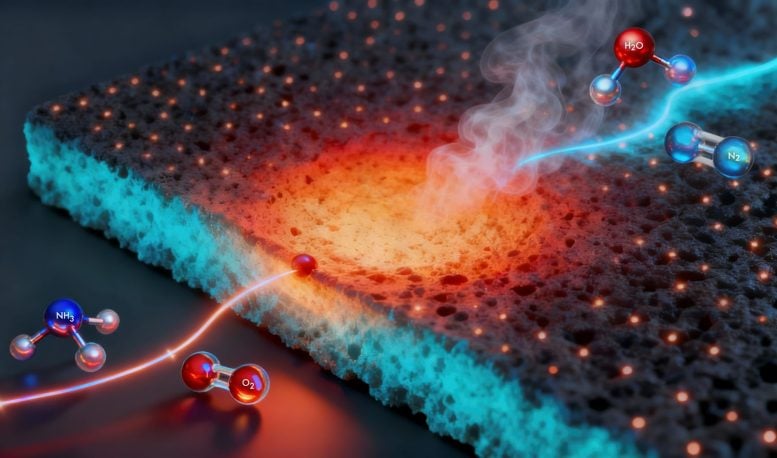
Platinum Catalyst Lights AmmoniaA newly engineered catalyst overcomes key obstacles that have long limited ammonia as a clean fuel for heavy industry. A newly developed single-atom platinum catalyst can ignite ammonia at about 200°C (392°F) and sustain stable combustion at 1,100°C (2,012°F) while producing very little NOx. The breakthrough could provide carbon-free, high-grade heat for industries such as [...]
  •  

Photochemical Rotor Bias Powers Dual Molecular Motors

In the relentless quest to mimic the extraordinary efficiency and precision of biological molecular machines, chemists have long sought to create synthetic molecular motors capable of directed, unidirectional motion. These artificial constructs promise revolutionary advances in nanotechnology, potentially transforming everything from targeted drug delivery to energy conversion at the smallest scales. Yet, despite these strides, achieving complex functionalities akin to biological machinery remains a formidable challenge. The recent breakthrough presented by van Beek, Sidler, and Feringa introduces a novel class of molecular motors with two distinct rotors operating simultaneously at different rotational frequencies. This pioneering design echoes the advanced control found in natural molecular assemblies and hints at unprecedented levels of mechanical complexity in synthetic nanoscale devices.

Traditional molecular motors have predominantly featured a single rotor unit, which undergoes conformational changes driven by light irradiation or thermal energy to induce continuous rotation. While impressive on its own, the single-rotor model imposes limits on the diversity and complexity of mechanical outputs that these molecules can generate. The innovation introduced by this research lies in the integration of two structurally distinct rotors within a single molecule, each capable of independent, actively powered rotation. This dual-rotor configuration effectively operates like a molecular steering system, a concept previously unrealized in synthetic chemistry.

A key challenge addressed by the authors is the control of rotor activation preferences without relying solely on thermal processes, which typically govern isomerization rates in molecular motors. Instead, they harness differences in photochemical behavior—how each rotor responds to specific wavelengths of light—to selectively activate one rotor over the other. This photochemical bias allows each rotor to turn at its intrinsic frequency, unaffected by the constraints of thermal equilibration, thus imparting a finely tunable dynamic to the system.

The design strategy involves careful selection and modification of rotor structures to exploit their unique absorption spectra and photochemical reaction pathways. By tuning these molecular features, the researchers demonstrated that the rotational frequencies could be modulated through variations in the rotor’s electronic and steric environments. Moreover, solvent effects were shown to influence the photochemical behavior, providing an additional parameter to fine-tune the relative activity of each rotor within the same molecular framework.

The practical implications of this work extend beyond fundamental chemistry into the realm of molecular machinery design. By proving the feasibility of dual, independently driven rotors, this study opens avenues for creating nanoscale devices capable of complex mechanical outputs—such as synchronized or coupled rotational motions, directional switching, and multi-step reaction sequences powered by light. Such capabilities mirror the intricate, multi-component systems observed in biological motors like ATP synthase and flagellar motors.

Furthermore, this research underscores the versatility of photochemical control in molecular machines. Photons offer a non-invasive, highly controllable energy input, allowing spatial and temporal precision in motor activation. By establishing a protocol for biasing rotor activity photochemically, the authors have laid the groundwork for future systems where multiple rotors or motor components can be selectively engaged or inhibited simply by altering the wavelength or intensity of incident light.

Another compelling aspect of this dual rotor system is its potential adaptability. The approach could be extended to other rotor architectures or combinations thereof, including different classes of molecular motors. This modularity suggests a general blueprint for engineering synthetic systems with multi-functional and multi-frequency components, akin to the modular design principles seen in biological nano-machines, where distinct parts perform specialized roles coordinated to achieve complex outcomes.

The team’s experiments were complemented by detailed photochemical analyses and kinetic studies revealing how the energy landscape of the molecule facilitates selective rotor activation. Advanced spectroscopic techniques and computational models helped elucidate the mechanistic basis underlying the asymmetric light-driven activation pathways. This mechanistic insight not only reinforces the robustness of the dual rotor concept but also guides future molecular designs aimed at refining rotor selectivity and performance.

In practical terms, the ability to drive two rotors simultaneously but asynchronously offers the potential to develop molecular-level “gearboxes” or “steering systems,” conceptually similar to mechanical systems in macroscopic machinery. Such systems could allow precise control of molecular orientation and movement, a prerequisite for constructing more sophisticated nanoscale machines capable of performing intricate tasks with timing and sequence control.

Importantly, the work provides a novel approach to tackle a long-standing hurdle in synthetic molecular machine development: the interplay and coordination of multiple active components within the same system. By establishing photochemical rotor bias as a tunable parameter, the authors effectively demonstrate a path forward where multi-component interactions can be controlled predictably, a crucial step towards integrating molecular motors into complex functional assemblies.

The research, appearing in Nature Chemistry, comes from the laboratories of renowned molecular scientist Ben Feringa, who famously contributed to the development of the first light-driven molecular motors. This latest advance not only cements his legacy but also paves the way for a new era where molecular machines achieve unprecedented dynamism, complexity, and autonomy, all powered by light.

One of the most exciting prospects emerging from this work is its potential to inspire future applications beyond fundamental science, including the assembly of nanoscale robotic devices capable of performing useful work or information processing at the molecular level. By harnessing the responsive behavior of each rotor to specific light stimuli, molecular systems can be engineered for programmability—turning on or off mechanical functions with exquisite control.

However, challenges remain in scaling and integrating these dual rotor systems into larger networks and ensuring sustained operation under biologically or technologically relevant conditions. Nonetheless, this pioneering study solidly advances the frontier of molecular machines, showing that complex, multi-rotor systems are no longer aspirational but firmly within reach, thanks to innovative photochemical engineering.

As this exciting field continues to evolve, the marriage of photochemistry and molecular motor design promises to unlock deeper control over motion and function at the nanoscale, bringing us ever closer to realizing artificial molecular machinery with capabilities rivaling those honed by nature over billions of years.


Subject of Research: Molecular machines; dual molecular motors; photochemical rotor control; nanoscale mechanical motion

Article Title: A photochemical rotor bias in dual molecular motors

Article References:
van Beek, C.L.F., Sidler, E. & Feringa, B.L. A photochemical rotor bias in dual molecular motors.
Nat. Chem. (2026). https://doi.org/10.1038/s41557-026-02142-5

Image Credits: AI Generated

DOI: https://doi.org/10.1038/s41557-026-02142-5

  •  

NTU Singapore Scientists Innovate Sustainable Method for Recycling Mixed Plastic Packaging

Scientists at Nanyang Technological University, Singapore (NTU Singapore), have pioneered a groundbreaking technique to revolutionize the recycling of mixed plastic packaging—a notoriously challenging waste category. This innovation introduces a chemical process that can separate and recover individual plastics from multilayer packaging without the use of harmful solvents, offering a cleaner, safer, and more economically viable pathway to deal with one of the planet’s most persistent environmental problems.

Mixed plastic packaging is ubiquitous in the consumer market, especially in food products like snacks and instant noodles. These multilayered materials combine various polymers, bonded to ensure durability and airtight preservation, but these same properties make them incredibly difficult to recycle. Traditional mechanical recycling methods often degrade the quality of the polymers, resulting in low-value materials frequently destined for landfill or incineration. The global scale of this challenge is immense, with plastic production expected to surge to over 700 million tonnes by 2040, intensifying the urgency for effective recycling innovations.

The team from NTU’s School of Materials Science and Engineering alongside the Nanyang Environment and Water Research Institute (NEWRI), led by Professor Hu Xiao, has developed a technology called depolymerisation-induced polymer separation (DIPS). This sophisticated process selectively targets specific plastic components within mixed packaging, breaking down one polymer chemically while leaving others intact, thus enabling their clean separation and recovery. This nuanced chemical intervention is carried out without introducing solvents, eliminating many environmental and health hazards associated with conventional recycling practices.

At the heart of the DIPS method is reactive extrusion, an industrial process that combines melting, shaping, and chemical reaction stages within a single continuous operation. During this process, poly(ethylene terephthalate) (PET)—commonly used in beverage bottles—is mixed with glycerol, a readily available, nontoxic reagent. The process induces a targeted depolymerization of PET, converting it to smaller molecular units with altered physical and chemical properties. This reaction is finely tuned to maintain the integrity of other plastics like polypropylene (PP), a staple in food packaging.

What makes this technique exceptional is the natural separation that occurs post-depolymerization. The qualitative differences in polarity and viscosity between the chemically altered PET and unaffected PP drive an automatic phase separation, allowing the materials to be isolated without laborious sorting or hazardous chemicals. This solvent-free environment operates at ambient pressure, markedly reducing energy consumption and supporting safer industrial scale-up potential.

Laboratory analysis of the recycled PP material revealed it retained mechanical strengths up to 90% of virgin polypropylene under optimized conditions. This remarkable retention of tensile strength underscores the practical viability of this recycled plastic for high-performance applications, a notable improvement over conventional mechanical recycling, which often results in material downgrading. Besides offering environmental benefits, this enhances the economic value proposition of recycling mixed plastics.

While the PET fraction cannot be directly reprocessed into new packaging materials, its chemical profile post-depolymerization makes it a valuable feedstock for specialty applications. These include precursor materials for high-strength epoxy resins used in advanced composites like wind turbine blades. Furthermore, its chemical groups offer pathways to transform it back into monomers, potentially enabling closed-loop recycling and creating a circular economy for PET-based products.

The potential of the DIPS process extends beyond PET and PP. The principles of selective depolymerization and exploitation of differing material properties signal feasibility for broad applicability across various multilayer plastic combinations prevalent in the packaging industry. This adaptability could dramatically reshape industrial recycling practices, minimizing reliance on sorting and solvent-based treatments.

PhD candidate Kathirvel Periasamy, who contributed significantly to developing the DIPS methodology, highlights that this process aims to bridge the gap between laboratory innovation and industrial application. By integrating separation and depolymerization into a single, streamlined operation, DIPS addresses the economic and environmental challenges hampering widespread adoption of mixed plastic recycling.

The implications of efficiently remediating mixed plastic waste go beyond environmental sustainability—they represent a potential economic boon. It is estimated that unlocking effective recycling solutions for mixed plastics could generate annual economic value exceeding $250 billion globally. This transformative impact could drive market incentives for recycling infrastructure development and elevate the quality standards for recycled materials.

Looking forward, the NTU Singapore team plans collaborative efforts with industrial partners to pilot this technology under scaled-up manufacturing conditions. These partnerships aim to validate the process’s commercial feasibility, operational robustness, and integration with existing recycling systems. The researchers actively invite industry stakeholders interested in advancing sustainable plastic waste management to engage in this next phase.

This innovative approach to depolymerization and polymer separation is poised to be a major step forward in tackling one of the most recalcitrant components of plastic pollution. By eliminating harmful solvents, minimizing energy consumption, and producing high-quality recycled plastics, DIPS aligns technological ingenuity with environmental stewardship, potentially rewriting the narrative around mixed plastic recycling for decades to come.


Subject of Research:
Not applicable

Article Title:
Depolymerization Induced Polymer Separation: A New Strategy for Continuous and Efficient Separation of PP/PET Multilayer Plastic Packaging Waste

News Publication Date:
16-Mar-2026

Web References:
OECD Policy Scenarios for Eliminating Plastic Pollution by 2040
OECD Global Material Resources Outlook to 2060

References:

  1. OECD Policy Scenarios for Eliminating Plastic Pollution by 2040; OECD, 2024.
  2. OECD Global Material Resources Outlook to 2060: Economic Drivers and Environmental Consequences; OECD, 2019.

Image Credits:
NTU Singapore

Keywords

Industrial chemistry, Materials processing, Chemical separation, Separation techniques, Sustainable chemistry, Plastic recycling, Polymer science, Depolymerization, Reactive extrusion, Environmental engineering, Circular economy, Mixed plastics

  •  

Unveiling the Hidden Roughness of Sapphire Surfaces

For decades, aluminum oxide has been a material of intrigue and considerable promise within the scientific community, especially in the realm of catalysis and surface chemistry. The prevailing theoretical frameworks had long posited that the basal plane of aluminum oxide, particularly the α-Al2O3(0001) surface, would reveal a smooth, well-ordered array of aluminum atoms. This conjecture implied a highly reactive surface, ideally suited for catalyzing critical chemical reactions such as water splitting, a process central to hydrogen production and energy technologies. Yet, in a perplexing contradiction, experimental observations consistently demonstrated a significantly lower chemical reactivity than these models predicted.

In an illuminating advancement spearheaded by researchers at the Vienna University of Technology (TU Wien), this paradox has been methodically interrogated using pioneering techniques that transcend the limitations of conventional surface analysis. By integrating noncontact atomic force microscopy (AFM)—a cutting-edge technique that captures images of surfaces with atomic precision—with density functional theory calculations, the research team has revealed a reality at the atomic scale that could fundamentally reshape our understanding of aluminum oxide’s surface chemistry.

Contrary to what classical models suggested, the TU Wien team discovered that the α-Al2O3(0001) surface is far from a uniform and ordered plane. Instead, it appears as a remarkably irregular and rugged landscape when viewed on the atomic scale. This surface is incomplete in its ordered aluminum atom arrangement, revealing that the pristine and smooth configurations exist only in tiny localized patches. Beyond these nano-sized domains, the surface abruptly transitions into disordered regions, featuring substantial atomic-scale height variations, spanning several atomic layers, and thus significantly differing in structure and reactivity.

This structural irregularity has a profound implication for the chemical behavior of the surface. The presence of atomic-scale roughness disrupts the anticipated uniform catalytic activity, offering a compelling explanation for the historically observed discrepancy between theory and experiment. Indeed, where the small patches of ordered aluminum atoms predict reactivity consistent with traditional catalytic models, the majority rough and inhomogeneous surface areas lack such activity.

This breakthrough hints at a critical reevaluation of how scientists interpret and predict surface chemical processes, particularly at the nanoscale. It illustrates that theoretical calculations relying on assumptions of ideal, smooth surfaces could bear limited accuracy when applied to real-world materials. Instead, the true atomic topography—including disorder and defects—must be rigorously accounted for to achieve meaningful predictions of surface reactivity and catalysis.

The ramifications of this insight into the surface nature of α-Al2O3(0001) extend considerably beyond aluminum oxide itself. Given that numerous technologically relevant materials—ranging from catalysts used for environmental remediation to substrates involved in thin-film growth—exhibit similarly complex atomic-scale surface structures, this research necessitates a broad reconsideration of surface chemistry principles. Materials scientists and engineers must now recognize that chemical composition alone cannot fully describe surface behavior; rather, atomic-scale architecture plays an equally vital and dynamic role.

The investigative journey pursued by the TU Wien group relied heavily on noncontact atomic force microscopy, a sophisticated analytical technique that allows researchers to “see” the positions of individual atoms without perturbing the delicate surface chemistry. This technique, combined with robust computational methods grounded in density functional theory, enabled the researchers to correlate the observed atomic-scale irregularities with distinct modifications in surface chemical potential and activity. It is this interplay of experimental precision and theoretical rigor that exposed the complexity of the α-Al2O3(0001) surface.

Practically, this discovery challenges researchers to rethink the design and application of aluminum oxide surfaces in catalytic converters, hydrogen generation, and sensor technologies. Tailoring surface properties might no longer be achieved by simply controlling chemical stoichiometry or macroscopic morphology; instead, atomic-level engineering and control of surface reconstruction and disorder will become indispensable. Such efforts could pave the way for optimized materials that capitalize not only on their chemical identity but also on their spatial atomic configurations.

Moreover, this work opens exciting new pathways for future research in the field of surface science. The recognition that surfaces previously assumed smooth are instead atomically rugged suggests a new landscape of potential reaction sites whose properties can be selectively harnessed. Understanding and manipulating these irregularities could unlock unprecedented control over surface reactions, including those fundamental to energy sustainability, environmental catalysis, and the fabrication of nanoscale devices.

This study also underscores the indispensable role of high-resolution imaging technologies in material science. By revealing surface realities invisible to traditional characterization methods, AFM imaging coupled with theoretical calculations provides a more comprehensive and truthful representation of material surfaces. Such an approach not only resolves long-standing scientific mysteries but also equips researchers with tools necessary for pioneering advances across multiple scientific and industrial sectors.

In conclusion, the revelation that the α-Al2O3(0001) surface is inhomogeneous and rough fundamentally alters long-standing assumptions in catalysis research and materials science. The discovery that atomic-scale geometric disorder governs chemical properties redefines how surfaces are understood and utilized. This knowledge recalibrates existing theoretical models and necessitates an integrative approach, combining precise experimental measurements with advanced simulations to predict and exploit surface chemistry accurately.

The insight gained through TU Wien’s research dramatically enhances our understanding of aluminum oxide and similar materials, where surface structure intricacies dictate functionality. As technologies increasingly move towards the nanoscale, appreciating and engineering atomic-scale surface variations will be crucial. This advancement embodies a significant leap forward in characterizing and applying surfaces for the next generation of catalytic and electronic materials.

Subject of Research: Not applicable
Article Title: AFM imaging reveals the unreconstructed α‑Al2O3(0001) surface to be inhomogeneous and rough
News Publication Date: 27-May-2026
Web References: DOI: 10.1038/s41467-026-73690-0
Image Credits: TU Wien

Keywords
Atomic force microscopy, Aluminum oxide, Surface roughness, Catalysis, Density functional theory, Surface chemistry, Atomic-scale disorder, Water splitting, Surface reactivity, Nanomaterials, Material science, Surface physics

  •  

Scientists Identify Microbes Producing Climate-Regulating Gas in India’s Busiest Estuary for the First Time

Scientists have made a remarkable breakthrough in understanding the microbial processes behind the production of a crucial climate-regulating gas in one of India’s busiest estuarine ecosystems. In a pioneering study led by researchers from the Department of Chemical Oceanography at the Cochin University of Science and Technology (CUSAT), Kochi, the intricate dynamics of dimethylsulfoniopropionate (DMSP) degradation in the Cochin Estuary have been mapped comprehensively for the first time. This estuary, renowned for its intense biological productivity and complex interactions influenced by monsoon-driven hydrodynamics, has long remained understudied in the context of sulfur biogeochemistry despite its global climatic importance.

DMSP, a sulfur-containing compound synthesized predominantly by marine phytoplankton and macroalgae, serves as a key precursor to dimethylsulfide (DMS). Once released by bacterial decomposition, DMS enters the atmosphere where it contributes to cloud formation by acting as nuclei for cloud condensation. This natural feedback mechanism plays a subtle yet profound role in the earth’s radiative balance and climate regulation. Although extensive research has been conducted in temperate and open ocean waters, tropical estuarine systems like the Cochin Estuary have been largely omitted from this global sulfur cycle narrative.

Between 2015 and 2018, the investigative team undertook extensive fieldwork along the length of the Cochin Estuary, strategically sampling fifteen stations spanning upper, middle, and lower reaches to capture spatial variability. These sites were visited through distinct seasonal phases — pre-monsoon, monsoon, and post-monsoon — providing temporal insights into how monsoonal shifts impact the biogeochemical regime. Analytical methods integrated gas chromatography to quantify DMSP and DMS concentrations systematically across water and sediment matrices, paired with cutting-edge 16S rRNA gene sequencing to characterize the resident bacterial communities responsible for DMSP metabolism.

A striking revelation from the study indicates that sediment environments are hotspots for both higher DMSP accumulation and bacterial abundance when compared to overlying water columns. Sediment DMSP levels and bacterial counts per gram generally exceeded those measured per millilitre in water, confirming sediments’ pivotal role as active sites for sulfur cycling processes. This spatial pattern highlights the often-overlooked benthic zone’s biochemical significance, especially in estuarine systems influenced by complex hydrodynamics and nutrient influxes.

Salinity and temperature fluctuations associated with monsoonal variability emerged as critical drivers shaping DMSP concentrations and microbial dynamics along the estuary. The research documented peak DMSP concentrations at a mid-estuary station during pre-monsoon conditions, coinciding with elevated salinity and temperature. These environmental parameters are well-known to influence phytoplankton productivity, underscoring a direct linkage between climatic seasonality and biogenic sulfur fluxes. The seasonal coupling of physical and biological factors reflects the sensitivity of DMSP-mediated pathways to broader climate oscillations.

The bacterial taxa isolated from sediment samples reveal a fascinating diversity of organisms capable of utilizing DMSP as their sole carbon source. Specifically, two γ-Proteobacteria species — Acinetobacter calcoaceticus and Acinetobacter beijerinckii — along with two Firmicutes representatives — Bacillus cereus and Lysinibacillus fusiformis — exhibited robust growth on DMSP substrates. The presence of these taxa highlights the complexity of microbial consortia involved in sulfur cycling and points to unique ecological adaptations facilitating DMSP degradation within the sediment microenvironment.

Of particular note is the identification of the dddP gene within Acinetobacter calcoaceticus, a gene encoding a pivotal enzyme that catalyzes the cleavage of DMSP to release DMS. This genetic confirmation unequivocally demonstrates that enzymatic pathways responsible for DMS production are actively operative in the Cochin Estuary sediments. This is a vital link connecting microbial community structure to functional outcomes impacting the marine sulfur flux and atmospheric chemistry on a regional scale.

The implications of these findings extend beyond mere academic interest, offering potential applications in environmental biotechnology. The ability of bacteria such as Acinetobacter calcoaceticus and Bacillus cereus to metabolize organic sulfur compounds efficiently suggests possibilities for bioengineering approaches aimed at mitigating sulfur emissions or remediating volatile sulfur pollutants in aquatic environments. This biotechnological angle places the research at the interface of microbial ecology and applied environmental management.

Furthermore, the study establishes an essential baseline dataset for the Cochin Estuary—a tropical system previously missing from global sulfur cycle models. Understanding the spatial-temporal variability of DMSP production and degradation is fundamental for refining biogeochemical models that predict how coastal ecosystems modulate atmospheric sulfur loads, cloud formation, and hence, climate feedback loops. This research paves the way for integrating tropical estuarine dynamics into global climate modeling frameworks.

The researchers advocate for future investigations employing multi-omics approaches such as metagenomics and metatranscriptomics to elucidate the complete suite of DMSP degradation pathways and their regulatory mechanisms across varied spatial scales and seasonal regimes. Such integrative molecular techniques would enable a more nuanced understanding of microbial functional diversity and activity, improving predictive capabilities regarding the estuary’s role in global sulfur cycling.

Conclusively, this landmark study spotlights the interplay between estuarine microbiology, ecosystem biogeochemistry, and climate science. It uncovers the profound influence of microbial metabolism in a dynamic tropical estuary, reinforcing the significance of localized natural processes informing global environmental phenomena. As monsoon-driven climatic variability intensifies under global change scenarios, the insights gained here underscore the urgency of monitoring and preserving these critical coastal interfaces.

In summary, the Cochin Estuary research signifies an essential stride in marine biochemical research by documenting the first comprehensive mapping of DMSP-degrading bacterial communities and their enzymatic functions in an Indian tropical estuarine system. From identifying novel microbial players to delineating environmental controls on sulfur fluxes, the study enriches our understanding of the ocean’s role in climate regulation and invites interdisciplinary collaborations aiming to harness microbial functions for environmental sustainability.


Subject of Research:
Dimethylsulfoniopropionate (DMSP) degradation by marine bacteria in the Cochin Estuary and its implications for global sulfur cycling and climate regulation.

Article Title:
Dimethylsulfoniopropionate (DMSP) Degradation by Marine Bacteria along the Cochin Estuarine System

Web References:
http://dx.doi.org/10.2174/0118740707433988260408095129

References:
Divakaran D, Sujatha C.H, Mathew D.E. Dimethylsulfoniopropionate (DMSP) Degradation by Marine Bacteria along the Cochin Estuarine System. Open Biotechnol. J., 2026; 20: e18740707433988.

Keywords:
DMSP, dimethylsulfide, marine bacteria, sulfur cycle, Cochin Estuary, estuarine microbiology, monsoon, climate regulation, biogeochemical cycling, microbial enzymatic pathways, γ-Proteobacteria, Firmicutes

  •  

Advancement in Programmable Chemistry Promises to Minimize Drug Side Effects

In the quest to minimize the devastating collateral damage of chemotherapy and improve the precision of drug delivery, scientists at the University of California San Diego have pioneered a groundbreaking chemical tool known as TRACE (tetrazine release and activation by cellular enzymes). This innovation represents an extraordinary leap towards selective drug activation at the cellular level, whereby powerful therapeutic agents can be unleashed solely within targeted cells, radically reducing harm to healthy tissues and enhancing overall treatment efficacy.

Traditional chemotherapy agents face an inherent challenge: their lack of discrimination between malignant and normal cells frequently results in harmful side effects, sometimes severe enough to limit their clinical use. Innovative chemical strategies that can tightly control where and when drugs become active inside the human body have long been sought to address this issue. TRACE is a prime example of such innovation, utilizing the power of bioorthogonal chemistry—a cutting-edge approach that enables chemical reactions to proceed in living systems with unmatched selectivity and minimal biological interference.

Bioorthogonal chemistry involves the design of chemical moieties that react exclusively with each other within biological environments, effectively performing “click” reactions that attach diagnostic or therapeutic agents to biomolecules without disturbing native biochemical processes. Among the fastest and most versatile reagents in this realm are tetrazines—heterocyclic compounds known for their rapid and specific reactivity with their partner molecules. Since their introduction more than a decade ago by Neal K. Devaraj and Joseph M. Fox, tetrazine chemistry has revolutionized live-cell labeling, drug delivery systems, and materials functionalization.

Despite their speed and specificity, traditional tetrazine-based reactions have faced a crucial hurdle: they can activate indiscriminately across various cell types within complex biological milieus. This reduces the precision essential for many applications, such as targeted cancer therapy or real-time imaging of pathological processes, where only certain cells must be affected or visualized. Recognizing this limitation, Devaraj’s laboratory embarked on engineering a molecular “safe lock” to cage the reactive tetrazine, preventing it from interacting prematurely or non-selectively.

The breakthrough came in the form of enzyme-activated tetrazine cages. These cages encase the tetrazine molecules, rendering them inactive until they reach cells expressing specific enzymes capable of unlocking the cage. When the caged tetrazine encounters its target enzyme—often overexpressed in disease states like cancer—it undergoes rapid uncaging, liberating the reactive tetrazine to engage in its bioorthogonal “click” chemistry exclusively within the desired cells. This ingenious form of molecular programming imbues the chemical system with exquisite spatial resolution.

Achieving this level of cell-type specificity required extensive optimization. The researchers meticulously screened various tetrazine structures to identify candidates combining the fastest uncaging kinetics with rapid reaction turnover. To further sharpen targeting precision, they introduced tetrazine-reactive scavengers that mop up any prematurely released or non-target activated molecules, effectively suppressing background reactivity outside the enzyme-rich milieu. This elegant dual mechanism essentially narrows tetrazine activation to occur almost exclusively in the intended cellular population.

Proof-of-concept experiments employed enzymes uniquely abundant in certain pathological cells paired with doxorubicin (DOX), a potent but notoriously toxic chemotherapeutic drug. The caged tetrazine-DOX complex remained inert unless it encountered the activating enzyme, at which point doxorubicin was released to exert its cytotoxic effect precisely within the cancerous cells. This selective deployment mechanism holds immense promise for enhancing therapeutic windows, reducing systemic toxicity, and potentially overcoming drug resistance linked to broad drug exposures.

Beyond therapeutic applications, the TRACE platform also advances live-cell imaging capabilities. By integrating fluorescent probes within the tetrazine cages, the researchers devised a system where fluorescence switches on solely after enzymatic uncaging in targeted cells. This selective illumination enables unprecedented real-time visualization of enzymatic activity and cellular states, such as the detection of elevated alkaline phosphatase (ALP) activity—an important biomarker in various tumors—directly on the cell surface. Such precision could transform pathological diagnostics and allow monitoring of treatment responses with high fidelity.

This body of work reflects nearly two decades of pioneering research by Neal K. Devaraj in tetrazine chemistry and highlights the transformative potential of marrying chemical ingenuity with biological specificity. The ability to tailor chemical reactions to individual cell types within living organisms was once a distant dream; now, TRACE brings this vision within reach. By enhancing selectivity, reducing side effects, and enabling dynamic cellular imaging, this technology stands poised to redefine pharmaceutical delivery and molecular diagnostics.

Looking forward, Devaraj’s team is focused on refining the selectivity and general applicability of these enzymatic cages. The potential to customize cages responsive to a broad repertoire of cell-specific enzymes could open new frontiers in personalized medicine, allowing therapies to be fine-tuned not only to cancer cell types but to diverse pathological contexts, including infectious diseases and autoimmune disorders. The implications extend to improving the safety and effectiveness of treatments and to developing novel diagnostic tools adapted to complex biological systems.

At its core, TRACE exemplifies a paradigm shift: moving from broad-spectrum chemical interventions in biology to highly programmed, cell-specific molecular operations. This capability leverages the unique enzymatic fingerprints of different cell types to activate chemical functions only where needed, dramatically improving outcomes in both clinical and research settings. Such precision chemistry is rightly hailed as a game-changer in the science of drug delivery and bioimaging.

The resonance of this innovation extends well beyond the confines of the laboratory. The principles underlying TRACE, including enzyme-activated molecular cages and bioorthogonal chemistry, could ultimately enable real-time, in vivo tracking and control of therapeutic agents in human patients, moving the field closer to the long-envisioned goal of “smart” medicines that dynamically respond to cellular environments. This research not only adds a powerful new tool to the chemical biology arsenal but underscores the untapped potential of chemistry to revolutionize medicine and healthcare.

In summation, the TRACE system is a monumental stride in the evolution of bioorthogonal chemistry, effectively combining precision chemical engineering with biological specificity to achieve selective drug delivery and imaging. By harnessing enzyme-mediated activation and molecular cages to control tetrazine activity, the Devaraj laboratory has unlocked unprecedented spatial and temporal control over chemical reactions in live cells. As discoveries continue, this chemical toolkit promises to provide clinicians and researchers with unparalleled control over therapeutic and diagnostic processes, heralding a future where side effects are minimized and treatment efficacy is maximized.

Subject of Research: Cells
Article Title: Achieving cell-type-specific bioorthogonal chemistry using enzyme-activated caged tetrazines
News Publication Date: 3-Jun-2026
Web References: https://doi.org/10.1038/s41589-026-02240-y
Image Credits: Devaraj lab / UC San Diego
Keywords: Organic chemistry, Click chemistry, Targeted drug delivery

  •  

FAU Researchers Harness AI to Detect Prey Species from Predator Chewing Sounds

In the hidden depths of coastal ecosystems, the dynamic interplay between hard-shelled marine mollusks and their predators unfolds silently yet profoundly influences the health of these environments. Organisms like clams and snails, essential for stabilizing shorelines, filtering water, and supporting biodiversity, face mounting threats from ocean acidification and burgeoning populations of mobile shell-crushing predators. Despite their importance, deciphering the rapid and often submerged interactions that govern these predator-prey relationships has long posed a formidable scientific challenge.

The primary obstacle in studying these underwater predation events lies not only in their elusive locations but also in the fleeting nature of the encounters. Predators such as the whitespotted eagle rays (Aetobatus narinari) forage silently in subtidal zones where direct visual observation is hindered by light availability and water clarity. Consequently, the critical ecological process of mollusk consumption remains difficult to quantify in natural settings, leaving a significant knowledge gap in coastal marine ecology.

Unexpectedly, these predation events broadcast distinct acoustic signatures through the water. The fracturing and crushing of clam and snail shells generate unique sounds—transient acoustic signals rich with ecological information. Employing passive acoustic monitoring techniques coupled with autonomous recording devices, researchers can now “listen in” on these feeding behaviors as they happen in situ, capturing data inaccessible through visual surveys alone. Nonetheless, the challenge remains to reliably isolate these faint shell-crunching sounds amid the cacophony of underwater noise.

Addressing this, a team from Florida Atlantic University (FAU) has created an innovative machine learning framework designed to enhance the detection and classification of these subtle shell-crushing acoustic events. Through controlled aquarium trials featuring whitespotted eagle rays—a species renowned for their shell-cracking feeding strategy—the researchers built and trained an AI system adept at distinguishing feeding sounds from ambient oceanic noise, vastly advancing the capability to monitor predator-prey interactions acoustically.

This framework employs a sophisticated, multi-tiered approach. Initially, it processes extensive underwater audio recordings to identify potential predation events via acoustic pattern recognition. Subsequent analytical layers refine these detections by using machine learning classifiers to minimize false positives, thereby filtering actual shell-crushing events from environmental background sounds with high precision.

Beyond mere detection, the system also categorizes the type of mollusk prey consumed during these events. This is achieved by integrating traditional classification algorithms such as random forests with advanced deep learning architectures, including long short-term memory networks (LSTMs) and convolutional neural networks (CNNs). Each method is fine-tuned to recognize nuanced features in the acoustic structure of shell-crushing sounds, enabling detailed insights into prey identity.

Significantly, the study, recently published in the journal Ecological Informatics, demonstrates that complex AI architectures are not always essential for robust performance. Simplified models leveraging gammatone feature cepstral coefficients (GTCCs)—a biologically inspired auditory filterbank approach—proved nearly as effective as deep learning models in detecting shell-crushing sounds, while demanding significantly less computational power. This finding holds promise for scalable, long-duration deployment in challenging marine environments where energy and processing capacity are constrained.

As Laurent Chérubin, Ph.D., a research professor at FAU’s Harbor Branch Oceanographic Institute and lead author, emphasizes, these acoustic signals reveal substantial ecological information beyond mere occurrence. Passive acoustic monitoring represents a transformative tool, offering unprecedented access to predator-prey dynamics in otherwise inaccessible ocean habitats, enhancing our understanding of marine ecosystem functionality.

The implications for coastal ecosystem management are profound. By remotely detecting and classifying predation events, the new technology enables quantification of predator impacts on mollusk populations at ecosystem-wide scales—a methodological leap beyond fragmented, location-specific observations. This ability not only enriches basic ecological knowledge but also equips managers with actionable insights into shellfish populations vital for habitat restoration and commercial aquaculture.

The system’s effectiveness extends beyond controlled laboratory settings. Tested in real-world conditions, including data from animal-borne acoustic tags and fixed underwater sensors, the AI framework reliably identified feeding events and prey types in natural habitats. Its resilience when trained exclusively on tank data yet performing accurately in the field demonstrates robust generalizability, critical for widespread application.

Further intriguing is the framework’s capacity to elucidate predator behavior. According to Dr. Matt Ajemian, senior author and director of the Fisheries Ecology and Conservation Lab at FAU Harbor Branch, the acoustic signatures not only reflect prey species but also reveal handling techniques and processing durations. This opens potential avenues for scientists to distinguish between individual feeding strategies and even estimate prey size categories from subtle variations in shell-crushing sounds.

As global investments in shellfish aquaculture and coastal restoration intensify, tools that effectively monitor predator-prey interactions grow increasingly vital. Considering the diverse prey types analyzed range from buried filter feeders to agile mobile shellfish, this AI-powered acoustic monitoring system emerges as a versatile instrument for tracking mollusk mortalities and ecosystem health across heterogeneous coastal environments.

Finally, the computational efficiency of GTCC-based detection models is especially advantageous for deployment on autonomous underwater platforms constrained by limited power and processing resources. This capability supports extensive, real-time ecological monitoring in remote marine areas where traditional sensor networks are impractical, heralding a new era in marine ecology research.

The research represents a collaborative effort among scientists at Florida Atlantic University, including Ph.D. candidates and faculty from the College of Engineering and Computer Science, highlighting the power of interdisciplinary approaches to address complex ecological challenges with innovative technological solutions. Funded partially by the National Science Foundation and institutional grants, this work exemplifies how AI and acoustic technologies can transform environmental conservation, providing a vital toolkit for safeguarding marine ecosystems under increasing anthropogenic pressure.


Subject of Research: Animals

Article Title: Evaluation of a signal processing and machine learning framework to detect and classify shell-crushing predation events

News Publication Date: 7-May-2026

Web References:

References:

  • DOI: 10.1016/j.ecoinf.2026.103795

Image Credits: FAU Harbor Branch, Cat Nickell and Conrad Pfalzgraf

Keywords

Artificial intelligence, aquatic animals, natural resources conservation, sustainability, wildlife management, engineering, technology, acoustics, sound, underwater acoustics, wildlife, predators, marine conservation, ecological restoration, ecosystem management

  •  

How Multiangle Simulations Reveal Neutrinos’ Role in Driving or Stalling Supernova Explosions

In the vast cosmic arena where massive stars end their lives in spectacular explosions known as core-collapse supernovae (CCSNe), a new frontier in astrophysics is being unveiled through the study of elusive particles called neutrinos. These near-massless subatomic particles, produced in staggering quantities during a supernova event, play a crucial role in the dynamic processes that govern these cataclysmic explosions. Recent groundbreaking research led by Assistant Professor Ryuichiro Akaho from Waseda University, Japan, has shed light on the complex influence of a phenomenon known as neutrino fast flavor conversion (FFC) on the mechanisms driving CCSNe explosions, offering fresh insights that challenge prior theoretical models.

The lifecycle of massive stars concludes with an extraordinary release of energy and matter during a core-collapse supernova, marking one of the most luminous events observed in the cosmos. Neutrinos, generated in the intense core environment, transport energy and influence shock dynamics critical for the explosion’s success. However, understanding how neutrinos change their quantum states—or flavors—through collective oscillations during such events has remained an open question. Fast flavor conversion, a rapid and collective oscillation process driven by neutrino-neutrino interactions, poses significant theoretical and computational challenges. Previous studies predominantly employed simplified “truncated moment” approximations to estimate FFC effects, yet such methods fall short in accurately representing the nuanced angular distributions of neutrinos vital for pinpointing where and how FFC unfolds.

Departing from these limitations, Akaho and his collaborators implemented a sophisticated multiangle approach to neutrino transport, enabling a direct and comprehensive simulation of neutrino momentum-space angular distributions across the turbulent supernova environment. This approach captures the subtle directional dependencies essential for evaluating FFC occurrences with unprecedented fidelity. By integrating a quantum kinetic theory-based FFC framework with multidimensional Boltzmann neutrino radiation hydrodynamics simulations, the research team delivered a meticulous description of neutrino flavor evolution and its feedback on supernova dynamics, marking a pioneering step in computational astrophysics.

Their model utilizes the Bhatnagar-Gross-Krook (BGK) relaxation scheme to incorporate quantum kinetic effects and trace the complex neutrino flavor states. This physics-based subgrid approach permits seamless coupling between flavor conversion processes and neutrino radiation transport within the supernova core, a feat not previously achieved in comprehensive CCSN simulations. The research also builds on a foundation laid by earlier works, expanding the computational toolkit to realistically capture how fast flavor conversion influences neutrino heating and shock revival.

The simulation study spanned an array of progenitor star models with zero-age main sequence masses of 9, 12, 16, and 20 solar masses, alongside three nuclear equations of state (EOS), encapsulating diverse microphysical conditions: the variational method-based Furusawa-Togashi EOS, Dirac-Brückner-Hartree-Fock technique, and chiral effective field theory. This broad parameter space allowed for a thorough examination of how stellar structure and nuclear matter properties intertwine with neutrino physics to shape supernova outcomes.

One of the most compelling revelations from the simulations is the bifurcated—or dual—impact of fast flavor conversion on CCSN explosions, distinctly influenced by progenitor mass and accretion dynamics. For lower-mass progenitors (such as the 9 solar mass cases), FFC acts as a catalyst, promoting shock revival and enhancing the explosion energy by boosting neutrino-driven heating within the stalled shock region. In contrast, for higher-mass progenitors characterized by elevated mass accretion rates, FFC surprisingly exerts a suppressive effect. The reduction in neutrino luminosity due to flavor conversion outweighs any benefits from spectral hardening of electron-type neutrinos, culminating in diminished neutrino heating and significantly hampering the likelihood of successful explosions.

This nuanced dependency underscores mass accretion rate as a principal controlling factor in determining the net influence of FFC. High accretion funnels exerting intense pressure on the shock interface foster conditions where neutrino heating contributions from FFC turn negative, stalling the explosion. Conversely, under low accretion scenarios, FFC enhances energy deposition behind the shock through spectral changes and flavor transformations that favor electron neutrino interactions, facilitating revitalization of the shock wave.

Crucially, these findings expose the inherent limitations of approximative neutrino transport methods that fail to resolve angular distributions, which can either overlook the presence of fast flavor conversions or falsely signal their emergence. Through their multiangle neutrino transport approach, the authors highlight the necessity of detailed angular resolution to faithfully capture the complex interplay between neutrino flavor physics and hydrodynamic instabilities driving CCSNe.

This research not only deepens the theoretical understanding of the multifaceted role neutrinos play in the deaths of massive stars but also paves the way for refining supernova models that bridge microscopic quantum processes with macroscopic explosion phenomena. The ability to accurately predict FFC effects is critical for interpreting neutrino signals from potential future galactic supernovae, offering a direct window into the physics within collapsing stellar cores.

The study emerges at a pivotal time when giant neutrino observatories worldwide are poised to detect supernova neutrinos with unprecedented precision, potentially validating theoretical models experimentally. By aligning state-of-the-art computational astrophysics with the physics of neutrino fast flavor conversion, Akaho’s work builds a framework essential for extracting rich astrophysical information from forthcoming neutrino data, advancing the quest to unravel the enigmatic mechanisms underlying core-collapse supernovae.

Beyond its astrophysical implications, this research signifies an intersection of quantum kinetics, nuclear physics, and fluid dynamics on cosmic scales, exemplifying the interdisciplinary complexity required to tackle outstanding questions in modern physics. The utilization of multidimensional Boltzmann neutrino radiation hydrodynamics combined with quantum kinetic flavor transformation models represents a major milestone in computational modeling, empowering scientists to explore emergent phenomena that previous approximations could not resolve.

As the community moves forward, these insights will stimulate further investigation into the feedback mechanisms between neutrino physics and the turbulent, dynamic environment of collapsing stars. Comprehensive understanding of fast flavor conversion effects promises to enhance predictive models, inform detector design, and ultimately transform our comprehension of the universe’s most dramatic stellar explosions.


Subject of Research: Not applicable

Article Title: Bifurcated Impact of Neutrino Fast Flavor Conversion on Core-Collapse Supernovae Informed by Multiangle Neutrino Radiation Hydrodynamics

News Publication Date: 15-May-2026

Web References: DOI link

References: DOI 10.1103/fksy-1jtw (Physical Review Letters, Volume 136, Issue 19)

Image Credits: Assistant Professor Ryuichiro Akaho from Waseda University, Japan


Keywords

Applied sciences and engineering, Hydrodynamics, Subatomic particles, Physics, Physical sciences, Neutrinos

  •  

Beans use an immune receptor to call in airstrikes on caterpillars

For decades, scientists have understood that plants can release volatile organic compounds—essentially airborne chemical signals—to attract the natural enemies of the things that eat them, like caterpillars. What we didn’t know was exactly how a plant translates the physical act of being eaten into a specific, predator-summoning distress signal.

“[One] thing we didn’t know is how the plant detects the caterpillar in the first place,” says Adam Steinbrenner, a biologist at the University of Washington. Now, after years of experimenting with common bean plants in the lab and in the agricultural fields of Oaxaca, Mexico, Steinbrenner’s team pinpointed a single immune receptor that orchestrates its anti-caterpillar defense system.

Drooling caterpillars

When an herbivorous insect like a caterpillar feeds on a plant, it introduces its saliva straight into the plant's damaged tissues. This saliva contains biological clues called HAMPs: herbivore-associated molecular patterns. One of the HAMPs molecules is a peptide called inceptin, and there’s an 11-amino acid fragment of inceptin named In11, as well. Both of them turn out to be a fragment of the ATP synthase found in chloroplasts—basically a piece of one of the plant’s own proteins. As the caterpillar ingests the leaf, its gut enzymes chop up the plant's cellular engines and their pieces, including In11, are regurgitated back onto the leaf’s surface, albeit at extremely small concentrations.

Read full article

Comments

© mikroman6

  •  

Beans use an immune receptor to call in airstrikes on caterpillars

For decades, scientists have understood that plants can release volatile organic compounds—essentially airborne chemical signals—to attract the natural enemies of the things that eat them, like caterpillars. What we didn’t know was exactly how a plant translates the physical act of being eaten into a specific, predator-summoning distress signal.

“[One] thing we didn’t know is how the plant detects the caterpillar in the first place,” says Adam Steinbrenner, a biologist at the University of Washington. Now, after years of experimenting with common bean plants in the lab and in the agricultural fields of Oaxaca, Mexico, Steinbrenner’s team pinpointed a single immune receptor that orchestrates its anti-caterpillar defense system.

Drooling caterpillars

When an herbivorous insect like a caterpillar feeds on a plant, it introduces its saliva straight into the plant's damaged tissues. This saliva contains biological clues called HAMPs: herbivore-associated molecular patterns. One of the HAMPs molecules is a peptide called inceptin, and there’s an 11-amino acid fragment of inceptin named In11, as well. Both of them turn out to be a fragment of the ATP synthase found in chloroplasts—basically a piece of one of the plant’s own proteins. As the caterpillar ingests the leaf, its gut enzymes chop up the plant's cellular engines and their pieces, including In11, are regurgitated back onto the leaf’s surface, albeit at extremely small concentrations.

Read full article

Comments

© mikroman6

  •  

Beans use an immune receptor to call in airstrikes on caterpillars

For decades, scientists have understood that plants can release volatile organic compounds—essentially airborne chemical signals—to attract the natural enemies of the things that eat them, like caterpillars. What we didn’t know was exactly how a plant translates the physical act of being eaten into a specific, predator-summoning distress signal.

“[One] thing we didn’t know is how the plant detects the caterpillar in the first place,” says Adam Steinbrenner, a biologist at the University of Washington. Now, after years of experimenting with common bean plants in the lab and in the agricultural fields of Oaxaca, Mexico, Steinbrenner’s team pinpointed a single immune receptor that orchestrates its anti-caterpillar defense system.

Drooling caterpillars

When an herbivorous insect like a caterpillar feeds on a plant, it introduces its saliva straight into the plant's damaged tissues. This saliva contains biological clues called HAMPs: herbivore-associated molecular patterns. One of the HAMPs molecules is a peptide called inceptin, and there’s an 11-amino acid fragment of inceptin named In11, as well. Both of them turn out to be a fragment of the ATP synthase found in chloroplasts—basically a piece of one of the plant’s own proteins. As the caterpillar ingests the leaf, its gut enzymes chop up the plant's cellular engines and their pieces, including In11, are regurgitated back onto the leaf’s surface, albeit at extremely small concentrations.

Read full article

Comments

© mikroman6

  •  

Beans use an immune receptor to call in airstrikes on caterpillars

For decades, scientists have understood that plants can release volatile organic compounds—essentially airborne chemical signals—to attract the natural enemies of the things that eat them, like caterpillars. What we didn’t know was exactly how a plant translates the physical act of being eaten into a specific, predator-summoning distress signal.

“[One] thing we didn’t know is how the plant detects the caterpillar in the first place,” says Adam Steinbrenner, a biologist at the University of Washington. Now, after years of experimenting with common bean plants in the lab and in the agricultural fields of Oaxaca, Mexico, Steinbrenner’s team pinpointed a single immune receptor that orchestrates its anti-caterpillar defense system.

Drooling caterpillars

When an herbivorous insect like a caterpillar feeds on a plant, it introduces its saliva straight into the plant's damaged tissues. This saliva contains biological clues called HAMPs: herbivore-associated molecular patterns. One of the HAMPs molecules is a peptide called inceptin, and there’s an 11-amino acid fragment of inceptin named In11, as well. Both of them turn out to be a fragment of the ATP synthase found in chloroplasts—basically a piece of one of the plant’s own proteins. As the caterpillar ingests the leaf, its gut enzymes chop up the plant's cellular engines and their pieces, including In11, are regurgitated back onto the leaf’s surface, albeit at extremely small concentrations.

Read full article

Comments

© mikroman6

  •  

TU Graz Physicist Unveils Mobile Device for High-Precision Air Pollutant Measurement

A groundbreaking innovation in environmental monitoring has emerged from the Institute of Experimental Physics at Graz University of Technology (TU Graz), where Birgitta Schultze-Bernhardt and her research team have engineered an advanced ultraviolet (UV) dual-comb spectrometer. This cutting-edge device offers unparalleled precision and sensitivity in detecting gaseous pollutants, including formaldehyde, a harmful chemical compound frequently found in urban and industrial atmospheres. Utilizing dual ultraviolet laser pulses, their spectrometer can measure pollutant concentrations within merely half a second, a feat that sets it apart from previous technologies that were slower and less accurate.

At the core of this spectrometer lies the generation of two ultra-short laser pulses in the ultraviolet spectral range, executed within fractions of a second. When these pulses interact with gas molecules, they trigger electronic excitation that causes the molecules to undergo rovibronic transitions—a complex interplay of rotational, vibrational, and electronic energy changes. Each molecule’s unique rovibronic fingerprint leads to the selective absorption of specific UV frequencies, allowing the spectrometer to unmistakably identify and quantify a vast variety of gaseous pollutants by their distinct spectral signatures.

The first prototype of this UV dual-comb spectrometer, developed over two years ago, marked a monumental milestone as the world’s inaugural instrument of its kind. However, it was originally confined to bulky laboratory setups that limited its practical application beyond research environments. The recent redesign has transformed the apparatus into a remarkably compact unit, approximately the size of a cardboard removal box, making it feasible for mobile use across different environments such as urban centers, industrial zones, and agricultural landscapes. Complementing this compactness, the innovation employs a single laser source that generates the dual laser pulses, which eliminates the need for intricate electronic stabilization and enhances the system’s robustness.

The spectrometer achieves a spectral resolution of 1 gigahertz in detecting UV light frequencies, a remarkable advancement over conventional UV spectrometers. This ultra-high resolution facilitates the capture of molecular absorption patterns at an unprecedented level of detail, allowing researchers to observe spectral features of formaldehyde never before documented experimentally. This development opens new frontiers in molecular spectroscopy, where previously inaccessible fine structures in the UV absorption spectra become accessible, enhancing the understanding of molecular dynamics and environmental chemistry.

One of the most striking outcomes of the spectrometer’s application involves revisiting the long-established rotational constants of formaldehyde. These constants, fundamental parameters that characterize the rotational energy levels of molecules, have been part of physics databases and textbooks since the 1960s. Through their high-resolution measurements, Schultze-Bernhardt’s team discovered discrepancies of up to 15% in these values. Collaborative work with the Harvard-Smithsonian Center for Astrophysics and the expertise of organic chemist Rolf Breinbauer from TU Graz—who provided high-purity formaldehyde samples—enabled the correction of these constants, substantially refining molecular data that underpin much of molecular physics and chemistry.

This advancement bears significant implications for both fundamental research and practical environmental monitoring. The UV dual-comb spectrometer’s capability to accurately identify and quantify semi-transparent gaseous substances holds immense promise for real-time, high-precision surveillance of air quality. Its design permits deployment in varied settings where air pollution and gas leaks pose health and safety risks. Ongoing research efforts aim to extend its functionality to estimate multiple pollutant concentrations simultaneously in a single measurement cycle, which would exponentially increase its utility for comprehensive environmental diagnostics.

The device’s portability and rapid measurement capabilities uniquely position it to revolutionize air quality monitoring in real-world environments. Unlike traditional bulky systems requiring extensive setup and calibration, this spectrometer is expected to empower environmental agencies, industrial operators, and even laypersons to perform reliable air quality assessments with minimal training. Funded in part by a Proof of Concept Grant from the European Research Council, ongoing development focuses on creating user-friendly versions of the UV spectrometer tailored for widespread adoption in companies and monitoring organizations.

The journey toward this technological leap has been supported by significant funding from prominent science funding bodies, reflecting its strategic importance. The Austrian Science Fund (FWF) and the European Research Council have both underpinned the foundational research projects led by Schultze-Bernhardt. Additionally, infrastructural support from NAWI Graz facilitated the creation of the novel laser source crucial to the device’s current compact configuration. Together, this support not only underscores the technology’s innovation but also its alignment with broader scientific and environmental priorities.

This novel UV dual-comb spectrometer stands as a testament to the fusion of sophisticated laser physics, molecular spectroscopy, and environmental science, promising to set a new standard in pollutant detection. By uncovering previously unknown molecular behaviors and enhancing the accuracy of atmospheric measurements, it elevates both academic knowledge and applied environmental monitoring technologies. Its swift response time and robust design suggest future integration in smart-city air quality networks and industrial safety systems, heralding a new era of precision environmental stewardship.

The technology’s fundamental mechanism—utilizing dual frequency combs in the ultraviolet range—enables the spectrometer to directly sample electronic transitions of molecules, a domain traditionally challenging due to the complexity of UV light generation and detection. The simplification achieved by employing a single laser source for dual-comb generation not only reduces device complexity but also improves spectral stability, making the instrument less susceptible to environmental perturbations—a critical factor for field deployment.

Moreover, this spectrometer’s ability to probe rovibronic transitions at such high resolution helps bridge the gap between conventional infrared spectrometry and electronic spectroscopy, providing detailed databases of UV absorption features that have implications beyond atmospheric science. Astrophysics, atmospheric chemistry, and even industrial process monitoring stand to benefit from the enhanced spectral data this instrument can deliver, enabling more accurate modeling and monitoring of molecular interactions in diverse environments.

In conclusion, the advancement of the UV dual-comb spectrometer by Schultze-Bernhardt and her team marks a seminal moment in molecular spectroscopy and environmental sensing. Its rapid, precise, and portable measurement of air pollutants ushers in a powerful tool for addressing urgent challenges related to air quality and human health. As the instrument transitions from laboratory innovation to widespread application, it embodies the promise of laser physics-driven solutions contributing tangibly to global environmental sustainability and scientific discovery.


Subject of Research: Not applicable

Article Title: Free-running ultraviolet dual comb spectroscopy enabling absolute electronic fingerprinting

News Publication Date: 21-May-2026

Web References:
DOI: 10.1186/s43074-026-00250-6

Image Credits: Oliver Wolf – TU Graz


Keywords

UV dual-comb spectrometer, ultraviolet spectroscopy, rovibronic transitions, formaldehyde detection, air pollutant monitoring, molecular spectroscopy, environmental sensing, laser physics, portable spectrometer, atmospheric chemistry, spectral resolution, innovation in spectroscopy

  •  
❌