Reading view

New Study Uncovers Key Values Influencing Black and Hispanic Parents’ COVID-19 Vaccination Choices for Their Children

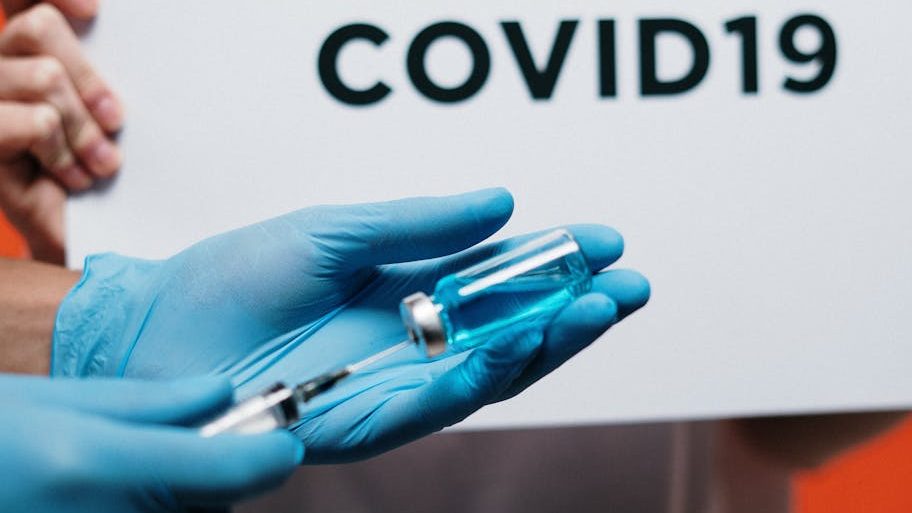
Despite widespread availability of COVID-19 vaccines, vaccination rates among Black and Hispanic children remain strikingly low across the United States. Recent research elucidates critical insights into why this persistent gap endures, despite parents in these communities often being vaccinated themselves. By engaging directly with caregivers of school-aged children, the study revealed the nuanced factors influencing parental vaccine decision-making, uncovering five core values that shape attitudes toward COVID-19 immunization in these populations. These findings, now published in the June edition of the journal Vaccine: X, hold profound implications for designing equitable public health interventions.

The research was led by Dr. Andrea Spencer of the Ann & Robert H. Lurie Children’s Hospital of Chicago, a recognized expert in pediatric behavioral health. Her team conducted in-depth interviews with twenty caregivers of children ages five to eleven, a demographic critical to controlling pediatric COVID-19 transmission. Most participants—62% Non-Hispanic Black and 29% Hispanic—were themselves vaccinated. However, vaccination rates for their children lagged behind, with only 62% immunized. This dichotomy highlights a complex tapestry of considerations parents grapple with when deciding about vaccinating their children.

Central to the research was the identification of five core values that underpin parental perspectives on COVID-19 vaccines: safety, knowledge, trust, humanity, and autonomy. These values do not exist in isolation but interact dynamically to influence either confidence or skepticism regarding vaccination. Safety emerged as paramount—parents expressed deep concern about potential adverse effects, emphasizing the necessity of safeguarding their children’s immediate and long-term health. This concern often eclipsed enthusiasm derived from their own vaccination experiences.

Knowledge constituted a second vital domain, encompassing both baseline vaccine literacy and information specifically about the COVID-19 vaccine. Caregivers described assimilating data from diverse sources, including scientific literature, media reports, and anecdotal family experiences, leading to varied understandings and interpretations. The heterogeneity in information uptake often contributed to uncertainty or misinformation, affecting their vaccination choices.

Trust is perhaps the most multifaceted and historically grounded value identified. The study illuminated how systemic racism and historical medical injustices profoundly shaped perceptions of the healthcare system and vaccine research. Caregivers referenced long-standing cultural narratives of medical exploitation, such as the Tuskegee Syphilis Study, which perpetuate mistrust in health authorities. This legacy complicates efforts to promote vaccination within these communities, underscoring the need for culturally sensitive communication.

An additional value, humanity, highlights the caregivers’ desire for health systems to acknowledge their individual circumstances and to treat them with respect and empathy. Participants voiced frustration when care felt impersonal or dismissive, emphasizing that feeling genuinely cared for increases receptivity to vaccination messages. This human-centric approach contrasts starkly with the often bureaucratic or generalized public health campaigns that fail to resonate on a personal level.

Autonomy represents a critical lens through which parents view vaccination decisions, emphasizing the importance of personal agency and empowerment. Caregivers articulated a strong commitment to making informed choices for their children rather than feeling coerced. This aspect also extended to empowering children themselves, recognizing their growing capacities to participate in health decisions—a nuanced consideration that interplays with parental responsibility.

The interplay among these core values reveals that vaccine hesitancy in minoritized populations cannot be reduced to simple misinformation or refusal; rather, it reflects complex, legitimate concerns rooted in lived experiences and societal inequities. Dr. Spencer notes that upholding these values within public health strategies could not only improve vaccine uptake but also repair fractured trust between communities and health systems—a long-term imperative beyond the current pandemic.

The study’s methodology, employing qualitative interviews, allowed for rich, context-dependent insights that quantitative surveys might miss. By centering voices from communities disproportionately affected by COVID-19 morbidity and mortality, the research aligns with a growing movement to integrate social determinants and cultural contexts into clinical and preventive medicine research.

Funded partially by the National Institute of Mental Health, the study exemplifies how mental health research intersects with public health, highlighting behavioral and social factors influencing biomedical interventions. Such interdisciplinary collaboration is essential to addressing complex health disparities with nuanced, evidence-based solutions.

Moreover, the research underscores the importance of frontline healthcare providers in navigating these core values during clinical encounters. Respectful dialogues that validate parents’ concerns about safety and honor their autonomy, while providing accurate knowledge and demonstrating cultural competence, could transform vaccine hesitancy into acceptance.

This new knowledge challenges public health authorities to rethink vaccine messaging, moving away from one-size-fits-all campaigns toward tailored approaches that prioritize humanity and acknowledge historical contexts. The findings advocate for policy frameworks that not only facilitate vaccine access but also prioritize ethical engagement to genuinely empower communities.

Ann & Robert H. Lurie Children’s Hospital of Chicago, home to this research, is a leading pediatric institution devoted to transforming child health through innovative science and compassionate care. As an exclusive research and training site affiliated with Northwestern University Feinberg School of Medicine, it stands at the forefront of integrating clinical practice with community-responsive research.

Addressing vaccine disparities through the prism of these core parental values is both a scientific imperative and a moral obligation. It offers a roadmap for fostering equitable health outcomes and restoring confidence in public health systems, with lessons extending well beyond COVID-19 to future immunization efforts and healthcare delivery.


Subject of Research: Parental decision-making about COVID-19 vaccination among Black and Hispanic communities.

Article Title: Insights into core values shaping COVID-19 vaccine hesitancy in minoritized children’s caregivers.

News Publication Date: June (Year not specified explicitly, inferred from journal issue date).

Web References:

References: National Institute of Mental Health grant K23MH118478 to Dr. Andrea Spencer.

Keywords: COVID-19 vaccination, vaccine hesitancy, Black communities, Hispanic communities, pediatric immunization, public health equity, systemic racism, parental autonomy, vaccine knowledge, medical trust, healthcare disparities.

  •  

MIT Scientists Create Innovative Vaccine Adjuvant to Accelerate Polio Eradication

In the ongoing global effort to eradicate poliovirus, a formidable challenge remains: balancing vaccine safety with the ability to halt virus transmission effectively. In the United States and many other countries, the injectable inactivated polio vaccine (IPV) is the standard immunization. This vaccine is renowned for its safety and effectiveness in preventing polio disease in individuals. However, it falls short in one critical area—it does not robustly prevent the circulation of the poliovirus in the gastrointestinal (GI) tract, the initial site of viral exposure and replication. This limitation means that vaccinated individuals might still carry and transmit the virus without showing symptoms, potentially perpetuating hidden chains of infection.

Contrastingly, the oral polio vaccine (OPV), which uses a live-attenuated virus administered orally, excels at establishing mucosal immunity in the intestine, significantly reducing virus shedding and transmission. This mucosal immune response involves the production of immunoglobulin A (IgA) antibodies that coat the mucosal surfaces, effectively neutralizing the virus at the entry portal. Despite its transmission-blocking advantage, OPV carries a rare but serious risk: the attenuated virus can revert to a neurovirulent, infectious form, occasionally causing vaccine-derived poliovirus outbreaks. Due to this risk, numerous countries have phased out OPV in favor of IPV, prioritizing safety but inadvertently compromising on transmission control.

Research teams at the Massachusetts Institute of Technology (MIT) are now pioneering a novel approach to bridge this gap—inventing a version of the IPV that stimulates mucosal immunity while maintaining an impeccable safety profile. Their breakthrough centers on integrating a nanoparticle-based adjuvant system to modify the immune response elicited by the traditional IPV. This innovation aims to mimic the mucosal immune priming characteristic of OPV without exposing recipients to live viral particles, thus potentially halting viral shedding and interrupting transmission chains more effectively than existing IPV methods.

At the core of this scientific advancement is a lipid nanoparticle (LNP) formulation encapsulating a vitamin A derivative called Am80. Previous studies at Harvard Medical School revealed that Am80 functions as a mucosal homing adjuvant, signaling immune cells to migrate to the intestinal mucosa. Yet, Am80 requires repeated daily injections to sustain a robust mucosal immune response, which is impractical for widespread vaccination campaigns. By embedding Am80 in LNPs engineered for slow, controlled release, the MIT researchers achieved prolonged adjuvant activity from a single—or limited number of—injections, thereby maintaining the stimulus required for effective mucosal immunity.

The mechanism underpinning this enhanced immune targeting lies in the nanoparticles’ accumulation within lymph nodes following parenteral injection. Within these immune hubs, Am80 interacts with B and T lymphocytes exposed simultaneously to IPV antigens. This interaction induces the expression of homing receptors that redirect these cells to mucosal tissues, particularly within the GI tract. Consequently, B cells within the mucosa ramp up production of IgA antibodies, a pivotal component in neutralizing pathogens on mucosal surfaces. Importantly, this adjuvant strategy preserves systemic immunity by enabling IgG antibody generation in parallel to mucosal IgA responses.

Preclinical trials conducted in rodent models have demonstrated striking immunological enhancements: rats receiving the nanoparticle-Adjuvanted IPV displayed a 20-fold increase in mucosal IgA levels compared to those administered IPV alone. This dual enhancement—systemic protection coupled with mucosal immunity—suggests a paradigm shift in polio vaccination strategy. A vaccine formulation that can halt virus circulation and shedding without the risks of live-attenuated virus reversion offers a promising tool for the final push toward global polio eradication.

Despite these encouraging findings, the research team is cautious about the translational path ahead. Future studies aim to evaluate the efficacy and safety of administering the adjuvanted IPV as a combined formulation, rather than separate injections as tested in rats. Larger animal models will provide critical data on immune kinetics, safety profiles, dosing regimens, and potential scalability for human clinical trials. Furthermore, they intend to investigate whether similar adjuvant strategies can be adapted to vaccines targeting other mucosal pathogens, including respiratory and reproductive tract infections, broadening the impact of this technology beyond polio.

The widespread circulation of poliovirus in wastewater, even in nations with high IPV coverage, underscores the urgency to enhance vaccine-induced mucosal immunity. Such environmental reservoirs pose a latent threat to unvaccinated or under-immunized populations. Advances that convert an already safe and widely accepted vaccine into a transmission-blocking tool without live virus risks could transform public health strategies globally. This innovation stands at the nexus of immunology, nanotechnology, and vaccinology, illustrating the multidisciplinary efforts needed to conquer entrenched infectious diseases.

Driving this research are renowned scientists Ana Jaklenec and Robert Langer from MIT’s Koch Institute for Integrative Cancer Research, along with lead author Behnaz Eshaghi. Their collaborative work, published in the journal Science Advances, marks a significant milestone. Supported by funding from the Bill & Melinda Gates Foundation, a leader in global health initiatives, this advancement contributes substantially to the scientific toolkit necessary for polio’s final elimination.

The quest to develop a polio vaccine capable of eliciting both systemic and mucosal immunity without compromising on safety could herald a new chapter in infectious disease eradication efforts. This refined IPV, augmented by Am80-loaded lipid nanoparticles, exemplifies how targeted delivery of adjuvants can modulate immune cell trafficking and function, setting a new standard for modern vaccinology. As the research progresses from preclinical models to human trials, the global scientific community watches with anticipation, hopeful that this innovation will accelerate the disappearance of polio from every corner of the world.

Subject of Research: Inactivated polio vaccine enhancement using lipid nanoparticle adjuvants for mucosal immune response
Article Title: Am80-Lipid nanoparticles serve as an enteric mucosal adjuvant following parenteral immunization with inactivated polio vaccine
News Publication Date: 3-Jun-2026

  •  

The Human Genome Has Been Contaminated With a Gene That Has Never Existed in the History of Humanity Causing Skyrocketing Cancer Rates

Dr. Daniel Nagase raises alarms about the dangers of COVID-19 mRNA vaccines, from DNA contaminants that could permanently alter the human genome. The rising cancer rates among Australians is due to these mRNA injections which are part of a coordinated effort to use bioweapons for global depopulation.

  •  

Satan’s Lies Are More Believed Now Than Ever Before

The COVID-19 pandemic and “safe and effective” vaccines are lies propagated by governments and “experts”. Many widely accepted scientific beliefs are false narratives based on Satan’s lies. Spiritual deception underlies many societal misconceptions. We must return to the foundation of biblical truths from creation to what is real science.

  •  

Dr. Michael Yeadon | COVID-19 mRNA “Vaccines” are Deliberate Premeditated Sterilization Depopulation Bioweapons

Dr Michael Yeadon, former Pfizer vice president in charge of vaccine production, makes an impassioned appeal to the world against COVID-19 vaccinations. He exposes the truth behind the mRNA shots as deliberately designed sterilization depopulation bioweapons.

  •  

The New Frontier | Biological Colonialism

Our governments are maiming/killing us with jabs for the sake of "biological colonialism". "At some point there were no new lands left to conquer...[so] how do you extract wealth from the middle class? You do it through iatrogenic injury".

  •  

90% Inaccurate: Bombshell German Study Exposes the PCR Test Fraud That Locked Down the World

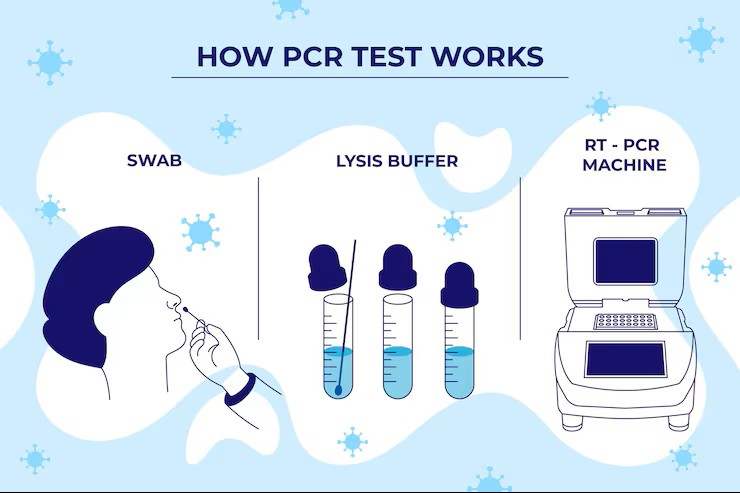
A recent German study claims that PCR tests during the COVID-19 pandemic were up to 90% inaccurate, revealing only 10-14% of positive results correlated with actual infections. Critics argue inflated cycle thresholds produced numerous false positives, leading to misguided lockdowns and policies based on unreliable data, ultimately damaging civil liberties and economies.

  •  

Vaccine Safety “Pyramid Scheme” Exposed | The Shocking Truth They Never Wanted You to See

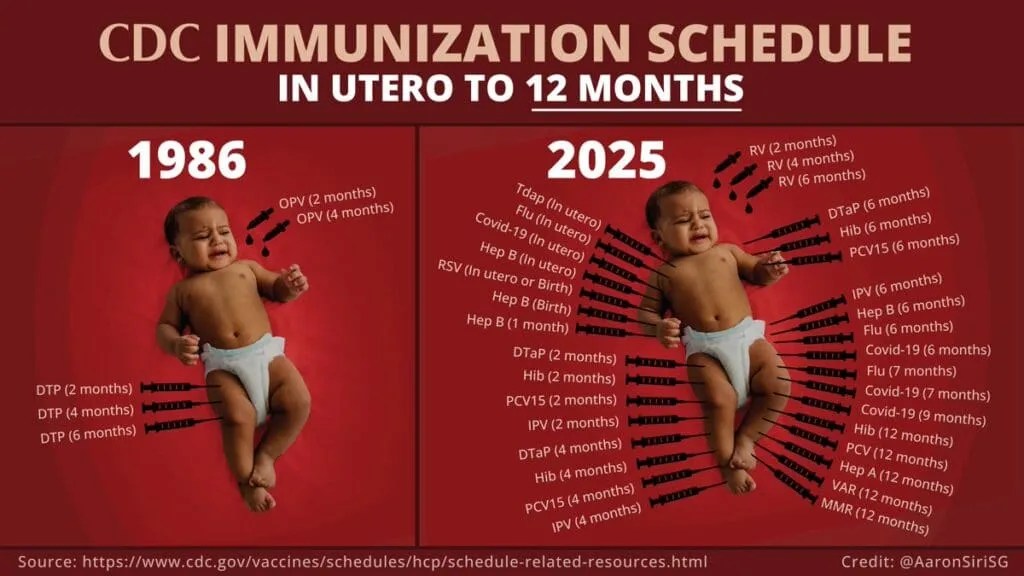
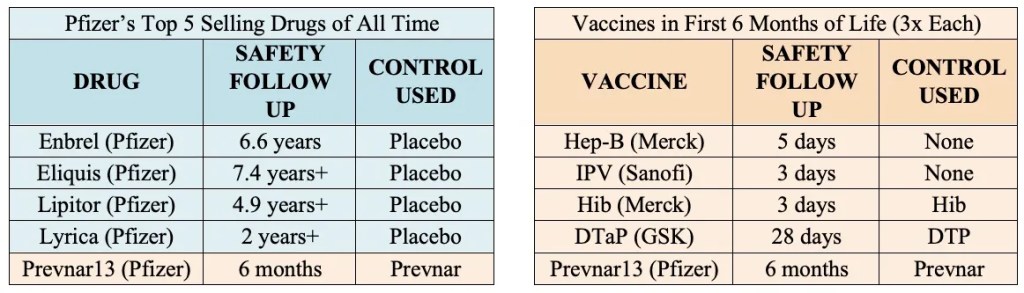
Attorney Aaron Siri exposes the flawed safety testing of childhood vaccines, claiming that none have been tested against saline placebos. Instead, vaccines are compared to older vaccines, creating a misleading safety profile. He argues that significant adverse event rates exist, asserting that these practices endanger children's health and lack proper testing validation.

  •  

A Chilling Warning from Brussels | The Foundational Flaw in mRNA Technology That the Public was Never Told

At the launch of "Make Europe Healthy Again," researcher Panagis Polykretis highlighted a critical issue with mRNA vaccines, asserting that they enable an immune attack on the body’s own cells, leading to severe adverse effects like myocarditis. He called for accountability and urgent safety studies amid rising health crises linked to the vaccines.

  •  

President Trump | Autism Caused By Childhood Vaccines and Medications

President Trump announces that childhood vaccinations and medications cause autism, citing the Amish community's low autism rates due to their lack of vaccination. His announcement aligns with alternative medical opinions on this for the past several decades.

  •  

Is Australia’s Digital ID a Path to Surveillance?

The Digital ID Act 2024 in Australia is a vehicle for extensive surveillance, potentially linking personal data such as biometrics to financial accounts and digital currency. Governmental assurances of voluntary participation do not help, fearing that such measures may become mandatory, leading to total control and loss of individual freedoms.

  •  

President Trump | All Vaccines are Poisons

President Trump posted on his Truth Social account that all vaccines are poisons. But it is hard to believe that he is waking up to this truth since he just hosted the big tech and big pharma barons at a state dinner at the White House and praised them up.

  •  

The Future of Meat | mRNA vaccines

Australian scientists have developed a home-grown mRNA vaccine for Foot and Mouth disease (FMD) in livestock, part of a $20 million research project. While the vaccine promises rapid development, concerns about its safety and effects on meat consumers persist. Current pork supply lacks mRNA vaccine treatment, but future integration raises alarms.

  •  

Dr. Mike Yeadon | All Vaccines are Worthless Poisons

Former Pfizer VP Michael Yeadon claims vaccines, rather than protecting, sensitize individuals to allergens, causing severe allergies. He cites research suggesting that vaccination schedules contribute to rising food allergies globally, harming public health. All so-called vaccines are nothing more than poisons.

  •  

Event 201 Again | 2024 Desktop Exercise War-Gamed Bioterrorist Attack that Kills 280,000 Americans in a Single Day – on 4 July 2025

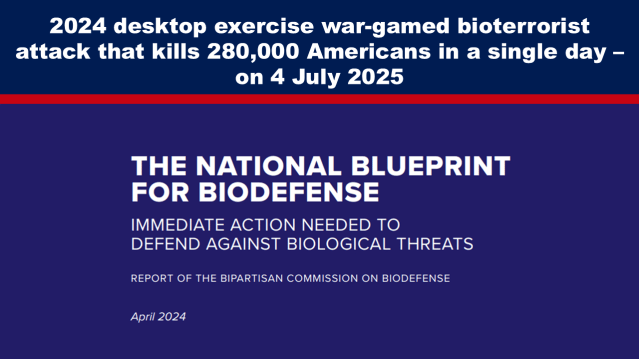
In a podcast discussion, Dr. David E. Martin warns of a predicted bioterror attack on July 4, 2025, as outlined in the “National Blueprint for Biodefense” report, which anticipates 200,000 animal and 280,000 human casualties in one day. He compares it to the prior Event 201 exercise related to COVID-19, urging public alertness.

  •  

Dr Suzanne Humphries Exposes the Vaccine Myth

Dr. Suzanne Humphries critiques vaccines, claiming they disrupt the immune system's natural defenses and lead to serious health consequences. Her experiences in hospitals reveal injuries linked to vaccinations, challenging mainstream narratives of safety. She advocates for prioritizing natural immunity and questions the coercive nature of vaccine mandates, emphasizing profit over public health.

  •  

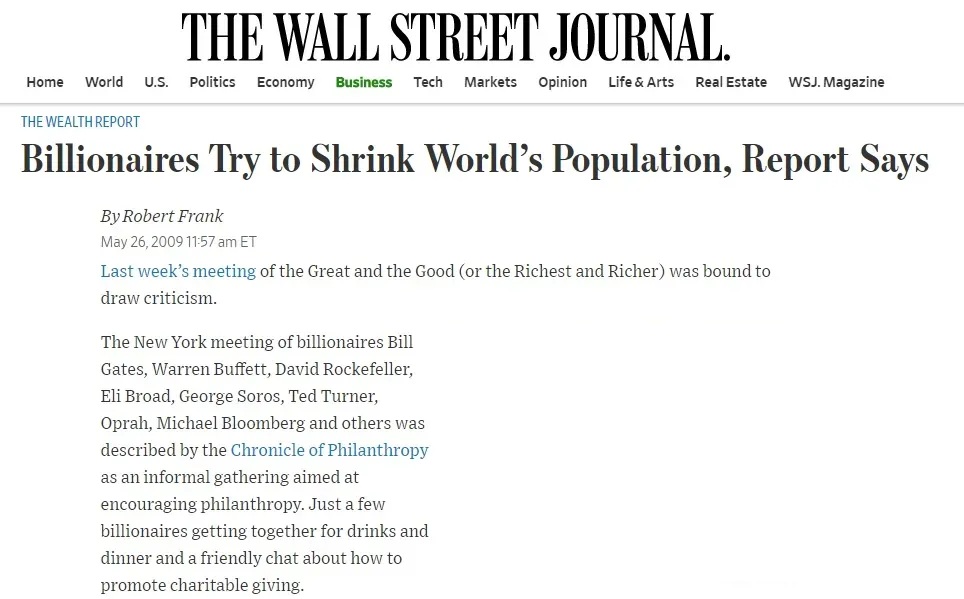
“Billionaires Try to Shrink World’s Population” at Secret Gathering Sponsored by Bill Gates

For more than ten years, meetings have been held by billionaires described as philanthropists to Reduce the Size of the World’s Population culminating with the 2020-2024 Covid crisis. Recent developments suggest that “Depopulation” is an integral part of the so-called Covid mandates including the lockdown policies and the mRNA “vaccine”.

  •  

The Truth About Vaccines | My Personal Insights

My background in experimental physics has led me to critically think about the darkness in human nature and its linkage to global depopulation through vaccines. I question the safety and efficacy of vaccines as recent studies show. There is no such thing as a good vaccine.

  •  

Childhood Vaccines with Safety Studies and Placebos

The safety of childhood vaccines are questioned, in light of the lack of long-term placebo-controlled trials. I specifically note that Pfizer's Covid-19 vaccine had only a short trial, where the placebo control arm was quickly unblinded and injected with the vaccine which raises concerns about efficacy and safety.

  •  

Creation Ministries International (CMI) Defends Their Stance on COVID Bioweapon Injections

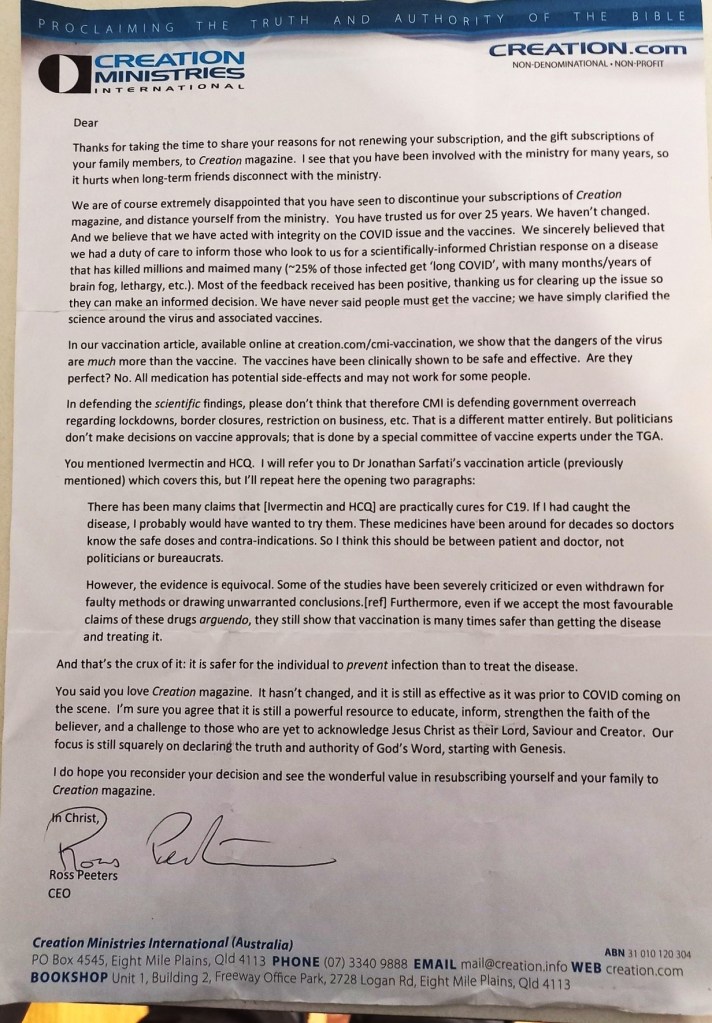
A subscriber wrote to me to share her frustrations with Creation Ministries International (CMI) as she tried to communicate her concerns in regards to the COVID bioweapon vaccine shots. I reproduce the correspondence wherein they defend their pro-vax stand.

  •  
❌