Reading view

There’s Something Living Inside Fog, Scientists Find

There’s something living in the fog. Repeat: there’s something living in the fog.

It may sound like a twisted update to the classic John Carpenter film — or a log line for the new Apple TV horror series “Widow’s Bay” — but these low-hanging clouds are indeed rife with living bacteria, according to new research.

The findings, published in a study in the journal Environmental Microbiology, showed that fog is teeming with so much life that the researchers liken it to a vast aquatic ecosystem unto itself.

“We found that millions of bacteria inhabit… fog droplets,” coauthor Ferran Garcia-Pichel at Arizona State University, told USA Today

“When you take all of the droplets together, the concentration of bacteria is the same as in the ocean,” he added in a statement about the work.

The presence of bacteria in airborne water droplets isn’t a new revelation in itself. But the work helps elucidate what it is that bacteria do while suspended in fog and other clouds — something that wasn’t clear before — and the impact this has on the broader environment.

“There’s very limited knowledge about what kinds of bacteria are present in fogs, which are like clouds at the ground level,” lead author Thi Thuong Cao, a researcher at ASU, said in the statement.

To peer into this gloomy microscopic realm, the researchers meticulously collected air samples before, during, and after fog events. Since wind can blow fog banks away and confound attempts to get consistent samples, the researchers focused on a specific type called radiation fog that forms on calmer days when the ground cools and chills the air above it, allowing water droplets to condense close to the surface.

After assiduously collecting samples, the researchers found that only one percent of fog droplets contained bacteria. But a thimbleful of these droplets in all packs around ten million bacteria, which is nothing to scoff at. 

Some thrived more than others. The population of one bacteria called Methylobacteria, known for devouring simple carbon compounds including pollutants like formaldehyde, increased after fog events. A closer look showed that the bacteria were actively growing and multiplying.

“We observed them under the microscope to see that yes, the bacteria are getting bigger and they’re dividing, so there is growth,” Cao said. “We also found that they’re using the formaldehyde as food to support their growth.”

Garcia-Pichel said this marked a “mindset change” in how we think about fog. “If they are growing,” he said of the bacteria, “then the droplets are a habitat.”

From this habitat, bacteria could be influencing air quality, thanklessly sucking up pollutants. It’s a possibility that might give pause to calls to start collecting fog for drinking water, the researchers say.

“If we harvest fog, we are getting rid of our little friends in the air,” Garcia-Pichel said in the statement. “We don’t know if that’s going to make a big impact or not, but we should be considering that.”

More on biology: Scientists Intrigued by Chunk of Flesh That Refuses to Die After Several Years

The post There’s Something Living Inside Fog, Scientists Find appeared first on Futurism.

  •  

Neighbors Horrified by Data Center Twice the Size of Manhattan

TV personality and businessman Kevin O’Leary is looking to construct a mammoth data center facility more than twice the size of Manhattan in Utah’s broader Salt Lake City region.

As Slate reports, the megalomaniac plans for the “Stratos Hyperscale Data Center” would see dozens of data center buildings, research facilities, and even worker housing be constructed across 40,000 acres of unincorporated land in Box Elder County, which is home to over 60,000 residents.

Given the widespread backlash to data centers across the entire country, it shouldn’t come as a surprise that many of these residents are now rushing to council meetings to forcefully refute the plans. After all, they’ve watched as other areas that welcome the facilities struggle with rising electricity prices, stressed water systems, and noise pollution.

Worse yet, the Great Salt Lake is already in crisis: it’s rapidly disappearing amid devastating droughts across the state. An extremely resource-intensive data center could place a massive new strain on it, regardless of the many reassurances from developers.

Despite initially setting aside a vote on the Stratos construction project, county commissioners eventually pushed forward, arguing that they had the “obligation” to start building, as Slate reports.

The debate drew thousands of negative comments, with hundreds of angry residents piling into a May 4 commission meeting, an all-too-familiar sight as countless Americans are desperately trying to publicly denounce plans for similar data centers in their counties.

Behind closed doors, Box Elder County commissioners eventually approved the data center, triggering an even louder outcry. Meanwhile, county attorneys argue that voters don’t have a legal say in the matter, rejecting a push for a referendum. As the Salt Lake Tribune reported last week, opponents said they were looking to take legal action after being shut out of the approval process.

“To me, and to other people I’ve talked to, it felt like it was done in the dark: backroom deals and assurances made with no transparency or government accountability,” Salt Lake City resident Larry Curtis told Slate.

Stratos remains adamant that the data center will be a boon for the region, creating 2,000 permanent jobs. Critics, though, say that figure is far too small for the sheer scale of the operation.

It’d be a fraught debate anywhere, but the backdrop here is grim: residents have been watching as the Great Salt Lake continues to shrink, with snow and rain becoming extremely sparse.

“In the past, one thing I could’ve agreed with [Utah governor Spencer Cox] on was that we need to save the lake,” resident Stephen Otterstrom told Slate. “Now this puts into question whether there is any sincerity in that.”

Yet the tides could soon start to change as the public blowback grows. The outcry has been loud enough for local politicians to backpedal after initially supporting the data center, as they realize it’s a major liability that could endanger their chances of being reelected.

More on data centers: You’ll Never Guess Trade Unions’ Position on AI Data Centers

The post Neighbors Horrified by Data Center Twice the Size of Manhattan appeared first on Futurism.

  •  

Scientists Intrigued by Chunk of Flesh That Refuses to Die After Several Years

A chunk of seemingly immortal sea cucumber tissue has scientists wondering if they’ve just stumbled on the secret to regenerating limbs. No, we are not kidding.

In a new study published in the journal Science, researchers say that an amputated sample of the creature, a species called Psolus fabricii, has survived for three years while being kept in natural seawater, growing and repairing all on its own. The tissue was so hardy, in fact, that it outlasted the researchers’ experiments — at which point they decided to call it quits and publish their astounding find.

“This is naturally occurring tissue immortality,” study lead author Sara Jobson, a researcher at Memorial University of Newfoundland, told Ars Technica. “Having tissues that survive that easily is unheard of. We’ve never seen anything like this.”

The sheer longevity of the specimen isn’t the only reason it’s unprecedented. Another is the fact that the sea cucumber tissue survived in ordinary seawater, an environment rife with bacteria and other microbial organisms. In previous tests, tissue samples were placed in an “axenic” culture that’s sterilized and tightly controlled.

Another is that the explanted tissue is actually healing and growing. In their experiments, the researchers found signs of immune activity and tissue reorganization; the cells even appeared to be diversifying and absorbing nutrients on their own.

That said, the immortality it’s exhibiting isn’t of the science fiction vein. While persisting, the explanted tissue hasn’t graduated into a new organism — and it’s unclear if it’s “alive” in the traditional sense at all. It’s growing and repairing, and all the biological upkeep is firing, but it lies inert and unformed.

“We haven’t grown a new, complete sea cucumber yet, but we are seeing pretty stunning growth and diversification of cells literally years after this tissue was removed,” study coauthor Rachel Sipler, a senior research scientist at the Bigelow Laboratory for Ocean Sciences, said in a statement about the work. “It’s like a lizard that loses its tail. We know some lizards can grow new tails; we’re talking about whether the tail can grow a new lizard.”

Biomedical researchers are already salivating at the find. Since it’s an invertebrate, there’s less restrictions on the research that can be performed on the organism.

“This discovery highlights that the ocean holds profoundly unexpected biological innovations,” Andrea Bodnar, science director at Gloucester Marine Genomics Institute, who wasn’t involved in the work, said in the statement. “The fact that tissue explants from a sea cucumber can heal, reorganize, and survive independently for years in natural seawater suggests an entirely new model for biological resilience and tissue regeneration.”

More on biology: China Launches Synthetic Human Embryos to Space Station

The post Scientists Intrigued by Chunk of Flesh That Refuses to Die After Several Years appeared first on Futurism.

  •  

French Open Descends Into Hellish Nightmare Thanks to Climate Change

As sporting events go, the French Open, also known as Roland Garros, is usually a mild and sunny affair. Throughout the opening rounds of 2025’s tournament, temperatures fell squarely in the 60 degree Fahrenheit range, a perfectly agreeable conditions for players and spectators alike.

This year’s French Open, however, happens to be taking place during one of Europe’s worst springtime heat waves on record. Countries like France, the UK, Spain, and Germany have all notched record highs for the month of May as climate change fuels a massive heat dome — a situation turning the normally pleasant tennis championship into a hellish mess of sweat and red-hot clay.

As noted by CNN, every player is feeling the heat as France endures daily highs in the 90s, hotter than average temperatures in July.

After securing a victory in a four-hour contest with the Russian Roman Safiullin, Norwegian tennis star Casper Ruud told the BBC he was shambling around in a heat-induced daze. Ruud took multiple medical breaks throughout the match, covering himself with cooling towels, while both players took an extended break after the fourth set.

“It felt like it was a bit of a kind of heatstroke feeling,” Ruud explained. “I experienced something similar some years ago when I played in Washington DC and I had to retire in the third set… that’s the only time I had that same feeling as I had today in the fourth set where I felt at times really dizzy, really tired and walking around like a zombie almost.”

Days later, Czech star Jakub Menšík collapsed on the court after winning a nearly five-hour contest against Argentinian Mariano Navone. Though his opponent ran over to congratulate Menšík and help him up, the Czech player didn’t budge, prompting medical staff to dart over with ice packs and a wheelchair to help him off the court.

Menšík later told sports press his body “just turned off,” as temperatures as high as 91.2 degrees Fahrenheit baked the city of light — the lowest daily high in Paris over the past five days.

“It’s insane to play in this weather and especially in front of the Sun, to be there for more than four and a half hours is just insane,” the Czech player said. (Menšík was penalized at multiple points for taking too long to cool himself off during breaks in play, losing his first serve twice as a result.)

As Front Office Sports notes, the Roland Garros is regarded among the cooler of the four Grand Slams. That’s especially so compared to the Australian and US Opens, which are held in the dog days of their respective hemispheres’ summers.

Given the extreme heat expected once summer begins and El Niño settles in, those tournaments could make Roland Garros look like a picnic on the Champ de Mars.

More on climate change: Research Paper Warns That There’s a Massive Experiment at Work to Geoengineer the Earth’s Climate

The post French Open Descends Into Hellish Nightmare Thanks to Climate Change appeared first on Futurism.

  •  

Scientists Rush to Save One of the World’s Rarest Trees as It Literally Falls Off a Cliff

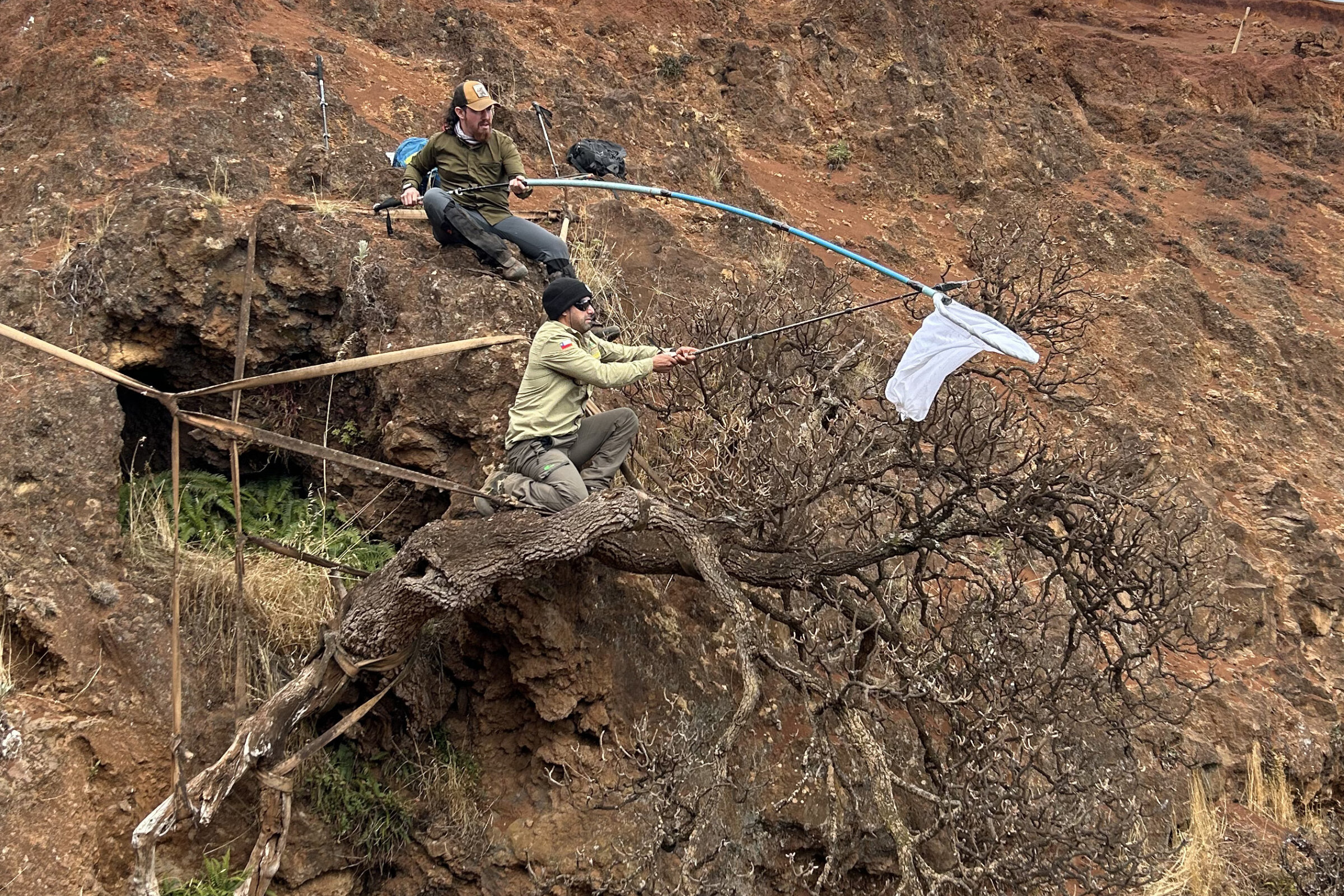
Scientists are desperately racing to save one of the world’s rarest tree species from disappearing — by collecting seeds from the only surviving specimen, which is literally clinging to the side of a cliff on Robinson Crusoe Island, an extremely remote island off the coast of Chile.

A photo shared by the Royal Botanic Gardens in the UK shows conservationists reaching out with a giant net in an attempt to recover seeds from the last known wild specimen of the Dendroseris neriifolia tree, native to Chile’s Juan Fernández Islands.

The action highlights how scientists are going to great lengths to ensure the survival of highly endangered species of plants, a prescient topic as global warming caused by human activity continues to put them at great risk. Scientists have previously found that twice as many plants have gone extinct in the last 250 years as all birds, mammals, and amphibians combined, a devastating and often less-talked-about loss of biodiversity.

The tree species has been heavily affected by habitat loss, encroaching invasive species, and failed attempts to ensure its survival, according to a statement by the Royal Botanic Gardens in Kew, near London, UK.

Twenty-nine seeds were recovered, 25 of which were identified to be potentially viable according to an X-ray analysis by scientists at the Botanic Gardens. Seven seedlings are already establishing, so the last-ditch effort may have a chance of paying off.

It’s not the first time scientists have attempted to ensure the survival of the Dendroseris neriifolia tree. By 1980, only seven surviving wild specimens remained following dramatic population declines. Park rangers attempted to recover the species in the 1990s, and reintroduction efforts in the early 2000s ultimately proved unfruitful.

At this point, there’s not a lot of room for error. Beyond the tree falling off the cliff, just single specimen is currently growing at the VerdeNativo botanic gardens in Chile.

“It is a race against time,” said VerdeNativo botanic gardens scientist Diego Penneckamp in a statement. “This international collaboration to support the last remaining individual could prevent the extinction of a species that represents a unique lineage with its own natural history.”

More on biodiversity: Wildlife Populations Have Shrunk a Shocking Amount in Just 50 Years, Report Finds

The post Scientists Rush to Save One of the World’s Rarest Trees as It Literally Falls Off a Cliff appeared first on Futurism.

  •  

This Summer Is Going to Kill a Lot of People

Summer hasn’t even started in the Northern Hemisphere, and thermometers around the globe are already fit to burst.

In India, at least 16 people have died during a pre-monsoon season heatwave as temperatures reach a scorching 116 degrees Fahrenheit, with conditions expected to worsen over the coming days.

Meanwhile, the European continent is currently experiencing one of the worst heat waves on record, the Associated Press reports, with gauges in the United Kingdom recording all-time highs of 94.6 degrees Fahrenheit and 95.1 over a 24-hour period. Seven have already died in France during the hottest day in May in the country’s recorded history, while health officials in Italy have moved to restrict outdoor activity.

While these temperatures might not sound extreme by American standards — the US is a world leader in air conditioning usage, with some 90 percent of households covered — the heat is pushing people and infrastructure to their limits elsewhere in the world.

As a recent report on the UK’s global warming outlook noted, the country is “built for a climate that no longer exists,” with only 5 percent of households boasting AC units.

“While we do occasionally have warm spells in May, what we’re seeing now is unprecedented,” Stephen Dixon, a spokesperson for the UK Met told CNN. “What was around a 1-in-100 year event is now around a 1-in-33 year event.”

Making matters worse is the looming threat of El Niño, a cyclical climate pattern which raises temperatures around the world. That event typically comes once every two to seven years, but the one expected to kick off this summer is massive — forecasted to be nearly as bad as the nearly-apocalyptic heat spell of 1877, which killed millions of people.

Keep in mind, these record heat waves are hitting well ahead of both summertime and El Niño. As researchers have found, ambient global temperatures are already enough to kill elderly and even young people given the right amount of exposure time. In other words, this summer is about to give a whole new meaning to the phrase “jumping out of the frying pan and into the fire.”

More on extreme heat: Earth Screams in Agony as Microplastics Found to Increase Global Warming

The post This Summer Is Going to Kill a Lot of People appeared first on Futurism.

  •  

China Launches Synthetic Human Embryos to Space Station

Will humankind colonize other star systems, spreading life to distant worlds? Or more locally, and realistically: will we ever establish settlements on Mars or the Moon? Before we even consider stuff like huge generation ships, we have to look at our biology. Can our fragile forms reproduce in space, allowing our off-world outposts to sustain themselves?

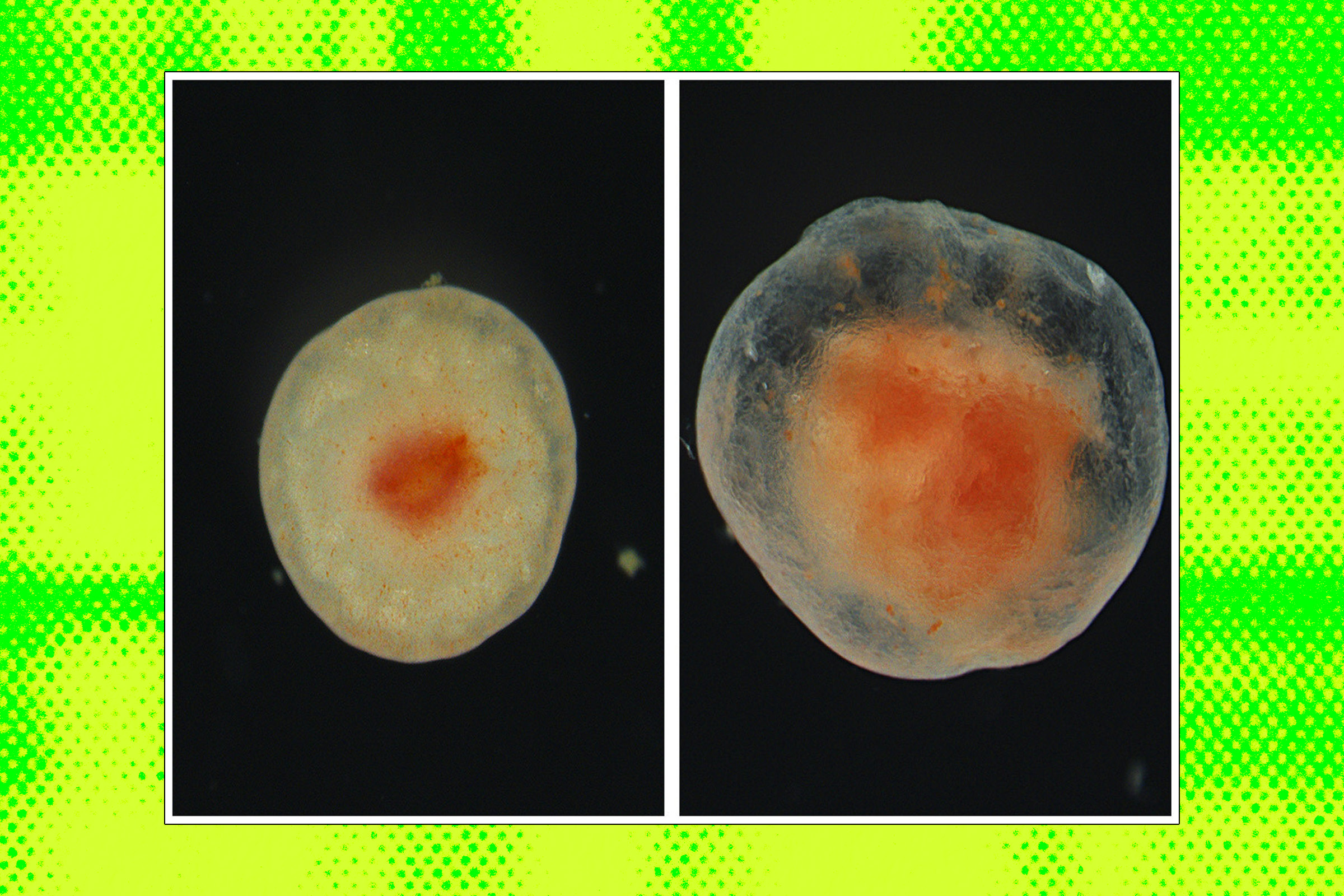
That’s what Chinese scientists hope to find out. This month, China sent a batch of synthetic human embryos to its Tiangong space station, in a first-of-its-kind experiment to explore how a critical early stage of human development is affected by a microgravity environment. 

The samples are made of human stem cells and closely resemble real embryos, but aren’t capable of developing into an actual fetus.

“This is not a real human embryo and does not have the ability to develop into an individual. However, it can serve as a model for studying early human development,” project leader Yu Leqian, a researcher at the Chinese Academy of Sciences’ Institute of Zoology, said in a statement

Space is a harsh environment for our bodies, even in the protective confines of a spacecraft. On top of the effects of microgravity, we have to worry about the effects of space radiation and powerful cosmic rays — phenomena we generally don’t have to worry about on Earth, thanks to the protection of our hearty atmosphere.

Some previous experiments using animals have been encouraging, however. In 2016, Chinese scientists successfully grew mouse embryos in space, demonstrating that they could reach the blastocyst stage of development, the point when embryos are ready to implant in the uterus, or attach themselves to the uterine wall, before developing into a fetus. And in 2023, Japanese scientists replicated that feat, finding that the embryos grown in microgravity had around a 24 percent chance of reaching the blastocyst stage, which was roughly half the chance of embryos on Earth.

Mice embryos are one thing, though, and human embryos another — and these latest samples are synthetic, underscoring the gradual progress.

After being delivered as part of the Tianzhou-10 resupply mission on May 11, the synthetic embryos were housed in the station’s experimental module. They comprise two sample groups representing different stages of development. One set are embryos cultured on uterine cells, mimicking the implantation stage in the uterus. The other set are embryos suspended in a microfluidic chip, mimicking the point when cells begin laying the groundwork to form tissues and organs, according to Live Science.

“The experiment is going very well,” Yu said in the statement. “A pre-set automated system changes the culture medium for the samples every day.” 

The experiment was designed to last five days before the embryos were frozen. But it won’t be until they’re sent back to Earth for analysis, and compared with a control group that was kept planetside, that we’ll know the results.

If the samples don’t fare well, it’s not a nail in the coffin for space reproduction just yet. The Japanese study, for example, showed that embryos in an artificial gravity environment had about a five percent better chance of blastocyst development than the microgravity samples.

“[We might] use certain technologies to mitigate the impact,” Yu told South China Morning Post. “This is our first attempt to answer [the questions]: Can humans survive and reproduce in space? I hope the answer is yes.”

More on space: Sun Suddenly Blasts Powerful Radio Transmission for 19 Continuous Days

The post China Launches Synthetic Human Embryos to Space Station appeared first on Futurism.

  •  

Scientists Say Huge Dam Blocking the Bering Strait Could Slow Effects of Climate Change

Sea levels are just the start of how climate change will upend the ocean. Rising temperatures are also threatening a critical artery that runs through the ocean known as the Atlantic Meridional Overturning Circulation, or AMOC. This current, in short, sends warm water northwards and dumps colder water southwards in a giant loop, massively influencing the world’s weather systems along the way. 

If temperatures keep soaring, scientists fear that AMOC could collapse — and with it, climate patterns across the globe. Temperatures in Europe would plunge without the injection of warm water it brings. Rainfall in the tropics would be disrupted. And sea levels on the US east coast would rise.

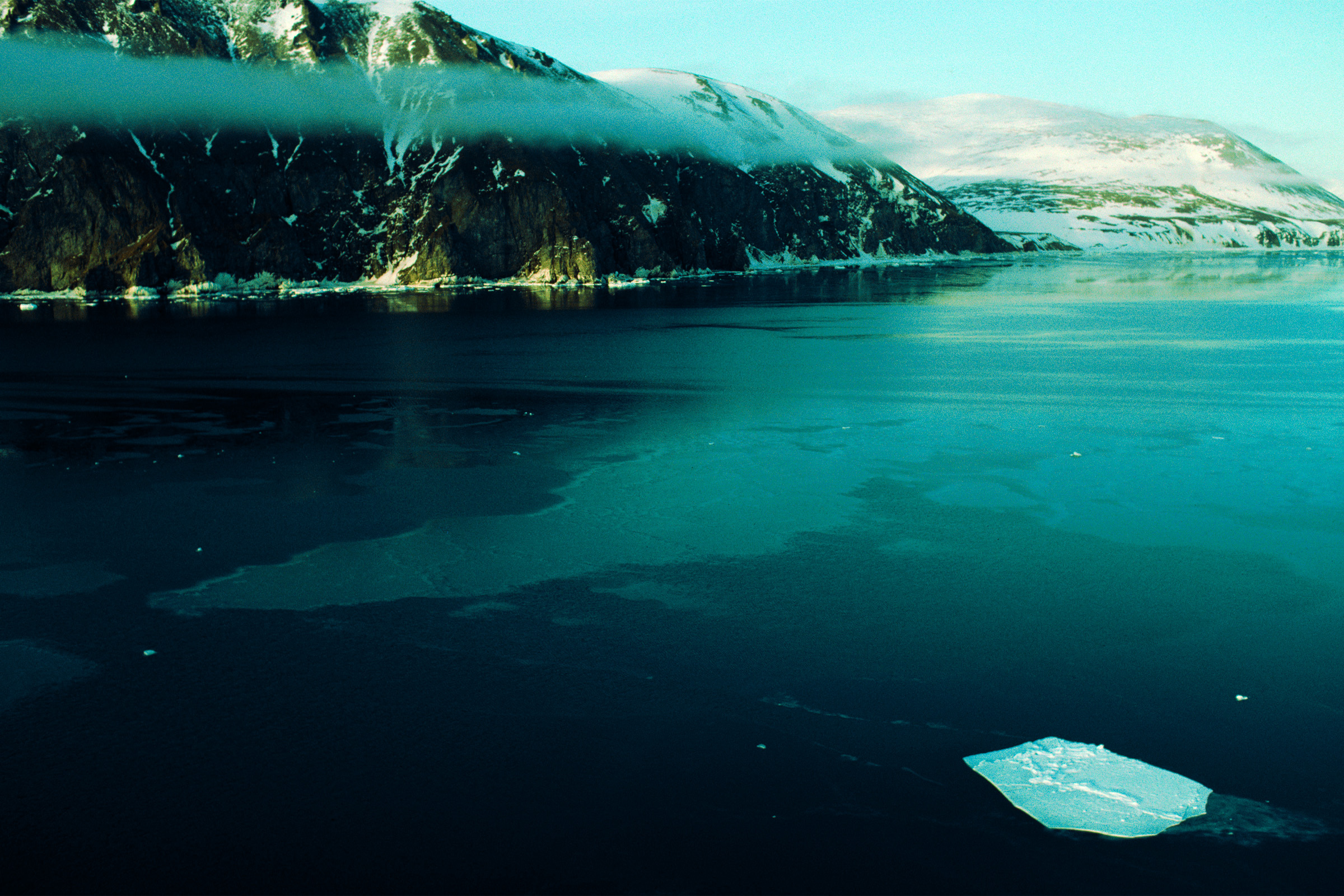
To save AMOC from demise, two researchers have proposed a daring Hail Mary: building a giant dam across the Bering Strait, the channel that separates Alaska from Siberia, to stop the proverbial bleeding. As outrageous as it sounds, the megaproject could in theory stabilize the ocean current, according to the findings of a new study they published in the journal Science Advances

Jelle Soons, a researcher from Utrecht University and one of the study’s two authors, stressed that the proposal was a “proof of concept,” but told the Financial Times that building the dam could be a “possible measure in a worst-case scenario.”

In their research, Soons and his colleague Henk A. Dijkstra focused on the Bering Strait because it’s through this choke point that AMOC pumps fresh water from the Pacific, then into the Arctic Ocean, and then finally into the Atlantic. Their view of the strait’s importance was buoyed by another study that found that AMOC was stronger three million years ago when the Bering Strait was a land bridge, forming a natural dam of sorts.

Running computer simulations, they found that a dam today would stymy the flow of fresh water from the Arctic Ocean into the Atlantic. That would keep the Atlantic salty, stabilizing the flow across the AMOC broadly.

For this to work, though, the dam would need to be constructed at just the right moment. If it’s built while the AMOC is still strong, then the dam would help it stay healthy, the study found. But if it’s built when AMOC is weak, it could accelerate it towards collapse, the FT noted. While it’s clear the AMOC is weakening, there’s still significant debate over its current health and how close it is to collapse.

The authors gladly concede that the engineering details of actually constructing a dam over fifty miles long is beyond their and the paper’s remit. As are other questions, like how it would impact the migration routes of aquatic life, or the shipping routes of huge oil tankers, or what would it entail for always-testy US-Russian relations, the FT cautioned.

Perhaps it’s for the best that the dam remains a thought-provoking proof-of-concept, and not the blueprint for climate action, was the opinion of the UK’s Met Office.

“The Met Office does not advocate geoengineering solutions to climate change, which can often bring dramatic and unintended consequences,” a spokesperson told the FT. ”Fighting to stave off every fraction of a degree rise of global temperature is the more sustainable and pragmatic approach.”

As it happens, the Bering Strait scheme isn’t the only desperate climatological option that involves building a gargantuan aquatic structure. Engineers have also proposed immuring the Thwaites “Doomsday” glacier in Western Antarctica in an over 60 mile long curtain that blocks out warm water to prevent it from melting.

More on climate change: $60 Million Startup Says It’s Invented a New Particle to Dim the Sun

The post Scientists Say Huge Dam Blocking the Bering Strait Could Slow Effects of Climate Change appeared first on Futurism.

  •  

Doomsday Glacier Shows Signs of Imminent Disintegration

Bad news for anybody holding out hope for a future free of climate disaster: one of the largest glaciers in the world is about to splinter apart.

According to the New Scientist, a 45 kilometer ice shelf in front of the Thwaites glacier in Antarctica — nicknamed the “doomsday glacier” by some for its role as tipping point for the global climate — is about to break away.

Satellite imagery shows that the ice shelf is actively breaking away, with major fissures visible around the point where the sheet connects to the broader glacier. As University of Innsbruck in Austria geophysicist Christian Wild told the New Scientist, “suddenly, large areas are just falling to pieces. It looks like a windscreen that’s shattering.”

About the size of Britain, scientists are concerned the Thwaites’ collapse will set off a sort of domino effect across the West Antarctic Ice Sheet, which holds enough ice to raise the global sea level by anywhere from 13 to 16 feet.

Earlier this year, a team of researchers and engineers scrambled to set up camp on the rapidly decaying ice sheet, where they planned to fasten scientific instruments to monitor the ongoing collapse.

Though the team ultimately failed to plant monitoring equipment under the glacier as planned, they still managed to take some valuable measurements from beneath the “main trunk” of the glacier. That data showed the waters below the Thwaites are much warmer and faster flowing than previously thought, providing a hint as to why the glacier is collapsing at such a rapid pace.

While the sheet is still attached to the glacier for now, it’s really only a matter of time until it breaks off completely — ushering in a frightening new reality for humanity the world over.

More on climate change: Climate Change Is Getting So Bad That It’s Making Food Less Nutritious

The post Doomsday Glacier Shows Signs of Imminent Disintegration appeared first on Futurism.

  •  

Research Paper Warns That There’s a Massive Experiment at Work to Geoengineer the Earth’s Climate

The idea of manually tampering with our atmosphere to combat climate change, such as by seeding clouds with reflective particles to dim the Sun, remains extremely controversial. These acts of geoengineering could deliver us from climate doom, the thinking goes, or backfire spectacularly in ways we never anticipated — which is why scientists are proceeding with caution.

But to an extent, something like this is already happening on a global scale. In a new study published in the journal Earth’s Future, researchers warn that the air pollution caused by satellites burning up in the Earth’s atmosphere is already decreasing the amount of sunlight reaching the Earth’s surface. And if the space industry continues growing at its current pace, the impact could eventually become significant enough to alter the entire climate.

Project lead and coauthor Eloise Marais, a professor of atmospheric chemistry and air quality at University College London, laid out the stakes in a striking comparison: “The space industry pollution is like a small-scale, unregulated geoengineering experiment that could have many unintended and serious environmental consequences,” she warned in a statement about the work.

Space launches have accelerated in the past decade and have tripled in the past five years, spearheaded by companies like Elon Musk’s SpaceX. A good chunk of the launches are to bring satellites into the Earth’s orbit. SpaceX’s Starlink internet service boasts nearly 12,000 of them (and Musk wants to launch a million more). These huge networks are referred to as megaconstellations, signaling a new paradigm in how satellites are used and deployed. Competitors are racing to build their own megaconstellations, including Jeff Bezos’ Blue Origin, which plans to deploy over 5,000 satellites.

These satellites are expendable. They’re designed to deorbit after a few years and then burn up — harmlessly, we’re told — in the Earth’s atmosphere, and constantly need to be replenished. But scientists have begun paying closer attention to the environmental impact of treating the atmosphere like a crematorium for satellites, with early studies finding that they release metals like lead and aluminum. Other research has raised the ominous possibility that some of these metal pollutants could trigger a chain reaction that lays waste to the ozone.

In this latest work, the researchers modeled the major pollutants from de-orbited megaconstellation satellites between 2020 and 2022. In 2020, the satellites accounted for 25 percent of the total climate impact from the space industry and will climb to 42 percent by 2029. By that same year, they project that the accumulated pollutants released by burning satellites will produce similar effects to solar geoengineering strategies, like aerosol injection.

The researchers also mapped the impact of rocket launches, which release soot particles. Once released in the upper atmosphere, the soot stays there for years, unlike soot released from the ground, which gets washed away by rainfall. By 2029, rocket launches will emit about 870 metric tons into the atmosphere annually, which is roughly equal to the total soot emissions from passenger cars in the UK, a release notes.

“Currently the impact on the atmosphere is small, so we still have the chance to act early before it becomes a more serious issue that is harder to reverse or repair,” Marais said in the statement. “So far there has been limited effort to effectively regulate this type of pollution.”

“The cooling effect from the reduction in sunlight that we calculate with our models may sound like a welcome change against the backdrop of global warming,” she added, “but we need to be extremely cautious.”

More on climate: Earth Screams in Agony as Microplastics Found to Increase Global Warming

The post Research Paper Warns That There’s a Massive Experiment at Work to Geoengineer the Earth’s Climate appeared first on Futurism.

  •  

Peter Thiel Working on Floating Data Centers in the Ocean

If you’re a tech billionaire, the last thing you want right now is a bunch of local yokels vetoing the data centers you’re trying to build in their backyards. Data centers are vital for fueling the growth of AI, which is pretty much the only thing saving the US economy — and therefore your tens of billions of dollars of wealth — from a world of pain.

Sadly, this scenario is becoming all too common throughout the US and much the rest of the world, as grubby plebeians learn they can organize together to kick your data center ambitions to the curb.

But you’re smart and resourceful — you are a billionaire, after all — and if the unwashed masses won’t let you build on dry land, you might as well take them to the ocean.

This is the scenario playing out in the mind of tech billionaire Peter Thiel. With more than half of the data centers planned to open in 2026 either severely delayed or cancelled, the former PayPal CEO has reportedly dumped $140 million into Panthalassa, a $1 billion US-based startup looking to build a fleet of floating data centers.

In his announcement of the deal, Thiel deployed some UFO-sounding language to promote the project.

“The future demands more compute than we can imagine,” he said. “Extra-terrestrial solutions are no longer science fiction. Panthalassa has opened the ocean frontier.”

According to Fortune, the company plans to deploy an experimental data center fleet in the northern Pacific Ocean sometime this year. By 2027, the company plans to launch its first commercially-viable installation, a bobbing data center powered by the ocean waves.

Whether it can work at scale is anybody’s guess. Microsoft previously shuttered an experimental seaborne datacenter in 2024. While promising, it was about the closest anybody in the US has come to realizing Theil’s Vernesque ambitions, though a similar research project in China is reportedly underway.

As University of Florida professor of electrical and computer engineering Md Jahidul Islam told Fortune that the “main advantages of having a data center underwater are the free cooling and the isolation from variable environments on land.”

While these factors could theoretically lead to less resource intensive data centers, they also present a host of new challenges out on the open sea, such as access for maintenance and vulnerability to acoustic phenomenon. As Islam put it: “these two advantages can also become liabilities.”

More on data centers: Electric Company Says It’s Cutting Off an Entire Town So It Can Sell All Its Power to Data Centers

The post Peter Thiel Working on Floating Data Centers in the Ocean appeared first on Futurism.

  •  
❌