Reading view

Climate Alarmist Bill Gates Slams “Doomsday” View of the Climate Change Cult

This may be stunning news! The infamous climate alarmist Bill Gates now slams the “Doomsday” view of the Climate Change Cult, adopting a surprising change of tone on so-called ‘global warming’ in a setback to the green socialist movement.

  •  

The False Choice | Israel or Terrorism

I critique the portrayal of the Israel-terrorist binary choice, emphasizing that true followers of Jesus Christ should advocate for peace rather than support wars driven by greed or ideology, instead promote love and coexistence among diverse beliefs.

  •  

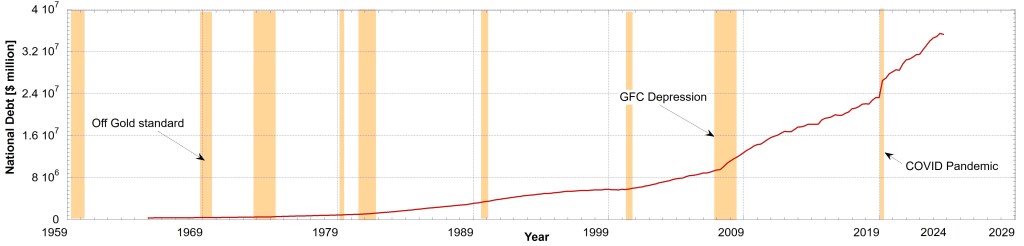
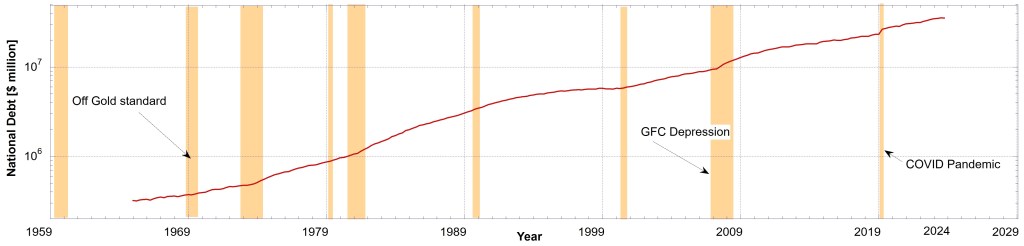
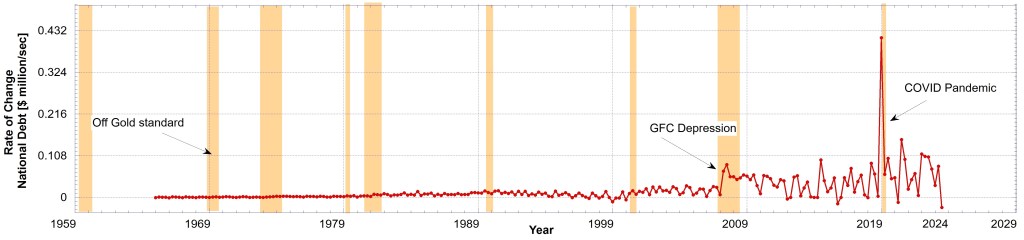
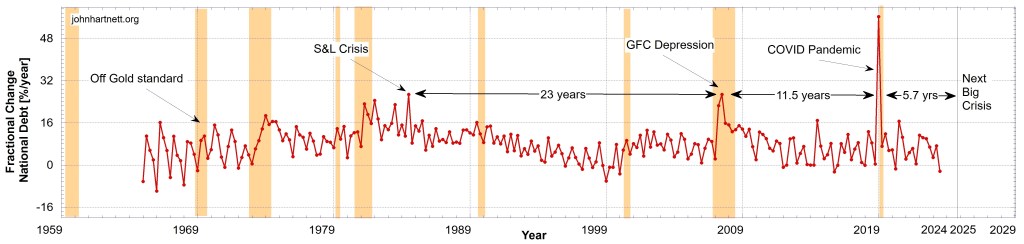
US National Debt Predicts the Next Big Financial Crisis

Recently the US National Debt peaked at approximately $35.46 trillion, with a few notable rapid increases during financial crises. The debt's growth rate predicts another financial crisis by mid-2025 that could surpass previous crises. Preparations for significant economic challenges are advised.

  •  

Satellites May Be Driving a Concerning New Form of Atmospheric Pollution, Experts Warn


Satellites are creating a massive pollution problem, according to University College London researchers, who say the growing atmospheric carbon source has a 500 times greater climate impact than ground-based emissions, potentially blocking the Sun.

In a recent paper published in the journal Earth’s Future, researchers demonstrate that satellites are driving a significant rise in upper-atmosphere pollution, raising concerns related to the ongoing climate crisis. By the end of this decade, almost half of this pollution will come from satellite megaconstellations launched since 2019, the researchers claim.

Satellite Pollution

While satellites do emit some exhaust when they engage their thrusters, this is not the primary source of pollution they produce, according to the University College London researchers.

Instead, they point to rocket launches, as they generate a massive amount of carbon soot when discarded rocket bodies and dead satellites burn up on reentry into the Earth’s atmosphere. This carbon is particularly problematic, remaining in the upper atmosphere for an extended period and generating a 500-fold climate impact compared to ground emissions.

The team also investigated other forms of launch-related pollution, noting that chlorine released into the atmosphere by these launches harms the ozone layer, which blocks harmful UV rays; however, this impact is far less severe than the carbon soot. Even projecting out to 2029, the team seems confident that rocket launches, accounting for under a tenth of ozone depletion, and some organizations, such as Blue Origin, will be conducting launches that release no chlorine at all.

This is nonetheless important to monitor, they argue, as China’s space launches typically do release chlorine and are expected to grow in the coming years.

Satellite Reentry Carbon

Data for the research were sourced from satellite deployments and rock launches conducted between 2020 and 2022, which found that circulation patterns in the upper atmosphere move very slowly, allowing soot particles to linger for extended periods. In the lower atmosphere, rain and other weather systems remove such particles from car and factory exhaust much more rapidly. With this longer atmospheric life span, each particle in the upper atmosphere has a much greater impact on the environment.

Air pollution from launches and reentry is accumulating in the atmosphere at such a rate that by the end of the decade, it could block as much sunlight as artificial geoengineering projects aimed at reducing global warming. However, the actual cooling effect produced would likely be far below the expected temperature rise due to global warming over the same period, the study authors say.

“The space industry pollution is like a small-scale, unregulated geoengineering experiment that could have many unintended and serious environmental consequences,” said Professor Eloise Marais, the project’s leader and a researcher at UCL Geography. “Currently, the impact on the atmosphere is small, so we still have the chance to act early before it becomes a more serious issue that is harder to reverse or repair. So far, there has been limited effort to effectively regulate this type of pollution.”

The Pace Quickens

Their data indicates that megaconstellations, which the team sees as a significant concern, accounted for 35% of the climate impact of these events, and they expect this to grow to 42% by the end of the decade.

Recent years have seen exponential growth in satellites in near-Earth orbit, primarily driven by the rise of megaconstellations composed of hundreds of thousands of objects. The most well-known of these, SpaceX’s Starlink, accounts for 12,000 individual satellites. Megaconstellations are now consuming over half of the rocket fuel expended, as launches rose from just 114 a year in 2020 to 329 in 2025.

The researchers note that real-world megaconstellation launches between 2023 and 2025 have outpaced their projections based on 2020 to 2022 data, suggesting their predictions may actually underestimate the scale of the problem.

“The cooling effect from the reduction in sunlight that we calculate with our models may sound like a welcome change against the backdrop of global warming, but we need to be extremely cautious,” Professor Marais warned.

“Rocket launches are a unique source of pollution, injecting harmful chemicals directly into the upper layers of the atmosphere and contaminating Earth’s last remaining relatively pristine environment,” lead author Dr. Connor Barker, also with UCL Geography, noted.

“Though this soot’s impact on climate is currently much smaller than other industrial sources, its potency means we need to act before it causes irreparable harm,” Barker says.

The paper, “Radiative Forcing and Ozone Depletion of a Decade of Satellite Megaconstellation Missions,” appeared in Earth’s Future on May 14, 2026.

Ryan Whalen covers science and technology for The Debrief. He holds an MA in History and a Master of Library and Information Science with a certificate in Data Science. He can be contacted at ryan@thedebrief.org, and follow him on Twitter @mdntwvlf.

  •  

New Book Argues Youth Mental Health Crisis Demands Healing for Both Parents and Children

A groundbreaking paradigm shift in youth mental healthcare urges a comprehensive approach that extends support beyond the individual child to include their parents and caregivers. Alix Hearn, a child psychotherapist affiliated with Cambridge University, presents a compelling argument in her forthcoming book, Places of Safety, for redefining how mental health services engage with children and young people. She emphasizes the importance of viewing children as integral parts of an ecological system—a complex network of family, community, and cultural relationships—that is often neglected in traditional clinical frameworks overwhelmed by demand.
Hearn’s thesis rests heavily on attachment theory, a psychological model that elucidates the foundational human need for secure, reliable relationships, primarily established during early childhood through parental caregiving. Her clinical insights suggest that mental health struggles in youth frequently reflect not only individual pathology but also intergenerational patterns of emotional processing and relational dynamics. Parents’ abilities to provide safety and support are, in themselves, shaped by their antecedent experiences, creating a cascade of concealed emotional legacies, or “ghostly attachments,” transmitted often without conscious awareness. This concept revives the notion that unresolved trauma and attachment disruption ripple forward across generations, influencing behavioral and emotional responses.

The current landscape of child mental health services tends to isolate the young person as a discrete entity requiring intervention. Hearn critiques this reductionist view, asserting that children often manifest symptoms that are less about their individual deficits and more about unprocessed relational tensions within the family unit. She advocates for a systemic clinical approach, wherein therapists engage with parents or caregivers concurrently, to uncover and address these deep-rooted emotional histories. This method challenges prevailing therapeutic models focused solely on the child and highlights the necessity of a dual-generation strategy in treatment protocols.

Clinical practice and referral patterns frequently reveal that youth exhibiting withdrawn or aggressive behaviors, or tendencies toward self-harm, may be reacting to deficits in emotional support stemming from attachment insecurities. Hearn’s research corroborates that such behaviors are often manifestations of unmet developmental needs as well as the intergenerational transmission of coping mechanisms influenced by the parents’ own upbringing. Her book delineates how these “unremembered hauntings” shape the psychobiological framework within which a child’s mental health trajectory unfolds.

A particularly poignant exploration in Places of Safety addresses the epigenetic and psychosocial ramifications of collective historical trauma. Hearn provides case studies where familial responses to atrocities like the Holocaust serve as paradigmatic examples of how mass trauma imprints, via both genetic and psychological channels, continue to influence descendants’ attachment patterns and emotional regulatory capacities. This intersection of psychodynamic and epigenetic research underscores how large-scale sociohistorical crises exert pervasive effects on family systems, affecting mental health outcomes in nuanced and enduring ways.

Research into epigenetics, the dynamic modulation of gene expression in response to environmental stressors, fortifies Hearn’s thesis about the biological embedding of trauma and anxiety within family lineages. The transgenerational transmission of stress-induced gene regulation changes presents new avenues for understanding the persistent impact of socio-political turmoil on child development. Hearn’s sensitivity to contemporary global conflicts, such as those in the Middle East and Ukraine, frames her argument within a broader context of ongoing crisis, where trauma is not merely historical but immediately relevant to populations exposed to violence and displacement.

Beyond individual and familial systems, Hearn situates the current youth mental health crisis within the wider framework of global environmental instability, proposing that ecological anxiety driven by climate change acts as a collective psychosocial stressor. Drawing on the findings of The Lancet Psychiatry Commission on Youth Mental Health, she asserts that the pervasive “polycrisis” of simultaneous global shocks erodes foundational feelings of safety and security. Adults, often unknowingly, transmit anxieties about the future to younger generations, exacerbating emotional dysregulation and mental health challenges in children and adolescents.

In a novel therapeutic proposition, Hearn introduces the concept of “green care,” advocating for an intentional reconnection with the natural environment as a source of emotional security and healing. The environment is conceived not merely as a backdrop but as an attachment figure with intrinsic therapeutic potential. Detachment from nature, she argues, compounds a fragmented sense of belonging and identity among youth, exacerbating feelings of alienation and division. This ecological perspective enriches traditional psychological models by integrating holistic considerations of place, community, and environment.

Hearn highlights the profound discrepancy between adult perceptions of resilience and the realities faced by contemporary youth. Generational misunderstandings, often encapsulated in sentiments like “in my day we just carried on,” fail to capture the context of collective anxiety catalyzed by uncertain futures and environmental degradation. She foregrounds a vital existential question: in a world perceived as “on fire,” what anchors remain for children to develop secure attachments and a robust sense of self?

Clinicians, educators, and policymakers stand at a crossroads, prompted to embrace an integrative system that simultaneously addresses children’s needs and the supporting emotional infrastructures of their families. Hearn’s clinical experience and numerous scholarly collaborations underline that effective mental health interventions must acknowledge and intervene in the relational ecology surrounding children. This perspective requires reevaluating service models, resource allocation, and therapeutic curricula to transcend child-centric interventions and encompass family systems and environmental contexts.

Places of Safety emerges as a timely and critically needed blueprint for reforming youth mental health care amidst a rapidly evolving socio-political and ecological landscape. Its fusion of attachment theory, clinical experience, epigenetics, and ecological psychology offers a multidimensional framework that could reshape how mental health professionals understand and treat young people’s emotional difficulties. As youth mental health referrals face unrelenting pressure, this systemic approach promises a more comprehensive, compassionate, and effective path forward.

The book’s London launch signals the beginning of what Hearn anticipates will be a broader conversation, catalyzing a “sea change” in the mental health field. By advocating for a nuanced recognition of the interconnectedness of child and adult mental health, familial legacy, and environmental factors, Hearn challenges entrenched paradigms and invites a collective reimagining of how society nurtures its youngest members in an unstable world.

Subject of Research: Youth mental health, attachment theory, intergenerational trauma, ecological psychology, epigenetics
Article Title: Revolutionary Insights on Youth Mental Health Call for Family-Centered Psychotherapy and Ecological Healing
News Publication Date: Not specified (book launch event on 2 June)
Web References:

  •  

Exclusive: Leaked documents show BHP’s climate backtrack - podcast

Nour Haydar speaks with Christopher Knaus about the BHP files – the cache of internal documents leaked to the Guardian and the ABC’s Four Corners – which show that the world’s biggest miner has war-gamed ways to massively delay decarbonisation

Additional audio in this episode was sourced by Financial Times Live

Read more:

Continue reading...

© Composite: Victoria Hart/Guardian

© Composite: Victoria Hart/Guardian

© Composite: Victoria Hart/Guardian

  •  

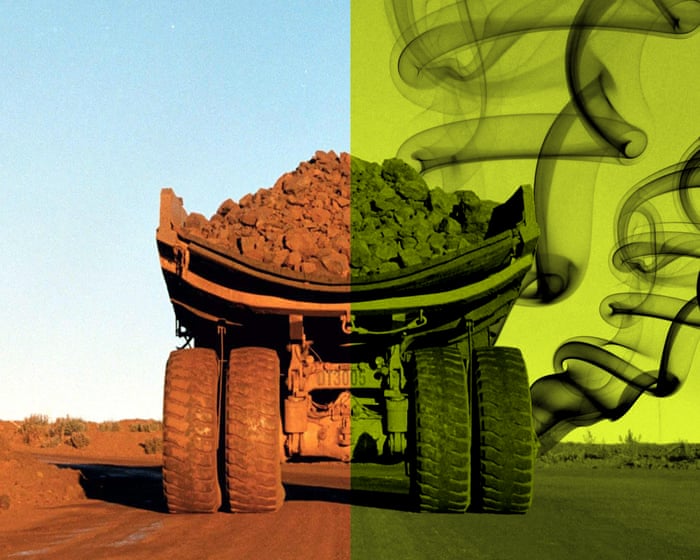
BHP defies its own climate strategy to spend hundreds of millions on polluting diesel trucks in Pilbara

Exclusive: Mining giant says technology is not yet advanced enough to run a fully electrified fleet but experts say it is hooked on federal fuel tax credits

BHP has continued to spend hundreds of millions of dollars buying diesel trucks in the Pilbara despite internal documents suggesting it would increase emissions and be “misaligned” with its decarbonisation goals.

The mining giant is Australia’s biggest consumer of diesel and trucks are its biggest single source of diesel emissions. Replacing the fleet with battery-electric trucks is considered a critical step in the multinational’s efforts to decarbonise.

Continue reading...

© Composite: Guardian

© Composite: Guardian

© Composite: Guardian

  •  

Local government could also do more to help with the cost of living | Letter

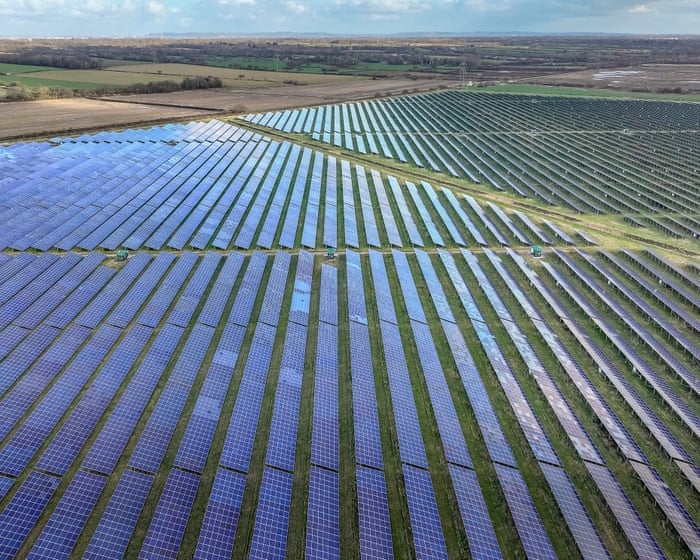
Cllr Lucy Shaw says councils could take up many policies to help, including more support for rooftop solar installations

Your editorial is right that the government could be doing more to help with the cost of living (The Guardian view on Britain’s coming energy shock: mini-measures won’t suffice, 22 May). That extends to local government, too. Renewable energy projects, from the industrial scale right down to rooftops, can be scuppered locally even if there is national support. The wealthiest borough in the entire country, Kensington and Chelsea, has the nation’s lowest rooftop solar installation rate, at just 0.6% of households according to the MCS installer database. This is despite touting groundbreaking policies to make it easier to build solar in conservation areas.

There are so many local policies that would help. Coordinating solar installations by street could lead to material cost savings, as would simpler permitting rules, and installations on council-owned rooftops. When 80% of cars in the borough are parked on the street, cost-effective public charging is essential to ensure that drivers can make the switch, like offering discounted charging when grid power is cheapest. Partnering with housing associations, charities, and energy suppliers to help people access energy efficiency services and government capital grants, or negotiate payment plans for their bills could go a long way to making people feel more secure.

Continue reading...

© Photograph: Justin Paget/Getty Images

© Photograph: Justin Paget/Getty Images

© Photograph: Justin Paget/Getty Images

  •  

Should I get air conditioning in the UK – and can it be green?

As summers become hotter, air conditioner sales are booming. If you’re looking to invest, here’s what to consider

When a heatwave struck the UK this week, Jon Connorton, a software developer, began monitoring temperatures inside his east Hampshire terrace house. With some rooms reaching close to 40C, it was time to deploy the air conditioner. “We just wheel it out in emergencies,” he said. “We were having trouble sleeping.”

Connorton and his wife have a portable air conditioner. These plug-in devices cool interior air by removing heat from it and blowing that heat outside, typically via a large hose slung from a window or door.

Continue reading...

© Photograph: LeoPatrizi/Getty Images

© Photograph: LeoPatrizi/Getty Images

© Photograph: LeoPatrizi/Getty Images

  •  

Blair’s fossil fuel ideas ‘bizarre’ in face of energy and climate crises, experts say

Energy specialists say abandoning net zero and increasing oil and gas drilling would cause more instability for Britons

Abandoning net zero and drilling for more oil and gas in the North Sea would be a massive setback for the UK and would not help the economy, leading experts have said in response to claims by the former prime minister Tony Blair.

“This is a bizarre intervention to make during the worst May heatwave on record and when the Iran crisis is providing yet more evidence of the enormous costs of oil and gas,” said Ed Matthew, the UK programme director at the E3G thinktank. “Clean energy is cheaper energy – it protects our bills from prices skyrocketing, its running costs are virtually zero, and it doesn’t cause climate change which threatens economic collapse ... The government should ignore Blair’s ideological nonsense and focus on what works.”

Continue reading...

© Photograph: Christopher Furlong/Getty Images

© Photograph: Christopher Furlong/Getty Images

© Photograph: Christopher Furlong/Getty Images

  •  

The race for oil: will Jamaica be the next country to drill and what does that mean for its green pledges?

With early tests suggesting the presence of crude oil, the Caribbean island has begun to debate whether it could justify becoming a producer

Jamaica is closer than ever to drilling for oil. Tests on samples from the seabed off the Caribbean island’s south coast earlier this year identified hydrocarbons, which suggest the presence of crude oil below ground.

Jamaica imports all its fuel, which costs about $1.5-2bn (£1.1bn-1.5bn) annually, depending on global oil prices. It is a persistent drag on an economy that generated $4.3bn from tourism, its biggest earner, in 2024.

Continue reading...

© Illustration: Eleanor Shakespeare

© Illustration: Eleanor Shakespeare

© Illustration: Eleanor Shakespeare

  •  

UK needs to urgently install air conditioning in schools and care homes, climate campaigners say

Government should fit solar panels to power air con units where vulnerable people live, say green advocates

As the country baked in record May temperatures, climate campaigners have said the UK government needs to urgently start installing air conditioning units in schools, care homes and places where vulnerable people live.

In 2022, when temperatures spiked above 40C (104F), about 3,000 people in Britain died of causes associated with heat. Studies show air conditioning can cut heat related deaths by 75%.

Continue reading...

© Photograph: mar-fre/Alamy

© Photograph: mar-fre/Alamy

© Photograph: mar-fre/Alamy

  •  

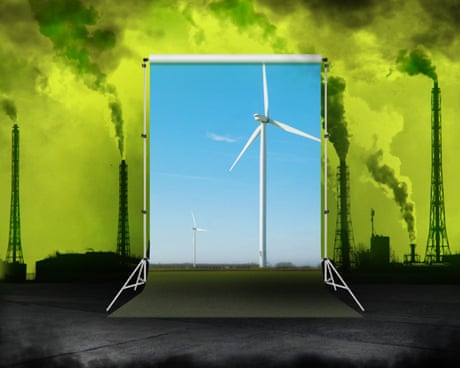
The BHP files: World’s biggest miner BHP backtracks on climate action with key projects put on ice, leaked documents reveal

Exclusive: Cache of internal documents leaked to the Guardian and the ABC’s Four Corners show multinational has war-gamed ways to massively delay decarbonisation

The world’s biggest miner has halted or delayed projects to cut vast amounts of emissions and has quietly war-gamed options to push major climate investments in its Western Australian iron ore operations into the next two decades, internal documents show.

An exclusive investigation based on documents leaked to the Guardian and the ABC’s Four Corners can reveal that BHP, one of Australia’s biggest historic emitters, has dumped plans for a facility that could have significantly reduced emissions and has put on ice renewable projects designed to power its iron ore operations in the vast, resource-rich Pilbara region.

Continue reading...

© Illustration: Guardian Design

© Illustration: Guardian Design

© Illustration: Guardian Design

  •  

Revealed: the internal BHP memo that slammed the brakes on world’s biggest miner’s climate push

Exclusive: BHP once dubbed climate change an ‘existential’ threat. But leaked documents show it has backtracked on decarbonisation at a vast network of mines

In the middle of 2019, London was sweltering through a heatwave.

Temperature records tumbled. Frail, ill and elderly people died in their hundreds.

Continue reading...

© Composite: Guardian

© Composite: Guardian

© Composite: Guardian

  •  
❌