Reading view

Molecular spin sensor takes the temperature of cancer cells

Researchers in Japan have succeeded in measuring the temperature inside living cells with high precision using a new class of biocompatible quantum nanosensor – something that has been difficult to do until now even. If improved, the nanosensor could be used to characterize a wide range of biological phenomena and so help in disease diagnosis, they say.

Recent years have seen the advent of a new generation of nanoscale quantum sensors that can detect the tiny magnetic fields of biological systems. Some of these sensors rely on photons and others on electrons or spin defects – typically diamond specially engineered with nitrogen–vacancy (NV) defects. This material is made by removing two carbon atoms from the diamond lattice and replacing one with a nitrogen atom. The other “hole” is left empty, thereby creating a vacancy or defect. The spin state of the defect is influenced by the local magnetic field that can be “read out” from the way it fluoresces.

While a powerful tool, and biocompatible, this type of quantum sensor does suffer from certain limits. For one, it can be structurally inhomogeneous, which affects how it detects temperature and other physical or chemical parameters inside biological cells.

A more homogenous structure

Even though the new molecular quantum nanosensor (MoQN) works in the same way as these conventional devices, it does not suffer from this problem, explain Nobuhiro Yanai of the University of Tokyo and Hitoshi Ishiwata of the National Institutes for Quantum Science and Technology (QST), who led this research effort. This is because it has a more homogenous structure and does not contain any defects. Instead, it is made by embedding molecular spin qubits, in this case fabricated from pentacene, in nanocrystals of para-terphenyl. This design makes the structure uniform on a molecular scale and preserves the quantum coherence of the spin qubits. It is then coated with Pluronic F127, which is a biocompatible surfactant.

By detecting the spin direction of the “excited triplet state” of the pentacene qubits using a technique known as optically detected magnetic resonance (OMDR), the researchers can precisely determine the temperature of the qubits’ surroundings from the OMDR peak position. When they tested their method inside the cytoplasm of cancer cells in vivo, they found that the intracellular temperature was consistently higher than the surrounding medium.

Yanai says he embarked on this study after reading about the work of Sam Bayliss’ group at the UK’s University of Glasgow, and Ashok Ajoy’s group at the University of California, Berkeley in the US on OMDR in pentacene-doped para-terphenyl crystals. He says he immediately got the idea that nanocrystals of this material could be used for quantum sensing inside cells. This was because his group had already developed such nanocrystals for a different purpose in previous research.

Ensuring biocompatibility

“I then spoke with Hitoshi Ishiwata, who is an expert in quantum sensing using NV centres,” he recalls. “While many molecular qubits have been developed to date, there had been no examples demonstrating their sensing ability within living cells.”

The project required materials science expertise, he tells Physics World, and in particular, finding out how to reduce the material to the nanoscale and ensuring it was biocompatible.

“We already knew that nanodiamonds are good quantum sensors for temperature measurements, but I had noticed a practical limitation: their ODMR spectra often vary significantly from particle to particle,” he says. “This spectral dispersion can introduce errors, especially when trying to perform precise measurements at the single-particle level.”

Replacing hydrogen with deuterium

The researchers thought they had overcome this problem during the first run of their experiments because they found that different particles showed identical OMDR spectra. However, their joy quickly waned when they observed that the spectra were still broadened by hyperfine interactions between the pentacene-doped para-terphenyl molecules’ electron spins and hydrogen nuclear spins.

To improve the spectral resolution, Ishiwata says he suggested chemically modifying the molecule by replacing the hydrogen in it with deuterium. And the technique worked: “the hyperfine broadening was strongly suppressed, allowing us to determine the OMDR spectra much more precisely.”

These findings, which are detailed in Science Advances, show that MoQNs are a chemically versatile platform for quantum sensing in living cells and that they can operate directly inside them while maintaining the precision needed for absolute thermometry, he says. Their appeal also lies in in the fact that their structures can be easily modified.

It will not all be plain sailing, however, adds Yanai. MoQNs cannot yet target specific organelles within cells, so endowing them with this targeting capability is an important future challenge. “What is more, their size has been limited to around 200 nm so far, so creating smaller MoQN particles will be crucial,” he says.

The post Molecular spin sensor takes the temperature of cancer cells appeared first on Physics World.


  •  

Muon g−2 calculation sets precision record and backs the Standard Model

The most precise calculation of the muon’s anomalous magnetic moment to date has put to rest the possibility of that property revealing new physics beyond the Standard Model – at least for now. The new result, from an international team of physicists, was obtained using a new method to calculate this anomaly that is based on lattice quantum chromodynamics (QCD).

In the Standard Model (SM) of particle physics, which is currently our best theory of the fundamental forces of nature (barring gravity), the muon is an elementary particle. It belongs to the same family (of quarks and leptons) as the electron, but is more than 200 times heavier. The muon interacts with other SM particles via two of the fundamental forces – electromagnetism and the weak force.

Quarks and leptons all possess a magnetic moment that comes from their intrinsic angular momentum, or spin, and quantum theory posits that this magnetic moment is related to the spin by the “g-factor”. This quantity was originally calculated to be equal to exactly two for both the electron and muon.

Experiments over the last 50 years have detected minute deviations from this number, however. This difference, of roughly 0.1 %, is known as the “anomalous g-factor”, aµ = (g – 2)/2, and it comes from so-called radiative corrections – the continuous emission and re-absorption of short-lived “virtual particles” by electrons and muons.

Measuring such discrepancies is very important for physicists because the g-factor could point to the existence of other particles – both known and as-yet undiscovered – so hinting at physics beyond the SM. They can do this thanks to the muon. Since this particle is so heavy compared to the electron, the impact of virtual particles acting on it is significantly greater. This enhanced sensitivity means that measuring the muon g−2 is better for searching for new physics than the electron g−2.

Difficult measurements and calculations

The problem is that such calculations are not easy – all the more so because the muon’s magnetic moment also receives contributions from the strong force as well as the electromagnetic and weak interactions (even though the muon does not itself partake in strong interactions). These strong contributions come from the muon interacting with the photon, which in turn interacts with quarks that then themselves interact via the gluon — the mediator of the strong-force.

The strong force (which is responsible for binding quarks into protons, neutrons and other hadrons) is notoriously difficult to integrate into theoretical calculations, however, because it is so strong.

In the new work, the researchers overcame this problem using lattice QCD of the most uncertain theoretical contribution to the muon g−2 – the “leading-order hadronic vacuum polarization” (LO-HVP), which has been traditionally determined using experimental data. Lattice QCD, they explain, is a computational technique that simulates the strong force on supercomputers by dividing space-time into a fine grid or lattice of small cells. The equations of the strong interaction are then solved on this lattice.

To reach the level of precision required to calculate the muon g−2, the researchers improved on their previous lattice calculation using finer grids and also combined it with experimental data in the very long-distance interaction region. This hybrid approach dramatically reduced errors, so allowing for the most precise value of the muon magnetic moment ever.

“Our result together with the other contributions yields a prediction that combines three interactions (the electromagnetic, weak and strong forces), each of which require vastly different theoretical tools, into a single calculation that differs from the recent experimental measurement of aμ by only 0.5 standard deviations,” says Kalman Szabo of Penn State University in the US, who is a lead researcher on the team. “This provides a notable validation of the Standard Model to 11 digits.”

The original goal in their latest work, he explains, was to have an unambiguous and ab initio pure theoretical work to calculate the magnetic moment of the muon. “When we started, there were very strong signs that there was a tension between experiment and theory in this quantity, which would mean the presence of a new interaction.”

No tension and no new interaction

“Confirming this tension would have been – with some bias from our side – the ‘fundamental discovery of the century’”, he says. “In the end, however, our study shows that there is no tension. Thus, we did not find the new interaction but proved that quantum theory holds with an unprecedented accuracy.”

The result does not mean that new physics has been ruled out, however, he adds. Future experiments and calculations will help clarify the picture, but for now, the Standard Model holds strong.

“We now have a beautiful proof of quantum field theory and this gives credibility to any further work based on this theory,” he tells Physics World. “The accuracy is astonishing, which gives hope to answer other questions related to the strong interaction with similar or even better accuracies.

“Indeed, other groups are now racing to try to validate (or refute) our result, something that can only beneficial for the advance of our field in general.”

The research is described in Nature.

The post Muon g−2 calculation sets precision record and backs the Standard Model appeared first on Physics World.

  •  

Particle size affects contact electrification

Photo of the experimental apparatus in the laboratory, showing a tall, well-lit transparent box supported by a metal frame. A camera is mounted on a vertical track next to the box and there are ladders in the background.
Falling charges: The particle drop tower used in the experiment. (Courtesy: N Mujica)

Static electricity is an everyday phenomenon, but it is not well understood. Researchers at the University of Chile have now added another piece to the puzzle by conducting experiments on the charge distributions of free-falling particles. They found that same-sized particles within the sample had the same range of surface charge densities, suggesting that particle size plays a major role in static electricity. Their work could improve our understanding of how charge behaves on insulating surfaces, with implications in areas ranging from planet formation to lightning generation in volcanic plumes and clogging in industrial processes.

Static electricity is also known as contact electrification because it occurs when charge transfers from one object to another as the two touch each other. (Think of rubbing a balloon on someone’s head to make their hair stand on end). The phenomenon is present in many situations, including pollen transport, grinding coffee, and ash particles in volcanic plumes, which can generate lightning. Electrostatic charging also creates strong electric fields in sandstorms on Earth and dust storms both here and on Mars. Charged dust could even be involved in the formation of rocky planets.

To understand and model the effects of electrostatic charging, researchers need to find out how particles become charged and, once that happens, how these charges are distributed. “In an ideal experiment, we could study a large ensemble of same-material, initially neutral grains,” says Nicolás Mujica, the physicist who led the study. “After many contacts and collisions between the grains, we should observe a stationary and stable charge probability distribution function that has both positive and negative charges.”

Researchers have previously observed this effect by imaging the trajectories of particles in free fall as an electric field was applied to them in microgravity conditions. The charge probability distribution functions (PDFs) measured in these experiments are generally non-Gaussian, with “fat” tails that may point to the existence of memory effects in the charge exchange process between the particles. “It is much more likely to have highly charged particles in an ensemble that what we would naively expect,” Mujica says.

Free-fall videography technique

Mujica and colleagues measured the charge distributions of ZrO2:SiO2 composite particles using a free-fall videography technique they developed in a previous study. The particles ranged from 172 to 545 μm in diameter and each sample focused on a single size. As well as buying the particles from the same vendor to ensure they were as identical as possible, the team further characterized them using x-ray fluorescence (XRF) and atomic force microscopy (AFM) to determine their precise chemical composition and surface roughness, respectively.

In their experiments, the Chile researchers released the particles from a 3 m drop tower, which is essentially a huge, transparent hourglass structure under vacuum with electrodes on either side that generate a static electric field. Inside this tower, the particles rub against each other during their quasistatic flow and become either positively or negatively charged in the process. The static electric field accelerates these charged particles sideways, and the researchers measure this acceleration by capturing the particles on video as they exit the tower. By combining the particles’ known mass with their measured accelerations, the team can calculate the particles’ charges.

Next, Mujica and colleagues plotted the probability that a certain amount of charge would be found on a given particle. Since charges could be either positive or negative, all the PDFs, regardless of particle size, resembled non-Gaussian curves with peaks at zero charge. However, the widths of these curves varied systematically with the surface areas of the particles. According to the researchers, this result indicates that the charging of the particles depends on the particles’ size.

Towards a microscopic model of charge exchange

The researchers say their study began with a simple question: how do planets form? “There are some important missing pieces in this big puzzle and one of them is the effect of electric charges,” Mujica says. The team’s results, he says, are evidence that charge can indeed help particle clusters to form in space.

Their main challenge, he recalls, was constructing the drop tower. The first prototype did not work because of a fundamental design problem, and while the second worked better, it broke after a few years because of the forces (about 40 kN) exerted on each side of the chamber due to the vacuum within. “The third and current version is working fine and we expect it to live long enough to take more useful data,” Mujica says.

The researchers, who report their work in Physical Review Materials, say their next step will be to develop a microscopic model of charge exchange from which they can determine the measured charge distributions. “We will then adapt this model for mixtures of particles, either of different sizes or materials, and try to simulate more realistic situations, comparing the predictions with measurements,” says Mujica.

“It has also been recently demonstrated that adventitious carbon, a thin, ubiquitous layer of carbonaceous contamination (typically a few nm thick) that forms on most surfaces exposed to air, plays a big role in the way oxide particles exchange charge,” he adds. “We therefore intend to study the charge segregation that usually occurs between large and small grains and the effect of surface cleaning processes.”

The post Particle size affects contact electrification appeared first on Physics World.

  •  

Physicists confirm proton radius is smaller than we thought

After more than 15 years of conflicting results, two independent measurements appear to have settled the debate over the charge radius of the proton. The new measurements, which are the most precise to date and are based on protons in normal atoms, suggest that the radius is 0.8406 femtometres (10-15 m) – very close to the measured value that initiated the controversy back in 2010.

Charge radius is a measure of how far the electric charge of a particle extends into space. In protons, researchers have two main ways of measuring it. The first is by scattering electrons from hydrogen atoms, which consist of a single proton bound to an electron. The second is by analysing the Lamb shift, which slightly modifies the gap between energy levels of the hydrogen atom and arises from interactions between the electron and proton. According to the theory of quantum electrodynamics (QED), these interactions will be slightly different for electrons occupying different energy levels, so the resulting energy shift depends, in part, on the radius of the proton.

For many years, the accepted value of the proton radius – based on measurements by several groups around the world – was around 0.876 femtometres (fm). Then, in 2010, a team led by physicist Randolf Pohl at the Max Planck Institute of Quantum Optics (MPQ) in Garching, Germany performed a new measurement using muonic hydrogen. In this quasi-atomic system, the electron is replaced by its much heavier cousin, the muon. Muons are more tightly bound to the nucleus and therefore have a much higher probability of being very near – or indeed within – the proton. This makes their Lamb shift much more dependent on the proton’s radius.

Based on their measurement of the photon energy required to drive the 2S-2P transition in muonic hydrogen, Pohl and colleagues calculated that the proton’s radius was 0.8418 fm with an uncertainty of 0.0007 fm. This value disagreed substantially with previous measurements and was well outside the error bars of earlier results.

Physicists found this concerning because it implied that either QED theory had been misapplied or that the Standard Model of particle physics was somehow lacking. These concerns increased as subsequent measurements (on normal as well as muonic atoms) by various other groups produced some results that agreed with the 2010 finding, but also others that did not.

New measurements also yield a radius of about 0.84 fm

Both new studies involved placing hydrogen atoms in a vacuum and using laser light to control and measure transitions between different electron energy levels. In one of the studies, Thomas Udem and colleagues at MPQ measured the 2S-6P transition in atomic hydrogen with a precision 2.5 times higher than previous measurements, reaching the five sigma (5𝜎) threshold commonly used as a benchmark in the field. Thanks to this precision, they were able to test the Standard Model’s predictions to 0.7 parts per trillion (ppt) and the bound-state QED corrections to 0.5 parts per million (ppm).

The 2S-6P transition involves a single photon, which means it has fewer systematic corrections than the more commonly probed two-photon resonances. “Lower systematic corrections lower the possibility of making errors in those corrections,” notes MPQ team member Lothar Maisenbacher.

The downside is that the linewidth of the transition is very large compared to the precision the team needed to reach, but Maisenbacher says they were able to overcome this. “We succeeded in finding the centre of the resonance at 1 part in 15 000 of its width, which is (as far as we know) a world record for laser spectroscopy,” he tells Physics World.

The other work, by Dylan Yost and colleagues at the Colorado State University in the US, involved measuring three two-photon transitions (in 2S-ns, with n being between 8 and 10) that had not previously been studied for this purpose. Yost describes these transitions as “nice” because they are intrinsically narrow. “Generally speaking, narrower lines can be measured more precisely,” he explains. “This has us very excited that we may be able to really push our technique to higher precision with some modest additional technical improvements.”

The Colorado State researchers say that the three measurements they made were “very precise and agreed very well with each other”. By combining these results, they produced the most precise values for the proton radius to date based on two-photon spectroscopy, complementing the one-photon method used in the MPQ group’s 2S-6P measurement.

“Our new measurement, together with the new result from the Garching group and the muonic hydrogen measurements, are now the most precise spectroscopic measurements of the proton radius and all show extremely good agreement,” says Yost. “Personally, I find it remarkable that the theorists working on the required bound-state QED calculations have been able to make such accurate and reliable predictions and that these predictions have now been tested and show agreement at the parts-per-trillion level.”

The most precise spectroscopic measurements of the proton radius

According to Meisenbacher, the 2010 muonic result has now been thoroughly tested, and the proton radius puzzle has been resolved in a way that suggests that both the Standard Model and QED theory remain valid. “Our result also confirms that muonic spectroscopy is a powerful tool for studying nuclear properties,” he says. “Indeed, the community is working on extending it to heavier atoms.”

Both groups now want to repeat their measurements in atomic deuterium, where the nucleus contains a neutron as well as a proton. A similar discrepancy exists in this nuclear charge radius and measuring it precisely could reveal a hitherto undetected interaction between the electron and the neutron that is not included in the Standard Model.

The post Physicists confirm proton radius is smaller than we thought appeared first on Physics World.

  •  

Why is rubber so resilient?

People have been using reinforced rubber for nearly a century, but we still don’t know why it’s so strong. Researchers at the University of South Florida (USF) in the US now say they may have the answer thanks to advanced molecular dynamics simulations. Their work could make it possible to design new materials that are safer and have even better mechanical properties.

Reinforced rubber is made by adding a nanoparticle filler – typically carbon black or silica – to elastic polymers (elastomers). The presence of this nanofiller explains why tyres, industrial seals and many other everyday rubber products tend to be black in colour. More importantly, the nanofiller makes the material robust to heat and able to withstand millions of cycles of deformation, meaning that objects can last for years, or even decades, without deteriorating.

One property that may play a central role in the materials’ mechanical performance is the stickiness of the nanofillers’ surfaces. This enables them to attract and immobilize nearby polymer segments, but USF engineer David Simmons, who led this new research effort, says the exact mechanism remains an enigma because it is hard to differentiate between the many physical processes that may be at play.

“I love this kind of problem,” Simmons says, adding that it combines “massive practical impact” with “a deep fundamental scientific question that has resisted resolution for so long that much of the field has moved on to different problems”.

A model that distinguishes between mechanisms

To disentangle the different processes, Simmons and his colleagues conducted molecular dynamics simulations of elastomeric nanocomposites. These simulations incorporated strong polymer-particle attractions, with the strength controlled by a parameter known as ϵP F.

A photo of the researchers wearing a black blazer
Material man: University of South Florida engineer David Simmons. (Courtesy: USF)

The team studied how ϵP F and various other parameters, including nanoparticle filler loading ϕF and structure Np, affected various reinforcement mechanisms by measuring several parameters. These included the nanocomposite’s bulk and Young’s moduli; the Poisson’s ratios for pristine and filled elastomers; and the time required for the nanocomposite to relax after being stretched.

The team then used this model to explore four possible ways that strong polymer-particle attractions might, hypothetically, increase mechanical strength. The first of these is called strain localization. If this was the key factor, strong attractions could immobilize the surrounding polymer, straining the remaining mobile elastomer domains. “This ‘bound-rubber’ mechanism was popular in the early literature,” Simmons notes.

The second mechanism is known as glassy bridging. The idea here is that regions of polymer between particles could vitrify, forming links that elongate the cohesive nanoparticle network.

The third mechanism is called transient crosslinking. Under this hypothesis, slower-moving or stationary polymer regions around particles, or adhesions to the particles themselves, act as long-lived physical crosslinks in the matrix. “This could increase the effective crosslink density of the rubber, thereby increasing the entropic elastic modulus of the polymer domains,” says Simmons.

The fourth and last mechanism is a Poisson’s ratio mismatch. Poisson’s ratio measures how materials change shape when stretched, and a mismatch between ratios for the rubber and the nanoparticles would essentially force rubber to “fight” against its own incompressibility.

And the winner is…

The results of the study, which is detailed in PNAS, show that while all four of these mechanisms play a role in reinforcing the nanocomposites, the most important is the Poisson’s ratio mismatch.

“This is an incredibly cool result because it tells us that the strength of nanocomposites doesn’t come from their polymer-like elasticity but from their resistance to volume expansion,” Simmons says. “This is an entirely different picture than the field has held for more than 80 years. What’s more, we’ve shown that some of the other leading proposed mechanisms from these past decades (for example, particle network percolation, sticky interactions and space-filling effects) actually contribute to this mechanism, enhancing it and making it more effective in strengthening rubber.”

The biggest barrier to obtaining these findings, Simmons adds, was that these materials are difficult to simulate at a molecular level. “They involve very large system sizes, very large timescales and very complex processing histories,” he says. He highlights the work of two lab members – postdoctoral researcher Pierre Kawak and PhD student Harshad Bhapkar – as “instrumental” in overcoming these challenges to generate “beautiful and insightful” simulations of these systems.

As for the work’s impact, Simmons tells Physics World that it could provide a new foundation for rational design of elastomeric nanocomposites with transformative mechanical properties. “Let’s take the tyre industry alone, for which it is important to design a rubber that combines good traction, durability and fuel economy,” he says. “The industry has had to very empirically navigate this space of competing properties – they call it the ‘magic triangle’. Our findings could help design this triangle with a grasp of the fundamental principles that govern reinforcement in these systems.”

The researchers are now trying to better understand how elastomeric nanocomposites ultimately fail and determine how this failure can be predicted and even delayed. Their work is supported by the Mechanical Properties and Radiation Effects programme within the US Department of Energy.

The post Why is rubber so resilient? appeared first on Physics World.

  •  

Altermagnetic insulator shows giant magneto-optical Kerr effect

Researchers in China have developed a new way of probing the magnetic domains within altermagnetic materials and used it to study a prominent altermagnet candidate, alpha-phase iron oxide. According to their measurements, this material shares certain properties with ferromagnets despite having a near-zero net magnetization – a fact the researchers say supports its classification as an altermagnet.

In most magnetically ordered materials, the spins of atoms (that is, their magnetic moments) can either line up parallel with each other or antiparallel, alternating up and down. These arrangements are driven by spin-exchange interactions between the atoms, and they lead to ferromagnetism and antiferromagnetism, respectively.

Altermagnets, which were identified as a distinct class of magnets in 2022, behave differently. While their neighbouring spins are antiparallel, like an antiferromagnet, the atoms hosting these antiparallel spins are related to each other by rotational or mirror symmetries rather than the spatial inversion and half-lattice translation symmetries found in conventional antiferromagnets, explain physicists Luyi Yang and Wanjun Jiang of Tsinghua University, Beijing, who led this study. This unique property leads to a zero net magnetization in altermagnets while still allowing for the spin-split electronic band structures typically found in ferromagnets.

An altermagnet candidate

Alpha-phase iron oxide (α-Fe2O3) is a naturally occurring mineral commonly known as haematite. It was long believed to be an antiferromagnet, but recent theoretical research has suggested that it should be relabelled as an altermagnet.

To shed more light on the nature of α-Fe2O3, the team turned to a phenomenon known as the giant magneto-optical Kerr effect (giant MOKE). Named after the Scottish physicist John Kerr, who discovered it in 1877, it occurs when linearly polarized light reflects off the surface of a magnet. Interactions between the light and the material’s magnetic domains cause the polarization vector of the light to rotate, and the direction of rotation can be reversed by reversing the direction of magnetization. The effect therefore provides a “window” into materials’ magnetization states, enabling scientists to monitor and characterize them.

The Tsinghua University researchers say they found evidence of a connection between the material’s MOKE responses and its Néel vector, which is a parameter that defines its so-called staggered magnetic order. In altermagnets, the orientation of this Néel vector determines the material’s magnetic space group, which in turn dictates whether magneto-optical responses are allowed or not, they explain.

“By using magnetic fields to switch the Néel vector through a tiny canted magnetization in α-Fe2O3, we selectively measured the symmetry-permitted MOKE signals and confirmed the absence of symmetry-forbidden components on different surface orientations of α-Fe2O3 single crystals,” they say.

The researchers also observed that at large applied magnetic fields, the MOKE signals remain constant. This finding further rules out contributions from canted magnetization, which should increase with the field. These experiments therefore strengthen the idea that the MOKE signal they measured is truly driven by the Néel vector and the corresponding symmetry of α-Fe2O3.

Broadening methods for imaging altermagnetic domains

To date, most experimental studies on altermagnets have focused on spin transport. Yang, Jiang and colleagues say that they turned to MOKE-based measurements because they would like to study insulating altermagnets, for which electrical transport measurements are inaccessible. “We aimed to uncover the symmetry requirements for magneto-optical responses and broaden the methods for imaging altermagnetic domains,” they explain.

The main challenge they encountered was proving that the MOKE they observed predominantly originates from the Néel vector, rather than from the canted weak magnetization. The researchers say they addressed this through symmetry analysis, first-principles calculations and performing the experiment in different configurations to show that the Kerr signal remains nearly constant even as the canted magnetization keeps increasing at large applied magnetic fields. “By examining such effects on single crystals with different surface orientations, we confirmed that different Néel vector orientations produce distinct MOKE responses, which are consistent with the symmetry of magnetic space group predicted by theory,” they tell Physics World.

The researchers say their work shows that MOKE responses are not limited to ferromagnets, as is conventionally understood. Provided the symmetry requirements are satisfied, altermagnets can also exhibit giant MOKE. “We have shown that standard MOKE imaging microscopy can be used to visualize altermagnetic domains and domain walls in α-Fe2O3,” they say. “This could accelerate the development of altermagnetic spintronics based on these structures, with potential applications in advanced memory and logic devices.”

The researchers now plan to extend their approach to other altermagnetic insulators and metals and to use the magneto-optical response to study the (presumably) ultrafast dynamics of domain walls. Their present study is detailed in Chinese Physics Letters.

The post Altermagnetic insulator shows giant magneto-optical Kerr effect appeared first on Physics World.

  •  

Physicists spot signs of an atom-like system bound by the strong force alone

Signs of an exotic atom-like system made up of a neutral meson bound to an atomic nucleus via the strong interaction have emerged in experimental data from two international collaborations. If confirmed, this hitherto unobserved system could shed light on the origins of hadron masses and provide new insights into the fundamental symmetries of quantum chromodynamics in nuclear matter.

The strong interaction is one of the four fundamental forces of nature, alongside gravity, electromagnetism and the weak interaction. It is responsible for binding quarks into hadrons, which are three-quark particles such as protons and neutrons, and for holding protons and neutrons together within atomic nuclei. Electrically neutral mesons – short-lived particles made up of a quark and an antiquark – are likewise subject to the strong interaction, which can bind them to atomic nuclei in a way that is conceptually similar to an electron bound to a nucleus by the electromagnetic force.

Studying these meson-based nuclear systems is important because it helps us better understand the properties of the strong interaction, says study co-leader Yoshiki Tanaka of RIKEN in Japan. The eta prime meson, η′, is particularly interesting, Tanaka adds, because its relatively large mass cannot be explained by a simple quark model. “This U(1) problem, as it known, was raised as long ago as the 1970s by the physicist Steven Weinberg,” he notes.

Direct experimental access to the 𝜂′-meson mass in nuclei

Modern theories attribute the η′ meson’s large mass to the presence of chiral symmetry breaking in quantum chromodynamics, which is the fundamental theory of the strong force. These theories predict that this mass should be reduced in a nuclear system, and this is what Tanaka and colleagues set out to test.

“Spectroscopy studies of 𝜂′-mesic nuclei provide direct experimental access to the 𝜂′-meson mass in nuclei and offer a unique opportunity to investigate the underlying mechanisms of how the mass of hadrons comes about,” he explains.

In the team’s study, a beam of protons strikes a ¹²C atomic nucleus at near-relativistic speeds and removes a neutron from it. This neutron, together with a proton, forms a deuteron that propagates away in a forward direction, leaving behind a nucleus of ¹¹C in a highly energetic state. It is this excess energy that gives rise to an 𝜂′-meson.

WASA experiment
The experimental setup WASA in maintenance position. (Courtesy: J. Hosan, GSI/FAIR)

In rare cases, the researchers explain, the meson then binds to the ¹¹C nucleus, forming an 𝜂′-mesic nuclear system. But because these events are so rare, they are hard to find. “One of the major challenges we encountered in the work was the very large amount of background events we registered during our measurements,” Tanaka recalls. “These were about 100 to 1000 times higher than the signal events.”

The researchers overcame this problem by developing a new experiment that allows them to efficiently select signal events associated with the formation of 𝜂′-mesic nuclei by “tagging” the particles they decay into. This enabled them to measure not only the forward-travelling deuteron, but also the decay products of the short-lived 𝜂′-mesic nuclear state.

The researchers say that their results, which they describe in Physical Review Letters, indicate that the 𝜂′-meson mass drops by about 60 MeV in nuclear matter. “This result qualitatively supports the theoretical scenario [that attributes] the origin of the 𝜂′-meson mass to chiral symmetry breaking together with the dynamics of gluons (massless particles that mediate the strong nuclear force) in general,” Tanaka says.

Members of the team, which also includes researchers from the η-PRiME Collaboration and the Super Fragment Separator Experiment Collaboration, together with physicists from Justus Liebig University Giessen in Germany with their working groups GSI/FAIR, say they are now planning follow-up experiments to confirm that they have indeed observed 𝜂′-mesic nuclei. “We also aim to increase the significance to the 5σ level, which is required to firmly establish the discovery on new quantum states in particle and nuclear physics,” Tanaka says.

The post Physicists spot signs of an atom-like system bound by the strong force alone appeared first on Physics World.

  •  

‘Einstein’s flying mirror’ technique opens a path towards extreme light intensities

Tests of fundamental physics that were previously impossible could become a reality thanks to a new way of producing extremely intense beams of light. Using a state-of-the-art high-power laser, researchers at the University of Oxford, UK demonstrated that they could dramatically increase the efficiency of a nonlinear optical technique called relativistic harmonic generation. According to the team, this increase could herald a paradigm shift, making it possible to achieve hitherto unheard-of electromagnetic field intensities in the laboratory.

The theory of quantum electrodynamics (QED) predicts that at very high intensities, light can interact with the vacuum, converting light energy directly into matter. “If we can achieve such intensities, we could test theories about the fundamental nature of the universe,” says Robin Timmis, who led the new study. “However, doing so requires a laser system a million times more intense than those currently available.”

Relativistic harmonic generation

In the new work, Timmis and her colleagues in Peter Norreys’ group at Oxford used the Gemini laser at the UK Science and Technology Facilities Council’s Central Laser Facility (CLF) to generate coherent extreme ultraviolet (XUV) and X-ray photons via relativistic harmonic generation. They began by firing high-frequency, ultrashort, sub-picosecond (10-12 s) laser pulses onto a solid glass target. This creates a plasma that acts like an oscillating mirror, and Timmis likens the next step to shining a flashlight at this mirror while it is rushing towards you at near-light speed – a concept known as “Einstein’s flying mirror”. The result is that the light reflected from the plasma becomes compressed, and gains intensity.

Working with researchers from Brendan Dromey‘s group at Queen’s University Belfast in Northern Ireland, the team used a process called coherent harmonic focus to concentrate this light into a region as small as a few nanometres across. This step may have boosted the light beam’s intensities as high as 1023 W cm−2, although Timmis acknowledges that this is an estimate based on previous theoretical simulations, as the team was unable to measure it directly.

“If confirmed with further experiments at Gemini, or indeed even larger facilities, we may have made the most intense source of coherent light ever,” says Timmis, who received this year’s Institute of Physics Culham Thesis Prize in part thanks to this work, which is described in Nature. “The energy in our XUV beam was over three orders of magnitude brighter than previous measurements,” she adds. “By resolving a long-standing gap between theoretical expectations and experimental results, we confirmed the required energies to support a coherent harmonic focus and therefore offer a substantial boost in intensity above that of the original laser pulse.”

Towards the next generation of extreme electromagnetic field studies

According to the researchers, these results demonstrate that there is a realistic experimental pathway to next-generation laboratory studies of extreme electromagnetic fields. In particular, they say that the quantum critical field for QED tests, which is known as the Schwinger limit and has a value of >1016 V cm−1 or >1029 W cm−2, is now open, paving the way towards all-optical studies of the quantum vacuum. As well as fundamental physics, Timmis says that more efficient harmonic generation could also have applications in ultrafast imaging of physical and biological systems, photolithography and fusion science.

The Oxford team is now analysing data from a follow-on experiment at the CLF that will guide their next steps. “We will be shortly publishing results about a new harmonic beam that we have discovered on that run,” reveals Timmis, “and future studies will focus on actively controlling the coherent harmonic focus and directly measuring its intensity.”

The post ‘Einstein’s flying mirror’ technique opens a path towards extreme light intensities appeared first on Physics World.

  •  

Ultrasound-activated nanoparticles shine a light deep within living tissues

Researchers at Stanford University in the US have found a way to generate light deep within living tissues, potentially leading to new forms of gene and cancer therapies. The proof-of-concept approach uses ultrasound to trigger luminescence in nanoscale particles travelling through the bloodstream, and it has already been tested in tissue-mimicking “phantoms” and live mice. However, its developers caution that human trials are still some way off.

Light has numerous applications in medicine and biological research. It is widely used, for example, to stimulate cell growth and in photodynamic therapies for skin and eye conditions, as well as certain types of cancer.

The problem is that many potentially useful wavelengths of light are easily scattered by tissues and become attenuated over relatively short distances. This means they cannot penetrate very far into the body without help from invasive methods such as removing overlying tissue or inserting/injecting optical implants and light-emitting nanoparticles into the target area.

Sound and light

The new work by Stanford materials scientist and engineer Guosong Hong and colleagues involves nanoparticles made from a ceramic material with the chemical formula Sr4Al14O25:Eu,Dy. This material is mechanoluminescent, meaning that it emits light when subjected to mechanical stresses and deformations. In Sr4Al14O25:Eu,Dy, these mechanoluminescent effects can be induced by exposing the material to sound waves, which penetrate more deeply into tissue than light waves.

The Stanford researchers began by coating their nanoparticles with a biocompatible film. They then suspended the particles in a solution and injected the resulting colloid into the veins of mice. Thanks to the rodents’ vascular systems, the particles soon travelled to all parts of their bodies.

The researchers then showed they could make the nanoparticles emit blue light with a wavelength of 490 nm simultaneously in multiple locations (such as the brain, gut, hindlimb and spine) by applying sound waves to different parts of the mouse’s body. In addition, they showed they could create precise patterns of in-situ light generation throughout the three-dimensional volume of the animal, controlled over distances of 100 to 200-μm in the focal region. The ultrasound can also be used as a scanner to define where the light is generated.

A host of applications

The team picked the 490 nm wavelength because it has many applications, including neuron modulation and photodynamic cancer therapy. However, applying the same technique to different materials could produce other useful wavelengths, too. Indeed, Hong and his colleagues are exploring the possibility of using materials that emit ultraviolet light, which has antiviral and antibacterial properties.

The researchers say their approach is broadly applicable to virtually all therapeutic modalities that requires light to be delivered deep within the body, including optogenetics, phototherapy and photo-switchable gene editing. This last technique currently suffers from off-target effects, but the researchers say that by pairing light-producing nanoparticles with a light-activated gene-editing system, they may be able to use ultrasound to turn gene editing on and off in localized areas of the body.

“The overarching theme of my lab’s research is to develop new strategies to deliver and receive light throughout the body in its native, living state,” Hong tells Physics World. “In 2024, we reported on a method to render living tissue transparent using strongly absorbing dye molecules. In the present study we have taken a complementary approach: rather than modifying how light propagates through tissue, we leverage the intrinsic penetrative capability of ultrasound, together with the pervasive reach of the circulatory system, to generate light directly within deep regions of the body.”

Reporting their work in Nature Materials, the researchers are now working to integrate their approach with other light-activatable control systems, including photo-switchable Cas9 gene editing in collaboration with Michael Lin’s lab at Stanford. In parallel, they hope to develop alternative mechanoluminescent materials that will break down safely in the body. While the materials studied in this work did not seem to show adverse effects in mice, they also did not break down quickly, and the researchers say they could accumulate in organs such as the liver.

“What we’re demonstrating here is a proof-of-concept showing that you can produce light emission in a programmable manner deep within the body,” Hong says. “If we can replace the material with one that is safer to be used in humans, that will start to pave the way for clinical applications.”

The post Ultrasound-activated nanoparticles shine a light deep within living tissues appeared first on Physics World.
  •  

New W boson mass measurement agrees with Standard Model predictions

Physicists have determined the mass of the W boson with the highest precision yet by analysing more than a billion proton collision events at CERN’s Large Hadron Collider (LHC). The new result confirms a prediction from the Standard Model of particle physics while refuting a comparably precise measurement made by Fermilab’s CDF Collaboration in 2022. This is significant because the older measurement, which used data from the defunct Tevatron collider, differed from the Standard Model’s predictions by seven standard deviations, suggesting that the W boson might be far heavier than the model allows.

The W boson is one of two elementary particles that acts as a carrier for the weak force (the other is the Z boson). As one of the four fundamental forces in nature, the weak force is what allows protons to change into neutrons (and vice versa), making it the driving factor behind radioactive decay and nuclear fusion. Precise measurements of the W and Z boson basses are therefore important for understanding these processes as well as for testing the Standard Model.

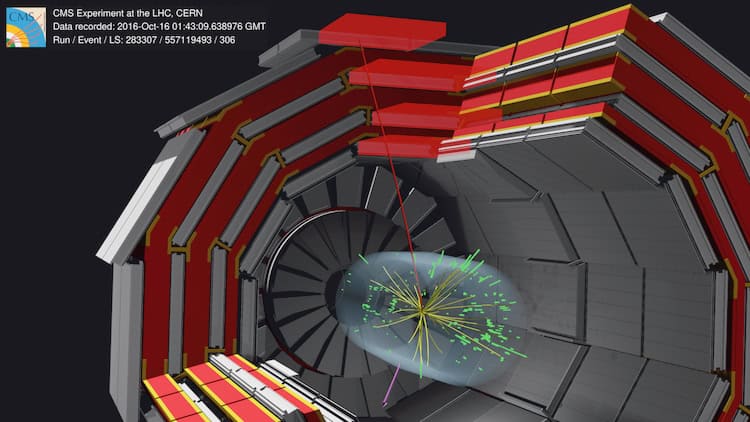
Diagram of the CMS detector during a detection event
Particles incoming: An event picture showing how the researchers present their recordings digitally to illustrate the detector readings. (Courtesy: C Paus)

While physicists have measured the mass of the Z boson to an extremely high precision of 22 ppm (or 2.0 MeV), measuring the mass of the W boson with the same exactitude has proven more difficult. The main hurdle is that the W boson cannot easily be detected in colliders such as the LHC because it decays almost instantly. Scientists can look for its decay products instead, but that, too, is awkward. In one important channel, for example, it decays into a neutrino and a muon – and neutrinos are even more elusive than W bosons.

A fading mystery

In the new work, CERN’s Compact Muon Solenoid (CMS) Collaboration studied more than a billion proton collision events produced at the LHC in 2016. Amongst these, they identified 100 million as producing a W boson that decayed into a neutrino and a muon.

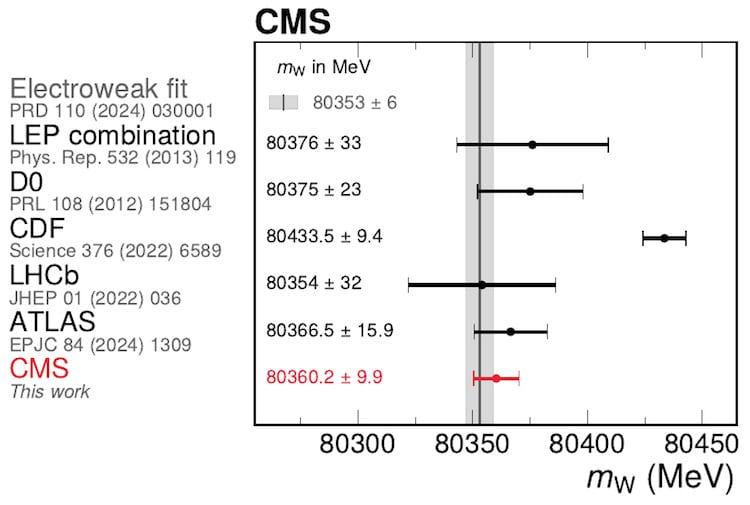
A comparison of the most recent W boson mass result split by experiments (LEP is four experiments combined). Courtesy: C Paus

By analysing these events and simulating all the possible scenarios that could produce them, they measured the mass of the W boson to be 80360.2 ± 9.9 MeV. This is significantly less than the CDF Collaboration’s measurement, but it agrees with other previous experiments. Importantly, it also lies within the range the Standard Model predicts, leaving the CDF result – the most precise measurement before this one – looking like an outlier.

“If you take the CDF measurement at face value, you would say there must be new physics beyond the Standard Model,” says Christoph Paus, a physicist at the Massachusetts Institute of Technology (MIT) in the US and one of the lead investigators of the CMS Collaboration. “And of course, that was the big mystery.”

Now that the new, even more precise measurement agrees well with predicted values for the W boson mass, that mystery is fading, Paus tells Physics World.

Some physicists may find this disappointing. However, study lead author Kenneth Long, who was a senior postdoc in MIT’s Laboratory for Nuclear Science at the time and has since moved to a research position in Lyon, France, says the new result is “just a huge relief to be honest” and “a strong confirmation that we can trust the Standard Model”.

A starting point for precision measurements

To obtain their result, the CMS researchers needed to measure the momentum of the muon and use it to infer the W boson’s mass. This is possible for two reasons. The first is that in the W’s rest frame, its decay energy is shared roughly equally between its two daughter particles (the muon and the neutrino). The second is that muons are charged leptons, and the strong magnetic field inside the CMS detector makes them travel in a path whose curvature is a function of their momentum.

“The momentum is different to the mass, of course, but is strongly correlated with it,” explains Paus. “The challenge is therefore to track the path of the muon and every possible interaction it could have with other particles and its surroundings to estimate a value for its initial momentum.”

The CMS experiment had long planned on doing such a measurement, but it took a while to set up. Now that the measurement is complete, Paus, whose MIT group joined the W boson mass analysis effort in earnest at the end of 2020, describes it as an important starting point for the collaboration. He explains that the result proves it’s possible to measure the W boson in what he calls a “high pile-up environment”, meaning one where many proton-proton collisions overlap in a single recording, without using the Z boson mass as a calibration (as was previously done in analyses at hadron colliders). “It has put the CMS experiment finally on the map for an electroweak precision measurement of this kind,” he says.

The CMS researchers are now collaborating with experimentalist colleagues at CERN’s ATLAS and LHCb detectors, as well as their theorist partners, in hopes of setting a new standard in electroweak precision physics. Their measurement is published in Nature.

The post New W boson mass measurement agrees with Standard Model predictions appeared first on Physics World.
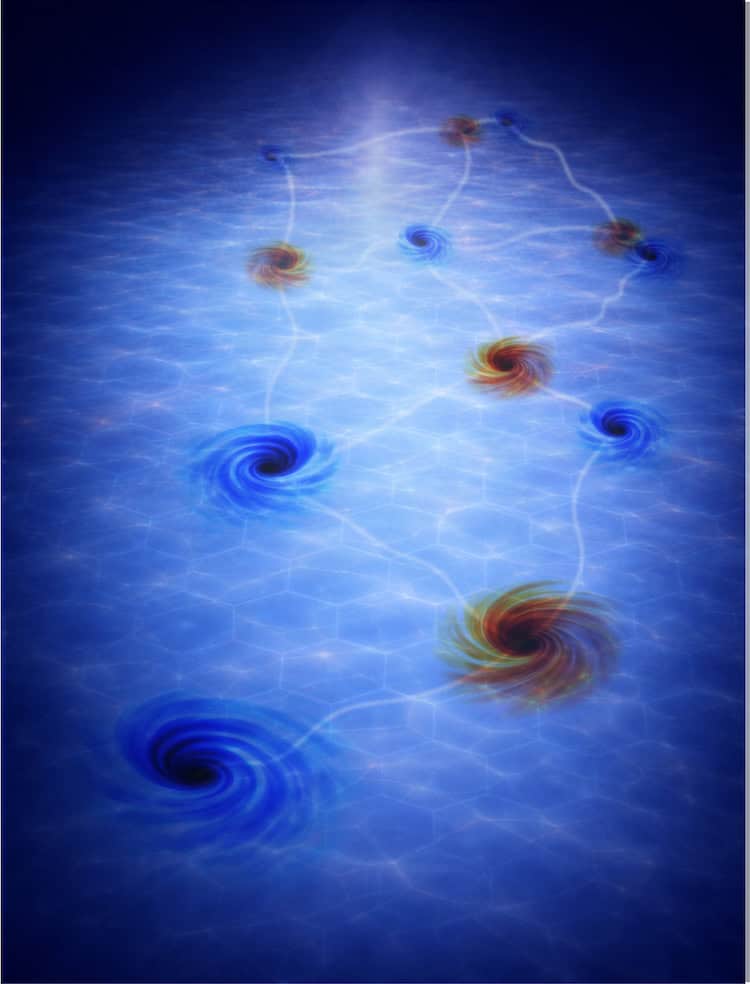
  •  

Gap in neutrino energy spectrum raises questions about cosmic environments

A new analysis of data from the IceCube Neutrino Observatory suggests that the energy spectrum of cosmic neutrinos is more complex than was previously thought. Whereas a previous study found that the energies of these ubiquitous, nearly massless particles follow a simple power law distribution, the latest analysis reveals a knee-like bend in the spectrum at around 30 TeV. The discovery could help astrophysicists better understand where cosmic neutrinos come from and what objects and processes in the universe are producing them.

Neutrinos are subatomic particles that are around a million times less massive than electrons. They are known to come in (at least) three different “flavours” – electron, muon and tau – but they have no electrical charge, and they interact with matter only rarely, via the weak nuclear force and gravity. This means they can travel vast distances through the universe without being deflected by magnetic fields or absorbed by interstellar material along the way.

Astrophysicists think cosmic neutrinos are produced in collisions between high-energy cosmic rays and other particles. Since cosmic rays are accelerated by a range of astrophysical sources – including gamma-ray bursts, active galactic nuclei powered by supermassive black holes, and other extreme cosmic processes – the neutrino spectrum is a way of gleaning information about where these sources are and how they work.

The catch is that because neutrinos interact so weakly, they must be studied using detectors with a very large volume. For this reason, neutrino scientists often use natural structures such as deep water or expanses of ice to support their detectors. These locations also have the advantage of being shielded from muons, cosmic rays and other sources of background noise.

Measuring neutrinos since 2010

The 5000 optical sensors that make up the IceCube observatory are suspended within a cubic kilometre of Antarctic ice. They are designed to detect the telltale flashes of visible and ultraviolet light that occur whenever a neutrino interacts with a molecule of ice. During these rare detection events, the neutrino either leaves behind an elongated track or produces a “cascade” in which its energy is contained in a small, spherical volume inside the ice.

IceCube’s detectors have been operating since 2010 and the earliest data they produced suggested that the energies of the detected neutrinos followed a single falling power law distribution. Researchers were initially pleased with this result because it agreed with simple models that related cosmic neutrinos to cosmic rays, says Aswathi Balagopal V, a postdoctoral researcher at the University of Wisconsin, US, and a member of the IceCube collaboration. These models suggested that cosmic ray acceleration takes place exclusively in so-called shock environments where collision events produce neutrinos.

In the new work, Balagopal V and colleagues performed two different, independent, types of analysis on more than 10 years’ worth of neutrino observations in the 1 TeV to 10 PeV range. The first analysis involved measuring a sample of neutrino cascades and a sample of neutrino tracks in the detector. The team then combined the results of both sets of measurements to characterize the neutrino spectrum.

The second analysis used a new event sample consisting of neutrinos with “interaction vertices” inside the detector. “This sample therefore contains neutrinos of all flavours,” explains Balagopal V, “and we performed a fit to the energy spectrum using these events.”

Both analyses arrived at the same conclusion, rejecting a single power law distribution with a confidence of more than 4𝜎 (the usual maximum confidence being 5𝜎). The best fit for the data was instead a broken power law, with the spectrum of neutrino energies falling more steeply at higher energies than at energies below around 30 TeV, Balagopal V tells Physics World.

“This implies that there are fewer lower energy neutrinos when compared to what one would obtain with a simple extrapolation of the prediction from higher energies,” she says. “This changing shape of the spectrum can indicate several things: either a changing population of cosmic neutrino sources; or a change in their production mechanism.” If cosmic neutrinos come from more than one kind of astrophysical source, she adds, then each type may be accelerating cosmic rays in a different way.

A final option, Balagopal V notes, is that some theories suggest that interactions with dark matter can also produce such a spectral feature. “With these measurements, we have opened up the possibility of discoveries in any of these directions,” she says. “With more detailed analyses, we could identify if there are additional features in the energy spectrum and we are already analysing new IceCube data to this end.”

The post Gap in neutrino energy spectrum raises questions about cosmic environments appeared first on Physics World.
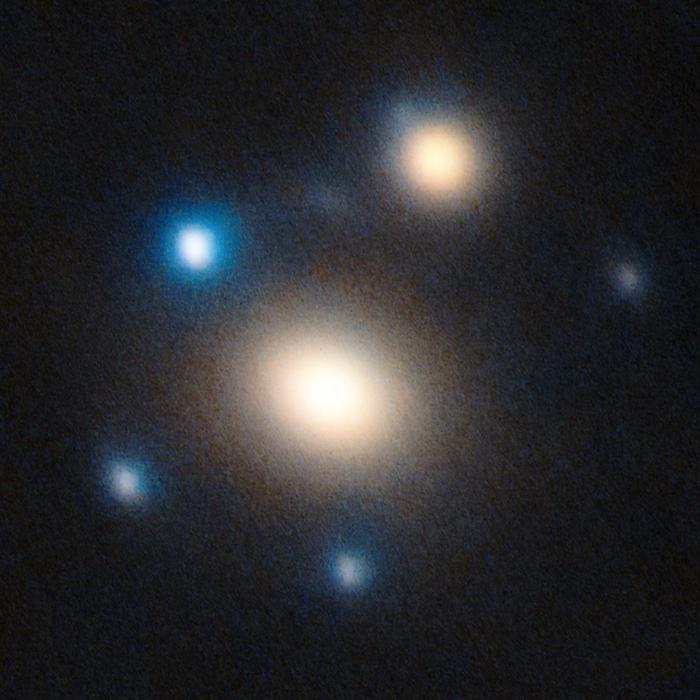
  •  

Memory device breaks high-temperature performance record

Image showing the memristor chip against a background of a volcano spewing lava. There's a planetary rover in the foreground.
An image of the memristor crossbar and possible application environments. (Courtesy: Jian Zhao)

A memory device that can operate at temperatures over 700 °C could enable electronic systems to withstand harsh conditions with less need for cooling. The device, which is a memristor based on graphene, tungsten and a hafnium oxide ceramic, can store data for over 50 hours, has a working voltage of just 1.5 V, and is robust to more than 109 switching cycles. It also has a high switching speed of just tens of nanoseconds, according to its developers at the University of Southern California (USC), US.

“Our work provides one of the most critical electronic components – memory – for a wide range of applications, particularly in extreme environments,” says Joshua Yang, who directs USC’s Center On Neuromorphic Computing undeR ExTreme Environments (CONCRETE). “These include space exploration, deep-Earth drilling (for geothermal energy) and nuclear and fusion energy plants in which intense heat is generated.”

Heat-tolerant electronics could also dramatically reduce the need for energy-intensive cooling systems, cutting both power consumption and fan noise, Yang adds. “Our work also shows that these devices require significantly lower voltage and current to operate at elevated temperatures – meaning higher ambient temperature can actually improve energy efficiency of computing systems.”

A device to remember

Rather than being fixed, the resistance of a memristor (or memory-resistor to give it its full name) changes depending on the current or voltage previously applied to it. This means that specific resistances can be programmed into the devices and subsequently stored. Importantly, the “remembered” value of the resistive state persists even when the power is switched off, making it a non-volatile form of electronic memory.

Memristors are also capable of processing large amounts of data in parallel, making them faster and more energy-efficient than conventional memories for certain calculations such as matrix-vector multiplication. They are therefore useful for in-memory computer technologies, including those that are now routinely employed in artificial intelligence (AI) hardware.

An unexpected discovery

The memristor described in the new CONCRETE Center study consists of a hafnium oxide (HfO2) layer sandwiched between two electrodes: a tungsten one on top and a graphene one on the bottom. Tungsten has the highest melting point of any metallic element, and the study’s first author, Jian Zhao, notes that graphene (a sheet of carbon just one atom thick) can also withstand high temperatures without degrading. Nevertheless, Yang says they didn’t specifically set out to make a super-high temperature device.

“As often in science, this work originated from an unexpected discovery,” he explains. “We identified a material stack with significantly higher temperature tolerance while investigating something else completely – namely trying to build a different kind of device using graphene.”

Understanding why this stack could withstand such high temperatures and validating their hypotheses took considerable effort, Yang tells Physics World. The team used a combination of advanced electron microscopy, spectroscopy and first-principles calculations to work out the physical mechanisms behind the process, he adds.

The role of graphene

In conventional ceramic-based memristors, like those with a platinum bottom electrode, high temperatures cause the metal atoms from the top electrode to migrate through the ceramic layer until they reach the bottom electrode. When this happens, the two electrodes permanently connect and the devices short-circuit.

In the USC team’s memristor, though, this simply wasn’t happening. “Graphene puts an end to this process,” Yang explains. “Tungsten atoms still drift towards the graphene electrode as expected, but because of its surface chemistry and structure they cannot anchor onto it. These atoms therefore end up migrating away from the electrode, so avoiding short-circuiting and device failure.”

The researchers, who report their work in Science, say that one future research direction might be to search for materials that have a similar surface chemistry to graphene, but are easier to handle. Their next goal, which they acknowledge will be challenging, is to integrate their high-temperature memristors with logic devices (such as those based on SiC substrates) that can also withstand extreme temperatures.

To advance their memristor technology, Yang and his colleagues Glenn Ge, Miao Hu and Qiangfei Xia have founded a start-up company, Tetramem Inc., focused on developing memristor-based machine learning/AI accelerators. Though scaling up their devices will take time – the current examples were made by hand in the lab at the sub-microscale – Yang says that creating high-operating-temperature accelerators could enable intelligent computing in extreme environments, including space applications or datacentres.

The post Memory device breaks high-temperature performance record appeared first on Physics World.

  •  

AI could help human scientists pick promising research topics

Large language models (LLMs) could help human scientists identify interesting research topics that have not previously been explored, say scientists at Germany’s Karlsruhe Institute of Technology (KIT). By analysing abstracts in materials science publications and mapping connections between different concepts, the model was able to generate predictions for future areas of interest that the KIT team says are more precise than those produced by traditional, rule-based algorithms.

The number of research articles published each year is increasing so quickly that it is impossible for scientists to keep up with everything, observes team leader Pascal Friederich, who heads a KIT research group on artificial intelligence for materials sciences. While experienced scientists know how to find connections between research areas within their field, identifying links between these and other, unfamiliar topics is a different story.

Training the model

Friederich suspected that machine learning (ML) could help solve this problem by identifying hitherto unthought-of combinations of topics and expanding the list of areas to explore. To test this hypothesis, he and his colleagues used an open-source LLM called LLaMa-2-13B to zoom in on key words and phrases in abstracts of papers in materials science. They then used a database of manually labelled abstracts to train the model, fine-tuning it to focus on only the most relevant concepts. These initial training data can be iteratively extended by adding LLM annotations that have been checked and corrected by human researchers.

Using this model, the KIT team isolated approximately 510 000 chemical formulae and 3 600 000 concepts from the 221 000 abstracts in their database – an average of 2.3 chemical formulae and 16.3 concepts per abstract. After removing duplicates, these numbers dropped to around 52 000 unique formulae and 1 241 000 unique concepts.

The researchers then constructed a graph that included only the concepts that appeared at least three times in the journal articles, and that consisted of at least two words. The resulting knowledge network has approximately 137 000 nodes, one for each key word or phrase.

Connecting the nodes

The team used a second ML model to connect nodes when different terms are often mentioned together. “For example, if our LLM observes that terms like ‘perovskite’ and ‘solar cell’ appear more often together, it will draw a new link in the concept graph,” explains Thomas Marwitz, who began the study as part of his undergraduate thesis. “Then an ML model analyses trends in these links to predict which combinations of scientific concepts could become more significant in the next two or three years.”

Marwitz, who is now studying for a master’s in computer science, explains that the ML model does this by analysing how links between terms change over time. When certain concepts are becoming linked with increasing frequency, this may indicate that a new field of research is developing. On the other hand, a decrease in the number of links might imply than certain topics are attracting less attention.

The results of these analyses suggest that LLMs could indeed be used to direct researchers toward topic combinations that had previously received little attention, Marwitz says. In follow-up interviews conducted as part of the study, researchers in many fields confirmed that at least some of the AI-generated suggestions were genuinely innovative and promising. Some examples include: “conventional ceramic” + ”graphene oxide”, “tensile strain” + ”molecular architecture” and “multiphase structure” + ”selective laser melting”.

Not “an invention machine”

According to Friederich, the concepts extracted are more precise than was possible with rule-based approaches. The LLM’s capabilities also reduced the amount of manual annotation work required. For example, it was able to extract concepts that were not present verbatim in the text, while also removing “filler” words and making plural-to-singular conversions.

However, Friederich stresses that the technique is not an “invention machine” for automating scientific discoveries. “It is simply an analytic tool that can help to identify new ideas and opportunities for collaboration more effectively,” he says. “Our aim is to provide targeted support for scientific creativity.”

The study, which is detailed in Nature Machine Intelligence, is clearly only a first step on the way to true AI-supported science, he tells Physics World. “Much still needs to be done to improve the methodology behind our approach, extend its scope beyond just core materials science and extend the capabilities of the AI system from idea generation to autonomous hypothesis formulation, planning, execution, and analysis,” Friederich says.

He adds that the study was a departure from the group’s usual research, and it was not easy to get funding for it. “I hope that more such bold and exploratory research ideas will receive support in the future, given that LLM-based agentic systems are starting to perform standard research tasks with increasing reliability and complexity,” he says.

The post AI could help human scientists pick promising research topics appeared first on Physics World.

  •  

Evidence for a ‘forbidden range’ of black hole masses emerges in gravitational wave observations

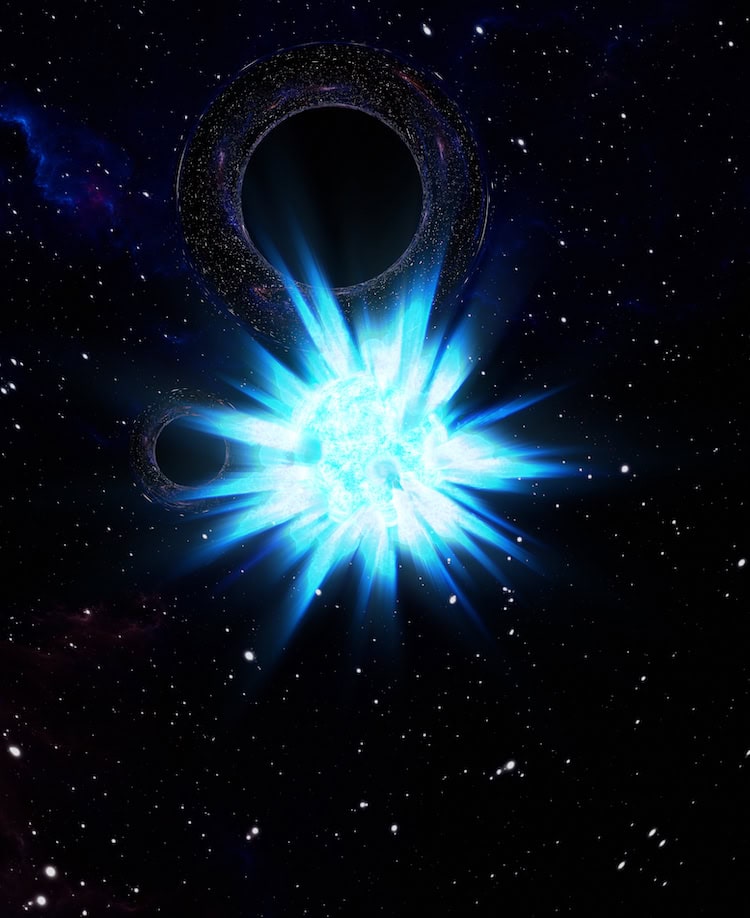
Artist's impression of a star exploding. The star is a bright blue spiky burst of light, and it appears against a star-dotted black background. Two circular areas of the background, representing a black hole binary, are completely black and starlight is warped around them.
A star’s ultimate fate: A stellar explosion with subtle hints of a black hole binary in the background. (Courtesy: Carl Knox, OzGrav – Swinburne University of Technology)

Predictions that black holes cannot form within a certain “forbidden zone” of stellar masses have gained support thanks to a new analysis of gravitational waves detected by the LIGO–Virgo–KAGRA network of observatories. The analysis, which was conducted by researchers at Australia’s Monash University, adds weight to the theory that stars between 50 and 130 times more massive than our Sun end their lives in a type of supernova that was predicted in the 1960s but has never been directly observed.

Most massive stars collapse at the end of their lives to form black holes. Theories of stellar evolution, however, suggest that stars in a middling-to-higher range of masses will instead explode as so-called “pair-instability” supernovas. These events are so powerful that they completely destroy the star, leaving nothing – not even a black hole – in its wake.

If this explanation is correct, there should be a gap in the observed range of black hole masses. Finding evidence of such a gap is not easy, but in recent years, researchers have developed a way of searching for it using observations of gravitational waves – the tiny ripples in space-time produced when super-heavy objects like black holes collide.

A mass gap for secondary black holes

In the new work, researchers led by Hui Tong analysed data from LIGO–Virgo–KAGRA’s fourth Gravitational-Wave Transient Catalog (GWTC-4), which contains information on the distribution of masses within binary black hole systems. Based on these data, the team report that there is indeed a gap in the masses of the smaller of the two black holes in the binary. None of these so-called secondary black holes had masses between 44 and 116 times the solar mass, M.

The masses of the primary (that is, larger mass) black holes in the binaries showed no such gap. However, the Monash researchers argue that their findings nevertheless support the “forbidden zone” theory. They point out that the mass range they identified is very similar to the range over which primary black holes in a binary start to spin more rapidly. According to Tong, this shift could mean that these black holes formed via a different mechanism. For example, they may have formed from merging black holes rather than directly from collapsing stars.

If confirmed, Tong says this hypothesis could change our understanding of how massive stars evolve and how black holes are born. “We are essentially using something invisible, black holes, as a record of some of the brightest explosions in the universe,” he says. “Instead of observing the explosion directly, we infer its effect from what is left behind in the black hole population. In doing so, we can connect the properties of these remnants to what happened inside the star at the moment of explosion.”

The challenge of detecting an absence

Although pair-instability supernovae were predicted six decades ago, Tong says that traditional light-based (electromagnetic) telescopes struggle to detect them because they are rare, distant and leave little direct trace that can be uniquely identified. In this respect, he says that gravitational-wave astronomy could be game-changing: “The detection of gravitational waves allows us to ‘hear’ the violent collisions of the most compact objects in the universe and directly measure the properties of black holes across cosmic time.”

Even with this new tool, though, the work was not without difficulties. One of the biggest challenges, Tong recalls, was figuring out whether patterns observed in the black hole masses were real. “A large part of our work therefore involved testing different assumptions in our models and checking whether the results still held,” he says. “That process takes time, but it’s essential for building confidence that we’re truly uncovering how black holes form and evolve.”

“Next generation gravitational wave observatories will be transformative”

Tong hopes that future gravitational-wave observations will steadily increase the number of detected black hole mergers, allowing researchers to build a much clearer picture of black hole mass distribution. “In the near term, current detectors such as LIGO will continue to improve this picture by finding more events and reducing uncertainties, helping us confirm how robust the features really are,” he explains. “Then, next generation gravitational wave observatories planned for the 2030s will be transformative. With their much greater sensitivity, they will be able to detect black hole mergers from across a large fraction of the observable universe, potentially observing tens of thousands of merging black holes per year.”

Turning gravitational wave astronomy from a field with hundreds of detections into one with an almost continuous stream of black hole signals would bring enormous advantages, he adds. “It would allow us to see far more distant and fainter systems, including black holes formed when the universe was only a few billion years old (compared to its current age of about 13.8 billion years), during its early and more active stages of star formation and trace how stars evolve over the history of the cosmos.”

The present work is described in Nature.

The post Evidence for a ‘forbidden range’ of black hole masses emerges in gravitational wave observations appeared first on Physics World.

  •  

Darkness can travel faster than light

Conceptual illustration showing a glowing pool dotted with blue and orange vortices
A conceptual illustration of a glowing pool with blue and orange vortices, representing the measured dark points alongside the honeycomb atomic structure of the hBN material studied. (Courtesy: T Bucher and colleagues)

Dark points within light waves can travel faster than the waves themselves. This finding, which is based on new measurements by researchers at Technion – Israel Institute of Technology, confirms a 50-year-old prediction and could help push atomic-scale imaging past its current limits.

Formally known as optical phase singularities, dark points are vortices within light waves where the wave’s amplitude drops to zero. “Simply put, these ‘zero points’ are points of complete darkness embedded within the light field,” explains study team member Tomer Bucher.

In the 1970s, theoretical studies by the physicists John Nye and Michael Berry suggested that such points could move faster than the waves in which they form. Until now, though, no-one had managed to test this prediction by measuring these structures’ movement experimentally.

Unprecedented spatial and temporal resolution

The Technion team’s experiments did not involve beams of light propagating through a vacuum. Instead, the researchers searched for optical phase singularities within flakes of hexagonal boron nitride (hBN), an atomically thin, two-dimensional (2D) material. Light waves in this material travel in the form of polaritons, which are particle-like entities that develop when the electric field of a photon interacts with the conduction electrons in a material. “These hybrid structures can be thought of as light waves that have unusually low velocities (roughly 100 times slower than the speed of light in vacuum) or as sound waves that have unusually high velocities,” Bucher explains.

Even with these reduced velocities, Bucher and colleagues needed special instrumentation to observe the processes at play deep within a single cycle of light. For this, they turned to a modified ultrafast transmission electron microscope (UTEM) composed of a laser and advanced opto-mechanical apparatus. Using an interferometry technique known as free-electron Ramsay imaging, they achieved what Bucher calls “an unprecedented combination of spatial and temporal resolution” of 20 nm in space and 3 fs in time.

To make sense of the complex interference patterns they observed, the researchers developed advanced computational algorithms to extract the exact amplitude and phase of the light-matter waves and reveal their hidden “singular skeleton”. They also deployed automated tracking algorithms to follow the exact space-time trajectories of dozens of singularities simultaneously across massive datasets.

These techniques revealed that when singularities with opposite charge meet, they annihilate each other. Just before this happens, though, they accelerate to extreme (formally divergent) velocities that exceed the speed of light in a vacuum – something that is allowed under Einstein’s principles of special relativity because the singularities are massless and carry neither energy nor information. “This result highlights a beautiful ‘paradox’ where the slower light-matter waves are the ones found more likely to host topological features that ‘race’ across its surface at impossible, superluminal speeds,” Bucher says.

A bad cavity comes good

As is often the case, the study started out as a completely different project. The researchers’ original goal was to study unique light-matter interactions and high-resolution dynamics in high-quality hBN cavities fabricated by a colleague, Bar-Ilan University’s Hanan Herzig Sheinfux, during a stint with Frank Koppens at ICFO in Barcelona, Spain.

“Ironically, the specific sample that became the focus of this paper was initially considered a ‘bad’ cavity,” Bucher recalls. “However, my colleague Arthur Niedermayr noticed something surprising in the raw data: patterns that looked like multiple singularities moving around. We therefore pivoted our focus; reconstructed the full phase and amplitude from the raw measurements; and created a fully aligned temporal movie to track these singularities frame by frame.”

It was during this tracking that the researchers observed vortices that accelerated to extreme velocities right before vanishing. This unexpected finding triggered a deep dive into the possible origins of such behaviour. Eventually, their search led them to Nye and Berry’s 1974 paper, as well as related work by Berry and Mark Richard Dennis in 2000. “Our experimental measurements agree incredibly well with the old and the new theoretical predictions,” Bucher says.

A universal advanced theory

As well as confirming the spatial statistics of the singularities laid out in these previous works, Bucher tells Physics World that he and his colleagues were able to extend the theory to capture the singularities’ full joint distance-velocity dynamics. Importantly, the extended theory is universal, meaning that the phase-space correlations they observed should apply to phase singularities across all types of wave systems, not just in optics. “Our findings will thus deepen our understanding of topological defects, which are common to all areas of physics – from superfluids to superconductors,” Bucher says.

In terms of direct applications, Bucher says the singularities he and his colleagues studied could be used to advance super-resolution microscopy and to encode high-density information within the orbital angular momentum of light. “The analytical methods we developed could help mitigate common artifacts in electron microscopy (such as the notorious ‘bee-swarm’ effect), ultimately pushing atomic-scale imaging to new limits,” he adds.

The researchers, who report their work in Nature, say they now plan to probe 3D line singularities and higher-order topological defects, which offer an even richer landscape for information encoding. “We also plan to investigate topological phases in other 2D materials and heterostructures, with the goal of resolving exotic phenomena like ‘optical skyrmions’ in real-time,” Bucher reveals. “Finally, we are actively developing near-field tomography techniques to capture the full 3D bulk dynamics of these complex waves – which if successful, will be a major milestone in electron microscopy.”

The post Darkness can travel faster than light appeared first on Physics World.

  •  

Bat-inspired drone can navigate through dense fog and dodge obstacles

The “bumblebee” bat – a little animal weighing just 2 g – has inspired researchers to make the first palm-sized drone that can efficiently navigate in confined, dark and cluttered environments. The drone, which works using echolocation and operates on a milliwatt of power, could find applications in search and rescue missions in difficult-to-access spaces, say the researchers at the Worcester Polytechnic Institute in the US who developed it.

The bumblebee bat thrives in deep, dark caves and can perceive objects as small as just 0.1 mm thanks to ultrasound-based echolocation. The bat sends short chirps and then listens to the echoes produced as the sound waves bounce off surfaces. This ability is all the more astounding since the animal has only simple biosensory apparatus and just two million neurons.

The new drone, developed by a team led by Nitin Sanket, differs from existing autonomous aerial robots that require sophisticated sensors to work – including light detection and ranging (LIDAR), radio detection and ranging (RADAR), tactile sensors and infrared-based depth cameras, to name just a few. These complicated devices cannot easily be deployed in cluttered environments under difficult environmental conditions, such as fog, dust, smoke, low light and/or snow. This makes them unsuitable for search and rescue missions in disaster zones, where such conditions are often the norm.

Another major problem with existing robots, explains Sanket, is that they generate a lot of propeller noise, making echolocation difficult. “It’s like trying to listen to your friend while a jet engine is taking off next to you,” he says.

The new device, which is detailed in Science Robotics, employs a physical acoustic shield inspired by the ear cartilages of bumblebee bats to overcome this problem. In addition, the team used an artificial-intelligence (AI)-based neural network denoising framework to recover weak echoes from noisy signals.

New device works well in the wild

Ultrasonic sensing is insensitive to most environmental conditions, such as smoke, snow, dust and darkness, that are visually degrading and render light-based sensors like cameras or LIDARs ineffective. As such, they work very well in the wild, says Sanket. “This will allow this new class of robots to be readily deployed for search and rescue in real-world settings where conditions are dynamic, unpredictable and visually degraded, bringing us one step closer to deploying swarms of aerial robots to look for survivors.”

The researchers built their aerial device using standard off-the-shelf parts for motors, and flight- and electronic speed controllers. They custom designed a carbon fibre frame and 3D-printed other structural parts. The on-board computer is a Google Coral Mini development board and the ultrasound sensors are made by TDK Electronics and designed by team member Richard Przybyla. The robot measures around 16 cm across, costs roughly $400 and works using just 1.2 mW of sensing power.

The robot uses echolocation to determine obstacle locations in 3D using trilateration, explains Sanket. “This means that once it has found the obstacles, it plans a path around them to avoid them and go towards a goal direction (like North, for example).”

At the heart of the device is noise reduction using the physical shield and the neural network (dubbed “Saranga” by the team), which reduces noise by looking at echo signatures over time, in the same way as the bat’s neuronal signal processing system does. The researchers trained the network entirely in simulation and say that it can be adapted to the real world without re-training/fine-tuning.

Looking to nature’s experts

The idea for the project actually started out as a joke during Halloween of 2024, remembers Sanket, when he and his students wanted to build a robot that emerged from smoke for a video. “That film was much harder to make than we anticipated, and it turned into an obsession, forcing us to solve a real problem: how to make robots navigate in visually degraded/challenging conditions.”

“To find the answer, we looked to nature’s experts, bats, which not only live but thrive in damp, dark and dusty caves and can pinpoint something as thin as a human hair,” he explained.

In their experiments, Sanket and his colleagues had to study how bats deal with low signal-to-noise ratios. They found that bats change their cartilage stiffness to muffle noise and have peculiar nose-leaves (ridges on their nose) to modulate sound chirps. They based their physical acoustic shield on these structures.

According to the researchers, these highly-functional autonomous tiny aerial robots could be deployed in critical humanitarian applications such as search and rescue, cave exploration and combating poaching – tasks currently infeasible using existing aerial robots. “They could, for example,” says Sanket, “be sent into disaster areas where human or larger helicopter access is limited, thereby alleviating the challenges and pressures associated with saving lives.”

Looking ahead, the Worcester Polytechnic Institute team is now working to increase the robot’s flying speed and reduce its size even further. “We speculate that looking at novel forms of flight mechanisms is the key,” Sanket tells Physics World.

The post Bat-inspired drone can navigate through dense fog and dodge obstacles appeared first on Physics World.

  •  

Scientists find a new critical point in supercooled water

Researchers at Stockholm University in Sweden have found experimental evidence of a long-predicted critical point in water at -63 °C. The result, which they obtained by supercooling liquid water and probing it with ultrafast laser pulses before it could freeze, provides further evidence that liquid water exists in two distinct phases.

Water is a strange substance. Unlike most other materials, its liquid form is denser at ambient pressures than the ice it forms when it freezes. It also expands, rather than contracting, as it cools, and it becomes less viscous when compressed. All told, water exhibits around 60 different anomalous behaviours, and it is especially atypical when cooled below its usual freezing point. This so-called “supercooled” state of water occurs naturally in high-altitude clouds, and it can be produced in a laboratory by applying high pressures as the water is cooled to low temperatures.

In 1992, a computational study led by the physicist Francesco Sciortino (then at Boston University in the US) indicated a further unusual trait. According to simulations by Sciortino, Peter Poole, Ulrich Essmann and H Eugene Stanley, supercooled water can undergo a transition between two different liquid phases, with a liquid-liquid critical point (LLCP) occurring at pressures 2000 times higher than atmospheric pressure at sea level. “These two liquids would coexist on a line in the supercooled water’s phase diagram,” explains Stockholm’s Anders Nilsson, who led the new study. “As pressure is lowered and temperature is increased, the two phases would vanish to leave only one phase.”

At this critical point, where two phases meld into one, theory predicts that fluctuations will arise between the two liquid states. These fluctuations are not confined to the critical point, however. They also occur in a large region of the phase diagram at temperatures above it; indeed, the predicted phase diagram contains further anomalies that persist up to around 50°C. This means that the existence of an LLCP could play a role in the behaviour of water under ordinary conditions. In fact, its presence could provide a straightforward explanation for many of water’s oddities, especially at low temperatures.

Before the new study, though, this LLCP was only predicted, never proven. “It has been difficult to identify because it has not been possible to conduct experiments at the low temperatures at which ice forms very quickly,” Nilsson says.

A role for ultrafast lasers

The key to the latest work, which is detailed in Science, was a new technology. “Ultrafast X-ray lasers allow us to perform such experiments and probe water before it freezes,” Nilsson tells Physics World.

Working at POSTECH University and the PAL-XFEL facility in South Korea, Nilsson and his colleagues studied supercooled water using ultrafast infrared laser pulses followed by x-ray scattering. This allowed them to detect the phases formed before the supercooled water began to turn into ice. “By varying the laser’s fluence, we were able to access liquid states straddling the predicted critical point,” explains Nilsson.

The Stockholm researchers report that they observed a crossover from a discontinuous to a continuous transition, where the system undergoes broad and slow structural changes. Such a pattern agrees well with the existence of critical fluctuations at this point, Nilsson says. They also observed a rapid increase in the material’s heat capacity indicating a critical divergence at 210 ± 8 K, which is coincident with enhanced density fluctuations. “These results suggest that our experiments have directly probed the vicinity of a critical point in supercooled water,” Nilsson says.

Investigating the impossible

Nilsson adds that finding this critical point had long been a “holy grail” for scientists who study water, with many believing it would be impossible for experimentalists to access. As an X-ray scientist, however, Nilsson realized that the new generation of X-ray lasers could make a difference.

“I took on this challenge 15 years ago and the most difficult aspect was to move water through the phase diagram – by changing the pressure and temperature – very quickly and study it on ultrafast time scales (in less than a microsecond), before ice formation occurred,” he says. “It took us many years of planning and testing: we identified the two liquid phases, a result that we also published in Science in 2020, and have now finally succeeded in reaching the critical point.”

The researchers now plan to continue investigating the critical point in detail, with the goal of understanding the timescales of the fluctuations that occur as the pressure and temperature are nudged away from it. “We also need to research the implications of ordinary water becoming supercritical at interfaces that are important for energy applications, such as fuel cells and water splitting,” Nilsson says. “Other important areas to consider [include] how supercriticality is important for water in living cells; water as a solute for chemical reactions; water in geological pores; and water in clouds, which are important for understanding climate change.”

Team member Fivos Perakis adds that the results are “very exciting”, given that water is the only supercritical liquid known to be present under conditions where life exists. “We also know there is no life without water,” Perakis observes. “Is this a pure coincidence or is there some essential knowledge for us to gain in the future?”

  • This article was amended on 27/04/2026 to clarify the roles of the scientists involved in the 1992 study that predicted a liquid-liquid critical point in water.

The post Scientists find a new critical point in supercooled water appeared first on Physics World.

  •  

Memristive synapses could reduce AI energy consumption

A new highly stable and energy-efficient memristor based on a hafnium oxide material can emulate the behaviour of synapses in the brain. The neuromorphic device could help dramatically cut the energy consumed by artificial intelligence (AI) hardware, say its developers at the University of Cambridge in the UK.

Today’s AI systems rely on conventional digital computers. These have separate processing and storage units and consume huge amounts of energy when performing data-intensive tasks. As global AI use is exploding, this energy consumption has already become unsustainable, says materials scientist Babak Bakhit, who led this new study.

An alternative way to process information

Neuromorphic computers could provide an alternative way to process information. As their name suggests, they are inspired by the architecture of the human brain. The circuits in these computers are made up of highly connected artificial neurons and artificial synapses that simulate the brain’s structure and functions. These machines have combined processing and memory units that allow them to process information at the same time as they store it, in the same way as a multi-tasking human brain. This means they could reduce energy consumption by as much as 70% compared with their digital counterparts.

Memory-resistors, or memristors, have become a fundamental building block of such neuromorphic architectures. This is because they can be engineered to behave very much like neurons in the human brain, which learn by reconfiguring the strengths of the connections (synapses) between neurons. Memristors excel in this respect as they can bring this learning functionality to the connections in electronic circuits.

First described theoretically in 1971, it was not until 2008 that researchers made the first practical version of a memristor. These devices are special in that their resistance can be programmed and subsequently stored. This is because, unlike standard resistors, the resistance of a memristor changes depending on the current previously applied to it – hence the “memory” in its name. What is more, the device “remembers” this resistive state even when the power is switched off.

Randomness in switching behaviour is a problem

All well and good, but most of today’s memristors unfortunately suffer from randomness in their switching behaviour because they rely on the formation of tiny conductive filaments in the materials making them up. These filamentary devices also typically require high forming and operating voltages and extra devices to avoid uncontrolled current changes that lead to permanent device failure. These challenges make such devices difficult to scale up for real-world applications, says Bakhit.

The researchers, who report their work in Science Advances, claim to have overcome the intrinsic stochasticity of memristive switching by exploiting a completely different switching mechanism – based on carefully engineered heterointerface physics rather than random filament switching. They achieved this by adding strontium and titanium to a hafnium-oxide thin film, which results in the formation of a p-n heterointerface. This junction allows the device to change its resistance smoothly by shifting the height of an energy barrier at the bottom interface through the migration of electro-ionic charges, explains Bakhit.

The new interfacial device has an ultralow switching current of less than or equal to 10-8 A, which is around 106 times lower than those of conventional oxide-based memristors. It also produces hundreds of distinct and stable conductance levels that can be easily modulated, a key prerequisite for analogue “in-memory” computing. And that’s not all: the device can also undergo tens of thousands of switching cycles without losing its programmed states for around a day.

Looking ahead, the researchers say they will now be focusing on translating their material and device breakthrough into a functional computing system. “In particular, we are working on reducing the thin-film growth temperature (which currently stands at around 700 °C) so that it is compatible with standard semiconductor manufacturing (CMOS) tolerances,” says Bakhit. “We will then scale up device arrays to demonstrate large-scale integration.”

Ultimately, the goal is to move from individual devices to fully integrated neuromorphic chips that can compete with, or surpass, conventional AI hardware in both performance and energy efficiency, he tells Physics World.

The post Memristive synapses could reduce AI energy consumption appeared first on Physics World.

  •  

Want to make a peptide material go from soft to stiff? Just add water

Protein molecules are highly dynamic, continually changing shape in response to changes in external conditions. Scientists have long sought to mimic this behaviour in artificial materials, and now a team at the City University of New York (CUNY) in the US has done just that, constructing a crystalline solid that switches between several distinct architectures as the ambient humidity changes. Their work could make it easier to fabricate adaptive materials on a large scale for applications such as humidity-responsive coatings.

Proteins owe their shape-shifting character to a series of complex interactions that take place between two or more molecules. These supramolecular interactions, as they are known, allow proteins to adapt their properties – and therefore their functions – as needed. Water plays an important role in such interactions because it stabilizes certain structures while weakening others.

“Stripped-down” versions of protein behaviour

In the new work, researchers led by CUNY chemist Rein Ulijn and chemical engineer Xi Chen studied peptides, which are the molecular building blocks that make up proteins. In particular, they focused on leucine (L) and isoleucine (I), which are isomers, meaning they have the same chemical formula but different structures. “Such short peptides give us access to ‘stripped-down’ versions of protein behaviour,” explains Ulijn, who is also the founding director of CUNY ASRC Nanoscience Initiative. “They’re simple enough to design systematically, but still rich enough to encode sometimes surprisingly complex and dynamic behaviour.”

They found that when the chemical potential of water in the system – effectively, the humidity – changed, the solid-state porous architecture of LI crystals reorganized, reversibly switching between rigid perpendicular/parallel honeycomb structures and layered soft van der Walls structures. Importantly, Ulijn explains, this transformation occurs without compromising the peptides’ overall structural integrity.

“What makes this particularly significant is that most dynamic supramolecular systems are limited to relatively minor changes in organization,” he says. “In contrast, the peptide side chains in our system undergo very dramatic conformational reorganization, which translates into the topological changes observed.”

Uljin adds that this process offers a completely new way to design materials that can switch between distinct structural states. “This opens the door to solid materials that are both robust and highly adaptable, a combination that is difficult to achieve with existing approaches,” he tells Physics World.

A new toolbox for designing dynamic solid-state materials

The researchers say they undertook their study to address a “fundamental gap between biological systems and synthetic solid-state materials”. Although proteins routinely undergo sequence-encoded conformational changes to access multiple functional states in solution, replicating this kind of dynamic behaviour in solid materials has been a major challenge. “Our goal was to create a minimalist, peptide-based system that could mimic this adaptability without relying on large, complex structures and that could be triggered by low energy inputs,” they explain.

The team says the work provides a new toolbox for designing dynamic solid-state materials with tuneable topology and function, which could potentially impact a wide range of fields. One potential application is the development of adaptive materials with switchable mechanical properties, where stiffness and softness can be controlled through environmental humidity or temperature. “This could be useful in soft robotics, responsive coatings, or smart structural materials,” Chen notes.

The researchers are now studying other peptide structures in hopes of better understanding the fundamental rules for conformational control of short peptides. Ultimately, they say this programme should lead to specific design rules for porous peptide materials, making it possible to explore a broader range of sequences and side-chain chemistries. “We are also interested in scaling these materials to enable practical demonstrations in hydration-responsive coatings,” Chen adds.

The team reports its work in Matter.

The post Want to make a peptide material go from soft to stiff? Just add water appeared first on Physics World.

  •  

Gravitational effects could shed more light on the Hubble tension

There are today two main ways to measure the Hubble constant, which is a parameter that describes the rate at which the universe is expanding. However, these two techniques produce conflicting results This discrepancy is called the Hubble tension and it suggests that we may be missing something fundamental about how the universe works. Now, two independent groups of astronomers, one in the US and the other in Germany, are developing two new methods to measure the Hubble constant. One uses gravitational waves; and the other uses gravitationally-lensed supernovae. Their work could help resolve the Hubble tension.

We know that the universe has been expanding ever since the Big Bang nearly 14 billion years ago – in part, thanks to observations made in the 1920s by the American astronomer Edwin Hubble. By measuring the redshift of various galaxies, he discovered that galaxies further away from Earth are moving away faster than galaxies that are closer to us. The linear relationship between this speed and the galaxies’ distances is defined by the Hubble constant, H0.

While there are many techniques for measuring H0, the problem is that different techniques yield different values. One main approach involves the European Space Agency’s Planck space telescope, which measures the Cosmic Background Radiation (CMB) “left over” from the Big Bang. This produces a value of H0 of about 67km/s/Mpc, where 1 Mpc is 3.3 million light–years. The other main approach is the “cosmic distance ladder” measurement, such as that made by the SH0ES collaboration involving observations of type Ia supernovae, which says H0 is about 73 km/s/Mpc.

Much brighter than typical supernovae

Now, astronomers at the Technical University of Munich, the Ludwig Maximilians University and the Max Planck Institutes for Astrophysics and Extraterrestrial Physics have observed an extremely rare type of supernova – or stellar explosion – that was gravitationally lensed, which by itself is also a very rare phenomenon. The supernova, which is called SN 2025wny (or more affectionately “SN Winny”), is superluminous and therefore much brighter than most gravitationally lensed supernovae discovered to date. This means that it can be studied using ground-based telescopes. Indeed, the researchers, led by Sherry Suyu and Stefan Taubenberger observed it with the Nordic Optical Telescope and the University of Hawaii 88-inch Telescope.

“It was an extraordinary coincidence that the first well-resolved lensed supernova found from the ground turned out to be a superluminous supernova,” says Taubenberger. “Its initial spectrum did not match the types of supernova we expected (that is, Type Ia or Type IIn), so determining its redshift was also difficult without this clear classification. We eventually measured the redshift to be equal to two so the observed optical light had actually been emitted as energetic UV radiation. The extraordinary UV brightness then allowed us to identify the object as being a superluminous supernova.”

The fact that the supernova can be clearly observed from here on Earth makes it useful for a technique called time-delay cosmography. This method, which dates from 1964, exploits the fact that massive galaxies can act as lenses, deflecting the light from objects behind them so that from our perspective, these objects appear distorted. “This is called gravitational lensing and we actually see multiple copies of the objects,” Taubenberger explains. “The light from each of these will have taken a slightly different pathway to reach us, so we see them at different times. In the case of SN 2025wny, we observed five copy objects that had been deflected by two galaxies in the foreground.”

If we measure the difference in the arrival times of these objects and combine these data with estimates of the distribution of the mass of the deflecting lens galaxies, we can calculate the so-called time-delay distance, he explains. “From the time-delay distance and the redshift, we can then infer H0. Unlike the cosmic distance ladder, which involves many calibration steps and can accumulate errors with each step, this is a one-step technique with fewer and completely different sources of systemic uncertainties.”

Making the observations was not without a number of challenges, he remembers. “Initially, we had secured observing time at southern hemisphere telescopes (in particular, the ESO [European Southern Observatory] in Chile). However, the object we discovered was in the northern sky, making this secured time unusable. This meant we had to quickly find alternative observatories and write new proposals for northern hemisphere follow-up observations.”

Using undetectable black hole collisions

Meanwhile, a team of astrophysicists at The Grainger College of Engineering at the University of Illinois Urbana-Champaign and the University of Chicago has developed a way to determine the Hubble constant using gravitational waves and in particular the gravitational-wave background. Gravitational waves are generated when compact astrophysical objects, such as black holes, collide. These collisions, which are extremely energetic, produce tiny ripples in the fabric of space–time that travel at the speed of light, eventually reaching us here on Earth where they are detected by the LIGO–Virgo–KAGRA (LVK) Collaboration.

SN Winny High-resolution image taken with the Large Binocular Telescope on Mount Graham in Arizona, USA, displaying the two lens galaxies in a warm tone, and the five lensed copies of SN Winny in blue. (Courtesy: SN Winny Research Group)

Individual black hole collisions have been observed by the LVK, which allows us to determine the rates of those collisions happening across the universe, explains study leader Bryce Cousins, who is at Illinois. “Based on those rates, we expect there to be a lot more events that we can’t observe. This is called the gravitational-wave background.”

Their approach uses a unique, previously unexplored relationship between the gravitational-wave background and H0.  This relationship is not found in other astrophysical phenomena, meaning that the method is complementary to existing electromagnetic and gravitational-wave measurements of H0.

An upper limit on the background can provide a lower limit on the Hubble constant

The strength of this gravitational-wave background scales directly with the density of gravitational waves in the universe, he says. “For example, if the universe were expanding more slowly, then it would have a smaller total physical volume and a correspondingly higher density of gravitational waves, leading to a stronger background. Thus, an upper limit on the background can provide a lower limit on the Hubble constant.”

The researchers demonstrated their hypothesis by analysing gravitational-wave data from the LVK Collaboration’s third observing run. They have dubbed their method the “stochastic siren” since the gravitational waves (the “sirens”) composing the background arise randomly.

The LVK network is not yet sensitive enough to detect the gravitational-wave background, but researchers expect it will be able to within the next six years or so. However, when Cousins and colleagues’ new work is combined with existing “spectral siren” measurements, the result is a more accurate value of H0 – even without a detection of the gravitational-wave background. As a result, the new technique should only improve as gravitational-wave detectors become more sensitive. The spectral siren approach measures the Hubble constant by considering the redshift of gravitational-wave signals.

Cousins says he is “hopeful” that the findings of gravitational-wave cosmology will be able shed more light on the Hubble tension as gravitational-wave data collection continues.

The researchers are now extending their method to consider other dark energy models, in light of ongoing findings that the standard “cosmological constant” interpretation of dark energy may be incorrect. Cousins is also applying the existing analysis to the latest gravitational-wave dataset and working with other collaborators to modify the stochastic siren procedure so that it can be applied to the next-generation of gravitational-wave detectors.

Two different but complementary techniques

Taubenberger says that Cousins and colleagues’ technique is trying to measure the Hubble constant in a completely different way to his group’s – and also without relying on the cosmic distance ladder. “Since some gravitational waves have no optical counterpart, you cannot take an optical spectrum of them and measure their redshift, so methods like theirs allow us to measure distances in a statistical sense by analysing multiple objects and glean information about the Hubble constant in this way.

“Every independent approach to measure the Hubble constant is welcome, of course.”

Cousins, for his part, says that Taubenberger and colleagues’ work effectively supports an existing method with new data, while his group’s work involves creating a new method that can use existing data. “Taubenberger and his team exclusively use electromagnetic data, which differs from our gravitational wave method, but our approaches are ultimately complementary since they are independent takes on the same underlying question.

“It is interesting and important work since they have found a unique candidate for time-delay cosmography. I am excited to find out what new Hubble constant constraints will come from using this new lensed supernova.”

The post Gravitational effects could shed more light on the Hubble tension appeared first on Physics World.

  •  
❌