Login
Login
Why we crave company
Neuroscientists are discovering that spending time with others may be a basic biological necessity, like need for food or water


Neuroscientists are discovering that spending time with others may be a basic biological necessity, like need for food or water
Critters that dine on flesh and waste also consume the animal’s DNA. That genetic material is helping scientists detect and map elusive species and their pathogens.
Scientists are exploring new algorithms, hardware and computing methods to lower AI’s power demands. Strategic siting of data centers and other steps to increase green energy use are also key.

As temperatures rise, some creatures pick fights while others struggle to learn. The consequences of these behavioral changes may ripple through ecosystems.
People with a rare genetic disorder that damages the amygdala are helping neuroscientists rethink how the brain shapes fear, trust and concern for others
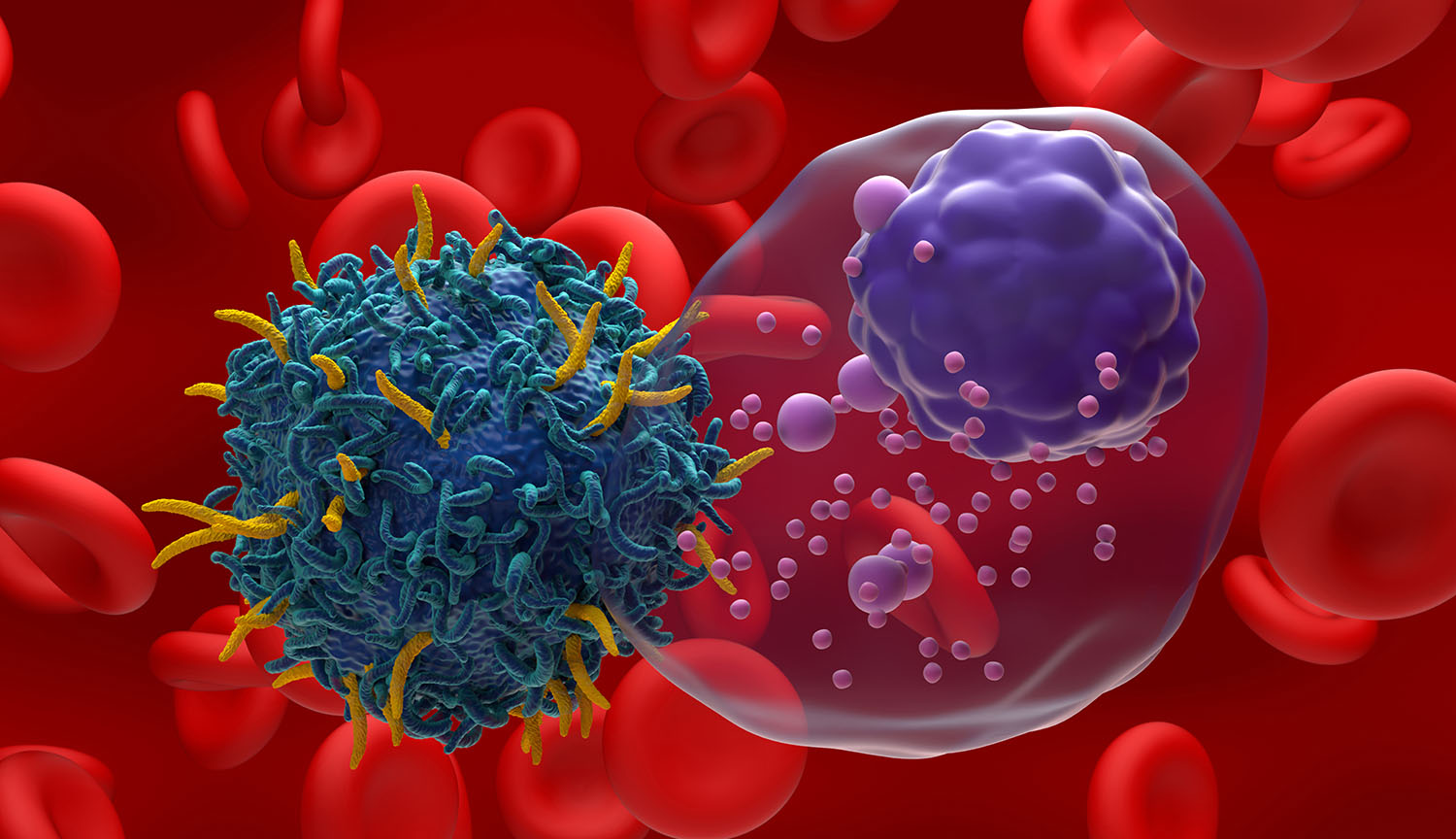
Researchers are testing CAR T cell therapy as a way to reset the immune system in lupus, Graves’ disease and other conditions where the body’s defenses go rogue
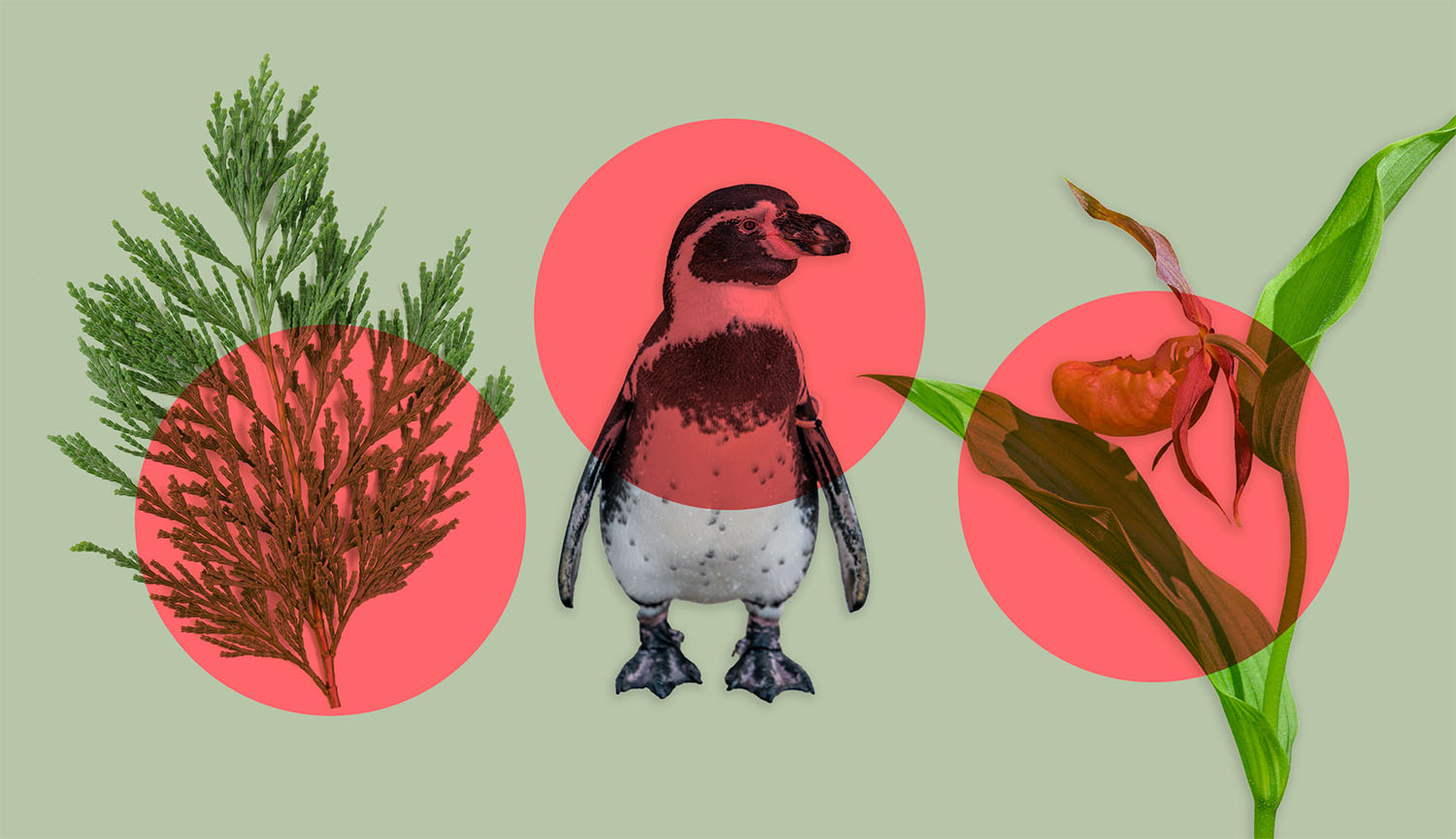
Species are disappearing at least 10 to 100 times more rapidly today than extinctions observed over millions of years. A biologist says the answer is reciprocity — to give to the planet and not just take.
Evidence is growing from rodent studies that sperm carries marks of a father’s life experiences, influencing traits in offspring. Bits of RNA could be the drivers of these epigenetic effects.
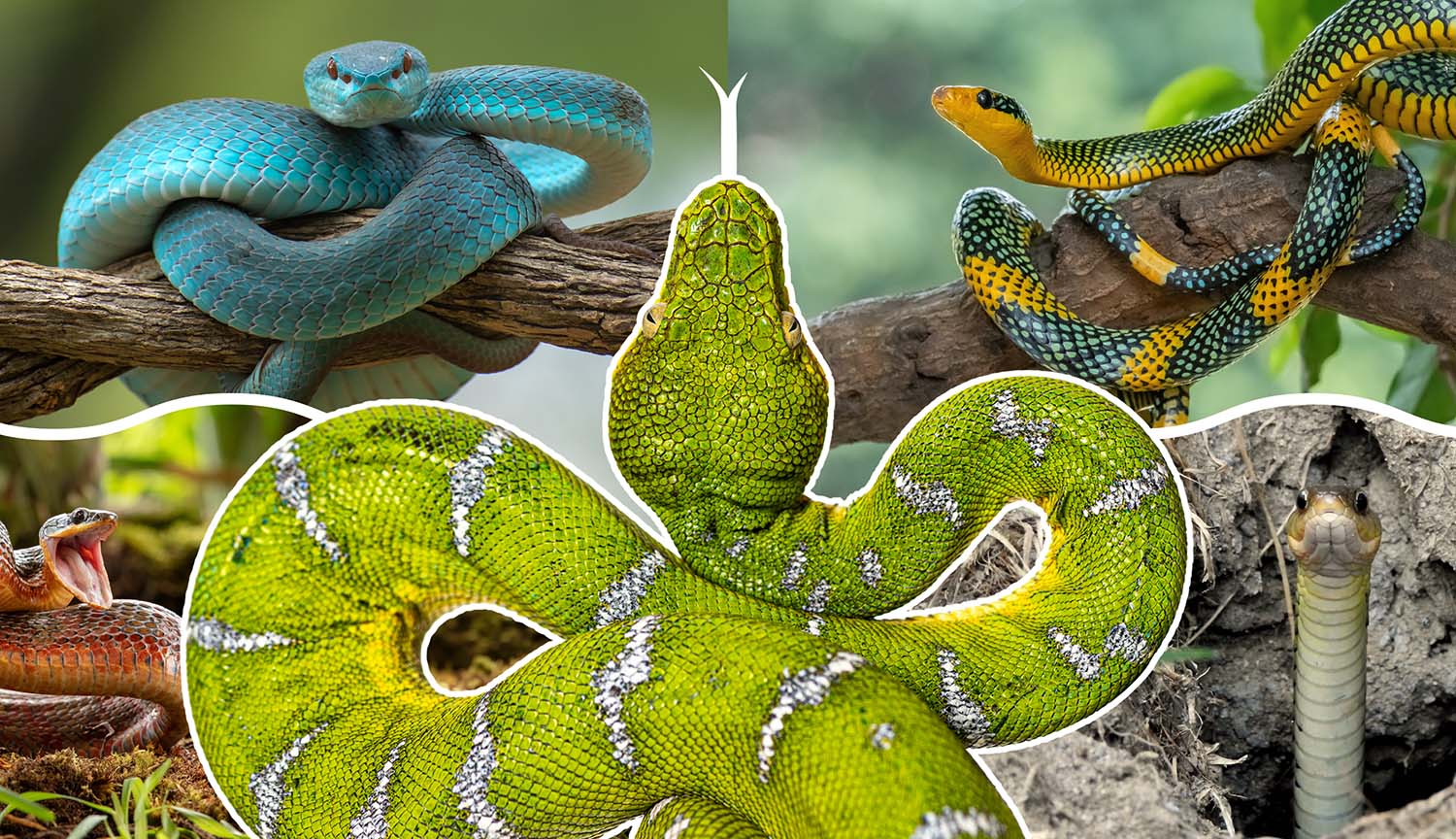
Huge snakes, tiny snakes, poisonous snakes and constrictor snakes, snakes that slither, burrow or swim: New fossils and modern technology are tracing serpent origins
Changes in neural connections due to substance use and withdrawal are long-lasting, and craving can peak well into abstinence. Understanding this process could inspire drugs to support recovery.
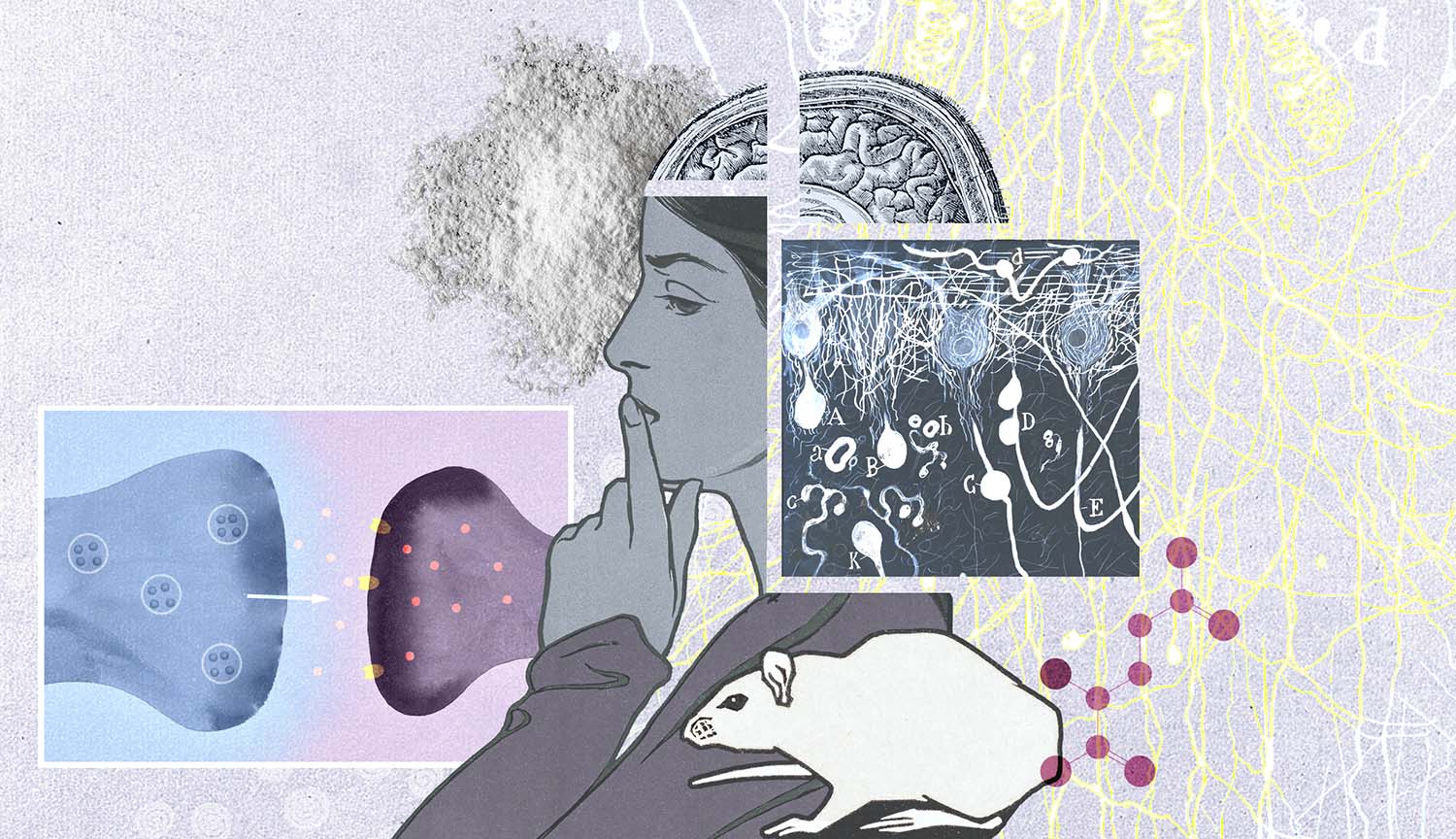
Nostalgia plays a big role in the meals that bring us solace — which mean we might be able to recondition ourselves toward healthier foods that still soothe

Once global warming peaks, it could take centuries to cool things back down. But we can bend the curve by cutting fossil fuel emissions now.
As the number of long-term survivors grows, doctors and patient advocates are working to improve post-cancer care

Turrets and tunnels and carbon dioxide — oh my! These ants farm, but they are also master builders.
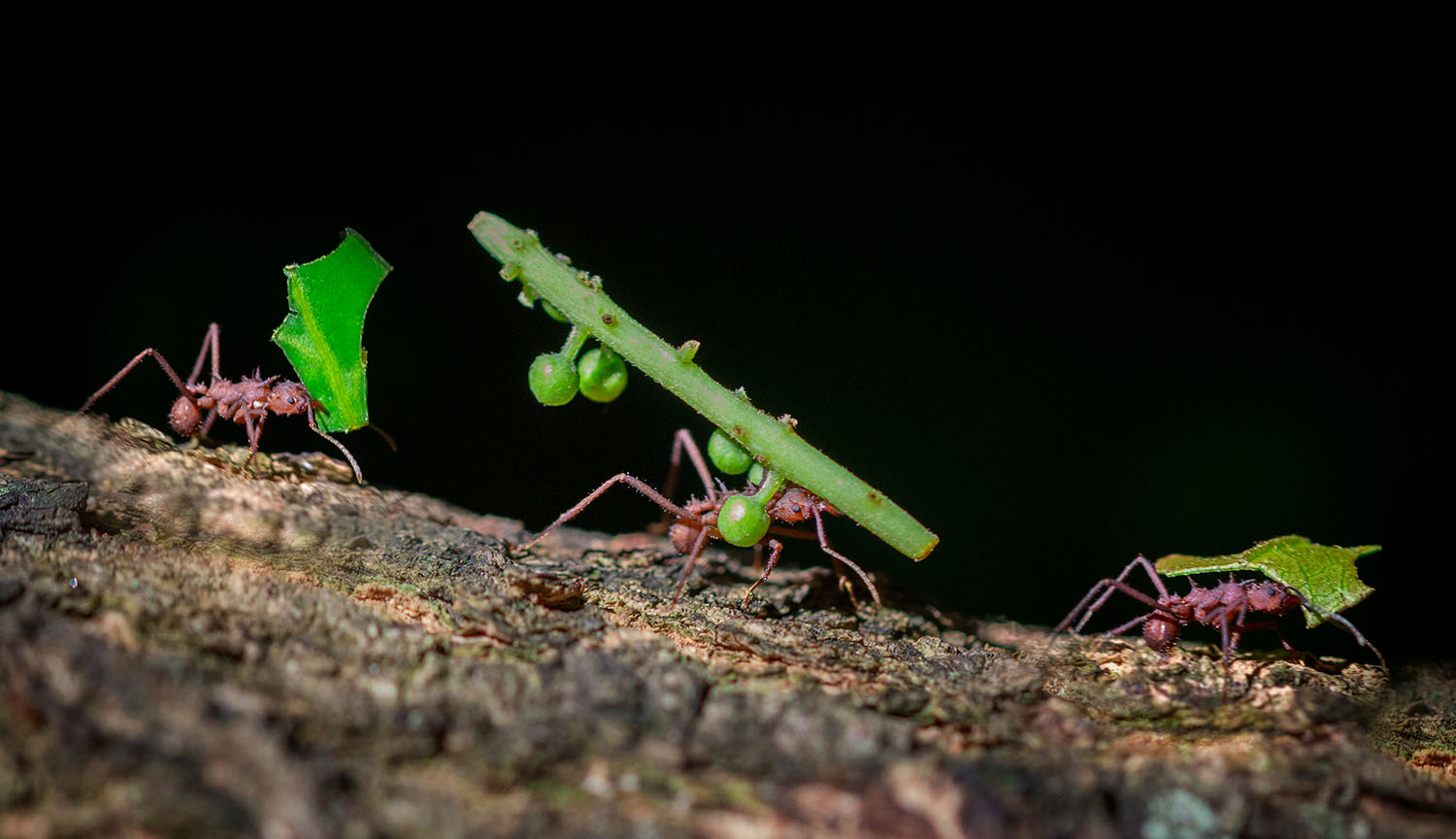
From where the Camellia sinensis bush is grown to whether the leaves are withered or fermented, much can influence the popular drink’s molecular and flavor profile

As more adults cut off their parents, a researcher calls for closer scrutiny of causes and effects, and suggests paths to reconciliation

Keeping global warming to manageable levels will require removing carbon dioxide from the atmosphere and storing it somewhere else. The world’s oceans may be a promising option.
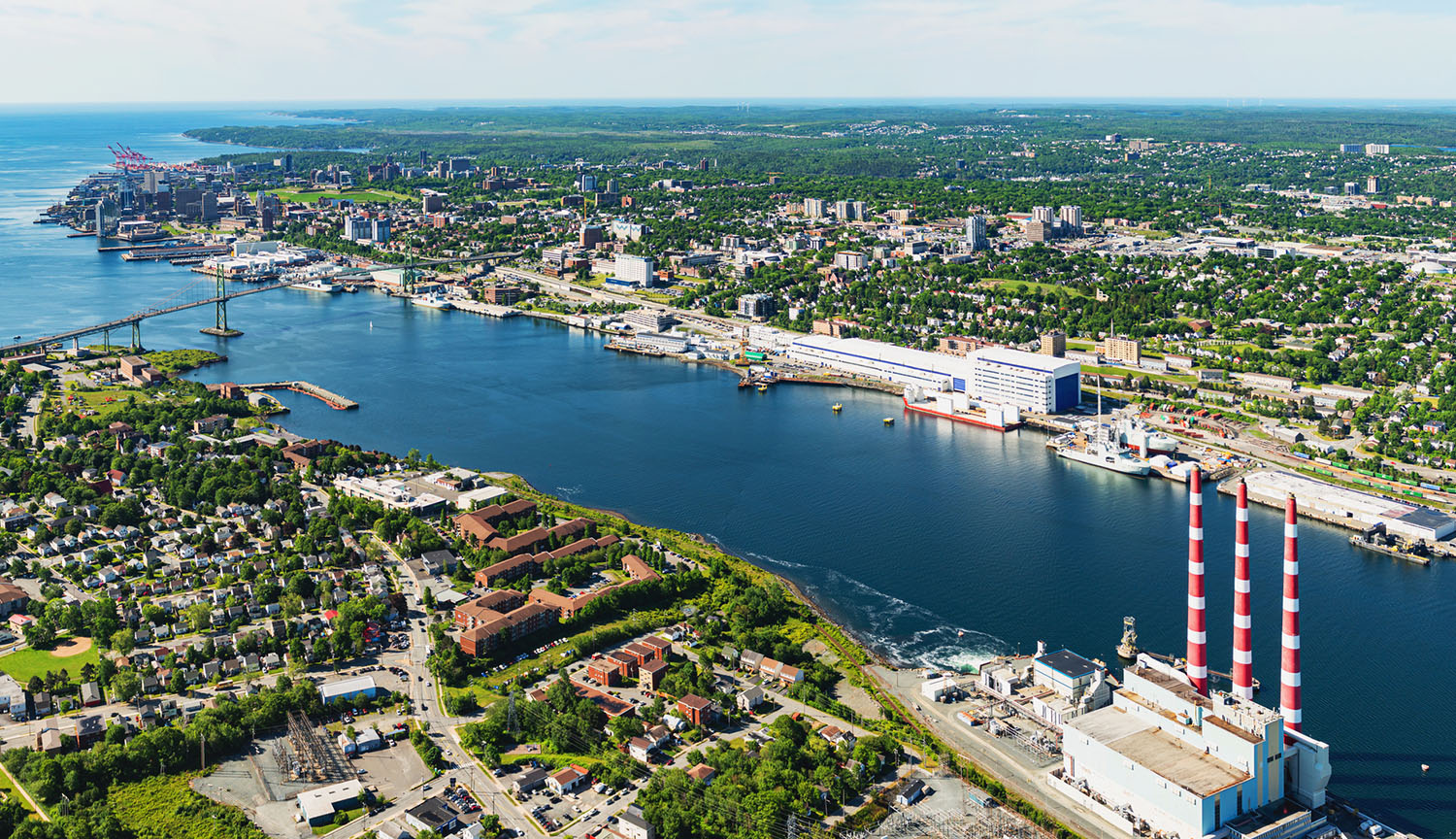
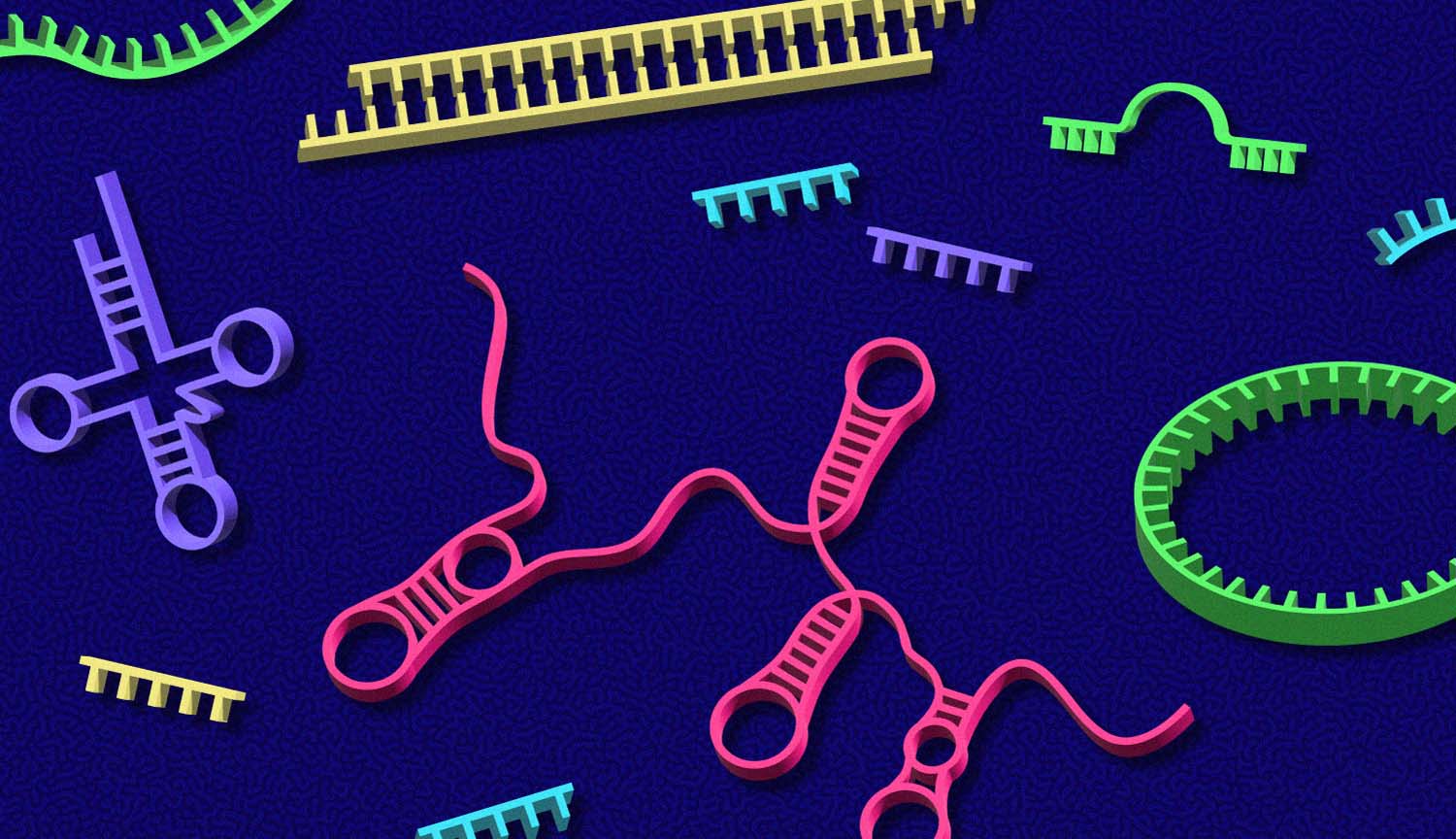
Once considered cellular junk, non-coding RNAs are emerging as key players in everything from brain development to cancer — with much still to be discovered
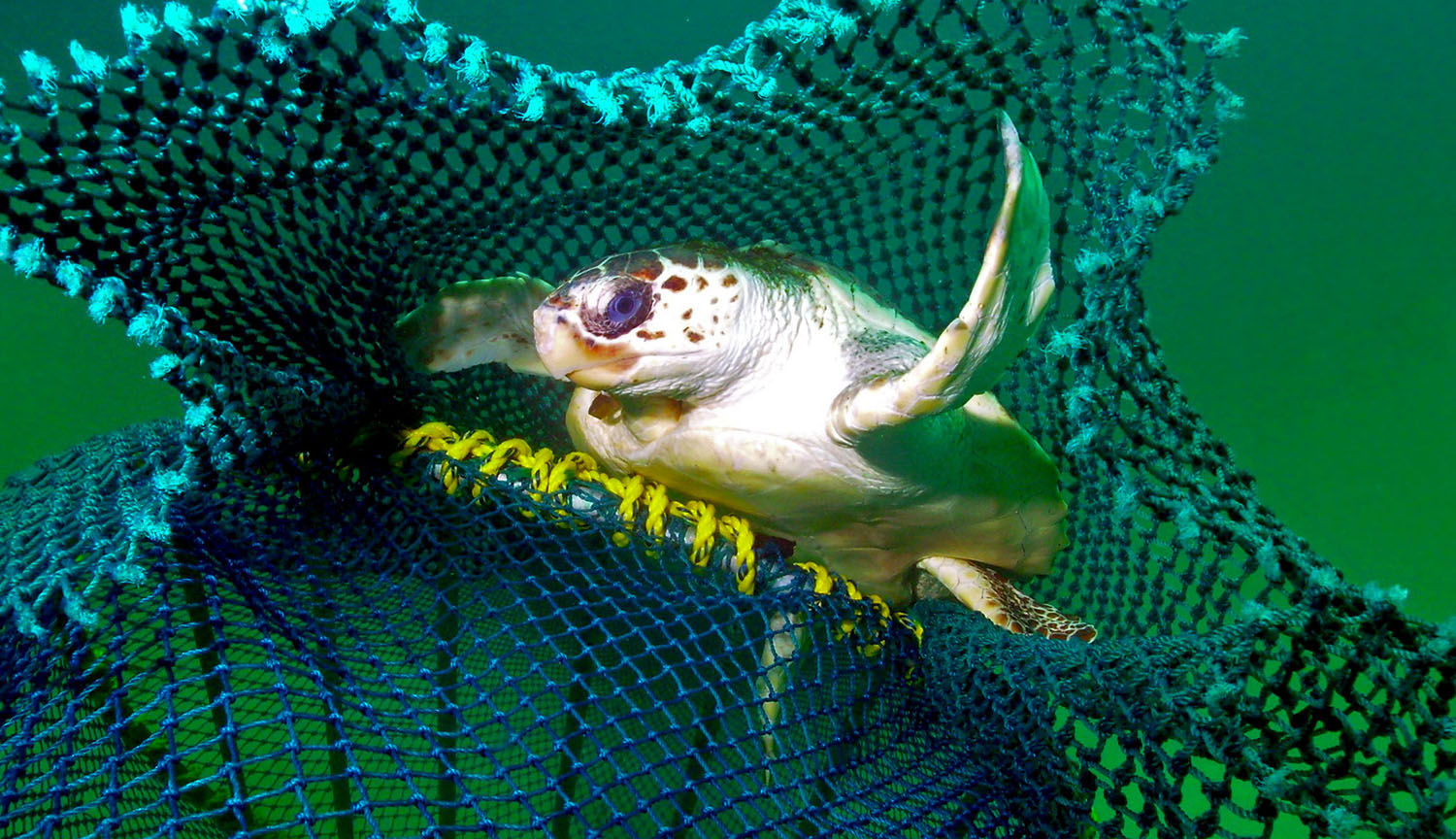
Nets equipped with water bottles and other tricks can help save some species, while allowing fisherman to still catch others
Built from thickets of glucose, galactose, mannose and more, the glycome plays key roles in cell communication, immunity and the blood-brain barrier