A new study published today in JAMA Network Open found that removing olfactory groove meningioma - a type of brain tumor located near the base of the brain - may improve blood sugar control in patients with diabetes.
Brain tumor removal may improve blood sugar in diabetes patients
Patients with acid reflux, which occurs when stomach acid pushes up into the esophagus, know the symptoms all too well: heartburn, belching, chest pain and trouble swallowing.
Simple probiotic may treat acid reflux and prevent cancer
Nearly 60 years after the first successful heart transplant, the American Heart Association, a relentless force changing the future of health for everyone everywhere, is launching a bold new initiative to fundamentally transform how heart transplant care is delivered across the United States - addressing long-standing gaps in innovation, equity and patient outcomes.
American Heart Association launches national heart transplant research network
A new predictive model developed at Washington State University could help scientists more efficiently identify the reservoirs of emerging zoonotic viruses and dangerous pathogens like Ebola that can spill over from animals into humans.
New predictive model helps track dangerous animal viruses
Researchers at McMaster University have discovered a new antibiotic that kills some of the world's most dangerous and drug-resistant bacteria - and does so by targeting a previously unknown vulnerability, opening the door to an entirely new class of treatments.
New antibiotic kills drug-resistant bacteria by targeting a previously unknown vulnerability
Researchers at the University of Massachusetts Amherst have designed non-toxic Salmonella bacteria to deliver viruses that are safe to humans but potent against liver and pancreatic cancer tumors - two cancers with an extremely poor prognosis.
Engineered Salmonella delivers cancer-fighting viruses to deep tumors
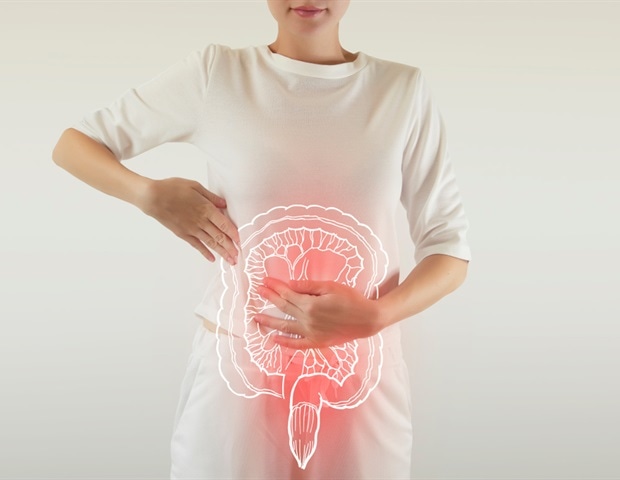
Scientists have created the most detailed cell map to date showing how genetic variation influences inflammatory bowel disease (IBD), revealing the specific cells and genes that drive the disease.
Scientists map how genetic variation drives inflammatory bowel disease
A pilot study published today in Communications Medicine demonstrates the potential of a new approach to treating anorexia nervosa - a disorder for which effective treatments have been significantly limited.
Ketogenic diet shows promise in treating anorexia nervosa
A new study identifies vgll3 as a key gene that promotes rapid growth and early reproduction while increasing the risk of aging and cancer later in life.
Study uncovers genetic trade-off between youth and longevity
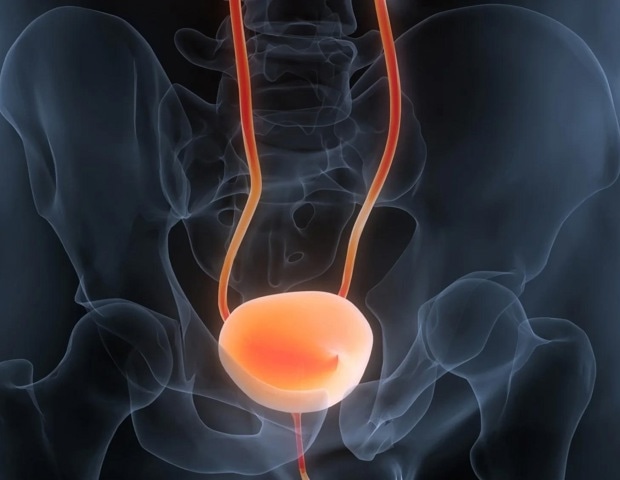
The presence of blood cells in urine is a sign of bladder cancer. Because aspirin blocks platelets from forming harmful blood clots, the medication can cause mild bleeding or worsen existing bleeding in the urinary tract.
Aspirin use may help unmask early asymptomatic bladder cancer
Paralysis on one side of the body is common after stroke. A new study in CNS Neuroscience & Therapeutics demonstrates that acupuncture can significantly improve muscle function recovery in patients who experienced a stroke, with this recovery correlating to increases in grey matter volume in certain regions of the brain related to cognitive-motor integration.
Acupuncture improves muscle function recovery in stroke patients
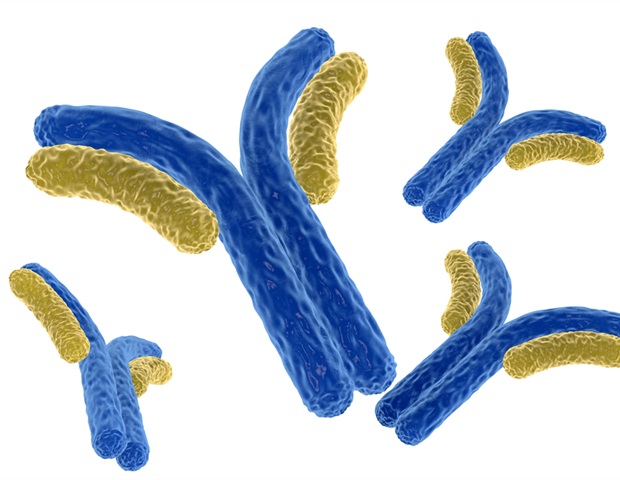
Eben Rosenthal, MD, the Barry and Amy Baker Professor and Chair of the Department of Otolaryngology-Head and Neck Surgery at Vanderbilt Health, is the senior author of the paper. Rosenthal and co-author Guolan Lu, PhD, of Stanford University School of Medicine, developed single-cell spatial pharmacobiology (SSP), an experimental and analytical platform that allows visualization of drug-tumor interactions in human solid tumors.
New platform identifies barriers to therapeutic antibody delivery in solid tumors
Hookworms, intestinal parasites that infect hundreds of millions of people in under-resourced tropical regions around the globe, have evolved to survive inside the human gut for years, secreting molecules that enable co-existence with their hosts.
Genetically-modified hookworms successfully deliver medicine to animal hosts
Investigating brain foods, this review highlights dietary influences on cognition and neurodevelopment, while addressing significant gaps in current research.
The best foods for brain health may change as you age
TikTok videos glamorizing illicit vaping highlight challenges in public health communication, as youth engage more with social media than educational resources.
TikTok promotes a thriving illicit vaping culture among young people
JMIR Publications today released a News and Perspectives article investigating the potential implications of AI–enabled toys for children's well-being and development.
Generative AI toys risk exposing minors to propaganda and misinformation

 Login
Login