Login
Login
New York seeks reactor developers to build gigawatt-scale nuclear power project
New York took a major step toward bringing new nuclear power generation to the state as the New York Power Authority (NYPA) launched a search for developers capable of delivering at least 1 gigawatt (GW) of advanced nuclear capacity in Upstate New York. NYPA also began accepting applications for $40 million in funding to help train a skilled workforce for future nuclear projects.
This step follows NYPA’s request for information last year and the responses from over 30 organizations. These included potential reactor developers, industry partners, and communities interested in hosting nuclear facilities.
Developers invited to compete for major nuclear project
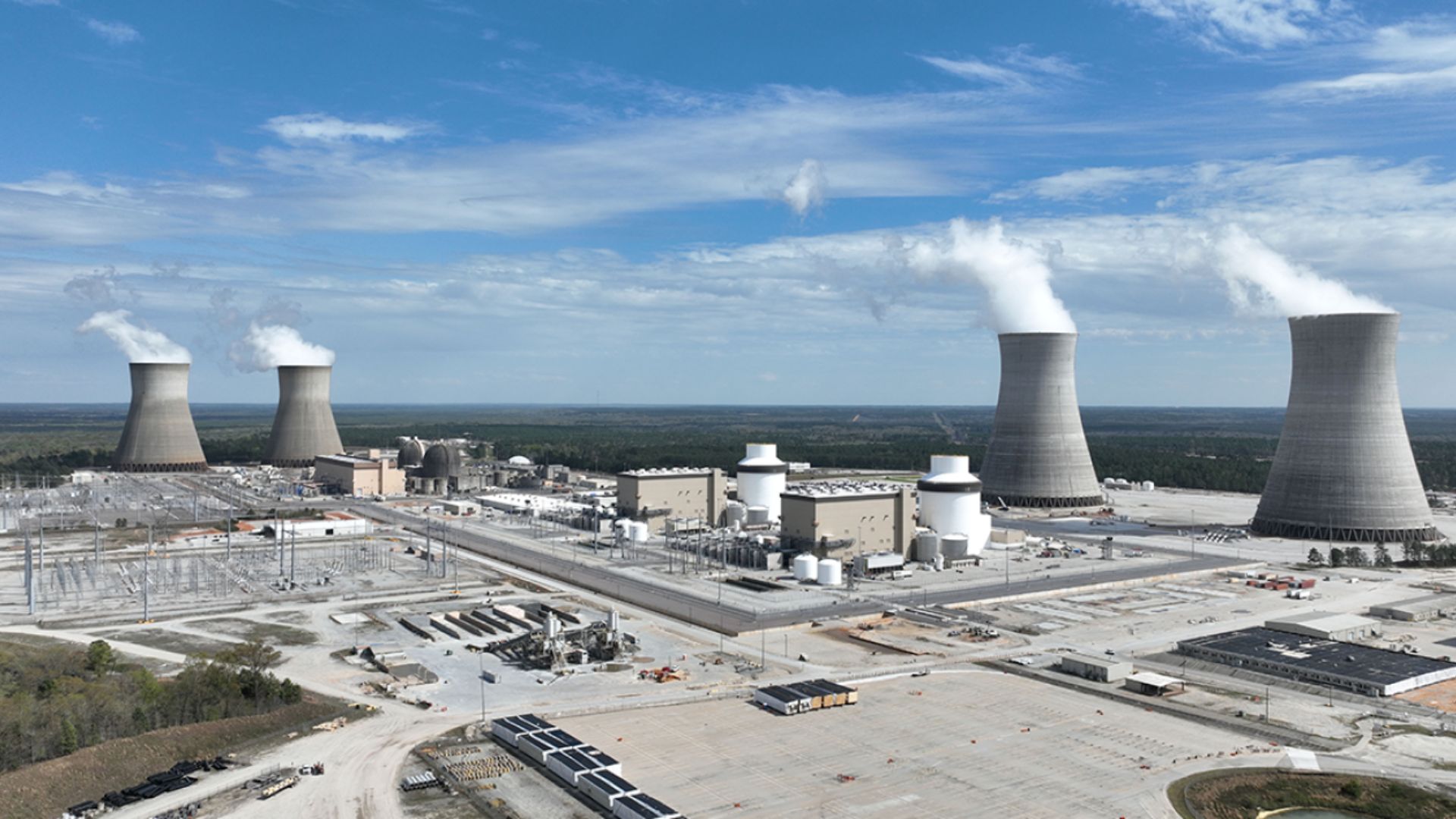
On Monday, NYPA has released a Request for Qualifications (RFQ) to identify companies with the skills to design, build, and deliver advanced nuclear reactors capable of producing at least 1 GW of electricity. The authority is looking at two possible options. One is a large-scale reactor like the AP1000. The other focuses on small modular reactor technology, including designs such as the BWRX-300.
Companies that want to take part must present a practical plan for carrying out the project. Their proposals should cover technology readiness, site selection, permitting, construction timelines, estimated costs, ownership structures, and possible partnerships.
Only companies that pass the qualification stage will be invited to participate in the next Request for Proposal process, which could bring the project closer to construction.
Eligibility tied to construction timeline
NYPA said it will consider advanced Generation III+ and Generation IV reactor technologies, but only if these designs are already past the earliest development stages.
To qualify, the proposed technology must already be under construction or expected to reach the First Nuclear Concrete milestone by early next decade. The chosen reactor must also be able to generate more than 1 GW of electricity and start construction before 2033.
Meeting that timeline is considered important because it would help secure federal investment tax credits available through the Inflation Reduction Act.
The authority made clear that first-of-a-kind reactor concepts and micro modular reactors are not included in this effort. Bidders must also demonstrate experience with projects of this size. Submissions for the RFQ are due by June 26.
State seeks workers for future nuclear expansion
Alongside the developer solicitation, NYPA also started a separate Request for Applications focused on preparing the workforce.
The program invites eligible training providers in New York to apply for funding through the Nuclear Energy Workforce Training program. This effort aims to help people build the technical skills needed for future reactor construction, operations, and maintenance.
Applications for workforce funding are open until July 31. State leaders say workforce development is essential for New York, supporting new nuclear facilities and creating long-term jobs.
Nuclear remains key part of New York’s energy mix
Governor Kathy Hochul described the initiative as part of a larger plan to meet growing electricity needs while keeping the state’s clean energy goals on track. “Nearly a year ago, I called on the Power Authority to lay the groundwork for the next era of emissions-free power in New York as part of my all-of-the-above approach to energy,” Hochul said in a statement.
“The solicitations announced today will help ensure New York is poised to lead the nation in new nuclear development, that along with renewables, will provide needed power in the face of increasing demand to keep the lights on while helping keep costs down. By taking a proactive approach, we are preparing our state to take advantage of the opportunities associated with advanced nuclear, which will provide round-the-clock reliable clean energy while cultivating the partnerships needed to bring the project from concept to concrete.”
NYPA President and CEO Justin Driscoll stressed the importance of having reliable, carbon-free electricity.
“New York needs reliable, around-the-clock clean power to meet growing energy demand, sustain economic momentum, and achieve a clean energy economy,” Driscoll said. “These solicitations will help NYPA establish the roadmap for deploying the first new nuclear facility in New York in a generation that will deliver the dependable, emissions-free power we will rely on for decades to come.”
Nuclear power is already an important part of New York’s electricity system. Four reactors run by Constellation Energy now produce about 21.4 percent of the state’s electricity and about 41.6 percent of its carbon-free power. The nuclear fleet includes two reactors at Nine Mile Point, as well as the Ginna and FitzPatrick plants. The two reactors at Indian Point were shut down in 2020 and 2021, but there have been recent talks about their future.