
Reading view

Google seeks approval to release 32 million sterile mosquitoes in US states
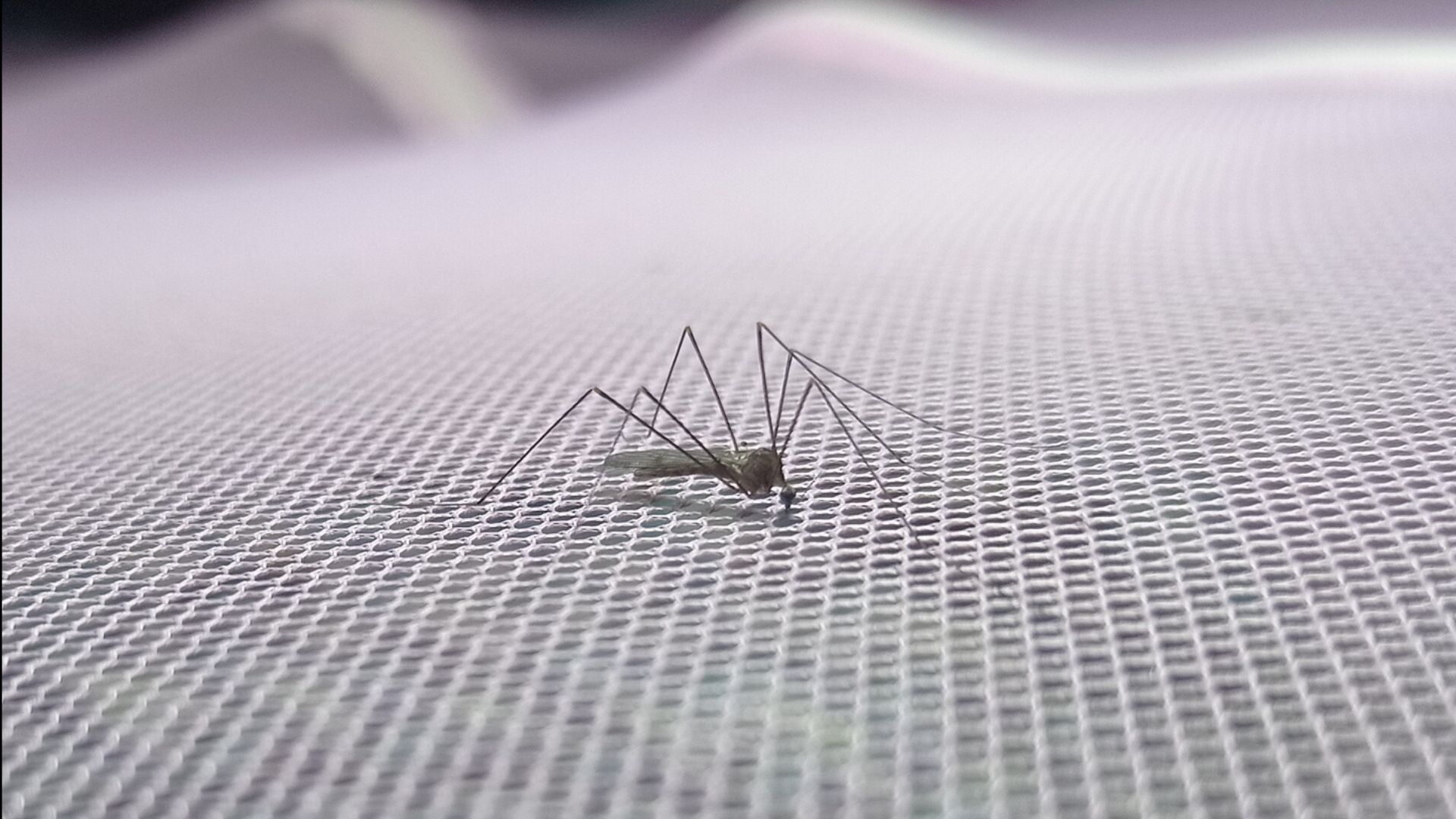
Google is seeking permission from US regulators to release up to 32 million sterilized mosquitoes across California and Florida as part of an effort to reduce populations of disease-carrying insects responsible for spreading illnesses such as dengue, Zika, chikungunya, West Nile virus, and malaria.

According to a notice in the Federal Register, the US Environmental Protection Agency (EPA) is reviewing the company’s request for an experimental use permit that would allow the release of up to 16 million mosquitoes annually over a two-year period.

The agency is expected to make a decision after a public comment period that runs through June 5.

The initiative is part of Google’s Debug program, which combines technology, data science, and biological control methods to target mosquito populations without relying on traditional pesticides.

Bacteria-based approach to mosquito control

The program focuses on releasing male mosquitoes that carry a naturally occurring bacterium called Wolbachia. Male mosquitoes do not bite humans and cannot transmit diseases.

When Wolbachia-infected males mate with wild female mosquitoes, the eggs produced fail to hatch, preventing future generations from emerging. Over time, repeated releases can significantly reduce local mosquito populations.

Google explained the mechanism behind the approach in a blog post, stating: “the population gets smaller with each generation.”

The strategy targets Aedes aegypti, a mosquito species responsible for transmitting the majority of dengue, Zika, yellow fever, and chikungunya cases worldwide.

The company argues that existing mosquito-control methods have limitations. Chemical pesticides can become less effective over time as insects develop resistance, while identifying and eliminating all breeding sites can be challenging, especially in urban environments.

Technology and AI drive mosquito production

While releasing sterilized insects may sound like an unconventional project for a technology company, Google’s involvement stems from years of research through the Debug initiative.

The program was originally developed under Verily Health, Alphabet’s health and life sciences division that began as a “moonshot” project within Google X. Earlier this year, Google fully acquired Debug from Verily, bringing the mosquito-control effort directly under the company’s umbrella.

Engineers and scientists involved in the project are using automation, sensors, and data analytics to scale mosquito production. One of the key challenges is separating male mosquitoes from females before release.

To address this, the team employs AI-powered computer vision systems capable of identifying and sorting the insects with high precision.

Google says the technology helps ensure only males are released and that deployments occur “in the right place and in the right numbers”.

The company has also developed automated rearing systems designed to handle the delicate insects on a large scale.

Building on a decades-old scientific technique

Although Google’s use of technology is modern, the underlying concept is not new.

The company’s approach is based on the sterile insect technique, a scientific method that has been used for decades to control agricultural pests and disease-carrying insects. Researchers have increasingly adopted Wolbachia-based mosquito sterilization programs in recent years.

For now, the fate of the project rests with regulators as the EPA completes its review and gathers public feedback on the proposed mosquito releases.
  •  

Custom-trained AI locks laser onto mosquitoes, eliminates pests in real time

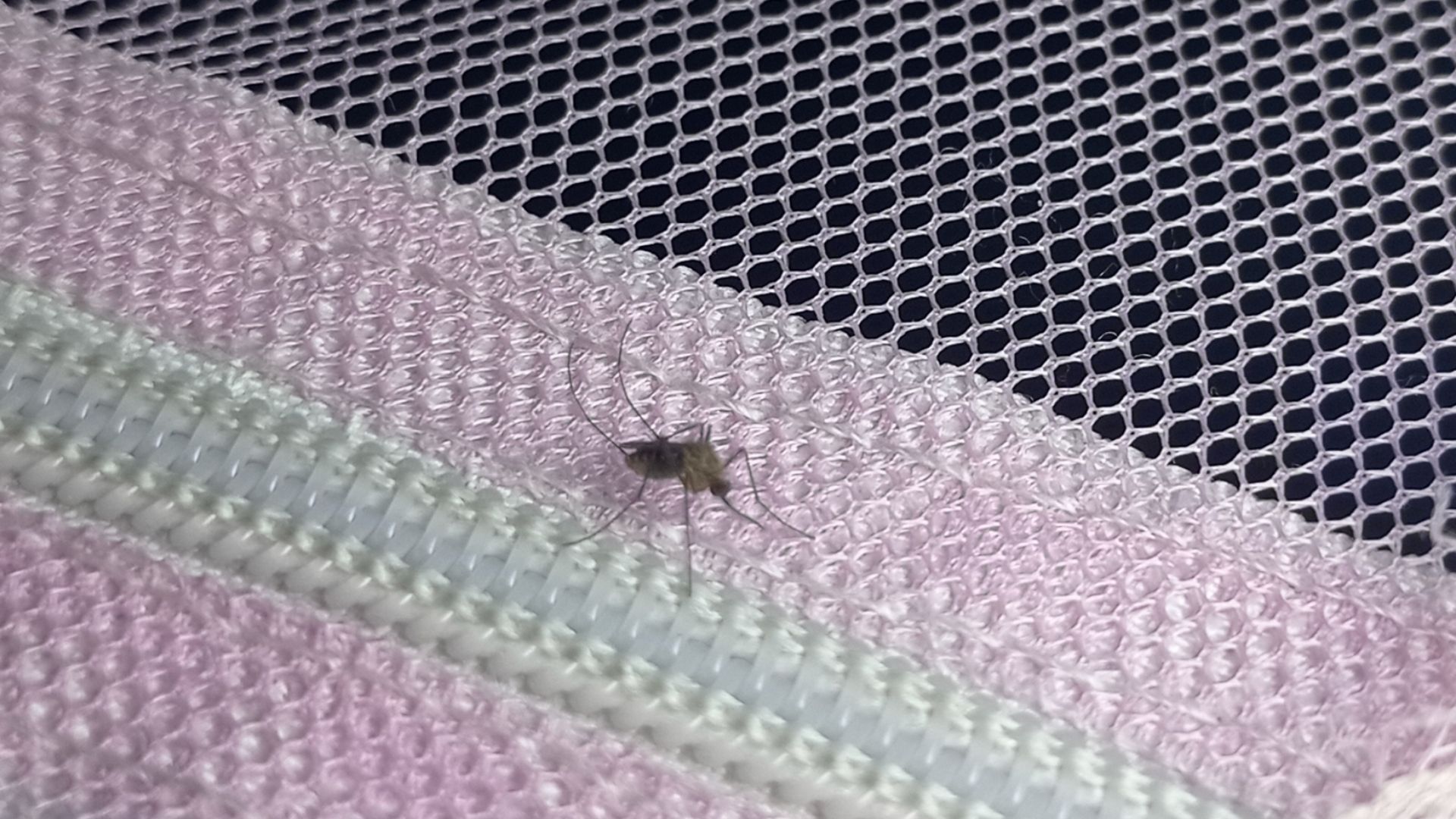
A computer vision and robotics enthusiast has developed an AI-powered laser system capable of detecting, tracking, and eliminating mosquitoes using custom-trained deep learning models and precision targeting hardware.

Steven Cheng recently unveiled the project online, describing it as the “ultimate mosquito killer.”

The prototype combines computer vision, artificial intelligence, industrial robotics, and laser technology to automatically identify mosquitoes and direct a laser toward them while incorporating safety mechanisms designed to prevent accidental firing near humans or flammable materials.

The project took approximately four months to complete and required the creation of a custom mosquito image dataset for model training.

AI model trained to recognize mosquitoes

The system’s detection capabilities are based on a deep learning model trained using thousands of mosquito images collected by Cheng.

To build the dataset, Cheng used a DSLR camera paired with a high-magnification zoom lens to photograph mosquitoes and generate training data for the computer vision model.

“A side effect of ‘welcoming’ mosquitoes in for photographs at this stage of the project was “countless mosquito bites all over my body,” Cheng said.

After collecting and annotating the images, he trained a deep learning model to recognize mosquitoes in real time. The training process required significant computing resources.

The task “really put my graphics card through its paces,” he said. However, Cheng noted that the detection performance of the final model was “quite good.”

The trained model enables the system to distinguish mosquitoes from other objects before initiating the targeting sequence.

Laser mounted on an industrial-grade tracking platform

Once mosquito detection was achieved, Cheng integrated a laser-based elimination mechanism into the system.

According to the project details, the laser was calibrated to “instantly turn mosquitoes into roasted ones.” The laser assembly was mounted on a high-precision industrial rotary stage and a gimbal capable of rapidly adjusting its position to follow moving targets.

The targeting system receives location data from the AI model and continuously updates the laser’s position to maintain alignment with detected mosquitoes.

The combination of computer vision and robotic tracking allows the system to identify and engage mosquitoes automatically without human intervention.

The project demonstrates how advances in artificial intelligence and machine vision can be combined with precision motion-control systems to automate highly specific tasks.

Safety features prevent accidental firing

To address safety concerns associated with operating a laser indoors, Cheng added a secondary wide-angle camera to monitor the surrounding environment.

The additional camera is used to detect humans and flammable materials that may be present within the laser’s potential firing path. According to Cheng, the system continuously evaluates whether there is any overlap between the target mosquito and detected objects.

If a person or flammable material is identified within the engagement area, the system prevents the laser from firing.

The safety features were introduced following simulation testing conducted during development.

Cheng reported that the prototype performed as intended during testing and stated that all the mosquitoes in his residence were “successfully eliminated” after a night’s effort.

While the project remains a personal prototype, it highlights the growing accessibility of AI, computer vision, and robotics technologies, enabling individuals to develop increasingly sophisticated automated systems outside traditional research and industrial environments.

  •  

2,500-ton attack submarine edges closer to Taiwan Navy service after completing trials

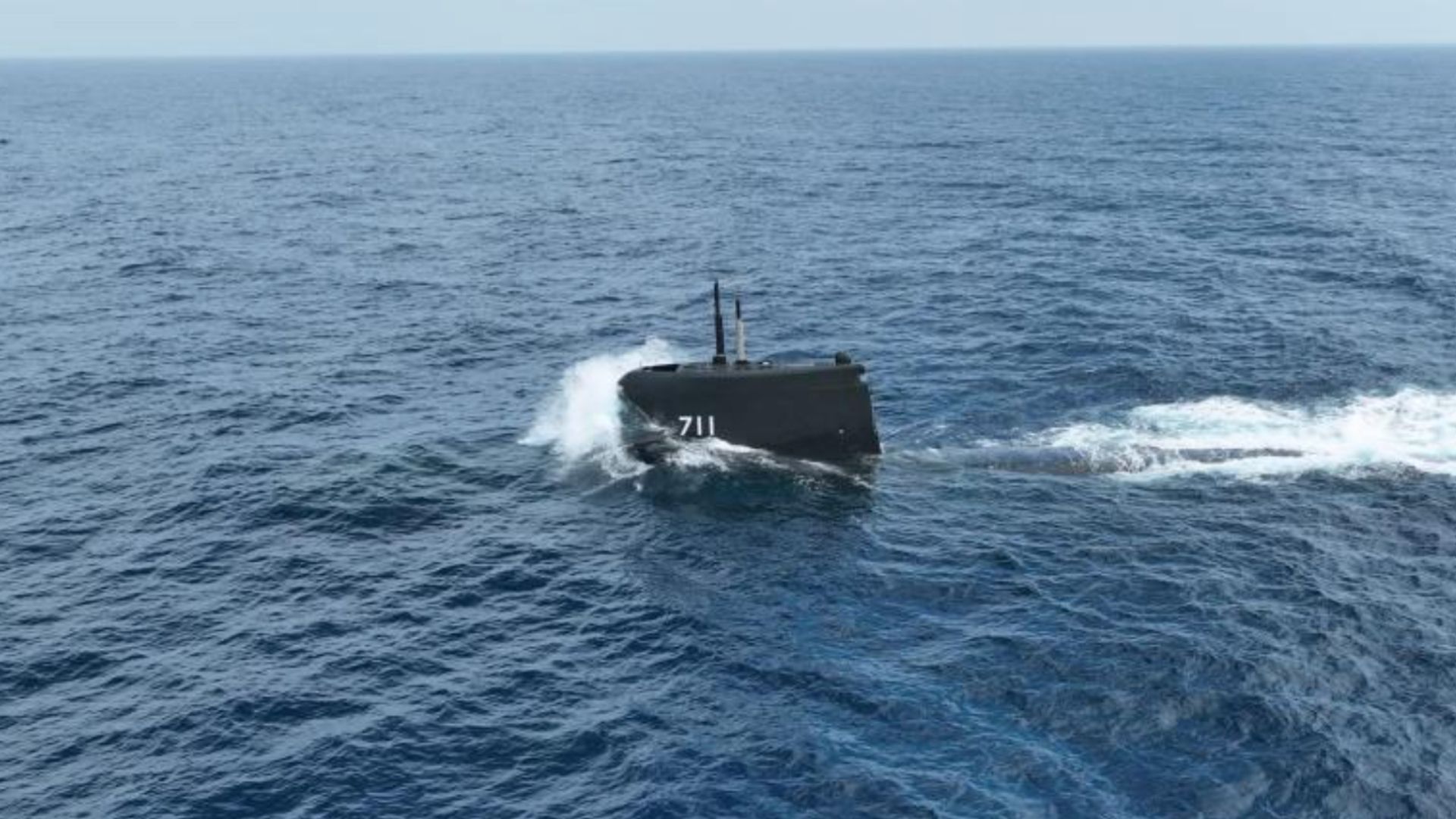
Taiwan’s indigenous submarine prototype, the Hai Kun, has completed another key round of sea trials as the vessel moves closer to entering naval service. The submarine departed from the Port of Kaohsiung for its latest testing mission, marking its 15th sea trial and ninth submerged navigation test.

The latest trial comes after a scheduled sea test on Friday was postponed due to unfavorable weather conditions.

Developed under Taiwan’s Indigenous Defense Submarine program, the Hai Kun is considered a major step in the island’s efforts to modernize its naval capabilities and reduce reliance on foreign-built platforms.

Shipbuilder CSBC Corp, Taiwan, has faced mounting pressure after missing its original delivery deadline in November last year due to what it described as testing delays.

However, the company indicated earlier this year that it hoped to deliver the submarine to the Navy in the coming months.

Final testing phase underway

Taiwan’s Minister of National Defense, Wellington Koo, said testing would continue in accordance with established procedures, emphasizing that safety and quality remain the top priorities throughout the evaluation process. Military expert Chi Tung-yun noted that the trials are designed to gather critical performance data under controlled conditions.

He revealed that testing requires the collection of key performance parameters, and minimizing environmental variables helps ensure greater accuracy in the data obtained.

According to Chi, the 2,500-ton submarine still faces several demanding assessments before it can be formally handed over. These include seaworthiness evaluations, deep-diving exercises, and overnight operational tests designed to validate the submarine’s performance under realistic operating conditions.

If the remaining trials are completed successfully, the vessel could be delivered to Taiwan’s navy sometime between next month and September, according to Chi.

The Hai Kun is expected to become the first operational submarine built entirely under Taiwan’s domestic submarine program, a project aimed at strengthening the country’s ability to defend its surrounding waters.

MK 48 torpedoes set to boost undersea deterrence

A major element of Taiwan’s submarine modernization effort is the planned arrival of US-made MK 48 Mod 6 Advanced Technology heavyweight torpedoes.

The Navy is scheduled to receive 28 MK 48 Mod 6 warshot torpedoes over the next two years, while training variants have already been delivered.

The weapon is the primary heavyweight torpedo used by the US Navy and offers greater speed, range, and guidance capabilities than the German-made SUT torpedoes currently in Taiwanese service.

According to publicly available specifications, the MK 48 Mod 6 weighs more than 1.6 tonnes, carries a roughly 650-pound(295 kg) high-explosive warhead, can travel at speeds of up to 55 knots (101.9 kph), and has a range exceeding 23.6 miles (38 km).

Chungshan Institute of Science and Technology president Lee Shih-chiang told lawmakers that the upgraded Hai Lung has already completed qualification testing using both SUT and MK 48 training torpedoes.

With the Hai Kun nearing delivery, the modernization of the Chien Lung-class submarines nearing completion, and advanced torpedoes scheduled to arrive next year, Taiwan’s navy is steadily expanding its undersea warfare capabilities and strengthening its maritime deterrence posture.

  •  
❌