Login
Login
Microsoft reboots computing with Solara OS built for agent-first device ecosystem
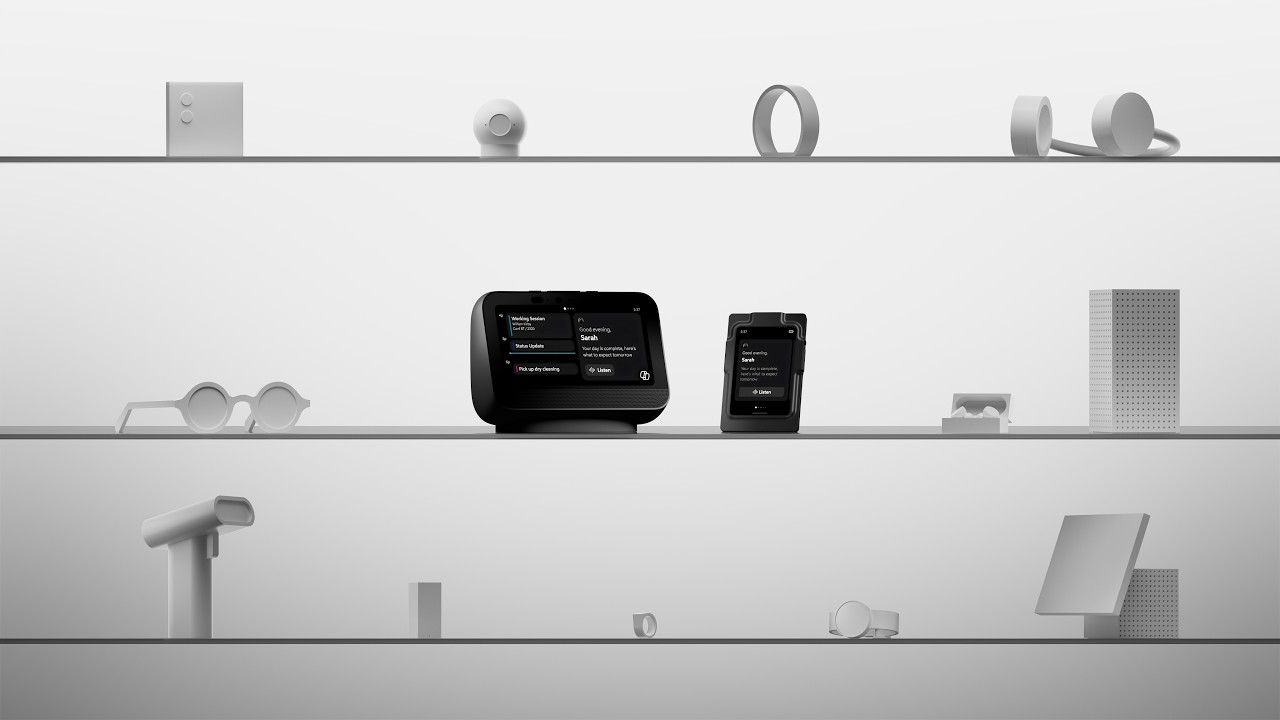
Microsoft is laying the groundwork for what it believes will be the next era of computing, unveiling a new software platform designed specifically for AI-powered devices that rely on intelligent agents rather than traditional applications.
At its Build 2026 developer conference, the company introduced Project Solara, an operating system built for a new class of agent-first hardware. Instead of launching apps and navigating menus, users interact directly with AI assistants that can access information, understand context, and perform tasks across connected services.
Microsoft argues that AI agents will become the primary interface for future devices, and Project Solara is intended to provide the foundation for that transition.
AI beyond traditional apps
Unlike Microsoft’s Windows platform, Project Solara is built on Android and optimized for dedicated AI hardware. The company describes it as a flexible environment capable of supporting continuous, agent-driven experiences across multiple device categories.
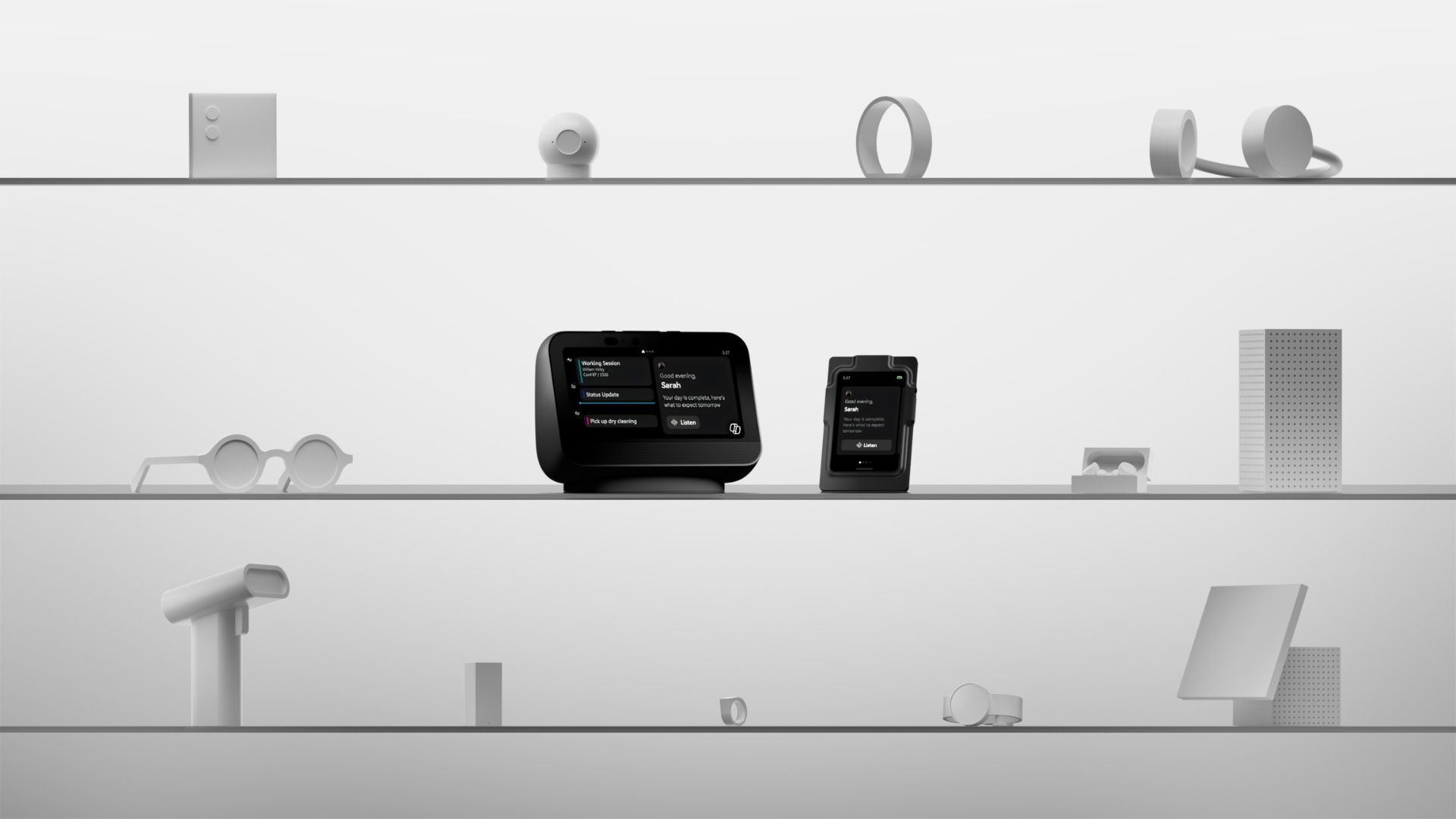
To demonstrate the concept, Microsoft showcased two prototype devices that serve as reference designs for hardware partners.
The first is a desktop smart display resembling a compact home assistant screen. The device uses facial recognition for authentication and provides access to AI agents that can surface information from Microsoft 365 services. Users can review calendar schedules, access documents, and interact with workplace data through voice commands and touch controls.
Microsoft also highlighted the possibility of agents carrying out actions on a user’s behalf, reducing the need to manually navigate software interfaces.
Reference devices unveiled
The second prototype takes a different approach. Designed as a wearable badge, the device combines a touchscreen, camera, and fingerprint scanner in a compact form factor intended for mobile use.
With a single button press, users can activate an AI agent and capture information in real time. During demonstrations, Microsoft showed the badge recording conversations and generating instant transcriptions. The onboard camera also allows the agent to analyze a user’s surroundings and respond using visual context.
Microsoft does not plan to commercialize either device. Instead, the company hopes hardware manufacturers will use the concepts as starting points for their own products built on the Solara platform.
Several organizations, including AccuWeather, Best Buy, CVS Health, and Target, are expected to participate in early pilot programs involving Solara-based hardware.
New Scout assistant
Alongside Project Solara, Microsoft introduced Scout, a new AI assistant designed to bring persistent agent capabilities into the Microsoft 365 ecosystem.
Built on the OpenClaw framework, Scout functions as an always-available digital assistant that develops an ongoing relationship with its user. Each instance can be given a custom name and personalized through continuous feedback, allowing it to adapt its behavior and preferred working style over time.
Scout operates primarily in the cloud but can work across desktop environments and web browsers. The assistant can connect with calendars, email inboxes, and other productivity tools while helping users manage schedules, organize meetings, and automate routine tasks.
Microsoft plans to offer Scout through its Frontier program. Access will require a GitHub Copilot subscription.
Together, Project Solara and Scout offer a glimpse into Microsoft’s vision of a future where AI agents become the primary gateway to digital experiences, replacing many of the app-centric workflows that define computing today.