Reading view

It Turns Out Birds Masturbate Too, And Evolution May Explain Why

Birds do it, all right.

And they're perfectly happy to fly solo.

New research suggests that we should welcome birds to the sweaty club of animals that masturbate, which is way less exclusive than we thought.

"Avian self-pleasure is usually a rather inelegant affair, in which a bird rubs their cloaca (a shared orifice for both excretion and reproduction) against an object, like a branch, twig or toy," the team behind the study writes in The Conversation.

"This is often accompanied by a lot of flapping and self-satisfied vocalization."

But it's not, as you might assume, just a way for bored birds to pass the time in cages.

It turns out that wild birds love a solo sesh too – perhaps even more than captive ones.

The finding raises some questions, though.

It's obvious what the individual is getting out of it. But from an evolutionary perspective, why has masturbation flourished in the animal kingdom?

At risk of sounding like a puritanical preacher, masturbation 'wastes' a lot of time, energy, and in males, sperm. And why bother seeking out a partner when you can take care of things yourself?

Altogether, solo sex should, in theory, reduce reproductive success, which is the cornerstone of natural selection.

So why then does evolution seem to turn a blind eye to so many animals out there jerking, cranking, rubbing, tapping, inserting, or otherwise pleasuring themselves?

Studying the self-mating habits of birds could satisfy this scientific curiosity.

YouTube Thumbnail

For the new study, evolutionary biologists at the Universities of Lancashire, Swansea, and Oxford in the UK collected data on 120 bird species from 22 major bird groups.

That info included their age, sex, whether they were wild or captive, which other birds they shared an environment with, and whether their species was monogamous or promiscuous.

It turns out, this bawdy behavior was widespread across birds, but to different degrees.

Males were more likely than females to rub one out, with 55 percent of male records involving masturbation. But that's not to say lady birds weren't also enjoying some me time – it showed up in 36 percent of female records.

A species' breeding behaviors were linked to masturbation tendency too.

Socially monogamous birds and those that form long-term pair bonds were far less likely to engage in some self-exploration than species with multiple mates.

A bird's age, and whether it was kept alone or with other birds, didn't seem to affect whether a species masturbated.

But the most surprising finding was that wild birds were more likely to ruffle their own feathers than captive birds. That directly contradicts one of the main hypotheses for why birds might masturbate.

"Despite assumptions that masturbation among captive birds like parrots is a result of their often-solitary living, our study finds that it is natural, healthy, and widespread across diverse bird species, even in different environments," says Chloe Heys, a biologist at the University of Lancashire.

Understanding this means that pet owners don't need to worry if they catch their bird in the act. Generally, the advice from vets has been to discourage the behavior, which is seen as a marker of stress or poor health.

Instead, it seems that all the bird needs is a bit of privacy.
It Turns Out Birds Masturbate Too, And It Could Have Evolutionary Roots
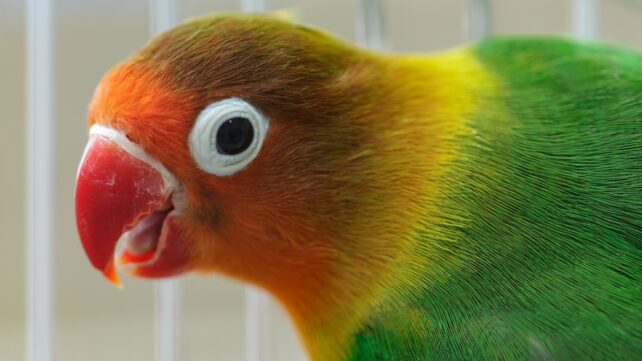
That's too much eye contact. (Muhammad Owais Khan/Moment/Getty Images)

When the researchers examined the phylogenetic relationships between bird species that engaged in a bit of solo fun, they found that it was concentrated across specific branches of the family tree.

That suggests masturbation has an evolutionary link, and isn't just something that enterprising individuals from different species figured out on their own.

So why hasn't natural selection stamped out this behavior? There are a few hypotheses.

For males, it may be that it helps clear out old sperm, leaving more viable newcomers and making future reproduction more successful.

For females trying to sneak in a quick round with a neighbor, masturbation could get things over and done faster, before their main bonded partner catches them.

Or it may be even more simple.

"Our findings indicate that the proximate mechanism of masturbation may be to serve as a sexual outlet in response to a high sex drive," the researchers write in the study.

Subscribe to ScienceAlert's free fact-checked newsletter

It's not just birds, of course. Autoeroticism is all over the animal kingdom.

Monkeys in Indonesia have been caught using rocks to get their rocks off. Dolphins do it with dead fish. Elephants enjoy a spot of self-care. Walruses wank with their flippers, and are surprisingly flexible enough to self-fellate.

Related: Sexual Activity Before Bed Can Help You Sleep Better

There's no shame in it – more and more research suggests getting down to business by oneself is good for you.

The new research was published in the journal Ecology and Evolution.
ScienceAlert stories are written, fact-checked, and edited by humans, never generated by AI. Don't miss a story, subscribe here.

  •  

Promising Anti-Aging Drug May Cause Brain Damage, Scientists Warn

The experimental drug combo dasatinib and quercetin (known for short as D+Q) is one of the most promising anti-aging therapies being developed right now.

It is not yet approved for human use, but some scientists think it has the potential to fight disease by improving how our systems clear out worn-down cells.

According to a new study, however, there might be a big problem with D+Q.

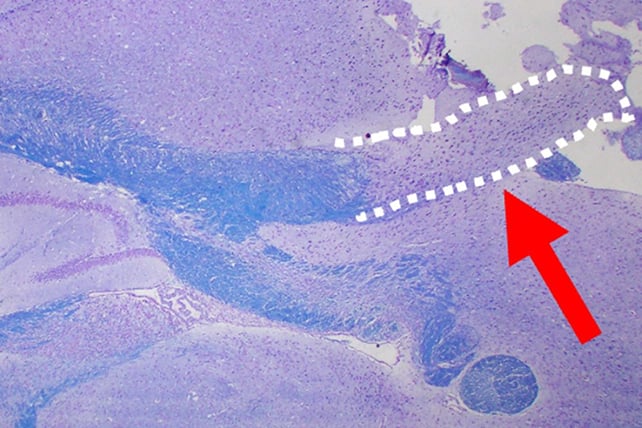
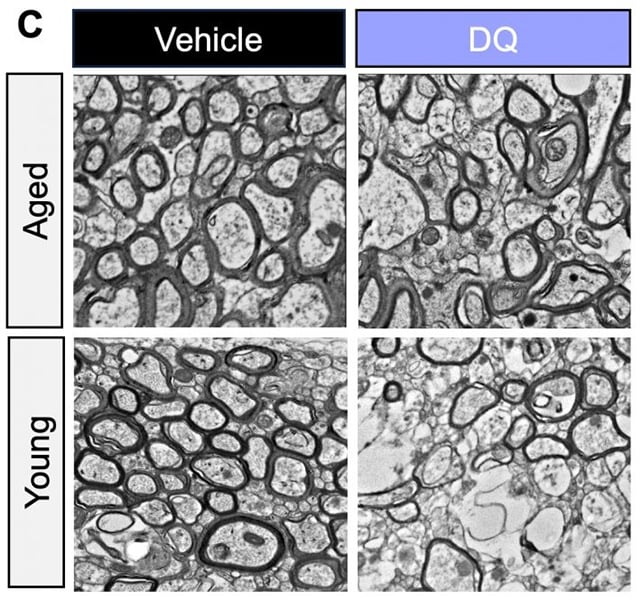
A team from the University of Connecticut tested D+Q on the brains of mice, and discovered it caused serious damage to the myelin insulation wrapped around nerve fibers.

The effects of D+Q on the central nervous system haven't been extensively tested before, which was part of the motivation behind this new study.

The findings raise questions about widespread clinical use.

Brain scan
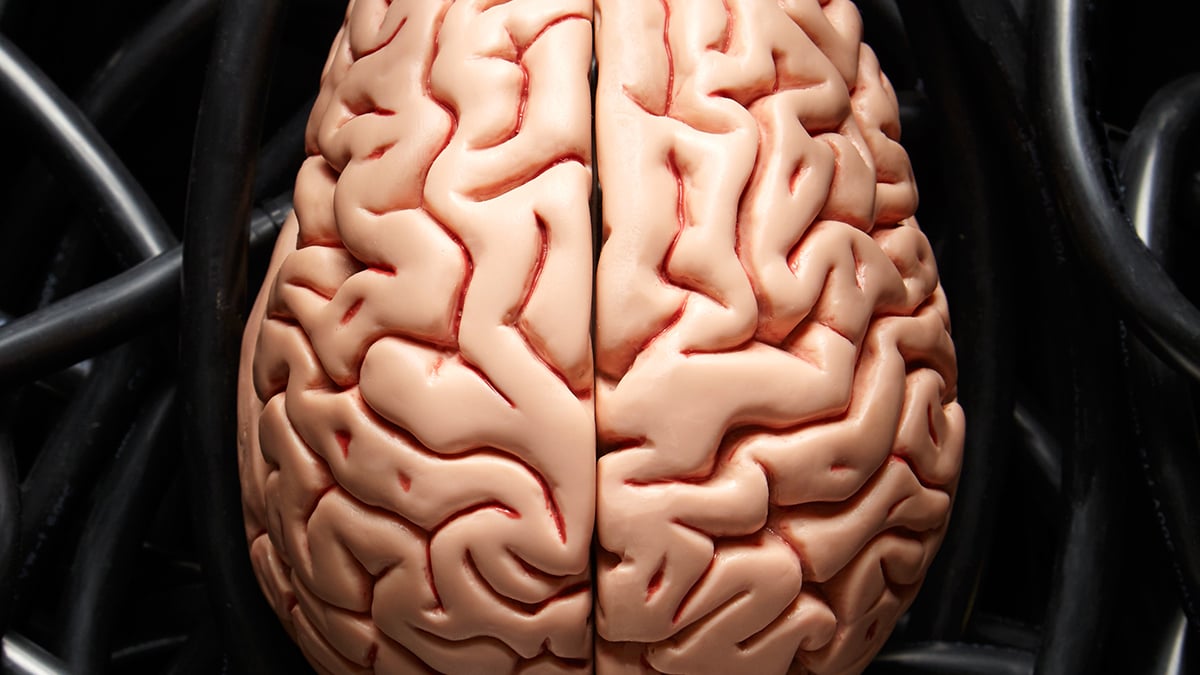
Part of the corpus callosum (with a dotted outline) affected by the D+Q medication. (Crocker Lab/UConn School of Medicine)

Various clinical trials for D+Q are already underway, for conditions such as kidney disease and pulmonary fibrosis.

Because of the hype, the experimental drug combo is even taken by some people without a prescription, as part of an unofficial 'anti-aging' regime.

That is something medical professionals warn against, as the drug combos have not yet been properly tested for safety or efficacy in humans.

"When you administer this cocktail to an animal, young or old, the myelin is damaged, which makes it disappear – even worse in the young animals than in the aged ones," says immunologist Stephen Crocker.

There are similarities between the brain damage observed here and the effects of both multiple sclerosis and something called 'chemo brain', where chemotherapy treatments lead to problems with cognitive function.

Dasatinib, on its own, is an essential medicine used to treat cancer, sometimes alongside chemotherapy, which might help explain what's causing the myelin loss.

When myelin is degraded, nerves can't communicate as efficiently, and much of the damage observed in the brains of mice was focused around a major information highway called the corpus callosum.

White matter
Cross sections of mouse brain tissue showing less myelin (the dark rings) after D+Q treatment. (Crocker Lab/UConn School of Medicine)

Further lab tests analyzed the reaction between D+Q and oligodendrocyte brain cells, which help grow and maintain myelin.

Tests showed that the combo drug treatment apparently caused oligodendrocytes to shrink back to a smaller and younger mode of operation.

There were changes in the metabolism of the oligodendrocytes, too, preventing enough myelin from being produced, and leaving nerves exposed.

While these results are only from a small number of animals rather than humans, there's definitely enough here to be concerning.

Further analysis is now definitely warranted – in monitoring brain cells during clinical trials of D+Q, for example.

Subscribe to ScienceAlert's free fact-checked newsletter

"We suspect the drugs are choking off energy the cells need, and the cells respond by reducing complexity, reverting to a younger state, but less functional," says Crocker.

What makes D+Q exciting for scientists is that they act as senolytics, which are drugs that deliberately clear out damaged or old cells.

These dysfunctional cells are known as senescent cells, and they build up as we get older. Their presence in the body triggers inflammation, which may be related to a host of different diseases, including multiple sclerosis and Alzheimer's disease.

If senolytics like D+Q can reduce the senescent cell burden, then the potential impact on anti-aging diseases is immense.

The aging process is related to so many aspects of health, which is why so much research is dedicated to trying to slow it down.

But there is still much work to be done before that reality is realized.

Based on these new findings, caution moving forward is warranted.

There is some positive news to take out of this research among mice, though.

The stressed-but-still-alive oligodendrocytes are similar to cells seen in patients with multiple sclerosis.

This means D+Q could be used in lab tests to figure out what treatments might work best for reversing some of the damage done by the autoimmune condition.

Related: These Popular Supplements Are Sold With Anti-Aging Claims. Here's What Science Says.

"If we can mimic this, we have an amazing opportunity to see if the cells can recover and repair the brain," says Crocker.

The research has been published in PNAS.

ScienceAlert stories are written, fact-checked, and edited by humans, never generated by AI. Don't miss a story, subscribe here.

  •  

Experimental Brain 'Pacemakers' May Rewire Circuits Linked to Depression

Every year, more than 2 million people in the United States are diagnosed with treatment-resistant depression.

Desperate for solutions, some brave patients are now volunteering to undergo surgery to place experimental 'pacemakers' into their brains.

These implanted electrodes are part of a treatment known as deep brain stimulation, which is currently used to address some cases of Parkinson's disease and epilepsy.

Now, clinical trials are starting to test if the therapy can treat severe cases of major depressive disorder, too.

The initial results are promising, albeit inconsistent.

In 2021, a patient treated with one of these brain pacemakers said that after the surgical procedure, her depressive symptoms disappeared abruptly.

"I wasn't sure if it would last," she reported at the time. "But it has… "

Now, neuroscientists at the Icahn School of Medicine at Mount Sinai have used the brains of three monkeys to show how this therapy might exert such lasting effects.

It appears to restructure key brain regions involved in depression.

"What is exciting about our findings is that they change how we think about deep brain stimulation," says neuroscientist Peter Rudebeck.

"For the first time, we show that deep brain stimulation does not simply alter electrical activity in the brain in the short term; it can actually remodel white matter structure, essentially rewiring brain circuits associated with depression."

YouTube Thumbnail

Whether deep brain stimulation can trigger similar white matter changes in human brains remains to be seen. But these signs in a close primate relative are telling.

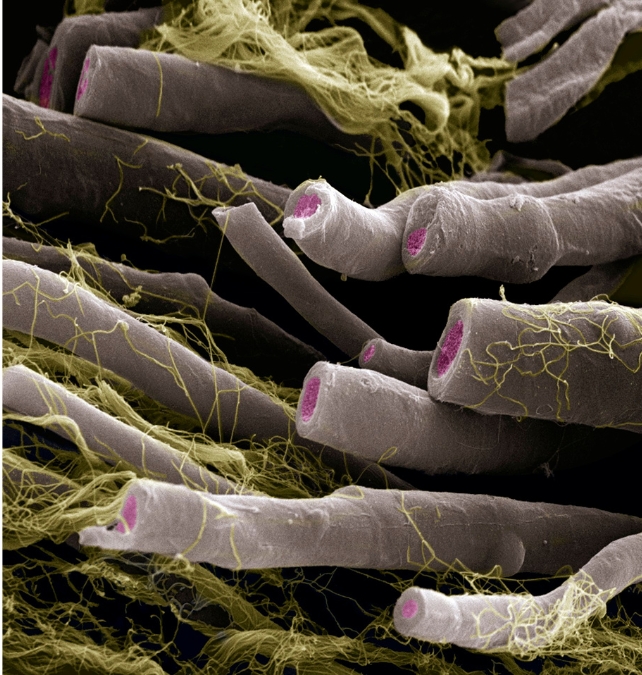
White matter in the brain contains nerve fibers, the 'arms' of neurons, which are protected in a fatty sheath called myelin. This protective layer helps conduct electrical messages between brain cells more quickly and efficiently.

Patients with depression typically show a decay of white matter in their brains.

While it is unclear if this association between depression and white matter has anything to do with behavioral symptoms, the link keeps showing up in study after study.

In monkeys, researchers at Mount Sinai have found that deep brain stimulation increases myelination of brain cells in brain regions involved in mood regulation.

Long tubes with pink insides
Illustration of myelinated nerve fibers. (Science Photo Library/Canva)

The therapy also changes the way that neurons interact across various other brain networks, "most notably the default mode network that has been implicated in depression," the authors write in their published paper.

An overactive default mode network is linked to depression.

"Overall," the team concludes, "our data indicate that white matter remodeling as well as selective changes in multiple brain networks may contribute to deep brain stimulation's therapeutic efficacy."

To this day, no one knows why depression arises, or why its symptoms vary so widely from person to person, though there are some known risk factors.

Many standard treatments for depression are based on hypotheses about what causes the mental health disorder, such as a lack of serotonin in the brain.

For up to a third of patients with major depressive disorder, however, standard treatments like antidepressants or therapy don't seem to work.

Until recently, electroconvulsive therapy has been one of the only available alternatives.

This treatment involves electrically stimulating the brain to trigger controlled seizures under anesthesia, and it seems to be very effective at treating episodes of mental illness. But it is not necessarily a long-term solution.

It also comes with risks and negative side effects, such as nausea, headache, fatigue, confusion, and temporary memory loss, and it doesn't work for everyone.

That's why some researchers are turning to deep brain stimulation.

Subscribe to ScienceAlert's free fact-checked newsletter

A brain implant that works sort of like a neurological 'pacemaker' could be a more precise alternative to electroconvulsive therapy.

Once the device is implanted in the brain, it sends high-frequency electrical pulses, usually without the patient feeling the stimulation.

For cases of epilepsy or Parkinson's, deep brain stimulation targets gray matter, or the bodies of neurons, in parts of the brain involved with motor control.

But for depression, the best results in clinical trials so far tend to be when the implants target white matter.

One potential target has been white matter tracts adjacent to the subcallosal anterior cingulate cortex, an area implicated in mood regulation.

"Previously, it was not clear how deep brain stimulation affected brain structure and function," explains neurologist Helen Mayberg.

But research on monkeys is changing that.

"This study addresses a major gap in our understanding and points to an unappreciated mechanism contributing to sustained long-term recovery," adds Mayberg, "something we have observed in our deep brain stimulation depression clinical research over many years."

Related: A Common Arthritis Drug Appears to Work When Antidepressants Don't

Researchers at Mount Sinai were some of the first in the US to test how deep brain stimulation might treat depression.

Their follow-up research among monkeys is now digging deeper to figure out what may be driving these symptoms in the brain.

"Now that we know deep brain stimulation can drive structural plasticity in white matter, we can begin thinking about how to optimize stimulation approaches and potentially develop novel therapies that target these mechanisms through nonsurgical means," says Mayberg.

The study is published in Nature Neuroscience.

ScienceAlert stories are written, fact-checked, and edited by humans, never generated by AI. Don't miss a story, subscribe here.

  •  

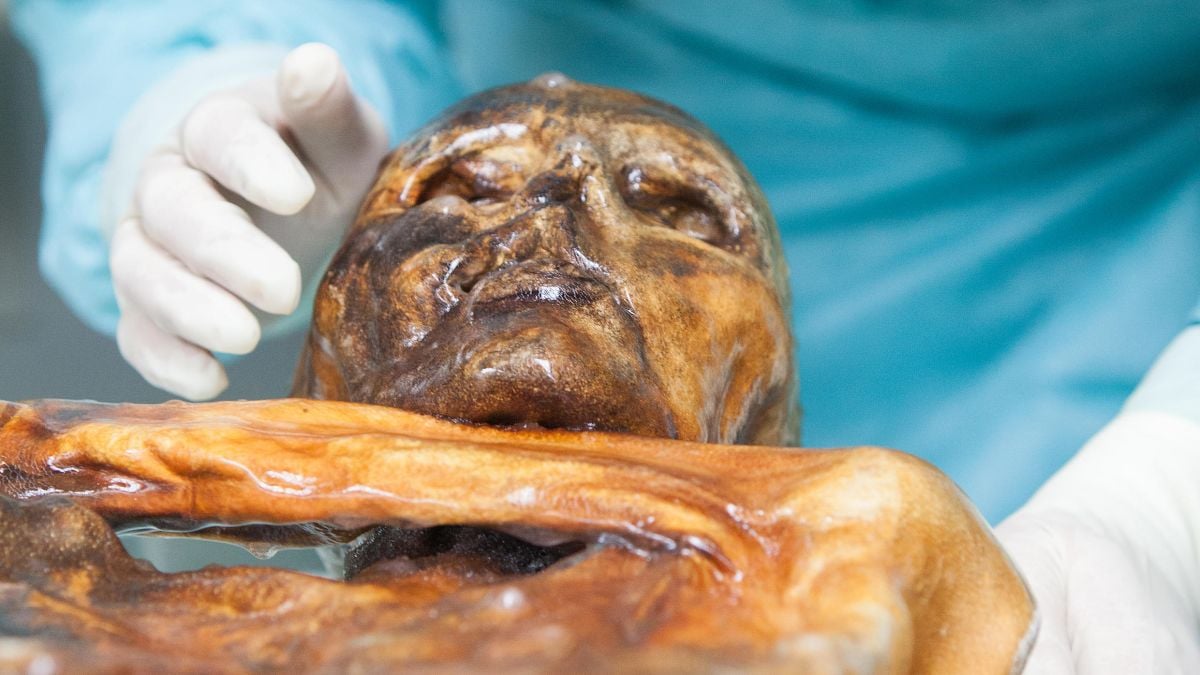
Scientists Find Signs of Active Life in Ötzi The Iceman

Ötzi the Iceman is about as deceased as an organism can be.

He died 5,300 years ago, his body exquisitely mummified in Italy's glacial Ötztal Alps – one of the oldest and best-preserved human mummies ever discovered.

In the extreme cold of the alpine environment in which he died, microbial activity was suppressed – and, since microbes are the main driver of decomposition, Ötzi did not succumb to its ravages.

But the Iceman's corpse may not have been completely devoid of life.

A new study of the microbes all over his body suggests that some potentially active species may be nearly as old as the mummy himself – while others may have adapted to the conditions of the cold storage where he lies today.

"A mummy's microbiome is unique because we are dealing with microbes that are over 5,000 years old and, at the same time, with modern microbes that have been introduced since the discovery," says first author Mohamed Sarhan, a microbiologist at Eurac Research in Italy.

How Ötzi was discovered, protruding from the ice. (Helmut Simon/Wikimedia Commons)

Ötzi (pronounced like 'curtsy' without the 'c') was discovered in 1991, when two hikers spotted what they thought was a recently deceased mountaineer protruding from the melting ice of a glacier, at an elevation of 3,210 meters (10,530 feet).

It was only once his body had been transported to a laboratory that scientists understood the true significance of the find – a Copper Age hunter who had lived and died around 3300 BCE, mummified so exceptionally well that he appeared far more recent.

Since then, scientists have discovered much about Ötzi.

He was around 46 years old when he died, was adorned with at least 61 hand-poked tattoos on his dark skin, wore clothing stitched from the skins of multiple animals, and ate a last meal rich in ibex fat, wild meat, and cereals.

A reconstruction of how Ötzi may have looked in life, although recent genetic analysis suggests he may have had darker skin and male pattern baldness. (South Tyrol Museum of Archaeology/Augustin Ochsenreiter/All rights reserved)

Previous studies even examined his gut microbiome, finding it more consistent with that of ancient, non-industrialized human populations than with that of modern Western populations.

Researchers also recovered an ancient strain of Helicobacter pylori, the stomach bacterium associated today with ulcers and gastric cancer.

However, all these studies had one thing in common: They mostly treated those microbes as biological remains, rather than investigating whether any might still be active today.

And no one had undertaken the painstaking work of extricating Ötzi's native microbiome from environmental contaminants that may have moved in after he died, both on the glacier and afterward, when he was moved to cold storage to prevent decomposition.

Sarhan and his colleagues took swab samples from all over Ötzi's body, as well as meltwater inside him. They also used data on intestinal and stomach tissue from previous studies, and tested a sample of the soil from where he was found, collected at the same time as the Iceman himself.

YouTube Thumbnail

They ran these samples through DNA and RNA sequencing, looking for patterns in the types of microbes therein.

Broadly, the microbes fell into two main groups. The first were ancient microbes that were part of Ötzi's living microbiome.

The second were cold-loving yeasts found on Ötzi's skin and in meltwater collected from inside the mummy. These yeasts were highly specialized species adapted to cold environments, genetically related to microbes found in gelid regions such as Antarctica.

This suggests that these microbes likely originated in the glacier environment that preserved Ötzi's body.

Ötzi is kept at -6 degrees Celsius (21 degrees Fahrenheit) and regularly sprayed with water to keep him from drying out. (South Tyrol Museum of Archaeology/Eurac Research/Marion Lafogler)

But there was something else a bit strange. Some of the samples were heavily degraded, showing that the microbes were ancient – but others were relatively fresh, implying ongoing activity.

"We see continuity here," says microbiologist Frank Maixner, director of the Institute for Mummy Studies at Eurac Research.

"These yeasts have accompanied Ötzi on his long journey through the millennia."

There's another piece of the strange puzzle. Some of the microbes may have benefited from the conservation techniques used on the body.

After he was found, Ötzi's body was treated with phenol, a toxic compound that prevents fungal growth. Three of the four yeasts were species capable of metabolizing phenol.

Subscribe to ScienceAlert's free fact-checked newsletter

It is, to be clear, impossible to tell whether these active microbes are the descendants of a long, unbroken line quietly making their home on Ötzi's body for millennia, even in the ice-cold, or whether they were dormant and revived after the mummy was thawed.

Related: Artist Tattooed Himself to Solve Mystery of Ötzi The Iceman's Tattoos

But the evidence strongly indicates that, in some fashion, the Iceman's body supported their survival.

Samples taken in 2010 and 2019 showed that one cold-loving species increased over the decade – suggesting that at least some of the microbes are surviving and even slowly reproducing in the subzero conditions of Ötzi's storage chamber.

"The Iceman mummy is not a static artifact but a dynamic ecosystem of living archive where ancient glacier-derived microbes and modern contaminants coexist under museum conditions," the researchers write.

The findings have been published in Microbiome.

ScienceAlert stories are written, fact-checked, and edited by humans, never generated by AI. Don't miss a story, subscribe here.

  •  

A Hidden Virus Found in Gut Bacteria Is Linked to Colorectal Cancer

Researchers have made a significant step forward in understanding how gut bacteria, and specifically a newly discovered virus, can contribute to one of the most common forms of cancer in the developed world.

Scientists from institutions in Denmark and Australia wanted to take a closer look at a previously identified association between colorectal cancer and a bacterium called Bacteroides fragilis.

B. fragilis often shows up in healthy people too.

"It has been a paradox that we repeatedly find the same bacterium in connection with colorectal cancer, while at the same time it is a completely normal part of the gut in healthy people," says microbiologist Flemming Damgaard, from Odense University Hospital in Denmark.

The team wanted to see if there was a crucial difference in the bacterium in individuals who develop cancer – and that's exactly what they found.

Hidden Virus Found in Gut Bacteria Is Linked to Colorectal Cancer
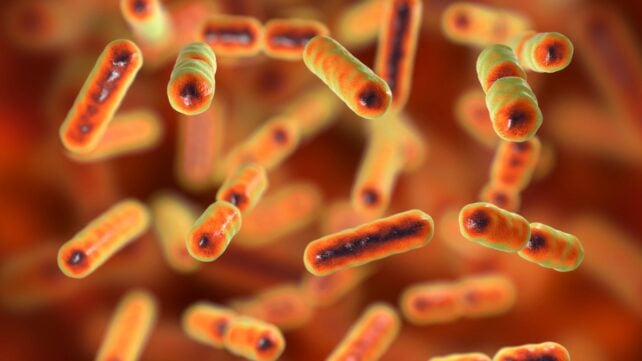
A computer illustration of Bacteroides, a common bacterium found in the human intestinal tract. (Science Photo Library/Canva)

"We have discovered a virus that has not previously been described and which appears to be closely linked to the bacteria we find in patients with colorectal cancer," says Damgaard.

Using genetic sequencing, the researchers analyzed the gut bacteria of cancer patients in a large Danish population study.

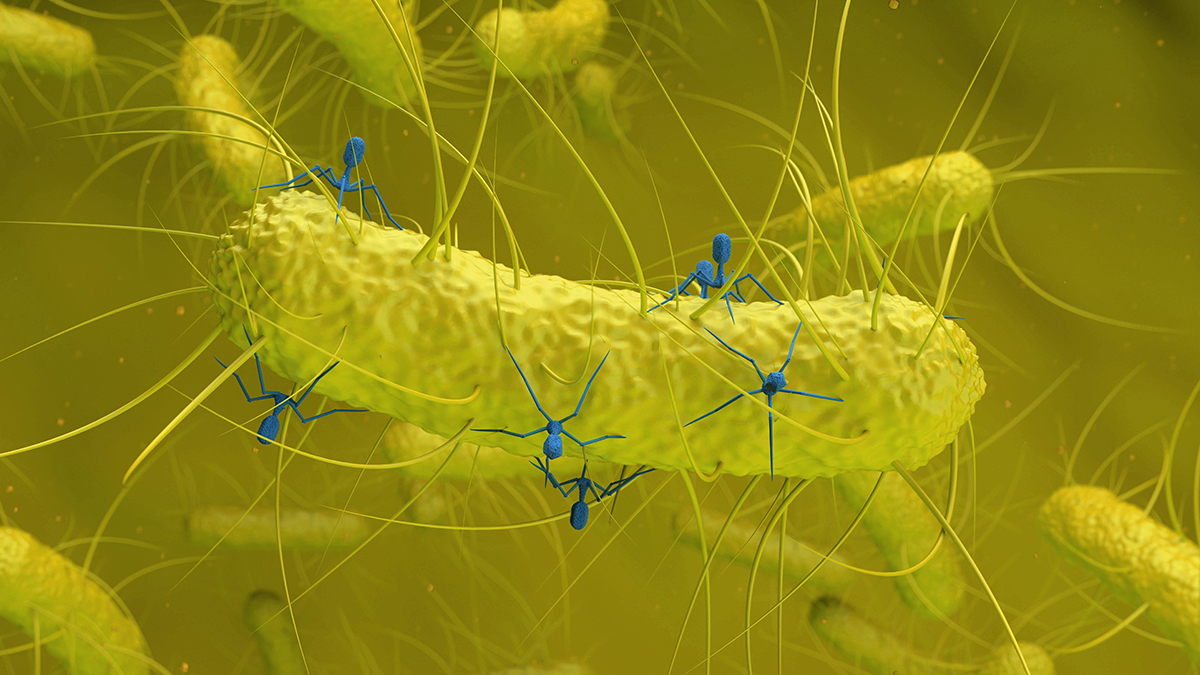
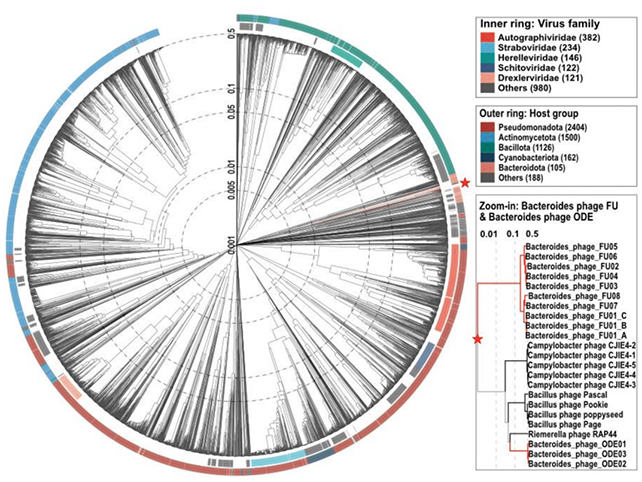
They found that in these patients, B. fragilis often carried a bacteriophage.

Bacteriophages are viruses that live inside bacteria, hijacking these cells to duplicate and spread.

While the initial signal was discovered in a relatively small group of people, the findings were later verified in a larger cohort of 877 people with and without colorectal cancer – and point to a link that suggests viruses lurking in B. fragilis may tip the scales toward cancer.

Bacteria groupings
The researchers cataloged bacteria, and viruses inside bacteria. (Damgaard et al., Commun. Med., 2026)

People with colorectal cancer were twice as likely to have detectable levels of the bacteriophage in their gut bacteria, the data showed. What's more, it's not a virus that fits the description of anything recorded to date.

However, the researchers can't prove a direct cause-and-effect relationship yet. This is a notable association that will be useful for studying colorectal cancer and potential treatment targets, but there may be much more going on.

"It is not just the bacterium itself that seems interesting," says Damgaard.

"It is the bacterium in interaction with the virus it carries."

"We do not yet know whether the virus is a contributing cause, or whether it is simply a sign that something else in the gut has changed."

Subscribe to ScienceAlert's free fact-checked newsletter

Around 80 percent of colorectal cancer risk has been assigned to environmental factors, including gut bacteria composition. That means a better understanding of these factors and how they influence one another could affect millions of cancer cases.

Studying the mix of bacteria in the gut is no easy task.

These incredibly complex microbiomes are both indicators of what else is going on in the body and influencers that can impact everything from sleep quality to weight loss.

Now there's an extra layer that future studies can examine: not just bacteria, but the viruses living inside them. One question the researchers are keen to look at next is exactly how B. fragilis might be affected by its bacteriophage lodgers.

This research is still very much in the early, experimental stage, but anything that helps experts understand how cancer starts could potentially also help develop targeted treatments – though that may take years.

"The number and diversity of bacteria in the gut is enormous," says Damgaard.

"Previously, it has been like looking for a needle in a haystack. Instead, we have investigated whether something inside the bacteria – namely viruses – might help explain the difference."

YouTube Thumbnail

The team suggests that their findings might also be used for colorectal cancer screening. With further research, stool sample scans could be developed to look for this B. fragilis virus, for example.

Related: Colorectal Cancer Is Rising in Young People. Here's How to Lower Your Risk.

"In the short term, we can investigate whether the virus can be used to identify individuals at increased risk," says Damgaard.

The research has been published in Communications Medicine.

An earlier version of this article was published in February 2026.

ScienceAlert stories are written, fact-checked, and edited by humans, never generated by AI. Don't miss a story, subscribe here.

  •  

Growing 'Cancer Crisis' Requires Millions More Healthcare Workers, Report Warns

The human population is growing larger and older, which means cancer cases and deaths are increasing, too.

Based on the current trends, there will be 35.3 million cases of cancer diagnosed annually by 2050, and 18.5 million deaths.

For every 10 people diagnosed with cancer, seven will be in low- and middle-income countries, where survival rates are much lower.

This is way beyond the current capacity of global healthcare systems.

According to a new report commissioned by The Lancet Oncology, the cancer workforce will be running 100 million people short by 2050.

Most of those projected shortages are in nursing, and diagnostic roles such as radiologists and pathologists.

YouTube Thumbnail

The research was led by radiologist Hedvig Hricak of the Memorial Sloan Kettering Cancer Center in the US, and oncologist Patrick Loehrer of Indiana University Melvin and Bren Simon Comprehensive Cancer Center.

"Our global initiative brings a clear warning: without urgent action to address critical workforce shortages, we risk a cancer crisis unlike anything we've seen before," says Hricak.

"We call for immediate, country-specific strategies, smarter workforce use, task-shifting and AI/digital health adoption, alongside future-ready education and strong, sustainable financing through public–private partnerships."

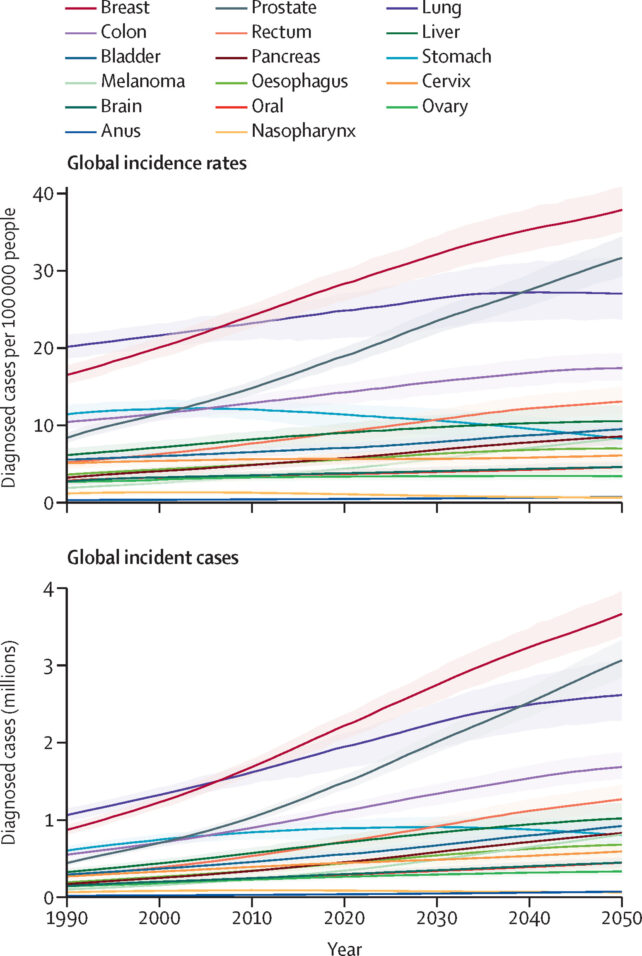
To get a sense of what lies ahead, the team created models of current and future scenarios based on 17 common types of cancer, and 18 types of cancer workforce personnel.

Healthcare Systems Are Short-Staffed by Millions as Global Cancer Burden Rises, Report Warns
Projected global incidence rates and cases by location of diagnosed cancer for 1990–2050. (Hricak et al., Lancet Oncol., 2026)

They expect diagnosed incidence rates of these cancer types to increase globally, particularly in low- and middle-income countries, due to aging populations, changing risk factors, and the increasing size of the human population overall.

And it looks like we're on track to have nowhere near enough healthcare staff to deal with it.

By 2050, the global cancer workforce will fall short by about 100 million staff needed to cope with these rising cancer rates, the report states.

It suggests we need to do something, fast, to fill the need for 65 million more nurses and 16 million more diagnostic specialists.

There's also expected to be a global gap of 10 million in demand for specialized medical doctors, with at least 10 years of training; a gap of 6 million in advanced clinical specialists with 6 to 10 years of training; and a shortage of 15 million technical and allied health professionals with 3 to 5 years of training.

These shortages are particularly concerning in Africa and Asia, which are predicted to have the lowest five-year net cancer survival rates globally in 2050. The report estimates those survival rates at just 34 percent in Africa and 39 percent in Asia.

"Crucially, we estimate that one in three cancers go undiagnosed worldwide, with more than 60 percent of cancers remaining undiagnosed in parts of Africa," Hricak and team report.

"Rather than cancer type or biological factors, the most important determinant of cancer survival for many patients is therefore the country in which they receive diagnosis and treatment."

By comparison, in high-income areas like North America and Oceania, survival rates are expected to reach 60 percent.

Subscribe to ScienceAlert's free fact-checked newsletter

If the global community can somehow scale up the workforce – and ensure these workers are positioned where they're most needed – it could avert 170 million cancer deaths between 2030 and 2050, the report says.

They propose a suite of strategies to address the crisis. A global cancer workforce registry – which currently doesn't exist – would help inform training, hiring, and resource allocation.

Partnerships between workforce sectors and nations could aid in training, research, diagnostics, therapeutics, and equipment.

They also urge for more investment in digital and artificial intelligence solutions.

In economic terms, the team says these strategies could deliver US$120 trillion of benefits between 2030 and 2050. That's a $4 return on every dollar invested in addressing the problem.

Related: Almost 50% of Preventable Cancers Linked to Just Two Lifestyle Habits

"Make no mistake; this is a wake-up call, no matter where you are in the world," said Mark Lawler, co-author and oncologist at Queen's University Belfast in the UK, at the commission's launch event.

"What we've uncovered is shocking – how can we reconcile a 15 million increase in cancer cases diagnosed with a 100 million decrease in cancer staffing? The data unfortunately do not lie. We can't wait until 2050 to see if our projections are correct – we must act now."

The research was published in The Lancet Oncology.

ScienceAlert stories are written, fact-checked, and edited by humans, never generated by AI. Don't miss a story, subscribe here.

  •  
❌