Login
Login
NASA’s X-59 Is About to Crack the Sound Barrier Without the Boom — and Possibly Change How We Fly
 The experimental jet was built to kill the sonic boom. First, it has to survive going supersonic.
  The experimental jet was built to kill the sonic boom. First, it has to survive going supersonic.

 A rescued sea lion is shaking up what scientists thought they knew about rhythm and the brain

The Hyundai IONIQ 5 pretty much offers it all with up to 318 miles of driving range, fast charging, a surprisingly spacious interior, and an affordable starting price of just $35,000. It’s also a perfect fit for families looking to go electric.
more…

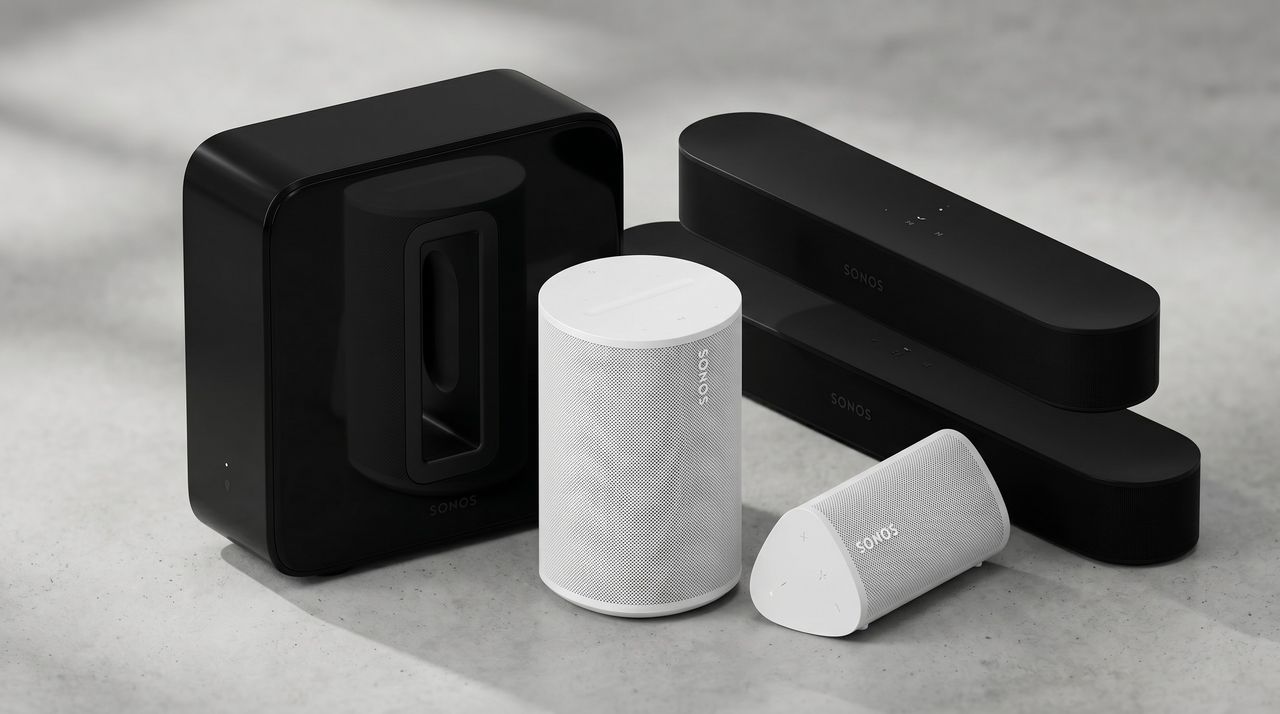
HexClad has marked down nearly its entire catalog for the season, with free shipping and cuts that run up to roughly 50% across hybrid cookware, Damascus steel knives, and grilling gear. The summer sale has a few standouts worth flagging up top: the 7-piece Damascus Steel Knife Set drops to $399 (was $783), the Master Series steak knife set falls to $131 (was $259), and the Hybrid BBQ Grill Pan is down to $111 (was $159). The prices hold while the sale runs, and a handful of the bundles throw in a free gift on top.
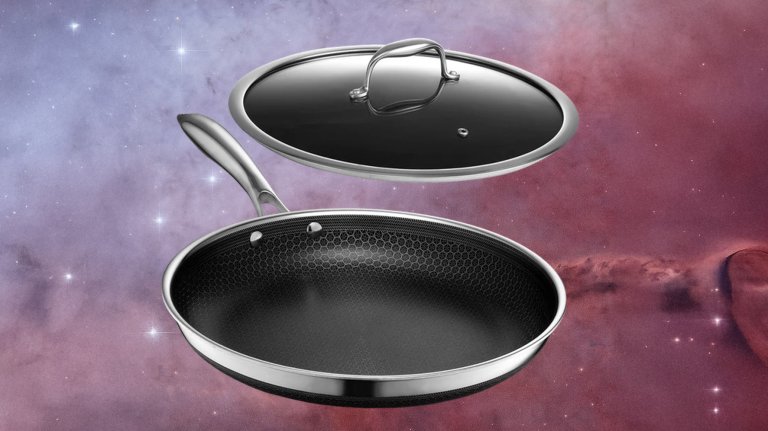
I just started testing a HexClad frying pan to update some of our cookware buying guides and I’m impressed off the bat. My fried eggs have been dancing around the cooking surface like Ryan and Emma in La La Land (I just got around to watching La La Land).
The pan that built the brand, and the easiest way into the lineup
The 12-inch Hybrid is currently on my stove and it will have a pound of ground beef in it later. With a laser-etched stainless steel grid raised over the nonstick valleys, you can sear hard and use metal utensils without chewing up the surface. It works with induction cooktops, stays oven-safe to 500 degrees, and the tempered glass lid covers everything from a fast fry to a slow simmer.
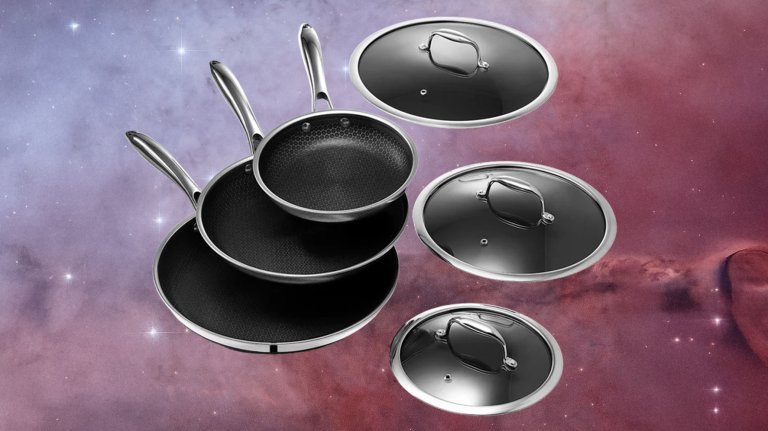
Three pans, three lids, and a free gift for $292 off
This set covers the three pan sizes most kitchens actually reach for, the 8-, 10-, and 12-inch Hybrids, each with its own tempered glass lid. Bought together they run $292 less than the pans cost individually, and HexClad is adding a free gift with purchase during the sale. It is the practical pick if you want most of your stovetop sorted in one box without jumping to a full set.
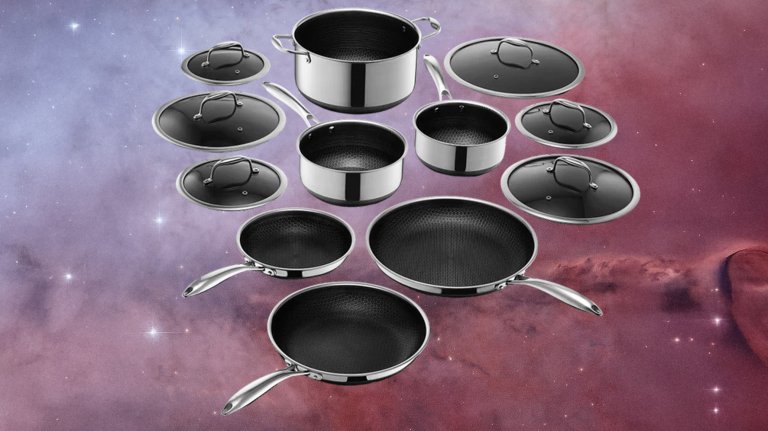
A full cookware kit for $499 off, the headline deal of the sale
This is the complete HexClad kitchen in one box, with fry pans, saucepans, a stockpot, and lids that handle nearly everything you cook in a given week. It is the most-reviewed item in the whole sale and carries the biggest dollar discount most people will reasonably go for, $499 off the regular $1,198. If you are replacing a tired set all at once, this is the cheapest moment to buy into the version you keep for years.
The bundles are where the deepest percentage cuts live. The Too Hot to Handle Bundle is half off at $1,399 (was $2,766), and the Summer Sizzler Set lands at $999 (was $1,933) if you want to outfit a kitchen and a grill in one go.
If you would rather buy one pan at a time, every size is discounted. The smaller pans carry the steepest cuts, with the 7-inch Hybrid down to $76 (was $109), a low-risk way to test whether the hybrid surface earns a spot in your kitchen.
Need to fill gaps rather than buy a full set? The pots and saucepans are each 15% off, including the 5-quart Hybrid Dutch Oven at $169 (was $199) and the 12-quart Stock Pot at $186 (was $219).
This is the summer-relevant corner of the sale. The Hybrid BBQ Grill Pan drops 30% to $111 (was $159), and the 10-inch Hybrid Wok is $95 (was $119) if stir-fry is more your speed.
The knives carry some of the largest percentage discounts in the sale. The 7-piece Damascus Steel Knife Set is half off at $399 (was $783), and the Master Series 4-piece steak knife set is $131 (was $259).
The HexMill grinders rarely move on price, so the sale is worth a look. The Salt and Pepper Grinder Set is $199 (was $318), and the full HexMill Collection Bundle is $299 (was $487).
The smaller add-ons round out the cart. The 8-piece BBQ Tool Set is $74 (was $99), and the 6-piece Stainless Mixing Bowl Set with vacuum-seal lids drops to $84 (was $99).
The post HexClad just dropped its summer sale with site-wide discounts on everything it makes (including pots and pans) appeared first on Popular Science.
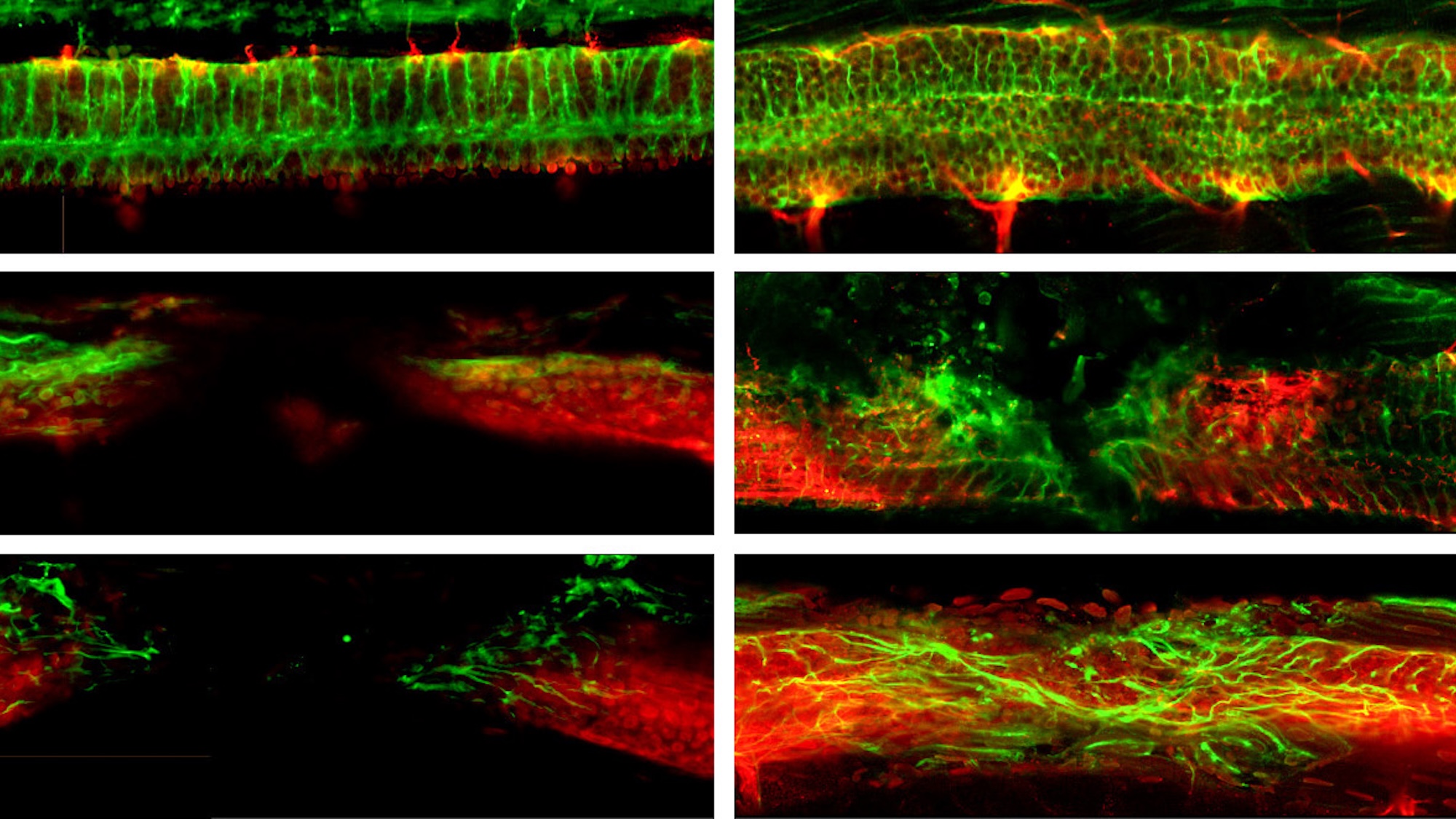
Despite significant medical advances, spinal cord damage remains one of the most difficult physical injuries to treat. Scarring frequently gets in the way of nerve fiber regrowth, while nerve cells usually cannot regenerate on their own. A possible solution? A fleet of stem cell-infused, injectable nanorobots that can help nerve cells regenerate. The tiny bots are detailed in a study recently published in the journal Nature Materials.
To build their new tools, a team at ETH Zurich in Switzerland engineered microscopic machines that combine living neural progenitor cells (NPCs)—specialized stem cells developed for the spine—with customized nanoparticles. These customized nanoparticles feature two layers—one that is sensitive to magnetic fields and another that translates them into electrical signals.
“We place a reservoir in the center where we trap the cells. Then we inject the nanoparticles and wait for the two components to bind,” Salvador Pané i Vidal, a study co-author and ETH Zurich roboticist, said in a statement.
Each nanorobot is about six micrometers wide, making them smaller than a red blood cell. However, the number of robots required to pull off a procedure is immense. Millions of nanobots are needed during animal trials. Even with such a high number, the initial experimental results are promising. In tests involving mice with severed spinal cords, nerve cells stimulated by the microrobots began reconnecting at the injury site within 28 days. By the end of the trial, the mice displayed major improvements in movement, gait, coordination, and exploratory behavior.
Significantly more research is required before these nanobots are ready for primetime, but the team hopes to one day begin testing similar devices in humans. Before that, they need to determine the most effective magnetic fields and how long to apply them to patients. In the meantime, the overall design could also be applied to help treat regenerative issues in organs and wounds.
“The reproducible and scalable production of microrobots using our lab-on-a-chip system demonstrates that the platform’s application potential extends beyond basic research,” added Pané i Vidal.
The post Injectable nanorobots may help heal spinal injuries appeared first on Popular Science.
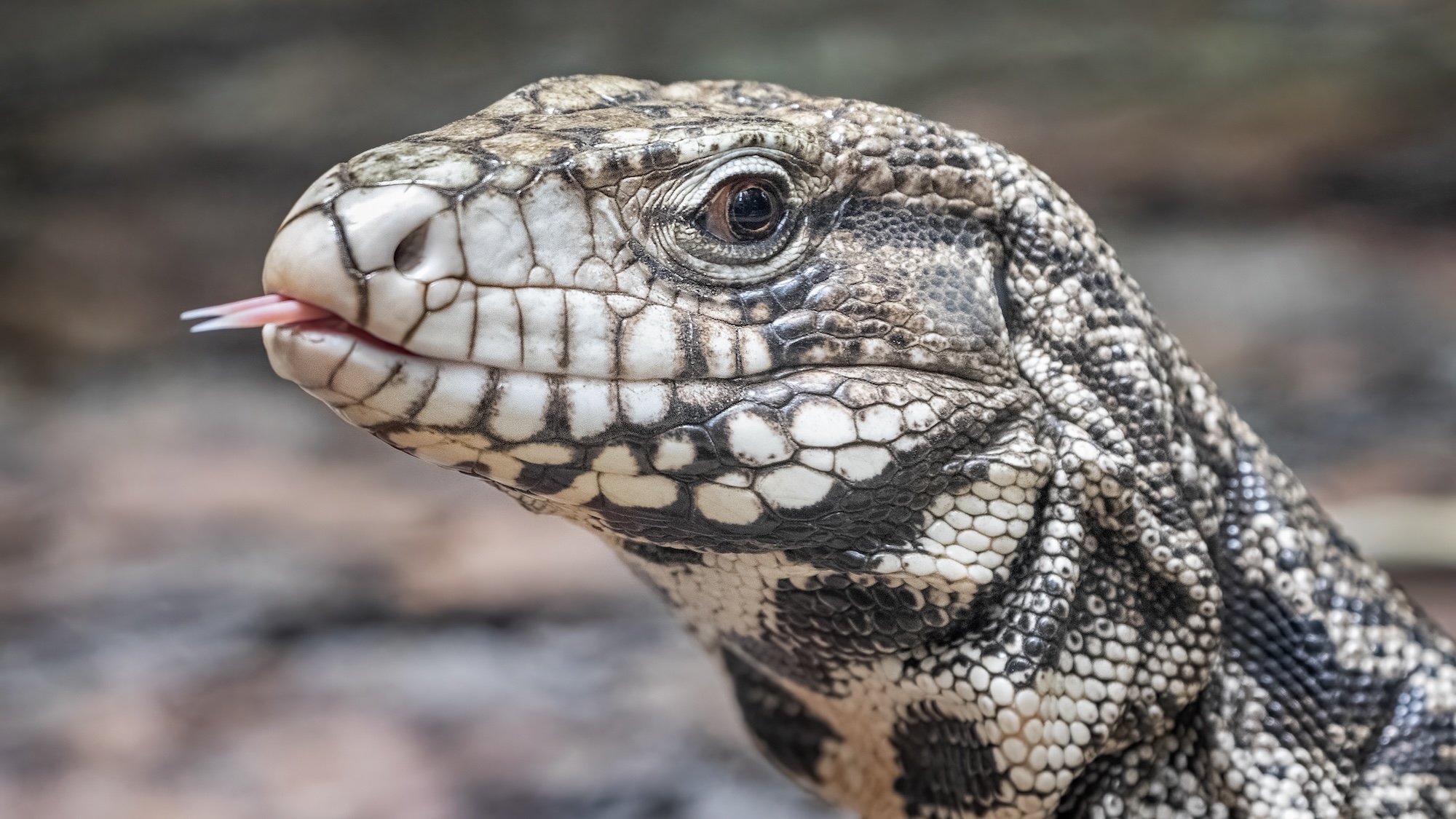
Wildlife experts in Georgia are urging locals to keep on the lookout for any four-foot-long lizards wandering around the Peach State. As its name implies, the Argentine black and white tegu (Salvator merianae) isn’t native to the United States, and it’s quickly becoming a nuisance.
Although the black and white tegu resembles many monitor lizard species, they are actually only distantly related to the reptiles. The speckled omnivores can weigh upwards of 10 pounds, largely thanks to a diet that regularly includes eggs, small animals, fruits, and vegetables. They are also extremely prolific animals, with a single female capable of producing around 35 eggs every year. These typically hatch during the summer between June and July, meaning many in Georgia have a decent chance of spotting a tegu in the near future.
It’s still unclear how the tegus were first introduced into the state, although illegal releases by exotic pet owners are the most likely explanation. Georgia’s Department of Natural Resources (DNR) first responded to reports of the rogue reptiles in 2018, with sightings spreading ever since. Tegus are currently particularly concentrated in southeastern Georgia’s Toombs and Tattnall counties, but experts fear a lack of predators means the lizard population could soon explode without concerted conservation efforts. As non-native “wild” species, trapping and hunting tegus is legal in Georgia throughout the year.
That said, the DNR still cautions hunters against coming into direct contact with the reptiles. Although not particularly aggressive or dangerous, tegus may carry exotic parasites as well as harmful bacteria including salmonella. Experts encourage people to instead contact the DNR if they see one of the lizards, either by emailing gainvasives@dnr.ga.gov or calling (478) 994-1438.
Unfortunately, Georgia isn’t the only state contending with an unwanted tegu problem. According to an ongoing mapping project from the U.S. Geological Survey and Georgia Southern University, residents across Florida, Alabama, South Carolina, and Texas have also reported sightings in recent years.
The post Georgia is battling invasive, 4-foot-long lizards appeared first on Popular Science.
What’s the weirdest thing you learned this week? Well, whatever it is, we promise you’ll have an even weirder answer if you listen to Popular Science’s hit podcast. The Weirdest Thing I Learned This Week hits Apple, Spotify, YouTube, and everywhere else you listen to podcasts every-other Wednesday morning. It’s your new favorite source for the strangest science-adjacent facts, figures, and Wikipedia spirals the editors of Popular Science can muster. If you like the stories in this post, we guarantee you’ll love the show.
The idea of Marie Antoinette in orthodontic braces probably sounds like something out of my favorite Sofia Coppola film, but it’s not as anachronistic as it sounds. While I couldn’t find a definitive primary source on the subject, there are historical mentions of Marie Antoinette undergoing orthodontic treatment. And in some ways, it would be more surprising if she didn’t do a stint in braces: modern dentistry as we know it was essentially invented in France in the early 1700s, and by the time Marie and Louis got hitched, French people were practically known for having straight, pretty teeth. We know that Marie Antoinette was given an intense French makeover in all things before being shipped off to Versailles, so it’s plausible that she had a bit of dental work done, too.
If the idea of 18th century orthodontia makes you want to put your head between your knees, you’re not wrong. The hardware designed by Pierre Fauchard, called a bandolet or bandeau, used a horseshoe-shaped piece of metal that pressed against the inside or outside of the dental arch. Dentists would manually tie individual teeth to the appliance using either silk threads or thin metal wires. That is, admittedly, pretty identical to how braces work today—they exert constant pressure on teeth to help move them into new positions, then hold them there while everything settles into place. But modern braces are designed to move teeth more effectively and with as little pain as possible, and the bandeau was much more of a blunt instrument.
For a fun French dental bonus fact, I dug into the weird social history of smiling on the eve of the Revolution. Check out this week’s episode to learn more!
Featuring Hari Kondabolu and Dr. Priyanka Wali
Today’s special guests are comedian Hari Kondabolu and physician-slash-comedian Priyanka Wali. Together they host the podcast Health Stuff, where they dive into everything from earwax to sleep hygiene.
On this week’s episode of Weirdest Thing, Hari and Priyanka share the story of Henrietta Lacks. While being treated for cervical cancer at Johns Hopkins in the 1950s, this African American mother of five unknowingly—and involuntarily—changed the course of medical history. Cancer cells from one of her biopsies were sent off for research without her knowledge or consent. Unlike other cancer cells in the lab, hers kept doubling instead of dying off. They were the first human cells that were discovered to multiply easily in a lab setting, making them perfect for studying the impact of various drugs, hormones, viruses, and toxins. While the cell line that originates from Henrietta Lacks’ tissues—called the HeLa line—has been used in research that’s saved countless lives over the decades, they also serve as a reminder of the entrenched racism of our medical system.
Listen to this week’s episode to learn more about Henrietta’s story. And for a deeper dive, check out “The Immortal Life of Henrietta Lacks.”
Surprise, more teeth! Scientists recently reported that a 59,000-year-old tooth—a neanderthal molar, to be precise—could conceivably have been drilled to treat a cavity. They came to that conclusion by tinkering with three modern teeth, AKA subjecting them to the horrors of prehistoric dental treatment, to show that the ancient chomper showed signs of the same.
Unsurprisingly, not everyone is 100 percent convinced by the experimental evidence. But even if hominids weren’t drilling cavities that long ago, there’s good reason to believe we’ve been at it for longer than you might guess. A couple of teeth from the Stone Age (about 13,000 years ago) show less ambiguous signs of dental drilling, and dentistry has been a flourishing (if often misguided) practice for thousands of years. Many of our ancient ancestors even wore dental bridges made out of gold and other precious metals—so grills have a long, proud history.
The post Marie Antoinette probably got braces to straighten her teeth appeared first on Popular Science.

A rare meteorite discovered in the Sahara Desert proves that our solar system almost had at least one extra planet. In a study published in the journal Earth and Planetary Science Letters, astronomers say the chunk of space rock known as Northwest Africa (NWA) 12774 once belonged to a protoplanet possibly as large as Mars. That is, until a cosmic crash likely blew it to smithereens.
The solar system includes eight known planets (sorry, Pluto). Barring interstellar catastrophe, this number will remain the same until the sun finally dies about 5 billion years from now. However, this total planetary count was never a guarantee.The solar system’s earliest era featured multiple embryonic protoplanets that had the potential to grow together into additional cosmic neighbors.
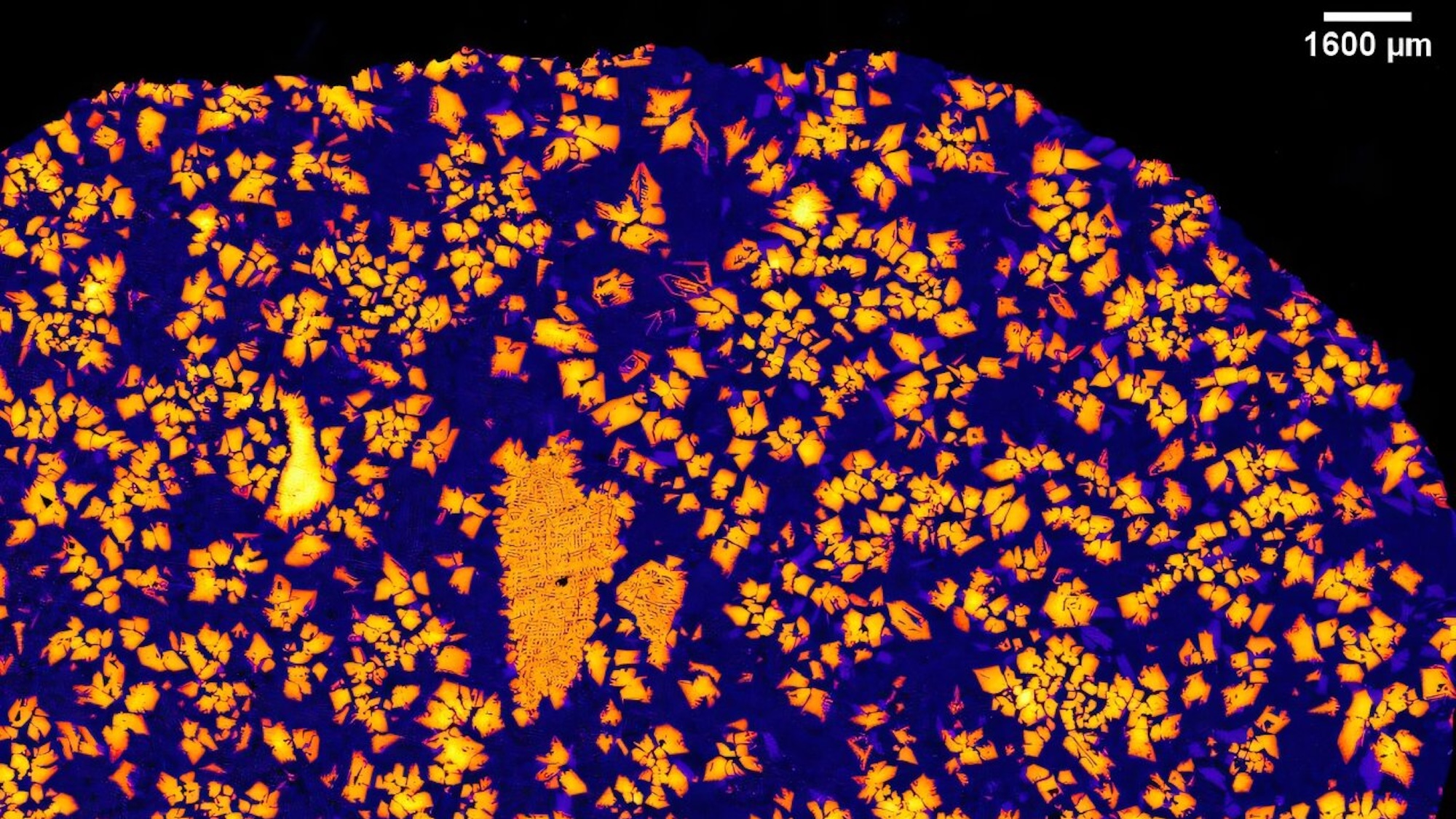
The remnants of these long gone celestial bodies are scarce, but traces still exist. That said, astronomers didn’t expect to find protoplanetary evidence in a meteorite like NWA 12774. Discovered in 2019, NWA 12774 is an angrite—one of the oldest known types of volcanic rock that was formed during the solar system’s era about 4.56 billion years ago. They’re also very rare. Of the roughly 80,000 meteorites discovered on Earth so far, only 68 are angrites.
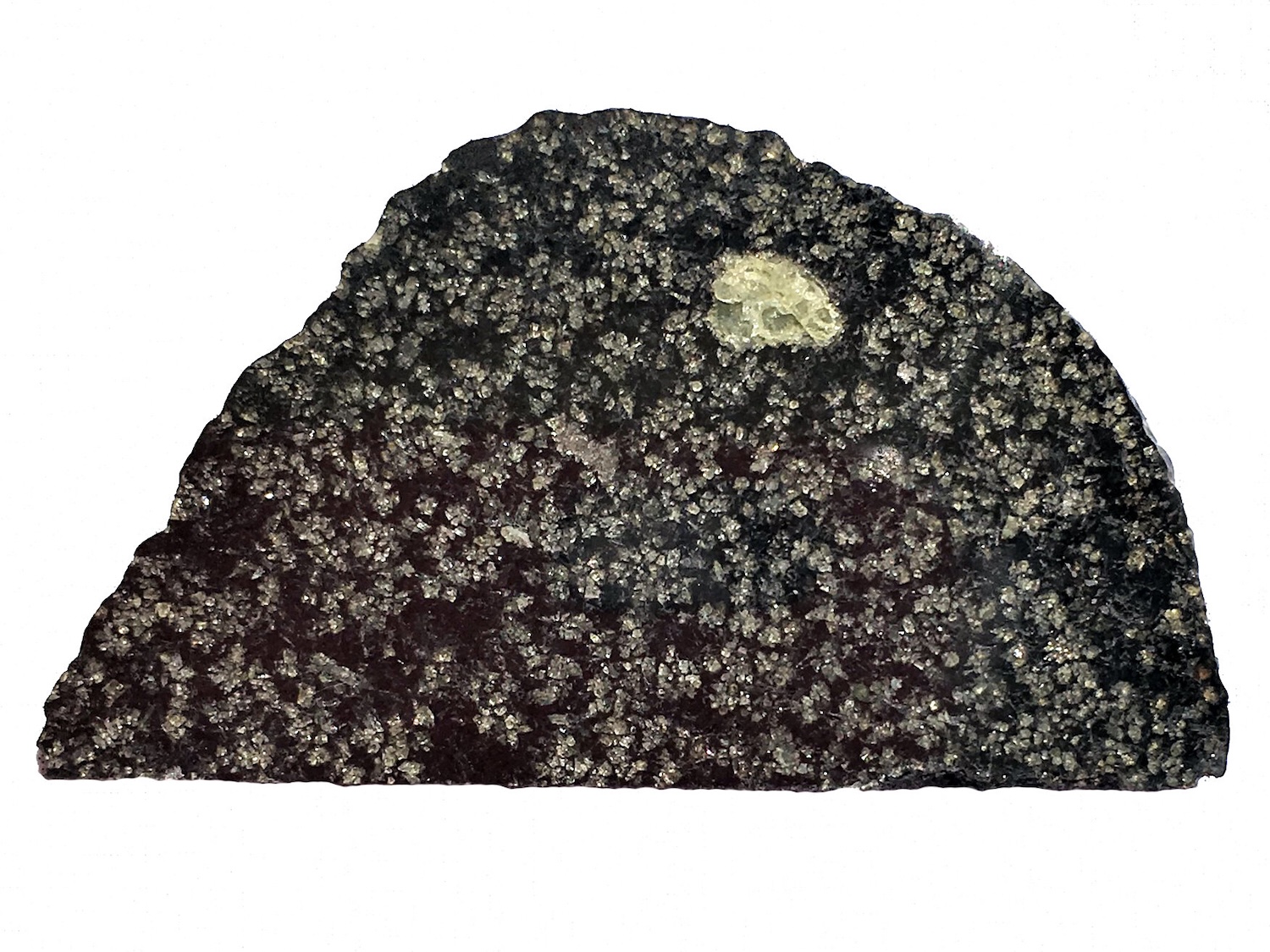
Unlike rocky planets such as Mars and Earth, angrites do not have a lot of silicon dioxide. Because of this, astronomers have long assumed that angrites always originated in asteroids no larger than about 124 miles wide. NWA 12774 blows this theory apart..
While analyzing the meteorite, researchers at the University of Colorado Boulder detected clinopyroxene, a mineral crystal that exists throughout Earth’s mantle and crust. NWA 12774’s clinopyroxene was also heavy in aluminum, which directly points to formation under massive amounts of pressure underground. The team then calculated the conditions necessary to create an angrite like NWA 12774, and settled on at least 17.5 kilobars of pressure. To put that in perspective, the pressure experienced at the bottom of the roughly 35,875-foot-deep Mariana Trench is barely one kilobar.
Small asteroids simply don’t possess the conditions needed to generate a rock like NWA 12774. What’s more, the angrite’s sharp crystalline edges also indicate that it formed at comparatively shallow depths in its host body. Based on all of these factors, astronomers now believe NWA 12774 once belonged to a young protoplanet with a radius anywhere from 621 to 2,050 miles wide. This means that instead of an asteroid, the angrite may have existed inside something as big as Mars.
“It’s incredible to think there was once a world this large,” Aaron Bell, a UC Boulder earth scientist and study co-author, said in a statement. “We only know it existed because a few fragments of it happened to land on Earth. These meteorites preserved evidence of a completely different pathway through which early planets developed.”
Although it’s unclear how the protoplanet met its demise, some type of crash between early solar system denizens is definitely a possibility. Regardless, the ramifications are huge for astronomers’ understanding of our cosmic neighborhood’s history.
“The materials that formed the angrite parent body are fundamentally different from the ingredients of Earth and Mars,” explained Bell. “It points to a distinct and separate evolutionary path in planetary formation in the early history of our solar system.”
The post Rare meteorite proves our solar system almost had an extra planet appeared first on Popular Science.
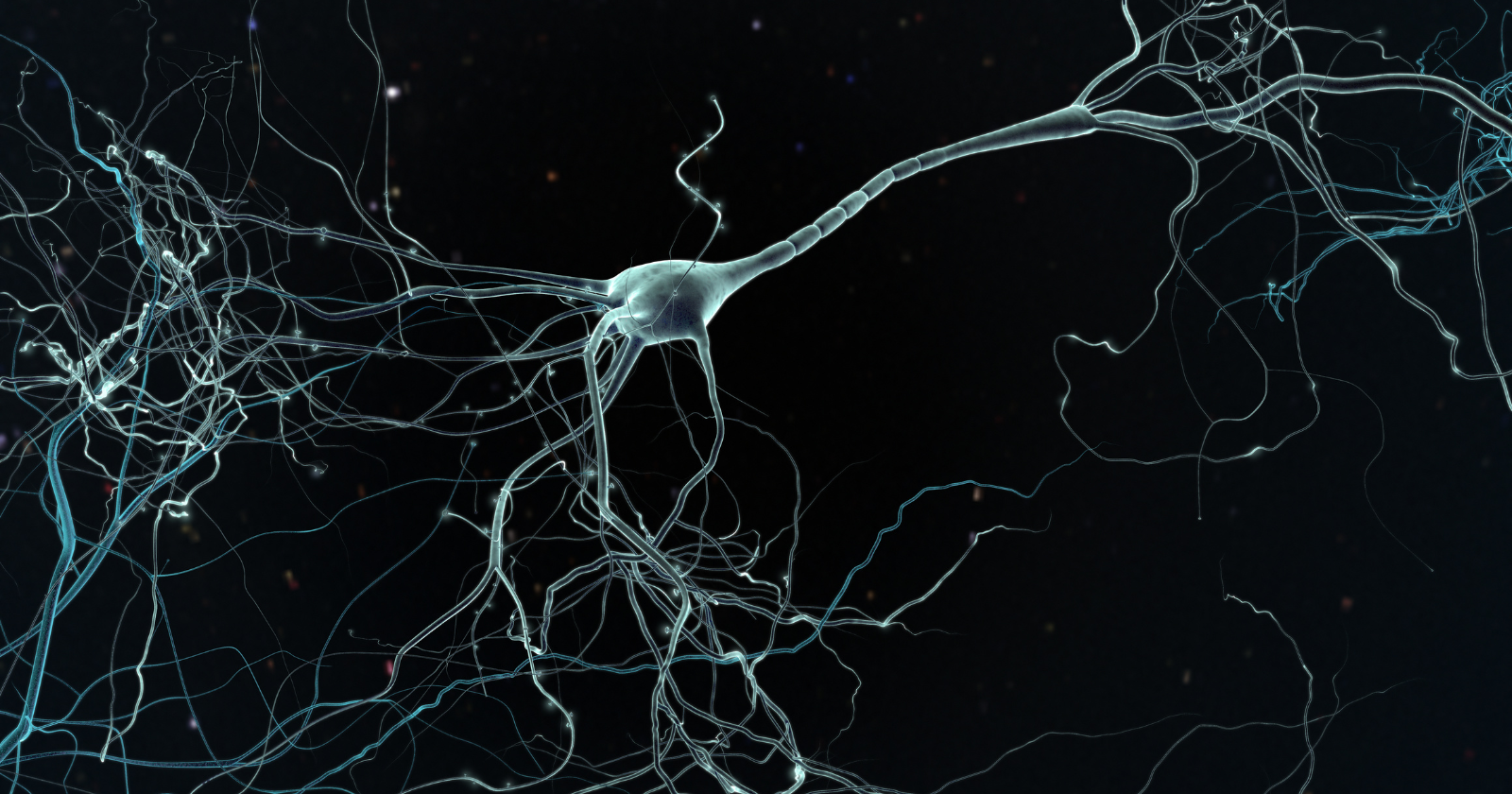
The human brain contains roughly 86 billion neurons. That number appears in almost every popular account of memory and intelligence, and it tends to carry an implicit argument: that the scale of human cognition follows from the scale of this cell count. What is less often mentioned is that the brain contains a roughly comparable number of a different cell type entirely, one that researchers have treated, for most of the history of neuroscience, as little more than biological scaffolding.
A paper published on 23 May in the Proceedings of the National Academy of Sciences puts forward a new hypothesis about what those cells, called astrocytes, might actually be doing. The work comes from a team at MIT: lead author Leo Kozachkov, Jean-Jacques Slotine, a professor of mechanical engineering and brain and cognitive sciences, and Dmitry Krotov of the MIT-IBM Watson AI Lab, who is the paper’s senior author. Their claim is not that astrocytes have been misunderstood in any dramatic sense; it is the more careful suggestion that they may be doing computational work that neurons, on their own, cannot account for.
This is a hypothesis supported by a mathematical model. The experimental work needed to test it has not yet been done.
The standard model for thinking about memory storage in neural networks is the Hopfield network, formalised by John Hopfield in his influential 1982 paper and drawing on earlier independent work by Shun-Ichi Amari in the early 1970s. Hopfield networks store information as patterns across connections between neurons, and they have been used as a working model for how the brain encodes and retrieves memories. The problem is that they can only store a limited amount of information, far less than what the human brain demonstrably holds. A modified version, known as dense associative memory, can store considerably more, but it requires couplings between more than two neurons at a time. Conventional synapses connect exactly two neurons: one presynaptic, one postsynaptic. There is no obvious biological mechanism for the higher-order coupling that dense associative memory requires.
Astrocytes are where the MIT team’s argument begins. These are star-shaped cells with long, thin extensions called processes, each of which can wrap around an individual synapse. An astrocyte can contact hundreds of thousands of synapses. When an astrocyte process wraps around a synapse, it creates what is called a tripartite synapse: a three-way junction involving the astrocyte process, the presynaptic neuron, and the postsynaptic neuron. Astrocytes cannot fire electrical action potentials the way neurons do, but they communicate through calcium signalling and can release signalling molecules called gliotransmitters into the synaptic junction.
The key move in the MIT model is to treat each tripartite synaptic domain not as a passive structural unit but as a computational one. Rather than thinking of an astrocyte as a single entity, the researchers treat it as a collection of semi-independent processes, each capable of sensing neural activity and feeding information back. The coupling this creates is not between two neurons but between the astrocyte process and the two neurons it connects. That is precisely the higher-order coupling that dense associative memories require.
“By conceptualising tripartite synaptic domains as the brain’s fundamental computational units,” says Maurizio De Pitta, an assistant professor of physiology at the Krembil Research Institute at the University of Toronto who was not involved in the study, “the authors argue that each unit can store as many memory patterns as there are neurons in the network. This leads to the striking implication that, in principle, a neuron-astrocyte network could store an arbitrarily large number of patterns, limited only by its size.”
The phrase “arbitrarily large” is worth pausing on. It does not mean infinite. It means that the model does not hit the ceiling that traditional neuron-only networks hit, and that the practical limit appears to scale with the network’s own dimensions. In this reading, the reason human memory has no known upper bound is not that the brain has found some exotic mechanism; it is that the brain may be exploiting a storage architecture that neuroscience has not, until recently, thought to look for.
The model also has something to say about energy efficiency. Because the ratio of stored information to computational units is high, and grows with network size, the system stores more per unit than a conventional Hopfield architecture. The authors suggest this fits with what is known about the brain’s actual energy budget.
The case for taking astrocytes seriously as more than support cells has been building for some years, though it has not yet hardened into consensus. Within the past few years, experimental work has begun to suggest a more active role. Studies disrupting astrocyte-neuron connections in the hippocampus have reported impairments in both memory storage and retrieval, and advances in calcium imaging resolution have made it possible to observe astrocytes and neurons coordinating their activity in real time. These findings establish that something is happening without settling what, and the field has not yet reached consensus on their interpretation.
“Originally, astrocytes were believed to just clean up around neurons,” Slotine says in the MIT release, “but there’s no particular reason that evolution did not realise that, because each astrocyte can contact hundreds of thousands of synapses, they could also be used for computation.”
The question the Kozachkov et al. paper is trying to answer is a narrower one: given what astrocytes do, what kind of computation could they plausibly be performing? The answer the model gives is memory encoding via dense associative memory, with information stored in the spatiotemporal patterns of calcium flow within the astrocyte, conveyed back to neurons through gliotransmitter release.
The authors are direct about the speculative status of their work. “We hope that one of the consequences of this work could be that experimentalists would consider this idea seriously and perform some experiments testing this hypothesis,” Krotov says. The path from a plausible model to a confirmed mechanism is long, and many plausible models do not survive experimental contact. There is currently no way to test this hypothesis by reading the paper; what the paper does is make the case that testing it is worth the effort.
There is also a risk in reading the model too expansively. The dense associative memory architecture predicts certain mathematical properties of memory storage, but mapping those properties onto the full range of human memory, its emotional colouring, its selectivity, its susceptibility to distortion, requires considerably more work. The model addresses storage capacity. It does not address what gets stored, or why some memories persist, and others do not.
The Hopfield network context is worth keeping in mind here. John Hopfield received the Nobel Prize in Physics in 2024, shared with Geoffrey Hinton, for foundational work on artificial neural networks — work recognised for shaping the development of modern machine learning. The MIT paper extends that framework into a domain Hopfield’s original model could not reach. Whether the extension accurately describes what the brain is doing is, as yet, an open question.
There is a tendency in accounts of the brain to treat it as a neuron-first system, with everything else as secondary infrastructure. The attention given to neurons is not arbitrary; they are the cells that fire, that carry electrical signals, that form the visible substrate of perception and movement and speech. But a brain that uses half its cell count for functions that remain poorly understood is a brain with an incomplete accounting.
What the Kozachkov et al. paper adds to that picture is a specific, testable claim: that the three-way synaptic junction formed by an astrocyte and two neurons may be doing memory work that neuron-to-neuron connections alone cannot. If experiments bear that out, the implication is not just that astrocytes matter. It is that the unit of computation we have been studying, the synapse between two neurons, is not the brain’s actual basic unit of memory storage.
That would require some revision to a great deal of what has been written about the brain. It would not require discarding it.
The post Scientists identify a cell type in the brain that was previously ignored and it may explain why human memory has no known upper limit appeared first on Space Daily.

We’re not in Kansas anymore, but you knew that
The post Stupid in the Land of Oz appeared first on Nautilus.

In a groundbreaking advancement poised to transform the trajectory of space exploration and technology, researchers have unveiled a novel method for manufacturing electronics in microgravity environments using on-demand additive nanomanufacturing techniques. This development, articulated in a recent publication by Bevel, Taba, Patel, and colleagues, outlines the creation of intricate electronic components and functional devices directly in space, bypassing the significant constraints traditionally imposed by Earth-dependent manufacturing and payload transport. The technology marks a pivotal step towards sustaining long-duration missions and the expansion of human presence beyond our planet.
The innovation leverages the advantages offered by microgravity, an environment that alters material behaviors at nanoscale levels, enabling unprecedented precision and control during the fabrication of electronic circuits. Additive manufacturing in microgravity defies the limitations caused by gravity-driven sedimentation and convection on Earth, permitting the deposition of materials with atomic and molecular fidelity. This enhancement at the nanomanufacturing scale is essential for producing next-generation electronics that require exacting standards for performance, miniaturization, and integration.
At the core of this technology is a platform capable of performing ultra-fine additive deposition processes, employing specialized printheads and deposition strategies adaptable to the unique conditions of space. Rather than relying on pre-fabricated components that must be transported from Earth—a costly and logistically challenging endeavor—this methodology empowers spacecraft and potentially orbital outposts to fabricate electronic parts autonomously. The capacity to manufacture on-demand not only reduces payload weights and costs but also mitigates risks associated with component failure, allowing for real-time repairs and adaptations in the field.
Significantly, the researchers have demonstrated the feasibility of this approach through experiments replicating microgravity conditions, integrating conductive, semiconductive, and dielectric materials with nanoscale precision. This multi-material integration is critical for constructing functional devices such as sensors, thin-film transistors, and other components essential to spacecraft instrumentation and communication systems. The ability to seamlessly combine materials paves the way for more complex architectures necessary in advanced electronics.
The implications extend beyond mere convenience; they herald a paradigm shift in how future space missions approach sustainability and autonomy. Missions to Mars, lunar bases, and deep space exploration necessitate robust, self-sufficient systems capable of overcoming the isolation and resupply limitations inherent at vast distances from Earth. The capacity for in-situ manufacturing of electronic systems reduces dependency on Earth’s manufacturing cycles and enables continuous innovation and customization in operational hardware.
Furthermore, the nanomanufacturing process developed capitalizes on the unique physicochemical properties inherent in microgravity. For instance, surface tension and capillary forces dominate over gravitational effects, enabling smoother layering of materials and reducing defects that typically arise in terrestrial manufacturing. This fundamental shift enhances device reliability and performance critical for mission success in harsh extraterrestrial environments.
Another notable aspect of the study involves the scalability and adaptability of the technology. The modular nature of the additive deposition system allows it to be tailored for various mission sizes and requirements, from small satellite platforms to large space stations. Such versatility ensures that the technology can evolve in tandem with ambitions in space habitation and exploration, integrating seamlessly with robotic manufacturing units and autonomous assembly lines.
The research team also addresses challenges related to environmental interference in space, such as radiation and vacuum conditions, illustrating how their materials and techniques maintain structural integrity and functional stability even under these stresses. This robust design consideration is crucial to operational longevity and reliability, ensuring that electronics produced via this method endure the rigors of space.
Moreover, the development contributes significant insights into the materials science of space conditions. By analyzing the microstructural properties of the printed electronics, the study elucidates how microgravity influences crystalline growth, grain boundaries, and defect formation. These findings have broader implications for material engineering and could inform terrestrial manufacturing improvements by mimicking advantageous space-like environments.
Importantly, the technology’s on-demand nature introduces dynamic adaptability to mission operations. Instruments and devices can be fabricated or modified in real time, allowing for unexpected mission requirements or adjustments without waiting for resupply missions. This responsive manufacturing capability offers strategic benefits for mission planners, scientists, and engineers operating in the unpredictable expanse of space.
While currently focused on nanoscale electronics, the researchers envision expansions into fabricating other functional devices, including sensors, actuators, and potentially bioelectronic systems. Such expansions would significantly enrich the technological toolkit available in orbit or on extraterrestrial surfaces, driving innovation in habitat systems, health monitoring, and environmental sensing.
Financially and operationally, this advancement promises to reduce the exorbitant costs associated with launching heavy and complex electronic equipment from Earth. By decentralizing manufacturing to space itself, mission budgets can allocate resources more effectively, and payload design can focus on raw materials and versatile fabrication modules instead of stockpiled components.
As humanity pushes further into the final frontier, the ability to engineer and produce critical technology in situ emerges as a cornerstone of sustainable space exploration. This study not only offers a technological breakthrough but also acts as a conceptual beacon, inspiring new strategies for mission resilience and autonomy that will shape the future of human activity beyond Earth’s atmosphere.
In conclusion, the pioneering work on additive nanomanufacturing of electronics in microgravity marks a critical inflection point in space manufacturing technology. By harnessing the distinctive advantages of space environments, researchers have created a path forward that could dramatically enhance mission resilience, cost-efficiency, and technological capability. This research, presented by Bevel, Taba, Patel, and their collaborators, vividly illustrates how microgravity is not simply a challenge to be overcome but an enabling condition for next-generation manufacturing, heralding a new era of in-space electronics fabrication and functional device production.
Subject of Research:
Additive nanomanufacturing of electronics in microgravity environments aimed at enabling in-space fabrication of functional electronic devices.
Article Title:
On-demand additive nanomanufacturing of electronics in microgravity: towards in-space manufacturing of electronics and functional devices.
Article References:
Bevel, C., Taba, A., Patel, A. et al. On-demand additive nanomanufacturing of electronics in microgravity: towards in-space manufacturing of electronics and functional devices. npj Adv. Manuf. 3, 23 (2026). https://doi.org/10.1038/s44334-026-00085-w
Image Credits:
AI Generated
DOI:
https://doi.org/10.1038/s44334-026-00085-w