Reading view

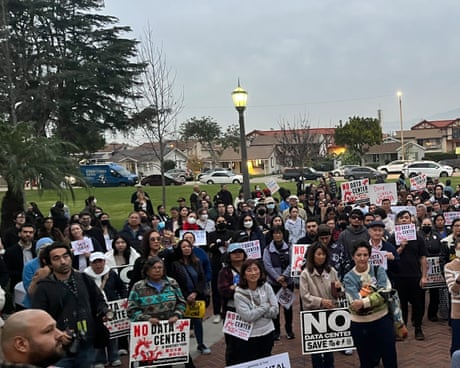
In first, California city overwhelmingly votes to permanently ban datacenters

While many US city councils have passed moratoriums, Monterey Park is first where residents have voted on a ban

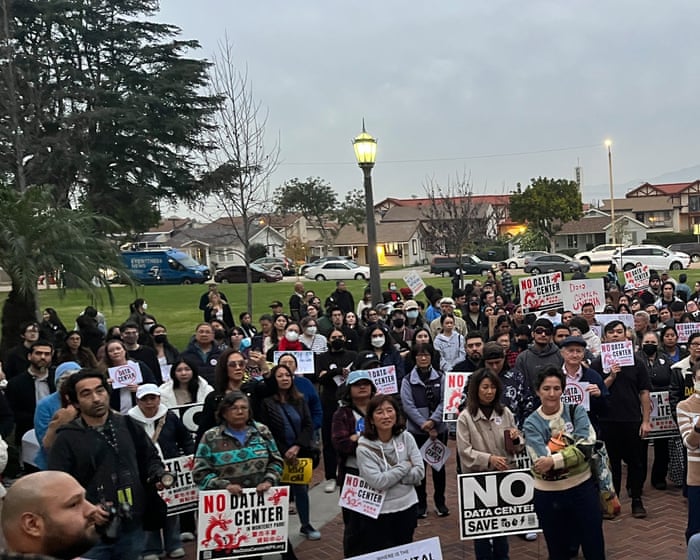
Residents in Monterey Park, California, became the first in the US to vote on a permanent ban on datacenters on Tuesday, and early results indicate a resounding victory for the prohibition.

While many cities and counties have already passed temporary or indefinite moratoriums via their local governments, Monterey Park would be the first to do so through a ballot initiative.

Continue reading...
© Photograph: Steven Kung
© Photograph: Steven Kung
© Photograph: Steven Kung

  •  

In first, California city overwhelmingly votes to permanently ban datacenters

While many US city councils have passed moratoriums, Monterey Park is first where residents have voted on a ban

Residents in Monterey Park, California, became the first in the US to vote on a permanent ban on datacenters on Tuesday, and early results indicate a resounding victory for the prohibition.

While many cities and counties have already passed temporary or indefinite moratoriums via their local governments, Monterey Park would be the first to do so through a ballot initiative.

Continue reading...

© Photograph: Steven Kung

© Photograph: Steven Kung

© Photograph: Steven Kung

  •  

Colorado governor vetoes block on surveillance pricing as other states push for bans

Consumer advocates decry Democrat Jared Polis for ‘choosing to side with dominant corporations’ over workers

Colorado’s governor vetoed a bill on Tuesday that would have banned companies from using surveillance pricing to set workers’ wages and prices for consumer goods.

The measure would have been the strongest in the nation against algorithmic pricing. While Maryland became the first state to approve a law banning surveillance pricing in grocery stores in April, Colorado’s proposed measure was more expansive.

Continue reading...

© Photograph: Bloomberg/Getty Images

© Photograph: Bloomberg/Getty Images

© Photograph: Bloomberg/Getty Images

  •  

Trump signs executive order seeking early access to new AI releases

Under new rules, tech companies will be asked to share AI models with government for review before public release

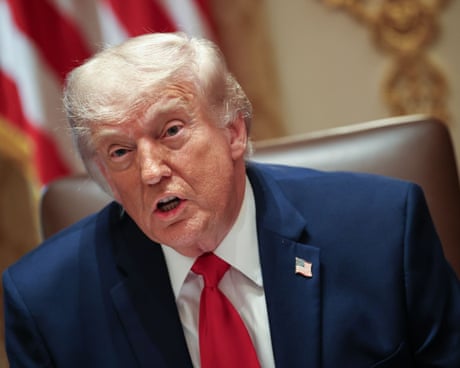
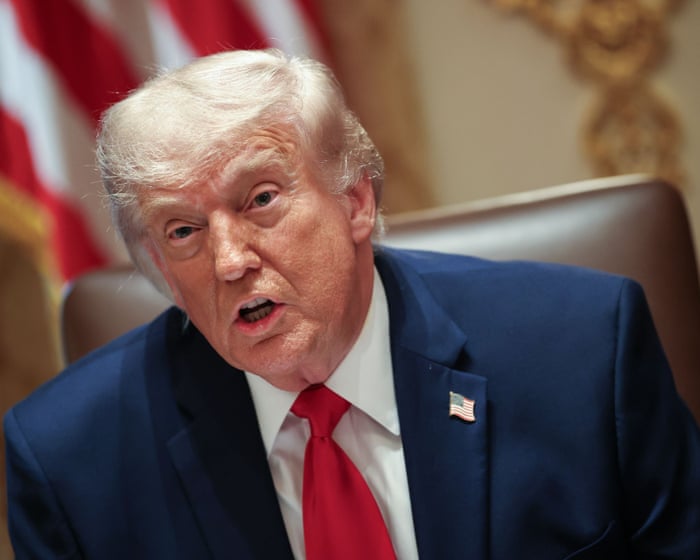
Donald Trump signed an executive order to create a voluntary framework for the federal government to vet powerful new AI models before they are released. Tuesday’s highly anticipated order represents an attempt by the president to tighten his grip on cybersecurity and national security threats posed by AI, tacking against his earlier deregulatory stance. But the voluntary nature of the framework shows that, while Trump has toed a more cautious line on AI than when he first took office last year, he is still reluctant to impose regulations on the tech industry.

Under the new guidelines, tech companies would be asked to share their AI models with the government for a voluntary review, up to 30 days before a public release. The Trump administration says doing so will allow them to improve national security, particularly with regards to cybersecurity.

Continue reading...

© Photograph: Samuel Corum/Pool/Samuel Corum - Pool/CNP/Shutterstock

© Photograph: Samuel Corum/Pool/Samuel Corum - Pool/CNP/Shutterstock

© Photograph: Samuel Corum/Pool/Samuel Corum - Pool/CNP/Shutterstock

  •  

Hackers trick Meta AI support bot to infiltrate Obama White House Instagram account

Breach of high-profile accounts raises concerns about reliance on AI for security measures such as passwords

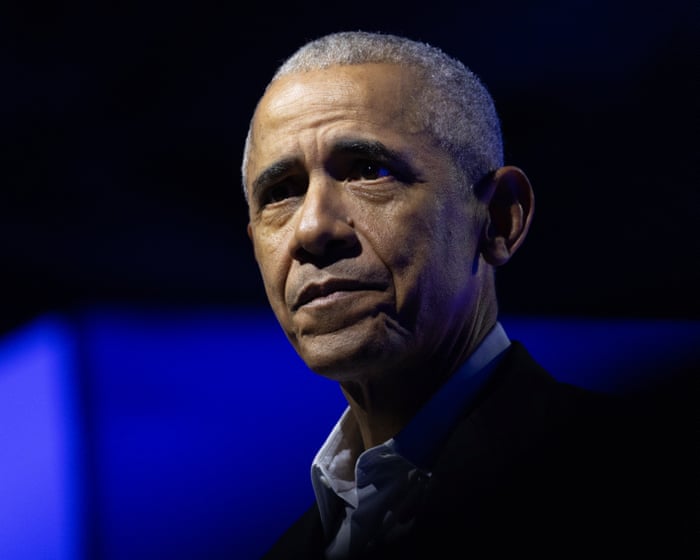
Hackers used Meta’s AI-powered support chatbot to infiltrate high-profile Instagram accounts, the company has confirmed, saying it resolved the problem after researchers exposed it.

The targets ranged from Barack Obama’s White House account to the beauty retailer Sephora and the US Space Force chief master sergeant, John Bentivegna, according to reporting from 404 Media. Everyday users complained of similar hijackings on Reddit and X over the weekend.

Continue reading...

© Photograph: Scott Olson/Getty Images

© Photograph: Scott Olson/Getty Images

© Photograph: Scott Olson/Getty Images

  •  

Anthropic’s alliance with pope on AI harms: all in good faith or ‘Vatican-washing?’

Experts say AI firm’s engagement with Vatican risks creating ‘feelgood’ discourse that lacks critical examination

Why did Anthropic’s founder sit beside the pope during a warning about AI?

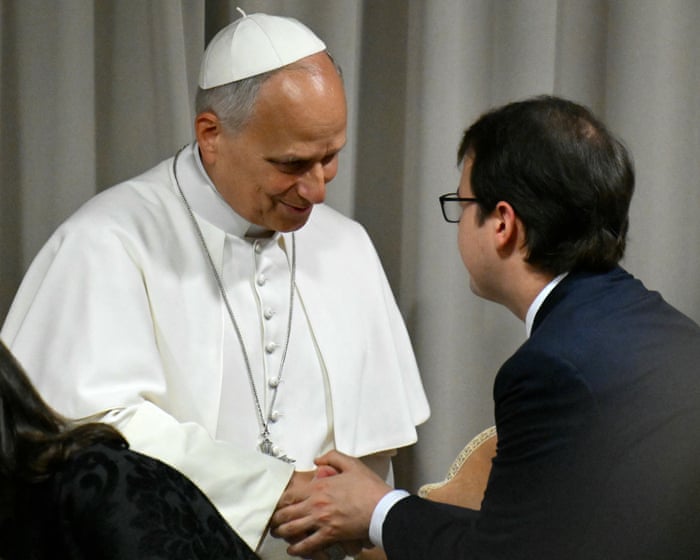
In the first major written teaching of his papacy, Pope Leo XIV took artificial intelligence to task. The pontiff delineated the technology’s most concerning threats to humanity: replacing workers, accelerating war and exploiting the environment. At a ceremony honoring the holy teaching the day of its release at the Vatican, the pope was flanked by an unusual guest speaker: Anthropic co-founder Chris Olah, one of the people behind the AI boom so worrying Leo.

Continue reading...

© Photograph: Alberto Pizzoli/AFP/Getty Images

© Photograph: Alberto Pizzoli/AFP/Getty Images

© Photograph: Alberto Pizzoli/AFP/Getty Images

  •  

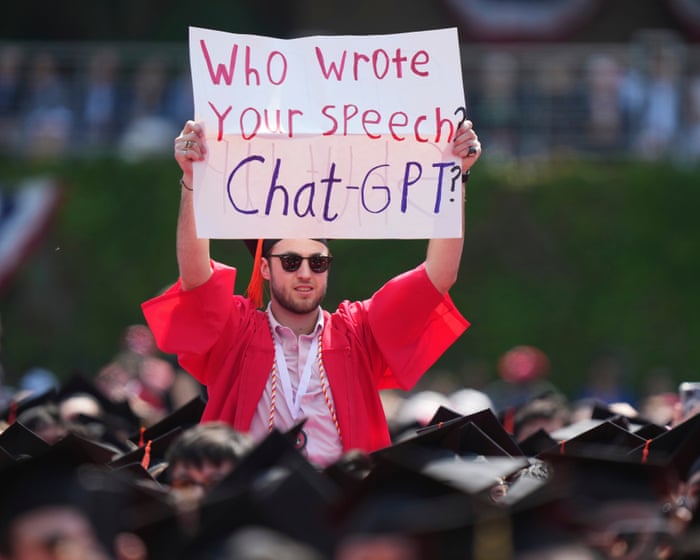
US students on why they booed their pro-AI graduation speakers: ‘They’re not reading the room’

Recent college grads are not very fond of commencement speakers hyping up a technology they see as a threat to their career prospects

When Jacob Pagel graduated from Middle Tennessee State University this spring, predictions about artificial intelligence already had him questioning the value of his degree. Then a music executive started preaching about AI’s transformative power during a commencement speech.

“This industry will change on you in a heartbeat. It has already changed more in the last 10 years than in the 50 years prior … AI is rewriting production as we sit here,” said Scott Borchetta, CEO of the record label Big Machine. After a few stray boos from graduates, he doubled down: “Deal with it.”

Continue reading...

© Photograph: Steven Senne/AP

© Photograph: Steven Senne/AP

© Photograph: Steven Senne/AP

  •  
❌