How rice coordinates signals to partner with beneficial soil fungi
Women surveyed about their treatment for hyperemesis gravidarum, a severe form of nausea and vomiting during pregnancy, reported delayed or missed diagnoses, inadequate clinician knowledge of treatment guidelines, denied or discontinued medicines, and structural barriers restricting access to appropriate care. The qualitative study of 189 women, published in the Journal of Pharmacy Practice and Research, found that these experiences accompanied enduring emotional and psychological effects, including anxiety and post-traumatic stress syndrome. Associate Professor Luke Grzeskowiak, who led the research team at Flinders University, said the condition affects almost 4% of pregnancies.
The survey identified several issues affecting how hyperemesis gravidarum is recognised and treated. Participants described clinicians who lacked suitable training to diagnose the condition and who were either unaware of clinical management guidelines or did not follow them. Some women said they were not diagnosed with hyperemesis gravidarum when they should have been, while others reported receiving a diagnosis only late in the course of their illness. Other participants said health professionals denied prescribing or dispensing medications. The researchers also identified educational and financial status as possible influences on treatment outcomes, together with systemic barriers within Australia’s healthcare system.
Misinformation about medicine safety further disrupted care for some participants. Some women said they stopped taking medication after reading reported safety concerns that the researchers said were not aligned with current research and management guidelines. Participants also described poor management of medication side effects, including constipation and mood disorders. Current treatment focuses on supportive care and on medicines, including antiemetics, that address nausea and vomiting. Nevertheless, women reported that their symptoms were often not taken seriously and that clinicians in several professions commonly lacked appropriate education and training to recognise and manage hyperemesis gravidarum.
The study documented emotional and psychological effects during and after the illness. Participants cited impaired quality of life, anxiety and post-traumatic stress syndrome. The researchers said some women reported that hyperemesis gravidarum influenced their decision to terminate an otherwise wanted pregnancy, while others said the trauma of a previous episode left them afraid to consider another pregnancy. Collectively, the researchers proposed improving experiences and outcomes through better education for health practitioners, greater public awareness, clearer clinical practice guidelines, expanded outpatient care, investment in specialist hyperemesis gravidarum clinics and services, changes to the Pharmaceutical Benefits Scheme, and strategies to improve medicine availability and affordability. Because the research was a qualitative survey based on reported experiences and perceptions, it does not quantify how frequently these barriers occur among all pregnancies affected by the condition.
Subject of Research: Women’s experiences of pharmacological care for hyperemesis gravidarum
Article Title: Greater access to help needed for women with nausea during pregnancy
Article References: Greater access to help needed for women with nausea during pregnancy. Original publication (Bibliographic details unavailable.)
Image Credits: AI Generated
DOI: Not provided
Keywords: hyperemesis gravidarum, pregnancy, nausea and vomiting, antiemetic medicines, qualitative survey, clinical guidelines, healthcare access, medication safety, mental health, Greater, access, help
On a frigid February morning in Edinburgh, Scotland, Patrick Hickey had run out of living things to put under his microscope. The plants and fungi in his garden had dried up, and summer puddles, with their flamboyant biological complexity, had long frozen over. Hickey, a mycologist at Hypha Research Ltd., was using plant leaves to study mitochondria, cellular organelles that generate energy.


Honeybees pack tens of thousands of nestmates into a small space, a setup that should invite disease.
The post Honeybee Hives are Living Immune Systems, Scientists Say appeared first on Sci.News: Breaking Science News.
At least in fruit flies
The post How Hunger Can Trigger Alcohol Cravings appeared first on Nautilus.


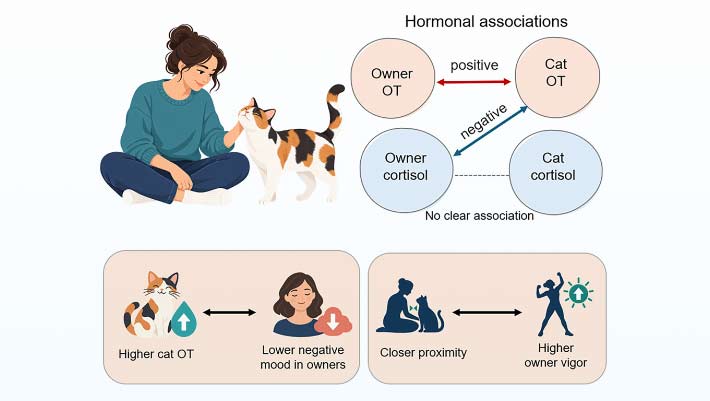
The ‘love hormone’ oxytocin may rise and fall in tandem in cats and the people who live with them, according to a new study published in the journal iScience.
The post Cat Hormones and Owner Moods Appear to Move Together: Study appeared first on Sci.News: Breaking Science News.
Two new studies follow ocean ingredients into plume ice and test methane production in a laboratory seafloor analogue. Both refine how scientists could search for life.
The post Enceladus May Sort Ocean Chemicals Before They Reach Space appeared first on Curiosmos.
In hot weather, trees “sweat” to cool down by releasing water from their leaves or needles and then replacing it with water from the soil. But during long periods of high temperatures, trees may release more water than they can replace. To strengthen forests against heat stress and other environmental hazards, scientists have suggested adding fungi to the soil.
Soil fungi living on tree roots are called ectomycorrhizal fungi. They help trees absorb water by expanding their root networks, and trees help the fungi by providing them with sugars for energy. This beneficial partnership is known as symbiosis. Scientists at Fujian Agriculture and Forestry University in China tested whether symbiosis with ectomycorrhizal fungi could help the pine trees Pinus massoniana survive warmer temperatures.
For their experiment, the researchers grew pine seedlings with and without ectomycorrhizal fungi in a greenhouse under different temperature conditions. First, they grew fungi called Cenococcum geophilum for 45 days on a gel-like substance called agar. At the same time, they grew the pine seedlings for 30 days, then transferred them into pots with natural soil.
After 15 days in the pots, the researchers spread the gel-like agar containing the fungi over small 1 x 1 centimeter (cm) areas of the pine root tips to introduce the fungi to the seedlings, a process called inoculation. They assumed that the fungal network would expand from the starting area to colonize new root tips as the seedlings grew. The team’s inoculations included 6 different C. geophilum strains and 1 fungi-free control. To simulate heat stress, the researchers replicated each of the 7 inoculations at 25°C (77°F) and 35°C (95°F). They repeated each inoculation condition in 3 pots with 3 seedlings, for a total of 126 seedlings.
After 60 days, the researchers harvested the pine seedlings and used a microscope to count how many of their root tips had fungi. They divided the number of root tips with fungi by the total number of root tips to calculate a colonization rate. They considered seedlings with a colonization rate of 80% or higher to have successfully formed a symbiotic relationship with the fungi. Then, the researchers analyzed seedlings with an 80% colonization rate to investigate their symbiotic partnerships.
The team observed that pine seedlings grown under heat stress at 35°C were 24% to 59% smaller than those grown at 25°C, and their needles were yellow instead of a healthy green. However, the seedlings that formed a symbiotic relationship with the ectomycorrhizal fungi were greener and 80% heavier than the control seedlings.
Investigating the trees further, the team measured 3 chemical compounds related to plant stress, including malondialdehyde (MDA), proline, and nitric oxide. Plants release MDA when damaged, so high MDA levels mean a plant is struggling. In contrast, plants release proline and nitric oxide to repair cells or hold water, so high amounts of these compounds mean a plant is healing.
To measure MDA and proline levels in the pine needles, the researchers mixed them with different acids that change color depending on the sample’s MDA or proline content. To measure nitric oxide, the researchers mixed the needles with a protein that converts the compound into a chemical that changes color. They found that inoculated seedlings at 35°C had about 30% to 40% less MDA, 15% to 30% more proline, and 150% more nitric oxide in their roots than the control seedlings.
Finally, the researchers measured changes in gene activity in the inoculated pine seedlings. They identified active genes by analyzing RNA molecules from the pine seedling roots with a process called RNA sequencing or transcriptomics. They found that inoculating the seedlings with ectomycorrhizal fungi activated more genes related to root strength, water retention, cell defense, and general plant protection than were activated in the control seedlings.
By combining chemical analyses with growth measurements, the team concluded that a symbiotic partnership with the ectomycorrhizal fungi helped the pine seedlings survive heat stress. They demonstrated that through prolonged heat, inoculated seedlings maintained greener needles and lower levels of stress chemicals. They suggested that ectomycorrhizal fungi could be an ecological tool to help trees stay hydrated in a warming world. They recommended that future researchers conduct field trials with inoculated trees to translate these findings into forest management strategies.
The post Fungi help pine trees survive heat stress appeared first on Sciworthy.

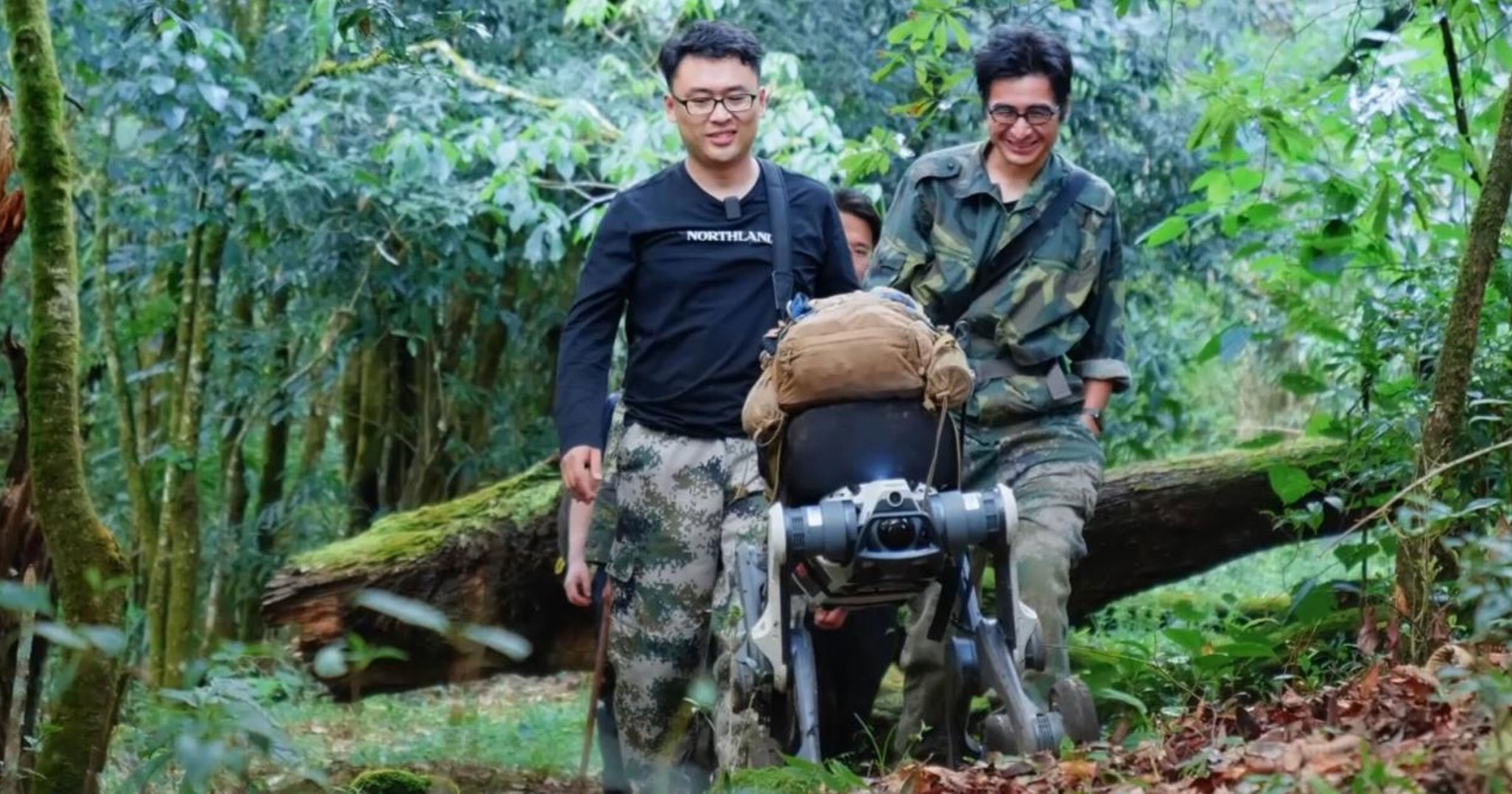
A biodiversity research team journeying into the incredibly diverse subtropical forests of China’s Ailaoshan Mountains took a strange companion with them: a robotic dog.
The robot, a Lynx M20S developed by DEEP Robotics, assisted the team on a trip organized by the China Association for Scientific Expedition, China’s state-run tabloid the Global Times reported. Photos of the expedition show the researchers using the robot like a pack mule to carry field and imaging supplies, though the unit reportedly also assisted with other tasks like route scouting, image recording, and data collection.
At one point, the robot was even used to capture footage of a rare parasitic plant known as Monotropa uniflora, as well as forest gibbons (though, to be fair, these are tasks a human scientist could surely perform just as well.)
Whether the expedition amounts to a practical deployment or a frivolous gimmick probably depends on how you view commercial robots as a whole. Though it can carry a load of about 220 pounds, the battery life on the Lynx M20S lasts just 2.5 to 3.5 hours, likely putting a decent burden on any researchers who have to lug replacement batteries up the Ailaoshan Mountain range or figure out a way to charge them in situ.
At the same time, it makes for a pretty effective product demo. The Ailaoshan Mountain range and its surrounding area are notoriously treacherous, with navigation of ravines and dense primeval forests complicated by extreme outbursts of precipitation. In 2021, a rapid change in weather on the range resulted in the deaths of four experienced geological researchers — an illustrative example of the kinds of conditions one can expect on the Ailaoshan Mountains.
As a device designed for challenging outdoor terrain, the Lynx M20S’s apparently successful participation in this trek seems to validate the company’s engineering efforts.
Elsewhere, DEEP robotics’ robo-hounds have reportedly assisted with underground tunnel excavation, patrolled urban streets during the 2026 FIFA World Cup, and helped firefighters extinguish blazes.
More on robots: Chinese Startup Shows Off Robot Horse You Can Actually Ride
The post Jungle Research Expedition Using Robot Dog Like a Pack Mule appeared first on Futurism.

A 94-year-old electronics mogul is in hot water with Chicago authorities, who claim that his hare-brained plan to feed hungry squirrels is instead sustaining a massive plague of rats.
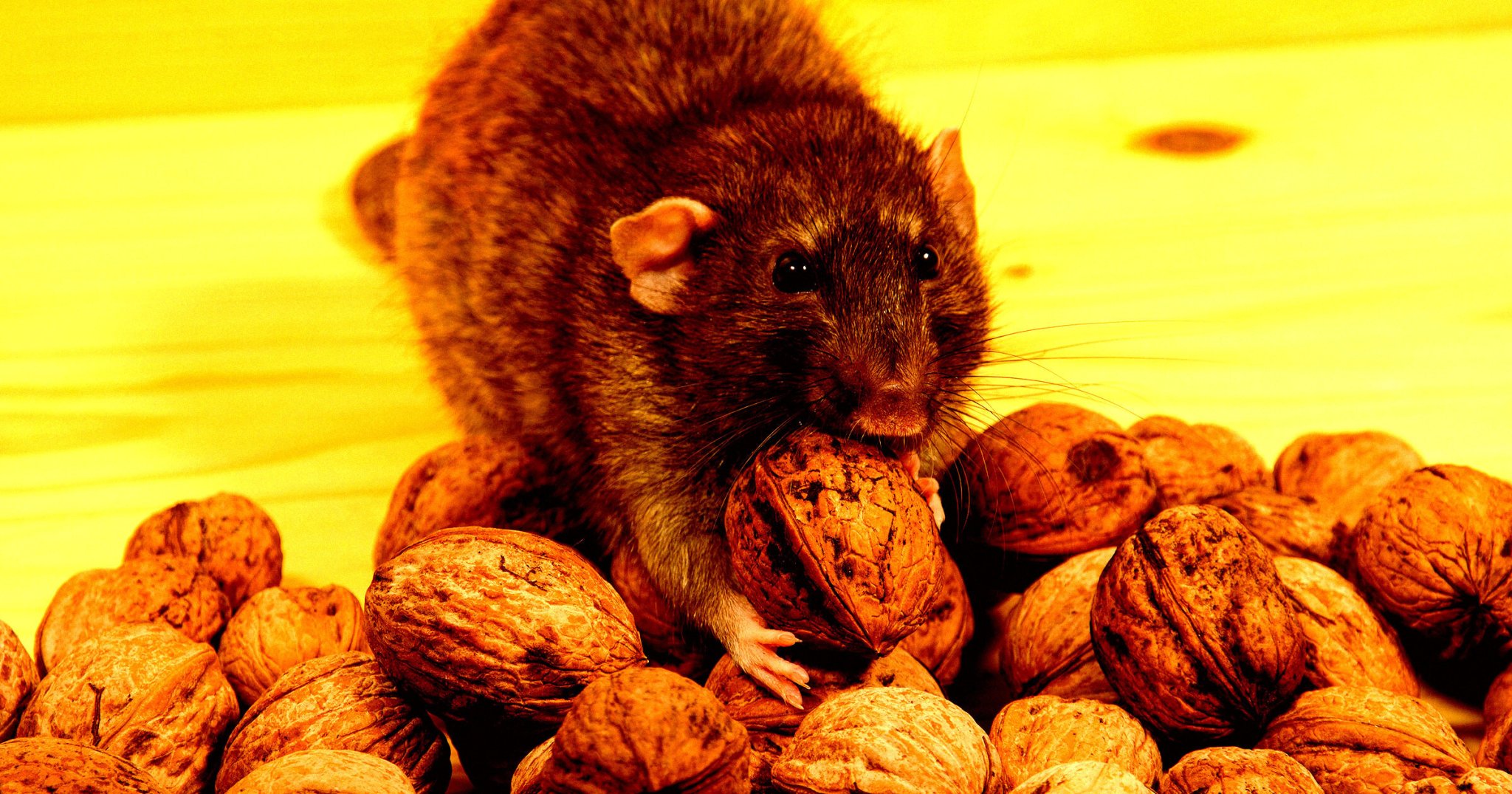
As previous owner of the billion-dollar electrical manufacturing company Tripp Lite, businessman Barre Seid has been putting his largess to use by paying a small army of workers to sprinkle an assortment of tree nuts across Chicago-area parks, Fortune reports.
As local resident Caroline Novak told Chicago WGN, it’s “like a luxury mélange of really nice nuts: I’m talking Brazil nuts and walnuts… these are not acorns.”
Though Seid’s target audience seems to be local squirrels, residents and city officials note that rats have quickly grown to depend on the regular feedings. As Novak’s husband told WGN, he counted over 40 rats digging holes near nut piles during a recent walk through Lincoln Park.
The bizarre operation has evidently been underway for years at this point, earning the billionaire heaps of civil violations carrying relatively small fines. Wealthy as he is, Seid has reportedly had no problem paying those fees and carrying on — the law forbids rich and poor alike to sleep under bridges, as the old saying goes.
“When you’re a billionaire and you have a weird hobby and someone tries to stop you, you have complete impunity,” Novak told Block Club Chicago in a separate interview. “You just triple down because why not? You’ll pay $40,000 in fines. You don’t care.”
Now in 2026, authorities in Chicago are reaching their breaking point. Alderman Timmy Knudsen — whose jurisdiction covers the area of Lincoln Park Seid’s workers are active in — is now pushing the Chicago Park District to sue Seid in order to stop the nuttiness once and for all.
“For years, a billionaire family has carried out a paid operation to feed local wildlife, disrupting our rat abatement efforts and causing an infestation that has made parts of the park unusable for other residents,” Knudsen’s office told Fortune in a statement. “We’re hopeful that raising awareness and drawing attention to the issue will ultimately lead to better behavior and a safer park for our community.”
More on tech billionaires: Billionaires Pouring Money Into Ads About How AI Data Centers Are Actually Good
The post 94 Year-Old Electronics Billionaire Accused of Hiring Goons to Infest Chicago With Huge Rat Swarm appeared first on Futurism.

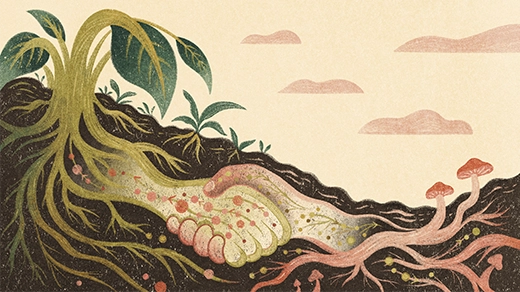
People may think of soil as just dirt, but it is anything but inert. Beneath your feet, a vast network of mycorrhizal fungi is hard at work, trading minerals with plant roots. This trading system helps enrich the soil, and it sequesters 13 billion tons of atmospheric carbon dioxide each year — roughly equivalent to one-third of the world’s fossil-fuel emissions. Scientists know that these fungi…