Some 1,900 years ago, a man named Thrasymedes gave a thin sheet of gold to a god who was neither Greek nor Roman. The deity came from the borderlands of what is now southeastern Turkey. The offering was left inside a Roman army fort on the eastern shore of the Black Sea, in modern Georgia, […]
The church is Santa Eulalia de Esperante, known in Galician as Santalla de Esperante. It stands in a hamlet a few kilometres southwest of Lugo. Until now, historians saw a simple rural church from the high Middle Ages, with one nave, a square east end and a smooth 18th-century front topped by a bell gable […]
A formerly inexplicable Roman sarcophagus discovered at England’s Westminster Abbey over 150 years ago is likely a rare example of medieval funerary recycling. Although archaeologists stopped short of definitively identifying who was buried inside, the team confidently narrowed down their candidates to a pair of high-ranking Benedictine monks.
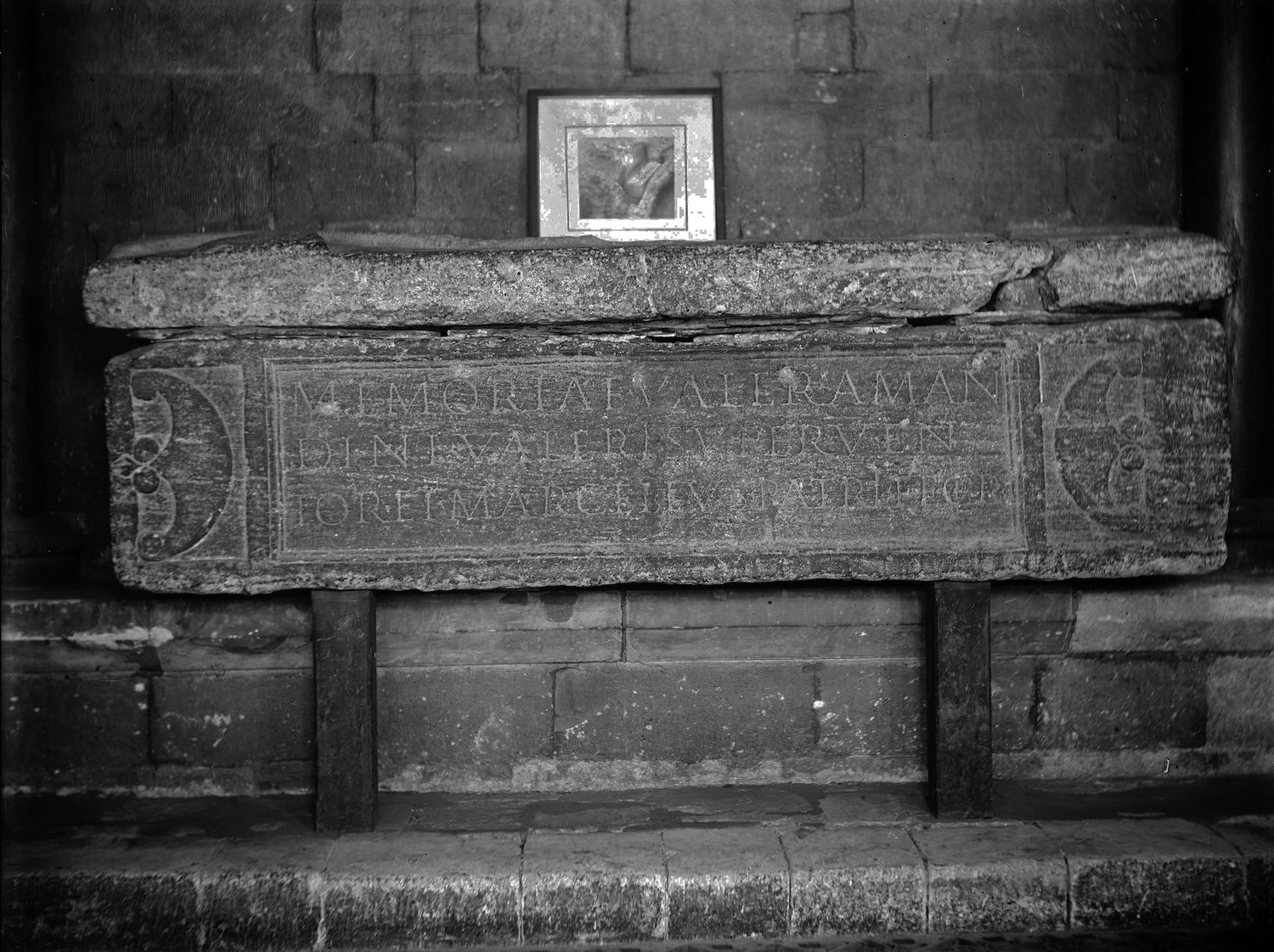
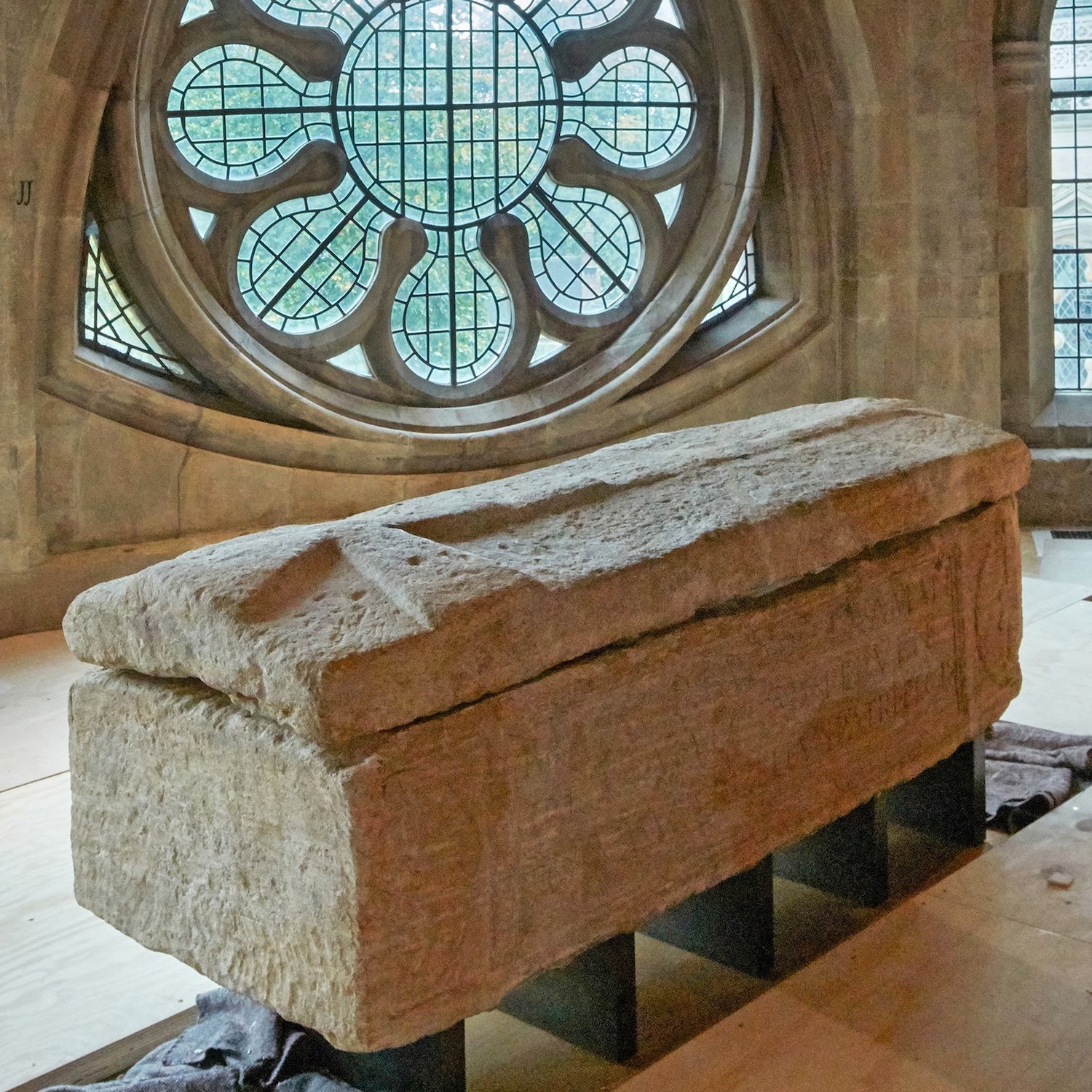
The mysterious limestone tomb was originally crafted during the 4th century CE, when the Roman empire’s jurisdiction still extended as far away as Britain. By the mid-13th century, King Henry III constructed a Benedictine sacristy above the sarcophagus, and it remained undisturbed for nearly 600 years. In 1820, workers accidentally cracked its lid into six pieces after unintentionally exposing the tomb. It would take until 1869 for archaeologists to finally repair the damage, as well as discover its confounding origins.
The coffin features an inscription to Valerius Amandinus, who died during the 4th century CE. Credit: Dean & Chapter of Westminster
The Roman sarcophagus has baffled researchers ever since. The limestone enclosure featured an inscription to Valerius Amandinus, a rich local who lived nearby sometime between 300 and 400 CE. But the sarcophagus lid clearly displayed a much more recent, medieval Latin cross. The cross implied the sarcophagus possibly housed someone other than Amandinus, but who?
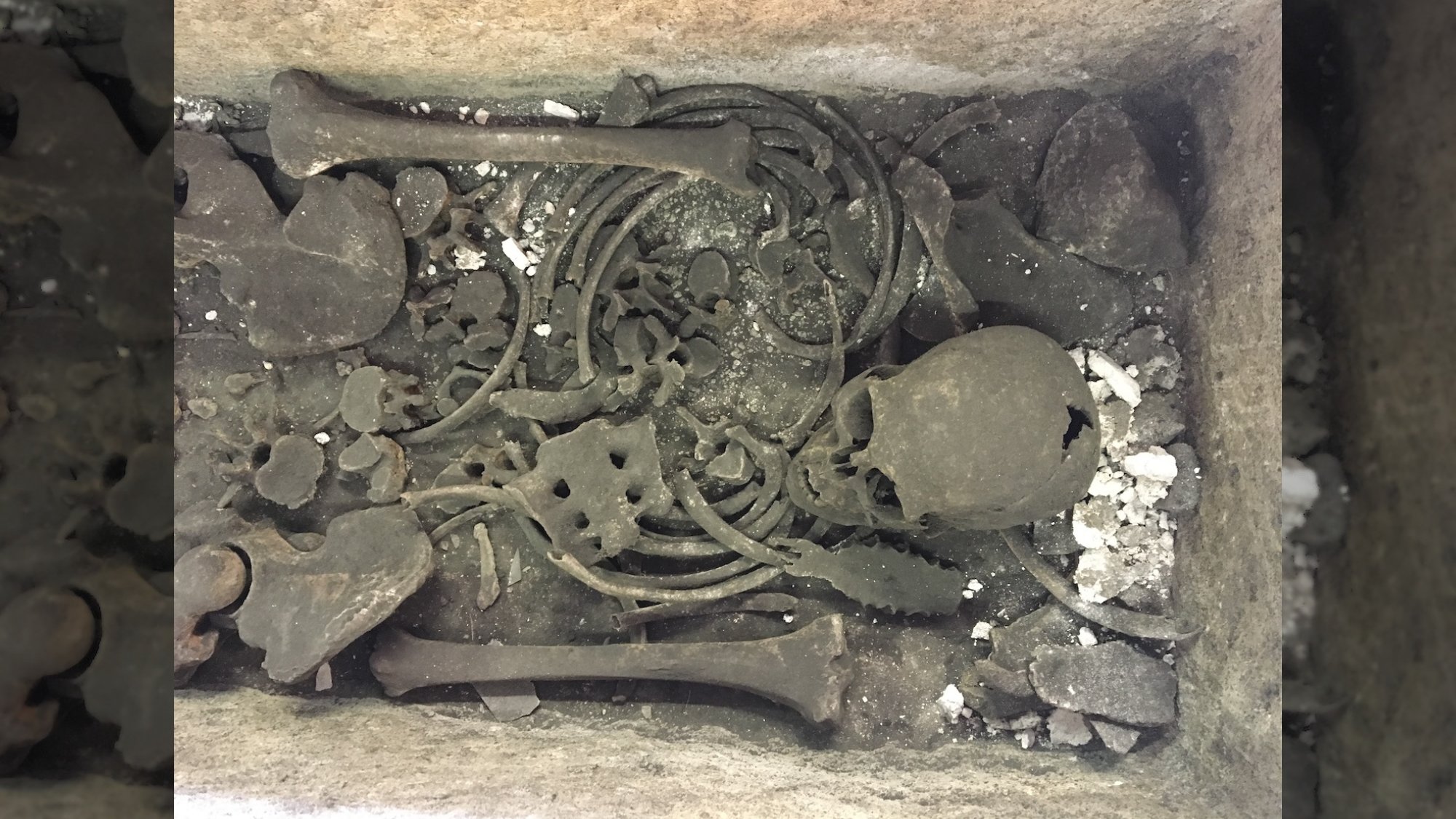
Extensive stonework analysis and skeletal carbon dating finally point towards two probable suspects. The first possibility is the Westminster Abbot Aelfwig, who died around 1020. The second is his successor, Wulnoth, who died in 1049. Further skeletal examinations indicate the man was 35 to 49 years old and around 5-foot 9-inches tall when he died. Interestingly, this contradicts the initial 19th century theory of a slightly shorter, “robust young man” less than 30 years old.
The full sarcophagus on display at Westminster Abbey. Credit: Dean & Chapter of Westminster
“We do not know the date of birth of either. But either would fit equally well if we assume the Abbot was in his early twenties when the appointment was made and close to fifty when he died,” explained Rodwell.
If Rodwell had to pick between the two, he may lean towards Aelfwig, since he was already a Westminster monk during that era.
The monk’s associates likely first placed him in a timber coffin that they lowered into the sarcophagus. Next, they sealed it with a re-carved cover displaying the Latin cross. But regardless of who resided in the tomb, its reuse wasn’t considered a slight. Instead, its original craftsmanship was intended to honor the deceased monk. It’s unlikely the mourning monks gave much thought to anyone else’s opinion on burial recycling, especially those living nearly 1,000 years after their respected Abbot’s passing.

 Login