
 Login

‘I’m always being real’: what on earth persuades disgraced people like Elizabeth Holmes to let the cameras in?
With You Can See Everything, Holmes joins other such high-profile subjects as Lance Armstrong, Imelda Marcos and Anthony Weiner to allow film-makers to document their lives. But do they ever come out well?
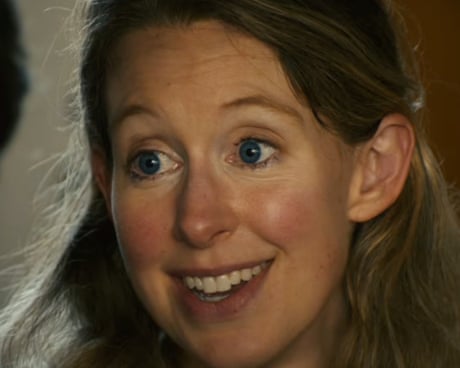
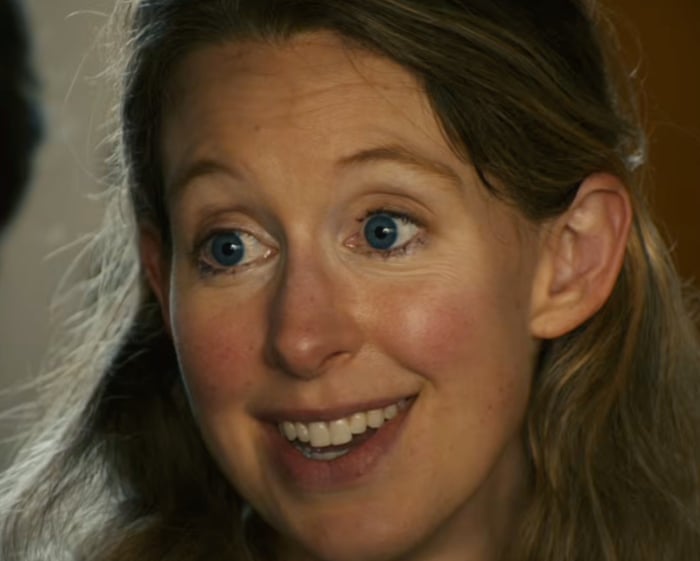
In You Can See Everything, convicted fraudster Elizabeth Holmes invites film-makers Nathan Fielder and Lance Oppenheim into her home in a supposed act of “radical transparency”. Holmes is filmed, along with her partner, Billy Evans, and their two young children, in the weeks before starting a prison sentence for defrauding Theranos investors. “The best way for people to see who she is,” Evans says, “is to give as much access as possible into our daily lives”. It may also be the best way to market “Theranos 2.0”, which the couple are working on during filming. But the documentary questions whether Holmes is presenting her authentic self or a manufactured persona. Fielder speaks for the audience when he asks Holmes in a tense exchange whether she’s “being real” with him. “I’m always being real,” she says.
That question of authenticity is at the heart of documentary film-making. You Can See Everything is as much about the ambiguous relationship between film-maker and subject as it is about Holmes herself. There is often a power struggle over narrative control in documentaries, with both sides of the dynamic wanting different outcomes from the final film. Watching You Can See Everything inevitably prompts the question: why would Holmes, days before she heads to jail, invite the scrutiny of a film crew?
Continue reading...
© Photograph: Courtesy of A24
© Photograph: Courtesy of A24
© Photograph: Courtesy of A24
