Login

Roman child’s grave contains coin to pay afterlife entry fee
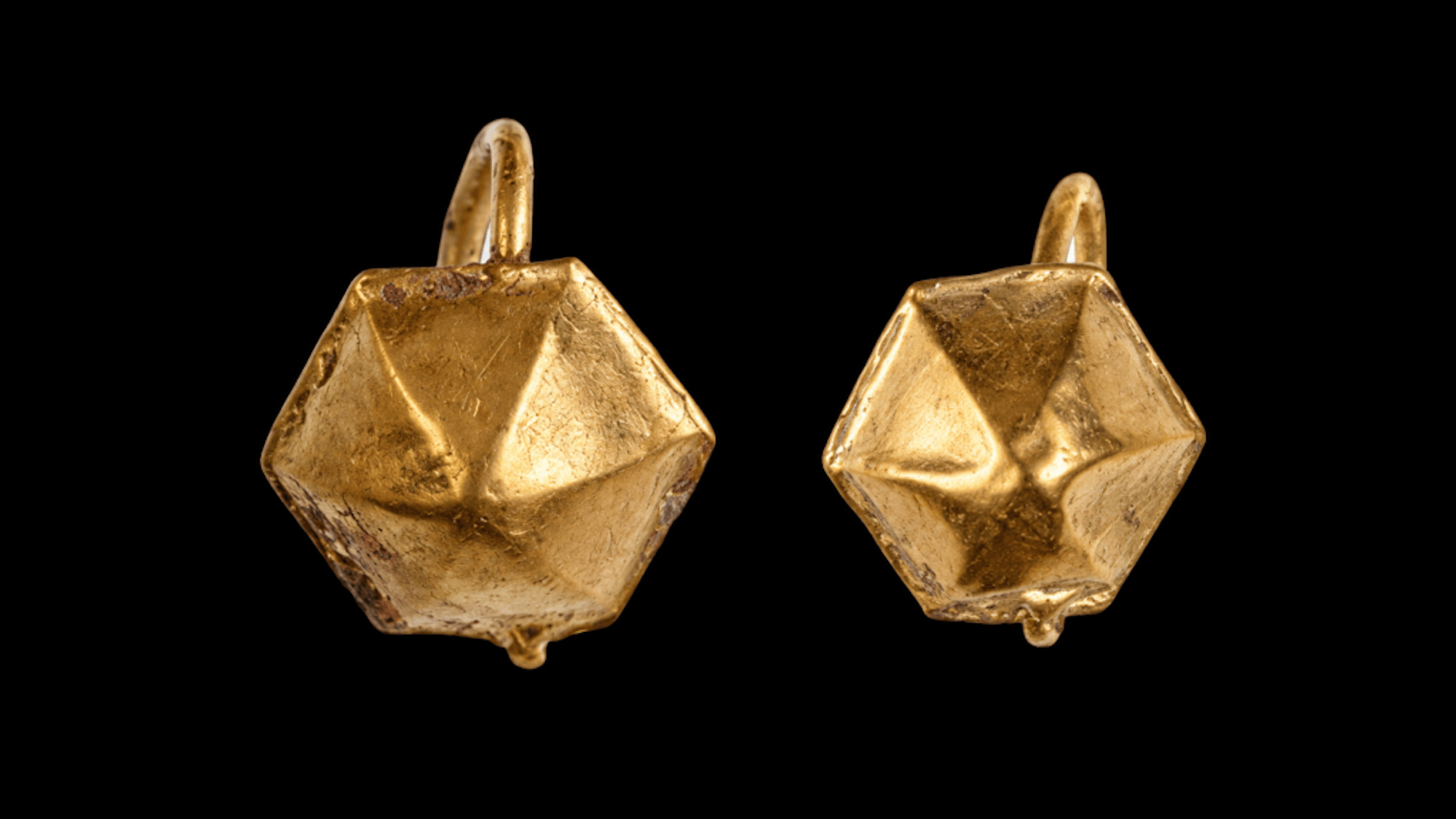
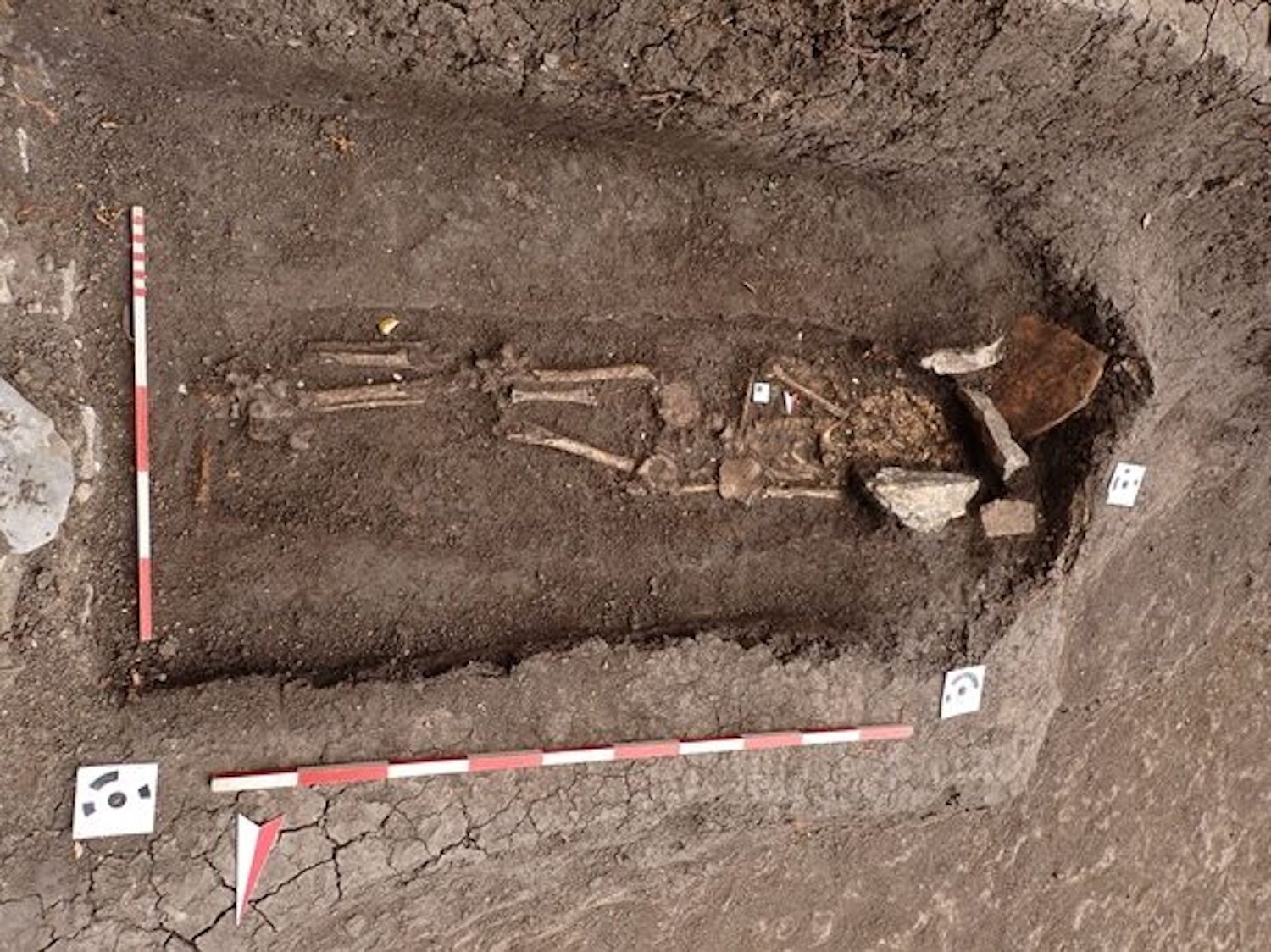
Not far from the Black Sea, a child’s grave uncovered in present-day Bulgaria has provided archaeologists a somber look at Roman funerary practices. Flagged in the city of Stara Zagora during a site survey for a new apartment complex and parking garage project, the burial contained stunningly preserved gold earrings as well as a single, small coin known as an antoninianus. But while the currency’s age is traceable to within a year of its minting, the bronze piece may also represent a grieving family’s hopes for their child’s safe passage into the afterlife.
The Roman empire at its height included over 1.9 million square miles of territory, including much of central Europe and central Asia. Rome annexed the region of Thrace in 46 CE, and eventually renamed the city of Stara Zagora as Ulpia Augusta Traiana in honor of Emperor Trajan (98 to 117 CE). Augusta Traiana quickly grew into one of Thrace’s most prominent urban hubs, becoming so prosperous that Rome ultimately granted permission to build its own coin mint during the second and third centuries CE.
Over 1,750 years later, Augusta Traiana’s remnants exist underneath a city once again known as Stara Zagora. Ruins of the Roman empire are regularly unearthed through the town, including the recent discovery of a large cemetery used for nearly three centuries outside Augusta Traiana’s original walls. Among the 135 graves, researchers identified a child buried with a pair of gold earrings and one of Thrace’s bronze coins. Although details about the young individual’s death and identity remain unclear, the coin clearly dates to either 274 or 275 CE. Archaeologists assume the child likely died either around that time period, or soon after.
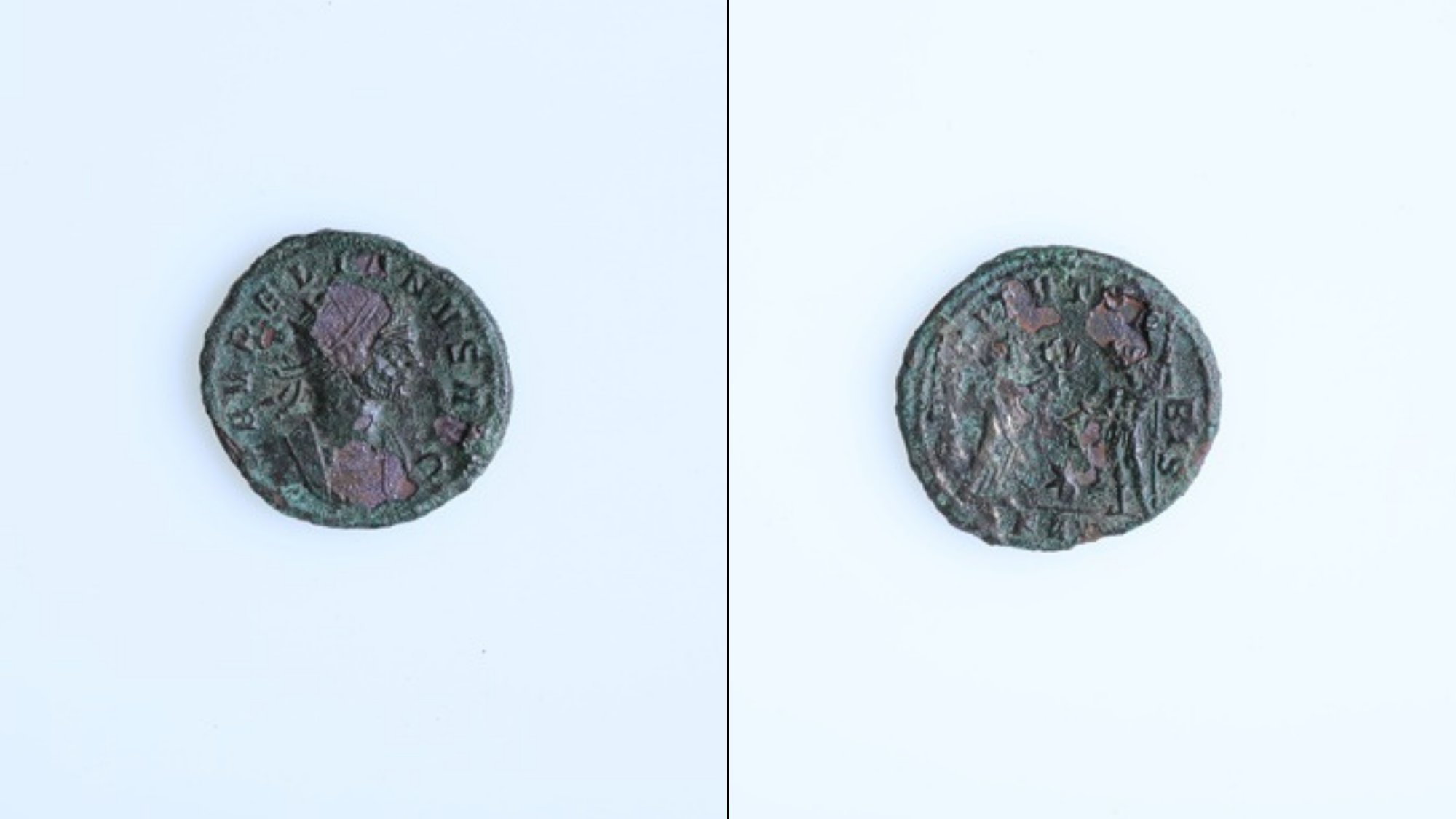
While researchers may never learn the precise circumstances of the burial, ancient Greek and Roman funerary beliefs suggest the coin served a specific purpose. It’s possible the child’s family intentionally placed the currency with the deceased as payment to Charon, the ferryman who brought souls to the afterlife. Knowing this, it may be that grieving relatives hoped to impart one final gift to their loved one.
The post Roman child’s grave contains coin to pay afterlife entry fee appeared first on Popular Science.