❌

Reading view

Scientist tattoos himself with disappearing ink

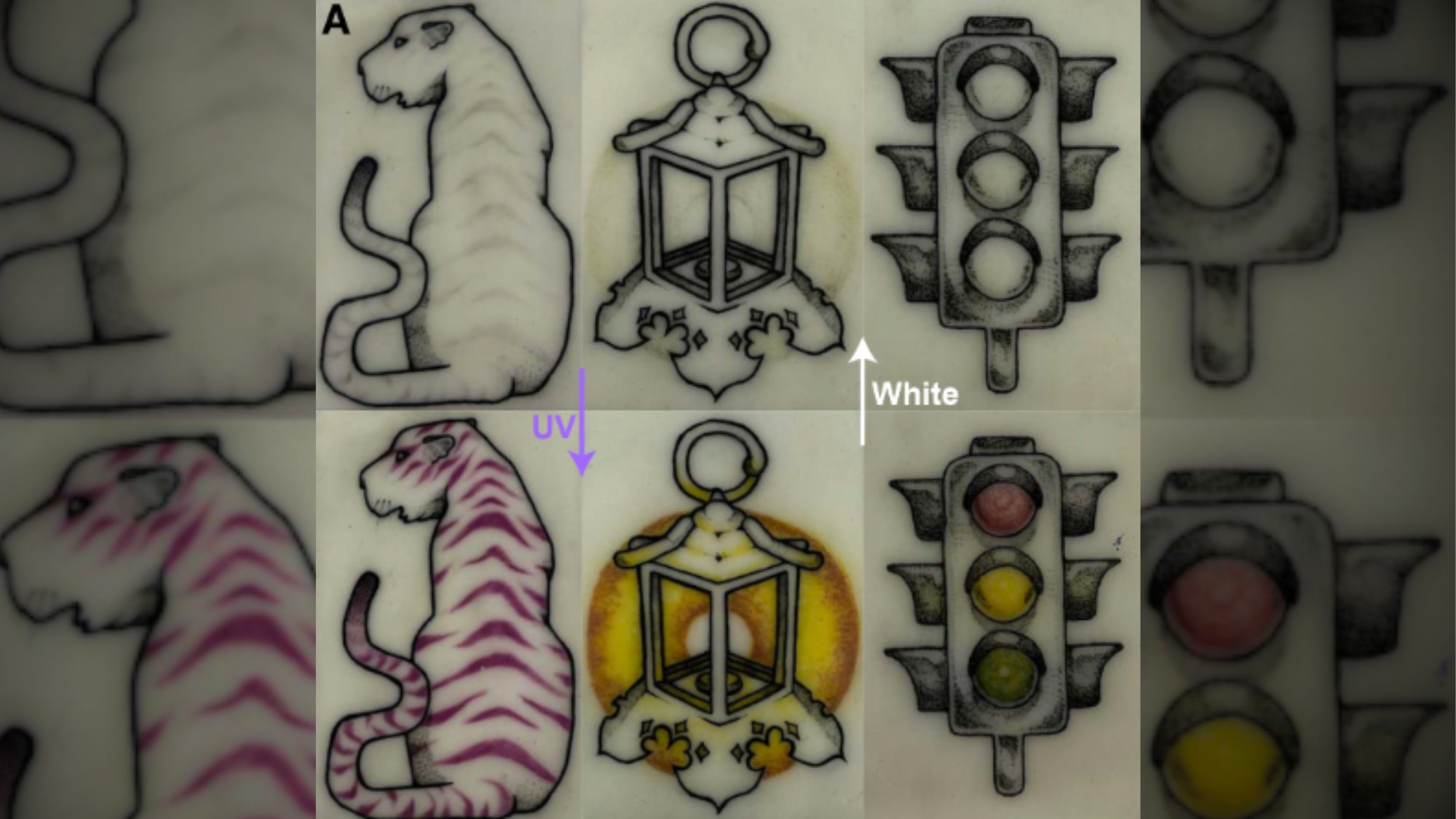
Tattoos are pretty permanent decisions, and laser removal is often described as more painful than actually getting them in the first place. But what about a design that can only be seen when you want to see it? Engineers at the University of Colorado Boulder are working on a new type of tattoo ink to answer that question. Their dye is specifically concocted to physically alter depending on exposure to visible or ultraviolet (UV) light.

The team described their invention in a study published earlier this month in the journal Matter & Light, and they didn’t only demonstrate the capabilities in the lab on silicone and pig skin. One of its creators, Carson Bruns, has already tattooed himself with the ink.

“[It’s] almost a tradition,” the study co-author recently told Nature.

Bruns, a nanoscientist at UC Boulder, previously developed a now-commercialized tattoo product called “Magic Ink” that turns magenta depending on its exposure to UV light. To highlight its efficacy, Bruns gave himself “solar freckles” as a method to track his exposure to sunlight. In similar fashion, he recently completed a similar session on his leg using the disappearing ink.

The formula currently comes in three colors—yellow, blue, and magenta—and essentially relies on the same principles behind transition lenses and some textiles. Each dye is composed of tiny spheres of acrylic glass. These beads contain photochromes, which are chemical compounds engineered to absorb specific light wavelength photons. In this case, the photochomic dye’s spheres begin in their original color, but then flatten into transparency after absorbing corresponding light photons exposed to UV rays. The dye remains this way until it absorbs visible light photons, which destroys the chemical bond and allows the spheres to return to their original shape.

Aside from the lab tests, Bruns tattooed his own leg over about 12 months using various dye combinations, all of which responded as intended to UV and visible light exposure. The ink also remained effective for over two years—but the team’s intention is go beyond a nifty parlor trick. Future ink iterations may be particularly useful in medical procedures, such as temporary markings to help maintain accuracy during direct radiotherapy sessions. For now, however, the photochromic tattoo dyes remain for laboratory (and Bruns’) use only until further safety assessments are completed.

The post Scientist tattoos himself with disappearing ink appeared first on Popular Science.
  •  

This snake cartwheels to escape danger

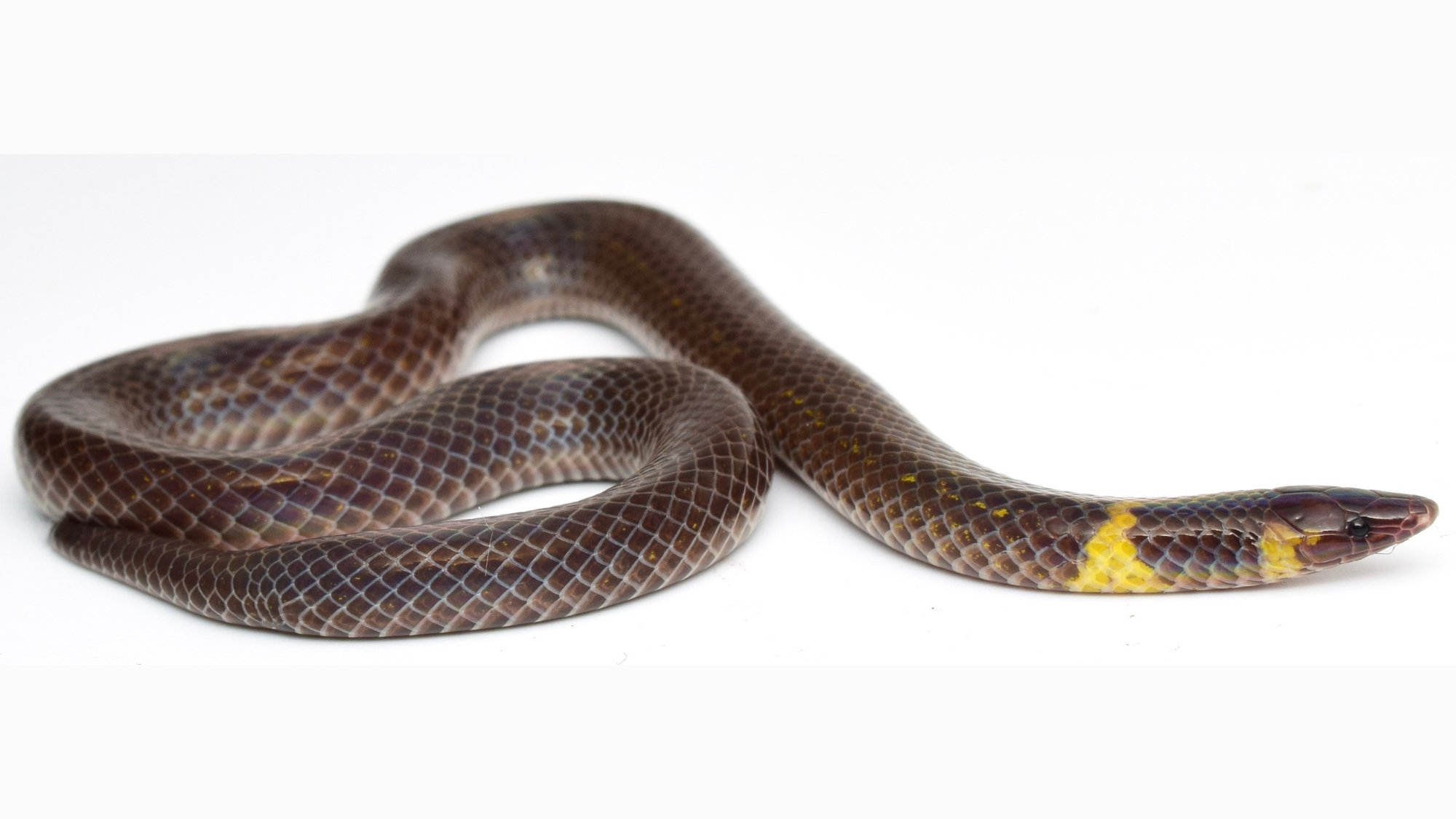
Snakes will bite, rattle their tails, and even spit venom to escape danger. But of all the world’s species, southeast Asia’s dwarf reed snake (Pseudorabdion longiceps) relies on an especially fascinating escape method. When threatened, the diminutive serpent rolls away like a speeding wheel.

An adult dwarf reed snake typically measures less than 12 inches long, but its unique locomotive maneuvers allow it to retreat as fast one foot per second—about four times faster than it travels by simply slithering on the ground. It’s not a flailing getaway, either. The snake also easily rolls along a straight path while somehow keeping its head both stable and facing forward.

Now, researchers finally have a better understanding of how the dwarf reed snake achieves such dizzying acrobatics. In a study published today in the journal Current Biology, a team at Japan’s Toho University detailed the specific physiology that enables its locomotion after filming the snakes with high-speed cameras. Essentially, the snake doesn’t rotate its entire body in a singular, forward motion—it whips one side of its body forward towards the ground while an arched portion swings down by its head in what the study’s authors call a “stroke.” The snake then alternates between its left and right side coming into contact with the ground for each successive stroke. Essentially, it’s like twirling a rope in a lateral circle while holding one end in your hand—except that end is the snake’s head.

The cumulative efforts bypass the traditional idea of a wheel requiring something like a central axle. Instead, this ingenious, highly controlled movement allows the animal to keep its head and sensory organs upright and facing ahead while traveling at such high speed. This is compounded by the dwarf reed snake directing regions of its body to engage in large, alternating rotations while stabilizing its head.

By gaining better insight into these biological mechanisms, researchers also highlight the difficulty in trying to predict an animal’s capabilities based solely on its physiology. A snake may have primarily evolved to slither—but that doesn’t mean it can’t get creative when necessary.

The post This snake cartwheels to escape danger appeared first on Popular Science.
  •  

Expert ‘bat wranglers’ put GPS trackers on California’s bats

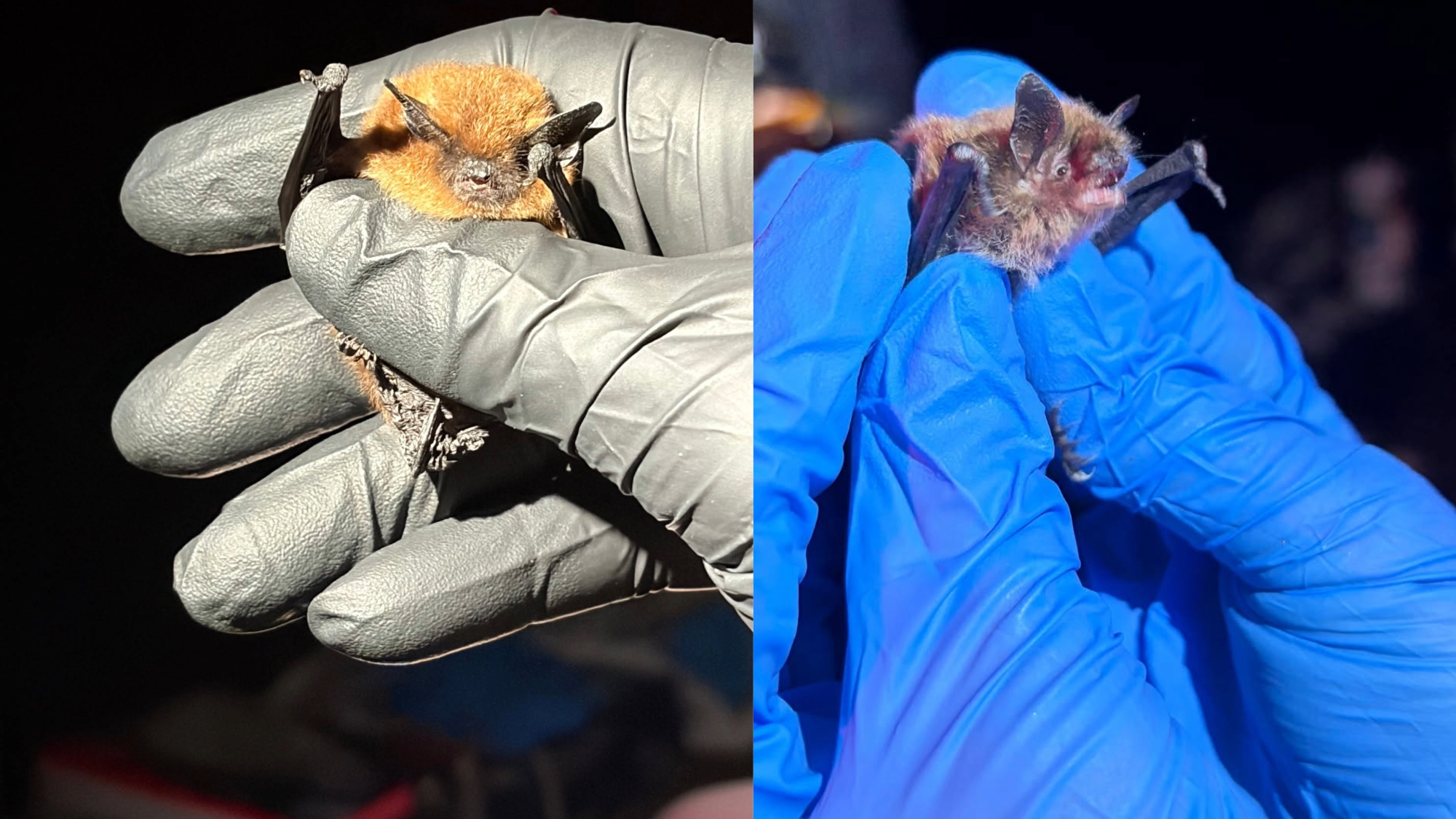
October is officially Bat Appreciation Month. In the spirit of the season and conservation, a team of biologists in California recently spent time finding bats at Muir Woods National Monument and Samuel P. Taylor State Park. And while Halloween is fast approaching, the activity had nothing to do with spooky festivities and everything to do with tracking hoary (Lasiurus cinereus) and western red bats (Lasiurus blossevillii). 

The goal of their survey was to put GPS trackers on bats from the two migratory species. Hoary bats have grey-white fur and are the most widespread bat species in North, Central, and South America. Western red bats, also known as southern red bats, sport a reddish fur and are found in parts of South America. In redwood forests, bats like nesting within holes inside large trees. 

“When they migrate, those little guys can cover a LOT of ground!” the Golden Gate National Recreation Area writes, referencing both species. “By learning about these migratory patterns, we can better understand entire ecosystems like Muir Woods.”

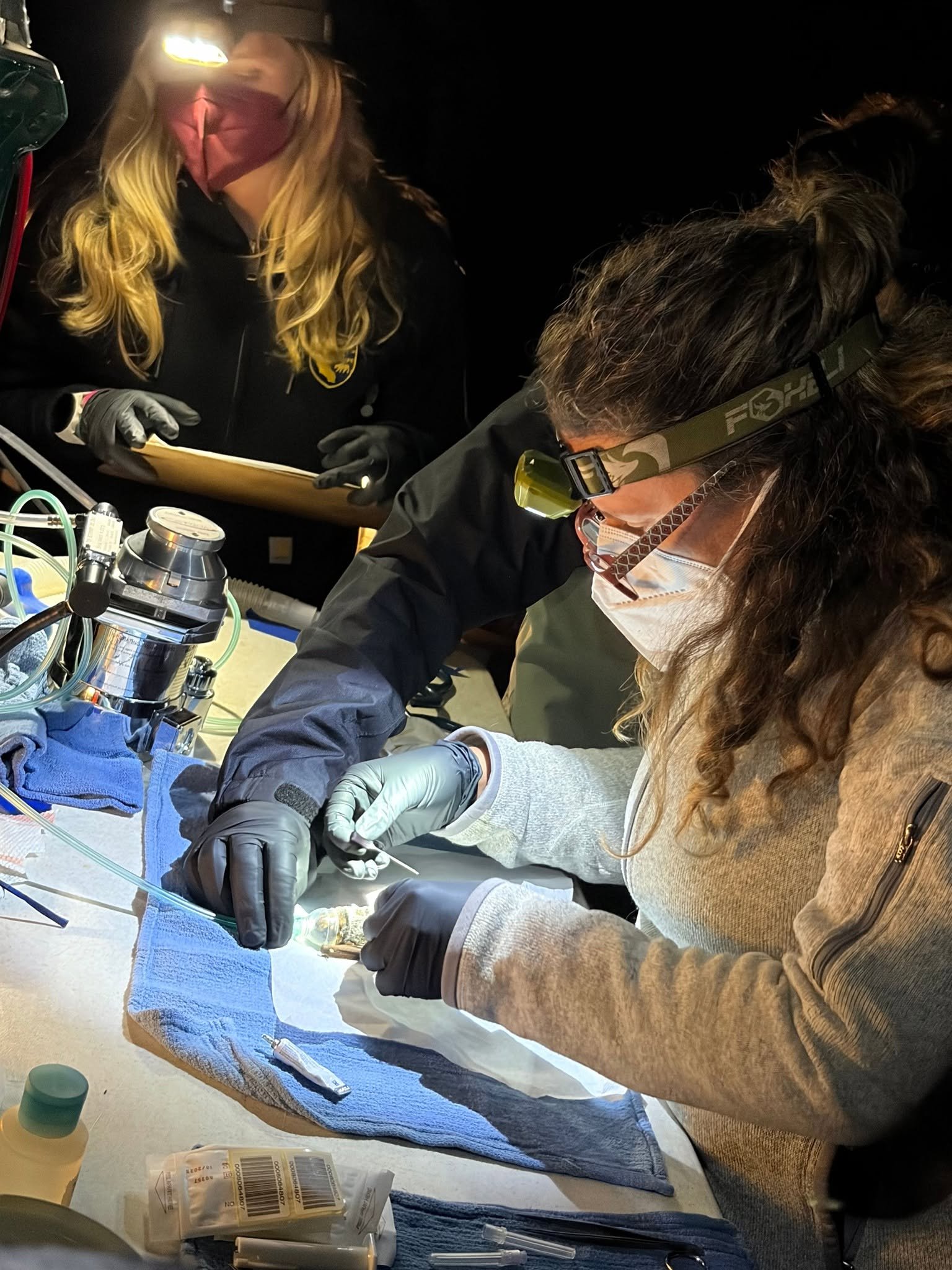
a scientist wearing a headlamp puts a tracker on a bat
The bats were released back into the wild after getting their trackers. Image: NPS / Emily Pellegrini.

Bats are important members of such ecosystems. They are pollinators, they spread seeds, and they help manage insect populations. To catch these helpful agents, scientists set up a sheer, delicate net called a “mist net” over a creek at dusk. All bats are nocturnal, and when they went searching for their next meal—bugs—they flew into the net. 

It was a bit of a trick for the winged mammals, but a treat for the human team. “Expert bat wranglers” carefully took them out of the nets, noted their weight and size, presumably attached the GPS tracker, and then returned them to the wild. 

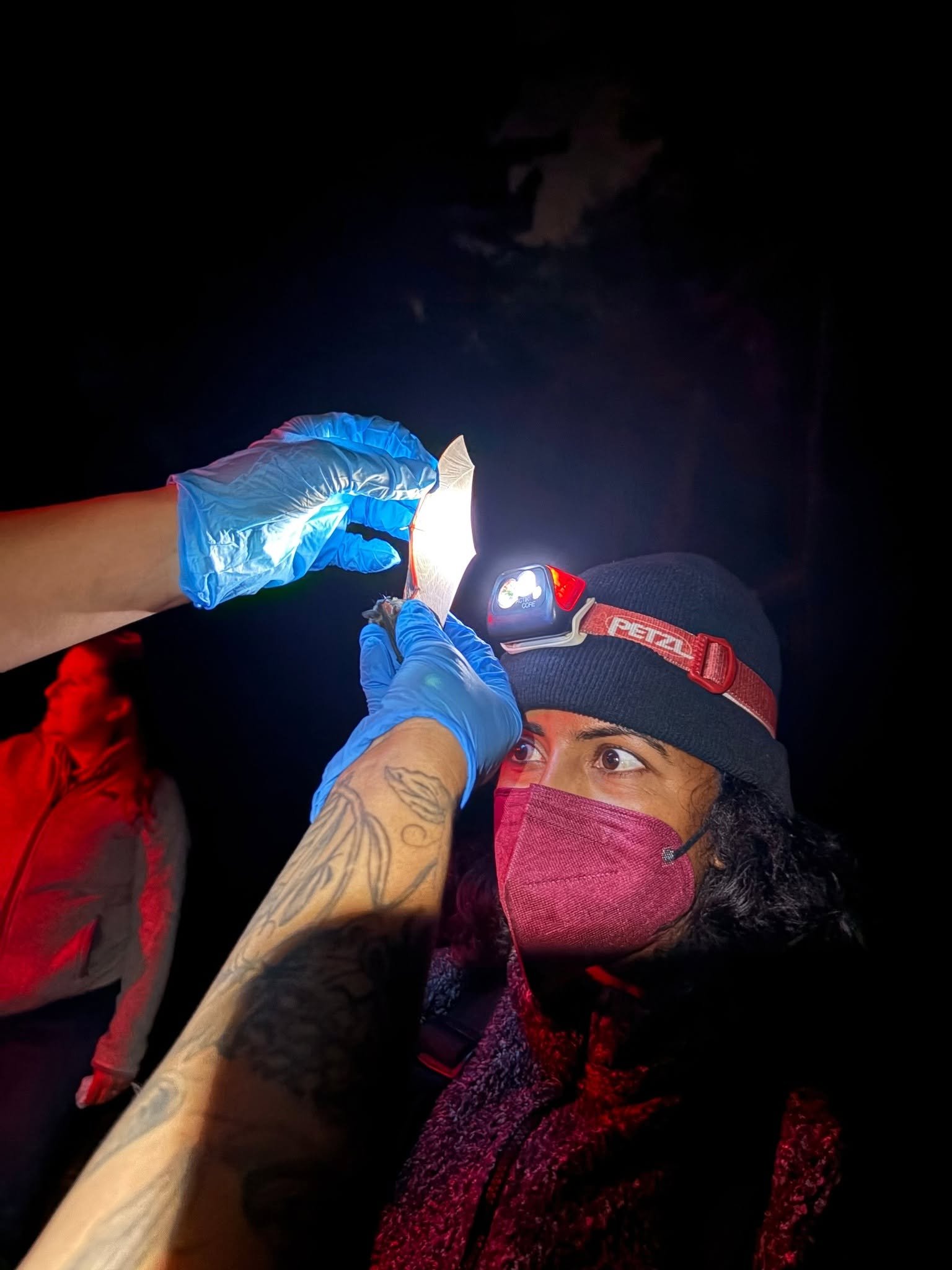
The Golden Gate National Recreation Area’s shared pictures of tiny, disgruntled looking bats carefully pinched between gloved fingers. In one image, an expert holds a bat wing up to the light of a colleague’s headlamp. In fact, illuminated wing membrane patterns literally shed light on the bat’s age and developmental stage.

a scientist wearing a headlamp looks at the membrane between a bat's wings with
A bat’s membrane can tell biologists how old the animal is and what developmental stage it is in. Image: NPS / Emily Pellegrini.


While this survey focused on two bat species, researchers at the Muir Woods National Monument have previously spotted 10 different species.

The post Expert ‘bat wranglers’ put GPS trackers on California’s bats appeared first on Popular Science.

  •  
❌