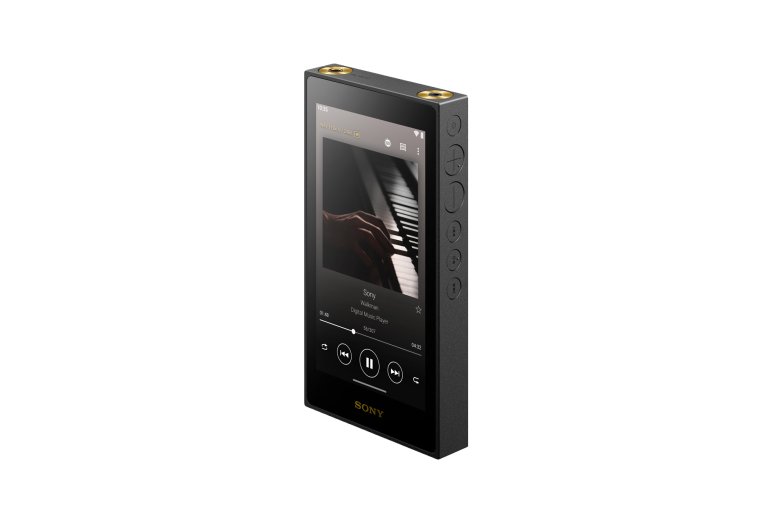
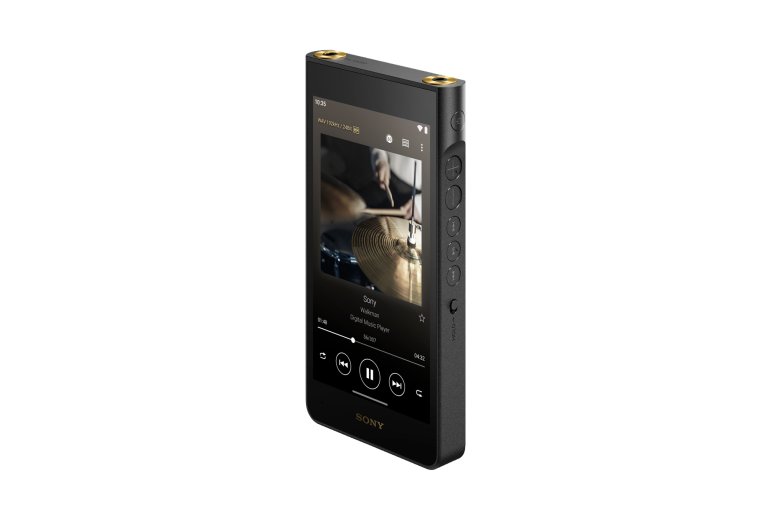
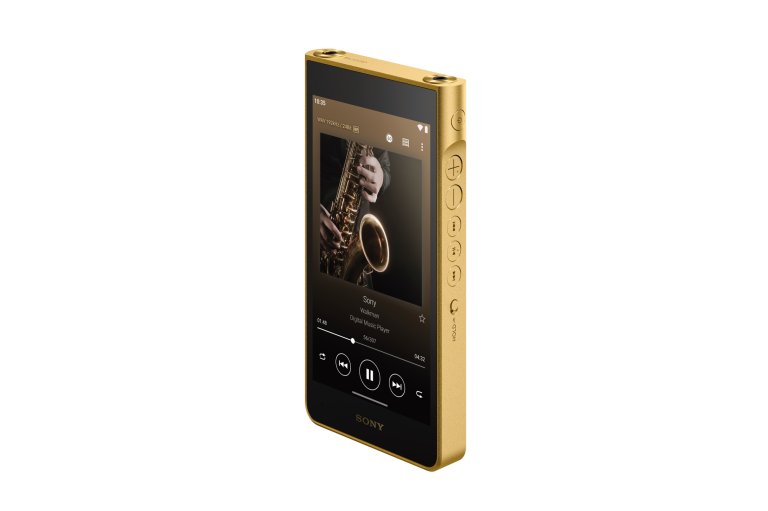
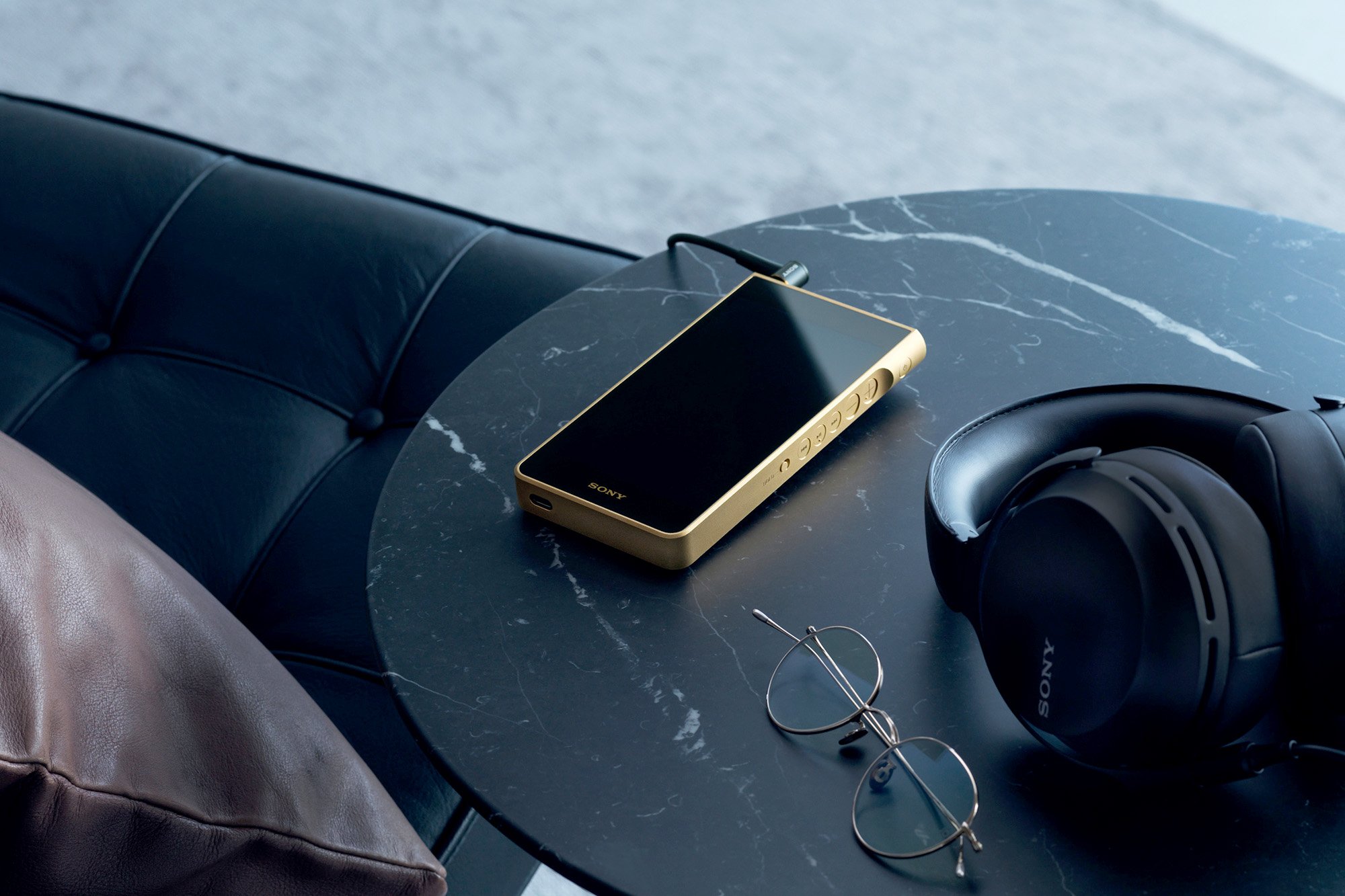
Just when you think Sony’s 2026 product parade is over, there’s one more thing for audiophiles to add to their Christmas wishlist. While the first half of the year focused on playback devices (flagship true wireless earbuds, powerful party speakers), and just last week there was a spatial microphone for content capture, now there’s something to bridge the gap: The Walkman. But this isn’t the portable cassette player of the ’80s and ’90s, even though those are so haute right now. No, these Walkmen are digital audio players (DAPs), with optimized signal paths and DSP that make all your streaming services and downloaded music (up to 384 kHz/32-bit PCM) sound extra expressive (and you can even display a cassette tape screensaver or use a “Vinyl Processor,” if you’re analog maxxing).
Kicking off the next-generation refresh, the NW-ZX900 has new premium parts, including an ultra-low-noise LDO regulator and crystal oscillators shared with the higher-end models for stable voltage to the audio block. The chassis is a mix of milled aluminum and press-formed oxygen-free copper (OFC) components. Most obvious is the updated 5″ 1920×1080 TFT color display, offering larger, clearer album art and a responsive way to control the Android 16-based system. As for the audio, with its 20-40,000 Hz frequency response, the 11.2MHz DSD Remastering Engine and S-Master HX digital amp technology, plus a balanced 4.4mm output with 250mW+250mW High Gain Mode (a distinct improvement over the previous, power-capped ZX700), deliver the best sound from your wired headphones or in-ear monitors. And a battery life of up to 40 hours of lower-bitrate MP3 playback, or up to 35 hours with the streaming service apps, ensures you’ll make it through that playlist.
Step up to the 425g NW-WM1AM3, and you get a new low-resistance oxygen-free chassis for stronger grounding, as well as a 5.5″ 1920×1080 Full HD screen. The elevated materials extend to a direct OFC audio power supply, OFC cable at the headphone output, and OFC copper-wound large coil. In addition, there are dual large solid polymer capacitors, Gold vapor-deposited ultra-low phase-noise clocks, 10-layer low-dielectric PCBs, and a higher-performance low-power SoC to run the DSD Remastering Engine, newly developed look-ahead Noise Shaper with Light / Balance / Deep modes, 10-band equalizer, C Phase Linearizer, Dynamic Normalizer, and DSEE Ultimate signal enhancement of whatever you play off the 128GB internal storage, microSD slot, or streaming services. The power-supply architecture, battery figures, and audio processing are shared with the flagship (showcased below), so you get the best balance of performance and value for those flagship wired headphones (but there’s no shame in a little Bluetooth 5.4 LDAC action with the 1000X The ColleXion headphones, or LC3/AAC/aptX Adaptive with another top pick).
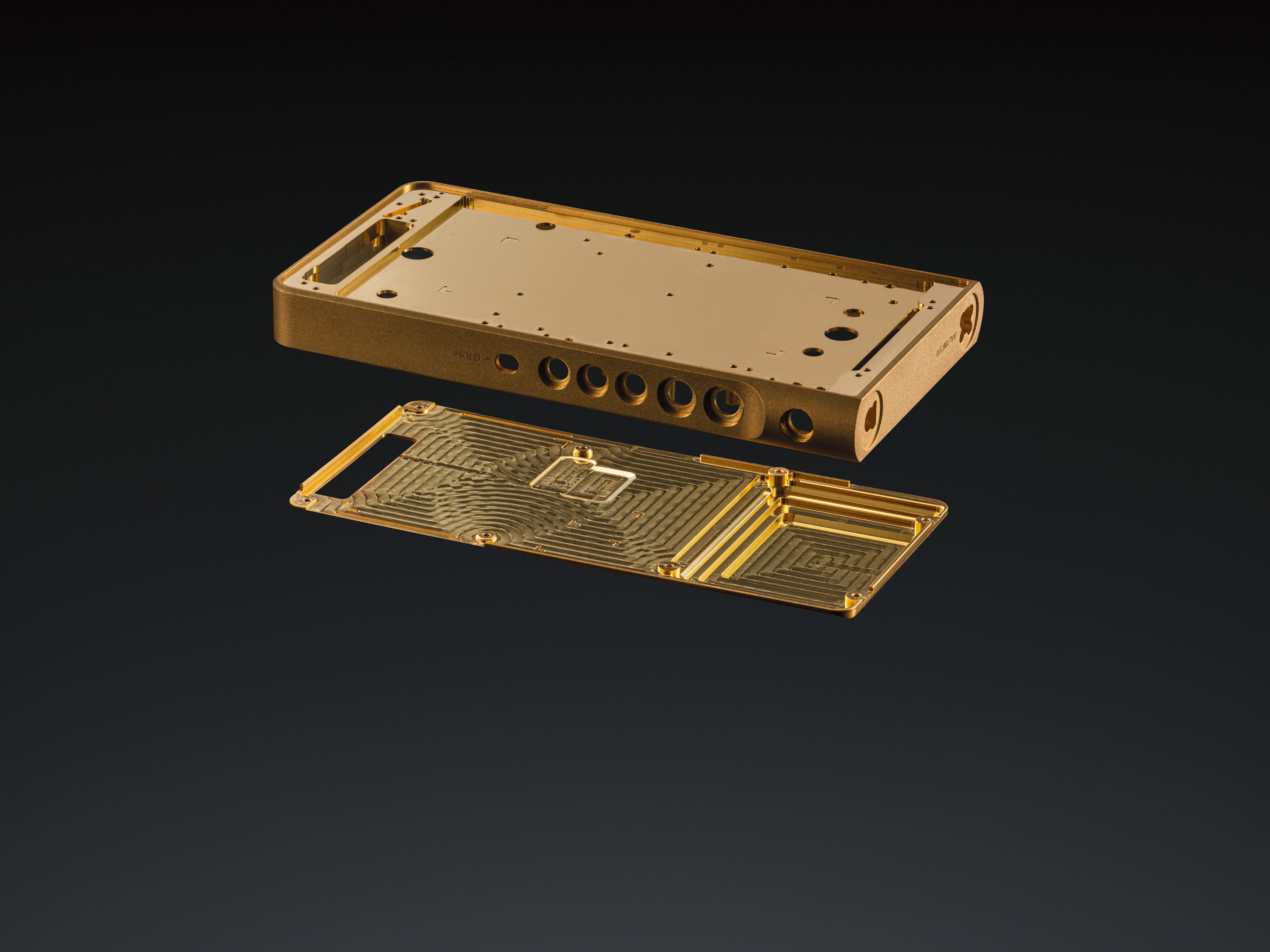
As for the cost-no-object NW-WM1ZM3 flagship, it’s all about mechanical construction. This 670g investment gets you a 99.99% (4N) OFC precision-milled main chassis with a precision-machined (not press-formed) OFC rear chassis that uses 99.96% pure OFC with direct gold plating to further enhance ground stability. It’s all held together with low-resistance, direct-coupled gold-plated screws for a lower-resistance mechanical path, plus 4-wire braided KIMBER KABLE is implemented in the balanced output. The promise of this reinforced architecture and isolated circuitry is a wider soundstage, stronger low-frequency presence, and clearer fine detail for a more analog character. In addition, internal storage is doubled to 256GB.
A caveat for all three models: Despite there being a USB-C port, it is not intended to be used as an audio out. Just power and file transfer. Though it can be used as an external DAC for a PC. Listening, however, is done only via the 3.5mm/4.4mm ports or wireless codecs.
The death of the disc has been greatly exaggerated. Whether your preferred platters are shiny or groovy, companies are producing new … spins … on how to play CDs and LPs. Just this week, NAD Electronics announced a CD player, while Cambridge Audio and Andover Audio have turntables. Meanwhile, Focal-Naim elevates its immersive connected audio hub, for those audiophiles who have embraced an all-in-one system with expressive Dolby Atmos. Below you’ll find more information on all these discerning digital and premium analog audio accessories.
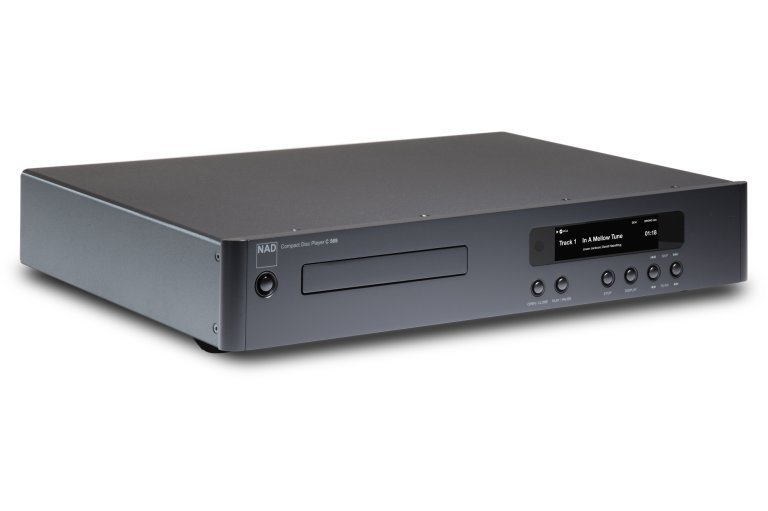
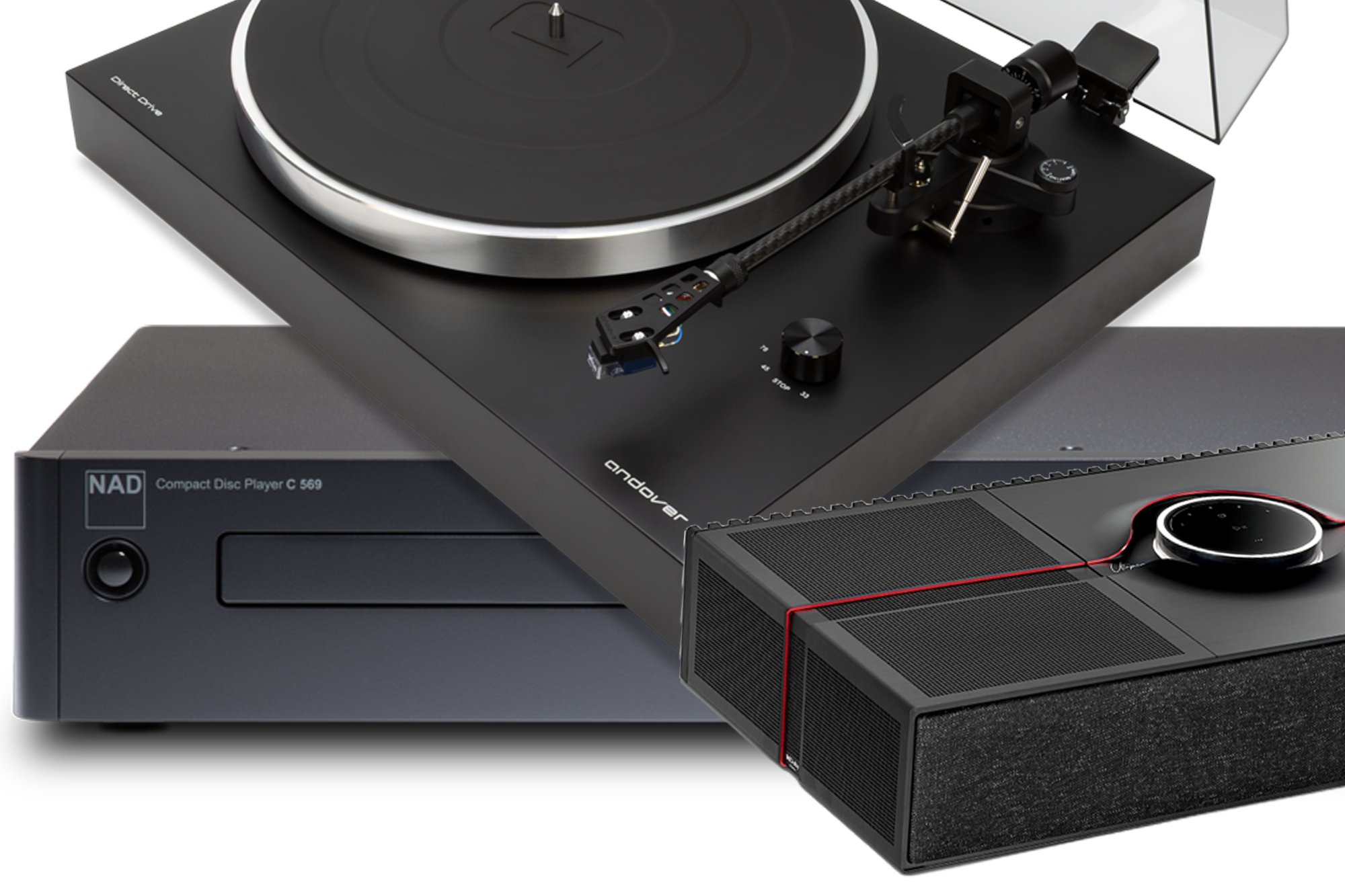
The C 569 is NAD Electronics’ mid-tier CD player in its Classic Series, featuring a combination of proprietary refinements to get the most from Rush remasters to Olivia Rodrigo. Dynamic Digital Headroom purports to eliminate inter-sample clipping, for more expressive transients. QRONO d2a refines the timing of PCM and MQA-encoded music. And it all runs through an ESS SABRE DAC if you want to use the low-noise, detail-rich analog outputs with any system featuring an RCA in, or utilize the TOSLINK or COAX digital outputs if you want to pair with an even more premium DAC, like that in the new NAD C 359S Class AB integrated amplifier with built-in BluOS streaming and more. The C 569 will be available late November through NAD dealers/website and Amazon at $999 USD. The NAD C 359S amplifier is available today through NAD dealers for $1,299.
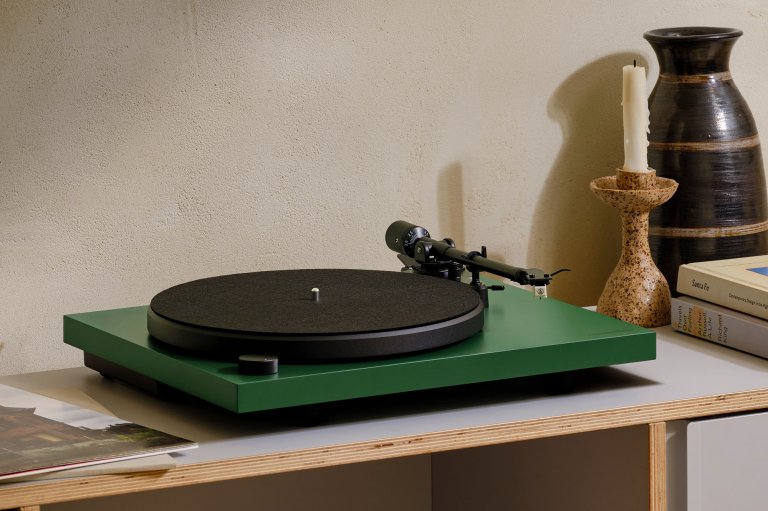
If you’re getting into vinyls, the Cambridge Audio Spira is a ready-to-play, belt-drive, Bluetooth-equipped 33/45 turntable that can work with a traditional two-channel components stack, active speakers, or wireless speakers/headphones. It comes with a pre-fitted and aligned Audio-Technica AT3600L cartridge (upgradeable later to an elliptical stylus), plus a built-in phono stage to ensure it’s plug-and-play. But you can also bypass the phono stage if you want to upgrade to a more refined preamp. The steel platter and adjustable tracking/anti-skate give you stability and control no matter how it’s connected. And it comes in five colors that correspond to the Cambridge Audio L/R powered speaker series. The Cambridge Audio Spira will be available from the brand and partners priced at $499.
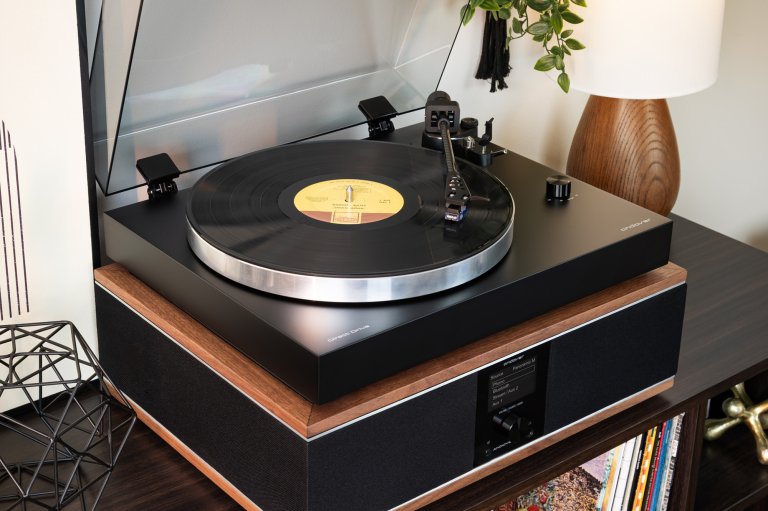
Looking for a step up? The Andover-One DD is a direct-drive turntable that brings together lots of top-notch components in a flagship system. The digitally controlled direct-drive motor supports 33 1/3, 45, qand 78 rpm playback with fractional wow and flutter. It’s a foundation engineered to eliminate high-frequency motor vibrations that impede detail retrieval. Further damping vibrations is the straight tonearm with a carbon-fiber armtube and support for cartridges weighing 2.5g to 6.2g, and it comes fitted with an Audio-Technica AT-VM520xEB moving-magnet cartridge. Tracking force, anti-skating, and vertical tracking angle controls complete the flexible setup, which sits by the cast-aluminum platter on a matte black MDF plinth. The Andover-One DD Turntable is available now for $999. Pair the turntable with the Andover-One SB (as shown above) for a high-fidelity, feedback-free, compact cabinet of clarity.
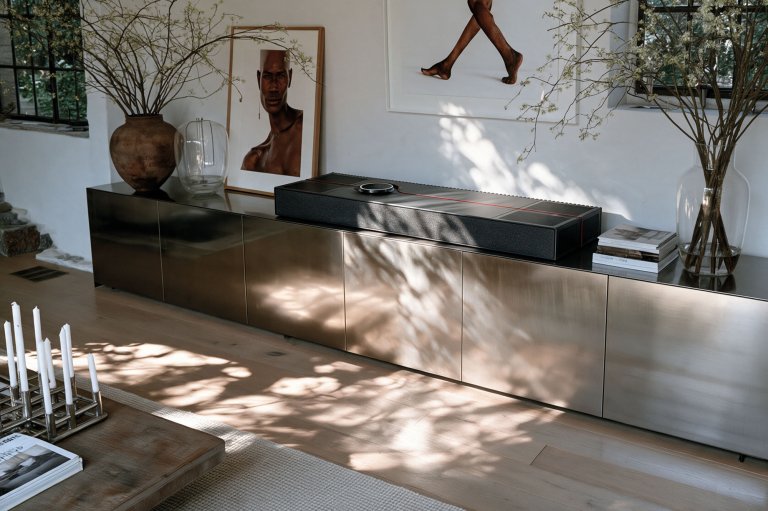
The first Naim Audio product to get the premier Utopia designation, the latest Mu-so hi-fi audio hub features the most powerful Naim amplifier ever developed for this type of form factor. Inside, 720W of Class D and A/B power push 15 speakers (7 on the front, 2 on each side, 4 on the top). This 7.1.2 capacity of 3″ ‘M’-shaped drivers and PRISM tweeters (both by Focal) allows for ultra-detailed, no-distortion Dolby Atmos, as well as Sphere Music, Sphere Movie, Sphere Video Game, and Sphere Podcast modes that expand stereo content with ADAPT technology that takes into account your room’s configuration. (And, having heard a demo of the sibling Mu-so Hekla at Audio Advice Live in Raleigh this past August, I can confirm it works wonders.) There’s the Naim Pulse Platform for DSP and high-resolution streaming up to 384 kHz / 32-bit (good for Qobuz Connect, though there’s plenty of Google Cast, AirPlay 2, Spotify Connect, etc. support). TOSLINK allows you to plug in, say, a CD player or a TV, though the HDMI eARC is the preferred input for folks who are going to pair the Mu-so Utopia with a cinematic setup, which it will render well. Also, it’s pretty. The Naim Audio Mu-so Utopia will be available in January 2027 for $6,500 USD, exclusively through the Focal Powered by Naim network of authorized retailers.
Wandering around Milan, you come across two kinds of power: the kind you can observe and the kind you can only feel. That first one is obvious, all incense-soaked architecture and ascendant liturgies. The second, though, is more understated in pauses, glances, murmured blessings, and other hushed, huddled choreography.
Pinnacles and pulpits look down on the penitent holding their rosaries. Beyond the gargoyles’ gaze, an equally adorned set of transformation seekers do the same to the so-last-season. Because, wandering around Milan, you come across another kind of power both manifested and metaphysical: the power of fashion.
It’s July 2025, and I’m in Milan at the invitation of EssilorLuxottica. I’m here to learn how the world’s largest eyewear company designs frames and lenses that help everybody, from the fashionable to the far-sighted, see and be seen. And where else but the Italian capital of fashion? Here, at the intersection of spirit and spirituality, faith and fit, this vertically integrated multinational predicts and produces trends years before they hit retail. But more interesting even than shapes and shades are the developments in microelectronics and med-tech that turn frames into smart systems, into something powerful you can witness and wear.
[Disclosure: EssilorLuxottica provided travel accommodations during the creation of this story.]
Our tour begins at the Oakley Milano flagship, a two-story space styled like a brutalist bunker that cloisters current attire alongside retired accessories from the ’90s and early aughts, displayed like relics in a cathedral. Oakley is just one of EssilorLuxottica’s many, many proprietary brands, licensed luxury labels, and, with the Oakley HSTN and Vanguard Performance AI models, a part of the company’s push to take smart glasses from concept to category.
We see the Prizm Interactive Wall, where we compare simulations of different Oakley lenses. Placed on a platform, a screen shows how a lens’s selective wavelength tuning and “noisy” light filtering boost specific colors and contrast, whether you’re on a shady trail or out to sea. Then there’s the Performance Chamber. A stationary bike sits in a simulator where you pedal through adjustable wind and lighting conditions to experience how different eyewear (and helmets) ride.
The next stop on our photopic pilgrimage is the Luxottica Digital Factory and its Tortona Experience Center, a striking building full of workspaces and high-end industry showrooms. Here, in the Zona Tortona design district, we work our way back to the future, to where teams study economics, demographics, technology, fashion, and interior design to inform storylines that won’t hit retail for 18–24 months.
Nina Esteves, senior trend & foresight manager at EssilorLuxottica, walks us through the future of frames, where AI and 3D printing widen structural possibilities to far more far-out. At the extreme, they’re alien eyes, or maybe that’s alienized. And, temporarily, that’s how I feel. I feel like Andy Sachs just starting at Runway, out of my element but eager to dive into the deep end of fashion.
I see magma hues and intentionally ruined chrome finishes. I see the renewal of ovals and chunky curves, informed by international datasets of face-shape fittings (it pays to own thousands of LensCrafters and Sunglass Hut locations, etc.). I see what (under)tones of green, clear, and white will become neo-neutrals. I see how cat-eyes become more sci-fi. Slowly, I start to understand the curve as silhouettes and innovation cascade from runway to bargain bin.
We’re in a period when plain-lens and barely-there frames are expression, not just function. They may be interchangeable, worn like earrings. And tinted lenses are similar. For those looking to occupy both worlds, the company’s Transitions lenses use reactive molecules that adapt to light, forming complex shapes to block UV from the sun and filter blue light from our screens.
When I was growing up, these eyepieces were slowly shifting, tobacco-brown photochromics. But these ain’t your grandpa’s glasses. The clustered cones embedded in Transitions Gen S come in eight hues, snap to dark sunglasses in around 25 seconds, and reverse back to clear in under 2 minutes. You can blend or clash tones with your frames without sacrificing clarity. An XTRActive variant even has dynamic polarization.
[EssilorLuxottica’s push is for Transitions to go from “must-wear” to “love-wear.” I’m convinced enough by the demonstration that they’re not the nerdy, never-quite-clear, high-school science teacher vibe of my youth that I get a pair when I return home. And, as someone unwilling to use contacts and too cheap … OK, lazy … to buy prescription sunglasses for decades, I can say they’ve been a revelation. Better late than never.]
And Transitions aren’t the only lens technology that has improved exponentially. Progressive lenses have dumped the “bifocals” stigma. They’ve become a far more seamless way to address stress you may not even know is affecting you, according to Today show style editor and Varilux lenses brand partner Bobbie Thomas. She spent months with nausea, vertigo, and headaches. Doctors suspected hormonal causes, but it turned out to be presbyopia.
About 2.1 billion people have presbyopia, an age-related loss of near vision; this number is projected to reach 4 billion by 2050, according to Essilor market reports and United Nations internal analysis. Plus, digital life is accelerating that. With 60 percent of our cerebral cortex involved in vision, good vision is associated with feelings of connection and community and therefore with good mental health, according to Sebastien Fricker, manager of the vision and perception modeling team.
With this in mind, Essilor develops digital twins, which are virtual replicas of individual wearers based on their prescription, pupillary distance measurements, age, morphology, lifestyle, head and eye movements, and more. These are used to test various Varilux progressive lenses through simulation, model how a real brain perceives sharpness and distortion over time, and determine what works best and what needs refinement. And IRL, when getting fitted for the XR Series, an “Eye-Ruler” measures Near Vision Behavior (NVB) and considers posture, how you hold your device, and how your gaze shifts. Then behavioral AI predicts head and eye movement to align the lenses with how you actually view the world.
[I’m a presbyope who had a terrible, multi-day ordeal adapting to progressives in my mid-40s. So I was reluctant to give a new pair a go. But while I was getting Transitions, I took the leap to Varilux XR, and now I have no obvious lines or disorienting “swim effect.” According to Essilor, citing a 2005 study, you make more than 100,000 eye movements a day in every direction, and standard progressive lenses are designed primarily for linear eye movements. With Varilux XR, you get what you pay for, which is a natural per-eye positioning of near, intermediate, and far focal zones, plus sharpness in motion.]
Of course, lenses, for all the chemistry and careful cutting that goes into them, are relatively easy to drop into a traditional frame, whether it’s an A$AP Rocky Wayfarer Puffer or some kind of titanium wisp with a granny chain swinging off it like a thurible. Their transformative power is something you can see. What’s introduced next is felt more than seen.
We demo the Ray-Ban Meta, learning about the layers of delicate circuitry in its arms and the challenge of fitting components that must stay linear onto a face, which is anything but flat. A few steps away, however, is something even more interesting to me: Nuance Audio glasses, first introduced in April 2025 at around a grand without prescription lenses (thousands less than traditional hearing aids). They’re basically an over-the-counter hearing aid disguised as something I’d already have on my face, and the only prescription required is for lenses, if you need them.
A rep puts a neckband speaker on another journalist and hits play to emit restaurant chatter and clatter. Then a different voice talks over it, conversational, not loud, and the response is middling. “I don’t really understand everything,” the wearer admits. So the rep switches the glasses on, frontal mode kicks in, and the glasses amplify whoever you face within a 30-degree cone, aimed like a laser pointing from your nose. Alternately, a 360-degree mode can handle the street for more encompassing awareness. Other features include four pre-configured amplification settings that target different levels of hearing loss, plus background noise reduction.
“I’m hearing her a lot more clearly,” the participant declares. Meanwhile, I’ve found something I want to hear more about.
I admit it: I’m the guy who fails the “restaurant test.” I sometimes struggle to navigate low-light, high-noise spaces. Varilux XR lenses have somewhat helped cut down on menu-reading challenges and peering over my frames at things held mere inches from my face, but I still have a hard time hearing anyone at the table who’s not immediately next to or across from me. If my eyes are a window to my health, and at least some of the world around me, then my ears are a door to the room where my sanity comes and goes … and sometimes it feels like it’s swinging shut.
I mean, it’s my own fault. As a former professional music critic and would-be superstar DJ, I stood in front of line arrays for many, many years before I took earplugs seriously. Between that and turning 50, I’ve lost some top end, what my audiologist calls “the women and children range,” much to the chagrin of my wife. So I know exactly why I tilt my head “like a dog that just heard the word ‘treat,’” as the wife I find harder to hear so lovingly puts it. I’m trying to catch consonants along with visual cues to help cut through the static. And it’s mentally exhausting, to the point that sometimes I’ll just check out when out and about.
This makes me more interested in being part of the conversation on mild to moderate hearing loss and removing the stigma of hearing aids, or even hearables. So, eight months after Milan, I’m even more interested in attending SWITCH, EssilorLuxottica’s first-ever summit for about 1,000 vision-care professionals from more than 30 countries, held in Orlando in March 2026.
Among conversations on myopia management, neuroscience, and emerging oculomics, I gravitate to the gear. According to a presentation by Dr. Charlotte Yeh, about 73 million Americans have hearing loss, which is 1 in 5 (that number goes up to 1 in 3 if you count people, like me, who have “hidden hearing loss” … where you mostly struggle with speech in noisy places but don’t have serious measurable loss). Fewer than a third of those act on it, often waiting 7 to 10 years. Untreated loss can lead to loneliness and also contribute to dementia, according to a 2024 Lancet Commission.
One of those people with untreated hearing loss is Frank Lynch, and his daughter, actress Jane Lynch, explains what’s at stake and how hearables can help. In her keynote, she describes her father going from someone who would burst into impromptu songs to someone who laughed half a beat behind. Then his TV got louder and louder, and saying “What?” in response to conversations got more and more frequent. Finally, he seemed to be disappearing, there but not there. Yet Frank didn’t want traditional hearing aids because he didn’t want to appear weak or vulnerable. So, when Jane started noticing her own issues with background noise getting in the way, you guessed it, in restaurants, she embraced the opportunity to do something about her hidden hearing loss when introduced to the “adorable” Nuance Audio glasses. “Getting help for hearing loss is not a surrender,” Lynch says.
It wasn’t just Lynch who ended up with a pair. Another went to her friend Janice, who spent a dinner saying they were a “game changer,” while another went to Lynch’s spouse. That’s three people embracing a solution, and more people who might be tempted to upgrade. Announced at SWITCH and recently released at retail, Nuance Audio Plus is the next generation of the company’s hearing glasses, starting at $829 and now available in three styles and five colors, with improved audio and amplification, battery life, and switches/controls.
You see, adorable isn’t as simple to engineer when electronics are involved. All those PCBs and batteries and other components are flat and add weight, the enemy of all-day wear. That’s why the arms of Nuance Audio glasses and Meta models typically have a thickened profile, to house and hide the deliberate directional microphones that listen and the speakers that aim sound toward your ears. [Admittedly, the Meta Gen. 3 frames, with aviator and cat-eye styles, are a few millimeters smaller, but …]
Still, the team strives for connected devices to “be beautiful glasses first,” says Matteo Battiston, EssilorLuxottica’s chief design officer, talking to me between sessions.
It’s been a slow process to adapt the technology for the most wearers, though. For someone like me, with a -6.25 prescription, physics is fighting back. You design a frame like they design a car, without knowing which wheels will go on it, says Battiston. And not all wheels fit all wheel wells. Similarly, a prescription as thick as mine adds weight and must share space with microphones and motherboards that can’t be bent as the lenses get pushed in.
However, Alex Himel, Meta’s vice president of wearables, says that the most engaged users wear connected glasses with prescription or Transitions lenses. One of the company’s answers is another SWITCH debut: Ray-Ban Meta Optics. It’s a little easier with Nuance, which doesn’t have the cameras in the end piece, etc. For Ray-Ban, however, they made lighter frames that support what the company calls its widest prescription range. The hinges have an additional 10 degrees of rotation, the nose pads are swappable, and the temple tips adjust a bit. Not to the extent of traditional acetate, where opticians use heat to make things malleable, but with more flexibility than before.
Back at the Nuance Audio booth, I think about another feature they might want to put on the spec sheet: better table manners. Testing out a pair of Nuance at a dinner, I found I’m no longer half-nodding but rather making full eye contact. I’m reengaged.
When I first arrived in Milan, I felt like I was wearing a metaphorical lumpy blue sweater, sure that the trend table wouldn’t have much to do with me. But even if I’m not the most fashion-forward, I loved learning how the frames, lenses, and electronics-laden eyewear I ended up wearing were curated long before I chose them. And the shade of cerulean that mattered most as it trickled down to me was whatever was being said at the far end of the table. Miranda Priestly never has to raise her voice; the room leans in. Well, I got tired of leaning in. Now I can sit back and still catch the … nuance.
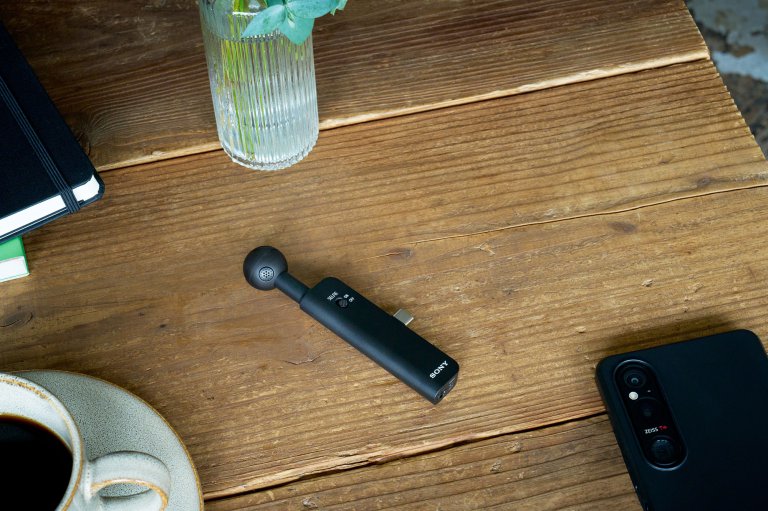
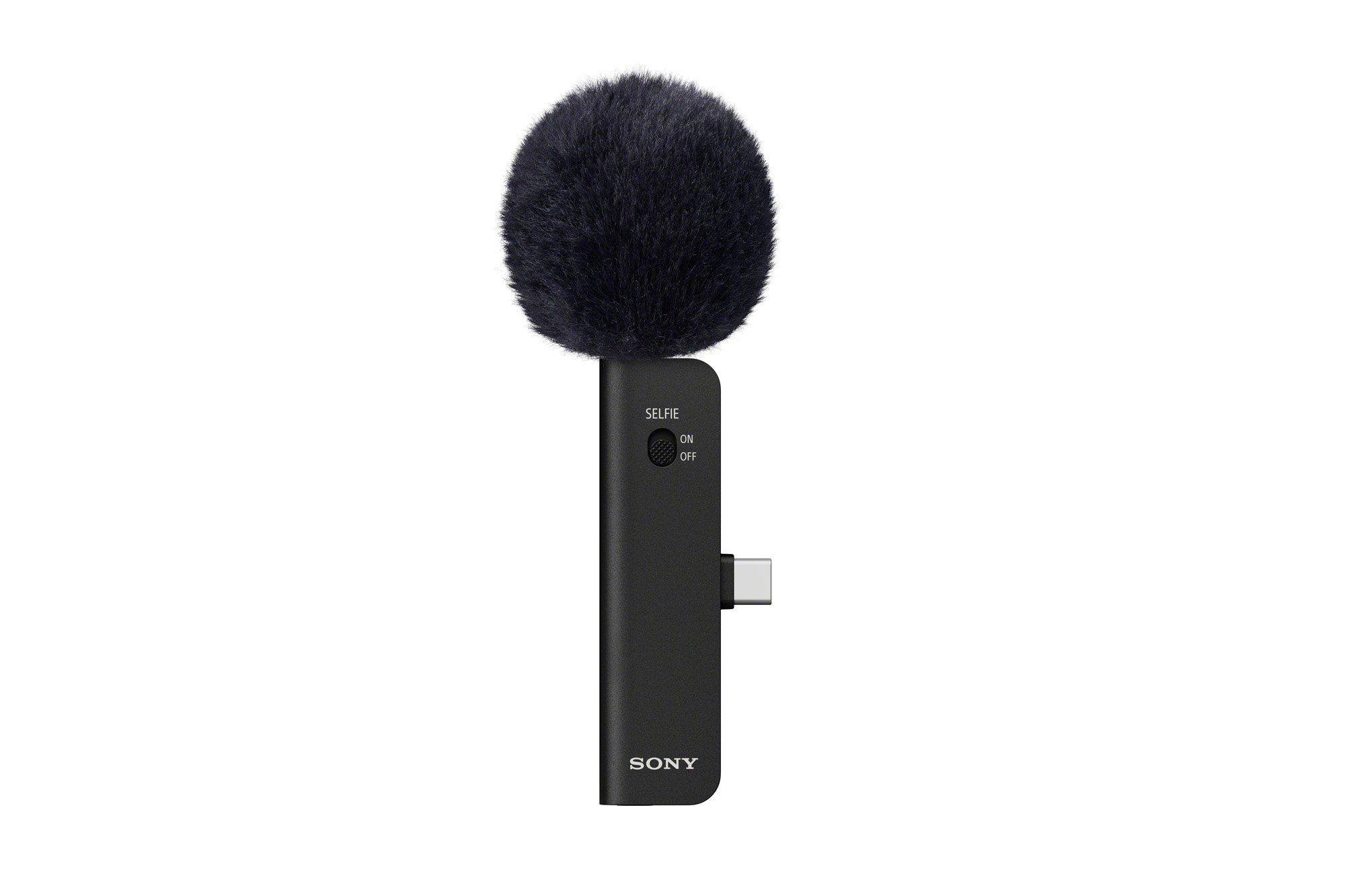
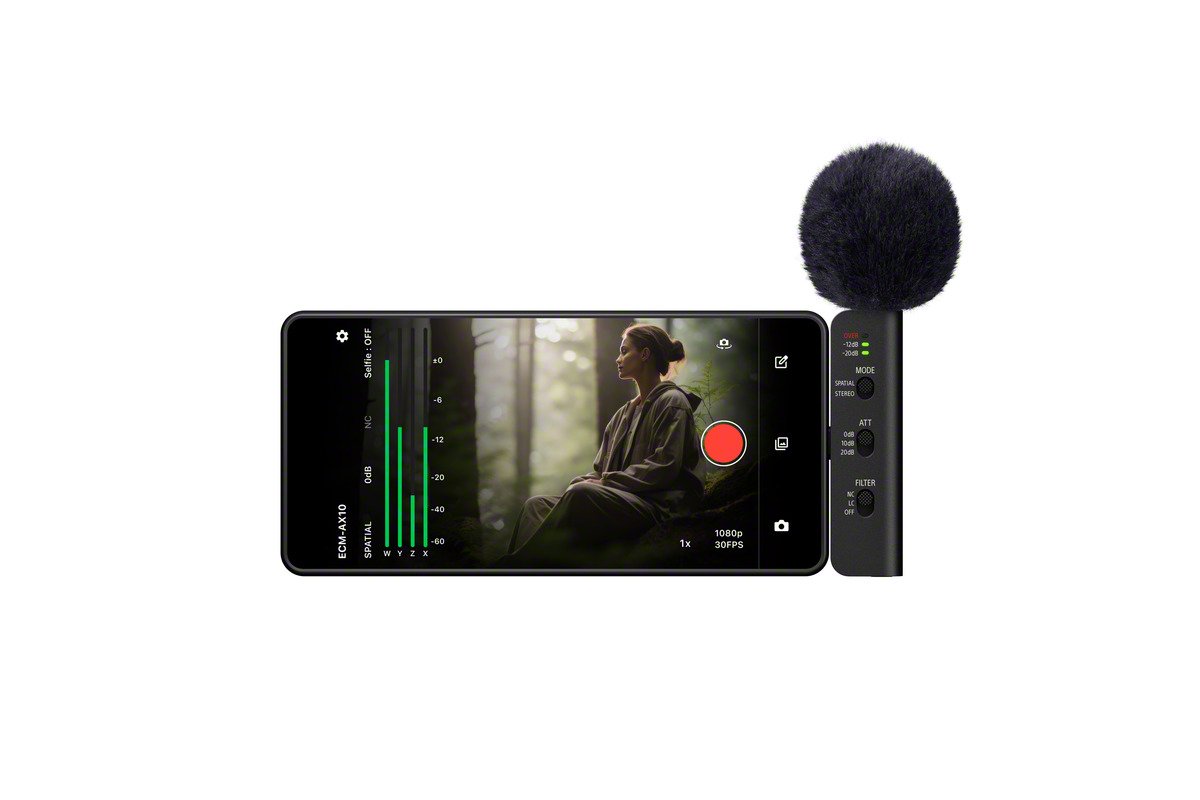
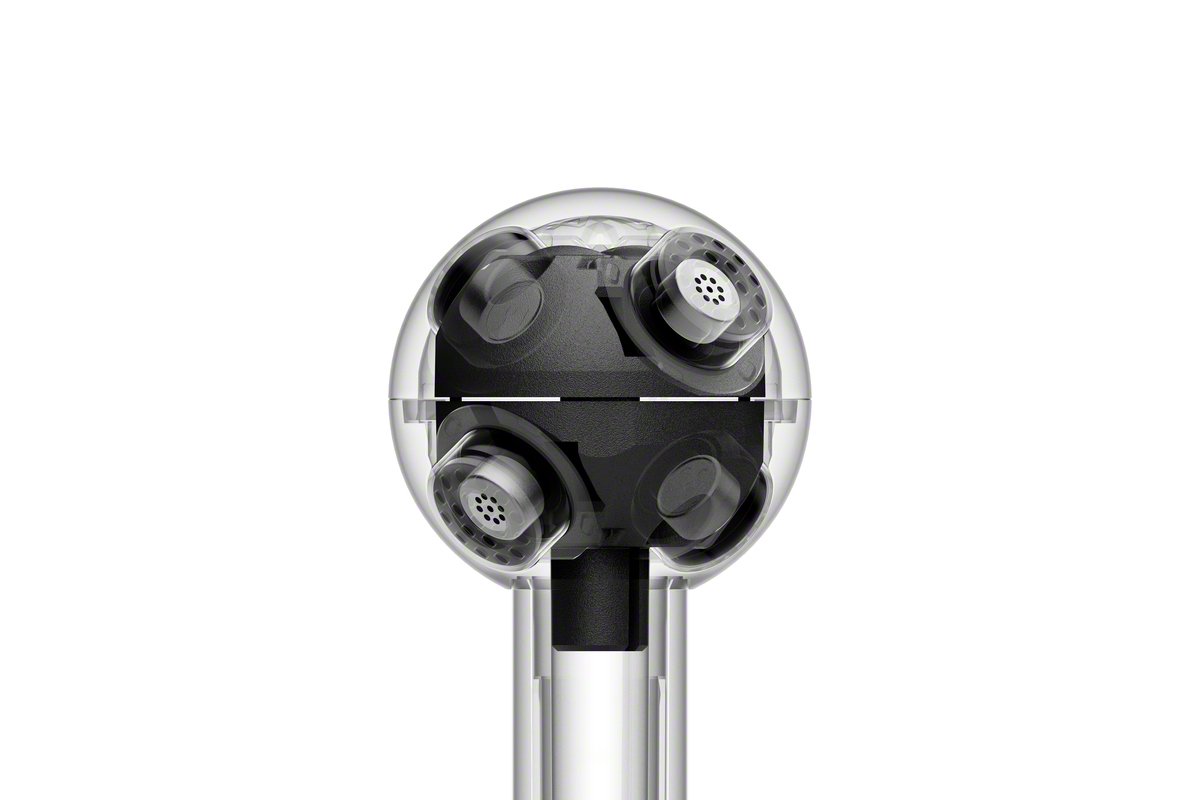
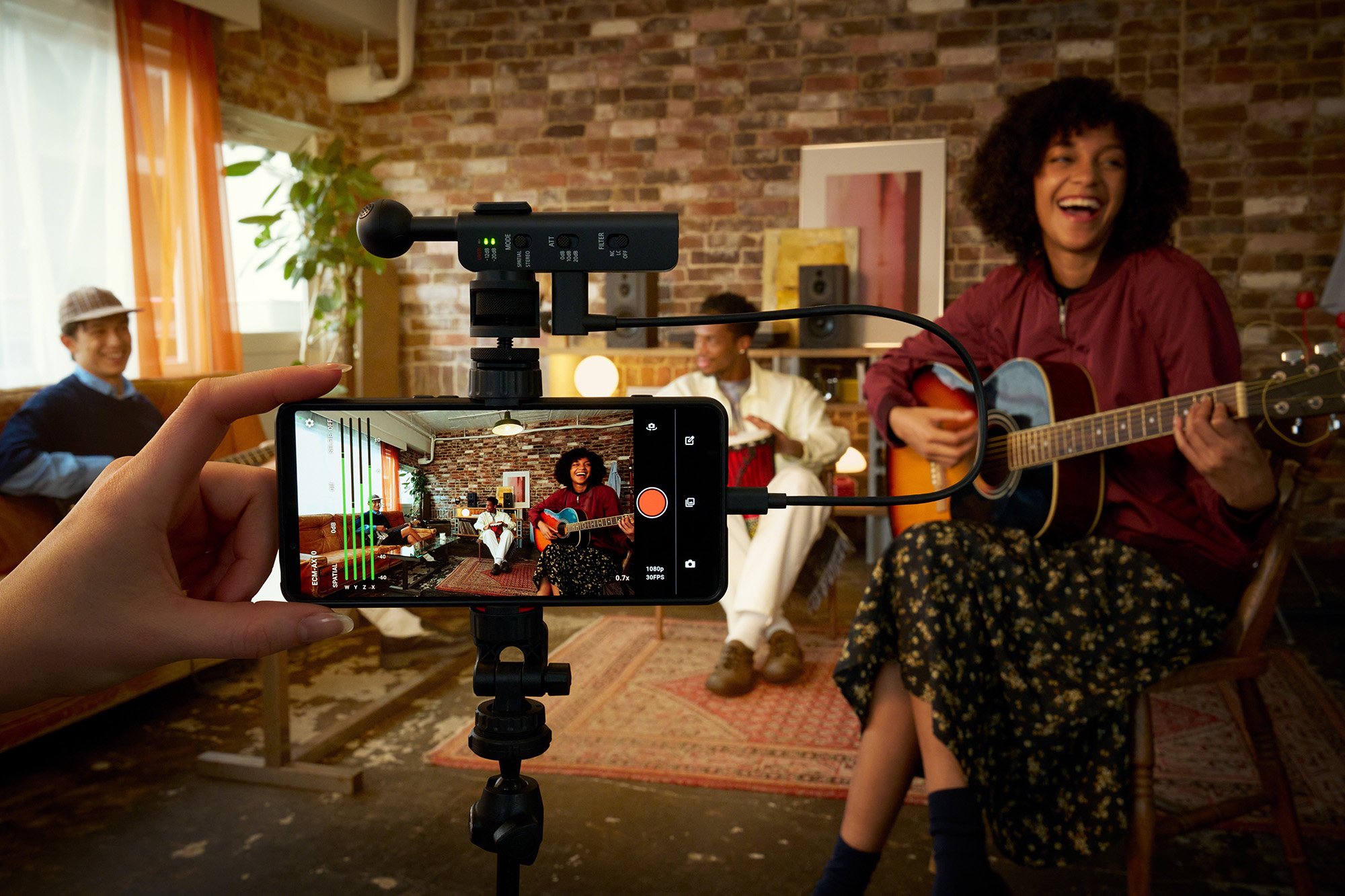
Featuring four omnidirectional capsules, the ECM-AX10 can record Ambisonics, binaural, and stereo. This lets you capture the sense of space, direction, and distance appropriate for the project/format, whether it’s travel reels or festival feels, sports cheers or reviewing gear.
Ambisonics’s four-channel 48 kHz/32-bit float capabilities, plus Sony’s Spatial Audio Video Tool, mean you can publish a full-sphere Eclipsa Audio experience on YouTube, based on the open IAMF (Immersive Audio Model and Format) standard. The Binaural recording’s two channels of that 48 kHz/16-, 24-, or 32-bit quality can be translated to 360 Reality Audio for headphone-optimized 3D rendering. And stereo is, well, stereo. You know it, you love it, you want some more of it. It makes the microphone compatible with general recording and video apps and whatever social channel you prefer.
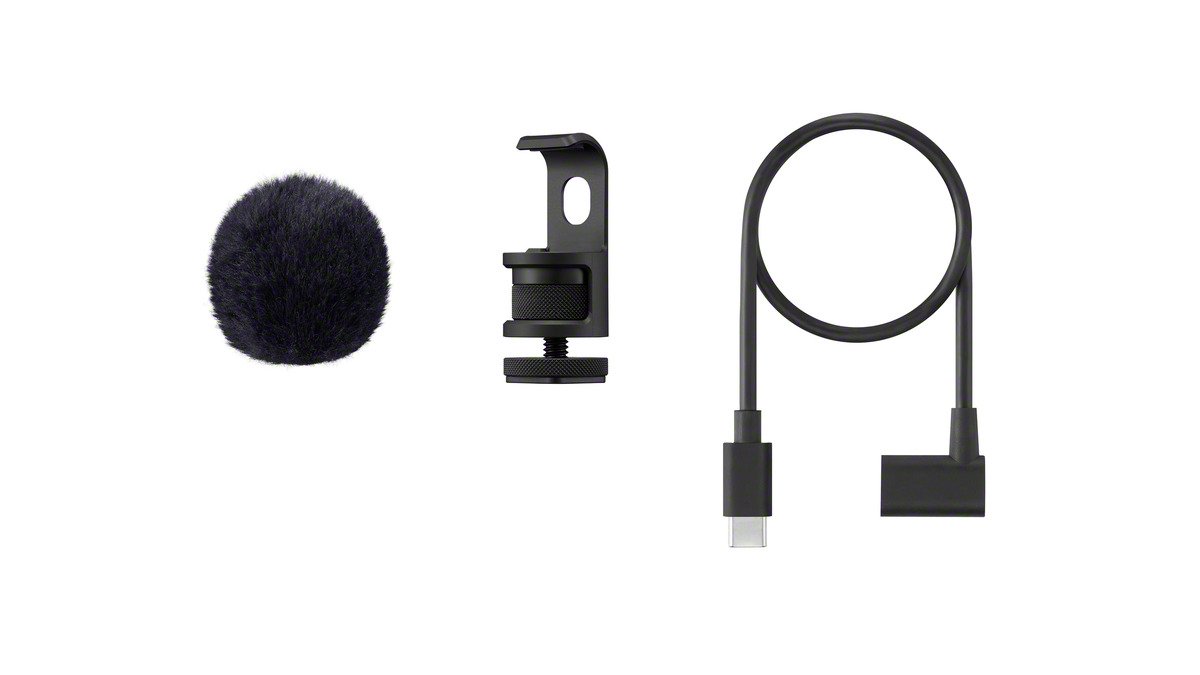
As for the package these containers come in, the ECM-AX10 is 24g, has a Selfie Mode for rear or front-facing alignment, includes an attenuator (ATT) switch that drops sensitivity -20dBFS to avoid overloading (plus additional Noise Cut controls), features a 3-axis gyroscope and 3-axis accelerometer to keep audio aligned with the video’s orientation, and offers a 3.5mm minijack for wired monitoring (a great opportunity to try those Sony IER-M500 IEMs, or others). There’s also a windscreen; spacer sheet; shoe-mount microphone holder (Cold shoe / No electrical contacts); and USB-C extension cable in the package.
Thanks to the ECM-AX10, you don’t have to risk your $15,000 C-800G to capture engaging, expressive, like you were there ambiance.

 Login