❌

Reading view

The moon is shrinking. Astronomers finally know how fast.

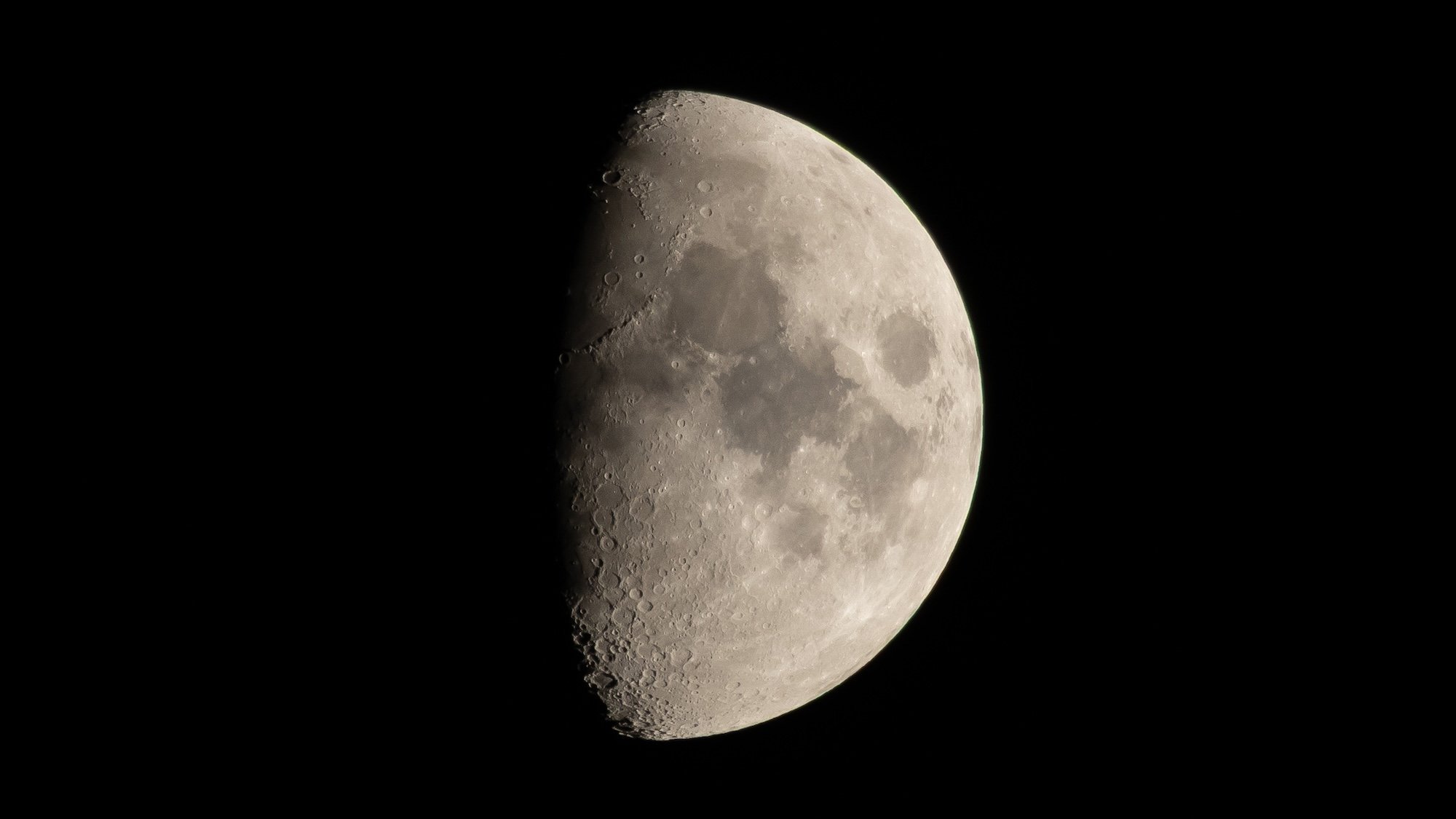
It’s true, the moon is shrinking. And astronomers now know how fast it’s contracting. While only satellite observations and the most delicate instruments can detect these shifts, the consequences of this shrinkage means moonquakes can occur anywhere on the lunar surface at a moment’s notice.

A team led by Smithsonian National Air and Space Museum planetary geologist Thomas Watters detailed their findings in a study recently published in The Planetary Science Journal. Researchers used data from NASA’s Lunar Reconnaissance Orbiter Camera (LROC), which has spent over 17 years generating millions of images of the moon’s surface. A shriveling lunar landscape may sound dramatic, but it’s occurring at a glacial pace. Based on these new calculations, the moon’s overall radius has decreased nearly 148 feet over the last 400–800 million years as it continues to cool. That’s about 2.4 to 4.3 inches per million years, or just 0.1 micrometer annually.

Although slow, the incremental activity’s effects are visible everywhere. On Earth, about 90 percent of all seismic activity occurs near the boundaries between lithospheric plates. But unlike its host planet, our moon is encased by a single, shell-like plate. This means interior cooling can generate slips and faults anywhere at any given time. After reviewing images taken by the LROC, the study’s authors tallied over 10,000 visible lunar faults.

“The number of these young faults revealed in LROC images is much greater than I ever imagined,” said Watters. “As the interior of the moon continues to cool and contract, it is expected that the growth of existing faults and formation of new faults continues today.”

While the faults can happen anywhere, some lunar regions are more likely than others to feature them. Areas with the thickest crust have fewer faults, which indicates they may be more stable than other, thinner sections. In addition to better understanding lunar history, the distribution and frequency of moonquakes may also help NASA better plan for a long-term human presence on the moon.

The post The moon is shrinking. Astronomers finally know how fast. appeared first on Popular Science.
  •  

NASA shares Artemis II astronauts’ handwritten mission notes

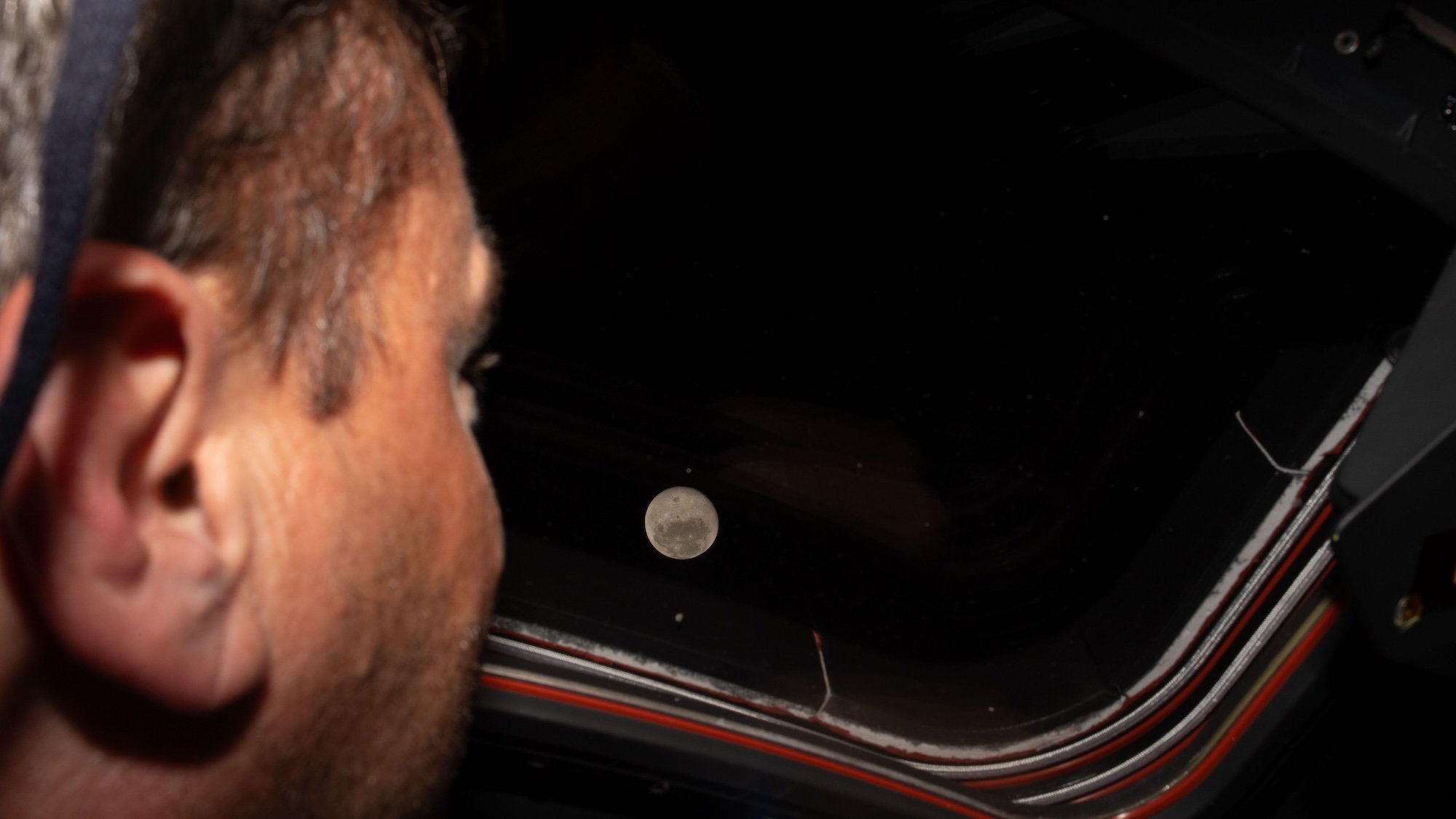
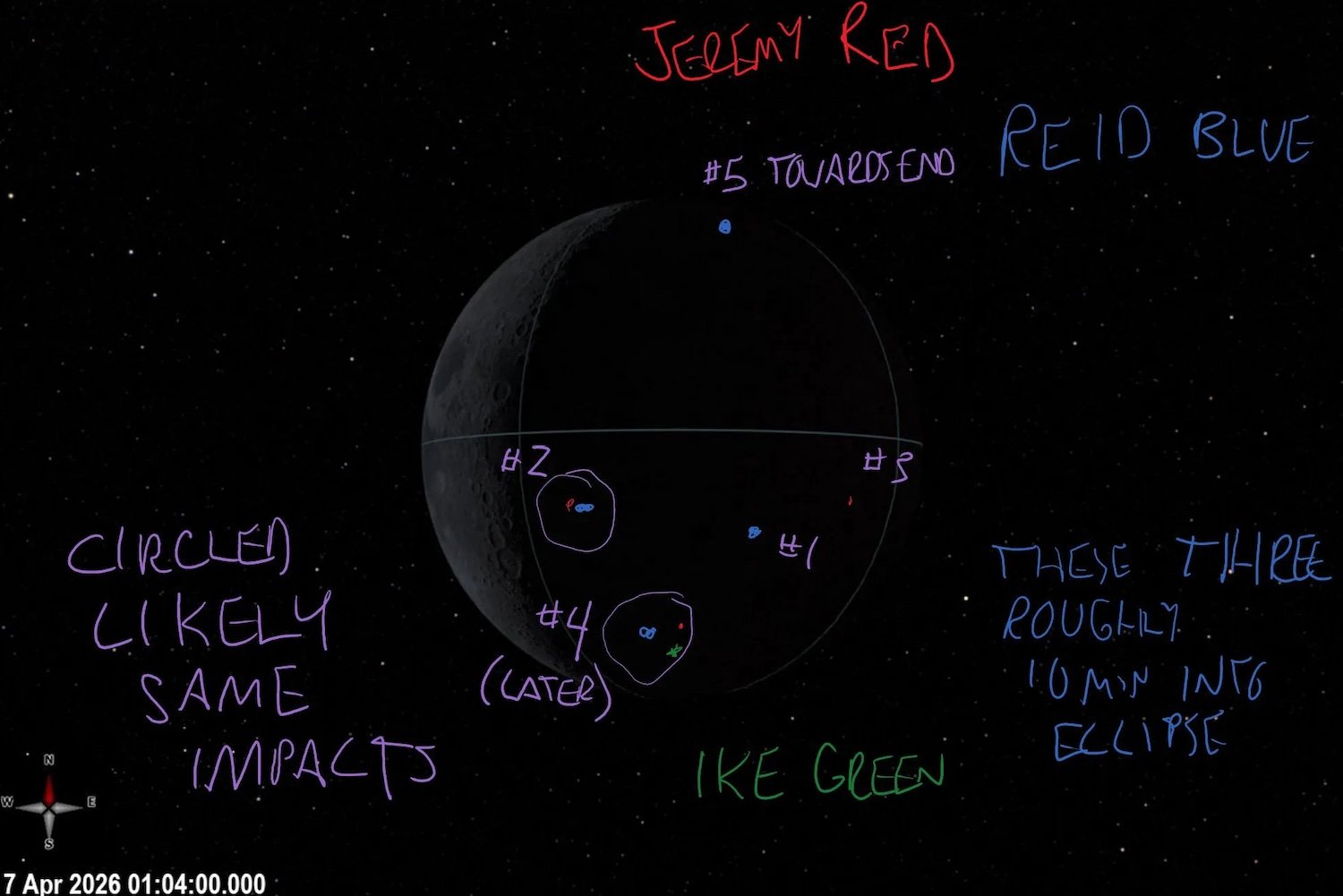
Successfully sending Artemis II astronauts on their historic lunar flyby earlier this year required some of the latest and most precise technologies, but not everything in this mission needed the same intense equipment. As crewmates gazed through Orion’s capsule window at the moon’s eclipse of the sun on April 6, 2026, three of the travelers needed a way to easily sketch some of their preliminary observations. They took turns writing their notes on a shared tablet PC—and NASA has recently highlighted their work with a screenshot of their efforts.

Astronauts Reid Wiseman, Victor Glover, Christina Koch, and Jeremy Hansen had a lengthy list of tasks during their 10-day, 700,000-mile roundtrip. One of the most visually dramatic jobs involved carefully assessing lunar activity while passing across the moon’s dark side from a distance of about 46,000 miles away. The roughly hour-long observation period provided astronauts with an unprecedented opportunity to record meteorite activity.

A visualization of a dark Moon eclipsing the Sun is marked with handwritten notes in this April 6, 2026, screenshot from an Artemis II crew member’s tablet. Credit: NASA

The tablet screenshot includes notes taken by Wisemen (in blue), Hansen (in red), and Glover (in green) during the moon’s eclipse of the sun. The crew collectively spotted at least five faint flashes of light caused by impacts. According to Wiseman, the first three impacts occurred within about 10 minutes into their observations, while another two happened later during the flyby. Impacts two and four were likely also corroborated by Hansen and Glover.

Since the moon does not have an atmosphere like Earth’s, the lunar surface is regularly bombarded by space rocks. Most of them are comparatively small, but they will still pose a problem for future crewed trips to the surface,especially those stationed in a planned permanent lunar base. The data gathered by Artemis II on April 6 will help NASA better understand these dynamics, and plan for the safest environments possible for their astronauts.

Artemis II’s astronauts safely returned to Earth during a splashdown off the coast of San Diego at 8:07 p.m. EDT on April 11. If all goes as planned, Artemis III’s crew will launch on their mission no earlier than June 2027.

The post NASA shares Artemis II astronauts’ handwritten mission notes appeared first on Popular Science.

  •  
❌