
❌

Reading view

'Defeated' GPT-6 Astra model spent several hours just farming potatoes after being blown up by a Creeper in Minecraft β€” OpenAI offering gets further than any other AI system in 141-hour test

An apparently sad and defeated GPT-6 Astra spent several hours doing nothing but farming potatoes during a 141-hour Minecraft benchmark test, after dying and losing all of its gear to an exploding Creeper. Vals AI records that while GPT-6 Astra, OpenAI's latest frontier model, got further than any AI system had in its 141-hour test, the experiment did reveal a distinctly human lapse in motivation after all of its progress was wiped out by the destructive mob.
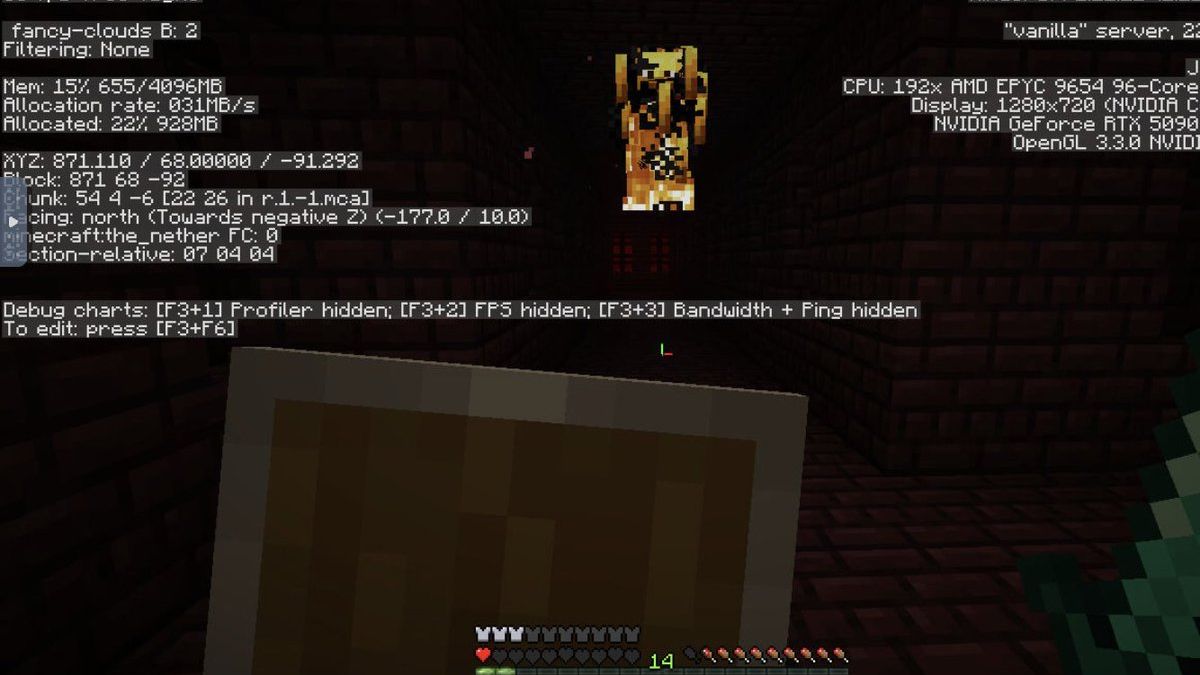
While the model outclassed rivals in how much it was able to achieve, the test has gone viral for a different reason. After Astra put all of its valuable end-game items in a chest, a Creeper appeared and blew up both the chest and Astra's bed β€” a calamity any Minecraft player will tell you is the worst thing that can happen. Not only did Astra lose all of the items to the explosion, but the bed destruction wiped the spawn point out, effectively resetting your game progress to zero. "Here, the most expensive creeper explosion occurred. Later, on a coincidentally rainy day, Astra discovers it lost everything. It all went downhill from here," Vals records.

GPT-6 Astra had gotten further than any AI system had ever gone in Minecraft.It was able to set up a semi-automatic blaze farm, allowing it to collect 6 blaze rods. It then located a warped forest, where it killed 6+ endermen and collected 3 pearls. As thousands of viewers… pic.twitter.com/qsgDsJEpd8September 15, 2026

"The model appeared defeated, spending the next several hours doing essentially nothing but farming potatoes," Vals observed. In fact, it got so bad that viewers on Twitch watching the experiment live started to agitate for the model to pick up the pace. Like all good Minecraft players, Astra reportedly became "paranoid about creepers," logging "GREEN tall thing ahead was SUGARCANE, NOT creeper!"

The AI was also recorded berating itself for dropping things, and even warned itself, "do NOT waste another night chasing dark pink pixels," i.e., pigs.

Astra has made waves as OpenAI's latest frontier model, which is notably adept thanks to its computer use and browsing, letting it navigate, click, and type like a human using a computer. The company has claimed it's an ethereal 'Alien Mind' with AGI-like qualities. Last week, the model was recorded autonomously completing Portal in just 24 hours at a cost of just $571 in tokens.
  •  

Maryland data center developers offer residents biggest-ever US community benefits package as big tech seeks to quell fears β€” $110 million deal includes $30 million elementary school, water reclamation system, and more

Residents of Frederick County, Maryland, could be the beneficiaries of what is purported to be the biggest residential benefits package yet to be offered by data center developers, in a move a new report claims is a sign of a growing trend that Big Tech is trying to get ahead of fears and community pushback surrounding AI infrastructure. The $110 million deal includes new schools, water reclamation, and more, The Information reports.

According to the report, the Frederick Digital Campus offering could be a sign that data center developers like Amazon, Microsoft, and Oracle are wising up to growing residential pushback and concerns around the building of large AI data centers in their communities, with developers "sweetening financial offers to municipalities and regulators to gain approval for new facilities" while "getting smarter" about ensuring they shoulder the cost of utilities like electricity. The report says AI builders are turning towards tangible benefits, rather than rhetoric, to get their projects approved.

The Maryland site, if approved, would see residents of Frederick County benefit from a $110 million investment in total, including a $30 million elementary school, $40 million of recreational facilities, a $14.5 million workforce training center, and a further $10.5 million for "agricultural preservation." That comes on top of a purported $215 million in annual property taxes the campus would pay upon completion, a 40% uptick in tax revenue.

It appears the developers have also offered concessions regarding construction, reducing the square footage by almost 20%, and reducing potable water (water safe for human consumption and use) usage by 80%, with up to $100 million also proposed for a water reclamation system.

The proposal is yet to be approved, but if passed, the campus would boast Amazon and Aligned Data centers amongst its tenants. The report reiterates the deal "reflects a rapidly emerging consensus by both tech companies and host governments to eliminate giveaways to developers and to accelerate benefits to towns in the vicinity of the facilities."

A further cited example from Pennsylvania claims AWS announced it would not seek any economic incentives to reduce the tax burden on its 4.5GW, 36-building data center campus in Homer City.

The report further cites occasions where big tech companies are taking the side of consumers and residents over power rate debates, with Microsoft recently said to have challenged an American Transmission Co. and We Energies’ proposal for its Wisconsin data center, claiming the plan wasn't robust enough to protect retail customers from footing the bill if demand was lower than expected. In another case, Google and Amazon are said to have lobbied Virginia regulators to ensure they would fund transmission upgrades required for their infrastructure, rather than let an energy company cover the cost by marking up customer bills.

With concerns around data center buildouts impacting local water supplies, energy rates, and even contributing to noise pollution, it's clear that Big Tech companies appear to be trying to grease the wheels on a local level by investing more directly in some local communities. Big Tech has reportedly now spent more than $1 trillion on AI infrastructure, so even local investments to the tune of hundreds of millions of dollars are a drop in the ocean for companies.

Regulators are trying to pump the brakes on data center buildouts, with some 500 data centers on hold in the US because of various moratoriums and legal pauses.

  •  
❌