❌

Reading view

The best 'Star Trek' spaceships: 14 classic vessels from the Federation and beyond

Raise shields and charge phasers, because we're running down the best "Star Trek" spaceships from across the galaxy.

When Matt Jefferies started designing the original USS Enterprise, "Star Trek" creator Gene Roddenberry told him he didn't want to see rockets or jets propelling the ship. "I bought whatever I could find on 'Buck Rogers' and 'Flash Gordon' and pinned it up on the wall," Jefferies explained. "I said, 'That we will not do.'"

It's fair to say the artist came up with a truly brilliant solution, as the saucer/warp nacelle design of Kirk's Enterprise became a cultural icon. Its legacy survives 60 years later, with an updated version of that famous ship currently flying through "Strange New Worlds", and every other "Trek" spin-off featuring a descendant of that famous design. Starfleet crews have also faced off against some similarly iconic alien spacecraft along the way.

Now, 60 years after James T Kirk launched his original five-year-mission, we've looked back at some of the most memorable vessels ever to leave Spacedock (or its non-Federation equivalents).

We've limited ourselves to three Enterprises β€” Captain Archer's NX-01 did not make the cut β€” but you'll find plenty more of the best "Star Trek" spaceships below, whether friendly or hostile.

Watch Star Trek on Paramount+:
Essential (ads): $8.99/mo or $89.99/yr
Premium (no ads): $13.99/mo or $139.99/yr

1. Galileo shuttlecraft
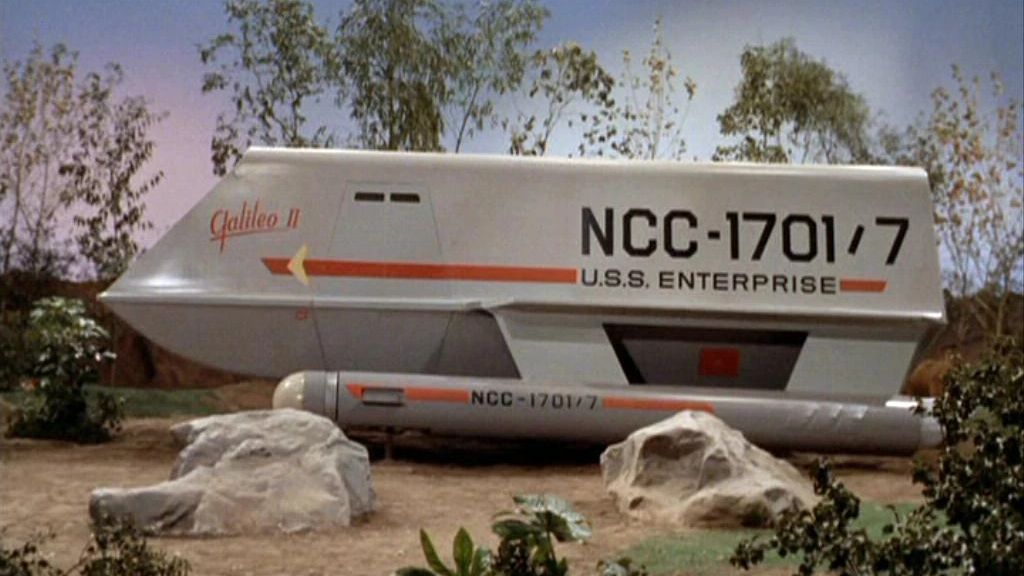
The Galileo shuttlecraft from Star Trek: The Original Series

(Image credit: Paramount)

"Star Trek" famously got around the challenge of landing on a new planet every week by inventing the transporter beam. There are times, however, when only a shuttlecraft is up to the task, and the Galileo flew its first mission in "Star Trek"'s first season β€” it even gives its name to an episode, "The Galileo Seven".

It's essentially just a box with warp nacelles stuck to the bottom, but the design is so timeless that the shuttlecraft of "The Next Generation" era and beyond are essentially variations on the same theme. The Galileo may be small, but it's also perfectly formed.

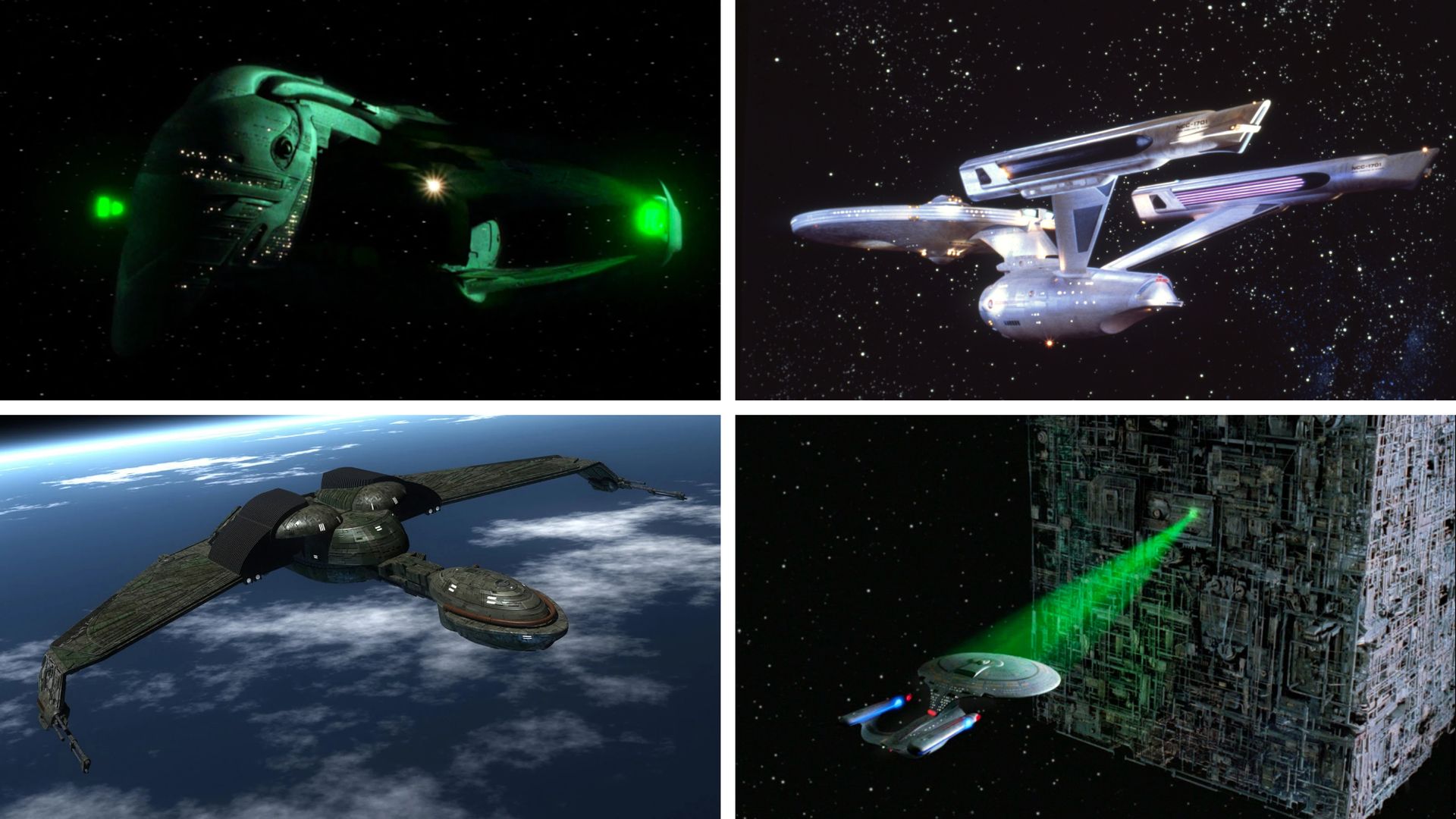
2. USS Enterprise (Constitution Class, post-refit)
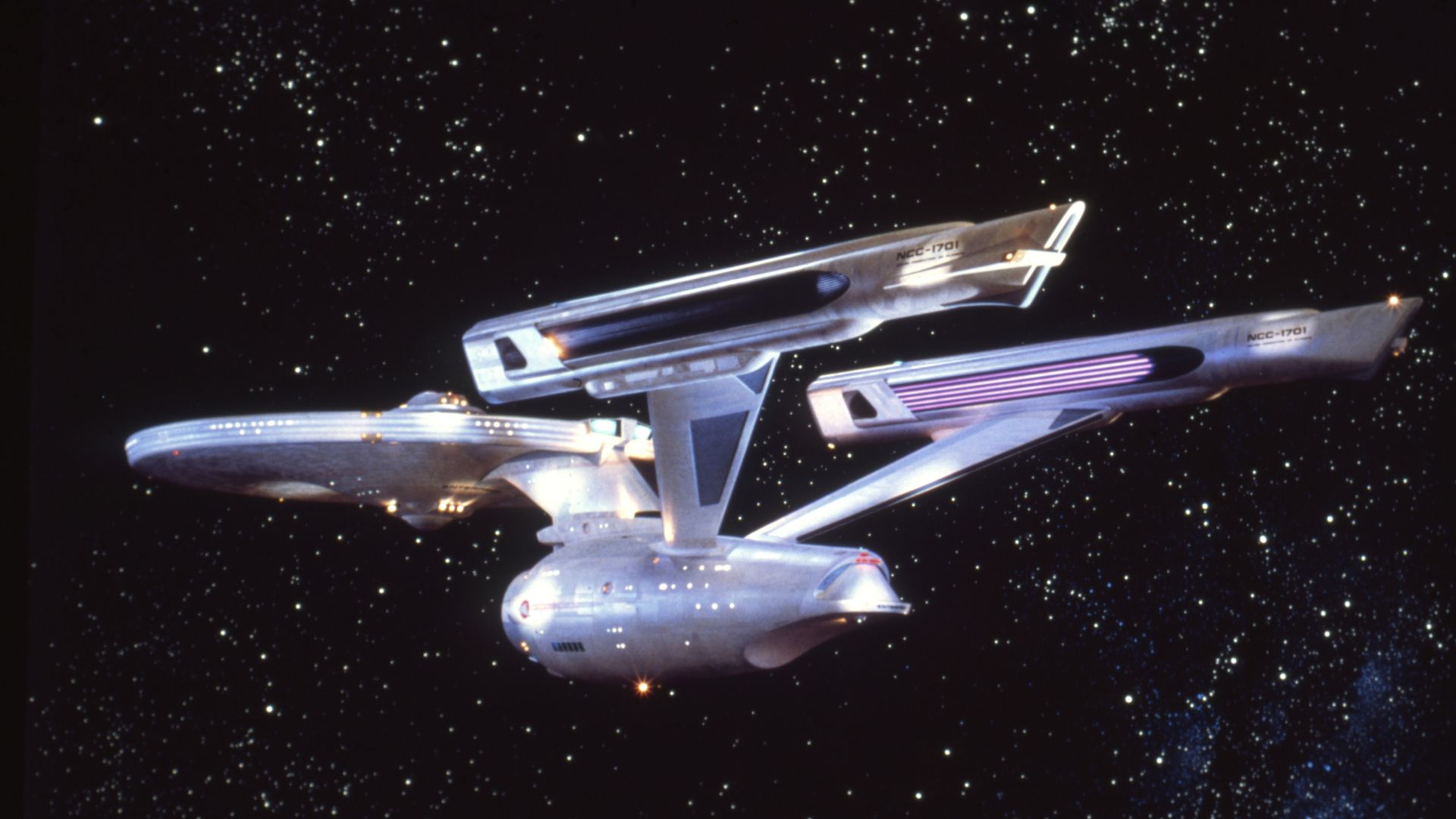
The USS Enterprise Constitution Refit from Star Trek: The Motion Picture

(Image credit: Getty Images (Sunset Boulevard))

Matt Jefferies' Original Series Enterprise was β€” like the crew's uniforms β€” an instant design classic, but the NCC-1701 reached its peak when it got a top-to-bottom refit for "Star Trek: The Motion Picture".

Andrew Probert's update replaced the cylindrical nacelles with a squarer, sleeker look, and thoroughly modernized the saucer and stardrive sections. This iteration would ultimately be destroyed in "The Search for Spock", but the follow-up NCC-1701-A used the same blueprints. Arguably the most iconic Enterprise of them all.

3. USS Reliant (Miranda Class)
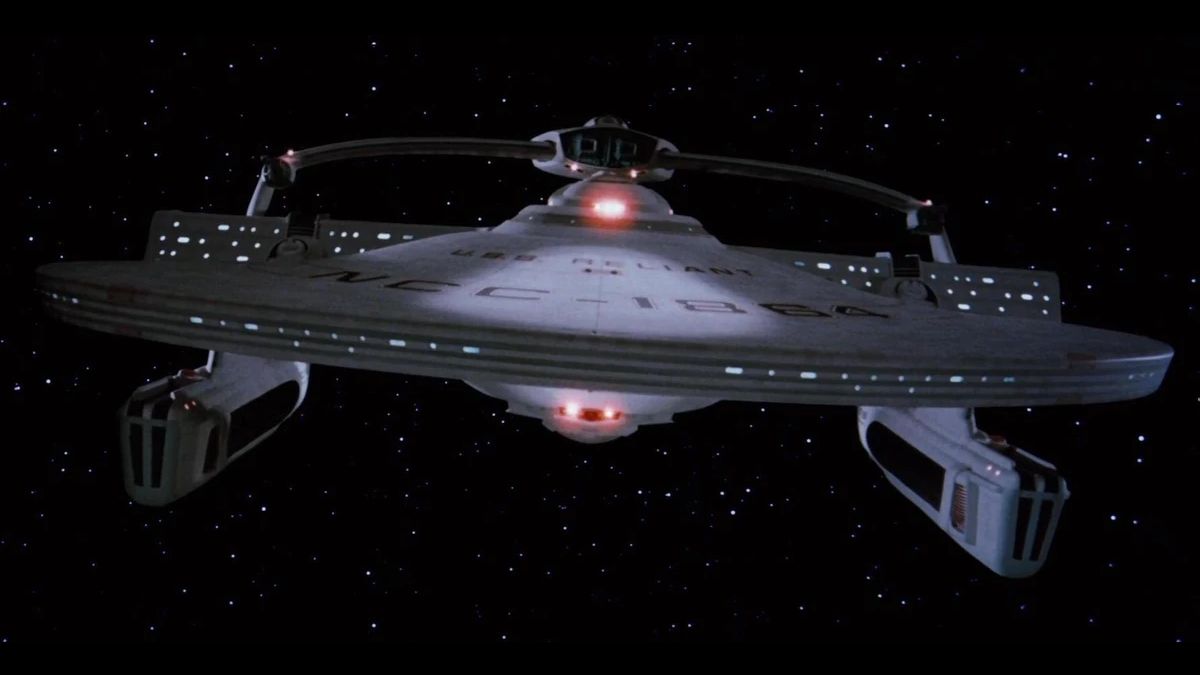
The USS Reliant from Star Trek II: The Wrath of Khan

(Image credit: Paramount)

The script for "Star Trek II: The Wrath of Khan" necessitated Kirk's crew going head-to-head with another Starfleet vessel. A clone of the Enterprise would have made things confusing, while a complete design overhaul would have seemed incongruous.

The USS Reliant was the perfect halfway house, a design that kept things consistent with its trademark Federation saucer section, but shook things up by putting the warp nacelles under the primary hull. Less elegant than the Enterprise, perhaps, but still much more noteworthy than "The Search for Spock"'s USS Grissom and USS Excelsior.

4. HMS Bounty (Klingon Bird of Prey)
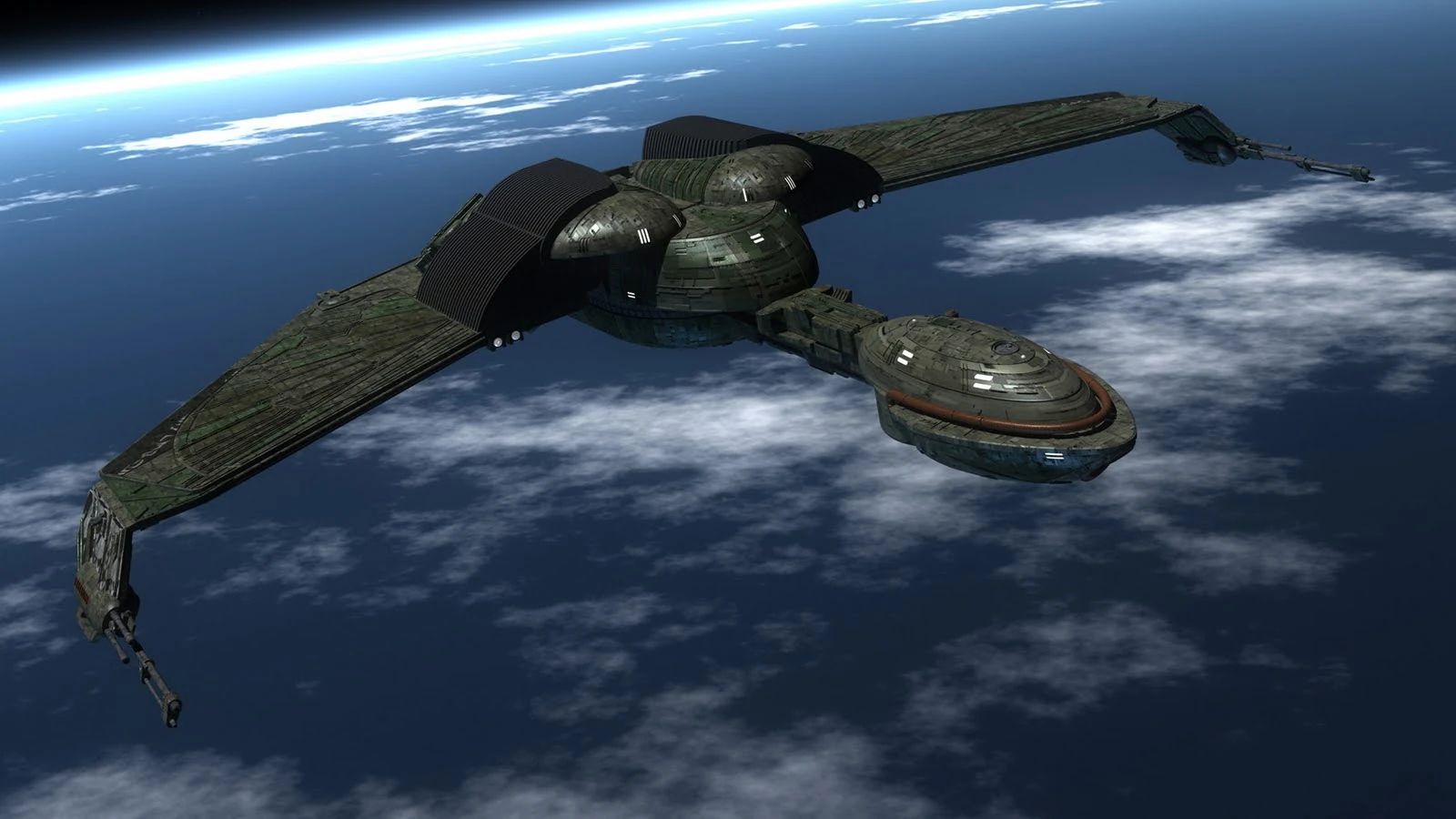
The HMS Bounty (a Klingon Bird of Prey) from Star Trek III: The Search for Spock.

(Image credit: Paramount)

It was the Romulans who flew Birds of Prey in the Original Series, and they were all set to be the primary antagonists of "The Search for Spock" until Paramount executives pushed for the more famous Klingons. Luckily, Commander Kruge was allowed to hold on to the ship, because variants of this design went on to become a mainstay in later movies and into the "Next Generation" era.

There's a pleasing, "Star Wars"-like grubbiness to the hull, while the powerful weapons and movable wings make it look like an apex predator. The cloaking device is helpful, too, particularly when Kirk takes the rebranded "HMS Bounty" to the 20th century to pick up some whales in "The Voyage Home".

5. The whale probe

The Whale Probe ship from Star Trek IV: The Voyage Home

(Image credit: Paramount)

It's never entirely clear whether the whale probe is a vessel or a lifeform in its own right, but we're going to assume the former. What is obvious is that this vast probe possesses great power, enough to threaten human existence as it tries to make contact with humpback whales who β€” thanks to their extinction in the 21st century β€” have stopped phoning home.

It's the probe's design that's the masterstroke, however: a minimalist and surprisingly effective combination of giant log, energy beam and floating ball. The spacecraft's unknowability β€” along with its haunting cry β€” is what makes it so intimidating.

6. USS Enterprise-D (Galaxy Class)
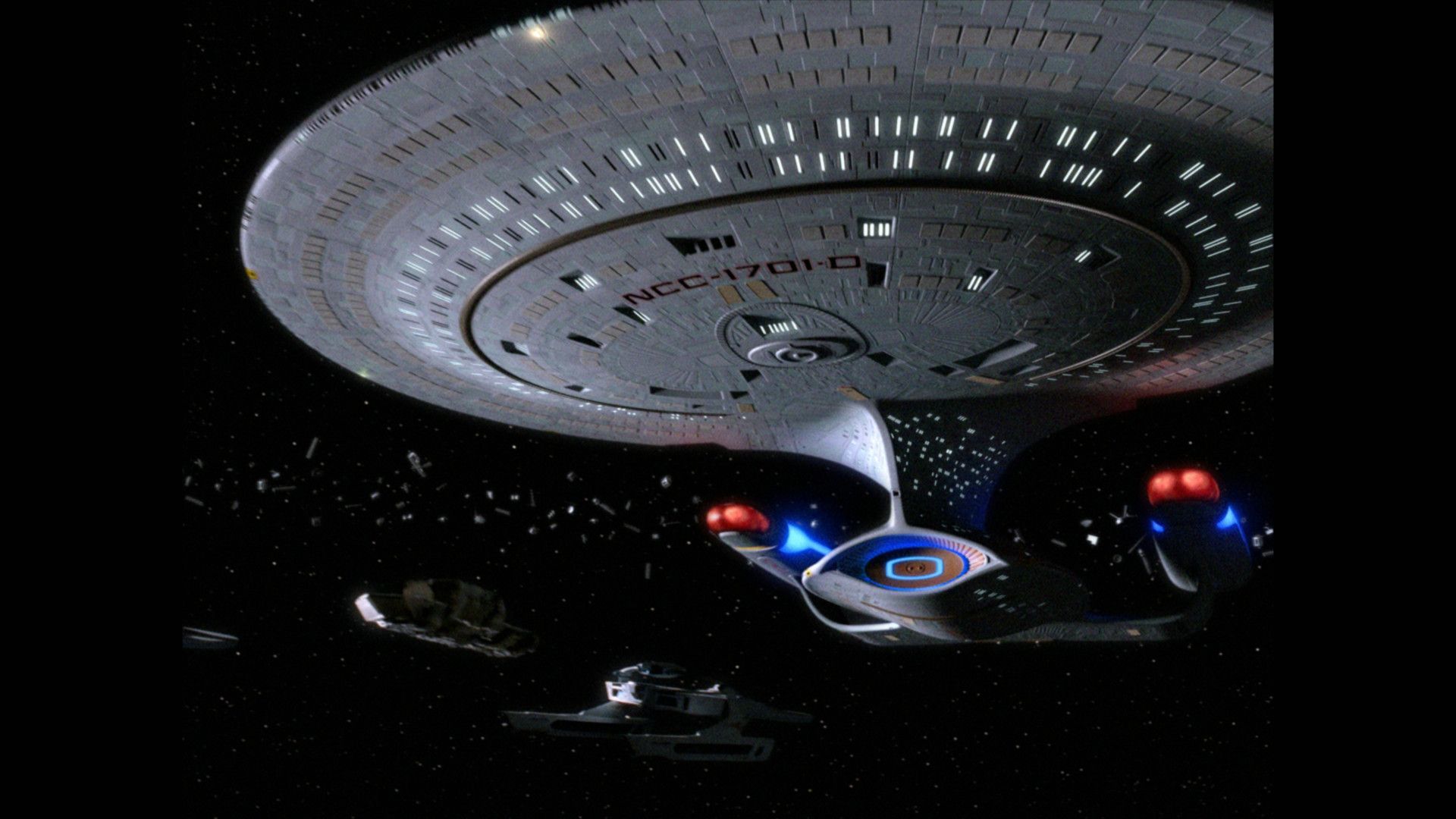
U.S.S. Enterprise (NCC-1701-D) Star Trek The Next Generation (1987)_Paramount Pictures

(Image credit: Paramount Pictures)

Probert also designed the flagship of "The Next Generation", albeit with a very different brief. Set decades after the voyages of Kirk and Spock in an even more enlightened future, the new show needed a friendlier home for its space explorers.

"I felt like it was an ambassador for Starfleet," said Probert. "It should look unthreatening, it should be very soft." That meant an oversized saucer section, a curvier secondary hull, and plenty of room for families.

It also has the rarely used capability to split into two sections β€” something that came in very handy in the brilliant episode "The Best of Both Worlds".

7. Romulan Warbird (D'Deridex Class)
Romulan Warbird from Star Trek: The Next Generation

(Image credit: Paramount)

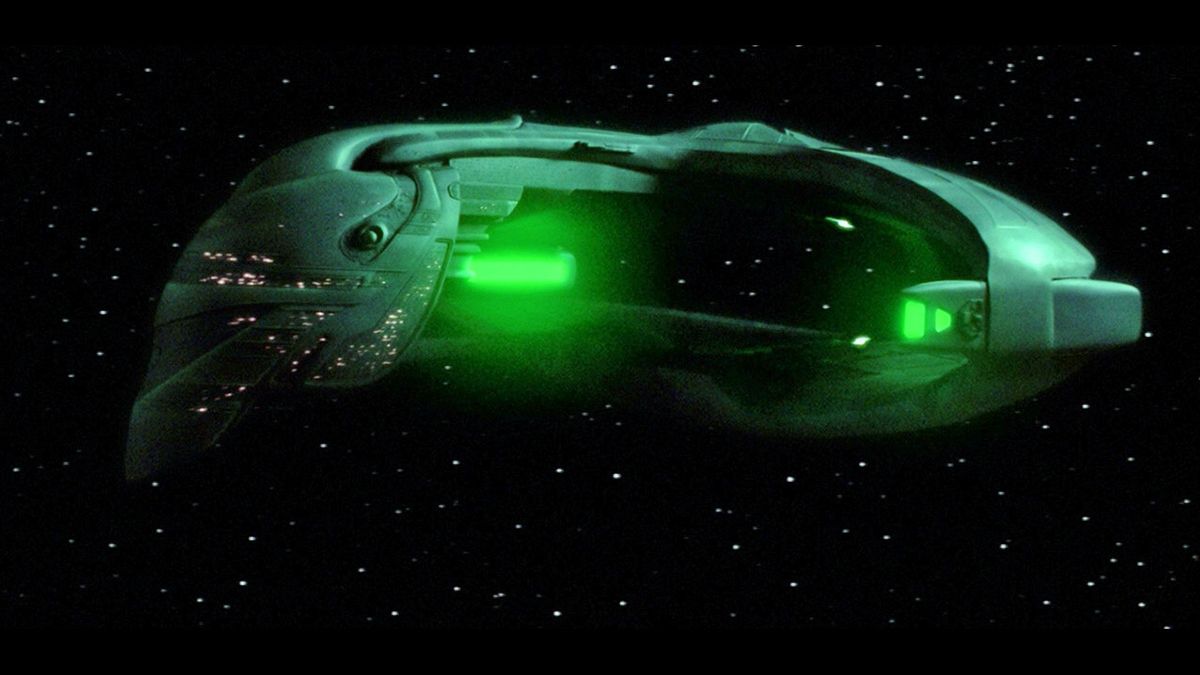
Nobody had heard a peep from the Romulans in decades when they turned up in "The Next Generation" episode "The Neutral Zone".

It turned out they'd gone back to the starship drawing board in a big way, replacing the veteran Bird of Prey with a creepy, green design light years away from the shiny white exteriors beloved of the Federation.

The front of the hull is reminiscent of "Battlestar Galactica"'s OG Cylon helmets (Probert worked on both), while their decloaking maneuver is disconcertingly ghostly.

8. Borg Cube
A Borg Cube from Star Trek

(Image credit: Paramount)

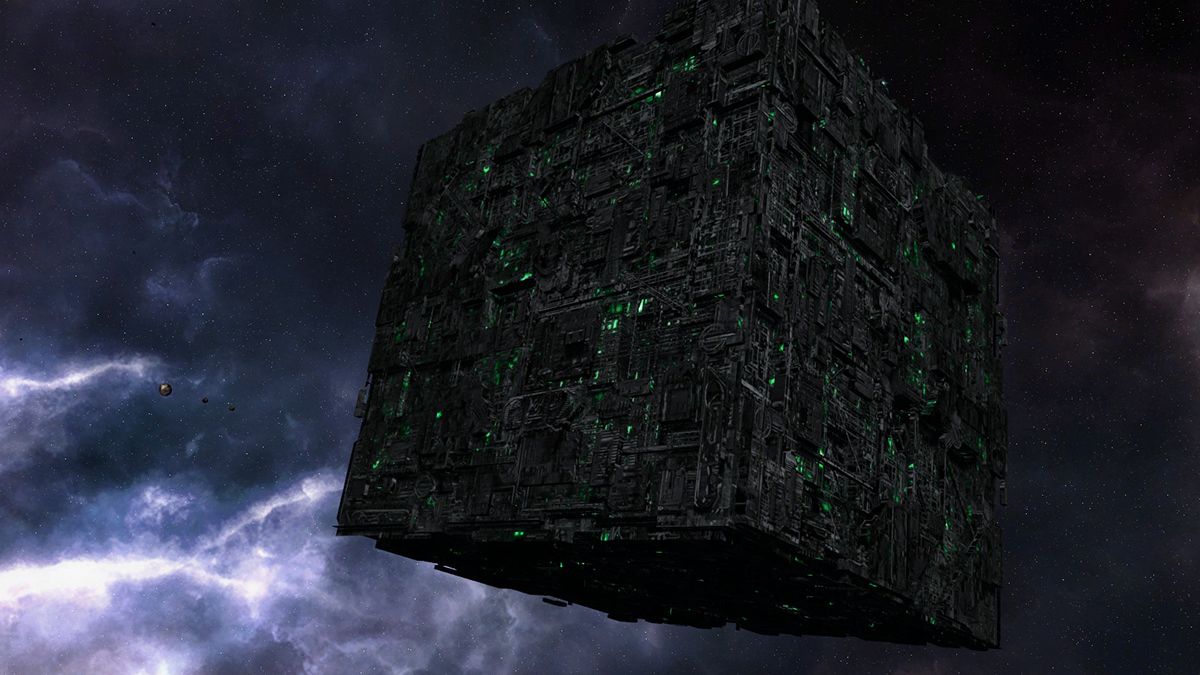
It may look like what happens when other ships get crushed at a scrapyard, but the standard-issue Borg Cube is one of the most intimidating sights in the "Star Trek" universe.

Lacking a front or back β€” or, indeed, any distinguishable features β€” the design's uniformity is a cover for seemingly limitless power. Frustratingly impervious to most forms of attack, capable of self-repair, and surprisingly speedy (largely thanks to their ability to negotiate transwarp conduits), Borg Cubes are something you never want to see on your viewscreen.

9. Cardassian Galor Class
The Cardassian Galor Class Cruiser from Star Trek: Deep Space Nine

(Image credit: Paramount)

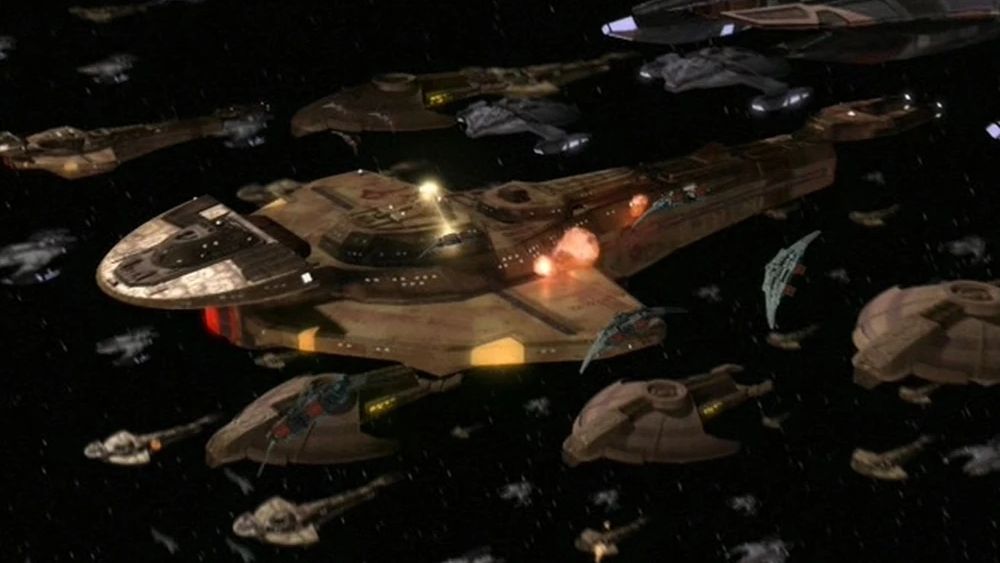
Cardassian designs had a major role in "Deep Space Nine", seeing as they built the original Terok Nor station.

Their most significant contribution to "Star Trek" aesthetics, however, may just be their military cruiser, an elaborate design inspired by the emblem of the Cardassian Union (Not the last time a Trek ship would be designed around a logo, as "Starfleet Academy"'s USS Athena also looks a lot like the combadges worn within the faculty).

The Galor Class isn't much to look at in profile, but from above there's a definite invertebrate vibe to the silhouette, even if the ship's back-to-front styling makes it look like it's perpetually in reverse gear.

10. USS Defiant (Defiant Class)
The USS Defiant from Star Trek: Deep Space Nine

(Image credit: Paramount)

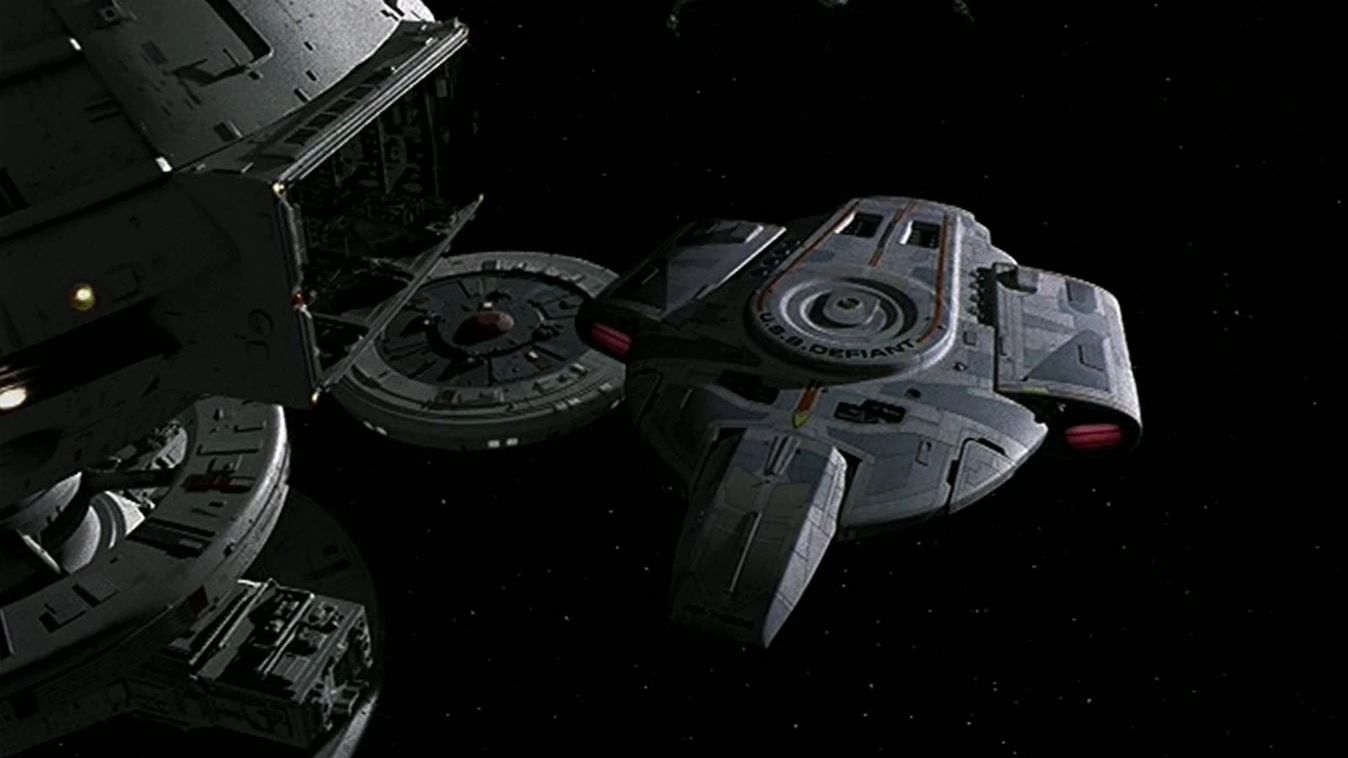
"Deep Space Nine"'s space station setting ensured it was more static than its predecessors, with the crew's occasional away missions undertaken on Runabouts.

The onset of the Dominion War ensured Sisko and co were given something with a little more punch, a "tough little ship" built for battle, supplied with special "ablative armor" and β€” thanks to a unique deal with the Romulans β€” its own cloaking device.

Color scheme aside, it's a complete break from Starfleet norms, the design owing as much to the Millennium Falcon as the USS Enterprise. So iconic that β€” following the destruction of the original USS Defiant β€” the replacement USS Sao Paulo took its name.

11. USS Voyager (Intrepid Class)
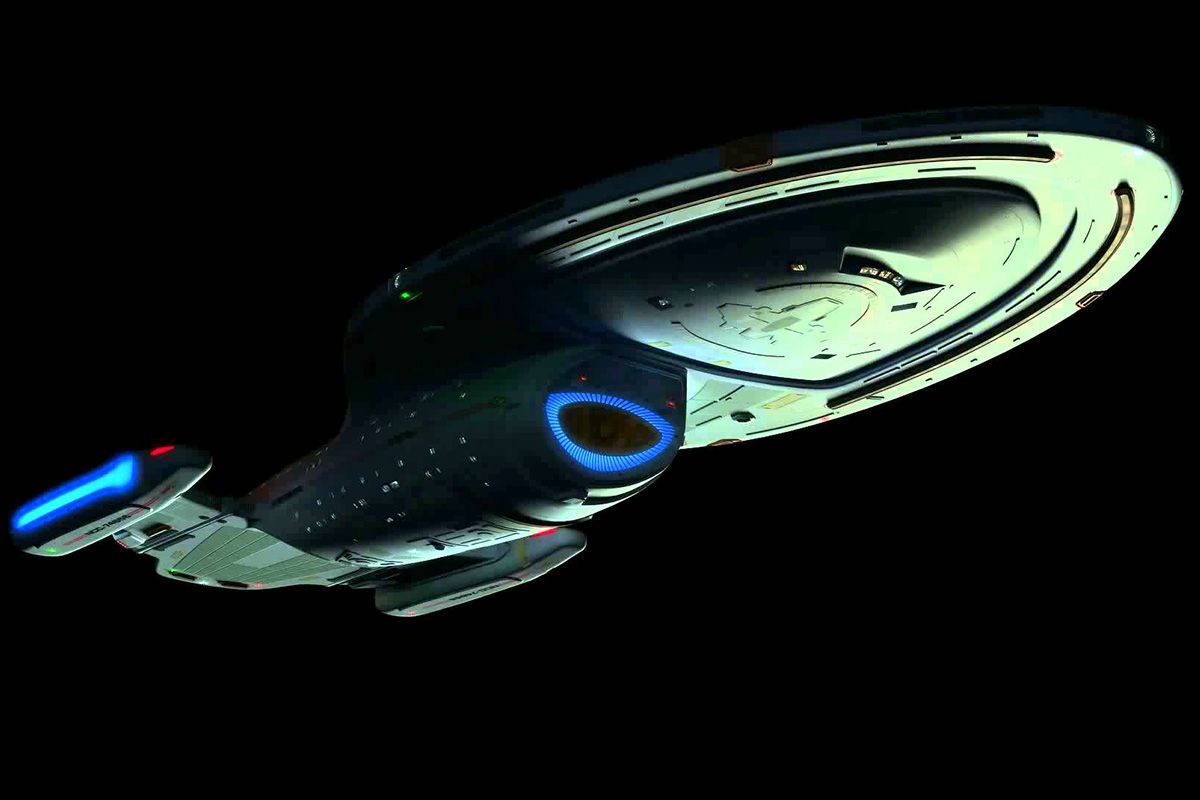
The USS Voyager from Star Trek Voyager

(Image credit: Paramount)

Unlike the Enterprises, Voyager was never designed to be the flagship of the Federation. This was always a more midtable vessel, equipped with some state-of-the-art technologies but only headline-worthy thanks to its extended jaunt across the Delta Quadrant.

Still, this nimble ship is one of the most good-looking in the fleet, with saucer and drive sections that feel like an organic whole, and β€” in a cool innovation β€” nacelles that move before a jump to warp.

It also, in season 2 "Voyager" episode "The 37s", became "Star Trek"'s first lead ship to intentionally land on the surface of a planet.

12. USS Enterprise-E (Sovereign Class)
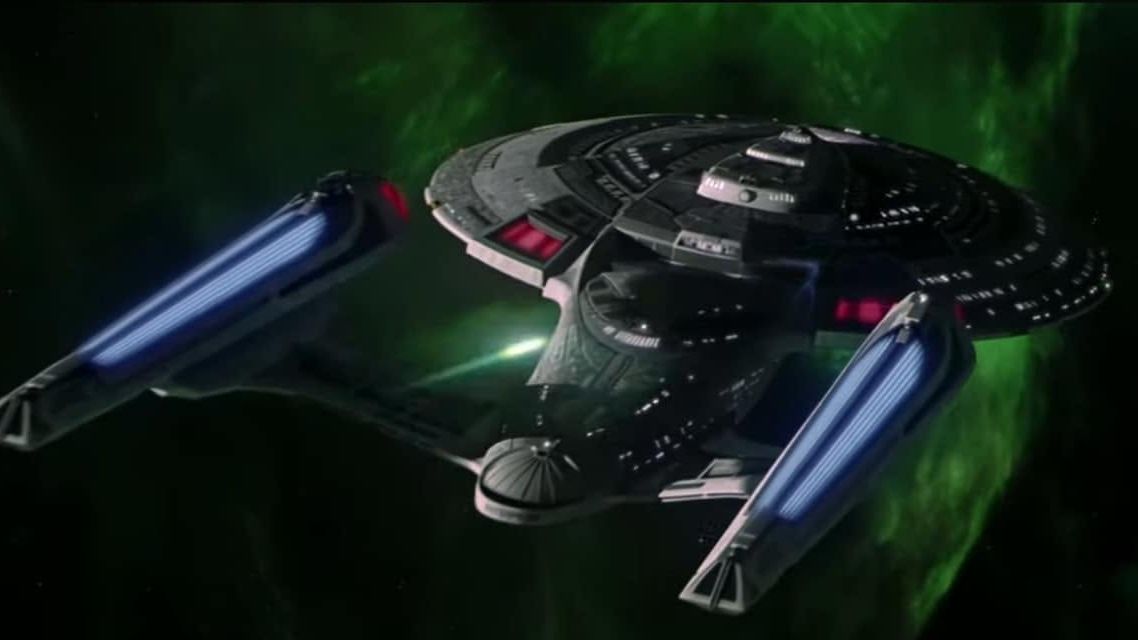
Sovereign-class starship, registry NCC-1701-E, commanded by Jean-Luc Picard. Enterprise-E appeared in the films Star Trek: First Contact, Star Trek: Insurrection, and Star Trek Nemesis.

(Image credit: Paramount)

After the Enterprise-D's saucer section crash-landed on the surface of Veridian III in "Generations", Picard and the "TNG" crew needed a new home.

The new-look USS Enterprise-E is more divisive than its predecessors, though it was a result of designer John Eaves' efforts to create a ship that looked better at multiple angles than the notoriously hard-to-shoot Enterprise-D model. In canon, the design reflected the Federation's shift to a more warlike stance after tussles with the Borg and the Dominion.

This was a more functional ship, crafted for battle rather than comfort, with a flatter, more streamlined profile, and β€” controversially β€” an elongated saucer section.

13. The Phoenix
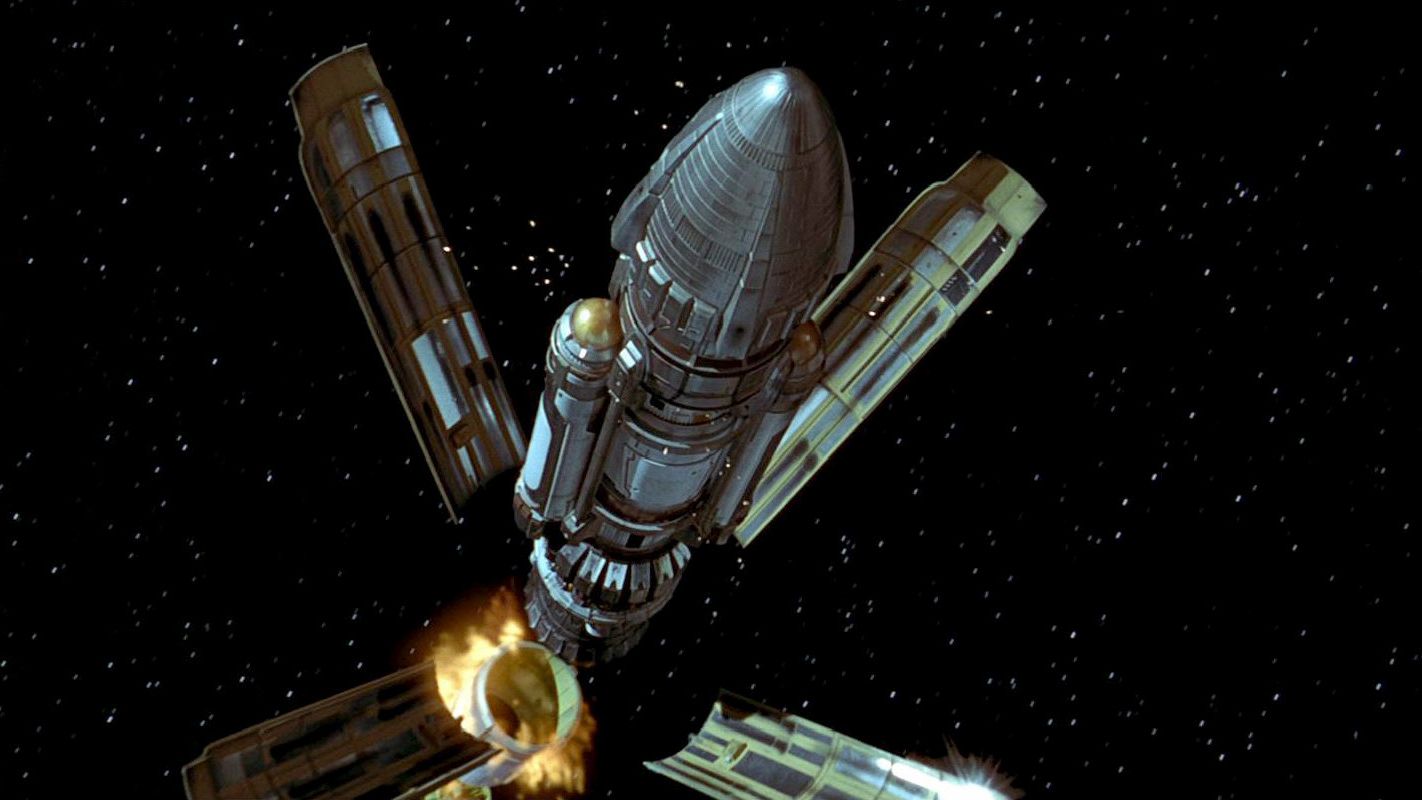
The Phoenix from Star Trek: First Contact

(Image credit: Paramount)

AKA where it all began. The Phoenix is the ship warp pioneer Zefram Cochrane used to break the lightspeed barrier, attract the attention of some passing Vulcans, and usher in an era of (give-or-take) galactic peace.

The irony that it's constructed from a World War III nuclear missile is noted, though it's the optional extras that make the Phoenix so memorable β€” it's like a pair of extendable warp nacelles have been added to a modern-day rocket. There's also a built-in sound system.

The Phoenix is so important to the 'history' of spaceflight in canon that it featured alongside Apollo and the International Space Station in "Star Trek: Enterprise"'s opening credits.

14. Species 8472 Bioship
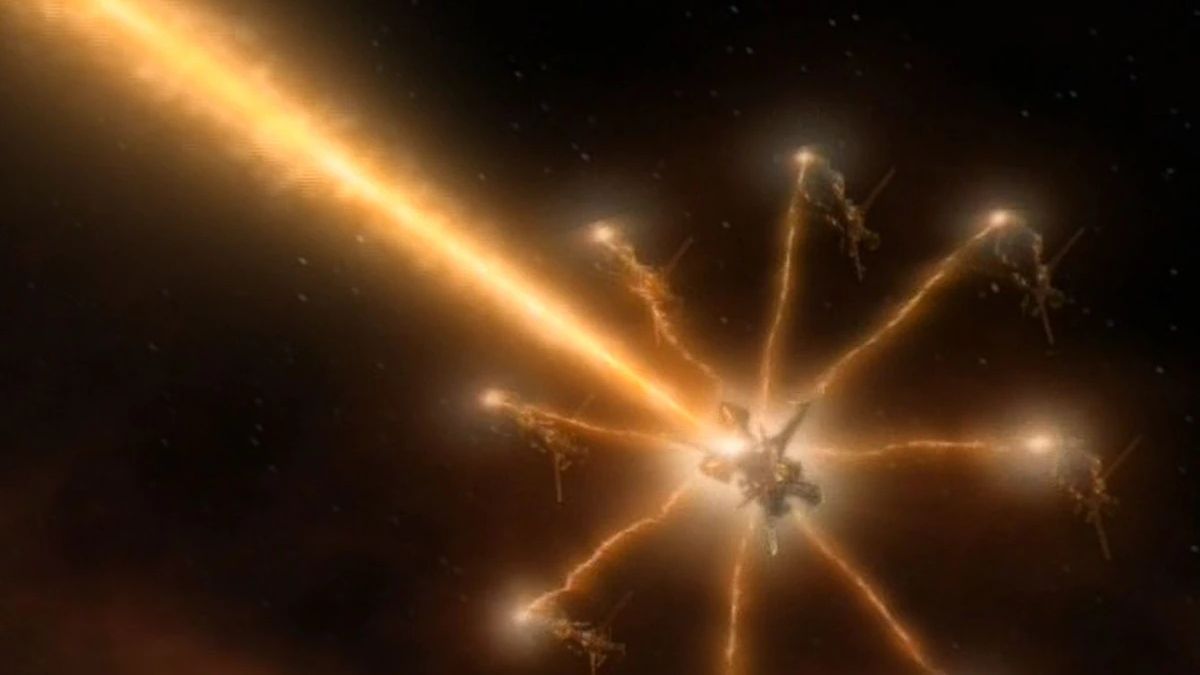
Species 8472 bioships from Star Trek: Voyager

(Image credit: Paramount)

"Babylon 5"'s computer-driven VFX meant the show featured organic designs from its early days, but with "Star Trek"'s space scenes still dominated by model work, the debut of Species 8472 in the 1997 "Voyager" episode "Scorpion" brought a whole new breed of starship to the franchise.

These squid-like vessels (created in "fluidic space", but similarly adept in a vacuum) were more than a match for the Borg and could join forces to fire a single energy blast of Death Star-esque proportions.

Watch Star Trek on Paramount+:
Essential (ads): $8.99/mo or $89.99/yr
Premium (no ads): $13.99/mo or $139.99/yr
  •  

60 years of Star Trek uniforms: Looking back at the everchanging wardrobe of Starfleet

To boldly dress as no one has dressed before… In another universe, that could have been the "Star Trek" mission statement.

Sure, the veteran franchise has spent much of its 60-year lifetime seeking out new life and new civilisations, but it's also been preoccupied with keeping crews fashionable as they explore the final frontier. It seems that nobody wants to make first contact sporting last year's jumpsuit.

The sheer volume of uniforms worn on Federation duty is mind-boggling, as Starfleet has turned regular style updates into one of its prime directives. So, as "Trek" celebrates its 60th anniversary, we take a warp-speed tour through the outfits Kirk, Picard, Sisko, Janeway, and the rest have hung in their wardrobes. Make it sew, number one!

Watch Star Trek on Paramount+:
Essential (ads): $8.99/mo or $89.99/yr
Premium (no ads): $13.99/mo or $139.99/yr
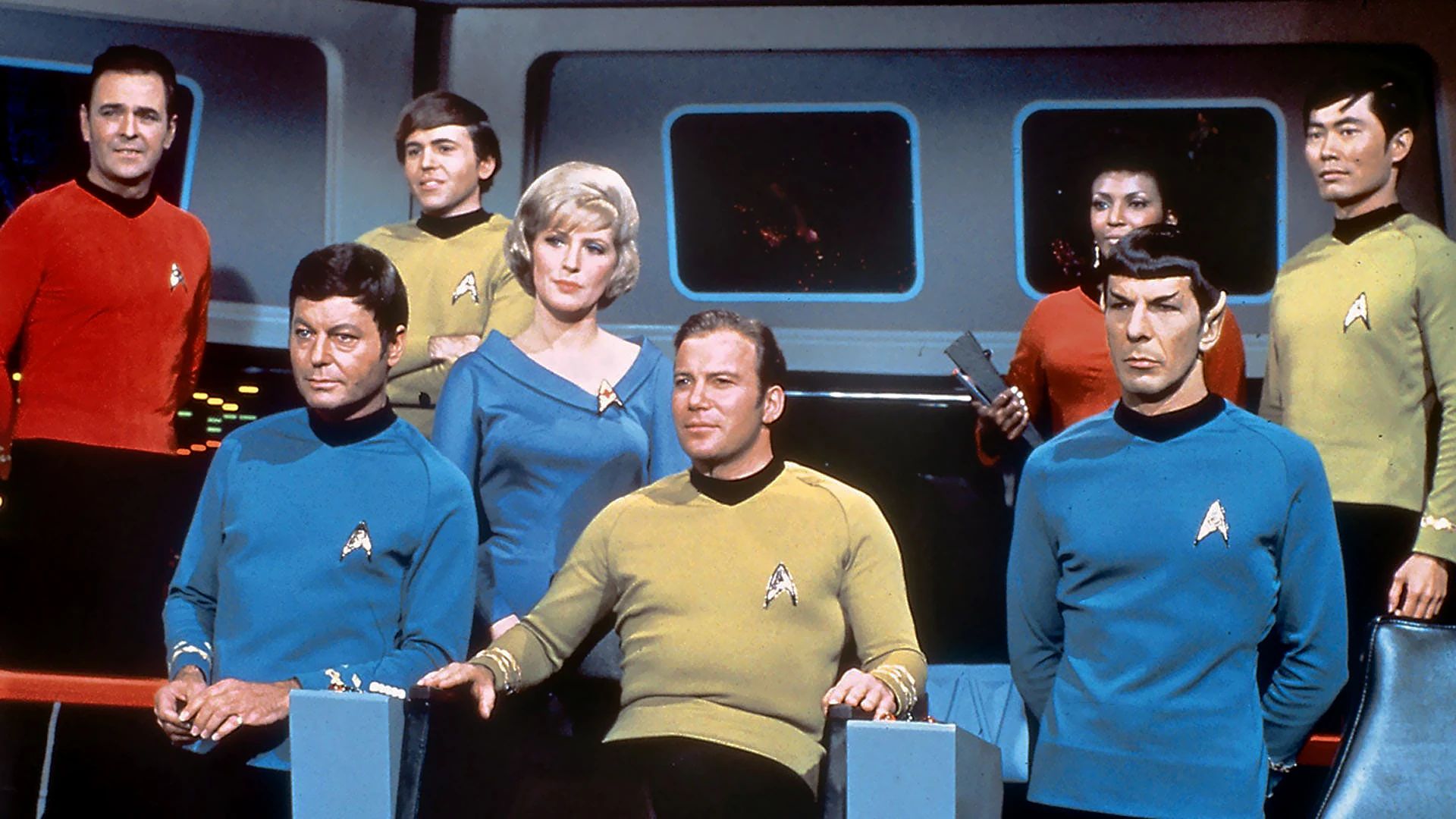
The Original Series era

Screenshot from Star Trek: The Original Series.

Captain Kirk and his crew, sporting their iconic uniforms on "Star Trek: The Original Series". (Image credit: Star Trek: The Original Series)

Departments denoted by: Logos in Starfleet delta, color of sweater (Command: Gold/Green, Science/Medical: Blue, Operations: Red)

Rank denoted by: Bands on sleeve cuffs

Although the ranks were lifted directly from the Navy, "Star Trek" creator Gene Roddenberry didn't want the Enterprise to feel militaristic β€” this was the enlightened 23rd century, after all, when exploration was more important than war. As such, the uniforms worn by Kirk and co were rather more casual than standard forces' issue.

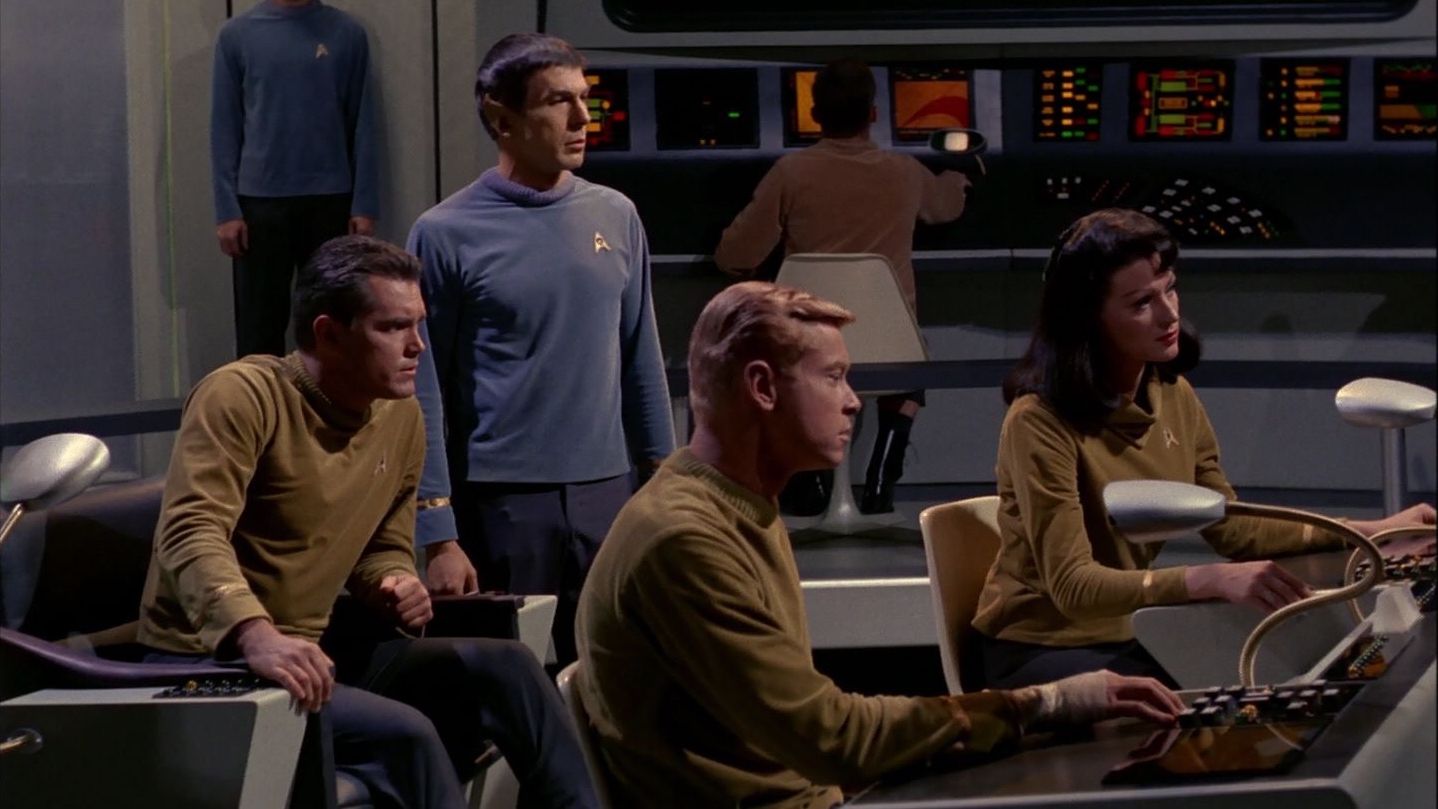
By the time the Enterprise started its five-year mission in earnest, the outfits had been through a couple of subtly different evolutionary stages (in pilot episodes "The Cage" and "Where No Man Has Gone Before") before costume designer William Ware Theiss zeroed in on those now-iconic designs.

Screenshot from Star Trek: The Original Series.

Captain Pike and his bridge crew in the "Star Trek: The Original Series" pilot episode "The Cage". (Image credit: Star Trek: The Original Series)

They featured sweaters and black pants for the men, peak-'60s minidresses for the women, and all of them were color-coded blue (Science/Medical), red (Operations), or green (Command) to show off the wonders of those new-fangled color television sets.

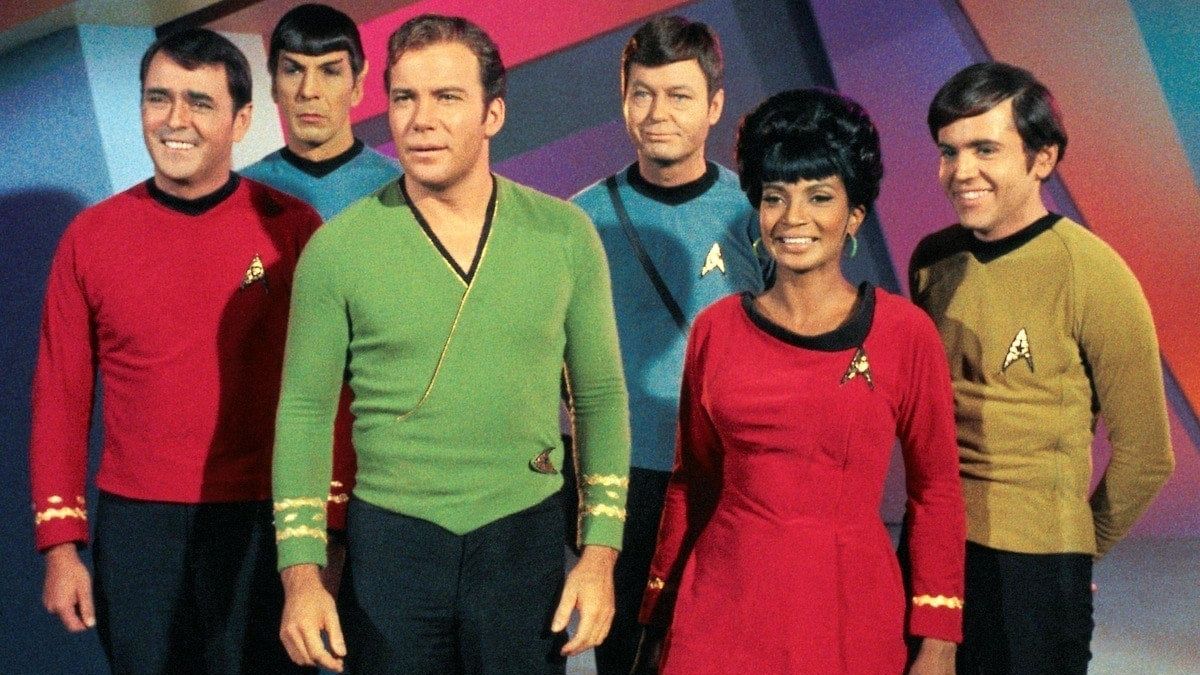
And yes, we did say green. The command sweaters worn by Kirk, Sulu, and Chekov were actually green in real life, but a combination of studio lights, early color TV tech, and the velour fabric made them appear gold on screen.

Screenshot from Star Trek: The Original Series.

Captain Kirk wearing his occasionally used green wraparound top in "Star Trek: The Original Series". (Image credit: Star Trek: The Original Series)

The casual wraparound number occasionally worn by Kirk was made from a different material, and hints at the green Theiss originally intended.

The Animated Series later retconned canon to match public perception, making gold Starfleet's official color of command.

The Motion Picture

Crew in Star Trek: The Motion Picture_Paramount Pictures

(Image credit: Paramount Pictures)

Departments denoted by: Flash of color behind badge (Command: White, Science: Orange, Medical: Green, Engineering: Red, Operations: Gold, Security: Silver)

Rank denoted by: Bands on sleeve cuffs

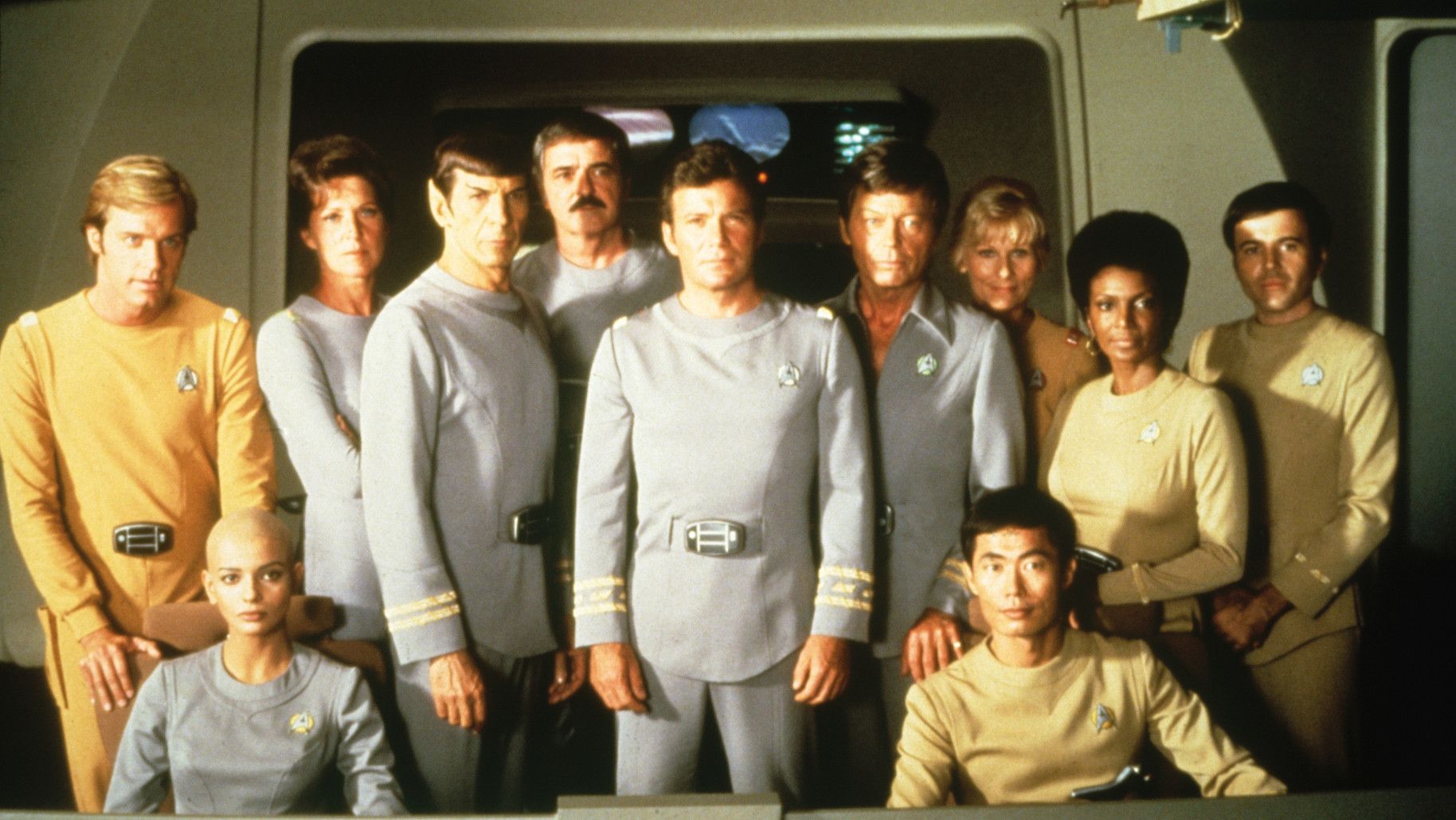
The primary colors were ditched for Trek's first big-screen adventure, as director Robert Wise and costume designer Robert Fletcher opted for subdued "Space: 1999"-esque pastels.

The loose-fitting, pajama-like uniforms came in an exciting range of light blue and beige (newly promoted Admiral Kirk had his own special design), with departments denoted by a flash of color behind the Starfleet delta logo.

Uniforms came with a built-in fanny pack (a medical monitor, apparently), while engineering and security were given protective clothing. The crew also got jackets to wear on chilly away missions.

The other Original Series movies

Screenshot from Star Trek VI: The Undiscovered Country

The iconic maroon Starfleet uniforms that debuted in "Star Trek II: The Wrath of Khan". (Image credit: Paramount)

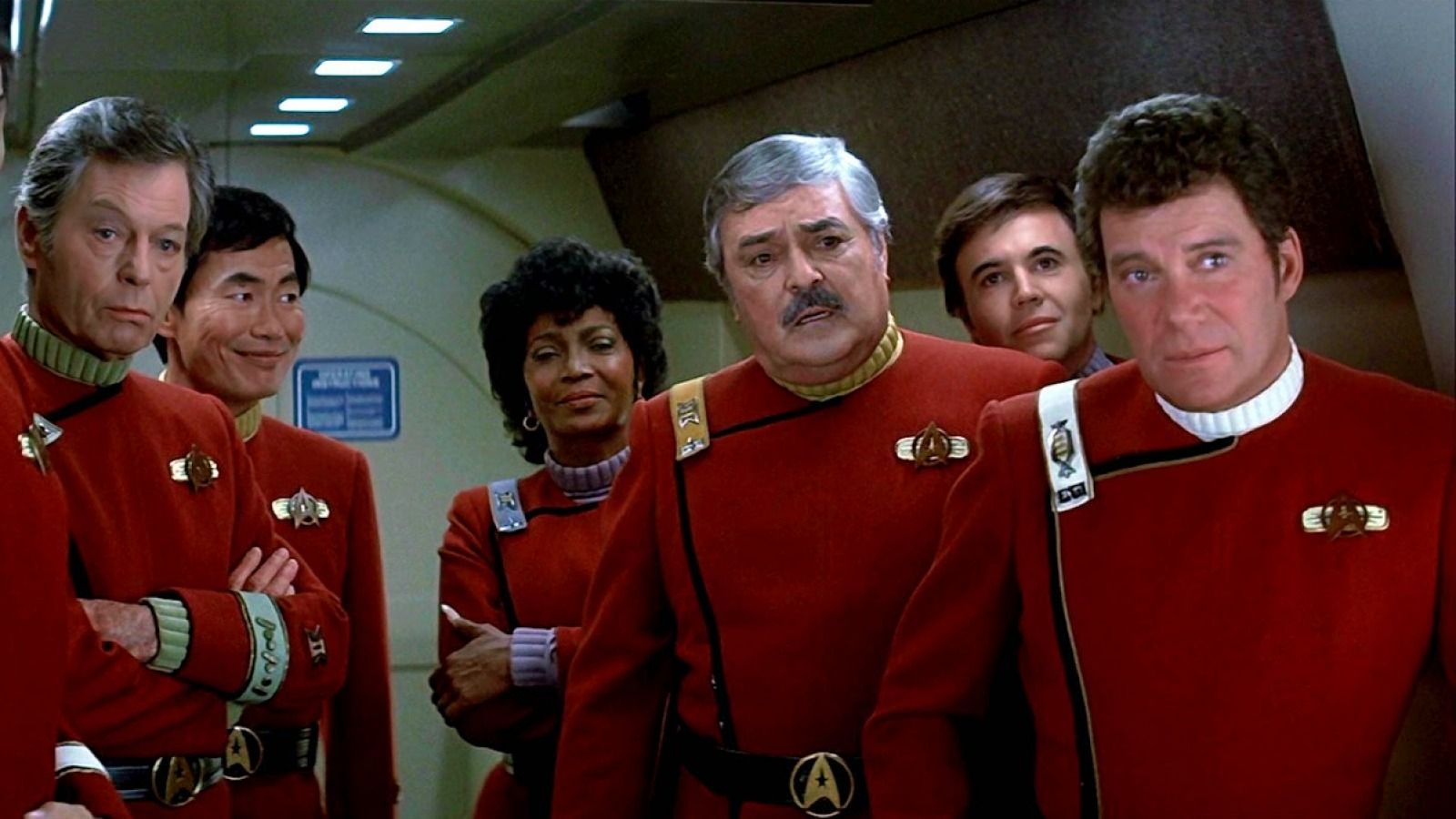
Departments denoted by: Color of turtleneck (Command: White, Science: Gray, Medical: Green, Operations: Ochre: Operations, Red: Cadets/trainees)

Rank denoted by: Metal insignia on epaulettes/cuffs

"The Motion Picture" uniforms didn't last long, as "The Wrath of Khan" director Nicholas Meyer decided he wanted a more militaristic look for his "Hornblower in space" epic. "When I watched the TV show, I never understood why they were all running around in pajamas," he said, "so I tried to change some stuff".

The one thing that did remain from the Original Series was the voluminous cut of the pants, albeit enhanced by a natty red stripe down the side. Otherwise, this was a complete overhaul, as Fletcher introduced maroon tunics β€” arguably more flattering to the ageing crew's waistlines β€” over color-coded turtlenecks. The tunic was secured via a matching epaulette that also carried rank-specific insignia.

Screenshot of Starfleet officer Richard Castillo (Christopher McDonald) in

(Image credit: Paramount)

The "Wrath of Khan" look would remain intact until "Generations" 12 years later, and the design persisted in canon for decades β€” in classic "Next Generation" time travel episode "Yesterday's Enterprise", the doomed Enterprise-C crew still dressed in those maroon tunics, though by the mid-24th century they'd ditched the turtlenecks.

Variations appeared in later original crew movies, including bomber jackets and a vest which β€” handily for chief engineer Mr Scott β€” comes with multiple pockets.

The Next Generation era

(Left to right) LeVar Burton, Marina Sirtis, Brent Spiner, Patrick Stewart, Michael Dorn, Gates McFadden and Jonathan Frakes.

(Image credit: Paramount+)

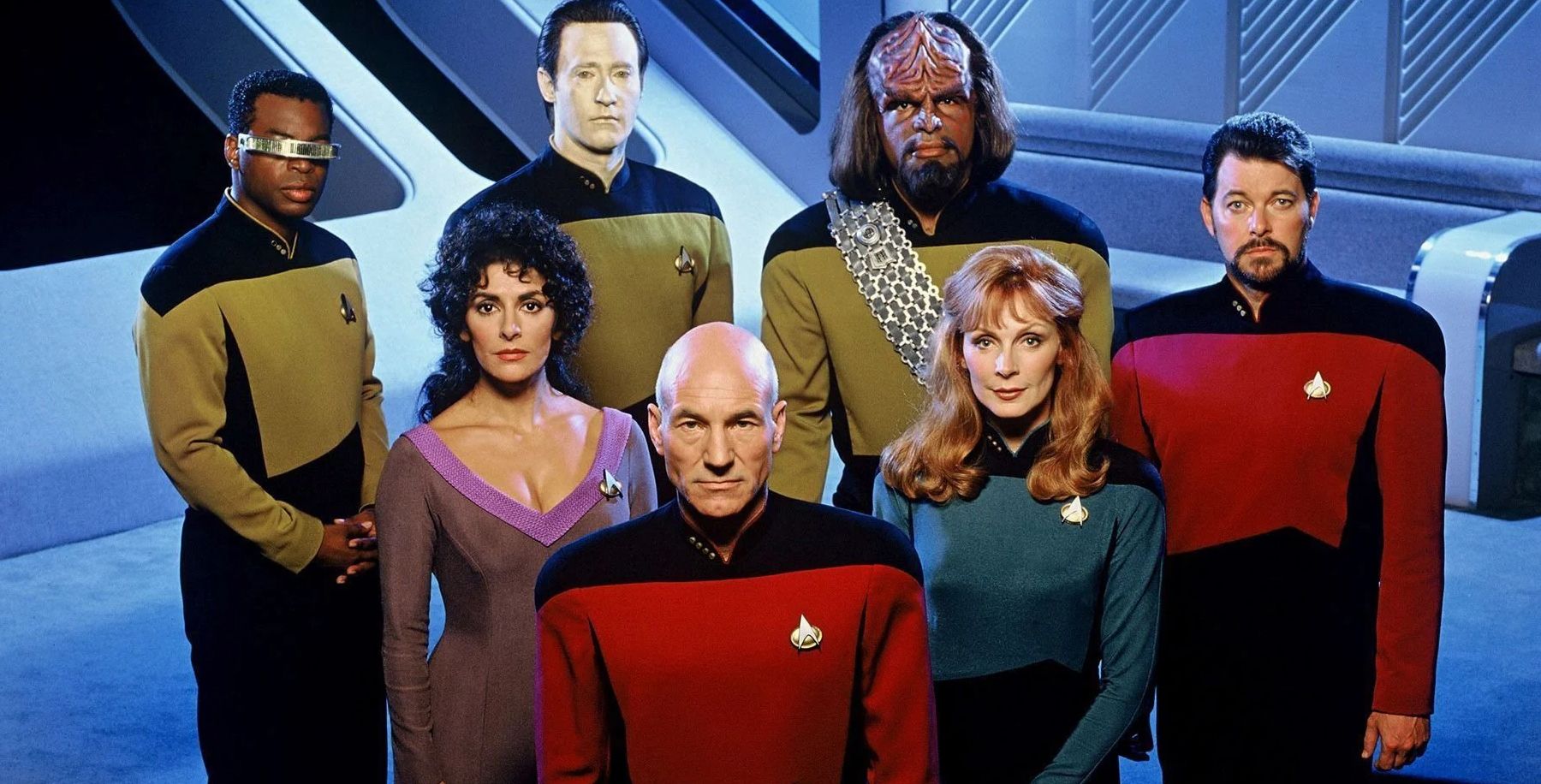
Departments denoted by: Color of uniform/shoulders/turtleneck (Command: Red; Science/Medical: Blue, Operations: Gold)

Rank denoted by: Metal pips on collar

Loose fits were out as "Star Trek" reached the late 24th century. Roddenberry demanded a future free from the tyranny of zippers and buttons, while returning TOS costume designer Theiss instituted a "no wrinkles" rule for fabrics.

The resulting skintight Spandex suits were a nightmare for the "Next Generation" cast, causing so many back issues that Patrick Stewart's chiropractor intervened. The suits also had an unpleasant knack of retaining body odor.

They subsequently switched to a two-piece design for the show's third season, though there were variations. Jean-Luc Picard occasionally stepped out in a bespoke red jacket, Worf donned a Klingon sash, acting ensign Wesley Crusher introduced his own brand of smart/casual to the Enterprise bridge, and Counselor Troi seemingly wore whatever the hell she wanted. Early seasons also featured occasional sightings of men in dress-like skants, intended to be a reflection of a more progressive future.

There was also a color scheme switch, with red worn by command, and gold allocated to operations. Rank was now depicted by metal pips pinned into the collar, and the Starfleet chest badge became a portable communicator.

Star Trek: Deep Space Nine ran for seven seasons, between 1993 and 1999. Now, a new documentary will probe the lesser known series.

(Image credit: Paramount)

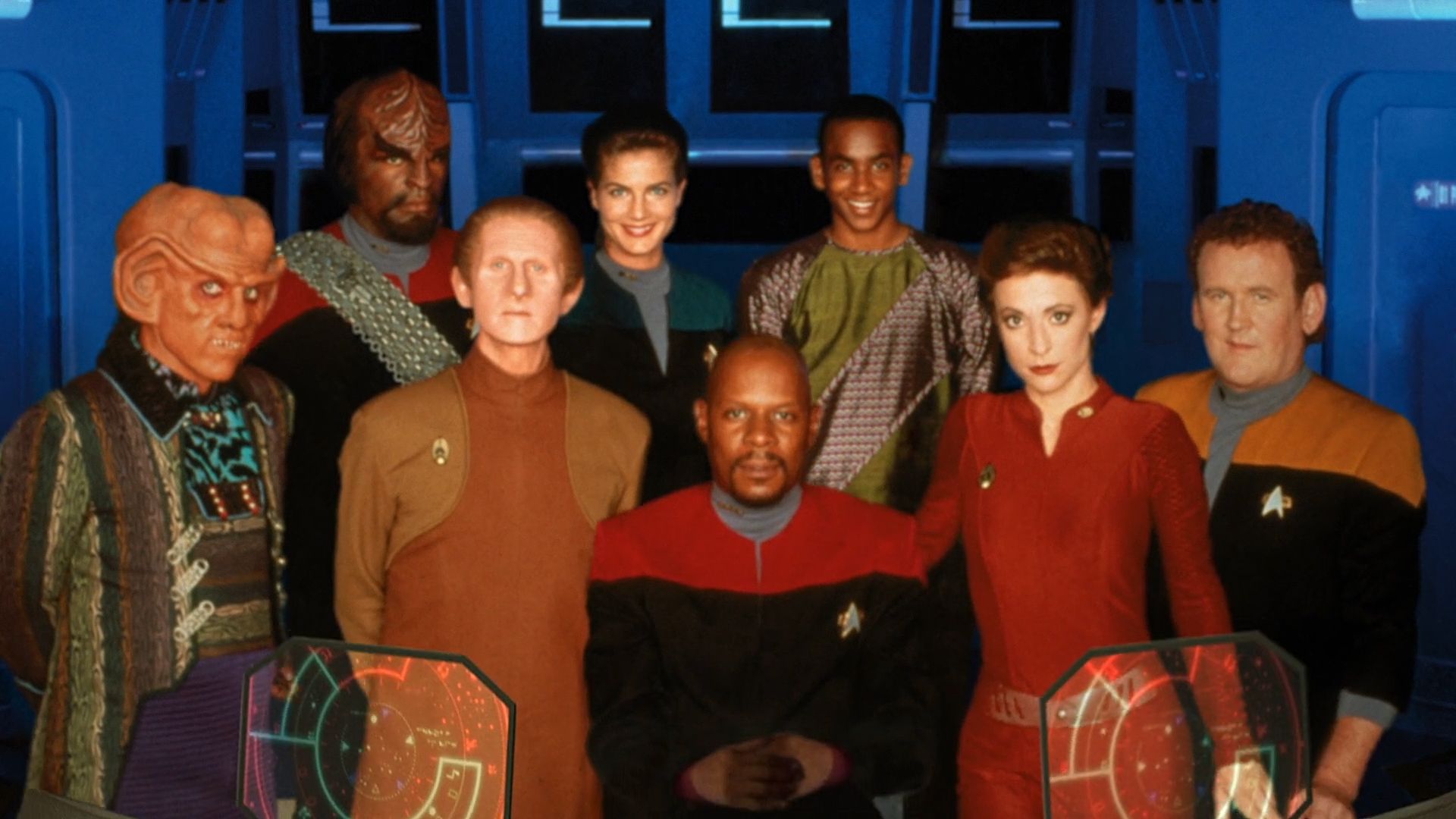
"Deep Space Nine" made comfort a priority, putting its crew in black jumpsuits with color-coded shoulders to denote department, and rank pips appearing on a light blue turtleneck.

They also turned up in the first "Next Generation" movie, "Generations", though that wasn't always the plan. The production had intended to dress the crew in new-look uniforms, but when they didn't work out, they instead turned out in a selection of "TNG" and "DS9" outfits.

Unfortunately, they didn't have time to tailor outfits for everyone, meaning that Jonathan Frakes (Riker) and LeVar Burton (LaForge) had to borrow suits previously worn by Avery Brooks (Sisko) and Colm Meaney (O'Brien) in "DS9" β€” rewatch the film, and it's clear they don't fit the actors properly.

Patrick Stewart as Captain Picard in Star Trek: First Contact

(Image credit: Paramount Pictures)

When Picard and co returned to the big screen in "First Contact," they had new uniforms to go with their sparkly new Enterprise-E. The black jumpsuit look remained (albeit in a more tailored form), though everyone now sported the same blue/gray shoulders β€” the departmental color-coding was instead shifted to the obligatory turtleneck.

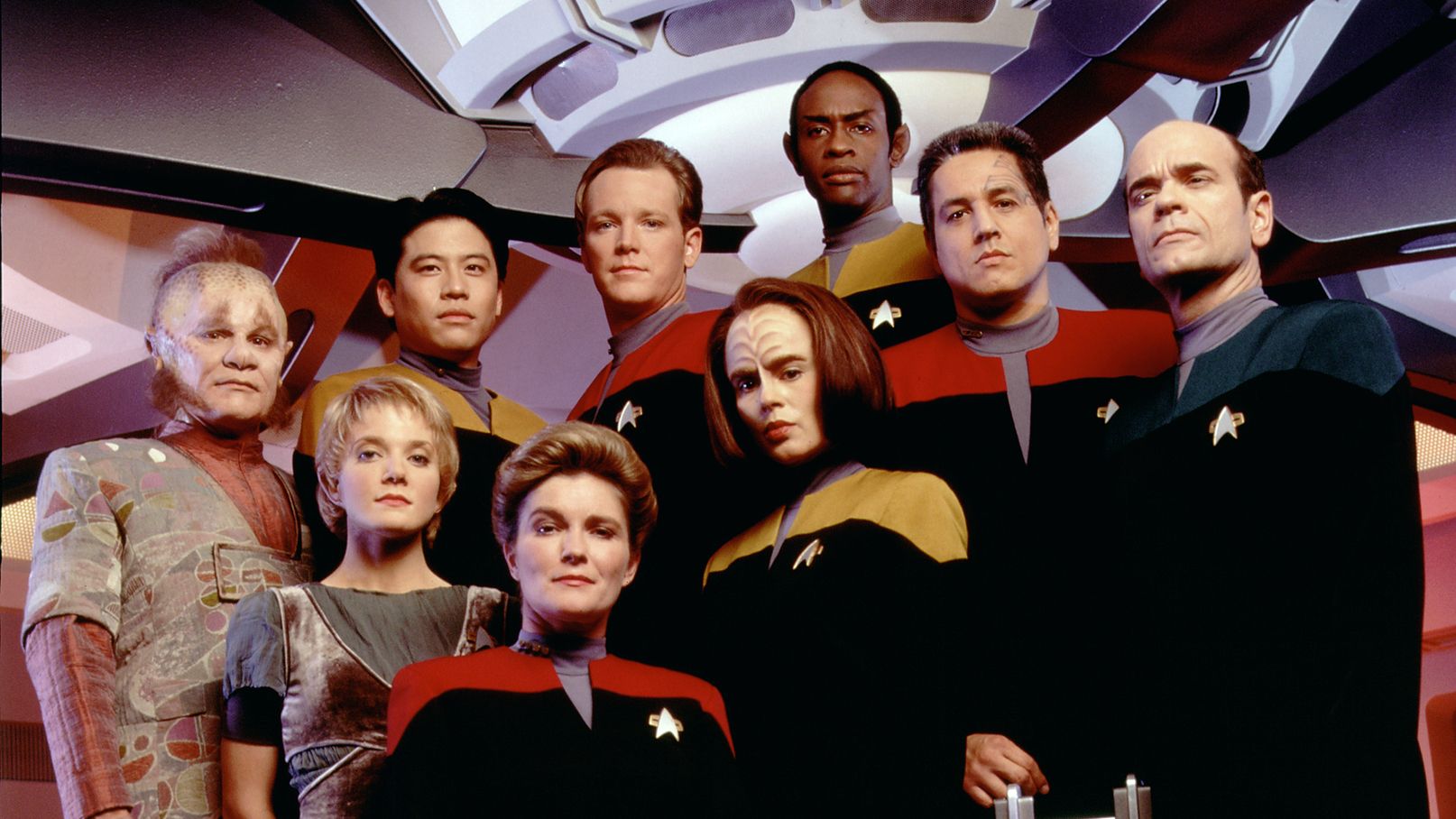
This design was quickly rolled out on board Deep Space Nine, though poor old Voyager β€” trapped thousands of light-years from Earth β€” had to stick with the old jumpsuits until the crew made it home.

Star Trek Voyager_Β© 1995 CBS Photo Archive - Image courtesy Getty Images

(Image credit: Getty Images)

The Enterprise era

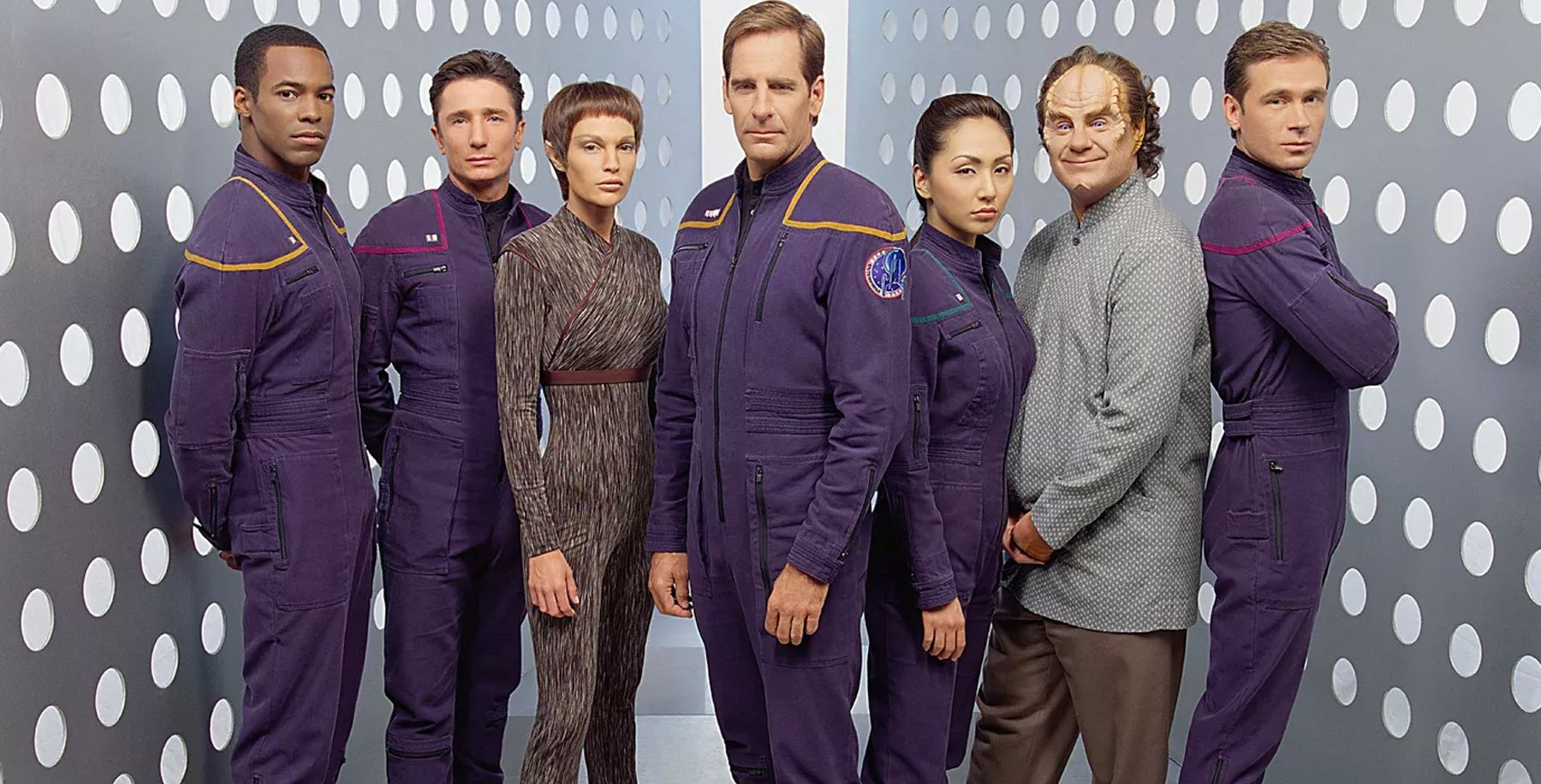
Star Trek: Enterprise netflix quarantine

(Image credit: CBS)

Departments denoted by: Colored piping on jumpsuit (Command: Gold; Science/Medical: Blue, Operations: Red)

Rank denoted by: Metal pips on chest

The uniforms in the prequel series were closer to contemporary designs than those from other "Treks". In fact, you could almost imagine a modern astronaut wearing those blue jumpsuits, well stocked as they were with zippers and pockets. The outfits worn by the admiralty even featured old-school collars and ties.

The departmental color scheme was the same as the Original Series. Slightly incongruously, however, "Enterprise" utilized the same ranking pips as the "TNG" era β€” Starfleet seemingly ditched this system for a century or so, before bringing it back for the voyages of the Enterprise-D.

The Kelvinverse

Star Trek 2009 Spock and Kirk

(Image credit: Paramount)

Departments denoted by: Color of sweater (Command: Gold/green, Science/Medical: Blue, Operations: Red)

Rank denoted by: Bands on sleeve cuffs

Starfleet uniforms in this alternative timeline were remarkably similar to the original TOS models, though they were given a thoroughly modern makeover.

The classic sweaters from the '60s now came in two parts, with a colored top sitting over a black crewneck undershirt. Adding to the look, costume designer Michael Kaplan integrated loads of tiny Starfleet deltas into the fabric.

Perhaps the most remarkable thing about the Kelvinverse trilogy, however, was how many distinct uniform designs there were. There was seemingly something for every occasion, and even the regular crew uniforms went through a significant overhaul for the third film in the series, "Star Trek Beyond".

The new TV era

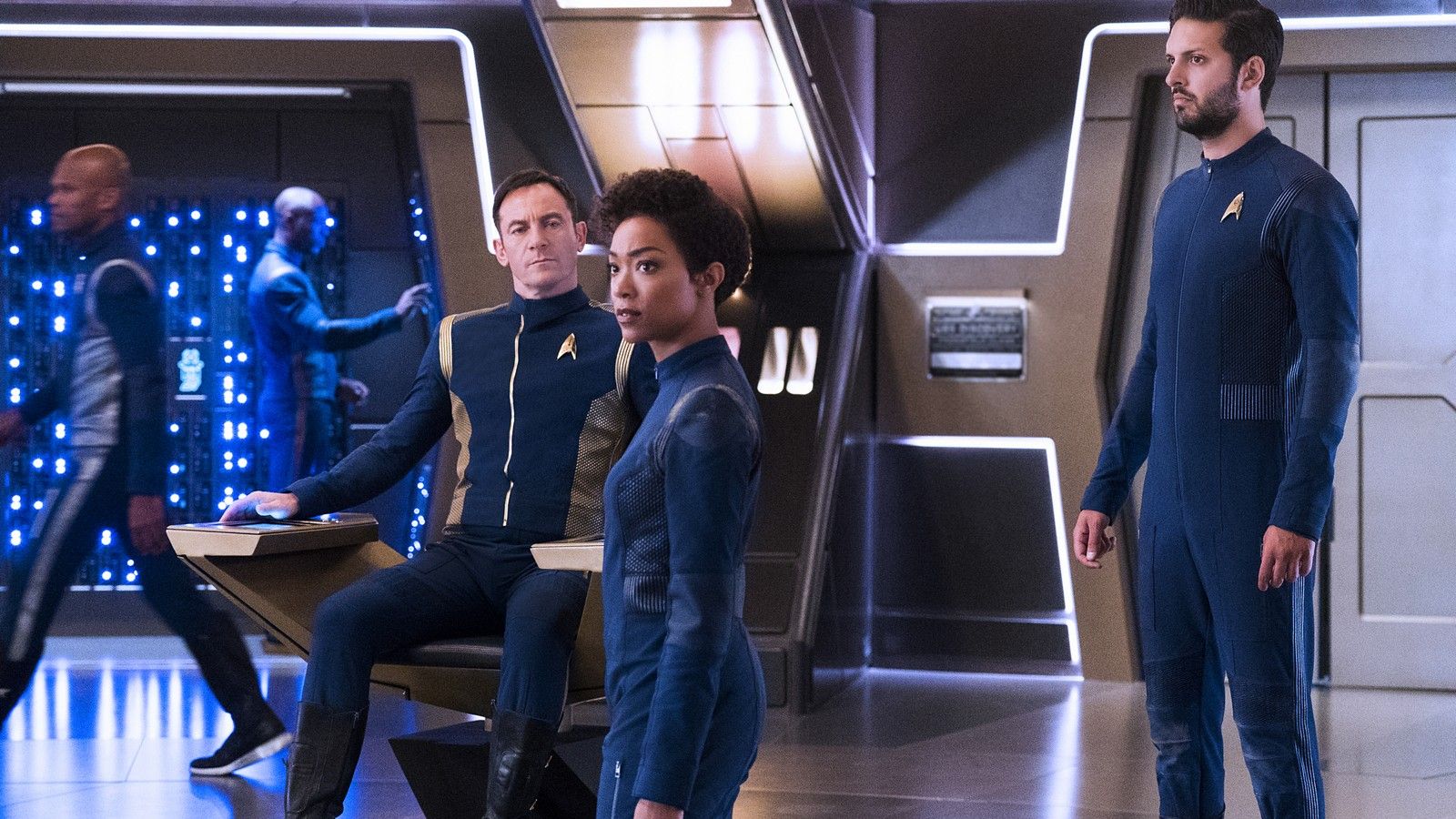
The distinctive blue uniforms from Star Trek: Discovery.

(Image credit: Paramount)

Discovery (23rd century)

Departments denoted by: Accents on uniform (Command: Gold, Science/Medical: Silver, Operations: Bronze)

Rank denoted by: Pips on Starfleet delta

When "Discovery" brought "Star Trek" back to TV in 2017, Starfleet had given its couture a major rethink. This time out, the crew wore figure-hugging uniforms that looked a lot like tracksuits, featured Roddenberry-defying zippers, and used shiny, magpie-friendly styling for the obligatory departmental color coding. The design also 'homaged' the Kelvinverse look by integrating tiny Starfleet deltas into the fabric.

Strange New Worlds

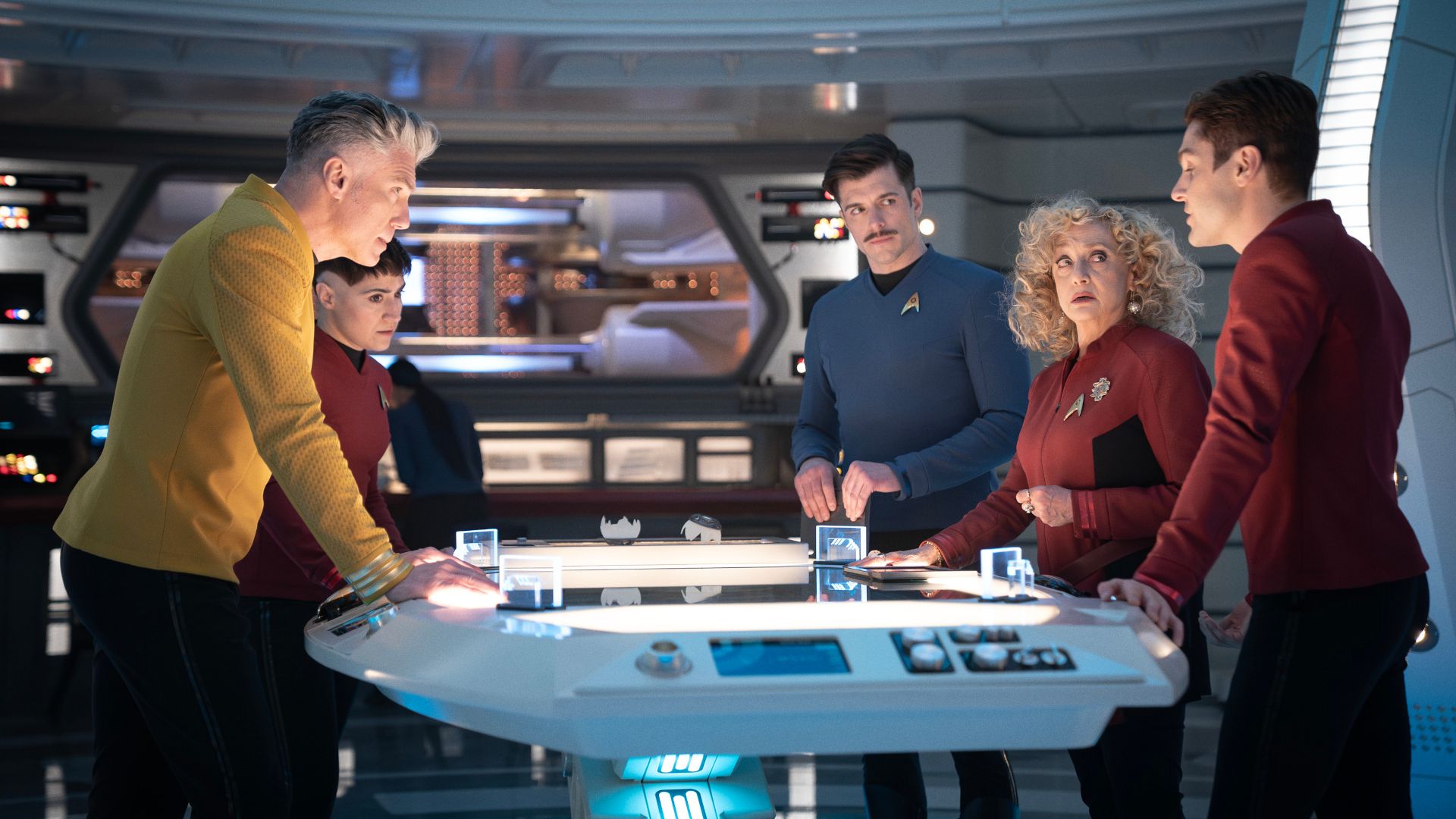
L to R Anson Mount as Capt. Pike, Melissa Navia as Erica Ortegas, Dan Jeannotte as Sam Kirk, Carol Kane as Pelia and Martin Quinn as Scotty in season 3 , Episode 5 of Strange New Worlds streaming on Paramount+. Photo Credit: Marni GrossmanParamount+

(Image credit: Paramount)

Departments denoted by: Logos in Starfleet delta/sleeve design, color of sweater (Command: Gold/green, Science/Medical: Blue, Operations: Red)

Rank denoted by: Bands on sleeve cuffs

When the Enterprise's Christopher Pike turned up in season two, he wore a modern riff on Original Series uniforms, which was subsequently given another update when he returned for "Discovery" spin-off/TOS prequel "Strange New Worlds". This borrowed heavily from the original Kelvinverse sweater/undershirt design, though with a more pronounced V-neck and tiny departmental logos (rather than Starfleet deltas) woven into the fabric of the sleeves.

Discovery (32nd century)

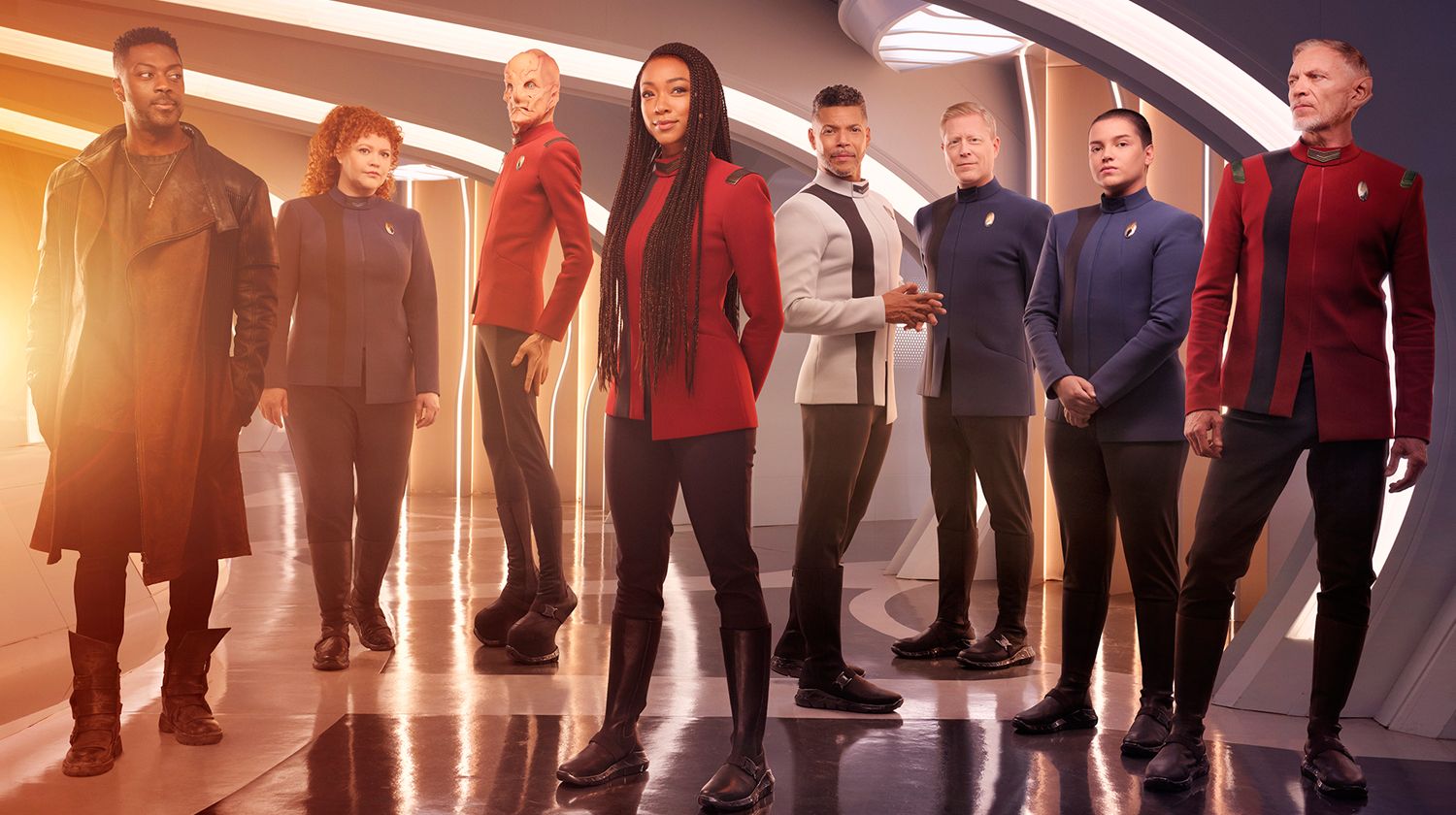
The cast of Star Trek: Discovery season 5

(Image credit: Paramount Plus)

Departments denoted by: Color of uniform (Command: Red; Science: Blue, Operations: Gold, Medical: White)

Rank denoted by: Pips on Starfleet combadge, collar, and epaulettes

Meanwhile, when the USS Discovery blasted off to the distant future, the crew were introduced to the asymmetrical fashions of the 32nd century.

It was never quite clear why the two halves of the tunic didn't line up properly, though future Starfleet had, at least, decided to stick with the "Next Generation"-era color scheme. Rank was advertised in at least four different places (shoulders, neck, and chest).

Starfleet Academy

L-R: Robert Picardo as The Doctor and Holly Hunter as Captain Nahla Ake in season 1, episode 10, of Star Trek: Starfleet Academy streaming on Paramount+. Photo Credit: John Medland/Paramount+

(Image credit: Paramount)

Departments denoted by: Color of uniform (Command: Red; Science: Blue, Operations: Gold, Medical: White)

Rank denoted by (when used): Pips on Starfleet combadge, collar and epaulettes

Similar rules now apply in "Starfleet Academy", though cadets β€” like admirals, strangely β€” wear predominantly gray outfits.

Lower Decks

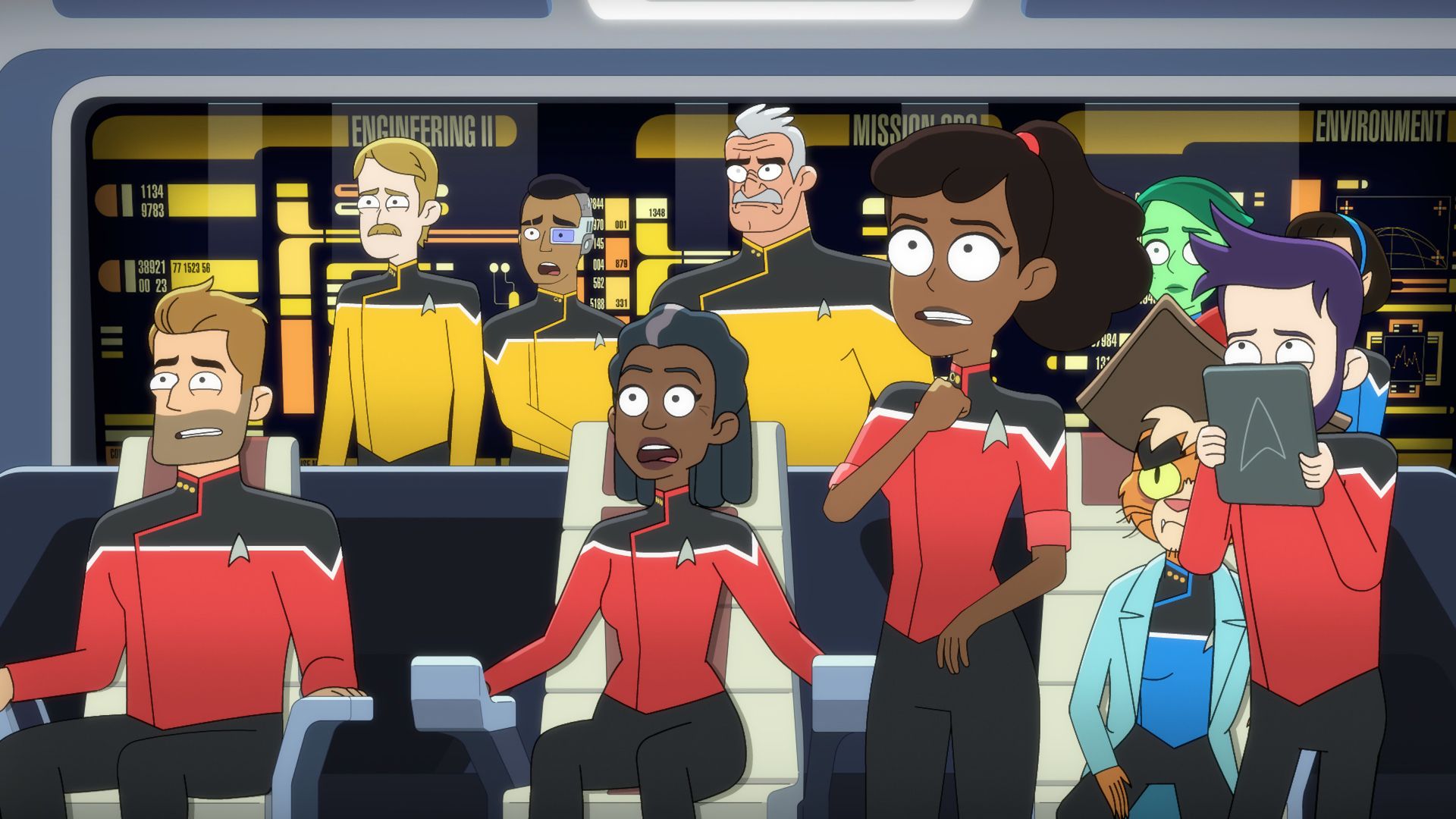
Star Trek: Lower Decks

(Image credit: Paramount)

Departments denoted by: Color of uniform (Command: Red; Science/Medical: Blue, Operations: Gold)

Rank denoted by: Metal pips on collar

And when "Lower Decks" and "Picard" returned to the (more-or-less) "Next Generation" era, the crews' stylists didn't break the wheel. The USS Cerritos uniforms were TNG-adjacent, though borrowed heavily from the aforementioned designs that were ditched ahead of "Generations"

They also allowed for some Chief O'Brien-homaging sleeve-rolling.

Picard

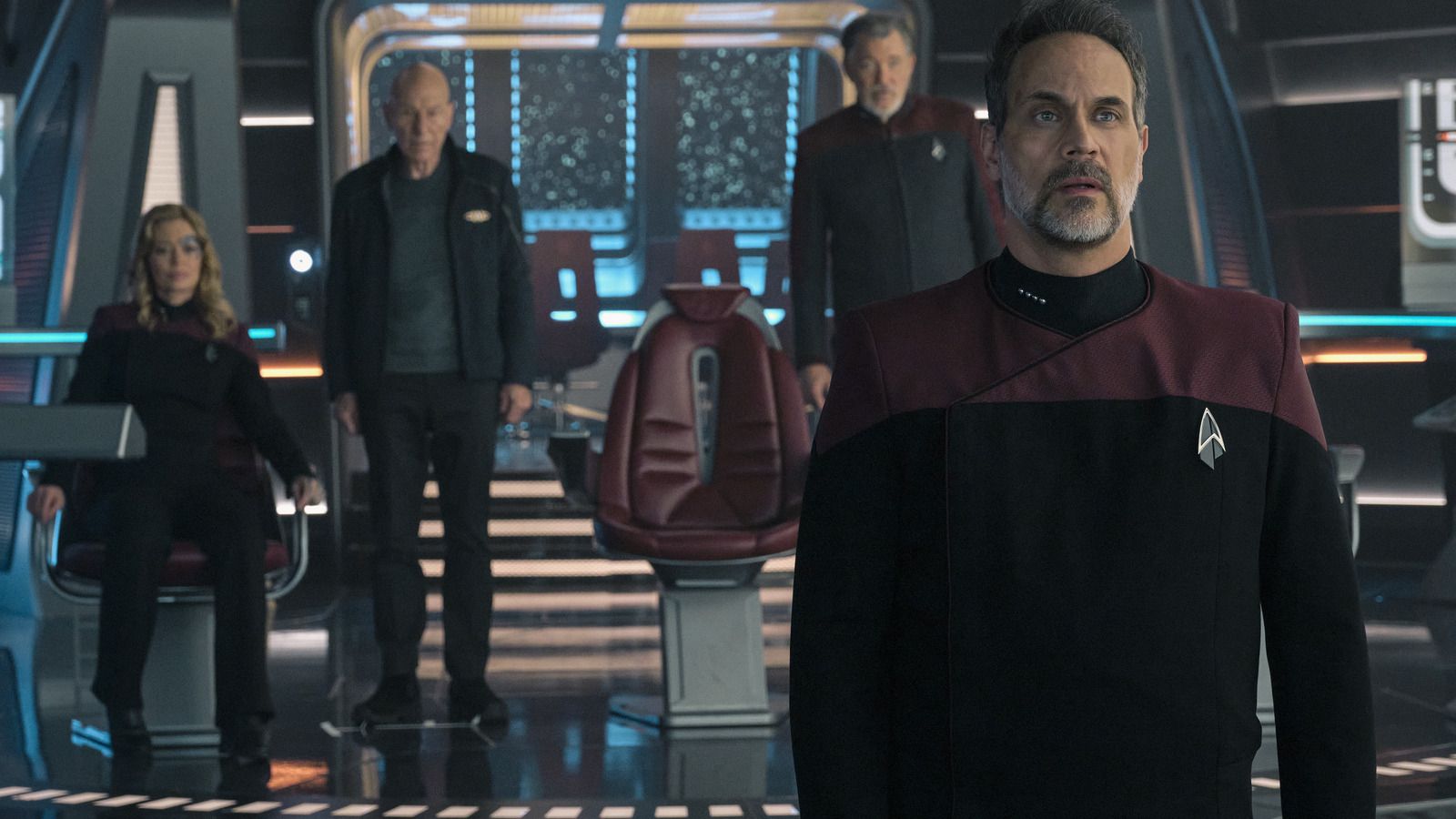
Jeri Ryan as Seven of Nine, Patrick Stewart as Picard, Jonathan Frakes as Will Riker and Todd Stashwick as Captain Liam Shaw in

(Image credit: Paramount)

Departments denoted by: Color of uniform (Command: Red; Science/Medical: Blue, Operations: Gold)

Rank denoted by: Metal pips on collar

The outfits in "Picard"'s third season, meanwhile, were effectively the "Deep Space Nine"/"Voyager" jumpsuits given a Kirk-style wraparound update.

As to the fashion future, no one knows what Trek has in store for us. There are no new shows announced yet, and only vague whispers of a new movie in the works. Time will tell, but we can't wait to see what the 24th century innovations they can bring to the jumpsuit next.

In the meantime, you can check out all of Star Trek on Paramount+.

Watch Star Trek on Paramount+:
Essential (ads): $8.99/mo or $89.99/yr
Premium (no ads): $13.99/mo or $139.99/yr
  •  
❌