 Login

Researchers develop plant-based scaffold to grow cultivated meat in lab
A team of researchers at McMaster University have produced a new plant-based, edible scaffold for cultivated meat that

Despite major strides in education and conservation efforts, rabies remains a serious public health issue. The Center for Disease Control (CDC) estimates around 90 percent of cases occur in wildlife, but their consequences still reverberate across ecosystems and routinely endanger humans. Combating the viral disease costs the United States over $300 million every year, but the hefty price tag is justified. Contracting one of the oldest known diseases invariably causes severe symptoms like abnormal sensations, violent movements, hydrophobia, and loss of consciousness. Rabies is fatal in virtually every documented case, and still kills around 59,000 people around the world each year.
Once primarily associated with dogs, rabies has since spread to wildlife such as raccoons, skunks, bats, and foxes—making the issue much more difficult to track and control. Since 1995, the United States Department of Agriculture (USDA) has overseen a National Rabies Management Program in cooperation with state and federal departments, university researchers, and other organizations. After over 30 years of work, one of the most preferred mitigation methods is regularly placing oral rabies vaccine (ORV) bait in strategically selected wildlife areas. The easiest way to spread millions of bait blocks across thousands of square miles? Airdrops.
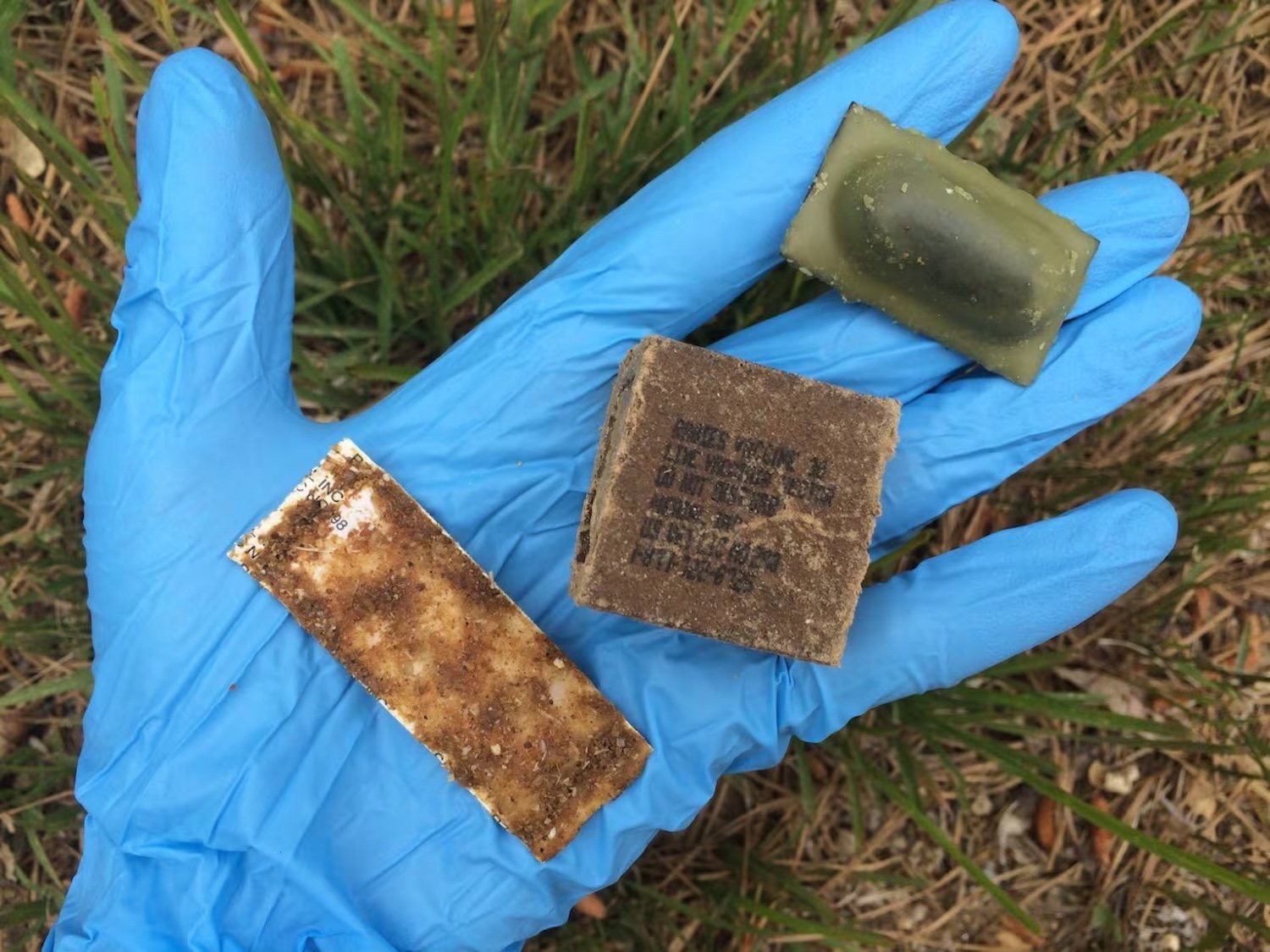
Next month, the USDA will once again begin tossing fishmeal-coated ORV packets from planes throughout the Southeastern states of Virginia, North Carolina, Tennessee, Georgia, and Alabama. These tiny edibles are specifically crafted to target the most prominent rabies variants seen in raccoons, coyotes, and gray foxes.
“The goal is to prevent westward spread of raccoon rabies by creating a continuous vaccine barrier that stays in front of rabies occurrence on the landscape,” a USDA spokesperson recently told FOX Carolina News. The representative added that although the distribution’s scope doesn’t currently include South Carolina, they are “very close to establishing an ORV area in South Carolina counties bordering North Carolina and Georgia in the next few years.”
If all goes as planned, the National Rabies Management Program’s geographic scope will shrink over time as the disease is regionally eliminated. Until then, anyone who accidentally comes into contact with an ORV bait brick shouldn’t worry about contracting the disease. The vaccine inside each brick is proven safe for over 60 animal species, including cats and dogs. If you happen to locate one in a residential area, the USDA recommends to either simply leave it alone, or use gloves to move it to a more remote location for its intended recipients. Always wash your hands thoroughly after handling ORV bait—and try to ignore the pungent odor of fishmeal.
The post It’s almost time to airdrop rabies vaccines again appeared first on Popular Science.

Yellowstone National Park attracts more than 4.5 million visitors from around the world every year. Many sightseers arrive well prepared to admire the hotsprings, geysers, scenic lookouts, and wildlife, but there is only so much anyone can do about life’s little unexpected accidents. Each season, Yellowstone’s gusty winds are responsible for blowing away hundreds of hats, maps, and even sunglasses from the heads and hands of onlookers. And every season, park workers scour the grounds to gather up any lost items that landed far from the walkways and trails.
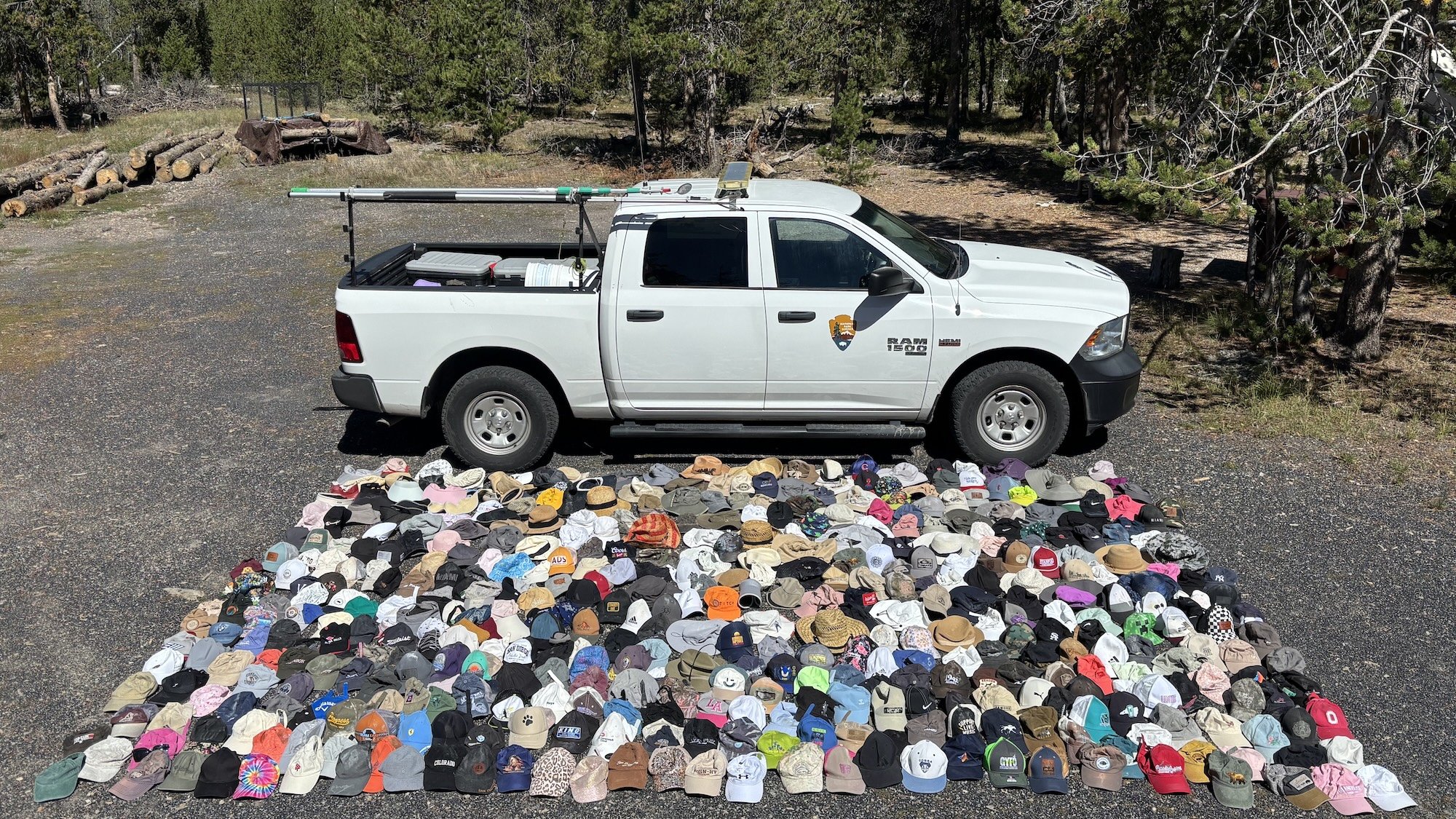
While the tally so far isn’t quite as large as last year’s haul, Yellowstone officials still impressively retrieved more than 280 hats from the hydrothermal areas. Workers cited standouts including a FIFA 2026 Men’s World Cup souvenir and a baseball cap ironically emblazoned with “Cowboy Hat.” But just because they aren’t suited for floating around roiling geysers doesn’t mean they’re destined for a landfill. Once the 2026 season draws to a close, all of the collected hats will be cleaned and donated to local clothing organizations.
Caps are only one type of lost item located amid the hunts. Workers scooped up more than $18 in coins from around the world during the summer search. Canadian dollars, euros, pesos, and yen were scattered among the U.S. change, many apparently tossed into hot springs and geysers as if they were wishing wells. Yellowstone officials took the occasion to remind everyone that hydrothermal formations are not made to receive wished-upon coins. Not only will your dream remain unfulfilled—the foreign additions often introduce destructive algae and bacteria into the delicate ecosystems.
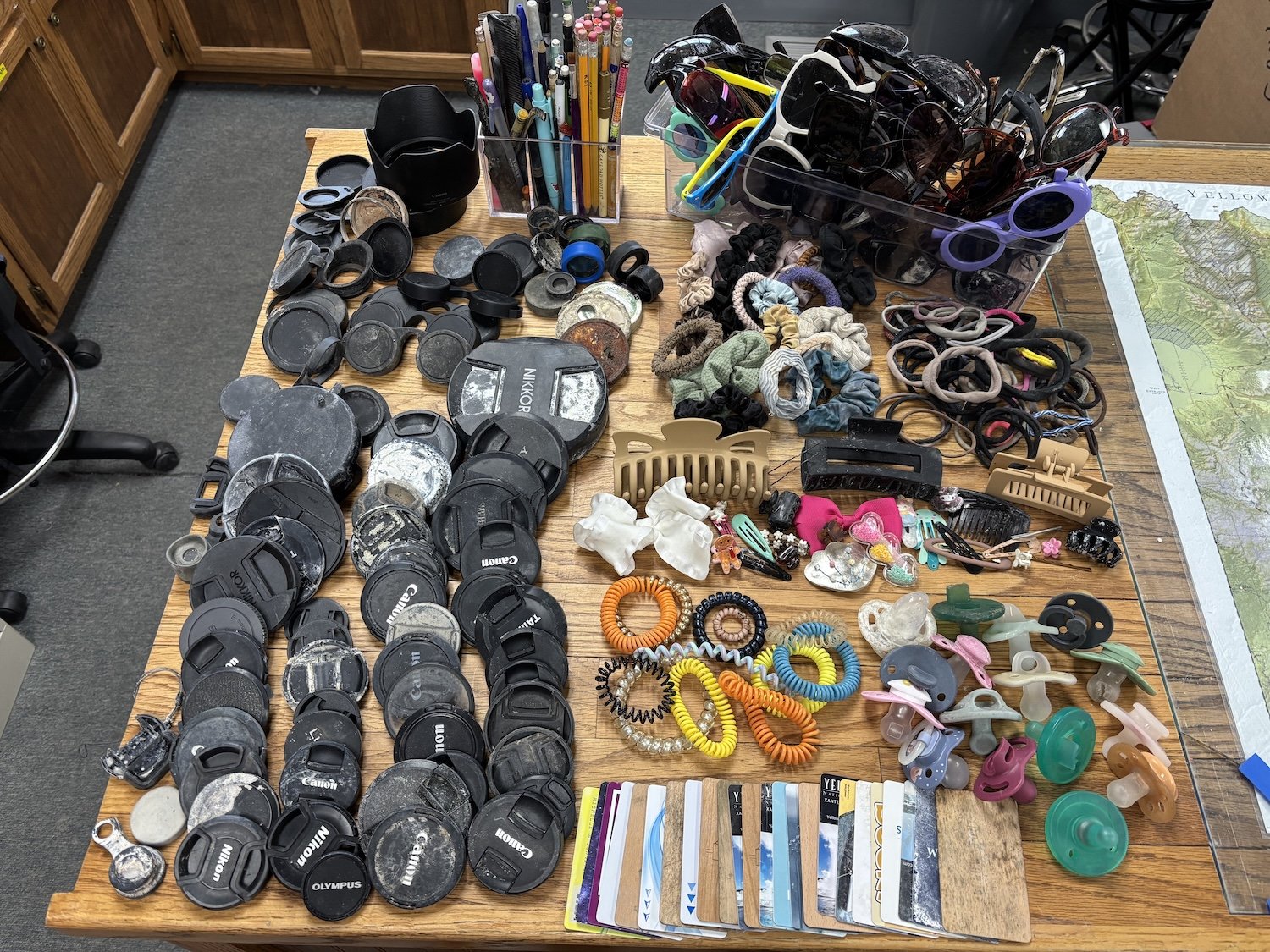
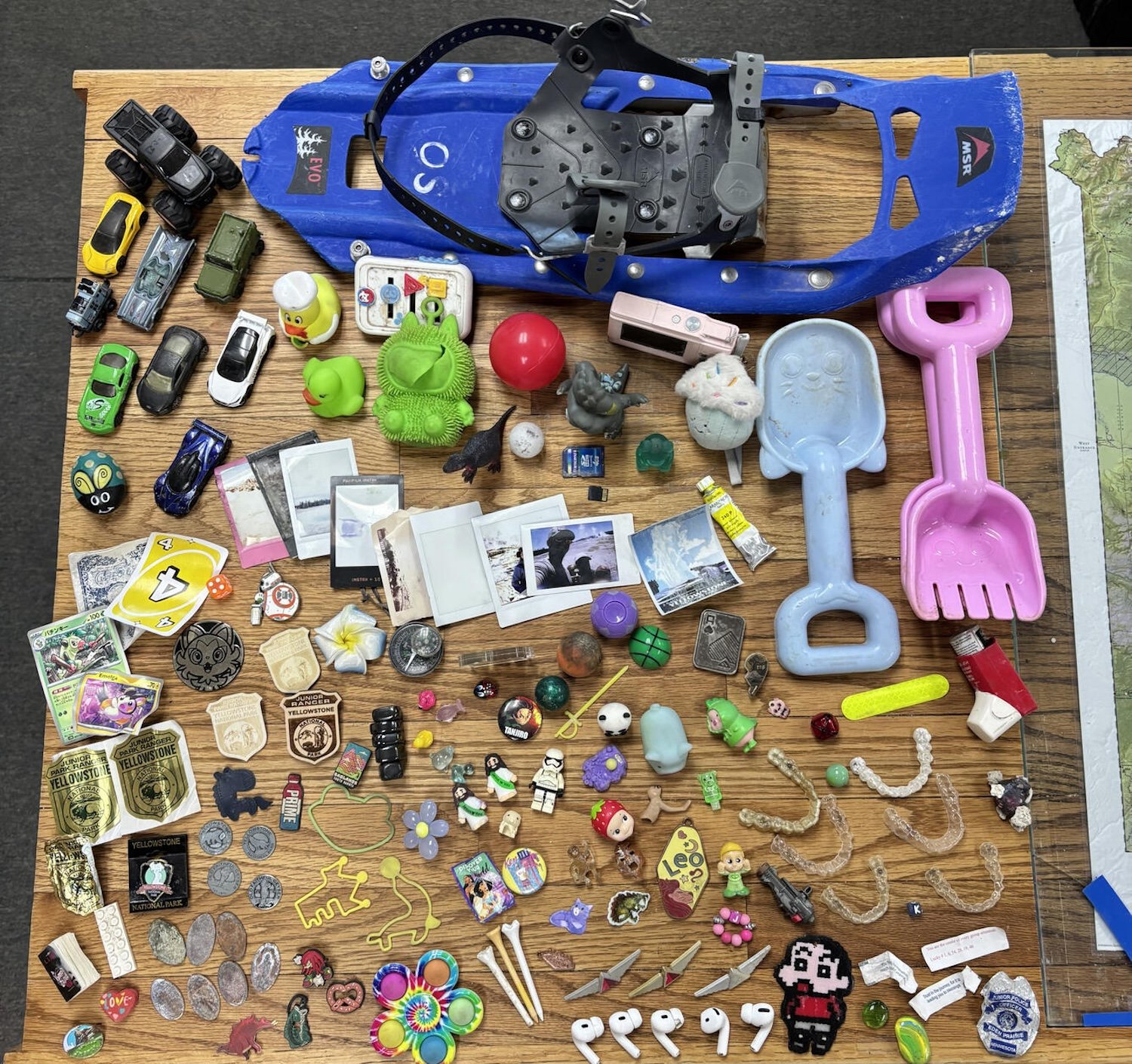
Other common detritus in the haul included plenty of paper and plastic trash, hair ties, hotel key cards, children’s toys, eyewear, and camera lens caps. Standout oddities such as AirPods, an inhaler, and even a single Uno card also made the list of finds.
As always, Yellowstone workers reminded everyone that the seasonal roundup also serves as an excellent reminder to “stash your trash.” Visitors are encouraged to place any litter or lightweight items deep in their pockets or bags until they reach a trash can. And although headwear is always important protection from the sun, people may want to consider temporarily removing their hats while trekking through especially windy areas of the park.
The post Yellowstone National Park retrieved 280 hats from hydrothermal vents this summer appeared first on Popular Science.
A centuries’ old “witness tree” that survived not only the Revolutionary War but a direct hit from lightning is facing yet another existential threat. Ironically, the famous oak in Eutaw Springs, South Carolina, is struggling to survive due to the strategies conservationists first used when attempting to preserve it decades ago.
The nearly 300-year-old tree was already nearing its semicentennial on September 8, 1781, when around 2,000 British and 2,500 American troops met at the Battle of Eutaw Springs. Believed to be the American Revolution’s last open-field engagement, the vicious combat was later remembered by colonial Maj. Gen. Nathanael Greene as “by far, the hottest action I ever saw, and the most bloody for the numbers engaged.” Records indicate 1,461 troops were killed, wounded, captured, or missing by the end of the conflict—although both sides claimed victory.
“That tree probably took a few lead balls itself,” arborist Aron Landsaw recently said in an Associated Press profile.
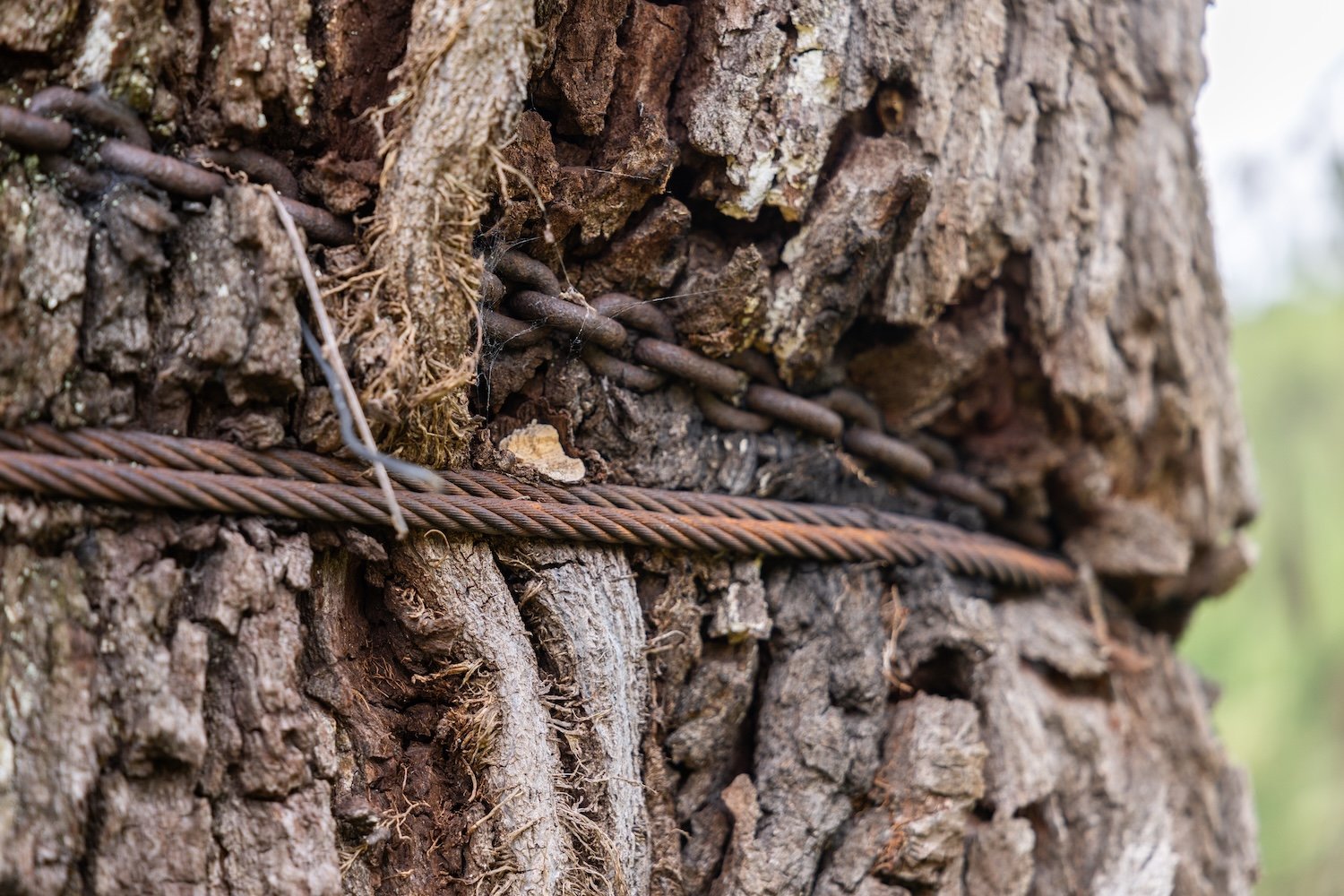
Landsaw and other conservationists are working to preserve the 45-foot-tall tree from succumbing to lingering injuries. About 50 years ago, lightning struck its base and almost split the oak in half. In an attempt to save the tree, workers at the time wrapped its splintered branches in a series of steel chains and cables. Although the strategy successfully granted the oak a reprieve, it grew so much over the last five decades that those metal lashes are cutting into the tree itself. In some areas, the cabling is now completely encased in bark.
“The chains and cables are actually choking it out. It can’t nutrients up from the soil,” explained Landsaw.
As part of the nation’s 250th anniversary, South Carolina partnered with the American Battlefield Trust and New York state-based arborists to once again bring the oak tree back from the brink of death. This time, the strategy is more high-tech than metal chains. Using specialized equipment to generate supersonic air, workers have essentially loosened all the heavily compacted earth around the tree’s roots. From there, they added a nutrient-rich kelp concoction into the dirt to further bolster the oak’s health.

Other additions were tapped directly into the tree’s primary branches. These small, strategically placed lightning rods embedded into the oak are strung together with copper cables that all connect to a primary grounded copper rod located about 10 feet away from the tree. The odd-looking accessories are intended to prevent a repeat of the incident from 50 years ago.
“If lightning does hit it, it’ll run down the copper cables and dissipate into the ground,” said Landsaw.
The last phase will involve connecting a new set of reinforcement cables into the branches before carefully getting rid of the old chainwork. The replacement cables will all connect in the center so that the tree will remain flexible during wind gusts. No tree lives forever, but with the extra TLC and a little luck, the historic oak could easily bear witness to another 100 years of history.
The post Arborists use supersonic air to save 300-year-old tree that survived American Revolution appeared first on Popular Science.

Billions of people still suffer from hunger and food insecurity worldwide. Meanwhile, microbial contamination causes a third of global food waste annually, resulting in major economic losses and illnesses. Although antibiotics and pesticides help control contamination, their excessive use can promote bacterial resistance or leave toxic residues.
One alternative uses materials that generate highly reactive forms of oxygen when exposed to light, called photocatalysts, to prolong food freshness. These molecules kill bacteria by damaging their cell components in a process called photodynamic inactivation or PDI. However, current PDI systems rely on energy-intensive lasers and long exposure times because the bacteria’s protective cell membranes block reactive oxygen molecules. As a result, the systems don’t kill bacteria effectively and risk overheating food, affecting its freshness and nutritional value.
Scientists at Zhejiang University in China thought that it would be possible to achieve a PDI system using accessible, free sunlight with the right photocatalyst. Moreover, they also wanted to integrate this photocatalyst into food packaging to combat microbes during storage.
To make the photocatalyst, the researchers mixed water with a glue-like plant fiber that provides structural support, called pectin, and a chemical from plant seeds that supplies phosphorus, called phytic acid. Then they heated the mixture in a sealed reactor at 220ºC (428ºF) for 5 hours to form tiny structures composed of a carbon core surrounded by a phosphorus-rich shell called phosphorus-modified carbonized polymer dots or PCDs.
To incorporate the PCDs into film packaging, the researchers dissolved equal amounts of a plant fiber from konjac, called glucomannan, and another plant-derived molecule, called carboxymethylcellulose, in warm water to form a network of entangled molecular chains. Then, they added 1.5 milligrams of PCD per milliliter to this mixture, which linked the chains together like molecular fasteners. Finally, they added a moisture-binding chemical called glycerin to prevent brittleness. The researchers cast this mixture onto separate Petri dishes and dried them, forming thin, plastic-like PCD films.
To test the films, the researchers placed Escherichia coli bacteria between 2 sterilized film sheets and exposed the samples to either darkness or simulated sunlight for 20 minutes. They then transferred the microbes onto agar plates and incubated them for 15 hours, allowing surviving bacteria to form visible colonies. They compared the number of bacterial colonies with those of untreated samples to calculate the percentage of bacteria the films eliminated in each environment.
Tests under darkness showed that the films eliminated about 60% of the bacteria. The researchers attributed this result to the positive electrical charge of PCDs, which attracts the bacteria’s negatively charged cell surfaces. The electrical attraction stresses their cell membranes, interfering with essential life processes. This result suggested that the films use a separate charge-based antibacterial mechanism apart from PDI, which requires light to work.
Under simulated sunlight, the films eliminated nearly 100% of the bacteria. The researchers identified 2 principal mechanisms causing this. First, the PCDs acted as tiny heaters that generated localized heat, which stretched holes in the bacterial membranes, allowing contents to leak out of their cells through a process called photoporation. Second, the PCDs generated reactive oxygen molecules that could then penetrate the bacteria. Once inside the cells, these molecules irreversibly damage the bacteria’s internal components and genetic material through PDI.
The researchers also investigated whether PCD films could serve as food packaging by using them to wrap fresh strawberries. Compared with conventional nonbiodegradable polyethylene packaging where visible rotting occurred, the PCD films kept the strawberries fresh for more than 4 days by suppressing bacterial growth and regulating moisture levels. When the team tested whether the films were toxic, they found that the films are safe for humans and compatible for food applications. They also buried the films in soil for 24 days and found that they degraded by 78%, demonstrating biodegradability suitable for packaging fresh foods.
The team concluded that PCD films could be a biodegradable food packaging that combines plant-based materials with multiple antibacterial strategies. The films retained antibacterial activity in darkness and became more effective under sunlight through the combined effects of photoporation and PDI. These findings demonstrated that by combining multiple mechanisms into a single material, researchers can create multifunctional food packaging that remains effective across different storage conditions.
The post Harnessing sunlight to fight bacteria appeared first on Sciworthy.
By the time naval architecture firm George G. Sharp tasked Jack Heaney with the design of the world’s first nuclear-powered merchant ship, the Glasgow-born designer had already broken many styling norms. In the mid-1940s, Heaney transformed routine ocean transport into a festive occasion when he designed the interiors of the SS President Wilson and SS President Cleveland with Hawaiian murals, carved glass panels, and a smoking lounge dressed in playful, exotic wall art. His gift for making the mundane desirable wasn’t confined to ocean liners—New York’s Museum of Modern Art had already put one of his stackable aluminum chairs on display in 1947. But nothing in Heaney’s career had prepared him for the commission that reached his drawing board in 1957.
At the time, the shadow of 1945, when the world first witnessed the terrifying power of the atom, loomed large. Following World War II, the United States and Soviet Union were locked in a nuclear arms race, and the public associated splitting atoms with annihilation. Atoms meant war.
To shift that sentiment, President Eisenhower launched his Atoms for Peace initiative, aimed at demonstrating the civilian benefits of nuclear technology—and the NS Savannah, or Nuclear Ship Savannah, was to be its flagship. Heaney suddenly had a much more daunting task than usual; he would have to make the feared desirable.
More than half a century since theSavannah was decommissioned in 1971, there is no nuclear-powered merchant ship in active commercial service anywhere in the world. Four nations have tried. None succeeded, mostly because the economics were not compelling enough and no one trusted nuclear ships.
In the interim, nuclear reactors have only become smaller and safer. Now, as the true cost of burning oil at sea comes due—commercial shipping produces more than three percent of global greenhouse gas emissions—the economics of nuclear-powered merchant ships may finally be compelling. But the problem Heaney was hired to solve in 1957 still stands in the way, persuading people to trust what they fear.
John “Jack” Heaney was born in Glasgow in 1904. He grew up during a time when the River Clyde, which runs through the heart of Glasgow, served as the world’s premiere shipbuilding hub, with nearly 40 shipyards situated on its banks. Heaney studied naval architecture at the University of Glasgow, while taking classes at the Glasgow School of Art and apprenticing at the Fairfield Shipbuilding and Engineering Company.
When Heaney emigrated to New York in 1926, he worked a string of jobs, including a brief stint as a door-to-door refrigerator salesman, before joining the New York City-based naval architecture firm George G. Sharp, Inc. in 1937. At Sharp, Heaney quickly developed a reputation for having an engineer’s eye and artist’s hand, helping design the interiors of several prominent passenger-cargo ships—a specialized form of merchant ship that is part cruise liner, part cargo vessel—including the Robin Line, the Delta Line, and the American President Lines. In 1947, the same year MoMA put his chair on display, Heaney opened his own design firm on West 54th Street in Manhattan. A decade later, the Savannah project came across his bow.
Originally tasked with the ship’s exterior design, Heaney eventually assumed responsibility for the ship’s interior styling, too. From stem to stern, it was Heaney’s job to design a nuclear-powered ship that passengers would want to cruise on for pleasure, and that businesses would want to ship merchandise on for commerce.

Eisenhower had announced the Atoms for Peace initiative four years earlier, in a December 1953 address to the United Nations. The atom, he argued, should be turned from a great destructive force “into a great boon, for the benefit of all mankind.” Under Eisenhower, the U.S. began sharing reactor technology and medical isotopes with allied nations. Atoms for Peace sought to prove that the technology that had obliterated two cities could also light homes, treat cancer, build harbors, and move ships.
The U.S. Navy, meanwhile, saw the advantages of a vessel that could continuously plow the ocean without refueling for months, or even years. The USS Nautilus was the first atomic-powered vessel, a sub, launching in 1955. By the time Sharp signed Heaney to the Savannah project, two more atomic-powered subs were patrolling the world’s oceans (USS Skate and USS Seawolf). But military vessels primarily keep to military ports, so the public rarely saw them.
Eisenhower needed a civilian showcase that would disassociate atom-splitting from mushroom clouds. That showcase would be Heaney’s NS Savannah. As a passenger-cargo ship, the Savannah would routinely sail into commercial harbors like Rotterdam, Le Havre, and New York, normalizing nuclear reactors and demonstrating their safety. At least, that was the goal.
In 1959, the same year the Savannah launched, Popular Science ran a short feature designed to quell readers’ fears: “How Safe Is Our A-Ship Savannah?” The staff-written story read more like a safety brief than an objective review. While boasting about its efficiency—“on a single loading of A-fuel, the Savannah will have a range of 350,000 nautical miles”—the article focused mainly on the “worst possible accidents that might befall the first atomic merchant vessel.” Such caution seemed justified. That same year, Denmark canceled a scheduled visit by the USSSkate to Copenhagen, and England agreed to receive visiting nuclear submarines only at the remote Isle of Portland, population 12,000, rather than major ports.
Popular Science’s initial coverage was not anomalous. “Passengers will receive no more radiation on the Savannah than they receive from normal background radiation of the earth in their day-to-day lives,” The New York Times reassured its readers.
By 1961, however, as the Savannah prepared to begin its cargo and passenger service, which commenced in 1962, Popular Science’s editors were fully onboard, launching a four-part series that spanned four consecutive issues and more than a dozen pages. The do-it-yourself mini-manual provided detailed instructions for readers to build and sail their own four-foot model of the ship. Four different writers and editors took part in the project: hull casting one month, superstructure the next, then a working steam turbine, and finally radio controls. Even as Popular Science promoted its features, the real Savannah was being fitted with Heaney’s final touches.

On a conventional ship, fuel is stored low in the hull, in tanks that any port can refill with diesel by hose. But Savannah’s single, massive fuel core had to sit in the hull’s center, beneath an opening in the deck, so it could be accessible by overhead crane for refueling. Heaney’s answer to this exterior design problem became the ship’s signature: a streamlined, teardrop-shaped superstructure. Popular Science’s writers praised Savannah’s sleek, futuristic lines as “graceful as a racing yacht’s,” and called its reactor housing “a well-placed superstructure [that] blends airfoil curves with sharply angled planes for a dazzling effect.”
Below decks, Heaney took the fear problem head on, weaving Atomic Age motifs into the ship’s interior. In the veranda, the cocktail bar’s backlit wine rack depicted the trilinear chart of the nuclides in blue, red, and yellow glass; the tables ringing the dance floor glowed, their tops lit by “panelescent,” or electrically charged luminescent panels. Even the floor tiles in the main stairwell carried the atomic theme. A separate lounge nearby offered passengers a closed-circuit television view into the reactor containment vessel. Overhead light beamed down through light fixtures adorned with stylized atoms.
In the dining room, sculptor Pierre Bourdelle installed a wall mural titled “Fission.” Nearby, suspended in glass, hung a small gold model of the NSSavannah’s namesake, the 1819 steamship SSSavannah, the first ship to cross the Atlantic under sail and steam. Heaney hoped such Old World symbolism would make people feel comfortable dining, dancing, and sleeping no more than a dozen yards from a nuclear reactor.
As a design achievement, Savannah was a triumph. Her passenger cabins were mostly full from 1962 to 1965, and more than 1.4 million people toured the ship across 46 ports in 13 countries.

But novelty was never going to be enough to move public sentiment or make Savannah pay for itself. The combined ship-and-reactor construction cost ran to roughly $46 million, three to four times what a comparable conventional freighter cost at the time, and the ship’s specialized nuclear crew commanded specialized wages. No private insurer would touch a nuclear-powered merchant ship; the U.S. government had to indemnify it instead, extending $500 million in federal liability coverage just to get foreign ports to receive the ship. Every port call required a small diplomatic mission of its own, negotiated weeks in advance, with tugs standing by in case of an accident. Some countries, like Australia, New Zealand, and Japan, never accepted Savannah.
By the end of the 1960s, the U.S. Defense Department, one of merchant shipping’s largest customers, had concluded that conventional freighters remained the better bet. With no federal appetite left to continue funding a revenue-losing program, Savannah was withdrawn from service in late 1971 with no plans to build another.
The timing proved fateful. Two years after Savannah was decommissioned, the 1973 oil embargo sent fuel prices soaring; had it still been sailing, the ship’s independence from oil might have tipped the scales for commercial customers, even if the public remained fearful.
In 1979, the partial meltdown at Three Mile Island—eight years after Savannah’s own retirement—hardened American public fear of nuclear power for more than a generation. The Soviet Union’s Chernobyl accident in 1986 and Japan’s Fukushima accident in 2011 reinforced that fear.
Three other nations tried what the U.S. attempted with Savannah, and each ran into the same wall. West Germany’s nuclear-powered merchant ship Otto Hahn logged 650,000 nautical miles over a decade before port restrictions and rising costs forced her conversion to diesel in 1979—the same year as Three Mile Island.
Japan’s nuclear-powered Mutsu fared worse. Local fishermen blockaded it in harbor for two years before the ship could even sail, and when its reactor went online in 1974, it leaked. The crew had to improvise radiation shielding using boiled rice and old socks.
The Soviet Union’s nuclear-powered Sevmorput, the last of the four and the only one to operate into the 21st century, has sat idle at a dock in Murmansk since 2024. As of today, not a single nuclear-powered merchant ship plows the seas anywhere on Earth.
Before the moon race, explorers wanted to conquer the ocean
In 1934, Chrysler bet big on teardrop-shaped cars
In 1871, cities almost got moving sidewalks. Why are we still waiting?
During WWI, a daredevil pilot helped invent the first ‘drones’
In 1916, hybrid cars could’ve changed history. But Ford wouldn’t allow it.
How the Witch of November doomed the ‘Edmund Fitzgerald’
100 years of deep-sea filmmaking and ocean exploration
And yet, military fleets have proven the technology works. The U.S. Navy alone has logged more than 6,200 accident-free reactor-years since 1955. What’s more, reactor designs have advanced significantly since Heaney’s day. Small modular reactors, or SMRs, have been engineered to be smaller, safer, and simpler to certify than anything available in 1959. SMRs are now in active development for maritime use, including a Norwegian consortium’s NuProShip program, and a molten-chloride test reactor that Core Power and TerraPower are building at the Idaho National Laboratory.
The pressure to act has intensified, too. Commercial shipping produces more than three percent of global greenhouse gas emissions—a share that could climb to 10 percent by 2050 if the industry does nothing while the rest of the world decarbonizes. In 2023, the International Maritime Organization, which governs commercial shipping, committed its member states to a net-zero target by 2050, a goal serious enough that the IMO is now weighing previously unthinkable measures like SMRs.
But none of it matters if nuclear-powered merchant ships remain taboo.
Sixty-five years after Jack Heaney tried to make the atom desirable, the real problem with nuclear reactors was less about the technology and more about public perception. Unfortunately, that perception has kept a viable climate solution off the table for more than half a century, at a cost now measurable in our planet’s atmosphere. As the shipping industry searches for a way to shed its considerable share of global carbon emissions, it is not physics but persuasion that remains unsolved.
In A Century in Motion, Popular Science revisits fascinating transportation stories from our archives, from hybrid cars to moving sidewalks, and explores how these inventions are re-emerging today in surprising ways.
The post In 1959, the first nuclear-powered merchant ship set sail before the world was ready appeared first on Popular Science.

