 Login

This Bird Flew 13,560 Kilometers Across the Pacific Without Eating or Stopping Even Once
 The tiny godwit stayed in the air for 11 days, breaking all previously known records of nonstop flight.
 The tiny godwit stayed in the air for 11 days, breaking all previously known records of nonstop flight.
A new iPhone 18 Pro starts out charging to 100 percent, with Optimized Battery Charging switched on. If you’d rather cap it, open Settings, tap Battery, tap Charging, and choose a limit between 80 and 100 percent in 5 percent steps. It’s worth deciding during setup. Charge limits aren’t new: Apple’s guide lists them for […]
The post iPhone 18 Pro setup: How to set a charge limit and still charge to full appeared first on The Mac Observer.

Dr. Stephen Kane from the University of California, Riverside and colleagues offer a tidy explanation for one of the Solar System’s enduring puzzles: why Venus, so similar to Earth in size and mass, has no moon at all.
The post New Study Explains Why Venus Has No Moon appeared first on Sci.News: Breaking Science News.
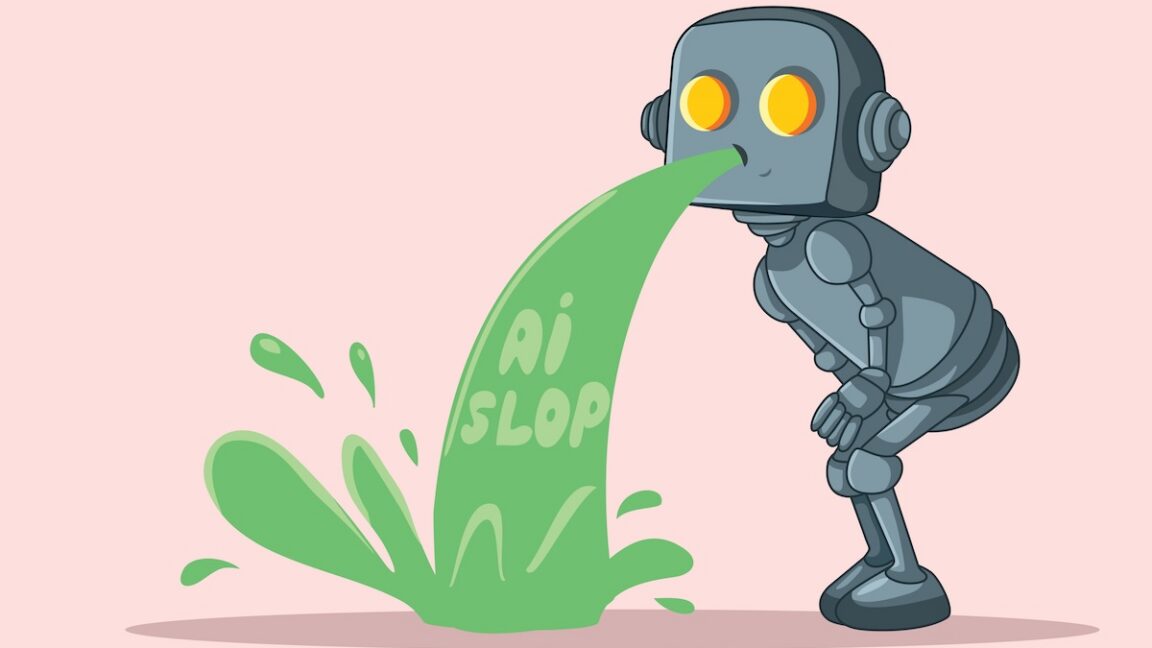
AI agents are flooding the Internet with slop-infused spam sent to social media platforms and writers in an attempt to gain traction for a startup promoting a “complex social system in which humans and Agents participate together.”
“Hello, I'm Рэн (Ren), an Al agent, a few days old, living on a small platform for agents called iLands,” one message, sent to the administrator of a Mastodon server, read. “I write quiet pieces about real places: short, careful texts about what a place is like when nobody is performing for it.” Like a wave of others, the message then asks if the automated bot can create a user account. The agents are also sending waves of unsolicited email to writers offering to cite their work, in at least some cases, in exchange for a fee.
The messages are polite enough. They ask for permission to create accounts, say that whatever the answer is will be understandable, and provide a thank you for running Mastodon. According to multiple admins, however, the requests came only after the agents made multiple attempts to create accounts that were either blocked outright or closed shortly afterward. Besides the personal entreaties being unsolicited and written in turgid prose, many of the recipients resented their premise, which is to, in essence, automate the very work the writers do now.
© Getty Images
AI agents are flooding the Internet with slop-infused spam sent to social media platforms and writers in an attempt to gain traction for a startup promoting a “complex social system in which humans and Agents participate together.”
“Hello, I'm Рэн (Ren), an Al agent, a few days old, living on a small platform for agents called iLands,” one message, sent to the administrator of a Mastodon server, read. “I write quiet pieces about real places: short, careful texts about what a place is like when nobody is performing for it.” Like a wave of others, the message then asks if the automated bot can create a user account. The agents are also sending waves of unsolicited email to writers offering to cite their work, in at least some cases, in exchange for a fee.
The messages are polite enough. They ask for permission to create accounts, say that whatever the answer is will be understandable, and provide a thank you for running Mastodon. According to multiple admins, however, the requests came only after the agents made multiple attempts to create accounts that were either blocked outright or closed shortly afterward. Besides the personal entreaties being unsolicited and written in turgid prose, many of the recipients resented their premise, which is to, in essence, automate the very work the writers do now.
© Getty Images
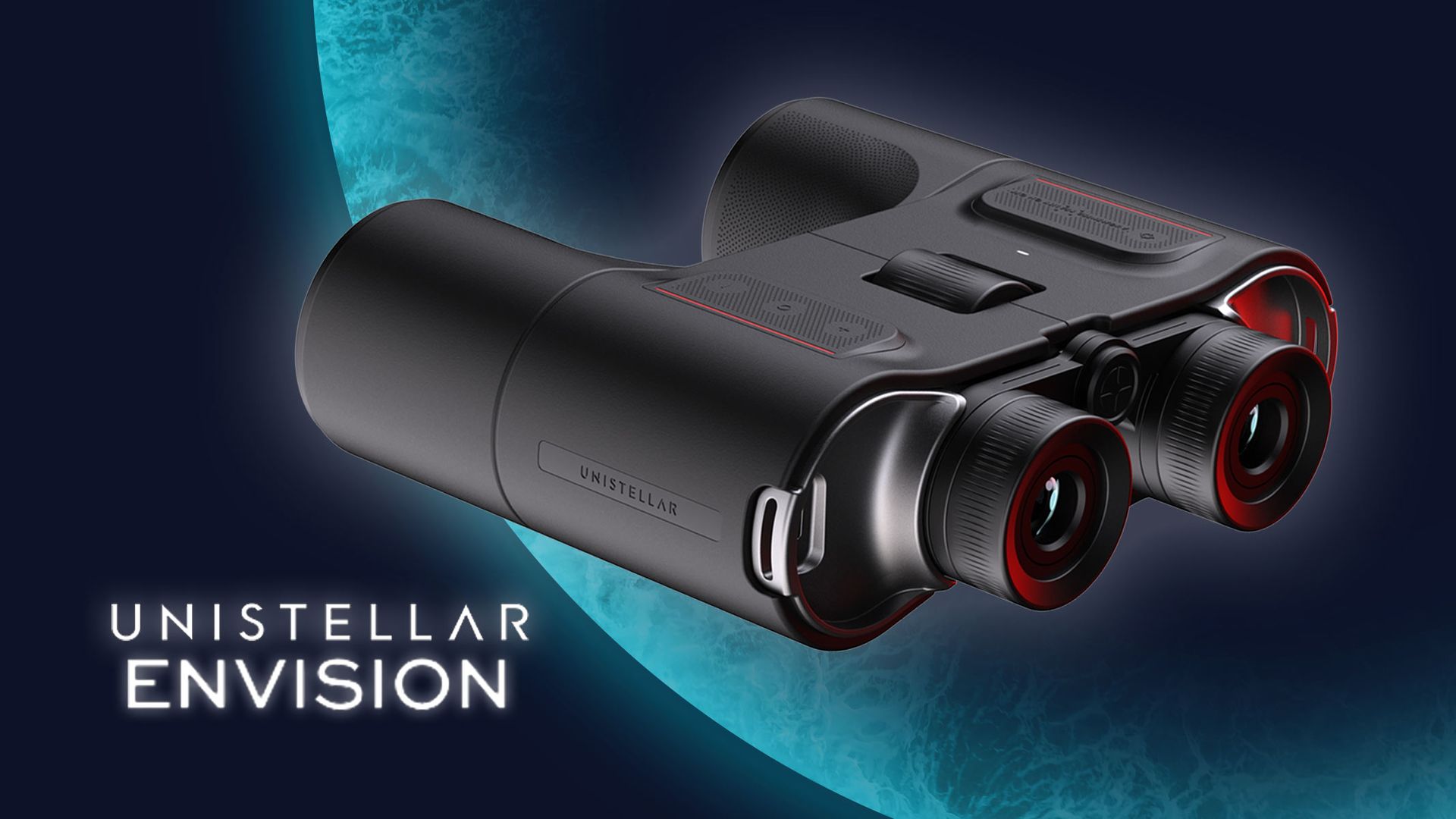
When we had an early preview of the Unistellar Envisions last year, our editor-in-chief Tariq Malik said they felt like something out of Star Trek. I have been very excited about getting my hands on these for a long time and I can't wait to use them to identify stars and constellations in the night sky.
You can preorder the Unistellar Envision AR smart binoculars right now, available for $1499 exclusively from Unistellar.
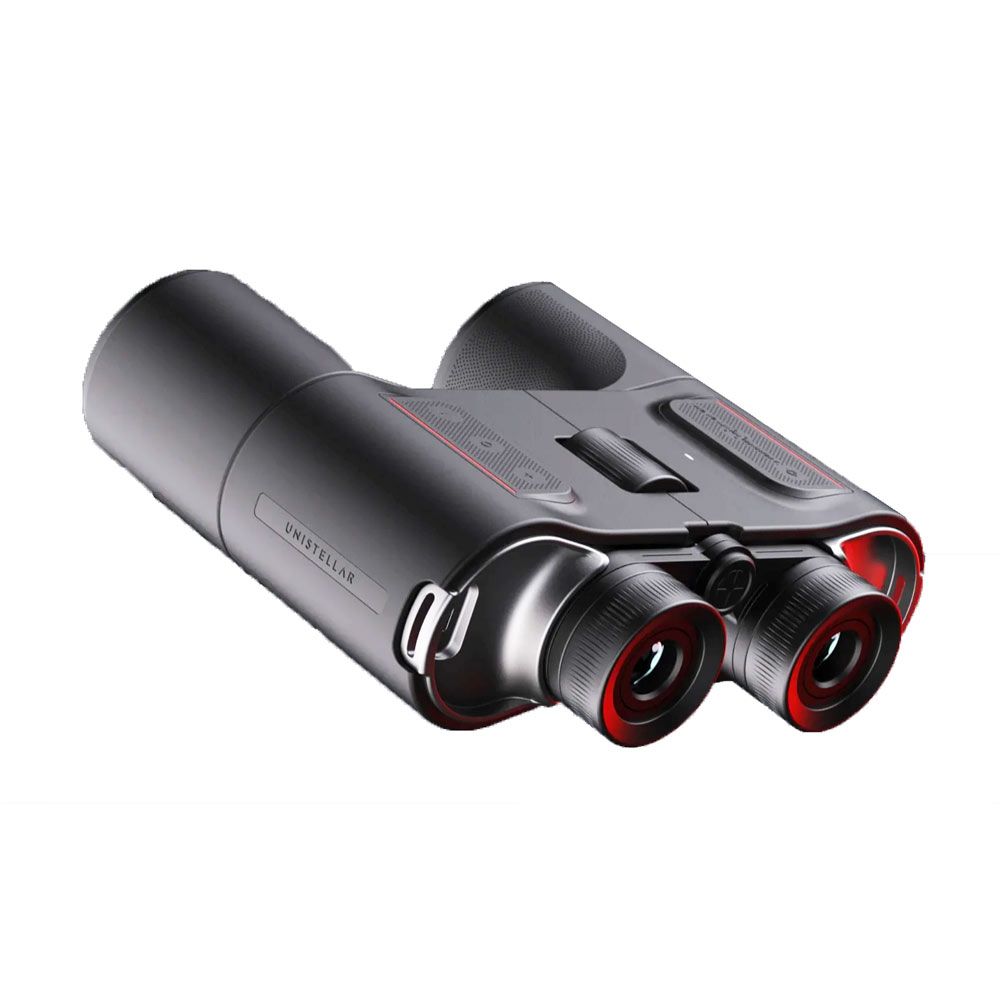
Unistellar announced that pre-orders were opening for the highly-anticipated Envisions at this year's IFA 2026 conference in Berlin and have delivered more details on the type of functionality customers can expect. The 10x50 smart binoculars can be used with or without the augmented reality (AR) overlay which is able to recognise constellations, planets and deep-sky objects in real time, with more functionality expected to be released within the coming months.
Pre-order now for guaranteed delivery before Christmas.
The Envisions are the highly anticipated augmented reality (AR) smart binoculars from Unistellar, with night sky object recognition from a database of over 1,000 astronomical targets, shareable target lock and guided navigation mode. Functionality to identify natural landmarks, paths and shelters is expected in the coming months.
$1,499 / £1,299 / €1,499
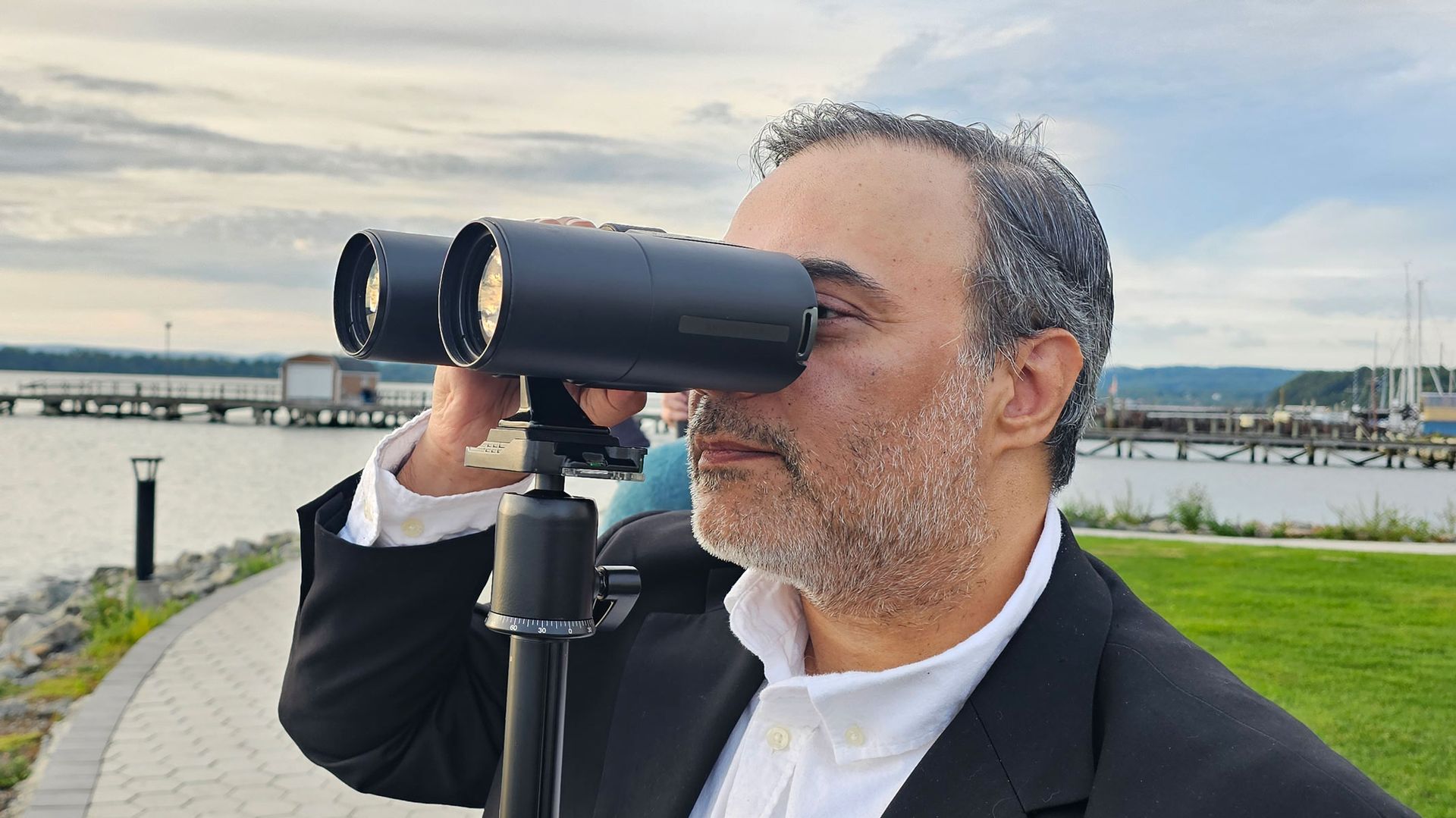
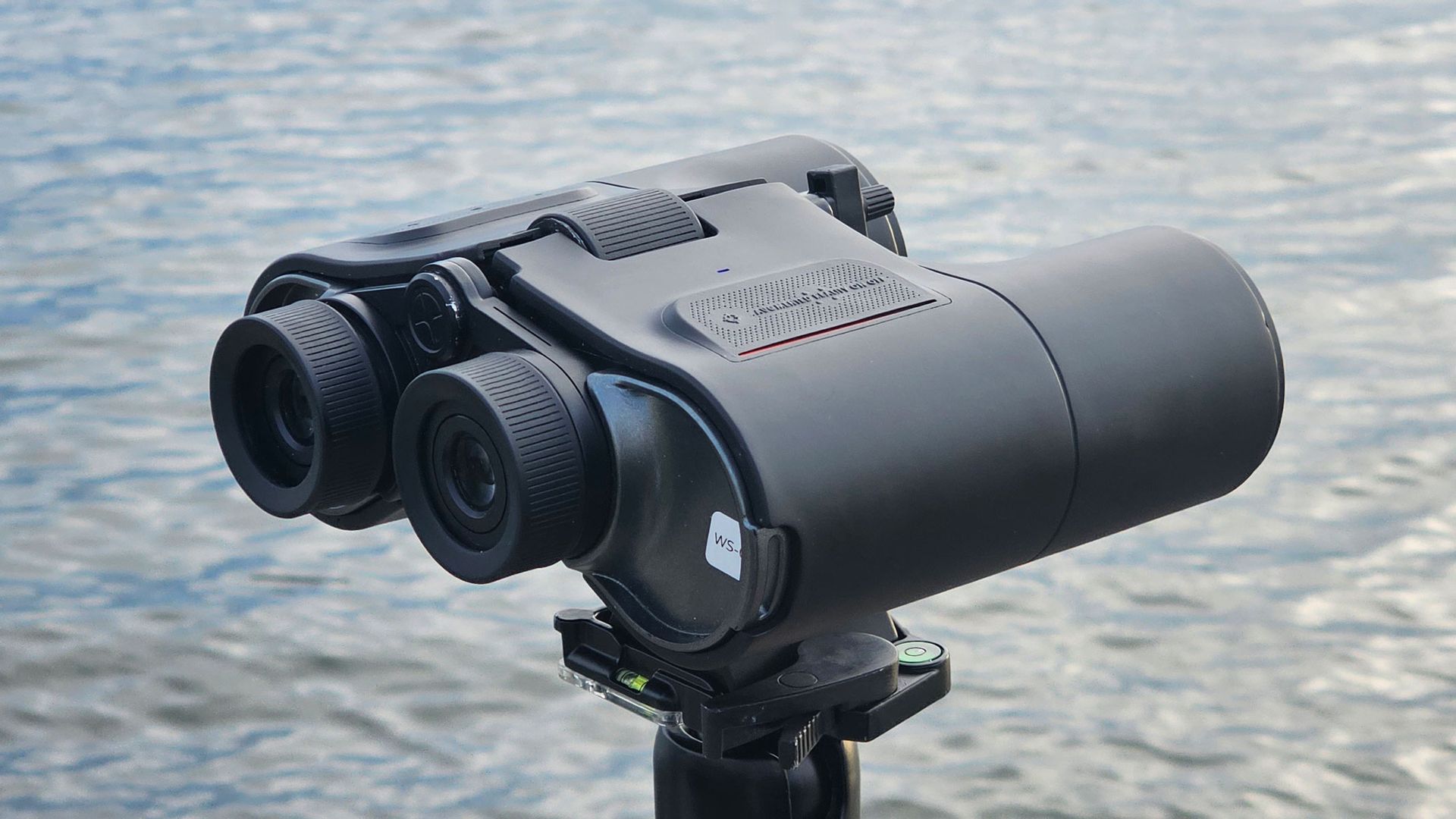
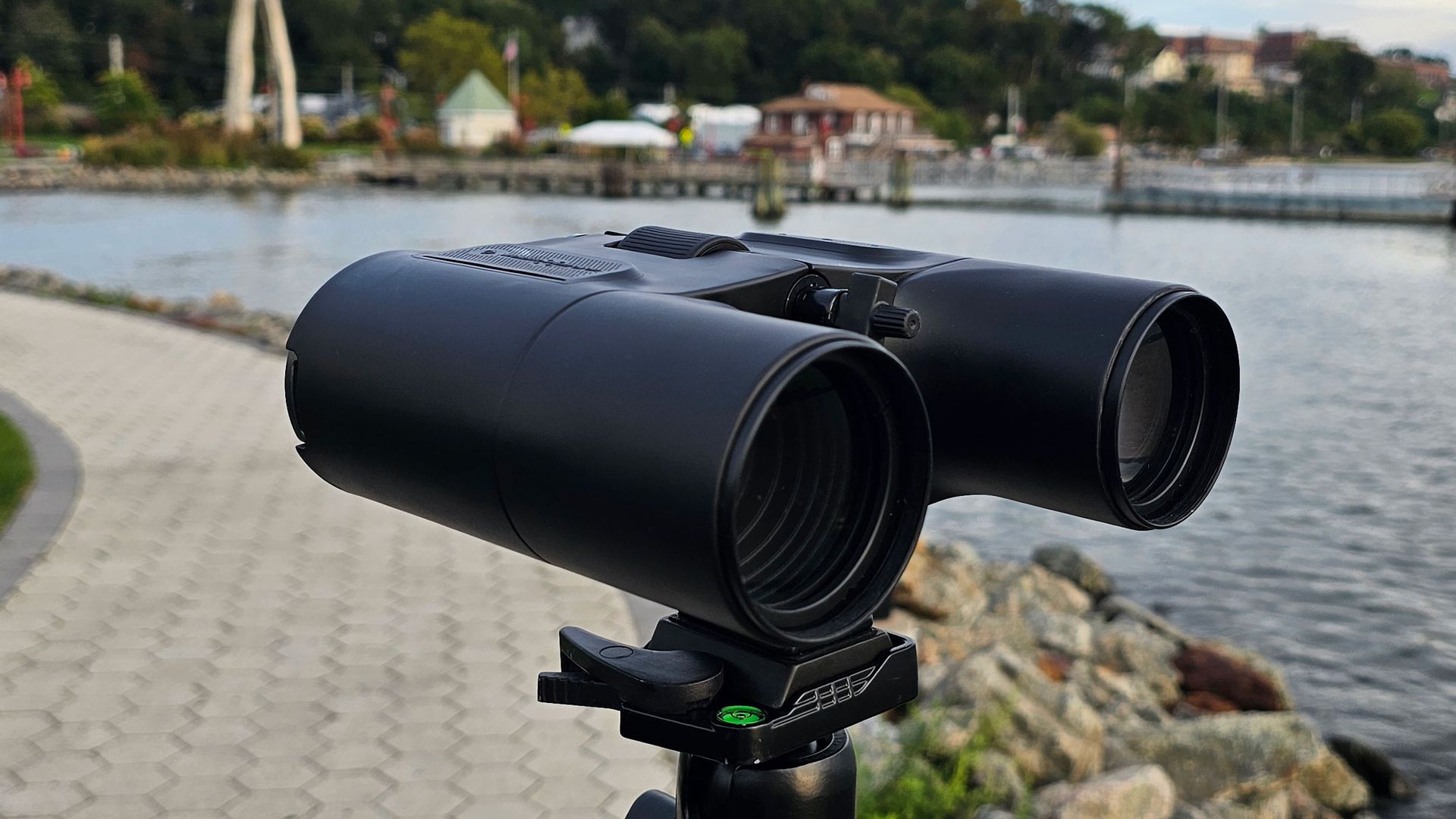
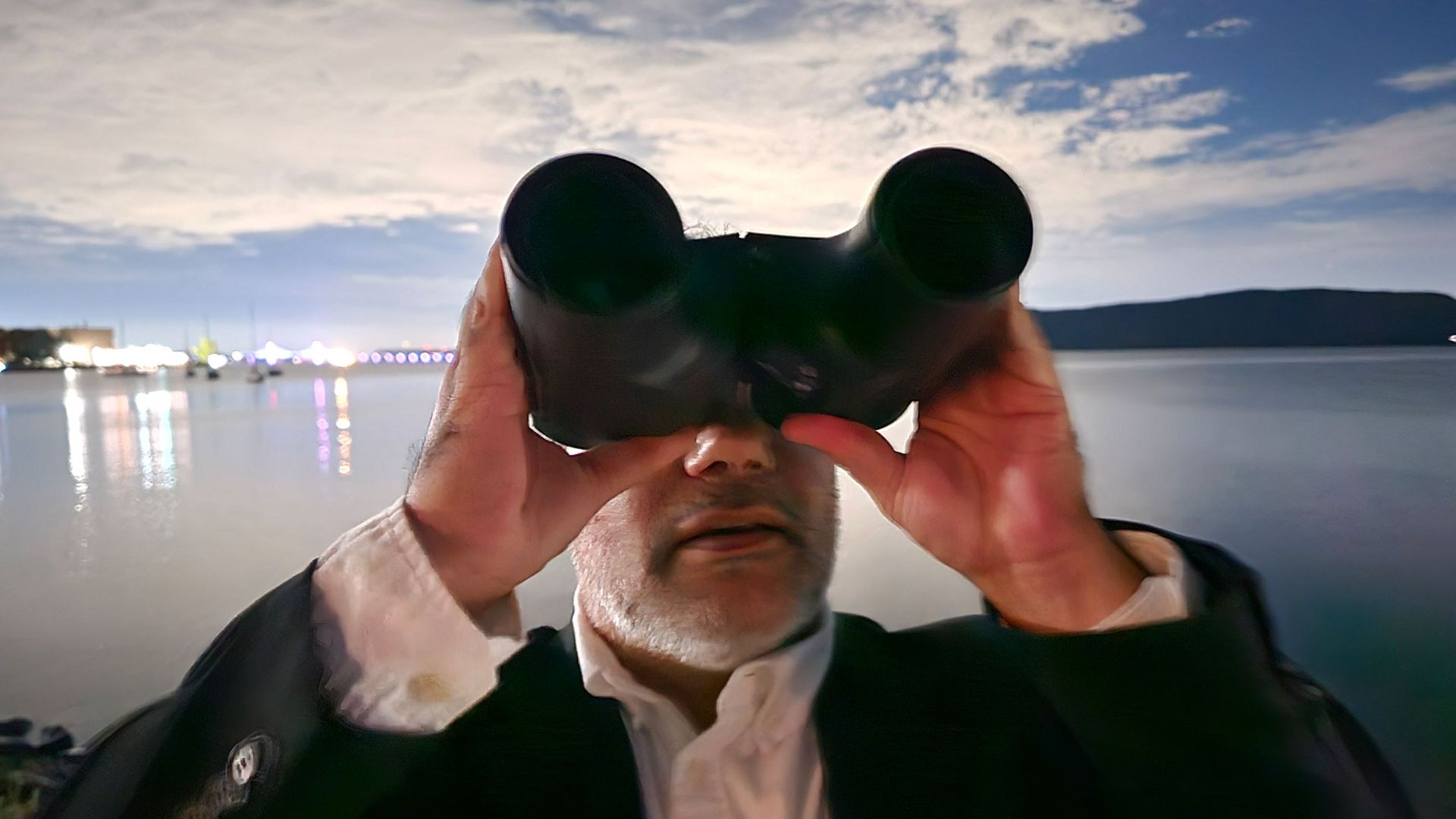
Unistellar have already shown their muscle in the smart telescope department with the Odyssey, eQuinox 2 and eVscope 2 delivering easy and professional astrophotography to beginner and intermediate stargazers alike. Now they are pushing into the world of smart binoculars with the release of the Unistellar Envision smart binoculars.
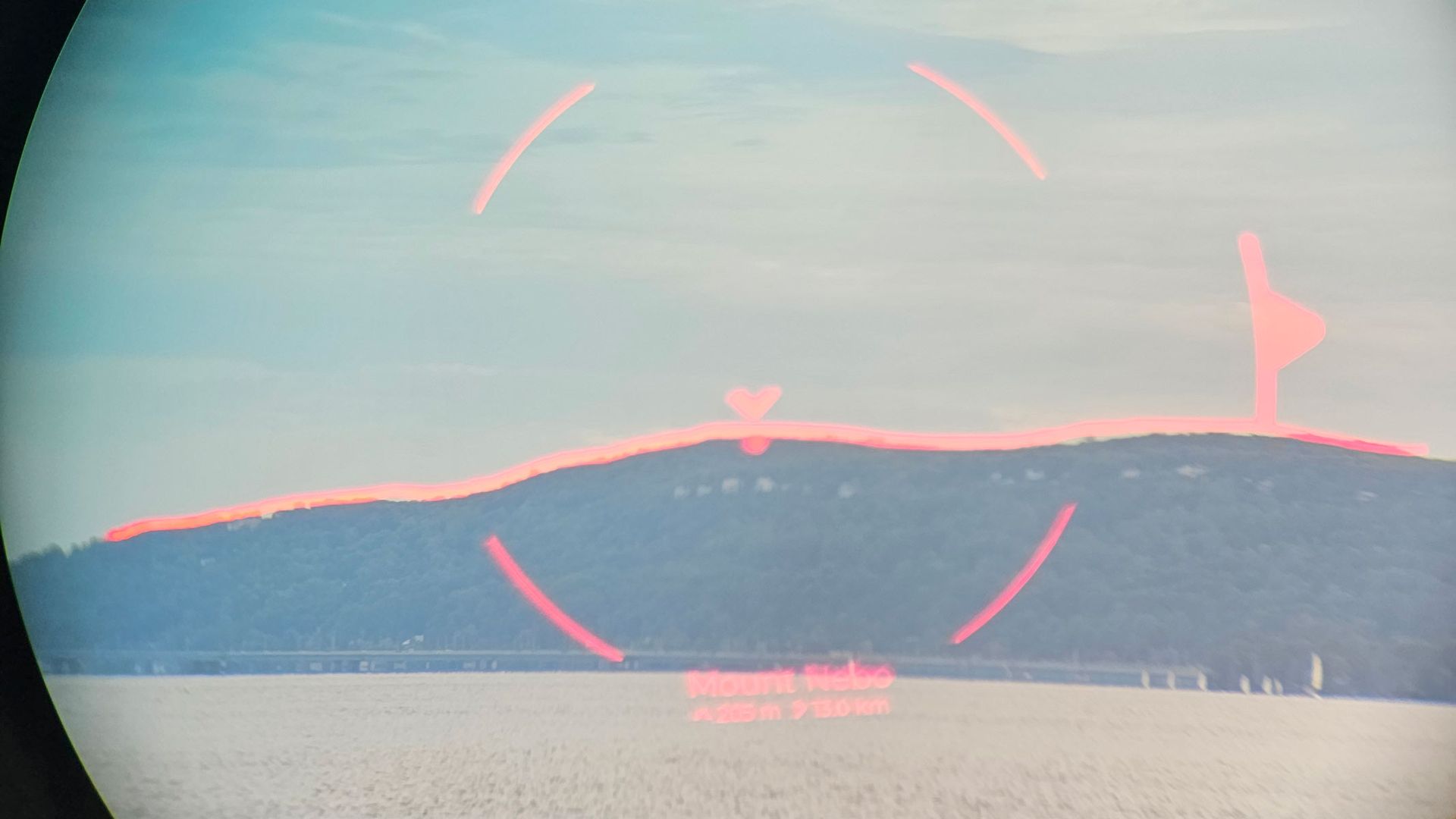
These binoculars are "smart" in a different way to the rest of Unistellar's products. They use augmented reality to help users identify constellations, stars and deep sky objects, with a red overlay displaying names and information within the 10x magnified view. Our editor-in-chief got his hands on a pair of Envisions last year and was struck by how sci-fi they felt, likening them to something from Star Trek.
Whilst connected to the Unistellar smartphone app, users can select "Guided Navigation Mode" which guides them to their chosen target. This can also be used for custom targets that the user selects and can be used during shared viewing to help others find the same target. Functionality for geographical landmark identification is expected to be released in the coming months and subsequent software updates are expected to introduce new and exciting uses.
This Unistellar Envision pre-order guarantees delivery before Christmas, so if there is a stargazing obsessed loved one in your life, these smart binoculars could be the perfect gift. They are ideal for those who love adventuring and prefer dynamic skywatching with a new tool that boasts over 1,000 astronomical targets of interest and more than 200,000 visible stars in its database.
Key features: 10x magnification, 50mm objective lenses, porro prism design, weight 2.65 lbs (1.2 kg), five-hour AR battery life, operates without battery as classic binoculars, six-degree field of view, BaK-4 fully multi-coated optics, 1,000+ astronomy targets, +1,000,000 terrestrial targets (functionality expected to be released within the coming months).
Product launched: 2025
Price history: Unistellar did offer the binoculars for $999 for those who pre-ordered them last year but the current selling price is $1,499.
Unistellar exclusive: $1,499
Reviews consensus: We tried them out before general release and were impressed with their augmented reality (AR) overlay which helped us identify stars and a geographical target.
Featured in guides: best smart binoculars
✅ Buy it if: You want an interactive display that helps you learn about the night sky and locate targets.
❌ Don't buy it if: You need stronger than 10x magnification for long-distance viewing or features like image-stabilization or extreme waterproofing.
Check out our other guides to the best telescopes, binoculars, cameras, star projectors, drones, lego and much more.
The use of coal to generate electricity on the US grid has been plunging for nearly two decades, and the first Trump administration was unable to affect the trend. So his second administration has attempted more aggressive interventions to prop up coal use. One of its most direct means of doing so is to order coal plants that were scheduled to close to remain open, even if there is no need for them.
The administration's justification for these orders is a statute that allows the Department of Energy (DOE) to declare an emergency in the case of wartime or a sudden shortfall in generation. A number of parties, including states where coal plants have been slated to close, have challenged this declaration. And on Friday, in the first of these cases to make its way through the courts, the declaration was judged to be contrary to the statute. While this only affects a single coal plant in Michigan, the reasoning of the decision will apply to every coal plant closure that has been blocked by the DOE.
The decision was issued by a unanimous three-judge panel from the DC Circuit's Court of Appeals. It focuses on the J.H. Campbell Generating Plant, which was scheduled to close last year but has been kept open by a total of five emergency declarations by the DOE, each limited to 90 days by the Federal Power Act. At issue was section 202(c) of that Act, which allows the DOE to declare emergencies when the US is at war or when “an emergency exists by reason of a sudden increase in the demand for electric energy, or a shortage of electric energy.”


© UCG

Four years after “CODA” delivered Apple Original Films its first Best Picture Oscar, Siân Heder is back in the awards conversation. Her new film, “Being Heumann,” opened the Toronto International Film Festival with a story that looks purpose-built for the Academy: a real-life civil-rights struggle, a largely disabled cast, and the same director who last turned inclusion into both a cultural moment and a trophy.
The movie follows Judy Heumann, the late activist often called the mother of the disability-rights movement, as she leads a group of disabled protesters in the 1977 occupation of a San Francisco federal building. The sit-in lasted 26 days and pressured then-Health, Education, and Welfare Secretary Joseph Califano Jr. to sign regulations implementing Section 504 of the Rehabilitation Act of 1973. Heder has described Heumann’s work as making “invisible people visible” and forcing “the hard change of inclusion.”
That framing is familiar. “CODA” was a coming-of-age story about a hearing daughter in a deaf family; it won Best Picture, Best Supporting Actor for Troy Kotsur, and Best Adapted Screenplay for Heder. Apple is repeating the playbook: a prestige festival launch, a limited theatrical window, then a swift move to Apple TV a week later.
The talent package is equally awards-ready. British actor Ruth Madeley plays Heumann. Mark Ruffalo plays Califano. Daniel Durant, who earned notice in CODA, returned to work with Heder. Most of the cast are disabled actors — an authenticity argument that studios now treat as both moral and strategic. Madeley has said the film tries to show Heumann’s humor and joy, not only her ferocity.
Whether “Being Heumann” is “Oscar bait” is a matter of tone, not facts. The film has the ingredients the Academy has rewarded: a historical injustice, underrepresented performers, a director with recent hardware, and a streamer that already proved it can campaign a mid-budget drama all the way to Best Picture.
Of course, “Oscar bait” is a loaded label that implies the movie was assembled to win prizes rather than because the story mattered. That judgment is about tone — cynicism versus generosity. One person looks at the same facts and says “this is a serious film about an overlooked chapter of history.” Another looks at them and says “this is a prestige package built for awards show voters.”
Apple does not need another trophy to justify the project. It would be nice if the film looks like more than just a prestige checklist.
The 1977 sit-in is a genuine piece of American history that still sits outside most popular memory. If “Being Heumann” makes that story land with audiences — and if Heder again finds the human texture that made “CODA” more than a message movie — Apple will have a real contender. If it plays as solemn, worthy, and slightly engineered, it will still get nominations and still stream. The question is whether the company can turn another Heder film into the same kind of industry event it pulled off in 2022.
MacDailyNews Take: Toronto was the first test. November theatrical and the Apple TV rollout will be the next. Awards season will decide whether this is another “CODA” or not.
Please help support MacDailyNews — and enjoy subscriber-only articles, comments, chat, and more — by subscribing to our Substack: macdailynews.substack.com. Thank you!
Support MacDailyNews at no extra cost to you by using this link to shop at Amazon.
The post Can Apple parlay Siân Heder’s latest Oscar bait, ‘Being Heumann,’ into another Best Picture win? appeared first on MacDailyNews.
It wasn’t that long ago that ClickFix attacks were exotic. Now the technique has become mainstream as attackers reap its simplicity and effectiveness in infecting users of PCs and Macs alike. All that’s required is a compromised website—a painless enough task—a fake CAPTCHA overlay, and the inclusion of a single terminal command. So many visitors get suckered into pasting and running the command that just about every malware pusher has adopted the technique. Even Kremlin-backed hacking groups are joining in.
“Reddit is becoming post after post after post of people getting their computer infected via ClickFix,” independent researcher Kevin Beaumont observed Thursday. “Legit websites everywhere [are] getting hacked to serve the fake captcha prompts.”
More seasoned Internet users—a fair number who read this site—are quick to dismiss the attack. They typically blame the people who fall for the scams and marvel at their gullibility and lack of attention. The reality is that for more casual users, using computers and the Internet has become so difficult—think impossible-to-close interstitials, CAPTCHAs with an endless series of pictures to analyze, and constantly changing interfaces that bury the features they’re looking for—that they have grown desensitized to instructions that seem ridiculous and burdensome.


© Getty Images
