 Login

This Bird Flew 13,560 Kilometers Across the Pacific Without Eating or Stopping Even Once
 The tiny godwit stayed in the air for 11 days, breaking all previously known records of nonstop flight.
 The tiny godwit stayed in the air for 11 days, breaking all previously known records of nonstop flight.
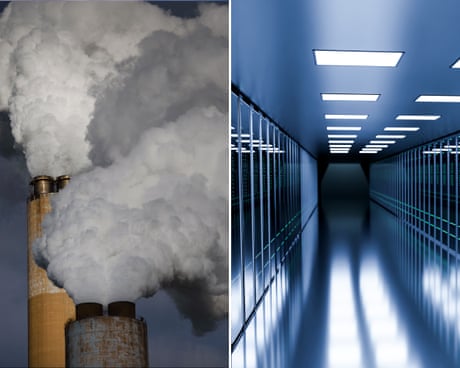
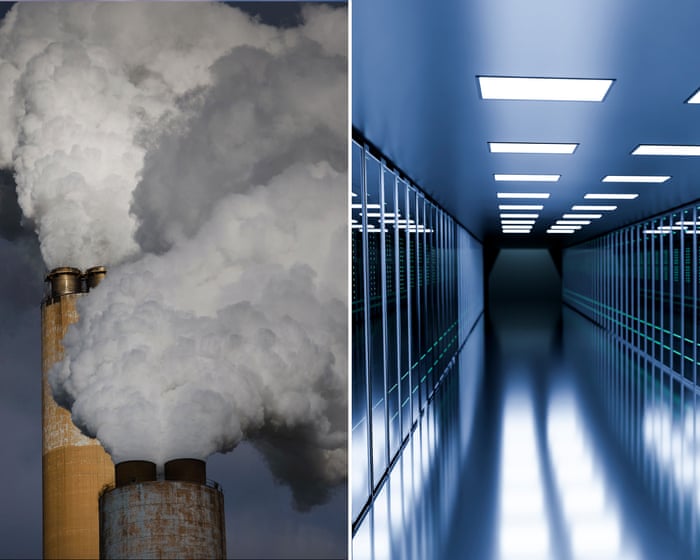
Data centers don’t just undergird the avalanche of AI slop polluting our social media feeds — they’re spewing an awful lot of physical slop as well.
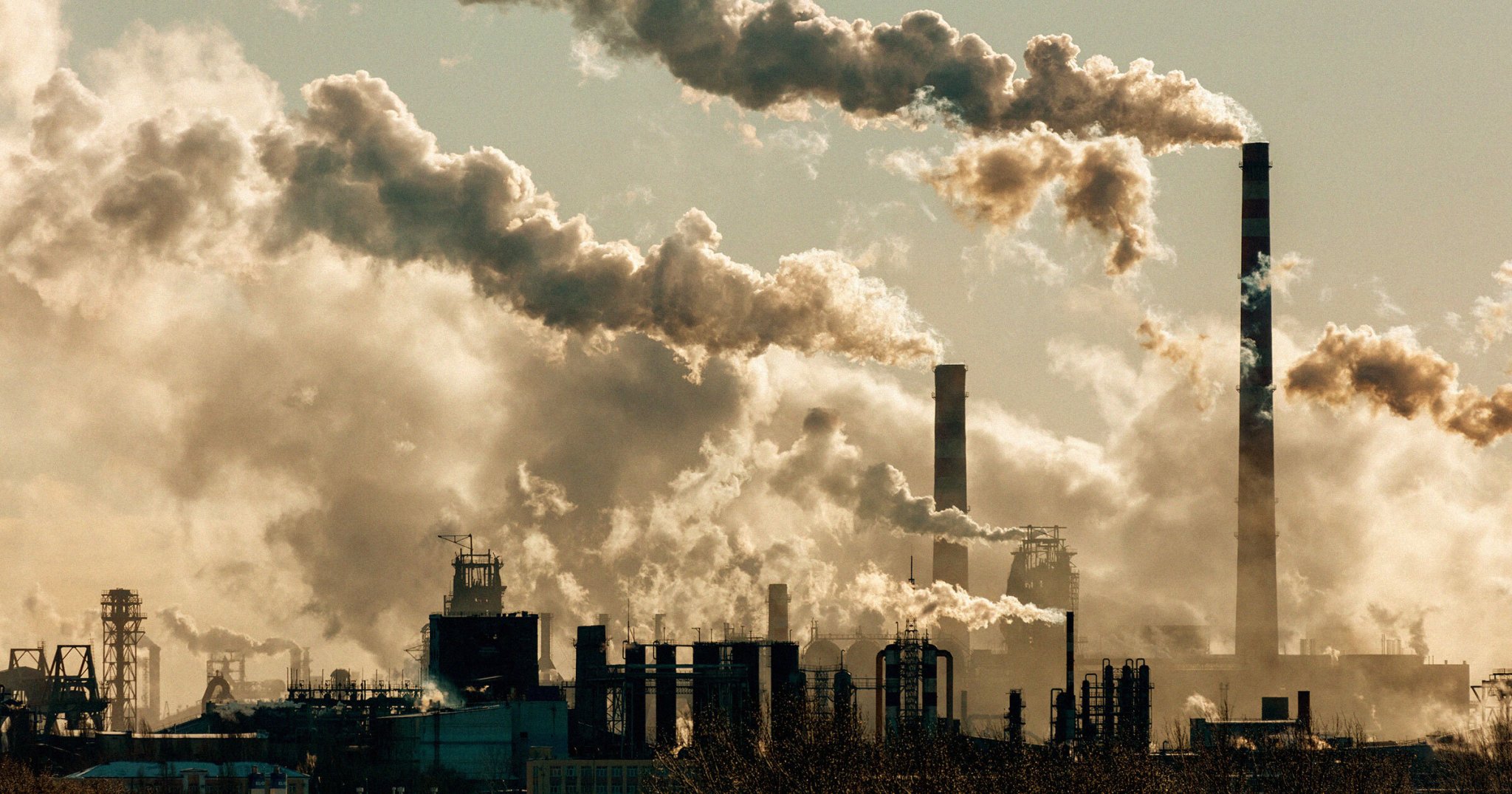
On top of the noxious air pollution, as well as the occasionally bacteria-laden wastewater discharge, data centers are responsible for a rising tide of forever chemicals, artificial substances which never degrade naturally.
According to new reporting by The Guardian, nearly all of the top ten global producers of forever chemicals, otherwise known as polyfluoroalkyl substances, or PFAS, plan to ramp up production quotas on the back of the data center boom.
There’s a clear market demand for this: PFAS play a huge role in data center construction, where they’re used in cooling systems, AI chips, circuit boards, and fire suppression systems — not to mention the coating on thousands of miles of cables used to connect these components together.
Though components laden with PFAS are found throughout the industrial world, their use in data centers is particularly troubling. Because these facilities run almost non-stop save for the rare pause for maintenance, their components break down remarkably quickly, which means data center owners are constantly scrapping old parts in favor of new ones.
When those old components are tossed to the curb, the PFAS will almost inevitably wind up in the environment, increasing the likelihood that they wind up in the food chain. When we eat contaminated plant and animal products, these forever chemicals accumulate in our body, where they may contribute to a laundry list of debilitating health problems.
“These companies’ expansion plans show that unless governments and regulators insist on a rapid phaseout, we will face a new tidal wave of forever chemicals,” Anne-Sofie Bäckar, executive director of Swedish chemical watchdog ChemSec, told The Guardian.
Of course, PFAS are far from the only toxic discharge attributable to the AI data center boom. On Monday, the Gothamist reported that nearly 5,000 gallons of diesel fuel had somehow spilled out of the Equinix Data Center in Secaucus, New Jersey, flowing directly into a tributary creek in the New Jersey Meadowlands.
As Climate Revolution Action Network executive director Ben Dziobek told the Gothamist, it’s proof that data centers harms extend far beyond their property lines.
“Leaving this [data centers] to individual towns doesn’t make any sense,” Dziobek said. “Data centers create problems that don’t stop at municipal boundaries, whether it’s pollution or straining the grid and driving up everyone’s electric bills.”
More on data centers: The Economics of Data Centers Creating Jobs Are So Bad That They Sound Like a Joke
The post Data Centers Are Causing a Huge Surge in Incredibly Toxic Chemicals Polluting the World appeared first on Futurism.


Across the stories today, a common thread emerges: the boundaries we once drew around “the environment” — between land and sea, sky and orbit, economy and ecology — keep dissolving, revealing how deeply intertwined these systems have become.
Start with the sky, in more ways than one. The US government’s confirmation that it has deployed a weapon in Earth’s orbit marks a genuine turning point, not just for defense policy but for how we think about the commons above our heads. Space has long been treated as neutral ground; now it’s becoming contested territory, raising quiet but urgent questions about debris, escalation, and what “environment” even means when it extends past the atmosphere. Meanwhile, back on solid ground, the UK’s climate advisers delivered a pointed message to Heathrow: a third runway cannot proceed unless airlines help pay for the emissions it would unleash, potentially through carbon removal costs. It’s a small but telling signal that growth and climate accounting are becoming inseparable in policy conversations — expansion is no longer a given, even for infrastructure long considered inevitable.
That tension between growth and limits runs through much of today’s coverage. A Guardian analysis found that the world’s twenty largest private equity firms back energy portfolios emitting more greenhouse gases than all but three countries on Earth — a stark reminder that climate accountability often hides behind layers of finance most people never see. In Venezuela, a US-backed push for “legitimate” mining and a new oil megadeal are drawing warnings from environmental and human rights groups who see familiar risks dressed in new language. And in Guinea-Bissau, industrial fishmeal factories are quietly hollowing out a food fish that coastal communities have relied on for generations. Behind the numbers are real communities adapting in real time — from Vietnamese fishers losing thousands of dollars per vessel to tangled plastic waste, to Dhaka residents like Yeasmin Begum, who has spent her life breathing the smoke of a landfill she never chose to live beside.
Yet alongside these pressures, the day’s coverage also points to growing momentum around resilience and repair. Ukrainians are turning to rooftop solar to keep homes running amid bombardment — a portrait of adaptation born from necessity. A Congolese NGO now co-manages a national reserve for the first time, a homegrown model of stewardship. Moon bears rescued from bile farms are stretching their limbs in Suffolk enclosures, and three wild dog brothers wandered 2,500 miles across Zambia in search of a mate, offering an unlikely note of hope for their species. Even Griffith Park’s mountain lion — photographed beneath the Hollywood sign — helped inspire the world’s largest wildlife crossing, proof that a single image can shift infrastructure decisions.
It’s a reminder that progress and pressure often arrive together. Some communities are innovating their way through crisis; others, like the land defenders now forming self-defense units amid rising violence, are simply trying to survive it. As Brazil’s upcoming election looms over the Amazon’s future, and Chief Raoni Metuktire — one of its most storied protectors — enters palliative care, the coming months may reveal whether today’s momentum toward stewardship can outpace the forces pulling the other way.
The post US Confirms Orbital Weapon, Essex Wildlife Habitat Threatened by Data Centre — Today’s Environmental Briefing for Wed, Sep 16 2026 first appeared on EnviroLink Network.

The world’s 20 largest private equity firms are bankrolling energy portfolios that pump out 1.5 billion tons of greenhouse gases annually, a new report reveals — a carbon footprint larger than every country on Earth except China, the United States, India and Russia.
These firms collectively oversee a staggering $7.3 trillion in assets, giving them enormous influence over how quickly, or slowly, the world moves away from fossil fuels. With that kind of financial firepower, they could be leading the charge toward renewable energy. Instead, many continue pouring money into natural gas plants and coal-fired power stations, some of which are being built specifically to feed the electricity-hungry datacenters that power artificial intelligence and cloud computing.
The findings highlight a growing tension at the heart of the clean energy transition: as demand for computing power explodes, so does the pressure to generate more electricity fast, and fossil fuels remain the quickest option for many investors. Critics argue that private equity firms, largely operating outside the public spotlight and free from the shareholder pressure that public companies face, have less incentive to prioritize emissions reductions over short-term returns.
The report raises pointed questions about accountability in an industry that touches nearly every corner of the global economy but faces far less scrutiny than publicly traded corporations. As the climate crisis intensifies and energy demands continue to climb, watchdogs say the outsized emissions from these financial giants deserve far more public attention than they currently receive.
The post Top 20 Private Equity Firms Emit More Greenhouse Gases Than Most Countries, Report Finds first appeared on EnviroLink Network.

Bright yellow fields are painting the landscape across New South Wales this season, as favorable growing conditions have pushed canola crops to flower earlier than usual. The vivid blooms are especially striking across the south-west slopes and Riverina regions, where farmers are reporting an ideal combination of rainfall and temperature that has accelerated the crop’s development.
Canola, grown widely across Australia for its oil-rich seeds, transforms paddocks into brilliant swaths of gold each spring when it flowers. This year’s early bloom offers a particularly dramatic display, drawing attention from photographers and travelers alike as the countryside lights up with color earlier in the season than growers typically expect.
The timing of the bloom reflects broader patterns in seasonal conditions that farmers monitor closely, as flowering periods can shift significantly based on rainfall, soil moisture, and temperature trends throughout the growing season. While an early flowering can signal a strong season ahead, it also means farmers must adjust their harvest planning accordingly.
The spectacle in NSW echoes similar bursts of seasonal color elsewhere in Australia, including Western Australia’s celebrated wildflower season, which has also sprung to life this year. Together, these displays highlight the dynamic and often unpredictable rhythms of Australia’s agricultural and natural landscapes, offering a vivid reminder of how weather and climate patterns continue to shape the country’s rural scenery from season to season.
The post Golden Fields Early: NSW Canola Season Bursts into Bloom Ahead of Schedule first appeared on EnviroLink Network.

New owners apply for permission to extract oil in Horse Hill despite landmark ruling from supreme court in 2024
After years of trying to dig for oil in Surrey, the company behind the drilling project that was turned down in a landmark supreme court ruling has sold off the site for a fraction of the money it spent on it, and rebranded as a clean energy company.
Meanwhile, the new owners, who picked up the site for £1m, are applying, once again, for permission to dig.
Continue reading...
© Photograph: Carl Court/Getty Images
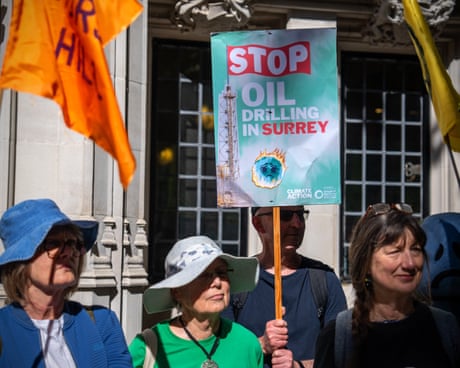
© Photograph: Carl Court/Getty Images
© Photograph: Carl Court/Getty Images


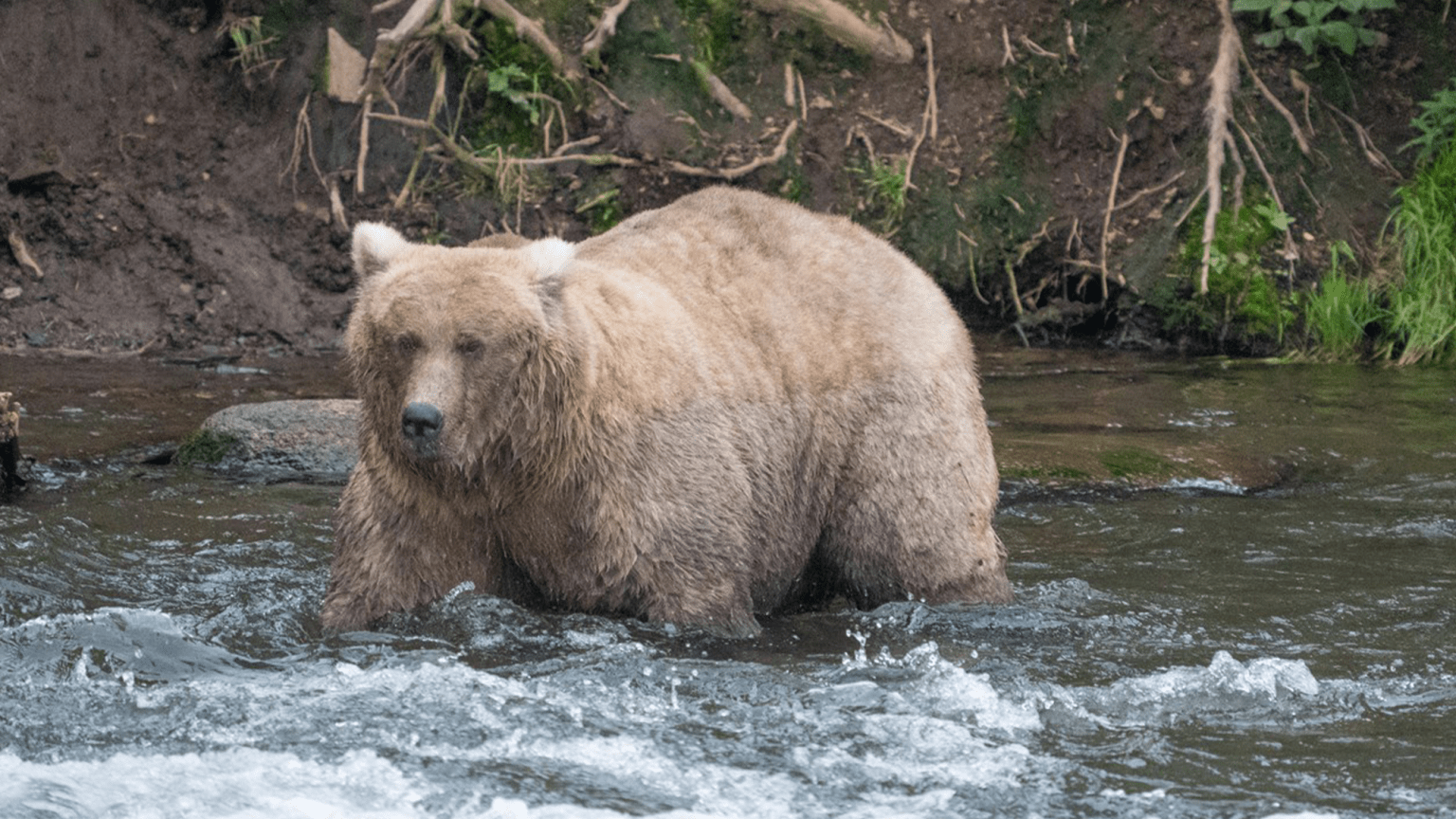
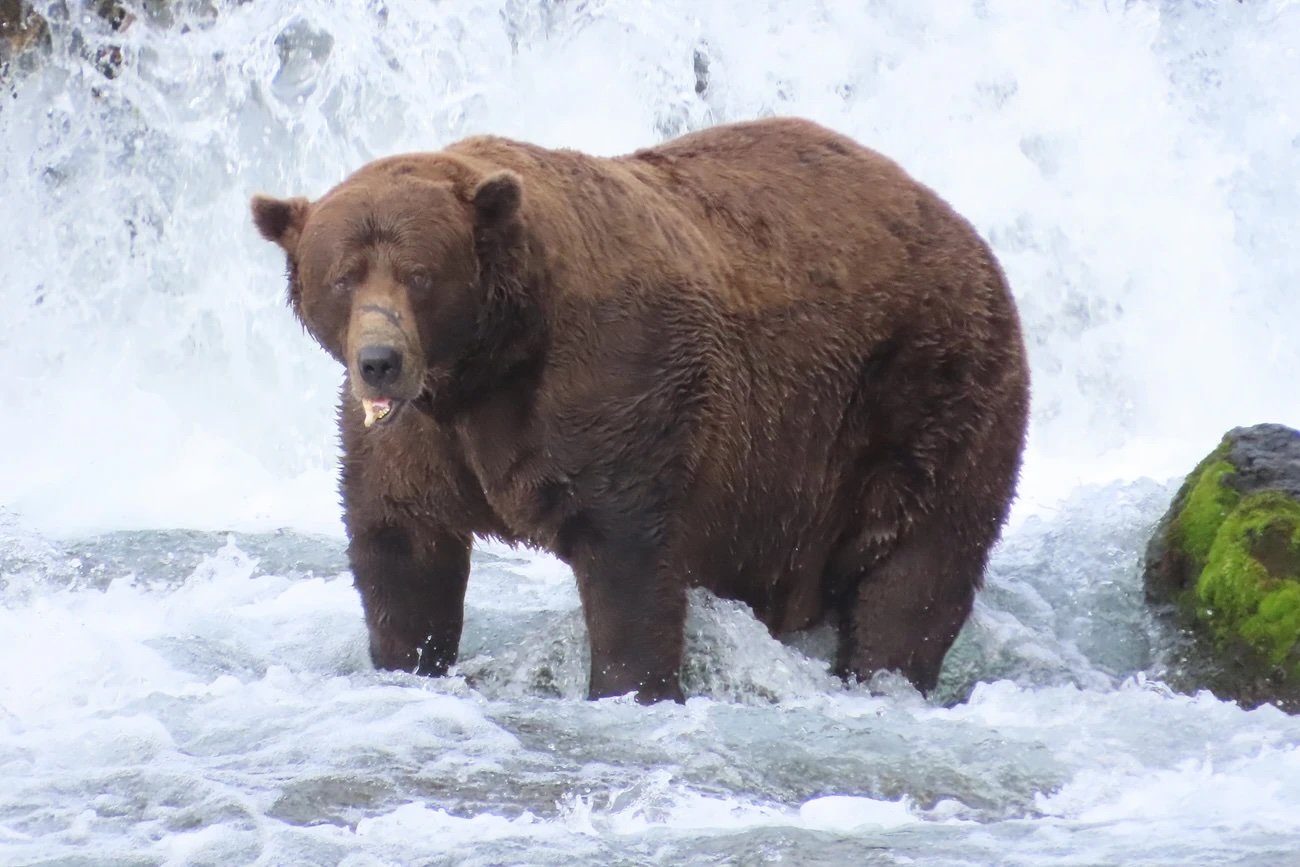
The 2025 Fat Bear Week champion is back and ready to rumble (or at least eat a lot of fish). Bear #32, better known as Chunk, returned to view this week on the explore.org live cameras stationed throughout Katmai National Park in Alaska. With the kickoff of Fat Bear Week 2026 slated for Friday, his timing couldn’t be better.
Chunk reigned supreme in 2025, racking up 96,350 votes—30,000 more than second place finisher, Bear 856. Chunk is a fan favorite for his hefty size (estimated at more than 1,200 pounds) and distinct look. In addition to his narrow-set eyes, dark brown fur, large muzzle scar, and prominent brow ridge, Chunk also has misaligned the jaw. In 2025, he emerged from slumber and made an appearance at Brooks River with a noticeably broken jaw that rangers guessed was a result of a fight with another bear.
“Chunk proved immediately adaptable,” explore.org explained. “He adjusted his behavior to avoid most direct confrontations with other large male bears. He quickly learned to eat salmon without the full use of his mandible. Additionally, his large body size still gave him easy access to many productive fishing spots. He remains one of the largest bears at Brooks River.”
Despite the potential challenges of chomping on salmon with a broken jaw, Chunk persevered. Cameras first spotted him this season all the way back in April. Bears are not seen as frequently during the spring, so the early glimpse of Chunk walking across a patch of ice was exciting. Typically, Katmai bears emerge in June when the salmon run begins at Brooks River.
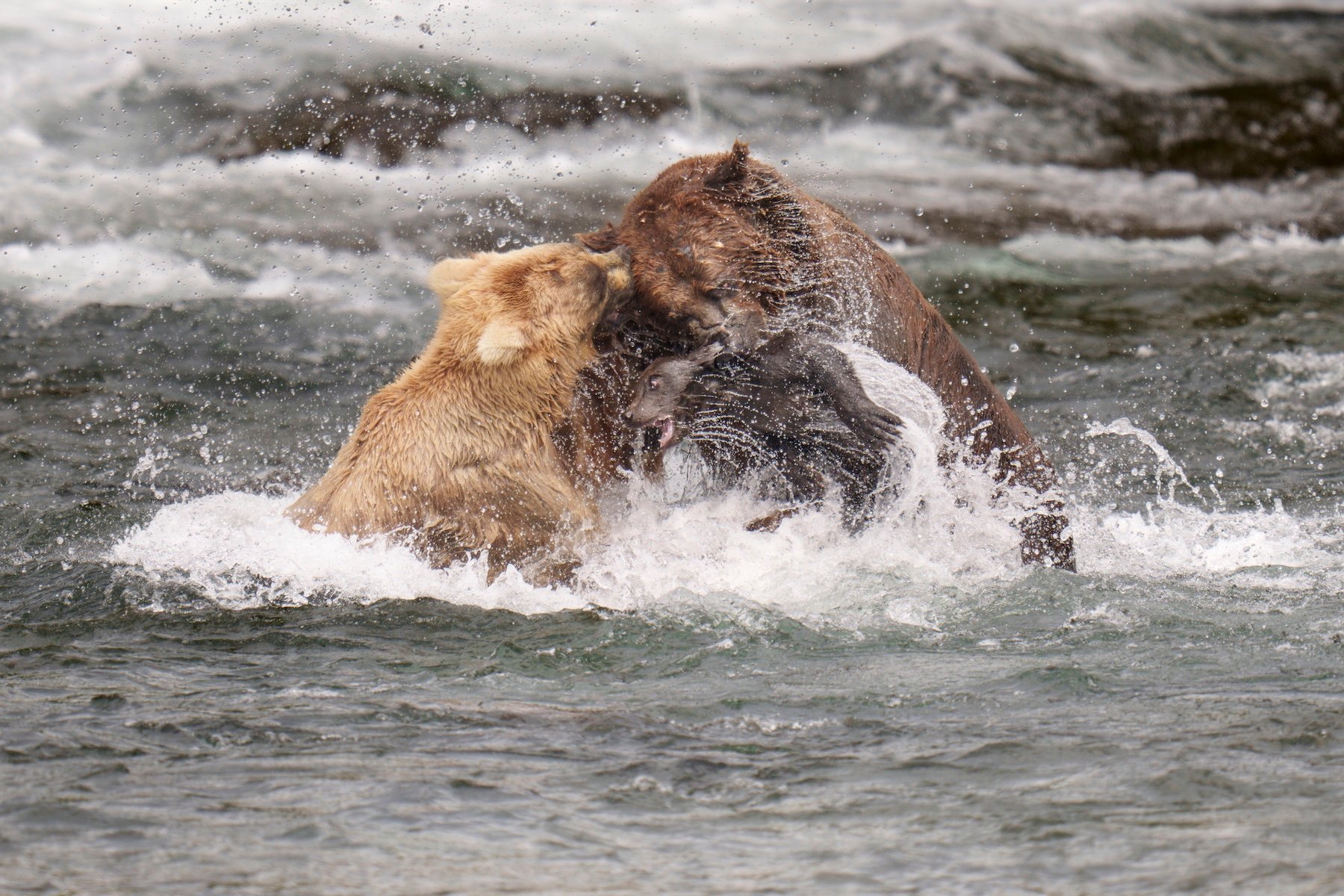
Chunk wasn’t always a fan favorite though. In 2024, he lost the Fat Bear Week crown for the second year in a row to mama bear Grazer. The two bears had been involved in an incident in which two of Grazer’s 2024 cubs were attacked by Chunk after falling over a waterfall. Grazer put up a fight against Chunk to defend her cubs, but one cub died after the encounter.
Tune in Friday, September 18, for the Fat Bear Week 2026 bracket reveal to see if Chunk will have the chance to defend his title. And you can always tune in to explore.org live cameras to see what our favorite chunky bears are up to.
This year, Fat Bear Week begins on Tuesday, September 22, and a winner will be crowned on Tuesday, September 29.
Votes may be cast from noon to 9 p.m. EDT (9 a.m. to 6 p.m. PDT and 8 a.m. to 5 p.m. ADT)
from September 22 and 29 at fatbearweek.org.
Photographs comparing the bears from earlier in the summer and later in the summer will be shown, so voters can get an idea of just how much weight the bears put on during their salmon fest. An adult male bear can go from roughly 700 pounds in the early summer to over 1,200 pounds by fall.
Voters are also encouraged to get familiar with each bear’s life history and the unique challenges they face to survive.
The 2026 Fat Bear Week Bracket will be released on Friday, September 18.
Donations can be made to Katmai Conservancy’s Otis Fund. The Otis Fund is named after Bear #480 (Otis), who won four Fat Bear Week titles before his death around 2024. All donations made between September 22 and October 3 will be matched by explore.org.
This year’s livestream featured an example of how wild (and upsetting to humans) nature can be. On Tuesday, July 28, cameras captured a young brown bear cub being killed and eaten by an unrelated mother bear (Bear #806).
On Sunday, August 2, one of Bear #335’s (Jolly) cubs died, after following three unrelated cubs up a tree. The mother of the cubs already in the tree attacked Bear #335’s cub, who did not survive the encounter. The identity of the mother bear who killed the spring cub was not confirmed.
Following the first cub’s death, naturalist Mike Fitz and park rangers Christine Loberg and Sarah Bruce said this likely the first documented case occurring at Brooks River. While there is no one answer as to why mother bears are killing cubs, some experts suspect bear adoption, food scarcity, and fights for dominance all play a role.
Additionally, this year also saw the cub with silver-hued fur, a cub who hopefully learned important lesson about porcupine quill safety, the unique fishing stylings of Bear #164 (Bucky Dent), and Bear #284’s (Electra) family who can “walk on water.”
The post Big boy Chunk returns ahead of Fat Bear Week 2026 appeared first on Popular Science.
Climate change? What climate change?
Choosing to bury their heads in the sand on behalf of the citizens of this country and perhaps the planet at large, the Trump administration has announced that the Environmental Protection Agency will eliminate limits on greenhouse gas pollution produced by coal and natural gas power plants, the Associated Press reports.
Needless to say, it would be a staggering setback in the federal government’s ability to tackle climate change, and the effects could be long-lasting in both an environmental and legal sense. The administration is also proposing a separate rule that could prevent future administrations from imposing restrictions on greenhouse gas emissions from power plants, all but ensuring a future of ecological catastrophe.
“Tearing down our national protections against climate pollution from power plants will have enormous costs for the health, safety and well-being of families across the country,” Vickie Patton, general counsel for the Environmental Defense Fund, told the AP. “Americans everywhere are already suffering from record-breaking heat, more dangerous floods and storms, and skyrocketing insurance costs.”
Manish Bapna, the president of the Natural Resources Defense Council, told the New York Times that the EPA “is ending its legal and moral responsibility to end climate pollution.”
These changes, which involve repealing regulations passed under the preceding Biden and Obama administrations and passing new ones, have been a long time coming.
Led by EPA administrator Lee Zeldin, the agency first proposed them last year, arguing that CO2 and other greenhouse gas emissions from power plants are neither a significant contributor to “dangerous pollution” that harms human health, nor to climate change. It follows, Trump’s EPA argues, that the agency doesn’t have the authority to regulate the emissions under the Clean Air Act, the US’s landmark air quality control law passed in 1963.
The action will almost certainly face fierce legal challenges from environmental groups.
“The Sierra Club will fight back against this reckless and dangerous proposal with everything we have in the courts, in Congress, and in communities across the country,” Holly Bender, the group’s chief program officer, said in a statement.
Trump has long been a climate change skeptic, calling it not only a “hoax,” but the “greatest con job ever perpetrated on the world.” Upon taking office in 2025, he immediately withdrew the US from the Paris Agreement for the second time (the first happened during his first term, and was overturned by president Biden). The international treaty is an agreement to limit global warming to 1.5 degrees Celsius, or 2.7 degrees Fahrenheit, past which scientists say the worst effects of climate change will be irreversible.
A clear beneficiary of the changes is the coal industry, which Trump has gone to great lengths to appease. He has proposed relaxing regulations around how it disposes of its toxic waste, and directed the federal government to pour $700 million into supporting the industry. But “clean, beautiful coal,” as Trump calls it, is pound for pound the most carbon-emitting fuel and the largest source of global CO2 emissions.
More on the environment: United Nations Concedes That Efforts to Arrest Climate Change Have Failed, and the Planet Is Now Spiraling Into Environmental Catastrophe
The post Trump’s EPA Will Let Power Companies Unleash Unlimited Greenhouse Gas Pollution appeared first on Futurism.
Despite major strides in education and conservation efforts, rabies remains a serious public health issue. The Center for Disease Control (CDC) estimates around 90 percent of cases occur in wildlife, but their consequences still reverberate across ecosystems and routinely endanger humans. Combating the viral disease costs the United States over $300 million every year, but the hefty price tag is justified. Contracting one of the oldest known diseases invariably causes severe symptoms like abnormal sensations, violent movements, hydrophobia, and loss of consciousness. Rabies is fatal in virtually every documented case, and still kills around 59,000 people around the world each year.
Once primarily associated with dogs, rabies has since spread to wildlife such as raccoons, skunks, bats, and foxes—making the issue much more difficult to track and control. Since 1995, the United States Department of Agriculture (USDA) has overseen a National Rabies Management Program in cooperation with state and federal departments, university researchers, and other organizations. After over 30 years of work, one of the most preferred mitigation methods is regularly placing oral rabies vaccine (ORV) bait in strategically selected wildlife areas. The easiest way to spread millions of bait blocks across thousands of square miles? Airdrops.
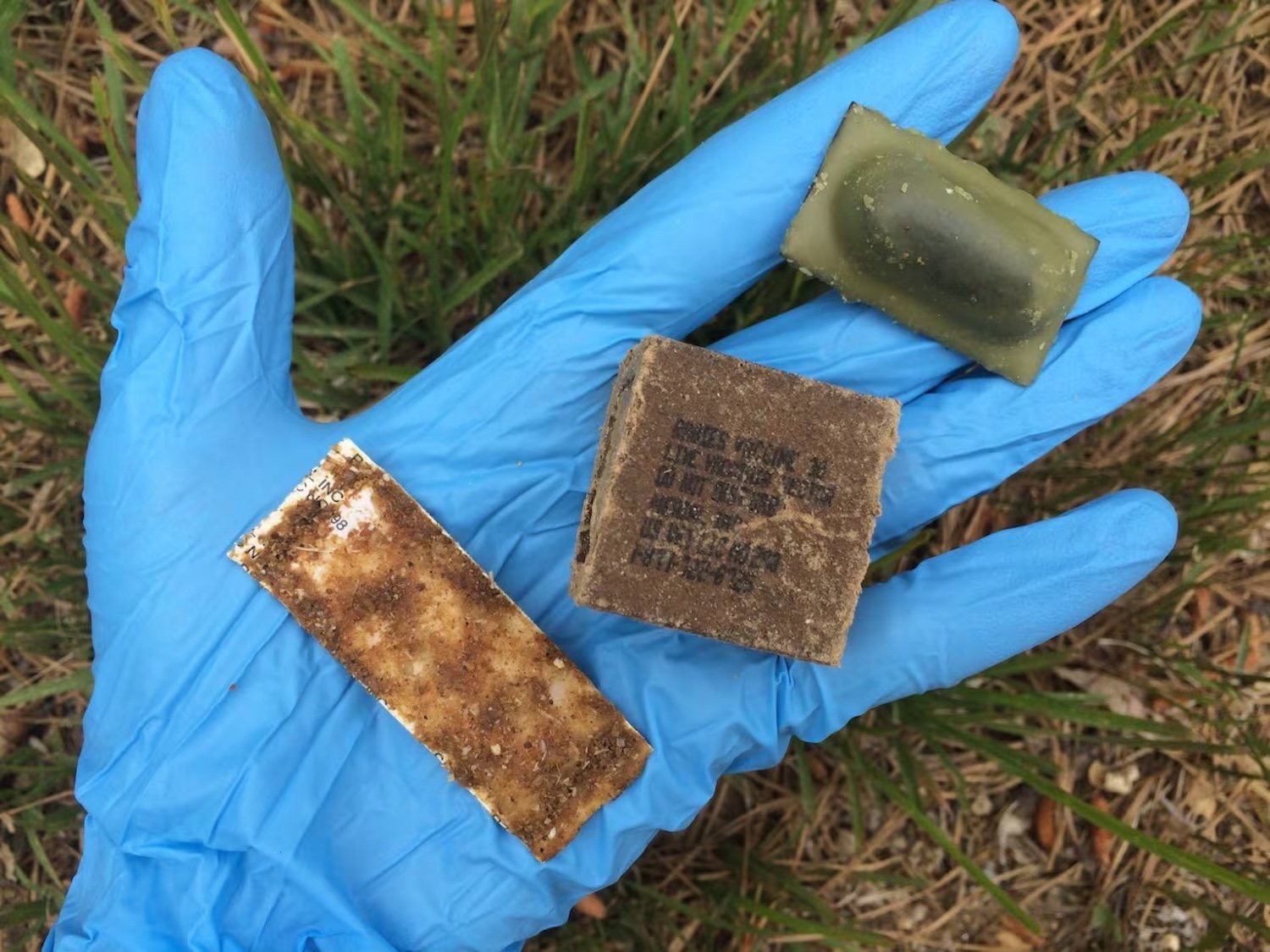
Next month, the USDA will once again begin tossing fishmeal-coated ORV packets from planes throughout the Southeastern states of Virginia, North Carolina, Tennessee, Georgia, and Alabama. These tiny edibles are specifically crafted to target the most prominent rabies variants seen in raccoons, coyotes, and gray foxes.
“The goal is to prevent westward spread of raccoon rabies by creating a continuous vaccine barrier that stays in front of rabies occurrence on the landscape,” a USDA spokesperson recently told FOX Carolina News. The representative added that although the distribution’s scope doesn’t currently include South Carolina, they are “very close to establishing an ORV area in South Carolina counties bordering North Carolina and Georgia in the next few years.”
If all goes as planned, the National Rabies Management Program’s geographic scope will shrink over time as the disease is regionally eliminated. Until then, anyone who accidentally comes into contact with an ORV bait brick shouldn’t worry about contracting the disease. The vaccine inside each brick is proven safe for over 60 animal species, including cats and dogs. If you happen to locate one in a residential area, the USDA recommends to either simply leave it alone, or use gloves to move it to a more remote location for its intended recipients. Always wash your hands thoroughly after handling ORV bait—and try to ignore the pungent odor of fishmeal.
The post It’s almost time to airdrop rabies vaccines again appeared first on Popular Science.

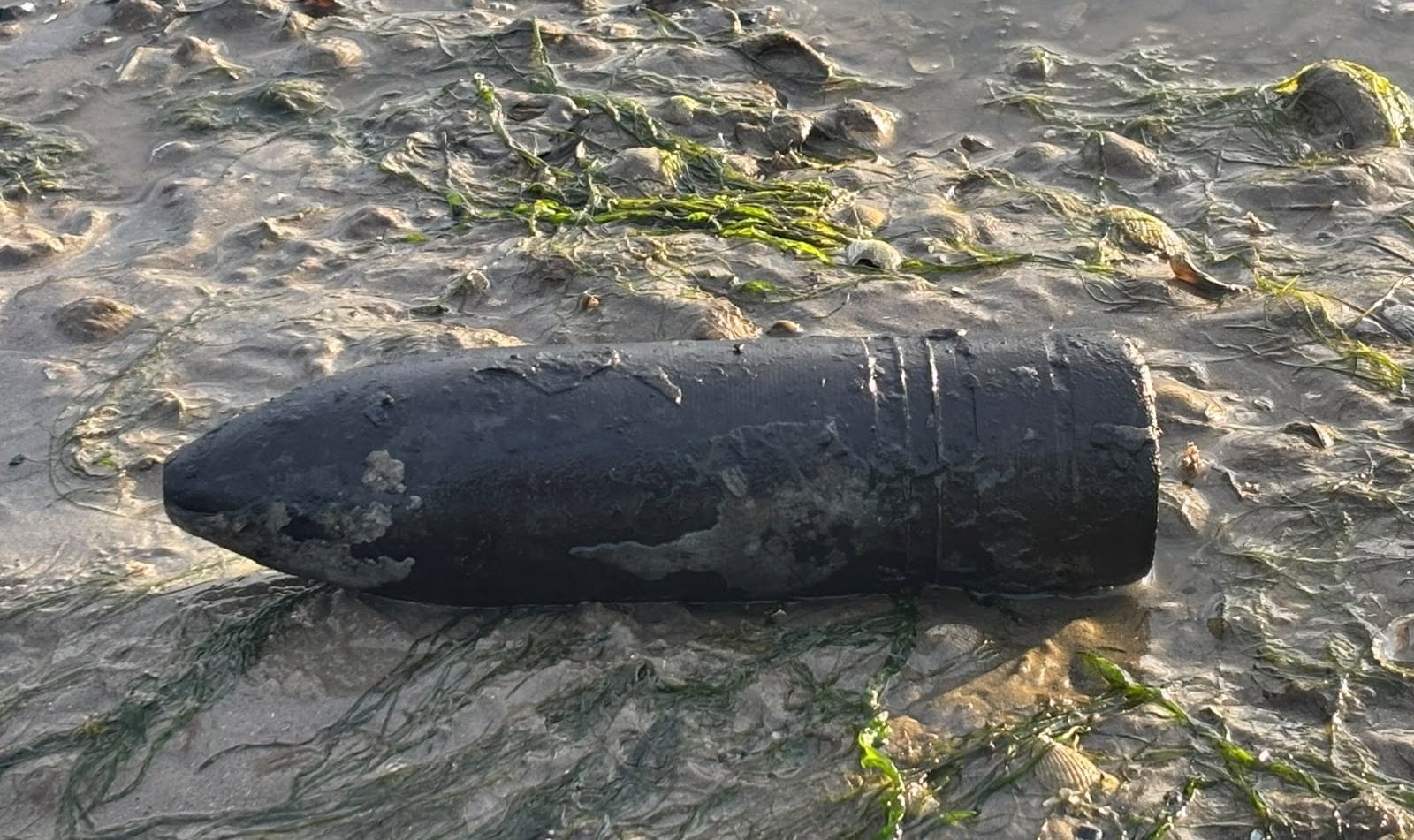
It’s common to find things among the sand while strolling along a beach: shells, seaglass, bits of and seaweed. But in Essex, England, a beachgoer found something quite different on the coast of Southend-On-Sea: a World War II explosive.
Southend-On-Sea’s HM Coastguard intervened over the weekend after someone reported a “shell-shaped object” less than half a mile south of a local monument called “The Crowstone.” The team first showed up early in the morning to locate the object and send pictures to the Army Explosive Ordnance Disposal teams.
The Explosive Ordnance Disposal teams decided that disposal officers should remain on the scene, but that everyone should go back at low tide to identify the object and execute a plan. When they returned that evening, Southend Coastguard Rescue Officers accompanied Explosive Ordnance Disposal officers to the suspected explosive.
“It was confirmed to be an old WWII shell that was approximately six inches in diameter,” HM Coastguard Southend On Sea explained in the social media post. “The decision was made to detonate it in situ, where it posed no risk to passing members of [the] public.”
The video in the Facebook post showcases a significant explosion in the distance, shooting a cloud of debris into the air. It’s not the first time this year that the violence of World War II makes itself known again. In the spring, experts safely detonated a 250 kilogram German explosive in Plymouth, UK. But possibly another World War II find in Indonesia had a drastically less fortunate outcome. A suspected shell killed five people when it detonated in a fishing village.
“As these items can be so dangerous, if you ever see something suspicious or out of place on the beach or in the sea, do not touch it, move it or take it home,” the post continued. “Let the experts decide if it is safe.”
The post World War II shell detonated on British Coast appeared first on Popular Science.
Firms manage $7.3tn in assets and could afford to transition away from fossil fuels yet invest in natural gas and coal-fired plants to power datacenters
The energy portfolios of 20 private equity firms produce 1.5bn tons of greenhouse gases a year, more than the annual emissions of any country except China, the US, India and Russia, according to a new report.
Together, these firms manage $7.3tn in assets of all kinds, affording them the ability to shape the pace of the transition away from fossil fuels. However their energy investments include significant fossil fuel assets including natural gas and coal-fired power plants to provide electricity to datacenters.
Continue reading...
© Photograph: Getty Images
© Photograph: Getty Images
© Photograph: Getty Images
 Correcting the mental map of global leaders is an important step in amplifying Africa’s relevance and rights.

 A warning sign.