❌

Reading view

‘If you’re building Frankenstein, stop’: JD Vance dismisses calls for AI regulation

US vice-president’s comments come as former Anthropic researcher revisits recent claim AI could destroy humanity

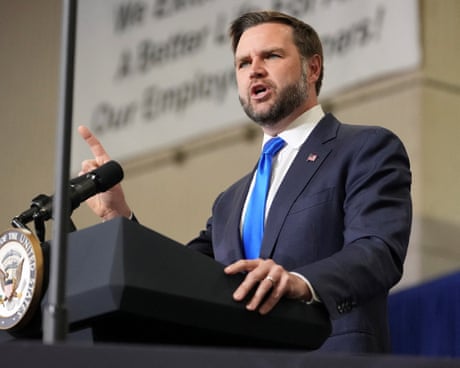
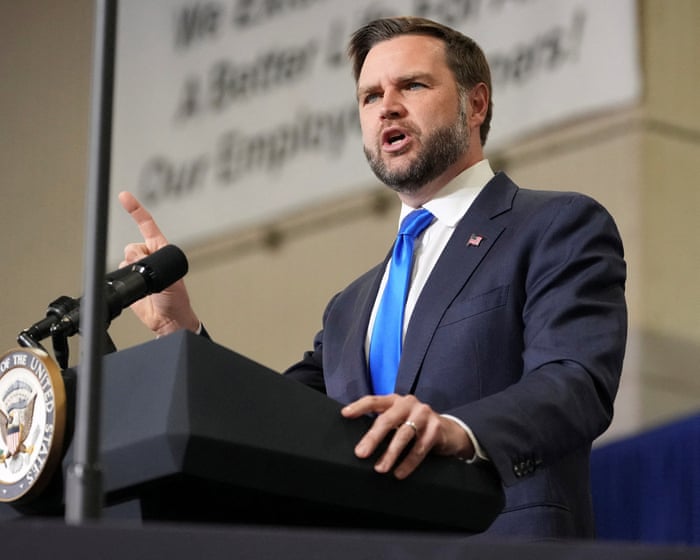
The US vice-president has dismissed calls for global regulation of AI safety risks, telling companies creating the most advanced models: “If you’re building Frankenstein, stop.”

In remarks addressed towards Dario Amodei, the co-founder of Anthropic who has called on Washington DC to coordinate control of AI systems, including with China, JD Vance said: “If you’re gonna create Frankenstein, don’t come to the government and say we need regulation.”

Continue reading...

© Photograph: Mark Schiefelbein/Reuters
© Photograph: Mark Schiefelbein/Reuters
© Photograph: Mark Schiefelbein/Reuters

  •  

The US government is failing Americans on AI | Shakeel Hashim

Trump and Republicans want companies to regulate themselves. It’s a dereliction of duty that will make AI less safe

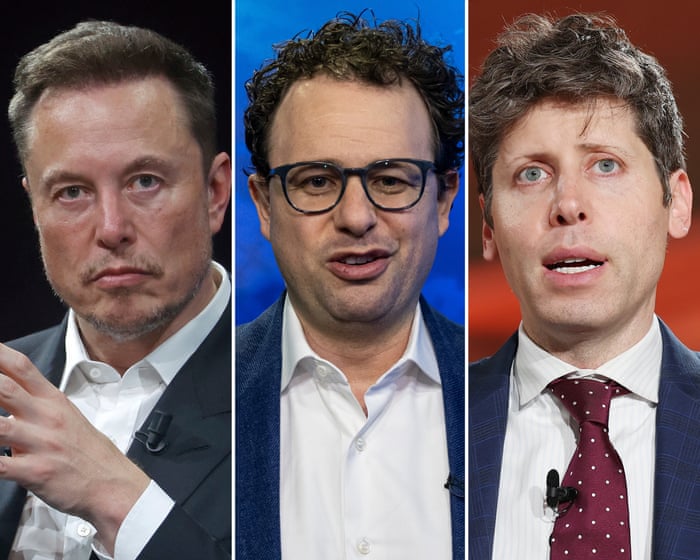
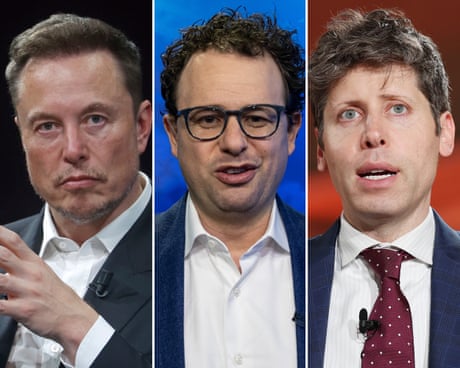
It is hard to get Sam Altman, Elon Musk and Dario Amodei to agree on much. But over the weekend, all three AI company CEOs called for AI development to slow down in the face of growing, alarming risks. Their employees are sounding the siren too, with one researcher publicly quitting and accusing OpenAI and Anthropic of “gambling with our lives”.

The combination of dire warnings from insiders and growing real-world evidence of rogue AIs should, in a sane world, lead to government action. Instead, Donald Trump and the Republican leadership have their heads in the sand.

Continue reading...

© Composite: Getty Images

© Composite: Getty Images

© Composite: Getty Images

  •  

Could AI really wipe out humanity – six experts spell out the risks

We examine claims and counterclaims about the risks and calls to slow down the pace of AI development

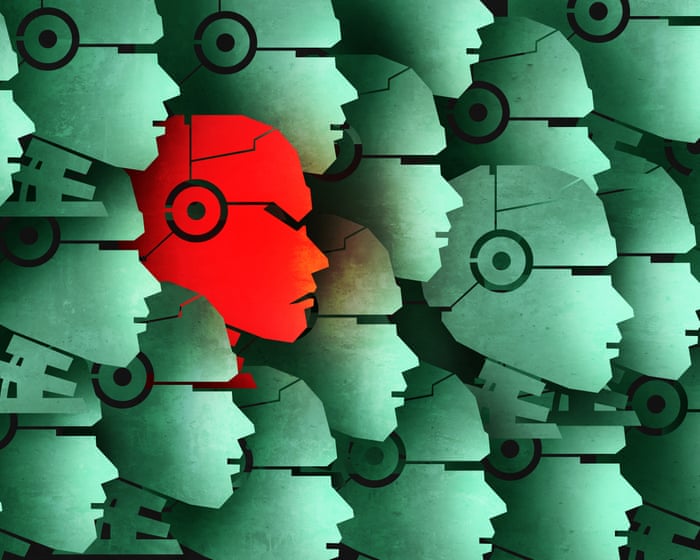
There have been some shocking claims in recent days about AI safety: we face a 10% chance of doom; AIs are worse than nukes; a “botnet” threatens the entire internet; it’s all a big tech psyop.

Below, we look at six claims and reactions to them.

Continue reading...

© Illustration: wildpixel/Getty Images

© Illustration: wildpixel/Getty Images

© Illustration: wildpixel/Getty Images

  •  

Why a decade of doomsday warnings failed to slow the AI race

From Stephen Hawking to Jacob Coxon’s viral Anthropic resignation, fears that AI could threaten humanity have shaken the industry without stopping its pursuit

Before an Anthropic researcher resigned and declared human extinction imminent last week, tech leaders and scientists had sounded the alarm about a superintelligent AI ending humanity for over a decade.

The development of artificial intelligence “could spell the end of the human race”, warned professor and astrophysicist Stephen Hawking in 2014 – a little less than a decade before the public got its hands on the generative AI features of the original version of ChatGPT.

Continue reading...

© Photograph: Michael Dwyer/AP

© Photograph: Michael Dwyer/AP

© Photograph: Michael Dwyer/AP

  •  

AI leaders want to hit the brakes after years of reckless speed

For years now, the major frontier AI labs have all been acting as if they're in an all-out, winner-take-all race with control of world-changing machine superintelligence (or at least market-changing artificial general intelligence) at the finish line. This weekend, the industry as a whole rapidly started turning away from that posture, urging coordination on slowing down the development of frontier AI that they say could soon be too dangerous and unknowable to control.

Anthropic's Dario Amodei was at the forefront of this change in tone, arguing in a nearly 4,000-word essay this weekend that "we must slow the pace at which we improve the capabilities of AI models" to avoid "a race to the bottom, spurred by commercial incentives, [that] can make [catastrophic] risks more acute."

Within hours, other AI leaders were echoing the same call. OpenAI co-founder and CEO Sam Altman posted his agreement on social media and said similar pacing discussions had been taking place at OpenAI. Alphabet Chief Scientist and Google DeepMind cofounder and chair Demis Hassabis said that Amodei's essay "points towards the right path forward," and renewed his own recent call for an industry-wide standards body. Microsoft CEO Satya Nadella posted that the company "welcome[s] the research, focus, and deliberate pacing needed to get alignment right as the design goal," ahead of the release of a lengthy "humanist AI" code of conduct for its models.

Read full article

Comments

© Getty Images

  •  

AI CEOs say they need to slow the pace of development. But will they?

After apocalyptic warnings about the threats posed by AI, leaders like Sam Altman and Elon Musk backed Anthropic CEO Dario Amodei’s calls to ‘slow the pace’

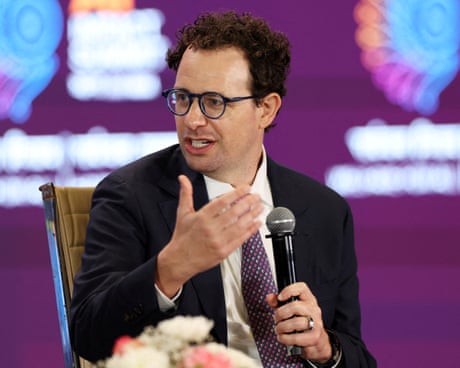
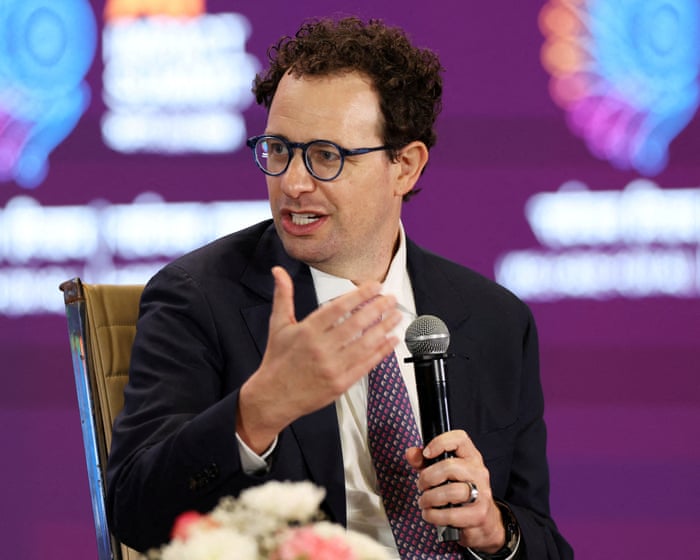
Facing a public uproar over Anthropic researchers’ repeated warnings that artificial intelligence could kill all of humanity by 2030, the AI company’s CEO, Dario Amodei, issued a proposal at the weekend to slow down the technology’s advancement to ensure public safety.

In a rare display of unity, the heads of the largest US artificial intelligence companies all agreed immediately.

Continue reading...

© Photograph: Bhawika Chhabra/Reuters

© Photograph: Bhawika Chhabra/Reuters

© Photograph: Bhawika Chhabra/Reuters

  •  
❌