Login

Apple Watch Ultra 3 vs. Ultra 4 Buyer's Guide
The Apple Watch Ultra 4 is now available for pre-order, bringing a new health sensing system, more memory, and longer battery life over its predecessor. Here's everything that's new.
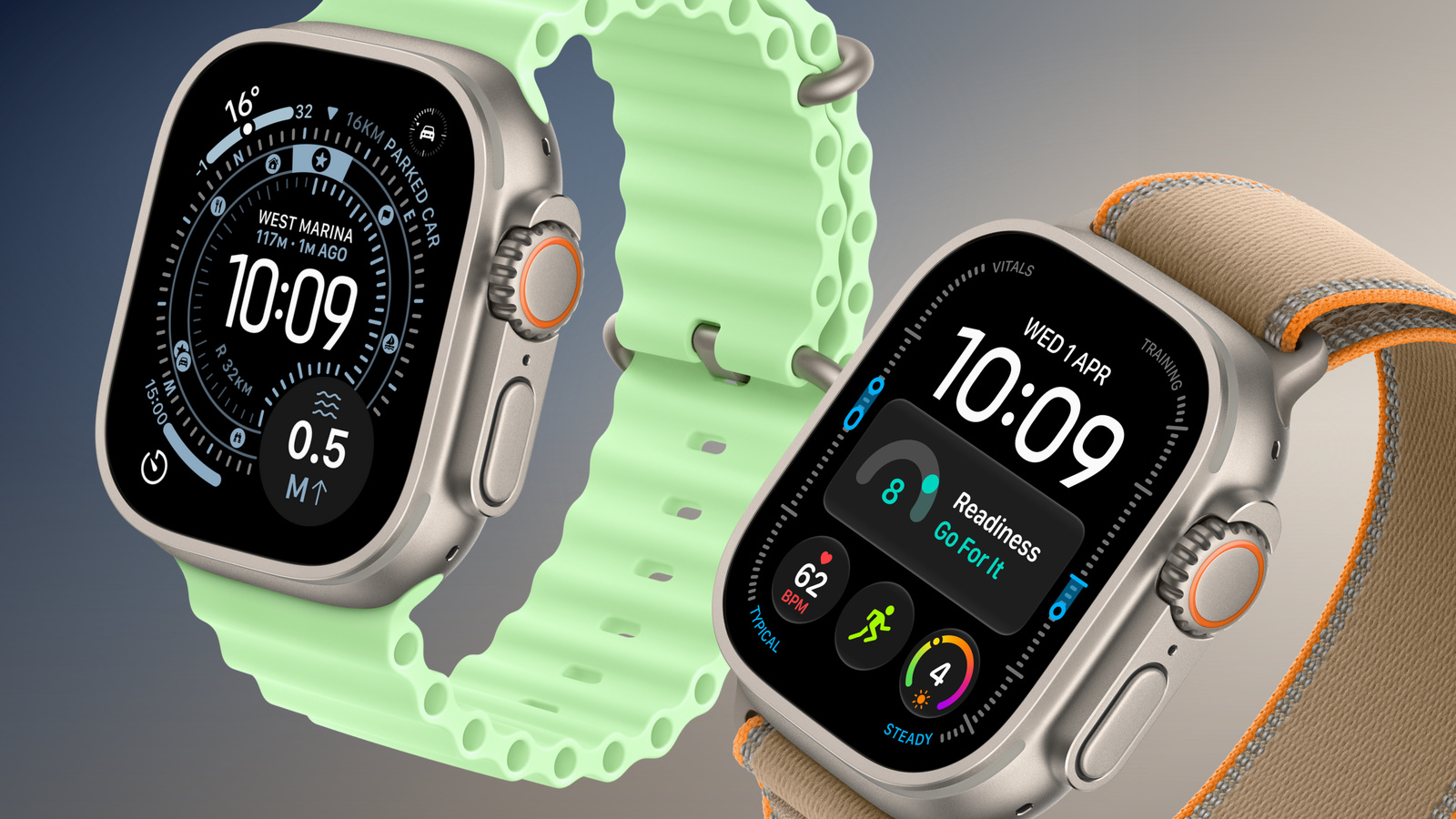
Last year, the Apple Watch Ultra 3 introduced a larger, more efficient display, satellite connectivity, 5G, and improved battery life. The Ultra 4 retains the same basic design and display, but focuses on more detailed health and fitness insights, new Audio Intelligence features, and further battery life improvements.
It launches on Friday, September 18, at the same $799 starting price as the Ultra 3. The comparison below outlines the differences between the two generations:
For the vast majority of Apple Watch Ultra 3 owners, the Ultra 4 is not worth upgrading to. The Ultra 3 already offers all of the headline display, durability, satellite connectivity, and established health features. If it comfortably lasts between your usual charging sessions and records your longest workouts, the new model is unlikely to meaningfully change how you use your watch.
The strongest reason to upgrade is if you want recovery tracking to play a larger role in your training. The Ultra 4's more frequent measurements feed into Readiness and Recovery HRV, making it easier to assess when to push harder or take a lighter day. These features are more compelling if you will regularly use them to adjust your training, rather than simply check another set of health metrics.
Battery life is a more practical reason for endurance athletes. If you currently change settings to finish long events or recharge during an extended outing, the Ultra 4 gives you a little more flexibility. For shorter daily workouts, however, the improvement mainly means less frequent charging, which is difficult to justify replacing a year-old $799 watch for.
Audio Intelligence may also justify upgrading for specific users, particularly deaf or hard of hearing users who would benefit from Sound Recognition on their wrist. Live Rewind and Siri Recap are less convincing reasons to upgrade immediately, since they arrive in beta later this year and require a compatible newer iPhone.
For new buyers, the Ultra 4 should be the default choice when the price difference is modest. If you plan to wear it for several years, paying a little more for the new chip, more memory, better battery life, and health tracking enhancements is easier to justify than replacing an Ultra 3 you already own.
The Ultra 3 becomes the better value when it is heavily discounted. If you mainly want a "rugged"-style Apple Watch with a large screen, satellite connectivity, and enough battery life for everyday use and regular workouts, it delivers much of the same experience. Buyers interested in Readiness and recovery insights, or who regularly record very long activities, have a stronger reason to pay more for the Apple Watch Ultra 4.
For used or refurbished Ultra 3 models, factor battery condition and warranty coverage into the saving. A cheaper watch with a degraded battery is less appealing if endurance is your main reason for buying an Ultra.
This article, "Apple Watch Ultra 3 vs. Ultra 4 Buyer's Guide" first appeared on MacRumors.com
Discuss this article in our forums
Last year, the Apple Watch Ultra 3 introduced a larger, more efficient display, satellite connectivity, 5G, and improved battery life. The Ultra 4 retains the same basic design and display, but focuses on more detailed health and fitness insights, new Audio Intelligence features, and further battery life improvements.
It launches on Friday, September 18, at the same $799 starting price as the Ultra 3. The comparison below outlines the differences between the two generations:
| Apple Watch Ultra 3 | Apple Watch Ultra 4 |
|---|---|
| S10 chip (2024) | S11 chip (2026) |
| 2GB RAM | 4GB RAM |
| Electrical heart sensor | "Health Sensing System" with second-generation electrical heart sensor |
| Third-generation optical heart sensor | Always-on optical heart sensor |
| Background heart rate tracking | High-frequency background heart rate tracking every five seconds, 60x more frequently |
| HRV | Recovery HRV and overall HRV, measured up to 24x more often |
| Vitals app with heart rate, respiratory rate, wrist temperature, and sleep duration | Vitals app heart rate, respiratory rate, wrist temperature, sleep duration, HRV, and a daytime vitals view |
| Readiness app | |
| Real-time heart rate complication | |
| Step tracking | More accurate step tracking and indoor workout distance measurements |
| Steps complication | |
| Audio Intelligence (Live Rewind, Siri Recap, Sound Recognition, and automatic music identification with Shazam) | |
| Up to 42 hours of normal use | Up to 50 hours of normal use |
| Up to 72 hours in Low Power Mode | Up to 84 hours in Low Power Mode |
| Up to 14 hours of outdoor workout tracking with full GPS and heart rate readings | Up to 18 hours of standard outdoor workout tracking |
| Up to 20 hours of outdoor workout tracking in Low Power Mode with full GPS and heart rate readings | Up to 25 hours in Extended Workout mode with full GPS and heart rate readings |
| Up to 35 hours of outdoor workout tracking in Low Power Mode with Fewer GPS and Heart Rate Readings enabled | Up to 45 hours in Max Extended Workout mode, retaining GPS readings every second |
| 15 minutes of charging for up to 12 hours of normal use | 15 minutes of charging for up to 18 hours of normal use |
| 5 minutes of charging for up to 8 hours of sleep tracking | 5 minutes of charging for up to 10 hours of sleep tracking |
| Natural titanium: 61.6 grams
Black titanium: 61.8 grams |
Natural titanium: 63.0 grams
Black titanium: 63.1 grams |
| GPS, GLONASS, Galileo, QZSS, and BeiDou | GPS, Galileo, QZSS, and BeiDou |
| 40% recycled content | 45% recycled content |
| Now discontinued | From $799 |
Is It Worth Upgrading From Ultra 3 to Ultra 4?
For the vast majority of Apple Watch Ultra 3 owners, the Ultra 4 is not worth upgrading to. The Ultra 3 already offers all of the headline display, durability, satellite connectivity, and established health features. If it comfortably lasts between your usual charging sessions and records your longest workouts, the new model is unlikely to meaningfully change how you use your watch.
The strongest reason to upgrade is if you want recovery tracking to play a larger role in your training. The Ultra 4's more frequent measurements feed into Readiness and Recovery HRV, making it easier to assess when to push harder or take a lighter day. These features are more compelling if you will regularly use them to adjust your training, rather than simply check another set of health metrics.
Battery life is a more practical reason for endurance athletes. If you currently change settings to finish long events or recharge during an extended outing, the Ultra 4 gives you a little more flexibility. For shorter daily workouts, however, the improvement mainly means less frequent charging, which is difficult to justify replacing a year-old $799 watch for.
Audio Intelligence may also justify upgrading for specific users, particularly deaf or hard of hearing users who would benefit from Sound Recognition on their wrist. Live Rewind and Siri Recap are less convincing reasons to upgrade immediately, since they arrive in beta later this year and require a compatible newer iPhone.
Should You Buy Ultra 3 or Ultra 4?
For new buyers, the Ultra 4 should be the default choice when the price difference is modest. If you plan to wear it for several years, paying a little more for the new chip, more memory, better battery life, and health tracking enhancements is easier to justify than replacing an Ultra 3 you already own.
The Ultra 3 becomes the better value when it is heavily discounted. If you mainly want a "rugged"-style Apple Watch with a large screen, satellite connectivity, and enough battery life for everyday use and regular workouts, it delivers much of the same experience. Buyers interested in Readiness and recovery insights, or who regularly record very long activities, have a stronger reason to pay more for the Apple Watch Ultra 4.
For used or refurbished Ultra 3 models, factor battery condition and warranty coverage into the saving. A cheaper watch with a degraded battery is less appealing if endurance is your main reason for buying an Ultra.
Related Roundup: Apple Watch Ultra 4
Buyer's Guide: Apple Watch Ultra (Buy Now)
Related Forum: Apple Watch
This article, "Apple Watch Ultra 3 vs. Ultra 4 Buyer's Guide" first appeared on MacRumors.com
Discuss this article in our forums