❌

Reading view

Cybercabs Are Taking Psychotic Routes That Turn Tiny Trips Around the Neighborhood Into Hour-Long Nightmares

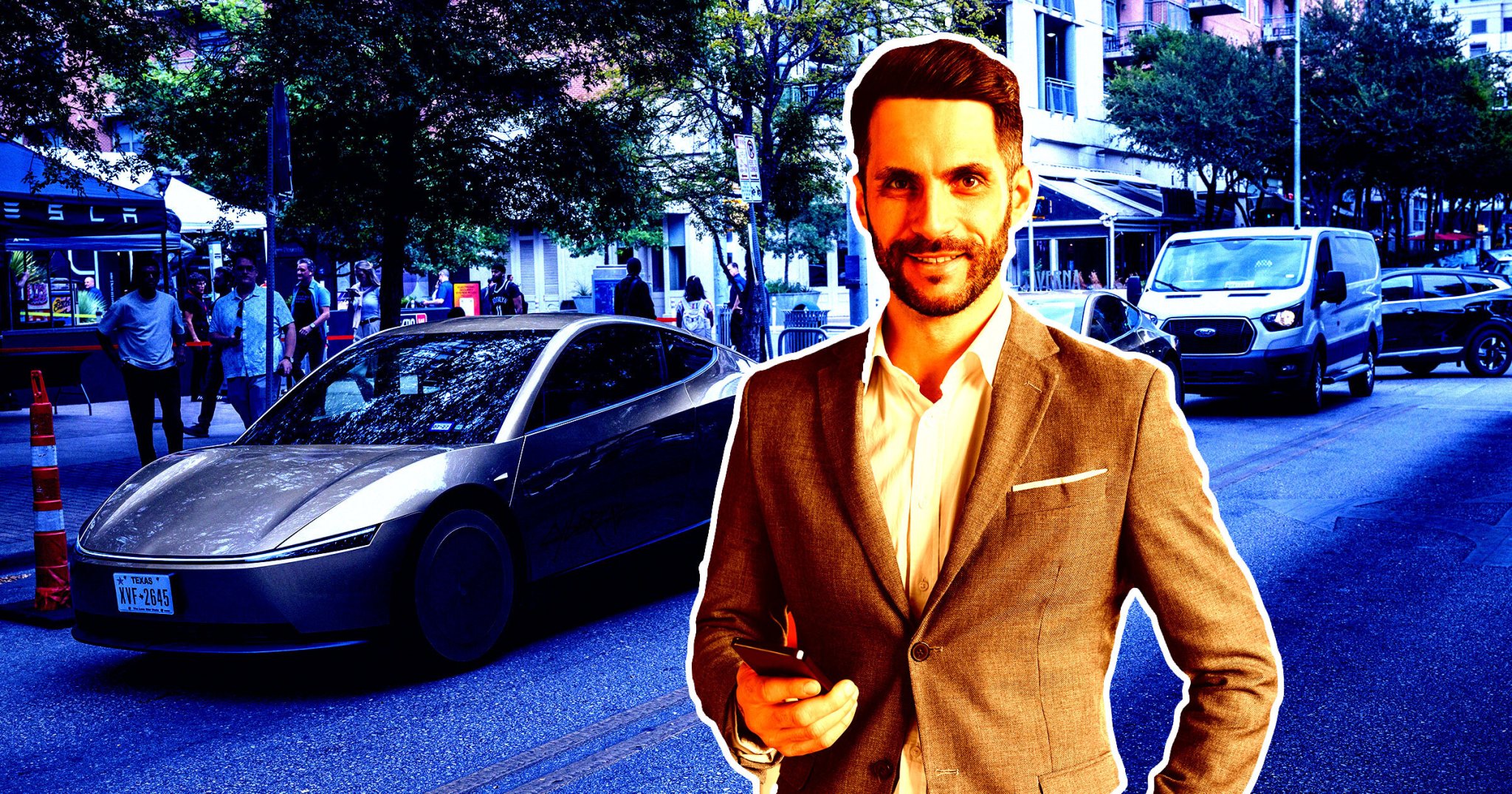
The Tesla Cybercab is innovating impressively impractical ways of getting from Point A to Point B.

One Cybercab passenger in Austin complained that what should’ve been a ten minute trip devolved into a 70-minute long nightmare as the steering-wheel-free robotaxi spiraled its way down the most circuitous route possible. 

The driverless cab started the journey by driving in the complete opposite direction of the destination for miles, the exasperated passenger wrote in a Reddit thread, then turned around and took a “massive” detour through east Austin.

If it was instead a Google Maps car trying to image every inch of the city, you’d have to admit it was a job well done.

“My Cybercab held me hostage for an hour,” the rider wrote in the post, spotted by Electrek. “Guess the Cybercab wanted the scenic route today.”

According to Electrek, the reason that the trip took so long is almost certainly because the Tesla Cybercabs can’t drive on highways yet. The consequently tortuous routes that the cabs have to take may not immediately be clear to a passenger, though, as the app only shows a price estimate and not a projection of how long the trip will take, the blog noted.

Like other robotaxi services, the Cybercabs — which use a version of Tesla’s Full Self-Driving software that hasn’t been released to the public — operate only within a geofenced area that’s been extensively mapped. (Waymo, the leading robotaxi company, does already allow its cars to use highways in some cities.)

There are other signs that the Cybercabs (and Tesla’s confusing named “Robotaxis,” which are self-driving taxis in the form of modified Model Ys, instead of a purpose-built vehicle), are still walking on eggshells compared to its competitors. Some passengers say that the cabs also avoid railroad crossings, which could add to trip times. (Tesla is being investigated for FSD frequently going haywire near these crossings and driving into the path of oncoming trains.)  

Do all these restrictions make for a properly autonomous cab? If you had a time machine, you could go back to 2019 and ask CEO Elon Musk for an answer: “If you need a geofence area, you don’t have real self-driving!” he infamously proclaimed.

More on Tesla: Tesla Investors Disturbed by Cybercab’s Obvious Lack of Progress

The post Cybercabs Are Taking Psychotic Routes That Turn Tiny Trips Around the Neighborhood Into Hour-Long Nightmares appeared first on Futurism.
  •  

Oops! Many Tesla Cybercabs Actually Do Have Steering Wheels, Undercutting a Core Promise

Elon Musk’s Tesla has a lot of catching up to do when it comes to its Robotaxi autonomous ride-hailing network.

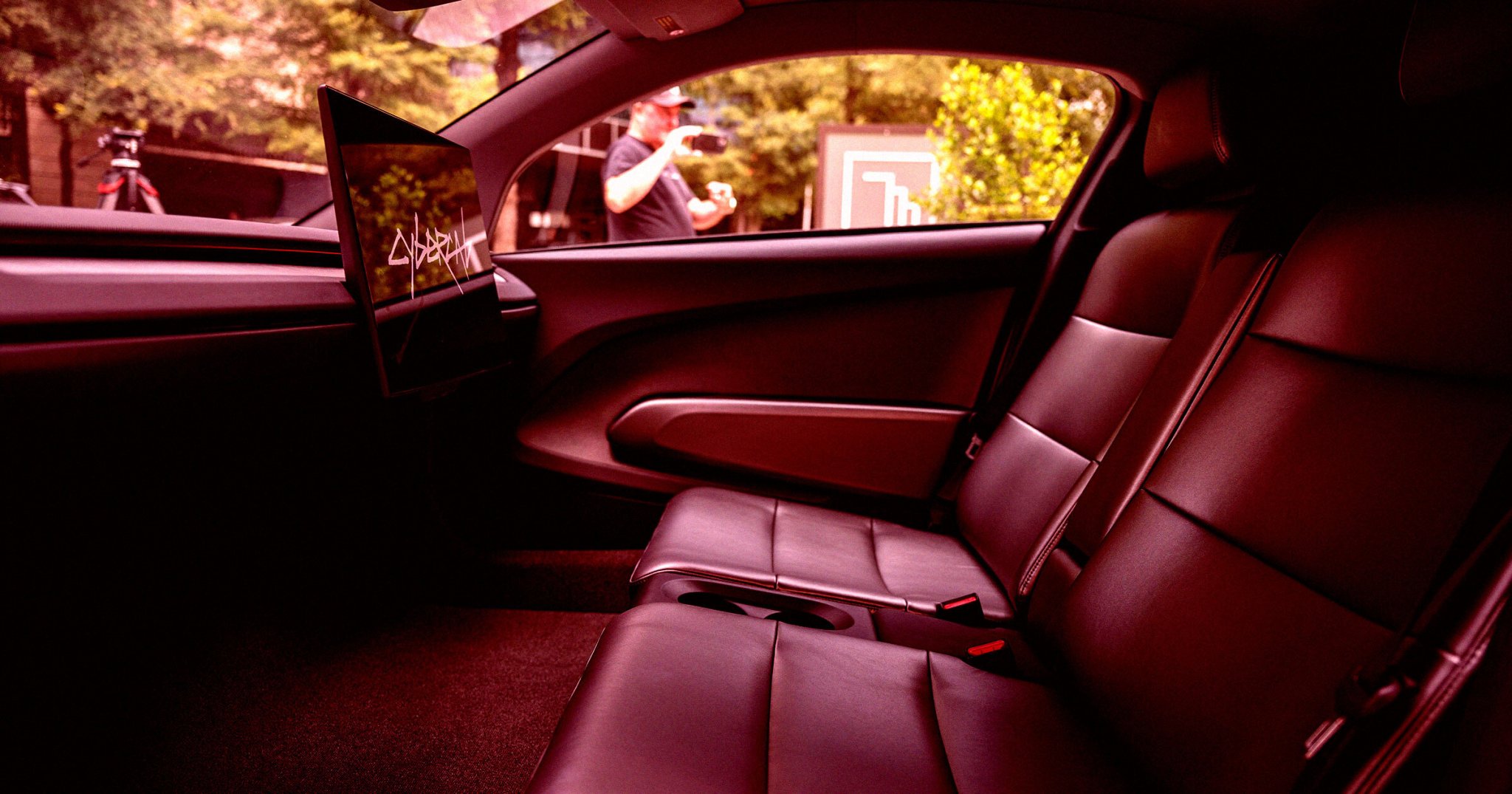
The company is currently operating a fleet of just 45 of its cramped Cybercabs in Austin, Texas, still falling well short of investor and Tesla bull Dan Ives’ lofty expectations of the company adding “$1 trillion of value” for Tesla “over the coming years” with the service.

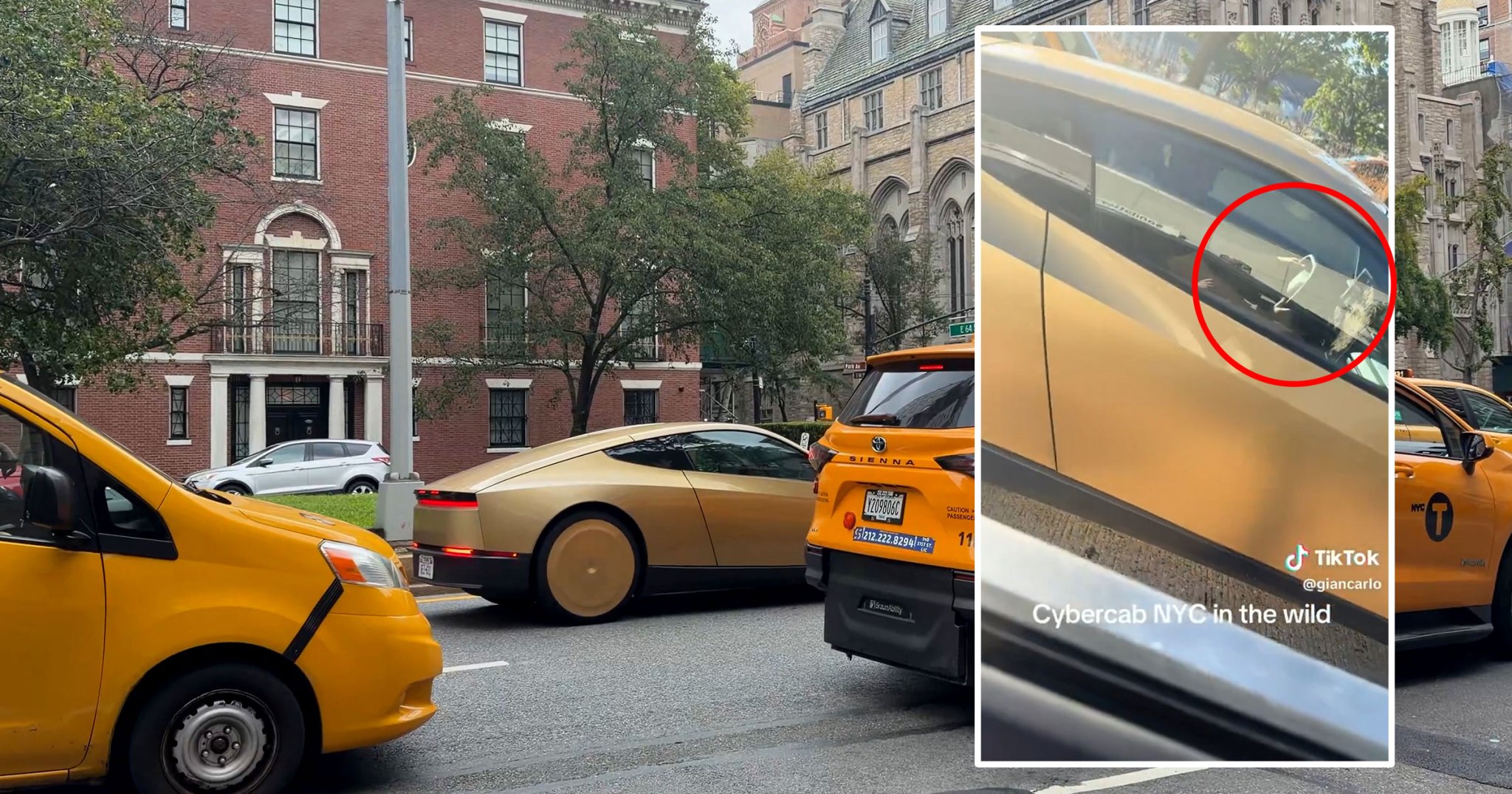
And unlike their counterparts in Texas and Florida, the Cybercabs that were recently spotted on the streets of New York City are featuring an unusual relic of a supposedly soon-to-be-bygone era: a steering wheel.

As Gothamist reports, the golden-hued cabs in the Big Apple are being overseen — and perhaps even operated — by a human in the driver’s seat with an old-fashioned steering wheel. It’s a significant departure from the original, steering wheel- and pedal-less Cybercabs Musk unveiled in 2024.

Officials confirmed the drivers are testing a “supervised” self-driving system, which still requires them to be able to take over control at any point. But Tesla refuses to say how many Cybercabs there are in the city or for how long they will be testing.

There’s likely a good reason Tesla has opted to go with more traditional controls. After all, it hasn’t even started the permit application process for autonomous vehicle testing with the New York Department of Motor Vehicles, as the Gothamist confirmed.

The EV maker is looking to collect driving data, not imminently launch a robotaxi service in the city.

In short, Tesla has a very long road ahead of it before it could ever roll out its Cybercabs nationally, let alone in other major urban areas. Other companies, however, have a massive head start, with Waymo claiming that it has already completed over half a million paid rides a week throughout the first quarter of this year. While Tesla has remained notably quiet on the matter, its numbers likely fall far short of that, considering it’s only operating with a fleet of a few dozen vehicles.

Meanwhile, Amazon’s Zoox vehicles received approval from regulators in late July to begin charging for rides in cars that don’t have a steering wheel. The company has been operating services free of charge in Las Vegas and San Francisco since 2025, according to the Associated Press.

More on Cybercabs: There’s a Huge Economic Problem With Tesla’s Cybercabs

The post Oops! Many Tesla Cybercabs Actually Do Have Steering Wheels, Undercutting a Core Promise appeared first on Futurism.

  •  

Lawyers Already Lining Up to Defend Victims of Cybercab Crashes

Tesla’s mawkishly sleek new Cybercab has begun rolling out to Austin, Texas this week, with more sighted in cities like New York, Washington DC, and San Diego. It’s the latest development in the world of self-driving taxi cabs — and in one dubious economic indicator, the nation’s personal injury attorneys are on high alert.

Case in point, the New Jersey based law firm Sarofiem and Antoun already has a blog post up courting customers wronged by Cybercab accidents. Billing himself as a “Tesla Cybercab accident lawyer,” Kerollos Antoun poses an important question: “if a driverless Tesla Robotaxi causes an accident, who is responsible when there is no human driver behind the wheel?”

Though Antoun concedes that Cybercabs don’t appear to currently be active in New Jersey, his blog registers a laundry list of considerations considering who can be held liable in accidents involving the autonomous vehicles — each highly theoretical and short on concrete answers.

“Could autonomous-driving software cause an accident,” for example? “Potentially,” Antoun writes. “If an accident occurs, attorneys may need to determine whether the autonomous system perceived the environment correctly and whether the vehicle’s response contributed to the crash.”

Other firms, like Funes Law in Miami and Angel Reyes and Associates in Austin, offer similar pitches: if you’re in an accident with a Cybercab, they want to litigate your case.

Though the tailor-made Cybercab blogs follow a familiar pattern of opportunism by corporate law firms, their point is fair enough. The technology behind Cybercabs is in a very early stage, and the legal precedent is even younger.

Whichever firm happens to scoop up the first Cybercab injury case would be making legal history — a chance to litigate a brand new product made by one of the most valuable companies in the world.

Though self-driving cars are only a few years old at this point, they’ve already resulted in startling legal firsts. In August of 2025, a jury in Miami handed down a landmark verdict against Tesla over a fatal crash involving a Model S being driven on the company’s “Autopilot” mode.

In that case, the total damages came out to a whopping $243 million — a landmark verdict that the nation’s accident attorneys are eager to replicate as Tesla’s gold-tinted coupe hits the pavement.

More on Tesla: Deranged Stalker Seizes Control of Woman’s Tesla Software to Terrorize Her While Driving

The post Lawyers Already Lining Up to Defend Victims of Cybercab Crashes appeared first on Futurism.

  •  
❌