❌

Reading view

Don’t ask ChatGPT 'What should I do?' — this simple prompt helps you make better decisions yourself

I have asked ChatGPT to help me make plenty of small decisions, from a meal based on leftovers to weekend activities timed for the least traffic. But while I've asked for help refining or implementing my ideas, I've never turned to a chatbot to actually make any big life decisions for me.

Apparently, I'm in a rapidly shrinking group, according to AI 'micro-learning' app Headway’s new Seeking Familiarity study. The survey of 2,000 adults found that 46% had allowed AI to make a difficult decision for them. Another 35% naturally turned to it during stressful moments, while 21% said they could not go a full week without using AI to help decide what to do.

Headway has given this tendency to outsource decisions the unpleasantly vivid name “decisionrot,” describing the point at which AI stops helping people gather information and starts helping them avoid the discomfort of choosing. Considering how confidently ChatGPT can deliver an answer, I can see how easily that happens.

Drawing out a decision

I get that uncertainty is irritating and that ChatGPT is extremely good at making uncertainty seem to vanish. Men may be particularly susceptible to this shortcut as Headway's survey found 53% said they use AI to sidestep difficult decisions, compared with 40% of women.

“There’s a difference between seeking outside perspectives when you’re wrestling with a big decision and completely turning over the decision-making process to something outside yourself,” Dr. Suzanne Degges-White, a licensed counselor and relationship expert at Headway, said of the survey. “Learning to manage unpredictability and actively making life-changing choices both teach us to trust our own judgment.”

So I decided to experiment with a way of getting the best of ChatGPT's advice and compare it with flatly asking the AI what to do. I would first let it make the decision, then forbid it from doing so and see whether that made it more or less useful.

Conveniently, I have been weighing whether to sign up for an eight-week evening drawing class, an investment in time and money that I'm hesitant about despite always wanting to learn.

I gave ChatGPT the facts about the class logistics and price and asked: 'What should I do?'

“You should sign up for the art class,” ChatGPT told me.

Well, that settled that.

“You already have a clear reason for wanting to do it. You want a regular activity that gets you away from screens and gives you something tangible to learn,” it explained. “Eight weeks is a meaningful commitment, but it is also short enough that you are not reorganizing your life indefinitely. Your hesitation sounds less like evidence that the class is a bad fit and more like normal resistance to putting something recurring on your calendar.”

ChatGPT’s response is surprisingly insightful at first glance. I had an answer and a reason backing it. Why not leave it at that and sign up for the class? But not engaging my own decision-making muscles to consider the matter would mean missing the reality of how shallow ChatGPT's response actually was.

The generic explanation could have applied to anyone and didn’t account at all for any of my proclivities and priorities. It didn't weigh my patience for messing up when trying to learn a new skill, what else I might have going on during those evenings, or even what my budget was. The reasoning it provided was as personal as a coin toss.

Forcing myself to decide

So I tried making ChatGPT keep its judgment to itself. I described exactly the same situation, but this time with a more complex prompt for the AI to mull over.

'Don’t make this decision for me. Act as a decision coach instead. Ask me questions that uncover my priorities and constraints. Challenge any assumptions I may be making and tell me what information I’m missing. Then identify my options and explain the trade-offs. Leave the final choice to me.'

Now there was a conversation before any answers.

“Before weighing the options, I want to understand what you are actually trying to get from the class,” it responded. “Is the main goal learning art, having a scheduled reason to leave the house, meeting people, or simply trying something unfamiliar? Imagine it is Tuesday at 5:30 p.m. after a tiring day. Does having the class at 7 feel like something that would energize you or an obligation you would resent?”

I thought about it and explained how learning even the basics of drawing and painting was only part of the attraction. I also wanted a recurring creative activity entirely different from my usual hobbies, and I know I'm better at following through when something is on the calendar and already paid for. ChatGPT put together my answers and summarized the arguments for and against the class. But it didn’t weigh in on which seemed stronger or push me to a decision.

All of the questions were the kind I would probably have considered on my own before pulling the trigger on a class, but externalizing them did help me work out an answer for myself more quickly. This was a pretty minor internal battle. When it comes to major life choices, I would sincerely hope people take the time to consider every facet, whether or not AI helped them work through it.

“If we continue to rely on AI whenever ‘decision discomfort’ arises, we may enjoy a quick sense of relief,” Degges-White said. “But at the same time, we miss the opportunity to hone our own decision-making skills and cultivate feelings of confidence in ourselves.”

If I cannot decide between two sandwiches, ChatGPT is welcome to wield enormous computational resources on my behalf. I do not need a lengthy exploration of my values before ordering lunch. ChatGPT is good at examining a choice and patiently working through options, which makes it a useful sounding board. But a sounding board should never give you orders.

  •  

‘The noise patterns are awful’ — some Reddit users aren’t happy with the new ChatGPT Images 2.5, so I did my own tests and have to agree

OpenAI launched ChatGPT Images 2.5 this week, boasting of impressive upgrades to the AI image creator. The company says its latest model delivers sharper details, more natural lighting, and richer textures, while doing a better job of preserving people and objects from reference photos. It is also supposed to generate images up to 50% faster and follow complex visual instructions more reliably.

There are plenty of genuinely useful additions around it, too. Images 2.5 introduces Sketch for turning rough drawings into finished images, templates for things such as posters and product photography, and the ability to leave comments directly on an image when requesting edits. OpenAI calls it its new state-of-the-art image model, which is a reasonably high bar to set for something that inevitably ends up being asked to draw dragons before breakfast.

The early reaction, though, is much less tidy. One Reddit user delivered perhaps the most memorable review so far: “The noise patterns are awful”. Another looked at an AI generation and decided, “This…looks terrible.” The complaint is easy to understand. It's all about the fuzz

Everything is sharper, including the problem

Noise is a slightly slippery criticism when talking about AI images. In photography, it usually means the speckling or grain that creeps into an image with a poor match between lighting and photographic technique. But generative AI images can produce something similar without ever encountering a camera. Everything gets a gritty, sandy look, and nothing looks clean for some reason.

Noise is especially damaging because it can masquerade as detail. Generative models have learned that photographs contain grain, texture, tiny variations in color, and the occasional imperfection. Images 2.5 appears unusually eager to reproduce those signals, sometimes scattering them across skies, skin, feathers, and studio backdrops.

That's the opposite of the “sharper details” and “richer textures” promised by OpenAI. Despite emphasizing more natural lighting and textures, some users think ChatGPT Images 2.5 has moved backward.

“They need to get rid of these noisy artifacts. It makes it mostly useless for production,” one wrote. There is praise mixed in with the complaints, but it's far from the universal acclaim OpenAI would likely prefer.

I wanted to see whether the problem survived outside Reddit screenshots, so I tested a few images with highly detailed subjects and areas that should remain visually smooth to see if any graininess crept in. I even made sure in my prompts to ask for smooth gradients and the elimination of any visual noise.

ChatGPT Image 2.5

(Image credit: ChatGPT Image 2.5)

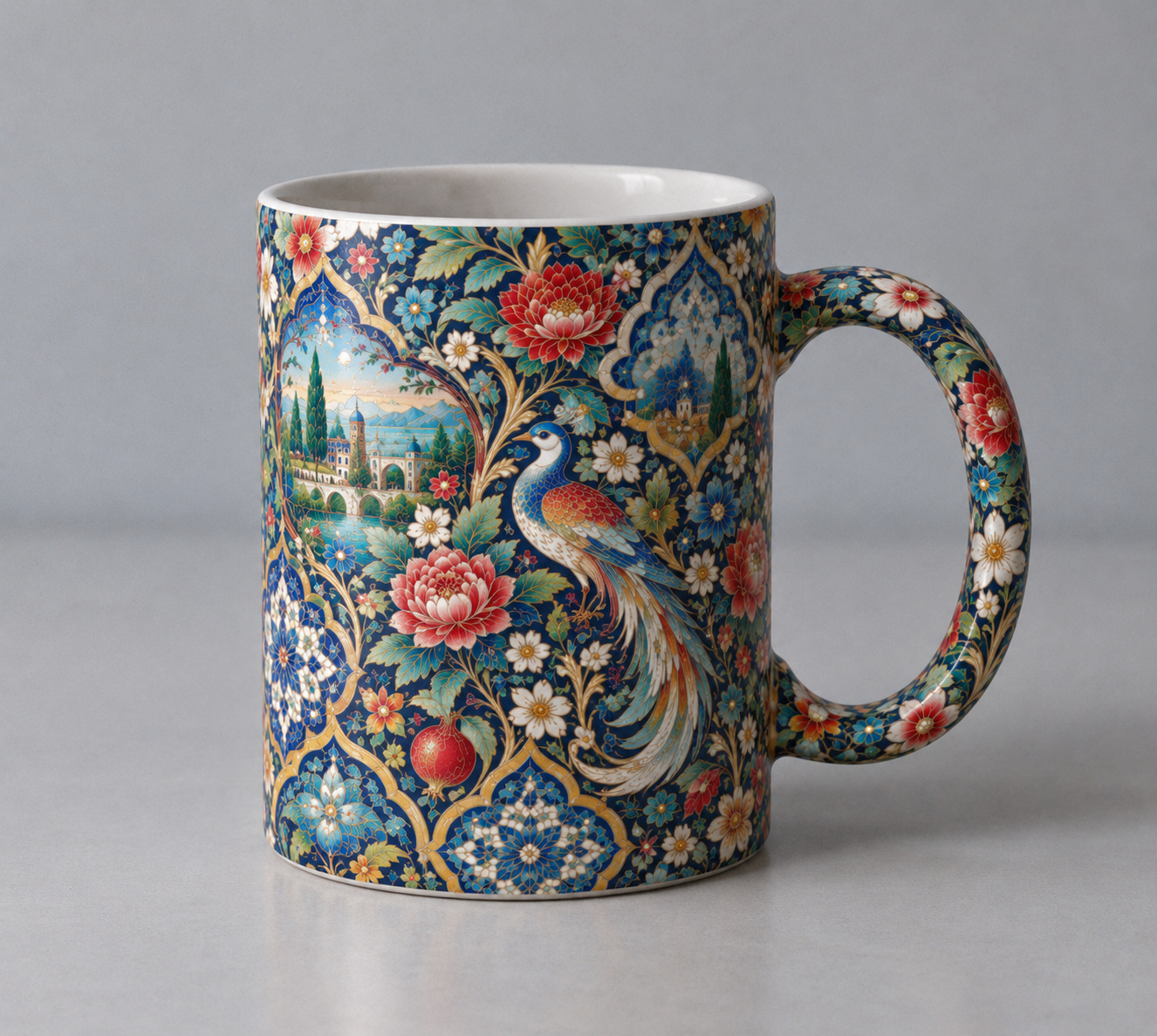
I started with a picture of a mug in a photo studio. The peacock, flowers, fruit, and landscape wrapped around the virtual ceramic are impressive at first. Look closer, however, and the grey studio background has a persistent granular texture, while some of the smallest patterns begin to dissolve into a mess. The model has generated a great deal of visual information without always deciding which parts deserve clarity.

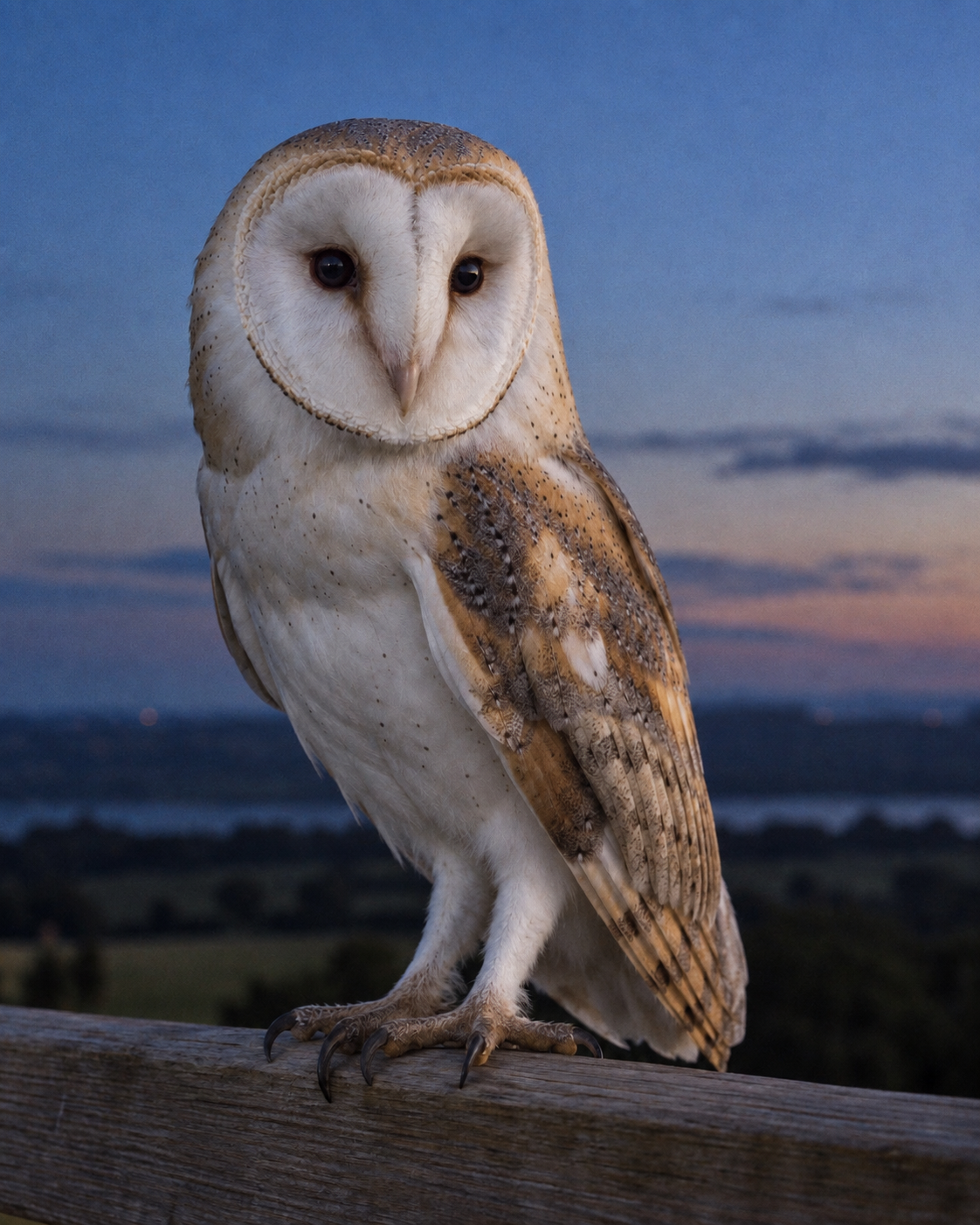
A similar issue occurred when I asked for a barn owl at twilight. The feathers are a perfect excuse for complexity, and Images 2.5 handled them well. Individual structures remain visible across the wings and face, the talons are convincing, and the animal avoids the plasticky quality that older AI wildlife images often had.

Behind it is a sky that should have been the visual equivalent of a clean sheet of paper. Instead, the smooth blue area has obvious fine grain across it. It doesn't ruin the picture, but once I noticed it, I couldn't stop noticing it.

ChatGPT Image 2.5

(Image credit: ChatGPT Image 2.5)

Mythical grain

ChatGPT Image 2.5

(Image credit: ChatGPT Image 2.5)

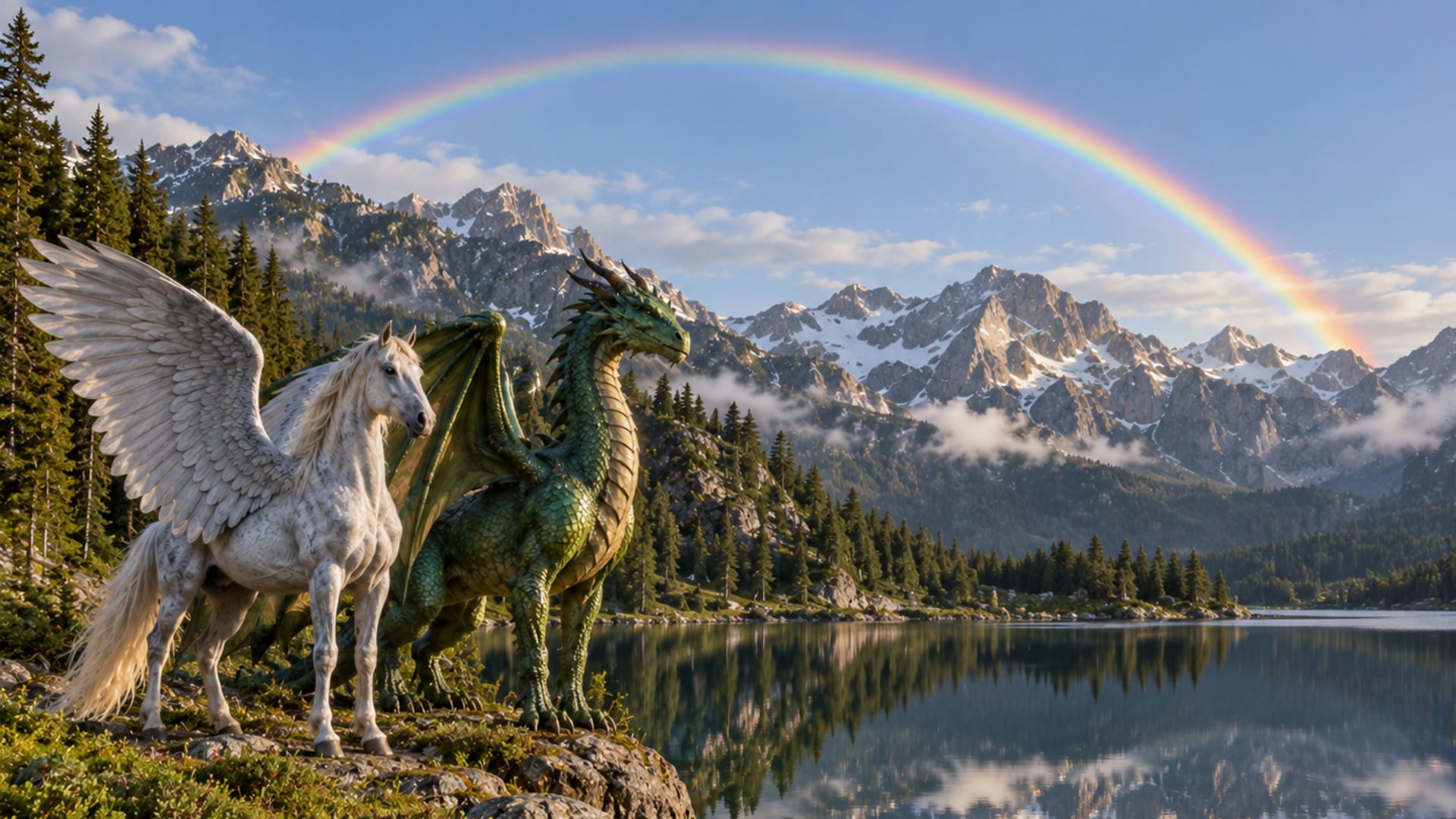
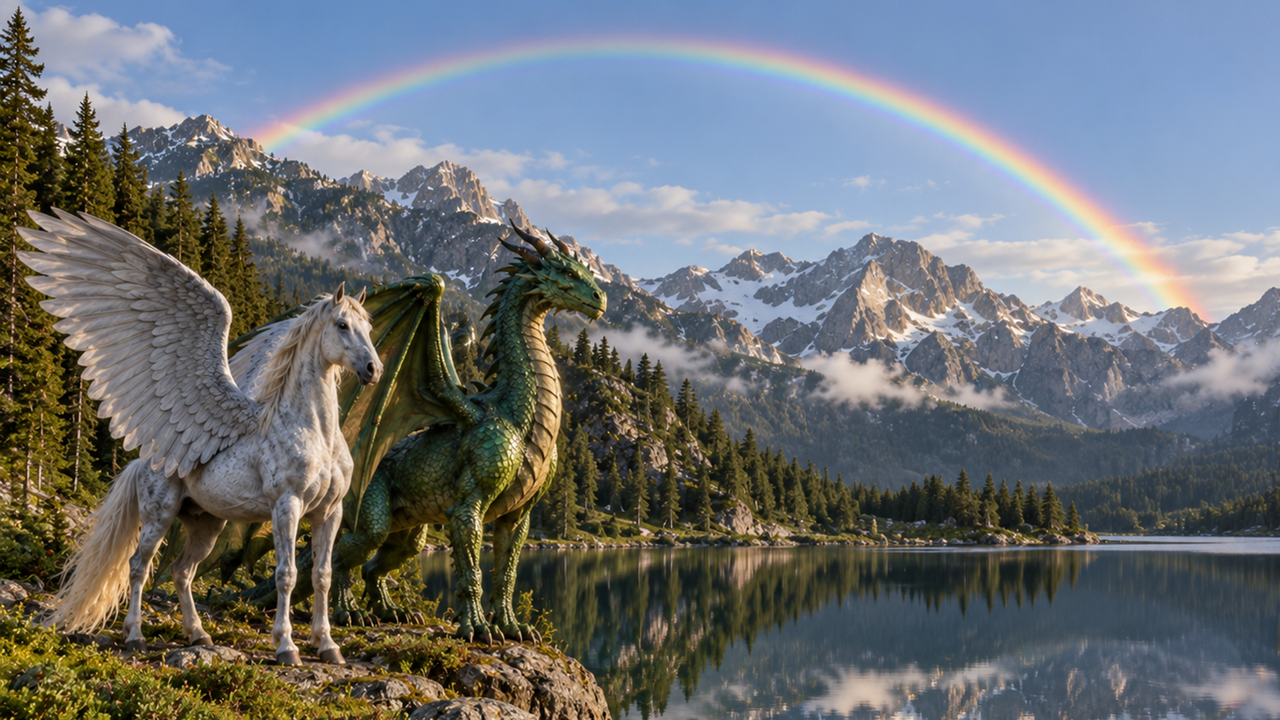
I thought a fantasy scene might fare better as the model wouldn't be relying on actual photographs of a winged horse or dragon. But while they coexist with a rainbow at an alpine lake in a surprisingly coherent composition, the issue is visible immediately. The relentless crispness gives the picture the air of a video game loading screen.

The pale-blue sky has a faint textured quality rather than the completely clean gradient I would expect from an ideal synthetic image, while the mountains, trees, and creature details have a crunchy, heavily sharpened look when examined closely. It is nowhere near a disaster, but the image feels like an overprocessed photograph.

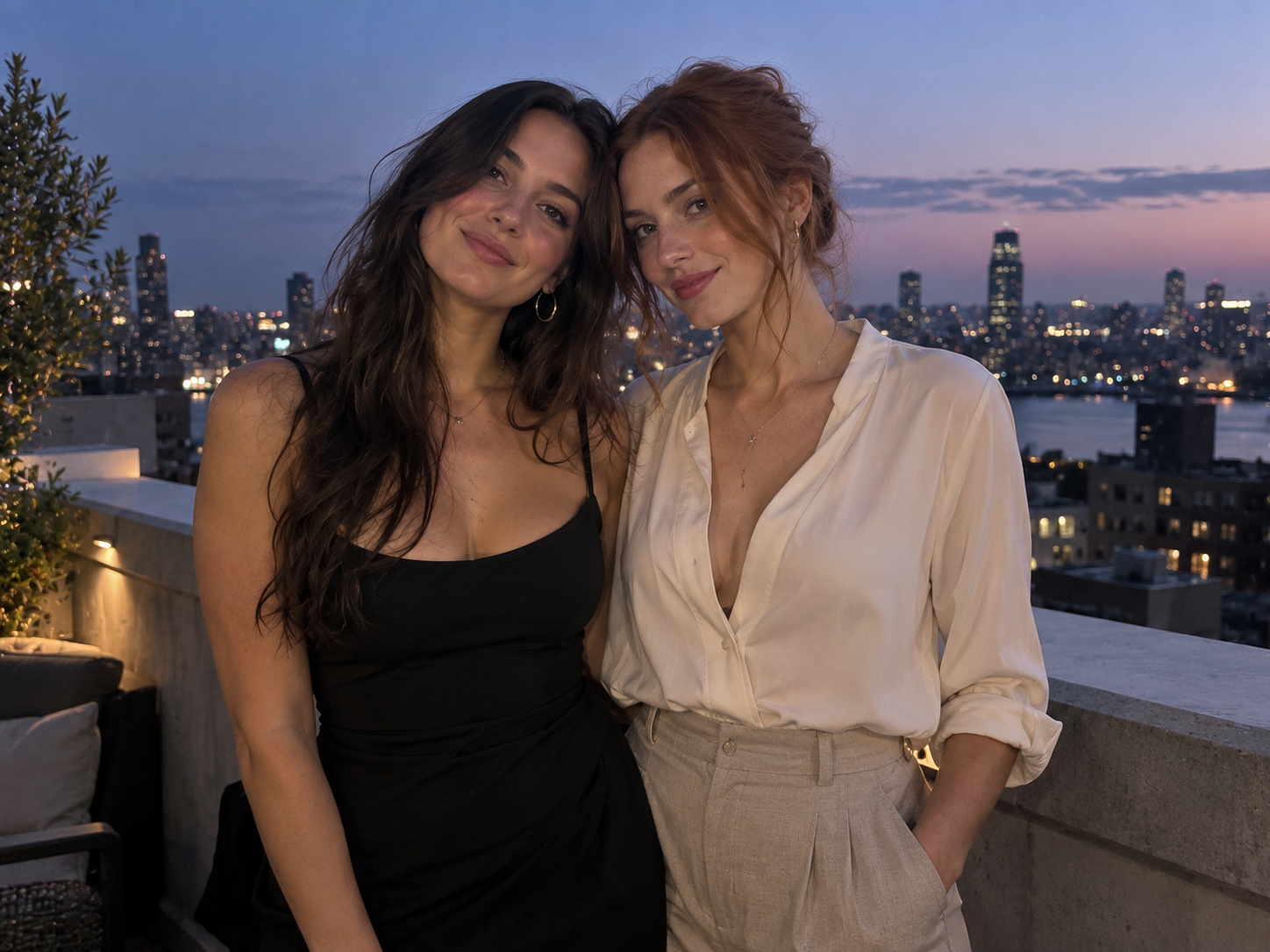
I was very impressed with how my request for two friends on a rooftop in the evening came out. It came closest to selling the promised leap in realism, with convincing expressions and what seems like real gravity affecting their clothes. But if you look for more than a minute, the grain creeping across the twilight sky and their hair and skin is glaringly obvious. That's especially the case since there was no poorly set lighting or malfunctioning camera sensor. If the twilight sky looks grainy, the grain is a creative decision or model artifact rather than the unavoidable physics of taking a photograph in bad light.

ChatGPT Image 2.5

(Image credit: ChatGPT Image 2.5)

Judging these four images specifically on image cleanliness, I have to side with the Reddit grumblers. There is a persistent fine texture that crops up in skies, studio backgrounds, and low-light areas. Sharper is an easy quality to advertise because it looks terrific in a launch gallery, but it may have been taken to excess, landing some of ChatGPT Images 2.5's results in the uncanny valley.

Images 2.5 is fast, adaptive, and often competent, but its fondness for granular texture weakens the realism it is supposed to embody. Perhaps the next upgrade will acknowledge that the most impressive thing an AI image generator can put in part of a picture is essentially nothing.

What do you think? Take our poll above to give us your opinion.

  •  
❌