Lo si sospettava già nelle scorse settimane, e ora arriva la conferma: i nuovi pieghevoli di Samsung hanno venduto decisamente bene. Tramite un breve comunicato sul proprio sito ufficiale (pubblicato, guarda caso, a distanza di appena qualche ora dalla presentazione di iPhone Duo...), la società ha detto che in Europa Galaxy Z Fold8 e Galaxy Z Fold8 Ultra hanno registrato vendite complessive superiori del 50% rispetto a Galaxy Z Fold7.
Chiaramente è facile argomentare che il confronto è un po’ impari, visto che Z Fold7 era “da solo” mentre quest’anno i pieghevoli a libro sono due, ma in generale il punto è: l’interesse nei confronti dei pieghevoli sta crescendo molto anche dalle nostre parti. Tra l’altro, Samsung osserva che i Galaxy Z stanno diventando uno strumento per acquisire nuovi utenti: nel caso di Galaxy Z Flip8, il 20% degli acquirenti arriva da dispositivi di altri produttori, e per buona parte di essi è stata la prima esperienza con uno smartphone pieghevole.
Il pieghevole a conchiglia sta diventando sempre di più anche una “rampa di lancio” per gli utenti, che una volta provato sono incuriositi dal form factor a libro. Gli utenti che hanno fatto questo passaggio con la generazione attuale (quindi Flip7 -> Fold8) sono più o meno triplicati rispetto all’anno scorso (Flip6 - Fold7). È tuttavia interessante osservare come la società non si addentri nel dettaglio di quale dei due pieghevoli a libro abbia venduto di più o sia risultato più interessante: in molti sospettano che la star della nuova generazione sia stato proprio il modello con form factor inedito, al debutto assoluto e con le stesse proporzioni di iPhone Duo.
Samsung lavora sui pieghevoli a libro da sette anni, ma il debutto di iPhone Duo mostra come Apple abbia scelto di affrontare fin dalla prima generazione alcune limitazioni ancora presenti su Galaxy Z Fold8. Occhio, meglio esser chiari: non significa che il pieghevole Apple sia automaticamente migliore, ma osservare le differenze nell’approccio è interessante e per certi versi doveroso, considerando che nessuno dei due costa poco.
Un esempio apparentemente secondario riguarda gli altoparlanti. Galaxy Z Fold8 ne utilizza due, entrambi collocati nella metà che ospita il display esterno. Quando si guarda un video in orizzontale sullo schermo esterno la disposizione è efficace, ma una volta aperto lo smartphone entrambi finiscono sullo stesso lato. L’audio resta chiaramente stereo, ma la separazione tra canale destro e sinistro viene inevitabilmente compromessa quando il grande display interno è aperto.
Apple ha scelto un layout differente. Su iPhone Duo i due speaker sono posizionati su metà opposte e in diagonale, non sono cioè allineati: uno è nella parte superiore del lato con lo schermo esterno e l’altro nella parte inferiore di quella che ospita le fotocamere. Quando il dispositivo viene aperto in orizzontale, il suono arriva quindi da angoli opposti, con una maggiore separazione rispetto al Samsung dei canali destro e sinistro. La sola disposizione degli altoparlanti non permette naturalmente di stabilire quale dei due telefoni abbia nel complesso una qualità audio migliore, ma sulla carta dovrebbe favorire una separazione stereo più convincente durante film e giochi.
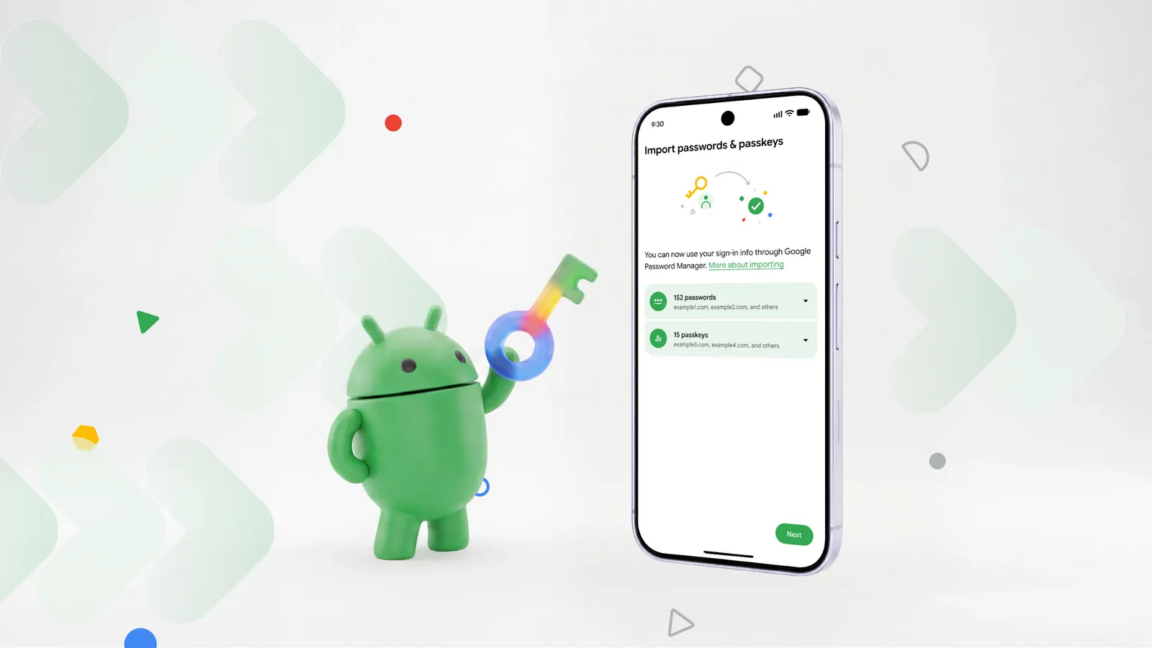
Nelle scorse ore Google ha annunciato una novità piuttosto importante in Android che permetterà di passare più agevolmente da un password manager all’altro, trasferendo il database di credenziali (sia password sia passkey) direttamente, senza bisogno di esportarlo e importarlo manualmente, con tutti i rischi derivati dalla generazione di file contenenti dati così sensibili (spesso nemmeno crittografati).
Fino a oggi, cambiare password manager significava spesso esportare l’intero archivio delle credenziali in un file locale, salvarlo sul dispositivo e successivamente importarlo nel nuovo servizio. In molti casi questi file possono essere archiviati senza crittografia; e poi bisogna ricordarsi di eliminare il file una volta completata la procedura, per evitare che rimanga accessibile sul dispositivo. Con il nuovo sistema, invece, l’utente deve semplicemente avviare la procedura di importazione dal nuovo password manager scelto. A quel punto Android rileva automaticamente i gestori di password compatibili installati sullo smartphone e consente di selezionare quello da cui trasferire i dati.
Il sistema si occupa di gestire il collegamento tra i due servizi, richiedendo l’autorizzazione necessaria per il trasferimento. Dopo la conferma dell’utente, password e passkey verranno spostate senza la creazione di file intermedi e senza ulteriori passaggi manuali. Certo, non è un’operazione che si fa una volta a settimana, ma vista la criticità dei dati salvati fa comodo avere una procedura ad hoc che minimizzi i pericoli per l’utente.
Da tempo è possibile creare gli eventi nelle chat individuali di WhatsApp, grazie a una funzionalità lanciata lo scorso anno. Prima era consentito farlo solo all'interno dei gruppi e nelle community. È un aspetto su cui il team di Meta è tornato a lavorare, con l'obiettivo di introdurre un vero e proprio hub dedicato alla gestione degli appuntamenti.
UN HUB PER GLI EVENTI TRA LE IMPOSTAZIONI DI WHATSAPP
La novità in fase di test è stata scovata dalla solita redazione del sito WABetaInfo, analizzando la versione beta 2.26.36.5 appena distribuita su Google Play per i dispositivi Android. Si tratta a tutti gli effetti di una sezione inedita, inclusa direttamente nella pagina delle impostazioni. La voce Eventi trova posto tra Aspetto e Notifiche, come testimonia lo screenshot qui sotto. Una volta aperta, mostra cosa si può fare. Lì trovano posto tutti quelli già creati e quelli ai quali si è stati invitati.
Per pianificare un evento si devono specificare il nome, una descrizione (opzionale), data e ora di inizio e di conclusione, una location ed eventualmente inserire un promemoria e il collegamento a una call. C'è inoltre il campo per aggiungere un'immagine personalizzata. Una volta terminato, si ottiene un link condivisibile che è possibile inviare anche a chi non ha un account WhatsApp, in modo del tutto simile a quanto avverrà con chiamate e videochiamate. L'ultima opzione è quella che consente agli ospiti di portare con loro un'altra persona.
Entre monitor de humor, testes de bem-estar e uma companheira de IA sempre disponível para conversar, a Liven quer ser o seu companheiro digital de autodescoberta.
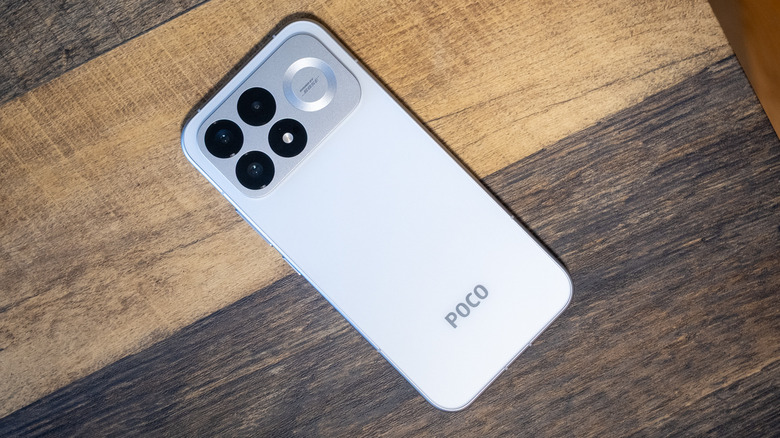
While smartphones from other major brands continue to creep up in price year after year, the value proposition of the Poco F9 Pro is even more impressive.
As longer, more complex passwords have become a necessity, remembering all those strings of numbers, letters, and special characters has become nearly impossible. Password managers can solve that problem, but what happens when you want to move to a different login organizer? Sure, you could manually type all your logins into a new app, but now Android can do that for you without the tedium.
Google designed the new login transfer process to happen entirely on your phone, so you need the corresponding apps installed with your credentials synced. To start the move, you'll have to find the import option in the app you want to use. The location of that feature will vary, but in Google Password Manager (built into Android), it's near the top under the settings tab.
The import option in Google Password Manager will plug in to the new migration system, while export still just creates an unencrypted CSV with your passwords that can be dumped into any app. It will be similar in other apps, so make sure to start the process in the app you want to use. Currently, this works in Google's app, 1Password, Bitwarden, and Dashlane.
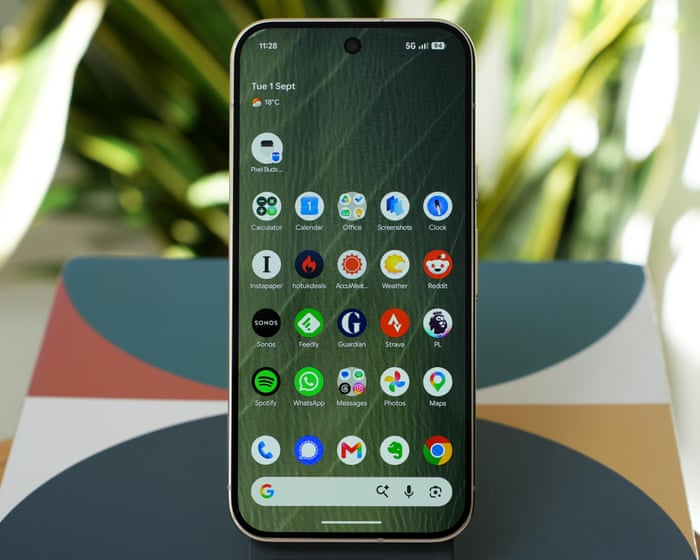
It's not much of an upgrade, but the Pixel 11 continues Google's tradition of offering phones with clean software and impressive cameras at a reasonable price.
Qualcomm is taking an unusual approach to the launch of its next-generation premium Snapdragon mobile platform this year. Instead of holding everything for its annual Snapdragon Summit in Maui happening later this month, the company has been methodically disclosing the architecture that will power the next wave of flagship Android phones over the past couple of weeks.
First, the company disclosed its new Oryon CPU architecture, followed by a major overhaul of its Adreno GPU. Today, Qualcomm is detailing the next-generation Hexagon NPU that will serve as the platform’s primary AI engine.
Taken together, the disclosures give us a pretty good picture of where Qualcomm is going before we even know the chip’s official name.
There is obviously a strong performance story here, anchored by a 5GHz CPU, but the more interesting theme running through the architecture is memory locality and specialized AI acceleration. Qualcomm is trying to keep more data close to the compute resources that need it, while distributing AI workloads across the CPU, GPU and NPU.
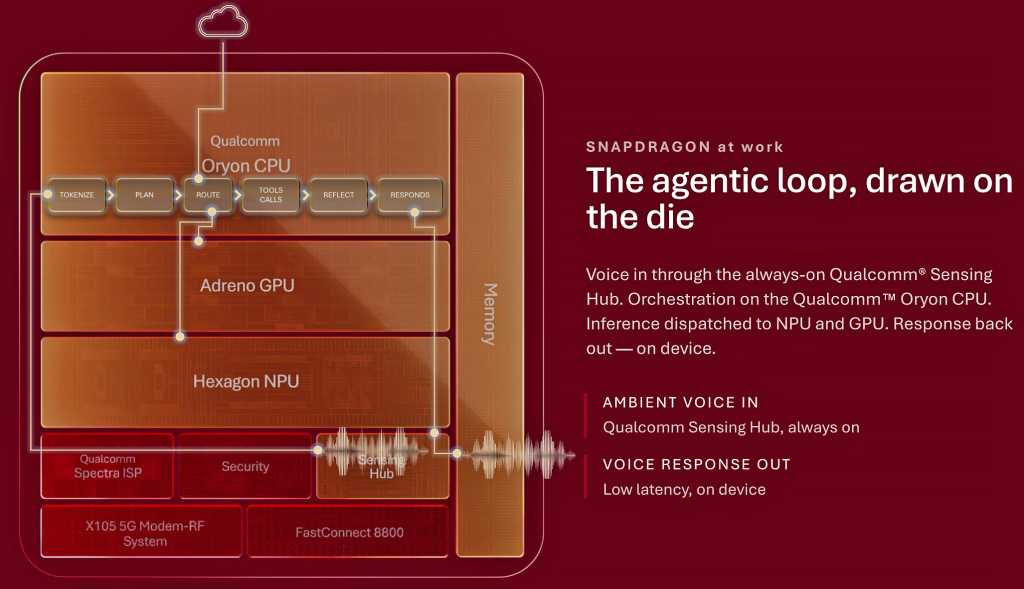
These architectural changes are important as the company continues to drive on-device AI beyond relatively simple generative features toward more persistent, agentic workloads.
Oryon hits 5GHz, bolstered by FlexCache
Qualcomm disclosed in August that its next Oryon CPU will be the first mobile CPU to reach 5GHz. The eight-core design includes two 5GHz Prime cores and six Performance cores, with Qualcomm attributing the frequency gains to its fully custom Oryon microarchitecture, an in-house Arm-based CPU design that gives the company full control over the cores, cache and memory hierarchy, branch prediction and CPU subsystem.
The 5GHz headline is certainly going to get attention. However, Qualcomm’s new FlexCache architecture may ultimately have a larger impact on sustained performance. FlexCache allows Oryon’s Prime and Performance cores to tap into the same shared cache pool, with capacity dynamically allocated based on the workload. So rather than a demanding core being limited to a fixed slice of cache, it can draw on more of the available pool when needed. This keeps larger working data sets close to the CPU cores and reduces high-latency trips out to system memory.
This approach should benefit everything from gaming and multitasking to content creation, but it also aligns well with agentic AI workloads, where tasks may move through several stages of processing and across different CPU cores. The basic goal is straightforward: keep the CPU fed and avoid expensive trips to external memory.
Qualcomm’s next-gen Adreno GPU adds dedicated AI engines
Qualcomm’s next disclosure focused on graphics, where the company is making one of the more significant changes to its Adreno GPU engine in recent years. The new GPU adds dedicated Adreno Matrix Cores for running AI models directly inside the graphics pipeline. They’re paired with 18MB of Adreno High-Performance Memory, or HPM, which provides low-latency local storage for tile-based rendering, frame buffers and GPU compute.
Qualcomm claims HPM provides a 12% power improvement compared to its previous-gen Snapdragon 8 Elite Gen 5.
The more visible feature for users, however, may be Adreno Neural Fusion, which combines AI super resolution, neural processing and frame generation in a unified graphics pipeline. There are obvious parallels here to what NVIDIA, AMD and others are doing with neural rendering on the PC, though Qualcomm’s next-gen Snapdragon SoC has to operate within a much tighter mobile power envelope.
Qualcomm claims enabling Neural Fusion reduces power consumption by up to 40% in its internal testing using the company’s Dragon Alley graphics demo. That’s an impressive number, though as always, we’ll want to see how the technology behaves across actual shipping games and devices before drawing any definitive conclusions.
Qualcomm has also helped integrate Neural Fusion technology into Unity and Unreal Engine, which may ultimately be just as important as the underlying hardware. Developer adoption determines whether features like this become meaningful platform advantages or just another tick box on a spec sheet.
Qualcomm’s Hexagon NPU is being reworked for agentic AI
Qualcomm
The most recent disclosure centers on Qualcomm’s Hexagon NPU, where the broader architecture starts to come together. The company’s next-generation Hexagon introduces a new Element Accelerator designed for transformer workloads, alongside its existing vector and scalar processing resources. Qualcomm says the new block is optimized for fast action loops, key-value (KV) cache acceleration and context lengths of up to 32K.
Hexagon is also getting 50% more shared memory, and again, that memory complement is important. Model state, context and KV-cache data can generate substantial memory traffic, particularly with larger language models. Keeping more of that data close to the NPU can reduce latency and power consumption. Qualcomm says the architecture is designed for long-context reasoning, multimodal models, concurrent agents and low-latency action loops.
For INT4 quantized models, the company claims up to a 50% improvement in pre-fill performance versus its previous-generation Snapdragon 8 Elite Gen 5. Qualcomm is also targeting Mixture-of-Experts, or MoE, models as large as 30 billion parameters. In its example, the company points to a 30B model that activates only about 3 billion parameters during a given token-generation step. That selective approach is a natural fit for the tight power and memory constraints of a handset.
Qualcomm isn’t suggesting that a smartphone will simply run a 30B dense model entirely from DRAM, however. By activating only the experts needed for a particular task, MoE architectures can dramatically reduce active compute and memory bandwidth requirements, potentially making much larger classes of AI models practical on mobile hardware.
Qualcomm’s next-gen Snapdragon mobile impact
There is a larger competitive story here as well. For years, flagship smartphone competition largely came down to CPU, GPU, modem performance and power efficiency. AI is now another major area of differentiation, and Qualcomm is clearly designing its next-gen Snapdragon mobile platform around this need.
Apple has the advantage of controlling its silicon, operating system and software stack end-to-end. MediaTek continues to push aggressively into premium Android devices as well. Qualcomm’s response is to make its custom Oryon CPU, Adreno GPU and Hexagon NPU work more like a fully integrated compute platform, tuned for modern AI and agentic workloads.
This is a solid advantage for Android handset OEMs because many don’t have the resources to engineer this level of silicon integration themselves. Qualcomm can effectively provide its Android OEM partners, including Samsung, Xiaomi, Honor and others, with a common hardware foundation for on-device AI, advanced graphics and agentic computing. It also gives Qualcomm another way to defend its premium Snapdragon position.
The company’s custom Oryon architecture now spans smartphones and Windows PCs, and soon servers, while AI acceleration is distributed across its CPU, GPU and NPU. For business users, that could mean more AI processing happens locally, reducing cloud and network dependence, improving response times and keeping more potentially sensitive data on-device. And for IT organizations, Qualcomm now has an opportunity to provide a more consistent AI compute foundation across Windows PCs with Snapdragon X and premium Android handsets.
There is still plenty we don’t know, however. Qualcomm hasn’t disclosed the complete SoC specifications, final performance or power characteristics, or which devices will ship with it initially. Many of these AI experiences will also depend heavily on Android, app developers and the models themselves.
The new 5GHz mobile CPU may generate the biggest headline at Snapdragon Summit, but the more important developments may be what sit around it: more local memory, specialized AI acceleration and tighter integration between the CPU, GPU and NPU.
If Qualcomm can translate this architecture into better sustained performance, enhanced power efficiency and useful on-device AI experiences, it could strengthen its position in premium Android phones while putting more competitive pressure on Apple. For business users, the payoff could be more capable local AI without sacrificing the performance and battery life expected of a flagship device.
That is the part I’ll be watching most closely when the complete silicon picture is unveiled at Snapdragon Summit later this month. And I may even get some hands-on time with it in some benchmarks, as we have in years past, so we shall see.
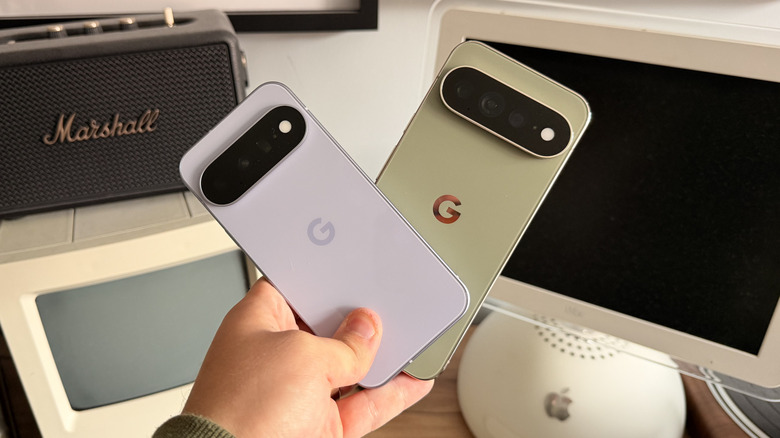
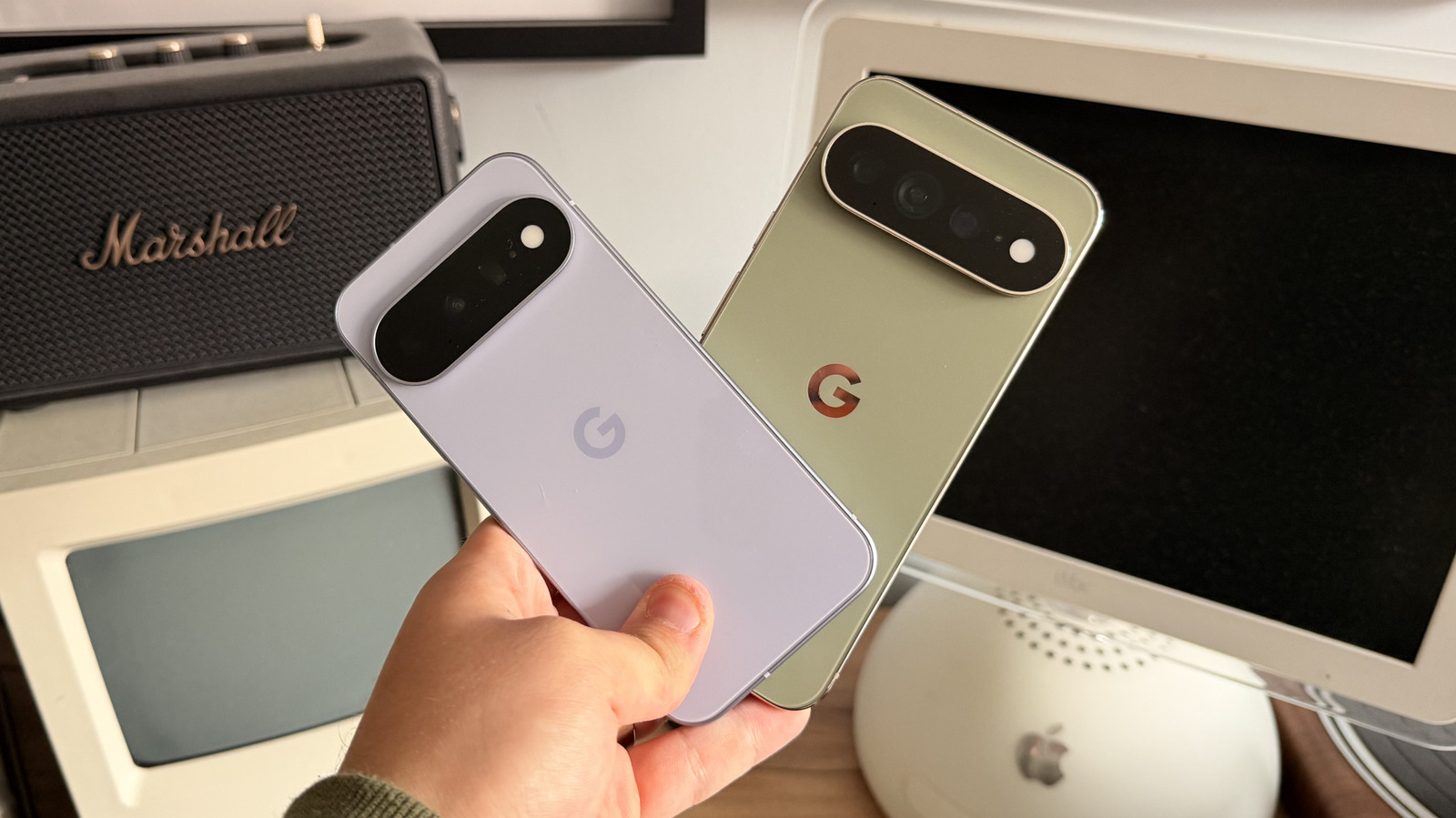
The Google Pixel 11 line is Google's current flagship smartphone, but is it worth shelling out $200 more for the Pixel 11 Pro? Here's what you need to know.
Solid battery life, snappy performance and quality software make for a great smaller phone with a killer camera
Google’s latest Pro phone is out to prove it has the best camera on a smartphone while embracing customisation, allowing you to change the look and feel of your photos far beyond simple filters even if that means making them technically worse.
The Pixel 11 Pro packs the best of Google’s hardware and software into a still-pocketable and easy to handle frame, instantly making it a contender for best smaller phone of the year.

 Login

 : Galaxy Z Fold 8 Ultra a 1,449 euro, Galaxy Z Fold 8 a 1,299 euro e Galaxy Z Flip 8 a 699 euro.
 : Galaxy Z Fold 8 Ultra a 1,362 euro, Galaxy Z Fold 8 a 1,329 euro e Galaxy Z Flip 8 a 721 euro.
 a 1,299 euro
 a 1,329 euro