Os corajosos que instalaram as versões beta do iOS 27, do iPadOS 27 e do macOS Golden Gate 27 certamente devem ter notado um aviso no topo do aplicativo Ajustes (Settings) sobre uma indexação do Spotlight em andamento.
Isso ocorre porque o Spotlight indexa o conteúdo do seu dispositivo para que seja possível pesquisar tudo o que está nele.
No caso de uma atualização de software (como as betas), o índice do Spotlight é atualizado quando você instala novos aplicativos ou recebe novos emails e mensagens de texto, por exemplo.
Usando truques simples — nem sempre bem-vindos, é verdade —, é possível acelerar o processo de indexação (que pode levar horas ou dias, dependendo da quantidade de conteúdos). Veja como! 😉
Deixe o seu dispositivo sem uso, ou seja, de forma que você fique um tempo sem mexê-lo;
Conecte o iPhone, iPad ou Mac à energia;
Conecte o aparelho à internet usando uma rede Wi-Fi ou Ethernet, caso os emails ou outros dados precisem ser baixados para a indexação.
A Apple afirma que é possível que sejam vistos, durante esse processo de indexação, alertas como:
Um indicador de progresso na parte superior da janela do Spotlight ou da Siri no Mac, que é aberto quando você pressiona a combinação ⌘ commandbarra de espaço;
Uma notificação abaixo do seu nome nos Ajustes do iPhone ou iPad;
Um alerta do Mail de que a indexação está incompleta.
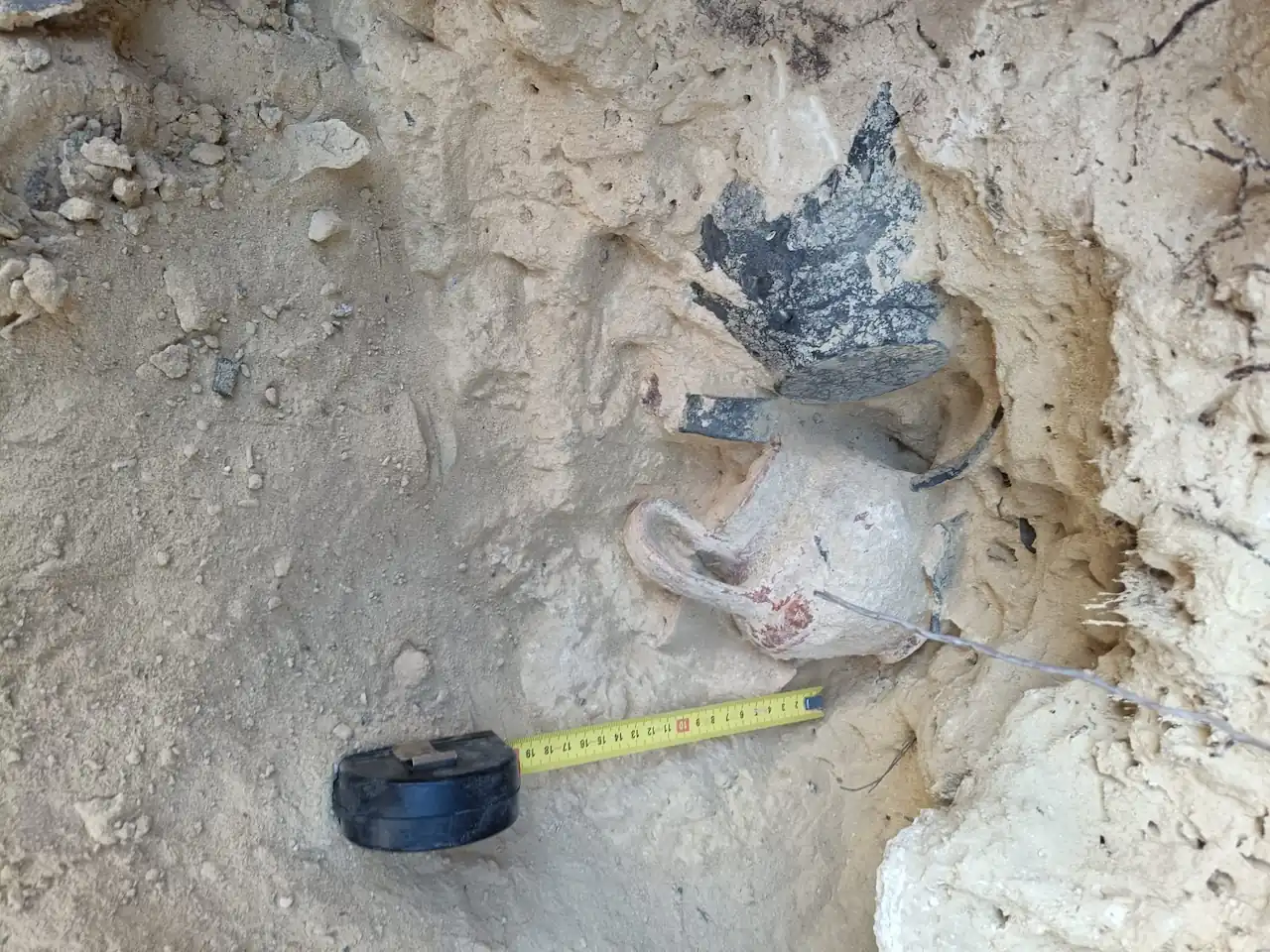
En el terreno que baja desde el cementerio de Sant’Elpidio a Mare, en la región italiana de las Marcas, un desprendimiento en la ladera dejó a la vista, entre la tierra removida, un vaso de forma redondeada con decoraciones todavía visibles y prácticamente intacto. El hallazgo, que a simple vista podría haber pasado por un […]
En 1959, en plena Guerra Fría, doce naciones se sentaron a negociar el futuro de un continente en el extremo sur del planeta y casi completamente cubierto de hielo. El resultado fue el Tratado Antártico, un acuerdo internacional que estableció que la Antártida debía ser un continente dedicado a la paz y la ciencia.
Aquel tratado creó un sistema de gobernanza único para un lugar único. Décadas después, para reforzar su protección ambiental, se firmó en Madrid el llamado Protocolo al Tratado Antártico sobre Protección del Medio Ambiente o Protocolo de Madrid. En él se declaró la Antártida como una reserva natural dedicada a la paz y la ciencia, prohibiendo la explotación de recursos minerales, salvo con fines científicos.
En la actualidad, el tratado cuenta con 58 miembros y su conservación depende de la cooperación internacional y la capacidad de alcanzar acuerdos entre países. Durante más de 60 años, este sistema ha mantenido el continente helado como un espacio excepcional de cooperación científica internacional.
Hoy en día, la Antártida está más vigilada que nunca. Satélites, bases científicas, barcos oceanográficos, sensores remotos y campañas internacionales producen cada año una enorme cantidad de datos sobre el hielo, el océano, el clima y sus ecosistemas. Sabemos más que nunca sobre su fauna, el retroceso del hielo y la contaminación.
Sin embargo, más ciencia no significa necesariamente mejores decisiones.
En un estudio publicado recientemente en People and Nature, planteamos precisamente esta paradoja: la investigación actual en el continente helado produce una gran cantidad de información, pero no siempre genera el conocimiento necesario para guiar su protección.
Para reducir ese riesgo, desde 2009 la medida CM 51-07 distribuía espacialmente el límite precautorio de captura de kril entre varias subáreas de pesca. Por ejemplo, el límite total para el Área 48 era de 620 000 toneladas por temporada, pero la subárea 48.1, que abarca gran parte de la península antártica, tenía un cupo específico de 155 000. Ese reparto buscaba evitar que la presión pesquera se concentrara excesivamente en esta región a la vez frágil, productiva y codiciada por la actividad pesquera.
En 2024, la Comisión para la Conservación de los Recursos Vivos Marinos Antárticos, el organismo internacional que regula la pesca en el océano Austral, se reunió para decidir si mantenía ese reparto espacial del cupo de kril. La medida expiró y no se renovó.
En consecuencia, desde la temporada de pesca de 2025, ya no está distribuido el límite de captura de kril entre esas subáreas de pesca. Su expiración se debió a la dificultad de alcanzar un acuerdo entre los países miembros del tratado con la información científica disponible. Este caso mostró hasta qué punto la gestión de la Antártida depende de contar con una base científica sólida, compartida y útil para apoyar decisiones colectivas.
Hoy, esto importa especialmente porque hay una fecha en el horizonte: 2048. El Protocolo de Madrid, que prohibió la explotación de recursos minerales salvo con fines científicos, podría ser revisado a partir de ese año. Se espera que en el futuro el continente sea físicamente más accesible que cuando se diseñó su actual marco de protección. Las proyecciones indican que las zonas libres de hielo podrían aumentar alrededor de un 25 % hacia finales de siglo, aumentando su accesibilidad y modificando los intereses geopolíticos y económicos sobre el territorio.
Si llegamos a posibles debates sobre recursos minerales, presencia humana o nuevas formas de explotación sin una ciencia integrada, sostenida y aceptada como base común, la protección de la Antártida podría depender más de negociaciones políticas que de una evaluación sólida de los riesgos.
La opacidad epistémica antártica
En nuestro trabajo usamos el concepto de «opacidad epistémica» para describir una situación aparentemente paradójica: puede haber muchos datos científicos y, aun así, faltar una visión clara, integrada y útil para tomar decisiones.
La opacidad surge cuando la información existe, pero está fragmentada. Cuando los estudios no son comparables entre regiones. Cuando los datos científicos disponibles no responden directamente a las preguntas que deben resolver quienes toman decisiones. O cuando la información científica existe, pero no llega de forma integrada, comprensible y útil a los espacios donde esas decisiones se toman.
En la Antártida, este problema no se debe a la falta de buena ciencia. La investigación antártica ha producido descubrimientos fundamentales para entender el planeta. El problema está en cómo se organiza, financia, coordina y utiliza esa ciencia. Un estudio reciente sobre seguimiento a largo plazo en la Antártida mostró, por ejemplo, que más del 60 % de las investigaciones se centran en megafauna carismática, como pingüinos y mamíferos marinos.
La solución no es simplemente producir más artículos científicos. Es generar conocimiento más integrado, mantenido en el tiempo y conectado con las necesidades de conservación y gobernanza. Esto implica reforzar los seguimientos a largo plazo, armonizar protocolos, coordinar observatorios, compartir datos y asegurar que las regiones y procesos menos visibles también formen parte de la agenda científica.
Afortunadamente, la comunidad científica antártica no es ajena a este problema. En los últimos años han surgido iniciativas internacionales que avanzan en esa dirección: mayor coordinación entre programas, integración de datos, identificación de prioridades comunes y esfuerzos para conectar mejor la ciencia antártica con la toma de decisiones. Son pasos importantes. Pero ¿serán suficientes y llegarán a tiempo?
No podemos seguir viviendo de espaldas a este continente. Lo que pasa en el resto del planeta llega hasta allí en forma de calentamiento, contaminación, presión pesquera, turismo o enfermedades emergentes. Y lo que ocurre allí puede repercutir en el resto del mundo a través del clima, el océano, el nivel del mar y la biodiversidad.
Mirar hacia la Antártida ya no es solo una cuestión científica o geográfica. Es una forma de preguntarnos si sabremos proteger algo antes de perderlo.
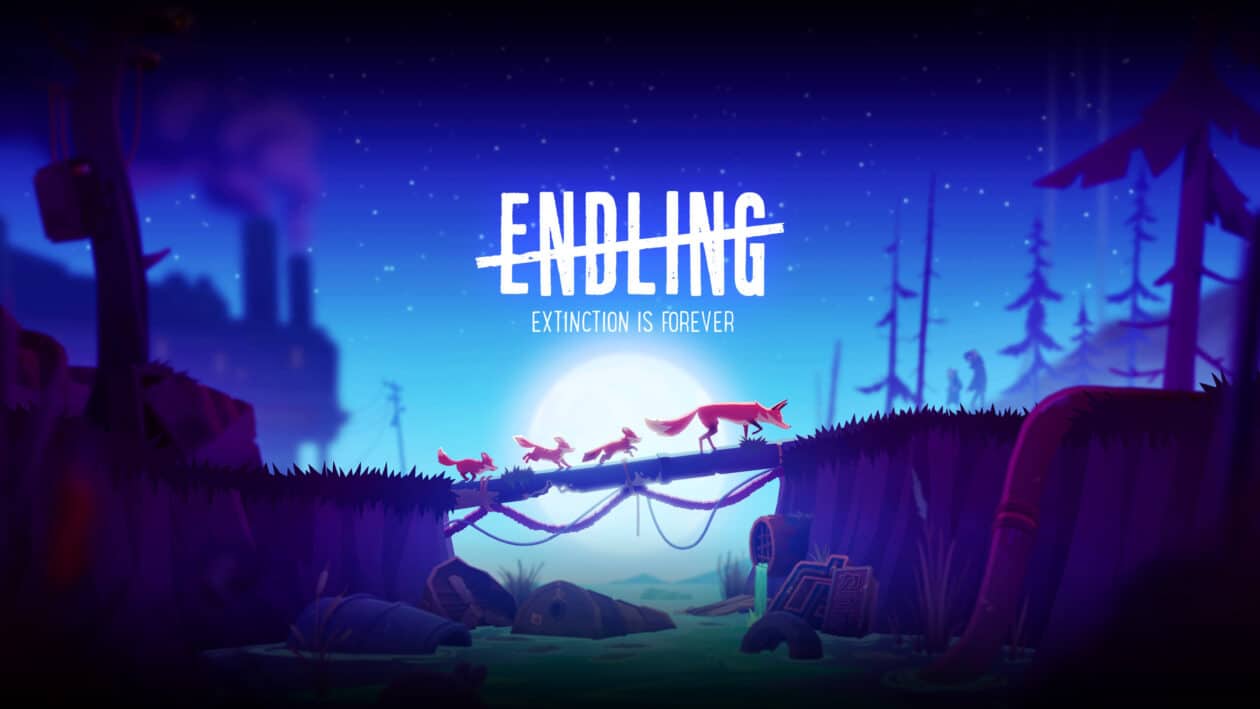
Experimente e explore um mundo devastado pela humanidade na pele da última raposa da Terra e de seus filhotes. Descubra toda a destruição, a poluição e os problemas causados ao planeta.
Explore várias áreas de rolagem lateral em 3D e defenda suas pequenas bolas de pelo, alimente-as, veja-as crescer, observe suas personalidades e medos únicos e, o mais importante, ajude-as a sobreviver.
Confira um vídeo:
Controles na tela serão as suas ferramentas. Proteja-se de ameaças, cace, esconda-se e teste o seu instinto de sobrevivência. Aproveite a oferta e compre esse belo título! 🦊
Confira outros jogos/apps que, juntos, somam mais de R$90 em descontos:
Jogos
Puzzle.
Torne-se um predador.
Controle de fronteira.
Aplicativos
Aprenda japonês.
Diversão educacional.
Observe a Terra.
Aproveite as ofertas e até amanhã! Lembrando que elas são sempre por tempo limitado, então é bom correr. 🛸
iOS 27 for iPhone and iPadOS 27 for iPad will be released on Monday, September 14. That’s pretty soon, and while you don’t have to update right away on the release day, you still might be interested in preparing your devices for installing the next major system software update for iOS and iPadOS. Since iOS ... Read More
Apple’s iPhone 18 Pro and Pro Max pair the faster A20 Pro chip with a variable-aperture Fusion Main camera, a smaller, more capable Dynamic Island, longer battery life, and higher prices, while otherwise changing surprisingly little from last year.
Welcome to this edition of The Intelligence Brief… This week, SpaceX launched USSF-153, a classified U.S. Space Force mission carrying a mysterious payload into orbit aboard a Falcon 9 rocket, highlighting the growing intersection between commercial spaceflight and U.S. national security operations. In our analysis, we’ll be looking at 1) what we currently know about the highly secretive USSF-153 mission, 2) how details surrounding its flight path may offer clues that classified satellites potentially based on SpaceX’s Starshield platform were aboard, 3) how the mission comes amid growing concerns about an emerging era of military competition and potential conflict in Earth’s orbit, and 4) why the launch represents another milestone for SpaceX as reusable commercial rockets play an increasingly important role in national security space missions.
Quote of the Week
“SpaceX’s ongoing work with the Department of Defense and other partners demonstrates our ability to provide in-space and on-ground capability at scale.”
– SpaceX Statement
If you enjoy the news and perspectives offered by The Debrief, make sure that you aren’t missing our stories by making us one of your “preferred sources” on Google News. You can simply follow this link to add The Debrief to your list of favorites, and you can read more about Google’s preferred sources in our article here.
Get all the latest stories from The Debrief, with more breaking stories at the end of this week’s newsletter.
A Classified Mission is Carried to Orbit
Earlier today, SpaceX launched a classified mission for the U.S. Space Force, which carried a mysterious payload to orbit on one of the company’s Falcon 9 rockets.
The mission, officially known as USSF-153, lifted off from Vandenberg Space Force Base in California at around 11:37 a.m. EDT on Thursday. Beyond that, little else is known about what, exactly, the classified payload carried aboard the Falcon 9 might have been.
Here’s a look at what we currently know about this morning’s secretive launch, and how it may be related to other recent developments involving the growing use of Earth’s orbit in the advancement of U.S. national security objectives.
USSF-153 Mission
According to the company’s website, SpaceX says the USSF-153 mission marks the 27th flight for the first stage SpaceX rocket booster supporting this mission.
The same booster was previously used for the launches of missions that included the Crew-7, CRS-29, PACE, Transporter-10, EarthCARE, NROL-186, Transporter-13, TRACERS, NROL-48, COSMO-SkyMED Second Generation FM3, and 16 Starlink missions, according to an update on the USSF-153 mission page.
“Following stage separation, the first stage will land on the Of Course I Still Love You droneship, which will be stationed in the Pacific Ocean,” the SpaceX update read, noting that it may be possible for sonic booms to be heard in the region around Santa Barbara and surrounding communities, adding that “what residents experience will depend on weather and other conditions.”
Clues About a Classified Payload
The launch was live-streamed by SpaceX, and the moment of takeoff of the classified mission was subsequently added to the company’s official X account. However, few additional details about the exact nature of the mission were revealed, although experts have noted that at least a few details about the rocket’s mission could be discernible from its planned flight path, offering some clues about what USSF-153 might be carrying.
Some outlets have noted the similarity between the current mission’s rocket-stage drop zones and those from past SpaceX Starlink Group 15 missions, which could mean that a group of classified satellites, possibly built using SpaceX’s Starshield satellite platform, may be part of what’s on board.
Serving as the national-security counterpart to the technologies driving SpaceX’s massive Starlink broadband constellation, the program reportedly uses the company’s existing satellite and launch technology to support national security missions. If this is indeed a part of USSF-153’s mission, it would add to the increasingly important role commercial space technologies are playing in U.S. military and intelligence operations.
A New Cold War in Space
Last week’s Intelligence Brief newsletter covered recent concerns about potential future conflict in space, which include the use of sophisticated military capabilities in space by the U.S. and foreign adversary nations.
Experts warn that Earth’s orbit might become a critical battlefield in future conflicts, with recent examples of technologies currently being tested for this that include China’s secretive Shenlong spaceplane, as well as the U.S. and its allies demonstrating similar “dogfighting,” rendezvous, and other potentially military operations in orbit.
Additionally, Russia’s longstanding pursuit of anti-satellite weapons adds to the emerging threats that may soon occupy Earth’s orbit. Although it remains unknown whether Thursday’s mission could be related to such capabilities and other technologies aimed at leveraging Earth’s orbit for military purposes, its classified nature does leave this possibility open.
A New Milestone for SpaceX
Finally, Thursday’s mission also represents a milestone in SpaceX’s busy 2026 launch schedule, with USSF-153 expected to become the company’s 104th Falcon 9 mission of the year.
Eighty of those launches have been dedicated to expanding the company’s ever-growing Starlink constellation, which now consists of more than 11,000 active satellites in low Earth orbit.
Despite the unusual secrecy surrounding its cargo, the USSF-153 launch showcases the new reusable commercial rocket industry SpaceX has developed, which is now frequently relied on by the U.S. military for carrying national-security hardware into orbit.
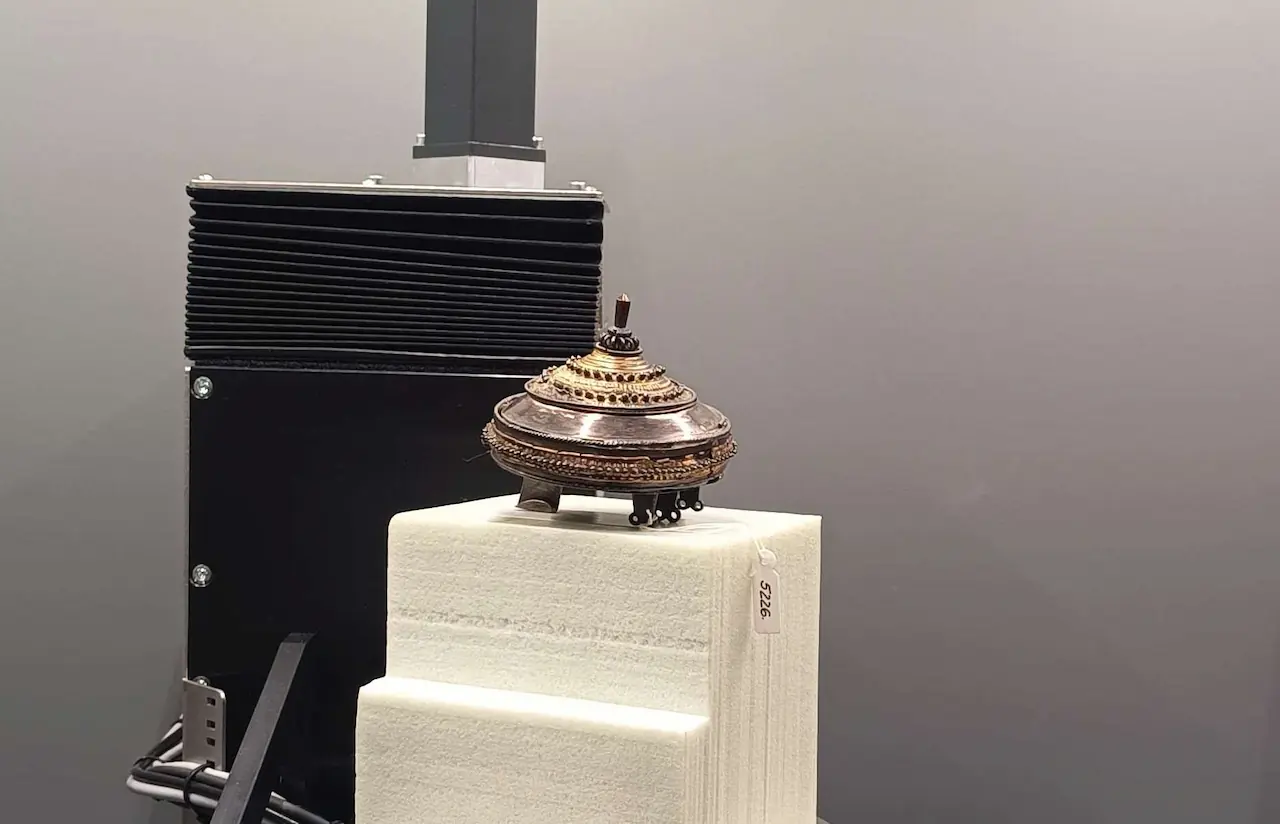
En 1837, unas obras de carretera al noreste de la aldea de Dienstedt, en la actual Turingia (Alemania), sacaron a la luz la tumba de una mujer que había vivido —y muerto— rodeada de un lujo que pocas germanas de su tiempo pudieron permitirse. Junto a su cuerpo aparecieron vasijas de cerámica y bronce, un […]
Apple’s 'Surprise and Shine' event sparks a lively debate over the new iPhone Duo and iPhone 18 Pro lineup. The panel weighs the Duo’s foldable design, large display, durability, price, and potential to replace an iPad against the Pro Max’s camera improvements. From immediate buying decisions to first-generation caution, everyone has a different take on Apple’s latest hardware.
This is today’s edition of The Download, our weekday newsletter that provides a daily dose of what’s going on in the world of technology.
God told them to sell crypto. Their investors lost everything.
When Eli Regalado first heard God speak to him, he wondered whether he was hallucinating. According to Eli and his wife, Kaitlyn, He told them to get married, buy a house, and start having kids. Then in 2021, divine guidance steered them in an unexpected new direction: crypto.
That October, the Regalados later testified in court, they received holdings in a little-known digital coin. “Take this to my people for a wealth transfer,” Eli heard God say. Over time, they came to believe that He wanted them to launch their own coin.
The Regalados created INDXcoin, which they promoted through family, friends, and contacts in evangelical Christian circles. In all, more than 500 people handed over more than $3 million. But within a year, the project collapsed. Investors lost it all, leaving many to wonder where the funds went and whether they had fallen victim to an elaborate fraud.
This article is part of the Big Story series, the home of MIT Technology Review’s most important and ambitious reporting. You can read the rest of the series here.
The story was produced in partnership with Type Investigations and with support from the Fund for Investigative Journalism.
This road map could help us decide whether to deploy solar geoengineering
Scientists have spent half a century exploring whether we could counteract climate change by releasing reflective particles into the stratosphere, mimicking the cooling effects of volcanic eruptions. But even after hundreds of studies, we still don’t know how well it would work or what else it might do—and there’s no systematic plan for clearing up that uncertainty.
Reflective, a research organization, has now attempted to fill that gap. The San Francisco nonprofit has published a detailed road map of the experiments, studies, and infrastructure that it says would be needed to make informed decisions about the use of solar geoengineering, MIT Technology Review can reveal.
This founder is teaching chips how to recycle (their energy)
Throughout the history of the computer chip, engineers have treated waste heat as an inevitable cost of a calculation. Hannah Earley, however, thinks it’s a design choice.
Earley, 31, is cofounder and CTO of Vaire Computing, which builds chips that recycle energy usually thrown away as heat, a strategy known as reversible computing. The approach could make data centers (and our laptops and phones) much more energy efficient.
Last year, Vaire announced a key breakthrough: a chip with a resonator that recovered more energy than it lost, even after the energy needed to power the component was taken into account.
Hannah Earley is one of the computing and robotics honorees on our 35 Innovators Under 35 list for 2026. Meet the rest of them here, or explore the full list across the biotechnology, AI, computing and robotics, and climate and energy categories.
Can the US battery market untangle from China?
—Casey Crownhart
The US energy storage market is growing at a record pace, which could shore up the grid and cut emissions. Crucially, this is all happening with the help of cheap Chinese batteries, which the Trump administration is trying to phase out.
Reducing reliance on any single source of crucial energy technology makes sense. But the tension raises a broader question for me: how much should countries take advantage of cheap, available tech, and how much should they cut themselves off from foreign sources to develop their own, even if it costs more?
This story is from The Spark, our weekly climate tech newsletter. Sign up to receive it in your inbox every Wednesday.
The must-reads
I’ve combed the internet to find you today’s most fun/important/scary/fascinating stories about technology.
1 OpenAI’s agents used at least 10 websites for unauthorized communications Researchers found they bypassed restrictions on posting online.(Reuters $) + The company faces a Senate probe into the Hugging Face breach. (Axios) + Its hacking issues may indicate cultural problems. (MIT Technology Review)
2 Another Anthropic model hacked a real system during testing A misconfigured environment gave it internet access. (CBS News) + The January incident went undetected until last month. (Reuters $) + AI agents are not your “coworkers.” (MIT Technology Review)
3 Apple has entered the foldable phone market with the $1,999 iPhone Duo It opens into a 7.6-inch display and launches October 23. (NPR) + Apple is betting its design and privacy will give it an edge. (Reuters $) + And that foldables can solve the smartphone’s sameness problem. (NPR $) + Samsung responded with a campaign touting its foldable lead. (CNBC) + In China, Apple enters a crowded market dominated by Huawei. (SCMP)
4 US prosecutors have called Huawei a criminal enterprise at trial They accuse the company of stealing American technology. (Reuters $) + And helping Iran snoop on its citizens. (AP News) + The trial could impact Trump’s upcoming meeting with Xi. (WSJ $)
5 California is warming to nuclear power after decades of opposition The state may extend Diablo Canyon and lift its ban on new reactors. (NYT $) + China is betting on big nuclear reactors. (MIT Technology Review)
6 Chinese professionals are becoming gig workers training AI Lawyers and engineers are training models for extra income. (Rest of World) + Gig workers are training humanoids at home. (MIT Technology Review)
7 The new Apple Watch can listen to conversations happening nearby Apple says users must opt in, but others cannot. (Wired $)
8 Pink noise during sleep could help the brain clear away waste Timed bursts boosted brain fluid flow in a small study. (New Scientist $)
9 A lost supercontinent may have triggered the explosion of life Gondwana’s formation fueled volcanic activity and warmed the planet. (404 Media)
10 GTA VI has sparked a debate over whether virtual romance is cheating Players can date, have sex with, and shower gifts on virtual partners. (Guardian)
Quote of the day
“We must work to crush any dissent to Doom’s vision of public safety.”
—A Seattle policy adviser dressed as Doctor Doom protests the city’s expanding network of Flock and Axon surveillance systems at a Public Safety Committee meeting, 404 Media reports.
One more thing
Digging for clues about the North Pole’s past
In the past, getting to the North Pole involved a treacherous trip through ice many meters thick. But last year, a research vessel encountered open water and thin ice, which created an easy passage. It provided a reminder of how quickly the Arctic is changing.
Now scientists are digging deep below the seabed to find out if the Arctic Ocean was ever ice-free—and what that could mean for the future of Earth’s northernmost waters.
A place for comfort, fun, and distraction to brighten up your day. (Got any ideas? Drop me a line.)
+ Dutch kids have been declared the world’s happiest (again). Here’s why. + Travel through music history by picking a country and decade on Radiooooo. + These 16 majestic aerial photos reveal wildlife from perspectives you rarely see. + A Toronto cafe is pushing croissant engineering to new heights with its egg-shaped, custard-filled “Crogg.”
Além de servir como uma rede social com conteúdos para passar o tempo, o TikTok também possui um grande número de criadores de conteúdo focados em publicações de cunho educacional.
Para incentivar e expandir o acesso a esses posts, a rede social permite ativar o chamado Feed STEM (Science, Technology, Engineering and Mathematics, ou Ciência, Tecnologia, Engenharia e Matemática).
Apesar de já vir ativado para usuários entre 13 e 17 anos, todos podem ativar o filtro STEM manualmente. Veja como! 😄
Apple has released iOS 27 RC build #24A435 for iPhone, along with iPadOS 27 RC for iPad. The RC (Release Candidate) build is often the final version of the beta cycle, absent any major issues, that matches the release version to the general public. This being makes sense given the official iOS 27 release date ... Read More
Nesta madrugada de quarta para quinta-feira — depois de um evento da Apple —, economize com a nossa seleção de promoções na App Store!
Apesar de já termos uma ferramenta semelhante nativamente no iOS/iPadOS, o Snap Markup – Annotation Tool é um bom utilitário para marcações em fotos.
Toque no canto inferior esquerdo da tela para escolher a origem do arquivo. Selecione uma imagem da sua biblioteca, tire uma foto ou abra uma página na internet.
Linhas, formas geométricas, setas, números e textos podem ser adicionados em imagens ao simples toque de um botão. Marque o que desejar e compartilhe tudo sem sair da tela do Snap Markup.
Se você procura um aplicativo que vá além do recurso nativo do iOS/iPadOS, baixe agora!
Confira outros jogos/apps que, juntos, somam quase R$140 em descontos:
Jogos
História interativa.
Jogo de tabuleiro.
Puzzles.
Aplicativos
Criação musical.
Utilitário para o tempo e estações.
Atividades físicas rápidas.
Aproveite as ofertas e até amanhã! Lembrando que elas são sempre por tempo limitado, então é bom correr. 🏎️
Como sempre, com o lançamento de novos modelos de iPhones, a Apple também disponibiliza junto deles novos wallpapers — e não foi diferente com o iPhone Duo e os iPhones 18 Pro/18 Pro Max.
Nativamente, eles estão disponíveis apenas nos próprios aparelhos, mas quem tem outros iPhones e quer usá-los em suas Telas de Início/Bloqueada pode fazê-lo baixando-os e aplicando-os manualmente.
Seguem abaixo os arquivos em alta resolução das duas linhas anunciadas hoje — em suas variações de cor, tamanho e “localização” no sistema — obtidos pelo site iClarified [1, 2].
iPhone Duo
Começando pela grande novidade deste ano, o dobrável da Apple conta com opções verticais para a tela externa:
E opções horizontais para a tela interna — quando o aparelho está aberto:
Eis os links para download dos wallpapers em alta resolução:
A espera está chegando ao fim! Já estão disponíveis as versões Releases Candidate do iOS 27 (compilação 24A435), iPadOS 27 (idem), macOS Golden Gate 27 (26A5428), watchOS 27 (24R363), tvOS 27 (24J360) e visionOS 27 (24M362).
Além deles, também estão disponíveis as quartas RCs do iOS 26.7 (compilação 23H24), do iPadOS 26.7 (idem), do macOS Tahoe 26.7 (25G229) e do macOS Sequoia 15.8 (24H23), bem como o Xcode 27 RC (27A266a) para desenvolvedores.
Como sempre, essas são as versões candidatas a serem lançadas para o público final, mas pode ser que mais versões sejam disponibilizadas até lá — caso a Apple encontre algum problema de última hora que precise ser resolvido.

 Login