❌

Reading view

Hybrid graphene–MXene–WS₂ terahertz metasurface detects chikungunya virus via machine learning

Scientists have unveiled a computational design for a terahertz metasurface biosensor that combines five distinct materials—graphene, MXene, tungsten disulfide, gold, and copper—into a single multilayer architecture capable of detecting refractive-index changes associated with chikungunya virus infection. The study, published in Results in Optics by G. Arunachalam, A.R. Kalaiarasi, Giri.G. Hallur, and V. Parthasarathy, reports a numerically predicted sensitivity of 907 GHz per refractive-index unit, among the highest values reported for hybrid-material terahertz biosensors, and couples the electromagnetic design to an XGBoost machine-learning surrogate model that predicts sensor behavior with accuracies exceeding 99.8 percent.

Chikungunya virus is an enveloped, positive-sense single-stranded RNA alphavirus transmitted primarily by Aedes aegypti and Aedes albopictus mosquitoes. While mortality remains low, generally below 0.1 percent, the broader public health burden arises from severe polyarthralgia that can persist for months or even years in a substantial fraction of patients across tropical and subtropical regions. With no approved antiviral therapy or licensed vaccine currently available, diagnostic accuracy sits at the center of clinical management and transmission control. Yet existing diagnostic tools face significant practical constraints, particularly in point-of-care and field settings.

Serological methods such as enzyme-linked immunosorbent assay suffer from cross-reactivity with related alphaviruses, including Ross River and O’nyong-nyong viruses, reducing diagnostic specificity. Real-time reverse transcription polymerase chain reaction offers high sensitivity during the acute phase but depends on laboratory infrastructure, trained personnel, and controlled sample handling. Virus isolation in cell culture provides confirmatory results but requires biosafety level-3 facilities and extended processing time. These limitations have motivated the search for rapid, label-free sensing approaches capable of operating at clinically relevant concentrations in decentralized environments.

The new work turns to the terahertz band, spanning roughly 0.1 to 10 THz, which lies between microwave and infrared regions of the electromagnetic spectrum. Terahertz radiation is non-ionising, with photon energies in the millielectronvolt range, allowing interaction with biological samples without causing ionising damage. Crucially, terahertz waves couple to low-frequency vibrational and rotational modes of biomolecules such as proteins, nucleic acids, and polysaccharides, producing measurable spectral features that support label-free detection. Because biological media including blood plasma and viral suspensions exhibit refractive-index variations in this domain, differences on the order of 0.01 to 0.02 refractive-index units can shift resonance frequency and field distribution when coupled to resonant sensing structures.

The proposed sensor is built around a periodically repeated square unit cell containing two identical square resonators, 2000 nanometers on a side, coated with tungsten disulfide—a two-dimensional transition metal dichalcogenide with strong light–matter interaction, high carrier mobility, and excellent dielectric confinement. This layer localizes the electric field in the sensing region and increases the interaction volume between the resonant field and the surrounding analyte. A pair of concentric circular rings, 3200 and 3800 nanometers in diameter and functionalized with MXene, surrounds the resonators, enhancing electromagnetic coupling, promoting efficient charge transport, and strengthening plasmonic interactions between resonator elements. An outer gold ring, 6000 nanometers in diameter, serves as the main plasmonic resonator supporting strong localized surface plasmon resonances with low optical loss. The entire multi-resonant assembly is embedded within a monolayer graphene sheet measuring 14,000 by 14,000 nanometers, which acts as a broadband absorber and a high-mobility charge transport medium whose electrically tunable chemical potential allows dynamic, active control of the resonance characteristics. Copper elements woven into the architecture provide supplementary conductive pathways that reinforce current distribution and coupling among the hybrid resonators. The structure rests on a silicon dioxide substrate, chosen for its low dielectric loss and mechanical robustness, which preserves the resonance quality factor.

The authors stress that the multilayer design is compatible with established microfabrication techniques. Fabrication would begin with a cleaned silicon dioxide substrate, followed by polymer-assisted transfer of monolayer graphene and thermal annealing. Gold and copper resonators can be deposited through electron-beam evaporation or magnetron sputtering with lift-off patterning, MXene rings through solution-based deposition, and the tungsten disulfide layer through chemical vapor deposition or thin-film transfer. With a unit-cell dimension of approximately 14 micrometers, the required feature sizes fall comfortably within conventional photolithography capabilities, and because fabrication imperfections remain far smaller than the operating terahertz wavelength, moderate tolerances are expected to have only limited influence on the electromagnetic response. For biosensing, the graphene surface could subsequently be functionalized with chikungunya-specific antibodies or aptamers using EDC/NHS or pyrene-based linker chemistries.

The electromagnetic modeling, performed in COMSOL Multiphysics, reveals a pronounced resonance at 0.355 THz, where electric-field simulations show the strongest and most spatially extensive enhancement. Varying the graphene chemical potential from 0.1 to 0.9 electronvolts produced dramatic modulation of the transmission contrast, which increased roughly 36-fold at the highest bias, from less than one percentage point to more than 27 percentage points, while peak transmission remained essentially unchanged above 98.6 percent. This asymmetric response—stable maxima paired with strongly modulated minima—arises because increasing chemical potential enhances graphene’s intraband conductivity, deepening resonant absorption through stronger light–matter interaction. The sensor also demonstrated remarkable angular robustness, maintaining peak transmittance above 97.8 percent across incident angles from 0 to 80 degrees, an important tolerance for realistic deployment where normal incidence cannot always be guaranteed.

Geometric optimization identified an outer circular resonator radius of 2500 nanometers and a square resonator side length of 2500 nanometers as the dimensions that maximize resonance strength, driving minimum transmittance down to approximately 65 to 67 percent and signifying optimal electromagnetic confinement within the active sensing region. When evaluated across refractive indices from 1.33 to 1.39, a range encompassing reported values for healthy plasma (approximately 1.35 RIU), healthy platelets (1.39 RIU), chikungunya-infected plasma (1.33 RIU), and infected platelets (1.38 RIU), the optimized configuration achieved a maximum sensitivity of 907 GHz/RIU, a figure of merit of 18.519 RIU⁻¹, a minimum detection limit of 0.061 RIU, a sensor resolution of 55.178, and a refractive-index resolution of 0.001 RIU. In comparative benchmarks against recently reported graphene- and hybrid-material-based terahertz biosensors—including graphene/copper/aluminum, graphene/silicon dioxide, MXene–graphene–black phosphorus, and graphene-integrated copper–silver designs—the proposed architecture’s sensitivity exceeded most published values, reflecting the synergistic field confinement produced by the five-material stack.

The machine-learning component addresses one of the central bottlenecks in metasurface development: the computational cost of repeated full-wave finite-element simulations during structural optimization. The team trained an XGBoost regressor, an ensemble method based on gradient-boosted decision trees, on simulation data covering incidence-angle variation and circular-ring dimension variation, using stratified sampling with 80 percent of data for training and 20 percent held out for independent testing, alongside five-fold cross-validation and grid-search hyperparameter optimization. The model captured more than 99.7 percent of response variance on unseen data, with mean absolute percentage errors below 0.162 percent and prediction accuracies from 99.838 to 99.959 percent. Acting as a computational surrogate, the trained model enables rapid interpolation across the design space without sacrificing the fidelity of the underlying electromagnetic model.

The authors are careful to frame the work as a computational proof-of-concept rather than an experimentally validated diagnostic. The sensor detects changes in the local dielectric environment surrounding the resonators, not viral particles or nucleic acids directly, and refractive-index sensing alone cannot intrinsically distinguish chikungunya from other viruses with similar dielectric properties. Analytical specificity in practice will depend on surface biofunctionalization with chikungunya-specific recognition molecules immobilized on the graphene or gold sensing surface. Future work will focus on device fabrication, biofunctionalization, calibration with reference refractive-index standards, experimental validation with clinically relevant plasma and platelet samples, and systematic evaluation of selectivity against related arboviruses—steps that would transform this numerically validated platform into a practical tool for rapid, label-free infectious disease diagnostics in the field.

Subject of Research: Label-free terahertz metasurface biosensing for chikungunya virus detection using a hybrid graphene–MXene–WS₂–Au–Cu architecture with machine-learning-assisted optimization

Article Title: Hybrid graphene–MXene–WS₂ terahertz metasurface detects chikungunya virus via machine learning

Article References: Arunachalam, G., Kalaiarasi, A., Hallur, G., & Parthasarathy, V. (2026). Machine learning-assisted hybrid graphene–MXene–WS₂ terahertz metasurface biosensor for highly sensitive label-free chikungunya virus detection. Results in Optics, 25, Article 101149. https://doi.org/10.1016/j.rio.2026.101149

Image Credits: AI Generated

DOI: 10.1016/j.rio.2026.101149

Keywords: chikungunya virus detection, computational biosensor design, high sensitivity biosensors, hybrid graphene MXene WS₂, machine learning in biosensing, multilayer architecture, nanomaterial-based sensors, public health diagnostics, refractive index sensing, terahertz metasurface biosensor, virus diagnosis in field settings, XGBoost surrogate model

  •  

BlitzWill BW-CLT2 Smart Ceiling Light Combines Everyday Illumination With RGB Ambience

Ceiling lights are usually one of those home products that disappear into the background once they are installed. BlitzWill BW-CLT2, however, takes a different approach by combining a conventional main ceiling light with a separate RGB ambient-lighting effect.

The result is a fixture designed to handle two different jobs: providing practical illumination for everyday activities while also giving a room a more customizable atmosphere when bright white lighting is not what you want. The BlitzWill BW-CLT2 is designed to replace a conventional ceiling fixture with a more flexible smart home lighting setup.

The 40cm BlitzWill BW-CLT2 supports adjustable color temperature from 2700K to 6500K and can be controlled through an app, voice commands, or a remote control. It also supports DIY scene settings, giving users more control than a basic on/off ceiling lamp.

One Ceiling Light, Two Different Lighting Roles

The combination of adjustable white light and RGB effects also makes the BW-CLT2 more versatile than a basic smart LED ceiling light.

For normal use, the primary light can provide the room’s everyday illumination. The adjustable 2700K–6500K range gives users the flexibility to move between warmer and cooler-looking white light depending on the time of day or the atmosphere they want.

The RGB section serves a different purpose. Instead of replacing the main light, it can be used to add color around the room and create a softer background effect.

That separation makes the design more practical than an RGB-only lamp. You can keep the main light focused on visibility while using the colored lighting to change the mood.

2700K to 6500K Gives More Control Over the Room

A fixed-color ceiling lamp can work perfectly well, but it gives you little flexibility once the fixture is installed.

The BW-CLT2 takes a more adaptable approach with a 2700K–6500K adjustable color-temperature range. Warmer settings can suit relaxed evening use, while cooler white light can be more appropriate when you need a brighter, more functional environment.

This makes the light suitable for spaces that serve multiple purposes. A bedroom, study, living room, or gaming area can all require different lighting at different times.

Rather than buying separate lights for different situations, the BW-CLT2 puts those adjustments into one ceiling fixture.

Smart Controls Make Daily Adjustments Easier

Another advantage is that the BW-CLT2 is not limited to a physical wall switch.

The product supports app control, voice control and a dedicated remote, giving users several ways to change the lighting.

App-based control is particularly useful for people who prefer adjusting lighting from a phone, while the remote provides a more traditional option for quick changes.

The combination also means the light does not have to be treated as a purely decorative smart-home gadget. It can still be operated in a straightforward way when you simply want to change the lighting without opening an app.

DIY Scenes Are More Useful Than They Sound

The BW-CLT2 also includes a DIY scene mode, which is one of the features that separates it from a basic adjustable LED ceiling lamp.

Instead of repeatedly changing brightness, color temperature, or RGB effects manually, users can create lighting combinations suited to particular situations.

For example, one setup could prioritize a brighter white light for working, while another could use warmer illumination with RGB ambience for watching movies or relaxing.

The important point is not simply that the lamp has RGB lighting. It is that the different lighting elements can be used as part of a more personalized room setup.

Is the 40cm Size a Good Fit?

At 40cm, the BW-CLT2 occupies a middle ground between small decorative fixtures and larger ceiling panels.

That makes it potentially suitable for bedrooms, smaller living spaces, studies, gaming rooms, and other areas where a large ceiling fixture may look excessive.

However, buyers should consider the dimensions of their room before choosing it. A 40cm fixture may be a sensible fit for a compact or medium-sized space, while a much larger room could require additional lighting.

What Buyers Should Consider

The BW-CLT2 makes the most sense for people who want more than basic ceiling illumination.

Its strongest feature is arguably the combination of practical white lighting and RGB ambience. The adjustable 2700K–6500K range handles everyday lighting needs, while the RGB system and DIY scenes add a more decorative element.

It is also worth remembering that smart-lighting features are most valuable when you actually plan to use them. If you only need a simple ceiling lamp that stays at one brightness and color, a conventional LED fixture may be enough.

For users who want to experiment with room lighting, however, the BW-CLT2 offers considerably more flexibility in a single fixture.

BlitzWill BW-CLT2: A Flexible Upgrade for a Smart Home

BlitzWill BW-CLT2 Smart Ceiling Light is less about adding another colorful gadget to a room and more about combining several lighting functions into one ceiling fixture.

Its 40cm form factor, adjustable 2700K–6500K white lighting, RGB ambience, multiple control methods, and DIY scene support give it a broader role than a standard ceiling lamp.

Banggood’s EU-direct listing currently shows the BW-CLT2 at around $52.99, although the final price can change with promotions, region, taxes, and availability.

For shoppers looking to make a room more adaptable without filling the ceiling with multiple lighting fixtures, the BW-CLT2 is an interesting option worth considering.

The post BlitzWill BW-CLT2 Smart Ceiling Light Combines Everyday Illumination With RGB Ambience appeared first on IGeeKphone China Phone, Tablet PC, VR, RC Drone News, Reviews.

  •  

ALLDOCUBE Coolplay Pad Pro 2 Launches With 12.1-Inch 2.5K 90Hz Display and 4G Dual SIM

ALLDOCUBE has officially introduced the Coolplay Pad Pro 2, a new Android tablet aimed at users who want a larger screen without giving up cellular connectivity. The tablet combines a 12.1-inch high-resolution display, a 10,000mAh battery, 4G dual-SIM support and Android 16-based software, making it an interesting option in the Android tablet market.”

The tablet is priced at 1,299 yuan (about $182) for the 8GB RAM and 128GB storage configuration. During the initial sales period, buyers can also receive an 80-yuan discount coupon, bringing the effective price down to 1,219 yuan.

12.1-Inch 2.5K Display With 90Hz Refresh Rate

The Coolplay Pad Pro 2 focuses heavily on its large display. It features a 12.1-inch IPS panel with a 2.5K resolution and 90Hz refresh rate, providing more screen space for video streaming, web browsing, gaming and productivity tasks.

The panel uses an in-cell fully laminated design, which helps reduce the gap between the display layers. This can make content appear closer to the surface while also improving the overall viewing experience compared with a conventional non-laminated screen.

For a tablet in this price range, the combination of a 2.5K resolution and 90Hz refresh rate gives the Coolplay Pad Pro 2 a more capable multimedia setup than a basic entry-level Android tablet.

Helio G100 Chip and 8GB RAM

Powering the tablet is MediaTek’s Helio G100 octa-core processor, with a maximum clock speed of 2.2GHz. ALLDOCUBE says the device scores more than 500,000 points in AnTuTu, although real-world performance will naturally vary depending on software, temperature and testing conditions.

The standard configuration includes 8GB of RAM and 128GB of UFS storage. Users who need additional space can expand the storage with a TF card supporting capacities of up to 1TB.

This hardware combination should be suitable for everyday activities such as browsing, video playback, social apps, office work and casual gaming. More demanding games may require lower graphics settings to maintain consistent performance.

4G Connectivity With Dual SIM Support

One of the tablet’s biggest selling points is its cellular connectivity. Unlike Wi-Fi-only tablets, the Coolplay Pad Pro 2 supports 4G connectivity with dual-SIM support, allowing it to stay online without relying on a nearby Wi-Fi network.

The tablet supports voice calls, SMS messaging and mobile data through major domestic carriers. This makes it more versatile for users who want a tablet that can remain connected without relying on a nearby Wi-Fi network.

For commuters, travelers or users who prefer a large screen for communication and mobile internet, the 4G functionality could be one of the device’s most practical features.

10,000mAh Battery and 33W Charging

The Coolplay Pad Pro 2 packs a 10,000mAh battery, giving the tablet a substantial power reserve for a large-screen device.

Charging is supported through 33W PD fast charging with PPS protocol support. However, the tablet does not include a charging adapter in the standard package, so buyers may need to purchase a compatible charger separately.

The large battery should be particularly useful for users who frequently watch videos, browse the web or use mobile data away from a power outlet.

Cameras and Quad-Speaker Audio

For photography and video calls, the tablet features an 8-megapixel front camera and a 16-megapixel rear camera with autofocus.

The rear autofocus camera can be useful for scanning documents, capturing notes or taking quick photos, while the front camera is positioned more toward video calls and everyday communication.

Audio is handled by a four-speaker system with BOX-style acoustic chambers, paired with a digital amplifier chip. The quad-speaker setup is intended to provide a wider audio experience when watching movies, listening to music or playing games.

7.45mm Body and Android 16-Based Software

Despite its large battery and 12.1-inch display, the Coolplay Pad Pro 2 has a body thickness of 7.45mm. The tablet runs ALLDOCUBE OS, a customized interface based on Android 16.

The software gives the tablet a newer Android foundation while providing ALLDOCUBE’s own system experience. Combined with the large display, cellular connectivity and expandable storage, the device is positioned as a multifunctional tablet rather than simply a media-consumption product.

ALLDOCUBE Coolplay Pad Pro 2: Who Is It For?

The Coolplay Pad Pro 2 takes a straightforward approach: a large 12.1-inch 2.5K display, 90Hz refresh rate, 10,000mAh battery and 4G dual-SIM connectivity are combined into a relatively affordable Android tablet.

Its 4G calling and dual-SIM support could be especially appealing to buyers who want a standalone tablet for mobile data and communication. Meanwhile, the 2.5K 90Hz panel and quad-speaker system make it better suited to entertainment than many entry-level tablets.

At 1,299 yuan, or 1,219 yuan after the launch discount, the Coolplay Pad Pro 2 could be an interesting option for users prioritizing screen size, battery capacity and cellular connectivity over flagship-level processing power.

The post ALLDOCUBE Coolplay Pad Pro 2 Launches With 12.1-Inch 2.5K 90Hz Display and 4G Dual SIM appeared first on IGeeKphone China Phone, Tablet PC, VR, RC Drone News, Reviews.

  •  

Apple Watch by Activity: What the Specs Say for a Runner, a Swimmer, a Hiker and a Desk Worker

Apple now sells three Apple Watches, and for most sports the answer is the middle one. The Apple Watch Series 12 at $399 covers running, swimming and everyday health tracking on Apple’s own numbers, the Ultra 4 at $799 earns its price only if your day runs past 10 hours of workout tracking or your […]

The post Apple Watch by Activity: What the Specs Say for a Runner, a Swimmer, a Hiker and a Desk Worker appeared first on The Mac Observer.

  •  

Apple Watch Price History: $399 Since Series 7, $799 for Every Ultra, and $249 for SE

Apple Watch Series 12 starts at $399, which is what Series 7 cost in 2021 and what every Series watch in between has cost at launch. Apple Watch Ultra 4 starts at $799, the same as the first Ultra in 2022, and Apple Watch SE 3 is $249, the same as the SE it replaced. […]

The post Apple Watch Price History: $399 Since Series 7, $799 for Every Ultra, and $249 for SE appeared first on The Mac Observer.

  •  

Apple Watch Battery Life History: 18 Hours for Four Generations, 24 Now, and 50 on Ultra 4

Apple rated the Apple Watch at up to 18 hours of normal use for four straight generations, from Series 7 in 2021 to Series 10 in 2024. Series 11 moved that to 24 hours last year, Series 12 keeps it, and Apple Watch Ultra 4 is now rated at up to 50 hours. The more […]

The post Apple Watch Battery Life History: 18 Hours for Four Generations, 24 Now, and 50 on Ultra 4 appeared first on The Mac Observer.

  •  

One Wireless Charger for iPhone 18 Pro, AirPods 5 and Apple Watch? What Apple’s 25W Ceiling Allows

One wireless charger cannot cover the three products Apple launched this month. The iPhone 18 Pro takes MagSafe or Qi2 at up to 25W either way, the $149 AirPods 5 case charges on Qi-certified chargers and Apple Watch chargers but is not listed for MagSafe, the $129 AirPods 5 has no wireless charging at all, […]

The post One Wireless Charger for iPhone 18 Pro, AirPods 5 and Apple Watch? What Apple’s 25W Ceiling Allows appeared first on The Mac Observer.

  •  

Apple Watch Ultra 4 vs Series 12 for Swimming and Diving: 100 m, 40 m Depth and What 50 m Covers

Both new Apple Watches swim. Apple rates Series 12 at 50 meters with a depth gauge that stops at 6 meters, and Ultra 4 at 100 meters with recreational scuba certification to 40 meters, and that single difference is what separates a $399 watch from a $799 one in the water. Everything else in the […]

The post Apple Watch Ultra 4 vs Series 12 for Swimming and Diving: 100 m, 40 m Depth and What 50 m Covers appeared first on The Mac Observer.

  •  

Apple Watch Series 6 or Older: What Upgrading Costs in 2026, and Which Watch to Pick

If you are wearing an Apple Watch Series 6 or older, watchOS 27 will not install on it on Monday, September 14. Apple’s replacement lineup is three watches: SE 3 from $249, Series 12 from $399 and Ultra 4 from $799. Apple’s watchOS 27 compatibility footnote lists SE 3, Series 9, Series 10, Series 11, […]

The post Apple Watch Series 6 or Older: What Upgrading Costs in 2026, and Which Watch to Pick appeared first on The Mac Observer.

  •  

iOS 27 Hardware Gates: Every Feature That Needs a Device You May Not Own

Apple Intelligence is the iOS 27 gate everybody knows about, and it is not the only one. Once you read the footnotes on Apple’s pages, iOS 27 splits the iPhone line into three tiers, then adds separate requirements for a home hub, particular AirPods, an Apple Watch Series 12 and, in one case, a specific […]

The post iOS 27 Hardware Gates: Every Feature That Needs a Device You May Not Own appeared first on The Mac Observer.

  •  

Open-Ear Earphones With Bluetooth 6.0: 14mm Drivers, Battery Life and Everyday Use

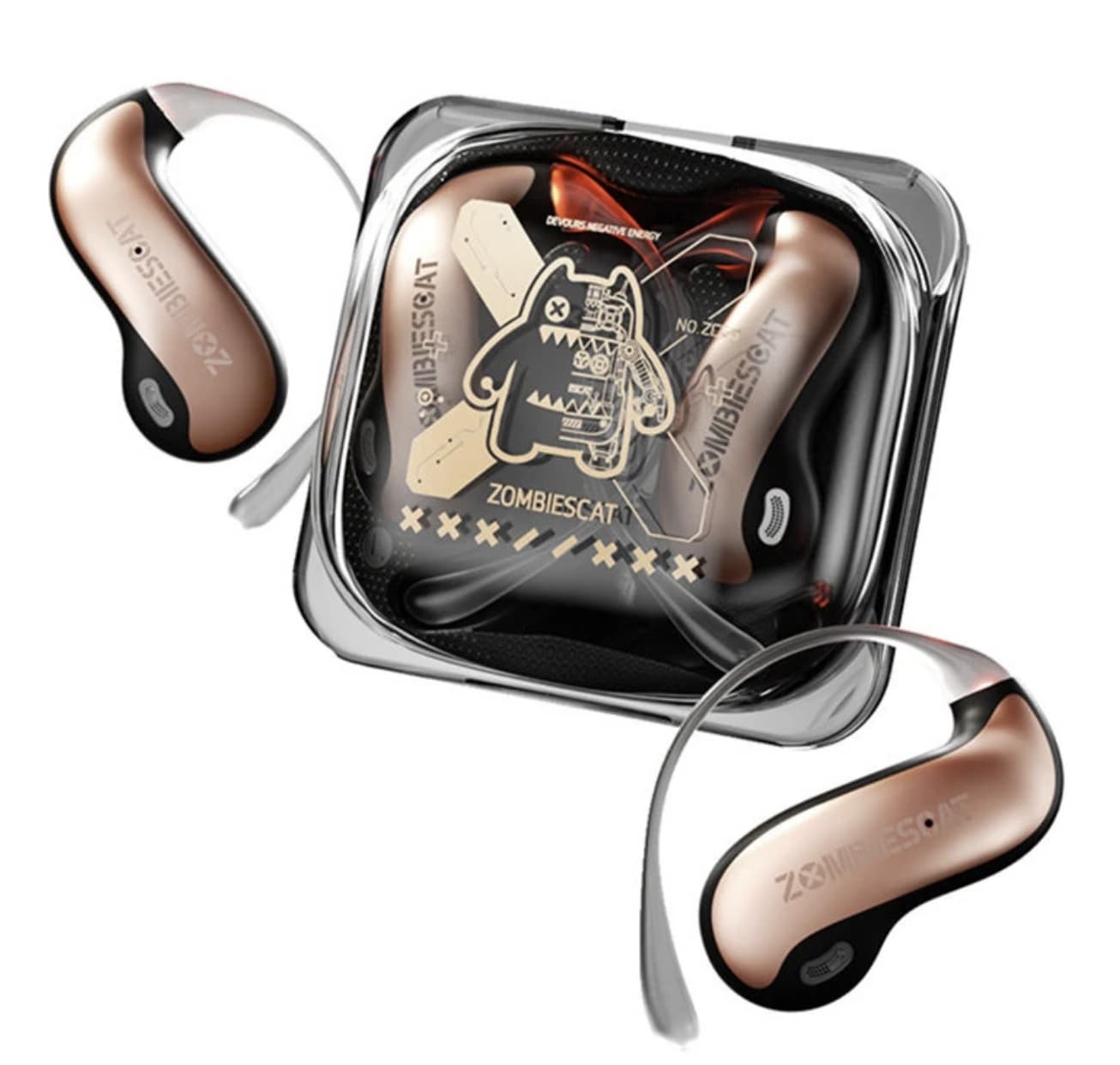
As wireless earbuds continue to get smaller, comfort and awareness of your surroundings can become just as important as compact size. The Zombies Cat B22 takes a different route with an open-ear earclip design that rests around the ear instead of blocking the ear canal. Combined with Bluetooth 6.0 and large 14mm drivers, the B22 is designed for users who want wireless audio while staying more connected to their surroundings during everyday activities and workouts.

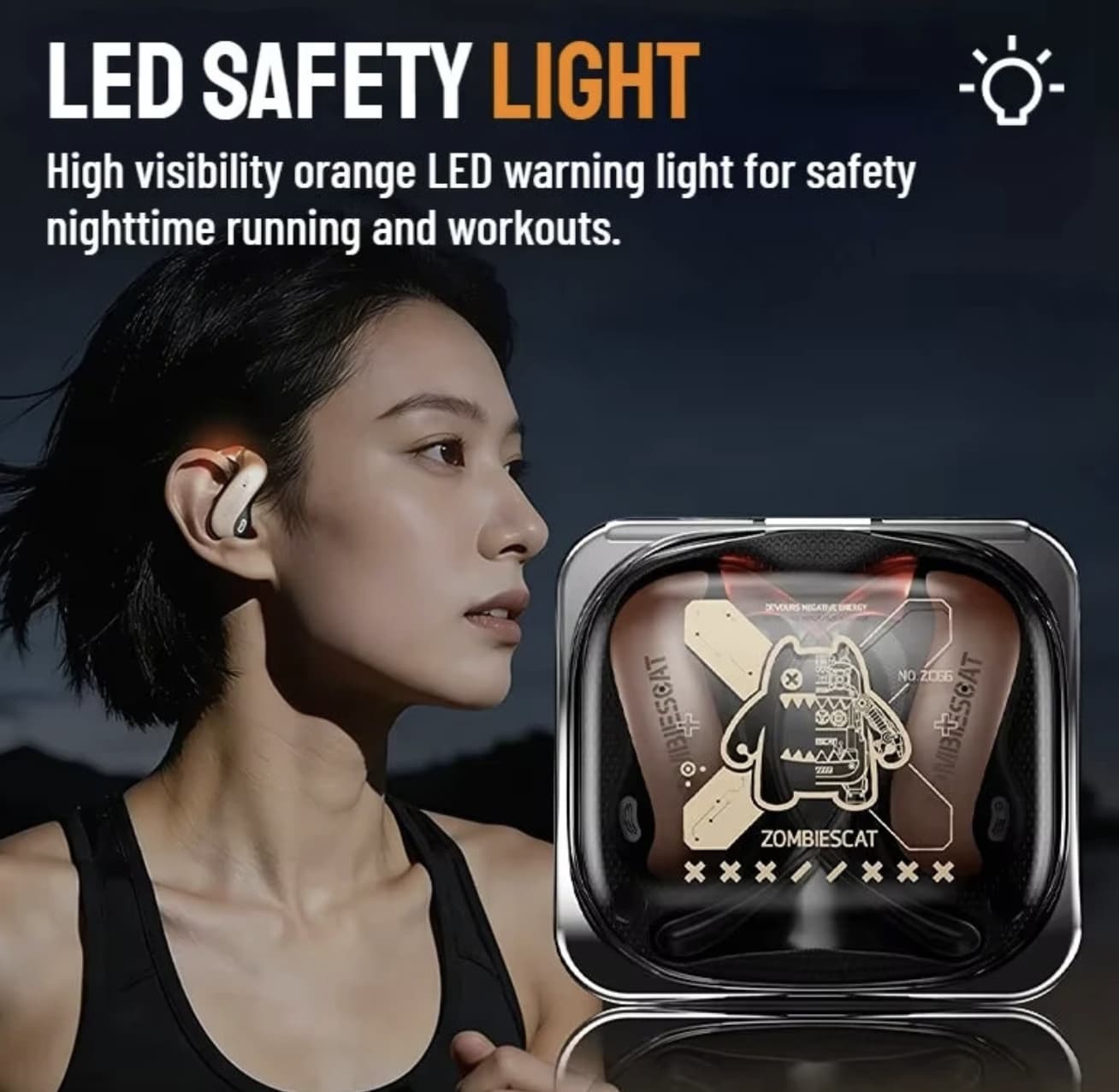
That design is paired with Bluetooth 6.0, 14mm dynamic drivers, claimed 720° panoramic sound, a built-in microphone, and a small warm-colored safety light. Instead of trying to compete purely on conventional earbuds specifications, the B22 is designed around the idea of keeping music available while maintaining a more open connection with the surrounding environment.

According to the Banggood listing, the B22 supports Bluetooth 6.0, uses 14mm speakers, offers up to 4.5 hours of playback from the earbuds themselves and up to 20 hours when combined with the charging case.

The B22’s biggest idea is its open-ear design

The most interesting part of the Zombies Cat B22 is not actually Bluetooth 6.0. It is the way the earphones are worn.

Rather than pushing an earbud into the ear canal, the B22 uses an earclip-style open-ear structure. This can be appealing to people who dislike the plugged-in sensation of traditional in-ear headphones or want to remain more aware of their surroundings while listening.

That makes the B22 sports headphones particularly relevant to walking, commuting, cycling and other situations where completely isolating yourself from environmental sound may not be desirable.

It also changes the way the headphones should be evaluated. The goal is not simply maximum isolation. Instead, the B22 is built around a balance between personal audio and environmental awareness.

14mm drivers give the B22 a larger audio foundation

Inside the compact earphones are 14mm dynamic drivers.

A larger driver does not automatically guarantee better sound, but it gives the B22 a substantial hardware foundation for producing bass, vocals and higher-frequency details. For an open-ear design, that can be particularly important because there is no sealed ear canal to create the same acoustic conditions as conventional in-ear headphones.

The product listing describes the 14mm drivers as being designed for a broad soundstage with stronger bass and clear treble.

The stated frequency response is 20Hz–20kHz, covering the commonly specified range for consumer headphones.

What does “720° surround sound” mean here?

The B22 also promotes 720° panoramic sound, which is one of its more unusual specifications.

This should be understood as a spatial-audio presentation rather than literally having sound physically travel in every direction around the listener. The idea is to create a wider and more immersive sense of positioning than conventional stereo playback.

That could make movies, games and music feel more spacious, although the real-world effect will depend on the recording, device and listening environment.

For buyers, the more meaningful takeaway is that Zombies Cat is positioning the B22 as an immersive open-ear headphone, rather than a basic wireless sports earbud.

Bluetooth 6.0 focuses on connection and responsiveness

The B22 uses Bluetooth 6.0 and supports HSP, HFP, A2DP and AVRCP profiles. The listed transmission distance is up to 10 meters.

For everyday users, the important part is less about the Bluetooth version number itself and more about how the headphones fit into daily use.

Bluetooth 6.0 is intended to provide a modern wireless connection, while the supported profiles cover common functions such as music playback, hands-free communication and remote media control.

The listing also highlights low latency for gaming and video. That makes the B22 potentially more versatile than headphones designed exclusively for music listening, although actual latency can vary depending on the connected phone, computer or game system.

The built-in warm light is more than decoration

One of the B22’s most distinctive physical features is its integrated warm safety light.

The light is positioned as a visibility feature for activities such as night running and cycling. Rather than functioning purely as an RGB-style visual effect, the concept is to make the wearer easier to notice in darker surroundings.

This is a clever addition because open-ear headphones are already aimed at active users. A small visibility feature gives the design another practical purpose.

However, the light should be considered an additional visibility aid rather than a replacement for proper cycling or running safety equipment.

Battery life is designed around shorter daily sessions

The B22 uses a 40mAh battery in each earphone and a 300mAh charging case.

Banggood lists approximately 4.5 hours of playback from the earbuds alone and up to 20 hours with the charging case. Charging the case and earbuds is listed at around one hour.

That makes the B22 better suited to several shorter listening sessions than extremely long continuous use.

For example, a commute, workout, walk or evening gaming session can fit comfortably within the stated earbud runtime. Once the earbuds are returned to the case, the additional battery capacity extends the overall listening time.

As always, actual runtime can vary with volume, connection conditions and other usage factors.

The earclip format makes the B22 a sports-oriented headphone

The B22 weighs approximately 43 grams as listed for the product, with dimensions of 60 × 28 × 52mm.

Its physical design is clearly aimed at people who want something different from conventional TWS earbuds.

The earclip structure avoids the need for a traditional silicone ear tip, while the open-ear configuration can make the headphones more suitable for users who prefer a less enclosed listening experience.

That said, fit is highly personal. An earclip that feels secure for one person may not feel identical for another, so the B22’s design should be viewed as an alternative to conventional earbuds rather than a universal replacement.

A microphone makes it useful beyond music

The B22 includes a built-in microphone and supports the standard Bluetooth calling profiles listed by Banggood.

This means the headphones can also be used for calls and voice communication rather than functioning only as a music player.

For people who frequently switch between podcasts, music, phone calls and video content, that makes the B22 a more practical everyday accessory.

Who should consider the Zombies Cat B22?

The B22 makes the most sense for users who specifically want an open-ear Bluetooth headphone rather than a conventional sealed earbud.

It could be particularly interesting for:

  • Runners and walkers who prefer an open listening style
  • Cyclists looking for headphones with an additional visibility feature
  • Commuters who dislike the pressure of in-ear tips
  • Users who want larger drivers in an open-ear design
  • People interested in Bluetooth 6.0 headphones
  • Gamers and video viewers looking for a more spacious audio presentation

It may be less suitable for someone whose first priority is strong passive isolation or deep noise blocking, because the open-ear concept is fundamentally designed around a different listening experience.

Zombies Cat B22 specifications

Feature Zombies Cat B22
Wearing style Open-ear earclip
Bluetooth Bluetooth 6.0
Driver 14mm dynamic driver
Frequency response 20Hz–20kHz
Claimed audio feature 720° panoramic sound
Bluetooth profiles HSP / HFP / A2DP / AVRCP
Transmission distance Up to 10m
Earbud battery 40mAh
Charging case 300mAh
Earbud playback Up to 4.5 hours
Total playback with case Up to 20 hours
Charging time About 1 hour
Microphone Yes
Product weight About 43g
Product dimensions 60 × 28 × 52mm
Colors Black, Red, Beige

The specifications above are based on the product information currently published by Banggood.

Final thoughts

Zombies Cat B22 earphone is interesting because it does not try to be another ordinary pair of TWS earbuds.

Its combination of an open-ear earclip structure, 14mm dynamic drivers, Bluetooth 6.0 and built-in warm safety lighting gives it a clearly defined identity. The claimed 720° panoramic sound is another attempt to make the listening experience more immersive without returning to a conventional closed-in design.

The real appeal of the Zombies Cat B22 is not simply its specifications, but the way its open-ear design fits into everyday listening. By leaving the ear canal open, the B22 can be a useful alternative for running, commuting, walking or casual listening when staying aware of nearby sounds is important. For users who prefer a less isolated listening experience than traditional in-ear earbuds provide, the B22 offers a distinctive combination of comfort, situational awareness and wireless convenience.

The post Open-Ear Earphones With Bluetooth 6.0: 14mm Drivers, Battery Life and Everyday Use appeared first on IGeeKphone China Phone, Tablet PC, VR, RC Drone News, Reviews.

  •  

iPhone Duo strongly leads Apple’s new-product YouTube views; AirPods and Watches trail far behind

iPhone Duo strongly leads Apple’s new-product YouTube views; AirPods and Watches trail far behind
iPhone Duo strongly leads Apple’s new-product YouTube views; AirPods and Apple Watches trail far behind.

A day after Apple’s September 9 event, official videos on the company’s YouTube channel show a clear hierarchy of interest: the first foldable iPhone is pulling far ahead of everything else Apple announced.

The five products in the spotlight were the iPhone Duo, iPhone 18 Pro, Apple Watch Series 12, Apple Watch Ultra 4, and AirPods 5. View counts on Apple’s own “Introducing” and “Everything announced” videos, posted about a day ago, put them in this order from most watched to least:

1. iPhone Duo
The flagship “Introducing the new iPhone Duo” film has about 8.8 million views. A longer “Everything announced” explainer sits at about 1.7 million. No other new product is close. The foldable is the first major change to the iPhone’s shape in nearly two decades, and the numbers show that curiosity is concentrated there.

2. iPhone 18 Pro
“Introducing the new iPhone 18 Pro” has about 5.9 million views. The companion deep-dive video is at about 1.4 million. That is a strong showing for a conventional Pro refresh, but it is still millions behind the Duo. Camera, battery, and A20 Pro messaging are landing — just not as hard as a folding screen.

3. Apple Watch Series 12
The standalone Series 12 introduction video is at about 473,000 views. Interest is real, especially around heart-rate sensing, but it is an order of magnitude below the two iPhones.

4. Apple Watch Ultra 4
Apple bundled Ultra 4 with Series 12 in a combined “ultimate wearable” video that has about 441,000 views. There is no separate Ultra film matching the Duo or 18 Pro numbers. The rugged watch is part of the conversation, not the center of it.

5. AirPods 5
The main AirPods 5 video sits around 354,000 views. Open-ear design plus active noise cancellation is a notable change, but it is the least-watched of the five launches on Apple’s channel so far.

The full event stream, which covers every product at once, has tens of millions of views and is not a clean product-to-product comparison. The individual films are. They show a two-tier launch: iPhones, especially the Duo, are driving almost all of the official video traffic; watches and AirPods are clustering together far behind.

MacDailyNews Take: View counts move quickly in the first 48 hours, and Apple will keep posting follow-ups. As of now, the public signal on YouTube is unambiguous. People came for the foldable and to a lesser extent, the iPhone 18 Pro models. The rest of the new releases are watching from a distance.


‎
Please help support MacDailyNews — and enjoy subscriber-only articles, comments, chat, and more — by subscribing to our Substack: macdailynews.substack.com. Thank you!

Support MacDailyNews at no extra cost to you by using this link to shop at Amazon.

The post iPhone Duo strongly leads Apple’s new-product YouTube views; AirPods and Watches trail far behind appeared first on MacDailyNews.

  •  

iPhones 18 Pro têm 12GB de memória; novos Apple Watches agora têm 4GB

Aos poucos, informações sobre os novos produtos da Apple — que geralmente não são detalhadas pela empresa — vão sendo reveladas. Ontem, por exemplo, comentamos por aqui as capacidades oficiais das baterias dos iPhones 18 Pro/18 Pro Max.

Agora, essas informações abordam as quantidades de RAM 1Random access memory, ou memória de acesso aleatório. que os novos dispositivos possuem — não só dos iPhones, mas também dos Apple Watches Series 12 e Ultra 4.

No caso dos iPhones 18 Pro/18 Pro Max, temos a mesma quantidade de memória que os iPhones 17 Pro/17 Pro Max — conforme informações vistas pelo MacRumors na versão mais recente do Xcode 27.

  • iPhone 18 Pro: 12GB
  • iPhone 18 Pro Max: 12GB

Ainda segundo a reportagem, o Xcode ainda não oferece suporte ao iPhone Duo, mas como o dobrável utiliza o mesmo chip A20 Pro dos iPhones 18 Pro, é provável que ele também possua 12GB de memória.

Eles também confirmaram que os novos Watches têm uma quantidade maior memória do que os seus respectivos antecessores.

  • Apple Watch Series 12: 4GB
  • Apple Watch Ultra 4: 4GB

Os Apple Watches Series 11 e Ultra 3, cabe lembrar, possuem 2GB de RAM — portanto, os novos modelos contam com o dobro de memória.

Apesar da grave escassez de chips de memória — que levou a Apple a aumentar os preços de iPhones, iPads, Macs e outros produtos nos últimos meses —, as linhas Series 12 e Ultra 4 mantiveram os mesmos preços iniciais das linhas Series 11 e Ultra 3.

Notas de rodapé

  • 1
    Random access memory, ou memória de acesso aleatório.

  •  

Apple TV libera trailer do documentário “K2 – O Desafio Final”

O Apple TV lançou hoje o trailer oficial de “K2 — O Desafio Final” (“The Last First: Winter K2”), aclamado documentário do diretor Amir Bar-Lev que tem como foco o monte K2, o segundo mais alto do mundo.

O doc se concentra em uma expedição de 2021, quando Ali e Sajid Sadpara (pai e filho) e John Snorri Sigurjónsson partiram na missão de serem os primeiros a alcançar o cume do K2 no inverno, quando as condições da montanha são mais cruéis.

Segundo a Apple, o documentário revelará uma história “surpreendente e multifacetada” nas alturas geladas e no clima imprevisível do K2 — tudo em um ambiente que requer estratégia e determinação, em circunstâncias de vida ou morte.

Confira o trailer:

O documentário é produzido por Bar-Lev, Sean Richard, Sarah Thomson, John Battsek, Ben Silverman e Howard T. Owens. Já os produtores executivos são Drew Buckley, James Packer, Will Kane, Taylor Levin, Kerstin Emhoff e Ali Brown.

Com edição de Joe Carey, direção de fotografia de Will Pugh e trilha sonora composta por Tom Hodge, o longa será disponibilizado no catálogo do Apple TV em 2 de outubro.

O Apple TV está disponível no aplicativo Apple TV em mais de 100 países e regiões, seja em iPhones, iPads, Apple TVs, Macs, dispositivos Android, smart TVs ou online — além de também estar em aparelhos como Roku, Amazon Fire TV, Chromecast com Google TV, consoles PlayStation e Xbox. O serviço custa R$34,90 por mês, com um período de teste gratuito de 7 dias. Por tempo limitado, quem comprar e ativar um novo iPhone, iPad, Apple TV ou Mac ganha 3 meses do Apple TV. Ele também faz parte do pacote de assinaturas da empresa, o Apple One.

NOTA DE TRANSPARÊNCIA: O MacMagazine recebe uma pequena comissão sobre vendas concluídas por meio de links deste post, mas você, como consumidor, não paga nada mais pelos produtos/serviços usando os nossos links de afiliado.

  •  

Audio Intelligence

Apple:

Audio Intelligence is a brand-new class of Apple Intelligence features that use the microphones of Apple Watch, the power of Apple silicon, and on-device and cloud-based AI models to help you detect sounds, identify music, and stay present and engaged — all while protecting your privacy at every step.

Hartley Charlton:

  • Siri Recap: Uses ambient listening to generate high-level notes from conversations, such as takeaways from a team meeting or a parent-teacher conference, producing an Apple Intelligence-generated title, summary, and key points reviewable in the Siri app.
  • Live Rewind: Lets users “go back in time for 15 seconds,” transcribing and displaying what was just said in a conversation with a double press of the Digital Crown.
  • Shazam: Automatically identifies music playing nearby and surfaces the song title and artist on the Music Recognition widget in the Smart Stack.
  • Sound Recognition: Brings sound alerts to Apple Watch for users who are deaf or hard of hearing, listening for sirens, alarms, doorbells, a baby crying, and more, even when their iPhone isn’t nearby.

Lily Hay Newman:

Apple is emphasizing that all of them are built to prioritize privacy and security using the extensive infrastructure the company has developed to protect its other Apple Intelligence and Siri services. As more and more of these types of features debut, though, the audio intelligence announcements are a reminder that AI-powered tools are becoming increasingly universal in all areas of computing and life.

“These features do not create or store audio recordings, and raw audio used for processing is completely inaccessible to the operating systems, apps, the user, or Apple,” the company wrote in a report shared with WIRED.

[…]

Apple emphasizes that its on-device capabilities for Apple watches have expanded thanks to the company’s new S11 chips. The chips include a special memory-protected space that Apple calls the Secure Exclave. Designed specifically for sensor data, the exclave is an isolated buffer that is inaccessible to the rest of the operating system where Apple Watch can hold and process audio data in a protected space.

[…]

To try to mitigate blatant privacy violations, Apple says that the watch produces an audible chime when a watch owner initiates a Live Rewind transcript to alert other people in the area—even if it is on silent mode or paired with headphones. And the features are built to omit or filter out potentially identifying information about speakers. But the sheer scope and breadth of the tools is extremely noteworthy.

Zac Hall:

If you want to really take a deep dive on privacy and the new features, Apple has published an 11-page privacy paper that goes even further.

Previously:

Update (2026-09-11): Dr. Drang:

Ron Huang introduced a couple of features of the Series 12 and Ultra 4 that struck me as both disturbing and possibly illegal. They certainly seem at odds with Apple’s commitment to privacy.

[…]

I’m sure Apple will argue that there’s no privacy issue because the recordings aren’t being saved. But if there’s a transcription, isn’t that a type of saving?

And then there’s the question of legality. A great variety of law, both in the United States and across the world, concerns the recording of electronic and in-person conversations. I’m sure Apple has considered this, but I have to think some jurisdictions will frown on Live Rewind. If Apple has to defend it, that’s fine. What’s one more squadron of lawyers to Apple? But if an Apple Watch owner has to defend a transcription made innocently—made with Apple’s encouragement, in fact—that seems like an unfair burden. Maybe Apple should indemnify all future Watch buyers from privacy-related legal action.

[…]

The hoops Apple jumped through to avoid certain words is pretty funny. […] You think your watch records the audio around you? No no no. The audio flows into the Secure Enclave, and flowing is definitely not recording because it’s a different word.

Juli Clover:

Live Rewind and other Audio Intelligence features do not generate audio recordings. Audio flows into the Secure Exclave, is processed, and then deleted.

According to Apple, Live Rewind text snippets “disappear permanently” from the Apple Watch approximately 30 seconds after the Apple Watch display dims, unless the info is saved to the Siri app.

Nick Heer:

But good luck explaining that to anyone around you after you read back an exact transcript of what they just said. Apple says they should be sufficiently notified Live Rewind is active because “an audible chime plays from the speaker on your Apple Watch, even if your Apple Watch is on silent or you have headphones connected”, plus the watch plays an animation, but it is not clear to me when this happens. It is not shown in Apple’s video. The impression I get is that Live Rewind is always running in the background and these notifications are only played after you double-click the Digital Crown to look at the text.

This feels like a glimpse of how Apple will market its inevitable wear-anywhere glasses product. I do not think it does enough to assuage privacy concerns. I think normal people will continue to react negatively when you tell them you have been passively recording them because, outside Silicon Valley, that is considered gross and invasive.

Saagar Jha:

I have to admit that the Siri Recap stuff all being “documented” using AI slop is really giving me confidence in the level of care that went into designing this feature

Matt Evans (Hacker News):

I’m frankly surprised Apple even went through with this feature at this time, considering the bans and backlash other AI-powered surveillance wearables are getting.

[…]

Apple is keen to evidence its trustworthiness, with on-device AI and Private Cloud Compute and an insistence that it doesn’t record or log audio and transcripts. However, if people think they’re being discreetly recorded without their permission, it’s possible Apple Watch wearers could experience their own slice of the abuse hurled at Meta Glasses wearers.

Dan Sugalski:

I… y’know, Betteridge’s law does, as always, apply.

Glenn Fleishman:

Given that Apple has to warn of this, it’s the surest sign the features shouldn’t be released in this form. Apple repeats the form of the warning I see regularly at my gym… but apparently it isn’t heeding it.

Jack Brewster:

Just called my HSA provider and upfront they say that calls may be recorded and transcribed by AI and then provide no means of opting out. So of course the person who finally answered says I have to give my social to verify my identity.

Update (2026-09-14): See also: Core Intuition and Steven Aquino.

  •  

Health Sensing and Readyness

Apple (MacRumors):

The new Health Sensing System on Apple Watch Series 12 and Apple Watch Ultra 4 features new optical and electrical heart sensors, enabling higher-frequency heart rate and heart rate variability (HRV) measurements, a new readiness score, a more comprehensive Vitals overview with the addition of HRV, and an updated Heart Rate app.

[…]

Apple Watch Series 12 and Apple Watch Ultra 4 introduce readiness — a new feature that analyzes a user’s recent activity, vitals, and sleep score, and then provides a single 0-10 score each day with a clear, actionable recommendation: Recover, Pace Yourself, Ready, or Go For It. This helps a user decide how to take on their workday or tackle their training plan.

[…]

A new Longevity tab analyzes a user’s longitudinal health data for deeper insights into heart health, sleep, mental wellbeing, movement health, metabolic health, hearing, and nutrition. The tab includes Health Age, a new feature that uses Apple Watch data to show users how their metrics are tracking relative to their chronological age, informed by the best available science.

Kuba Suder:

I wonder how much of this new health stuff will work with older / SE watches… probably not much?

Previously:

  •  

Apple Watch Series 12

Apple (video, MacRumors, Hacker News):

With the new Health Sensing System and S11 chip, Apple Watch Series 12 delivers higher-frequency heart rate and heart rate variability (HRV) measurements, which power an enhanced suite of health and fitness features including a new readiness score.

[…]

Apple Watch Series 12 is designed to be as individual as the person wearing it and is available in an array of beautiful finishes, including dark bronze, black, light gold, and space gray aluminum, and radiant gold and natural titanium. It is also available in a stunning ceramic material, in pearl white and night blue. Aluminum models now feature Ceramic Shield 2, which is tougher than any smartwatch glass and 60 percent tougher than the Ion-X of previous aluminum models.

[…]

Apple Watch Series 12 continues to offer up to 24 hours of everyday battery life and now offers up to 10 hours of battery life during an outdoor workout — 25 percent more than the previous model.

[…]

Apple Watch Series 12 starts at $399.

It sounds like the S11 is the biggest update to the SOC in a while, but I haven’t seen much coverage of it yet.

Previously:

Update (2026-09-11): Joe Rossignol:

While the Apple Watch Series 12 with a 42mm case maintains a starting price of $399, the 46mm model has received a $20 price increase and now starts at $449.

  •  

Apple’s Surprise and Shine Event: All the Small Things

Source: Apple.

Source: Apple.

An Apple event can only cover so much. Some of the most useful details turn up in the product pages, technical specifications, footnotes, and summary slides after the presentation ends. We’ve collected our favorite smaller changes from yesterday’s Surprise and Shine event below:

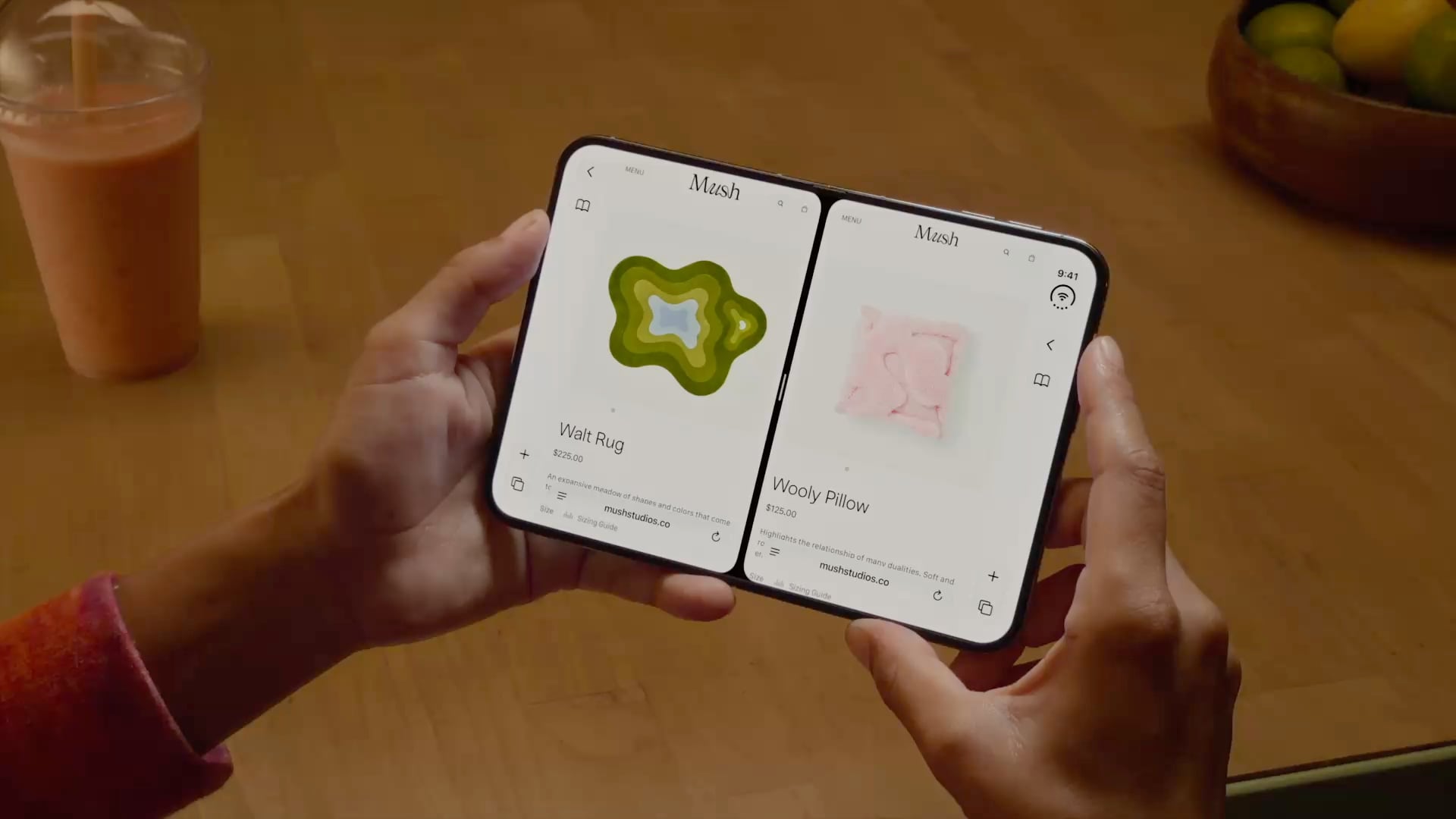
iPhone Duo

  • In the hands-on area after Apple’s event, Ben Bajarin reported that the Duo’s hinge crease is barely noticeable, except at specific angles.
  • David Imel was impressed by the matte finish on the Duo.
  • iJustine has an excellent video showing off multitasking using both the outer and inner screen of the Duo.
  • Apple has released a six-video playlist on YouTube and in the Apple Developer app called “Get ready for iPhone Duo” to help get designers up to speed with the phone’s new format. The Human Interface Guidelines have been updated too.
  • The vertical strip along the side of the Duo uses App Control icons for what would be tab bars and nav bars on other devices.
  • For developers, Apple has released five tech talk videos in the Apple Developer app, including “Raise the bar with iPhone Duo.” Additional materials, workshops, and the Xcode 27.1 beta are coming later this month.
  • Continuous Angle API lets developers receive ongoing updates about the Duo’s hinge angle to power interactive effects.
  • Developers who don’t update for the iPhone Duo may have their apps letterboxed.

iPhone 18 Pro and Pro Max

Apple Watch Series 12 and Ultra 4

  • Apple published a study that compares its new Apple Watch Series 12 to other wearables, and the results are impressive.
  • Your Readiness score changes during the day, adjusting based on workouts and changes in your daytime vitals.
  • Audio Intelligence requires more than just a new Apple Watch. Features like Live Rewind and Siri Recap won’t work with the iPhone 16e or iPhone 15 Pro models even though those iPhones support Apple Intelligence.
  • Unsaved Siri Recaps are automatically deleted after seven days, and unless saved, Live Rewind transcripts disappear around 30 seconds after your Watch’s screen dims. Siri Recaps can be edited and exported to other apps like Notes.

You can follow all of our September 2026 Apple event coverage through our September 2026 Apple Event hub or subscribe to the dedicated September 2026 Apple event RSS feed.

  •  

Apple Watch has the most accurate heart-rate sensor of any wearable

Apple Watch Series 12 now measures heart rate every five seconds, all day long. Users can view their real-time heart rate at a glance throughout their day using the updated Heart Rate app or on a new watch face complication.
With the new Health Sensing System, Apple Watch Series 12 features the most accurate heart rate sensing in a wearable.

Apple on Wednesday announced its most advanced health and fitness experience yet, expanding what Apple Watch and iPhone can do as intelligent, science-driven tools for users’ personal wellbeing. Apple Watch Series 12 and Apple Watch Ultra 4 introduce the new Health Sensing System, enabling the most accurate heart rate sensing in a wearable, as well as a new readiness experience to give users insight into their body’s capacity to take on their day. They pair with a redesigned Health app coming later this year to iPhone, which offers a holistic view of long-term health alongside new, easy-to-understand health and longevity insights powered by Apple Intelligence. Together, these updates will give users a more complete picture of their health and fitness while keeping their personal health data private, secure, and under their control.

Apple Watch and iPhone deliver powerful and intelligent health and fitness insights.

“At Apple, we believe technology can empower everyone with actionable, science-based insights built with privacy at the core. By combining breakthrough sensing on Apple Watch with Apple Intelligence in the Health app, we’re able to translate complex biometric data into clear guidance for users,” said Sumbul Desai, M.D., Apple’s vice president of Health and Fitness, in a statement. “This both helps people navigate their day-to-day routines with confidence and connects those moments with deeper context around their longevity, building a strong foundation for a healthier future.”

The New Health Sensing System on Apple Watch

The new Health Sensing System on Apple Watch Series 12 and Apple Watch Ultra 4 features new optical and electrical heart sensors, enabling higher-frequency heart rate and heart rate variability (HRV) measurements, a new readiness score, a more comprehensive Vitals overview with the addition of HRV, and an updated Heart Rate app.

Accuracy of health data is critical to providing meaningful insights. A scientifically rigorous study on a population of over 1,000 participants with representation across demographic groups compared the new heart rate sensing accuracy on Apple Watch against leading wearables, and resulted in Apple Watch showing the highest heart rate accuracy across devices.

With larger, power-efficient green LEDs on the optical heart sensor, Apple Watch Series 12 and Apple Watch Ultra 4 now measure heart rate every five seconds, all day long. This continuous, passive measurement delivers deeper insight into a user’s fitness and physiological state while making Exercise and Move Activity rings even more accurate. Users can view their real-time heart rate at a glance throughout their day — whether they’re recovering from a workout or dashing for the train — using the updated Heart Rate app and new watch face complications.

HRV, a key indicator of stress and recovery, is now measured as often as every five minutes — 24x more frequently — and available to view in a new section of the Heart Rate app. Apple Watch provides two separate variants of HRV for better understanding of a user’s health status. Recovery HRV is best to identify daily signals of stress and recovery, while overall HRV is best for insights on a user’s broader health, including cardiovascular health. Higher variability is generally associated with better overall recovery.

Overnight vitals now includes Recovery HRV analyzed against a user’s personal baseline, providing a more complete view of their health status. A new daytime vitals view lets users toggle between overnight and daytime metrics, and can potentially spot shifts in their metrics before they show up overnight.

Overnight vitals now includes recovery HRV measurements analyzed against a user’s personal baseline, providing a more complete view of their health status. The Vitals app includes a new daytime view and integrates high-frequency HRV for a more complete look at a user’s health status, night or day.

Readiness: A Daily Read on the Body’s Capacity

Apple Watch Series 12 and Apple Watch Ultra 4 introduce readiness — a new feature that analyzes a user’s recent activity, vitals, and sleep score, and then provides a single 0-10 score each day with a clear, actionable recommendation: Recover, Pace Yourself, Ready, or Go For It. This helps a user decide how to take on their workday or tackle their training plan.

Apple Watch Series 12 introduces readiness, a new feature that can help a user decide how to take on their day. Readiness analyzes a user’s recent activity, training load, vitals, and sleep score, and then provides a single 0-10 score each day with a clear, actionable recommendation: Recover, Pace Yourself, Ready, or Go For It.
The new readiness feature analyzes activity, vitals, and sleep score to deliver a daily 0-10 score along with actionable recommendations to optimize a user’s day.

Readiness updates throughout the day as new data comes in, reflecting, for example, an intense workout or a shift in daytime vitals. Readiness clearly highlights which factors are driving the score and allows users to tap into more details. The scoring algorithm was developed using data from the Apple Heart and Movement Study, in collaboration with exercise scientists and physicians at Apple.

Readiness clearly highlights which factors are driving the score and allows users to tap into more details.

A Redesigned Health App with Apple Intelligence at Its Core

The Health app on iPhone is a central and secure location for a user’s health and fitness information, and can uniquely provide a better understanding of their overall health. Apple Intelligence brings powerful AI capabilities into the apps and experiences users rely on every day, making them more personal and helpful than ever, and with iOS 27 and iPadOS 27, Apple Intelligence extends to the Health app. Redesigned to dynamically adapt to a user’s personal health and fitness metrics, the Health app now offers iPhone and iPad users a view of their long-term health alongside easy-to-understand insights, providing personalized guidance that can help them live a better day and healthier life. The redesigned Health app has been built to securely and privately protect a user’s data at every step.

Insights Tab

The new Insights tab surfaces timely health information with a summary that updates throughout the day across heart, sleep, readiness, fitness, vitals, and cycle tracking data. A new For You section delivers personalized recommendations and relevant articles based on a user’s data — like a suggestion to improve a wind-down routine after a stretch of late nights.

The Health app has been redesigned to dynamically adapt to a user’s personal health and fitness metrics, offering a holistic view of their long-term health alongside easy-to-understand daily insights.

Longevity Tab

A new Longevity tab analyzes a user’s longitudinal health data for deeper insights into heart health, sleep, mental wellbeing, movement health, metabolic health, hearing, and nutrition. The tab includes Health Age, a new feature that uses Apple Watch data to show users how their metrics are tracking relative to their chronological age, informed by the best available science. The algorithm can factor in metrics from Apple Watch like VO2 max, resting heart rate, sleep, and HRV, and users can also add lab data, including A1c and LDL, to enrich the analysis.

Within the Longevity tab, users can see what’s shaping their long-term health based on data from iPhone, Apple Watch, AirPods, and clinical health records, as well as third-party apps and devices. An informative visualization fills in each category, helping users understand their status in different areas of health. Users can further build out their health picture through new evaluations, at-home movement assessments, and the ability to add lab tests.

Movement Evaluations

Mobility is a critical marker of overall function and a strong predictor of independence, chronic disease risk, and quality of life. Yet routine assessment remains largely absent from proactive health management, typically requiring a visit to an exercise physiologist or physical therapist. Now, users can take in-depth physical assessments — measuring flexibility, strength, balance, movement mechanics, and VO2 max — right at home using their iPhone camera and Apple Watch. This experience runs entirely on device; no video is ever recorded, stored, or shared. Using vision-based AI models, these assessments provide real-time audio and visual feedback, and were developed using clinician input.

Labs

Lab results from routine testing can provide important insights into a user’s overall wellbeing. Health app users can already import existing labs and see their results and trends over time. Users will be able to schedule and purchase new labs that feature over 50 key biomarkers for $119 directly through the Health app at approximately 2,000 Quest Diagnostics locations in the U.S.

Tailored Health Content

Users will be able to see videos and articles across each area of health that overlays their data with insights from Apple Health clinical experts explaining why it’s important. For example, after a user receives their annual lab results, the Health app will present a video from an expert explaining their LDL levels, what the data means, and how they can take steps to improve, if needed. Or if a user learns from their movement assessment that they need to work on their balance, the Health app will present a video from an expert explaining what they can do. They will also receive an exercise plan to help them improve their balance, with moves selected for their ability and needs.

The redesigned Health app will be available later this year, starting in U.S. English, with more languages to follow.

Perimenopause and Menopause Support Arrive on Cycle Tracking

A person’s menstrual cycle is an essential indicator of overall health, and the Cycle Tracking experience is designed to support individuals across life stages, from logging their first period to receiving a retrospective ovulation estimate, and now, to supporting perimenopause and menopause. Cycle Tracking adapts as users’ health priorities change, whether that’s rooted in curiosity, daily planning, family building, or long-term wellbeing.

With iOS 27, the Health app adds support for perimenopause and menopause, as well as notifications about cycle deviations inclusive of perimenopause, to Cycle Tracking. Users will be able to log if they are in perimenopause or menopause for further customization of their Cycle Tracking experience, track their symptoms, and monitor cycles over time. Additionally, if a user logs bleeding after menopause, they will receive a notification to speak with their doctor. New educational articles are available in the Health app to help users better understand this new chapter, in addition to tips informed by clinical experts.

Additionally, many people don’t recognize they’re in perimenopause because the symptoms can start years before their last period. Now, users age 40 and over can receive a notification if a deviation in their logged cycle patterns is suggestive of perimenopause, so they can speak to their doctor about it at their next appointment.

More Ways to Stay Healthy

With iOS 27, iPadOS 27, macOS 27, and watchOS 27, Apple introduces additional ways to stay healthy:

• Workout Buddy works on Apple Watch even when users don’t have their iPhone nearby. The feature also now incorporates even more fitness data when delivering motivational insights, and is available in both English and Spanish.5

• Expanded GymKit functionality enables users with AirPods Pro 3 to sync their heart rate data through iPhone with compatible gym equipment, including treadmills and indoor bikes.

• More accurate treadmill readings, powered by new machine learning models, improve distance calculations from the very first step of a walk or run.

Availability

• watchOS 27 will be available for Apple Watch Series 9 or later, Apple Watch SE 3, and Apple Watch Ultra 2 or later beginning Monday, September 14, and requires iPhone 11 or later or iPhone SE 3 with iOS 27. Not all features are available on all devices or in all regions. For more information about availability, visit apple.com.

• The redesigned Health app will be available on Apple Intelligence-enabled iPhone and iPad models with the latest software, with select features available only on iPhone. Some features may not be available in all regions or languages. Health Age requires Apple Watch. The test to estimate VO2 max requires Apple Watch, AirPods Pro 3, or a third-party heart rate sensing device. Some features require users to be 18 or older. For information on Apple Intelligence availability, visit support.apple.com/en-us/121115.

• Features are subject to change. Some features may not be available in all languages or regions, and availability may vary due to local laws and regulations. For more information about availability, visit apple.com.

MacDailyNews Take: Very nice health and fitness additions to a strong Apple Watch lineup this year!


‎
Please help support MacDailyNews — and enjoy subscriber-only articles, comments, chat, and more — by subscribing to our Substack: macdailynews.substack.com. Thank you!

Support MacDailyNews at no extra cost to you by using this link to shop at Amazon.

The post Apple Watch has the most accurate heart-rate sensor of any wearable appeared first on MacDailyNews.

  •  

LDRC 1297 PRO Brings a Brushless 4WD Setup to a 1/14 Mitsubishi Pajero RC Car

LDRC 1297 PRO takes a different approach to the typical toy-style RC car. Instead of focusing only on speed or aggressive styling, it combines a detailed 1/14-scale Mitsubishi Pajero V24WG replica with a more serious mechanical setup aimed at drivers who want both scale realism and usable off-road performance.

The model is officially licensed as a reproduction of the 1992 Mitsubishi Pajero V24WG, giving it a stronger appeal to collectors and enthusiasts who care about the vehicle being represented. At the same time, its 4WD drivetrain, brushless motor, dual-speed gearbox and upgraded suspension components make it more than a display model.

A Classic Pajero Body With a More Capable Chassis

The most obvious feature of the LDRC 1297 PRO is its classic Pajero-inspired body. At 1/14 scale, the RC car measures approximately 33 × 15 × 15 cm, with a 19.5cm wheelbase and 12.5cm track width.

That size gives the model a useful middle ground. It is large enough to show off the proportions and exterior details of the original Pajero, while remaining compact enough for backyard trails, parks and other outdoor driving areas.

The body uses ABS construction, while the chassis combines ABS, nylon and electronic components. This combination keeps the model practical for regular driving without turning it into an excessively heavy crawler.

The official licensing is also important for collectors. The 1297 PRO is designed to reproduce the appearance of the 1992 Mitsubishi Pajero V24WG rather than simply borrowing the general shape of an off-road SUV.

Brushless Power Meets Four-Wheel Drive

Underneath the scale body, the LDRC 1297 PRO has a 2319 3000KV brushless motor and a 4WD drivetrain.

A brushless motor is a significant step above the basic brushed systems commonly found in entry-level RC vehicles. The main advantage here is not simply a higher top speed. The combination of brushless power and four-wheel drive can give the car a more responsive feel when accelerating over loose or uneven surfaces.

The model is rated for a top speed of around 15 km/h, so the 1297 PRO is not positioned as an all-out racing machine. Instead, its setup makes more sense for controlled trail driving and climbing, where traction, throttle response and drivetrain consistency are often more useful than maximum speed.

This positioning is one of the more interesting aspects of the vehicle: LDRC appears to be targeting drivers who want a scale off-road experience rather than a pure speed run.

Two-Speed Transmission Adds More Control

The dual-speed gearbox is another feature that separates the 1297 PRO from simpler RC cars.

Having two speed ranges allows the drivetrain to be better suited to different driving conditions. A lower-speed setting can be useful when negotiating obstacles or climbing, where smooth throttle control matters more than outright speed. The higher range is better suited to open sections where the car can stretch its legs.

This approach also complements the four-wheel-drive system. Instead of treating the Pajero as a fast RC car with an off-road body, the 1297 PRO is built around the idea of adapting its power delivery to the terrain.

Metal Drivetrain Components and Oil-Filled Shocks

The PRO designation is particularly relevant to the chassis hardware.

LDRC lists metal drive shafts, CNC-machined components, front CVD axles and ball bearings, along with genuine oil-filled shock absorbers. These upgrades are aimed at improving mechanical durability and keeping the suspension more controlled when the vehicle is driven across uneven ground.

Oil-filled shocks are especially useful on an off-road RC platform because the suspension has to deal with repeated changes in terrain. Instead of simply absorbing impacts, properly tuned dampers can help keep the wheels in contact with the ground and reduce excessive bouncing.

The upgraded drivetrain hardware should also be useful for drivers who intend to run the car regularly rather than treating it purely as a collectible.

Proportional Control Makes the Car Easier to Drive Smoothly

The LDRC 1297 PRO uses a 2.4GHz three-channel radio system with a claimed control distance of about 20 meters. It also uses proportional steering and throttle control.

That matters more than it may initially appear. Proportional control allows the driver to make smaller steering and throttle adjustments instead of relying on simple full-left, full-right or full-throttle commands.

For a scale off-road vehicle, this is particularly valuable. Slow climbs, narrow trails and uneven surfaces generally reward precise inputs rather than sudden movements.

The PRO version also uses a dedicated one-to-one pairing system between the transmitter and receiver, according to the product specifications.

Battery Life Is Designed Around Trail Sessions

Power comes from an included 7.4V 1200mAh battery, while the transmitter requires two AA batteries separately.

Banggood lists approximately 20 to 30 minutes of driving time, with a charging time of around three hours.

That runtime is reasonable for a compact brushless RC car, although actual results will depend on driving style, terrain and how frequently the motor is operating under load.

For buyers planning longer outdoor sessions, carrying a second compatible battery would make more sense than expecting one charge to cover an entire afternoon.

LED Headlights Add More Than Just Styling

The controllable headlights help reinforce the Pajero’s scale appearance while also making the vehicle easier to see in lower-light conditions.

This is a relatively small feature compared with the drivetrain, but it contributes to the overall character of the model. The LDRC 1297 PRO is clearly designed to work as both a functional RC vehicle and a scale-inspired model that looks convincing when parked.

That dual-purpose approach is arguably one of its strongest selling points.

Who Is the LDRC 1297 PRO For?

The LDRC 1297 PRO makes the most sense for adult RC enthusiasts, Pajero fans and collectors who want a model that can actually be driven.

It is not the obvious choice for someone whose only priority is maximum speed. Its 15 km/h top speed puts the emphasis on controlled off-road driving rather than racing.

Instead, the combination of a licensed classic SUV body, 4WD, brushless power, two-speed gearing, metal drivetrain components and oil-filled shocks gives it a more balanced personality.

For collectors, the 1992 Pajero styling provides the visual appeal. For hobbyists, the upgraded mechanical package provides a reason to take the model outside and use it.

LDRC 1297 PRO Specifications

Feature Details
Model LDRC 1297 PRO / LD1297Pro
Scale 1:14
Vehicle Mitsubishi Pajero V24WG (1992)
Drive 4WD
Motor 2319 3000KV brushless
ESC 20A two-in-one ESC
Transmission Dual-speed gearbox
Steering Servo 17g
Radio 2.4GHz, 3-channel
Claimed Range About 20m
Max Speed About 15 km/h
Battery 7.4V 1200mAh
Claimed Runtime About 20–30 minutes
Charging Time About 3 hours
Body Material ABS
Dimensions About 33 × 15 × 15cm
Wheelbase 19.5cm
Track Width 12.5cm

The specifications above are based on the current Banggood product listing.

Final Thoughts

LDRC 1297 PRO rc truck is interesting because it does not try to win attention with a huge speed number. Instead, it combines the appeal of a classic Mitsubishi Pajero model with hardware that is better suited to actual off-road driving.

The brushless 4WD system provides the power, the two-speed gearbox adds flexibility, while the metal drivetrain components, CVD axles and oil-filled shocks address the mechanical demands of uneven terrain. Meanwhile, proportional controls and the scale-focused body keep the driving experience closer to a hobby-grade model than a basic RC toy.

For anyone looking for a 1/14 Mitsubishi Pajero RC car that balances scale detail with practical off-road hardware, the LDRC 1297 PRO is a model worth considering.

The post LDRC 1297 PRO Brings a Brushless 4WD Setup to a 1/14 Mitsubishi Pajero RC Car appeared first on IGeeKphone China Phone, Tablet PC, VR, RC Drone News, Reviews.

  •  
❌