England’s sparkling wine producers are celebrating what could be one of their finest harvests on record, as an unusually hot, dry summer accelerated grape ripening across the country’s vineyards. Winemakers say they are preparing for the earliest grape harvest in memory, with the intense sunshine boosting sugar levels in the fruit and setting the stage for what many are already calling a “vintage year.”
The same weather pattern that benefited grape growers, however, has spelled trouble for another beloved British beverage. Barley, the key ingredient in beer production, has struggled under the prolonged drought conditions that gripped much of England this summer. Farmers report significantly reduced yields, prompting warnings from brewers and beer sellers about potential shortages in the months ahead.
The contrasting fortunes of these two industries highlight the complex and often unpredictable ways that shifting weather patterns and extreme heat are reshaping British agriculture. While warmer temperatures have allowed English vineyards to produce grapes with a ripeness and sweetness once associated only with more southern wine regions, the same conditions have proven punishing for cereal crops that need more moisture to thrive.
As climate patterns continue to shift, experts suggest that English agriculture may see more of these mixed outcomes, with certain crops benefiting from warmer growing seasons while others suffer from increased drought stress. For now, wine lovers may have reason to celebrate, even as beer drinkers brace for tighter supplies and potentially higher prices in the coming year.
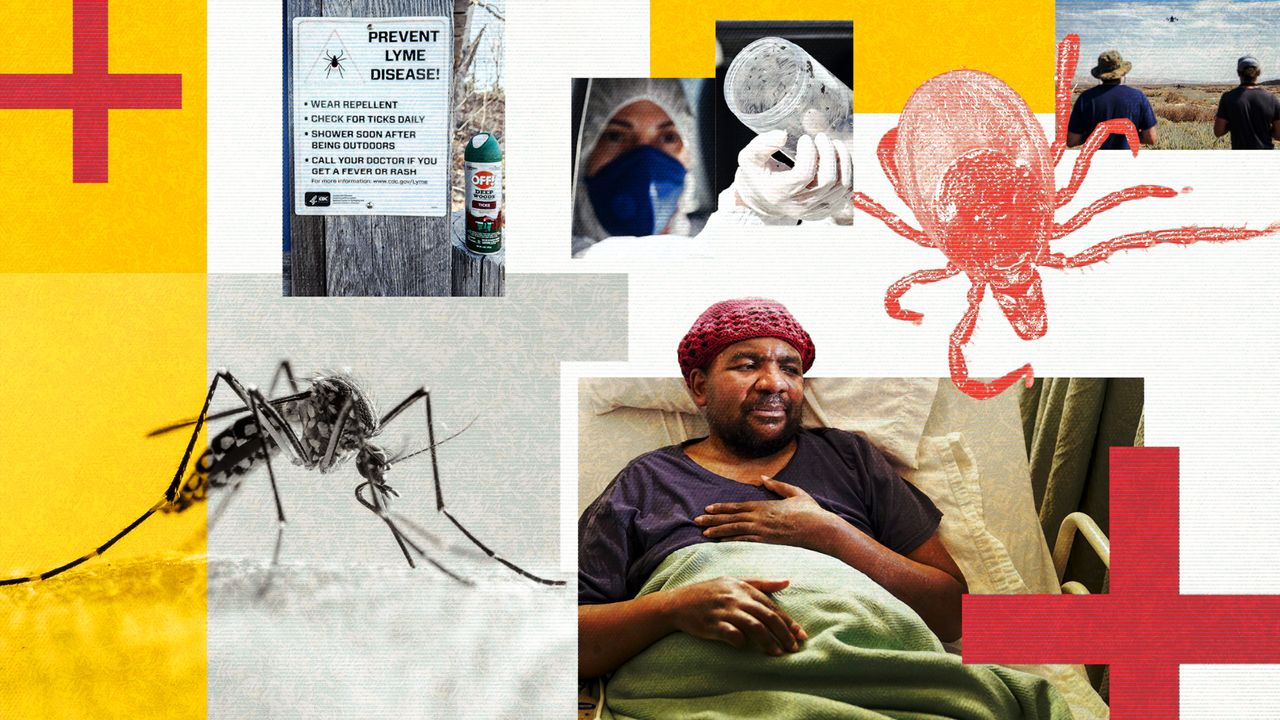
As the planet warms, our environment will be transformed, but so will our bodies. In this series, 'Burning up,' we investigate the health impacts of climate change, focusing on heat, air quality, food and infection risk. We also evaluate the promising solutions that could help us adapt to our warmer future.
To the untrained eye, Xiaoyu Shan's lab bench looked like a home gardening experiment gone bad: dishes filled with dirt — some that looked like mud pies and others that were bone-dry — and not a plant to be seen.
But those dishes held a warning. The dirt that Shan, a postdoctoral research associate in biology and biological engineering at Caltech, was studying contained soil microbes. And those soil microbes were exhibiting a concerning propensity: In dried-out soil, they were evolving to become more antibiotic resistant.
The study describing those findings, published in March, systematically showed that drought conditions could fuel the evolution of antibiotic-resistant bacteria. Most of this resistance is driven by humans' misuse of antibiotics, which spurs bacteria to evolve genes that help them ward off the drugs. But the Caltech study raised a new worry: As many places face increased drought conditions, climate change itself could act as a selective pressure that could supercharge the evolution of these drug-resistant superbugs.
"We can expect to have more resistant bacteria being selected for in certain places around the globe," said Dianne Newman, a Caltech microbiologist and co-author of the study.
Increased antibiotic resistance is just one way that climate change is likely to put new populations at risk of multiple types of infections.
And this increased disease burden will coincide with climate change scrambling supply chains, eroding nutrition and stressing our health in other ways.
"No individual metric really does justice to the overall risk and health and well-being of these multiple stressors being exacerbated all at once and compounding each other," said Marina Romanello, a principal research fellow at the Institute of Global Health at University College London.
Warm-weather disease
In the small mountain town of Bailey, Colorado, which lies at an elevation of 7,740 feet (2,360 meters), May often brings snowstorms that can blanket the ground in white even as the sun starts to bake the plains at lower elevations. But on Memorial Day 2026, the forest floor was dry and ticks quested their way along blades of grass, seeking a blood meal.
A mild winter in most of the country means ticks — and the diseases they carry — are a rising concern. In April, the Centers for Disease Control and Prevention (CDC) reported that emergency department visits for tick bites were at their highest for that month since 2017. That trend isn't a one-off, according to the CDC; as temperatures rise, insects and arthropods can survive longer in the year and farther north.
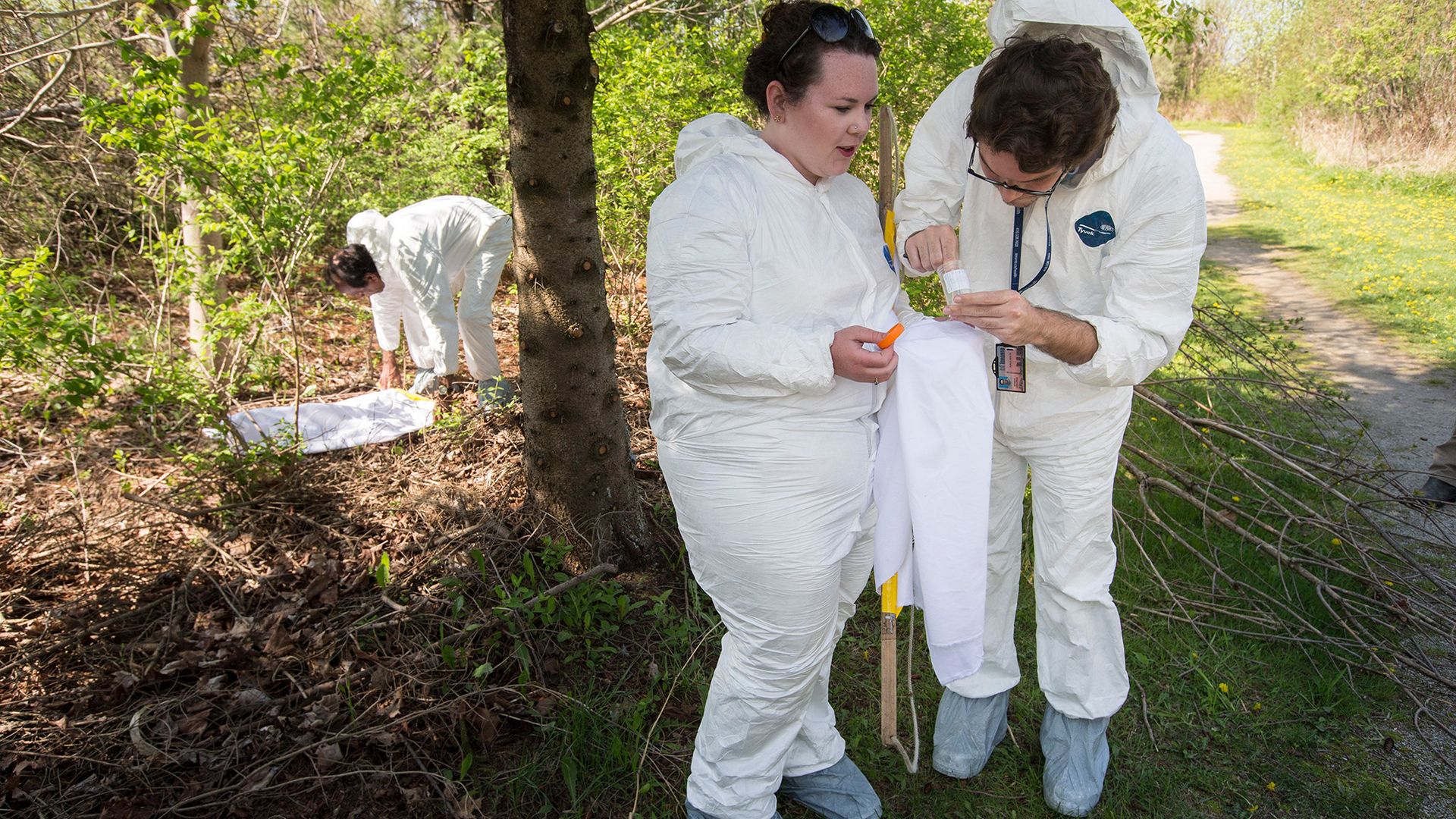
Public health workers in Ontario do a survey for black-legged ticks. Lyme disease, which is carried by the ticks, is spreading in new areas as the climate warms. (Image credit: Bernard Weil via Getty Images)
As a result, vector-borne illnesses such as Lyme disease (spread by black-legged ticks in the Ixodes genus) and West Nile virus (spread by mosquitoes) will become more common in increasingly northerly locations. Already, alpha-gal syndrome, which is not an infection but is transmitted by the Lone Star tick (Amblyomma americanum) and causes an incurable allergy to red meat, is also seeing a dramatic rise as the species expands its range across the Northeast. Positive tests for antibodies to the alpha-gal molecule have increased by 100 times between 2013 and 2024.
Right now, almost half a million people are treated for Lyme disease each year, and the CDC records more than 8,000 cases of other tick-borne diseases annually across the country. It's not clear how this will change as the climate warms. One 2022 study found major increases in Lyme disease only at levels of warming of 6.3 to 9.9 degrees Fahrenheit (3.5 to 5.5 degrees Celsius) by 2100, but that much warming that fast is now considered an implausible scenario. However, the researchers saw a huge amount of uncertainty in the numbers, given the number of variables that affect whether a spreading tick population will transmit more disease, such as how often people go outside or what steps they take to avoid tick bites. Tick-borne illnesses are likely also underreported, so even the true number of illnesses transmitted each year right now is unknown.
But ticks are responsible for spreading 90% of all vector-borne diseases in the U.S., so any trends in the suite of illnesses spread by ticks are likely to affect thousands to tens of thousands of people.
An even more ubiquitous bloodsucker, the mosquito, currently spreads only a few diseases in the U.S. The most common and most serious is West Nile virus, which mosquitoes catch from feeding on infected birds. As of Sept. 8, 504 cases of West Nile virus had been reported in the U.S. in 2026, with 363 of them affecting the central nervous system. And because fewer than 1% of West Nile cases progress to the central nervous system, those numbers likely represent a dramatic underreporting of milder cases, which can cause months of fatigue in some people, in addition to acute flu-like symptoms, such as fever, headache and body aches.
Mosquito-borne illnesses like West Nile are expected to spread more quickly in warming temperatures. Heat helps mosquitoes stick around longer during the year, much like it does for ticks. It also speeds up the transmission and replication of the virus inside the mosquito, since the insects are cold-blooded and thus their metabolism is ruled by the weather.
"Except for places that are already really, really warm, we should expect that the replication rate of the virus inside the mosquito will speed up," said John Drake, director of the Center for the Ecology of Infectious Diseases at the University of Georgia. "That shortens the generation time, and that means we expect there to be more transmission."
Even though mosquitos love water, climate-related drought could ironically nearly triple the number of human West Nile cases in the U.S. over the next 30 years from around 2,000 reported cases (according to CDC data) to between 5,000 and 6,000. That's likely because in drier conditions, more mosquitoes are infected, possibly because birds, the intermediate host of the virus, either congregate more closely with mosquitoes around water sources or breed less readily in drought, meaning the fraction of birds that carry the virus is higher than in more water-abundant times.
Except for places that are already really, really warm, we should expect that the replication rate of the virus inside the mosquito will speed up. That shortens the generation time, and that means we expect there to be more transmission.
John Drake, director of the Center for the Ecology of Infectious Diseases at the University of Georgia
Mosquito-borne diseases long ago eradicated from the U.S. could also resurge with warming temperatures. The southeastern United States will become more prone to malaria and dengue fever transmission under all levels of warming; summer 2026 saw more than 40 locally-acquired cases of dengue fever in Florida. Public health surveillance and disease-control measures have largely stopped those transmission chains, but the likelihood is that society will have to pour more money into beating these diseases back again in future decades. For example, there are malaria vaccines approved for children, but currently, they are recommended only in areas where the illnesses are endemic. If malaria were commonly found in the southern U.S., millions of Americans might need vaccines, including susceptible adults.
"If we were to get endemic diseases like those in the U.S. again, it could become a huge burden and it could be quite costly," Drake said.
Disaster and disease
Flooding is another factor that's exacerbating vector-borne disease under climate change. As climate change worsens, extreme weather events will, too. Because warm air can hold more moisture, many areas will see increased episodes of heavy rainfall and hurricanes will become more intense.
"Flooding creates habitat for these mosquitoes," Drake said.
Disasters also spur the spread of other diseases that are usually quite rare in the U.S., such as leptospirosis, a bacterial infection that spreads from animals to humans via animal urine. Floodwaters may be contaminated by the bodies of drowned animals; in 2022, after Hurricane Fiora hit Puerto Rico, leptospirosis cases leapt by a factor of 3.6 to over 10 cases a week.
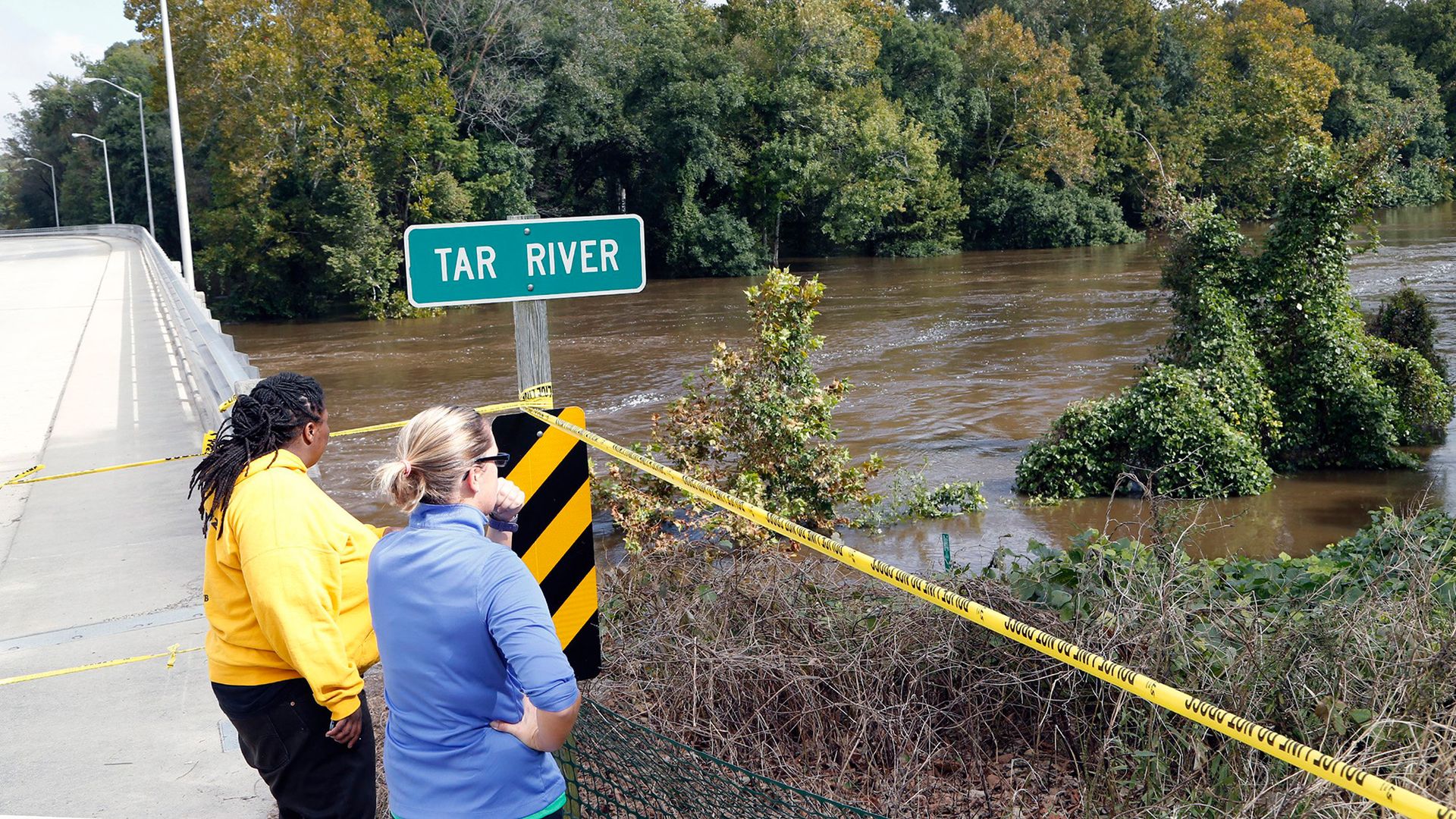
After Hurricane Matthew, emergency visits for gastrointestinal disease increased 11%. (Image credit: Raleigh News & Observer via Getty Images)
After Hurricanes Matthew and Florence in 2016 and 2018, respectively, North Carolina saw an 11% increase in emergency department visits for gastrointestinal illnesses. Black and American Indian residents were the most affected, likely because discrimination over generations has disproportionately pushed Black Americans and Native Americans to less desirable, more flood-prone land, the researchers found.
Cycles of precipitation, drought and subsequent dust storms can spur the spread of Valley fever, a fungal respiratory disease that causes an estimated 700 to 1,100 deaths per year, mostly in the U.S. Southwest. Valley fever is already on the rise, with cases in Arizona, one of the hotspots for the disease, doubling from about 64 cases per 100,000 people in 2005 to 145 cases per 100,000 people in 2022. As the West warms and dries, Valley fever is likely to spread from its stronghold in the Southwest and become endemic in Idaho, Wyoming, Montana, Nebraska, South Dakota and North Dakota, putting millions more people at risk.
The infectious disease risk from natural disasters tends to stack on top of other health problems stemming from these catastrophes. Flooded buildings can harbor mold that can worsen allergies, asthma and other respiratory illnesses. When major storms cause power loss, people turn to generators for electricity, which release pollutants linked to asthma. Though it's often hard to track the effects of these disasters, one study found that flooded regions after Tropical Storm Imelda in Texas in 2019 saw 10% more emergency department visits for asthma than nonflooded regions did.
Moreover, the threat to life and livelihood from these disasters can cause mental health conditions, such as post-traumatic stress disorder, Romanello said. The problems compound on each other, she said; already, she has heard reports from Africa about malaria outbreaks, fed by warming, and health workers struggling to reach the affected regions because flooding, also exacerbated by warming, has washed out roads.
"What is the most concerning aspect is that all of that is happening together, so we're seeing all of this risk being exacerbated at once," she said.
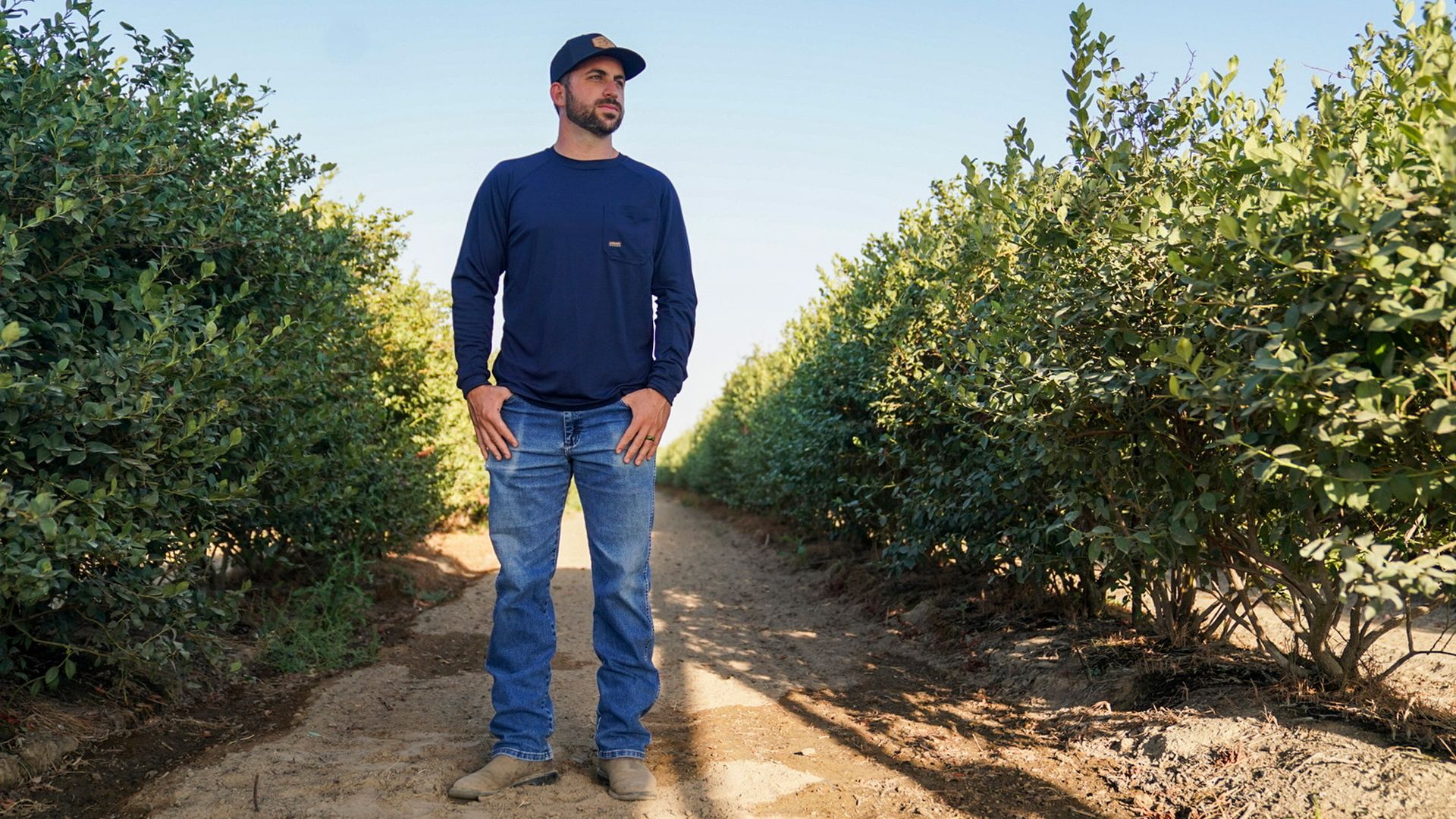
Jace White of Fresno acquired Valley Fever while working on his family farm. Valley fever is predicted to become more common with climate change. (Image credit: The Washington Post via Getty Images)
Antibiotic resistance on the rise
As Newman and Shan's work shows, as spots around the U.S. face new infection risks, existing treatments may become less effective. Their work showed that drought concentrated the natural antibiotics that bacteria make in the soil, making it harder for bacteria susceptible to the compounds to survive. As a result, the microbes with genes for antibiotic resistance did better. The problem for human health is that bacteria are very good at gene swapping, so these soil microbes can easily pass their antibiotic resistance superpowers to bacteria that infect people, their research showed.
"Gardening, breathing dust — that's how it happens," Newman said of human and soil bacteria coming into contact. "We are constantly encountering bacteria in our environment."
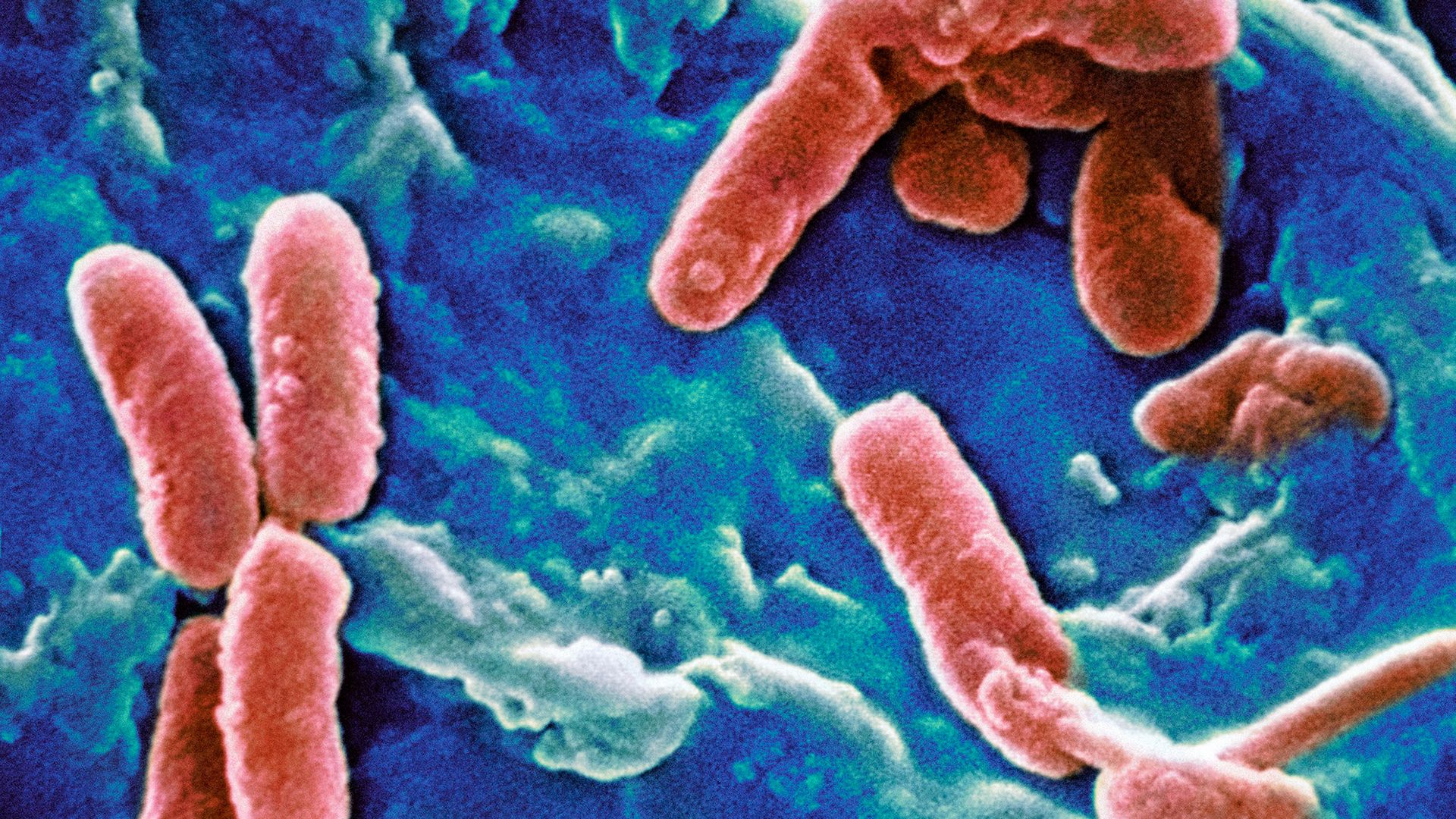
A scanning-electron microscope image of Pseudomonas aeruginosa. Recent research suggests that drought could fuel the rise of drug-resistant versions of such pathogenic bacteria. (Image credit: CDC/SCIENCE PHOTO LIBRARY via Getty Images)
The researchers found an association between drought and antibiotic resistance reported by hospitals.
They aren't the only ones. A recent study on Salmonella, a bacterium that causes about 1.35 million cases of food poisoning each year in the U.S. alone, found that temperature and rainfall promote antibiotic resistance in this microbe. "Globally, climate change was linked to about a 10% increase in Salmonella resistance gene abundance," said study first author Zhen-Chao Zhou, an ecology researcher at the Chinese Academy of Sciences in Beijing. Other microbes show similar effects.
Meanwhile, warmer conditions help bacteria grow faster, adapt to stress and swap resistance genes, Zhou said, while drought concentrates them in limited water sources where they mingle freely. Climate-change-induced flooding can then, in theory, spread the resistant genes far and wide.
Combating the compounding risks requires both public health and climate mitigation approaches, experts say. Not only does the world need to cut greenhouse gas emissions, but people also need to use antibiotics more carefully, Zhou said; improve sanitation practices, such as sewage management, around the world so that antibiotic-resistant strains don't spread as easily; strengthen food safety; and expand disease surveillance. The public also needs to understand that climate change is a health issue, Romanello said.
"When we talk about tackling greenhouse gas emissions," she said, "what we're talking about is a sustainable livable future with healthy economies."
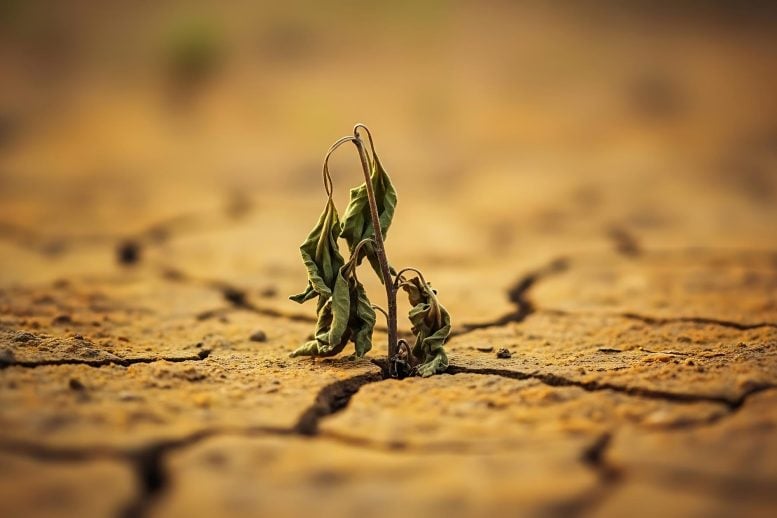
These new findings could help scientists adapt crops to dry environmental conditions in the future. Plants rely on sunlight to turn water and carbon dioxide into energy-rich sugars and oxygen through different forms of photosynthesis. Drought can make that process far more difficult. A research group led by Wolfram Weckwerth at the University of Vienna [...]
On Alaska’s remote North Slope, researchers are picking their way across spongy tussock grasses toward Galbraith Creek, a rushing meltwater stream fed by the snowy peaks of the Brooks Range. There, they carefully string up mist nets to catch white-crowned sparrows that have just completed their long migration from warmer latitudes. The birds have only a brief window to stake out territory, find mates, and raise chicks—all fueled by the explosive burst of insects that emerges each summer across the tundra.
From every bird captured, scientists collect blood, feather, and fecal samples to track what the sparrows are eating and how their diets shift as the short Arctic summer progresses. This detailed data collection is part of a groundbreaking research effort seeking to understand something far bigger than individual birds: whether an entire ecosystem—spanning streams, tundra, insects, and wildlife—can adapt fast enough, together, to survive rapid climate change.
Unlike traditional studies that examine how single species adjust to warming conditions, this project treats the Arctic as an interconnected web where the timing of ice melt, insect emergence, plant growth, and animal migration must all stay in sync. As the region warms at a pace several times faster than the global average, that synchronization is increasingly at risk. If insects hatch earlier but sparrows arrive on their usual schedule, birds could miss their crucial food window—a mismatch that could ripple through the entire food chain.
Scientists hope their findings will reveal whether coordinated, ecosystem-wide adaptation is possible, offering a preview of how fragile Arctic systems—and the species that depend on them—might fare as the climate crisis accelerates.
Peter Lake knew exactly what he was getting into when he bought his cattle farm in the Clarence Valley in 2007. Straddling the Coldstream River halfway between Yamba and Grafton in the New South Wales northern rivers region, the property sits squarely on floodplain country. Since 2009, it has flooded five times, a pattern Lake accepted going in but one that has grown more frequent and severe as the climate has shifted.
Lake’s experience is becoming the norm rather than the exception for coastal and riverside landholders across Australia. New modelling from the Climate Council warns that rising sea levels and worsening flood patterns will damage more than 267,000 coastal properties by the year 2100, with the cumulative cost running into the hundreds of billions of dollars. The forecast paints a sobering picture of how much “safe” land is being lost to rising water, and how quickly the financial burden is mounting for property owners, insurers, and governments alike.
The findings add urgency to an already fraught debate over how Australia should prepare for a future of more extreme weather. For farmers like Lake, the choice is rarely simple: walk away from land that has sustained a livelihood for generations, or adapt to a landscape that floods with growing regularity. As the data makes clear, his story is just one example of a much larger reckoning facing communities up and down the coast, where the ground beneath long-held assumptions about safe, livable land is quite literally shifting.
Earth just matched its own heat record. Global temperatures in August 2026 reached 1.65C above preindustrial levels, tying with July 2023 as the hottest month ever documented, according to new data released Thursday by the EU’s Copernicus Climate Change Service. Alarmingly, this milestone was reached even before the current El Niño system has hit its peak strength, raising concerns among scientists that even more extreme heat could be on the horizon.
The record-tying temperatures weren’t confined to land. Ocean surfaces also broke records for the month of August, with sea surface temperatures climbing to their highest levels ever measured for this time of year. Warmer oceans can fuel more intense storms, disrupt marine ecosystems, and accelerate ice melt at the poles, compounding the effects of atmospheric warming.
Scientists tracking the data note that the convergence of long-term climate change trends with a strengthening El Niño pattern creates a particularly worrying combination. El Niño, a natural climate cycle that periodically warms the Pacific Ocean, tends to push global temperatures even higher when layered on top of human-caused warming. With the system still building toward its full intensity, researchers warn that upcoming months could bring further temperature extremes, adding pressure to already strained agricultural systems, water supplies, and vulnerable communities worldwide.
The repeated breaking of heat records underscores the accelerating pace of climate change, as what was once considered an outlier extreme increasingly becomes the new normal.
A fresh round of North Sea oil and gas approvals is raising eyebrows, with critics questioning why officials would expend so much political capital for such minimal economic return. The pattern feels familiar: significant political risk taken on for gains that appear vanishingly small once the numbers are examined closely.
The justification offered so far has been vague at best—essentially, that untapped resources exist and shouldn’t be ignored while people face economic hardship. But if the reasoning hinges on supporting struggling oil and gas workers, the math simply doesn’t add up. The Jackdaw gasfield, expected to receive approval imminently, will create just 27 direct full-time jobs. The Rosebank oilfield, likely to follow, will support an estimated 450 UK-based positions over its entire operational lifetime.
Compare these figures to the broader picture: the UK’s net zero economy already employs 300,000 people directly, with plans for 400,000 additional jobs in the pipeline. The wider green economy sustains more than 600,000 jobs altogether. Given these numbers, a just transition strategy—one that moves fossil fuel workers into the growing renewable energy sector—would seem to offer far better outcomes for workers and communities alike than doubling down on new drilling projects that promise so little in return.
The decision arrives at a moment when climate impacts are increasingly difficult to ignore, making the calculus behind expanding fossil fuel extraction even harder to justify on economic grounds alone.
Earth’s forests, wetlands and frozen tundra are undergoing a troubling transformation, and new research suggests the consequences could dramatically accelerate the pace of global warming. A study has found that as fossil fuel emissions continue to heat the planet, natural ecosystems that once helped absorb and store carbon are increasingly releasing it instead—potentially intensifying climate change by as much as 30%.
The mechanism driving this alarming trend is a set of self-reinforcing feedback loops. Rising temperatures are thawing permafrost across the Arctic and other high-latitude regions, unlocking ancient stores of methane and carbon dioxide that have been trapped in frozen ground for millennia. Meanwhile, hotter, drier conditions are fueling more intense wildfires that tear through forests and wetlands, releasing carbon that took decades or centuries to accumulate. Warming lakes are also contributing to the problem, changing the chemistry of these ecosystems in ways that boost emissions.
What makes these findings particularly concerning is the cyclical nature of the problem: warming triggers the release of greenhouse gases from natural sources, which in turn drives further warming, creating a loop that could make climate change harder to control than previously understood. Researchers say this dynamic underscores the urgency of cutting fossil fuel emissions now, before these natural feedback mechanisms lock in additional warming that becomes increasingly difficult to reverse. The study adds to a growing body of evidence suggesting that climate models may need to account more fully for these amplifying effects from the natural world.
Fridges are piling up in laybys across the country as recycling centres refuse to take anymore. It's the backfiring result, in part, of pettifogging green waste disposal regulation, says Ben Pile.
Sweltering summer temperatures put last month on par with July 2023 for global warmth, scientists said. More records could be broken in the months ahead.
Sweltering summer temperatures put last month on par with July 2023 for global warmth, scientists said. More records could be broken in the months ahead.

 Login