❌

Reading view

Forget the iPhone Ultra β€” I went hands-on with the Xiaomi 18 Fold, and it might be the best mid-size foldable you can't buy

Apple's foldable iPhone Ultra is expected to launch this week, but Xiaomi is stealing a bit of its thunder by announcing its own mid-size foldable phone first. The Xiaomi 18 Fold was shown off at IFA 2026, but it was secured behind glass, so the general public could only see it (but not touch it).

I was fortunate enough to get some hands-on time with the Xiaomi 18 Fold behind closed doors, and after coming from the high of reviewing the Galaxy Z Fold 8, I was quite impressed with what's on offer here. However, limited availability will hinder its success, and Xiaomi will have to prove that its new in-house XRING 03 chip can keep up with other flagships
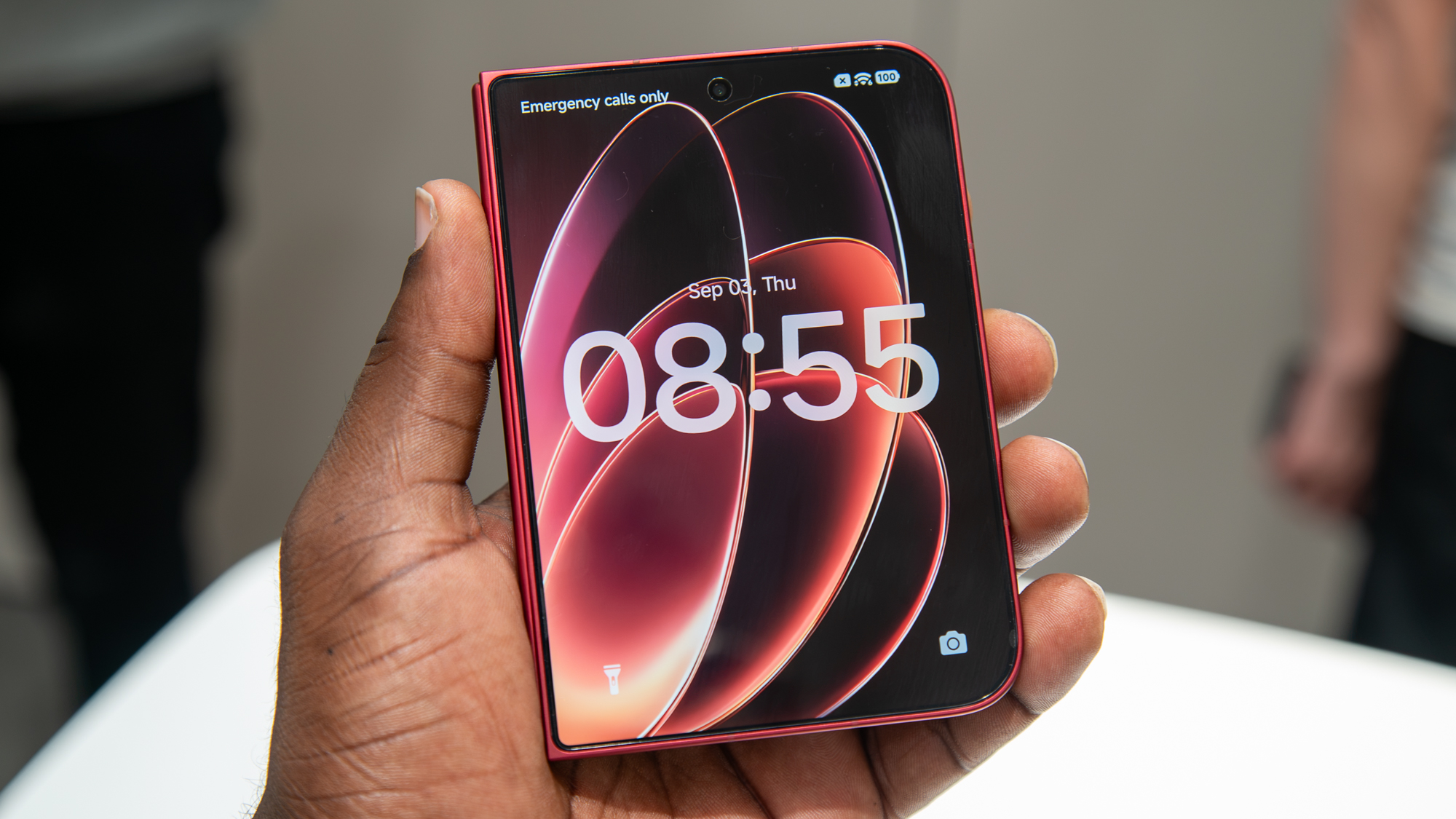
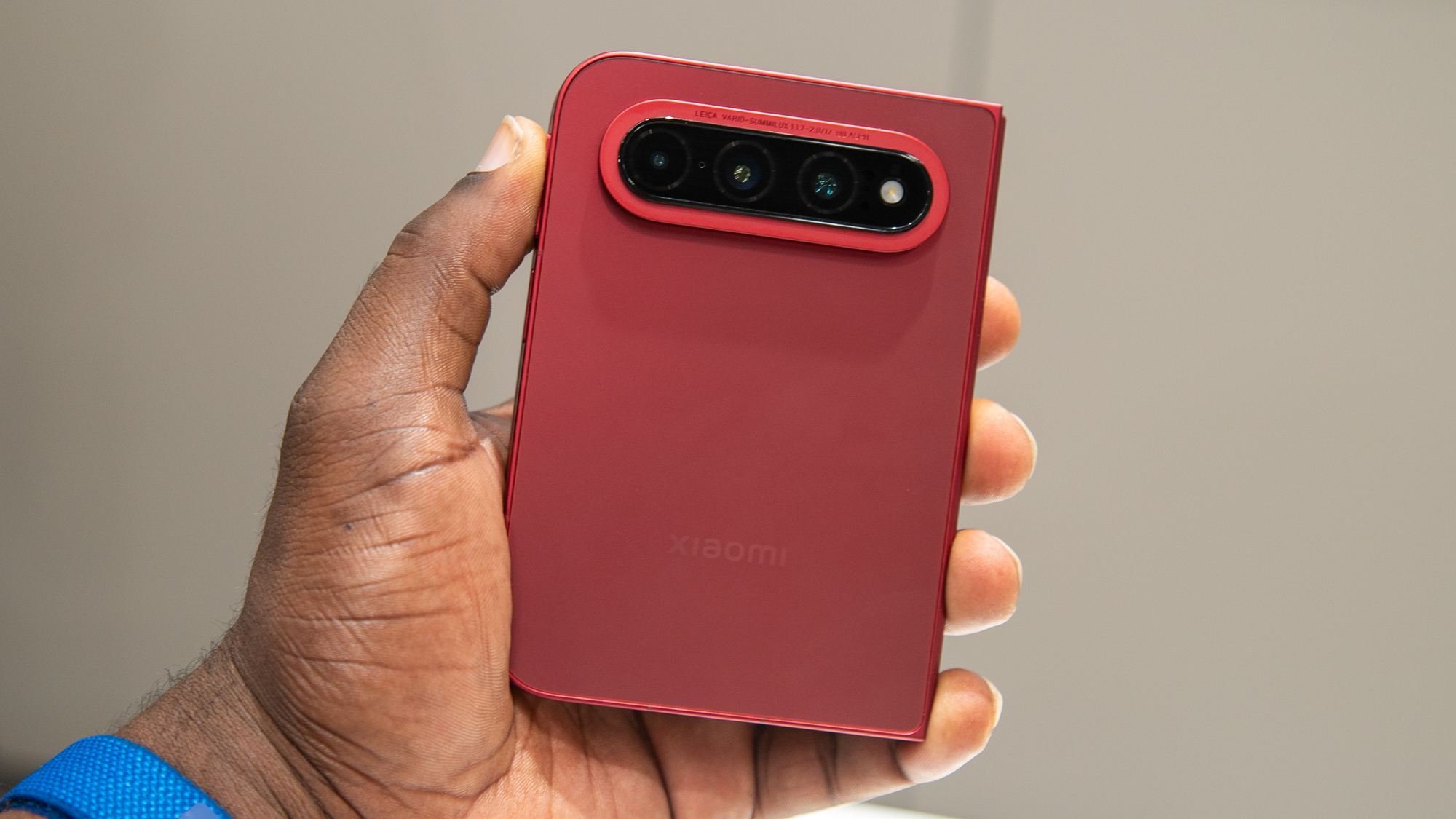
The Xiaomi 18 Fold external display
Derrek Lee / Android Central
The Xiaomi 18 Fold
Derrek Lee / Android Central
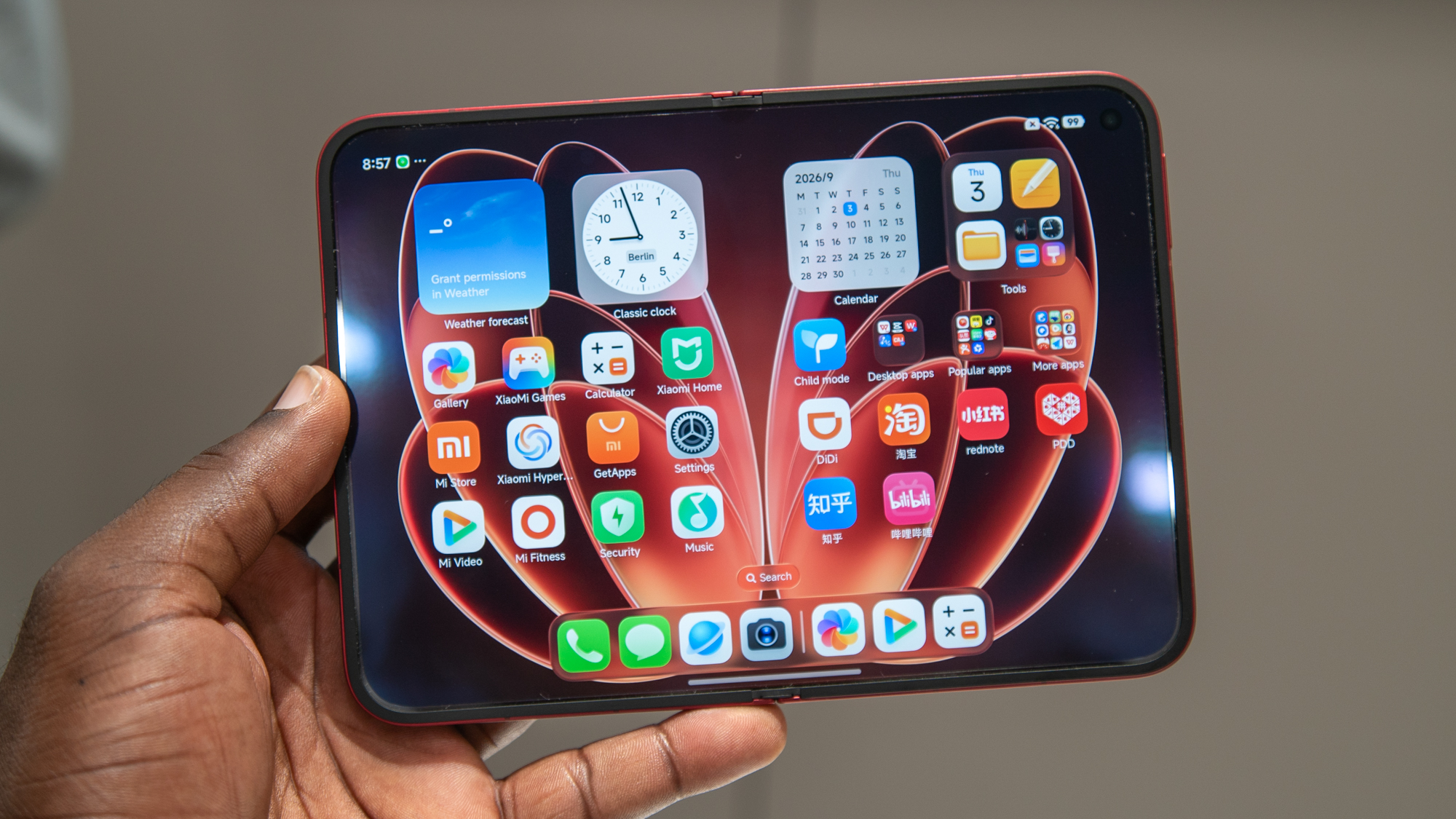
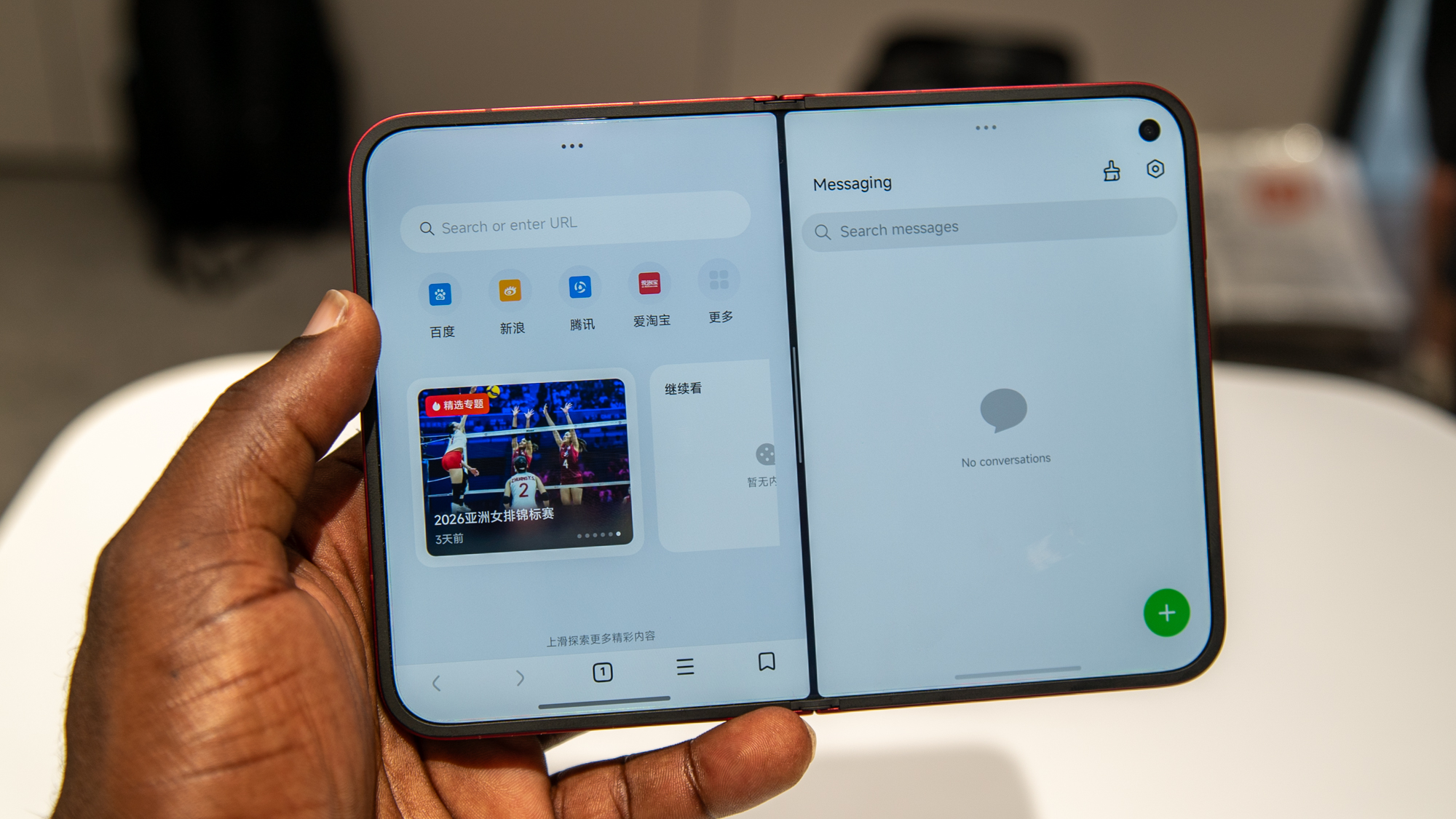
The Xiaomi 18 Fold inner display
Derrek Lee / Android Central
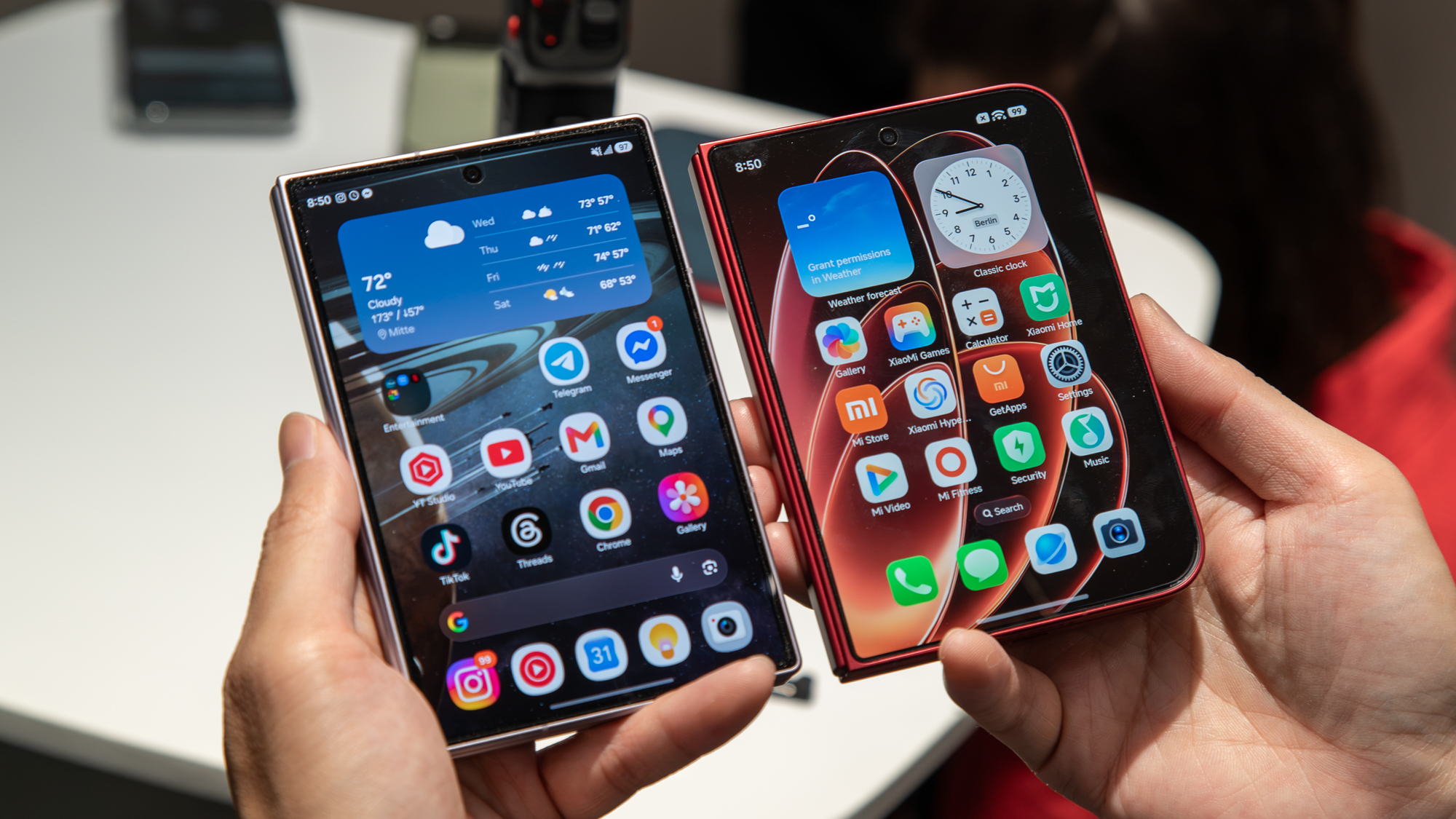
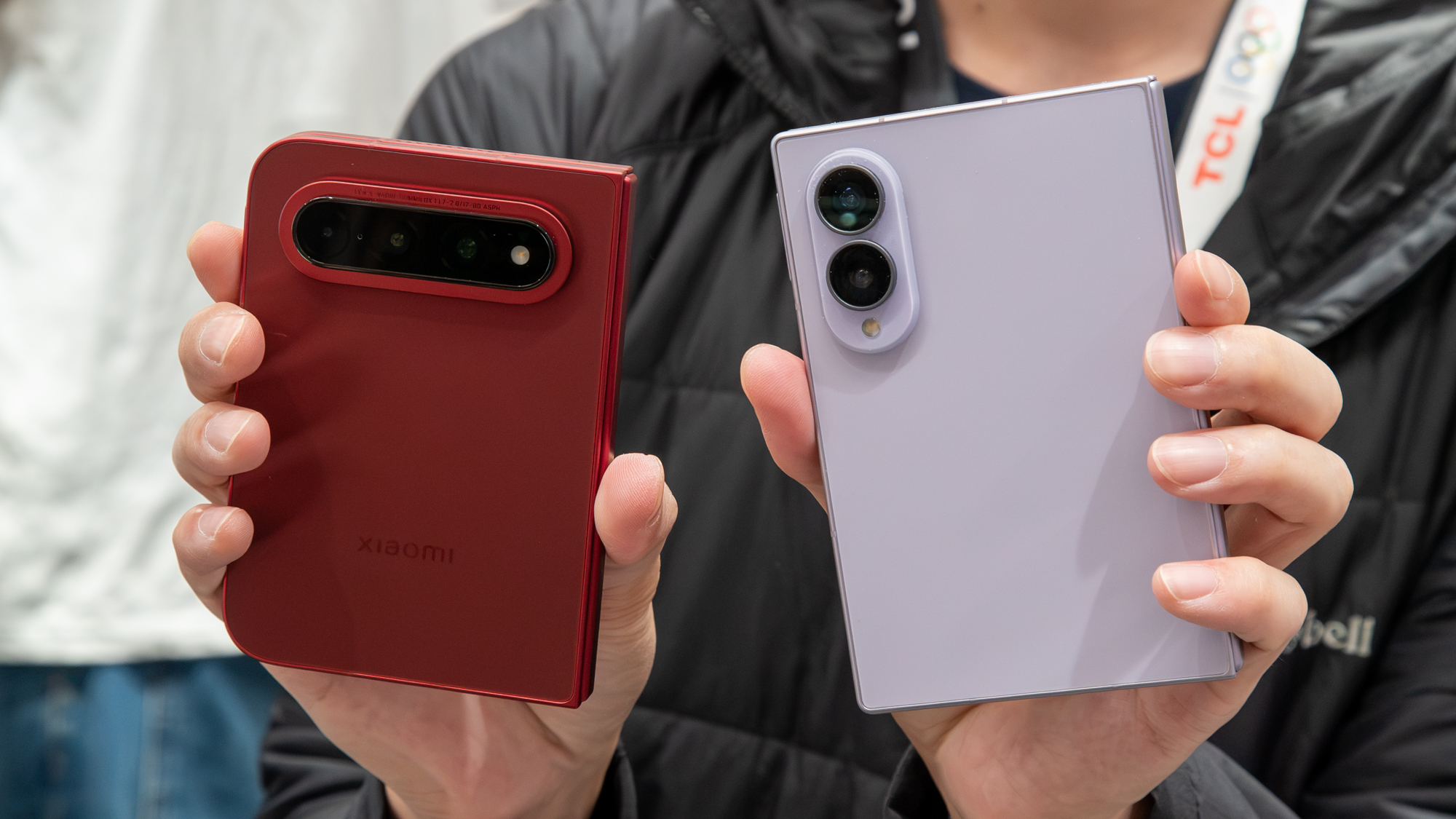
The Xiaomi 18 Fold next to the Galaxy Z Fold 8
Derrek Lee / Android Central
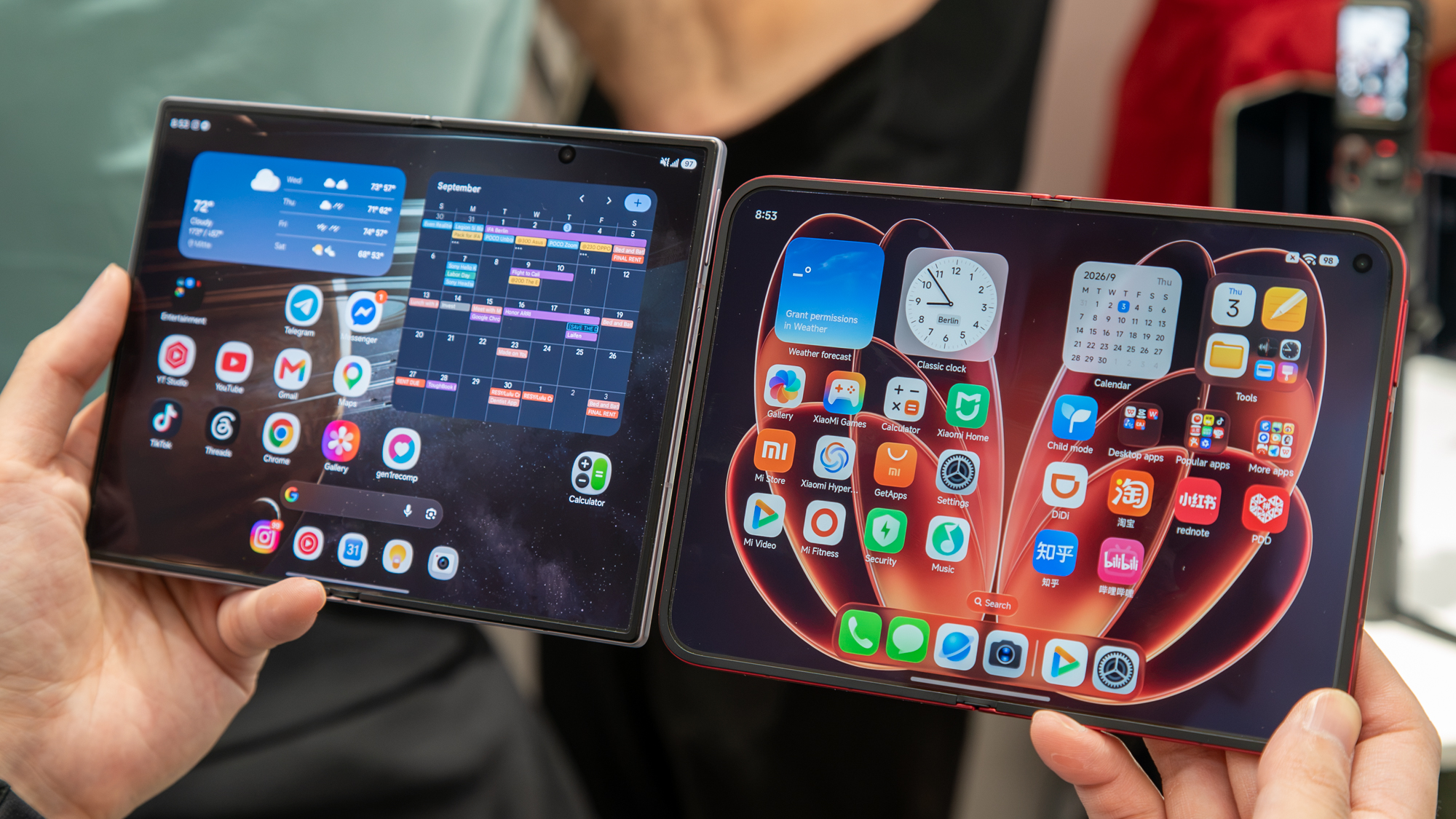
The Xiaomi 18 Fold next to the Galaxy Z Fold 8
Derrek Lee / Android Central
The Xiaomi 18 Fold next to the Galaxy Z Fold 8
Derrek Lee / Android Central

The Xiaomi 18 Fold is a wider foldable, similar to the popular Galaxy Z Fold 8, though it has notable design differences. It's shorter and wider than the Z Fold 8, and its corners are much rounder, with a design that looks a lot like the iPhone Ultra leaks.

In my hand, it feels just as compelling as the Galaxy Z Fold 8, with a passport-like size when folded, making the 5.4-inch screen very easy to reach. Unfolded, the Xiaomi 18 Fold looks and feels like a small tablet, with a 7.5-inch display. Both displays have a √2:1 aspect ratio similar to A4 paper, which Xiaomi says is ideal for viewing content in both 16:9 and 4:3, meaning videos and photos, respectively.

The crease is fairly visible, as the display is fairly reflective, but I can hardly feel it when running my fingers across it. Xiaomi says it uses a dual-layer Ultra Thin Glass (UTG) structure for enhanced protection.
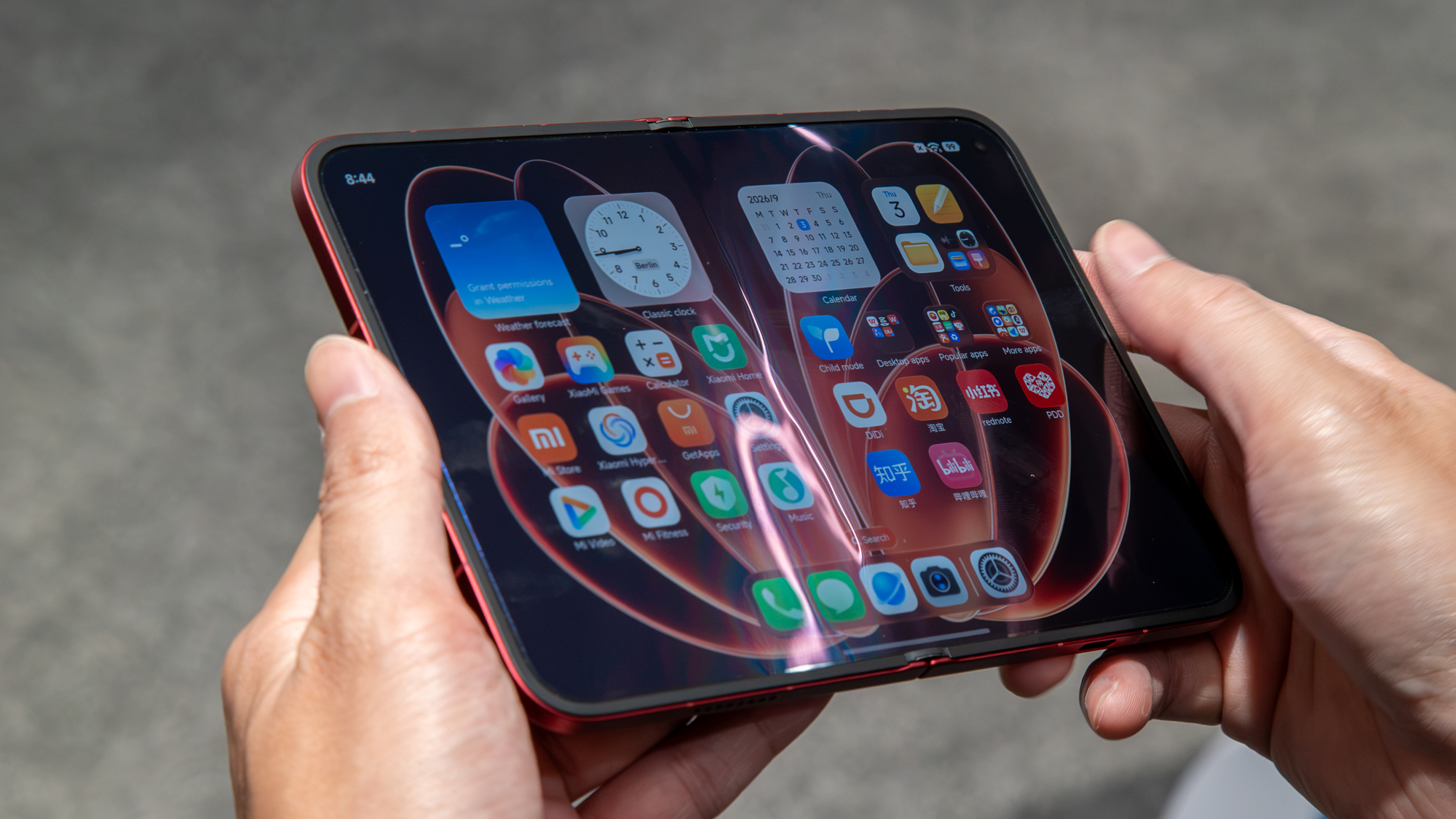
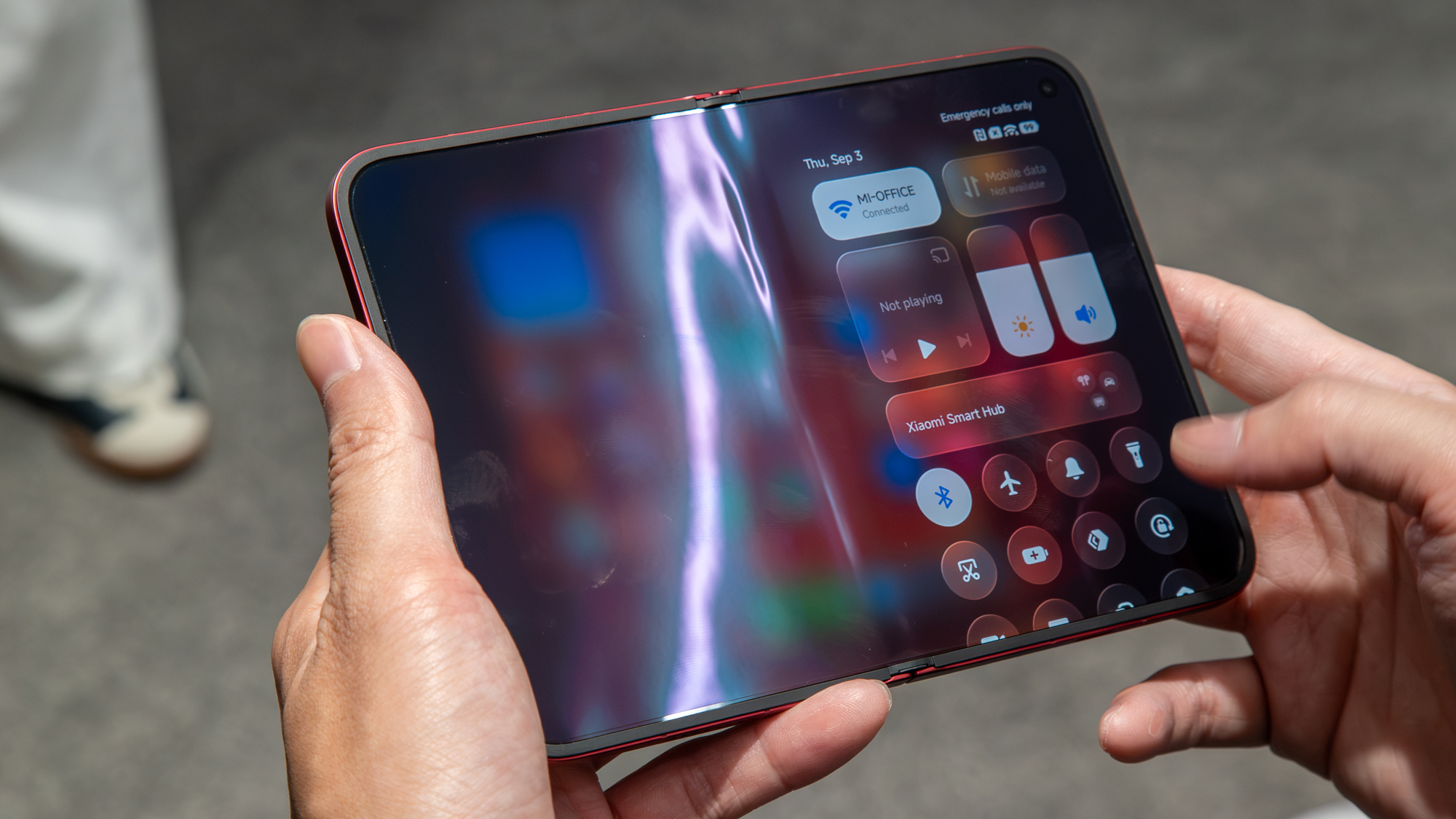
The Xiaomi 18 Fold crease
Derrek Lee / Android Central
The Xiaomi 18 Fold quick settings
Derrek Lee / Android Central
The Xiaomi 18 Fold split screen apps
Derrek Lee / Android Central
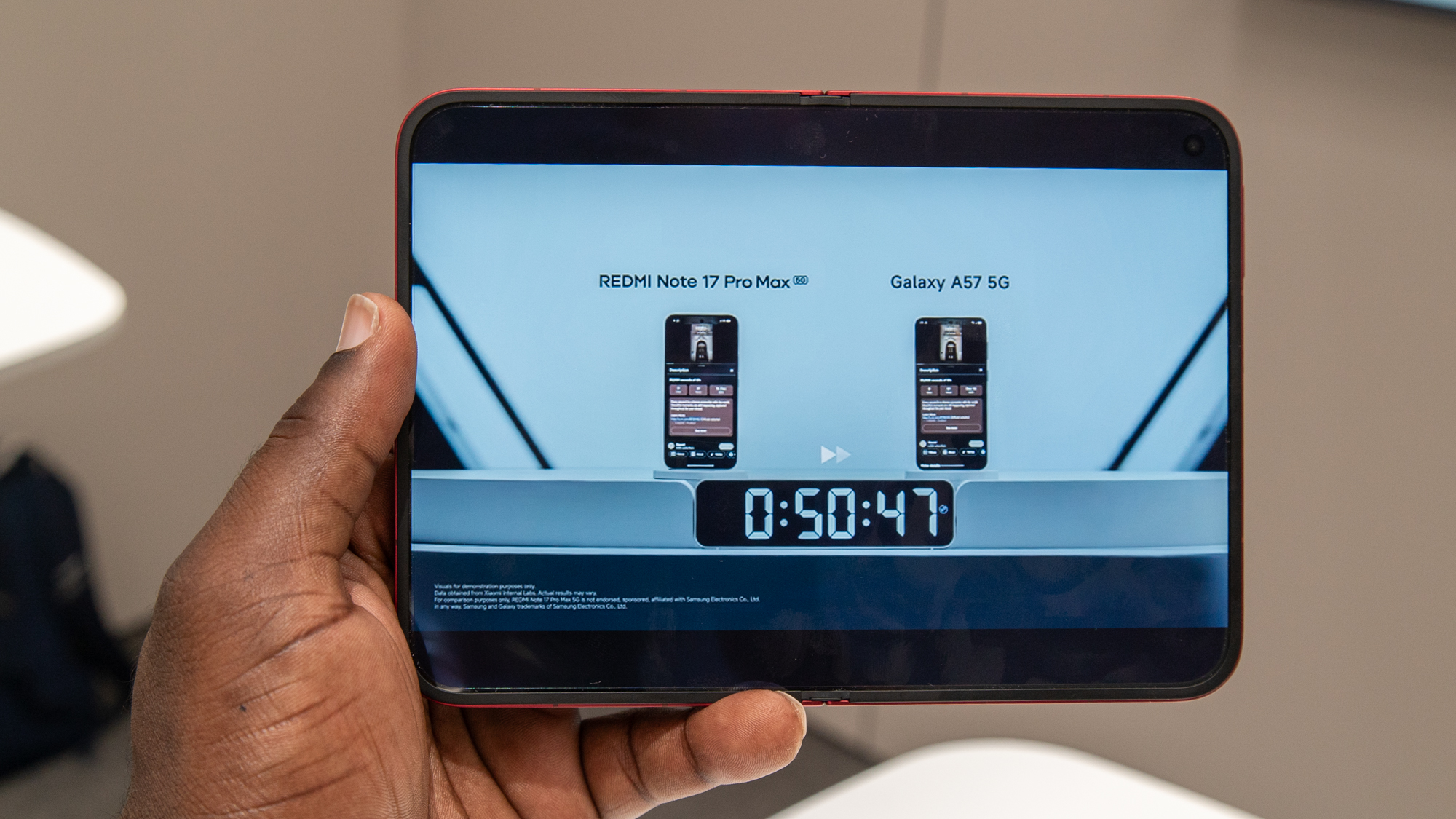
A video playing on the Xiaomi 18 Fold
Derrek Lee / Android Central

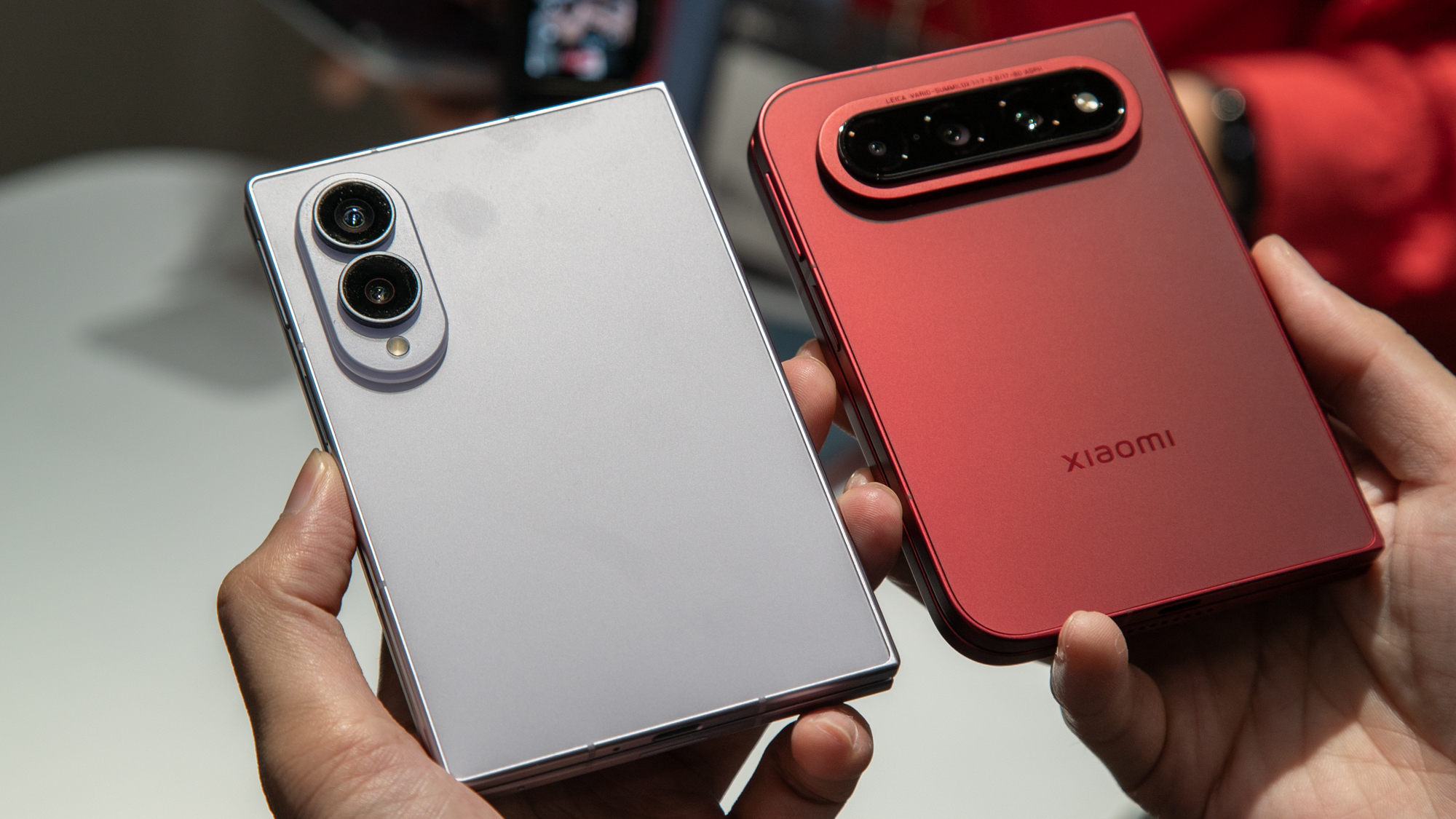
The Xiaomi 18 Fold is slightly heavier than the Galaxy Z Fold 8, but when I held them side by side, I couldn't really tell the difference. It's also a bit thicker, but that's due to the 6,000mAh silicon-carbon battery Xiaomi stuffed into this phone. Compared to the 4,800mAh unit in the Z Fold 8, Xiaomi already has the upper hand, especially when you account for the faster 67W wired charging and 50W wireless charging.

Turn the phone around, and you'll see where else Xiaomi comes ahead. The phone comes with a triple camera system, with the highlight being the primary 200MP sensor. There is also a 50MP periscope telephoto camera, something that's missing from the Z Fold 8.

I didn't get to capture any camera samples, but I expect good things from the Leica-powered camera system, as we've seen from other recent Xiaomi phones, which produce very natural-looking bokeh and great color reproduction.
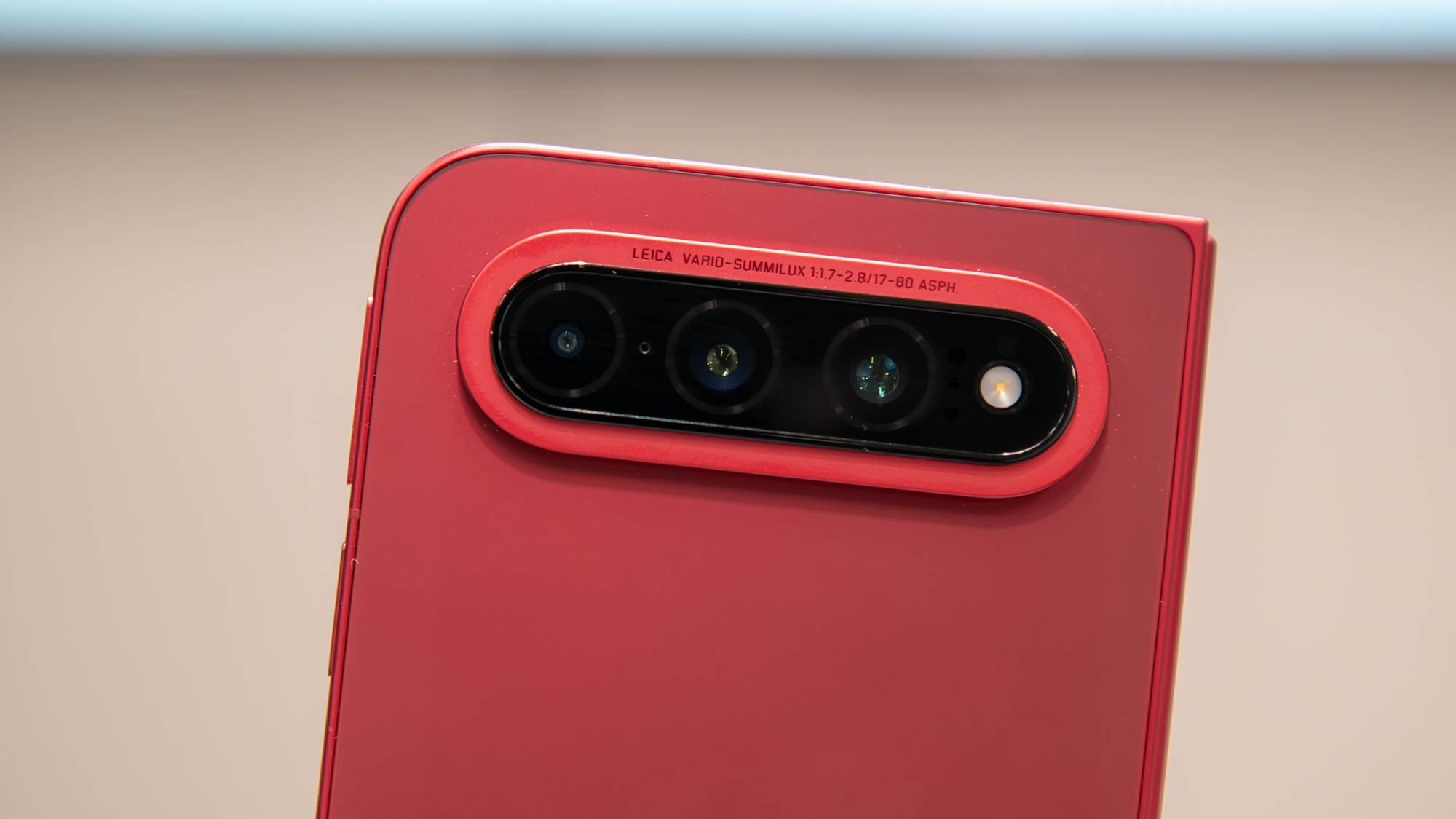
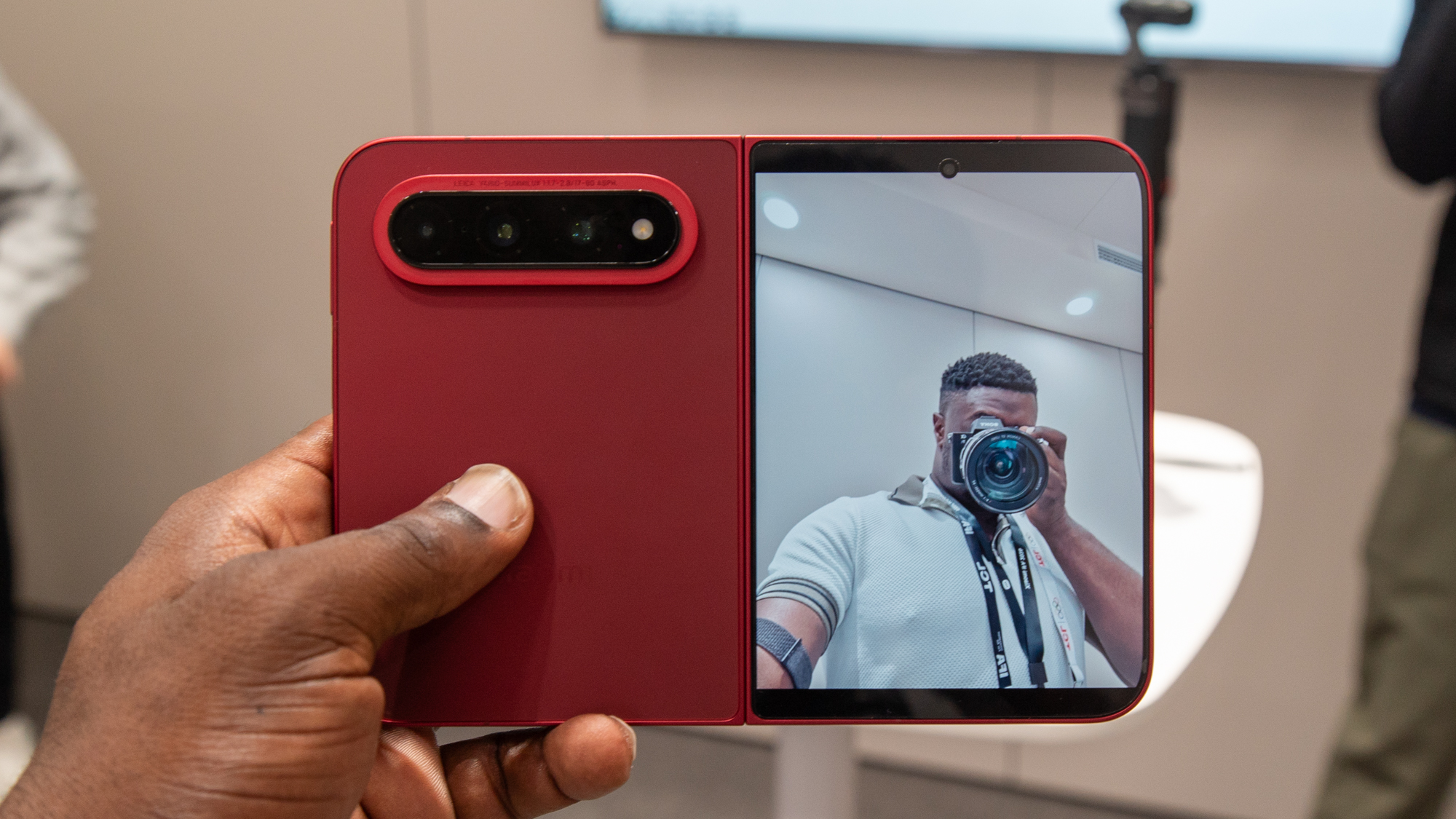
The Xiaomi 18 Fold cameras
Derrek Lee / Android Central
The Xiaomi 18 Fold external camera preview
Derrek Lee / Android Central
The Xiaomi 18 Fold next to the Galaxy Z Fold 8
Derrek Lee / Android Central

The phone is powered by Xiaomi's all-new XRING 03 chipset, an in-house 3nm chip that promises high performance and powerful on-device AI capabilities. According to Xiaomi, the 10-core CPU comprises two Ultra cores, four Premium cores, and four Pro cores for 60% higher performance and 25% lower power consumption compared to the XRING 01.

I could not run any benchmark tests during my time with the phone, so we'll have to take Xiaomi's word for it, at least until we can thoroughly test it ourselves. The Galaxy Z Fold 8 is already a powerhouse thanks to the Snapdragon 8 Elite Gen 5, and we can expect the chip in the iPhone Ultra to be quite powerful as well, which puts Xiaomi in a bit of the spotlight, since this is its first flagship with the XRING chip.

Meanwhile, the 16-core GPU "sets a new standard for graphics performance on a smartphone," while the NPU promises "200 TOPS of tensor performance" for "45% faster on-device decoding performance."

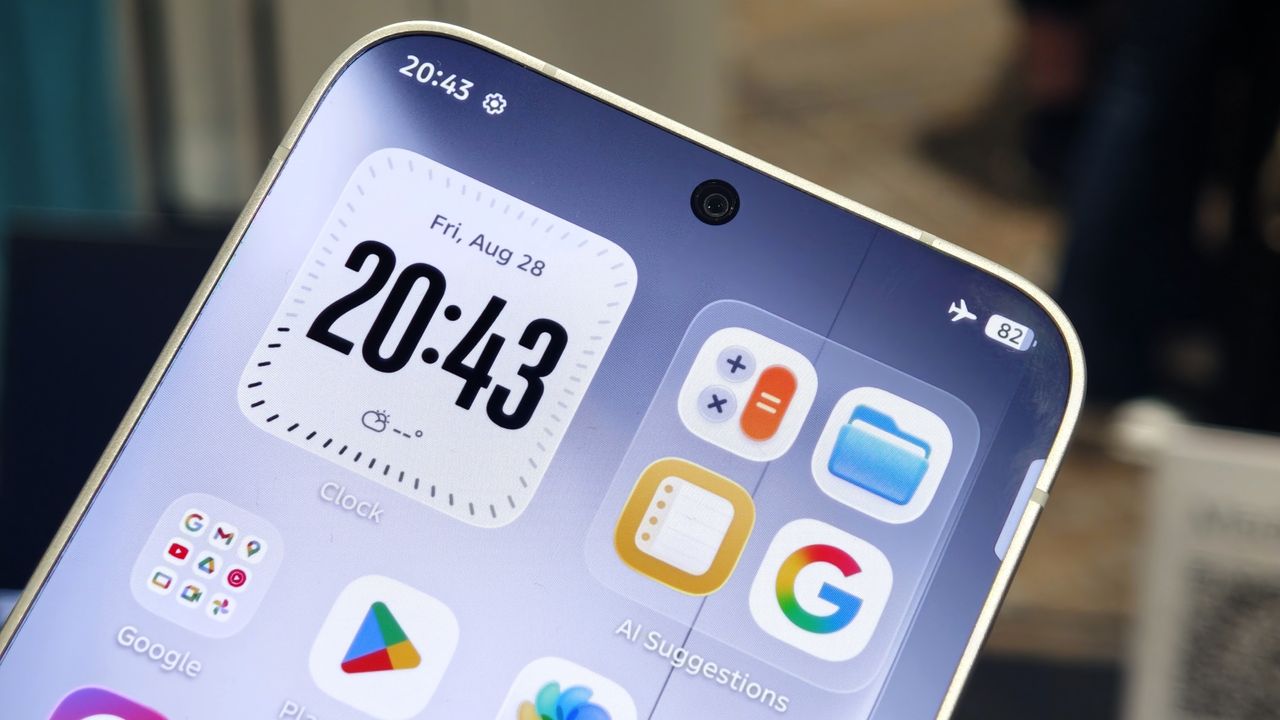
Paired with 12 or 16GB of LPDDR6 RAM and HyperOS, the Xiaomi 18 Fold is primed to showcase the best that Xiaomi has to offer within its Human x Car x Home smart ecosystem, which promises to seamlessly connect its various smart devices.
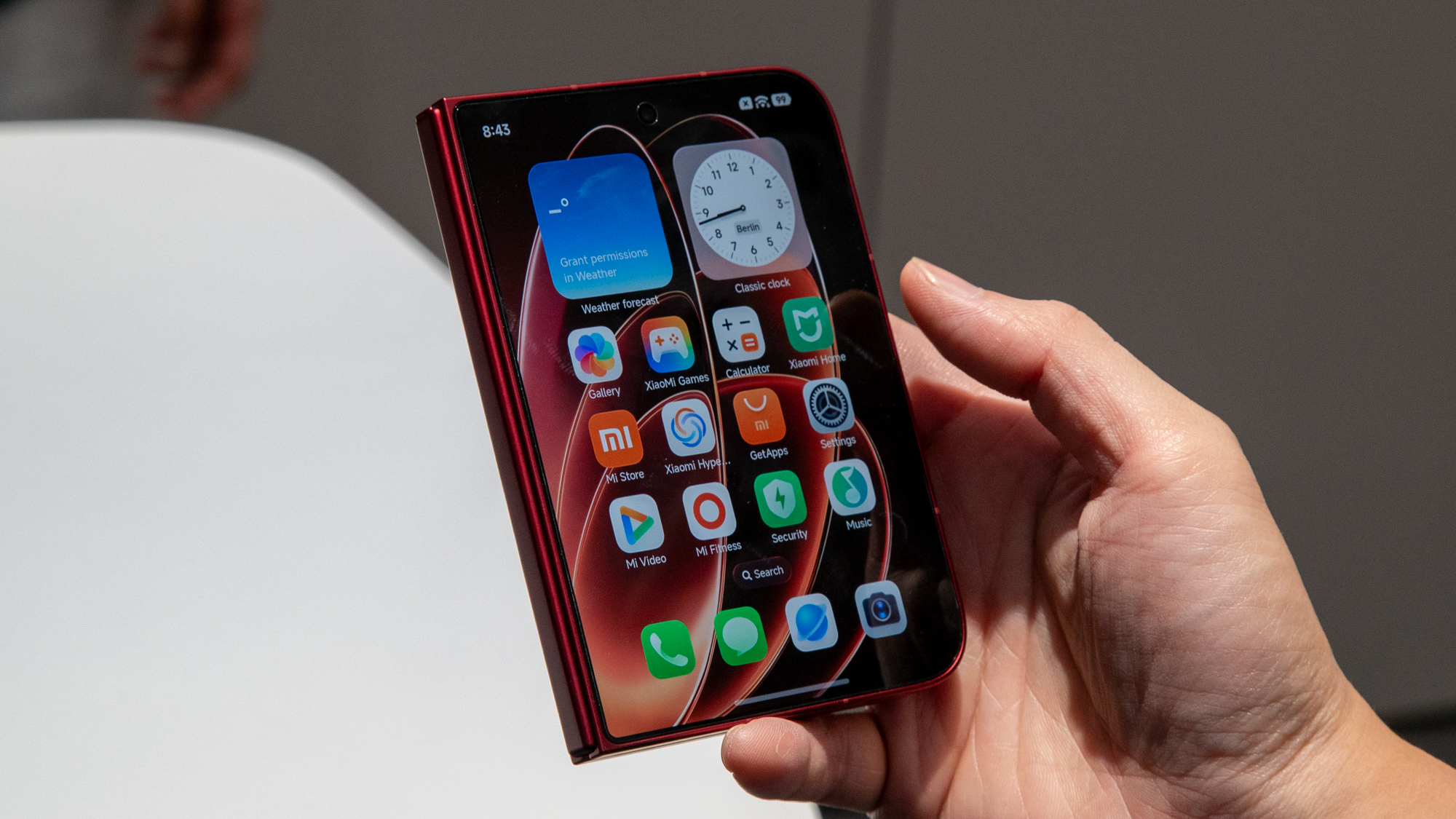
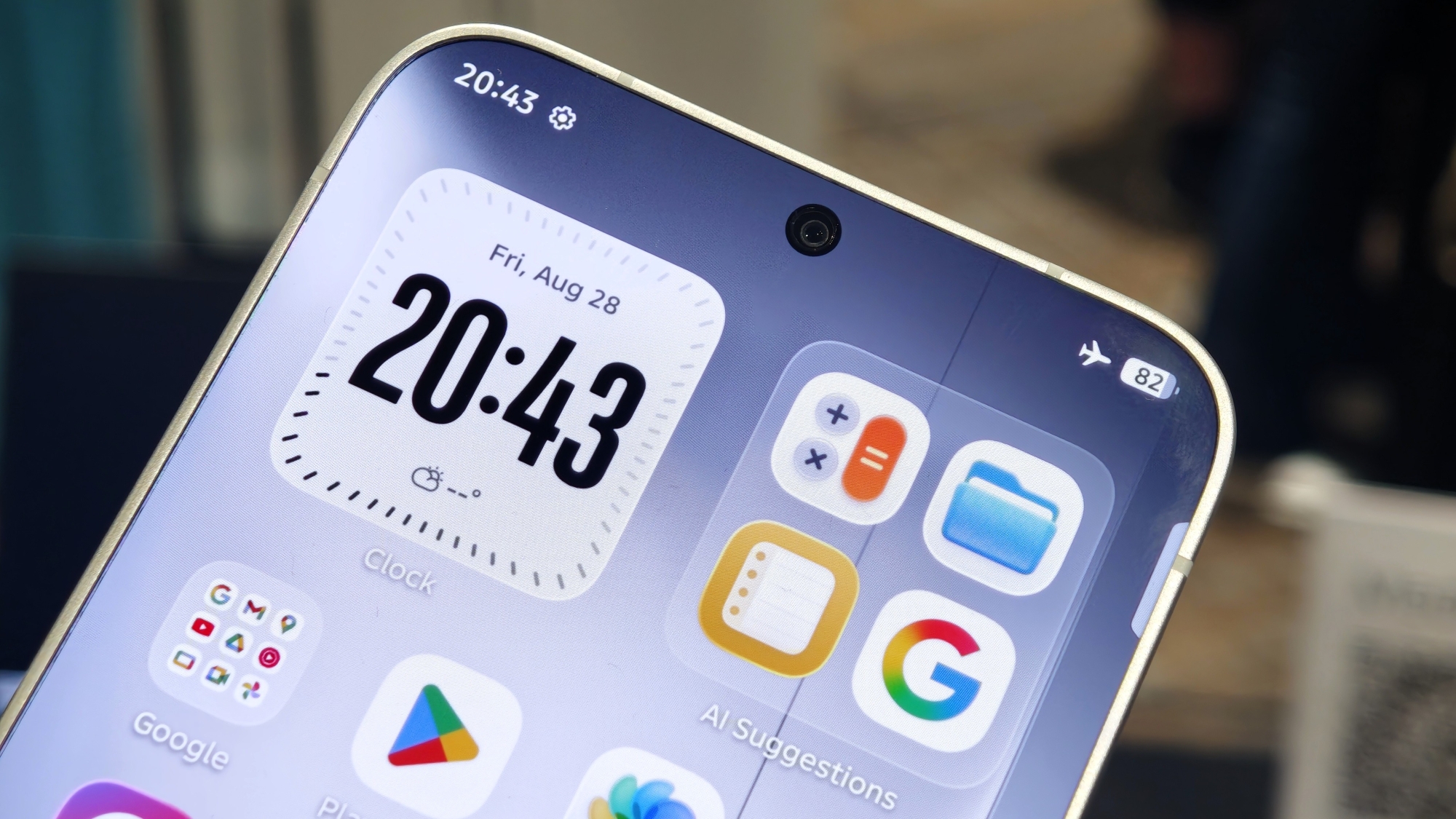
The Xiaomi 18 Fold home screen

(Image credit: Derrek Lee / Android Central)

Unfortunately, not everyone will have the opportunity to experience what the XRING 03 is like on the Xiaomi 18 Fold, and that's where my excitement fizzles out a bit. The phone is only launching in China for now, with no word on a global release. The Xiaomi Mix Fold 4 from 2024 was China-exclusive, which isn't very promising, but Xiaomi has also been focusing on expanding its product line in Europe, so there's some hope.

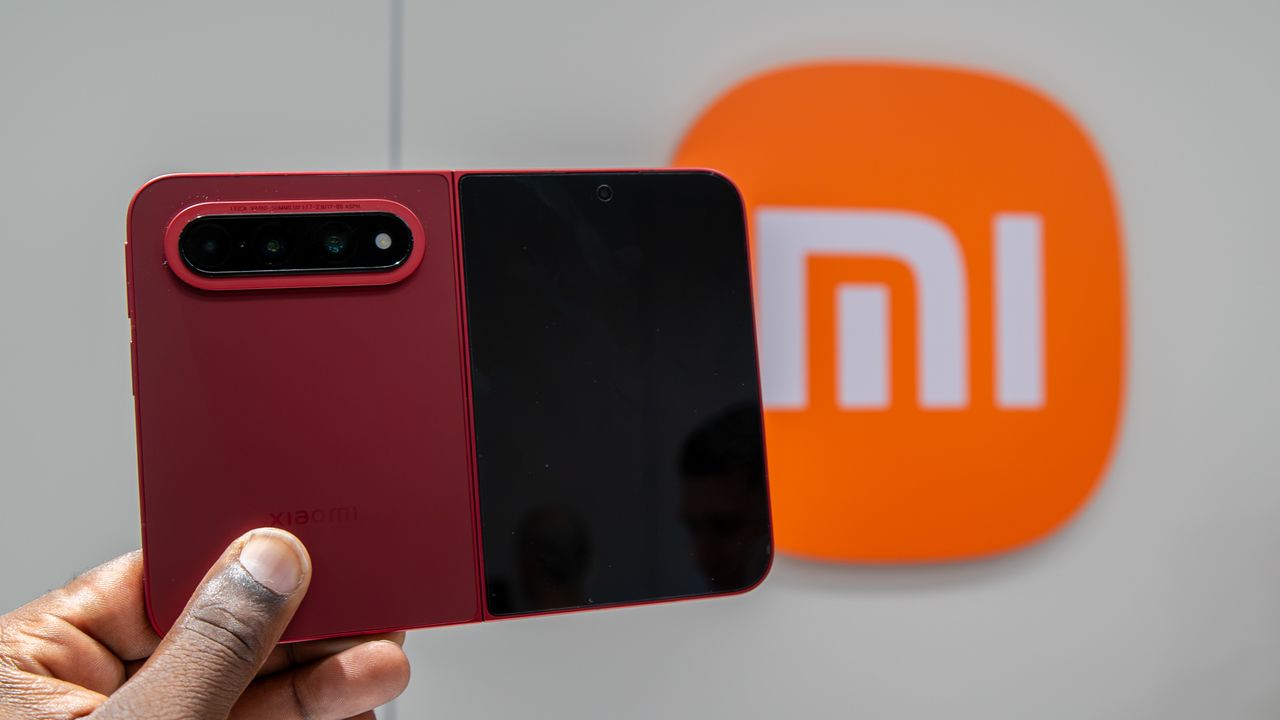
Pricing starts at 10999 yuan (~$1,638.88), which is definitely on the pricier side, especially compared to other foldables. I got to handle the red model, which I really like, although it also comes in black and white. There's also a ceramic version of the phone, which comes in a single configuration (16GB + 1TB) and costs 15999 yuan (~$2,383).
  •  

7 coolest things I saw at IFA 2026

IFA 2026 is back, and as expected, there's a lot to see on the show floor at Messe Berlin. IFA is traditionally more focused on consumer electronics, such as smart home devices, more than mobile products like smartphones.

However, there were a few mobile devices scattered about the show, including phones and wearables, as well as a bevy of accessories that managed to catch my eye. Here are some of the coolest things I've seen while exploring IFA 2026.

Xiaomi's whole thing

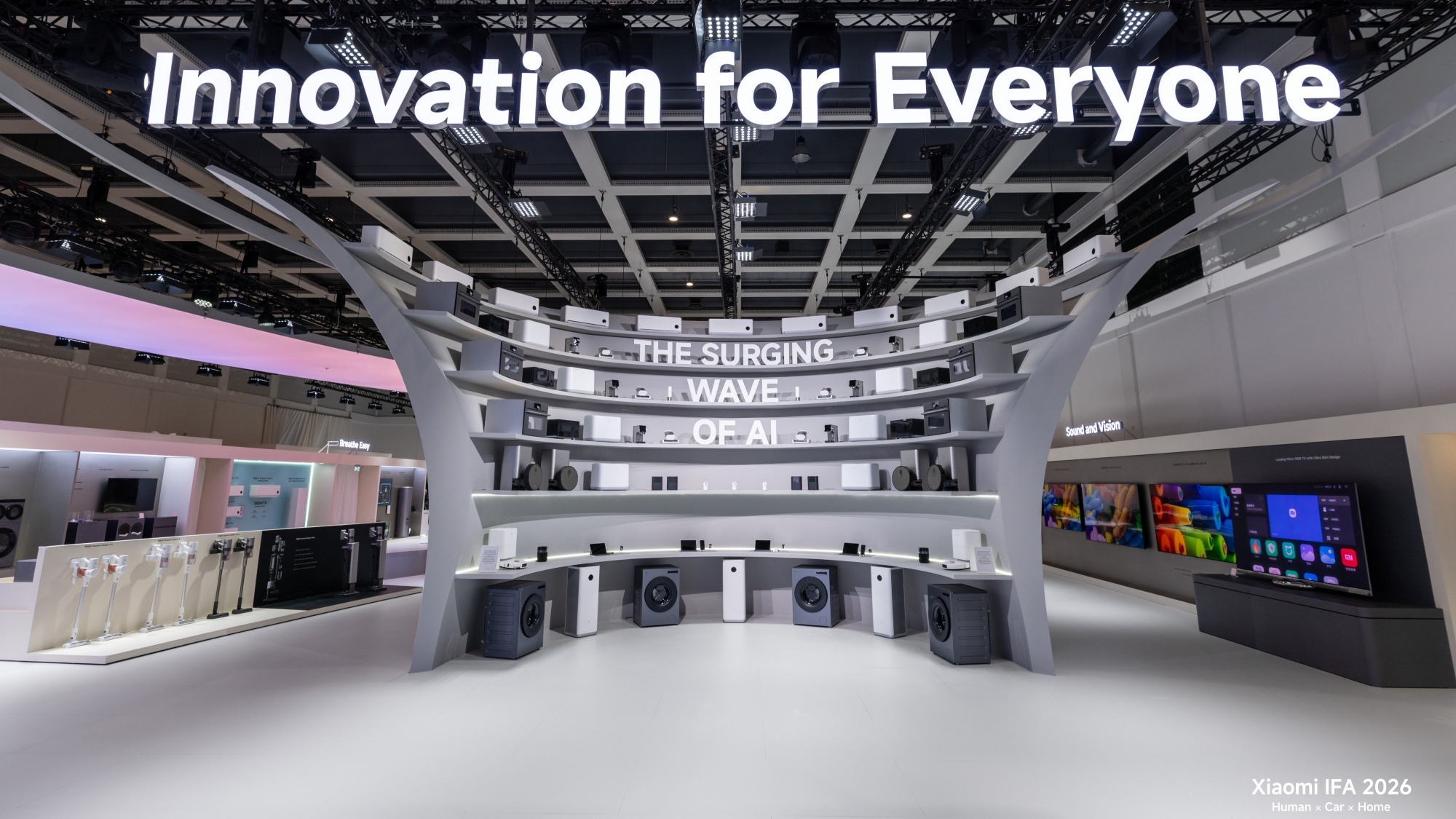
Xiaomi IFA 2026 exhibition space

(Image credit: Xiaomi)

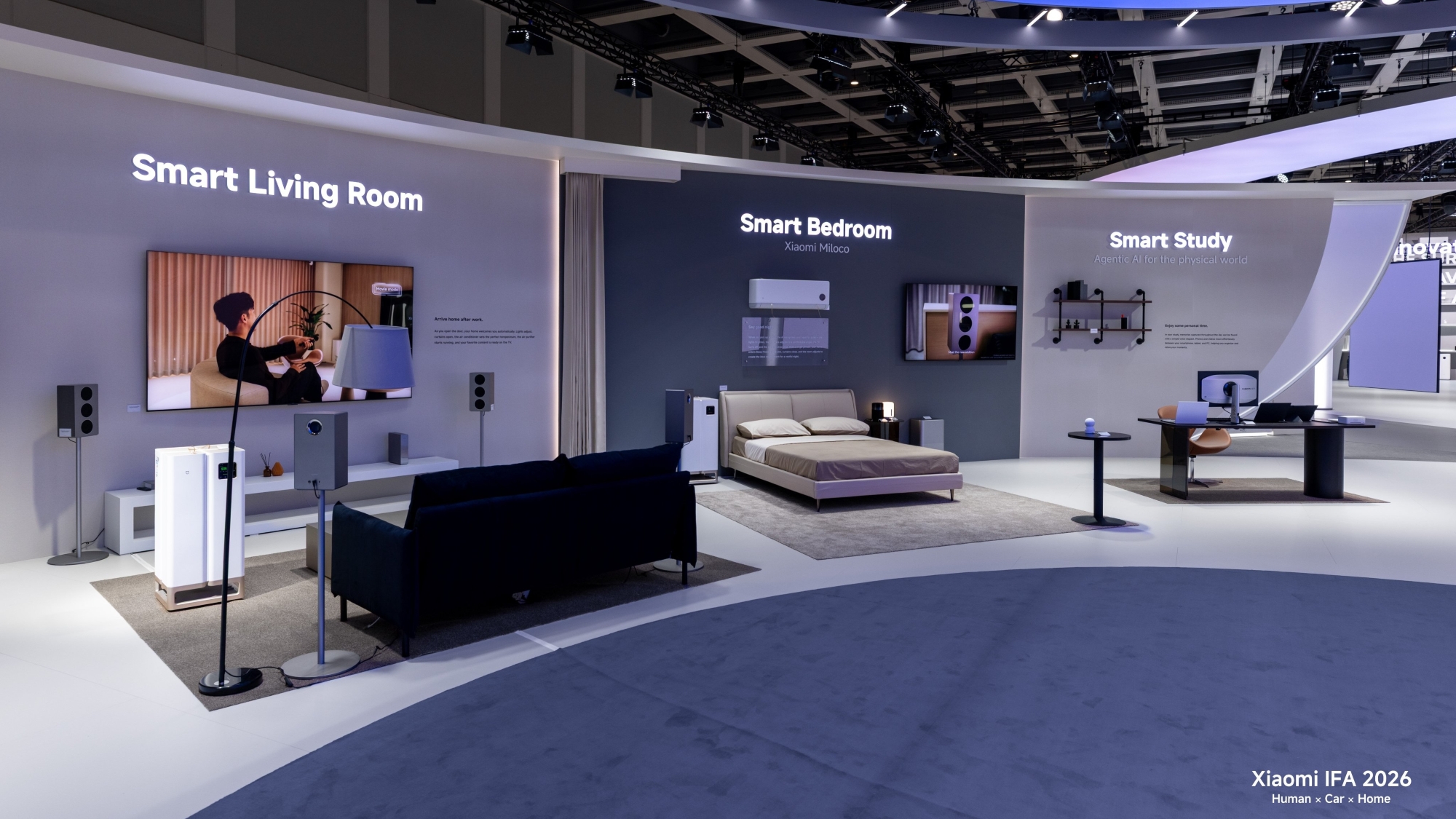
Xiaomi's IFA debut was a big one, with the company showcasing its family of products across a massive space spanning 3,300 square meters. The company showed off how its family of products can work together using HyperOS and AI, allowing you to seamlessly move across devices as you navigate your home and even your car.

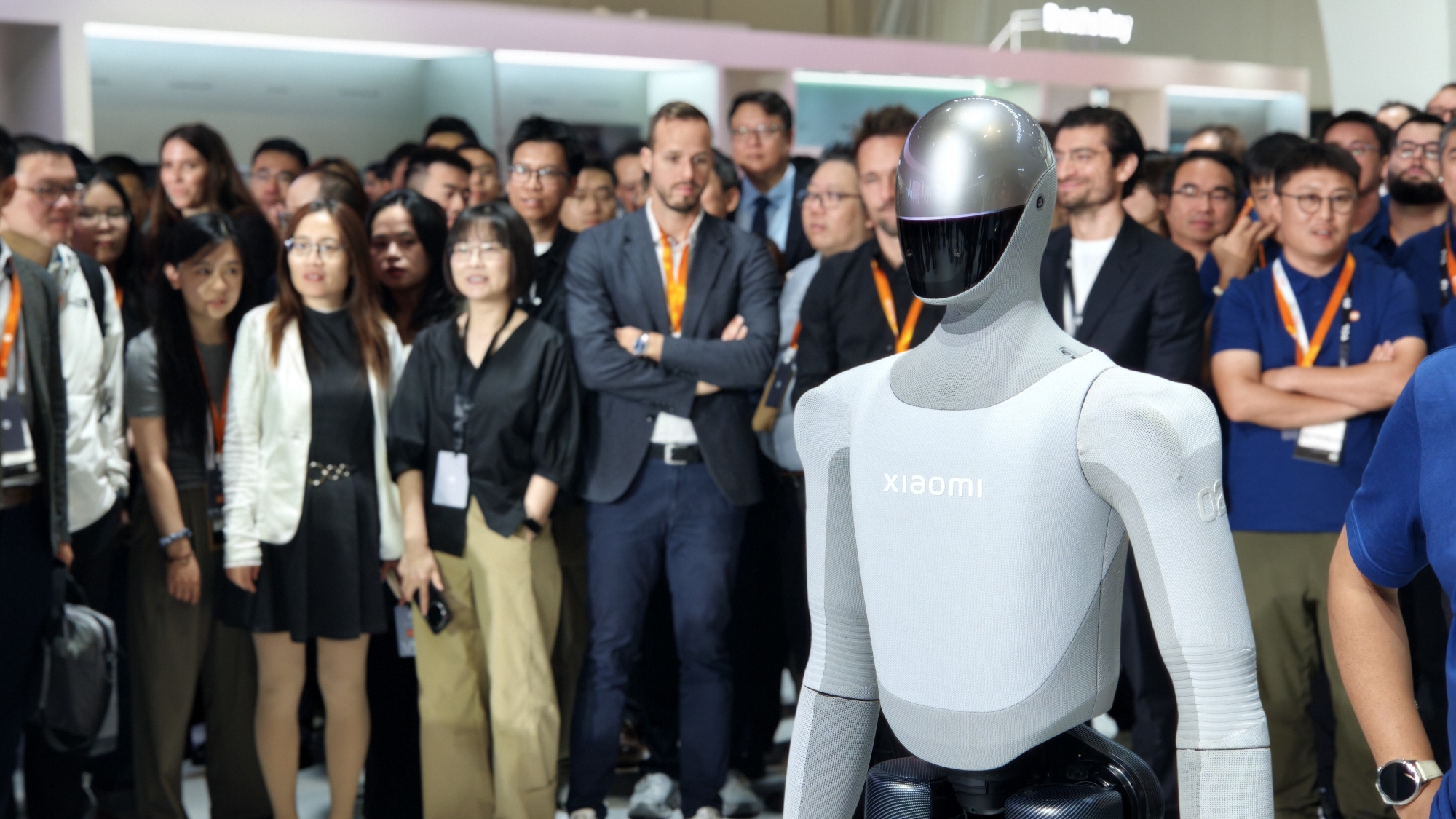
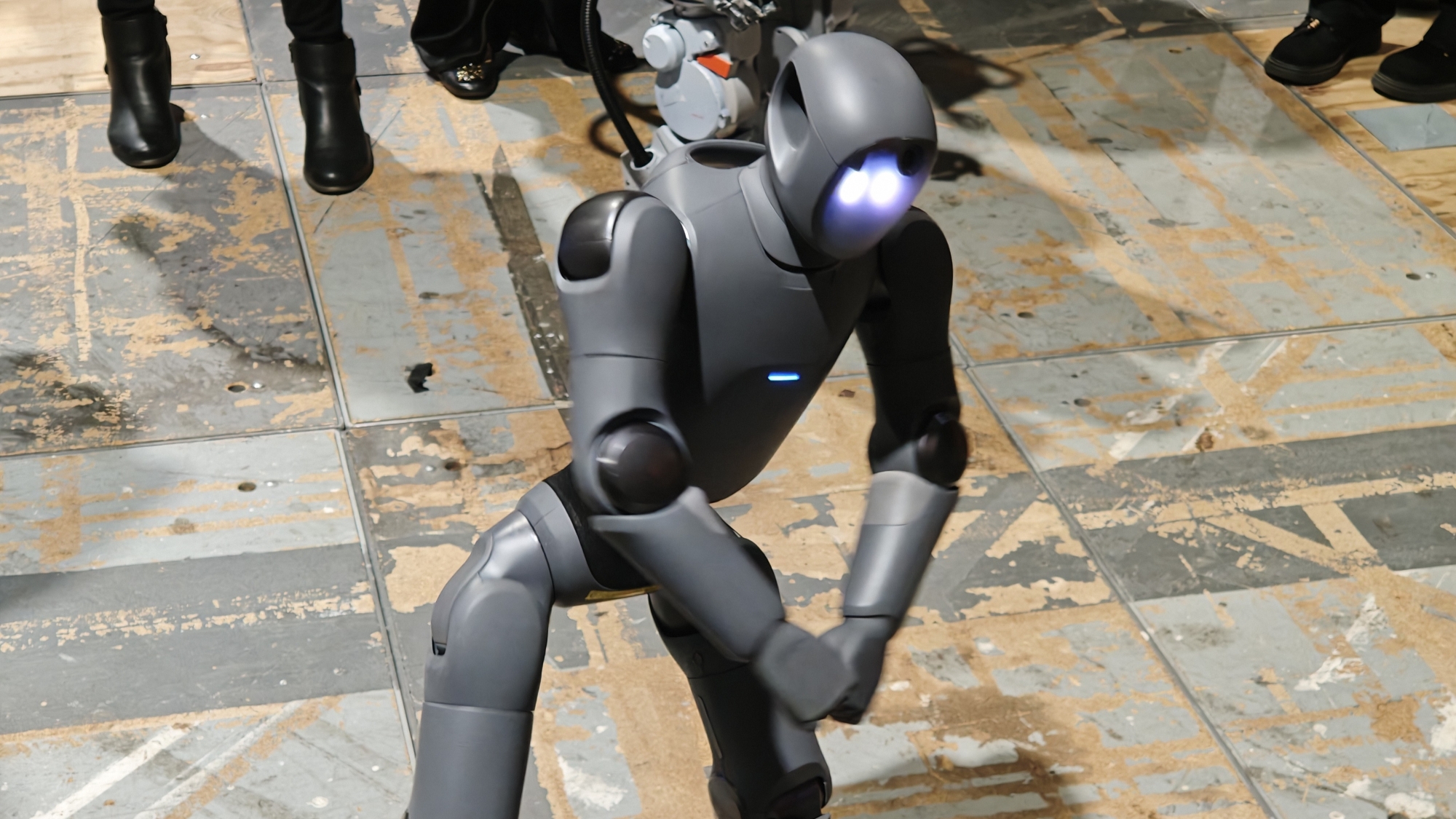
Xiaomi Humanoid robot

(Image credit: Derrek Lee / Android Central)

But beyond that, the company also showed off a cool humanoid robot that walked around its space for photo ops. The company says it's exploring the use of humanoid robots to enhance its manufacturing, stating that it has already seen a massive improvement with tasks like nut tightening in its Auto Factory.

Xiaomi 18 Fold open and closed at IFA

(Image credit: Xiaomi)

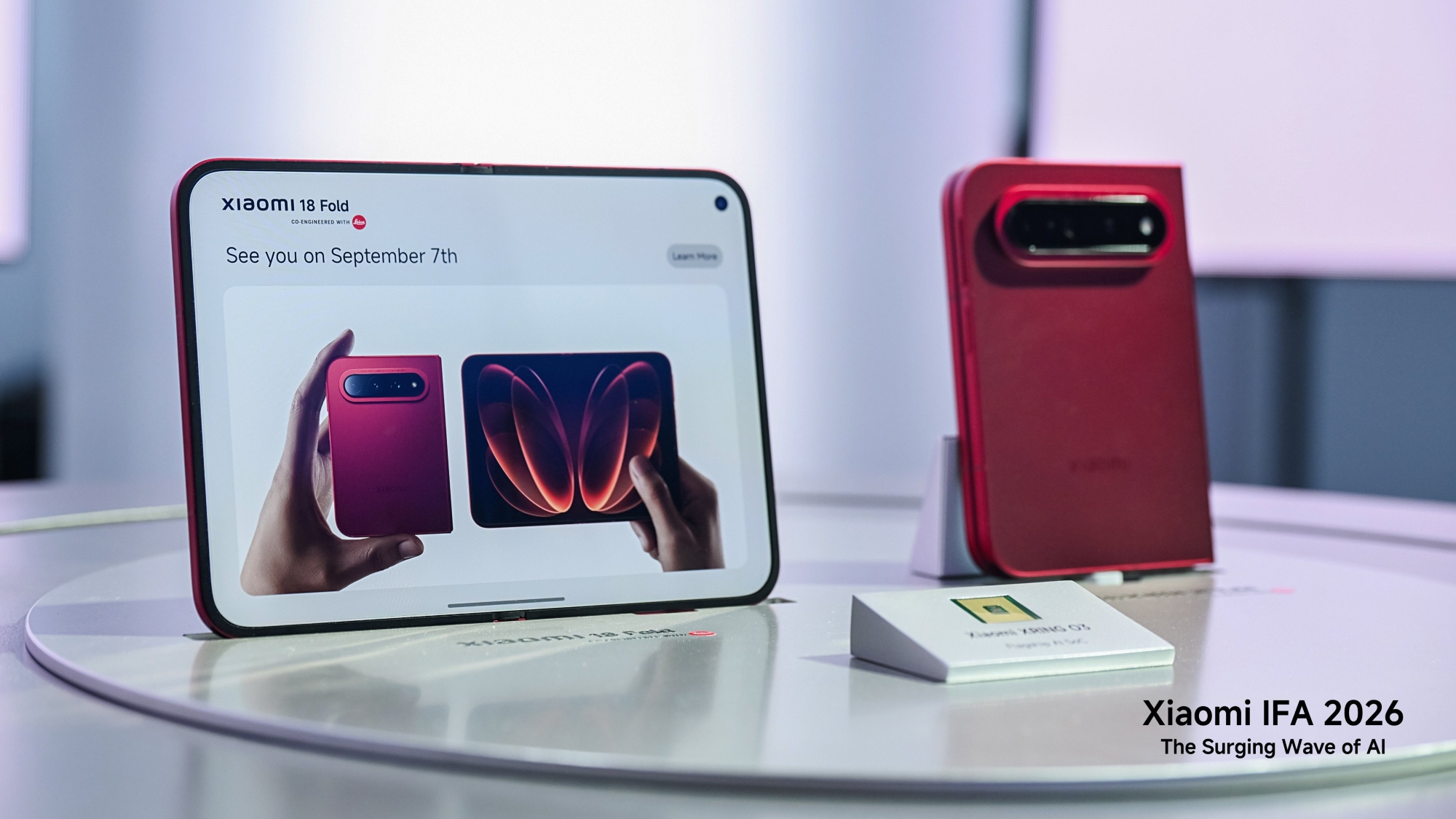
But the thing I was most interested in was the one item attendees couldn't get their hands on: the Xiaomi 18 Fold. The device was secured behind glass in a striking red color, showing the device both closed and open. It has a wider foldable design, similar to the Galaxy Z Fold 8, although with rounder corners, which is a design cue we're expecting on the rumored iPhone Ultra.

The Xiaomi 18 Fold has a triple-camera system and is powered by the company's in-house XRING 03 chip, enhanced for on-device AI. The full launch is just days away, on September 7, so we'll learn more about this exciting phone soon.

Move over, Robot Phone

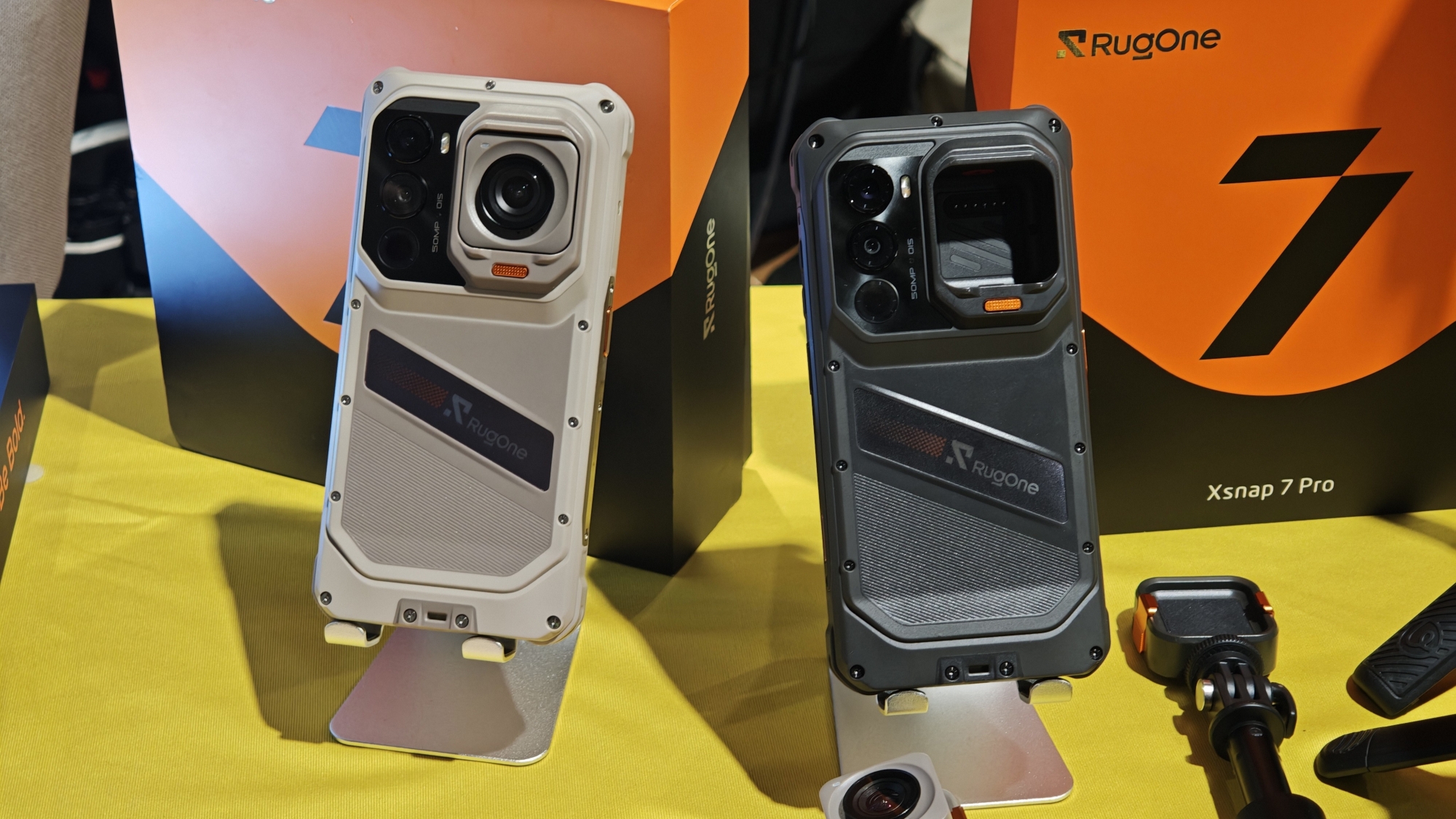
RugOne Xsnap 7 Pro action camera

(Image credit: Derrek Lee / Android Central)

I often ignore ruggedized phones because they serve a particular market segment I'm just not very interested in. However, the RugOne Xsnap 7 Pro from Ulefone does something unique that caught my eye.

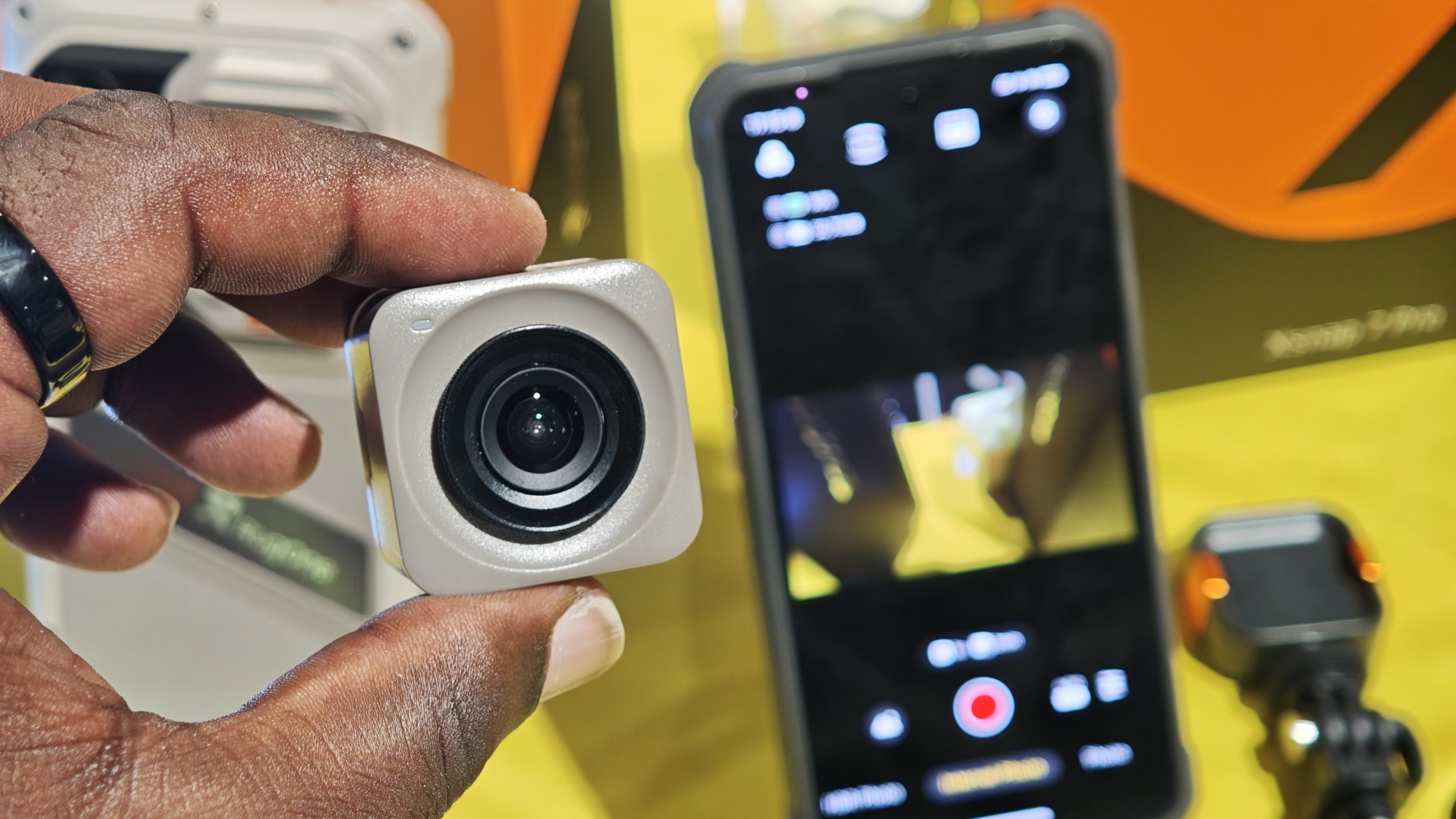
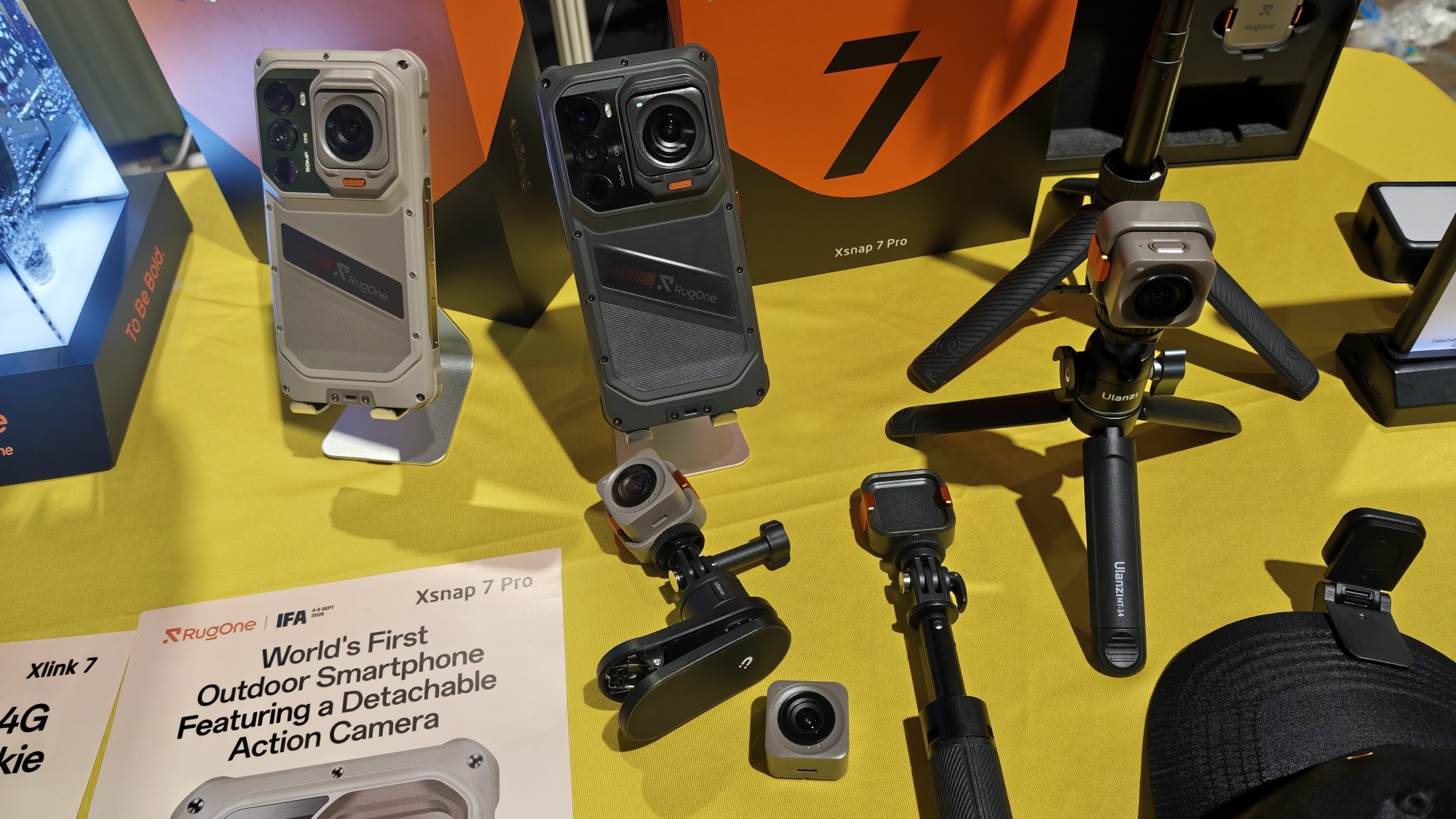
Unlike the Robot Phone, which has a very cool robotic gimbal camera, the Xsnap 7 Pro has a detachable camera that can be used as a remote action cam. Ulefone had a number of accessories on display that the camera could be attached to, including a tripod, a selfie stick, a clamp, and more. And when you're done being adventurous, you can easily snap the camera back into place, where it's paired with a 50MP and 64MP camera system.

The phone is powered by a respectable MediaTek Dimensity 8400 and is IP69K-, IP68-, and MIL-STD-810H-certified for high-grade durability. It's clear this is for a certain type of consumer, which I am not, but I can't help but want this phone.

Smart rings that vibrate and much more

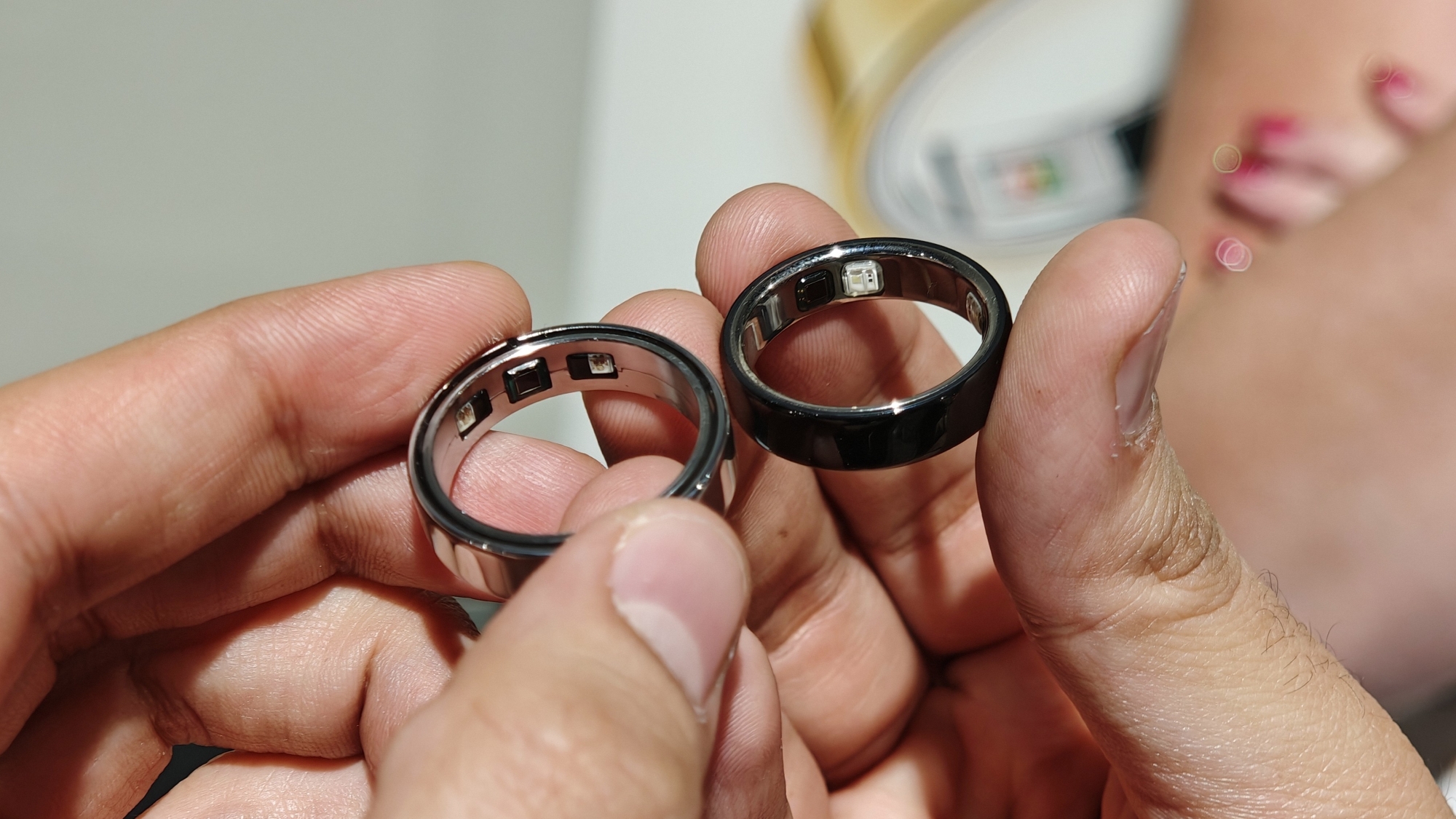
The Circular Ring 3 Pro and Slim

(Image credit: Derrek Lee / Android Central)

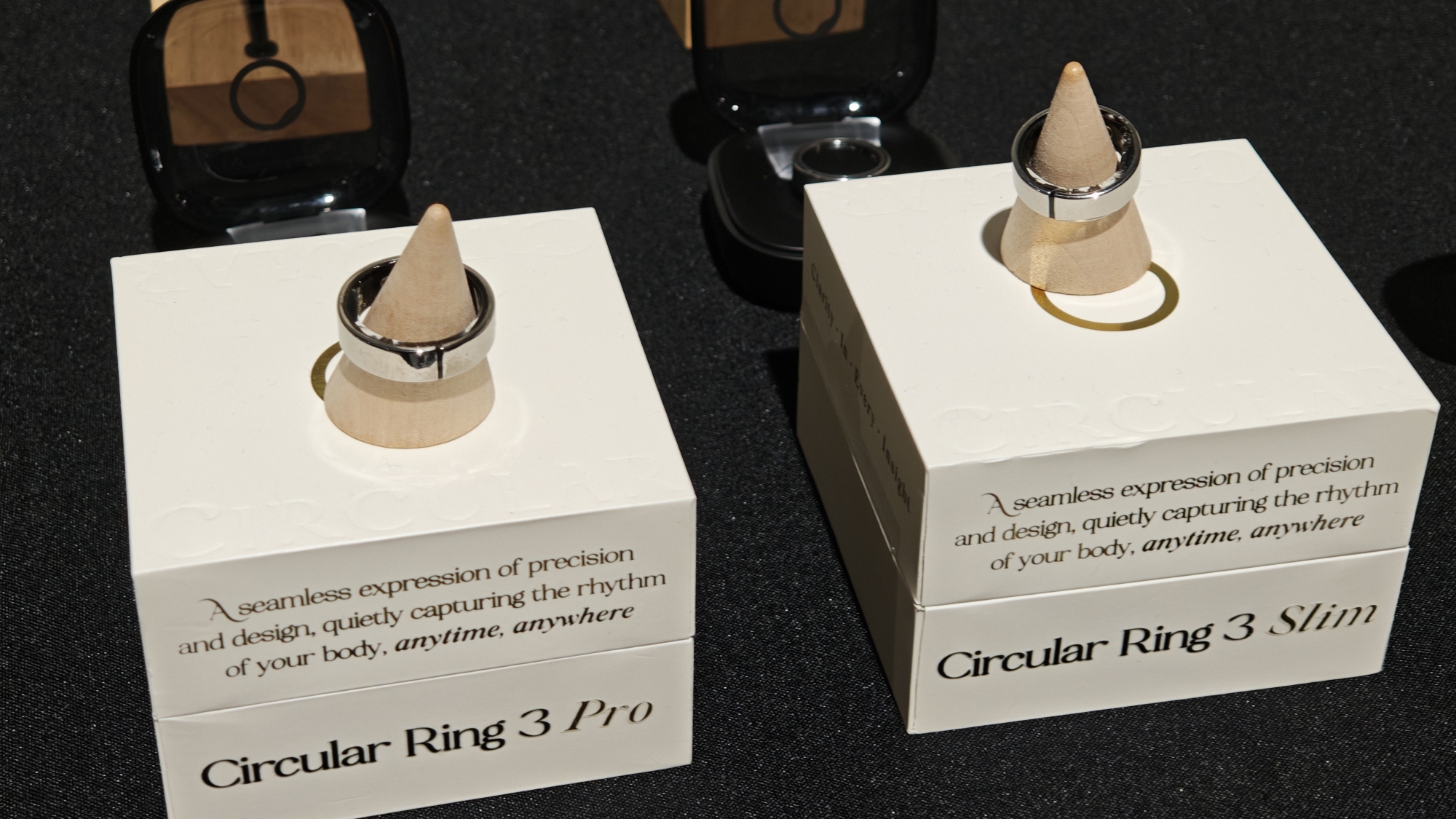
I'm a big fan of smart rings, but the small form factor brings some limitations. Fortunately, some of the latest smart rings from Circular seem to be addressing some of them, with both rings featuring vibration alerts.

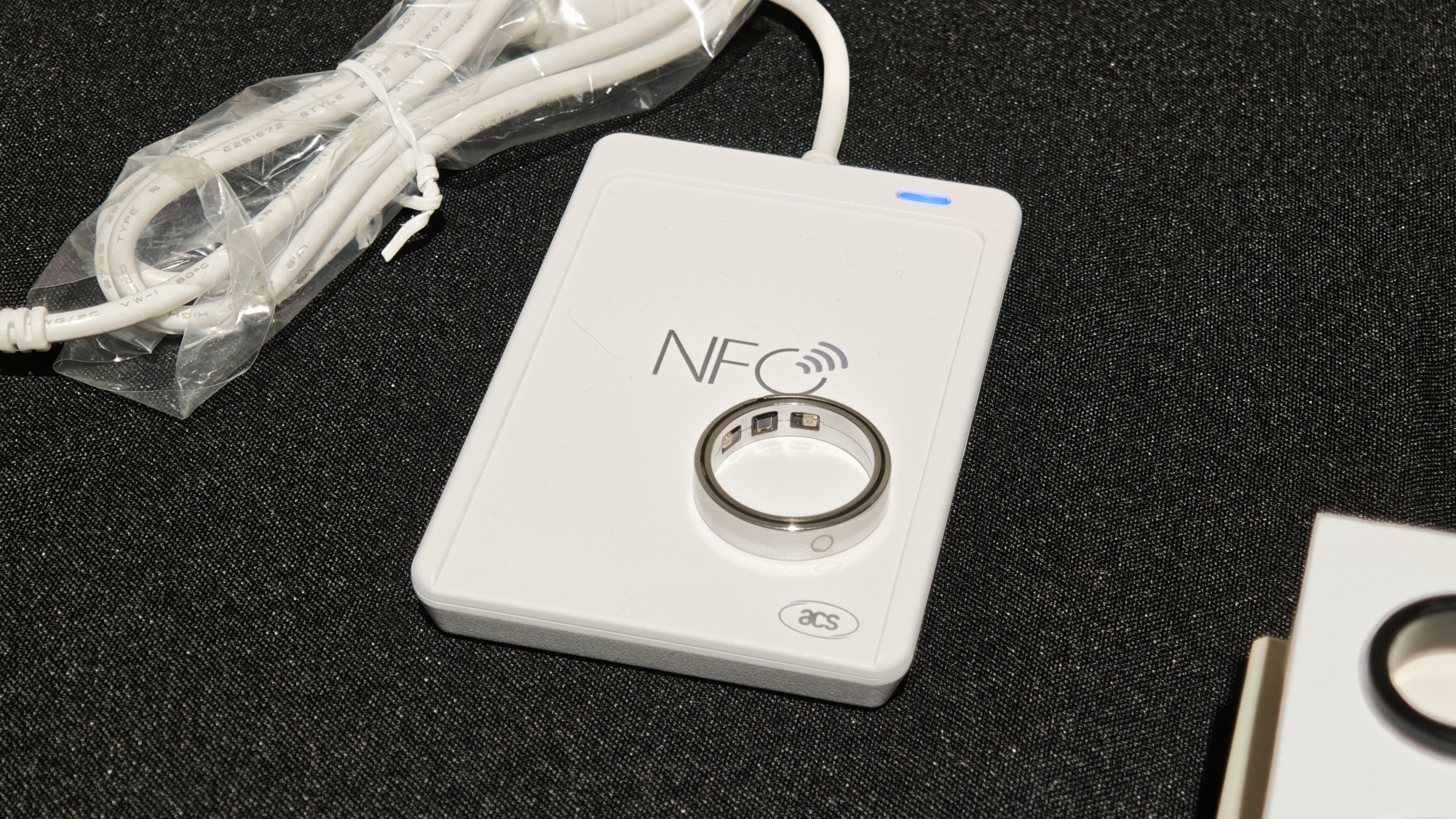
This is actually something Circular has featured in previous versions of its smart ring, but it was unfortunately omitted from the Circular Ring 2. Now it's back with the Circular 3 series, which can vibrate for wake-up alarms, health alerts, bringing exercises, and more, all while being nearly as slim as the Oura Ring 5. They also feature NFC payments, which is a feature I would love to see on more smart rings.

Circular Ring 3 Slim on an NFC pad
Derrek Lee / Android Central
Circular Ring 3 Slim and Oura Ring 5
Derrek Lee / Android Central
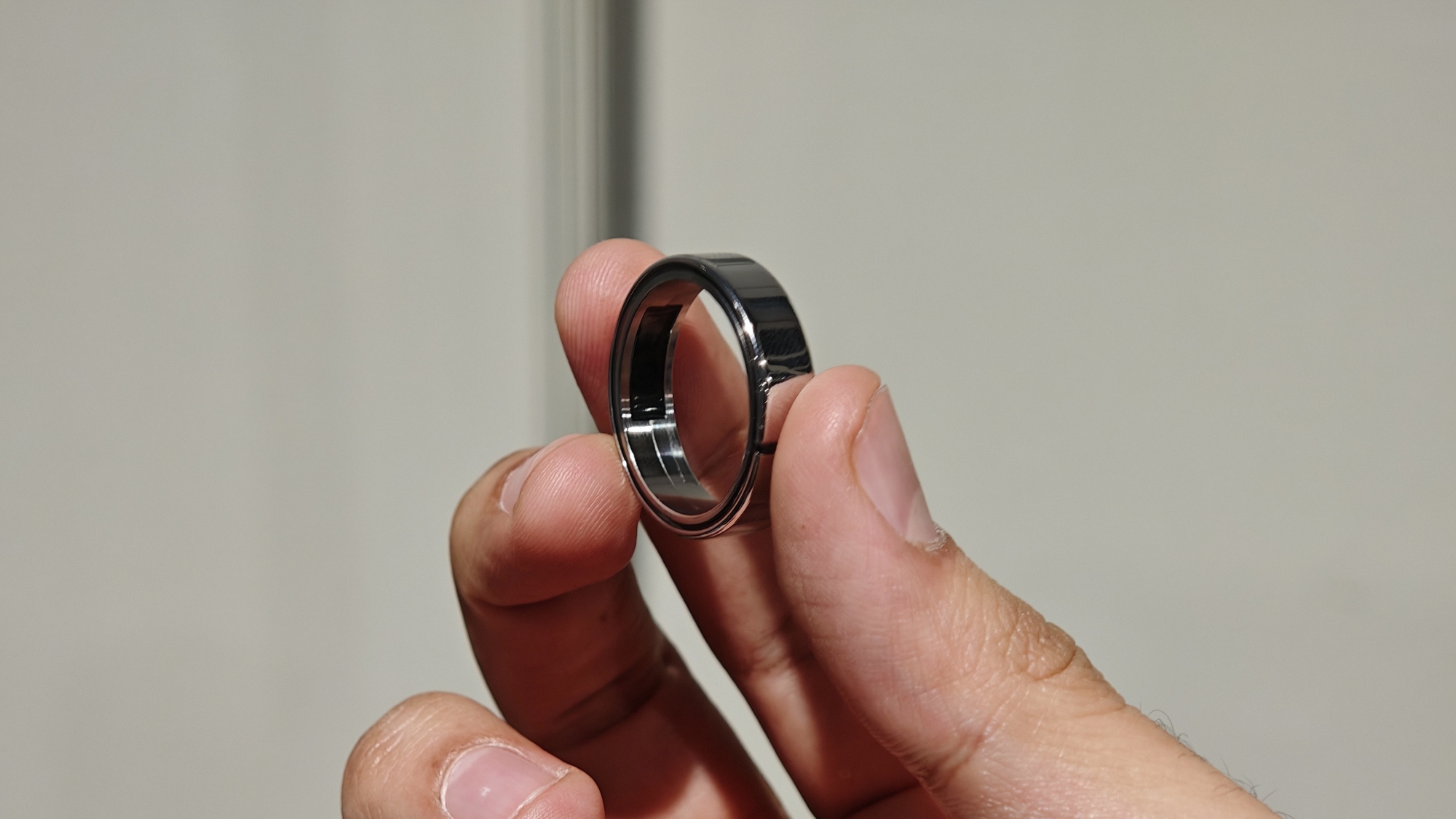
Circular Ring 3 Slim
Derrek Lee / Android Central
Circular Ring 3 Slim colors
Derrek Lee / Android Central

The Circular Ring 3 Slim is the thinner of the two and, as a result, misses out on some advanced health-tracking features found in the Circular Ring 3 Pro, such as blood pressure trends. However, it still gets haptic feedback, which is impressive on such a small form factor.

The Circular Ring 3 series is bound to give the Oura Ring 5 a run for its money when it arrives in 2027.

Your next AI running glasses

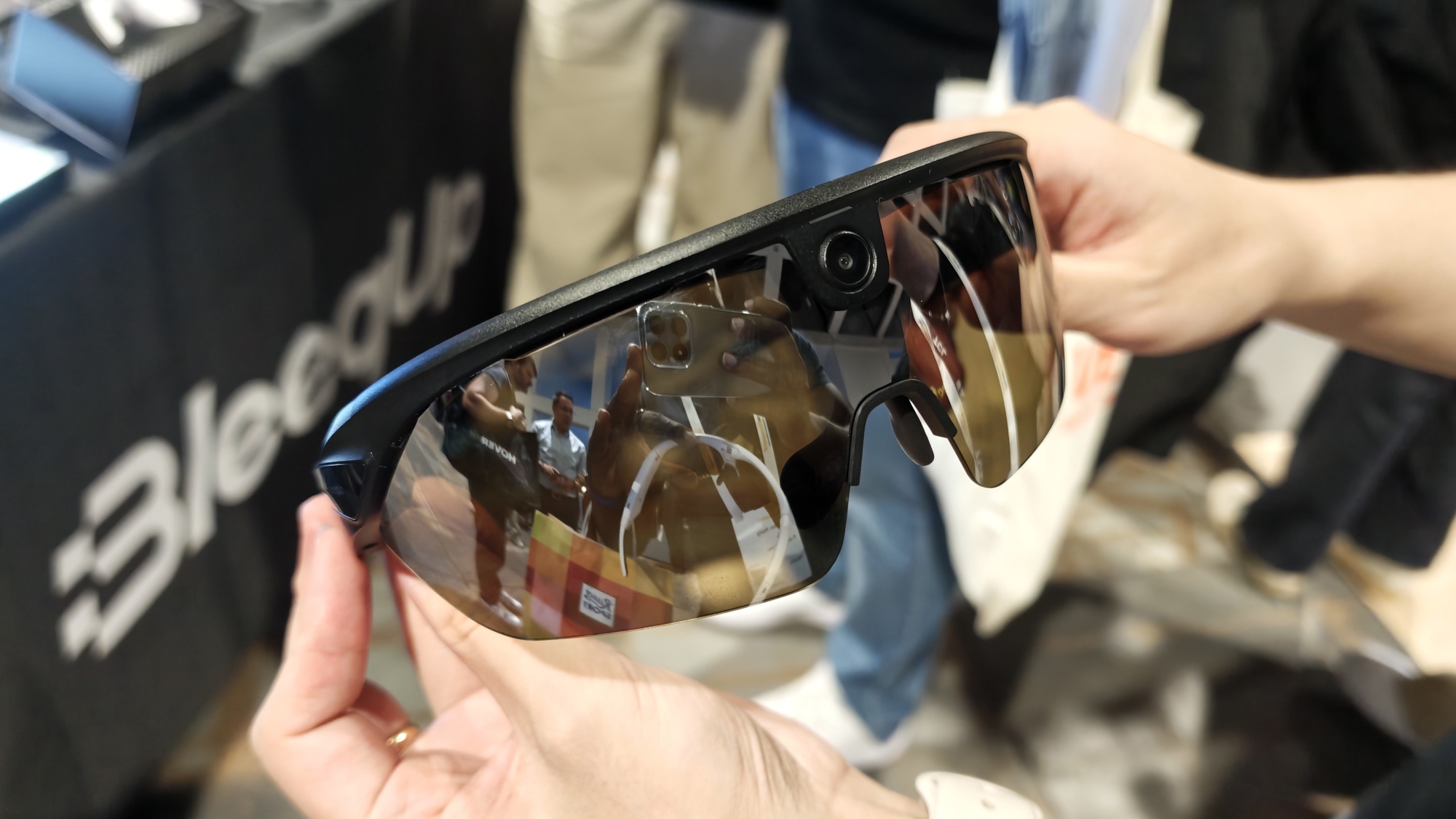
BleeqUp Rover in black

(Image credit: Derrek Lee / Android Central)

I checked out BleeqUp's first smart AI glasses at last year's MWC, and this year the company has a new pair with welcome enhancements that make it an even more enticing alternative to the Oakley Meta Vanguard.

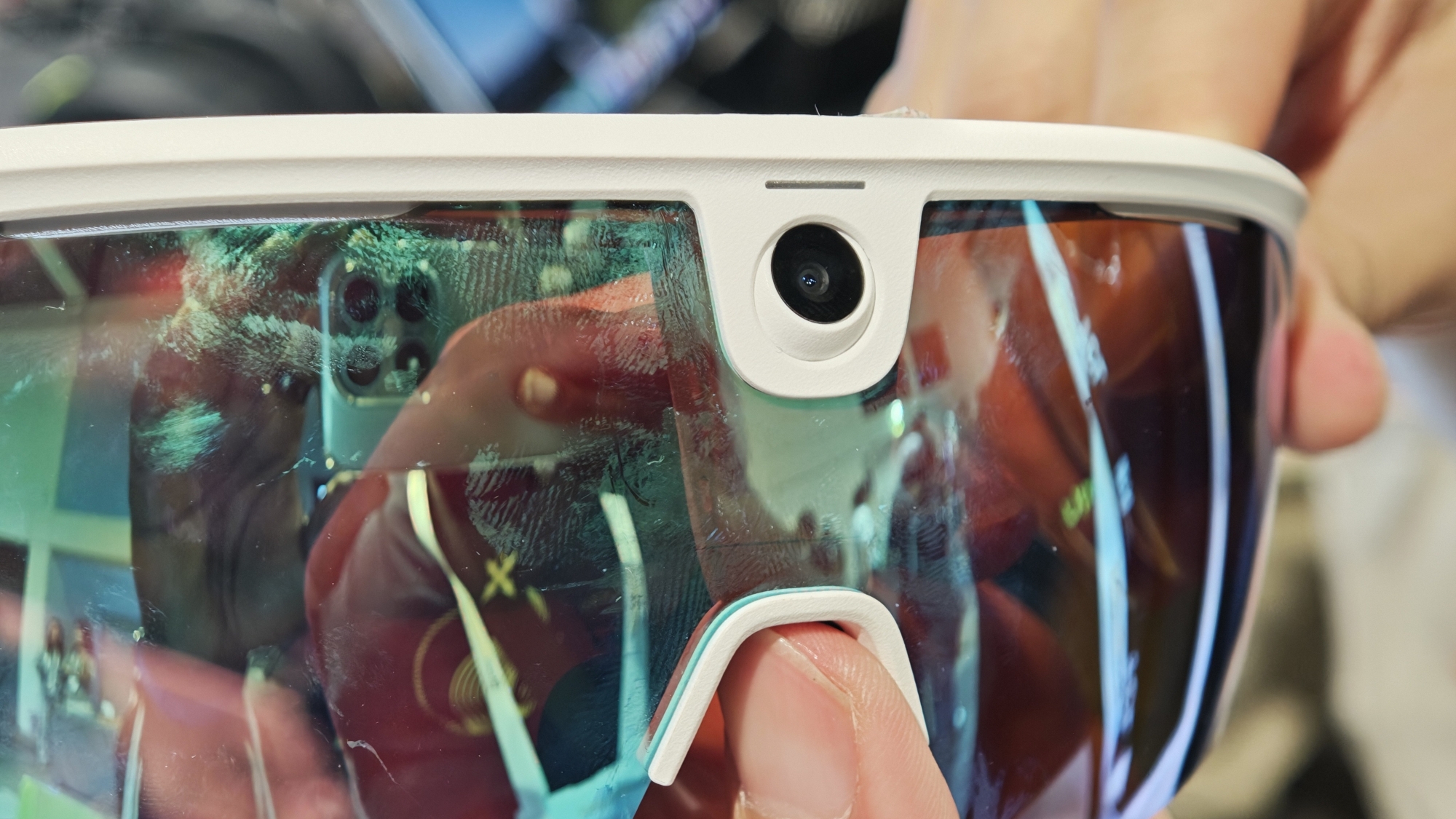
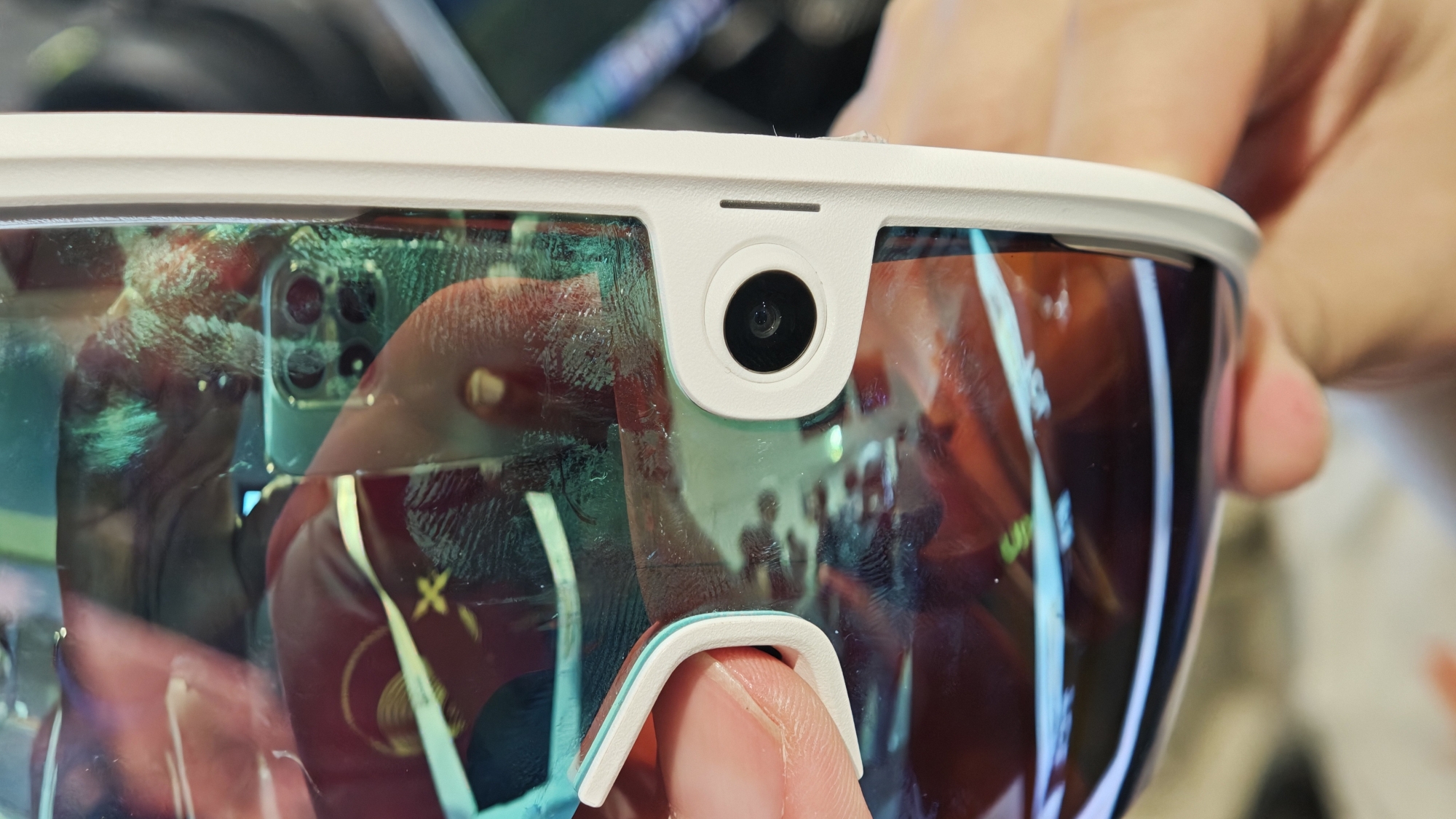
Compared to the BleeqUp Ranger, the new Rover glasses feature an updated 3K60 resolution with HDR and improved low-light performance. Interestingly, the camera can tilt up or down, offering greater versatility in your sports shots.

BleeqUp Rover camera angled upwards
Derrek Lee / Android Central
BleeqUp Rover camera angled downwards
Derrek Lee / Android Central

There's also more AI integration for things like emergency recording, proactive safety alerts, and for sports monitoring to track things like your breathing rhythm and provide activity summaries.

Finally, there's better waterproofing, double the internal storage, and support for BleeqUp's accessories like the remote control and battery extender.

Tecno bezel-less concept

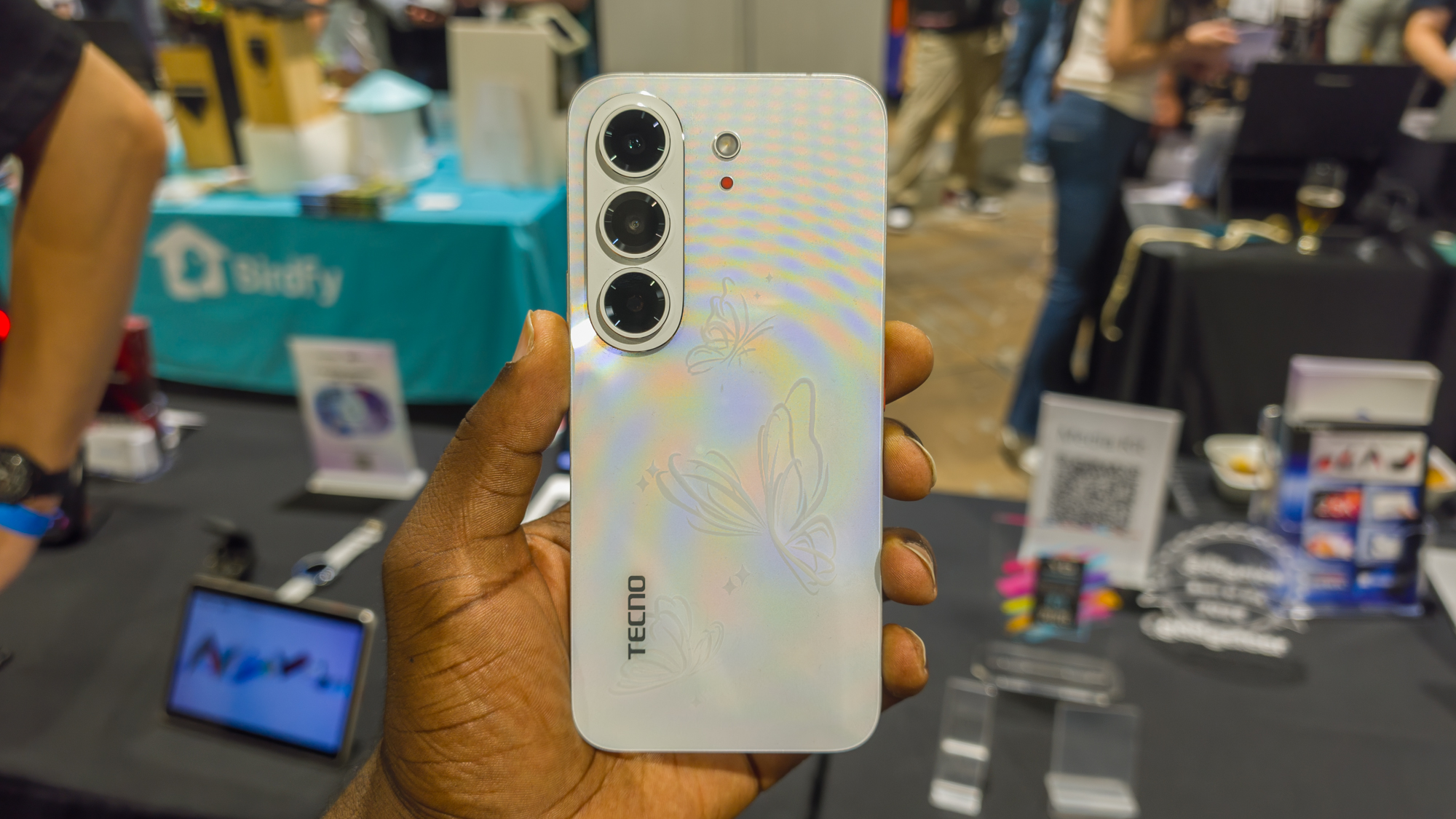
Tecno Next-Gen Bezelless Phone

(Image credit: Derrek Lee / Android Central)

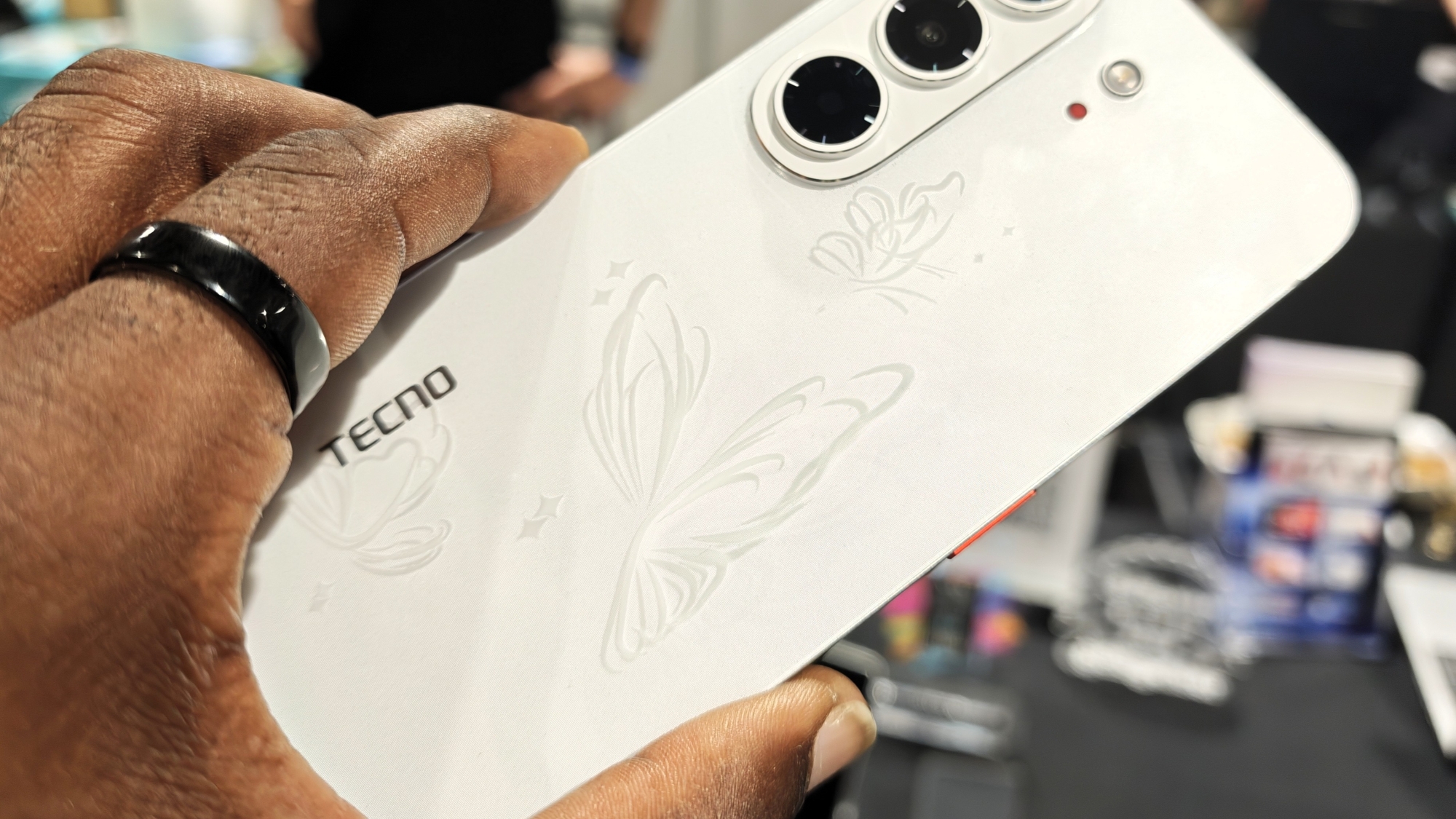
Tecno is no stranger to showing off cool concept at trade shows such as this (remember that cool modular phone?), but the bezel-less concept phone feels like a product I could actually see it bringing to market. At first glance, it looks and feels just like a regular phone, but turn it on, and you'll notice just how immersive the viewing experience is.

It's really just display and frame, and while my hands-on time was short, it feels like a phone made for a not-too-distant future.

Tecno Next-Gen Bezelless Phone

(Image credit: Derrek Lee / Android Central)

The back is also really interesting, sporting a unique design with a 3D-like effect that thoroughly impressed myself and other onlookers almost as much as the bezel-less display.

The only portable projector you'll need

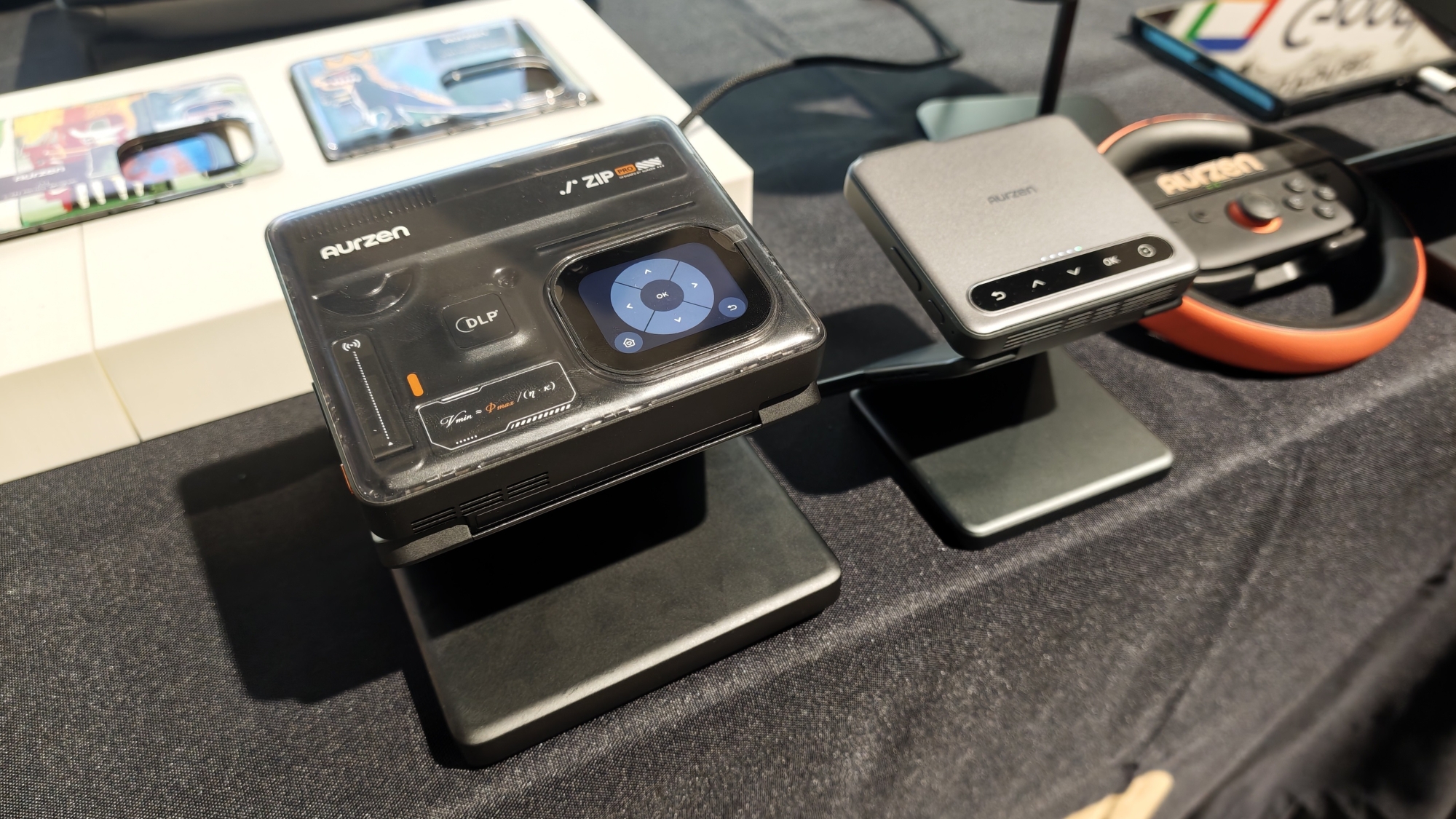
Aurzen Zip Pro

(Image credit: Derrek Lee / Android Central)

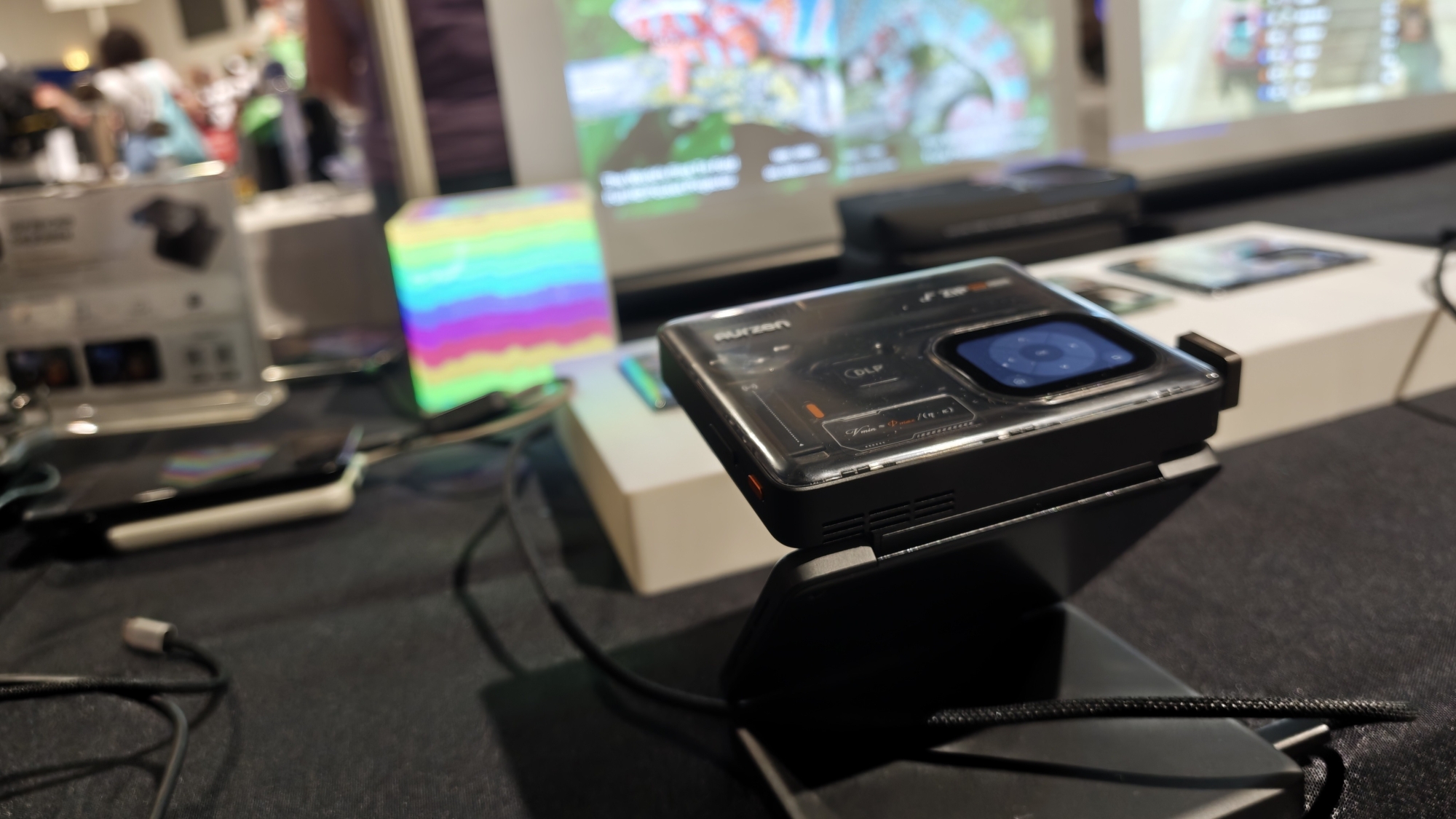
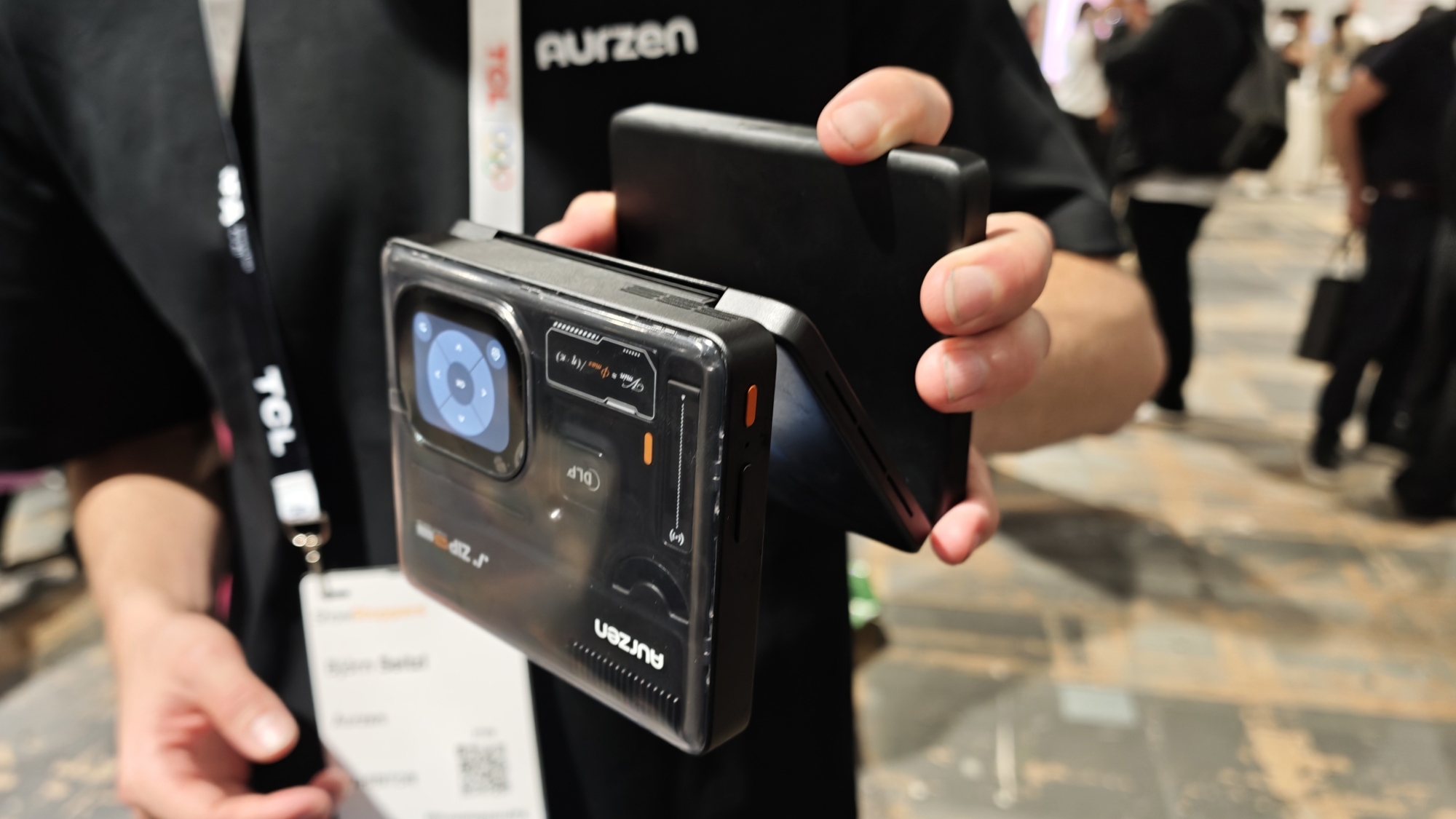
The Aurzen Zip Pro took what I loved about the original Aurzen Zip and supersized it. It's still one of the coolest portable projectors I've seen, and it's not much larger than the original, while still remaining easy to fold up and carry. It also weighs as much as two flagship smartphones.

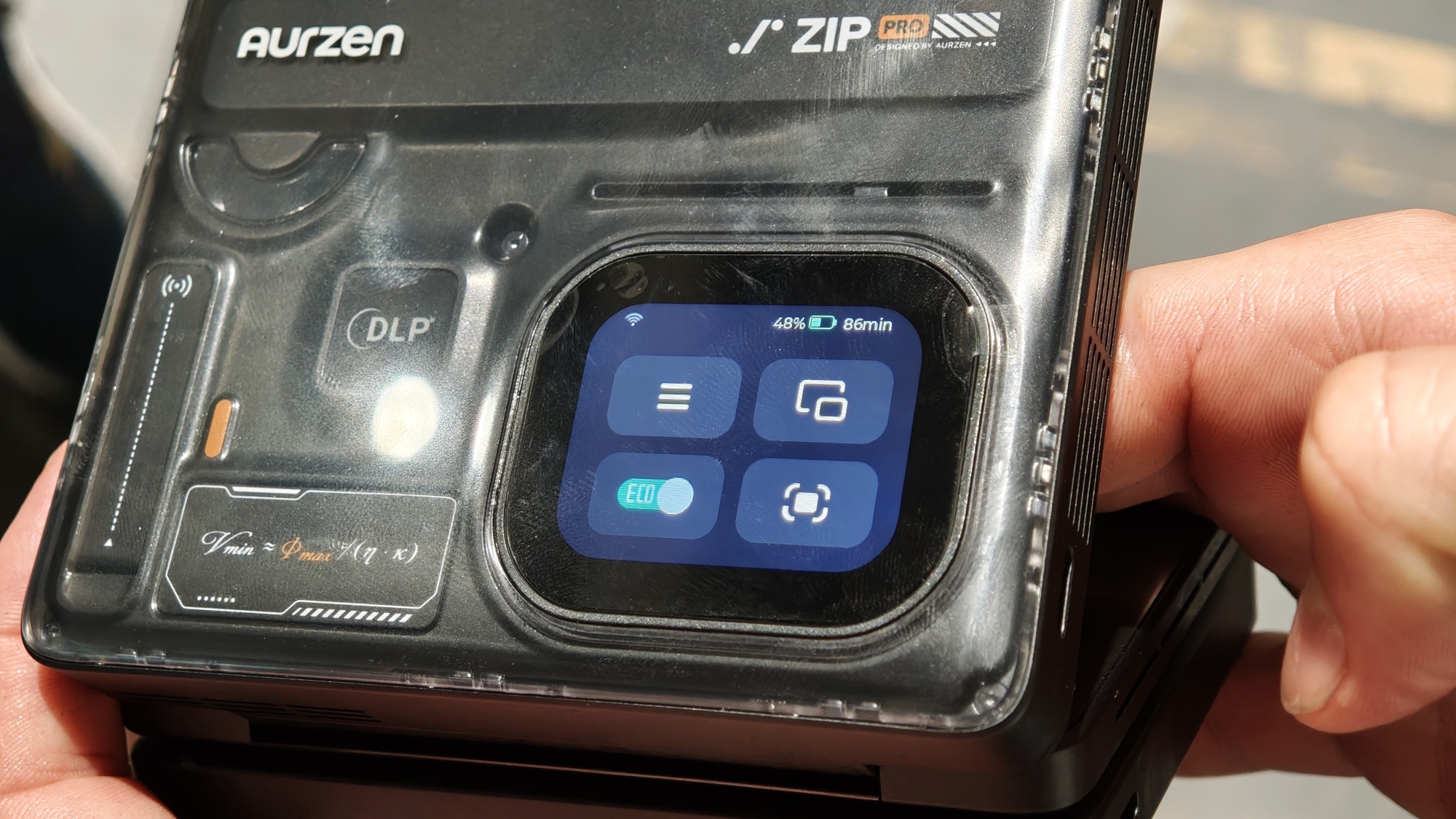
It has better picture quality with a higher 1080p resolution, enhanced color, and 4-point keystone correction, so the picture should look great no matter where you throw it from. Plus, it features a small top display you can use to control the device.

Aurzen Zip Pro and Aurzen Zip
Derrek Lee / Android Central
Aurzen Zip Pro display
Derrek Lee / Android Central
Aurzen Zip Pro in hand
Derrek Lee / Android Central

It also has longer battery life, although at 2.5 hours, you'll wanna keep it plugged in for any "Lord of the Rings" marathons. But if you do need a charge, it now supports 65W charging speeds, which is pretty nice for on-the-go charging.

This is the droid you're looking for

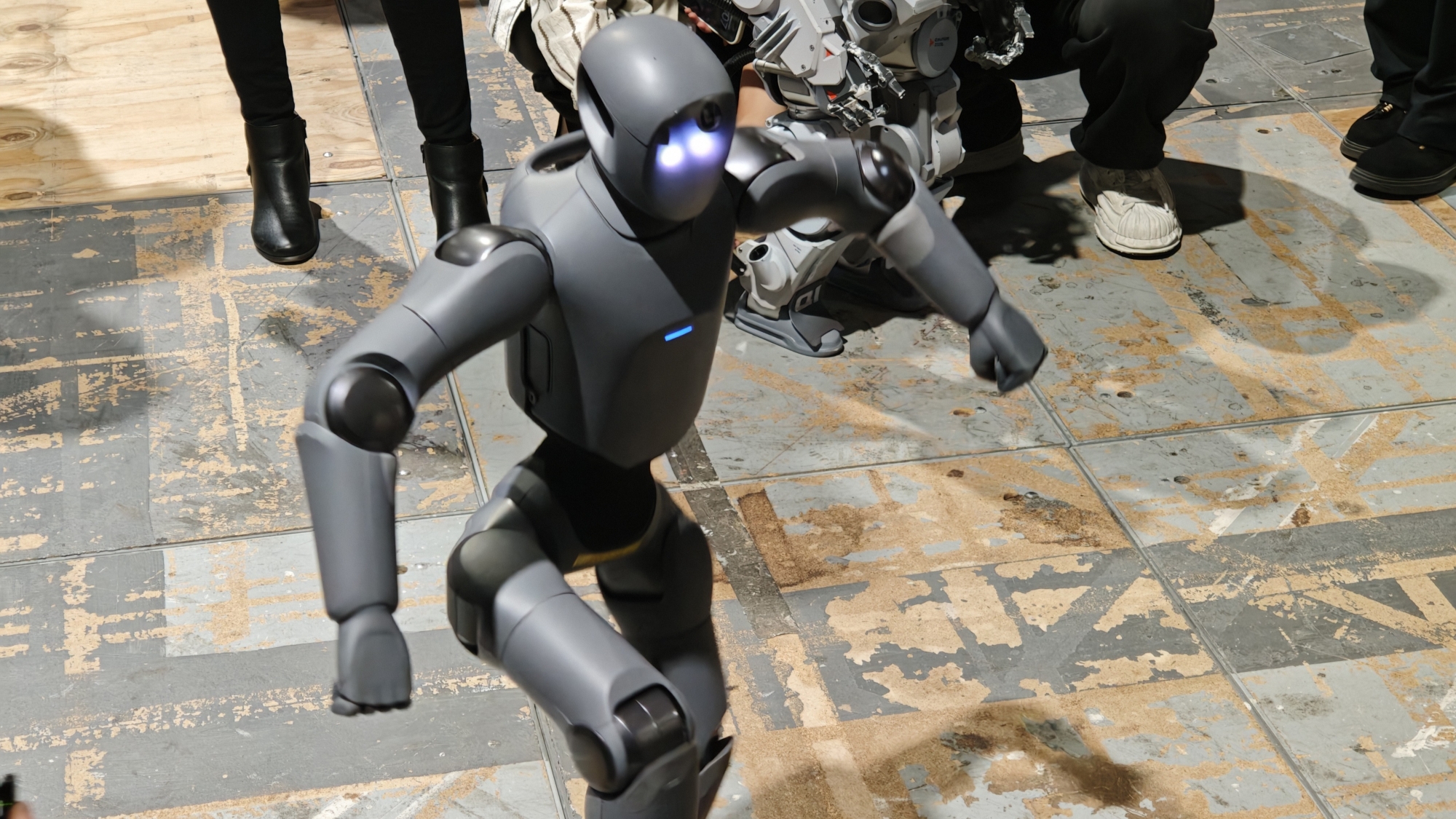
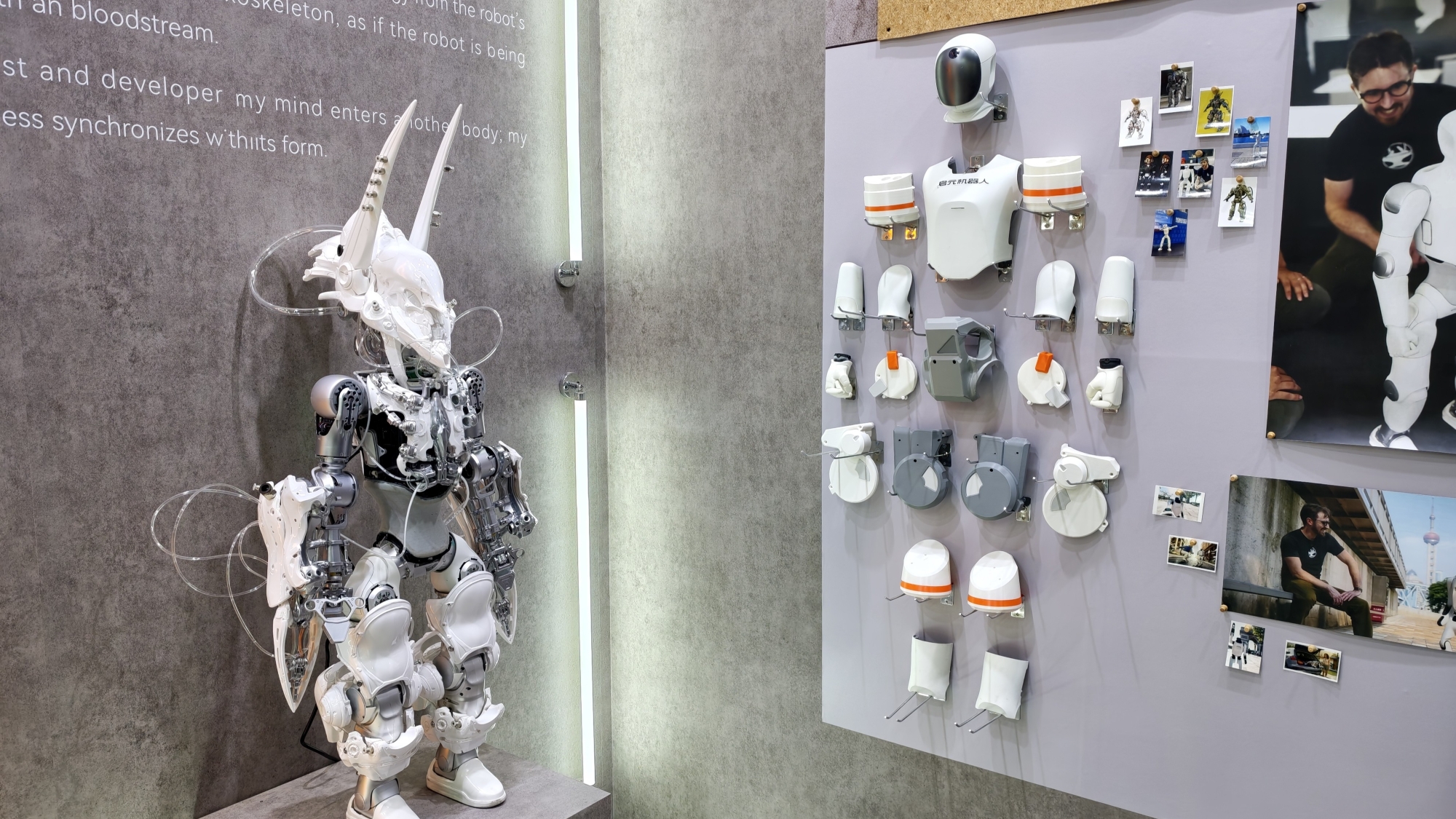
PrimeBot Q1 dancing

(Image credit: Derrek Lee / Android Central)

There's always someone showing off some cool robot thing, and PrimeBot Q1 managed to steal my heart. It's a cute toddler-sized robot that you can talk to or control using your Android smartphone, and thanks to high-torque QDD joints, it moves very quickly for things like dancing (which it does surprisingly well).
I also watched as someone grabbed the Q1's hand and guided it around the show floor, as if it were an actual child you didn't want to lose in the hustle and bustle of a grocery store. My heart immediately melted at the sight of this.
Walking and guiding a PrimeBot Q1 around by hand
Derrek Lee / Android Central
PrimeBot Q1 dancing
Derrek Lee / Android Central
PrimeBot design customization
Derrek Lee / Android Central

The PrimeBot Q1 is also customizable, so you can either take it as is or dress it up to look like a Gundam, Power Ranger, and so much more.

For now, availability is limited to China, but it's set to come to Europe in 2027. Here's hoping it also makes it way to the U.S.!

  •  

This rugged Android phone does something I've never seen before

We're still hot on the heels of Honor's very impressive Robot Phone, which comes with a robotic gimbal camera that folds out of the back of the phone. It's hard to imagine any company following up with something just as bold, but Ulefone definitely did its thing at IFA 2026 when it showed off the RugOne Xsnap 7 Pro.

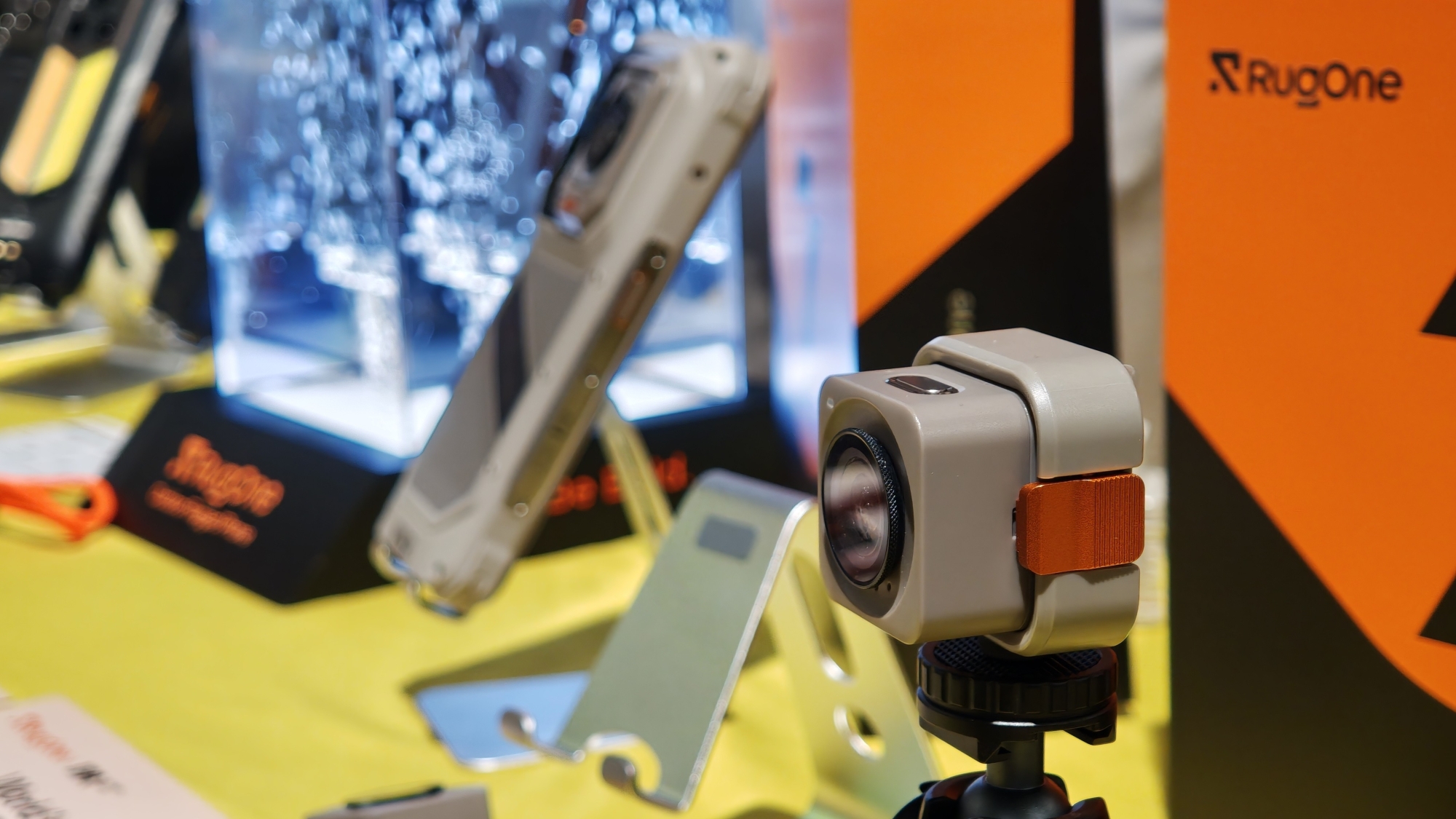
At first glance, it looks like your typical ruggedized Android phone, complete with a very bulky, yet tough build. However, turn it around, and you'll see why this phone is so unique: it has a detachable action camera magnetically embedded into it.

Few things at IFA made me stop and gawk, and this was definitely one of them.

RugOne Xsnap 7 Pro colors

(Image credit: Derrek Lee / Android Central)

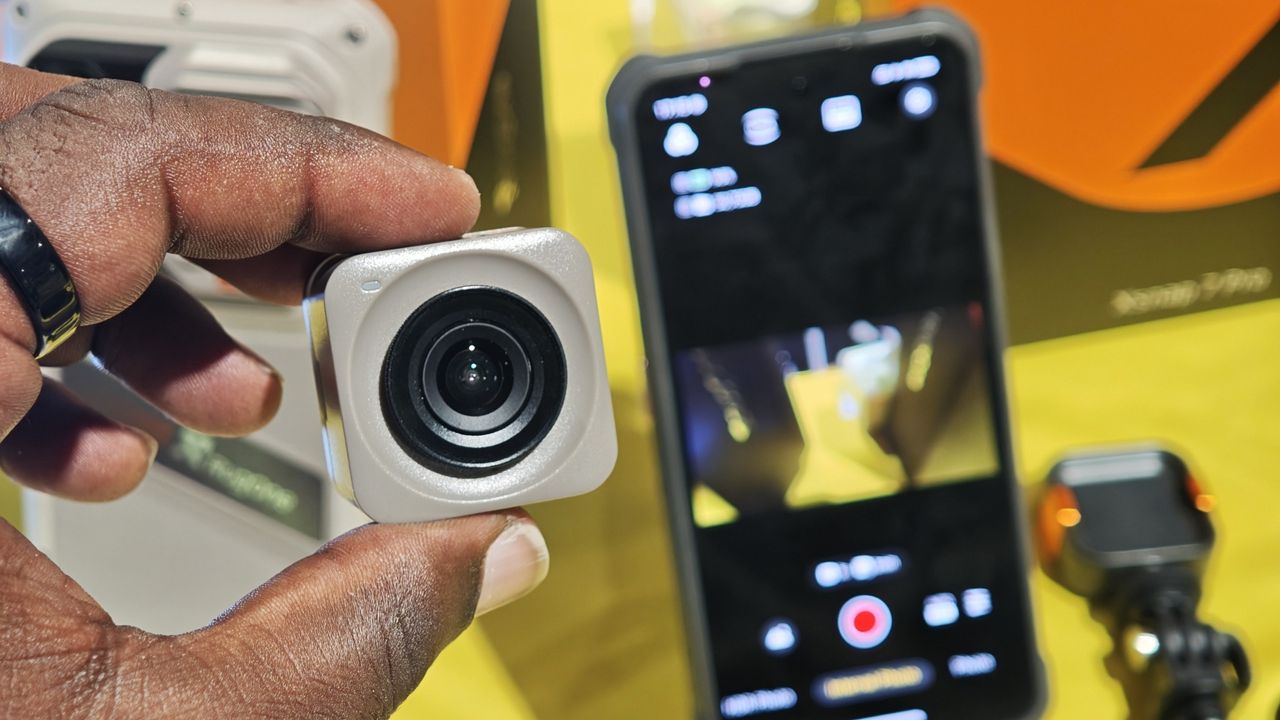
The actual camera module is no bigger than something like the DJI Osmo Nano camera, although its specs might seem a bit underwhelming by comparison. According to Ulefone, the camera can be used for up to 40 minutes per charge and supports 2.7K resolution at 30fps. With these specs, it may not be the most functional GoPro alternative, but it should get the job done in a pinch.

The Xsnap 7 Pro was also surrounded by several different accessories, all of which you could use as attachments for the action camera. This included two tripods, two clips (one attached to a hat), and an extension rod, highlighting the different ways you can use the action camera.

Ulefone says the Xsnap 7 Pro was built with several different types of consumers in mind, including content creators, vloggers, outdoor sports enthusiasts, explorers, and "tech trendsetters."

RugOne Xsnap 7 Pro colors and accessories

(Image credit: Derrek Lee / Android Central)

The camera can function underwater and provides a live preview on the phone up to 50 meters away. It has 64GB of built-in storage, features such as distortion correction and full-sensor recording, and can sync footage with a phone app.

Speaking of the phone, it actually has some pretty decent specs. It has a 6.67-inch FHD+ 120Hz AMOLED display and is powered by a MediaTek Dimensity 8400 with 12GB of RAM and 512GB of storage, which feels like plenty if you're planning to shoot a lot of video. In addition, the Xsnap 7 Pro also has a fixed 50MP primary camera and a secondary 64MP Night Vision camera (sorry to those looking for an ultrawide sensor).

Keeping the lights on is a massive 9,300mAh battery that can also help charge the action camera. That's good too, because given the camera's battery life, you'll definitely need to make use of all that capacity.

RugOne Xsnap 7 Pro action cam

(Image credit: Derrek Lee / Android Central)

Of course, the phone is also very tough. It is certified for IP69K and IP68 water and dust resistance. Plus, it is MIL-STD-810H compliant, so it should be able to take a beating.

The RugOne Xsnap 7 Pro launches on Kickstarter on September 7, available at an early-bird price of €799. However, when it launches globally in October, it will retail for $999, which honestly doesn't sound too bad when you consider you're basically getting two products in one.

  •  

This Android phone was an IFA 2026 sleeper hit, thanks to its cool bezel-less display

Tecno continues to wow us at every trade show with some very interesting smartphone concepts. At IFA ShowStoppers 2026, the company unveiled its new Next-Gen Bezelless Concept Phone, which sports a 0mm bezel. I had a short hands-on with the device, and I immediately want every phone to sport this technology.

Smartphone bezels have continued to shrink over the years, particularly on flagship smartphones. However, they seem to only get so small, and companies have retained some amount of bezel around the display, and it seems that no matter how small they get, someone is always gonna hit the socials to complain about the size of bezels.

For Tecno’s concept phone, the company implemented β€œadvanced internal stacking, structural re-engineering, and novel screen packaging.” The result is a very immersive display experience that almost looks too good to be true. There’s no bezel; it’s only display and frame.

Tecno Next-Gen Bezelless Phone

(Image credit: Derrek Lee / Android Central)

I only got to handle the device for a short time at ShowStoppers, but it was the first time I felt like a concept phone might not be too far off from becoming reality. Tecno told me that, for now, it’s only in the concept and prototype stages, but as someone who doesn’t mind bezels, I really hope bezel-less phones become a thing.

But wait, there’s more

Tecno Next-Gen Bezelless Phone

(Image credit: Derrek Lee / Android Central)

And just when I thought I was done with the Next-Gen Bezelless Concept Phone, I turned it around to get hit with something almost as interesting. The back of the phone features a unique design with a type of 3D effect that looks truly mesmerizing. The design truly pops out at you, and you almost feel like you can touch it.

I stood there gawking at the effect, which I unfortunately can’t really capture on camera. I wasn’t the only one; others who picked up the bezel-less phone were just as amazed by the rear design, which tells me Tecno is really onto something.

Tecno Next-Gen Bezelless Phone

(Image credit: Derrek Lee / Android Central)

This isn’t the first time Tecno has experimented with different effects on its rear glass panels. At MWC 2025, the company showed off a handful of device concepts with different effects, including color-changing photochromic cellulose, e-reader-like Display Electronic Slurry (DES), and ultra-fine optical fibers and LED lights.

Even if Tecno doesn’t produce a phone with a bezel-less display, I would at least love for it to bring more of this to its production phones.

  •  

Xiaomi makes a huge splash at IFA, shows off upcoming Galaxy Z Fold 8 competitor and futuristic AI capabilities

What you need to know

  • Xiaomi is making its debut at IFA, with its first major presence at the trade show and the largest event space it's held overseas.
  • Xiaomi is highlighting its Human x Car x Home portfolio, which includes more than 300 devices, from smart home appliances to cars.
  • The company also showcased the upcoming Xiaomi 18 Fold, a wide foldable that will rival the Galaxy Z Fold 8.

Xiaomi is making its debut at IFA with an exhibition space that is its largest overseas space to date. The company is using up a whopping 3,300 square meters to showcase hundreds of products in its Human x Car x Home portfolio, from concepts to devices available today, with a focus on how these devices will connect with you throughout your life, both at home and in your car.

Curiously, the upcoming Xiaomi 18 Fold is among those devices showcased at IFA, with the official launch already set for September 7.

Xiaomi IFA 2026 exhibition space

(Image credit: Xiaomi)

"This year's IFA marks a significant milestone in Xiaomi's global journey," says Xiaomi CMO Xu Fei in a statement.

"Over the years, we have expanded from smartphones into smart home and smart vehicles, while investing deeply in foundational technologies including AI, operating systems, chips and smart manufacturing.

Today, these businesses and capabilities are coming together through our 'Human Γ— Car Γ— Home' smart ecosystem, which we are presenting at scale to a global audience at IFA."

Xiaomi IFA 2026 exhibition space

(Image credit: Xiaomi)

If you're familiar with Xiaomi and its smartphones, you may already know that the company also produces a line of home appliances and smart home devices, including TVs, smart lights, cameras, and more. What you may not know is that Xiaomi also builds cars, like the SU7 Max and YU7, and the groundwork for a wholly interconnected smart home ecosystem lies behind many of these products.

The Human x Car x Home ecosystem is powered by HyperOS, the backbone of Xiaomi's product portfolio, which lets Xiaomi lay the foundation for a seamless AI experience across devices, which it is showing off at IFA through future concepts and today's use cases.

For example, while you're driving home, AI can gather contextual weather information to ensure your home's lighting and air conditioning are set before you arrive. And this interconnectivity doesn't stop there, with Xiaomi showcasing many ways its ecosystem can work across devices for whatever you need.

Xiaomi 18 Fold open and closed at IFA

(Image credit: Xiaomi)

This includes its Android smartphones, such as the Xiaomi 17 Ultra and the upcoming Xiaomi 18 Fold, a wide foldable that closely follows in the footsteps of the popular Galaxy Z Fold 8 and is powered by the company's in-house XRING 03 chipset, enhanced for on-device AI.

Xiaomi hasn't revealed much about this new phone (yet), though it has a triple-camera system on the back and a striking deep red color. It also promises to be very performant, thanks to Xiaomi's new chip, which could rival the Snapdragon 8 Elite Gen 5 and Apple's latest silicon.

Still, we don't have to wait too long for answers, with the launch just days away.

Android Central's take

I'm on the ground at IFA 2026, and Xiaomi's event space is truly a sight to behold. There's a lot to do and see, but perhaps the thing I'm most interested in is the Xiaomi 18 Fold. For one, it looks like Xiaomi is simplifying its foldable naming convention. However, the Fold is coming at a time when Samsung is reinvigorating the foldable space with its own wide foldable.

Samsung's Galaxy Z Fold 8 appears to be incredibly popular, and I understand why. I was shocked by how much I liked it during my hands-on time, and that feeling remained throughout my review, where I've even begun to question my allegiance to flip phones.

The Xiaomi 18 Fold already appears to have a leg up over Samsung, sporting three rear cameras instead of two, although it will be important to see how Xiaomi prices it. We also don't know if or when it will be available globally.

  •  

Google Messages just became a lot more fun with new chat themes, but it could learn a thing or two from Apple Messages

Google has been steadily improving its Messages app over the years, especially since the advent of RCS. We've been seeing some fun features arriving in the app, such as Voice Moods and Selfie GIFs. However, until now, customizing your chat look has been limited to just changing the color of your chat bubbles, and even that was pretty limited.

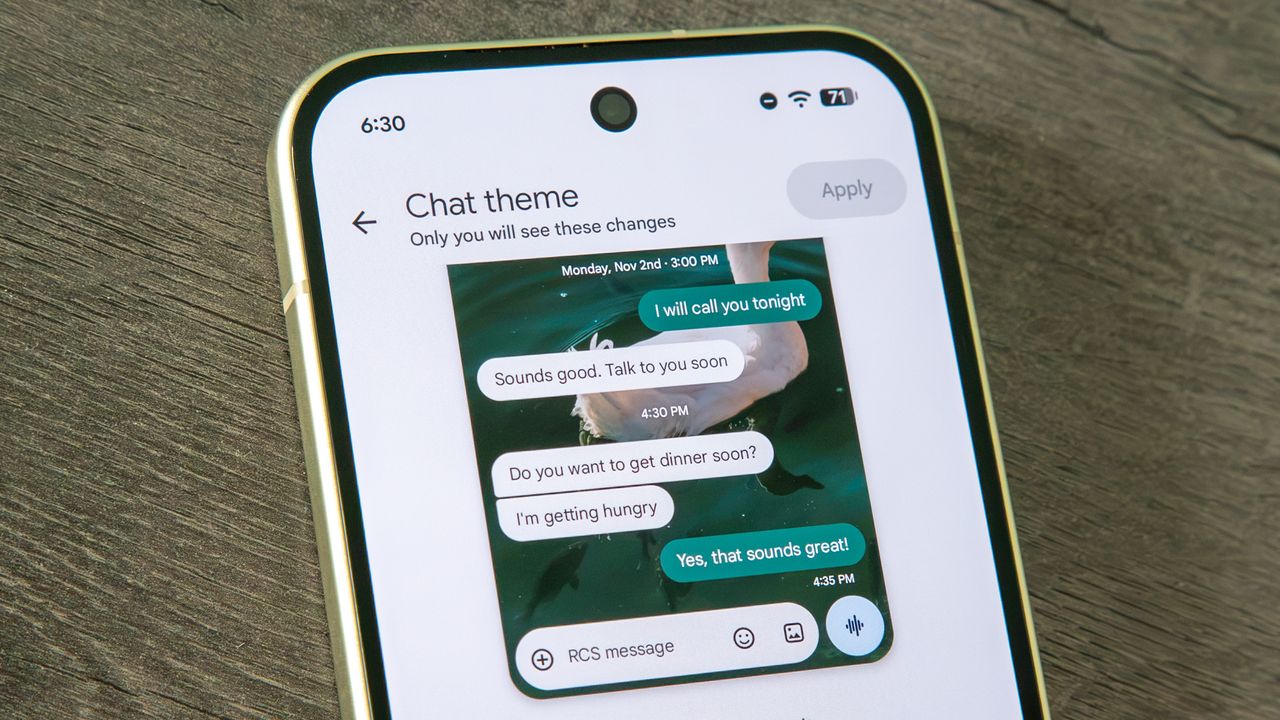
Now, Google has introduced new chat themes, which can fully transform your conversations. It lets you pick from a selection of photos (or you can upload your own) as a background and even changes the color of chat bubbles to match.

It's actually a pretty fantastic upgrade to the Google Messages experience that makes it feel much more fun, although I do think it went a step further. I'll walk you through changing your chat theme in Google Messages and explain why I want a little more.

How to change your chat theme in Google Messages

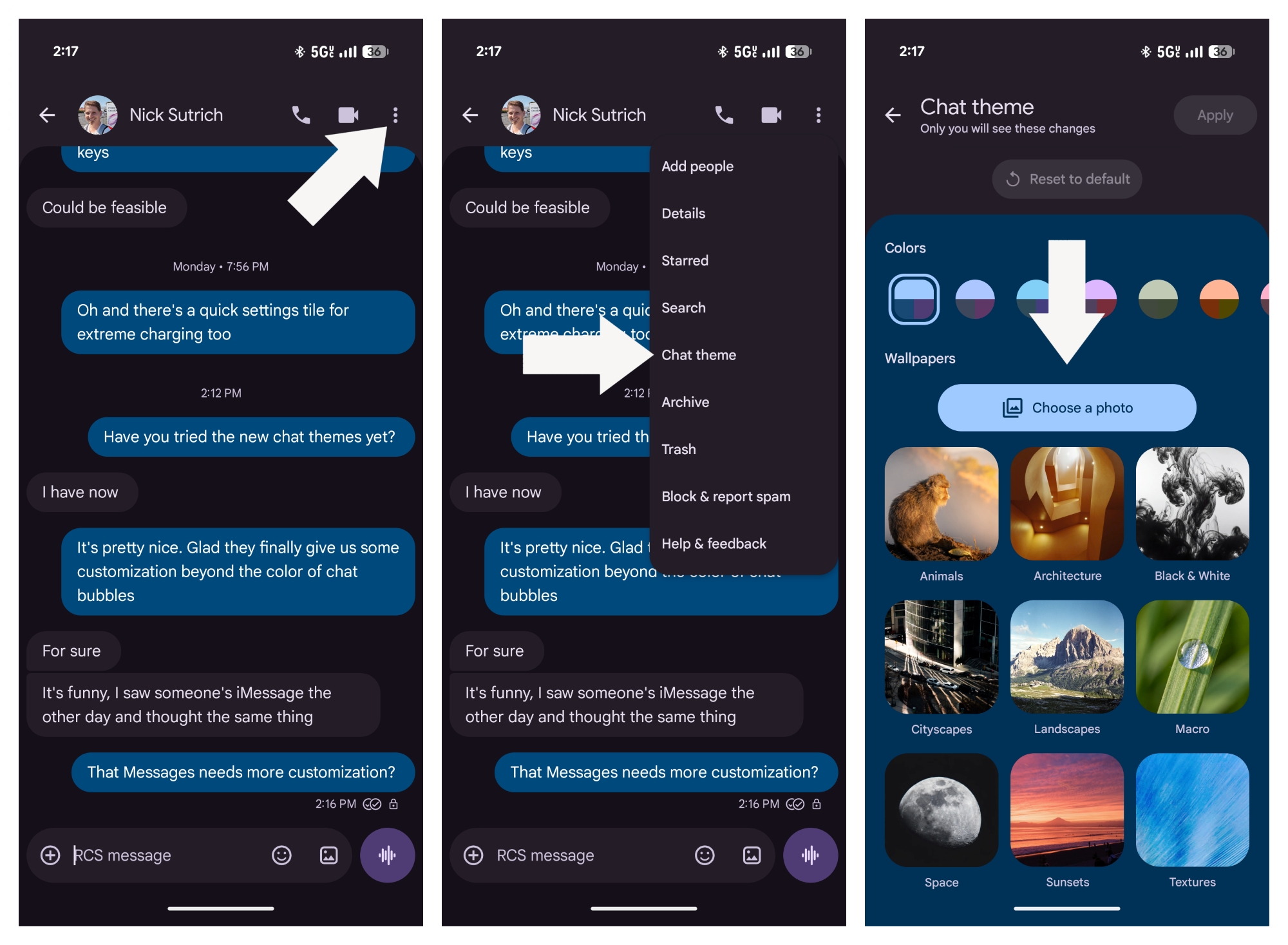
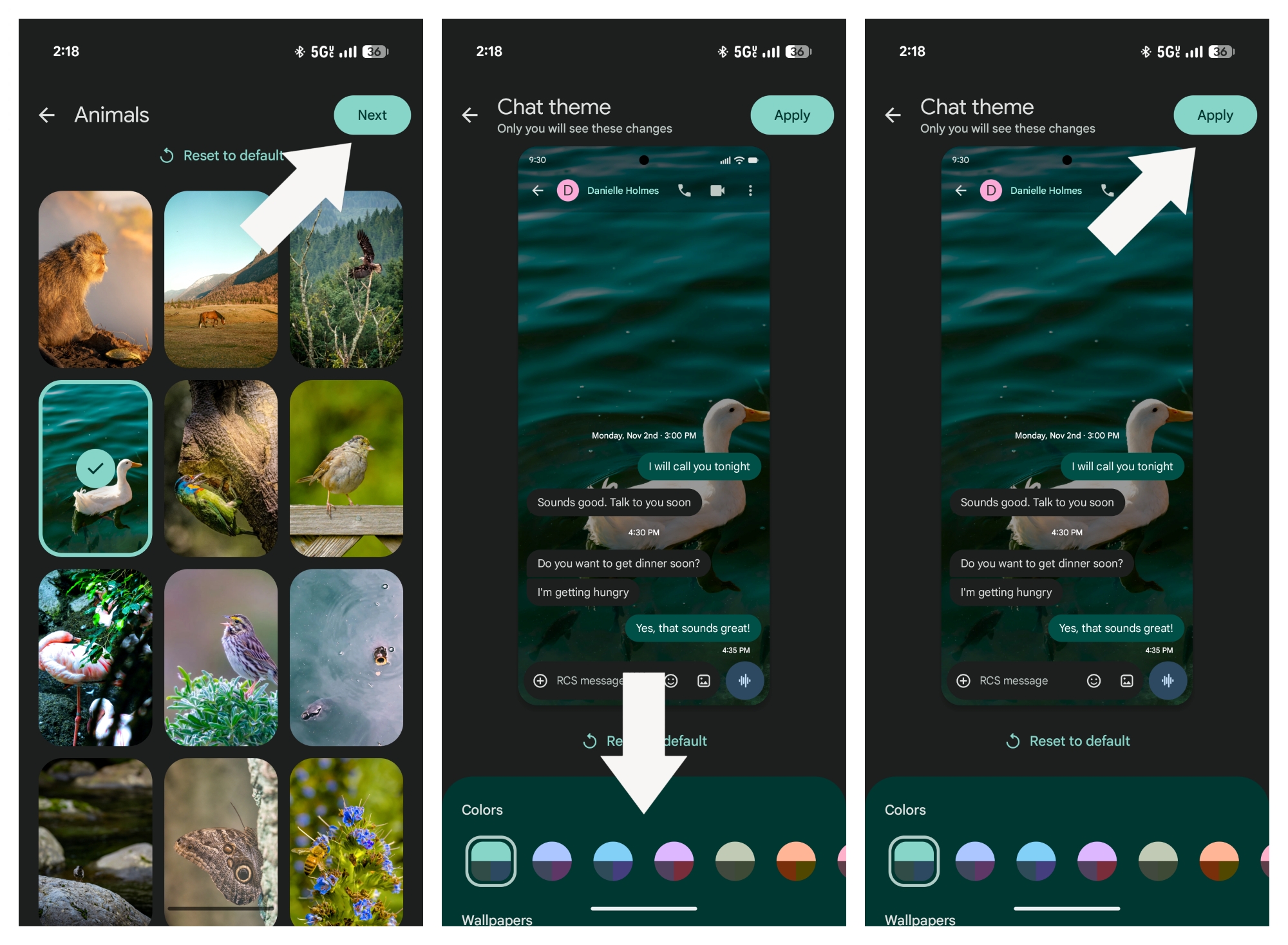
1. Open a message. Tap the three dots in the top right corner of your chat.

2. In the overflow menu, tap Chat theme.

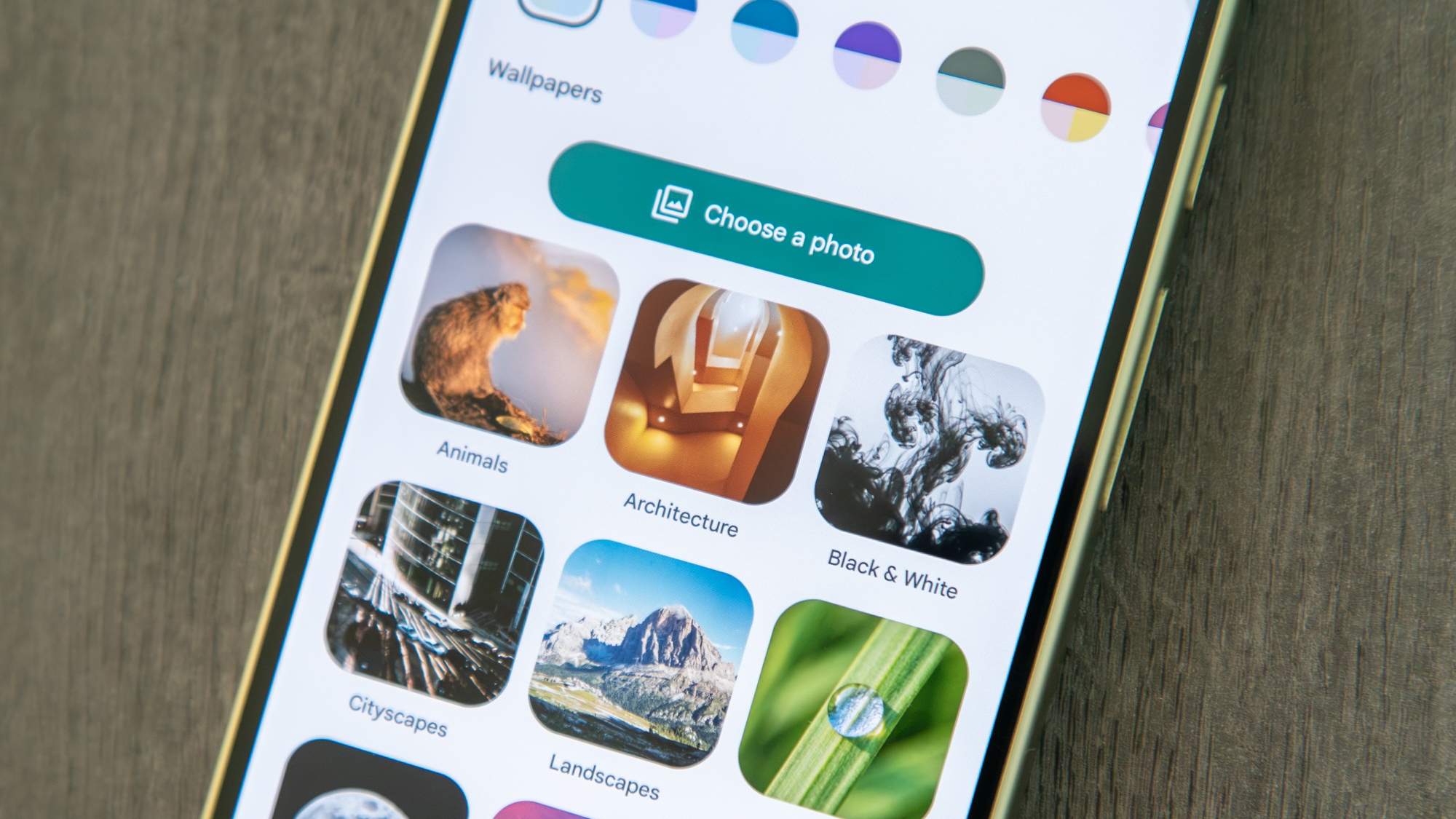
3. Select from among the provided themes or tap Choose a photo to upload an image from your gallery.

Google Messages Chat themes

(Image credit: Android Central)

4. Select a photo from within a theme or within your gallery. Tap Next.

5. Choose a color combination in the Colors row or stick with the automatic selection. You can preview your theme and colors in the image above.

6. Tap Apply to save your theme to the chat.

Enjoy your new chat theme!

Google Messages Chat themes

(Image credit: Android Central)

Chat themes are fun, but...

Chat themes are something I've been wanting in Google Messages for some time. On the one hand, I like the relative simplicity of the app, but on the other hand, it can feel quite monotonous with the simple black or white background. Changing chat bubble colors were a nice way to break up some of that monotony, but they were limited to just nine color options and none of them were particularly good.

Chat themes is a great step forward, and in some ways, makes Google Messages feel as fun as Backgrounds on Apple Messages. However, there are a few things I think Google could have implemented to make this a much more full-featured experience.

Google Messages Chat themes on a Pixel 11

(Image credit: Derrek Lee / Android Central)

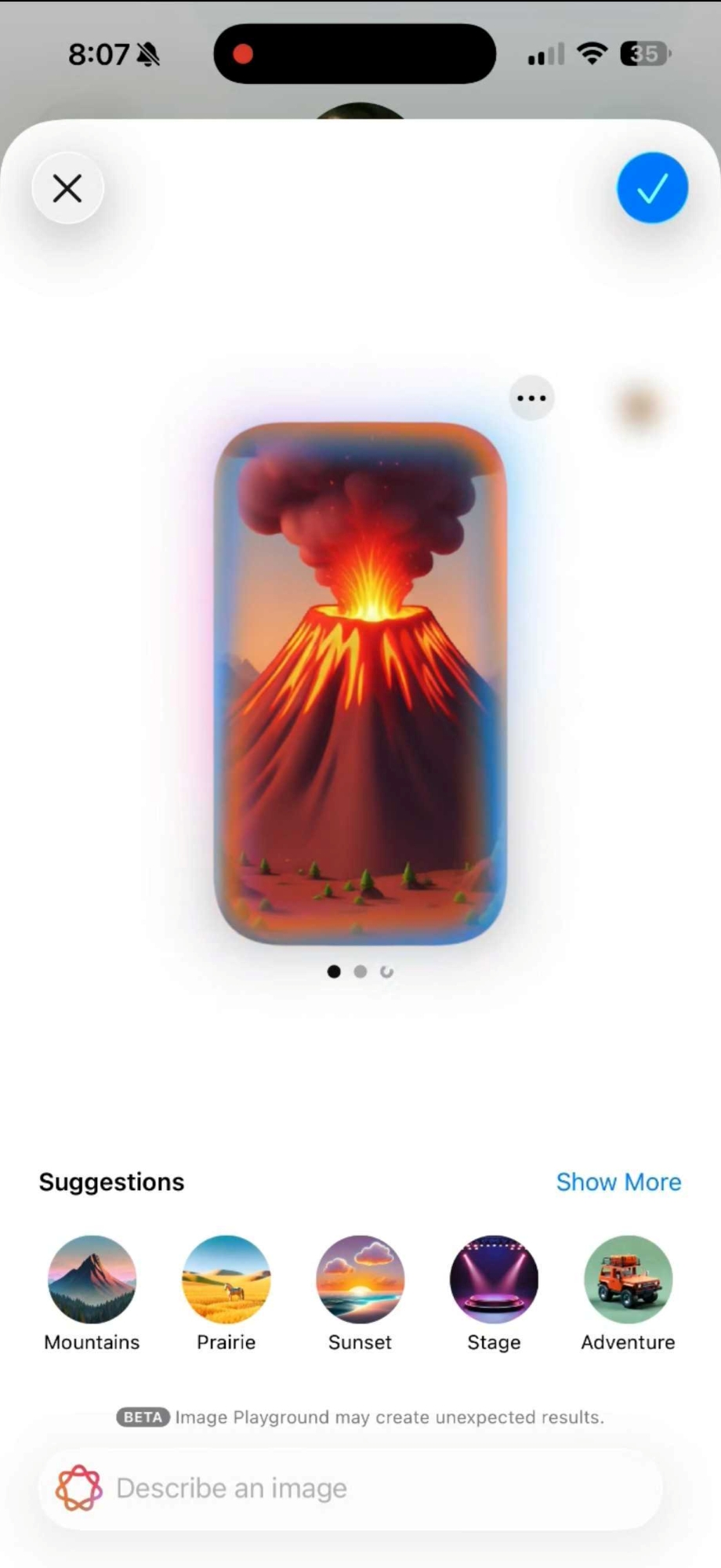
It feels like a missed opportunity that Google didn't implement Nano Banana in any way whatsoever. Gemini is already integrated into Google Messages, letting you chat with the AI or remix images shared in a chat. I would have loved to see an option to generate a background on-device with Nano, similar to how iPhones let you describe or edit preloaded backgrounds with Apple Intelligence.

Apple Messages AI Background

(Image credit: Android Central)

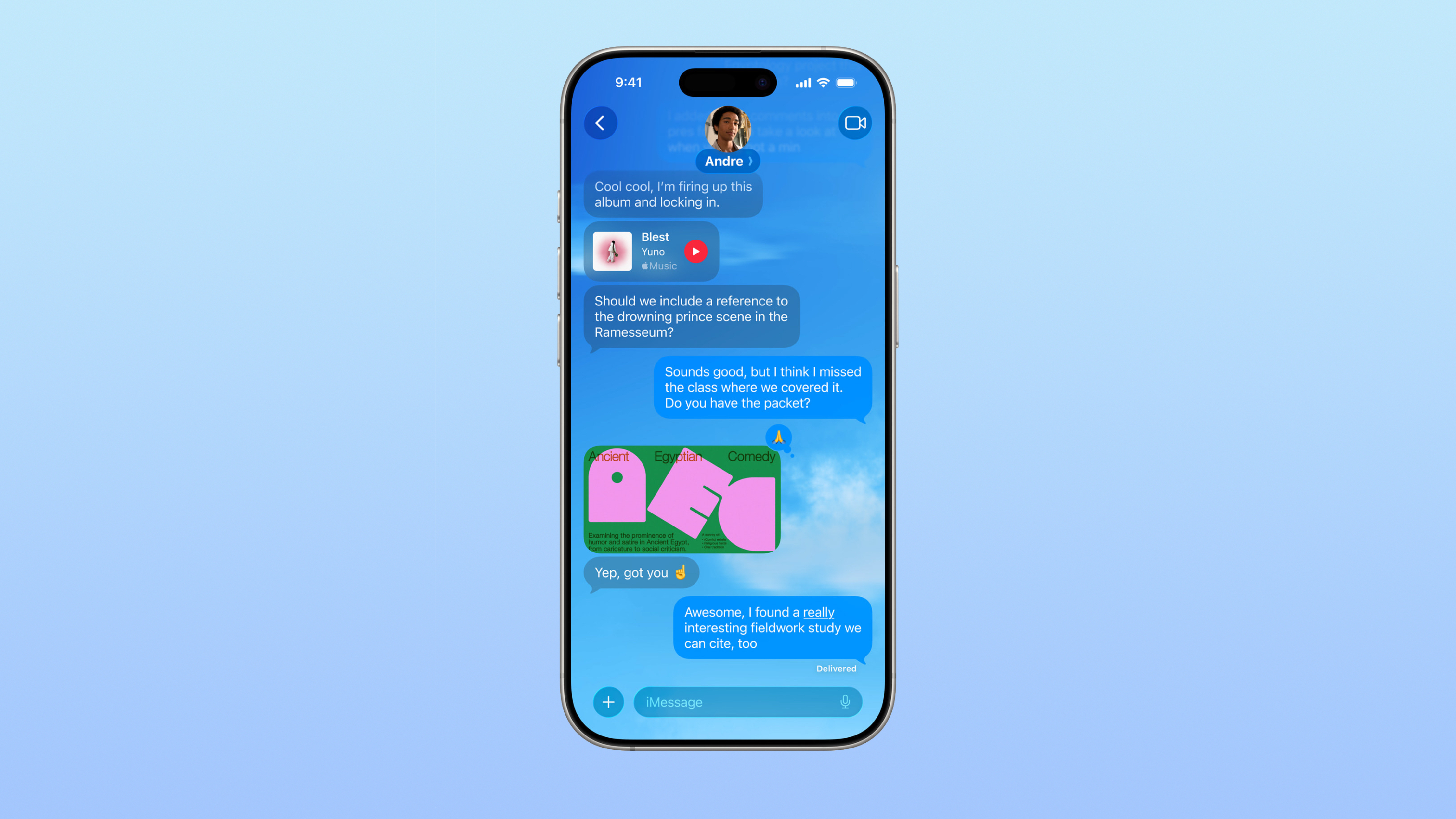
I also think Google could take chat themes a step further by having them sync across devices. Right now, when using Chat themes, you'll notice at the top of the page that "only you will see these changes." That means once you apply a theme, it will show up for you but not for the recipient.

On the one hand, I get it, because your friend may pick a theme that you find annoying, inappropriate, or just don't like. However, even Apple Messages syncs backgrounds for both users across iPhones, and some apps like Instagram and Facebook Messenger also sync chat backgrounds (though with a limited selection), which has led to some fun surprises and "fights" over which one to keep.

As one friend puts it, it would be fun swapping a background "and seeing how long it takes someone to notice." Perhaps Google can add a toggle that lets the person changing it sync their background choice across devices, while letting the recipient either keep it or select their own without syncing it back.

iMessage backgrounds in iOS 26.

(Image credit: Apple)

Finally, I've noticed a weird bug that freezes the Google Messages app when I tap a theme but don't apply it, then exit back to the chat. Fully exiting the Google Messages app will bring things back to normal. My colleague, Nick Sutrich, has also noticed this, though it doesn't seem to occur for everyone; a friend hasn't experienced this behavior.

I do notice, however, that when he swipes back, he's met with a dialog asking if he wants to leave the page without saving the changes. That only appears for me when I opt to reset the background to default and try to exit without saving. It's a relatively small bug that Google can hopefully fix soon.

  •  
❌