❌

Reading view

Honor's Magic 9 Pro Max debuts at Venice Film Festival: ARRI partnership will continue

What you need to know

  • Honor was featured at the 83rd Venice International Film Festival, and it brought the Robot Phone with it to highlight its cinematic capabilities with ARRI.
  • What truly captivated users was another appearance: the Magic 9 Pro Max in moss green, which consumers saw for the first time.
  • Honor announced that it will continue its huge ARRI partnership with the Magic 9 Pro Max, bringing many features you'd find on the Robot Phone.
  • The Magic 9 Pro Max will debut in China on September 28.

Honor paraded at the 83rd Venice International Film Festival with its cinematic devices. However, the Robot Phone's presence at the festival wasn't the only big thing Honor had in store.

Earlier this morning (Sept 9), Honor revealed that it brought the Robot Phone's cinematic videography capabilities to the 83rd Venice International Film Festival. The company recognizes the attention the phone has received for its "innovative mechanical gimbal design and professional-grade cinematic imaging capabilities." The Robot Phone was crafted in collaboration with ARRI for professional camera-grade features.

While this has captivated consumers, Honor says it plans to extend its partnership with ARRI for its next flagships.

At the festival, Honor revealed its upcoming Magic 9 Pro Max in moss greenβ€”the first time consumers have witnessed it. Another exciting tidbit is that the phone features ARRI's logo on the back by its cameras. Honor states the device even features "the lens layout follows the design language of one of the most iconic ARRI cinema cameras." Creators will find ARRI's LogC3 to help preserve highlights and shadows for post-production. Additionally, ARRI Wide Gamut 3 delivers a broader, more distinct color space, with ARRI Looks handling controlled cinematic color styles.

The Honor Magic 9 Pro Max will debut on September 28 in China.

Honor and ARRI continue
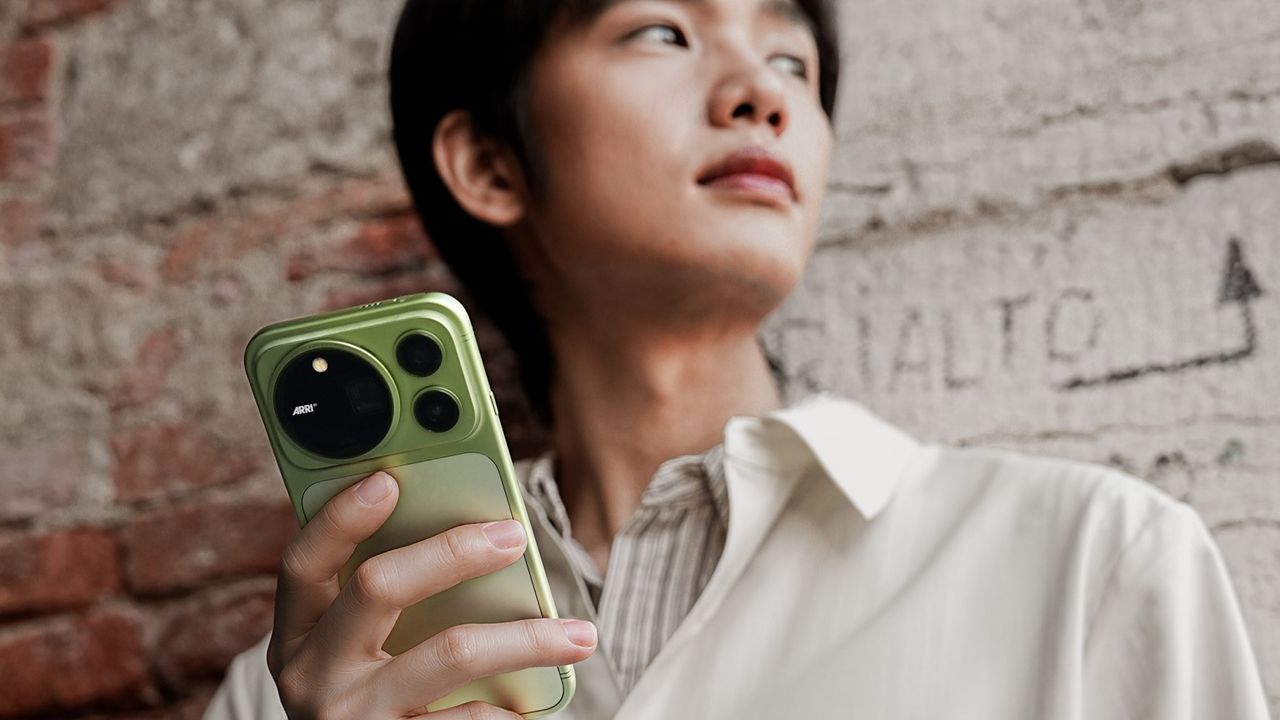
The Honor Magic 9 Pro Max in moss green, shown off for the first time at the 83rd Venice International Film Festival.

(Image credit: Honor)
Android Central's Take

I'm a big fan of photography and, more recently, recording better videos. Bringing that sort of "professional-grade" software and tech into a phone is huge. To have the ability right in your pocket makes it easier for people who care about that kind of thing. For creators, I'm sure it's a major win. They can streamline their devices and purchases a little moreβ€”if they prefer, of course. I still love photography on a traditional, more powerful camera, but a phone is up there.

Cinematic styles and vibes played a key role in Honor's Robot Phone debut in August. The phone features an automatic gimbal that is just as curious as a little robot. Honor states it combined its technology with ARRI Image Science and professional cinema workflows. The Robot Phone is equipped with two 200MP lenses. The gimbal hosts one of these 200MP cameras with an f/1.6 aperture on a 1/1.28-inch sensor. The periscope telephoto lens arrives at 200MP with 2.7x optical zoom.

Several features such as ARRI LogC3, ARRI Wide Gamut 3, and ARRI Looks with its in-house H1 Image Chip help solidify Honor's "cinematography" position with the Robot Phone. AI is woven in to help reduce strenuous noises and to optimize your video's high dynamic range.

The Honor Magic 9 Pro Max launch is a few weeks away. It'll be interesting to see if Honor takes any of these features up a notch for the traditional slab phone form factor.
  •  

Samsung Galaxy Z8 foldable sales up 30% over Fold 7, but the Flip 8 captivates new users

What you need to know

  • Samsung highlights achievements by its Galaxy Z8 series in 2026, stating the Fold 8 and Fold 8 Ultra sales are topping the Fold 7 by 30% with "high demand."
  • While the Flip 8's sales are far lower, Samsung states the clamshell is succeeding as an entry into foldables, and it's also successfully getting users to switch to the Korean OEM.
  • The company also highlights hardware changes in the series, such as the Fold 8's light 201g weight, the bigger 5,600mAh battery in the Fold 8 Ultra, and more.

Samsung is highlighting the achievements of the Galaxy Z8 series, as it notes higher sales and the "highest share of buyers" for one phone.

Today (Sept 8), Samsung published its official insights into the Galaxy Z8 series following the trio's launch this summer. Among its shopper analytics, Samsung states consumers have enjoyed the Galaxy Z Fold 8's "thin and light design for greater portability." Alternatively, consumers preferred the Fold 8 Ultra for its larger display. It seems the most common feedback Samsung received was that the Fold 8 Ultra's display reduced the need to carry a tablet.

As a result, Samsung observed "high demand" during the strong pre-order period for these foldables.

Together, the post states the Fold 8 and Fold 8 Ultra are outpacing the Fold 7's sales by 30%. Additionally, these book-style foldables account for 80% of all (current) foldable sales this year.

First-party cover screen apps on the Galaxy Z Flip 8

(Image credit: Derrek Lee / Android Central)

The Galaxy Z Flip 8 has seemed to fall by the wayside this year, but Samsung has excelled in other areas. According to its data, the Flip 8 has reportedly succeeded in getting consumers to switch from other brands. Samsung states 30% of Flip 8 buyers come from competing brands. What's more, "most of those buyers are first-time foldable owners."

Samsung goes down an interesting route. It states that the Flip 8 (or the Flip series in general) serves as a springboard for consumers new to foldables. With that in mind, there are reportedly "more than three times" the number of Z Flip users trading in for a Fold 8 or Fold 8 Ultra in 2026. These numbers are up compared to the Flip 7.

Samsung has observed positivity and growth for its foldables this year. Alongside its sales overview, it also detailed key engineering facts about the devices. The Galaxy Z Fold 8, for example, is just as thin as the Fold 7 (8.9mm); however, it's lighter at 201g. Flex Titanium is a technology Samsung uses for the Fold 8 and Fold 8 Ultra. The post states this tech utilizes Titanium Alloy Film, which is "one-third the width of a human hair."

The materials and structure used reportedly maintain foldable performance despite its thinness. What's more, the Fold 8 Ultra features a 5,000mAh battery (up from 4,400mAh last year) with greater heat-dissipation capabilities. Samsung says it increased this by 7% over the Fold 7.

Samsung's 2026 foldables

Comparing the sizes of the Samsung Galaxy Z Flip 8 (pink) with the white Galaxy Z Fold 8 Ultra and grey Galaxy Z Fold 8

(Image credit: Derrek Lee / Android Central)
Android Central's Take

I'm glad to finally see something about the Flip 8. Don't get me wrong, I almost traded in my phone for the Fold 8. But the Flip series was previously its most popular. Now, the script's flipped. Newer users are opting for the Flip to get into foldables before switching to the others. What's more, Samsung says the Flip is succeeding in getting users to switch to its brand of foldables. It makes me wonder just how satisfied Samsung is with its performance and trends.

This isn't the first time we've heard about Samsung's foldable sales performance. Rumors started late in July, after Unpacked, that the Galaxy Z Fold 8 sales had skyrocketed. We were only in the pre-order phase, but that reportedly didn't stop websites overseas from crashing in the rush of consumers. Sites were crashing within 30 minutes after the product became available for pre-order. Additionally, reports said that shipping dates were delayed, as companies needed more inventory to meet demand.

We're now seeing the whole picture from Samsung. Sales have clearly turned positive for the company. While the Flip 8 has totalled far less than the Fold 8/Fold 8 Ultra, it's found success in another area that Samsung might feel satisfied with.

  •  

Samsung explains Galaxy Z Fold 8 screen bend is intentional to avoid damage

What you need to know

  • Reports have appeared online, as users state the corner's of their Fold 8's display bends or "indents" when pressed.
  • This most commonly occurs with the top right corner; however, there are others who haven't experienced this.
  • Samsung provided an official statement, stating this is intentional to help avoid damage if thin, fine particles become stuck on the screen.

Galaxy Z Fold 8 consumers have noticed something strange with the device's screen, and it's caused a stir. Samsung has explained the situation, stating the reality is much better than it seems.

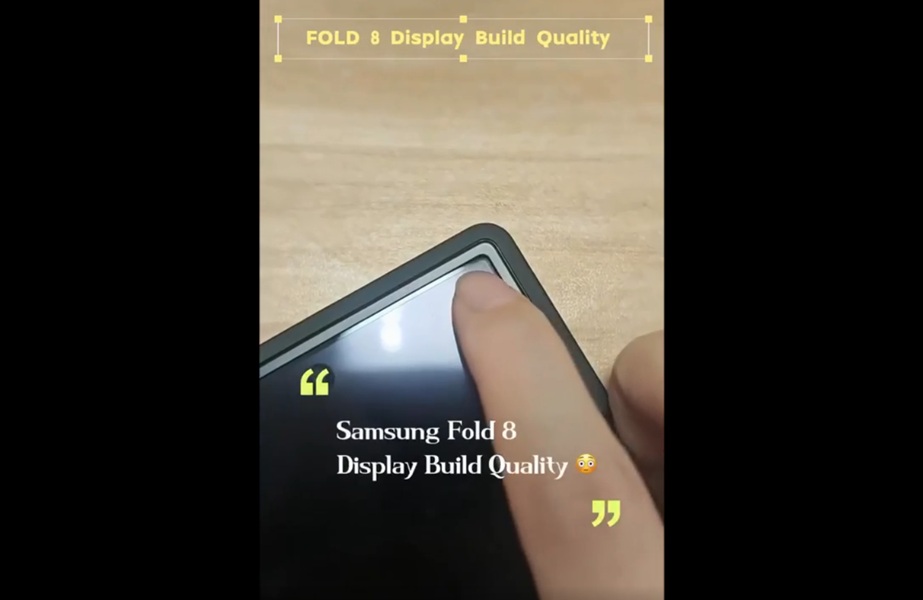
Tipster Lanzuk on Naver highlighted users experiencing the Galaxy Z Fold 8's screen bend or "indentation" (via SamMobile). Their post states that one side of the phone's display can be pressed "more severely than the other." They add that this most commonly happens in the upper right corner of the foldable. Lanzuk offered video evidence, showing the Fold 8's unfolded display nightmarishly bending when pressed.

The way it dips into the phone has startled consumers, forcing them to believe something is wrong. It's stirred quality control conversations online. The video highlights other corners without this indentation. Lanzuk says reports vary: some users experience at least one corner bending in when pressed, while others don't.

Samsung might have something to say about this, as a report by Business Post cites an official statement (via 9to5Google). According to Samsung, everything is normal. It adds, "We designed it so the display indents slightly to provide a cushioning effect and prevent damage." The sort of damage Samsung is looking to help users avoid involves very fine or thin particles, such as sand. It explained that if something were to get stuck on the display and it's then folded, it could cause damage.

The small bend or dip helps avoid damage, so you can remove the substance without worry.

Where the Fold 8 could go

A screenshot of the top right corner of the inner screen on the Galaxy Z Fold 8 bending inward when pressed by a finger.

(Image credit: Naver)

It might help settle the rapidly beating hearts of consumers who've noticed their screen bend. It's not something pleasant to see, and the reactions are understandable.

Elsewhere, the Galaxy Z Fold 8 has remained quite popular for Samsung since its launch. It's become so popular that rumors suggest the company could restart its "luxury foldable strategy" with the Fold 8. A "special edition" Galaxy Z Fold 8 could be on the horizon for the second half of 2026, with Thom Browne as a purported top contender. This would return the previous partnership that occurred with the Fold 5.

Samsung paired the device with a matching smartwatch, exclusive accessories, and a custom finish. While Thom Browne is a "top contender," Samsung could also look to Maison Margiela, which it previously worked with.

Android Central's Take

The tipster from Naver mentioned that many of these Fold 8 reports got started as September got rolling. Consumers from South Korea, as well as other international countries (like the U.S.) have reported similar findings. It's good that Samsung has been rather timely with a response. I'd freak out, too, if I pressed by screen and I saw it bend. I'd think something was wrong with it. Hopefully, this is the response people were looking for to settle their worries.

  •  

Samsung is shutting down a couple of apps; vows to return new and improved

What you need to know

  • Samsung is alerting users about its preparations to shut down the Quick Measure and AR Doodle apps on December 31, 2026.
  • While Samsung acknowledges "inconveniences" from this, it states that it's "committed" to returning these apps "with improved services" in the future.
  • In July, Samsung officially axed its Messages app, which has been replaced by the Google Messages app.

Samsung is preparing to shut down two apps, and it's delivering warnings to users in preparation for what's to come.

Very early this morning (Sept 7), Tarun Vats on X noticed new warnings from Samsung about two apps that are being phased out. Samsung says that it will shut down the Quick Measure app on December 31, 2026. It adds, "After this date, new downloads and update support for the existing app will be discontinued. You may continue to use the app if it's already downloaded, but be aware that some features may not function properly."

The Quick Measure app currently works with Google's Wear OS. However, after this termination date from Samsung, it says app support will no longer be provided for new Wear OS versions. Quick Measure isn't the only app getting the boot. Users replying to Vats' thread on X mentioned Samsung's AR Doodle is also getting axed come December 31.

A similar warning to users was given for AR Doodle. The date remains the same; however, it swaps Wear OS for regular OS, as this app likely relies on Android/One UI updates. While Samsung recognizes that shutting down an app can cause "inconveniences," the news isn't all bad. Samsung says, "We are committed to returning with improved services in the future."

It's not clear if Quick Measure and AR Doodle will return upgraded, new, and improved. Or if we'll see brand-new variations that change these older systems.

Another app got shutdown this summer

Wait, Samsung… why? 😭Please be advised that the Quick Measure app service is scheduled to be terminated on 31 December 2026.Why Samsung? πŸ‘€ pic.twitter.com/d0hNegIl1USeptember 7, 2026

Android Central's Take

Not going to lie, I had to dig pretty far back to even find anything about Quick Measure. Not sure how many people are going to miss the feature, but I'm there are some out there. It's interesting, considering everything the Samsung Health app can do today. If Samsung is committed to returning in some revamped form, I wonder if these features would find new lives inside existing, supported apps, rather than standalone gigs.

If you're confused about "Quick Measure," we wouldn't blame you. Our earliest coverage dates back to 2021, when Samsung rolled out new features for its S Health app (yeah... S Health). That update coincided with the company's Gear Fit 2 launch. Quick Measure let users check their heart rate without launching the full app. Our coverage read, "Simply activate Quick Measure, and you'll now be able to place a finger on the heart rate sensor and wait for a reading."

We've come a long way with heart rate tracking and the like related to cardiovascular health. Anyway, the last app shutdown from Samsung was its Messages app in July. Google Messages was reported to be the company's official replacement for users to text. However, consumers with Android 11 and under "are unaffected, and emergency calls still work after the shutdown."

  •  

Moto wants in: a wide Razr foldable just had its design leaked

What you need to know

  • A major leak claims Motorola is developing a wide Razr Fold to compete with Samsung, Huawei, and more.
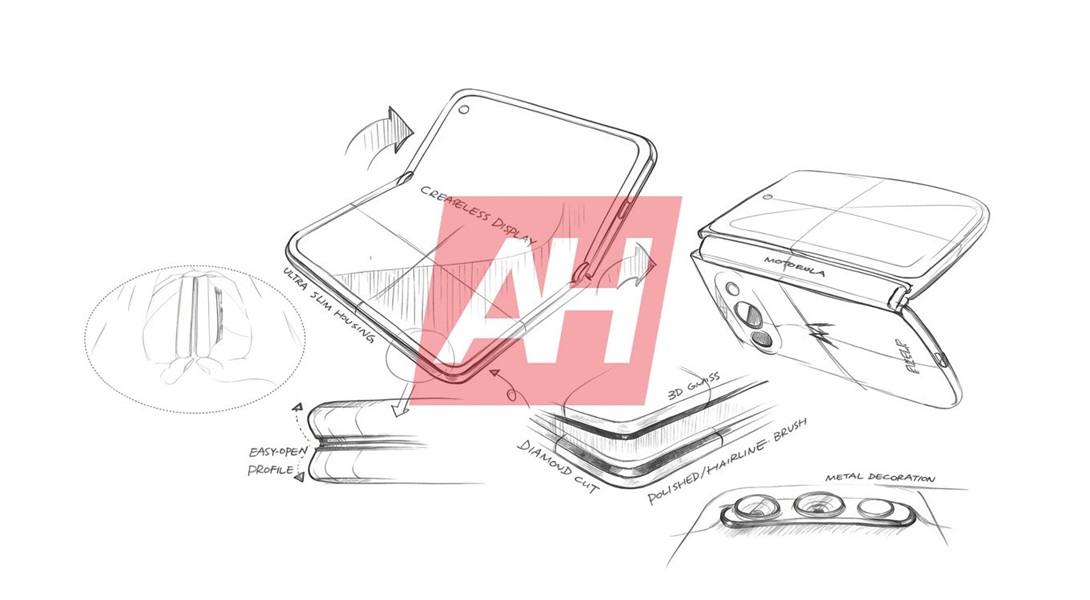
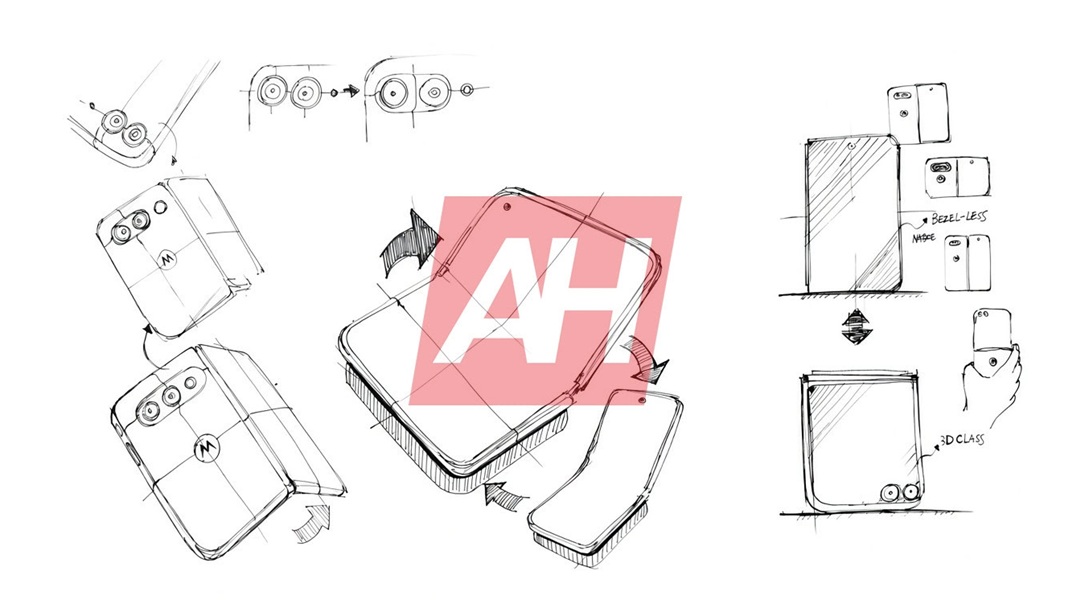
  • The device could fit that small, passport-like design with an "easy-open" profile," a "bezel-less" cover display, and a dual lens horizontal camera bar.
  • An anonymous source claims the phone could debut "in the coming months."

Wide foldables are quickly becoming a popular trend. Leaks from over the weekend claim Motorola could be the next brand to hop on that train.

Leaks revealed by Android Headlines, courtesy of an "anonymous source," suggest the design Motorola is going for. Its source allegedly provided a few sketches, which purportedly showcase the various design ideas for the wide Razr foldable. One thing rumors claim is that Motorola's foldable could feature an "easy-open" profile. Among theories of a crease-less display and "3D glass," the wide Razr foldable's frame "isn't flat."

The report states this decision could help make the device easier for consumers to open on the fly. This wide Razr Fold certainly fits the bill in these leaked illustrations. Offering that shorter (perhaps even stout) frame with rounded corners. "Motorola" will allegedly be inscribed on the hinge, visible when folded. Curiously, one illustration, depicting the phone's cover display, suggests it could be "bezel-less."

What's more, the device could feature a horizontal, protruding camera bar, similar to Google's Pixels. Its camera array hasn't been narrowed down, but there's speculation that it might offer dual lenses.

Android Headlines was reportedly told by the anonymous source that Motorola is preparing to launch this "Wide Razr Fold" (or whatever it'll be called) "in the coming months."

Moto's going wide

Various leaked sketches purporting the alleged design of a
Motorola
Various leaked sketches purporting the alleged design of a
Motorola

If anything, Moto's wide Razr Fold might feel closer to what Huawei did with the Pura V Max. The company's "horizontally wide" foldable featured that landscape camera bar. The device feels more like a passport, which Google has done with the Pixel 11 Pro Fold and Samsung's Galaxy Z Fold 8. Huawei's wide foldable this year features a 7.6-inch inner display and a 5.5-inch cover screen. The current Moto rumors had nothing to say on this front, so we'll have to wait a while.

The idea of a wider foldable is something more and more people have become curious about. The Galaxy Z Fold 8 was incredibly popular for Samsung after a week of pre-orders. Consumers overseas crashed websites with their early orders 30 minutes after the phone went live. Shipping dates were also pushed back, since Samsung needed to manufacture more phones to meet demand.

Android Central's Take

Motorola got in on the "regular" fold (Moto Razr Fold) aesthetic earlier this year, and the phone looks pretty good. In fact, one of my colleagues said in their review that the phone gives Samsung a new reason to worry. Motorola made some good moves, but it's clear it wants to continue. Hopping on the wide-fold train is the next "best thing." We'll just have to see when/if the phone arrives. These sketches look nice, but they aren't enough for me yet.

  •  

What's next from Google Translate will upgrade Android in all the right ways

What you need to know

  • Google rolls out two major updates for the Translate app to end the week, beginning with multitasking capabilities for Android.
  • Android users can now continue translating speech in the background, giving them the freedom of opening other apps or locking their device.
  • For iPhone users, Google says they now have support for real-time translations via earbuds or by holding their phone to their ears.

Google wants to end the week with an update for its Translate app across its supported devices. The company says Android users will find capabilities flexible enough for their day-to-day.

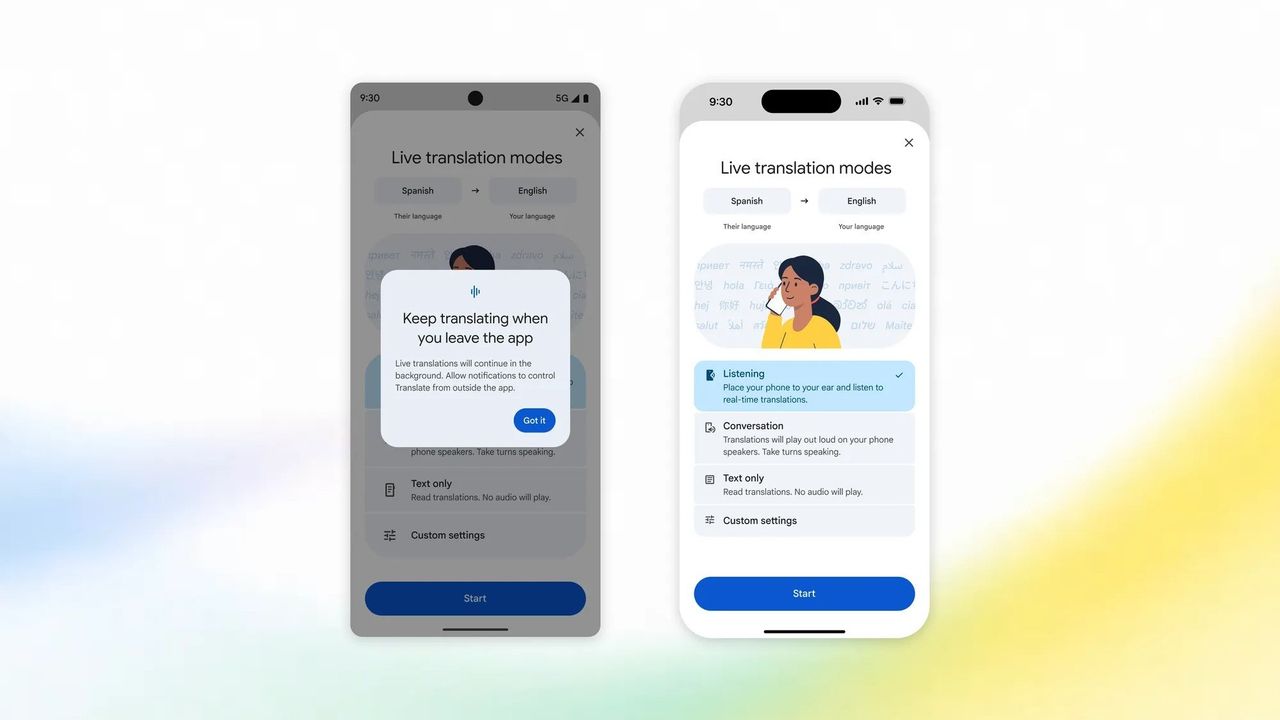
This morning (Sept 4), Google says its latest features rolling out for Android and iOS will assist users with translating over 70 languages in "near real-time." Users on Android reportedly hold live translation sessions that last "longer than five minutes." Google states the Translate app can now continue translating even while in the background. This lets users hop into other apps and multitask or lock their phone.

Google Translate will continue working, ready to reveal its translated content for you when you're ready. This is rolling out for Android users today. Google says it's preparing an update for Apple iOS users, but that is "coming soon."

If you have an iOS device, this late-week update brings translation capabilities through a connected earpiece. Android users received it in a previous update. Google Translate will deliver audio translation directly through your earbuds. However, if such a device isn't connected, Google says iOS users can hold their phone to their ear, as if on a call. Like the update for Android, iPhone users can expect this to begin appearing today (Sept 4).

The work continues

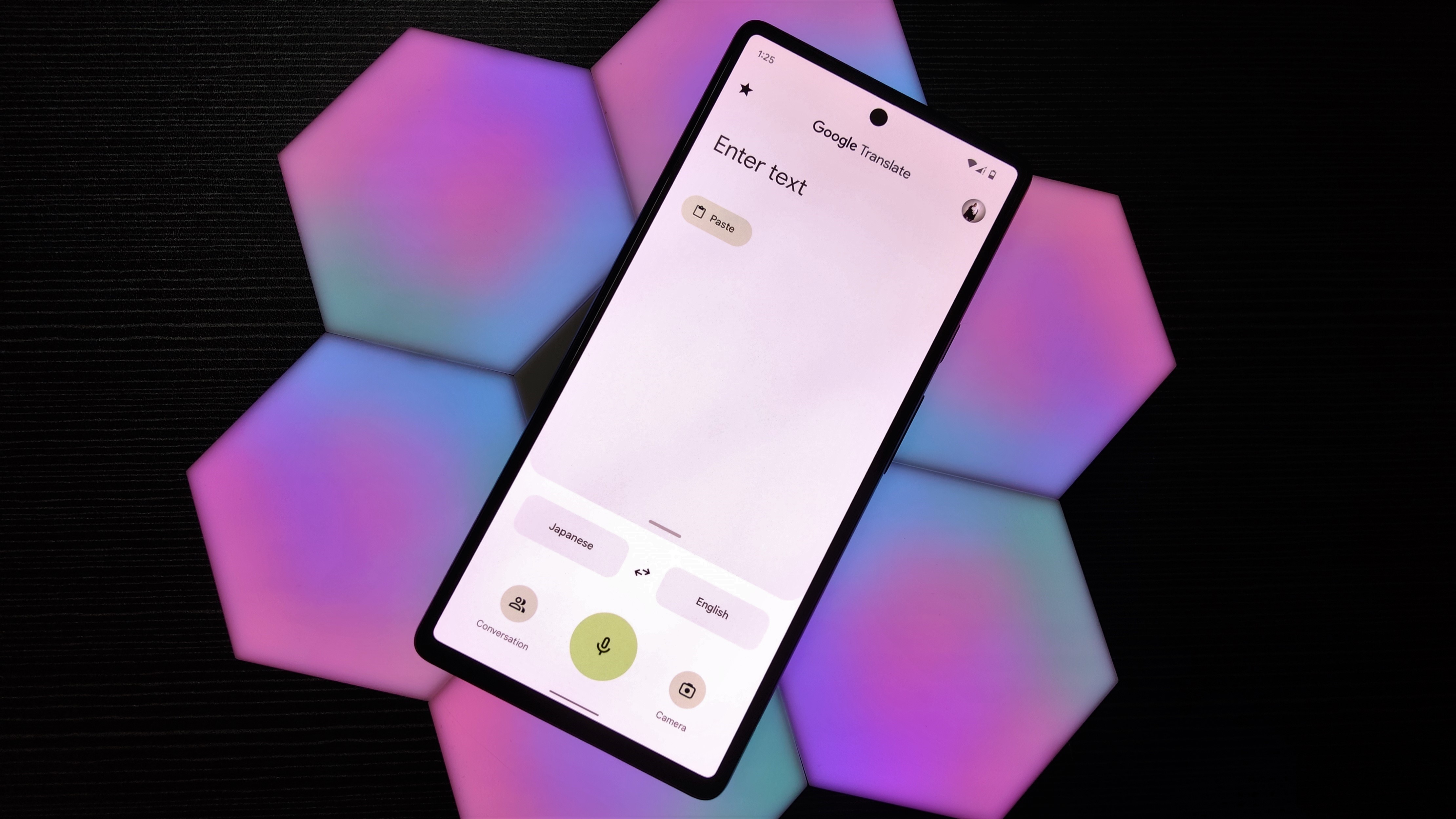
Google Translate app on a Google Pixel 6

(Image credit: Namerah Saud Fatmi / Android Central)

Google Translate isn't among the apps that always get major updates, but the company has been improving it little by little. In a similar vein to Duolingo, the Translate app added "streaks" for users practicing new languages. What's more, this earlier patch expanded the beta for Android's real-time translation support while wearing headphones. Gemini's been brought into the fold heavily for the translation app.

It's the AI's speech-to-speech capabilities that get the job done. Earlier this year, Google rolled out a huge Translate app update for iOS users for headphone support. The feature offers a few different modes: Listening, Conversation, and Text-only. "Listening" is for real-time translations. "Conversation" lets you speak in English and lets the person you're talking to hear it in their native tongue.

Android Central's Take

The usefulness of Google Translate has shot up considerably over the past few updates. They've been strung out, so there's quite a bit of time in between each one. Nevertheless, what Google's brought has been useful. It feels like the days of carrying around a Spanish-to-English dictionary are gone. You can rely on your phone; whether you're learning the language with guided practice or listening to its translations. Just take it with a grain of salt, sometimes. Not every translation is as accurate as I'd like it to be.

  •  

Stay frosty: UGREEN's MagFlow lineup keeps things cool with speedy Qi2 25W charging

What you need to know

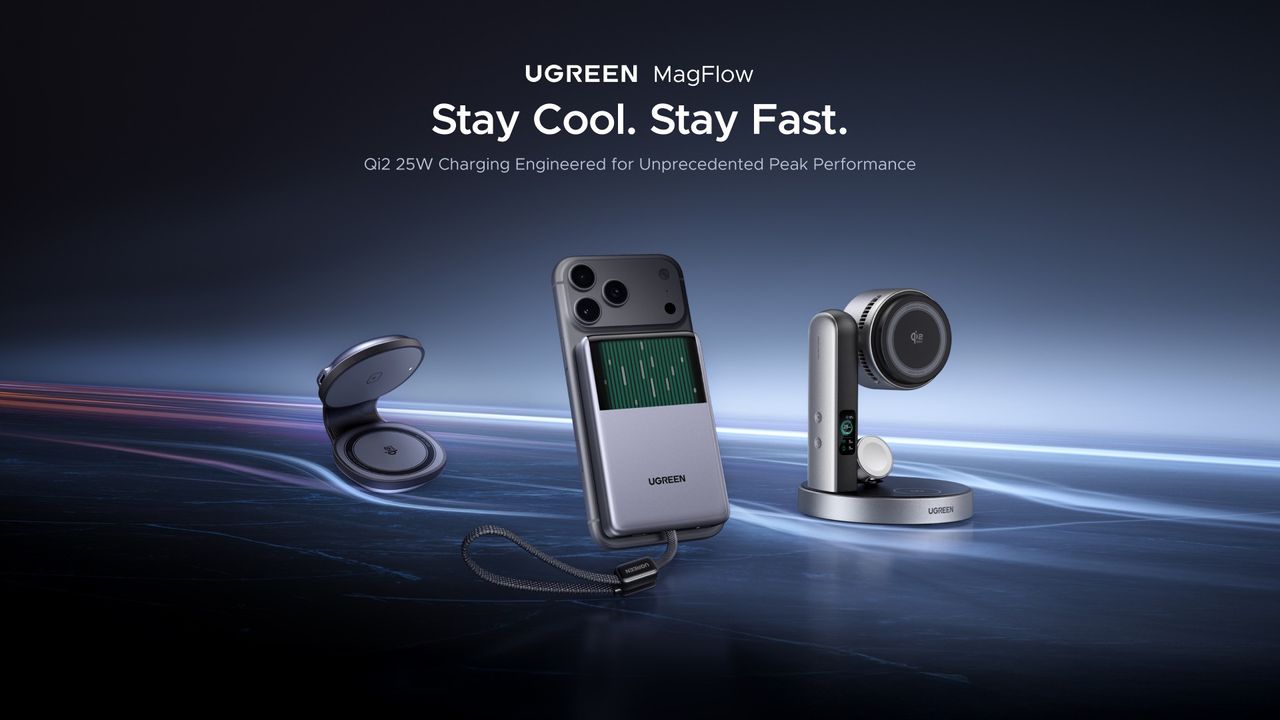
  • UGREEN announced its all-new cool, MagFlow wireless charging lineup.
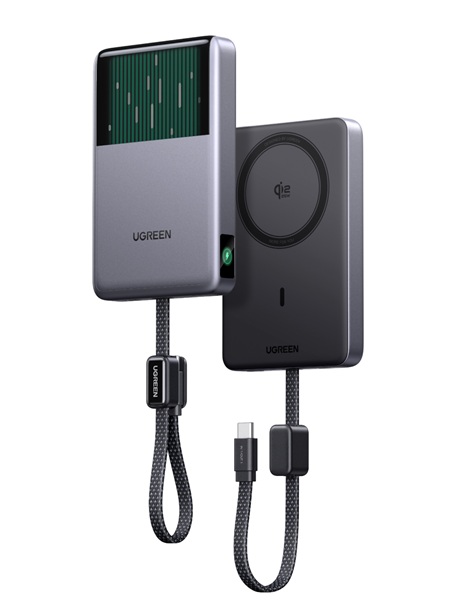
  • The lineup consists of the MagFlow Pro Magnetic Power Bank with a 10,000mAh cell, supporting Qi2 25W capabilities.
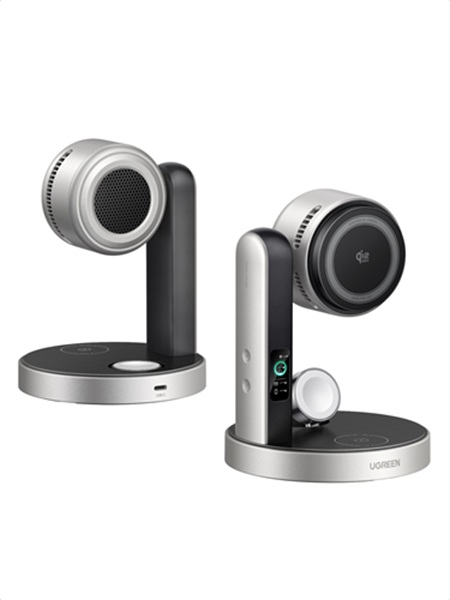
  • Joining these charging capabilities in the 2-in-1 Foldable Magnetic charger and the 3-in-1 wireless charging stand.
  • UGREEN states its MagFlow lineup is available today (Sept 3) on its website and Amazon.

If you were at Gillette Stadium this evening (Sept 3), you would've caught UGREEN's major reveal: the new MagFlow lineup.

UGREEN says it wants to solve a few problems consumers face daily. The MagFlow lineup aims to deliver a "high-power" wireless charging solution that's fast "without becoming uncomfortably hot." UGREEN's series is taking advantage of the latest technology, delivering Qi2 25W wireless charging, and the biggest stunner is the MagFlow Pro Magnetic Power Bank.

The UGREEN Magnetic Power Bank with a huge 10,000mAh battery and 25W Qi2 charging.

(Image credit: UGREEN)

UGREEN's power bank features a hefty 10,000mAh cell. Charging quickly builds up heat, but to keep it cool, the power bank utilizes UGREEN's CryoPulse. Internally, there's a micro-pump that constantly whisks away heat, keeping the temperature comfortably under 18 degrees Fahrenheit. The Magnetic Power Bank also features a digital screen, which shows its charging power, battery level, cycle count, and cooling status.

UGREEN states the MagFlow Pro Magnetic Power Bank is available today for $149 on the company's official store and Amazon.

On-the-go or at home?

The UGREEN 3-in-1 wireless charging stand.
UGREEN

While consumers can attach the MagFlow power bank to their phone for quick charges, UGREEN continues the on-the-go idea with a pocket-sized charger.

The MagFlow 2-in-1 Foldable Magnetic wireless charger also features Qi2 25W charging capability. UGREEN says this product can double as a magnetic phone stand. Users can prop it up on a table, desk, or bedside. What's more, when it's folded, the 2-in-1 wireless charger fits in your pocket or travel bag.

Since 2-in-1 isn't enough, UGREEN took things further at Gillette Stadium this evening with its MagFlow Pro 3-in-1 Magnetic Qi2 25W wireless charging stand. Similar to the Magnetic Power Bank, this magnetic charging stand features the company's CryoPulse TEC Active Cooling with an "ultra-quiet" 15dB fan. All of this cooling potential is because consumers can charge multiple devices at once. Temperatures are kept low, and keep reportedly charge an iPhone 17 Pro Max to 50% in under thirty minutes.

Consumers will find a display on the charging stand to keep them informed.

UGREEN states the 2-in-1 Foldable Magnetic charger is available today (Sept 3) for $59. The 3-in-1 charging stand starts at $159. Both devices join the 10,000mAh power bank on UGREEN's official website and Amazon.

  •  

Qualcomm invests in Ultrahuman's future of human computing for our health

What you need to know

  • Ultrahuman announced that it has raised $70 million, thanks to investments from Qualcomm Ventures, Labcorp, Alpha Wave, and more.
  • The company says these investments will help push its desires to create a world where human computing helps us and our health.
  • Ultrahuman says it wants computational platforms that can understand the human body, delivering important, crucial pieces of actionable intel.

This afternoon (Sept 3), Ultrahuman announced another substantial investment from several companies. The announcement comes at a time when Ultrahuman wants to push the envelope for human computing.

A press release reveals that Ultrahuman has received $70 million in investment funding from Qualcomm Ventures, Labcorp, Alpha Wave, Blume, Nexus, Alteria, and more. As stated before, human computing is where Ultrahuman is placing its focus. Moreover, Ultrahuman states this investment will help it shift from "a wearable health company into a human-computer interface company built around the body."

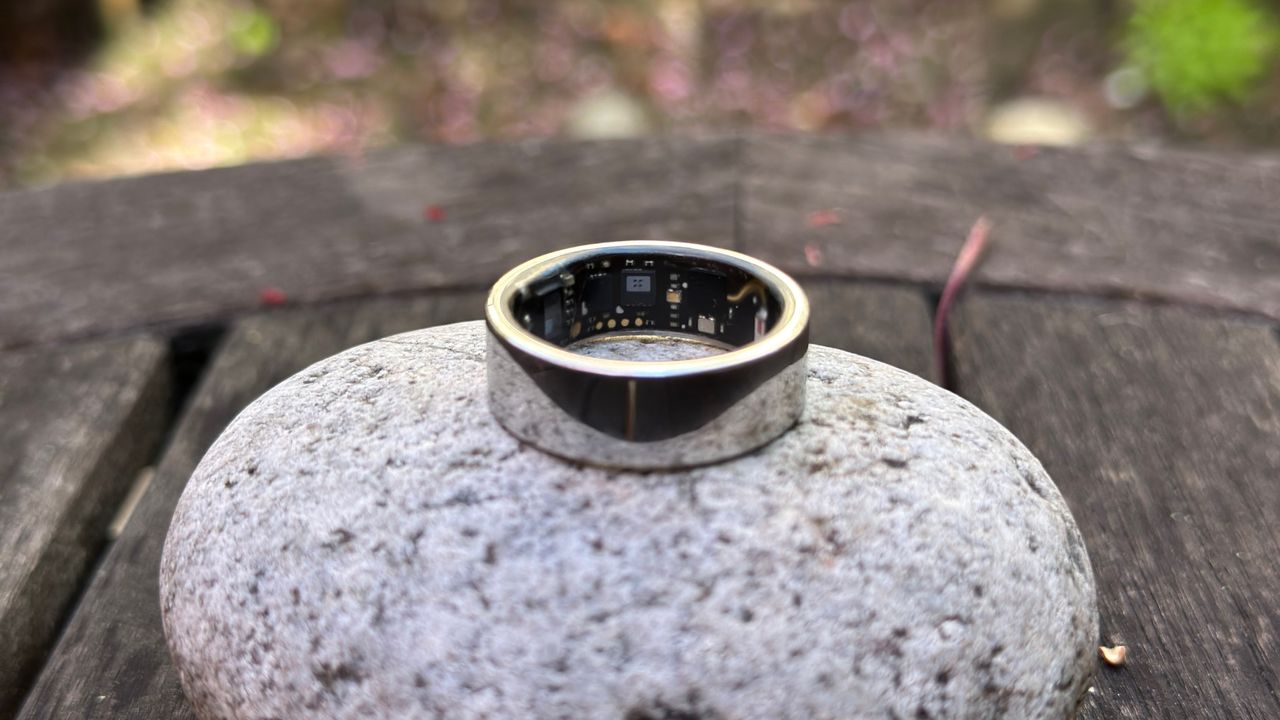
Ultrahuman highlights several features daily users will know well: Jade AI, its smart rings, and M1/M2 Live continuous glucose monitoring. These features nail Ultrahuman's goal: systems that understand the state of the user's body. The company no longer wants features that "wait for human input." Through AI and newer computing systems, Ultrahuman wants more proactive, smart features that deliver true aid.

The company states the future of computing platforms should "understand the human body continuously... and turn those signals into intelligence that meaningfully improves a person’s life."

The company discussed how it's continued to evolve the smart ring form factor with science and computational platforms. Ultrahuman drew attention to Pulsomics, which was launched this year. This research platform aids its software and smart rings with the tools required to turn the body's complex signals and information into actionable intel for the user.

Power ahead with intel that means something

Ultrahuman announces partnership with Les Mills to bring studio-quality workouts and biomarker data for improved recommendations for the next day.

(Image credit: Ultrahuman)

The investments Ultrahuman has received in September will help continue the work it's trying to complete. It says "development across sensing, AI, miniaturised electronics and health algorithms" will deepen and accelerate.

PowerPlugs are another major part of the Ultrahuman experience. The company describes it as a feature that brings "specialised health capabilities" to the platform. Take Ultrahuman and Les Mills' partnership from April. It brought workout sessions that rivaled what you'd find in a traditional studio right to your phone. The app would also take advantage of your biomarkers to understand key data, so you know when to push yourself and when to let off.

On the other hand, we have Ultrahuman's significant Emerald update from July. The "decision engine," otherwise known as the UltraSphere, felt like Ultrahuman's next step into this "human computing" world for our health. It can deliver over 60 "Next Best Action" suggestions to users using sleep, HRV, recovery, weather, location, and more.

  •  

Surprise: IFA 2026 brings us the Wear OS-powered Moto Watch Ultra with Polar fitness integration

What you need to know

  • At IFA 2026, the Moto Watch Ultra was announced with Wear OS, a partnership with Polar for fitness, on a 46mm stainless steel body and a 1.5-inch OLED display.
  • The continued Polar partnership adds various sleep features like "Serene" for breathing exercises and Nightly Recharge and Sleep Plus Stages for sleep score and more.
  • The Moto Watch Ultra will be available on September 10 for $349.

That's not all Motorola has prepared this midweek. The Moto Watch Ultra was debuted at IFA 2026, expanding the company's wearable portfolio. The Watch Ultra uses Google's Wear OS, incorporating the Play Store and Moto's AI, Qira. However, the major highlight with the Moto Watch Ultra is Motorola's continued partnership with Polar.

Polar excels at wearable sports and fitness, and it's bringing that prowess to the Moto Watch Ultra. For its wellness features, the Watch Ultra sports "Serene." This breathing exercise mode delivers real-time "biofeedback" to help the user calm their breathing and reach a more optimal rhythm. Nightly Recharge and Sleep Plus Stages help users understand their recovery and sleep score.

If you're looking to get more active and track your progress, Polar's involvement brings a breadth of features. Consumers will find expected features like Activity Goal, Activity Score, and Active Intensity Zones. What's more, Smart Calories delivers an overview of your daily calories burned, alongside an Inactivity Alert and Energy Sources (metabolic insights).

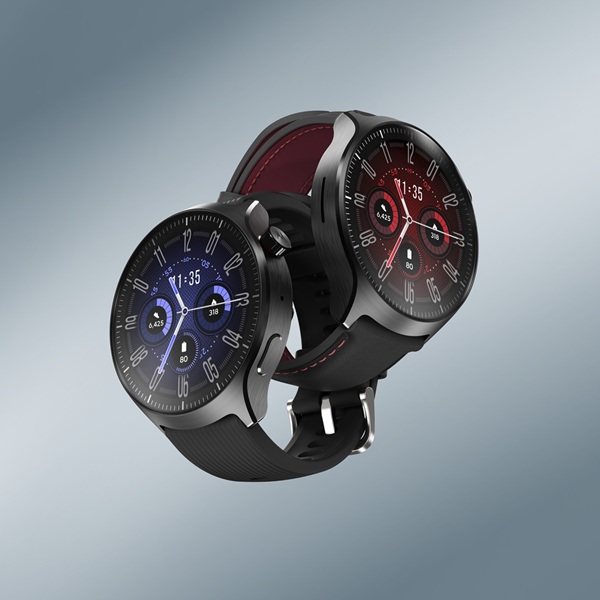
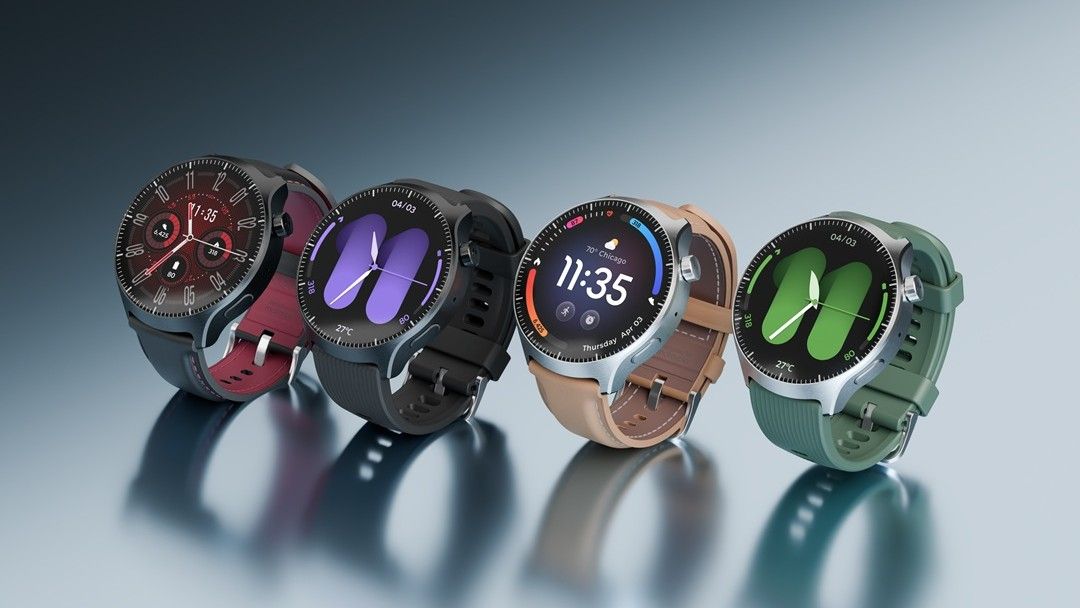
The Moto Watch Ultra offers a 1.5-inch OLED display on a 46mm stainless steel body. Inside, you'll find Qualcomm's Snapdragon W5 Plus Gen 1 SoC. The Watch Ultra is said to last two days with "active use" with its AOD (always-on display) disabled. Consumers can choose between the "breathable" silicone band (PANTONE Black Beauty or PANTONE Mountain View) or the leather strap (Black Beauty or Nuthatch).

Not bad

Moto Watch Ultra watch a red and purple watch face.

(Image credit: Motorola)

Elsewhere, Motorola highlights the "Running Coach." As it sounds, you can expect a guided experience for new and veteran runners (walking, too). The company states the Running Coach can help users struggling with pacing themselves. Other details include Google Wallet support, dual-band GPS, IP68, and 5ATM underwater protection.

At IFA 2026, Motorola confirmed that the Watch Ultra will be available on September 10, starting at $349 on motorola.com. Consumers will also find the device at Verizon on September 24. The Watch Ultra will expand to more places, such as T-Mobile, Metro by T-Mobile, AT&T, Xfinity Mobile, and Consumer Cellular, "in the coming months."

Android Central's Take

I'm pleasantly surprised by the Moto Watch Ultra. Motorola already has what you'd consider a "basic" watch. It misses the Ultra tag. The design is fairly simple, very watch-like. The Watch Ultra feels cleaner to me. I also think the Polar partnership is a huge win for Motorola to continue with the device. I already think I hear my colleague Derrek Lee putting one on his wrist and heading outside.

  •  

Treat yourself: Motorola's Brilliant Collection expands with a sparkling Razr 2026 Swarovski Edition

What you need to know

  • Motorola announced another addition to its Brilliant Collection with the Razr 2026 Swarovski Crystal Edition.
  • The phone is clad in a Pantone Meteorite colorway with 35 Swarovski Crystals in Silver Night.
  • The Swarovski Crystal Edition Razr 2026 will be available on September 10 for $899 at motorola.com and Amazon.

It's that time of the year again when Motorola looks to bedazzle and captivate consumers with Swarovski Crystals.

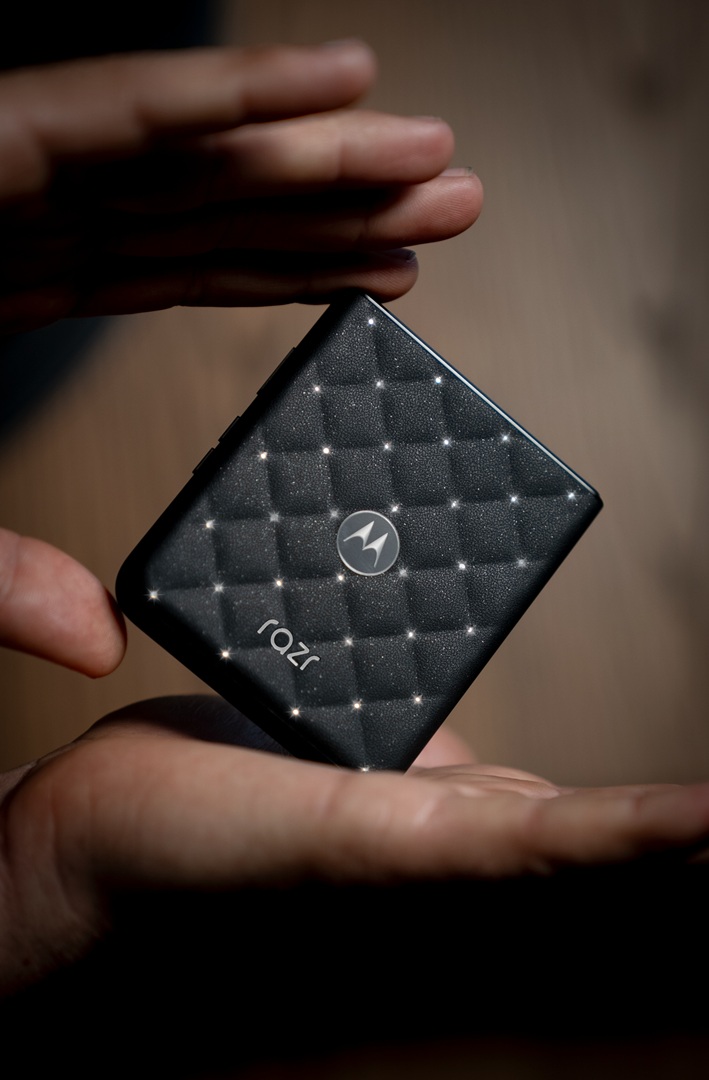
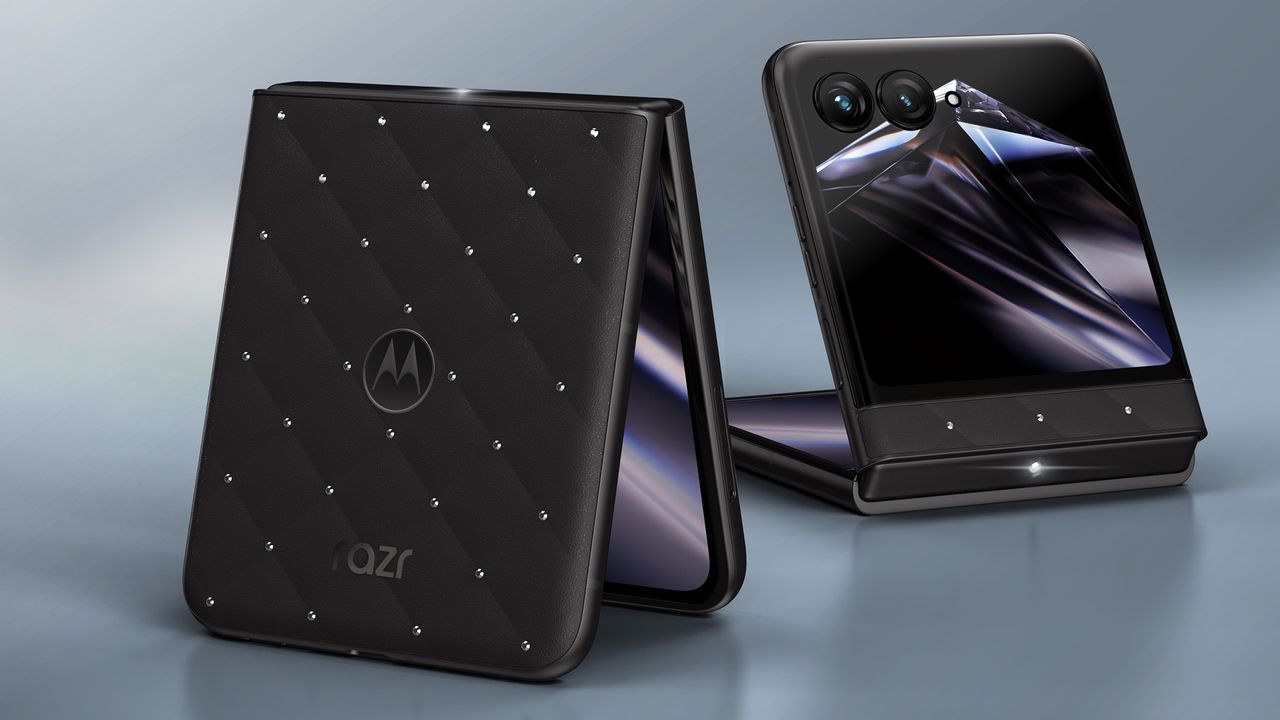
If you're looking for artistry and brilliance, Motorola announced the Razr 2026 will join the Brilliant Collection this year. This means that the Razr 2026 will receive a Swarovski Crystal Edition, combining a dazzling aesthetic with Motorola's tech. The company states the Razr 2026 features "35 hand-positioned Swarovski Crystals in Silver Night." These crystals are laid out across the entire back panel of the clamshell foldable. Additionally, you'll find a few more at the top of the cover display.

Motorola teases that there's a "32-facet Swarovski Crystal" embedded in the hinge of the Razr 2026.

Like stars in the night

The Motorola Razr 2026 Swarovski Crystals Edition in Pantone Meteorite.

(Image credit: Motorola)

Motorola takes this bedazzled Razr 2026 further with its choice of color: Pantone's Meteorite. This colorway is more of a deeper, darker black that Motorola says contrasts with the phone's crystals and shine. If you're looking to grab the latest addition to the Brilliant Collection, Motorola will provide a clear protective case.

Consumers can find the Swarovski Crystal Edition Razr 2026 on September 10 for $899. The post states it will be available on motorola.com and Amazon. On September 24, you can find it at Verizon. We've rounded up all the information about the Razr 2026, as well. A few important specs include a 6.9-inch internal display and a 3.9-inch cover display with a 50MP primary lens. Motorola highlights its 4,800mAh battery, which can reportedly deliver up to 36 hours.

Motorola continues to build on its streak of Swarovski Crystal Edition phones following its releases in 2025. The 35 crystals remain a constant; however, last year, the Moto Razr 2025 was featured in an icy Pantone Ice Melt. The foldable was joined by a crystal-studded Buds Loop in Ice Melt.

Android Central's Take

This might be my favorite crystal edition of the Razr. The Meteorite colorway with the crystals makes those additions stand out in a good way. It feels like looking into the night sky; stars are everywhere. As before, the foldable remains the same, bringing users the same specs they'd expect from the standard, non-special edition phone. The wait's not long now if you're looking for it.

  •  

Qualcomm's Adreno 'Neural Fusion' GPU will lean on AI to upgrade phone gaming

What you need to know

  • Qualcomm continues to tease its next Snapdragon debut with the Adreno Neural Fusion GPU.
  • The company says this chip utilizes AI-drive rendering tech, placing stronger resolution and frame generation directly into the graphics pipeline.
  • What's more, the GPU adds the Adreno HPM, which helps move larger chunks of data for rendering at a time, effectively saving more battery power.
  • Snapdragon Summit 2026 takes place from September 22-24

Qualcomm's Snapdragon Summit is coming up later this month, and the company is teasing its graphical improvements.

Qualcomm sent a press release this morning (Sept 2) detailing the Adreno Neural Fusion GPU. If you thought this wouldn't involve AI, think again. Qualcomm says Neural Fusion is an "AI-driven rendering technology that combines neural processing, AI super resolution, and frame generation into a unified graphics pipeline." For context, Qualcomm says it's looking to deliver what consumers want from mobile gaming: console-like graphics, strong frame rates, and better battery life.

This is important because Qualcomm states its Adreno Neural Fusion GPU nails all three of these desires, and consistently, too. The post credits this GPU power to the chip's new Adreno Matrix Cores. This reportedly brings its AI rendering engine into the graphics pipeline, giving developers the exact tools they need to bump up the graphics for your phone. Lower latency is another positive in this change.

Helping that lower latency is the Adreno HPM (High Performance Memory), which feeds more data to the GPU for rendering, thanks to a "dedicated optimized cache of 18MB."

Many of these changes help Qualcomm hit that last point: better gaming battery life. With the Neural Fusion GPU capable of moving more data at a time, it's effectively moving a lot less, which doesn't eat up your battery. Then, you have its AI models playing more closely to the graphical unit.

Qualcomm will undoubtedly show off the Snapdragon 8 Elite Gen 6 chips in greater detail during its Summit from September 22-24.

What we've been waiting on?

Hands holding a transparent device with the Snapdragon 8 Elite Gen 5 showing

(Image credit: Qualcomm)

Qualcomm's teasers will likely continue until its Summit in a few weeks. The latest major teaser we got spurred excitement. Qualcomm highlighted "Dual 8 Elites" on approach for 2026. Our eyes are looking at that long-rumored Snapdragon 8 Elite Gen 6 "Pro." Qualcomm hasn't said anything yet, so do with that information what you will (it is rumored, after all). What the company has said is that its Dual 8 Elites will bring "better connectivity, camera functionality, and graphics for games."

What's interesting about those "Pro" rumors is that not everyone's phone could see it. While yes, these Snapdragon chips are reserved for flagships, the Pro could only seek out Ultra devicesβ€”the Galaxy S27 Ultra would fit that bill. We still have a while until Snapdragon Summit 2026 in Maui, Hawaii.

Android Central's Take

I believe it was Android Authority's coverage that likens what Qualcomm's doing with the Neural Fusion to Nvidia's DLSS 5. If you're a gamer or you've kept up with gaming in general, this hasn't sat well with people. DLSS 5 "enhances" your graphics through AI, but from the examples out there, people aren't convinced the original artists' intent remains. I hope Qualcomm's AI doesn't do that. And if it does, can I turn it off? I'm all for incredible gaming performance on phones, but not if the game doesn't look as intended.

  •  

Lumus, Quanta reach licensing agreement for next-gen waveguides for AR glasses that may turn the tide

What you need to know

  • Lumus is expanding its partnership with Quanta this week, which brings a licensing agreement between the two companies for next-gen waveguides.
  • Lumus states Quanta will manufacture its next-gen waveguides: the Z-30 2.0, A-Lens 30 (30-degree FOV), and A-Lens 50 (50-degree FOV).
  • The company was at CES 2026 where it stated it's future for waveguides for AR glasses will be "thinner, lighter, and easier to produce."

This morning (Sept 1), Lumus, a developer of waveguides for several big-name brands, announced a major partnership expansion.

In a press release, Lumus announced that it has expanded its partnership with Quanta Computing. This expansion sees the two companies reaching a licensing agreement "to manufacture three new geometric waveguides for AR glasses." The post states Lumus is developing three new waveguides: the Z-30 2.0, A-Lens 30 (30-degree FOV), and A-Lens 50 (50-degree FOV).

Thanks to the new licensing agreement, Quanta will handle manufacturing. What we can expect from the Z-30 2.0 is a 30-degree FOV "in a thinner, lighter optical engine." Lumus adds that its latest technology increases the display's brightness, alongside direct prescription lens bonding. The two new A-Lens waveguides (30 and 50) are Lumus' "lower-cost" production solutions.

The next-gen A-Lens waveguides are reportedly cutting down the weight and thickness by 50%. However, Lumus states it maintained its image quality and efficiency with this upgrade. This is an ongoing trend that Lumus is trying to introduce into this advancing world of AR glasses. Trimming down waveguide weight and thickness is key, but so is image quality, brightness, and cost.

Earlier today, Lumus' CEO, Ari Grobman, said, "Our relationship with Quanta has always been built around solving the practical challenges of bringing advanced AR optics into mass production. This agreement allows us to bring our next generation of lower-cost waveguides into manufacturing with a partner that understands both the technology and the production requirements behind it."

Here comes the future, and Lumus is leading it

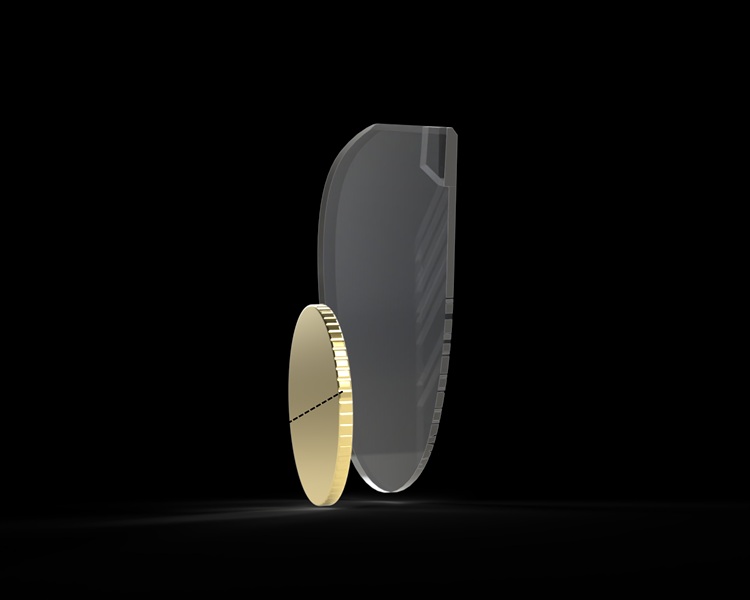
The Lumus Z-30 2.0 is much thinner, and this rendering displays that it's roughly as thin as a penny.

(Image credit: Lumus)

As mentioned before, Lumus creates waveguides for several brands, even for Meta and its Ray-Ban Display Glasses. Earlier this year, Meta announced that it was doubling the production of its Ray-Ban glasses to meet demand. This was something Lumus echoed in its press release this morning. The demand for smart glasses continues to rise, but there's room for improvement. Its work to reduce the weight and thickness of its waveguides for AR glasses is one such upgrade.

Additionally, the lower-production-cost A-Lenses are designed to help bring more products to consumers. We'll have to see how things pan out going forward.

On a related note, Lumus was at CES 2026. This major tech event is where the company first stated what its plans were for the future of AR glasses. Lumus said, "That's the future for usβ€”making these waveguides thinner, lighter, and easier to produce." Its announcement today further echoes that sentiment.

  •  
❌