
❌

Reading view

Scientists Discover Soil Bacteria Enzyme that Breaks Down Both Plastic and Antibiotics
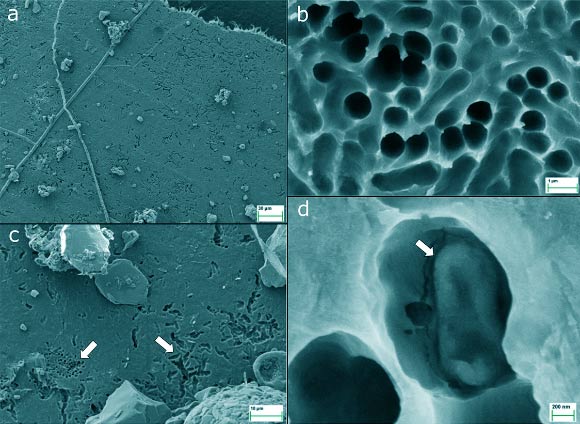
SEM images of LCAP films incubated undisturbed for more than a year in pristine forest soil. The arrow in panel (d) points at an object inside of such a cavity that might represent a (damaged) microbial cell; however, these were found very rarely; empty cavities were more representative (a-c). Image credit: Lerner et al., doi: 10.1093/ismejo/wrag203.

Biologists studying how bacteria break down a new generation of plant-based bioplastics -- long-chain aliphatic polyesters -- have discovered an enzyme that can dismantle both plastic and antibiotics.

The post Scientists Discover Soil Bacteria Enzyme that Breaks Down Both Plastic and Antibiotics appeared first on Sci.News: Breaking Science News.

  •  

Some of Smallest Bee Species See Best, New Study Finds

The blue-banded bee Amegilla murrayensis. Image credit: Callin Switzer.

According to a new paper published this week in the Proceedings of the National Academy of Sciences, some of the smallest bees studied have photoreceptors as sharp as those of much larger honeybee drones.

The post Some of Smallest Bee Species See Best, New Study Finds appeared first on Sci.News: Breaking Science News.

  •  

Study: Night Owls Face Higher Mental Health Risks Tied to Work-Life Balance

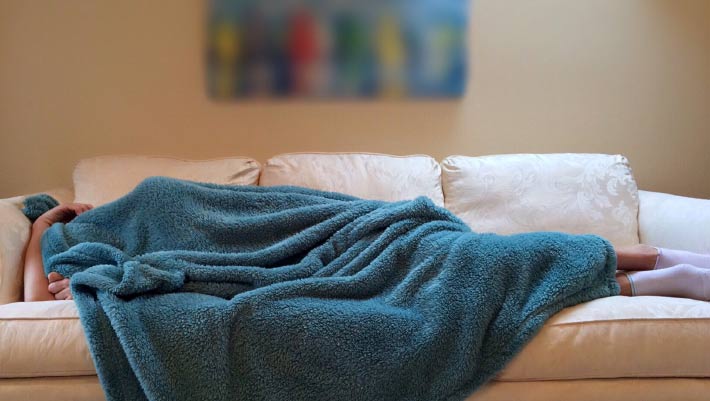
Weekend recovery sleep doesn’t prevent weight gain or reduce insulin sensitivity. Image credit: Wok & Apix.

In a study of 2,266 workers in Finland, evening-type people, or night owls, were up to three times more likely to be treated for depression or anxiety than morning types, with poor work-life balance identified as a key contributing factor.

The post Study: Night Owls Face Higher Mental Health Risks Tied to Work-Life Balance appeared first on Sci.News: Breaking Science News.

  •  
❌