❌

Reading view

How to Arrange App Icons on iPhone 17: The Ultimate Home Screen Organization Guide

A new iPhone 17 can feel surprisingly messy after only a few days of downloading apps. Social media, shopping apps, games, work tools, streaming services and utilities can quickly turn the Home Screen into a collection of icons that takes longer to navigate than it should.

The good news is that you do not have to accept Apple’s default arrangement. You can move app icons, create folders, place apps on different Home Screen pages, hide pages you rarely use and decide where newly downloaded apps should appear.

More importantly, a well-organized iPhone 17 does not need to follow a complicated visual system. The best layout is the one that matches how you actually use your phone.

Start With the Apps You Use Every Day

Before moving anything, think about which apps you open without searching for them.

For many people, these might include Messages, Phone, Safari, Camera, Maps, Photos, Music, Mail or a frequently used social media app. These are the apps that deserve the easiest positions to reach.

Instead of arranging every icon alphabetically, consider giving your most-used apps the most convenient locations.

A simple approach is to keep essential apps on the first Home Screen and move less frequently used apps to later pages. This reduces visual clutter while keeping important functions immediately accessible.

Apple allows apps and widgets to be placed in different positions on a Home Screen, including along the top, bottom or sides of the display.

How to Move App Icons on iPhone 17

Moving an app is straightforward, but you can use the process to completely redesign your Home Screen.

Touch and hold an empty area of the Home Screen until the app icons begin to jiggle. You can then drag an app to a new position on the same page.

If you drag an app toward the edge of the display, you can move it to another Home Screen page. When you have finished arranging everything, tap the Home Screen background to exit editing mode.

A Better Way to Position Apps

Do not feel that every available space has to be filled.

You can deliberately leave areas open to make a wallpaper photo more visible or create a cleaner visual layout. Apple’s current Home Screen customization also allows users to change icon appearance, including light, dark, clear and tinted styles.

This means your iPhone 17 Home Screen can be both functional and visually organized.

Create Folders for Apps You Don’t Need Constantly

Folders are useful when you have several apps that belong to the same category.

To create one, enter Home Screen editing mode and drag one app directly onto another. iPhone will create a folder that can hold additional apps. You can then give the folder a name that makes sense to you.

Instead of creating dozens of folders, keep the categories broad.

For example:

  • Social — Instagram, Facebook, Threads and similar apps
  • Work — email, documents, cloud storage and meeting apps
  • Shopping — Amazon, eBay and other shopping services
  • Entertainment — Netflix, YouTube, Spotify and streaming apps
  • Travel — airline, hotel, maps and transportation apps
  • Games — games you play occasionally

The goal is not to create a perfect filing system. It is to make an app easier to find when you cannot remember exactly where you placed it.

Use the Dock for Your Most Important Apps

The Dock is valuable Home Screen space because it remains available while you move between Home Screen pages.

Think of it as your permanent quick-access area.

Rather than putting four apps there simply because they came with your previous phone, choose the apps you use repeatedly throughout the day.

For example, a practical setup could include:

Phone | Messages | Safari | Camera

Another user might prefer:

Messages | Maps | Music | Mail

There is no universal best Dock arrangement. Your usage habits should determine it.

Organize Home Screen Pages by Purpose

If you have a large number of apps, forcing everything onto one screen can make the iPhone 17 harder to use.

A better strategy is to give each page a purpose.

For example:

Page 1 — Daily use
Communication, browser, camera, maps and other essential apps.

Page 2 — Work and productivity
Email, notes, cloud storage, office apps, calendars and task managers.

Page 3 — Entertainment
Streaming, music, games and social media.

Page 4 — Occasional apps
Travel, shopping, finance, utilities and apps you rarely open.

Apple lets you reorder complete Home Screen pages, so you can put your most useful page first rather than rebuilding the entire layout from scratch.

Hide Home Screen Pages You Rarely Use

You may not need to delete apps simply because you do not want to see them every day.

If a page contains apps you rarely use, you can hide the entire Home Screen page while keeping the apps available through the App Library.

To manage your pages, touch and hold the Home Screen background, tap the page indicator near the bottom, and then select or deselect the pages you want visible.

Hidden pages can be brought back later.

This is particularly useful if you want a minimalist iPhone 17 Home Screen without removing apps you occasionally need.

Let the App Library Handle the Apps You Rarely Open

The App Library can take over some of the organizational work.

Swipe left past your Home Screen pages to reach it. iPhone automatically organizes installed apps into categories, while frequently used apps are positioned for easier access. You can also search for an app by name.

This creates an important distinction:

Home Screen = apps you want to see.

App Library = apps you want to keep.

Once you adopt this approach, you do not need to give every installed app a permanent position on the Home Screen.

Stop New Apps From Filling Your Home Screen

One of the easiest ways to keep your iPhone 17 organized is to control where new apps are installed.

Go to:

Settings → Home Screen & App Library

You can choose whether newly downloaded apps are added to the Home Screen or placed in the App Library only.

Choosing App Library Only can be useful if you regularly download apps but do not want every new installation to disturb your carefully arranged Home Screen.

You can still move an app from the App Library back to the Home Screen whenever you decide that it deserves a permanent place.

Build Your Layout Around How You Hold the iPhone

There is another detail that is easy to overlook: thumb reach.

If you usually operate your iPhone 17 with one hand, putting frequently used apps closer to the lower portion of the display can make them easier to reach.

You do not have to create a symmetrical Home Screen.

Place important apps where your thumb naturally lands. Put less important apps farther away or inside folders.

This approach is often more practical than copying a visually attractive Home Screen layout from someone else.

Use Widgets Without Letting Them Take Over

Widgets can provide useful information without opening an app, but adding too many can make the Home Screen harder to navigate.

Consider keeping only widgets that provide information you genuinely check.

Examples include:

  • Weather
  • Calendar
  • Reminders
  • Battery information
  • Music
  • Maps or travel information

Apple also allows Home Screen widgets and app icons to be customized together, including appearance and color options.

A useful rule is simple: if a widget does not save you time, remove it.

Try a Minimalist iPhone 17 Layout

If you want a cleaner Home Screen, you do not need dozens of folders.

One minimalist setup could look like this:

First page:
Your essential daily apps plus one or two useful widgets.

Second page:
Work, productivity and communication tools.

Third page:
Entertainment and social apps.

Everything else:
App Library.

This arrangement keeps the first screen useful without requiring you to constantly reorganize icons.

What If Your Home Screen Becomes a Mess?

You do not have to manually move hundreds of icons back into place.

iPhone includes an option to reset the Home Screen layout. According to Apple, resetting the Home Screen removes folders and places downloaded apps alphabetically after the apps that came with the iPhone.

You can find this option under:

Settings → General → Transfer or Reset iPhone → Reset → Reset Home Screen Layout

Use this carefully, because it is a reset rather than a temporary rearrangement.

The Best iPhone 17 Home Screen Is the One You Don’t Have to Think About

There is no single perfect app arrangement for the iPhone 17.

The most useful setup is usually based on three principles:

Keep frequently used apps close.

Move occasional apps into folders or the App Library.

Keep the first Home Screen simple enough to navigate instantly.

Once your apps are arranged around your actual habits rather than their download order, the iPhone 17 becomes easier to use. You spend less time searching through pages and more time getting directly to the feature or app you need.

If your Home Screen starts becoming crowded again, do not reorganize everything from scratch. Move the apps you use most often back to the front, hide unnecessary pages and let the App Library handle everything else.

That makes Home Screen organization an ongoing system rather than a one-time cleanup job.

The post How to Arrange App Icons on iPhone 17: The Ultimate Home Screen Organization Guide appeared first on IGeeKphone China Phone, Tablet PC, VR, RC Drone News, Reviews.
  •  

Vaping After Tooth Extraction: How to Reduce Dry Socket Risk

Having a tooth removed creates a small wound that needs time to heal, so how to do tooth extraction aftercare. For people who vape, one of the most common questions is whether they can return to vaping immediately after the procedure or whether doing so could increase the chance of dry socket.

The short answer is that vaping during the early healing period is best avoided. The concern is not limited to nicotine. The act of inhaling can create suction inside the mouth, while vapor and other ingredients may irritate tissues that are already recovering.

A better approach is to give the extraction site time to stabilize before returning to your normal routine.

Why Dry Socket Happens After a Tooth Extraction

After a tooth is removed, a blood clot after tooth extraction normally develops inside the empty socket. That clot is important because it protects the underlying bone and nerves while new tissue begins to form.

If the clot breaks down or becomes displaced too early, the socket can be exposed. This condition is commonly called dry socket, or alveolar osteitis.

It is not simply normal post-extraction soreness. Dry socket can cause intense, throbbing pain that may become noticeable several days after the extraction. An unpleasant taste or bad breath can also occur.

Some NHS dental guidance notes that dry socket commonly develops around 3 to 5 days after extraction, particularly when the protective clot has been disturbed.

That timing is important because feeling better immediately after the procedure does not necessarily mean the wound has finished healing.

Why Vaping Can Be a Problem

Vaping after tooth extraction creates several potential concerns at the same time.

Suction can put the clot at risk

Taking a strong draw from a vape creates negative pressure in the mouth. A fresh extraction site is particularly vulnerable during the first stage of healing, so repeatedly creating suction is something worth avoiding.

This is one reason dental aftercare instructions commonly tell patients not to smoke after an extraction. Some guidance specifically includes vaping and e-cigarettes in the same recommendation.

Nicotine may interfere with recovery

Nicotine is another reason vaping is not ideal immediately after oral surgery. Nicotine can affect blood vessels and circulation, which are important to the healing process.

The issue becomes more significant when the mouth is already dealing with an open extraction wound. Even if a particular vape produces little visible irritation, that does not mean it is harmless to the healing socket.

Vapor can irritate sensitive tissue

Freshly treated oral tissue is more sensitive than normal. Heat, flavoring ingredients and aerosol exposure may feel irritating around the extraction area.

This does not mean every component of vape aerosol directly causes dry socket. Rather, vaping introduces unnecessary exposure at a time when the priority should be protecting the wound and allowing the clot to remain undisturbed.

How Long Should You Avoid Vaping?

There is no single number of hours that guarantees vaping is safe for everyone.

The appropriate recovery period can depend on the type of extraction, the location of the tooth, how difficult the procedure was and how the individual wound is healing.

Some NHS oral-surgery guidance recommends avoiding smoking for at least five days, while other extraction instructions advise avoiding smoking for at least 24–48 hours.

For vaping, the practical message is simple: do not treat the minimum waiting period as a guarantee that the socket is fully healed.

If your dentist or oral surgeon gives you a specific period for avoiding vaping, follow that instruction rather than relying on a general online timetable.

The First Few Days Matter Most

The period immediately after extraction deserves particular attention.

Instead of thinking, “When can I vape again?”, it is more useful to think, “What can I do to avoid disturbing the extraction site?”

During early recovery:

  • Avoid vaping and smoking.
  • Do not deliberately create suction around the wound.
  • Avoid touching the socket with your tongue or fingers.
  • Follow your dentist’s instructions for rinsing and cleaning.
  • Choose foods that are comfortable and unlikely to disturb the area.
  • Avoid activities your dental professional has told you to postpone.
  • Take prescribed or recommended medication according to the instructions provided.

One NHS extraction guide specifically advises patients not to disturb the clot with the tongue, fingers or forceful spitting.

What About “Light” Vaping?

Some people assume that taking smaller puffs, using lower power or choosing a less irritating flavor makes vaping safe immediately after extraction.

That is not a reliable way to eliminate the risk.

A smaller puff may reduce suction, but it does not remove the basic problem of inhalation around a fresh extraction wound. Lower nicotine may reduce nicotine exposure, but it does not make the procedure’s healing period disappear.

For this reason, temporarily stopping is a more sensible strategy than trying to design a “safer” vaping technique immediately after surgery.

Does Nicotine-Free Vaping Solve the Problem?

Not completely.

Switching to a nicotine-free vape removes nicotine from the equation, but it does not remove the suction created when inhaling from the device. It also does not eliminate exposure to vapor or aerosol.

Therefore, nicotine-free vaping should not be viewed as a way to bypass post-extraction restrictions.

If protecting the blood clot is the priority, avoiding vaping altogether during the recommended recovery period is the simpler option.

What If You Already Vaped After an Extraction?

Do not automatically assume that you will develop dry socket because you took a puff.

A single mistake does not mean a complication is certain. The important thing is to stop further exposure and return to the aftercare instructions provided by your dental professional.

Watch for changes rather than relying only on how you feel immediately afterward.

Contact your dentist if you develop:

  • Severe or increasing pain after the initial soreness starts improving
  • Pain that spreads toward the ear, temple or jaw
  • A persistent unpleasant taste
  • Bad breath that seems unusual after the extraction
  • An extraction site that appears unusually exposed
  • Bleeding that does not settle as expected
  • Fever, significant swelling or other symptoms that concern you

A sudden increase in pain several days after extraction deserves particular attention because it can be consistent with dry socket.

What If You Have Already Developed Dry Socket?

Dry socket should not be managed by simply waiting for it to disappear if the pain is significant.

A dentist can examine the extraction site and determine whether the symptoms are consistent with dry socket or another complication. Treatment may include cleaning the area and applying a dressing or other appropriate treatment to reduce discomfort.

Avoid attempting to scrape, clean or pack the socket yourself.

If pain is severe, worsening, or accompanied by other concerning symptoms, contact the dental practice that performed the extraction.

Does the Type of Extraction Make a Difference?

Yes.

Removing a straightforward tooth is not necessarily the same as having a surgical extraction or wisdom tooth removed. The size and location of the wound, difficulty of the procedure and individual healing response can all affect recovery.

That is why generic advice such as “wait exactly 24 hours and vape again” can be misleading.

Your dentist has seen the extraction site and knows how complicated the procedure was. Their instructions should take priority over a general vaping timetable found online.

A Better Way to Think About Returning to Vaping

Instead of choosing a specific hour when you will resume vaping, look at the recovery as a process.

Stage 1: Protect the clot

Immediately after extraction, the main goal is to avoid disturbing the blood clot.

Stage 2: Let the wound settle

As the first several days pass, the extraction site begins progressing through the healing process. This is still not the time to assume the wound is fully recovered.

Stage 3: Follow your dentist’s clearance

If you are unsure when vaping can be resumed, ask the dental professional who performed the extraction. This is particularly important after wisdom tooth removal, surgical extraction or a difficult procedure.

This approach is safer than trying to find a vaping method that completely removes the risk.

Vaping After Tooth Extraction: The Bottom Line

Vaping and tooth extraction are not a good combination during the early healing period.

The main concern is protecting the blood clot that forms inside the extraction socket. Suction from vaping, nicotine exposure and irritation from inhaled aerosol can all make the recovery period less straightforward.

Dental aftercare guidance specifically recommends avoiding smoking and, in some instructions, explicitly includes vaping and e-cigarettes.

If you have recently had a tooth removed, the safest strategy is to pause vaping, follow your dentist’s instructions and give the extraction site time to heal. If pain becomes significantly worse after a few days instead of gradually improving, contact your dentist because that pattern can indicate dry socket or another complication.

This article provides general educational information and is not a substitute for advice from your dentist or oral surgeon.

The post Vaping After Tooth Extraction: How to Reduce Dry Socket Risk appeared first on IGeeKphone China Phone, Tablet PC, VR, RC Drone News, Reviews.
  •  

BAT Expands Vuse Pro in the U.S. With App-Based Age Verification and Four Flavored Pods

British American Tobacco is expanding its Vuse business in the United States with a new version of the Vuse Pro vaping system and four flavored pod options. The rollout is notable not only because of the return of fruit-flavored Vuse products in selected U.S. markets, but also because the device incorporates age verification and Bluetooth connectivity into the activation process.

The new Vuse Pro pods are available in Peach, Berry, Watermelon and Fresh Mint. Vuse’s U.S. website lists the pods at 5.0% nicotine by weight (NBW) and identifies them as nicotine-salt products.

The products have begun appearing in Ohio and selected U.S. markets. However, they have not received FDA marketing authorization, making the launch an important development in the country’s changing regulatory environment for flavored vaping products.

Vuse Pro Makes Age Verification Part of Device Activation

The biggest difference between the new Vuse Pro system and a conventional closed-pod vape is the role played by the smartphone app.

Instead of treating age verification solely as a retail requirement, the Vuse Pro setup connects the process with the device itself. Users must complete the required age-verification process through the Vuse Pro App, enable Bluetooth and pair the smartphone with the device before the vape can be activated.

This creates an additional access-control layer after the purchase.

The app is also designed to provide several device-management functions, including:

  • Manual locking and unlocking
  • Automatic locking
  • Find My Vape
  • Battery-related reminders
  • Bluetooth device management
  • Factory reset

The system can also use Bluetooth proximity as part of its locking function. When the device moves outside the configured Bluetooth range, Auto-Lock can prevent further use until the paired smartphone is used to unlock it.

That makes the Vuse Pro more than a conventional rechargeable closed-pod system. Software becomes part of the product’s access and security architecture.

Four Flavored Vuse Pro Pods Are Now Listed in the U.S.

The new Vuse Pro flavor lineup consists of Peach, Berry, Watermelon and Fresh Mint.

  • Peach
  • Berry
  • Watermelon
  • Fresh Mint

Vuse lists these products at 5.0% NBW, meaning nicotine by weight. The company also confirms that its closed-system products use nicotine salts.

The four flavors give Vuse a broader U.S. lineup than a product strategy focused only on traditional tobacco and menthol profiles.

The timing is significant. BAT had already indicated that it planned a phased expansion of flavored Vuse products in the U.S. during the third quarter of 2026. In its 2026 first-half communications, the company said it was strengthening age-verification controls while preparing to commercialize flavored vapor products.

The current rollout therefore appears to be part of a broader strategy rather than a one-off product launch.

Closed-Pod Design Keeps the User Experience Simple

Vuse Pro remains a rechargeable closed-pod system.

Instead of requiring users to fill a tank manually, the system uses prefilled pods that are inserted into the device. The device is draw-activated, while the app handles additional connected functions.

This approach is different from open-pod systems that allow users to select their own e-liquid and refill the cartridge.

For Vuse, the closed architecture also provides tighter control over the consumable used with the device. Users choose from the available Vuse Pro pods rather than mixing or filling e-liquid themselves.

The U.S. Vuse website currently identifies Vuse Pro as a 5.0% NBW nicotine-salt system.

Bluetooth Has a Bigger Role Than Simple Connectivity

Bluetooth is often included in connected consumer electronics as a convenience feature. With Vuse Pro, its role is more closely connected to device access.

Pairing the vape with the Vuse Pro App is part of the initial activation process. Bluetooth also supports functions such as device locking, unlocking and locating.

That makes the smartphone an important part of the overall user experience.

The concept is different from simply adding an app that displays battery information or usage statistics. In this case, the connected software is integrated into how the hardware is accessed.

This could become an important direction for regulated nicotine products as manufacturers look for additional ways to combine age controls with connected hardware.

Vuse Pro Adds Flavors While U.S. Regulations Remain Complex

The rollout is taking place against a complicated U.S. regulatory background.

Current reporting indicates that the new Vuse Pro flavored products have appeared in Ohio and selected other markets even though they have not received FDA marketing authorization. Reynolds American has said the products are being sold in accordance with applicable state regulations and that the company is using measures such as identification requirements and purchase limits to address underage access.

State rules remain important because flavored-vape restrictions differ across the country. Some states and jurisdictions have enacted restrictions or bans covering flavored vaping products.

As a result, availability of the new Vuse Pro flavors should not be interpreted as nationwide authorization or nationwide availability.

BAT Is Building on Vuse’s Existing U.S. Position

The new product also arrives from a strong position in the U.S. closed-system market.

BAT reported that Vuse held a 55.9% value share of tracked rechargeable closed-system vapor channels in the first half of 2026, representing a 4.1-percentage-point increase from the end of 2025. The company said Vuse’s share was more than twice that of its closest competitor.

BAT has therefore been expanding the Vuse portfolio from an established base rather than attempting to introduce an entirely new brand.

The company’s 2026 strategy also calls for a phased distribution of new Vuse Pro flavored pods. Reporting from 2Firsts indicates that BAT planned approximately 25,000 retail outlets during the third quarter and another 25,000 in the fourth quarter, although the company has not disclosed the number of stores currently carrying the products.

Vuse Pro Specifications and Product Details

Feature Vuse Pro
Company Reynolds American / R.J. Reynolds Vapor Company
Parent Company British American Tobacco
Brand Vuse
Product Vuse Pro
Category Rechargeable closed-pod vaping system
Pod Type Prefilled Vuse Pro Pod
Activation Draw-activated
Initial Setup Vuse Pro App, age verification and Bluetooth pairing
Connectivity Bluetooth
App Functions Lock/unlock, Auto-Lock, Find My Vape, battery reminders
Water Resistance IPX4
Charging USB rechargeable
Full Charging Time Approximately 50 minutes
Flavors Peach, Berry, Watermelon, Fresh Mint
Nicotine Strength 5.0% NBW
Nicotine Type Nicotine salts
Market United States
FDA Marketing Authorization Not authorized

Public U.S. product information does not currently provide a complete set of technical specifications such as battery capacity, e-liquid volume, coil construction or an official puff-count rating. It is therefore better not to treat those figures as confirmed specifications.

Why the App Matters to the Vuse Pro Launch

The most interesting aspect of the new Vuse Pro is not necessarily the hardware.

The larger change is the relationship between hardware, software and age control.

Traditional age verification normally happens when a customer buys a regulated product. Vuse Pro introduces another step by connecting device activation with an age-verification process through a smartphone application.

That creates a product ecosystem in which the device can remain connected to a specific smartphone while offering functions such as Auto-Lock and Find My Vape.

For manufacturers, this approach could provide additional tools for managing access. For consumers, however, it also means that the vape is less independent from the smartphone than a conventional closed-pod device.

FDA Status Should Be Clearly Distinguished From Enforcement Policy

One point is particularly important when discussing the U.S. Vuse Pro launch: FDA enforcement policy and FDA marketing authorization are not the same thing.

Current reports state that the Vuse Pro flavored products being sold in selected U.S. markets have not received FDA marketing authorization.

At the same time, the FDA’s 2026 enforcement approach has changed the regulatory environment for certain unauthorized vaping products. That change in enforcement priorities should not be described as equivalent to formal authorization.

This distinction matters because consumers and retailers may otherwise interpret market availability as evidence that a product has completed the FDA’s marketing authorization process.

What the Vuse Pro Launch Means for the U.S. Vape Market

The new Vuse Pro rollout combines two developments that have become increasingly important in the U.S. vaping market: flavored products and stronger age-access controls.

Peach, Berry, Watermelon and Fresh Mint expand Vuse’s current flavor offering, while the app-based activation system gives the company a way to connect age verification with the device itself.

BAT’s broader strategy suggests that this is part of a planned expansion of Vuse rather than an isolated experiment. The company has publicly discussed phased flavored-pod commercialization and stronger age-verification measures as part of its U.S. strategy.

The result is a Vuse Pro system that is increasingly defined not just by its pods and battery, but by the software surrounding the device.

For the U.S. market, the more important question may be whether app-based age verification, Bluetooth access controls and regulated flavored pods become a more common model for next-generation vaping products.

For now, Vuse Pro represents a notable example of how nicotine-device manufacturers are combining connected technology with age-access measures while navigating a rapidly changing U.S. regulatory landscape.

The post BAT Expands Vuse Pro in the U.S. With App-Based Age Verification and Four Flavored Pods appeared first on IGeeKphone China Phone, Tablet PC, VR, RC Drone News, Reviews.
  •  

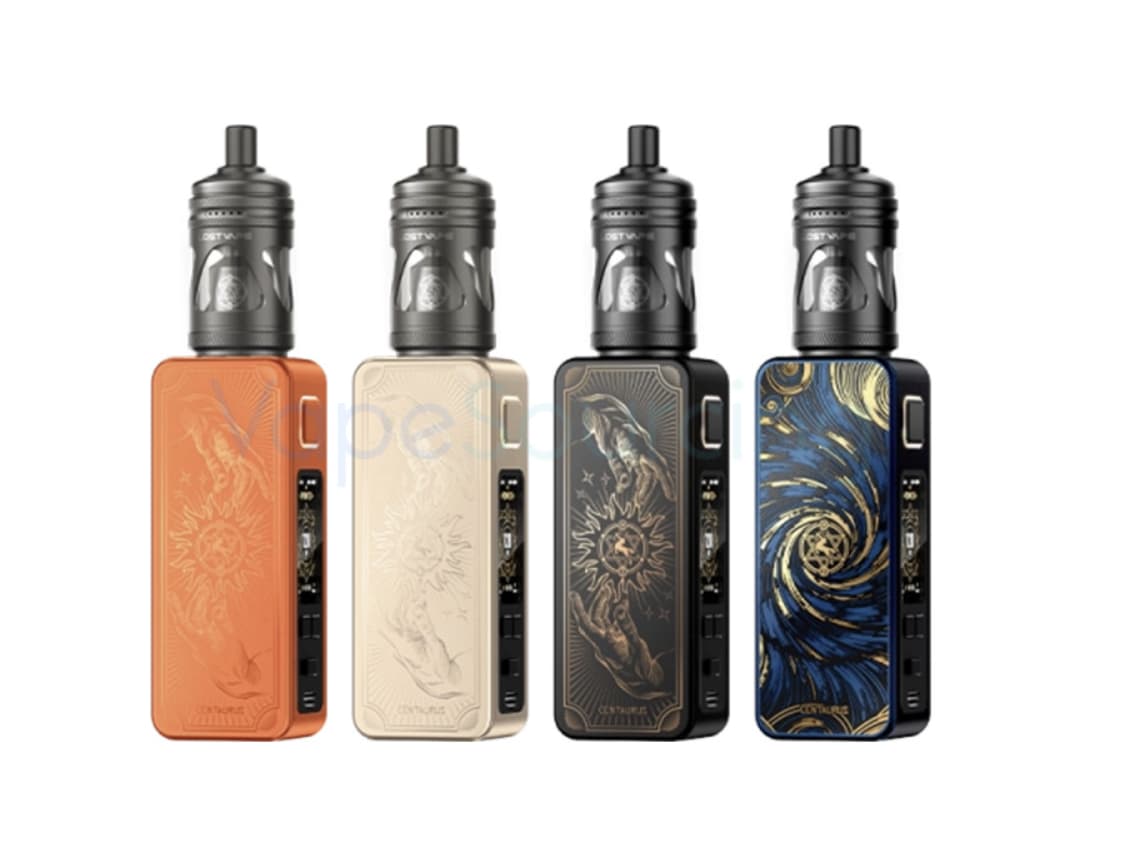
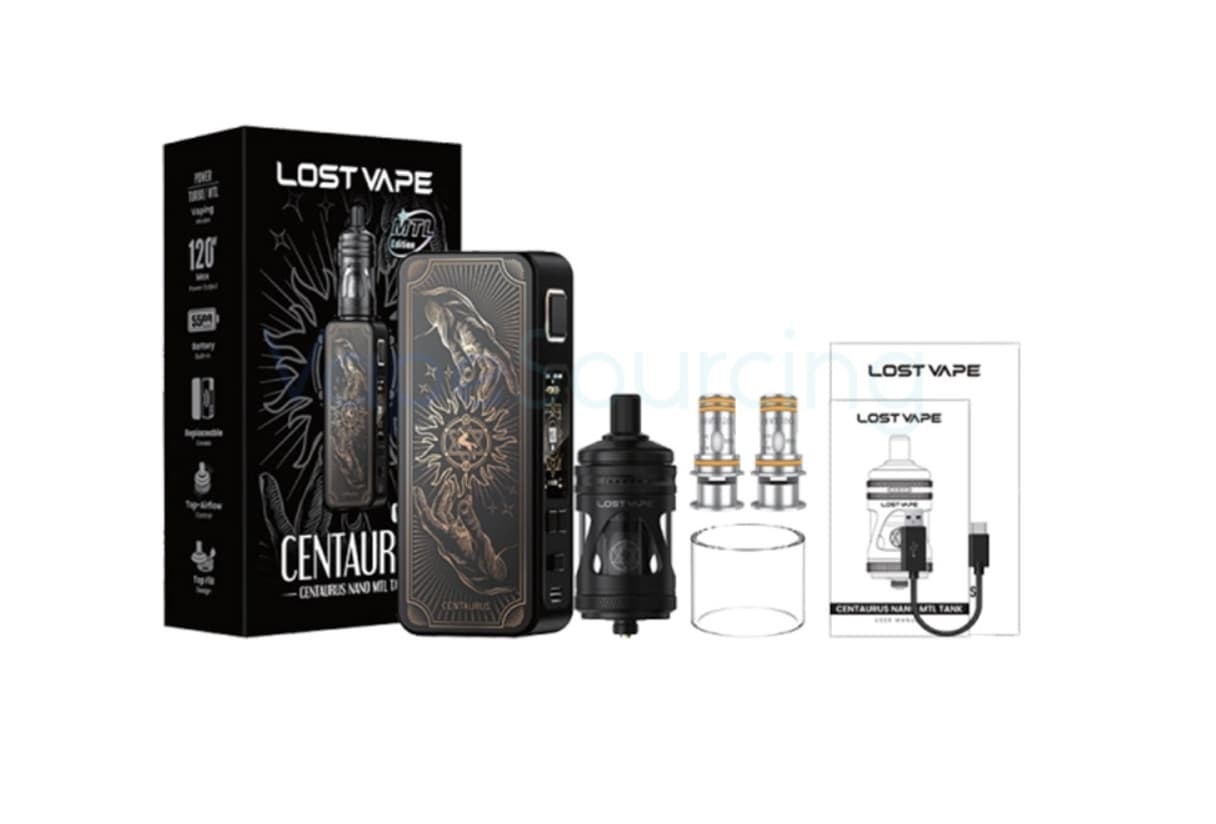
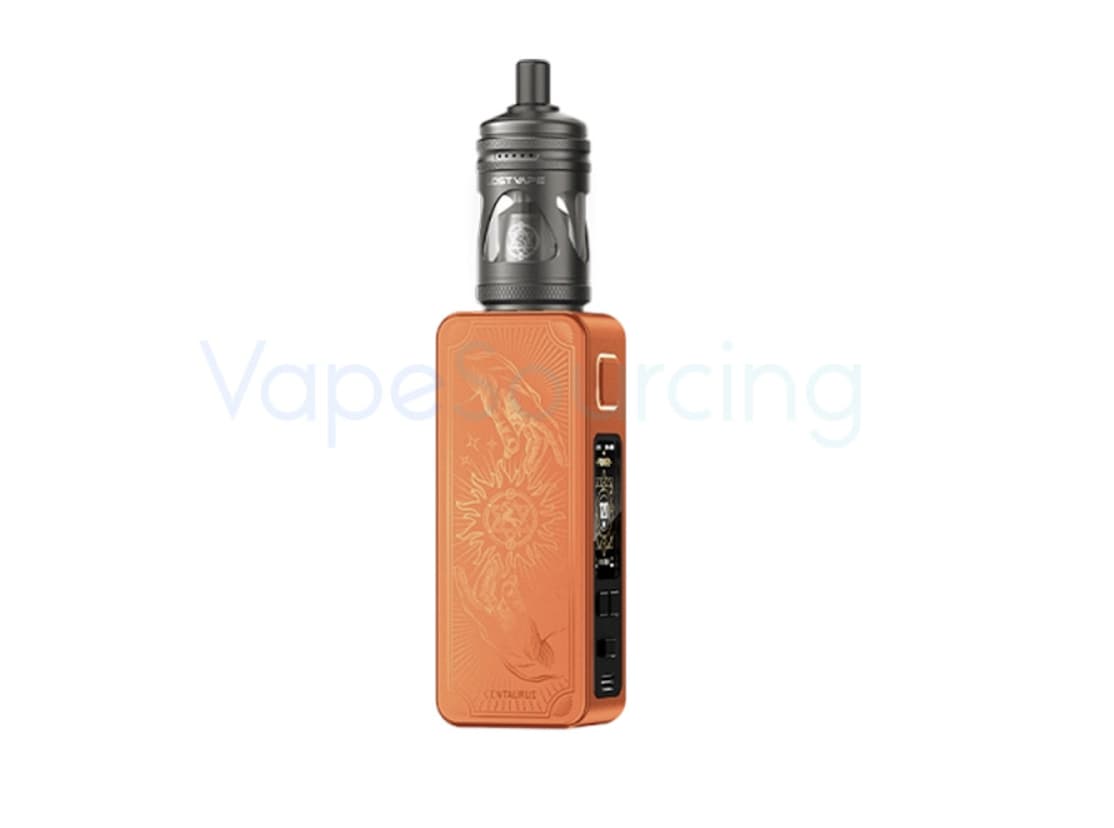
Lost Vape Centaurus M120 S Kit Review: 5500mAh Battery, 120W Power and a More Practical Design

Lost Vape Centaurus M120 S Kit takes a different approach to the modern vape kit. Instead of competing mainly on extreme wattage or oversized hardware, it combines a built-in 5,500mAh battery, up to 120W of adjustable output, several vaping modes, and a relatively straightforward control system.

That combination makes the Centaurus M120 S interesting for adult vapers who want the flexibility of a higher-powered device without having to carry spare batteries.

The kit also introduces a redesigned Centaurus form factor, an interchangeable-panel design, an on/off switch, and a large color display. According to current product specifications, the mod measures 108.6 × 40.7 × 15.7mm and weighs around 120g, while the built-in battery supports USB-C charging at up to 2A.

The Battery Is the Main Story

The most important feature of the Centaurus M120 S is arguably not its 120W maximum output. It is the 5,500mAh built-in battery.

A 120W mod can be attractive on paper, but high power also places greater demands on the battery. The M120 S approaches the problem differently by giving users a large internal battery designed around extended daily use.

For moderate-power vaping, 5,500mAh gives the device a substantial energy reserve. Users who normally operate at lower wattages may not need to recharge as frequently as they would with a smaller internal-battery pod system.

The battery is also built into the device, so there is no need to purchase or carry a separate 18650 or 21700 cell.

That is an important distinction. The M120 S is aimed more at convenience and endurance than at the battery-swapping flexibility associated with traditional external-battery mods.

120W Gives the Kit Plenty of Headroom

The Centaurus M120 S supports a power range of 5W to 120W vape device, giving it considerably more output headroom than a typical compact pod device.

However, the maximum number should not be interpreted as a recommendation to vape at 120W all the time.

The practical advantage of 120W is flexibility. A user can operate at a lower setting for a more controlled experience and still have additional power available when using compatible coils that require it.

This makes the M120 S more adaptable than a device designed around a narrow wattage range.

It is also worth remembering that actual performance depends on the coil, airflow, e-liquid, battery condition, and selected power level. Maximum output alone does not determine the quality of a vape.

Three Modes Change How the Device Feels

One of the more interesting aspects of the M120 S is its three operating modes: POWER, TURBO and MTL.

Rather than forcing every user into the same operating style, these modes give the device a broader range of possible applications.

POWER mode is the straightforward option for users who prefer direct control over their wattage.

TURBO mode is designed for users who want a more aggressive performance profile when their atomizer and coil setup are suitable for it.

The inclusion of an MTL vaping is particularly notable. The Centaurus name has traditionally been associated with more powerful box-mod hardware, so having a dedicated mode for a tighter, mouth-to-lung-oriented experience makes the M120 S more versatile.

The important point is that these modes are not simply extra menu options. They give the device different ways of responding to the same hardware setup.

The 1.47-Inch TFT Screen Is More Than Decoration

The Centaurus M120 S uses a relatively large 1.47-inch TFT display, giving the device enough screen space to present important vaping information clearly.

A larger display can be useful on a high-output device because users may want to check wattage, battery status and other settings without navigating through complicated menus.

The screen also helps distinguish the M120 S from simpler pod-style devices, where information is often reduced to a few basic indicators.

For a device designed around adjustable power and multiple operating modes, having a readable interface is more useful than simply having a larger screen for visual appeal.

The On/Off Switch Is a Small Feature With a Practical Benefit

One of the details that deserves more attention is the physical on/off switch.

Many modern vape devices rely on button combinations or automatic sleep functions. The M120 S instead uses a dedicated switch for turning the device on and off.

That sounds simple, but it can make everyday handling more intuitive.

It also reduces the number of steps needed when the device is not being used. For people who regularly carry their device in a bag or pocket, having a clearly defined power switch can be more reassuring than relying entirely on software controls.

Interchangeable Panels Add Personality Without Changing the Hardware

The M120 S continues the Centaurus family’s emphasis on customizable exterior panels.

The interchangeable-panel concept allows the appearance of the device to be changed without replacing the entire mod. This is primarily an aesthetic feature, but it also gives the M120 S a more distinctive identity than a conventional rectangular box mod.

Lost Vape has used customizable panels across parts of the Centaurus family before, including the Centaurus M200, where the company describes the design as using changeable face panels.

For the M120 S, the approach fits naturally with the redesigned body.

The 4ml Tank Keeps the Kit Practical

The kit is offered with a 4ml tank, giving the overall package a useful balance between capacity and portability. Current product listings identify the Centaurus M120 S kit as a 4ml, 5,500mAh configuration.

A 4ml capacity is large enough for regular use without turning the tank into an unnecessarily bulky component.

Of course, actual e-liquid consumption will vary significantly depending on coil resistance, wattage, airflow and vaping frequency. Someone running a higher-power setup will naturally consume liquid faster than someone using a lower-power configuration.

That is why tank capacity should always be considered alongside power output rather than viewed as an isolated number.

This Is Not Trying to Be an Ultra-Small Pod

The M120 S measures 108.6 × 40.7 × 15.7mm and weighs approximately 120g, according to current specifications.

Those dimensions make it more substantial than a basic pod system, but that is not necessarily a disadvantage.

The larger body provides space for the 5,500mAh battery, display, controls and tank connection. In other words, the size is partly a consequence of what the device is trying to accomplish.

The more useful question is therefore not whether the M120 S is small enough to disappear in a pocket. It is whether the additional size is justified by the battery capacity and functionality.

For users prioritizing battery life and adjustable performance, the answer may be yes.

USB-C Charging Makes the Large Battery Easier to Live With

A large internal battery would be less useful if charging were inconvenient.

The Centaurus M120 S supports USB-C charging at up to 2A, providing a modern charging interface and making it easier to recharge from commonly available USB-C power sources.

It is still worth using an appropriate charger and cable and following the manufacturer’s charging instructions.

The advantage of USB-C here is mainly convenience: there is no need to remove the battery or use an external charger.

Who Is the Centaurus M120 S Really For?

The M120 S makes the most sense for adult vapers who want a device somewhere between a compact pod and a traditional high-powered dual-battery box mod.

It is particularly interesting for users who prioritize:

  • A large built-in battery
  • Adjustable output up to 120W
  • Multiple operating modes
  • A larger TFT display
  • USB-C charging
  • A physical on/off switch
  • Customizable exterior panels
  • A 4ml tank
  • A relatively manageable 120g body

It is less compelling for someone whose priority is an extremely lightweight pod that can disappear into a pocket.

The M120 S is ultimately built around battery capacity and versatility, not minimalism.

What Should You Consider Before Buying?

The built-in battery is both an advantage and a limitation.

There is no need to purchase external cells, but the battery cannot simply be swapped when its charge is depleted. Users who prefer carrying several charged batteries may therefore prefer a traditional external-battery mod.

The 120W output also does not mean every coil should be operated at high wattage. Coil specifications should always be followed, and the power level should be adjusted according to the installed coil and personal preference.

The tank and coil configuration also matters. A powerful mod can only perform as well as the atomizer setup attached to it.

Finally, buyers should check the vaping regulations that apply in their location before purchasing or using the device.

Lost Vape Centaurus M120 S Kit Specifications

Specification Details
Product Lost Vape Centaurus M120 S Kit
Maximum Output 120W
Power Range 5–120W
Battery Built-in 5,500mAh
Charging USB-C, up to 2A
Display 1.47-inch TFT
Operating Modes POWER, TURBO, MTL
Tank Capacity 4ml
Dimensions 108.6 × 40.7 × 15.7mm
Weight About 120g
Panels Interchangeable
Power Control On/Off switch
Manufacturer Lost Vape

The core mod specifications above are based on current product information for the Centaurus M120 S.

Final Verdict

Lost Vape Centaurus M120 S Kit is interesting because it does not rely on one exaggerated specification to define the product.

Its strongest combination is the 5,500mAh internal battery + 120W maximum output + three operating modes. That gives the device enough range to serve different vaping preferences while keeping the hardware relatively straightforward to operate.

The large TFT screen, physical power switch, USB-C charging and interchangeable panels add useful touches around that core design.

For adult users who want a higher-powered kit but would rather avoid external batteries, the M120 S presents a practical alternative. Its biggest appeal is not simply the 120W number; it is the attempt to combine substantial battery endurance with adjustable performance in a single, relatively manageable device.

Note: Vape products contain nicotine when used with nicotine-containing e-liquid, and nicotine is addictive. This product is intended only for adults of legal purchasing age. Always follow the manufacturer’s instructions and local regulations.

The post Lost Vape Centaurus M120 S Kit Review: 5500mAh Battery, 120W Power and a More Practical Design appeared first on IGeeKphone China Phone, Tablet PC, VR, RC Drone News, Reviews.
  •  

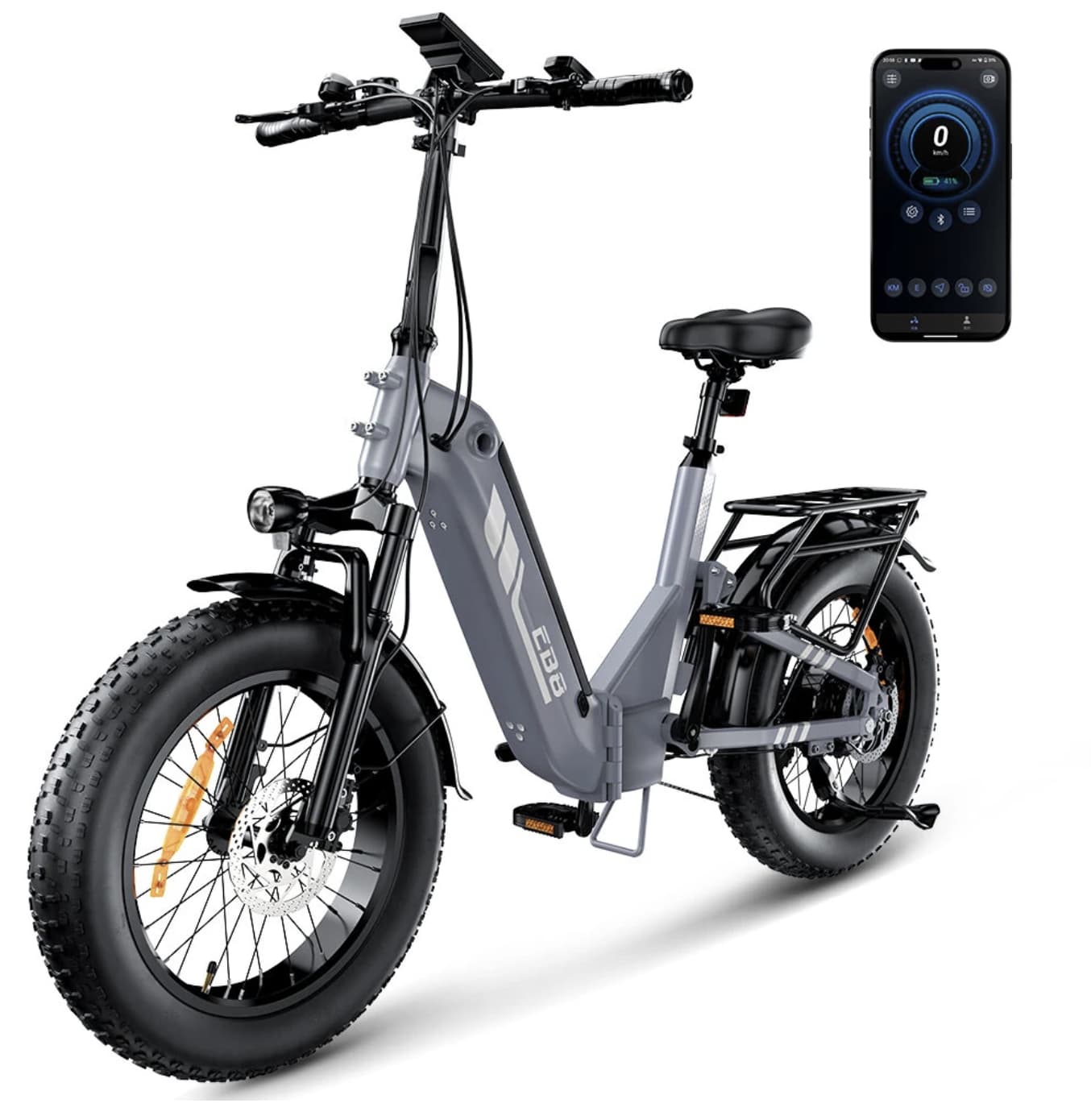
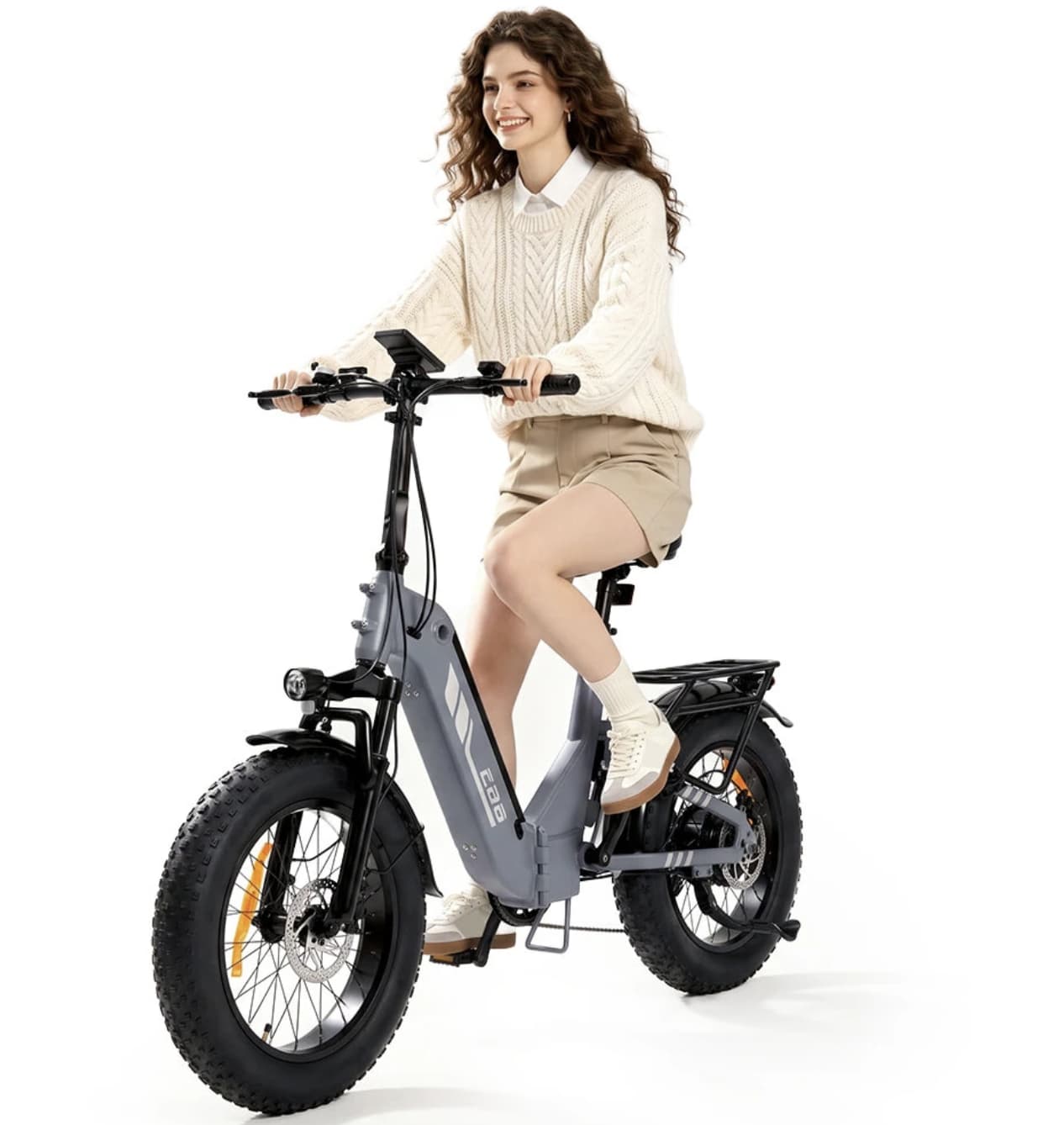
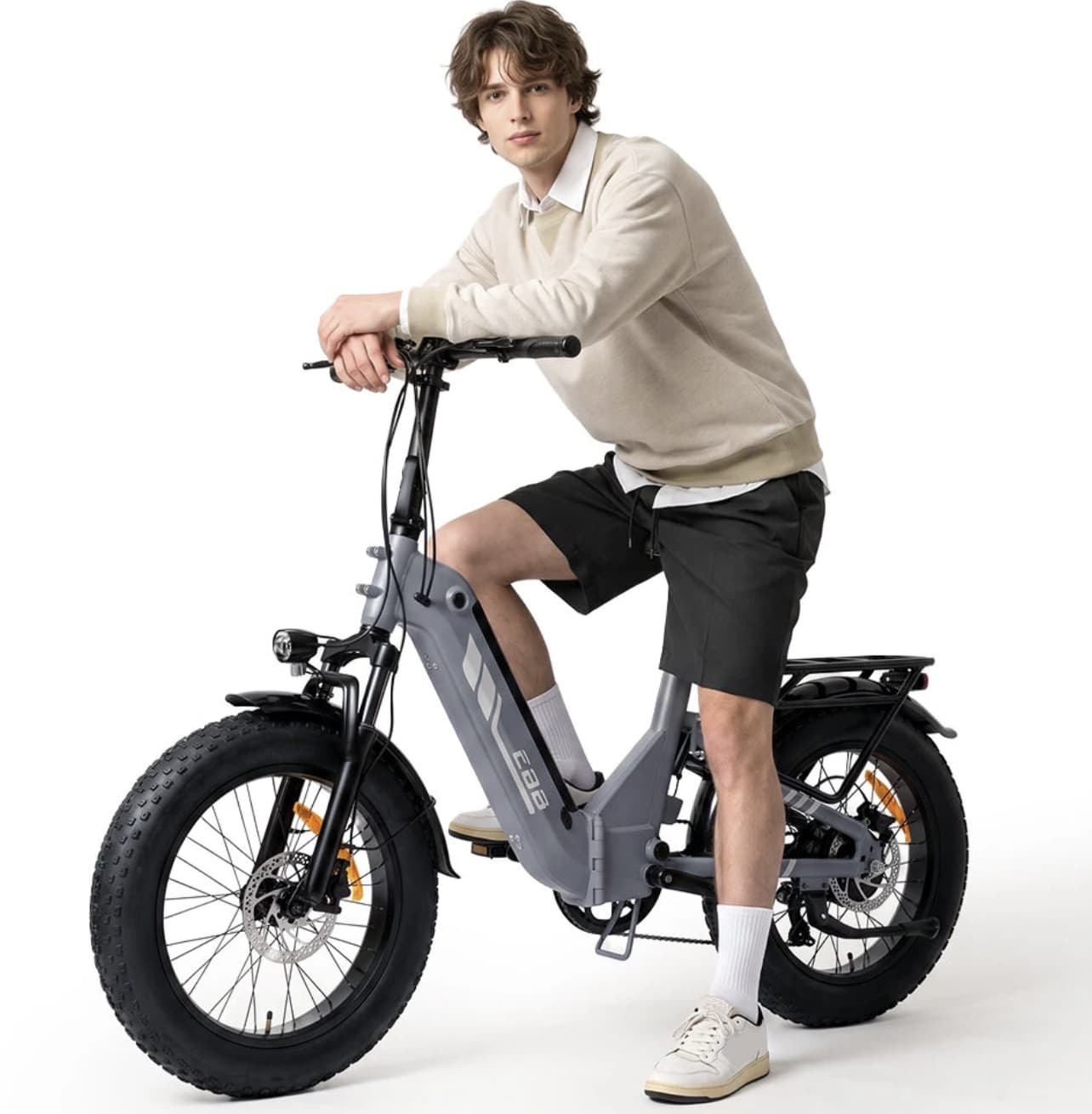
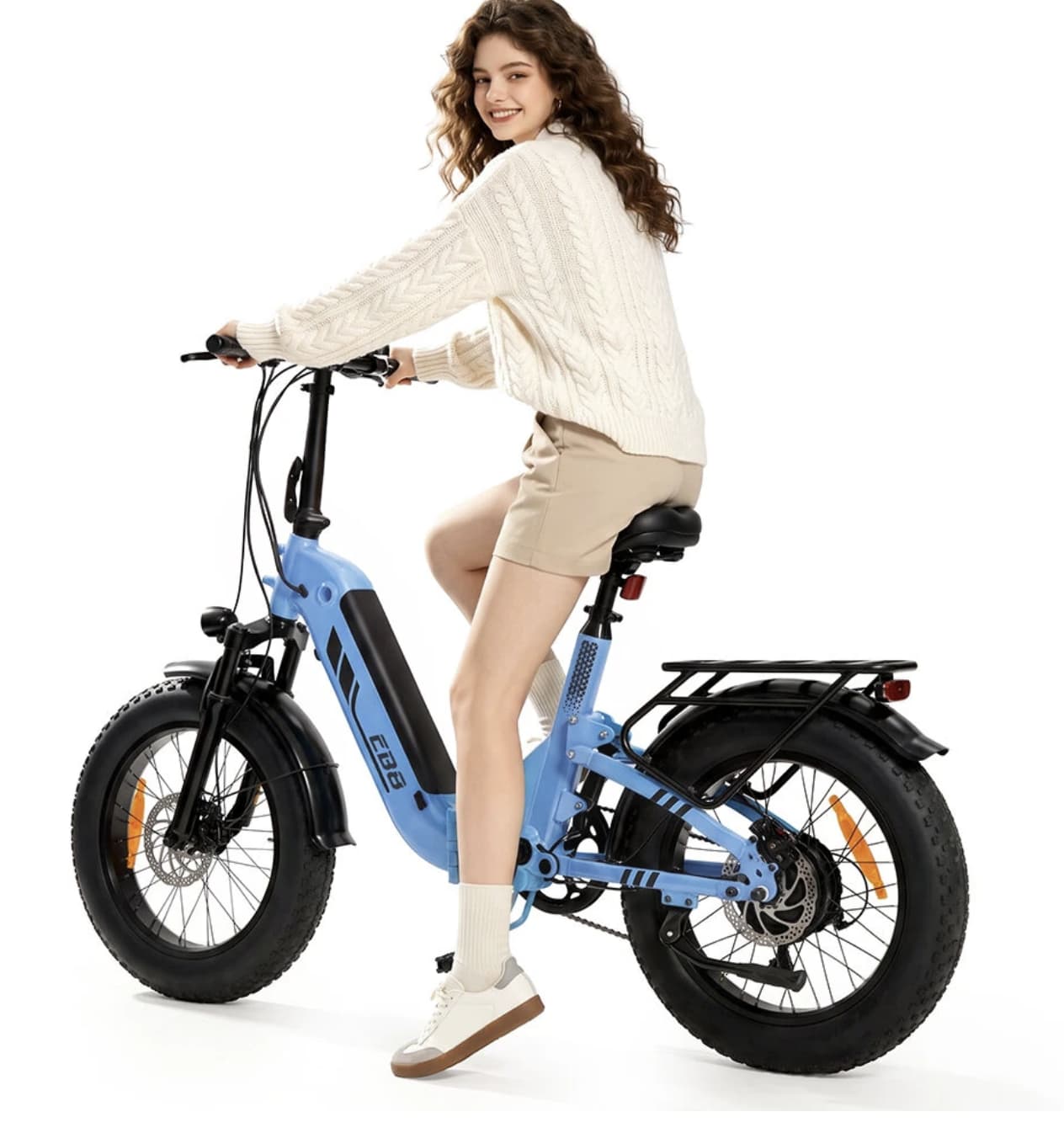
iScooter EB8 Review: A Torque-Sensor Fat-Tire E-Bike With Long Range

iScooter EB8 scooter takes a different approach from lightweight urban e-bikes that are designed mainly around portability. Its priorities are easier to understand once you look beyond the motor rating: a large 48V battery, 20-inch fat tires, front suspension, torque sensing, a folding frame, and a high maximum load are combined into one practical package.

The result is an electric bike aimed at riders who want more stability and range than a small commuter bike can provide. The EB8 is particularly interesting for longer daily trips, mixed road surfaces, leisure riding, and routes where comfort matters as much as outright speed.

According to the current Banggood listing, the EB8 uses a 48V 15Ah battery, a 250W motor with up to 1000W peak output, a torque sensor, 20×4.0-inch tires, and a claimed range of 90–144 km. Its listed maximum speed is 25 km/h, while the maximum load is 150 kg.

The Torque Sensor Is One of the EB8’s Most Important Features

Many entry-level electric bikes rely mainly on cadence sensing. In simple terms, the motor detects that the pedals are turning and then provides assistance.

The EB8 torque sensor electric bike uses a torque sensor instead.

That distinction matters because a torque sensor can respond to how much force the rider is putting through the pedals. Light pedaling can result in a more restrained assistance response, while stronger input can request more support.

For everyday riding, this can make the bike feel more connected to the rider. Instead of feeling like the motor simply switches on when the pedals rotate, the assistance can feel more natural and predictable.

This is particularly useful when starting from a stop, climbing a gradual hill, or adjusting your effort during a longer ride.

The torque sensor therefore gives the EB8 a more sophisticated riding character than its basic 250W rating might suggest.

48V 15Ah: The Battery Is Designed for Distance

Battery capacity is one of the biggest reasons to consider the EB8.

The bike combines a 48V electrical bike battery with a 15Ah battery, giving it considerably more energy capacity than many compact commuter e-bikes. Banggood lists a claimed range of approximately 90–144 km, although actual distance will depend heavily on rider weight, terrain, temperature, assist level, tire pressure, wind, and riding style.

That range figure should therefore be treated as a manufacturer’s claim rather than a guarantee for every ride.

More importantly, the larger battery gives the EB8 room to work as a genuine long-distance commuter. A rider who does not want to recharge after every short trip can benefit from having more battery capacity available.

The listed charging time is approximately 5–6 hours, so the most sensible approach is to recharge overnight or during another period when the bike is not being used.

Why the 20×4.0-Inch Fat Tires Matter

The EB8’s 20×4.0-inch fat tires are not simply a visual design choice.

Wide tires create a much larger contact area with the riding surface, which can help the bike feel more planted on loose or uneven ground. The combination of wide tires and front suspension is particularly relevant when moving between smooth pavement and less predictable surfaces.

For city riding, the setup can help absorb some of the harshness created by broken pavement, rough sidewalks, or uneven streets.

For recreational riding, the wider tires also make the EB8 better suited to surfaces where a narrow commuter tire might feel less confident.

However, fat tires also add weight and rolling resistance. This is not a lightweight bicycle designed primarily for carrying upstairs or accelerating like a road-oriented e-bike. The EB8 is better understood as a stability-focused electric bike.

Front Suspension Adds Another Layer of Comfort

The front fork suspension works together with the wide tires rather than replacing them.

The tires provide the first layer of cushioning, while the suspension helps manage larger impacts reaching the front of the bike. This combination should be useful for riders who regularly encounter cracked pavement, gravel paths, cobblestones, or other imperfect surfaces.

Banggood lists the EB8 with front fork suspension and dual oil-disc brakes.

That brake setup is especially relevant on a heavier fat-tire e-bike. When the bike is carrying a rider and additional cargo, predictable braking becomes more important than simply having a high motor output.

The 250W Motor Has More to the Story

At first glance, a 250W motor may not sound particularly aggressive compared with some high-powered e-bikes.

The EB8’s specifications, however, list a peak output of up to 1000W.

The important point is that rated power and peak power describe different parts of the motor’s behavior. The 250W figure represents the rated motor power, while the higher peak figure describes short-duration output under demanding conditions.

That extra headroom can be useful when accelerating, climbing, or dealing with changing terrain.

The EB8 is also listed with a maximum incline of 15 degrees. Real-world hill performance will depend on rider weight, battery level, surface conditions, and riding mode, so the specification should not be interpreted as a universal guarantee for every hill.

Folding Design Without Pretending It Is a Lightweight Bike

The EB8 folds, but portability is not its main selling point.

Banggood lists the bike at approximately 32.3 kg, with unfolded dimensions of 174.5 × 68.5 × 131 cm and folded dimensions of 107 × 56 × 78.5 cm.

That weight is important to understand before buying.

The folding mechanism is useful for reducing the bike’s footprint when storing it at home, in an office, or in a suitable vehicle. It does not turn the EB8 into something most people will want to carry for long distances.

In other words, the folding frame is primarily a storage and transportation advantage, not a lightweight-cycling advantage.

That distinction makes the product positioning clearer.

A 150 kg Maximum Load Opens Up More Practical Use Cases

The EB8 is rated for a maximum load of 150 kg.

A higher load rating can make an e-bike more practical for riders who are not well served by smaller commuter models. It also provides additional flexibility when carrying everyday items.

The bike comes with a rear rack, according to the listing, making it possible to use panniers, bags, or other compatible cargo accessories for commuting and errands.

For someone using an e-bike as transportation rather than simply recreation, this can be more valuable than another increase in top speed.

App Connectivity Makes the EB8 More Modern

The EB8 is listed with Volotix app support.

The app connection is designed to add functions such as smart unlocking and access to riding information.

This gives the bike a more connected experience than a traditional bicycle. Smartphone integration can also be useful for riders who want to keep track of basic ride information rather than relying only on the bike’s display.

The central horizontal LCD display provides another way to monitor the bike while riding, keeping key information visible without requiring a phone to be mounted on the handlebars.

A Better Match for Commuters Than Speed Seekers

The listed 25 km/h maximum speed tells you quite a lot about the EB8’s intended character.

This is not primarily an e-bike for riders chasing high top speeds.

Instead, the design puts more emphasis on:

  • stable handling
  • long-distance battery capacity
  • comfortable riding
  • hill assistance
  • cargo practicality
  • fat-tire traction
  • controlled acceleration
  • everyday usability

That makes the EB8 more interesting as a transportation tool than as a performance machine.

For commuting, grocery trips, recreational rides, and mixed-surface routes, those priorities make sense.

Where the iScooter EB8 Makes the Most Sense

The EB8’s specification sheet becomes more convincing when viewed as a complete system.

A large battery alone does not create a good long-distance e-bike. The rider also needs a comfortable chassis, stable tires, usable braking, sensible motor assistance, and enough carrying capacity.

The EB8 brings these elements together.

Its strongest use cases are likely to be:

Long commutes: The 48V 15Ah battery provides substantial energy capacity for riders who regularly cover longer distances.

Mixed surfaces: The 20×4.0-inch fat tires and front suspension make the bike better suited to rougher surfaces than a narrow-tire city bicycle.

Errands and utility riding: The rear rack and 150 kg maximum load make it more practical for carrying everyday items.

Leisure riding: The combination of fat tires, suspension, and electric assistance creates a comfortable setup for casual exploration.

Storage-conscious owners: The folding frame can reduce the bike’s footprint when it is parked or transported.

What You Should Consider Before Buying

The EB8 is not perfect for every rider.

Its approximately 32.3 kg weight is significant. If your main requirement is carrying an e-bike up several flights of stairs, a smaller and lighter model would be easier to live with.

The fat tires also make more sense for stability and comfort than for maximum efficiency on smooth roads.

The advertised 90–144 km range should be interpreted carefully as well. Maximum range figures are normally achieved under favorable conditions. A heavier rider, frequent hills, high assistance levels, cold weather, low tire pressure, or strong wind can reduce actual range.

There is also an important product-listing detail worth checking before ordering: the current Banggood page states that the EB8 is manufactured by iScooter but that the shipped bike may not carry the iScooter logo. Buyers who care about the branding should verify this point before purchase.

iScooter EB8 Specifications

Specification iScooter EB8
Bike Type Folding fat-tire electric bike
Battery 48V 15Ah
Rated Motor Power 250W
Peak Motor Power Up to 1000W
Sensor Torque sensor
Maximum Listed Speed 25 km/h
Claimed Range 90–144 km
Tires 20 × 4.0 inches
Suspension Front fork suspension
Brakes Dual oil-disc brakes
Maximum Load 150 kg
Maximum Incline 15°
Weight Approx. 32.3 kg
Charging Time About 5–6 hours
Display Central horizontal LCD
App Volotix
Unfolded Size 174.5 × 68.5 × 131 cm
Folded Size 107 × 56 × 78.5 cm

Specifications are based on the current Banggood product listing and may vary with market, configuration, or future listing updates.

Final Verdict

iScooter EB8 is most interesting when viewed as a long-range utility e-bike rather than a lightweight city bicycle.

Its combination of a 48V 15Ah battery, torque sensor, 20×4.0-inch fat tires, front suspension, dual oil-disc brakes, folding frame, rear rack, and 150 kg load rating gives it a clear purpose.

The torque sensor is arguably one of its most meaningful features because it changes how the motor assistance interacts with the rider. Meanwhile, the large battery and wide tires address two of the biggest concerns for longer recreational and commuting rides: range and comfort.

The trade-off is size and weight. At around 32.3 kg, this is a substantial e-bike, and the folding mechanism should be viewed as a storage convenience rather than a promise of easy carrying.

For riders who prioritize range, stability, comfort and practical carrying ability, the EB8 has a much more convincing proposition than a specification list alone might suggest.

The post iScooter EB8 Review: A Torque-Sensor Fat-Tire E-Bike With Long Range appeared first on IGeeKphone China Phone, Tablet PC, VR, RC Drone News, Reviews.
  •  

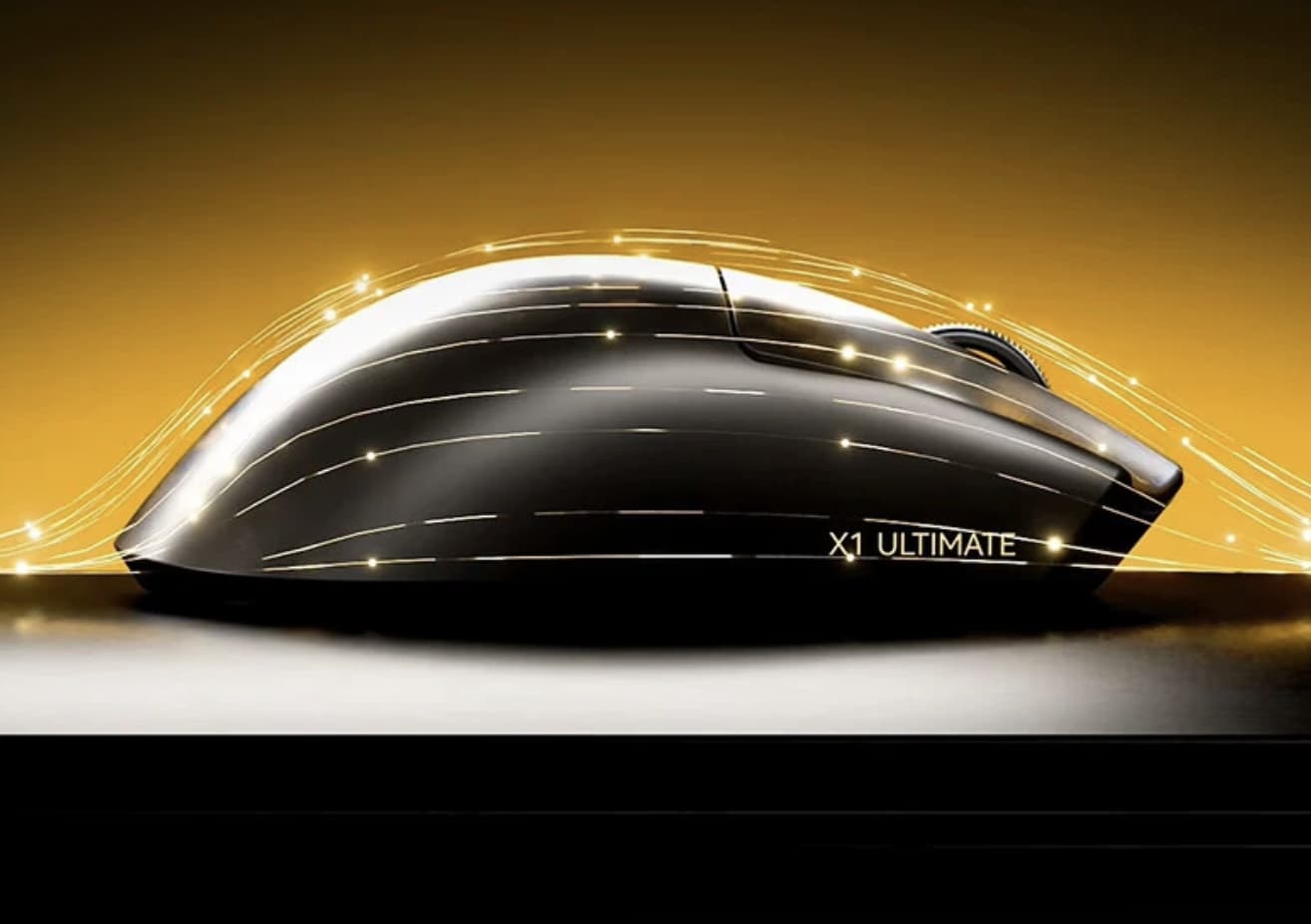
ATK Blazing Sky X1 V2 Review: Lightweight 8K Wireless Gaming Mouse

Gaming mice have become increasingly focused on three things: lower weight, faster communication and more accurate tracking. The ATK Blazing Sky X1 V2 series brings all three ideas together in a compact wireless design, while adding an unusually large battery for a mouse in this weight class.

Depending on the version, the X1 V2 family combines a high-performance sensor, an 8,000Hz polling rate, Nordic 54-series hardware, lightweight construction and 2.4GHz wireless connectivity. The Banggood listing identifies the Ultra Max version with a PAW3395 Ultra sensor, an 800mAh battery and a weight of around 55g, while the other versions use different sensor and switch configurations.

That makes the X1 V2 more interesting than a mouse that simply advertises a high DPI number. Its real appeal is the balance between movement, wireless responsiveness and long-term usability.

A Mouse Built Around Low Weight

A gaming mouse does not need to be extremely small to feel fast.

The X1 V2 measures approximately 127 × 64 × 40mm and uses a symmetrical body shape. Depending on the version, its listed weight is around 54–55g, putting it firmly in the lightweight gaming mouse category.

The advantage becomes particularly noticeable when a game requires frequent large movements, which is where lightweight gaming mice can make a difference.

In competitive shooters, players using relatively low sensitivity often move the mouse across a large section of the desk to make a turn or correct their aim. A lighter mouse reduces the amount of physical effort required for those repeated movements.

The X1 V2 therefore makes more sense as a precision-oriented gaming tool than as a general office mouse. Its shape and weight are designed around quick repositioning rather than adding unnecessary mass.

8,000Hz Polling Is About More Than a Bigger Number

One of the headline specifications is the 8,000Hz polling rate, a feature increasingly found on high-end competitive gaming mice.

A 1,000Hz mouse reports its position to the computer roughly every 1 millisecond. At 8,000Hz, that interval is reduced to approximately 0.125 milliseconds.

The practical difference is not that an 8K mouse suddenly makes someone a better player. Instead, a higher polling rate can provide more frequent position updates, particularly on a sufficiently powerful gaming PC and high-refresh-rate display.

The X1 V2 is designed to support 8,000Hz polling in both wired and wireless modes. ATK also lists button latency around 0.181ms for several X1 V2 configurations.

For everyday desktop work, the difference may be difficult to notice. In fast competitive games, however, players who already use high-refresh-rate monitors and low-latency peripherals are more likely to appreciate the additional responsiveness.

The Sensor Choice Depends on the Version

One detail buyers should pay attention to is that the X1 V2 is a series, not a single configuration.

The Banggood listing identifies three versions: X1 V2 Ultras Max, X1 V2 Ultimate and X1 V2 Extreme. The listing associates the Ultra Max with the PAW3395 Ultra sensor, while the other versions use different sensor configurations.

This distinction matters because shoppers should not assume that every X1 V2 carries exactly the same internal hardware.

ATK’s current official X1 V2 product page also shows that the broader X1 V2 lineup has evolved across several configurations, including models using PAW3950 Ultra and PAW3955 Master sensors.

For anyone purchasing the mouse, checking the exact version is therefore more useful than simply searching for “X1 V2.”

Why an 800mAh Battery Is Significant

Wireless gaming mice usually have to make a compromise between weight and battery capacity.

A larger battery can extend runtime, but it also adds weight. The X1 V2 takes a different approach by pairing an 800mAh battery with a lightweight body.

The Banggood listing advertises more than 800 hours of battery life at 1,000Hz for the 800mAh configuration.

That figure should be treated as a manufacturer-rated condition rather than a guaranteed runtime during continuous 8K wireless gaming. Higher polling rates, lighting, wireless conditions and other usage variables can affect actual battery life.

Even so, the battery capacity is one of the more practical reasons to consider this mouse. A wireless mouse that needs to be charged frequently can become frustrating, especially for people who use it for work during the day and gaming at night.

Wireless Freedom Without Giving Up Wired Mode

The X1 V2 supports wired and 2.4GHz wireless connectivity, giving users two different ways to use the mouse.

That flexibility is useful because different situations call for different setups.

A wired connection can make sense when charging the mouse or when someone wants the simplest possible competitive setup. Wireless operation, meanwhile, removes the cable from the desk and allows the mouse to move more freely, which is one of the main advantages of a wireless gaming mouse.

The included 8K receiver and cable are part of the package listed by Banggood, so the high-polling-rate setup is not dependent on purchasing a separate basic receiver.

The Shape May Matter More Than the Specifications

Specifications are easy to compare. Mouse shape is not.

The X1 V2 uses a symmetrical 127mm-long body and is positioned by ATK for medium-to-large hands, with claw and palm grips listed as suitable grip styles.

This suggests that the mouse is aimed at users who want a relatively substantial body without moving into the heavier designs commonly associated with large gaming mice.

For claw-grip users, the rear portion of the shell can provide support while still leaving enough freedom for quick fingertip adjustments. Palm-grip players may also appreciate the larger overall footprint.

However, grip preference is highly personal. A lightweight mouse can have excellent specifications and still feel wrong if its hump, width or button position does not match the user’s hand.

PTFE Feet Complete the Lightweight Approach

Weight alone does not determine how quickly a mouse moves.

The contact surface between the mouse and mousepad also has a major effect on the feeling of movement. The X1 V2 uses high-purity PTFE mouse feet, with ATK describing the design as focused on smooth and stable gliding.

This becomes particularly relevant when the mouse is used with a low sensitivity setting.

A lightweight shell combined with low-friction feet can make broad movements feel less demanding. At the same time, players who prefer more stopping resistance may want to consider their mousepad surface before deciding whether this setup matches their preferences.

A Nordic 54-Series Platform

Inside the X1 V2 is ATK’s Nordic 54-series platform.

The manufacturer describes its ApexShark MAX solution as a combination of hardware and firmware optimization, with high-speed wireless transmission and low button latency.

The important point for buyers is that the mouse is not relying on the polling rate alone. The controller, wireless system, sensor and firmware all contribute to the overall response chain.

This is also why looking only at DPI can be misleading when comparing gaming mice. A high maximum DPI number does not automatically translate into better real-world aiming.

For most players, sensor tracking quality, consistent wireless communication, shape and the ability to control the mouse comfortably are more meaningful factors.

Who Is the ATK Blazing Sky X1 V2 For?

The X1 V2 makes the most sense for several types of users.

Competitive FPS players may benefit from the lightweight body and high polling rate, particularly when paired with a high-refresh-rate monitor.

Low-sensitivity gamers can take advantage of the reduced weight when making repeated wide movements.

Wireless enthusiasts get 2.4GHz connectivity without having to accept a heavy mouse.

Users who dislike frequent charging may find the 800mAh configuration particularly attractive because of its large battery capacity.

It is less compelling for someone who mainly wants a basic office mouse. An 8K polling rate and esports-focused sensor platform are unnecessary for browsing, documents and casual desktop use.

What Makes the X1 V2 Different?

The strongest part of the X1 V2 concept is not one individual specification.

There are plenty of gaming mice with high polling rates. There are also many lightweight wireless mice and plenty of models with high-end optical sensors.

The more interesting combination here is the attempt to bring these characteristics together without turning the mouse into an ultra-small design or sacrificing battery capacity.

The result is a peripheral aimed at players who want a fast, light and flexible setup but still care about endurance.

ATK Blazing Sky X1 V2 Specifications

Feature Details
Product ATK Blazing Sky X1 V2 Series
Dimensions 127 × 64 × 40mm
Shape Symmetrical
Weight About 54–55g depending on version
Sensor PAW3395 Ultra / other sensor options depending on version
Polling Rate Up to 8,000Hz
Battery 800mAh on the Ultra Max configuration
Battery Life 800+ hours at 1,000Hz, manufacturer rated
Connectivity Wired / 2.4GHz wireless
MCU Nordic 54-series
Button Latency About 0.181ms on listed configurations
Mouse Feet PTFE
Intended Use Competitive gaming and esports

Specifications can vary between X1 V2 versions, so buyers should verify the exact configuration before ordering.

Final Thoughts

ATK Blazing Sky X1 V2 is best understood as a performance-focused wireless mouse rather than another accessory chasing impressive numbers.

Its lightweight construction can make large movements easier, while 8,000Hz polling targets users who want a highly responsive setup. The 2.4GHz connection keeps the desk cable-free, and the 800mAh battery on the Ultra Max configuration addresses one of the biggest disadvantages of lightweight wireless mice: charging interruptions.

The biggest buying consideration is the specific X1 V2 version. Sensor, switch, weight and battery specifications can differ across the range, so the exact configuration matters.

For gamers who already have a high-refresh-rate monitor and care about low-latency peripherals, the X1 V2 offers a well-balanced collection of hardware features. For casual users, many of those advantages will be difficult to notice—and a simpler mouse may make more sense.

The post ATK Blazing Sky X1 V2 Review: Lightweight 8K Wireless Gaming Mouse appeared first on IGeeKphone China Phone, Tablet PC, VR, RC Drone News, Reviews.
  •  

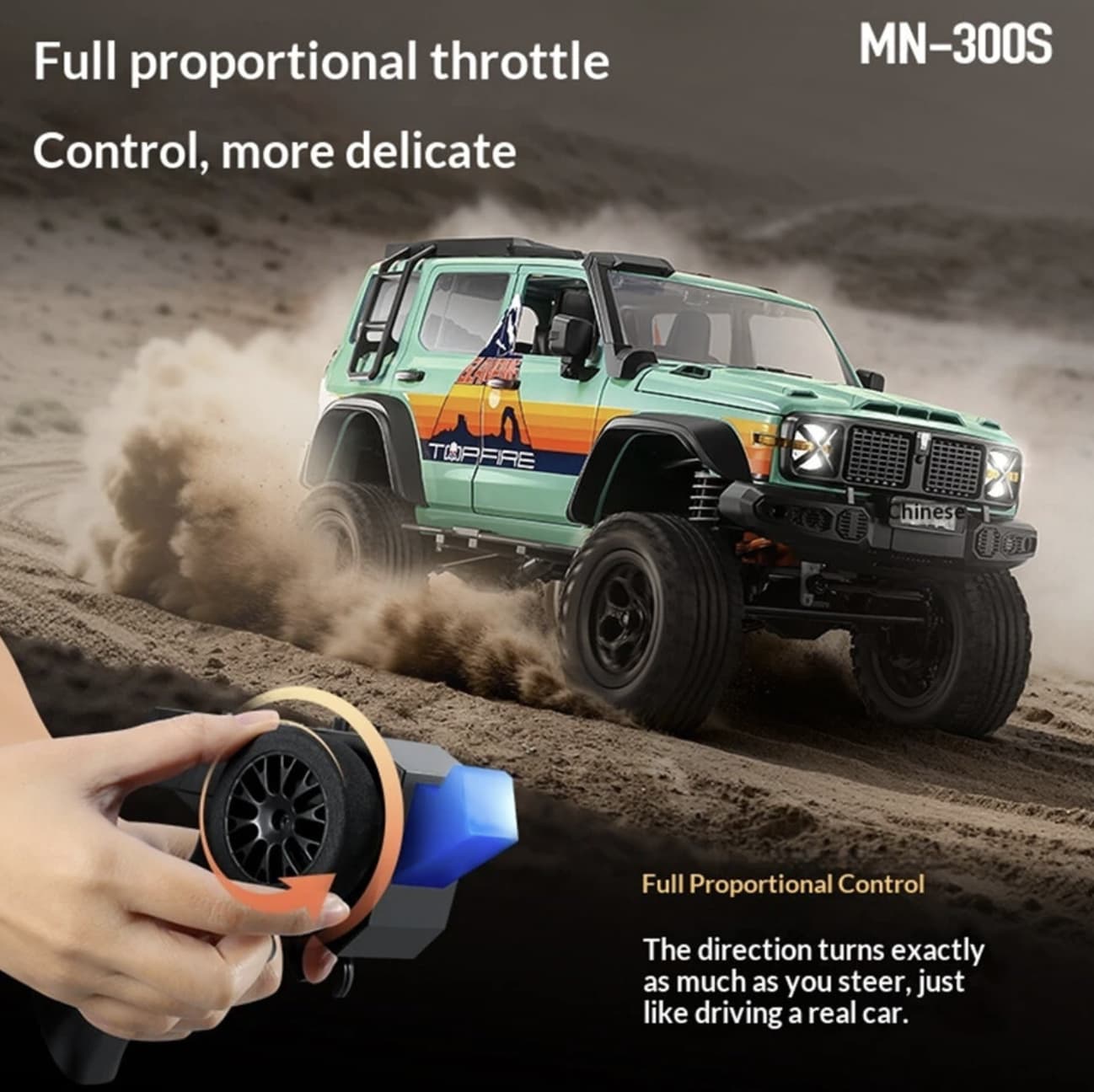
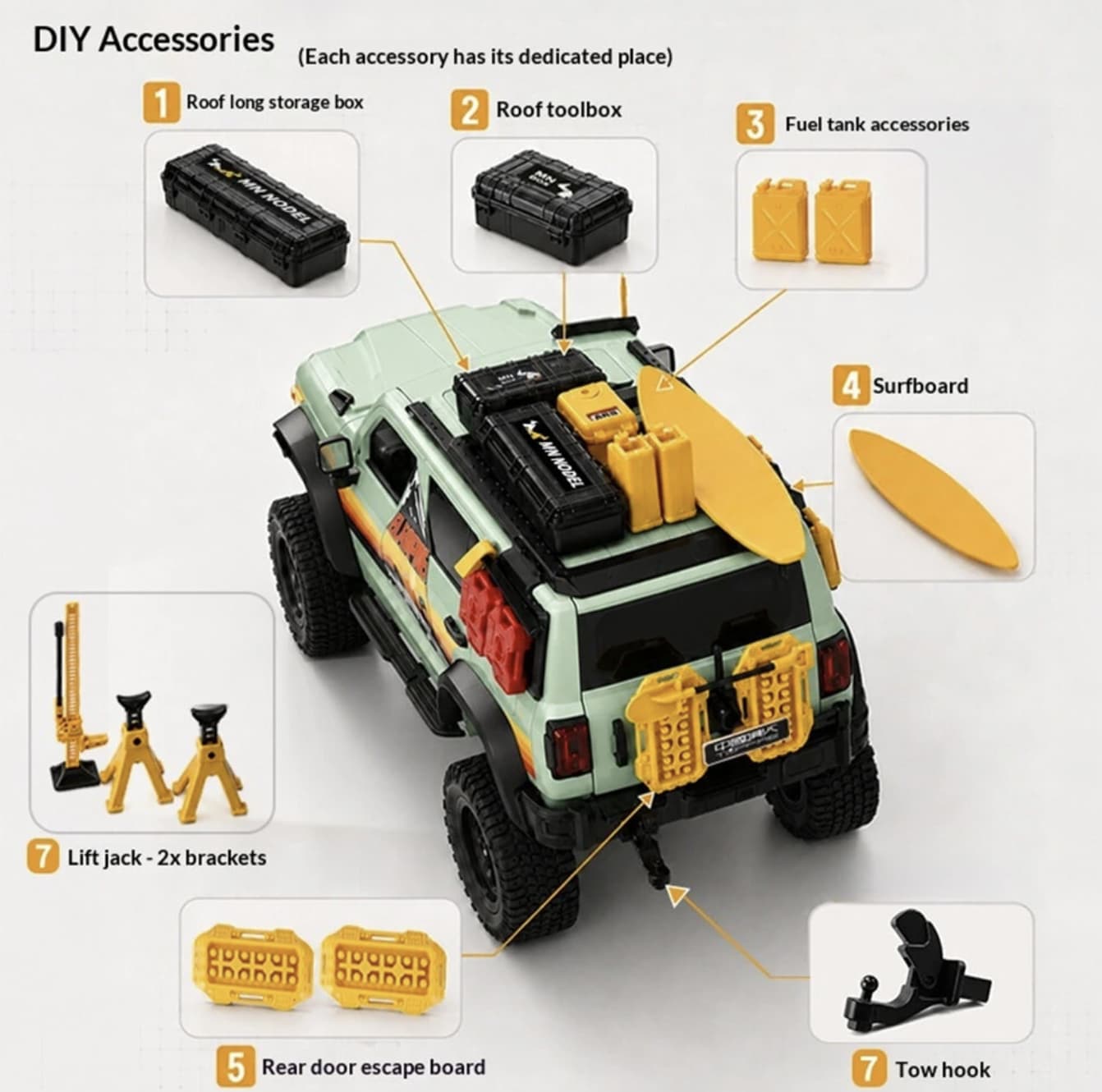
MNRC MN300S Review: 1:12 4WD RC Crawler With Proportional Control

Not every remote-control vehicle is designed to be fast. Some are more interesting when the terrain becomes difficult.

MNRC MN300S rc truck takes that approach. Rather than focusing on high top speed, this 1:12 4WD RC crawler combines four-wheel drive, proportional rc controls, a two-speed transmission and a relatively large body to create a platform aimed at climbing, trail driving and technical off-road play.

Its specifications suggest a vehicle intended for users who enjoy controlling an RC crawler through uneven ground rather than simply racing it across a flat surface. The manufacturer lists a maximum speed of 8 km/h, a climbing capability of up to 45 degrees, a control distance of around 50 meters and approximately 45 minutes of driving time from its included 7.4V 1200mAh lithium-ion battery.

The MN300S Is More About Control Than Speed

The first thing to understand about the MN300S is its character.

With a claimed top speed of 8 km/h, this is not positioned as a speed-focused RC truck. Instead, the combination of 4WD and proportional control gives the vehicle a more deliberate operating style.

Proportional control matters when navigating obstacles. Instead of treating steering and throttle as simple on/off commands, the controller allows the driver to make smaller adjustments. That is particularly useful when the vehicle is approaching a rock, climbing a slope or trying to keep its wheels positioned on a narrow section of trail.

For casual driving, this can make the MN300S feel more predictable. For hobbyists, it also creates more room to develop driving technique.

1:12 Scale Gives It a Substantial Trail Presence

The MN300S measures approximately 38.78 × 16.84 × 18.5 cm, putting it firmly into the larger end of casual RC toys while remaining manageable for outdoor use.

Its 1:12 scale is also important from a visual perspective. The body is designed around an officially licensed, high-simulation appearance, so the vehicle is intended to work in two different ways: as something to drive and as a model that can be displayed when it is not being used.

That combination should appeal to hobbyists who care about the appearance of their RC vehicles as much as the driving experience.

4WD Is the Key to Its Off-Road Personality

The MN300S uses a four-wheel-drive system designed for uneven outdoor terrain.

On a smooth floor, the difference between 2WD and 4WD may not be especially important. On loose soil, grass, stones and other irregular surfaces, however, maintaining traction across multiple wheels becomes much more relevant. It comes with 4WD RC cars for off-road driving.

The listing gives the vehicle a maximum climbing angle of 45 degrees. This figure should be viewed as a manufacturer specification rather than a guarantee that the vehicle will climb every 45-degree surface, because actual performance depends on terrain, tire grip, battery condition, surface material and driving technique.

Still, the specification clearly shows where MNRC expects the MN300S to be used: on terrain where traction and controlled wheel movement matter more than outright speed.

Two-Speed Transmission Adds Another Layer of Control

Another interesting feature is the two-speed transmission.

A crawler benefits from having different driving characteristics for different situations. A lower-speed setting can be useful when negotiating obstacles that require careful throttle control, while a faster setting makes ordinary trail movement less tedious.

This is one of the details that separates the MN300S from very basic RC cars. The vehicle is not simply designed around maximum acceleration. Its controls are intended to give the driver more influence over how the truck responds to the terrain.

A 7.4V Battery Provides Around 45 Minutes of Claimed Runtime

Power comes from a 7.4V 1200mAh lithium-ion battery, which is included with the vehicle. Banggood lists approximately 45 minutes of playtime and around 210 minutes of charging time.

The real runtime will naturally vary according to driving conditions. Continuous climbing and frequent throttle changes can consume more energy than relaxed driving on relatively flat ground.

The roughly three-and-a-half-hour charging time also means owners should plan charging before an outdoor session rather than expecting a quick top-up between short drives.

The transmitter itself requires two AA batteries, which are not included.

LED Lighting Makes the Vehicle More Than a Daytime Toy

The MN300S includes a remotely controllable lighting system with front lights, turn signals and rear lights.

That is more than a cosmetic detail. Lighting gives the vehicle a more realistic appearance and makes it easier to distinguish the front and rear of the model when driving at a distance.

For hobbyists who enjoy filming RC rock crawler or creating miniature trail scenes, the lighting system can also add visual interest without requiring additional accessories.

Built for Hobbyists Who Like to Modify Their Vehicles

One of the more interesting aspects of the MN300S is its stated support for customization and upgrades.

That makes the platform potentially more attractive to hobbyists than a completely closed RC toy. Owners who enjoy changing components, experimenting with setup or gradually improving a vehicle have more reason to keep working with the same chassis.

The product listing also describes the vehicle as using a combination of PA, alloy and electronic components, while the body is described separately as a sturdy ABS structure.

This suggests a design that tries to balance visual detail with the demands of outdoor driving.

50-Meter Control Range Is Enough for Trail Driving

The included 2.4GHz transmitter operates across four channels and has a listed control distance of approximately 50 meters.

For a crawler, that is a sensible range. Unlike a fast RC racer, the MN300S does not need to travel huge distances before reaching its intended driving environment.

A 50-meter range gives the driver enough room to send the vehicle along a garden path, park trail or open outdoor area while maintaining a practical distance for observing obstacles.

What the MNRC MN300S Is Actually Good At

The specifications point toward a particular type of RC experience.

The MN300S makes the most sense for:

  • Technical off-road driving
  • Rock and trail crawling
  • Outdoor RC sessions
  • Hobbyists who enjoy proportional controls
  • Drivers interested in customization
  • Collectors who want a realistic 1:12 model
  • Users who prefer controlled driving over high speed

It is less compelling if the main goal is racing. An 8 km/h maximum speed places it firmly in the crawler-oriented category rather than the high-speed RC category.

MNRC MN300S Specifications

Feature Details
Model MN300S
Brand MNRC / MNR/C
Scale 1:12
Drive 4WD
Frequency 2.4GHz
Channels 4CH
Motor 280 brushed motor
Steering servo 17g
Maximum speed Up to 8 km/h
Control distance About 50m
Car battery 7.4V 1200mAh Li-ion
Claimed runtime Approx. 45 minutes
Charging time Approx. 210 minutes
Climbing angle Up to 45°
Steering angle Up to 28°
Load weight Up to 3kg
Traction weight Up to 5kg
Vehicle size 38.78 × 16.84 × 18.5cm
Transmission Two-speed
Lighting Front lights, turn signals and rear lights
Control Proportional
Recommended age 15+

Specifications are based on the current product listing and should be treated as manufacturer/retailer claims rather than independent performance measurements.

Final Take

MNRC MN300S is interesting because it does not try to compete with RC vehicles by chasing an impressive top-speed number. Its appeal comes from a different combination: 1:12 scale, four-wheel drive, proportional control, two-speed gearing and a design intended for climbing and outdoor terrain.

The included battery and transmitter also mean the package is relatively straightforward for someone who wants to start driving without assembling a complete RC system from individual components. The addition of controllable lighting and upgrade potential gives the platform more personality than a basic entry-level RC car.

For someone looking for a realistic RC crawler to take onto trails, grass, dirt and moderate obstacles, the MN300S has a specification sheet that makes sense as a hobby-oriented off-road platform. Its relatively modest speed is not necessarily a weakness—it is part of the reason the vehicle is better understood as a technical crawler rather than a racing truck.

The post MNRC MN300S Review: 1:12 4WD RC Crawler With Proportional Control appeared first on IGeeKphone China Phone, Tablet PC, VR, RC Drone News, Reviews.
  •  

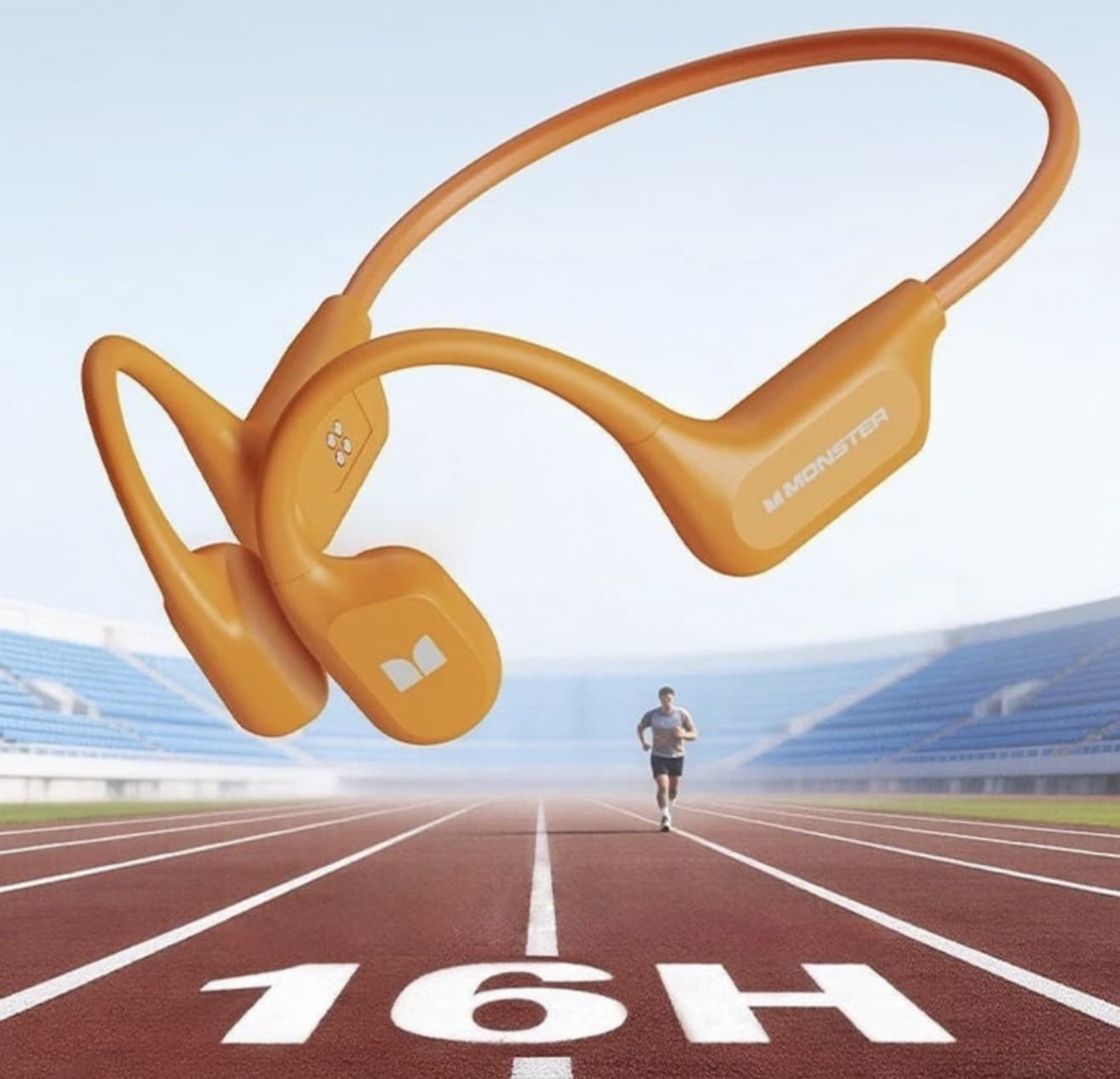
Monster MH22282: A Lightweight Open-Ear Headset Built for Swimming and Active Use

Wireless headphones are convenient for everyday listening, but they are not always designed for demanding environments. Swimming, outdoor running, heavy workouts, and rainy conditions can quickly expose the limitations of ordinary earbuds. The Monster MH22282 takes a different approach by combining an open-ear neckband design with IPX8 water resistance, built-in storage, Bluetooth 6.0 and a lightweight frame.

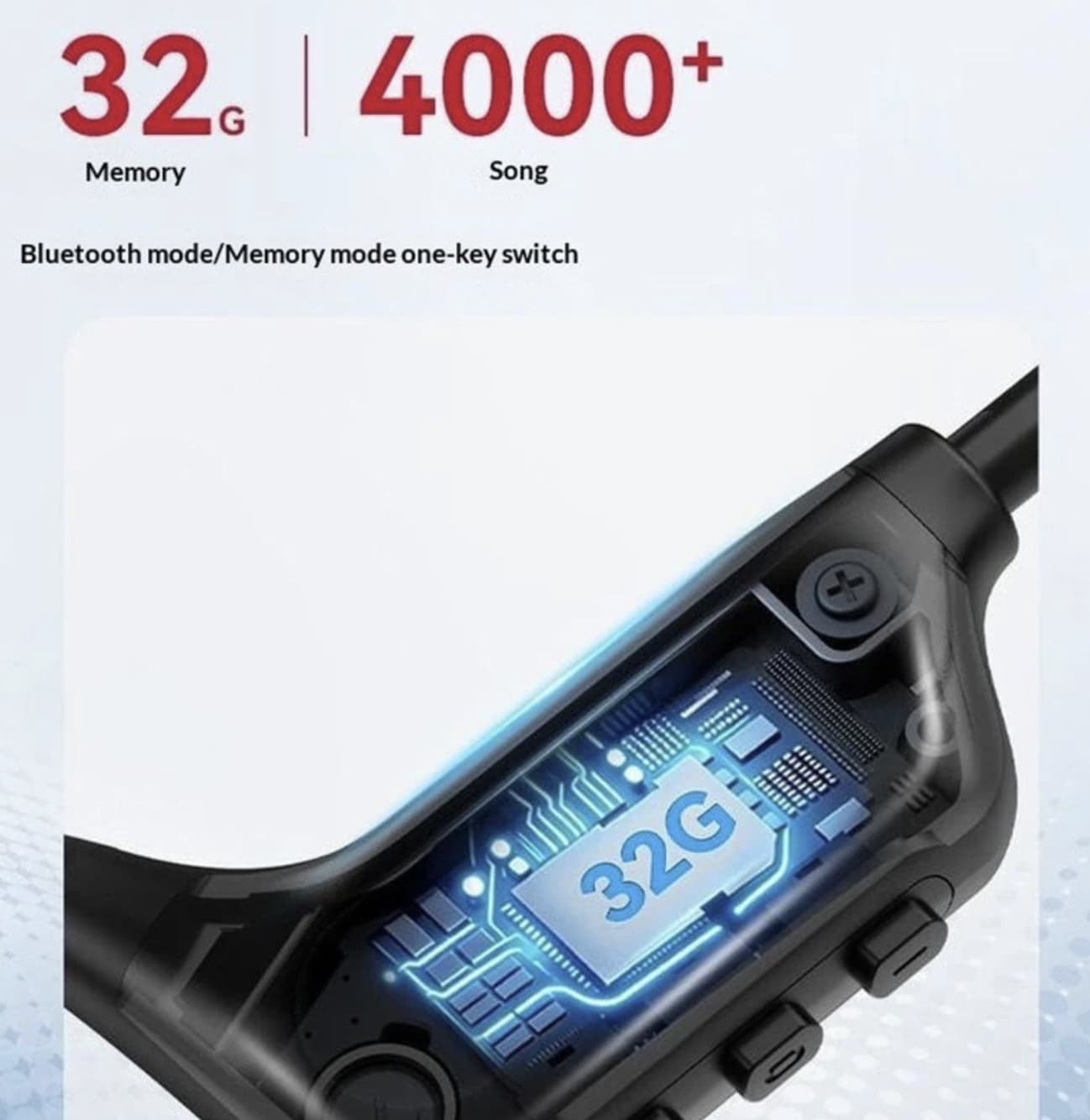
Rather than depending entirely on a smartphone, the MH22282 can also operate as a standalone music player through its integrated 32GB memory. That makes it particularly interesting for people who want to exercise without carrying a phone.

Open-Ear Design With a Focus on Active Use

The Monster MH22282, open-ear headphones uses a neckband-style construction that sits around the back of the head and keeps the ears open. This design can be useful during outdoor activities because users can continue to hear music while remaining aware of sounds around them.

The headset weighs just 23.5 grams, according to the product specifications, so it is designed to avoid the heavier feeling associated with some over-ear sports headphones. Its frame uses a flexible titanium memory alloy, while the ear-hook structure is intended to keep the headset stable during movement.

That combination makes the MH22282 better suited to activities such as running, cycling, gym sessions and other situations where a secure fit matters more than a traditional sealed earbud design.

IPX8 Waterproofing Makes Swimming the Main Attraction

One of the most distinctive features of the MH22282 is its IPX8 waterproof rating. Monster’s product listing positions the headset for swimming, workouts, rainy conditions and other situations where exposure to water could be a problem for conventional wireless headphones.

However, there is an important distinction between waterproof hardware and underwater wireless connectivity.

Bluetooth signals do not work reliably underwater, so the MH22282 is designed to use its internal memory when swimming. In other words, users can load music onto the headset before entering the pool and listen without maintaining a Bluetooth connection to a smartphone.

This is arguably more useful than simply calling the headset waterproof. The combination of water resistance and local music storage addresses one of the biggest practical problems with using wireless headphones in waterproof headphones for swimming.

32GB Storage Turns It Into a Standalone Music Player

The built-in 32GB memory is another feature that separates the MH22282 from many conventional Bluetooth headsets.

When the headset is being used for running or swimming, carrying a smartphone can be inconvenient. With headphones with built-in storage, music can be transferred to the headset beforehand, allowing users to leave their phone behind.

The product listing claims that the 32GB storage can hold more than 4,000 songs, although the actual number will depend on file format, bitrate and the size of the individual audio files.

The headset also supports switching between Bluetooth and memory modes, giving users two different ways to listen depending on where they are using it.

For pool workouts, this local-storage approach is particularly important because it removes the need for an underwater Bluetooth connection.

Bluetooth 6.0 for Everyday Wireless Listening

Outside the pool, the Monster MH22282 works as a conventional wireless headset through Bluetooth 6.0.

The specifications list support for HSP, HFP, A2DP and AVRCP profiles, with a stated transmission distance of up to 10 meters. It also supports AAC and SBC audio codecs.

This makes the headset suitable for more than sports. It can be paired with a phone for music, podcasts and calls, or connected to another compatible device for everyday listening.

Bluetooth is therefore the more convenient mode for commuting and general use, while the internal memory becomes more valuable when users are swimming or exercising without a phone.

11.2mm Drivers and Open-Ear Audio

The MH22282 features 11.2mm dynamic drivers. Monster’s listing says the drivers are tuned to provide stronger bass, detailed midrange and clear high frequencies while keeping the ears open to the surrounding environment.

The open-ear approach comes with a different listening experience from sealed in-ear headphones. It does not aim to completely isolate the listener from the outside world. Instead, it provides audio while allowing environmental sounds to remain part of the listening experience. So open-ear vs in-ear headphones are very different.

That can be useful when running outdoors or exercising in shared spaces, although people looking for strong passive isolation or deep noise blocking may prefer a conventional in-ear design.

ENC Is Mainly Useful for Calls

For voice communication, the MH22282 includes microphones and environmental noise cancellation technology.

Monster says its ENC system uses dual microphones to help identify the user’s voice and reduce surrounding noise during calls.

This feature is more relevant to phone calls than music playback. It can be useful when taking calls in places with background noise, although real-world call performance will naturally depend on the environment, wind conditions and the connected phone.

Up to 16 Hours of Playback

Battery life is rated at up to 16 hours of continuous playback, while the listed charging time is approximately two hours. Monster also claims that a 10-minute quick charge can provide around 90 minutes of listening.

Actual battery life will vary according to volume, connection conditions, call usage and other factors, but the claimed 16-hour figure gives the headset enough endurance for extended workouts and daily listening.

For someone who runs regularly or spends several hours at the gym, avoiding daily charging can be a meaningful advantage.

Monster MH22282 Specifications

Feature Monster MH22282
Design Open-ear neckband
Model MH22282
Bluetooth 6.0
Audio codecs AAC / SBC
Speaker 11.2mm
Internal storage 32GB
Waterproof rating IPX8
Frequency response 20Hz–20kHz
Bluetooth profiles HSP / HFP / A2DP / AVRCP
Transmission distance Up to 10m
Playback time Up to 16 hours
Charging time About 2 hours
Microphone Yes
Noise cancellation ENC
Weight 23.5g
Dimensions 128 × 98 × 48mm
Color Black/Orange

Specifications are based on the current product listing and should be treated as manufacturer/merchant-provided figures rather than independent laboratory measurements.

Who Is the Monster MH22282 For?

The MH22282 makes the most sense for users who need more than a standard pair of Bluetooth earbuds.

Swimmers are the clearest target group because the combination of IPX8 protection and onboard storage solves the problem of maintaining a wireless connection underwater.

Runners and outdoor athletes may also appreciate the open-ear design, which avoids completely blocking the ears and keeps the headset lightweight.

Gym users can use Bluetooth for normal smartphone playback or switch to internal storage when they want to exercise without carrying their phone.

It may be less attractive for listeners who prioritize strong passive isolation, compact true-wireless earbuds or a traditional sealed listening experience.

What Makes the MH22282 Different?

Many sports headphones focus on only one major feature, such as water resistance, long battery life or a secure fit. The Monster MH22282 combines several of these ideas into one device.

Its most interesting combination is not Bluetooth 6.0 alone or the 16-hour battery rating. Instead, it is the relationship between IPX8 protection and 32GB internal storage. Bluetooth remains useful for everyday listening, while local storage provides a practical solution when wireless connectivity becomes unreliable underwater.

The 23.5-gram open-ear construction also gives the headset a clear fitness-oriented identity.

Final Thoughts

Monster MH22282 headphone is designed around a simple idea: a sports headset should remain useful when a smartphone or conventional wireless earbuds are no longer convenient.

Its open-ear neckband design, 23.5g weight, Bluetooth 6.0 connectivity and 16-hour claimed playback make it suitable for everyday exercise and wireless listening. More importantly, the combination of IPX8 waterproofing and 32GB internal storage gives it a specific advantage for swimming.

The biggest point to remember is that IPX8 does not mean Bluetooth will work normally underwater. The headset’s built-in memory mode is the practical solution for swimming, allowing music to be stored locally before entering the water.

For athletes who want one lightweight headset for running, gym sessions, outdoor activities and pool workouts, the Monster MH22282 offers a more specialized feature set than a typical Bluetooth headset.

The post Monster MH22282: A Lightweight Open-Ear Headset Built for Swimming and Active Use appeared first on IGeeKphone China Phone, Tablet PC, VR, RC Drone News, Reviews.
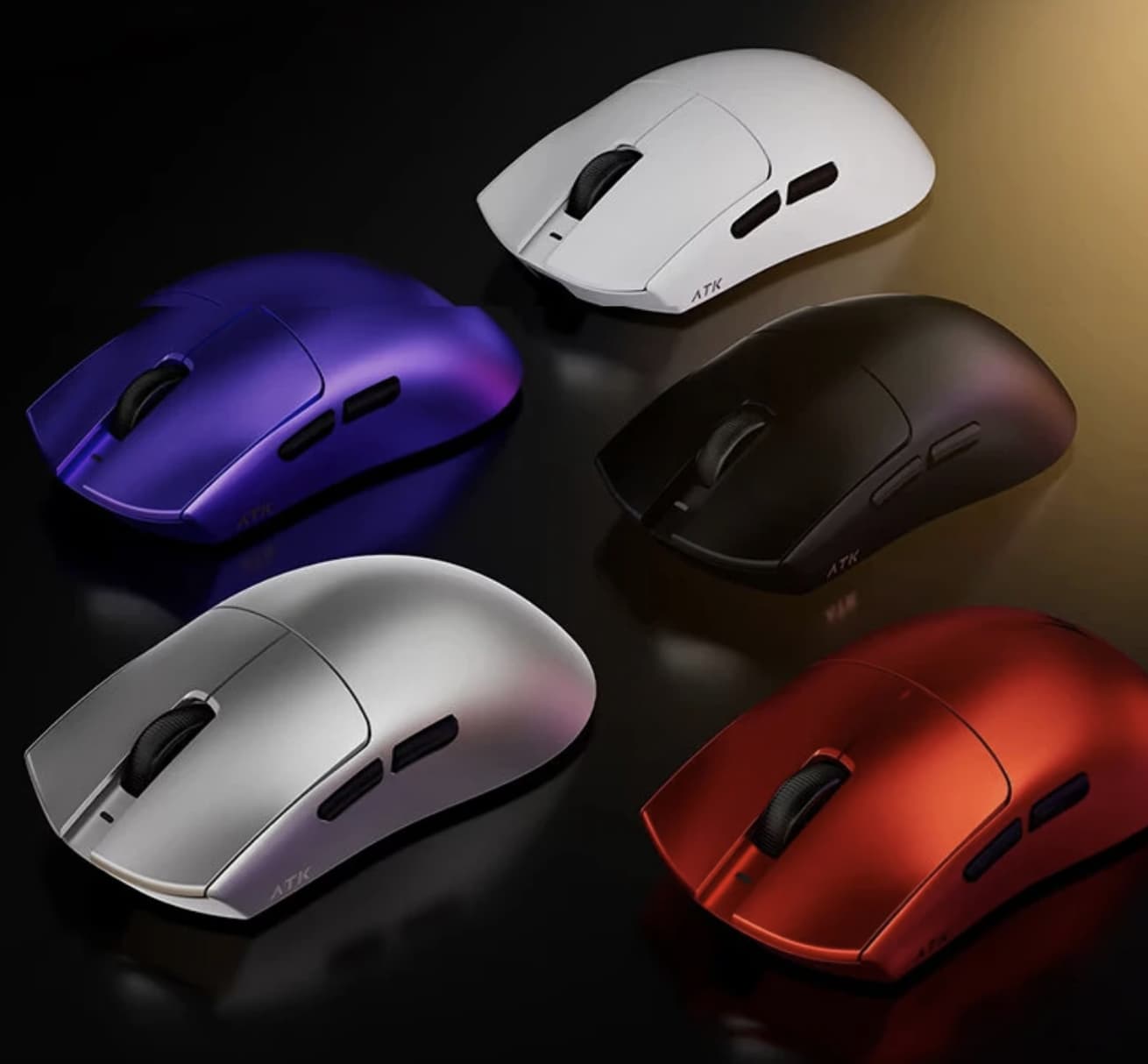
  •  

iQOO Pad Ultra to Feature Built-In Cooling Fan and Gaming Accessories

iQOO has revealed more details about its upcoming iQOO Pad Ultra, giving users a closer look at the tablet’s cooling system and gaming-focused accessories. The new compact tablet is expected to target users who want stronger performance in a smaller form factor.

According to the latest official teaser, the iQOO Pad Ultra will feature a built-in cooling fan designed to help manage heat during demanding workloads and extended gaming sessions. The fan measures just 30 × 30 × 3.5mm, while the cooling area reaches 1,661mm². It can spin at up to 14,500rpm and deliver a maximum airflow of 0.94 CFM.

iQOO Pad Ultra Gets Dedicated Gaming Accessories

iQOO is also preparing two gaming accessories for the Pad Ultra: a telescopic game controller and a rear grip attachment.

The telescopic controller is designed to turn the compact tablet into a more console-like gaming setup. It features a dedicated USB-C port, micro-switch buttons and Hall-effect joysticks, which should provide more precise control and a more responsive feel during gameplay.

The rear grip takes a different approach. Rather than adding traditional controls, it is designed to improve the way users hold the tablet. This could make longer gaming sessions more comfortable by providing additional support for the hands.

8.8-Inch OLED Display and High-End Hardware

iQOO has already confirmed that the device will officially carry the iQOO Pad Ultra name. The company is expected to launch it alongside the iQOO 16 series toward the end of September.

Previous reports suggest that the tablet could feature an 8.8-inch OLED display with a centered punch-hole camera and four narrow bezels. Its rear design is also expected to include a square-shaped camera module and an integrated air outlet for the internal cooling system.

The tablet is rumored to use a 2nm Snapdragon 8 Elite Extreme Gen6 processor, positioning it as a high-performance compact tablet aimed at demanding users and mobile gamers. It may also pack a 9,000mAh-class battery, offering a relatively large capacity for an 8.8-inch device.

The reported color options include Endless Black and Star Armor Silver.

A Compact Tablet Designed for Gaming

With an active cooling fan, high-end hardware and dedicated gaming accessories, the iQOO Pad Ultra appears to be taking a different approach from conventional small tablets. Instead of focusing solely on portability, iQOO seems to be building the device around sustained performance and gaming.

More official details, including the final specifications, pricing and availability, should become clearer when iQOO officially introduces the Pad Ultra later this month.

The post iQOO Pad Ultra to Feature Built-In Cooling Fan and Gaming Accessories appeared first on IGeeKphone China Phone, Tablet PC, VR, RC Drone News, Reviews.
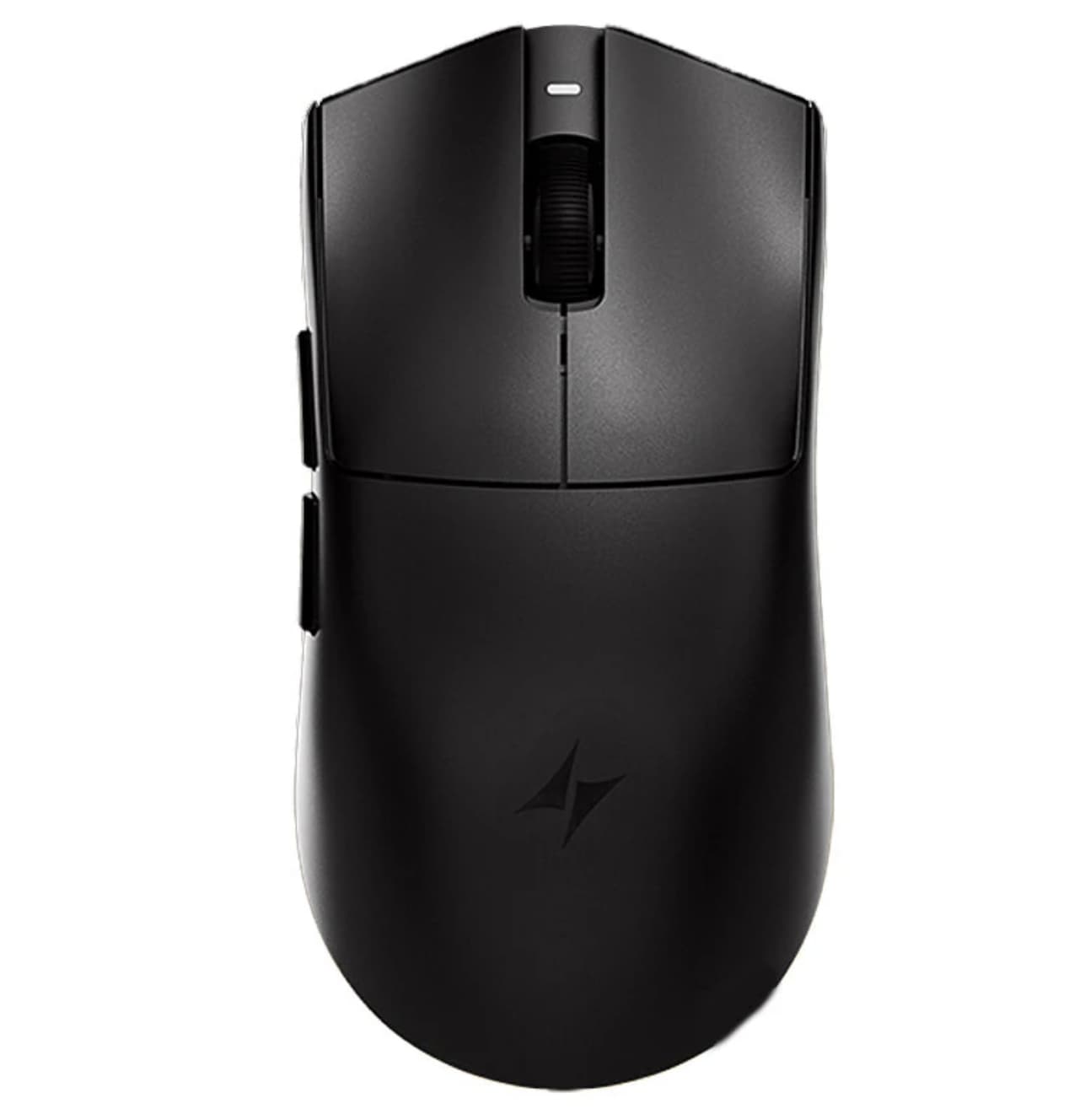
  •  

DeepSeek V4.1 Flash Set to Launch Around September 10, Reportedly Surpassing V4 Pro

DeepSeek is preparing to launch its V4.1 Flash model around September 10, 2026, according to a notice released by the company’s official open platform. The new model is expected to bring improvements across performance, response speed, operating costs and overall task completion time.

DeepSeek says that V4.1 Flash has gone through testing involving both internal teams and external evaluators. Based on those tests, the company claims the new Flash model has outperformed DeepSeek V4 Pro across multiple key metrics, making it a significant upgrade within the company’s model lineup.

V4 Pro Requests Will Move to V4.1 Flash

DeepSeek has also outlined how it plans to handle existing V4 Pro requests after the new model becomes available.

Once V4.1 Flash officially launches, but before the company releases V4.1 Pro, requests that would previously have been processed by V4 Pro will be automatically routed to V4.1 Flash. This pricing structure could make V4.1 Flash particularly attractive for developers and businesses running large volumes of AI workloads.

The move suggests that DeepSeek sees V4.1 Flash not simply as a faster alternative, but as a model capable of taking over a broader range of workloads previously handled by its Pro model.

DeepSeek Announces New Flash Pricing

Alongside the upcoming model launch, DeepSeek is also changing the pricing for its Flash series.

The new pricing is scheduled to take effect at 12:00 PM Beijing time on September 10, 2026. During off-peak periods, cached input will cost 0.02 yuan per million tokens, while uncached input will be priced at 1 yuan per million tokens. Output will cost 4 yuan per million tokens.

During peak hours, each of these rates will be twice the off-peak price.

This pricing structure could make V4.1 Flash particularly attractive for developers and businesses running large volumes of AI workloads, especially when response speed and API costs are both important considerations.

New Model Architecture and Native Multimodal Support

DeepSeek had already begun testing an intermediate version of V4.1 Flash before the official release.

According to a notice shared in one of DeepSeek’s official discussion groups, the test version uses a new model architecture and introduces native multimodal capabilities. The company also indicated that the model delivers stronger overall capabilities while responding faster and requiring lower operating costs.

Native multimodal support could be one of the more important changes in the V4.1 generation, potentially allowing the model to handle different types of information more naturally rather than focusing primarily on text-based tasks.

What to Expect From DeepSeek V4.1 Flash

The upcoming V4.1 Flash launch appears to be focused on improving the balance between AI performance, speed and cost.

Rather than relying solely on higher model capability, DeepSeek is positioning the new Flash model as a more efficient option for real-world workloads. Its planned replacement of V4 Pro requests also indicates that the company is confident in the model’s ability to handle demanding applications.

DeepSeek has not yet provided a complete breakdown of every benchmark or technical specification. More details should become available once V4.1 Flash officially goes live.

For now, the combination of a new architecture, native multimodal support, faster processing and lower pricing makes DeepSeek V4.1 Flash one of the company’s more notable model updates to watch in September 2026.

The post DeepSeek V4.1 Flash Set to Launch Around September 10, Reportedly Surpassing V4 Pro appeared first on IGeeKphone China Phone, Tablet PC, VR, RC Drone News, Reviews.
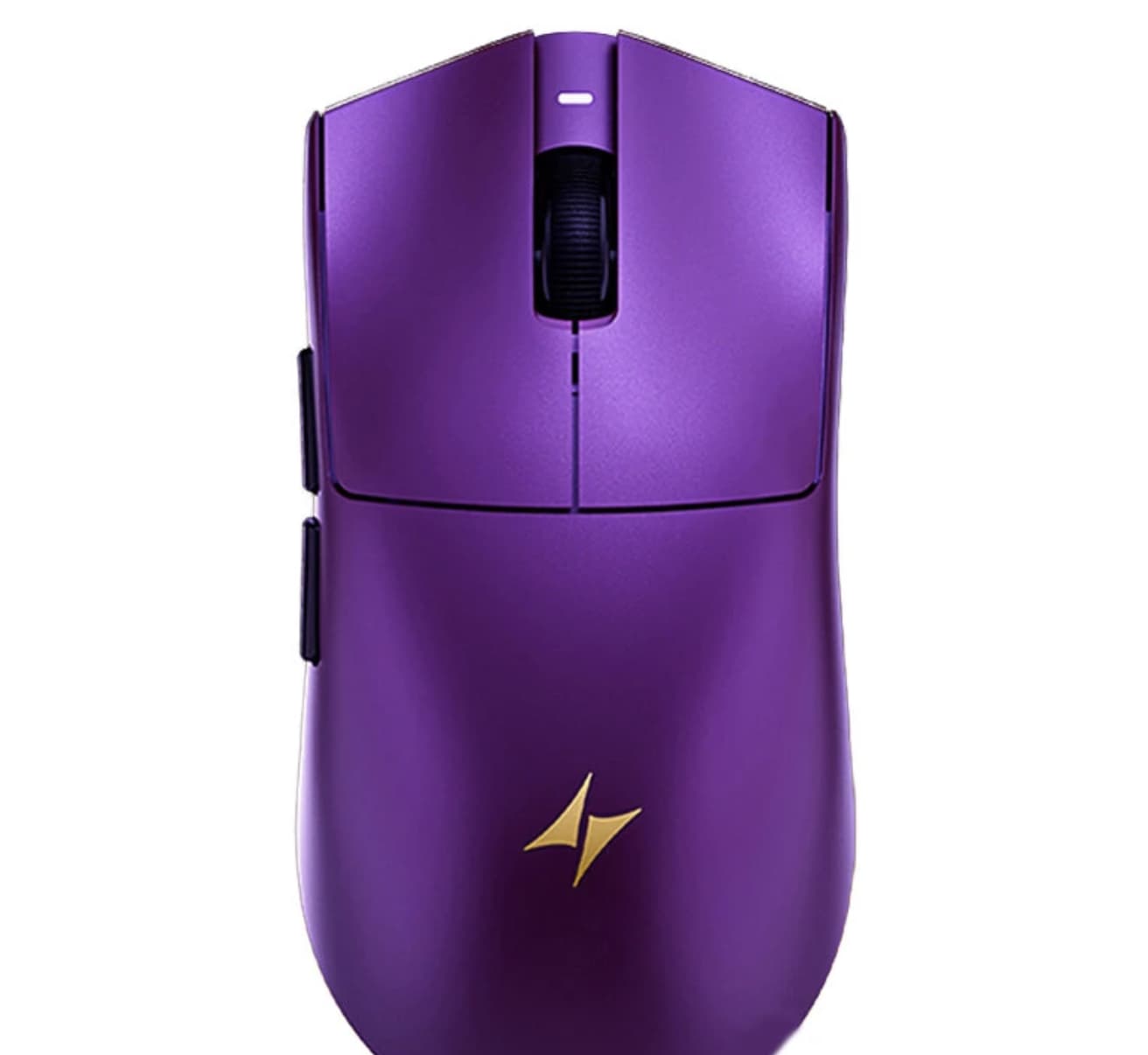
  •  
❌