❌

Reading view

Paleontologists discover first adult ‘T. rex’ footpath

Tyrannosaurus rex fossils are relatively common finds, with dozens of variously complete examples on display in museums around the world. But T. rex tracks? That’s an entirely different story. Even when stomped into the mud by a 17,500-pound apex predator, dinosaur footprints rarely last long enough to fossilize over millions of years.

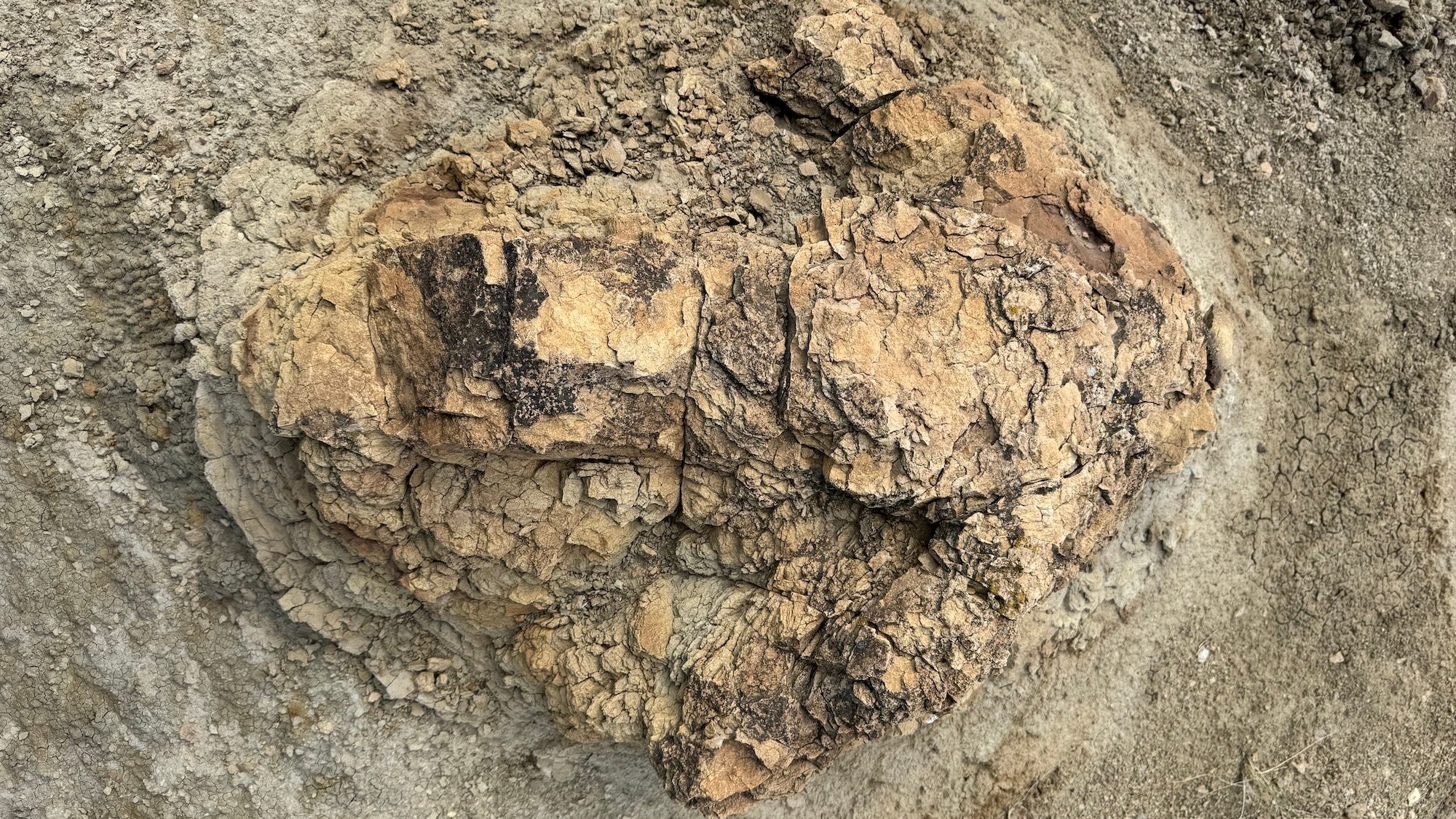
That’s what makes a recent discovery in southwestern North Dakota so remarkable. Paleontologists from the Denver Museum of Nature & Science and Liverpool John Moores University in England have documented not one, but four footprints preserved along a 23-foot-long path within the famous Hell Creek Formation. The prints are the first known trackway made by an adult T. rex, and are described in a study recently published in the Journal of Vertebrate Paleontology.
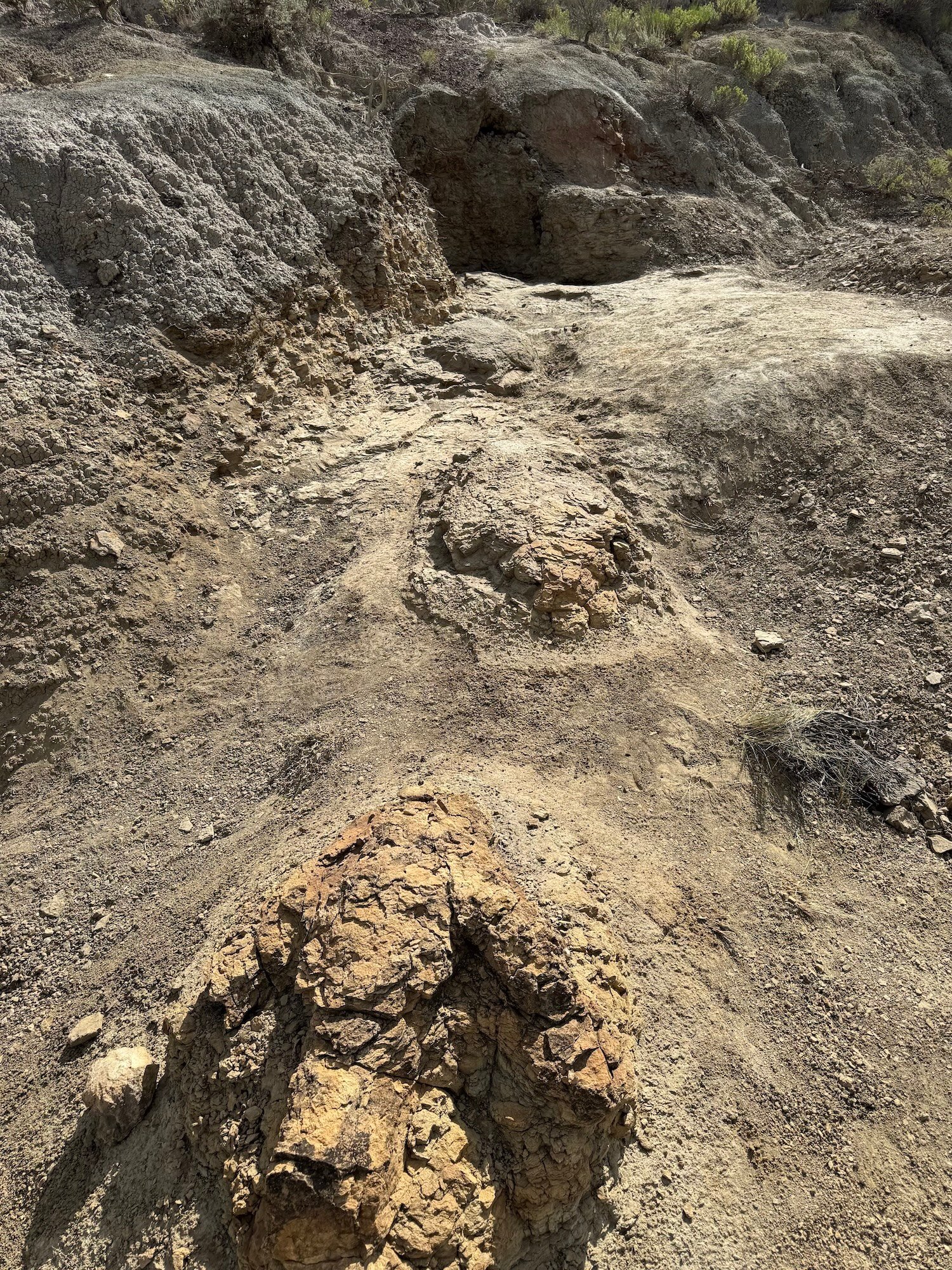
Fossilized T. rex tracks in North Dakota
The tracks were discovered in North Dakota’s Hell Creek Formation: Tyler Lyson

While rare, T. rex footprints are distinctive for their massive size and narrow toes. In this case, each dino-stomp measures about three feet long. Paleontologists identified the roughly 66.5-million-year-old path last year on federal land near the town of Marmath, North Dakota, near the state’s southwestern border with Montana. After carefully clearing the surroundings, researchers imaged each footprint using a high-resolution 3D surface scanner. This allowed the team to digitally analyze the scene, as well as create physical reproductions.

The two left and right imprints suggest that the dinosaur was a sizable adult with an estimated 13-foot stride—but paleontologists don’t think this particular T. rex was in much of a hurry. Based on the gait, it was likely moseying around at 3.5 to 4.5 miles per hour, or about the same speed as a human going on a power-walk. Given the tracks’ weathering and erosion, the team stresses their theorized speed is somewhat speculative.
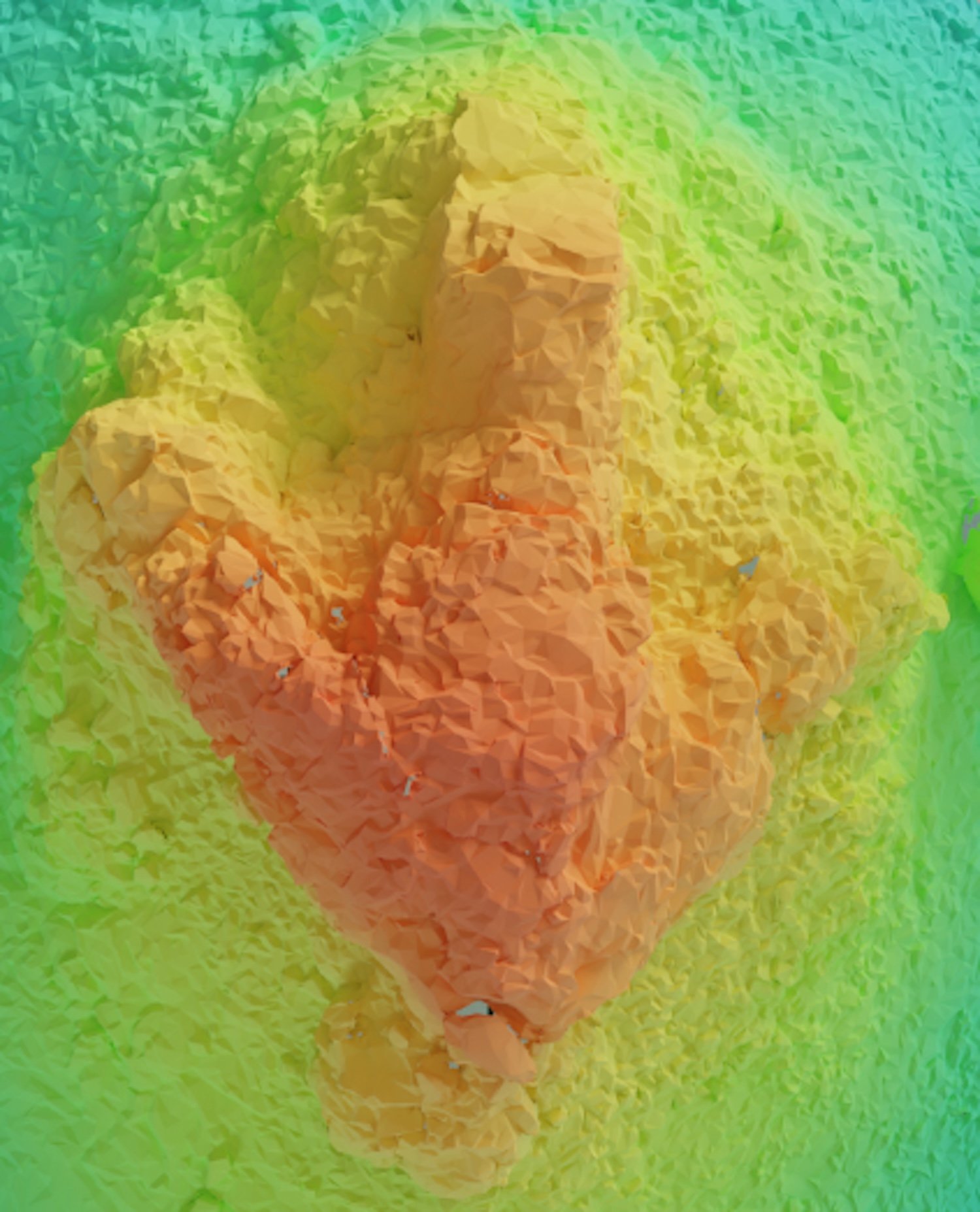
3D scan of T. rex print with darkening colors displaying relative depth of imprint
3D scans allowed researchers to generate digital recreations as well as physical models. Credit: Antoine Bercovici

Paleontologists are now planning to excavate three of the four footprints later this year, then transfer them by helicopter to the Denver Museum of Nature & Science.

“Bones tell us an enormous amount about these animals, but footprints capture a moment of behavior. With a trackway, we can actually follow an animal as it moved across the landscape,” Tyler Lyson, a Denver Museum of Nature & Science paleontologist and study co-author, said in a statement. “That is incredibly rare for T. rex.”

The post Paleontologists discover first adult ‘T. rex’ footpath appeared first on Popular Science.

  •  

National Park Service’s WWII series highlights Washington State nature reserve

As the National Park Service (NPS) continues highlighting the many roles of its parks during World War II, the western most landmass in the contiguous United States is getting its due: Olympic National Park. 

First designated a monument by President Teddy Roosevelt in 1909 before President Franklin D. Roosevelt’s reclassification as a park in 1938, the 922,650 acre protected region in Washington State is also recognized by UNESCO as an International Biosphere Reserve. Olympic National Park includes temperate forests, stretches of Pacific coastline, as well as subalpine forests and meadows. Thanks to its location on an isolated peninsula, it’s also home to many endemic plant and animal species including the Olympic marmot (Marmota olympus) and Piper’s bellflower (Campanula piperi).

The national park received a lot of attention during WWII for very different reasons, however. Its history is laid out in a recent social media post by Pearl Harbor National Memorial due to an ongoing search-and-rescue operation in the park. Because the peninsula extends further west than any other landmass in the contiguous United States, military and government officials considered it one of the most strategic—and vulnerable—places in the nation. The nearby Strait of Juan de Fuca funneled all traffic to-and-from vital ports in Seattle and Tacoma, as well as the naval base in Bremerton.

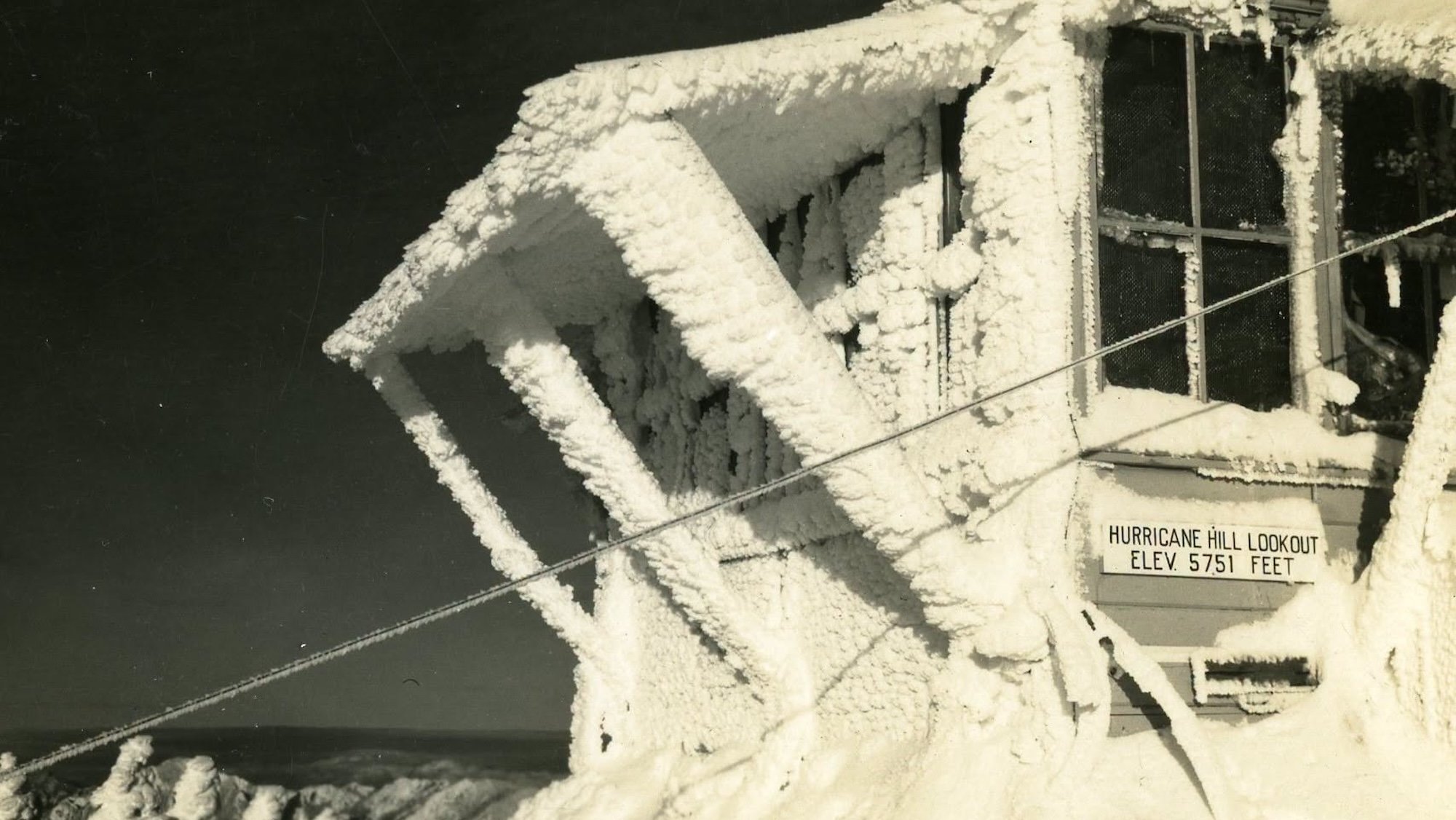
Hurricane Ridge black and white photo from Olympic National Park
Two of the outposts are still accessible by trail today. Credit: NPS

U.S. Army and Coast Guard engineers began installing 13 Aircraft Warning Service (AWS) stations throughout Olympic National Park in 1942, many from converted fire lookouts. Park rangers even staffed some of the stations, and continuously monitored the skies for potential aerial bombardments. The installations remained operational throughout the entire year, regardless of the region’s notorious winter storms.

The many logistical and environmental challenges were even documented by Olympic National Park’s superintendent. At one point, it took two days for a six-person resupply crew to toboggan the three miles to Hurricane Lookout. Another team of eight workers backpacked six miles to one of the park’s most remote posts while carrying 400 pounds of supplies.

The AWS ended in 1944, but two of the original outposts still exist and are accessible to park visitors. Dodger Point and Pyramid Peak can be reached after hiking a steep trail north of Lake Crescent. 

Every week leading up to the 85th anniversary of the attack on Pearl Harbor on December 7, the National Park Service will take you across the country to explore America’s experience in World War II through the lens of national parks. The first week in the series also highlighted the roles of Golden Gate Recreation Area and Governors Island National Monument in protecting the coasts.

The post National Park Service’s WWII series highlights Washington State nature reserve appeared first on Popular Science.
  •  

Cannibalism returned to the menu multiple times in Neolithic Europe

Cannibalism is understandably frowned upon today,but humans haven’t always been so adverse to the idea of eating our own. Across Europe, multiple archaeological sites indicate at least some Neolithic communities routinely consumed unlucky victims as far back as 5000 BCE. But inside three caves in present-day Spain, ancient skeletal remains vividly illustrate that prehistoric groups never adopted a “one-size-fits-all” approach to their cannibalism. As researchers explained in a study recently published in the Journal of Archaeological Science, a range of methods and motivations for cannibalism existed among Neolithic peoples prior to the Bronze Age.

“For decades, prehistoric cannibalism has tended to be interpreted as a single type of behavior,” Antonio Rodríguez-Hidalgo, a study co-author and archaeologist at the Institute of Archaeology of Mérida, explained in a statement. “Our work shows that it is not possible to speak of a single form of ‘Neolithic cannibalism’, because similar archaeological evidence may conceal very different social realities.”

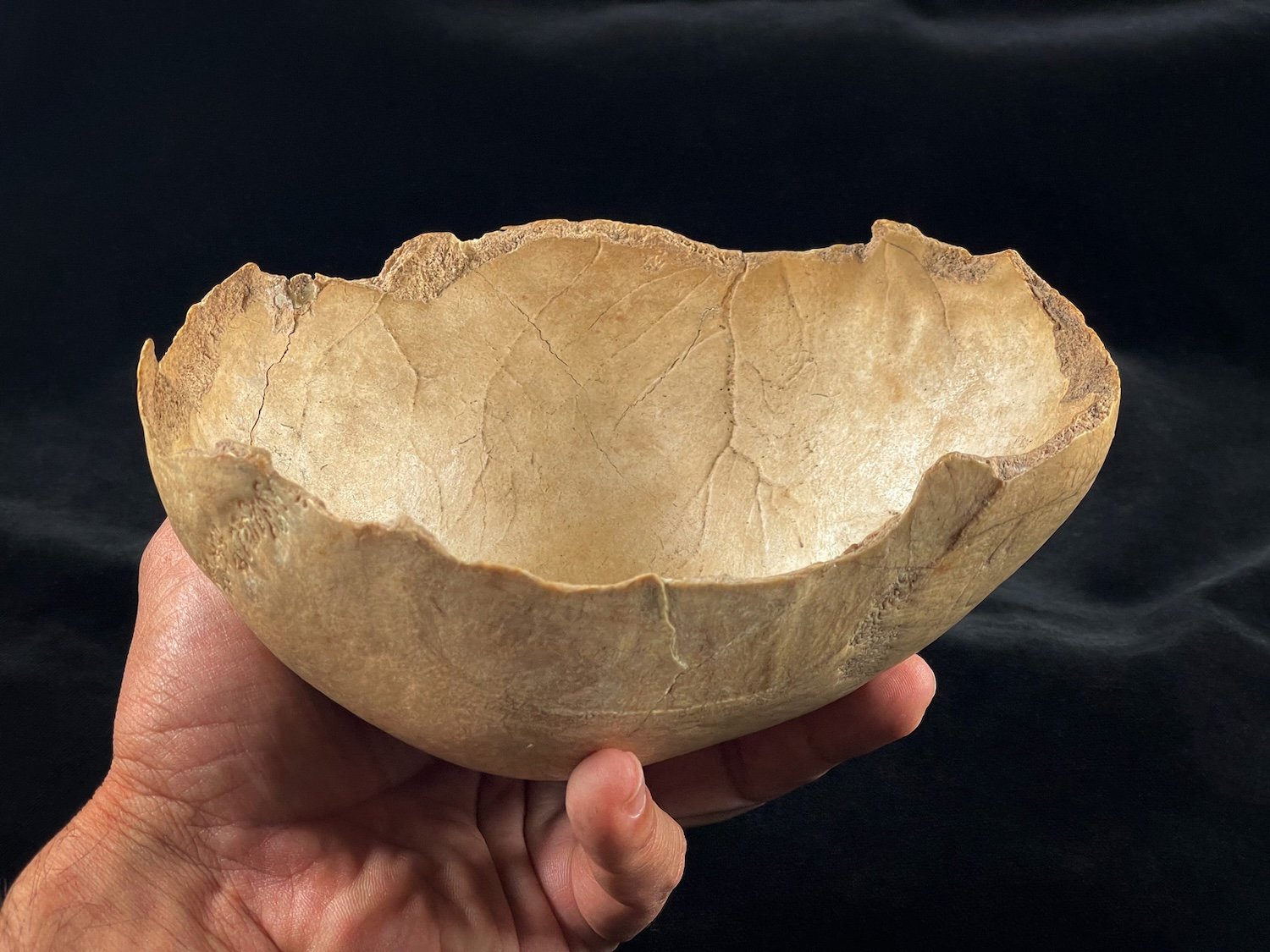
At least two Neolithic human skulls were fashioned into cups at Carigüela cave in Granada. Credit: Antonio Rodríguez-
Hidalgo / IAM-CSIC
Antonio Rodríguez-Hidalgo

The latest evidence originated inside Malalmuerzo, Carigüela, and Majolicas,a trio of caves located in the Grenada region of southern Spain. Archaeologists first discovered the Neolithic gathering spots over 50 years ago, and the caverns have since become famous examples of prehistoric cannibalism. Rodríguez-Hidalgo’s team re-examined almost 1,000 bones excavated from the caves, then combined their observations with statistical analysis and machine learning programs to classify the various types of damage exhibited on every fragment. These markings included fractures, cuts, blunt impacts, and even teeth marks. They also determined each subject’s estimated age based on skeletal and dental development.

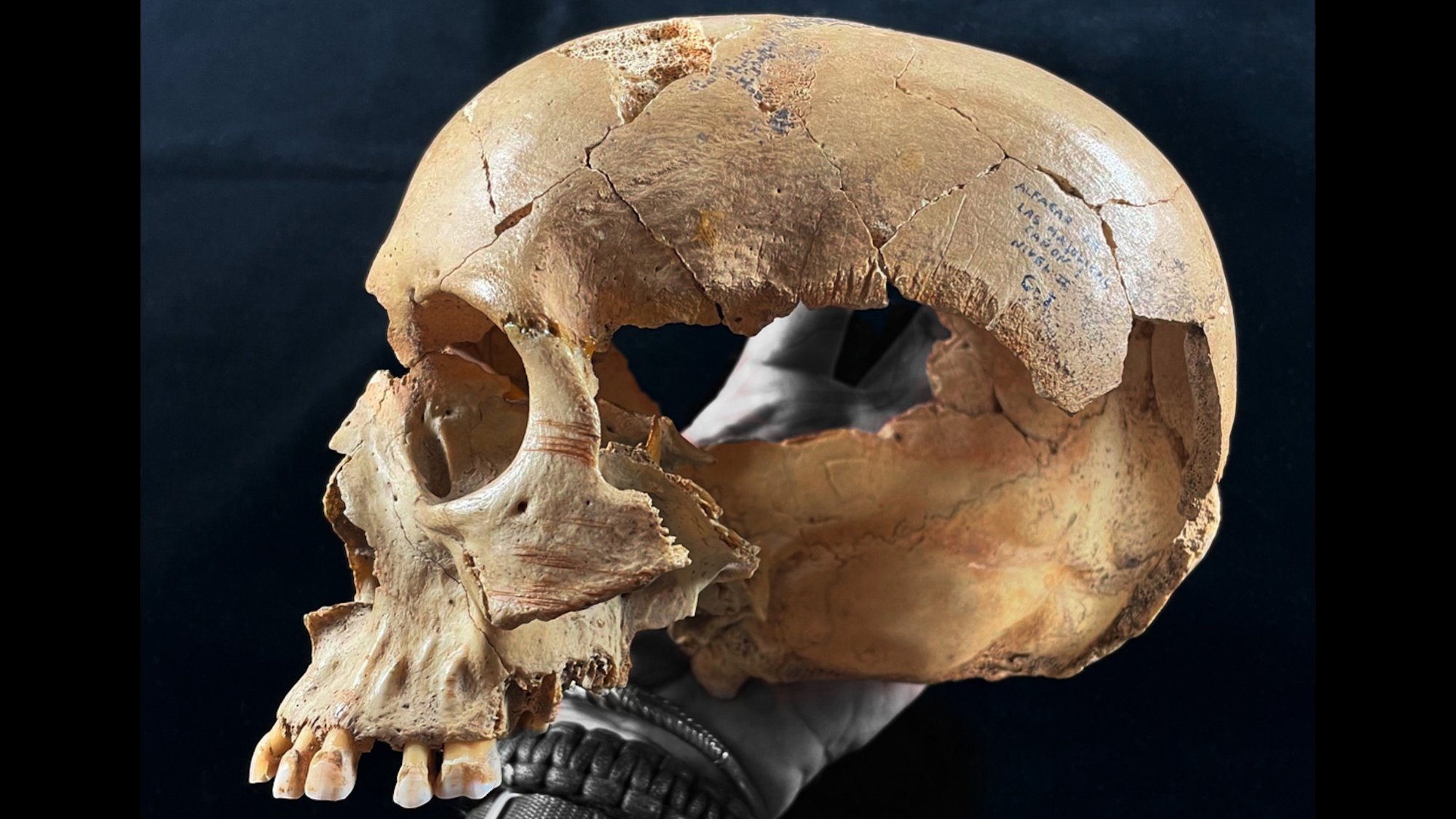
Although many bones show similar butchering techniques and boiling preparations, each cave’s specimens highlighted different practices and contexts. At Malalmuerzo, it appears that a single, brutal act of collective violence involving victims across many  age groups took place about 5000 BCE. However, the remains at Carigüela span multiple Neolithic time periods, and even include a pair of skulls fashioned into drinking cups. The most recent cannibalism occurred in Majolicas around 3800 BCE, but doesn’t appear directly tied to violence. Instead, some of the bones are stained red—likely using a rare mineral called cinnabar—which points to ritualistic or funerary motives.

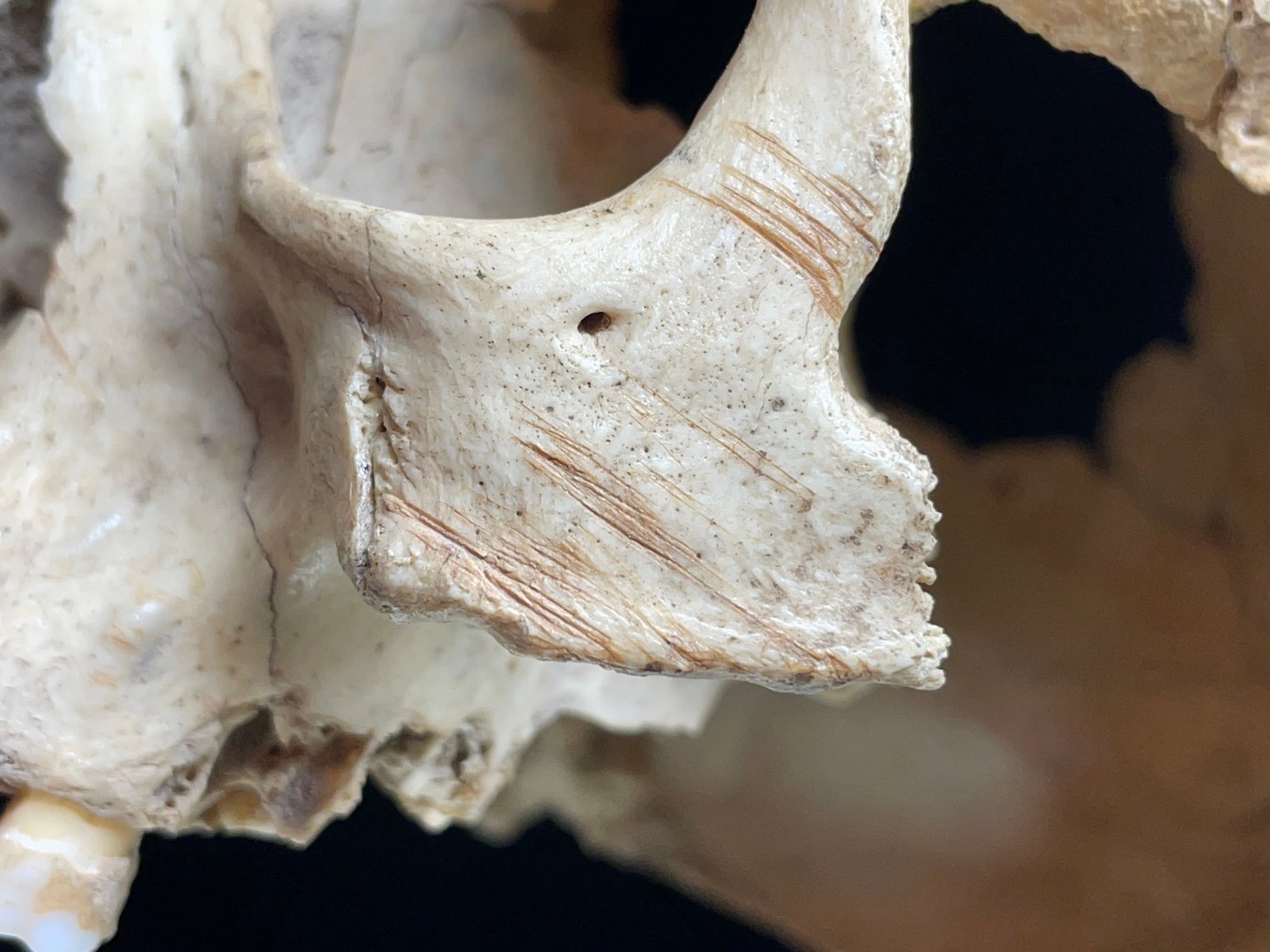
Cut marks are visible on the zygomatic bone of an adult skull from Majolicas cave. Credit: Antonio Rodríguez-Hidalgo / IAM-CSIC

Combined with other archaeological findings, it now appears that cannibalism during the European Neolithic historically occurred in three eras:the late sixth millennium BCE, the middle fifth millennium BCE, and the end of the third millennium BCE. Although traceable to these periods, it still remains unclear why the communities engaged in the practices and rituals.

“We cannot say that all these episodes had a common cause, but we can say that throughout the Neolithic… there was a context of conflict and/or manipulation of human remains,” added archaeologist and study co-author Palmira Saladié.

The post Cannibalism returned to the menu multiple times in Neolithic Europe appeared first on Popular Science.
  •  

How the lowly egg could help protect future spacecraft

The humble egg is often a symbol of fragility, but there is strength in numbers. According to, egg-based geometry may be sturdy enough to protect future generations of astronauts from the ever-growing threat of space debris.

Around one million pieces of junk larger than one centimeter currently orbit the Earth, thanks to decades of space travel, rocket launches, and satellite deployments. Each tiny trash bit travels at roughly 17,400 miles per hour, making them immensely dangerous for ongoing missions and exploration efforts. International agencies are now monitoring the existing space trash, while researchers test methods to clean up the problem. However,there is still a growing need to protect both people and property above everyone’s heads. And that’s where eggs come into play.

“A single eggshell breaks easily under local force, but the protection mechanism of the eggshell array is completely different,” Yuxin Wang, an engineer at Dalian University of Technology, explained in a statement.

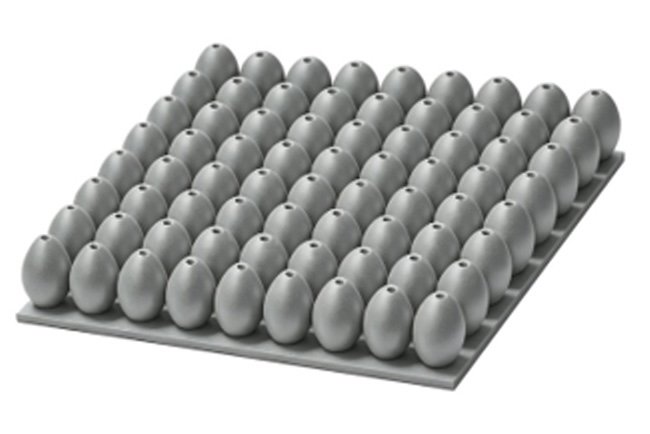
As Wang and his colleagues demonstrate in a study published today in the Journal of Applied Physics, aluminum eggshell shaped designs arrayed together cooperatively deform in a way that distributes energy across a larger structure, making the overall surface a promising addition in reinforced shielding. These are even stronger when each “egg” in Wang’s prototypes were filled with water. Good ol’ H2O then dampened impact shock waves through the eggs.

A 3D image of the water-filled aluminum eggshell array metastructure shows the eggshell pattern on an aluminum plate. The second aluminum plate—which goes on top of the eggs—is excluded from the image to help visualize the geometry. Credit: Wang et al.

Engineers tested both 3D printed designs and ran computer simulations for standard aluminum plates, water-filled aluminum spheres placed between flat plates, and the novel eggshell arrays. The sandwiched spheres performed the best—reducing a projectile’s impact velocity by almost 65 percent, compared to 51 percent from just the plates. The most optimized iterations also included placing the egg models upright so that their narrowed end touches the top aluminum plate.

The team still needs to optimize the metamaterial’s filling and overall geometry, along the metal thickness and aspect ratios. That said, egg-ified shielding may one day be a common addition to vehicles and satellites destined for low Earth orbit.

“This work demonstrates that bionic, lightweight metastructures are a promising route for hypervelocity-impact protection,” said Wang.

The post How the lowly egg could help protect future spacecraft appeared first on Popular Science.
  •  

11 vibrant deep-sea creatures shine in new Caribbean expedition

Marine biologists from Trinidad and Tobago recently completed the first locally helmed and most expansive survey of the deep-sea waters around the Caribbean islands. The month-long project aboard Schmidt Ocean Institute’s research vessel (R/V) Falkor (too) documented around 13 percent of the nation’s marine territory, and described 20 potential new species. Researchers also collected over 700 specimens for the University of the West Indies, St. Augustine. Once catalogued, the additions will increase the size of the university’s Zoology Museum deep ocean collection by 12 times.

“Every new discovery we make, whether ecosystem, species or behavior, deepens our understanding of what’s at stake and strengthens our ability to be true stewards of this largely unseen but critical part of our country,” said expedition chief scientist Diva Amon.

Check out some of the stunning, rarely seen creatures below. (Click to expand images to full screen.)

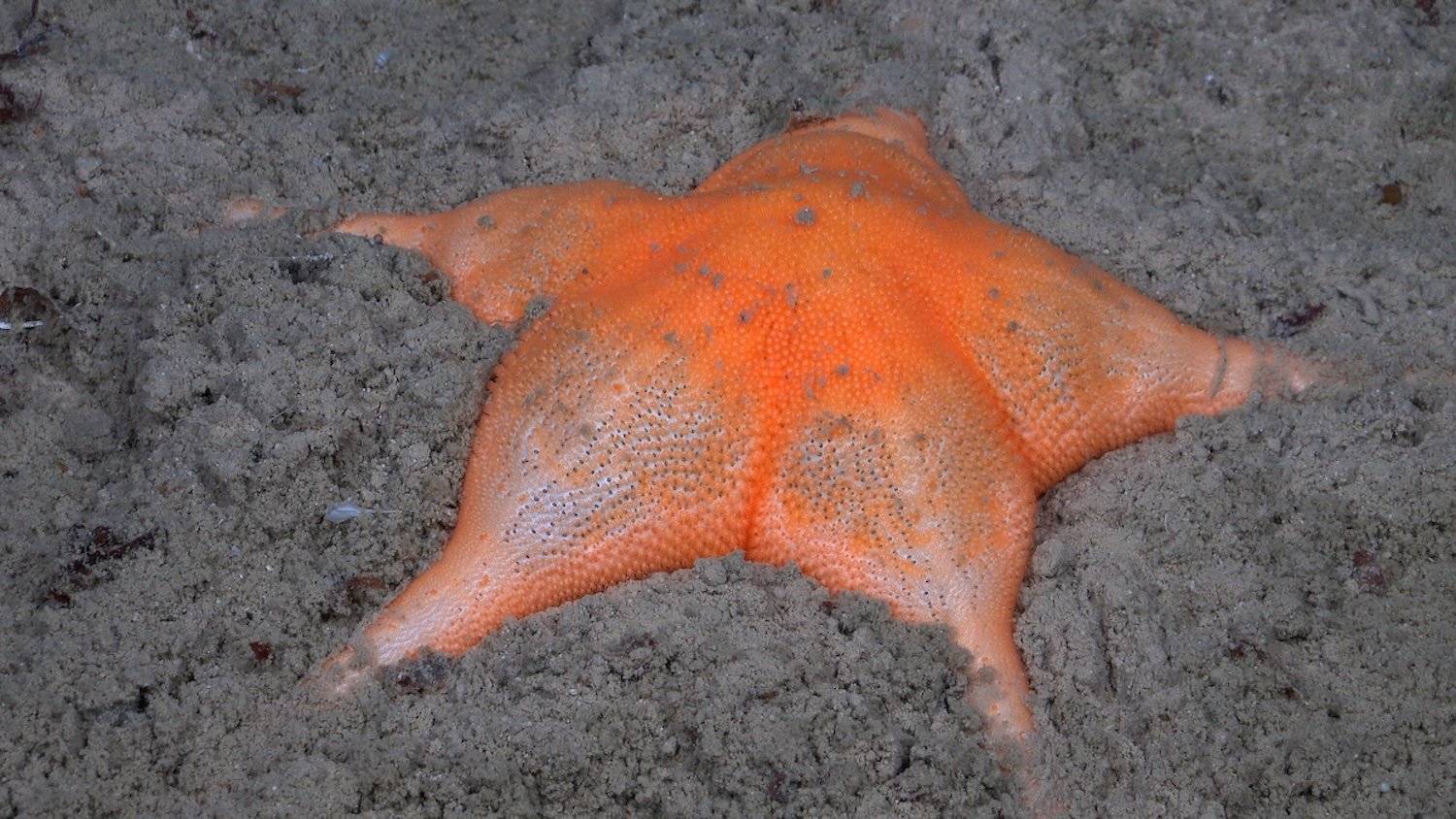
Suspected new sea star

A suspected new species of sea star (Porcellanasteridae) rests on the seafloor at a depth of 3,961 meters. Researchers collected the specimen while making dozens of other discoveries during the expedition, including at least 20 suspected new species. Photo credit: ROV SuBastian / Schmidt Ocean Institute Usage: Available via creative commons Attribution-NonCommercial-ShareAlike CC BY-NC-SA https://creativecommons.org/licenses/by-nc-sa/4.0/
A suspected new species of sea star (Porcellanasteridae) rests on the seafloor at a depth of 3,961 meters. Researchers collected the specimen while making dozens of other discoveries during the expedition, including at least 20 suspected new species. Credit: ROV SuBastian / Schmidt Ocean Institute

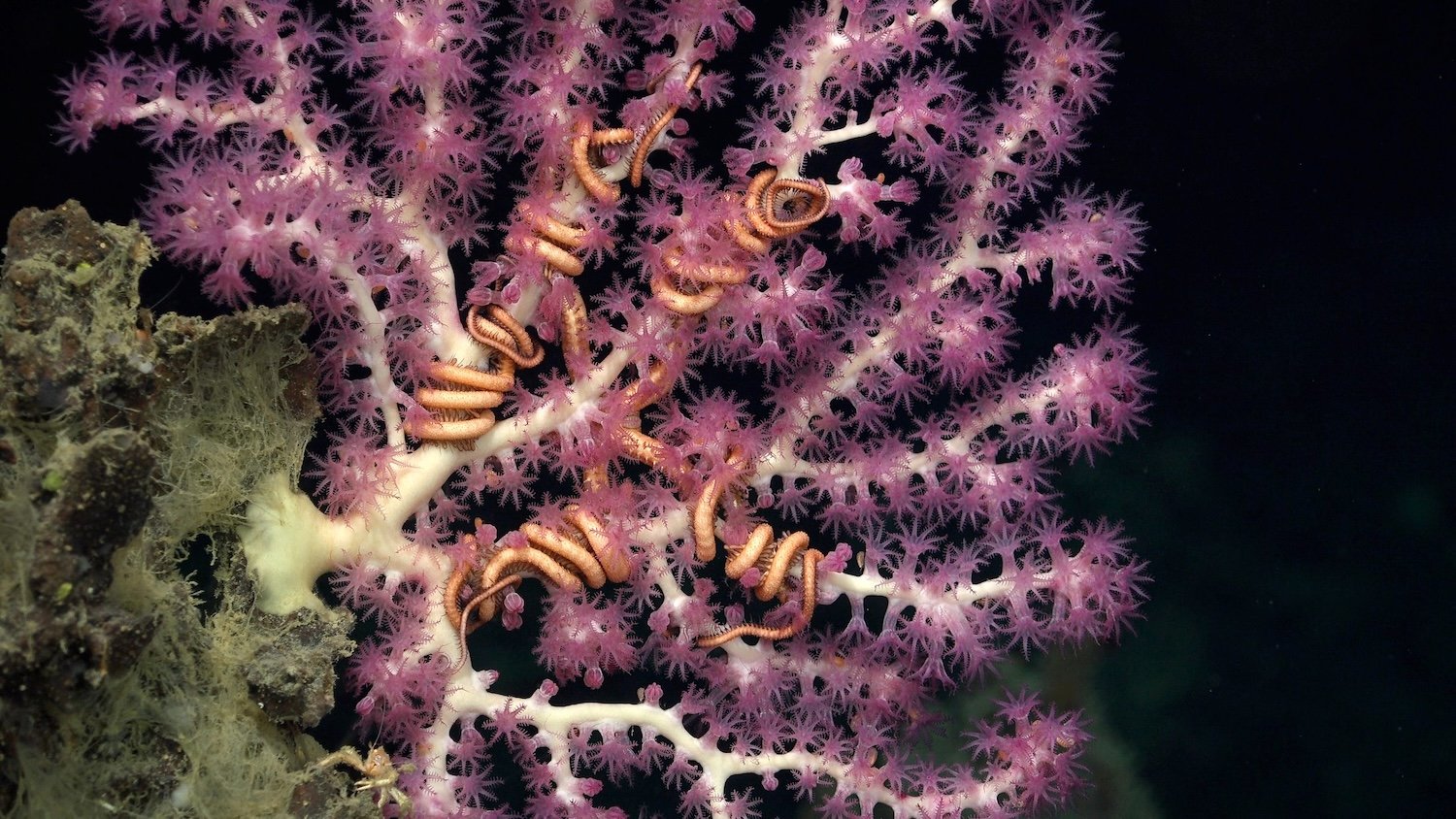
Symbiotic coral

Symbiotic brittle stars cling to a deep-sea coral off the coast of Trinidad and Tobago. A research team led by marine biologist Dr. Diva Amon (SpeSeas), composed largely of Trinbagonian scientists, surveyed the island nation's deep-water territory to document rare ecosystems and guide local conservation efforts.
Symbiotic brittle stars cling to a deep-sea coral off the coast of Trinidad and Tobago. A research team led by marine biologist Dr. Diva Amon (SpeSeas), composed largely of Trinbagonian scientists, surveyed the island nation’s deep-water territory to document rare ecosystems and guide local conservation efforts. Credit: ROV SuBastian / Schmidt Ocean Institute

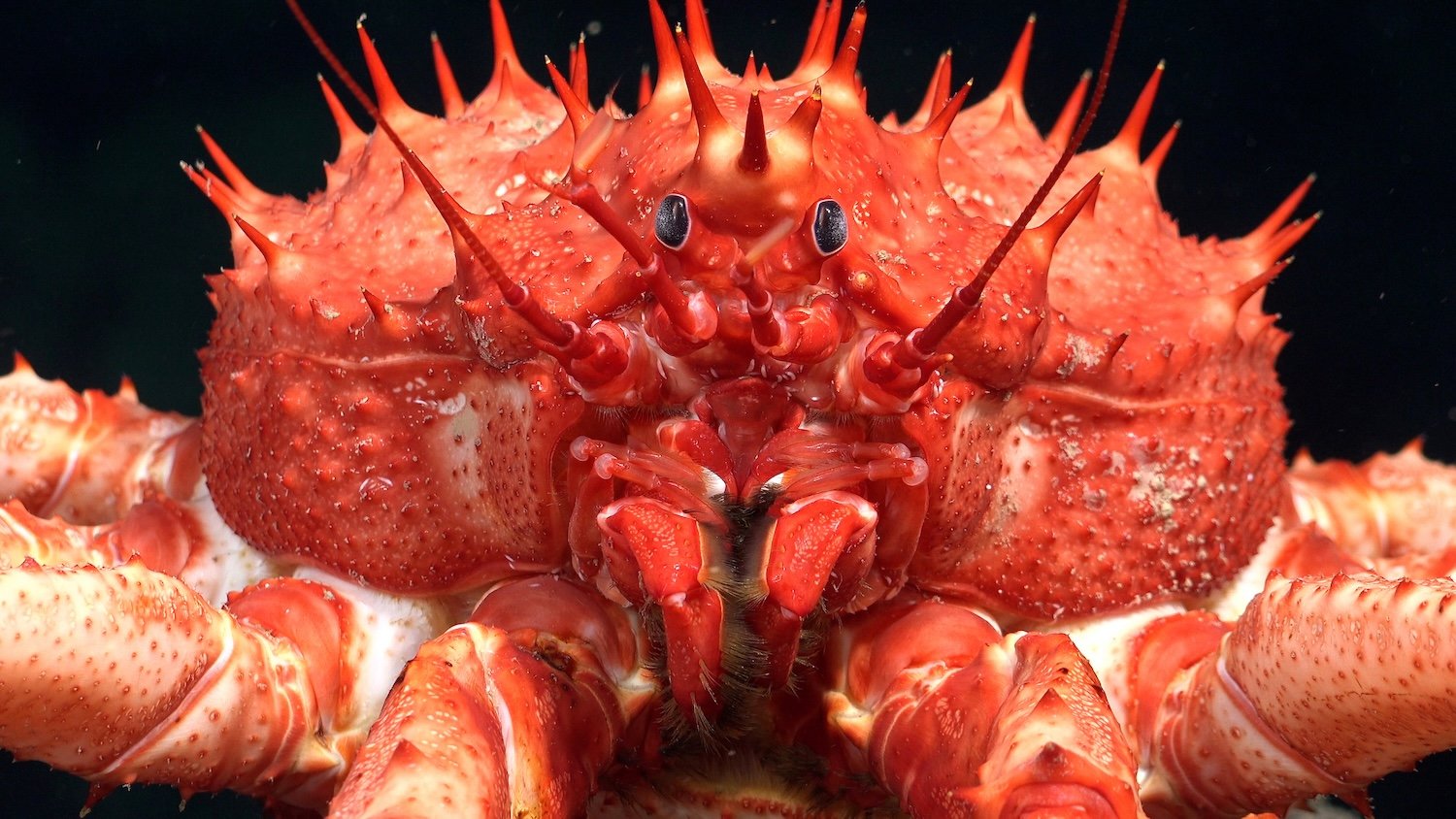
King crab

A king crab (Lithodes genus) crawls across the seafloor at a depth of 1,083 meters. Top predators in deep-sea environments, researchers documented these crabs while searching for bubble streams associated with unexplored cold seeps. Photo credit: ROV SuBastian / Schmidt Ocean Institute Usage: Available via creative commons Attribution-NonCommercial-ShareAlike CC BY-NC-SA https://creativecommons.org/licenses/by-nc-sa/4.0/
A king crab (Lithodes genus) crawls across the seafloor at a depth of 1,083 meters. Top predators in deep-sea environments, researchers documented these crabs while searching for bubble streams associated with unexplored cold seeps. Credit: ROV SuBastian / Schmidt Ocean Institute

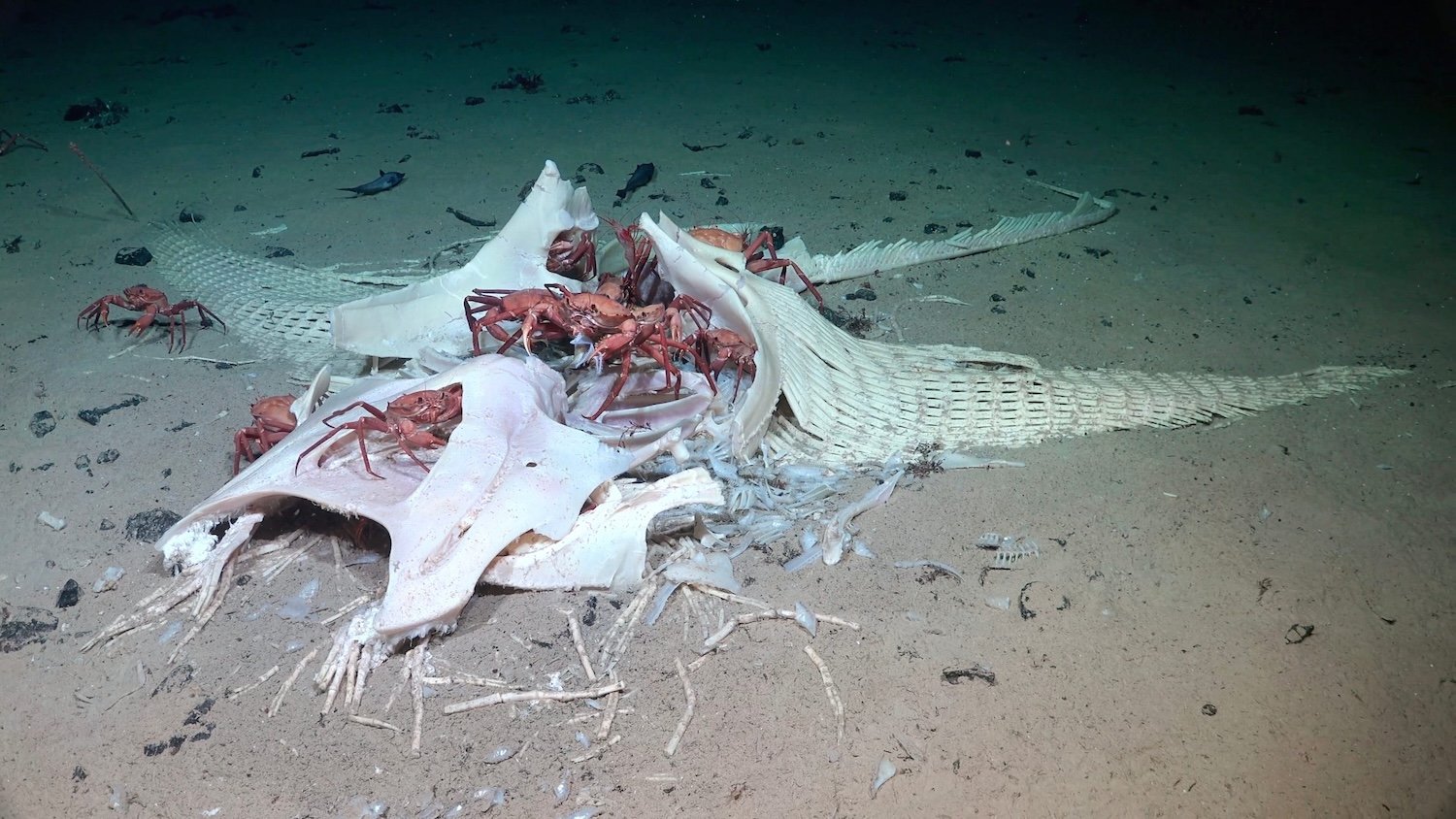
Rare manta ray fall

The science team encountered this rare manta ray (Mobula) fall at 1,025 meters depth off the coast of Trinidad and Tobago. When animals die in the Ocean, their bodies often sink to the seafloor, creating a rich food buffet that feeds hundreds of deep-sea species in an often food-scarce environment.
The science team encountered this rare manta ray (Mobula) fall at 1,025 meters depth off the coast of Trinidad and Tobago. When animals die in the ocean, their bodies often sink to the seafloor, creating a rich food buffet that feeds hundreds of deep-sea species in an often food-scarce environment. Credit: ROV SuBastian / Schmidt Ocean Institute

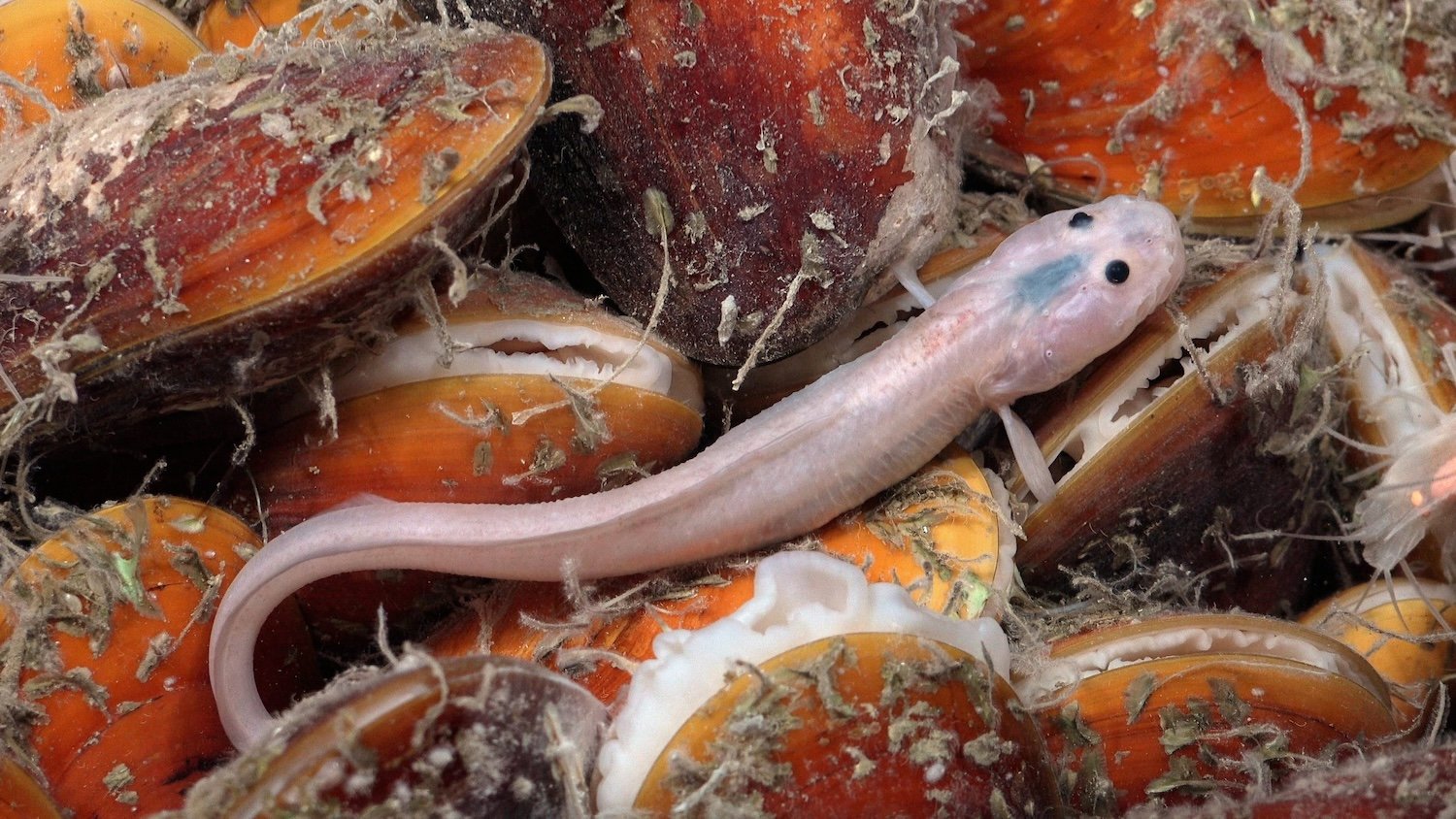
Eelpout

An eelpout (Pachycara caribbaeum) lies on a bed of chemosynthetic mussels (Gigantidas childressi) off the coast of Trinidad and Tobago. Ninety-three percent of Trinidad and Tobago lies below recreational scuba depths, placing its largest ecosystems in the mesophotic zone (between 30 and 199 meters) and the deep ocean. The geological setting of the two islands is ideal for supporting chemosynthetic habitats.
An eelpout (Pachycara caribbaeum) lies on a bed of chemosynthetic mussels (Gigantidas childressi) off the coast of Trinidad and Tobago. Ninety-three percent of Trinidad and Tobago lies below recreational scuba depths, placing its largest ecosystems in the mesophotic zone (between 30 and 199 meters) and the deep ocean. The geological setting of the two islands is ideal for supporting chemosynthetic habitats. Credit: ROV SuBastian / Schmidt Ocean Institute

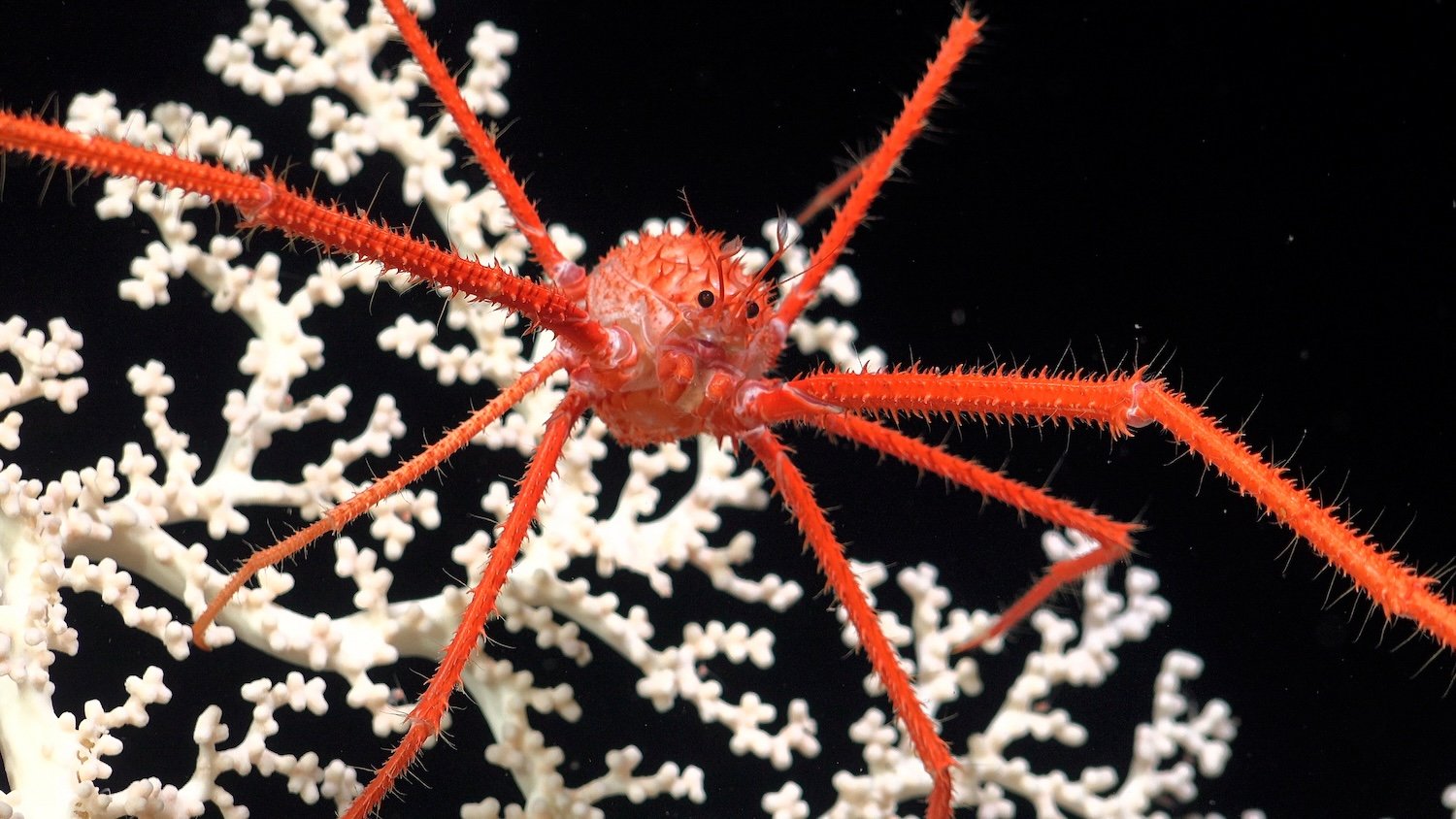
Squat lobster

A cold-water coral recorded at a depth of 1,055 meters (3,461 feet) provides habitat for marine life on the seafloor. While warm-water coral reefs at shallow recreational depths are widely known, deep-sea cold-water corals are far more abundant yet remain understudied. These complex ecosystems support diverse marine species, including squat lobsters, as pictured here. Photo credit: ROV SuBastian / Schmidt Ocean Institute Usage: Available via creative commons Attribution-NonCommercial-ShareAlike CC BY-NC-SA https://creativecommons.org/licenses/by-nc-sa/4.0/
A cold-water coral recorded at a depth of 1,055 meters (3,461 feet) provides habitat for marine life on the seafloor. While warm-water coral reefs at shallow recreational depths are widely known, deep-sea cold-water corals are far more abundant yet remain understudied. These complex ecosystems support diverse marine species, including squat lobsters, as pictured here. Credit: ROV SuBastian / Schmidt Ocean Institute

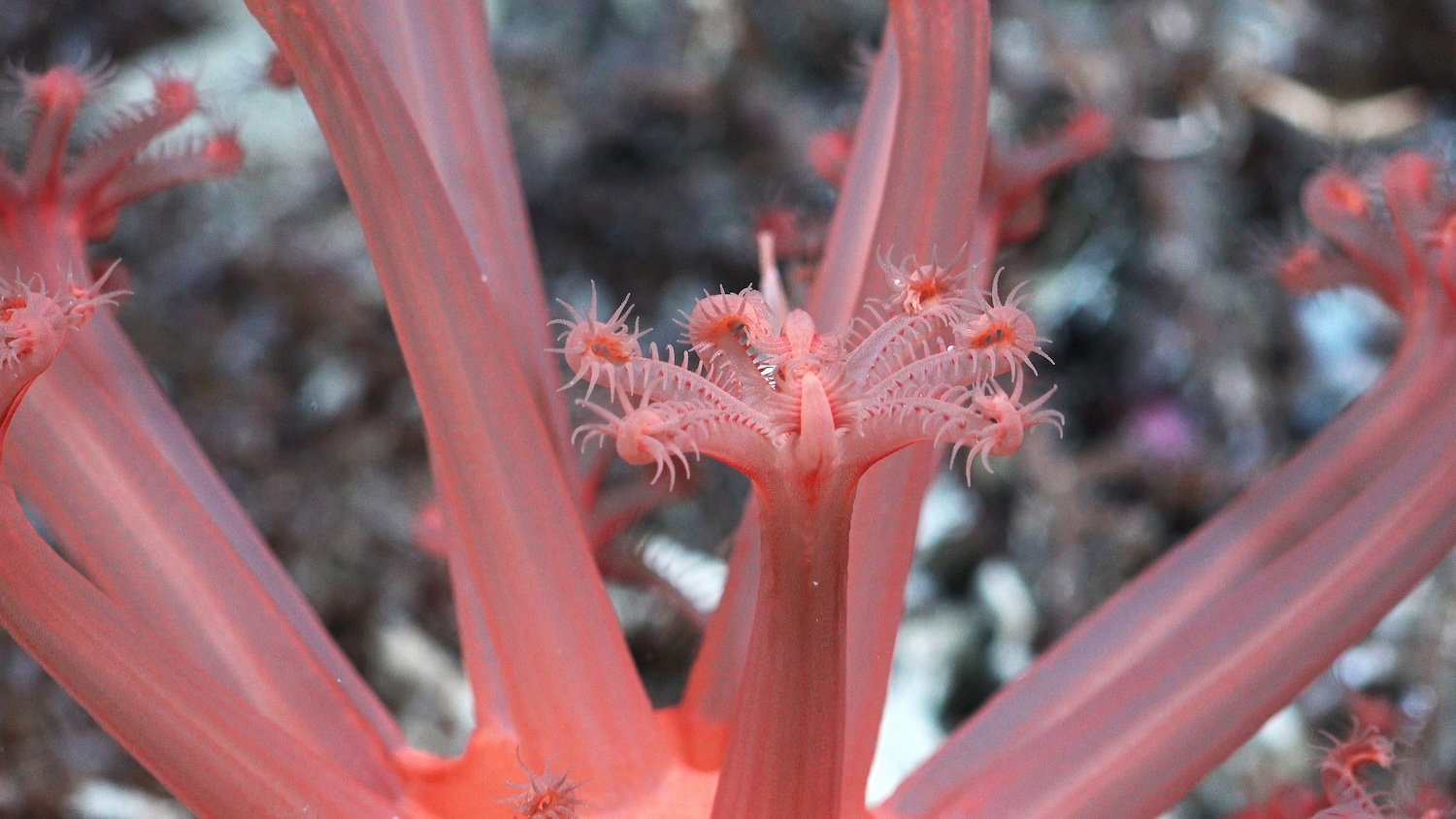
Mushroom coral

A mushroom coral rests on the seafloor at a depth of 1,277 meters off Trinidad and Tobago. Less than 0.001% of the island nation's deep-ocean territory has been explored due to technological constraints, leaving significant knowledge gaps about deep-water marine life in the region. Photo credit: ROV SuBastian / Schmidt Ocean Institute Usage: Available via creative commons Attribution-NonCommercial-ShareAlike CC BY-NC-SA https://creativecommons.org/licenses/by-nc-sa/4.0/
A mushroom coral rests on the seafloor at a depth of 1,277 meters off Trinidad and Tobago. Less than 0.001% of the island nation’s deep-ocean territory has been explored due to technological constraints, leaving significant knowledge gaps about deep-water marine life in the region. Credit: ROV SuBastian / Schmidt Ocean Institute

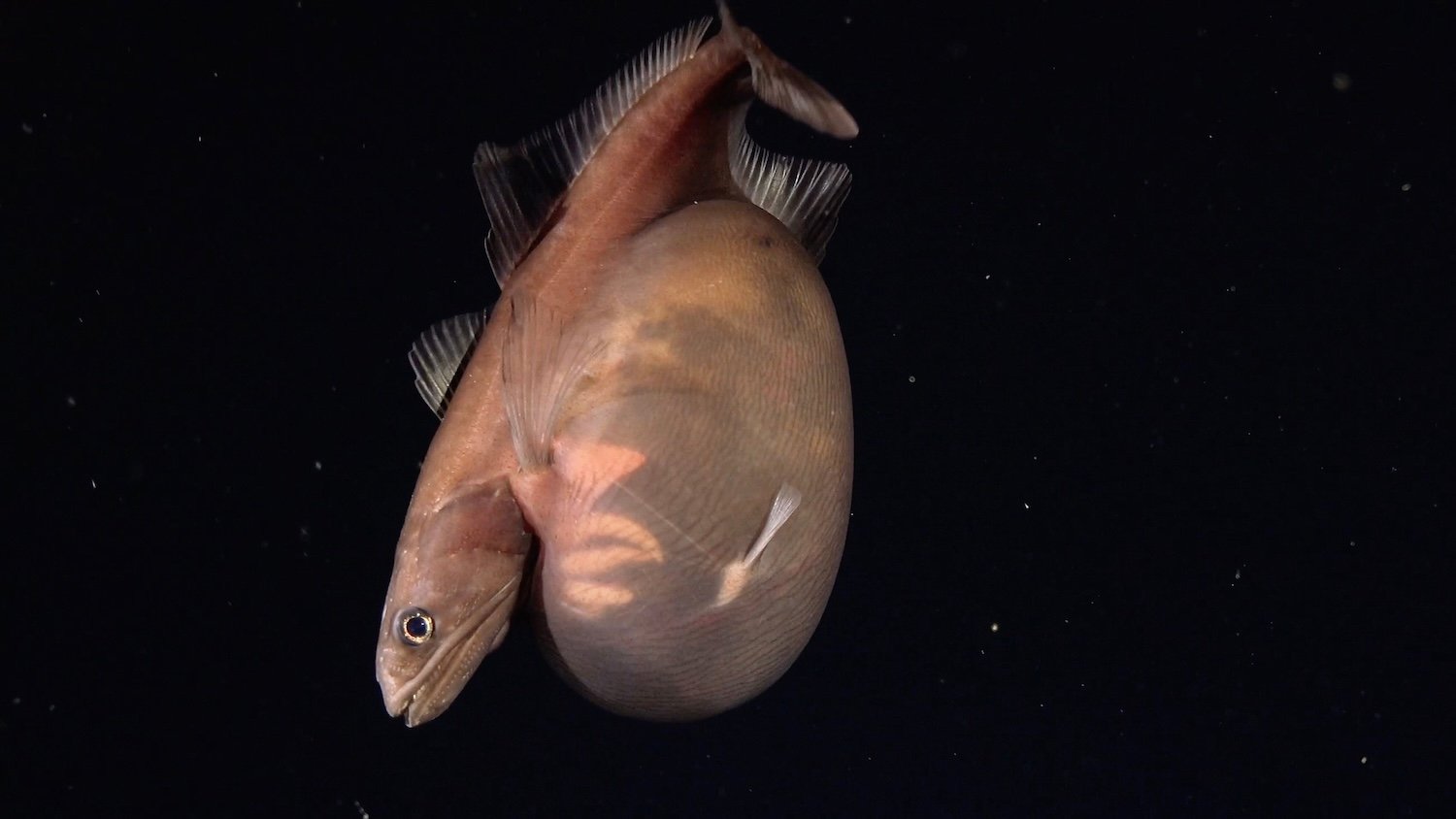
Black swallower fish

A black swallower fish (Chiasmodon niger) swims at a depth of 1,259 meters during a remotely operated vehicle dive off Trinidad and Tobago. Known for their expandable stomachs and dislocating jaws, these rare deep-sea fish can swallow prey larger than themselves. This specimen's translucent belly reveals a recent meal. A research team led by marine biologist Diva Amon conducted the first comprehensive deep-water survey of the nation's ocean territory, where more than 93% of the waters lie below recreational diving depths. Restricted usage: For editorial and news usage only Credit: ROV SuBastian / Schmidt Ocean Institute
A black swallower fish (Chiasmodon niger) swims at a depth of 1,259 meters during a remotely operated vehicle dive off Trinidad and Tobago. Known for their expandable stomachs and dislocating jaws, these rare deep-sea fish can swallow prey larger than themselves. This specimen’s translucent belly reveals a recent meal. A research team led by marine biologist Diva Amon conducted the first comprehensive deep-water survey of the nation’s ocean territory, where more than 93% of the waters lie below recreational diving depths. Credit: ROV SuBastian / Schmidt Ocean Institute

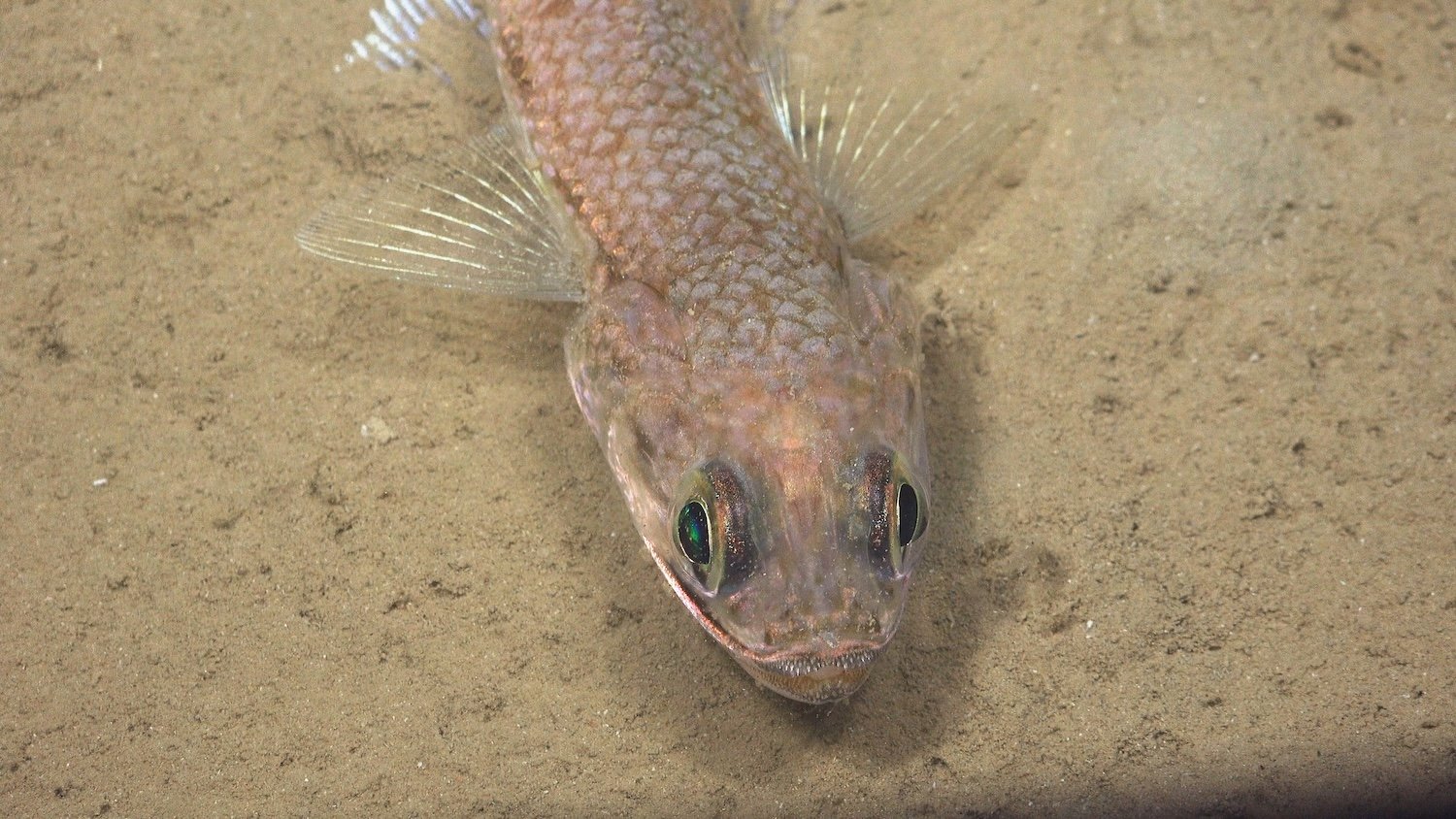
Lizard fish

Scientists observed this lizardfish at a depth of 148 meters while exploring a slope off the coast of Trinidad and Tobago in a UNESCO Biosphere Reserve. Photo credit: ROV SuBastian / Schmidt Ocean Institute Usage: Available via creative commons Attribution-NonCommercial-ShareAlike CC BY-NC-SA https://creativecommons.org/licenses/by-nc-sa/4.0/
Scientists observed this lizardfish at a depth of 148 meters while exploring a slope off the coast of Trinidad and Tobago in a UNESCO Biosphere Reserve. Credit: ROV SuBastian / Schmidt Ocean Institute

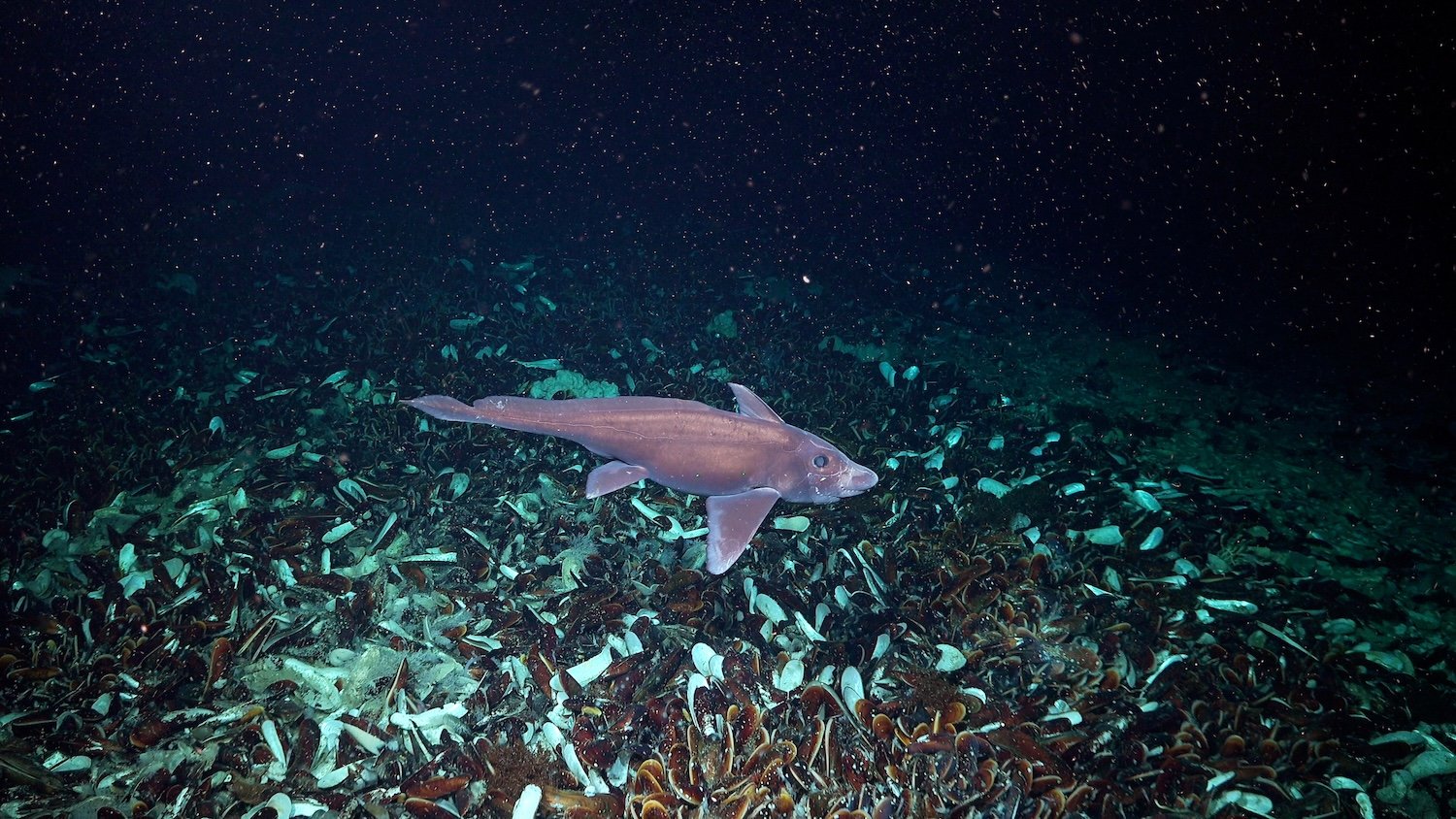
Ghost shark

A chimaera, or ghost shark, swims near a cold seep at a depth of 2,355 meters. Scientists discovered 25 cold seeps during the recent deep-sea expedition. Unlike sunlight-dependent ecosystems, marine life near these seafloor fissures relies on chemosynthetic energy generated by gas escaping from the Earth's surface. Photo credit: ROV SuBastian / Schmidt Ocean Institute Usage: Available via creative commons Attribution-NonCommercial-ShareAlike CC BY-NC-SA https://creativecommons.org/licenses/by-nc-sa/4.0/
A chimaera, or ghost shark, swims near a cold seep at a depth of 2,355 meters. Scientists discovered 25 cold seeps during the recent deep-sea expedition. Unlike sunlight-dependent ecosystems, marine life near these seafloor fissures relies on chemosynthetic energy generated by gas escaping from the Earth’s surface. Credit: ROV SuBastian / Schmidt Ocean Institute

The post 11 vibrant deep-sea creatures shine in new Caribbean expedition appeared first on Popular Science.

  •  

Ancient American cheetahs were not exactly cheetah-like

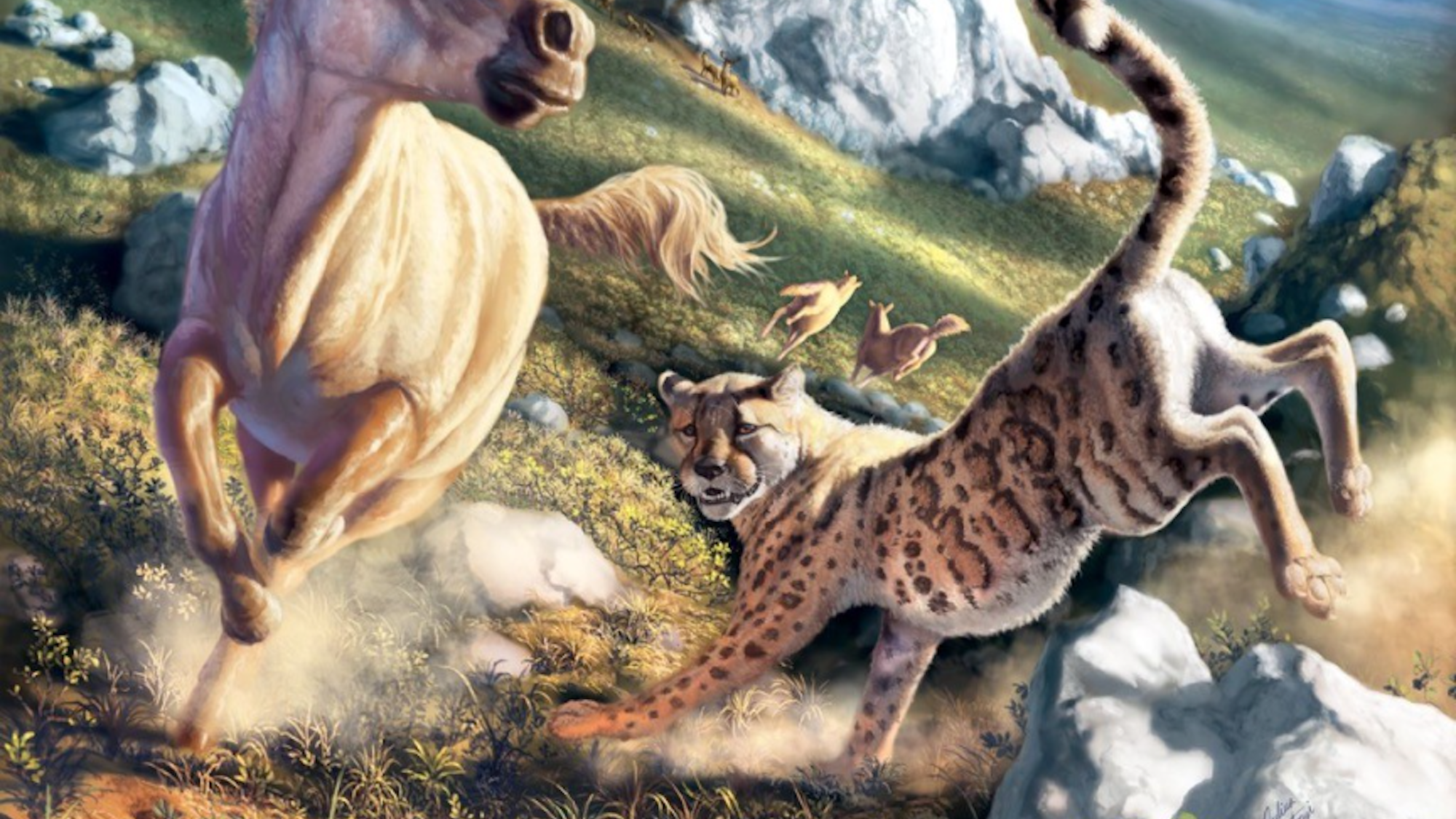
The American cheetah (Miracinonyx trumani) stalked North America’s Pleistocene grasslands for nearly 2.5 million years, but new evidence suggests they likely didn’t resemble their present-day African namesake. After comparing M. trumani DNA to nine other feline species ranging from house cats to lions, it now appears that the ancient predator’s closest relative is an entirely different big cat. What’s more, M. trumani often roamed much farther north than researchers once assumed.

“It’s really surprising and exciting to identify another predator present in Beringia,” Molly Cassatt-Johnstone, an evolutionary biologist at the University of California, Santa Cruz (UCSC), said in a statement.

Berinigia is the ancient stretch of land that once connected northeastern Asia to northwestern North America. While submerged in the Pacific Ocean today, its exposure during the Pleistocene allowed megafauna like the woolly mammoth and other large animals to migrate between continents.

Cassatt-Johnstone and her colleagues presented their findings in a study published today in the journal Current Biology. Their evidence is based on four of the most complete sets of M. trumani DNA found to date. Paleontologists previously discovered one of the specimens in Wyoming, but the other three come from Canada’s Yukon territory. While the latter samples were previously believed to belong to a completely different big cat species, the UCSC team successfully proved that they were actually also American cheetahs. This means M. trumani often lived as much as 20 degrees of latitude farther north than experts thought.

M. trumani fossils exhibit long forelimbs, large nasal cavities, and a slender body, which led paleontologists to theorize the predators resembled the present-day cheetah. The presence of big cat remains near pronghorns (aka the American antelope) further suggested M. trumani chased down fast prey. However, the discovery of American cheetahs so far north into Canada complicates this image—pronghorns didn’t live in the Yukon.

So what did these M. trumani eat? An analysis of the Yukon fossils’ carbon and nitrogen levels revealed the big cats subsisted on a diet almost entirely of fish, while the Wyoming predators mainly ate herbivores. The team also identified two genes in M. trumani tied to circadian rhythm that were nonfunctional. This allowed the animals to handle the extended periods of daylight and darkness experienced in northern latitudes, and perhaps even made them nocturnal.

As for their closest relatives, it now appears that M. trumani was much more similar to today’s pumas, since the two species share a common ancestry about 2.6 million years ago. By comparison, the closest shared relative between M. trumani and cheetahs is 4.7 million years ago. Taken altogether, the latest findings highlight a big cat that was highly adaptable to its environment, as well as regional climates and available prey.

“It’s very hard to imagine a prehistoric species we’ve never seen without comparing it to something we know,” said Cassatt-Johnstone. “But this approach can limit our understanding of ancient animals’ complexity, unique evolutionary histories, and behaviors.” 

The post Ancient American cheetahs were not exactly cheetah-like appeared first on Popular Science.
  •  

Fossilized tissue reveals largest known T. rex died from broken rib

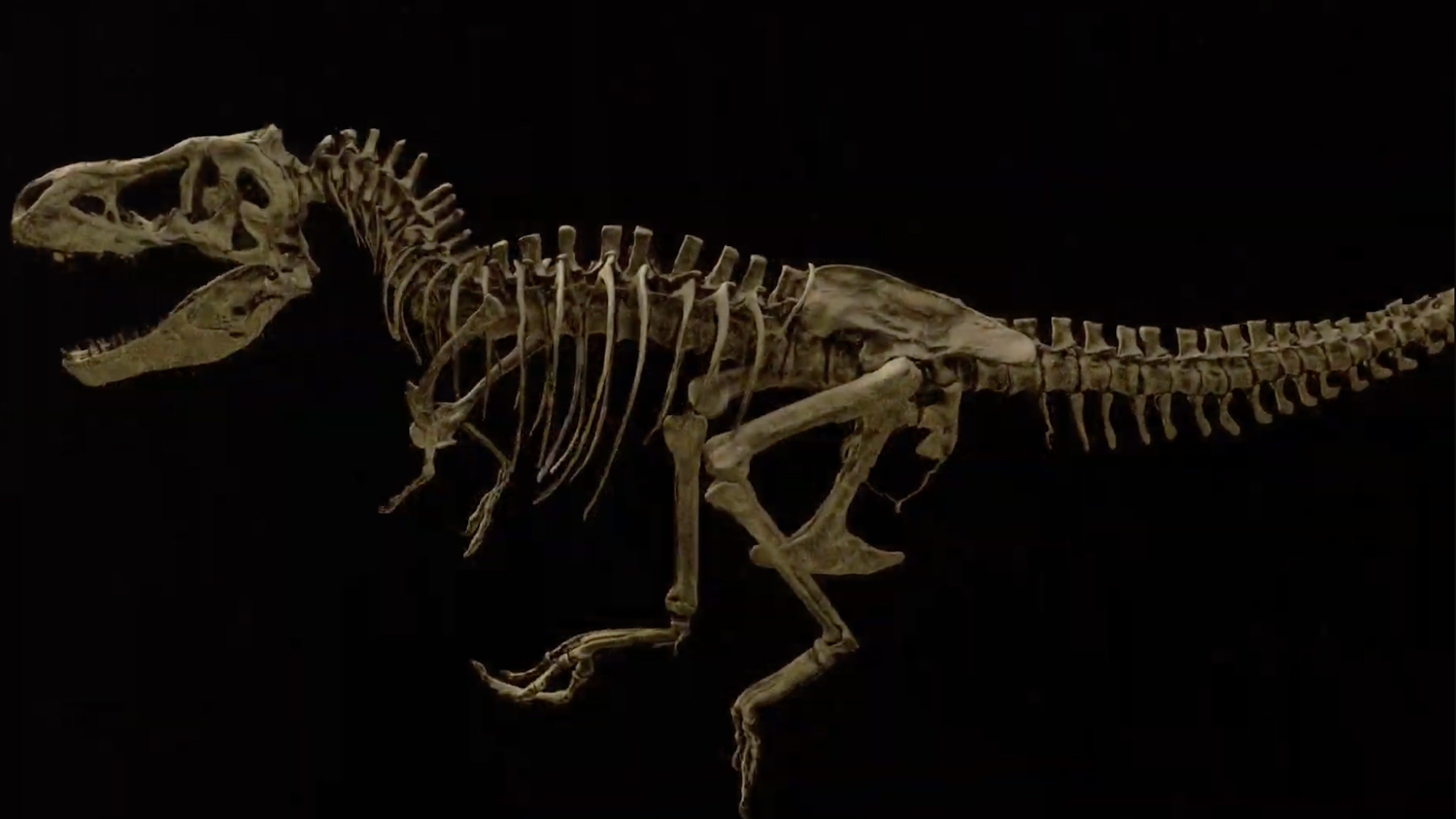
The largest Tyrannosaurus rex fossils ever discovered belong to a 66-million-year-old apex predator named Scotty. Like many T. rex skeletons, it’s difficult to determine if the specimen was male or female, but Scotty was an unequivocal bruiser. Standing 13-feet-tall at the hip and measuring upwards of 43-feet-long, the Late Cretaceous hunter weighed as much as 19,500 pounds.

However, Scotty isn’t simply the biggest T. rex on record. One of its bones still has traces of preserved soft tissue. This is almost never seen in paleontology, as soft tissues degrade due to the ravages of time. The only way to safely examine these delicate remains is through highly sensitive techniques like neutron imaging. But with the help of researchers at the Department of Energy’s (DOE) Oak Ridge National Laboratory (ORNL) in Tennessee, paleontologists recently glimpsed Scotty’s rib and its remaining tissue in unprecedented detail. The results offer some of the first in-depth looks at fossilized dinosaur tissue on a microscopic level.

“It’s like winning the lottery,” Mauricio Barbi, a physicist at the University of Regina (U of R) in Saskatchewan, Canada, said in a recent interview. “Scotty’s rib contains a vast network of mineralized blood vessels that has never before been observed in a fossil.”

The reason for the blood vessels’ preservation is also a window into the T. rex’s death. The broken rib indicates that Scotty likely succumbed to injuries sustained during a dinosaur brawl. After the rib cracked, iron-saturated blood covered the wound and formed tiny blood vessels to facilitate faster healing. The anatomical response wasn’t enough, and Scotty soon died in a salty marsh. The surrounding environment slowed down the T. rex’s decomposition so much that it allowed many of those blood vessels to fossilize. 

To get a closer look at these details, paleontologists relied on neutron imaging to see the lighter elements present in the fossils as well as X-ray imaging to look at the heavier ones. From there, researchers also used synchrotron radiation and other microscopy approaches to analyze the healing tissues on a cellular level. Importantly, all of this imaging was possible without damaging Scotty’s priceless fossils.

“Neutrons not only corroborated what we found with synchrotron radiation techniques that led to the discovery of blood vessels in Scotty’s rib,” explained U of R physicist Marcella Berg. “They also proved to be a highly valuable addition to our current studies in search of soft tissue preservation in fossils.”

The post Fossilized tissue reveals largest known T. rex died from broken rib appeared first on Popular Science.
  •  

Ancient ring supposedly tied to Pontius Pilate may include a typo

The story of a 2,000-year-old ring potentially tied to one of the Christian Bible’s most impactful figures has yet another hypothesis. In a study recently published in the journal Palestine Exploration Quarterly, historian Catherine Bonesho argues that the letters on a ring often associated with the Roman governor Pontius Pilate refer to somebody named Pilate, and not necessarily the official who sentenced Jesus to death. The reason behind the mix-up? A common Roman translation error.

The backstory behind Pilate’s ring

The ring was first excavated during the 1960s at a mountaintop fortress called Herodium about 7.5 miles south of Jerusalem. However, researchers ostensibly forgot about the jewelry after placing it in storage, where it remained until its rediscovery in 2018. That same year, archaeologists publicly revealed the artifact uncovered in the Judean desert with supposedly dramatic historical connections. 

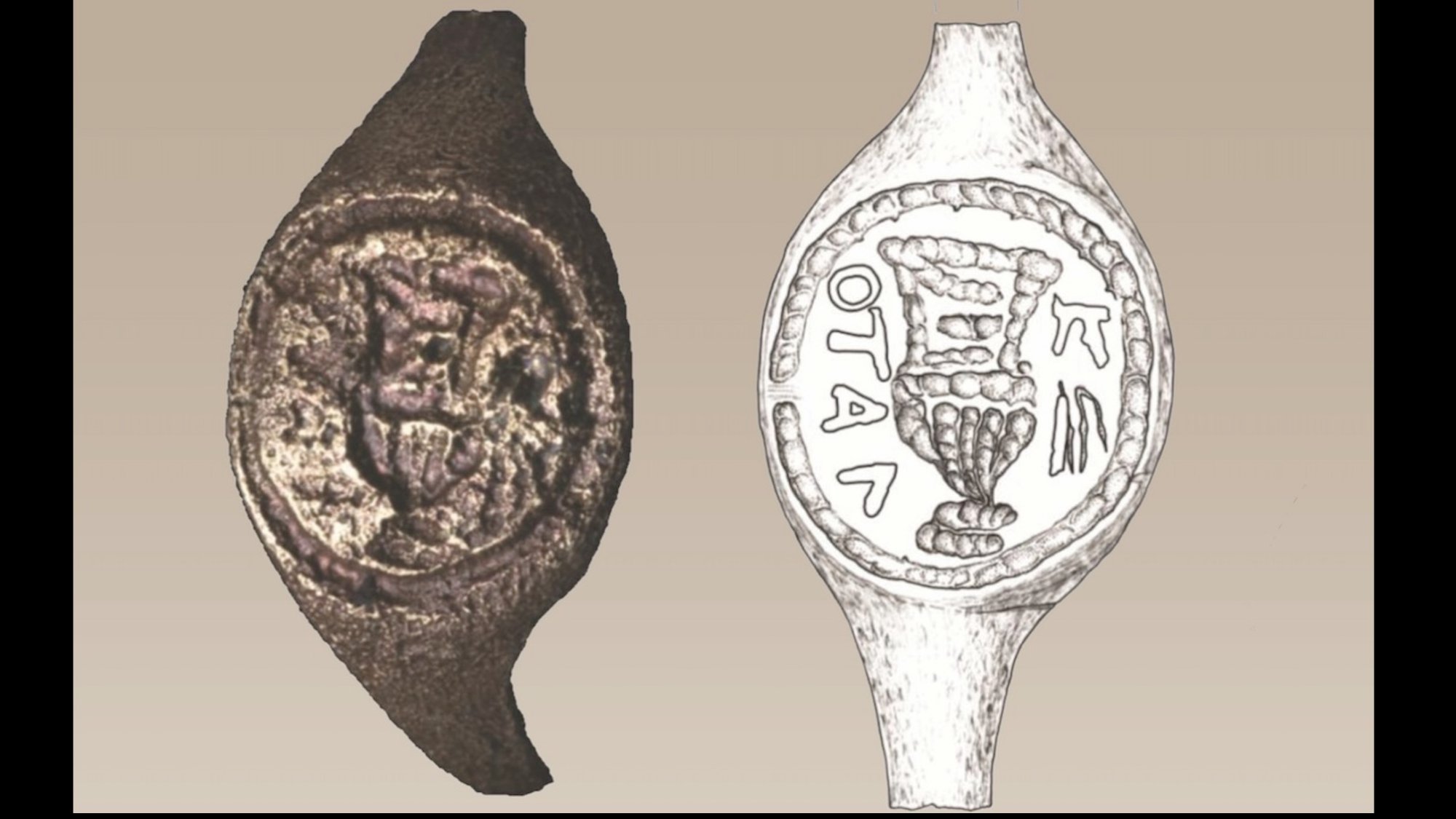
Based on their analysis, researchers initially argued a copper alloy ring’s engraved Greek lettering (ΠΙΛΑΤO) and image of a vase tied the accessory either to Pontius Pilate, or someone who worked in the New Testament figure’s administration.

The theory made international headlines while also receiving a heavy dose of criticism. Another group of scholars eventually refuted the claims in 2023, contending the ring had no connection to anyone named Pilate. In their view, the image separating the letters Π and Ι from Λ, Α, Τ and Ο denoted two separate words.

Archeologists suggested the ring was supposed to feature the name ΠΙΛΑΤΟY—the Greek translation of PILATI, or “belonging to Pilate.”But for whatever reason, the engraver left off the “Y.” It was around then that Bonesho first learned about the ring’s existence—and this theory—through a social media post.

“After talking with a friend of mine about it, I commented on the post that maybe it was Latin written in Greek letters,” Bonesho, a historian of ancient Judaism at the University of California, Los Angeles (UCLA) recalled in a recent profile.

It’s all Greek to me

A separate scholarly article cited her suggestion, which eventually spurred Bonesho’s own investigation. After analyzing digital images and renderings of the ring, Bonesho now believes whoever engraved it wasn’t trying to fit two separate words on the face. Nor were they discarding a “Y” to save space. Instead, they were attempting to fit ΠΙΛΑΤO around the vessel relief, which was possibly engraved on the ring by an earlier artisan. The second engraver may have also accidentally created a tiny defect that required them to break up Pilate’s name.As for the letters themselves, Bonesho thinks the ring’s maker mistakenly swapped the Latin long “o” vowel with the similar looking Greek omicron. Basically, she thinks it’s a 2,000-year-old typo. 

“The mixing up of omicron and omega for long and short ‘O’ vowels in transliterating Latin into Greek is common among early Latin language learners,” Bonesho contended. “They might have thought, ‘It looks like an O, and I have an O in front of me—why not just use the O?’”

Under these parameters, the ring technically should say “ΠΙΛΑΤΩ,” which means “to” or “for” Pilate. If true, then the wearer wasn’t a man named Pilate, but a subordinate or enslaved person under his oversight who used the ring as a wax or clay seal for various materials and documents. The theory is further bolstered by the jewelry’s material,Copper alloy was considered a cheaper metal at the time, and usually only worn by lower status individuals.

Bonesho said this latest interpretation doesn’t lessen the artifact’s historical importance. If anything, it imbues it with more nuance and context.

“Complexity often gets lost in popular narratives of how things worked at that time,” she said. “But understanding the ring gives us more insight into what the Roman administration of early Roman Judea looked like.”

The post Ancient ring supposedly tied to Pontius Pilate may include a typo appeared first on Popular Science.
  •  

High school students spot two spiral galaxies colliding in Hawaiian constellation

High school students interning at an observatory in Hawaii have successfully imaged a pair of colliding spiral galaxies located deep within overlapping cultural constellations. Formally classified as NGC 7253, the two galaxies are over 200 million light-years away, and reside in both Pegasus and Ka Lupe o Kawelo, or “The Kite of Kawelo.”

“NGC 7253 is a fascinating object because it’s two galaxies that are merging into one over billions of years,” said Project Hōkūlani intern Raiyan Rahman. “But we mainly picked this object because it was one of the few that actually lay within a Hawaiian constellation.”

Rahman and the other students from Waiākea High School and the Volcano School of Arts and Sciences spent one week in fall 2025 at the Gemini North Hilo Base Facility in Hilo to learn more about observatory operations, astronomy, and identify a deep space subject to study using the facility’s telescope. They selected NGC 7253 for its location inside a major navigational constellation utilized by Hawaiian sailors for generations.

Despite being separated by four million light-years, the gravitational pull inside NGC 7253 is strong enough that the two cosmic neighborhoods are on an inescapable collision course. Over a period of about one billion years, the spiral galaxies will smash into each other and merge into a single amalgamation. When this finally occurs, its spiral arms will generate a massive uptick in star formations. These newborn stellar objects will then ionize nearby hydrogen gas to form H II regions. In the image compiled by the high schoolers, these H II regions are already visible in the areas of bright pink light.

Earlier this summer, another three students from Keaʻau High School and Kamehameha Schools also participated in Project Hōkūlani. Continuing on the work of their predecessors, they decided on an official name for NGC 7253—Nā ʻUhane Māhoe Huki Pū i ke Ola, which roughly translates to “The Twin Spirits Pulling Together Creating Life.”

“After spending so much time on Maunakea, it was important to us to pick something that was both culturally and astronomically significant,” added Rahman.

The post High school students spot two spiral galaxies colliding in Hawaiian constellation appeared first on Popular Science.
  •  

Restroom Archive gives public bathrooms their due

People generally want to spend as little time as possible in a public restroom. The vulnerability, the crass graffiti, the (lack of) cleanliness, uncomfortable toilet seats—the list of reasons is lengthy. But despite their infamy, public bathrooms remain an absolute societal necessity that deserve much more appreciation. At least, that’s what designer Jake Welch believes.

“There is perhaps no space in society which better captures the creativity and impertinence of humans when they know that nobody else is watching,” Welch explains in the description for his ongoing Restroom Archive project.

Although he admits the Restroom Archive started as a joke in 2023, he officially launched the site last year. It already features nearly 100 bathrooms, including amenities found in restaurants, gas stations, coffee shops, and various other public spaces in 36 cities across the United States and Europe.

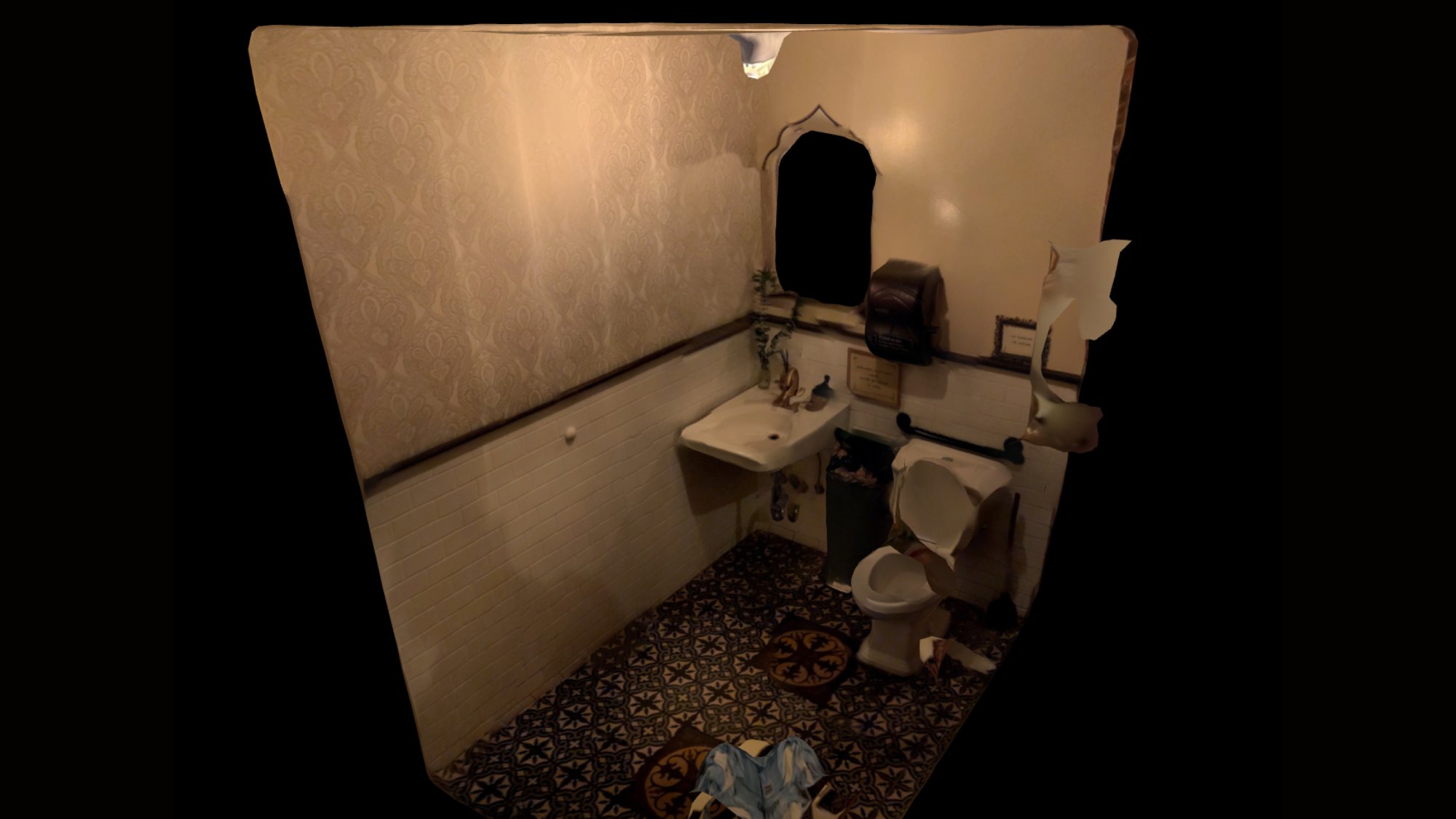
Welch isn’t a one-man urinal investigation unit, however. Almost 250 archivists have contributed to the project so far, and anyone is welcome to help document this wide and weird subsection of urban planning. As long as you can provide a 3D scan of a bathroom. While scanning a building’s interior may sound technical, Restroom Archive includes a quick how-to section on the website. The easiest way is to download a LIDAR-based smartphone app called Polycam to digitally map each space, but Welch offers a couple alternative routes, as well. Volunteers then tag the bathroom’s location and provide a brief description of the lavatory itself.

“This compact stall has white painted cinder block walls and a speckled tile floor with an open top with a pale yellow door trimmed in a brick red,” reads one entry for a graffiti-covered faculty bathroom in the Fine Arts building at Spain’s University of the Basque Country.

“A sign in the back left of the stall encourages users in Spanish and Basque to ‘not leave evidence’ on the toilet seat,” the uploader added.

The post Restroom Archive gives public bathrooms their due appeared first on Popular Science.
  •  

One of the rarest dimes in the U.S. sells for $1.25 million

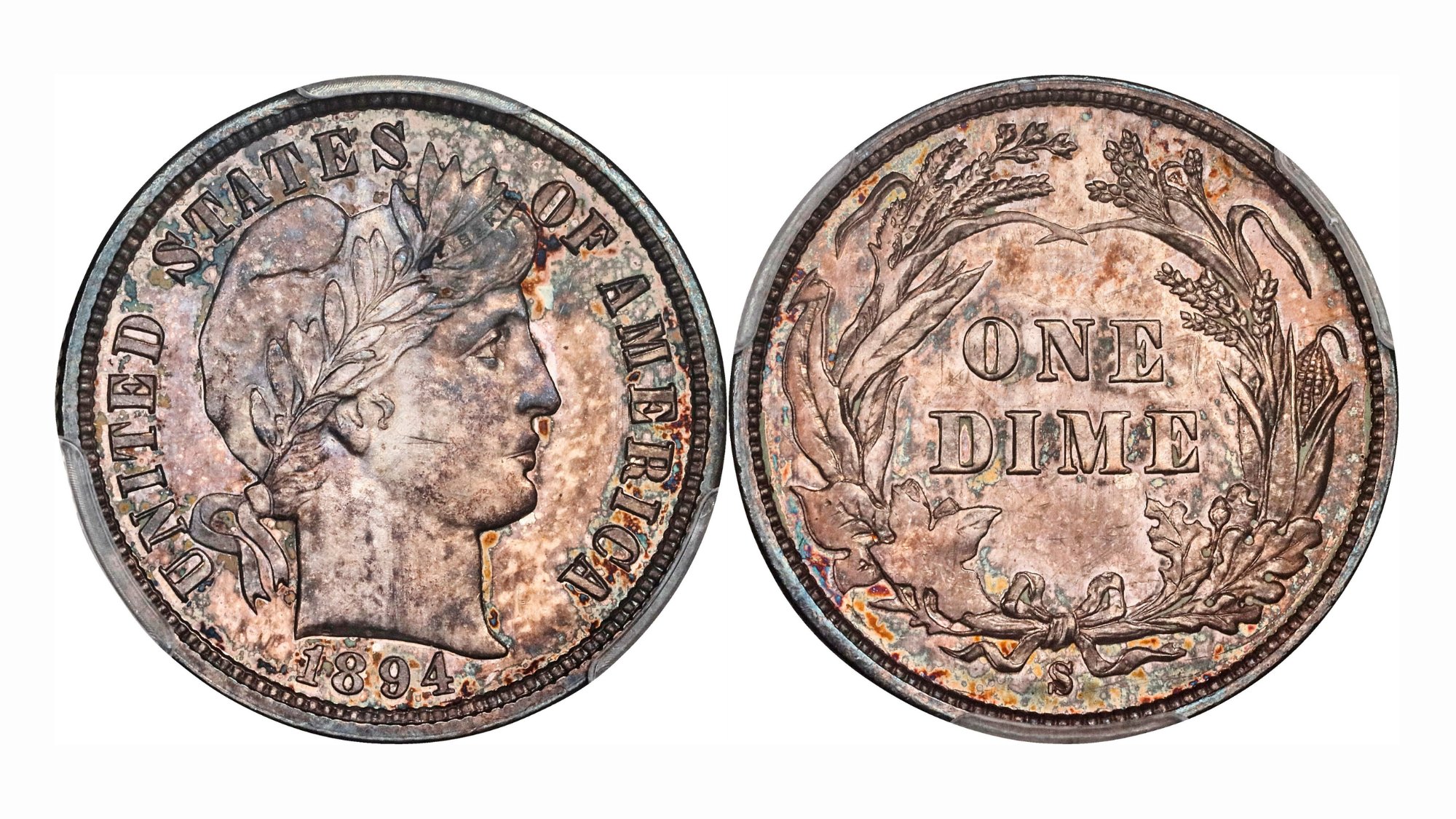
A rare dime that inadvertently launched one of most successful coin collecting careers in history has sold for an astounding $1.25 million. The coveted 1894 S-Dime was auctioned during Stack’s Bowers Galleries “Rarities Night” on September 1, and was this particular coin’s fourth auction appearance. Known as a Barber Dime for its designer, United States Bureau of the Mint Chief Engraver Charles E. Barber, only 24 of the 10-cent pieces were ever manufactured. Of those, just nine are known to still exist, making them exceptionally coveted by collectors. The Barber Dime is also ranked fourth in the widely used 100 Greatest U.S. Coins reference guide.

Coincidentally, Stack’s Bowers is named after one of those very collectors. In 1957, a 19-year-old Dave Bowers successfully bid on the same Barber Dime auctioned earlier this month. Bowers made international headlines given his age, and the idea that anyone would pay $4,750 for a dime. He soon leveraged both to help launch his own career in numismatism. Bowers resold the 1894 S-Dime for $6,000 in 1960, before later moving between a handful of other collectors.

There are multiple conflicting stories to explain why the 1894 S-Dime is so rare, although they all tie back in one way or another to the Panic of 1893. Within a year of its onset, the economic depression practically eradicated the need to mint any new coinage for months. Some historians allege the dimes are a result of the San Francisco Mint needing to melt $2.40 in leftover silver, while other experts claim the Mint’s superintendent made the coins as gifts for his daughter and a handful of banker friends. Regardless of the true origin story, only nine Barber Dimes are accounted for today.

Unlike the current U.S. dime’s design featuring Franklin D. Roosevelt, Barber dimes showcase a portrait of Lady Liberty on the front along with the words “One Dime” above another wreath on the back.

The post One of the rarest dimes in the U.S. sells for $1.25 million appeared first on Popular Science.
  •  

Your smartwatch may be overestimating calories burned by 25 percent

One of a smartwatch’s main selling points can be its ability to track the calories burned while exercising. But similar to the health tech industry’s “10,000 steps” selling point, new research strongly suggests a wearable’s workout assessment may overestimate your efforts—and in some cases, the readings are off by as much as 25 percent.

“You can’t treat the calories burned number it gives you as an accurate number, because it’s not,” Florida International University kinesiologist Jason Kostrna said during a recent profile.

Kostrna and his colleagues compared four of the most popular fitness wearables on the market: the Apple Watch Series 8, Samsung Galaxy Watch 5, Fitbit Sense 2, and Garmin Forerunner 955 against clinical-grade measurement equipment. They then asked 58 adult volunteers to use a stationary bike during a controlled workout session, while alternating between moderate and intense activity. Their results were simultaneously recorded by one of the commercially available wearables, as well as a COSMED K5 metabolic analyzer. For reference, COSMED fitness equipment can be seen during James Bond’s physiology assessment scene in the 2012 film Skyfall.

According to results recently published in the journal PLOS One, smartwatch calorie overestimations ranged between 15 and 25 percent. Apple was the most comparatively accurate, while Garmin and Samsung offered the most generous results. Meanwhile, the researchers needed to discard Fitbit from their trial entirely because the device repeatedly glitched during experiments. In some instances the Fitbit recorded a single calorie burned during an entire workout, or even failed to generate any assessment.

To put the larger findings in perspective: if your wearable claims you burned 500 calories at the gym, that number may be much closer to 350 calories. This may not seem too serious, but the errors can easily add up over time.

“You could be hundreds of calories off each week and easily end up in a calorie surplus when you think you’re in a calorie deficit,” said Kostrna.

Tests also consistently indicated that smartwatches become less accurate for wearers with higher body fat percentages. The exact reason is still unclear, but Kostrna’s team suspects the issue may stem from how each device’s algorithms are calculated. This information is often highly guarded from public scrutiny by the tech companies themselves.

“When the companies are developing those algorithms, we don’t know where the test data is coming from,” Kostrna explained. ” That’s why I think it’s beneficial for the companies to see this type of data, so they can refine their products over time.”

However, this doesn’t mean the devices are completely useless. Their caloric measurements should just be taken as generous estimates. Researchers suggest treating a reading as a best case scenario after each workout, while people with higher body fat index may want to view the actual numbers even more conservatively. At the same time, the study’s authors warn against solutions like more aggressive dieting, since the body still requires healthy foods to recharge and improve. In any case, Kostrna stressed that calorie monitoring should only be one part of a person’s larger fitness goals.

“Focus on how you’re feeling, and use data to get a little better over time,” he suggested.

The post Your smartwatch may be overestimating calories burned by 25 percent appeared first on Popular Science.
  •  

Japan’s continuing bear problems can’t be solved by culling alone

Japan’s bears are still causing problems. The hefty predators continue to stray from mountainous forests in search of food, putting them in direct contact with the nation’s rapidly aging and dwindling population. According to the country’s Environment Ministry, bears have killed six people across the country since April 1, while a record 13 victims died during the previous fiscal year. It’s gotten so bad that Japan called in the armed forces to help, and companies are even running out of their popular robotic wolf deterrents.

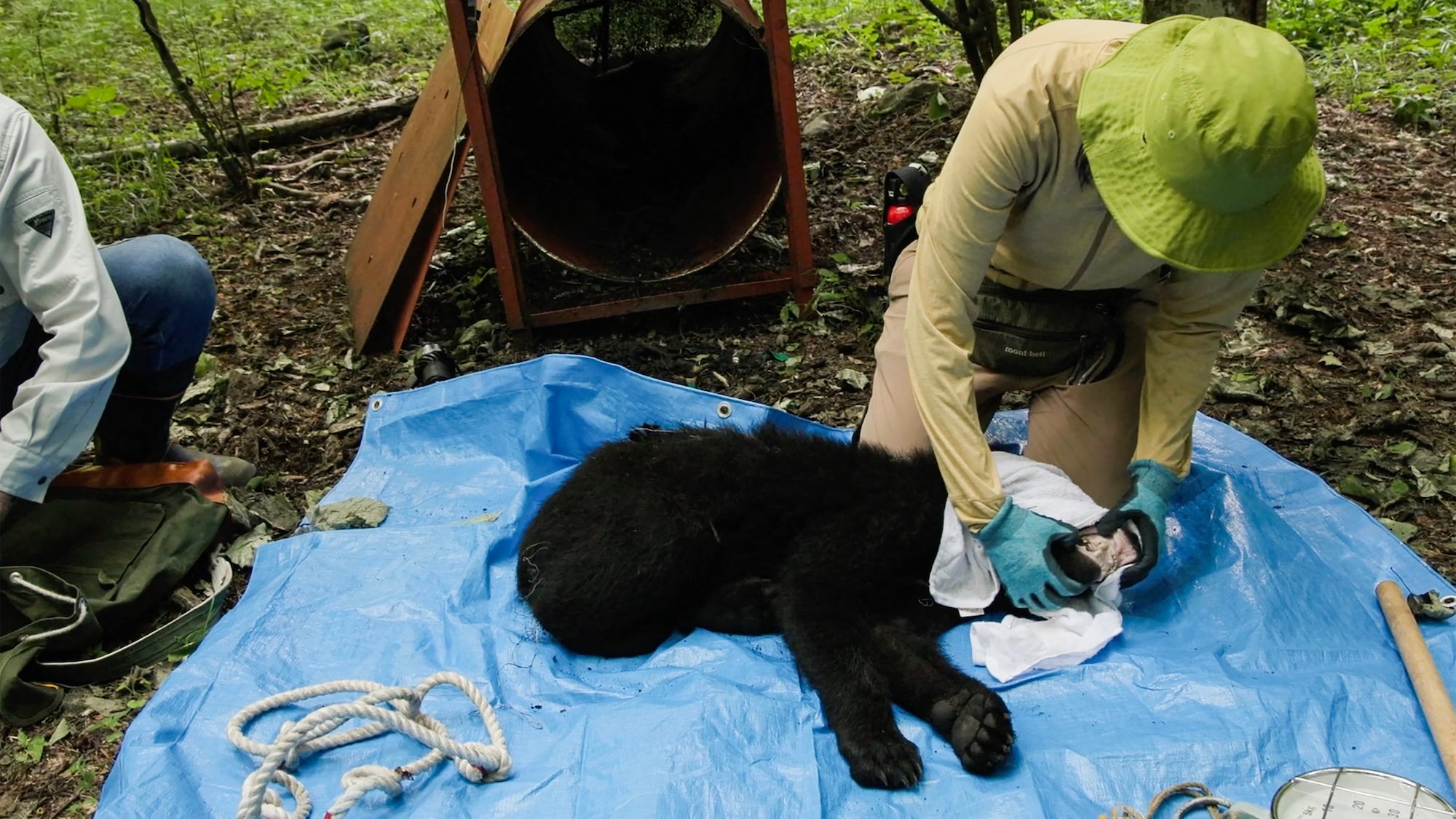
Culling strategies are reducing bear numbers, with around 14,000 killed during the last fiscal year. But in the central prefecture of Nagano on the main island of Honshū, conservationists are promoting a different approach to keeping both humans and bears safe. Using a combination of sensors, traps, and GPS monitoring, researchers are avoiding unnecessarily killing bears while improving the overall population’s wellbeing at the same time.

“By not killing too many of them, more bears survive to live out their expected lifespan. In that sense, a healthy bear population is being formed,” biologist Akiko Takii explained in a recent interview with AFP.

Takii is participating in a program with an over 30 year head start. In 1995, local authorities discovered bear numbers suddenly shrinking on Honshū, and slowly enacted new strategies like GPS monitoring and installing over 2,000 miles of fencing. But concerns for the animals have dwindled in recent years, as attacks and deaths continue to mount across Japan. 

Takii and her supporters argue that simply culling bears is not a practical, ethical, or necessarily long-term solution strategy. Instead, members of Nagano’s Shinshu Asian Black Bear Research Association are using catch-and-release tactics to monitor animal movements and keep locals out of harm’s way. Meanwhile, Takii is overseeing school outreach classes to educate children and their parents about bears, as well as humanity’s relationship to them. While a combination of culling and conservation is likely the path forward, advocates like Takii hope officials will see the added benefits of humane interventions

“I am convinced it’s safe to live with them as long as humans don’t offend them,” a school principal recently told AFP , following one of Takii’s presentations.

The post Japan’s continuing bear problems can’t be solved by culling alone appeared first on Popular Science.
  •  

Two-headed snake pottery suggests ancient Roman mystery cult spanned over 2,000 miles

A recently excavated, 2,000-year-old ancient Roman artifact suggests that followers of secretive cult were more widespread than historians initially thought. Based on findings recently detailed in the journal Antiquity, a skyfather named Sabazios from present-day Turkey boasted worshippers as far away as northeastern Spain.

Ancient Rome’s primary pantheon of deities like Jupiter, Minerva, Juno, Mars, and Vulcan are fairly well-known today. But for every Apollo or Neptune, there were hundreds of minor gods and goddesses worshipped across the vast empire. These entities often evolved in diversity and complexity depending on regional influences and traditions.

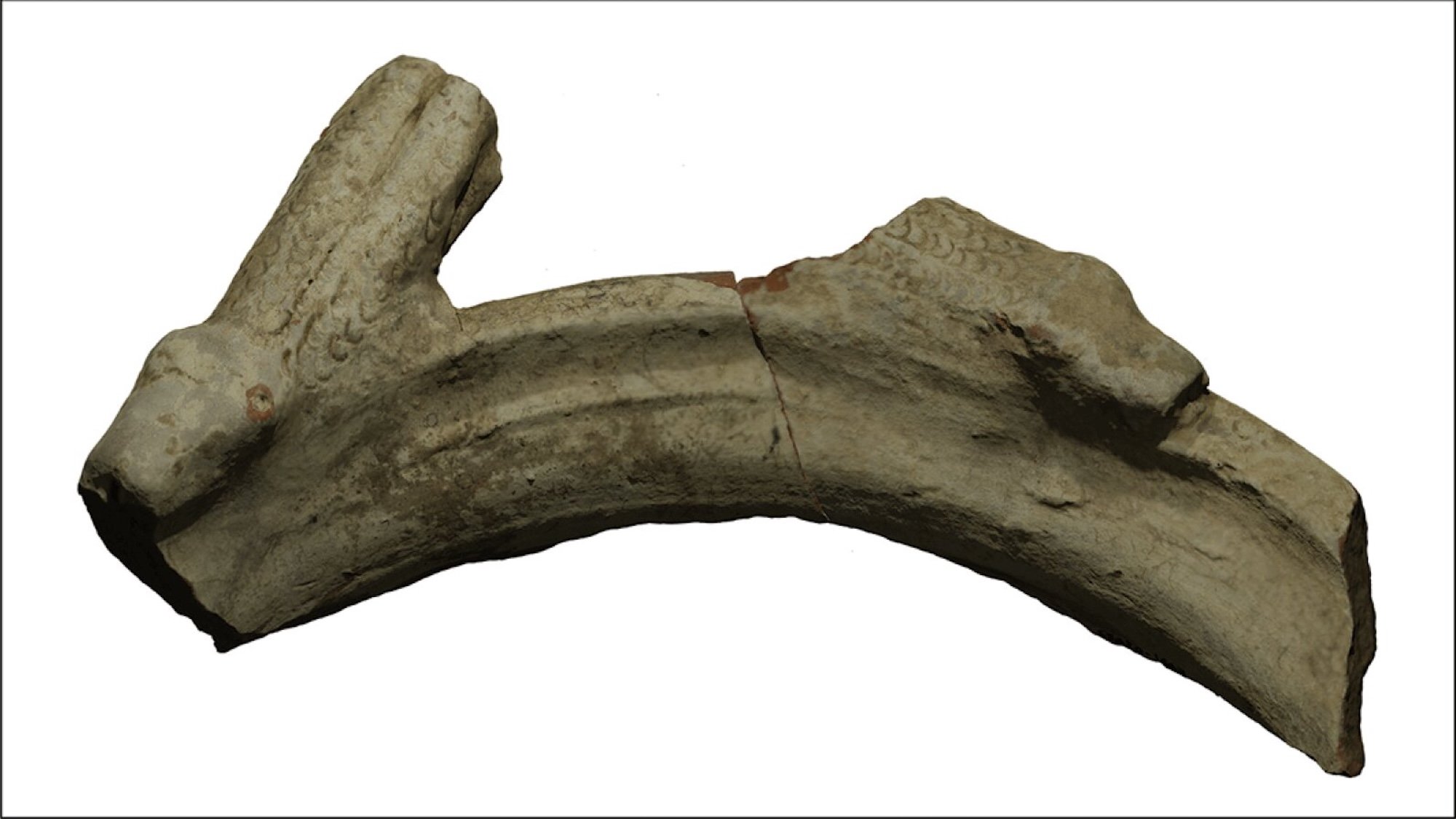
While digging at the site of a Roman villa about 200 miles east of Madrid in Spain, archaeologists from the University of Girona discovered a striking artifact that points to a similarly mysterious cult that existed in the area around 2,000 years ago. Pottery fragments featuring a handle crafted to resemble a two-headed snake suggest at least some locals dedicated themselves to the god Sabazios. While minor religious groups were common at the time, the deity’s location makes the find particularly interesting. The skyfather horseman Sabazios traces back to Thrace and Phrygia, regions located about 2,000 away, across present-day Turkey and the Balkans.

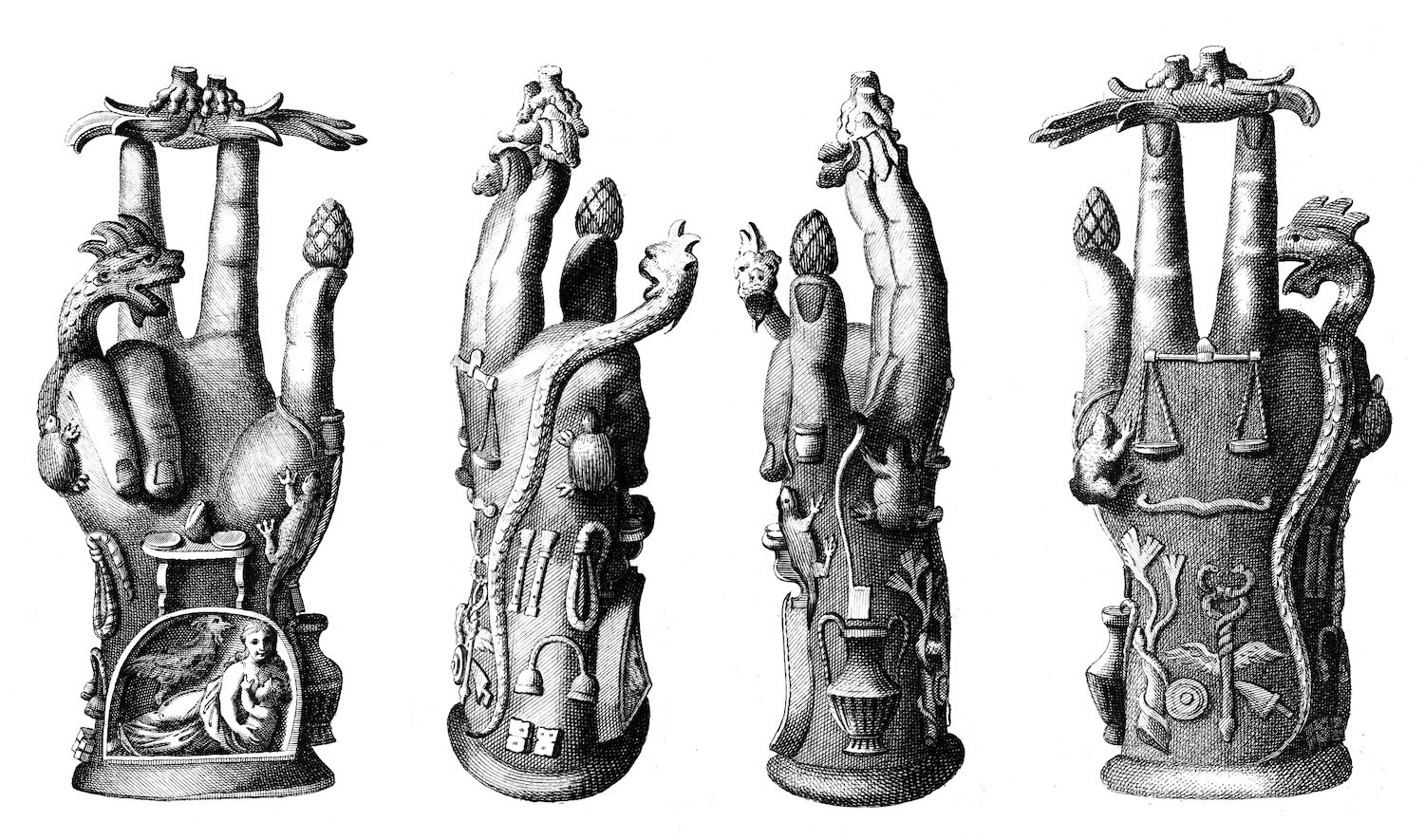
Illustration of a hand of Sabazios votive seen at various angles
Sabazios was often represented with a votive hand decorated with various iconic embellishments. Credit: Alcuni monumenti del Museo Carrafa

Sabazios’ origins date back at least 3,000 years, and likely solidified as migrating Indo-European Phrygians settled in Anatolia, Turkey. Despite always being depicted on horseback and wielding a staff of power, ancient Greeks came to associate the sky god with both Zeus and Dionysus. Followers of Sabazios may have even come into conflict with Indigenous Phrygians who worshipped a mother goddess named Cybele. Historians cite the poet Homer, who wrote of a young Priam’s alliance with the Phrygians against the Amazons.

Sabazios remained associated with Jupiter as well as Mercury amid the Roman era, and was most commonly symbolized by small brass or copper votives crafted into hands and decorated with numerous symbolic embellishments like pinecones, rings, and lightning bolts. However, historians are still unsure about the exact meaning behind these images.

Archaeological layers and surrounding artifacts indicate the Roman villa vessel dates back to around the reign of Emperor Augustus between 27 BCE and 14 CE. Mineral analysis could not conclusively identify the pot’s geographic origins, but certain details indicate it may have come from North Africa.

Snakes are a common religious motif across ancient Rome and were associated with multiple deities, including Mithras. Despite this, the researchers still believe the pottery shards likely reference Sabazios based on previous finds at nearby sites. Archaeologists identified a portable bronze triptych with two of its three panels still intact inside of a tomb in present-day Catalonia dating to the same era. The triptych’s central image is Sabrazios surrounded by his cultic symbols.

While there is no clear explanation for how the worship of Sabazios traveled from central Asia, the study’s authors suggest a wandering priest from an eastern province operated in the region at the time. At some point, residents of the villa then incorporated the once foreign god into their private worship at home. If true, the discovery could dramatically expand the known reach of even the more obscure Roman cults.

“Apparently minor cults were not confined to restricted areas, but could have constituted extensive cultic networks within the wider Roman empire,” the study’s authors wrote.

The post Two-headed snake pottery suggests ancient Roman mystery cult spanned over 2,000 miles appeared first on Popular Science.
  •  

National Parks commemorate ties to WWII ahead of 85th Pearl Harbor anniversary

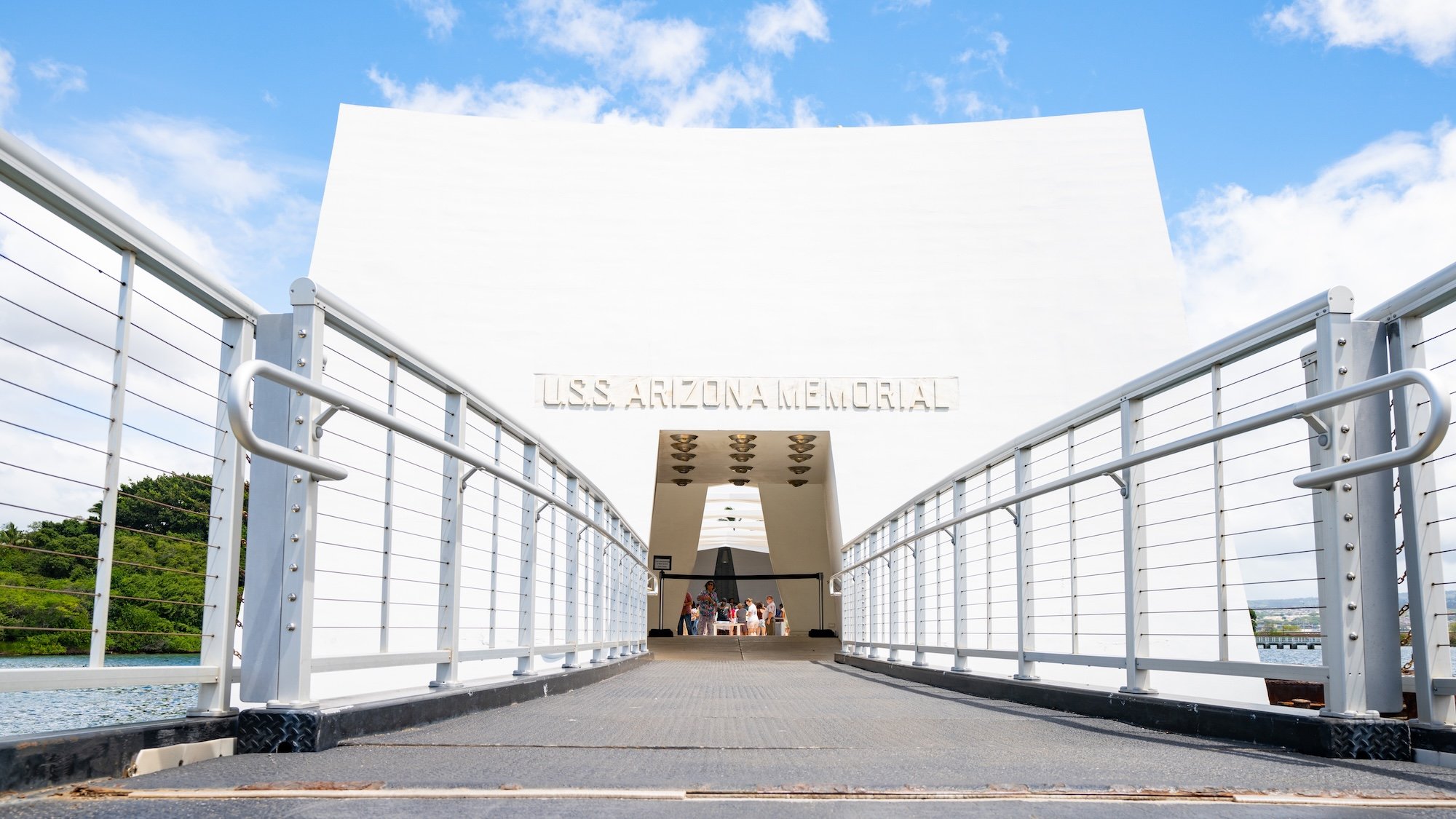
The United States’ 63 official National Parks are often renowned for their natural beauty, but many of them are also hubs of history. To help honor both the country’s 250th birthday and the upcoming 85th anniversary of the attack on Pearl Harbor, more than a dozen locations are participating in World War II Across America’s National Parks. According to a recent announcement, three parks from around the country will highlight “different parts of America’s wartime story, including both triumphs and tragedies” every week leading up to December 7.

“This list of parks is by no means exclusive, nor are the stories that will be shared,” park representatives wrote on social media. “They represent just a fraction of the war’s impact on our parks and the nation, with many of those impacts still felt today.”

While the project began with the Pearl Harbor National Memorial itself, the two subsequent entries are arguably lesser known for their relationships to WWII—Governors Island National Monument in New York and Golden Gate Recreation Area in California.

An eastern military headquarters

Located in New York Harbor near Lower Manhattan, Governors Island National Monument commemorates the location of the Eastern Theater of Operations, later renamed the Eastern Defense Command in 1942. The U.S. established the military headquarters here two weeks after the attack on Pearl Harbor. This headquarters oversaw protecting the then 40 states, Washington D.C., as well as Army bases in Bermuda, Iceland, Greenland, and Newfoundland. 

Governors Island also oversaw New York City’s defensive brownouts and blackouts to guard residents against any suspected aerial bombardments.

New York, UNITED STATES: Governors Island is pictured 11 May 2006 in New York harbor with lower Manhattan (L) in background. According to the National Park Service, Governors Island was the command headquarters and military post for the United States Army from 1794 until 1966. From 1966 to 1996 it was the US Coast Guard?s largest and most complex installation. In 2003, the island was sold and transferred to two parties: 22 acres, designated as the Governors Island National Monument, to the US Secretary of the Interior, and managed by the National Park Service; and 150 acres to the Governors Island Preservation and Education Corporation, a corporation formed jointly by the State and City of New York. Today, city, state and federal agencies are in the planning stages of converting this former military installation into new public parkland. AFP PHOTO/Stan HONDA (Photo credit should read STAN HONDA/AFP via Getty Images)
According to the National Park Service, Governors Island was the command headquarters and military post for the United States Army from 1794 until 1966. From 1966 to 1996 it was the US Coast Guard’s largest and most complex installation. Credit: STAN HONDA/AFP via Getty Images STAN HONDA

Anti-submarine nets, blackouts, and other domestic defences

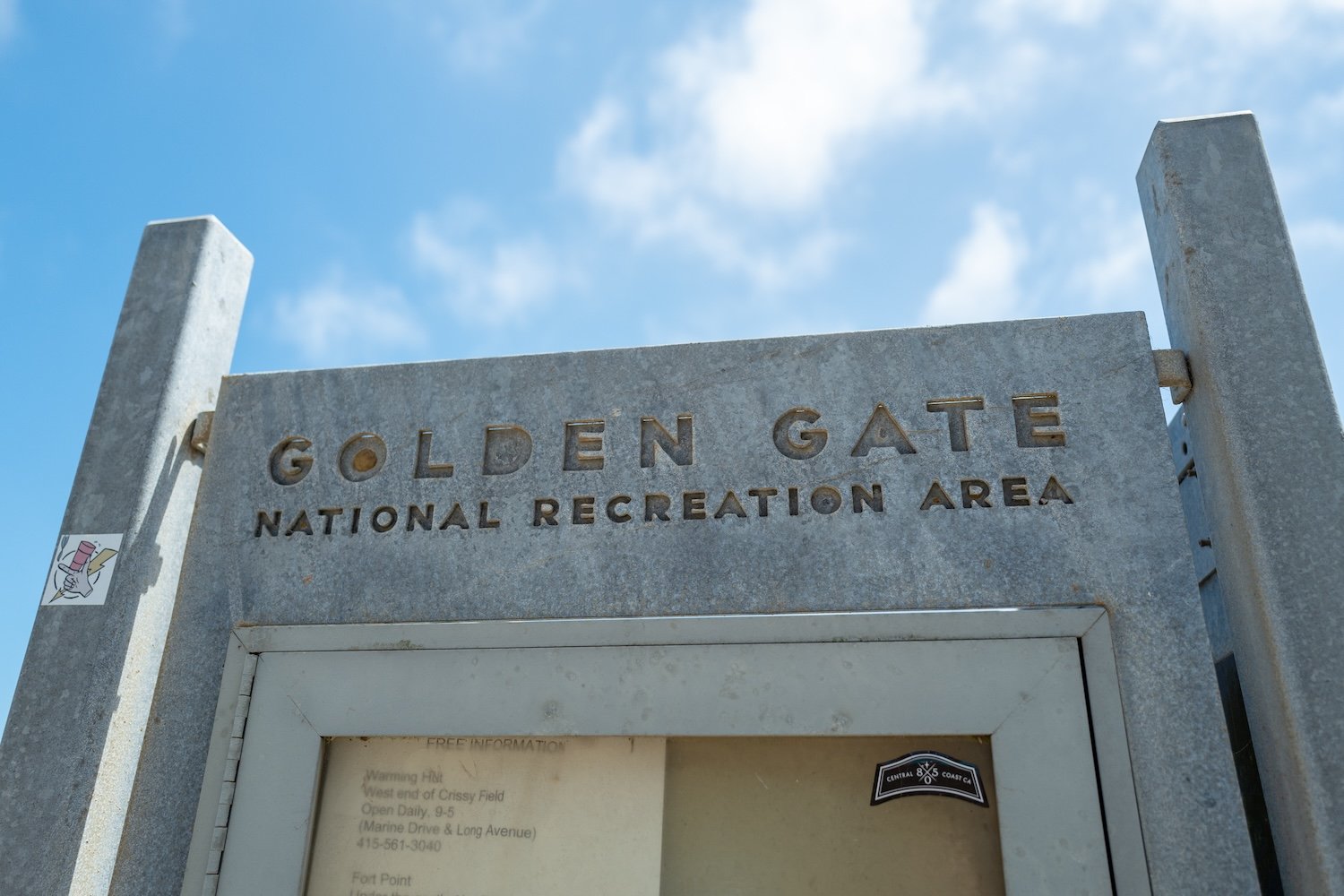
On the other side of the country,the Golden Gate Recreation Area, was vital to the West Coast’s domestic defense during WWII. At the newly established Fort Cronkhite, thousands of troops in the Harbor Defenses of San Francisco mandated evening blackouts around the Bay Area, while maintaining an anti-submarine net, anti-aircraft weapons, and 600 underwater mines. The fort also included two 500-pound battery guns that were ready to aim at any potential incoming enemy naval vessels. Even today, many of the site’s hastily built, temporary wooden structures are still used by non-profit and educational park partners.

Sign for Golden Gate National Recreation Area near Crissy Field, in the Presidio, San Francisco, California, June 28, 2020. (Photo by Smith Collection/Gado/Getty Images)
A sign for Golden Gate National Recreation Area near Crissy Field, in the Presidio, San Francisco, California. Credit: Smith Collection/Gado via Getty Images Smith Collection/Gado

To keep up with the series, the National Park Service recommends following the #WWIINPS and #Freedom250 hashtags on social media. Next up for celebration: the Redwood National and State Parks.

The post National Parks commemorate ties to WWII ahead of 85th Pearl Harbor anniversary appeared first on Popular Science.
  •  

Rainbow Serpent rock art grew larger as Europeans colonized Aboriginal Australia

Few entities from Australia’s Aboriginal cultures are more powerful than a Rainbow Serpent. Often likened to an archetypal mother goddess, the beings are associated with concepts like creation and chaos. Rainbow Serpents even possess the ability to fold the cosmos itself (often known as Dreamtime) to blend the past and the present. While stone wall paintings and rock arrangements of Rainbow Serpents across Australia date back hundreds of years, many examples of these revered deities apparently experienced a major growth spurt beginning during the 19th century.

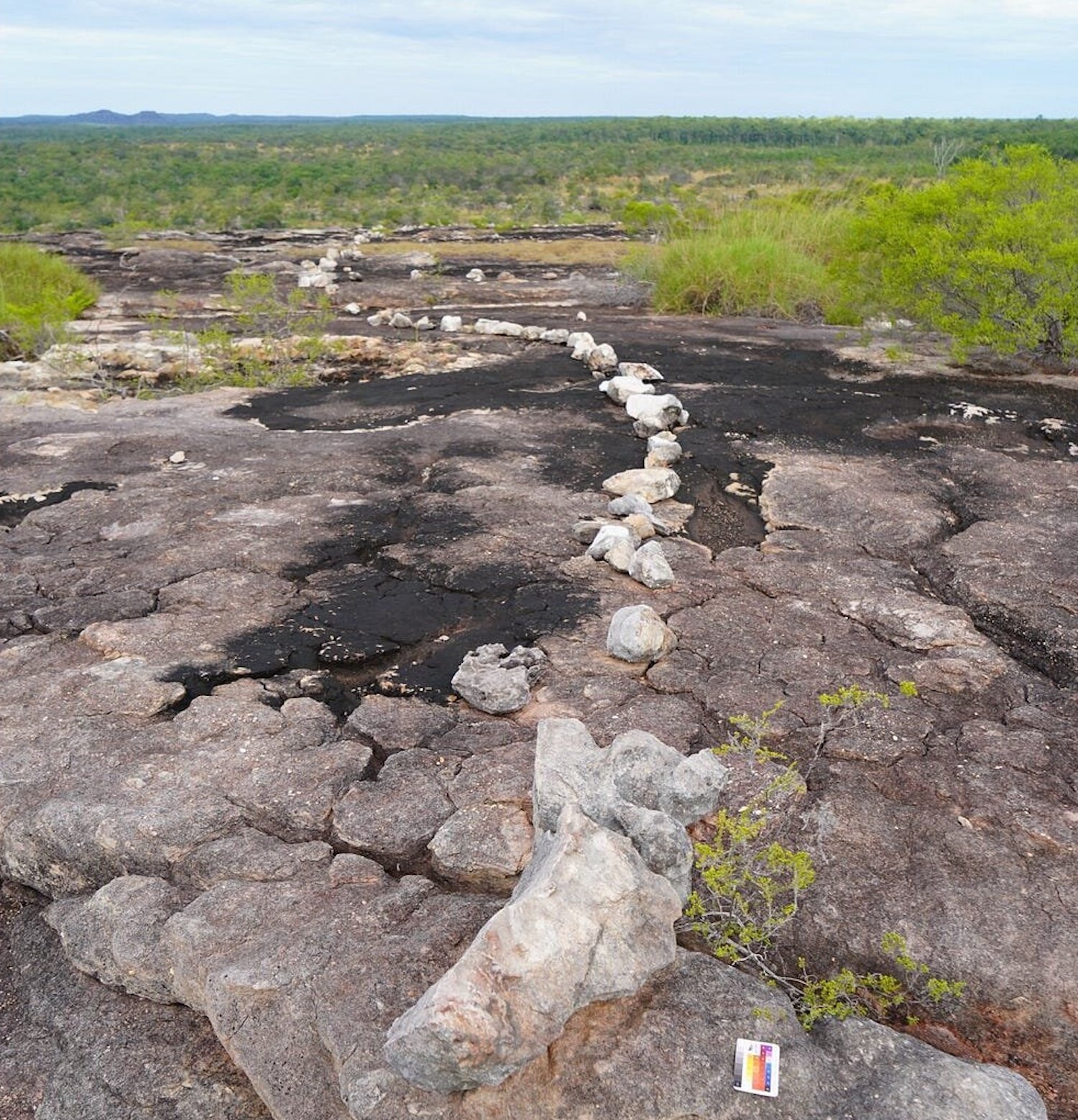
“We could see from the shape of [it] with a large head-like stone at the end of a winding neck attached to a large body outlined with stones, that it resembled some paintings of Rainbow Serpents,” Paul Taçon, an archaeologist at Queensland’s Griffith University, said about a 407-foot-long rock arrangement near Awunbarna (Mount Borradaile) in northern Australia.

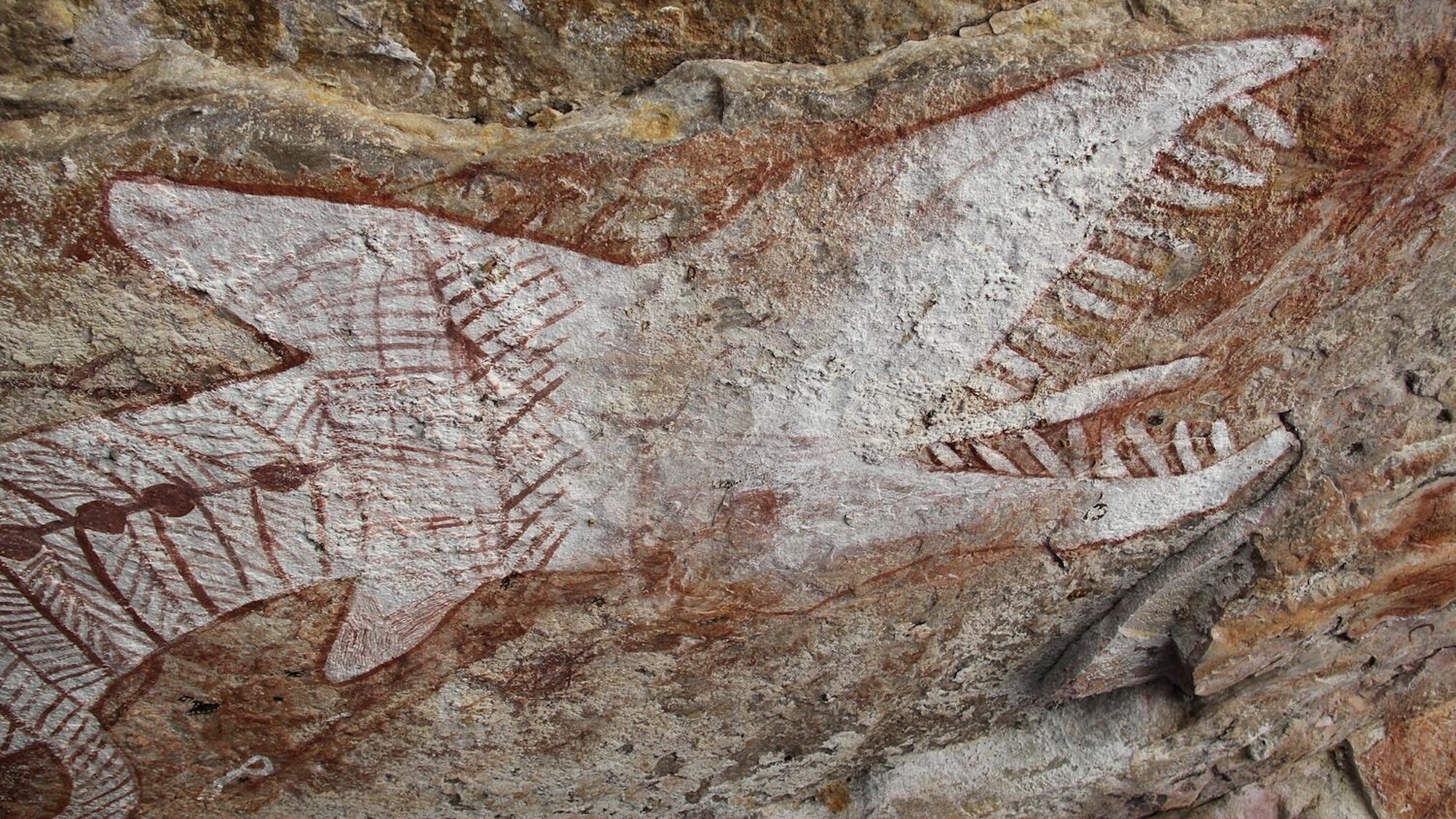
Taçon and his colleagues worked in partnership with local Amurdak representatives to meticulously document 165 archaeological locales across the region. In addition to 29 Rainbow Serpents found at 21 sites, the team also examined depictions of seven-foot-long pythons, life-sized kangaroos and crocodiles, Australia’s only known baleen whale rock art, and even a giant man measuring over seven feet tall.

Stones formed in the shape of a Rainbow Serpent in Australia
A stone arrangement of a Rainbow Serpent is around 407 feet long. Credit: Paul Taçon

Although much of the art wasn’t available for radiocarbon dating, Aboriginal creators painted many of the Rainbow Serpents using white pipe clay that starts fading after only a few decades. Combined with other historical accounts and data, Taçon’s team now believes they can explain all of the elongated Rainbow Serpents. According to their recent study published in the journal Australian Archaeology, the desire to illustrate larger animals and other revered beings in art was a direct response to European colonization.

Awunbarna itself also supports this theory, since the region served as a nexus for trading, social gatherings, and religious ceremonies for multiple Aboriginal groups for generations. The area was also one of the initial places to experience colonial buffalo hunting during the latter half of the 19th century, making its inhabitants some of the first communities to endure European pressures on the environment. In some cases, Aboriginal artists even painted Rainbow Serpents and other mythically charged animals over or next to depictions of European firearms and sailing vessels. Archaeologists believe these depictions were communal attempts to reassert autonomy, authority, and tradition amid violent external threats.

Today, these cultural echoes remain vital reminders of an era marked by intense upheaval and Aboriginal erasure. But even centuries later, Rainbow Serpent artwork like a 407-foot-long stone protector Taçon spotted near Awunbarna remains as impactful as ever.

“I thought to myself, ‘Wow! This is one of the largest Rainbow Serpent paintings I have seen in 40 years of Arnhem Land rock art fieldwork,’” he recalled. “And look at those teeth and tongue!”

The post Rainbow Serpent rock art grew larger as Europeans colonized Aboriginal Australia appeared first on Popular Science.
  •  

Biologists discover why snake embryos always coil to the right

When it’s time to finally greet the world, snakes emerge from their shells with the longest bodies of any vertebrate animal. This remarkable evolutionary achievement is only possible due to their limber gestational contortions. Snake embryos develop in a tight spiral, and these early stage coils always form dextrally, or towards the right. But how (and why) the reptiles consistently favor this right angle has baffled biologists for years.

“There is a touch of mystery to spirals,” explained University of British Columbia zoologist Alexandra Weber. “We are only beginning to understand how these shapes are produced in animals, such as our looping intestine, snail shells, and now these beautifully coiled snake embryos.”

Weber and an international team of scientists finally have an answer. As they explain in a study published today in the journal Current Biology, it all has to do with a snake’s gut.

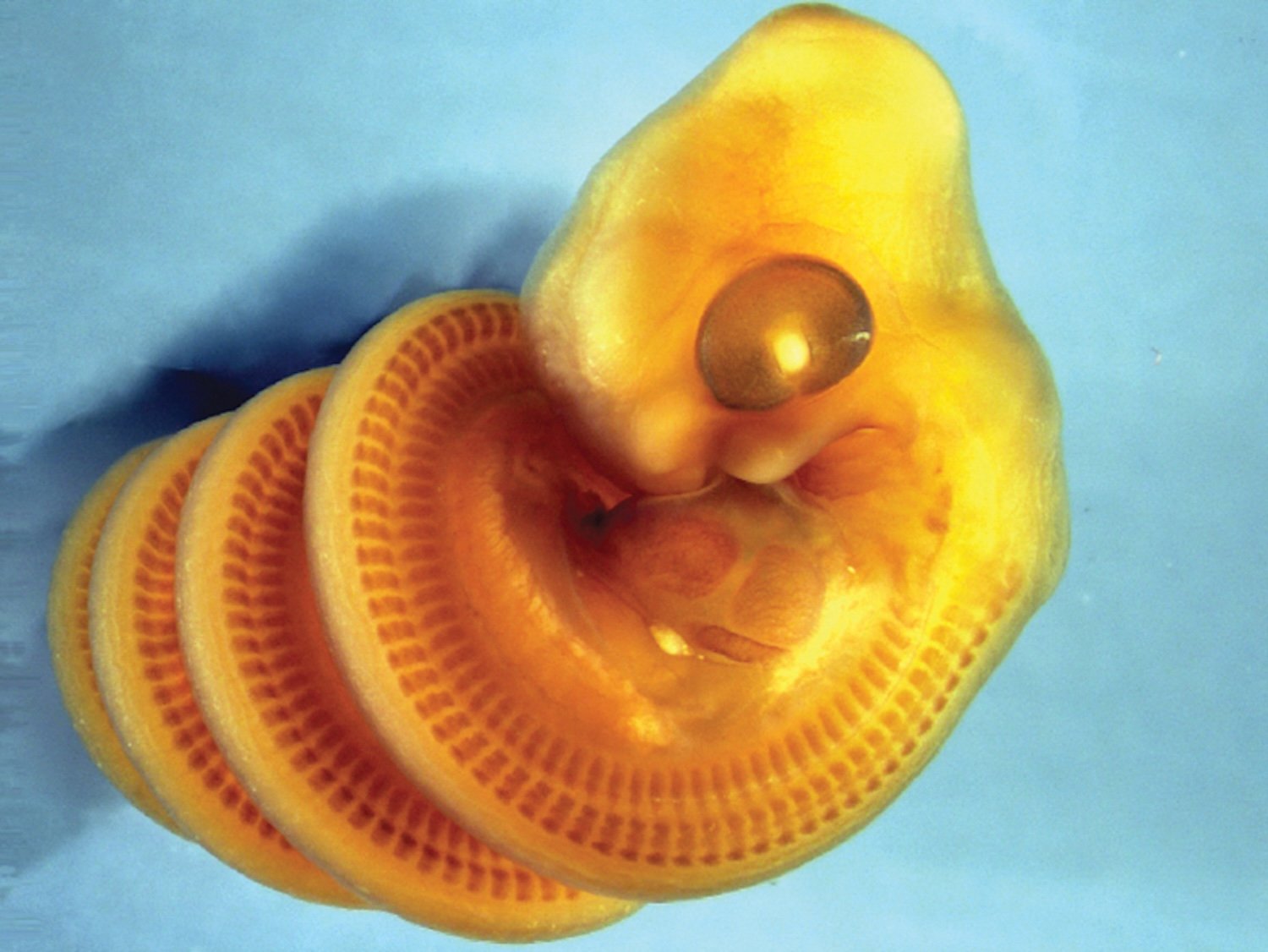
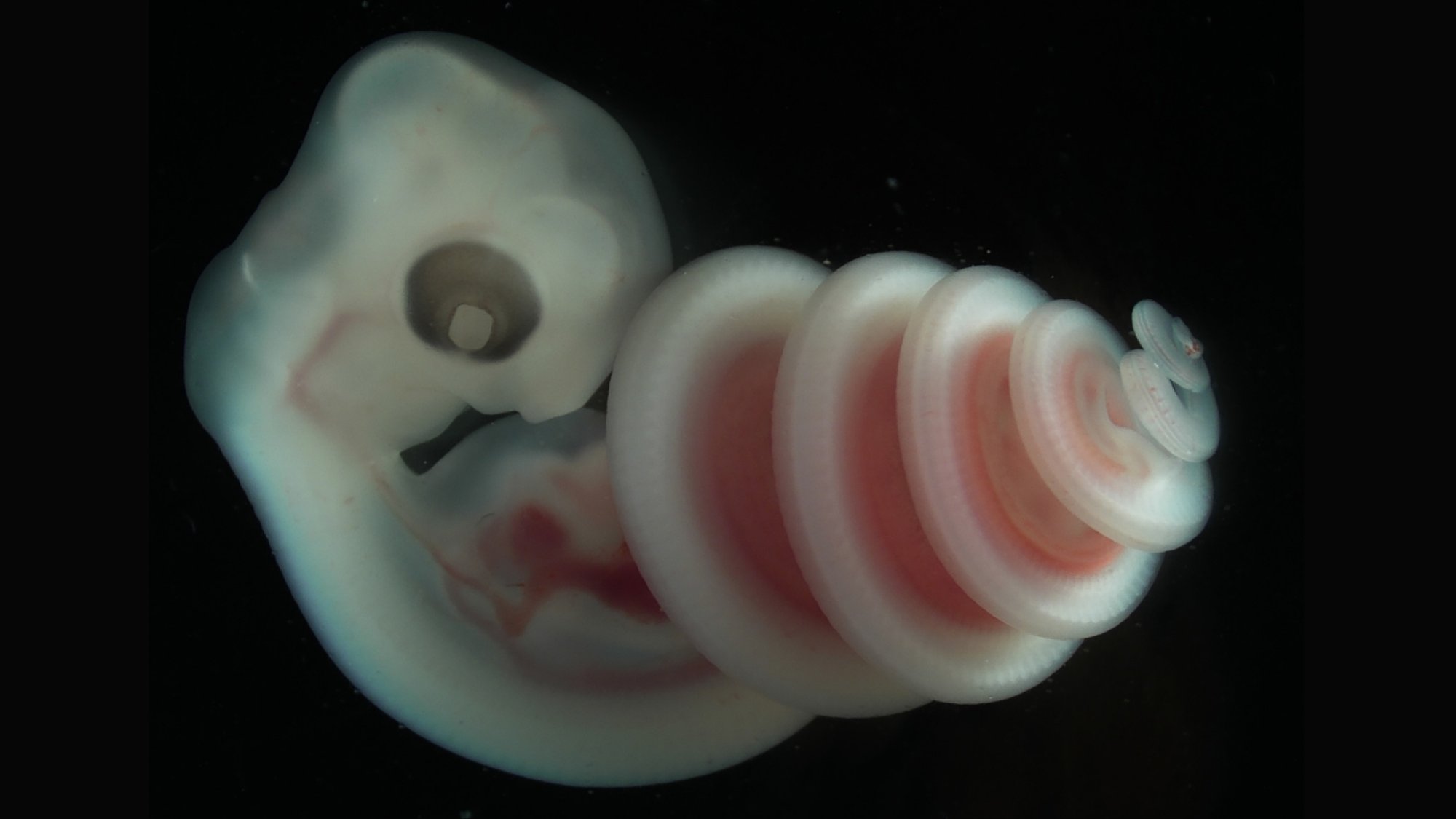
An embryo of Cape house snake (Boaedon capensis) stained to show developing muscle blocks in the trunk. The embryo shows right-handed coiling. Credit: Raul Diaz / California State University Los Angeles

The investigation kicked off during the COVID pandemic lockdowns of 2020. At the time, an evolutionary biologist and study co-author at the Canadian Museum of Nature in Ottawa named Tetsuto Miyashita was struggling to envision a remote research project for his students. He eventually recalled his PhD advisor’s deep interest in evolutionary asymmetries, particularly when it came to snakes. 

“Every time I saw images of snake embryos in papers, I wondered whether they are right- or left-handed in their coiling,” said Miyashita.

After sending out a request call to various museums, Miyashita and his students amassed images of over 900 embryos from 39 snake and other limbless reptile species. They then meticulously reviewed all of them and saw a striking biological pattern. Snakes began their right-handed coiling within the first few weeks of embryonic development—but they were doing it before they had any muscles.

“Different forces are making them coil…but we didn’t know what’s making them do that,” said Weber.

CT scans began to fill in the gaps, revealing a previously unidentified biological structure: an intestine located outside the embryo’s body, but enveloped by blood vessels stretching from the yolk. According to Miyashita, this “pillar of gut” slowly detaches from the yolk while tethering the elongating body.

As the snake embryo develops, it twists into a coil on the opposite side of the yolk. And since the yolks are always on the left side of the embryo, the snake coils rightward. Miyashita likens the dynamics to adjusting a strap’s length so that the longer, buckling loop always twists. Snakes eventually gain the ability to wriggle as the embryo matures and its muscles develop. Once this occurs, around half of the late-stage spiraling bodies recoil to the left. 

Many evolutionary biologists previously focused on detailed snake genetic analysis to explain their unique anatomies, which importantly helped explain many of their attributes. Miyashita is thankful for these “key discoveries,” but noted how answers sometimes can be found thanks to simple observation skills.

“Out of the COVID lockdown, we uncovered a snake’s secret with a startlingly simple approach,” he said. “Just scroll through an album of snake embryos and record which way they are coiled, and take a good look at their anatomy.”

The post Biologists discover why snake embryos always coil to the right appeared first on Popular Science.
  •  
❌