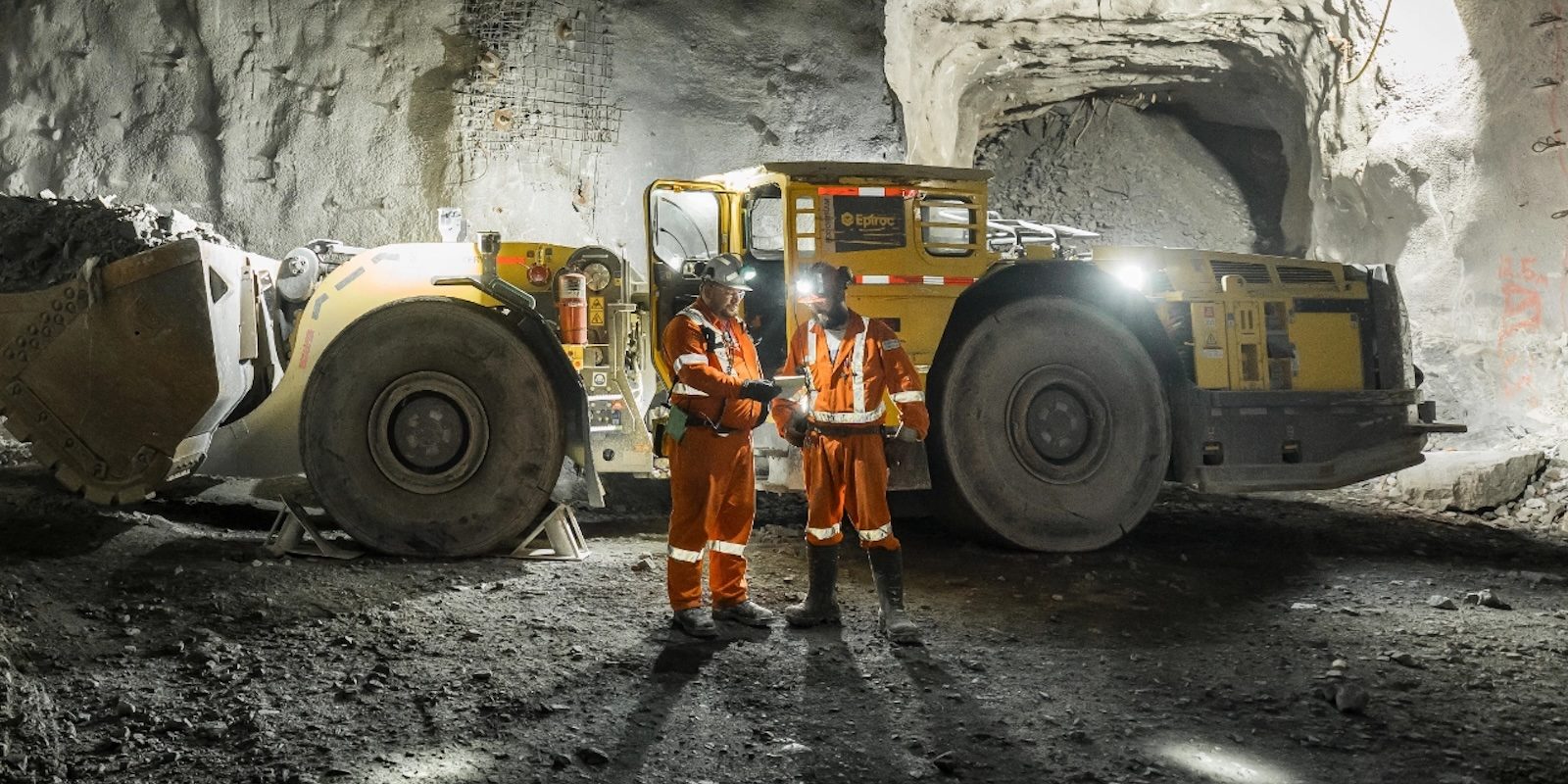
There’s an impossible amount of good-looking girls in Sudbury, and an equally impressive wealth of high-grade nickel and copper ore living “just” 8,500 feet below the town’s surface, too – and Glencore Canada is sending a bunch of big EVs down to get it.
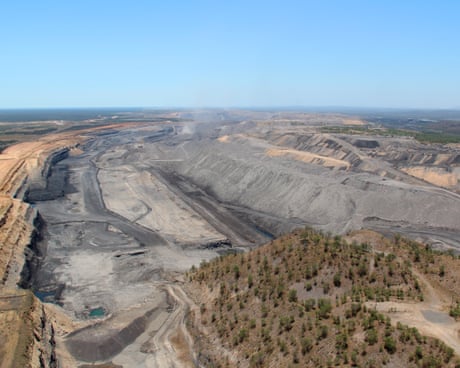
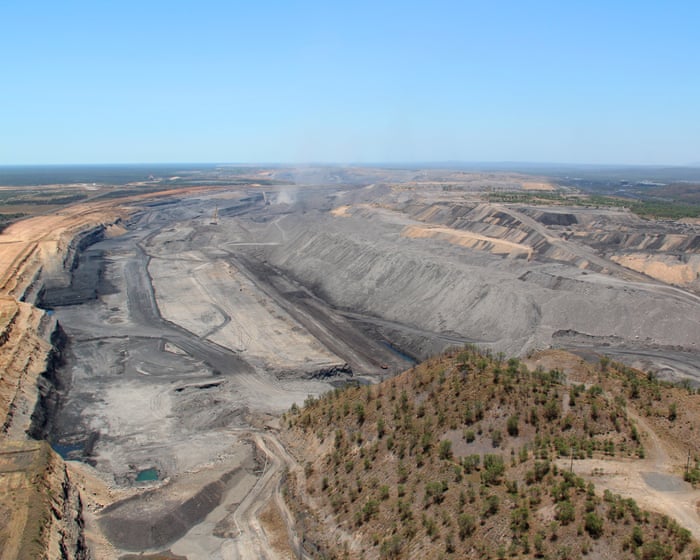
Australia’s new national agency for environmental protection has approved its first coal project, allowing a Queensland open-cut mine to keep digging until 2055 while clearing threatened woodland and koala habitat.
The confirmation of the extension of the Saraji mine, which digs and exports coal for steel making, comes after the prime minister, Anthony Albanese, denied this week there was tension over Australia’s fossil fuel exports during talks with Pacific leaders.
As part of its nuclear fusion processes, the Sun produces a particularly interesting isotope of helium, known as helium-3. Some of this helium-3 escapes the Sun's gravitational pull as part of the solar wind, a stream of charged particles that emanates out across the Solar System.
Over billions of years, this wind has bombarded every body in the vicinity of the Sun, including Earth's Moon. Lacking a magnetic field or atmosphere, the Moon's surface has no barrier to prevent the constant flow of this wind.
This means that helium-3 has been striking the lunar soil, or regolith, for a long time. These helium ions penetrate only a little way into the individual grains of this soil, but periodically meteorites have struck the lunar surface to churn the soil, mixing some of this helium-3 a little below the surface.

 Login