❌

Reading view

Backwards-walking fish caught on video in the South China Sea

The deep-sea is filled with weird creatures: goblin sharks (Mitsukurina owstoni), vampire squid (Vampyroteuthis infernalis), and… walking fish? For the first known time, a team of scientists in China filmed a strange, shrimp-like fish walking backward along the seafloor. 

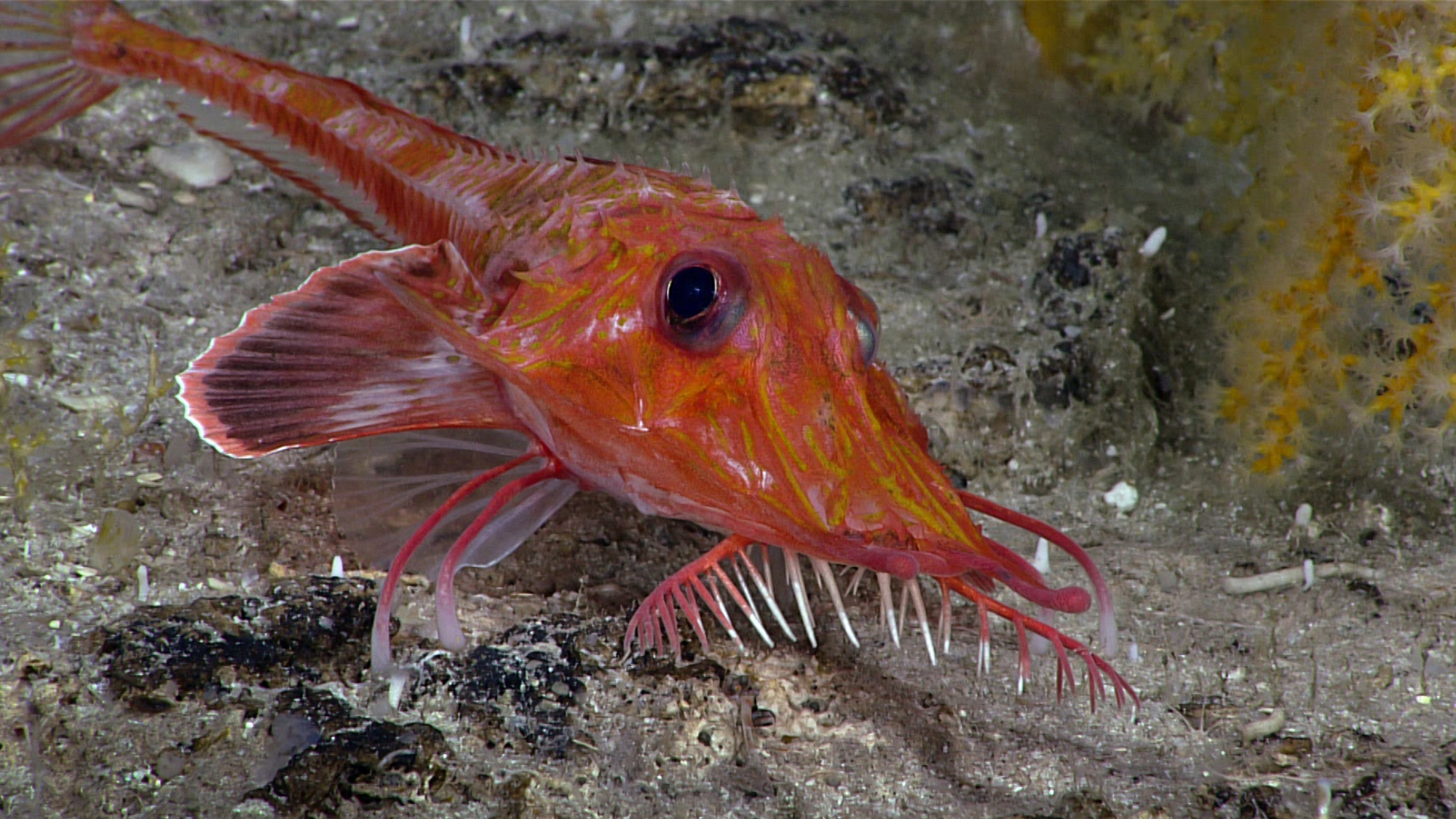
The fish, Scalicus engyceros, is a species of armored searobin, a group of fish known for  weird anatomy. Their bodies are  covered in bony plates, while stiff free fin rays stick out of its pectoral rays like tiny legs it can use to “walk.” 

The new study, published in the journal Ocean-Land-Atmosphere Research, not only provides video evidence of the animal’s sea-floor strolls, but it also marks the first time backwards locomotion has been described in fish. 

“[Our] study delivers a paradigm-shifting revelation: the deep-sea fish Scalicus engyceros, a representative of fishes characterized by highly specialized free pectoral-fin rays, is among the few fish species known to walk,” said Han Tian, a postdoctoral researcher at Sun Yat-sen University in Guangzhou, in a statement. 

The video was taken from a deep-sea diving vehicle in the northern South China Sea that also helped the researchers observe the fish’s other unique traits. It has outward-extending barbels that resemble a farmer’s rake. While the barbel makes it awkward for the fish to walk, it provides “an advantage in probing, digging, or hunting for food buried in the sediment,” according to the team. 

Like other deep-sea creatures, Scalicus engyceros also has large eyes. The researchers note that the fish did not seem to react to the approaching vehicle, but it did appear to react to its light beam before swimming away. This suggests its eyes have at least some sensitivity to light, perhaps pointing to the fish not having lived in this habitat for very long. 

While there’s still much to learn about this mysterious creature, advancements in technology are helping scientists better understand the life way beneath our oceans’ surface. 

“Modern deep-sea diving vehicles allow not only discovery of new species but also add a new in situ, functional dimension to the study of species based solely on the morphology of preserved specimens,” said Tian. 

“By observing deep sea animals alive in their surrounding environment, we can gain insight into the adaptation and evolution of the species. These walking fish harbor far more novel behavioral and evolutionary adaptations than previously assumed.”

The post Backwards-walking fish caught on video in the South China Sea appeared first on Popular Science.
  •  

Nearly 500 animals rescued from trafficking arrive at a California aquarium

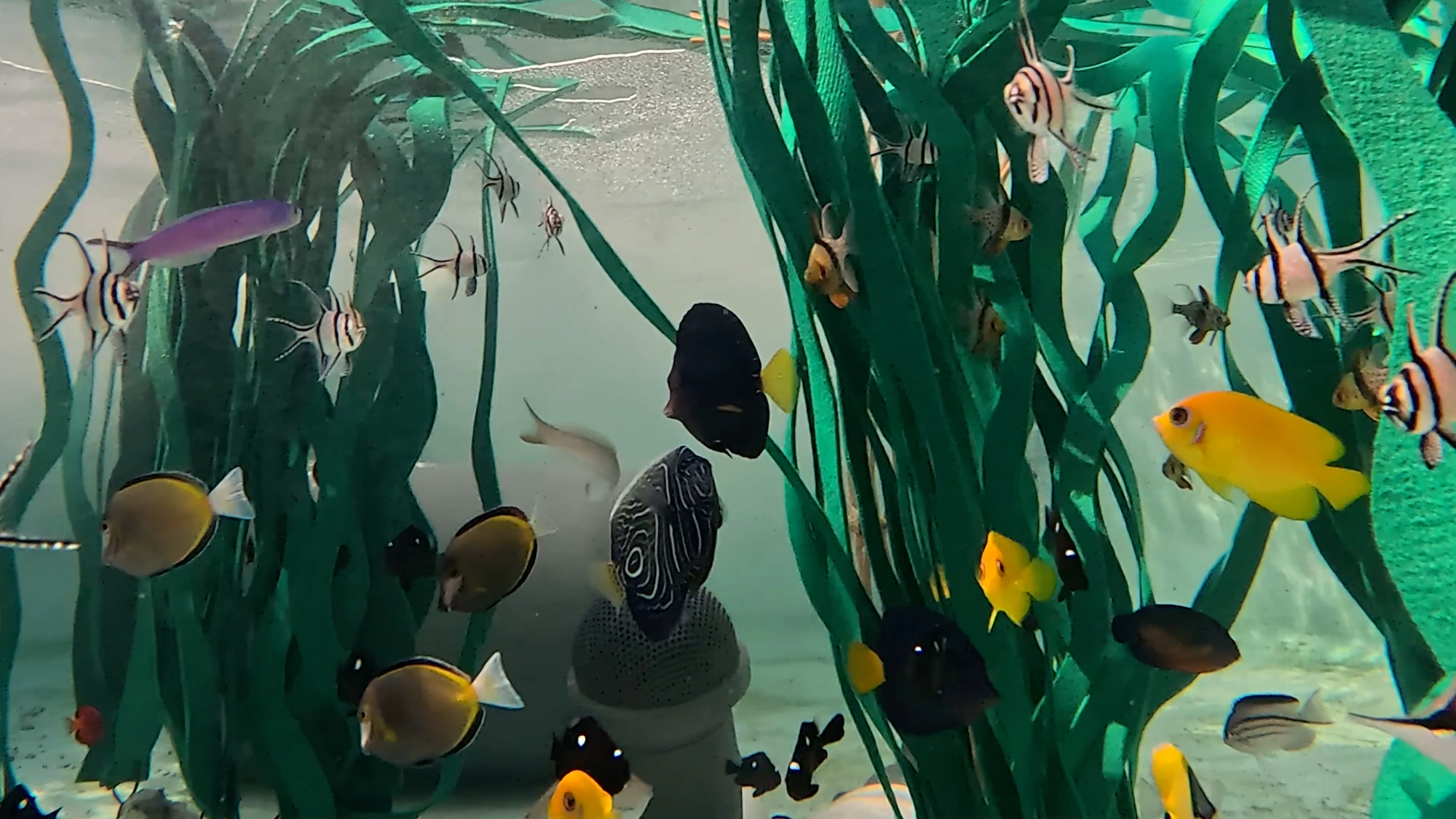
On June 19, the Aquarium of the Pacific took in almost 500 animals in one go. Fish, marine invertebrates, and sharks were all brought into the facility in Long Beach, California, but the aquarium hadn’t just gone on some big marine shopping spree. 

These animals were rescued from animal trafficking, and were in urgent need of a home. At the aquarium, the staff worked through the night to stabilize and care for them. 

“Every animal that arrives at the Aquarium, whether through a carefully planned acquisition or a last-minute confiscation, receives the same high standard of care. What can differ is the condition in which those animals arrive,” Johnathan Casey, Aquarium of the Pacific curator of fish and invertebrates, tells Popular Science. 

Many trafficked animals have been traveling in stressful or poor conditions, so the aquarium’s experts immediately check their physical condition, water quality, and individual needs. They usually know little about an animal’s origin or history, so the team needs to be prepared for anything. The rescued animals are also quarantined to avoid the potential spread of diseases, according to Alyssa Tillman, the assistant curator of fish and invertebrates. 

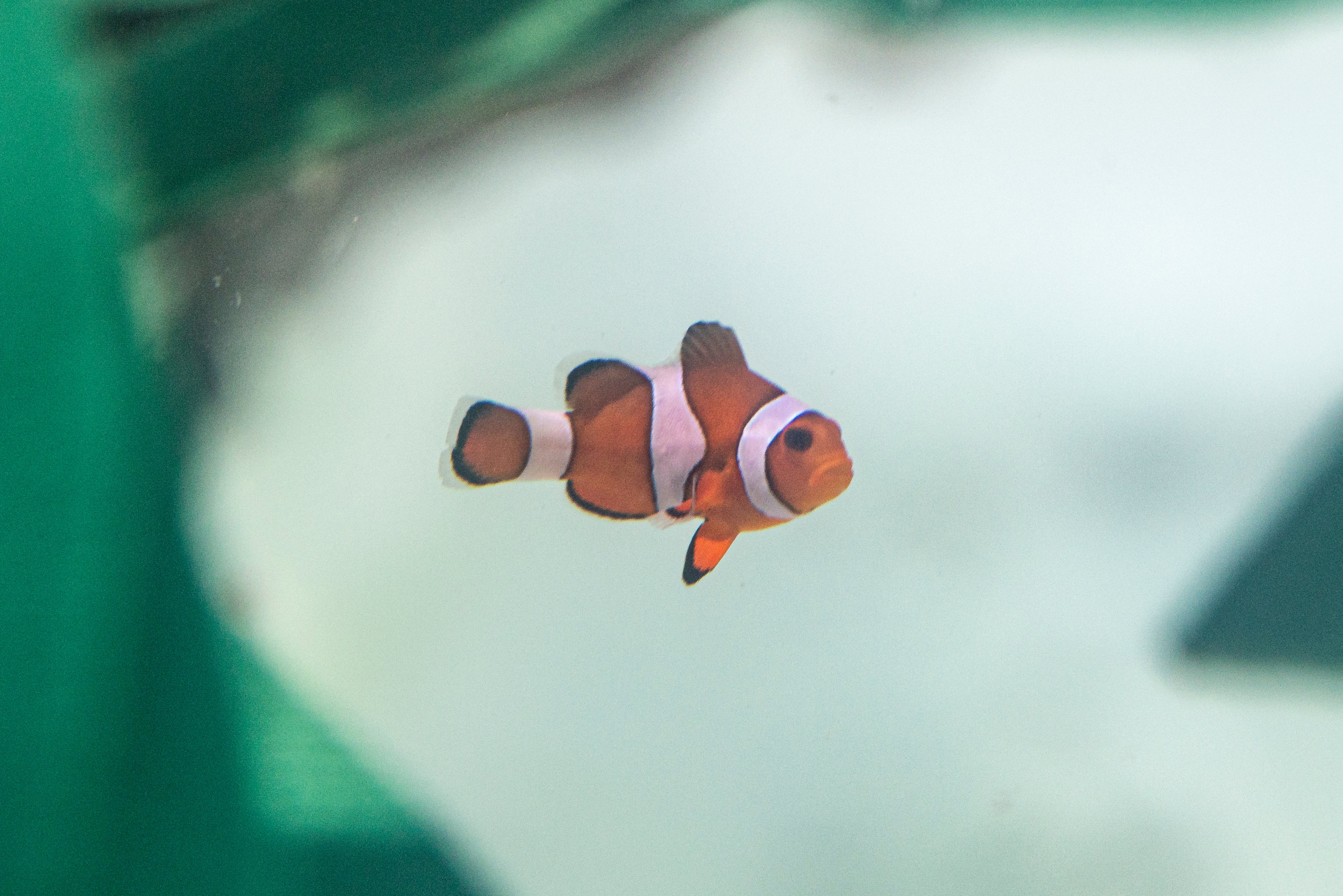
a rescued clownfish swims in a holding tank
Confiscated animals like this clownfish were kept in holding tanks at the Aquarium of the Pacific on Long Beach, California. Image: Josh Barber/Aquarium of the Pacific. Josh Barber

The species included brownbanded bamboo sharks (Chiloscyllium punctatum), ocellaris clownfish (Amphiprion ocellaris), and Banggai cardinalfish (Pterapogon kauderni). The IUCN Red List classifies brownbanded bamboo sharks as Near Threatened and Banggai cardinalfish as Endangered. 

While the arrival of almost 500 animals was a standout event, the Aquarium of the Pacific has received rescued animals from over 30 confiscation events since September 2024.  This means they saw one confiscation event every three weeks, though the first eight months of 2026 have already seen over a dozen cases. Overall, the aquarium has taken in over 3,600 rescued trafficked animals in the past two years. 

The Aquarium encourages “the public to become informed consumers to help avoid wildlife trafficking of exotic pets. This includes researching the protected status of the species and ensuring purchases are through a reputable vendor,” Casey explains. “If the vendor cannot provide proof of where the animal came from, refraining from purchasing it is a way to help.” 

The post Nearly 500 animals rescued from trafficking arrive at a California aquarium appeared first on Popular Science.
  •  

11 vibrant deep-sea creatures shine in new Caribbean expedition

Marine biologists from Trinidad and Tobago recently completed the first locally helmed and most expansive survey of the deep-sea waters around the Caribbean islands. The month-long project aboard Schmidt Ocean Institute’s research vessel (R/V) Falkor (too) documented around 13 percent of the nation’s marine territory, and described 20 potential new species. Researchers also collected over 700 specimens for the University of the West Indies, St. Augustine. Once catalogued, the additions will increase the size of the university’s Zoology Museum deep ocean collection by 12 times.

“Every new discovery we make, whether ecosystem, species or behavior, deepens our understanding of what’s at stake and strengthens our ability to be true stewards of this largely unseen but critical part of our country,” said expedition chief scientist Diva Amon.

Check out some of the stunning, rarely seen creatures below. (Click to expand images to full screen.)

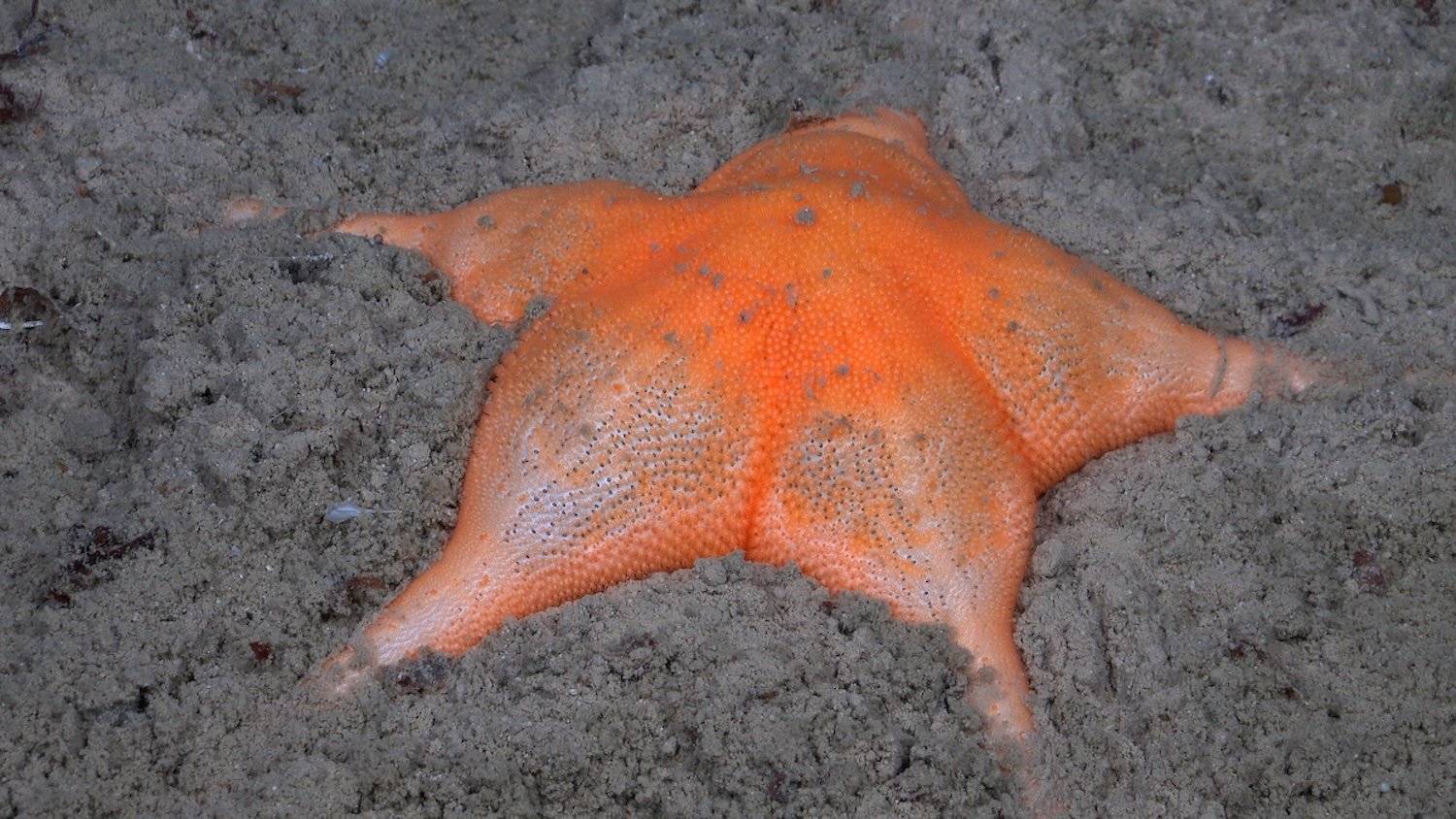
Suspected new sea star

A suspected new species of sea star (Porcellanasteridae) rests on the seafloor at a depth of 3,961 meters. Researchers collected the specimen while making dozens of other discoveries during the expedition, including at least 20 suspected new species. Photo credit: ROV SuBastian / Schmidt Ocean Institute Usage: Available via creative commons Attribution-NonCommercial-ShareAlike CC BY-NC-SA https://creativecommons.org/licenses/by-nc-sa/4.0/
A suspected new species of sea star (Porcellanasteridae) rests on the seafloor at a depth of 3,961 meters. Researchers collected the specimen while making dozens of other discoveries during the expedition, including at least 20 suspected new species. Credit: ROV SuBastian / Schmidt Ocean Institute

Symbiotic coral

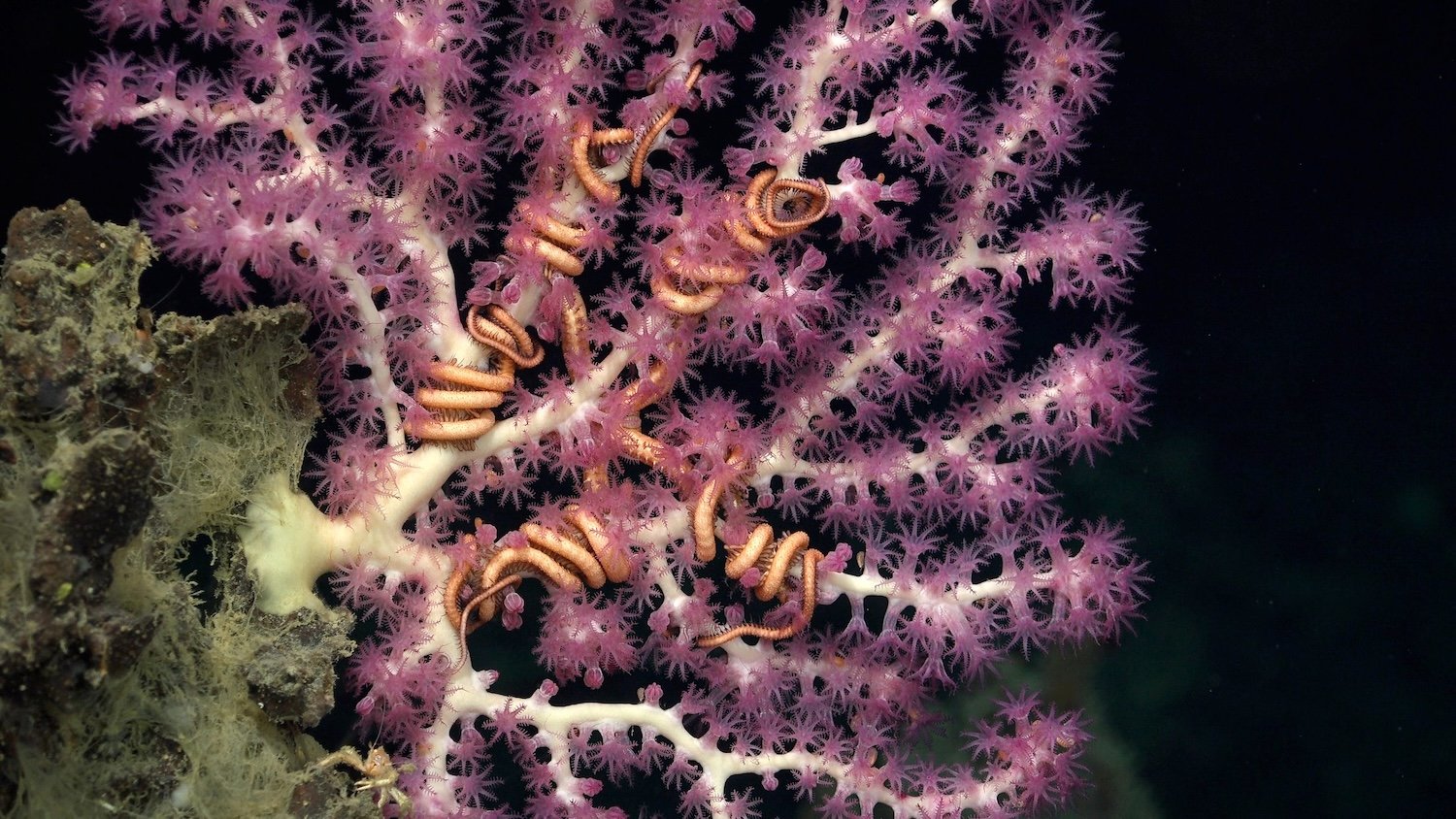
Symbiotic brittle stars cling to a deep-sea coral off the coast of Trinidad and Tobago. A research team led by marine biologist Dr. Diva Amon (SpeSeas), composed largely of Trinbagonian scientists, surveyed the island nation's deep-water territory to document rare ecosystems and guide local conservation efforts.
Symbiotic brittle stars cling to a deep-sea coral off the coast of Trinidad and Tobago. A research team led by marine biologist Dr. Diva Amon (SpeSeas), composed largely of Trinbagonian scientists, surveyed the island nation’s deep-water territory to document rare ecosystems and guide local conservation efforts. Credit: ROV SuBastian / Schmidt Ocean Institute

King crab

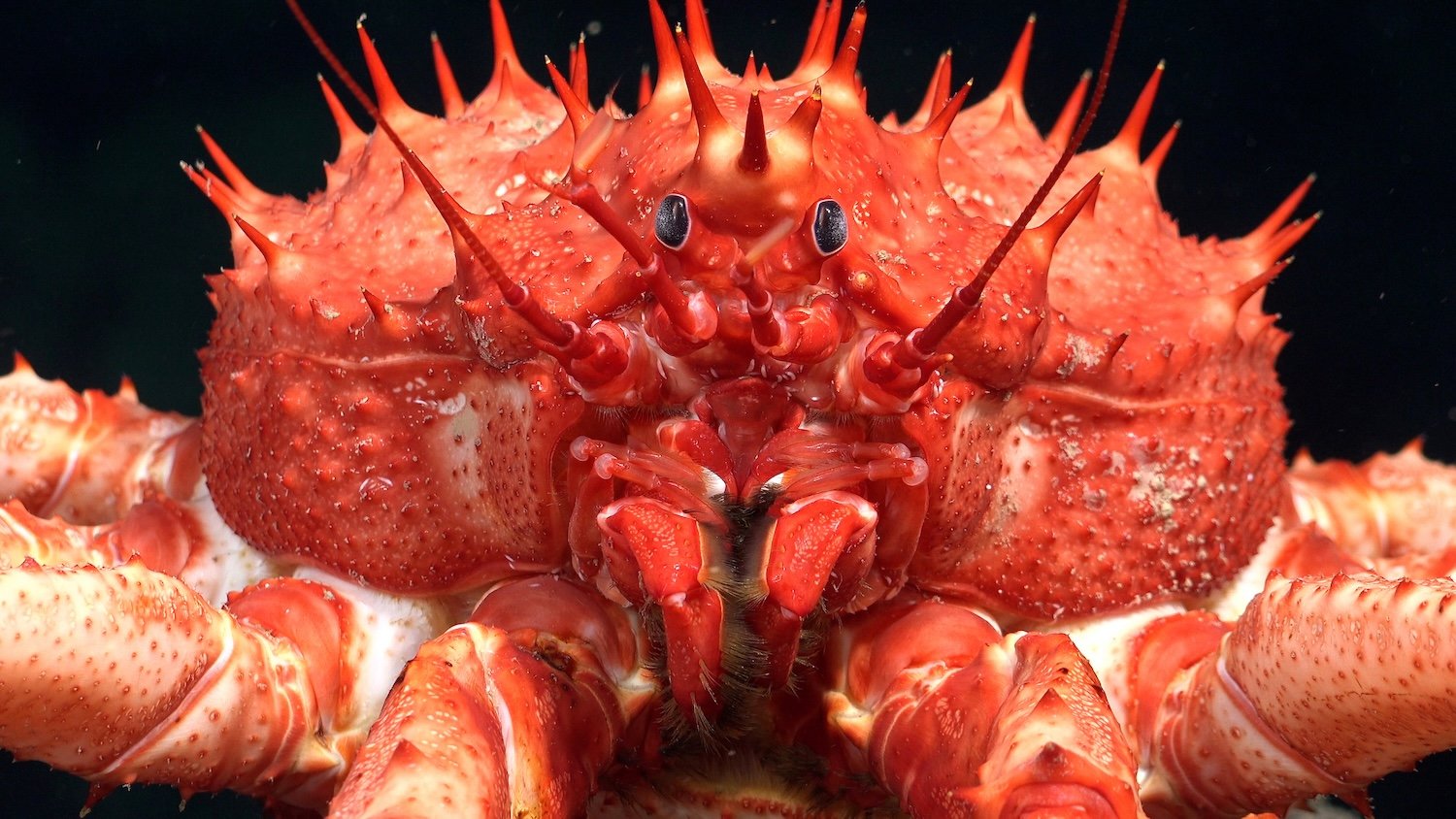
A king crab (Lithodes genus) crawls across the seafloor at a depth of 1,083 meters. Top predators in deep-sea environments, researchers documented these crabs while searching for bubble streams associated with unexplored cold seeps. Photo credit: ROV SuBastian / Schmidt Ocean Institute Usage: Available via creative commons Attribution-NonCommercial-ShareAlike CC BY-NC-SA https://creativecommons.org/licenses/by-nc-sa/4.0/
A king crab (Lithodes genus) crawls across the seafloor at a depth of 1,083 meters. Top predators in deep-sea environments, researchers documented these crabs while searching for bubble streams associated with unexplored cold seeps. Credit: ROV SuBastian / Schmidt Ocean Institute

Rare manta ray fall

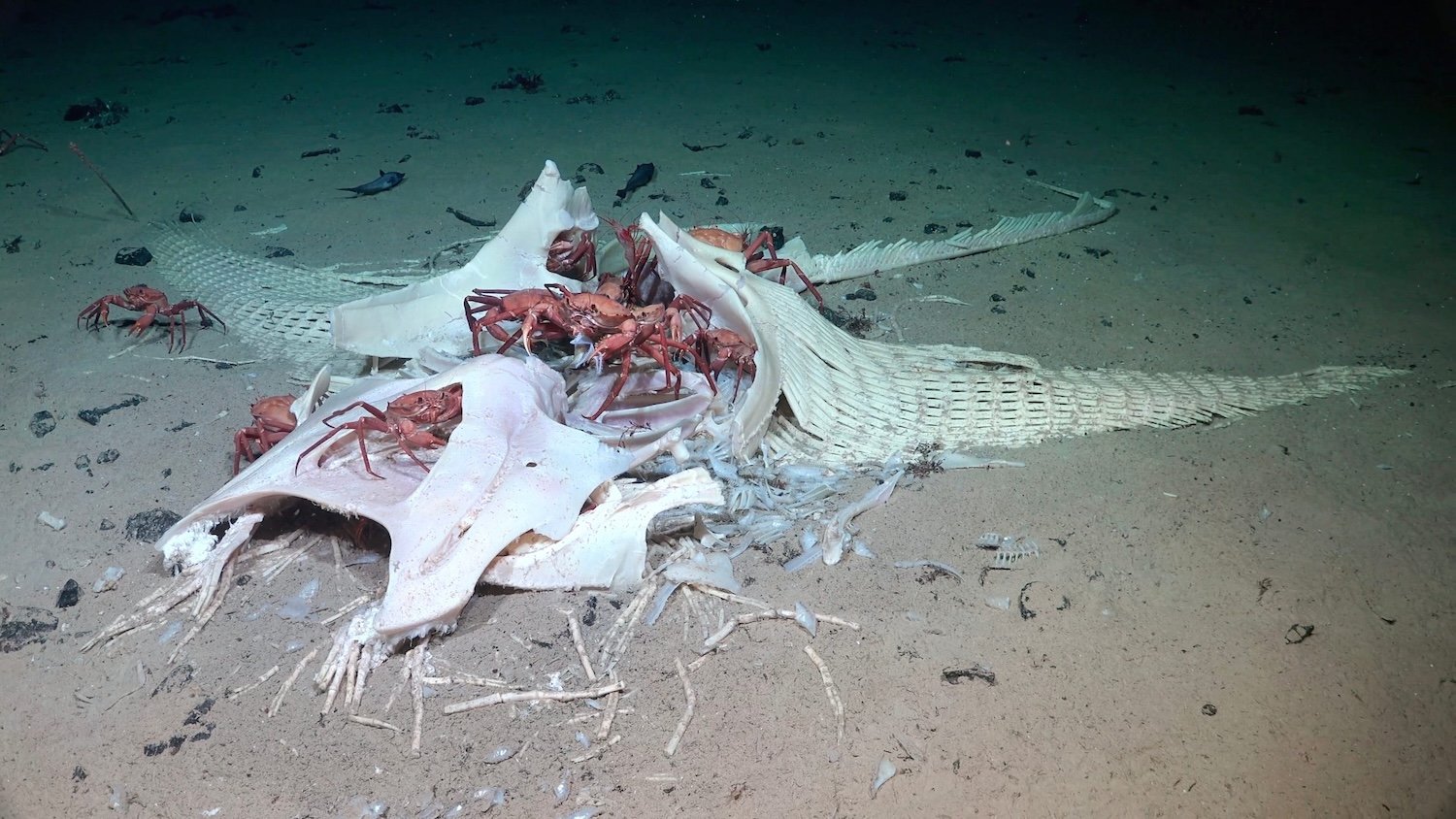
The science team encountered this rare manta ray (Mobula) fall at 1,025 meters depth off the coast of Trinidad and Tobago. When animals die in the Ocean, their bodies often sink to the seafloor, creating a rich food buffet that feeds hundreds of deep-sea species in an often food-scarce environment.
The science team encountered this rare manta ray (Mobula) fall at 1,025 meters depth off the coast of Trinidad and Tobago. When animals die in the ocean, their bodies often sink to the seafloor, creating a rich food buffet that feeds hundreds of deep-sea species in an often food-scarce environment. Credit: ROV SuBastian / Schmidt Ocean Institute

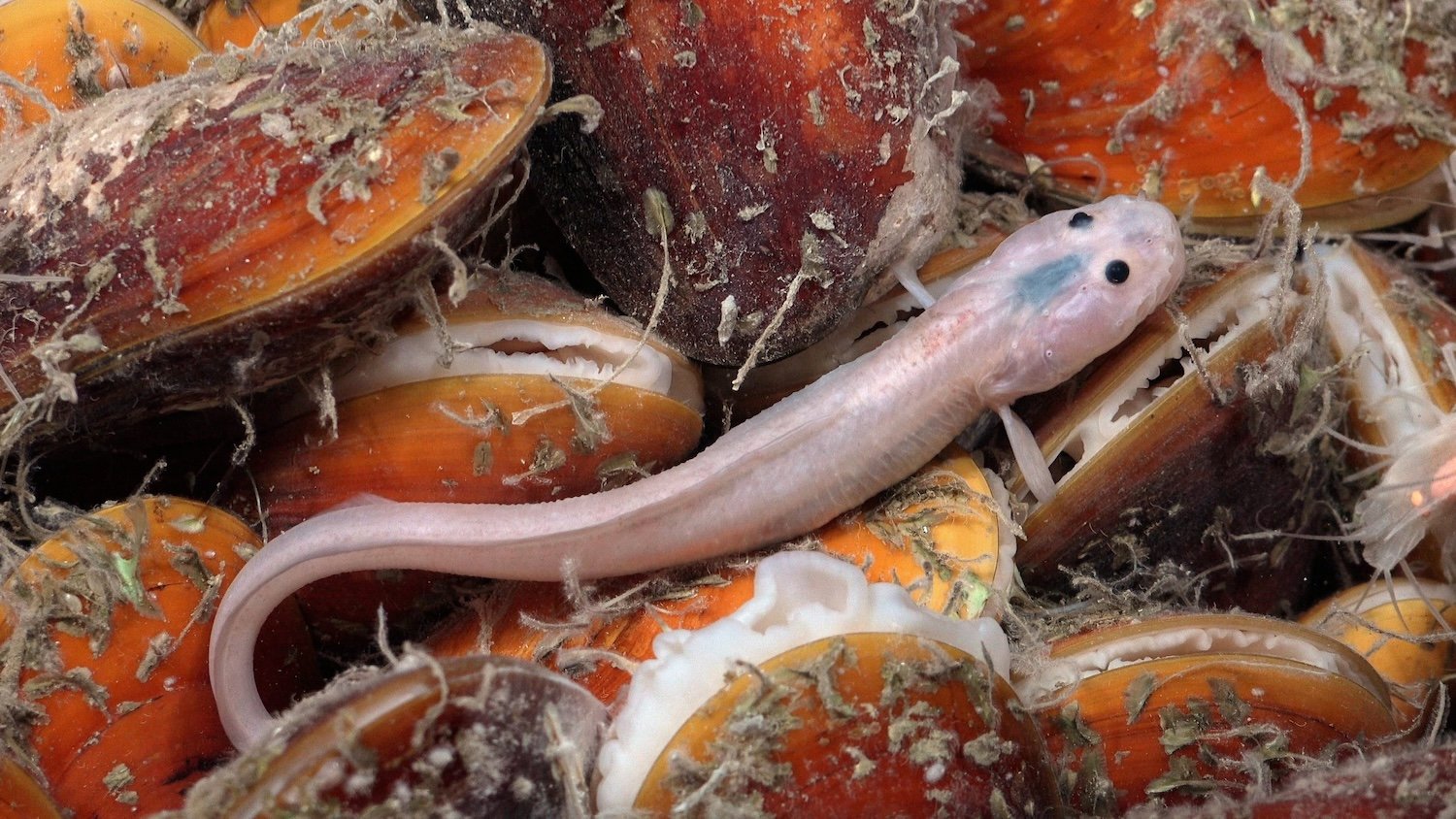
Eelpout

An eelpout (Pachycara caribbaeum) lies on a bed of chemosynthetic mussels (Gigantidas childressi) off the coast of Trinidad and Tobago. Ninety-three percent of Trinidad and Tobago lies below recreational scuba depths, placing its largest ecosystems in the mesophotic zone (between 30 and 199 meters) and the deep ocean. The geological setting of the two islands is ideal for supporting chemosynthetic habitats.
An eelpout (Pachycara caribbaeum) lies on a bed of chemosynthetic mussels (Gigantidas childressi) off the coast of Trinidad and Tobago. Ninety-three percent of Trinidad and Tobago lies below recreational scuba depths, placing its largest ecosystems in the mesophotic zone (between 30 and 199 meters) and the deep ocean. The geological setting of the two islands is ideal for supporting chemosynthetic habitats. Credit: ROV SuBastian / Schmidt Ocean Institute

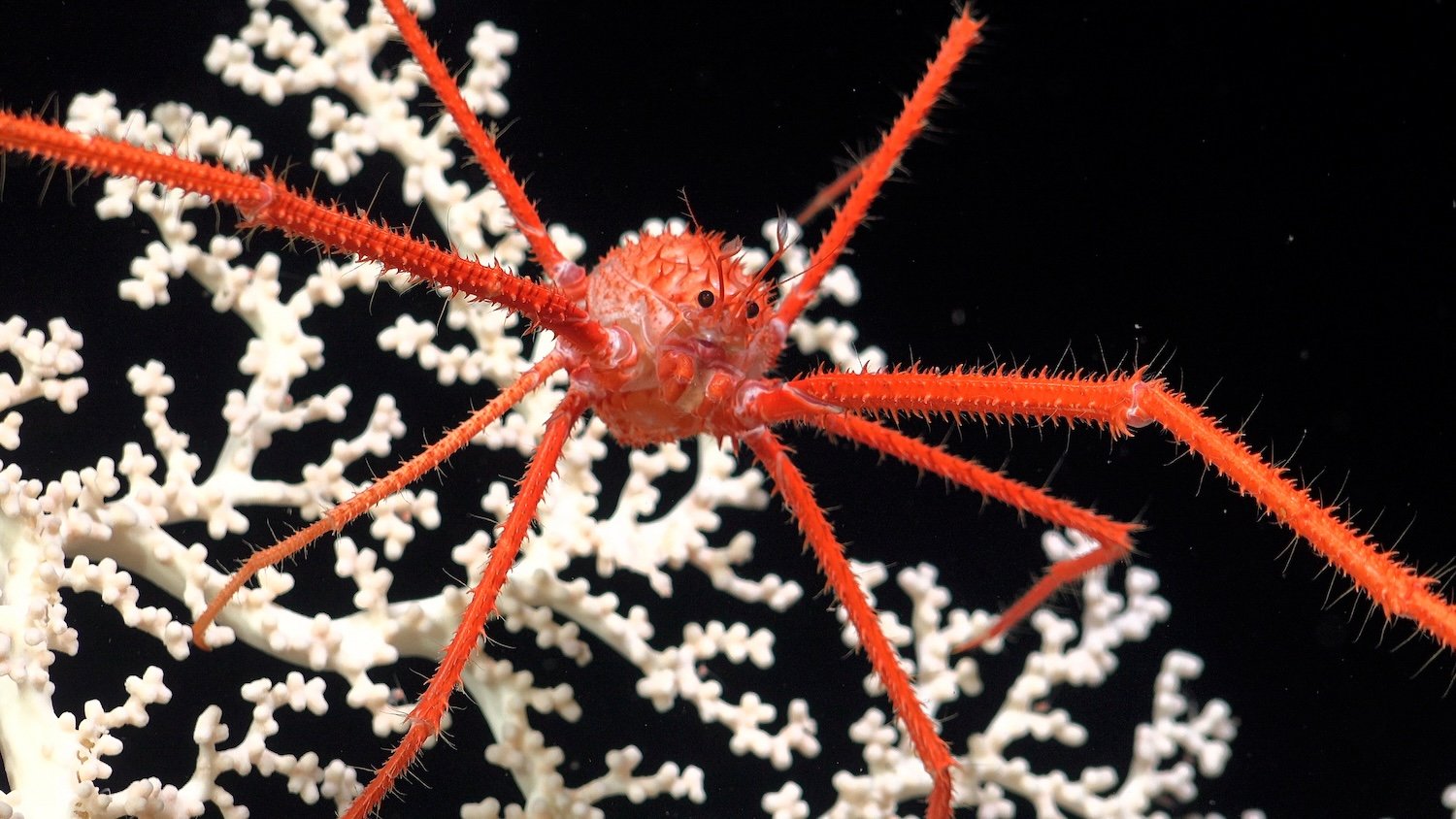
Squat lobster

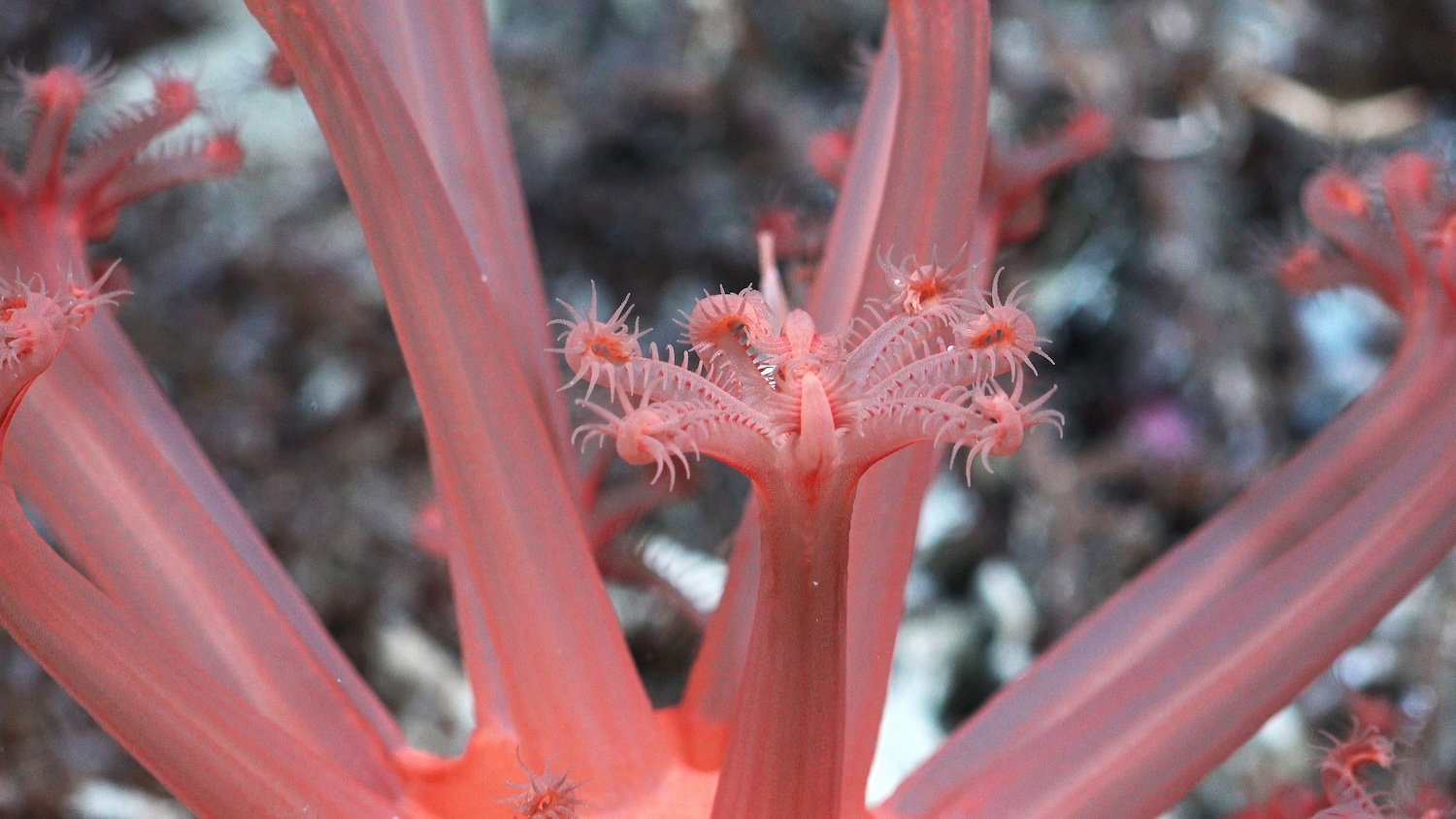
A cold-water coral recorded at a depth of 1,055 meters (3,461 feet) provides habitat for marine life on the seafloor. While warm-water coral reefs at shallow recreational depths are widely known, deep-sea cold-water corals are far more abundant yet remain understudied. These complex ecosystems support diverse marine species, including squat lobsters, as pictured here. Photo credit: ROV SuBastian / Schmidt Ocean Institute Usage: Available via creative commons Attribution-NonCommercial-ShareAlike CC BY-NC-SA https://creativecommons.org/licenses/by-nc-sa/4.0/
A cold-water coral recorded at a depth of 1,055 meters (3,461 feet) provides habitat for marine life on the seafloor. While warm-water coral reefs at shallow recreational depths are widely known, deep-sea cold-water corals are far more abundant yet remain understudied. These complex ecosystems support diverse marine species, including squat lobsters, as pictured here. Credit: ROV SuBastian / Schmidt Ocean Institute

Mushroom coral

A mushroom coral rests on the seafloor at a depth of 1,277 meters off Trinidad and Tobago. Less than 0.001% of the island nation's deep-ocean territory has been explored due to technological constraints, leaving significant knowledge gaps about deep-water marine life in the region. Photo credit: ROV SuBastian / Schmidt Ocean Institute Usage: Available via creative commons Attribution-NonCommercial-ShareAlike CC BY-NC-SA https://creativecommons.org/licenses/by-nc-sa/4.0/
A mushroom coral rests on the seafloor at a depth of 1,277 meters off Trinidad and Tobago. Less than 0.001% of the island nation’s deep-ocean territory has been explored due to technological constraints, leaving significant knowledge gaps about deep-water marine life in the region. Credit: ROV SuBastian / Schmidt Ocean Institute

Black swallower fish

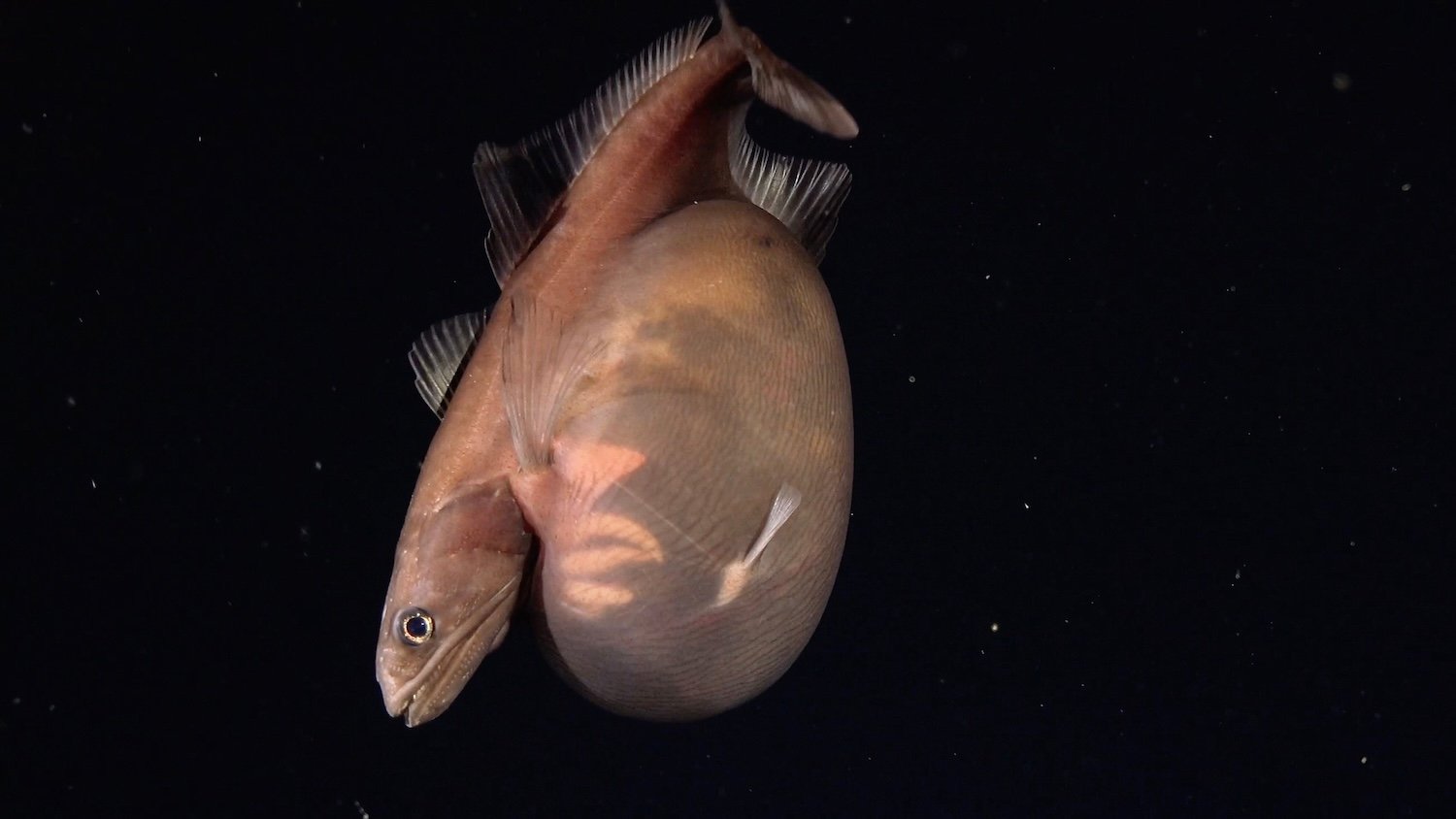
A black swallower fish (Chiasmodon niger) swims at a depth of 1,259 meters during a remotely operated vehicle dive off Trinidad and Tobago. Known for their expandable stomachs and dislocating jaws, these rare deep-sea fish can swallow prey larger than themselves. This specimen's translucent belly reveals a recent meal. A research team led by marine biologist Diva Amon conducted the first comprehensive deep-water survey of the nation's ocean territory, where more than 93% of the waters lie below recreational diving depths. Restricted usage: For editorial and news usage only Credit: ROV SuBastian / Schmidt Ocean Institute
A black swallower fish (Chiasmodon niger) swims at a depth of 1,259 meters during a remotely operated vehicle dive off Trinidad and Tobago. Known for their expandable stomachs and dislocating jaws, these rare deep-sea fish can swallow prey larger than themselves. This specimen’s translucent belly reveals a recent meal. A research team led by marine biologist Diva Amon conducted the first comprehensive deep-water survey of the nation’s ocean territory, where more than 93% of the waters lie below recreational diving depths. Credit: ROV SuBastian / Schmidt Ocean Institute

Lizard fish

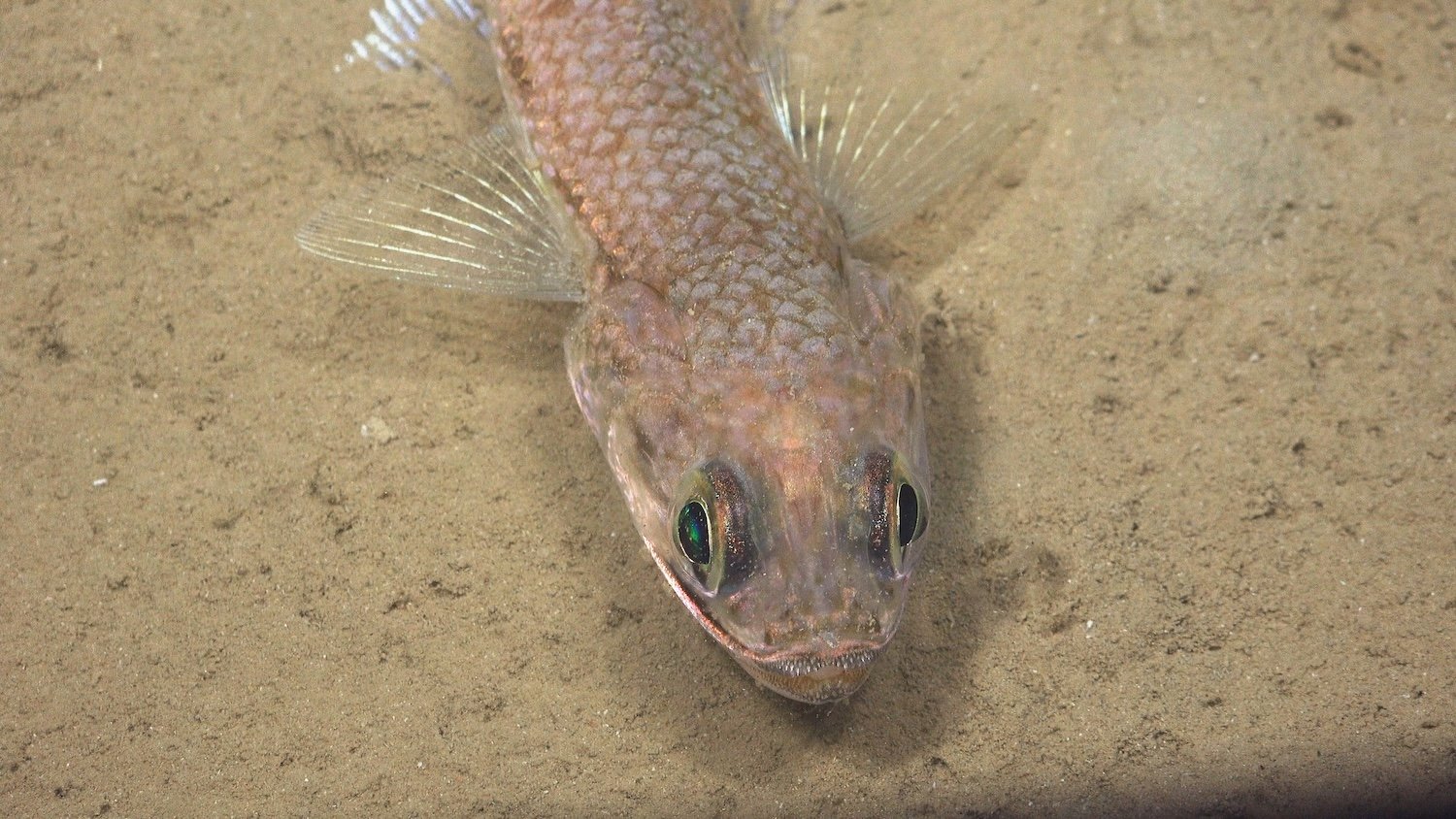
Scientists observed this lizardfish at a depth of 148 meters while exploring a slope off the coast of Trinidad and Tobago in a UNESCO Biosphere Reserve. Photo credit: ROV SuBastian / Schmidt Ocean Institute Usage: Available via creative commons Attribution-NonCommercial-ShareAlike CC BY-NC-SA https://creativecommons.org/licenses/by-nc-sa/4.0/
Scientists observed this lizardfish at a depth of 148 meters while exploring a slope off the coast of Trinidad and Tobago in a UNESCO Biosphere Reserve. Credit: ROV SuBastian / Schmidt Ocean Institute

Ghost shark

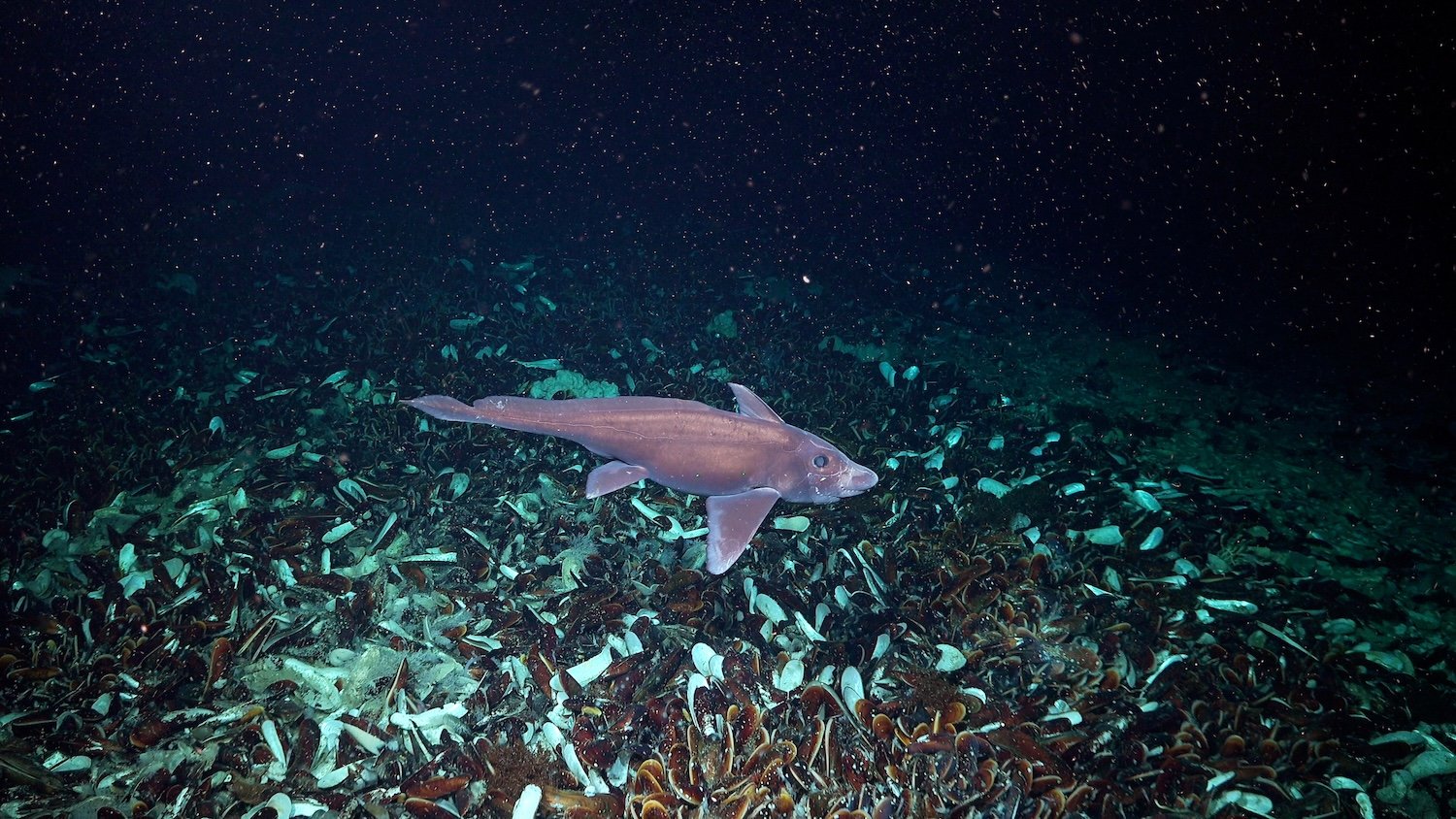
A chimaera, or ghost shark, swims near a cold seep at a depth of 2,355 meters. Scientists discovered 25 cold seeps during the recent deep-sea expedition. Unlike sunlight-dependent ecosystems, marine life near these seafloor fissures relies on chemosynthetic energy generated by gas escaping from the Earth's surface. Photo credit: ROV SuBastian / Schmidt Ocean Institute Usage: Available via creative commons Attribution-NonCommercial-ShareAlike CC BY-NC-SA https://creativecommons.org/licenses/by-nc-sa/4.0/
A chimaera, or ghost shark, swims near a cold seep at a depth of 2,355 meters. Scientists discovered 25 cold seeps during the recent deep-sea expedition. Unlike sunlight-dependent ecosystems, marine life near these seafloor fissures relies on chemosynthetic energy generated by gas escaping from the Earth’s surface. Credit: ROV SuBastian / Schmidt Ocean Institute

The post 11 vibrant deep-sea creatures shine in new Caribbean expedition appeared first on Popular Science.
  •  

These fish rely on teamwork to find food in murky water

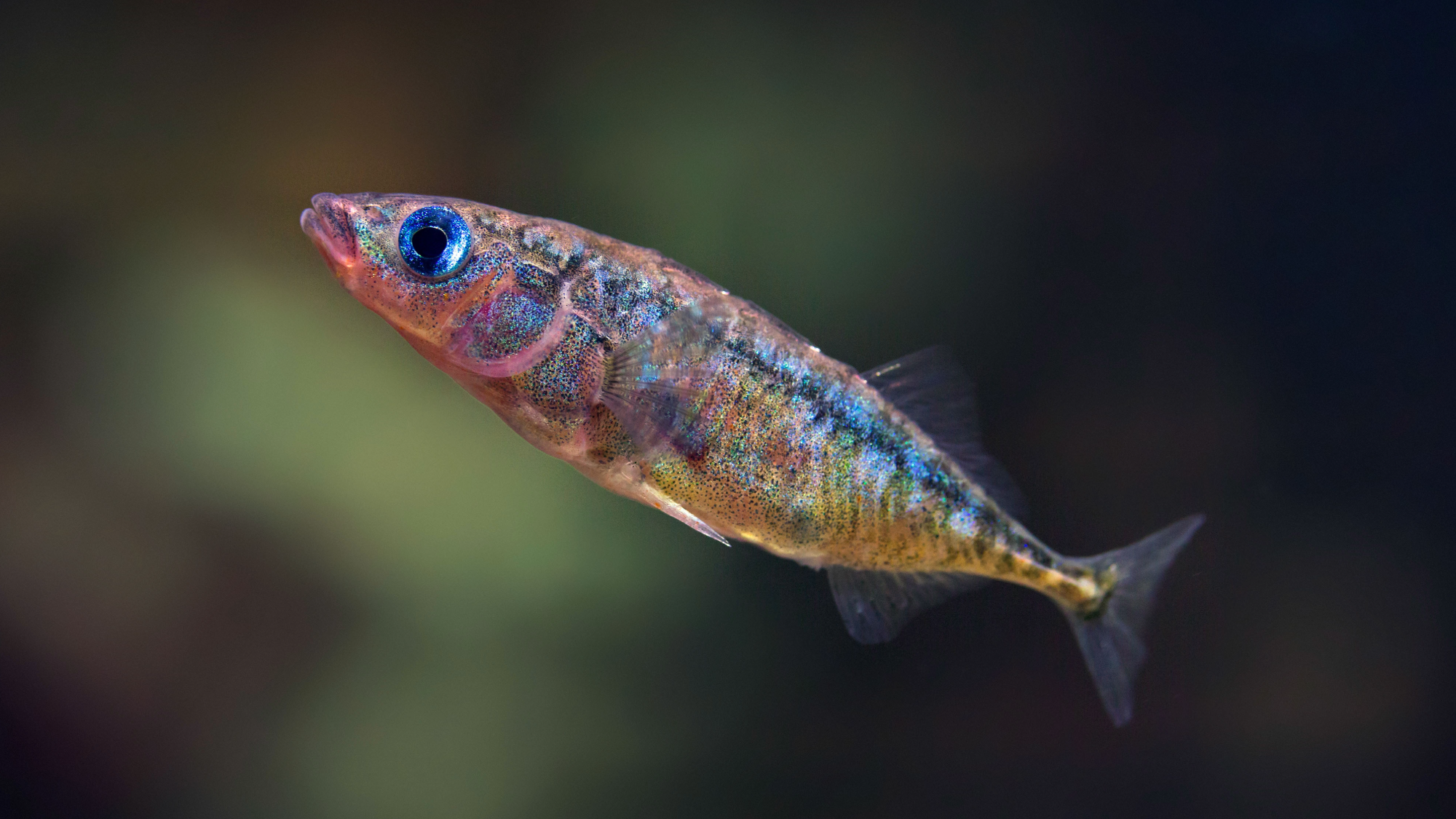
Just like 20-somethings yelling or waving in a crowded, strobe light-filled club, three-spined sticklebacks (Gasterosteus aculeatus) can change their social behavior for the benefit of the group. These small fish will change how they swim to help find food when they are in cloudy water. The findings are detailed in a study published today in the journal Proceedings of the Royal Society B.

There are eight known species of sticklebacks (order Gasterosteiformes). These small fish live in fresh, brackish, and marine waters all over the Northern Hemisphere and as far north as the Arctic Ocean. They can grow to a maximum length of roughly seven inches and are known for a row of two to 16 spines on their backs.

Since they live in everything from salty seas to fresh lakes, their habitats can range from crystal clear to densely clouded. Turbidity is when small particles like mud, algae, or silt make water cloudy. While it is a natural process, farming, mining, construction, and other pollutants are increasing turbidity and reducing visibility in rivers and coastal waters around the world. This can make it more difficult for aquatic animals like sticklebacks to see their food, friends, or enemies.

“At the moment, we’re seeing our weather flipping between hot, dry periods to heavy rains, which mean[s] our rivers and streams experience sudden surges of muddy, highly turbid water,” 

Dr. Sean Rands, a study co-author and behavioral ecologist at the University of Bristol, said in a statement. “It is good to know that the fish can respond to these big changes.”

For this study, the team observed how three-spined sticklebacks responded to their water becoming cloudier and noted their directions when food suddenly appeared in the water. 

In murkier water, the fish took longer to swim towards the food than those in clear water. However, individuals in larger groups responded more quickly in both clear and cloudy water. 

fish swimming in murky water
The study found in murkier water fish took longer to move towards the food than those in clear water, but individuals in larger groups responded more quickly overall. Image: Christos Ioannou.

The way that the sticklebacks moved together also influenced their response to the food. The smaller groups living in murky water got to the food more quickly when they swam close together in the same direction. By contrast, tighter coordination slowed the group’s response for larger groups of fish in clear water.

Before the food was introduced, fish in murky water tended to stick closer together, align their movements more closely, and respond more eagerly to the behavior of group members that were nearby.

According to the team, these results suggest that sticklebacks can compensate for reduced visibility in the water by increasing cooperation and coordination with one another. 

“When we put an unexpected piece of food in the water, it took the fish longer to find it when the water was cloudier. This makes sense and has been shown before in different water-living species,” added study co-author and behavioral ecologist Christos Ioannou. “However, we were excited to see that the sticklebacks were able to compensate for this challenge by changing their shoaling behaviour. Their shoals became more coordinated, with the fish moving and aligning themselves together much more closely in poor conditions. This in turn meant the fish were able to find the food faster than if they weren’t coordinating.” 

This enhanced social behavior may help them overcome the challenges of living in murky environments and respond better when there is an opportunity to find a meal. 

“Finding that these rules are able to change in response to the challenges animals experience is reassuring, as it shows that these little fish have some extra tricks for the changes that humans are causing to their homes,” said Rands. 

The post These fish rely on teamwork to find food in murky water appeared first on Popular Science.
  •  
  •  

Thawing permafrost is affecting fish health

Temperatures in the Arctic are increasing at a rate 4 times faster than the average global temperature. Scientists have documented the global effects of climate change, but there are still regions where these effects are less well known. This is the case for freshwater ecosystems in the Arctic.  

When the ground has been permanently frozen for 2 years, scientists call it permafrost. Permafrost contains soil, sand, rocks, and organic matter held together by ice. As temperatures rise, permafrost thaws, which can change groundwater flow paths. It can also alter a stream’s temperature, flow patterns, and nutrient loads by introducing new material from the permafrost.  

To determine how thawing permafrost affects Arctic ecosystems, scientists from the U.S. Geological Survey recently studied 10 headwater streams within the Brooks Range in the Noatak National Preserve of Alaska. The scientists studied streams with different amounts of permafrost and ice to test whether connections exist between permafrost, food webs, and populations of fish called the Dolly Varden and Arctic Graylings. They focused on these 2 species of fish because their migrations often indicate ecological shifts in the area.    

The scientists collected fish from the streams by temporarily stunning them, using a method called electrofishing, or by catching them in minnow traps. They manually identified each species they collected, then froze the fish and shipped them to a lab. Once in the lab, the scientists measured the length of each fish and used documented growth patterns to estimate its biomass. To calculate fish abundances, they divided their total biomass by the time spent electrofishing or trapping. Finally, they measured the energy density of each fish by burning it in a device called a bomb calorimeter. 

At each stream, the scientists took manual temperature measurements and deployed loggers that recorded the temperature every 15 minutes. They also deployed equipment at the bottom of each stream to record water pressure in 15-minute intervals and converted the data to depth, since pressure increases with depth. Then, they used wading rods to measure how much water was flowing through each stream at a given spot. 

They combined the depth and wading rod data to determine the flow rate of water in the streams over time. They used these data to identify unstable streams where water rose and fell rapidly. They also collected water samples from each stream and measured their nutrient concentrations, including dissolved organic carbon, nitrogen, and phosphorus, to determine water quality.   

Finally, they measured 2 types of smaller organisms that allow energy to flow through the food web to the fish, called microbial biofilms and macroinvertebrates. They used a hand-held device to estimate the types and amounts of biofilms, and nets to collect macroinvertebrates.

Once they had compiled these data, the team conducted a statistical analysis to compare the studied parameters and fish populations to the extent of permafrost in each area. They found that streams with more permafrost in the area had warmer temperatures, because the permafrost prevented water from infiltrating the soil to cool off. The streams with warmer temperatures, in turn, had lower abundances and biomass of Dolly Varden fish and Arctic Grayling with lower energy densities. They suggested that these results meant that the high temperatures had pushed the fish above their optimum temperature range. 

They also learned that the limited infiltration in permafrost areas caused rainfall to flow straight into the stream. This process created instability as the stream levels rose and fell rapidly. Fish in these unstable streams had lower energy densities, likely due to the harsher environment. 

Areas with greater permafrost also had higher concentrations of dissolved organic carbon and phosphorus, which stimulated the formation of biofilms at the bottom of the food chain. They noted that areas with more biofilms also had more macroinvertebrates and more Dolly Varden biomass. Since the Dolly Varden eats macroinvertebrates, this finding suggested that the lowest levels of the food web shape the health of species higher up. This is called the bottom-up effect, and means that areas with more biofilms and macroinvertebrates will likely have healthier and larger fish populations.  

The scientists explained that knowing how these factors influence Arctic fish populations can help researchers understand how thawing permafrost might affect Arctic ecosystems in the future. They anticipated that their data could help future researchers predict how these and other ecosystems will be impacted by changing landscape dynamics caused by global warming. 

The post Thawing permafrost is affecting fish health appeared first on Sciworthy.

  •  
❌