❌

Reading view

Lost Vape Centaurus M120 S Kit Review: 5500mAh Battery, 120W Power and a More Practical Design

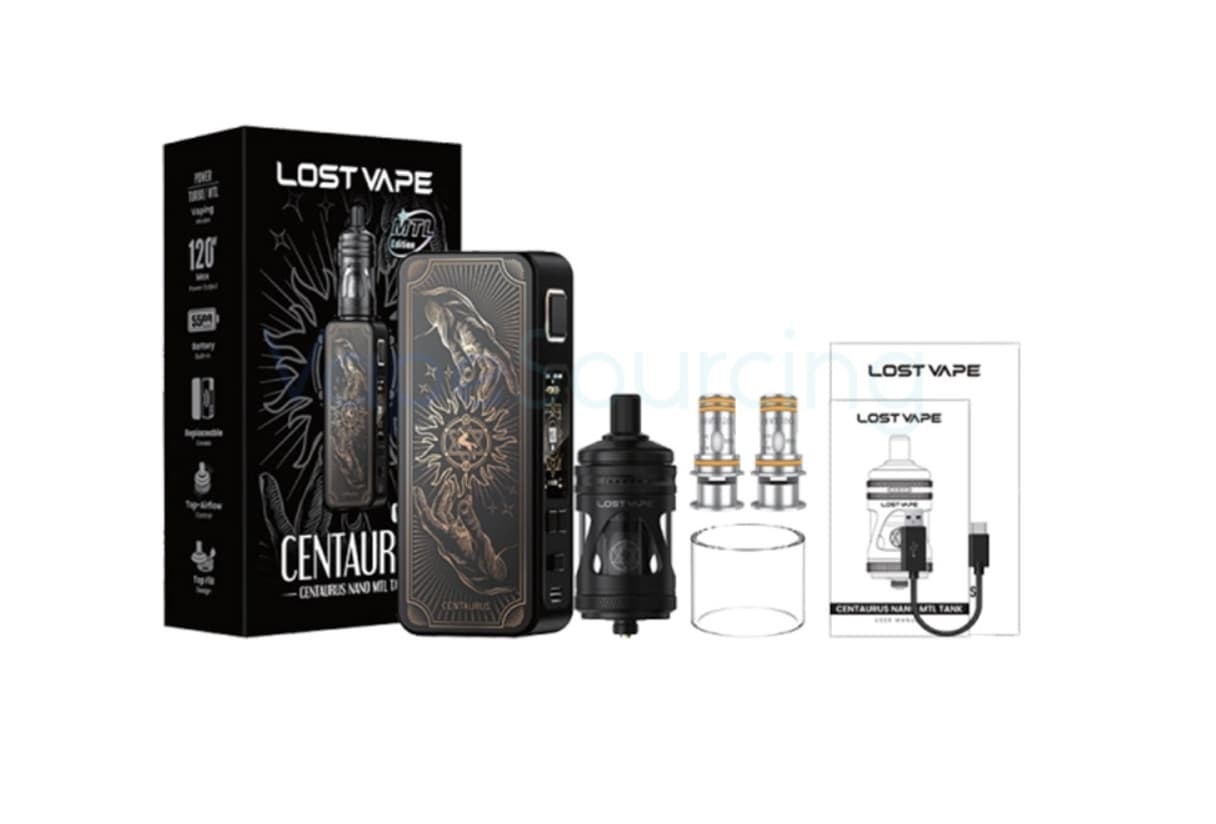
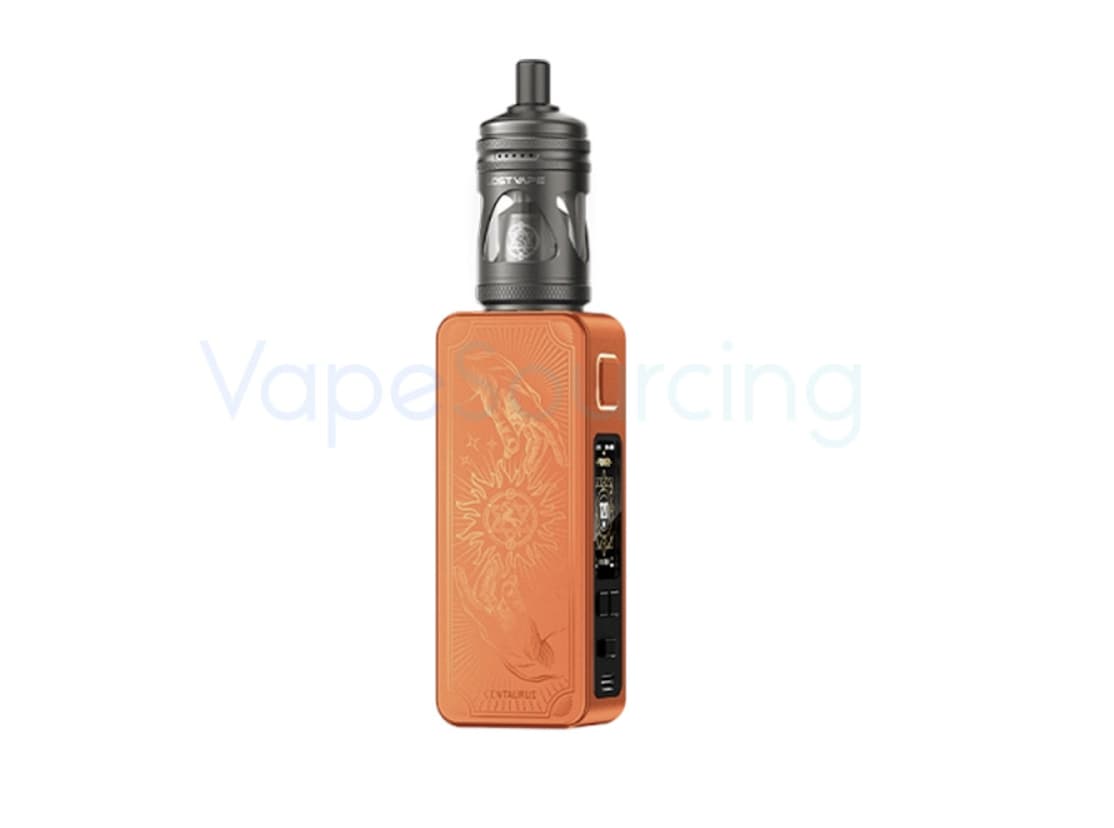
Lost Vape Centaurus M120 S Kit takes a different approach to the modern vape kit. Instead of competing mainly on extreme wattage or oversized hardware, it combines a built-in 5,500mAh battery, up to 120W of adjustable output, several vaping modes, and a relatively straightforward control system.

That combination makes the Centaurus M120 S interesting for adult vapers who want the flexibility of a higher-powered device without having to carry spare batteries.

The kit also introduces a redesigned Centaurus form factor, an interchangeable-panel design, an on/off switch, and a large color display. According to current product specifications, the mod measures 108.6 × 40.7 × 15.7mm and weighs around 120g, while the built-in battery supports USB-C charging at up to 2A.

The Battery Is the Main Story

The most important feature of the Centaurus M120 S is arguably not its 120W maximum output. It is the 5,500mAh built-in battery.

A 120W mod can be attractive on paper, but high power also places greater demands on the battery. The M120 S approaches the problem differently by giving users a large internal battery designed around extended daily use.

For moderate-power vaping, 5,500mAh gives the device a substantial energy reserve. Users who normally operate at lower wattages may not need to recharge as frequently as they would with a smaller internal-battery pod system.

The battery is also built into the device, so there is no need to purchase or carry a separate 18650 or 21700 cell.

That is an important distinction. The M120 S is aimed more at convenience and endurance than at the battery-swapping flexibility associated with traditional external-battery mods.

120W Gives the Kit Plenty of Headroom

The Centaurus M120 S supports a power range of 5W to 120W vape device, giving it considerably more output headroom than a typical compact pod device.

However, the maximum number should not be interpreted as a recommendation to vape at 120W all the time.

The practical advantage of 120W is flexibility. A user can operate at a lower setting for a more controlled experience and still have additional power available when using compatible coils that require it.

This makes the M120 S more adaptable than a device designed around a narrow wattage range.

It is also worth remembering that actual performance depends on the coil, airflow, e-liquid, battery condition, and selected power level. Maximum output alone does not determine the quality of a vape.

Three Modes Change How the Device Feels

One of the more interesting aspects of the M120 S is its three operating modes: POWER, TURBO and MTL.

Rather than forcing every user into the same operating style, these modes give the device a broader range of possible applications.

POWER mode is the straightforward option for users who prefer direct control over their wattage.

TURBO mode is designed for users who want a more aggressive performance profile when their atomizer and coil setup are suitable for it.

The inclusion of an MTL vaping is particularly notable. The Centaurus name has traditionally been associated with more powerful box-mod hardware, so having a dedicated mode for a tighter, mouth-to-lung-oriented experience makes the M120 S more versatile.

The important point is that these modes are not simply extra menu options. They give the device different ways of responding to the same hardware setup.

The 1.47-Inch TFT Screen Is More Than Decoration

The Centaurus M120 S uses a relatively large 1.47-inch TFT display, giving the device enough screen space to present important vaping information clearly.

A larger display can be useful on a high-output device because users may want to check wattage, battery status and other settings without navigating through complicated menus.

The screen also helps distinguish the M120 S from simpler pod-style devices, where information is often reduced to a few basic indicators.

For a device designed around adjustable power and multiple operating modes, having a readable interface is more useful than simply having a larger screen for visual appeal.

The On/Off Switch Is a Small Feature With a Practical Benefit

One of the details that deserves more attention is the physical on/off switch.

Many modern vape devices rely on button combinations or automatic sleep functions. The M120 S instead uses a dedicated switch for turning the device on and off.

That sounds simple, but it can make everyday handling more intuitive.

It also reduces the number of steps needed when the device is not being used. For people who regularly carry their device in a bag or pocket, having a clearly defined power switch can be more reassuring than relying entirely on software controls.

Interchangeable Panels Add Personality Without Changing the Hardware

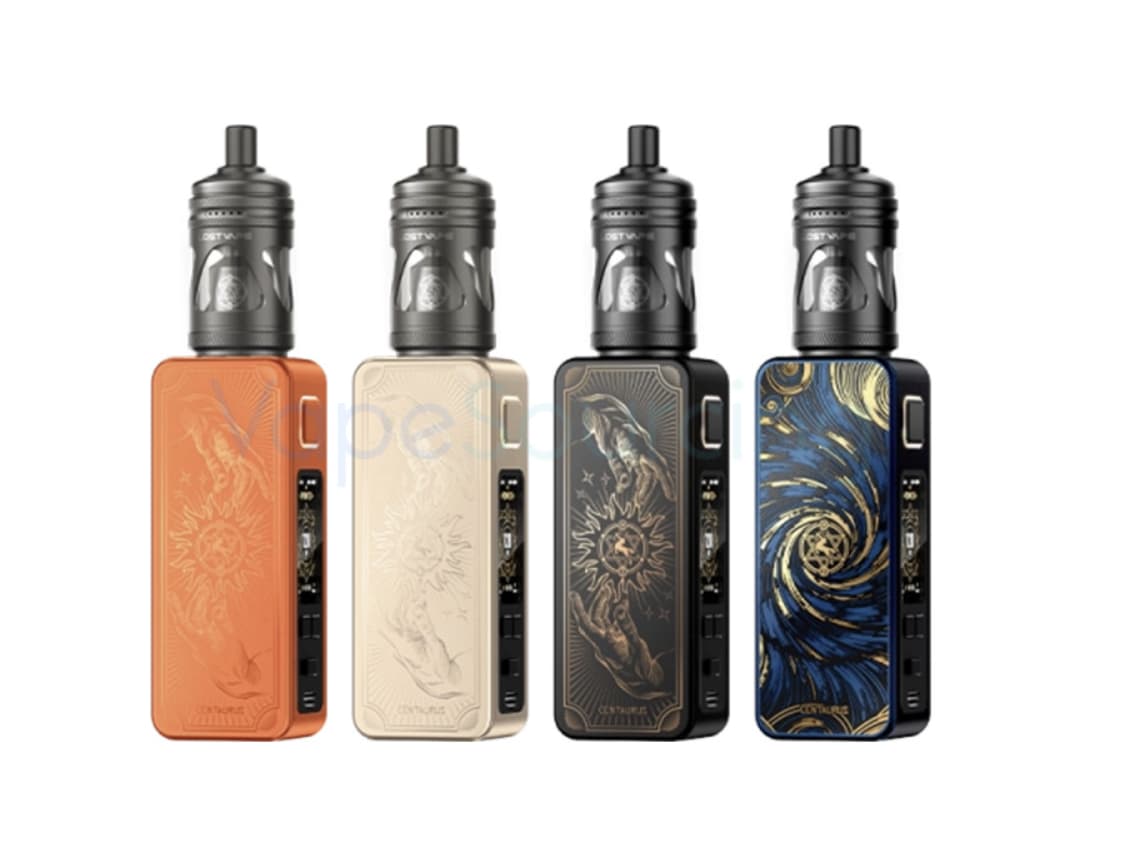
The M120 S continues the Centaurus family’s emphasis on customizable exterior panels.

The interchangeable-panel concept allows the appearance of the device to be changed without replacing the entire mod. This is primarily an aesthetic feature, but it also gives the M120 S a more distinctive identity than a conventional rectangular box mod.

Lost Vape has used customizable panels across parts of the Centaurus family before, including the Centaurus M200, where the company describes the design as using changeable face panels.

For the M120 S, the approach fits naturally with the redesigned body.

The 4ml Tank Keeps the Kit Practical

The kit is offered with a 4ml tank, giving the overall package a useful balance between capacity and portability. Current product listings identify the Centaurus M120 S kit as a 4ml, 5,500mAh configuration.

A 4ml capacity is large enough for regular use without turning the tank into an unnecessarily bulky component.

Of course, actual e-liquid consumption will vary significantly depending on coil resistance, wattage, airflow and vaping frequency. Someone running a higher-power setup will naturally consume liquid faster than someone using a lower-power configuration.

That is why tank capacity should always be considered alongside power output rather than viewed as an isolated number.

This Is Not Trying to Be an Ultra-Small Pod

The M120 S measures 108.6 × 40.7 × 15.7mm and weighs approximately 120g, according to current specifications.

Those dimensions make it more substantial than a basic pod system, but that is not necessarily a disadvantage.

The larger body provides space for the 5,500mAh battery, display, controls and tank connection. In other words, the size is partly a consequence of what the device is trying to accomplish.

The more useful question is therefore not whether the M120 S is small enough to disappear in a pocket. It is whether the additional size is justified by the battery capacity and functionality.

For users prioritizing battery life and adjustable performance, the answer may be yes.

USB-C Charging Makes the Large Battery Easier to Live With

A large internal battery would be less useful if charging were inconvenient.

The Centaurus M120 S supports USB-C charging at up to 2A, providing a modern charging interface and making it easier to recharge from commonly available USB-C power sources.

It is still worth using an appropriate charger and cable and following the manufacturer’s charging instructions.

The advantage of USB-C here is mainly convenience: there is no need to remove the battery or use an external charger.

Who Is the Centaurus M120 S Really For?

The M120 S makes the most sense for adult vapers who want a device somewhere between a compact pod and a traditional high-powered dual-battery box mod.

It is particularly interesting for users who prioritize:

  • A large built-in battery
  • Adjustable output up to 120W
  • Multiple operating modes
  • A larger TFT display
  • USB-C charging
  • A physical on/off switch
  • Customizable exterior panels
  • A 4ml tank
  • A relatively manageable 120g body

It is less compelling for someone whose priority is an extremely lightweight pod that can disappear into a pocket.

The M120 S is ultimately built around battery capacity and versatility, not minimalism.

What Should You Consider Before Buying?

The built-in battery is both an advantage and a limitation.

There is no need to purchase external cells, but the battery cannot simply be swapped when its charge is depleted. Users who prefer carrying several charged batteries may therefore prefer a traditional external-battery mod.

The 120W output also does not mean every coil should be operated at high wattage. Coil specifications should always be followed, and the power level should be adjusted according to the installed coil and personal preference.

The tank and coil configuration also matters. A powerful mod can only perform as well as the atomizer setup attached to it.

Finally, buyers should check the vaping regulations that apply in their location before purchasing or using the device.

Lost Vape Centaurus M120 S Kit Specifications

Specification Details
Product Lost Vape Centaurus M120 S Kit
Maximum Output 120W
Power Range 5–120W
Battery Built-in 5,500mAh
Charging USB-C, up to 2A
Display 1.47-inch TFT
Operating Modes POWER, TURBO, MTL
Tank Capacity 4ml
Dimensions 108.6 × 40.7 × 15.7mm
Weight About 120g
Panels Interchangeable
Power Control On/Off switch
Manufacturer Lost Vape

The core mod specifications above are based on current product information for the Centaurus M120 S.

Final Verdict

Lost Vape Centaurus M120 S Kit is interesting because it does not rely on one exaggerated specification to define the product.

Its strongest combination is the 5,500mAh internal battery + 120W maximum output + three operating modes. That gives the device enough range to serve different vaping preferences while keeping the hardware relatively straightforward to operate.

The large TFT screen, physical power switch, USB-C charging and interchangeable panels add useful touches around that core design.

For adult users who want a higher-powered kit but would rather avoid external batteries, the M120 S presents a practical alternative. Its biggest appeal is not simply the 120W number; it is the attempt to combine substantial battery endurance with adjustable performance in a single, relatively manageable device.

Note: Vape products contain nicotine when used with nicotine-containing e-liquid, and nicotine is addictive. This product is intended only for adults of legal purchasing age. Always follow the manufacturer’s instructions and local regulations.

The post Lost Vape Centaurus M120 S Kit Review: 5500mAh Battery, 120W Power and a More Practical Design appeared first on IGeeKphone China Phone, Tablet PC, VR, RC Drone News, Reviews.

  •  

iScooter EB8 Review: A Torque-Sensor Fat-Tire E-Bike With Long Range

iScooter EB8 scooter takes a different approach from lightweight urban e-bikes that are designed mainly around portability. Its priorities are easier to understand once you look beyond the motor rating: a large 48V battery, 20-inch fat tires, front suspension, torque sensing, a folding frame, and a high maximum load are combined into one practical package.

The result is an electric bike aimed at riders who want more stability and range than a small commuter bike can provide. The EB8 is particularly interesting for longer daily trips, mixed road surfaces, leisure riding, and routes where comfort matters as much as outright speed.
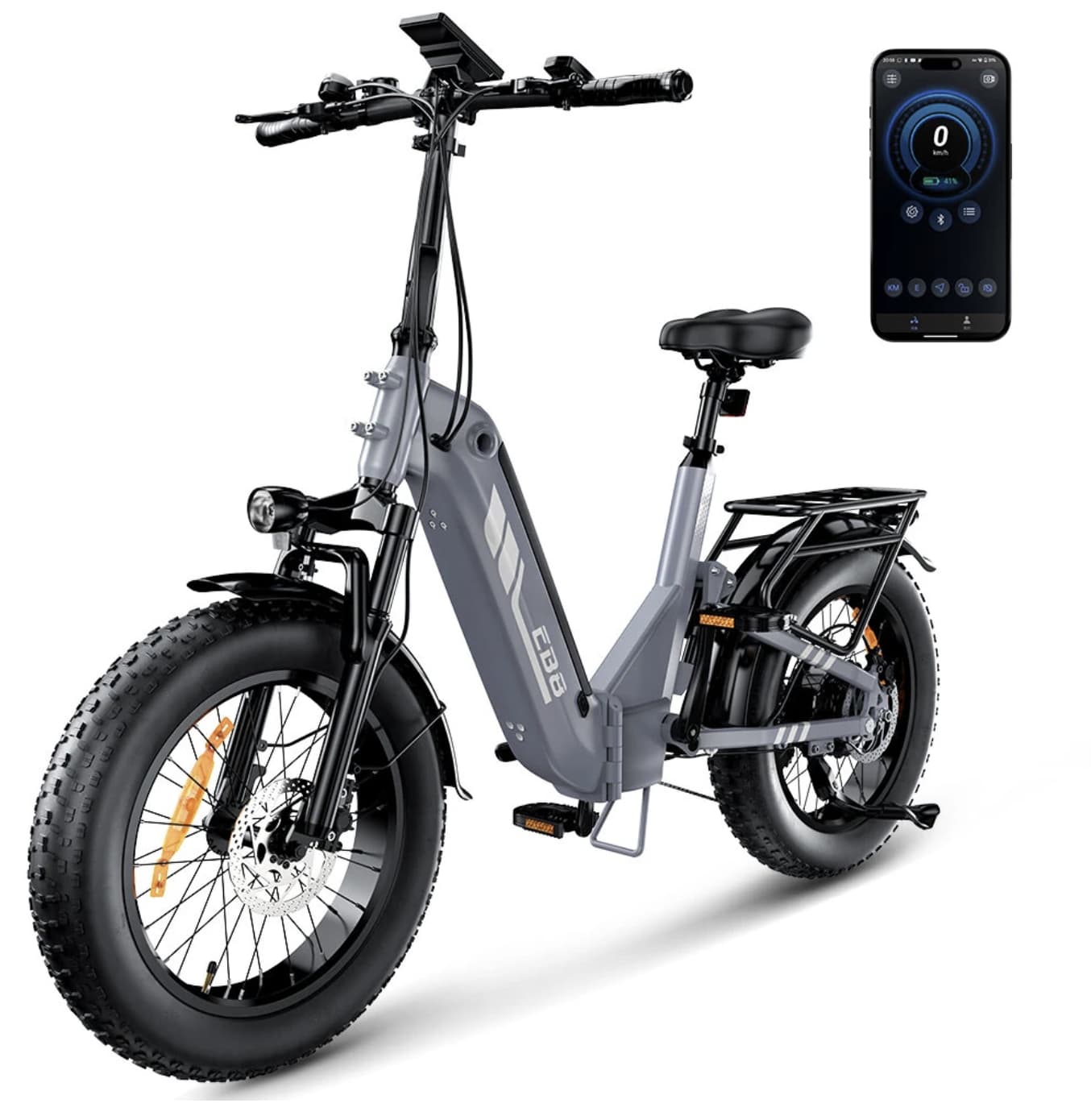
According to the current Banggood listing, the EB8 uses a 48V 15Ah battery, a 250W motor with up to 1000W peak output, a torque sensor, 20×4.0-inch tires, and a claimed range of 90–144 km. Its listed maximum speed is 25 km/h, while the maximum load is 150 kg.

The Torque Sensor Is One of the EB8’s Most Important Features

Many entry-level electric bikes rely mainly on cadence sensing. In simple terms, the motor detects that the pedals are turning and then provides assistance.

The EB8 torque sensor electric bike uses a torque sensor instead.

That distinction matters because a torque sensor can respond to how much force the rider is putting through the pedals. Light pedaling can result in a more restrained assistance response, while stronger input can request more support.

For everyday riding, this can make the bike feel more connected to the rider. Instead of feeling like the motor simply switches on when the pedals rotate, the assistance can feel more natural and predictable.
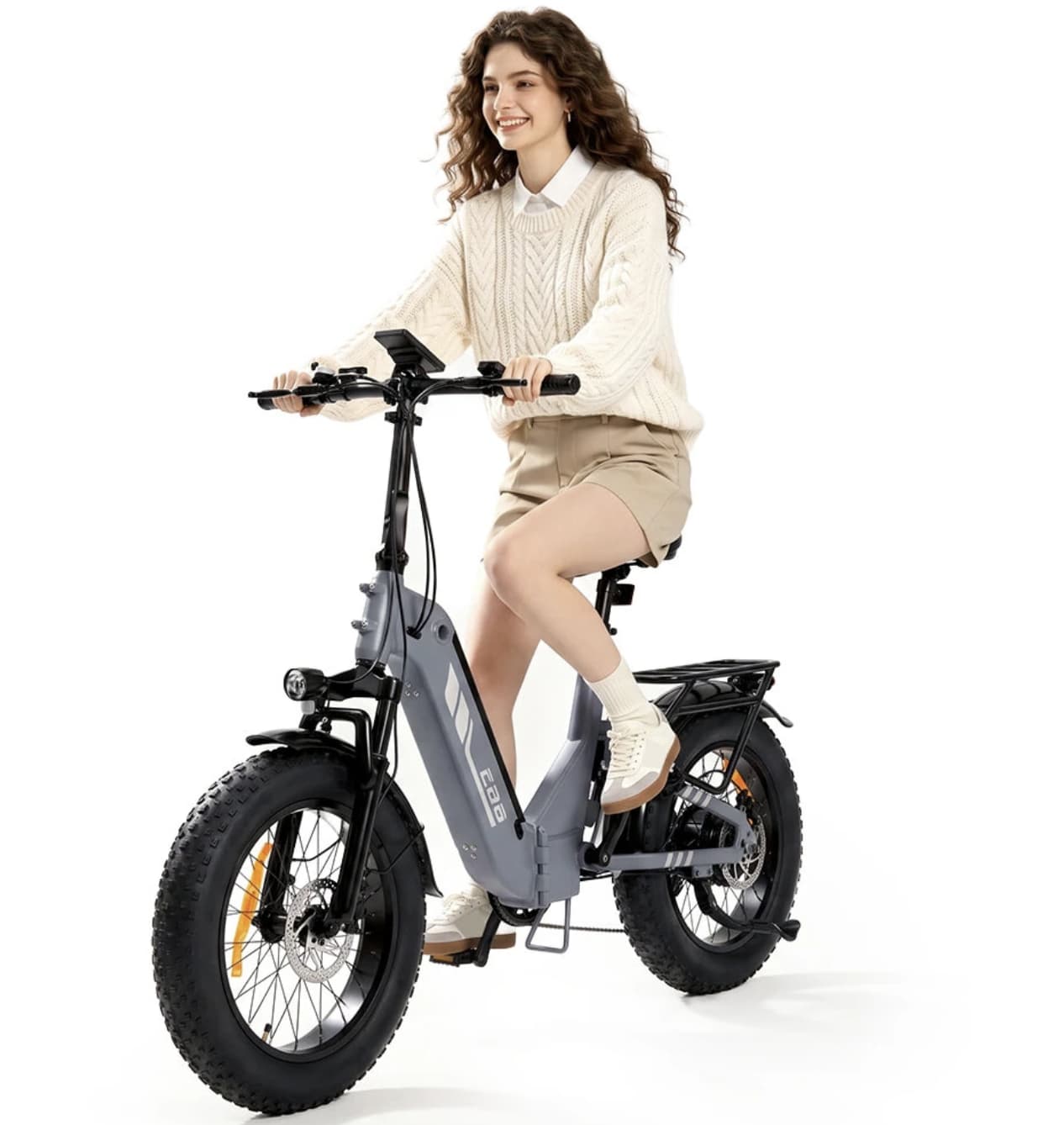
This is particularly useful when starting from a stop, climbing a gradual hill, or adjusting your effort during a longer ride.

The torque sensor therefore gives the EB8 a more sophisticated riding character than its basic 250W rating might suggest.

48V 15Ah: The Battery Is Designed for Distance

Battery capacity is one of the biggest reasons to consider the EB8.

The bike combines a 48V electrical bike battery with a 15Ah battery, giving it considerably more energy capacity than many compact commuter e-bikes. Banggood lists a claimed range of approximately 90–144 km, although actual distance will depend heavily on rider weight, terrain, temperature, assist level, tire pressure, wind, and riding style.

That range figure should therefore be treated as a manufacturer’s claim rather than a guarantee for every ride.

More importantly, the larger battery gives the EB8 room to work as a genuine long-distance commuter. A rider who does not want to recharge after every short trip can benefit from having more battery capacity available.

The listed charging time is approximately 5–6 hours, so the most sensible approach is to recharge overnight or during another period when the bike is not being used.

Why the 20×4.0-Inch Fat Tires Matter

The EB8’s 20×4.0-inch fat tires are not simply a visual design choice.

Wide tires create a much larger contact area with the riding surface, which can help the bike feel more planted on loose or uneven ground. The combination of wide tires and front suspension is particularly relevant when moving between smooth pavement and less predictable surfaces.

For city riding, the setup can help absorb some of the harshness created by broken pavement, rough sidewalks, or uneven streets.

For recreational riding, the wider tires also make the EB8 better suited to surfaces where a narrow commuter tire might feel less confident.
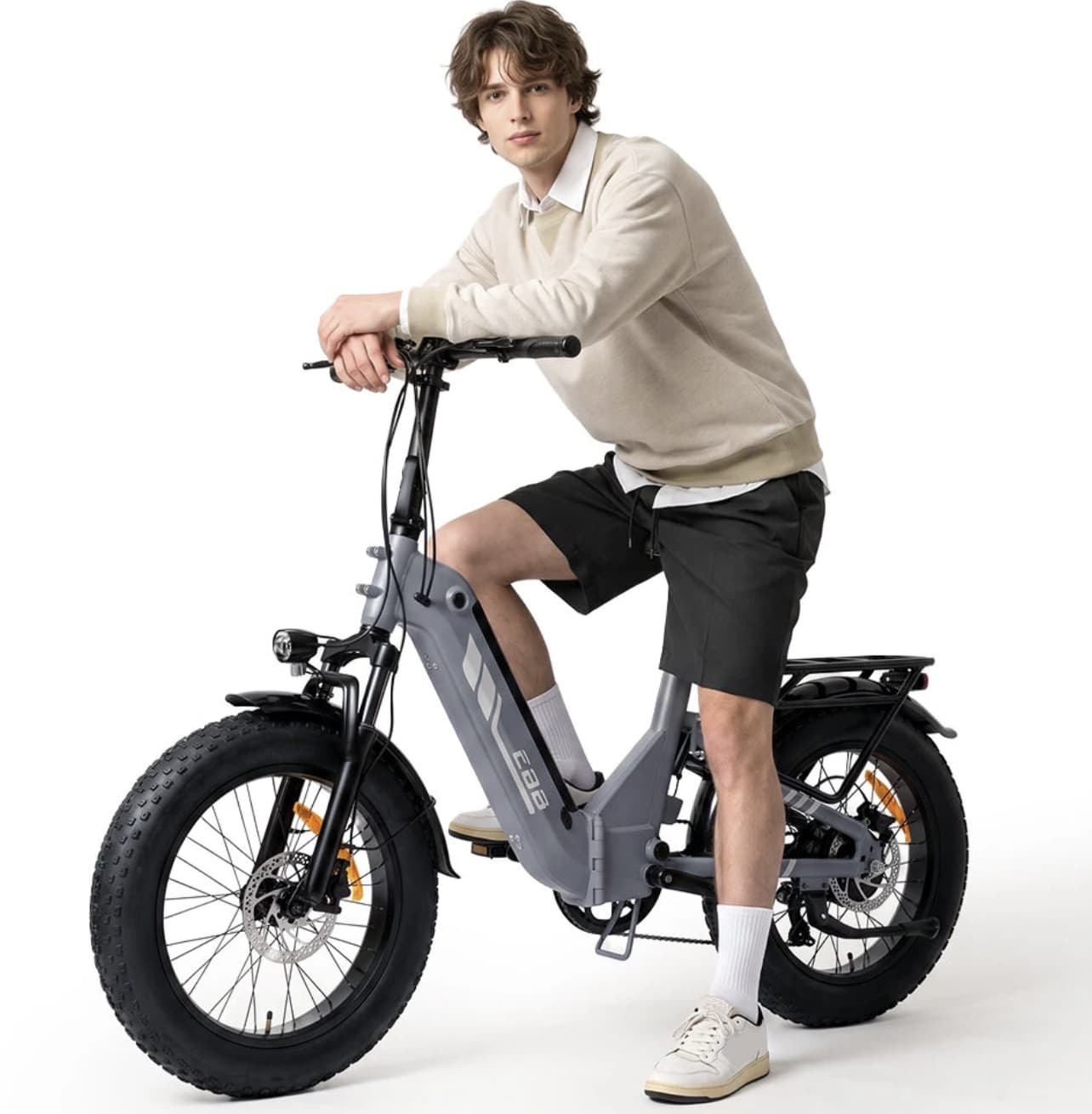
However, fat tires also add weight and rolling resistance. This is not a lightweight bicycle designed primarily for carrying upstairs or accelerating like a road-oriented e-bike. The EB8 is better understood as a stability-focused electric bike.

Front Suspension Adds Another Layer of Comfort

The front fork suspension works together with the wide tires rather than replacing them.

The tires provide the first layer of cushioning, while the suspension helps manage larger impacts reaching the front of the bike. This combination should be useful for riders who regularly encounter cracked pavement, gravel paths, cobblestones, or other imperfect surfaces.

Banggood lists the EB8 with front fork suspension and dual oil-disc brakes.

That brake setup is especially relevant on a heavier fat-tire e-bike. When the bike is carrying a rider and additional cargo, predictable braking becomes more important than simply having a high motor output.
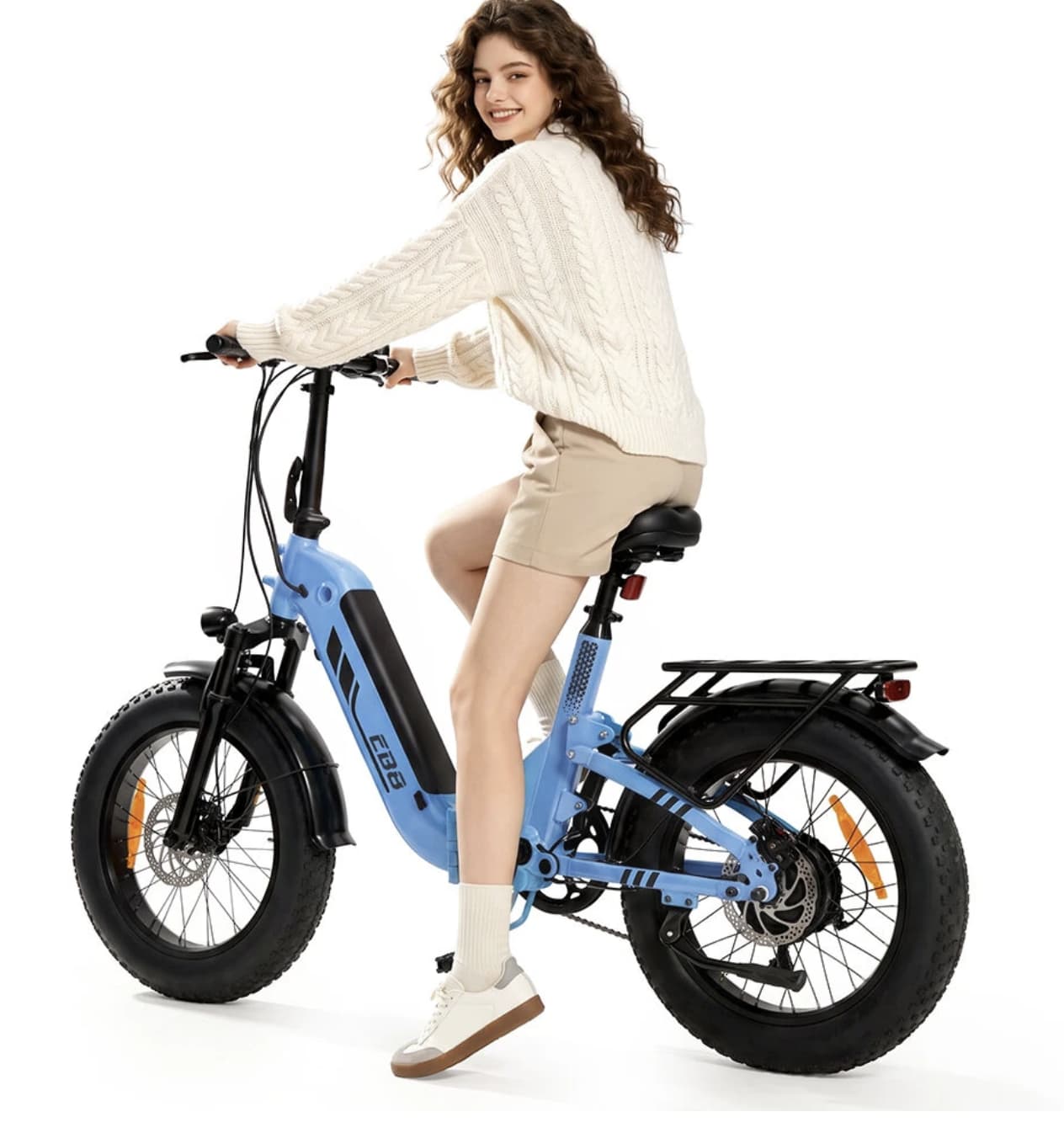
The 250W Motor Has More to the Story

At first glance, a 250W motor may not sound particularly aggressive compared with some high-powered e-bikes.

The EB8’s specifications, however, list a peak output of up to 1000W.

The important point is that rated power and peak power describe different parts of the motor’s behavior. The 250W figure represents the rated motor power, while the higher peak figure describes short-duration output under demanding conditions.

That extra headroom can be useful when accelerating, climbing, or dealing with changing terrain.

The EB8 is also listed with a maximum incline of 15 degrees. Real-world hill performance will depend on rider weight, battery level, surface conditions, and riding mode, so the specification should not be interpreted as a universal guarantee for every hill.

Folding Design Without Pretending It Is a Lightweight Bike

The EB8 folds, but portability is not its main selling point.

Banggood lists the bike at approximately 32.3 kg, with unfolded dimensions of 174.5 × 68.5 × 131 cm and folded dimensions of 107 × 56 × 78.5 cm.

That weight is important to understand before buying.

The folding mechanism is useful for reducing the bike’s footprint when storing it at home, in an office, or in a suitable vehicle. It does not turn the EB8 into something most people will want to carry for long distances.

In other words, the folding frame is primarily a storage and transportation advantage, not a lightweight-cycling advantage.

That distinction makes the product positioning clearer.

A 150 kg Maximum Load Opens Up More Practical Use Cases

The EB8 is rated for a maximum load of 150 kg.

A higher load rating can make an e-bike more practical for riders who are not well served by smaller commuter models. It also provides additional flexibility when carrying everyday items.

The bike comes with a rear rack, according to the listing, making it possible to use panniers, bags, or other compatible cargo accessories for commuting and errands.

For someone using an e-bike as transportation rather than simply recreation, this can be more valuable than another increase in top speed.

App Connectivity Makes the EB8 More Modern

The EB8 is listed with Volotix app support.

The app connection is designed to add functions such as smart unlocking and access to riding information.

This gives the bike a more connected experience than a traditional bicycle. Smartphone integration can also be useful for riders who want to keep track of basic ride information rather than relying only on the bike’s display.

The central horizontal LCD display provides another way to monitor the bike while riding, keeping key information visible without requiring a phone to be mounted on the handlebars.

A Better Match for Commuters Than Speed Seekers

The listed 25 km/h maximum speed tells you quite a lot about the EB8’s intended character.

This is not primarily an e-bike for riders chasing high top speeds.

Instead, the design puts more emphasis on:

  • stable handling
  • long-distance battery capacity
  • comfortable riding
  • hill assistance
  • cargo practicality
  • fat-tire traction
  • controlled acceleration
  • everyday usability

That makes the EB8 more interesting as a transportation tool than as a performance machine.

For commuting, grocery trips, recreational rides, and mixed-surface routes, those priorities make sense.

Where the iScooter EB8 Makes the Most Sense

The EB8’s specification sheet becomes more convincing when viewed as a complete system.

A large battery alone does not create a good long-distance e-bike. The rider also needs a comfortable chassis, stable tires, usable braking, sensible motor assistance, and enough carrying capacity.

The EB8 brings these elements together.

Its strongest use cases are likely to be:

Long commutes: The 48V 15Ah battery provides substantial energy capacity for riders who regularly cover longer distances.

Mixed surfaces: The 20×4.0-inch fat tires and front suspension make the bike better suited to rougher surfaces than a narrow-tire city bicycle.

Errands and utility riding: The rear rack and 150 kg maximum load make it more practical for carrying everyday items.

Leisure riding: The combination of fat tires, suspension, and electric assistance creates a comfortable setup for casual exploration.

Storage-conscious owners: The folding frame can reduce the bike’s footprint when it is parked or transported.

What You Should Consider Before Buying

The EB8 is not perfect for every rider.

Its approximately 32.3 kg weight is significant. If your main requirement is carrying an e-bike up several flights of stairs, a smaller and lighter model would be easier to live with.

The fat tires also make more sense for stability and comfort than for maximum efficiency on smooth roads.

The advertised 90–144 km range should be interpreted carefully as well. Maximum range figures are normally achieved under favorable conditions. A heavier rider, frequent hills, high assistance levels, cold weather, low tire pressure, or strong wind can reduce actual range.

There is also an important product-listing detail worth checking before ordering: the current Banggood page states that the EB8 is manufactured by iScooter but that the shipped bike may not carry the iScooter logo. Buyers who care about the branding should verify this point before purchase.

iScooter EB8 Specifications

Specification iScooter EB8
Bike Type Folding fat-tire electric bike
Battery 48V 15Ah
Rated Motor Power 250W
Peak Motor Power Up to 1000W
Sensor Torque sensor
Maximum Listed Speed 25 km/h
Claimed Range 90–144 km
Tires 20 × 4.0 inches
Suspension Front fork suspension
Brakes Dual oil-disc brakes
Maximum Load 150 kg
Maximum Incline 15°
Weight Approx. 32.3 kg
Charging Time About 5–6 hours
Display Central horizontal LCD
App Volotix
Unfolded Size 174.5 × 68.5 × 131 cm
Folded Size 107 × 56 × 78.5 cm

Specifications are based on the current Banggood product listing and may vary with market, configuration, or future listing updates.

Final Verdict

iScooter EB8 is most interesting when viewed as a long-range utility e-bike rather than a lightweight city bicycle.

Its combination of a 48V 15Ah battery, torque sensor, 20×4.0-inch fat tires, front suspension, dual oil-disc brakes, folding frame, rear rack, and 150 kg load rating gives it a clear purpose.

The torque sensor is arguably one of its most meaningful features because it changes how the motor assistance interacts with the rider. Meanwhile, the large battery and wide tires address two of the biggest concerns for longer recreational and commuting rides: range and comfort.

The trade-off is size and weight. At around 32.3 kg, this is a substantial e-bike, and the folding mechanism should be viewed as a storage convenience rather than a promise of easy carrying.

For riders who prioritize range, stability, comfort and practical carrying ability, the EB8 has a much more convincing proposition than a specification list alone might suggest.

The post iScooter EB8 Review: A Torque-Sensor Fat-Tire E-Bike With Long Range appeared first on IGeeKphone China Phone, Tablet PC, VR, RC Drone News, Reviews.

  •  

ATK Blazing Sky X1 V2 Review: Lightweight 8K Wireless Gaming Mouse

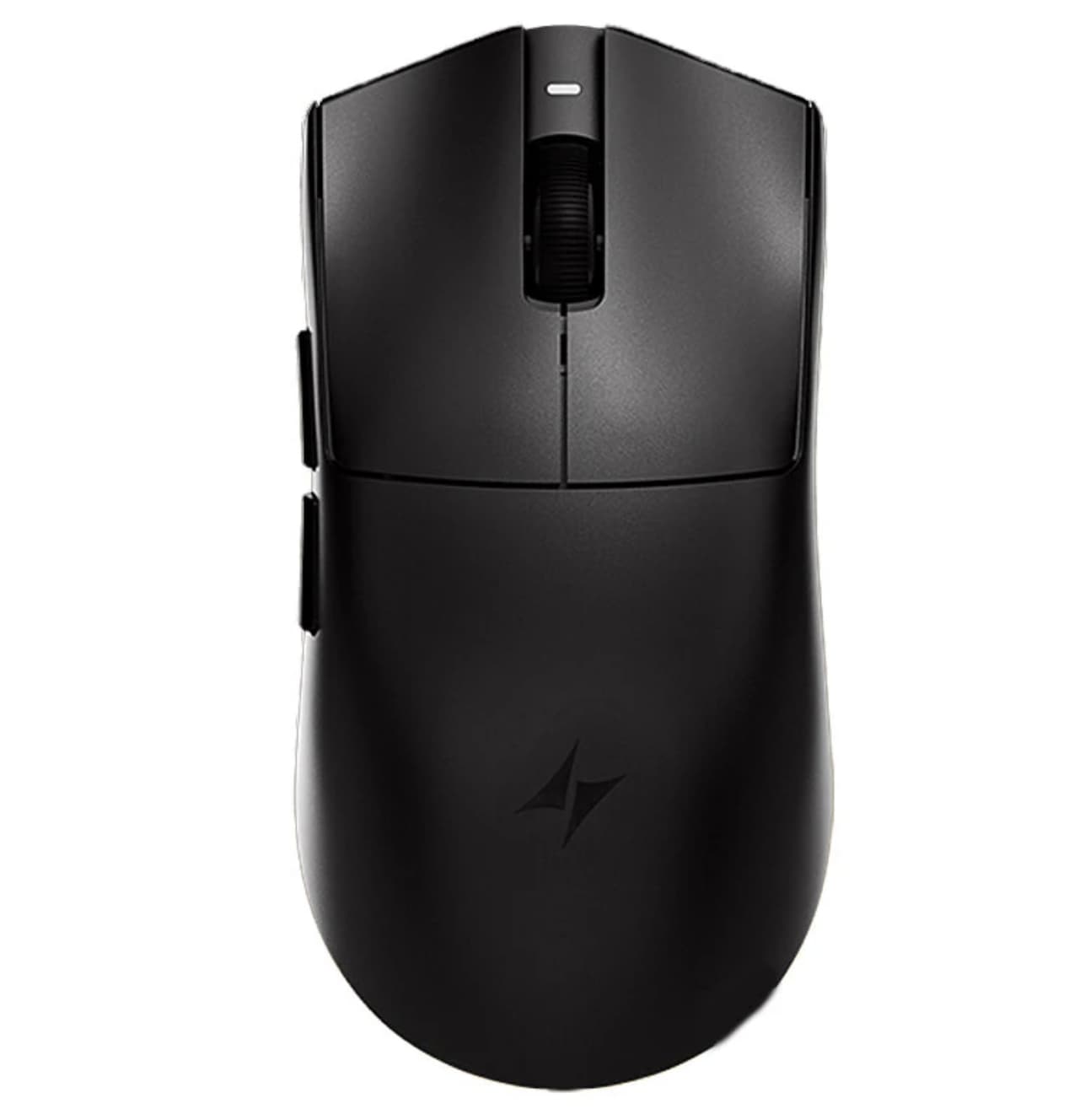
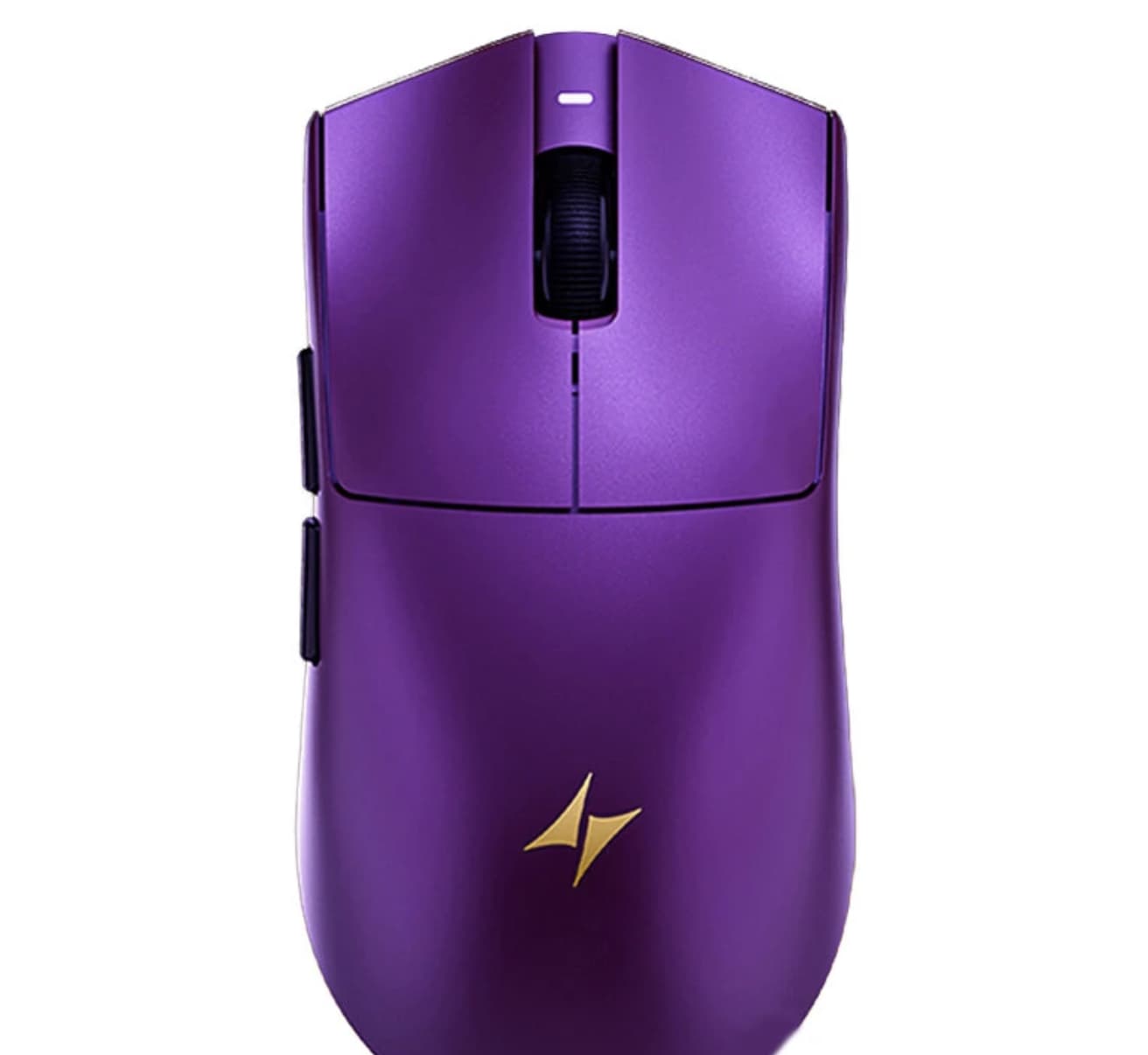
Gaming mice have become increasingly focused on three things: lower weight, faster communication and more accurate tracking. The ATK Blazing Sky X1 V2 series brings all three ideas together in a compact wireless design, while adding an unusually large battery for a mouse in this weight class.

Depending on the version, the X1 V2 family combines a high-performance sensor, an 8,000Hz polling rate, Nordic 54-series hardware, lightweight construction and 2.4GHz wireless connectivity. The Banggood listing identifies the Ultra Max version with a PAW3395 Ultra sensor, an 800mAh battery and a weight of around 55g, while the other versions use different sensor and switch configurations.

That makes the X1 V2 more interesting than a mouse that simply advertises a high DPI number. Its real appeal is the balance between movement, wireless responsiveness and long-term usability.

A Mouse Built Around Low Weight

A gaming mouse does not need to be extremely small to feel fast.

The X1 V2 measures approximately 127 × 64 × 40mm and uses a symmetrical body shape. Depending on the version, its listed weight is around 54–55g, putting it firmly in the lightweight gaming mouse category.

The advantage becomes particularly noticeable when a game requires frequent large movements, which is where lightweight gaming mice can make a difference.

In competitive shooters, players using relatively low sensitivity often move the mouse across a large section of the desk to make a turn or correct their aim. A lighter mouse reduces the amount of physical effort required for those repeated movements.

The X1 V2 therefore makes more sense as a precision-oriented gaming tool than as a general office mouse. Its shape and weight are designed around quick repositioning rather than adding unnecessary mass.

8,000Hz Polling Is About More Than a Bigger Number

One of the headline specifications is the 8,000Hz polling rate, a feature increasingly found on high-end competitive gaming mice.

A 1,000Hz mouse reports its position to the computer roughly every 1 millisecond. At 8,000Hz, that interval is reduced to approximately 0.125 milliseconds.

The practical difference is not that an 8K mouse suddenly makes someone a better player. Instead, a higher polling rate can provide more frequent position updates, particularly on a sufficiently powerful gaming PC and high-refresh-rate display.

The X1 V2 is designed to support 8,000Hz polling in both wired and wireless modes. ATK also lists button latency around 0.181ms for several X1 V2 configurations.

For everyday desktop work, the difference may be difficult to notice. In fast competitive games, however, players who already use high-refresh-rate monitors and low-latency peripherals are more likely to appreciate the additional responsiveness.

The Sensor Choice Depends on the Version

One detail buyers should pay attention to is that the X1 V2 is a series, not a single configuration.

The Banggood listing identifies three versions: X1 V2 Ultras Max, X1 V2 Ultimate and X1 V2 Extreme. The listing associates the Ultra Max with the PAW3395 Ultra sensor, while the other versions use different sensor configurations.

This distinction matters because shoppers should not assume that every X1 V2 carries exactly the same internal hardware.

ATK’s current official X1 V2 product page also shows that the broader X1 V2 lineup has evolved across several configurations, including models using PAW3950 Ultra and PAW3955 Master sensors.

For anyone purchasing the mouse, checking the exact version is therefore more useful than simply searching for “X1 V2.”

Why an 800mAh Battery Is Significant

Wireless gaming mice usually have to make a compromise between weight and battery capacity.

A larger battery can extend runtime, but it also adds weight. The X1 V2 takes a different approach by pairing an 800mAh battery with a lightweight body.

The Banggood listing advertises more than 800 hours of battery life at 1,000Hz for the 800mAh configuration.

That figure should be treated as a manufacturer-rated condition rather than a guaranteed runtime during continuous 8K wireless gaming. Higher polling rates, lighting, wireless conditions and other usage variables can affect actual battery life.

Even so, the battery capacity is one of the more practical reasons to consider this mouse. A wireless mouse that needs to be charged frequently can become frustrating, especially for people who use it for work during the day and gaming at night.

Wireless Freedom Without Giving Up Wired Mode

The X1 V2 supports wired and 2.4GHz wireless connectivity, giving users two different ways to use the mouse.

That flexibility is useful because different situations call for different setups.

A wired connection can make sense when charging the mouse or when someone wants the simplest possible competitive setup. Wireless operation, meanwhile, removes the cable from the desk and allows the mouse to move more freely, which is one of the main advantages of a wireless gaming mouse.

The included 8K receiver and cable are part of the package listed by Banggood, so the high-polling-rate setup is not dependent on purchasing a separate basic receiver.

The Shape May Matter More Than the Specifications

Specifications are easy to compare. Mouse shape is not.

The X1 V2 uses a symmetrical 127mm-long body and is positioned by ATK for medium-to-large hands, with claw and palm grips listed as suitable grip styles.

This suggests that the mouse is aimed at users who want a relatively substantial body without moving into the heavier designs commonly associated with large gaming mice.

For claw-grip users, the rear portion of the shell can provide support while still leaving enough freedom for quick fingertip adjustments. Palm-grip players may also appreciate the larger overall footprint.

However, grip preference is highly personal. A lightweight mouse can have excellent specifications and still feel wrong if its hump, width or button position does not match the user’s hand.

PTFE Feet Complete the Lightweight Approach

Weight alone does not determine how quickly a mouse moves.

The contact surface between the mouse and mousepad also has a major effect on the feeling of movement. The X1 V2 uses high-purity PTFE mouse feet, with ATK describing the design as focused on smooth and stable gliding.

This becomes particularly relevant when the mouse is used with a low sensitivity setting.

A lightweight shell combined with low-friction feet can make broad movements feel less demanding. At the same time, players who prefer more stopping resistance may want to consider their mousepad surface before deciding whether this setup matches their preferences.

A Nordic 54-Series Platform

Inside the X1 V2 is ATK’s Nordic 54-series platform.

The manufacturer describes its ApexShark MAX solution as a combination of hardware and firmware optimization, with high-speed wireless transmission and low button latency.

The important point for buyers is that the mouse is not relying on the polling rate alone. The controller, wireless system, sensor and firmware all contribute to the overall response chain.

This is also why looking only at DPI can be misleading when comparing gaming mice. A high maximum DPI number does not automatically translate into better real-world aiming.

For most players, sensor tracking quality, consistent wireless communication, shape and the ability to control the mouse comfortably are more meaningful factors.

Who Is the ATK Blazing Sky X1 V2 For?

The X1 V2 makes the most sense for several types of users.

Competitive FPS players may benefit from the lightweight body and high polling rate, particularly when paired with a high-refresh-rate monitor.

Low-sensitivity gamers can take advantage of the reduced weight when making repeated wide movements.

Wireless enthusiasts get 2.4GHz connectivity without having to accept a heavy mouse.

Users who dislike frequent charging may find the 800mAh configuration particularly attractive because of its large battery capacity.

It is less compelling for someone who mainly wants a basic office mouse. An 8K polling rate and esports-focused sensor platform are unnecessary for browsing, documents and casual desktop use.

What Makes the X1 V2 Different?

The strongest part of the X1 V2 concept is not one individual specification.

There are plenty of gaming mice with high polling rates. There are also many lightweight wireless mice and plenty of models with high-end optical sensors.

The more interesting combination here is the attempt to bring these characteristics together without turning the mouse into an ultra-small design or sacrificing battery capacity.

The result is a peripheral aimed at players who want a fast, light and flexible setup but still care about endurance.

ATK Blazing Sky X1 V2 Specifications

Feature Details
Product ATK Blazing Sky X1 V2 Series
Dimensions 127 × 64 × 40mm
Shape Symmetrical
Weight About 54–55g depending on version
Sensor PAW3395 Ultra / other sensor options depending on version
Polling Rate Up to 8,000Hz
Battery 800mAh on the Ultra Max configuration
Battery Life 800+ hours at 1,000Hz, manufacturer rated
Connectivity Wired / 2.4GHz wireless
MCU Nordic 54-series
Button Latency About 0.181ms on listed configurations
Mouse Feet PTFE
Intended Use Competitive gaming and esports

Specifications can vary between X1 V2 versions, so buyers should verify the exact configuration before ordering.

Final Thoughts

ATK Blazing Sky X1 V2 is best understood as a performance-focused wireless mouse rather than another accessory chasing impressive numbers.

Its lightweight construction can make large movements easier, while 8,000Hz polling targets users who want a highly responsive setup. The 2.4GHz connection keeps the desk cable-free, and the 800mAh battery on the Ultra Max configuration addresses one of the biggest disadvantages of lightweight wireless mice: charging interruptions.

The biggest buying consideration is the specific X1 V2 version. Sensor, switch, weight and battery specifications can differ across the range, so the exact configuration matters.

For gamers who already have a high-refresh-rate monitor and care about low-latency peripherals, the X1 V2 offers a well-balanced collection of hardware features. For casual users, many of those advantages will be difficult to notice—and a simpler mouse may make more sense.

The post ATK Blazing Sky X1 V2 Review: Lightweight 8K Wireless Gaming Mouse appeared first on IGeeKphone China Phone, Tablet PC, VR, RC Drone News, Reviews.

  •  

Série “Desaparecida” (“Last Seen”) é a estreia de hoje no Apple TV

Em busca de uma nova série para ver no Apple TV? Pois saiba que acaba de estrear “Desaparecida” (“Last Seen”), thriller australiano estrelado por Patrick Brammall.

Comandada pelo escritor e produtor executivo Kris Mrksa e dirigida por Christian Schwochow, a série é uma adaptação do livro “The Dispatcher: A Novel” (de Ryan David Jahn) e conta ainda com Maxine Peake, Brendan Cowell, Daniel Henshall, Jessica Wren, Zahra Newman, Tobias Muhafidin e Chloe Jean Lourdes no elenco.

Em “Last Seen”, acompanhamos a vida de Ian Ridley (interpretado por Brammall), detetive policial que teve o rumo de sua vida alterado quando sua filha, Maggie, desapareceu sem deixar vestígios. Agora trabalhando como operador de chamadas da polícia, ele segue em busca de reunir a família a todo custo após receber um pedido de socorro de uma jovem que ele acredita ser justamente sua filha.

Confira o trailer:

Há também uma versão dublada em português do Brasil:

Além de Mrksa e Schwochow, também são produtores executivos da série Joanna Werner, Jamie Laurenson e Hakan Kousetta.

Recentemente, a Apple celebrou a estreia da série em Sydney (Austrália):

Já estão disponíveis os dois primeiros episódios da série. Os demais serão lançados semanalmente, sempre às quartas-feiras, até o dia 7 de outubro.

O Apple TV está disponível no aplicativo Apple TV em mais de 100 países e regiões, seja em iPhones, iPads, Apple TVs, Macs, dispositivos Android, smart TVs ou online — além de também estar em aparelhos como Roku, Amazon Fire TV, Chromecast com Google TV, consoles PlayStation e Xbox. O serviço custa R$34,90 por mês, com um período de teste gratuito de 7 dias. Por tempo limitado, quem comprar e ativar um novo iPhone, iPad, Apple TV ou Mac ganha 3 meses do Apple TV. Ele também faz parte do pacote de assinaturas da empresa, o Apple One.

NOTA DE TRANSPARÊNCIA: O MacMagazine recebe uma pequena comissão sobre vendas concluídas por meio de links deste post, mas você, como consumidor, não paga nada mais pelos produtos/serviços usando os nossos links de afiliado.

  •  

MNRC MN300S Review: 1:12 4WD RC Crawler With Proportional Control

Not every remote-control vehicle is designed to be fast. Some are more interesting when the terrain becomes difficult.

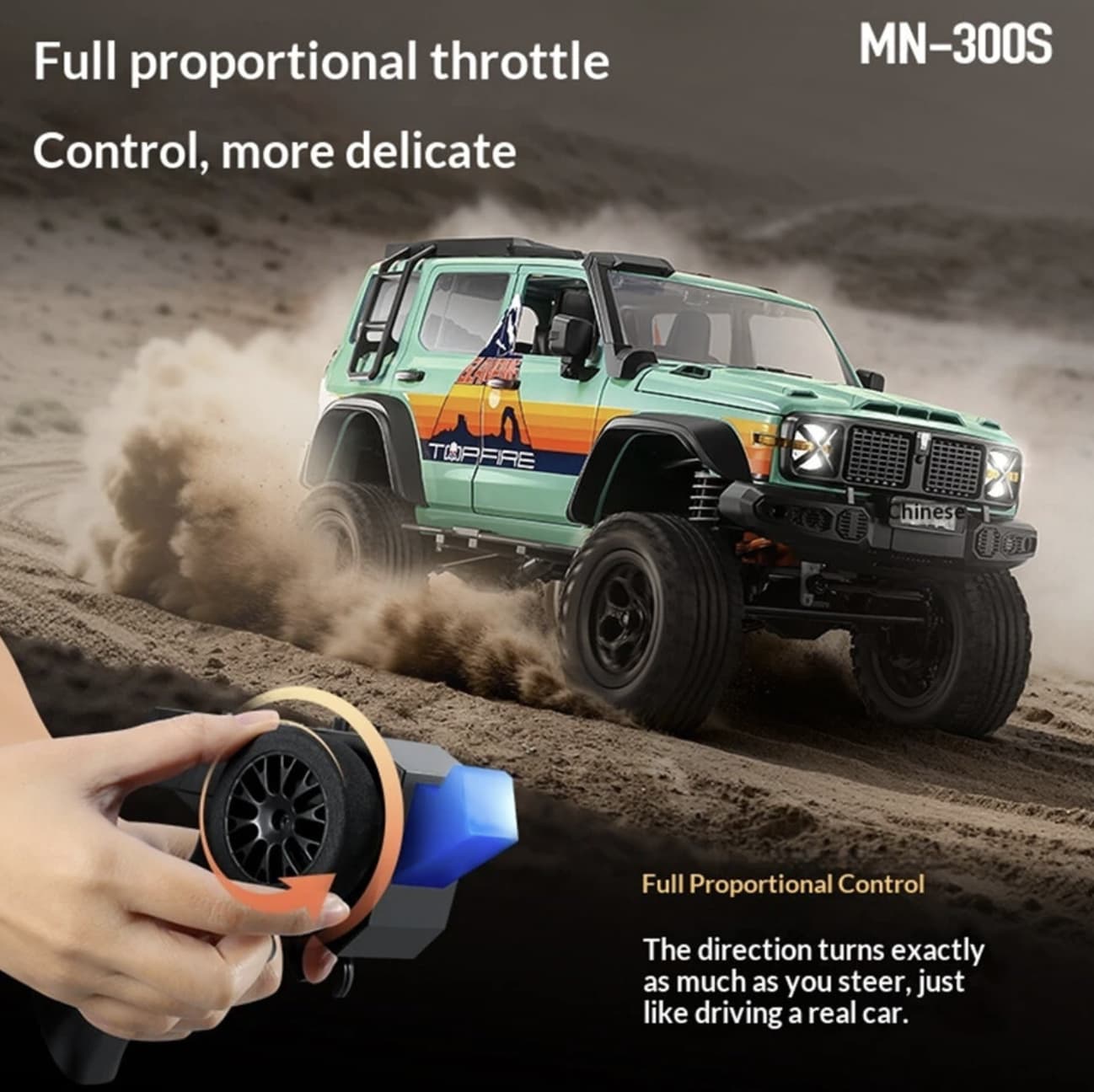
MNRC MN300S rc truck takes that approach. Rather than focusing on high top speed, this 1:12 4WD RC crawler combines four-wheel drive, proportional rc controls, a two-speed transmission and a relatively large body to create a platform aimed at climbing, trail driving and technical off-road play.

Its specifications suggest a vehicle intended for users who enjoy controlling an RC crawler through uneven ground rather than simply racing it across a flat surface. The manufacturer lists a maximum speed of 8 km/h, a climbing capability of up to 45 degrees, a control distance of around 50 meters and approximately 45 minutes of driving time from its included 7.4V 1200mAh lithium-ion battery.

The MN300S Is More About Control Than Speed

The first thing to understand about the MN300S is its character.

With a claimed top speed of 8 km/h, this is not positioned as a speed-focused RC truck. Instead, the combination of 4WD and proportional control gives the vehicle a more deliberate operating style.

Proportional control matters when navigating obstacles. Instead of treating steering and throttle as simple on/off commands, the controller allows the driver to make smaller adjustments. That is particularly useful when the vehicle is approaching a rock, climbing a slope or trying to keep its wheels positioned on a narrow section of trail.

For casual driving, this can make the MN300S feel more predictable. For hobbyists, it also creates more room to develop driving technique.

1:12 Scale Gives It a Substantial Trail Presence

The MN300S measures approximately 38.78 × 16.84 × 18.5 cm, putting it firmly into the larger end of casual RC toys while remaining manageable for outdoor use.

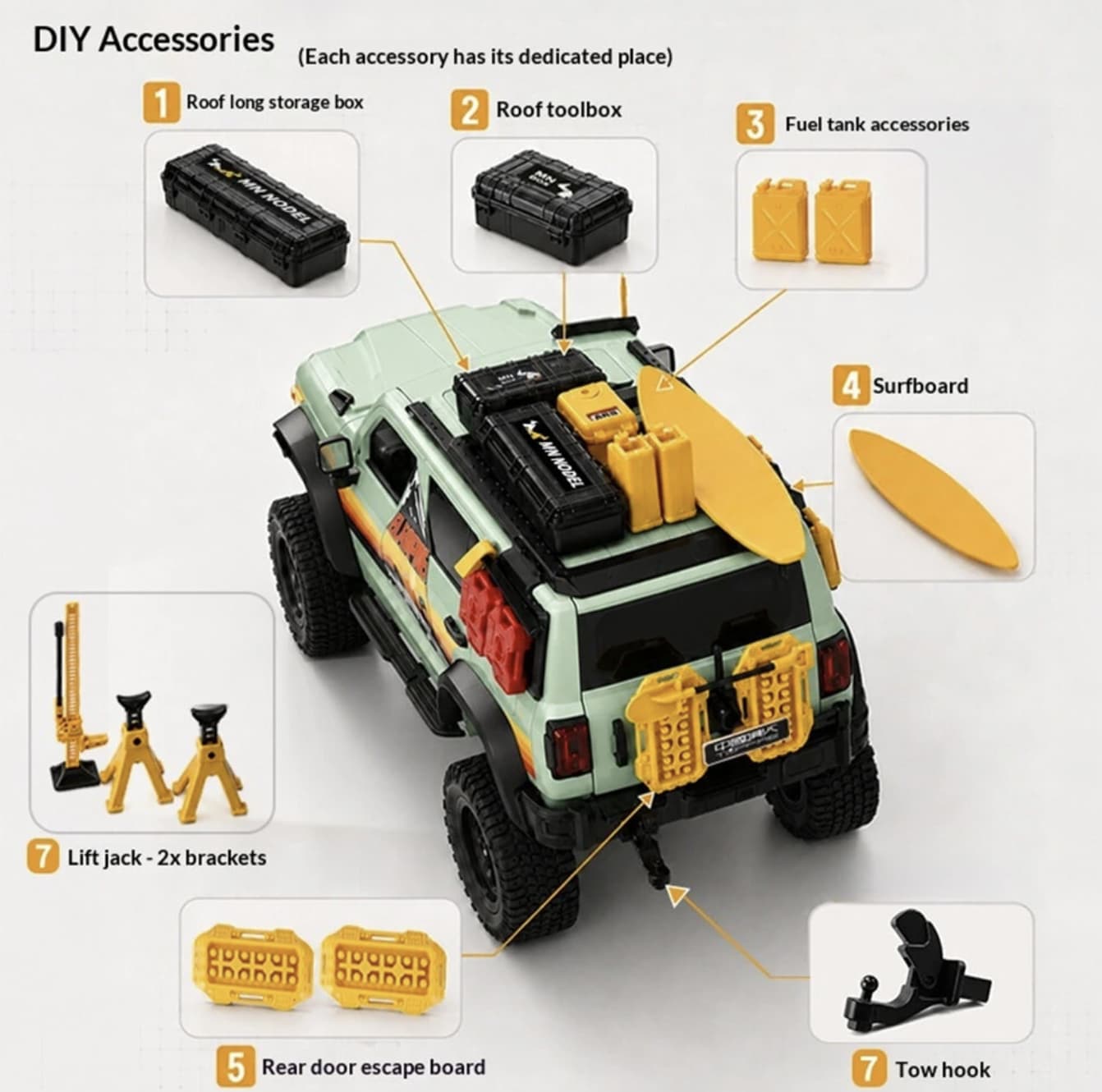
Its 1:12 scale is also important from a visual perspective. The body is designed around an officially licensed, high-simulation appearance, so the vehicle is intended to work in two different ways: as something to drive and as a model that can be displayed when it is not being used.

That combination should appeal to hobbyists who care about the appearance of their RC vehicles as much as the driving experience.

4WD Is the Key to Its Off-Road Personality

The MN300S uses a four-wheel-drive system designed for uneven outdoor terrain.

On a smooth floor, the difference between 2WD and 4WD may not be especially important. On loose soil, grass, stones and other irregular surfaces, however, maintaining traction across multiple wheels becomes much more relevant. It comes with 4WD RC cars for off-road driving.

The listing gives the vehicle a maximum climbing angle of 45 degrees. This figure should be viewed as a manufacturer specification rather than a guarantee that the vehicle will climb every 45-degree surface, because actual performance depends on terrain, tire grip, battery condition, surface material and driving technique.

Still, the specification clearly shows where MNRC expects the MN300S to be used: on terrain where traction and controlled wheel movement matter more than outright speed.

Two-Speed Transmission Adds Another Layer of Control

Another interesting feature is the two-speed transmission.

A crawler benefits from having different driving characteristics for different situations. A lower-speed setting can be useful when negotiating obstacles that require careful throttle control, while a faster setting makes ordinary trail movement less tedious.

This is one of the details that separates the MN300S from very basic RC cars. The vehicle is not simply designed around maximum acceleration. Its controls are intended to give the driver more influence over how the truck responds to the terrain.

A 7.4V Battery Provides Around 45 Minutes of Claimed Runtime

Power comes from a 7.4V 1200mAh lithium-ion battery, which is included with the vehicle. Banggood lists approximately 45 minutes of playtime and around 210 minutes of charging time.

The real runtime will naturally vary according to driving conditions. Continuous climbing and frequent throttle changes can consume more energy than relaxed driving on relatively flat ground.

The roughly three-and-a-half-hour charging time also means owners should plan charging before an outdoor session rather than expecting a quick top-up between short drives.

The transmitter itself requires two AA batteries, which are not included.

LED Lighting Makes the Vehicle More Than a Daytime Toy

The MN300S includes a remotely controllable lighting system with front lights, turn signals and rear lights.

That is more than a cosmetic detail. Lighting gives the vehicle a more realistic appearance and makes it easier to distinguish the front and rear of the model when driving at a distance.

For hobbyists who enjoy filming RC rock crawler or creating miniature trail scenes, the lighting system can also add visual interest without requiring additional accessories.

Built for Hobbyists Who Like to Modify Their Vehicles

One of the more interesting aspects of the MN300S is its stated support for customization and upgrades.

That makes the platform potentially more attractive to hobbyists than a completely closed RC toy. Owners who enjoy changing components, experimenting with setup or gradually improving a vehicle have more reason to keep working with the same chassis.

The product listing also describes the vehicle as using a combination of PA, alloy and electronic components, while the body is described separately as a sturdy ABS structure.

This suggests a design that tries to balance visual detail with the demands of outdoor driving.

50-Meter Control Range Is Enough for Trail Driving

The included 2.4GHz transmitter operates across four channels and has a listed control distance of approximately 50 meters.

For a crawler, that is a sensible range. Unlike a fast RC racer, the MN300S does not need to travel huge distances before reaching its intended driving environment.

A 50-meter range gives the driver enough room to send the vehicle along a garden path, park trail or open outdoor area while maintaining a practical distance for observing obstacles.

What the MNRC MN300S Is Actually Good At

The specifications point toward a particular type of RC experience.

The MN300S makes the most sense for:

  • Technical off-road driving
  • Rock and trail crawling
  • Outdoor RC sessions
  • Hobbyists who enjoy proportional controls
  • Drivers interested in customization
  • Collectors who want a realistic 1:12 model
  • Users who prefer controlled driving over high speed

It is less compelling if the main goal is racing. An 8 km/h maximum speed places it firmly in the crawler-oriented category rather than the high-speed RC category.

MNRC MN300S Specifications

Feature Details
Model MN300S
Brand MNRC / MNR/C
Scale 1:12
Drive 4WD
Frequency 2.4GHz
Channels 4CH
Motor 280 brushed motor
Steering servo 17g
Maximum speed Up to 8 km/h
Control distance About 50m
Car battery 7.4V 1200mAh Li-ion
Claimed runtime Approx. 45 minutes
Charging time Approx. 210 minutes
Climbing angle Up to 45°
Steering angle Up to 28°
Load weight Up to 3kg
Traction weight Up to 5kg
Vehicle size 38.78 × 16.84 × 18.5cm
Transmission Two-speed
Lighting Front lights, turn signals and rear lights
Control Proportional
Recommended age 15+

Specifications are based on the current product listing and should be treated as manufacturer/retailer claims rather than independent performance measurements.

Final Take

MNRC MN300S is interesting because it does not try to compete with RC vehicles by chasing an impressive top-speed number. Its appeal comes from a different combination: 1:12 scale, four-wheel drive, proportional control, two-speed gearing and a design intended for climbing and outdoor terrain.

The included battery and transmitter also mean the package is relatively straightforward for someone who wants to start driving without assembling a complete RC system from individual components. The addition of controllable lighting and upgrade potential gives the platform more personality than a basic entry-level RC car.

For someone looking for a realistic RC crawler to take onto trails, grass, dirt and moderate obstacles, the MN300S has a specification sheet that makes sense as a hobby-oriented off-road platform. Its relatively modest speed is not necessarily a weakness—it is part of the reason the vehicle is better understood as a technical crawler rather than a racing truck.

The post MNRC MN300S Review: 1:12 4WD RC Crawler With Proportional Control appeared first on IGeeKphone China Phone, Tablet PC, VR, RC Drone News, Reviews.

  •  

Were Dinosaurs on Noah’s Ark? | An AI Summarizes

An AI summarizes the Young Earth Creationist (YEC) perspective in that dinosaurs were created on Day 6 of creation alongside Adam, and therefore were on Noah's Ark. The biblical interpretation of creatures like Behemoth and Leviathan and dragon is what we now call dinosaurs though the word "dinosaur" is not found in the Bible.

  •  

iOS 26.6.2 & iPadOS 26.6.2 Updates Available with Fix for Cellular Updating

Apple has released iOS 26.6.2 for iPhone and iPadOS 26.6.2 for iPad. The software updates provide a fix to address an issue with updating software updates over a cellular connection. There are no concurrent software updates available for other devices or Apple hardware. How to Download & Install iOS 26.6.2 and iPadOS 26.6.2 Update As ... Read More

The post iOS 26.6.2 & iPadOS 26.6.2 Updates Available with Fix for Cellular Updating appeared first on OS X Daily.

  •  

Désertification en France : « Nous devons prendre conscience de notre vulnérabilité », alerte le géographe Jean-Daniel Cesaro

L'été a été marqué par des canicules à répétition, des incendies de grande ampleur et une nette diminution des ressources hydriques. À quoi faut-il s'attendre en matière de sécheresse et d'évolution du climat ? Jean-Daniel Cesaro, géographe au Centre de coopération internationale en recherche...

  •  

KDE propõe Photos como substituto moderno para o antigo Gwenview

Photos KDE surge como alternativa eficaz a Gwenview, revolucionando o visualizador de imagens com melhor desempenho e suporte móvel.

O post KDE propõe Photos como substituto moderno para o antigo Gwenview apareceu primeiro em Blog do Edivaldo - Informações e Notícias sobre Linux.

  •  

App Tracking Transparency: Apple Faces $2.7 Billion UK Lawsuit

App Tracking Transparency is at the center of a new UK lawsuit seeking approximately $2.7 billion (£2 billion), putting one of the most recognizable iPhone privacy features under fresh legal pressure. The claim follows earlier challenges to the tracking system in France, but this action seeks compensation for developers who say Apple imposed unfair restrictions on their businesses while favoring its own advertising services.

Filed on September 3 at London’s Competition Appeal Tribunal, the case represents another dispute over the rules behind the familiar permission prompt. Apple rejects the allegations and maintains that it follows the same App Tracking Transparency requirements as other developers.

The amount being sought is not a fine or an awarded payment. It is the claimants’ estimate of losses, which Apple disputes.

What the App Tracking Transparency Lawsuit Alleges

The action was brought by ATT Collective Action Limited, whose director, Ann Pope, previously led antitrust enforcement at the UK Competition and Markets Authority. Law firm Hausfeld is representing the proposed class.

According to Hausfeld’s announcement of the claim, developers argue that Apple introduced the framework unfairly, without adequate consultation, and applied more burdensome requirements to outside businesses than to its own services.

The complaint focuses partly on consent. It alleges that third-party developers must obtain permission under data-protection law and then secure an additional approval through the iOS tracking prompt. Apple’s advertising services, the claimants argue, operate under a less demanding process.

Developers also contend that the introduction left them insufficient time to adapt business models dependent on advertising.

These are allegations about how the system was designed and introduced—not established findings in this UK case. The claimants’ stated position is that privacy protections should remain compatible with fair treatment of businesses.

App Tracking Transparency | Two iPhones display Apple’s “Find My” app settings in dark mode, showing options like “Notify When Left Behind,” separation alerts, device locations, and contact sharing. The interface offers users easy access to Find My alerts and seamless integration with AirTag tracking.
Image Credit: AppleMagazine

What the Tracking Prompt Actually Protects

For someone using an iPhone, App Tracking Transparency offers a direct choice about a practice that previously could be difficult to see.

An app may want to connect information about your activity with information gathered through other companies’ apps or websites. That connection can help advertisers build a profile, target advertisements, or measure whether an advertising campaign led to a purchase.

Under Apple’s explanation of the tracking rules, apps must request permission before carrying out the tracking covered by the framework. Choosing “Ask App Not to Track” blocks access to the system advertising identifier and prohibits using other identifying information to perform that tracking instead.

The feature arrived with iOS 14.5 in 2021. It does not remove advertisements, make an app anonymous, or serve as a universal switch for every kind of data collection.

That boundary matters. A retailer remembering purchases made within its own service is not automatically doing the same thing as an advertising company linking activity across unrelated businesses.

The disagreement concerns whether those distinctions, and the consent processes built around them, give Apple an unfair commercial advantage.

App Tracking Transparency | iOS 16 | iPhone 14

Apple Says the Same Rules Apply to Everyone

Apple has responded directly to the lawsuit, defending the feature as a way to give people control over tracking across other companies’ services.

In a statement reported by AFP, a spokesperson said: “Apple is bound by the exact same requirements as all developers under ATT.”

The company also pointed to support for the feature from customers and privacy advocates.

That response challenges the foundation of the developers’ case. Apple presents App Tracking Transparency as a rule based on the type of data activity involved. The claimants argue that its practical operation places competing advertising businesses at a disadvantage.

Resolving that disagreement requires more than comparing the appearance of two permission screens. The underlying data uses, consent requirements, and commercial effects all matter.

Why Free Apps Are Part of the Dispute

Advertising can support both sides of an app business. A developer may sell advertising space inside a free app while also buying advertisements elsewhere to attract new users.

A change to tracking can therefore affect how much an app earns and how confidently its developer can measure spending on promotion.

Consider a small game studio. It needs to know whether an advertising campaign brings in players who keep using the game. If measurement becomes less precise, deciding where to spend the next marketing dollar becomes harder. Separately, advertisers may value the game’s available ad space differently when less information is available for targeting.

That explains the commercial concern without proving the legal claim. Losing revenue after a privacy change does not, by itself, establish that the change was unlawful.

There is also a consumer interest that cannot be reduced to advertising performance. Someone choosing not to be tracked is expressing a preference about personal information, not making a promise to preserve a developer’s previous income.

The difficult question is whether that preference can be protected through a system that treats competing businesses fairly.

France Has Already Examined the Consent Process

The UK action arrives after a separate French competition investigation found problems with the implementation of App Tracking Transparency.

In its March 2025 decision, France’s Autorité de la concurrence distinguished between the legitimate objective of protecting privacy and the way Apple pursued it.

The authority criticized multiple consent requests and differences in treatment between Apple and outside publishers. It also highlighted the position of smaller businesses that lack the extensive first-party data available to large platforms.

Importantly, the French authority did not argue that people should lose the ability to refuse tracking. It said adjustments to the framework could address competition concerns while retaining privacy protections.

That distinction leaves room for changes to wording, consent flows, or implementation without automatically requiring the removal of the feature. The French decision, however, does not determine liability or compensation in the separate UK proceedings.

The Claim Is for Developers, Not iPhone Owners

The official claim website describes a proposed action for UK-based app developers affected since April 2021. It estimates losses across the group rather than offering a fixed payment to everyone who owns an iPhone.

The proposed scope includes developers earning advertising revenue from third-party iOS apps and developers spending money to attract users to those apps. Whether compensation becomes available depends on the proceedings and their outcome.

For U.S. readers, the filing does not announce a change to domestic iPhone settings or create a consumer refund program. There is no reason to grant an app tracking permission simply because its developer objects to the framework.

Businesses following the case should also distinguish registering interest from receiving compensation. The claim website currently invites affected organizations to provide their details; it is not distributing a settlement.

A smartphone screen displays the "Privacy & Security" settings, highlighting iPhone App Permissions for Location Services and Tracking, with the Apple logo in the bottom right corner.

The post App Tracking Transparency: Apple Faces $2.7 Billion UK Lawsuit appeared first on AppleMagazine.

  •  

Patrick Brammall Takes a Dark Turn in Apple TV’s Last Seen

Patrick Brammall is heading into a much darker week on television. Following the Last Seen screening in Sydney, the Colin from Accounts star arrives on Apple TV as a father whose missing daughter has left his life suspended for more than a decade. The Australian thriller premieres September 9, bringing a very different kind of emotional discomfort from the romantic comedy that introduced him to many American viewers.

In Colin from Accounts, embarrassment can become an opening for affection. Last Seen gives Brammall a character with far less room to recover from a bad decision. Ian Ridley is a former detective, now working as a police dispatcher, who receives a call he believes could finally lead him back to his daughter.

The casting offers an immediate reason to be curious. Audiences familiar with Brammall’s comic timing will be watching him carry a story built around loss, uncertainty, and a hope that could become dangerous.

Patrick Brammall Finds a Personal Connection to Ian Ridley

Brammall has described drawing on fatherhood to understand the role. In an interview with Radio Times, he explained that being the father of two young daughters gave him access to an emotional vulnerability he could bring into the performance.

He did not need to imagine the story happening to his own children. Becoming a parent had already changed how available those feelings were to him.

“Ian is like a raw nerve,” he said.

That description gives a more precise sense of the character than the familiar image of a troubled detective. Ian’s professional experience may help him interpret a crisis, but his connection to this particular call makes distance almost impossible.

The challenge for a performance like this lies in keeping both sides believable. An audience needs to understand why Ian recognizes a possibility others might dismiss, while remaining alert to how much he wants that possibility to be true.

Brammall also credited his classical theater training and casting director Kirsty McGregor with helping him move between genres. The dramatic assignment draws on an established acting background, even if it surprises viewers who associate him most closely with comedy.

Patrick Brammall | Last Seen | Description: A woman with long hair buries her face in a man's chest, appearing upset, while the bearded man holds her protectively and looks ahead with a serious expression in a warmly lit room, evoking the emotional intensity of Last Seen on Apple TV.
Image Credit: Apple Inc.

One Phone Call Reopens an Eleven-Year Absence

Maggie disappeared 11 years before the events of Last Seen. Ian has never accepted that she might be gone forever. When a teenage girl calls for help, he becomes convinced that he recognizes his daughter and begins pursuing the possibility of bringing her home.

The premise places an ordinary professional responsibility under extraordinary personal pressure. A dispatcher must listen carefully, gather information, and help someone through an emergency. Ian suddenly has to do that while confronting the possibility that the voice belongs to the person he has spent years hoping to find.

There is tension in the simple absence of a face. A voice offers clues without providing the certainty of seeing someone. Memory, fear, and recognition can arrive together, leaving very little time to sort one from another.

The emotional question extends beyond whether the caller is Maggie. Eleven years have passed for everyone involved. Even a reunion could not return the family to the day before she disappeared.

That gives the story room to explore the difference between finding someone and recovering the life that existed before their loss. It also gives Brammall something more complicated to play than determination alone: a man whose idea of rescue may be tied to a past that cannot be restored.

These are the tensions established by the premise. How the series resolves them remains part of the mystery awaiting viewers.

An Australian Production With a Substantial Supporting Cast

Last Seen adapts Ryan David Jahn’s novel The Dispatcher, with Kris Mrksa serving as writer and executive producer. The series is produced by 60Forty Films and was entirely set and filmed in Victoria, Australia.

The official cast and crew credits name Christian Schwochow as director and executive producer. Brammall is joined by Maxine Peake, Brendan Cowell, Daniel Henshall, Jessica Wren, Zahra Newman, Chloe Jean Lourdes, and Tobias Muhafidin. Executive producers also include Hakan Kousetta, Jamie Laurenson, and Joanna Werner.

For American audiences, the Australian setting gives the show an identity outside the familiar geography of U.S. police dramas. Victoria is the location of the story itself, allowing the adaptation to establish its own surroundings rather than asking local scenery to stand in for another country.

The ensemble also creates room for perspectives beyond Ian’s. A missing-person story can become claustrophobic when every event is filtered through a single person’s conviction. The dramatic interest comes partly from encountering people who have their own knowledge, loyalties, and reasons for responding differently.

Brammall carries the central search, but the relationships around him will determine whether that search feels convincing as a family story.

The Action Was a Physical Challenge

Last Seen also demanded action sequences, and Brammall has been candid about finding them harder at 50 than he once imagined.

Discussing the production with Radio Times, he credited a younger scene partner with taking on much of the physical work during an early confrontation. Asked about the possibility of doing more action, he offered a practical condition: “Give me the right stunt double and I’ll do it.”

His account brings a welcome human detail to the promotional image of a desperate father fighting his way toward an answer. Performing that desperation requires choreography, cooperation, and people prepared to absorb the physical demands of a scene.

For the character, physical vulnerability can be useful territory. Ian’s willingness to intervene does not necessarily mean he is equipped to control what follows. The possibility of getting hurt gives an impulsive decision consequences beyond moving the investigation forward.

When Last Seen Arrives in the U.S.

Apple’s official premiere announcement confirms that the first two episodes arrive together on Wednesday, September 9. The remaining four episodes follow weekly, with the sixth scheduled for October 7.

That gives the thriller a five-week release window. Viewers can begin with a substantial introduction to Ian’s situation, then follow the investigation one chapter at a time. Those who prefer watching a complete season can plan around the final episode’s arrival.

The U.S. Last Seen page provides access to the series through Apple TV. No familiarity with the source novel or Brammall’s previous work is needed to begin.

American viewers will have an unusually sharp contrast available the following day. Paramount+ has confirmed that the third and final season of Colin from Accounts arrives September 10, with all episodes released at once.

Brammall returns there alongside Harriet Dyer, his wife and fellow creator, writer, and star. Their comedy began with a car accident, an injured dog, and two strangers drawn into each other’s lives. Its farewell season places another set of complicated relationships on his schedule, with considerably more space for laughter between the difficult moments.

Six people stand together in front of a green backdrop with large white letters. Dressed in formal attire, with some smiling at the camera, they gather to celebrate the premiere of an exciting Australian thriller starring Patrick Brammall on Apple TV.
Image Credit: Apple Inc.

The post Patrick Brammall Takes a Dark Turn in Apple TV’s Last Seen appeared first on AppleMagazine.

💾

Enjoy the videos and music you love, upload original content, and share it all with friends, family, and the world on YouTube.
  •  

Has Dark Matter Finally Been Detected?

The LUX-ZEPLIN experiment in South Dakota recorded an unexplained flash of light in 2023, suggesting a potential dark matter particle interaction. While the statistical significance of 2.6-sigma indicates low odds of error, much more evidence is needed before confirming a dark matter discovery, which remains elusive despite ongoing research.

  •  
❌