Starting today (Sept. 9), skywatchers in the Northern Hemisphere have a chance to spot one of the night sky's more elusive sights: the zodiacal light.
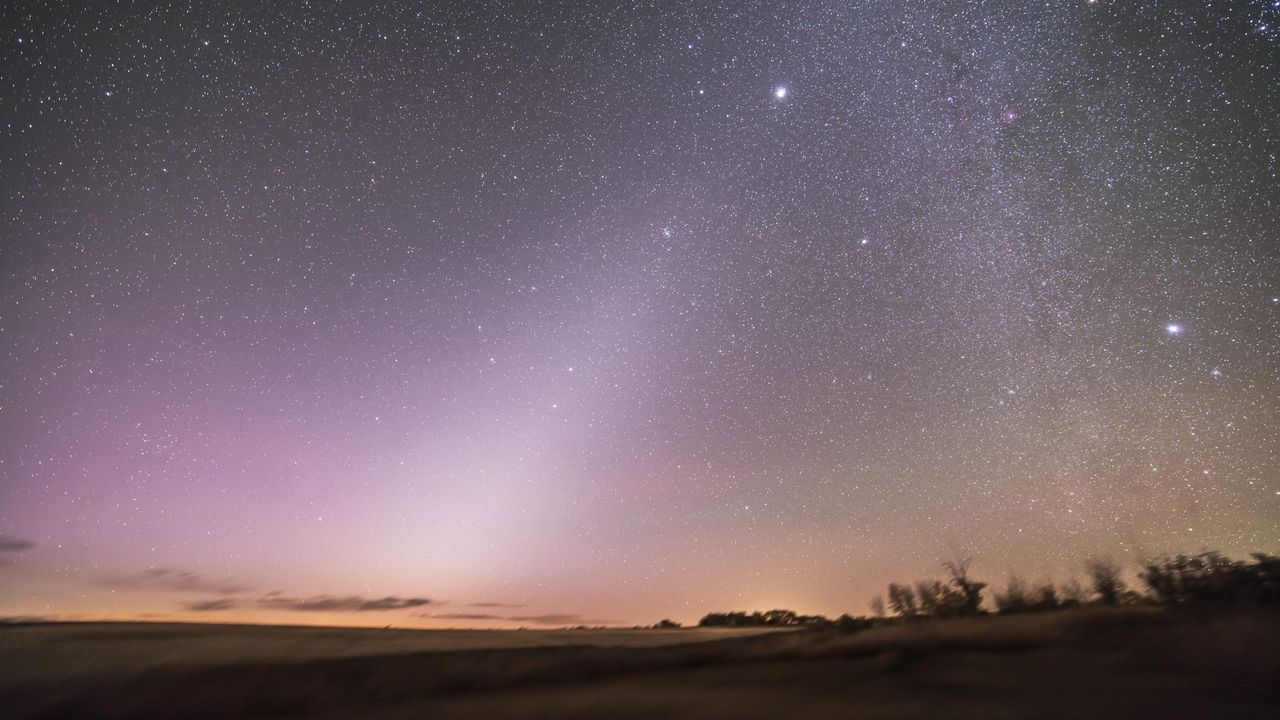
Zodiacal light is a faint, pyramid-shaped glow rising in the east before morning twilight. It is caused by sunlight reflecting off interplanetary dust.
The phenomenon is sometimes nicknamed the "false dawn" because its soft glow can be mistaken for the signs of morning twilight. Unlike dawn, however, the zodiacal light appears as a distinct cone or wedge of light extending upwards from the horizon along the ecliptic — the apparent path the sun, moon and planets follow across the sky.
Early fall provides a good opportunity for northern hemisphere observers to look for zodiacal light before dawn, when the angle of the ecliptic helps the glow stand more prominently above the eastern horizon.
Timing and location are everything in order to observe the Zodiacal Light. You must be far from city lights, looking east, around 4:00 a.m. EDT. Give your eyes plenty of time to adjust to the darkness and avoid looking at your phone or other bright lights while searching for the faint glow.
How to find it
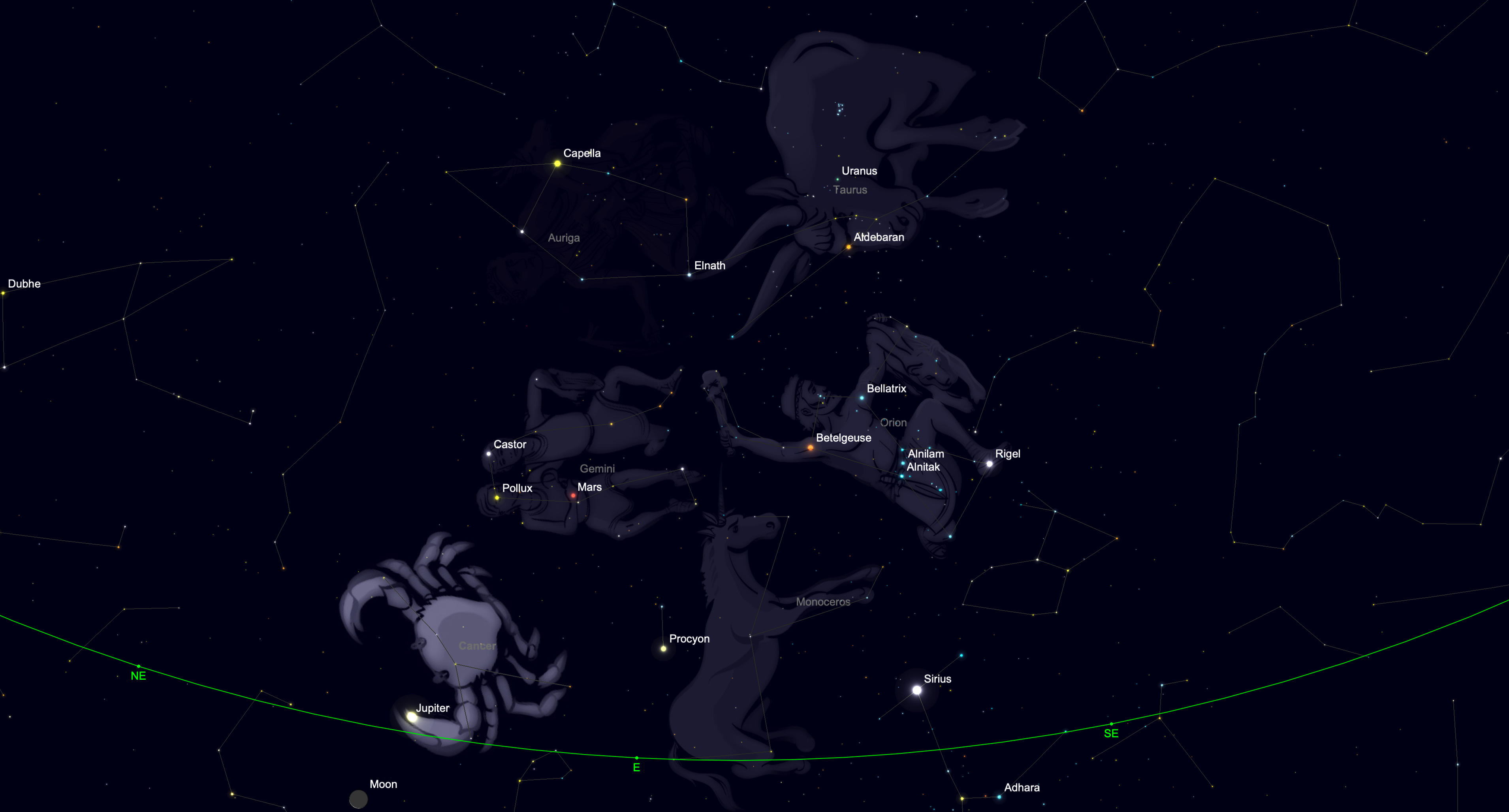
Trace the cone of light as high as possible. Under pristine, dark skies, you can follow this glow deep into the zodiacal constellations that lie along the ecliptic. The base of the light cone will start near Cancer, resting just above the horizon, stretching upward through Gemini, and reaching high into the predawn sky toward Taurus.
The zodiacal light may be visible before dawn in early September as a faint cone of light rising from the eastern horizon through the zodiac constellations. (Image credit: Jules-Pierre Malartre/Starry Night)
How to photograph it
Capturing the Zodiacal Light is very similar to photographing the Milky Way. You will want a fast, wide-angle lens (such as a 14 mm lens at f/2.8) to properly frame the sweeping diagonal of these constellations. Use a high ISO (1600 to 3200) and take a 15-to-20-second exposure on a fixed tripod.
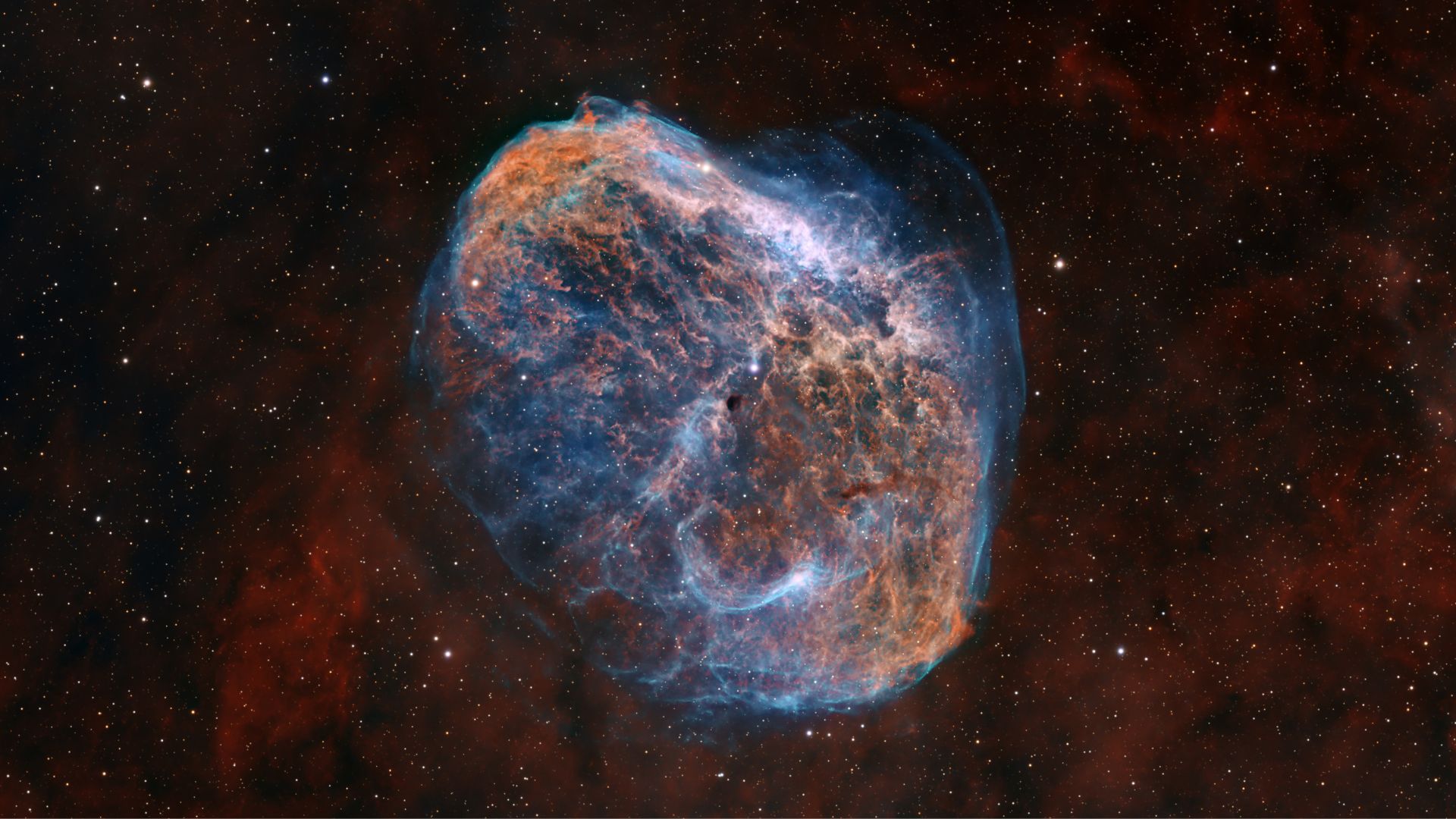
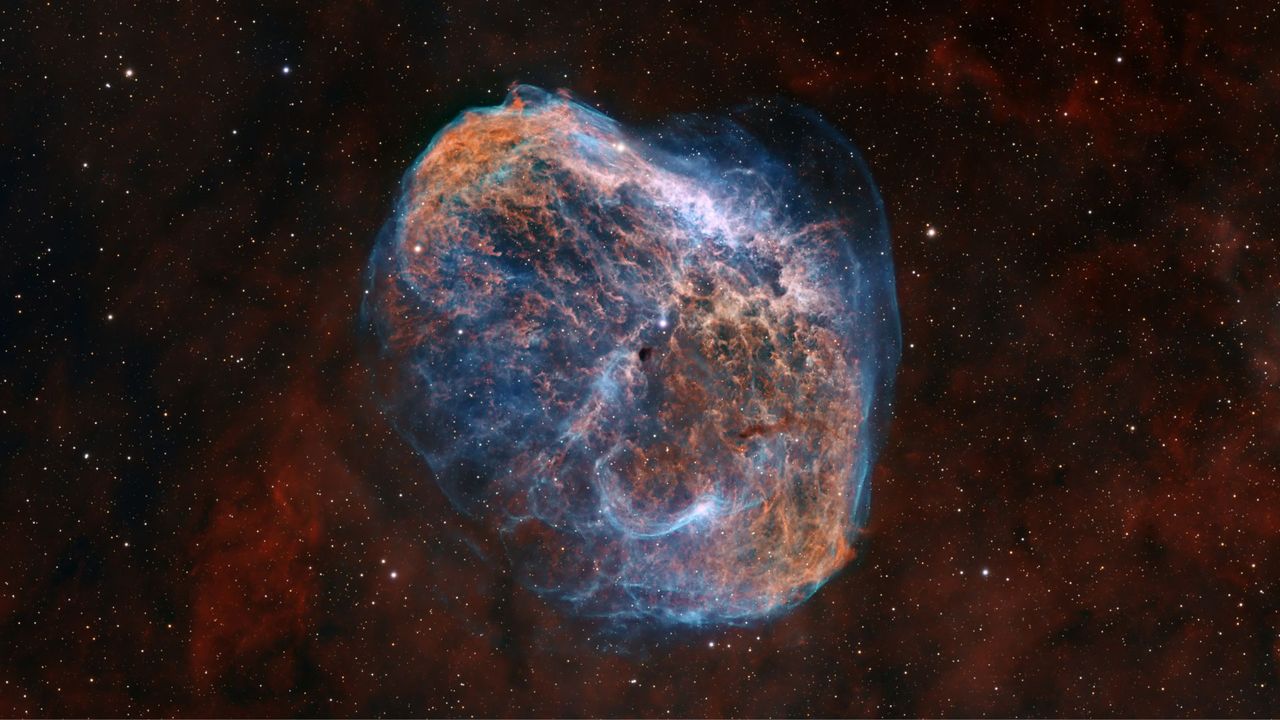
The Crescent Nebula shines in the constellation Cygnus. (Image credit: Kevin Boardman)
Astrophotographer Kevin Boardman captured this spectacular view of the Crescent Nebula, revealing intricate filaments of gas surrounding a massive star nearing the end of its life some 4,700 light-years from Earth in the constellation Cygnus.
Boardman's image represents a turbulent chapter in the life of the colossal Wolf-Rayet star WR 136 (HD 192163), which, visible as a blue point of light at the center of the image, is expected to end its life in a dramatic supernova explosion in about 100,000 years.
The 25-light-year-wide bubble is formed from stellar material cast off by WR 136 during its transformation into a red giant star, according to NASA. Repeated impacts by fast-moving stellar winds later send shockwaves through the outer shell, creating the complex filaments we see today.
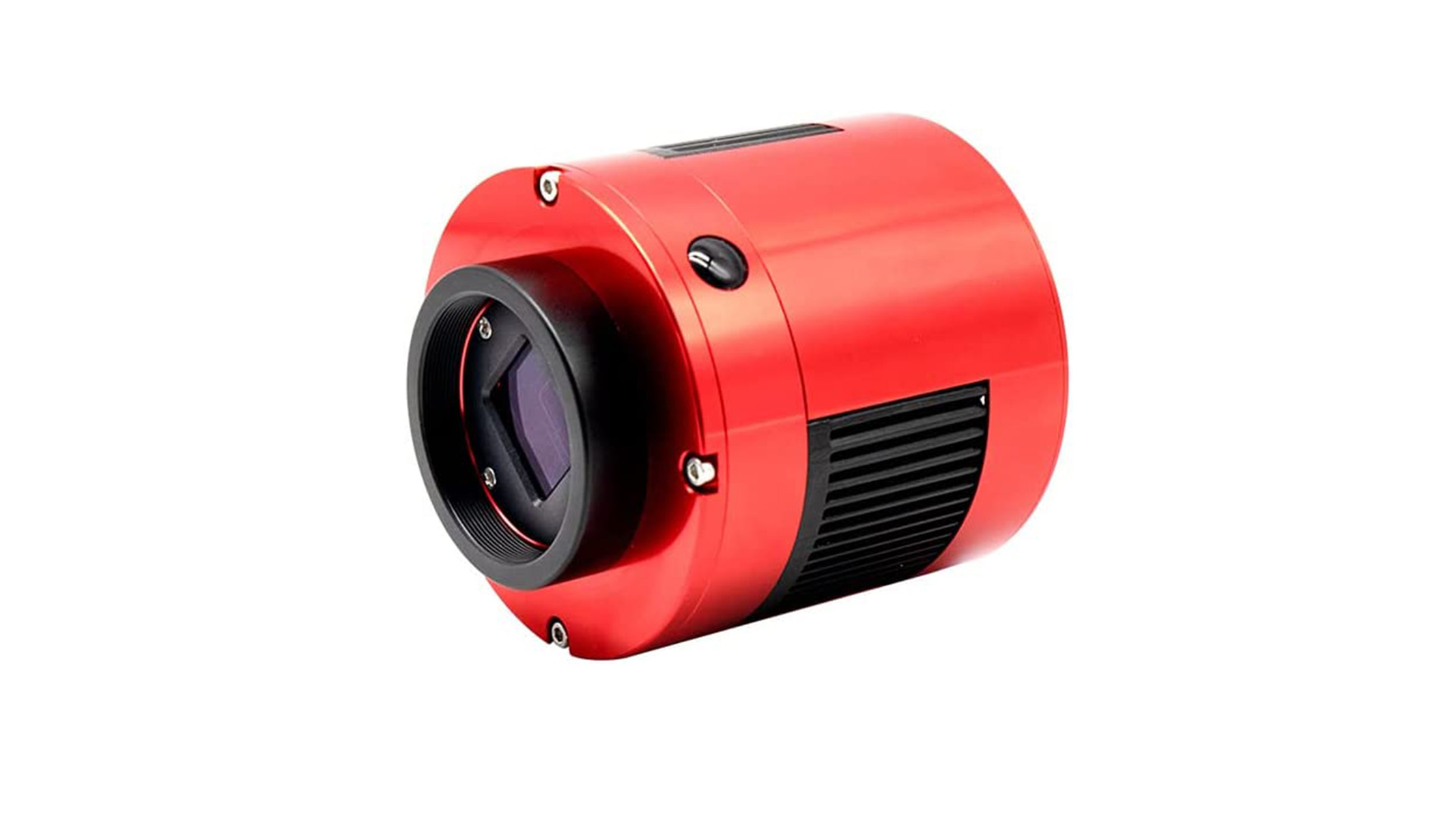
ZWO ASI533MC Pro
(Image credit: Amazon)
The ZWO ASI533MC Pro camera is the best dedicated astro camera out there, in our opinion. It features zero amp glow, 80% quantum efficiency and a 20FPS frame rate. It also features a 9MP sensor and you can check out our ZWO ASI533MC Pro review for a more in-depth look.
Catalogued as NGC 6888, or Caldwell 27, the Crescent Nebula, gets its nickname from its crescent-moon like appearance when observed in certain wavelengths of light. Boardman revealed spectacular detail in the nebula by imaging it with a set of narrowband filters over 16 hours and 18 minutes spread across five nights in late July.
"In the image, orange-red H-alpha reveals the tangled filaments while blue-cyan [O III] outlines emission from doubly ionized oxygen around the shell," Boardman told Space.com in an email. Each filter isolates specific wavelengths of light emitted by ionized gases, allowing different structures within the nebula to stand out.
Boardman collected roughly 12 hours of narrowband data from the nebula itself, along with four hours and 20 minutes of data capturing the surrounding stars, before combining exposures using the astronomy software PixInsight during post-processing.
The Crescent Nebula is too faint to be spotted with the naked eye, but can be seen with a moderate-to-large telescope equipped with a light pollution filter throughout September.
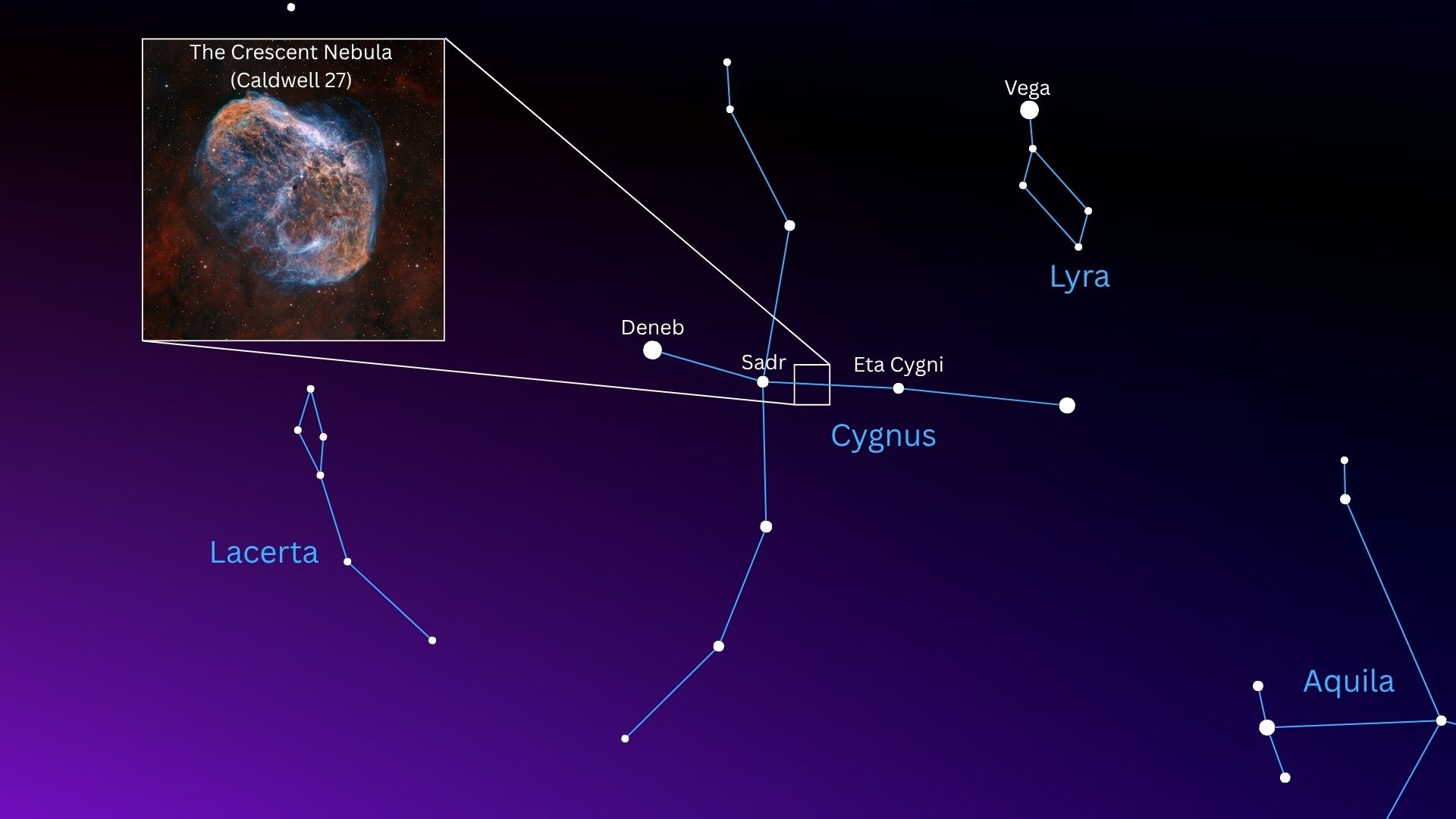
How to find the Crescent Nebula among the stars of the constellation Cygnus. (Image credit: Inset image: Kevin Boardman, created by Anthony Wood in Canva.)
First, locate the magnitude +2.34 star Sadr at the center of the cross-shaped constellation Cygnus, which appears high overhead for Northern Hemisphere observers in late summer.
Next, locate the dimmer magnitude +4.03 star Eta Cygni using the simplified star chart above, or with the aid of a smartphone astronomy app. The Crescent Nebula lies directly between these two bright stars and is best seen on the dark nights surrounding this month's new moon phase on Sept. 10-11.
Editor's Note: If you would like to share your astrophotography with Space.com's readers, then please send your photo(s), comments, and your name and location to spacephotos@space.com.
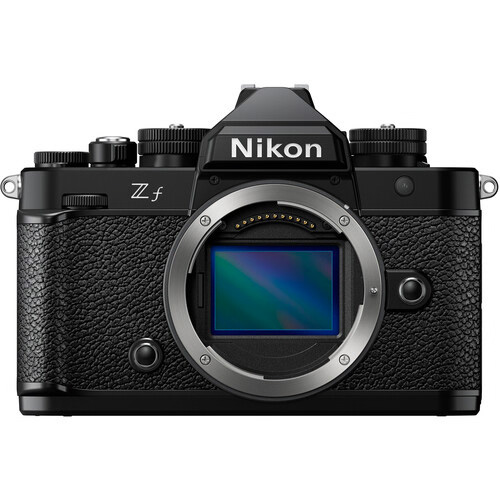
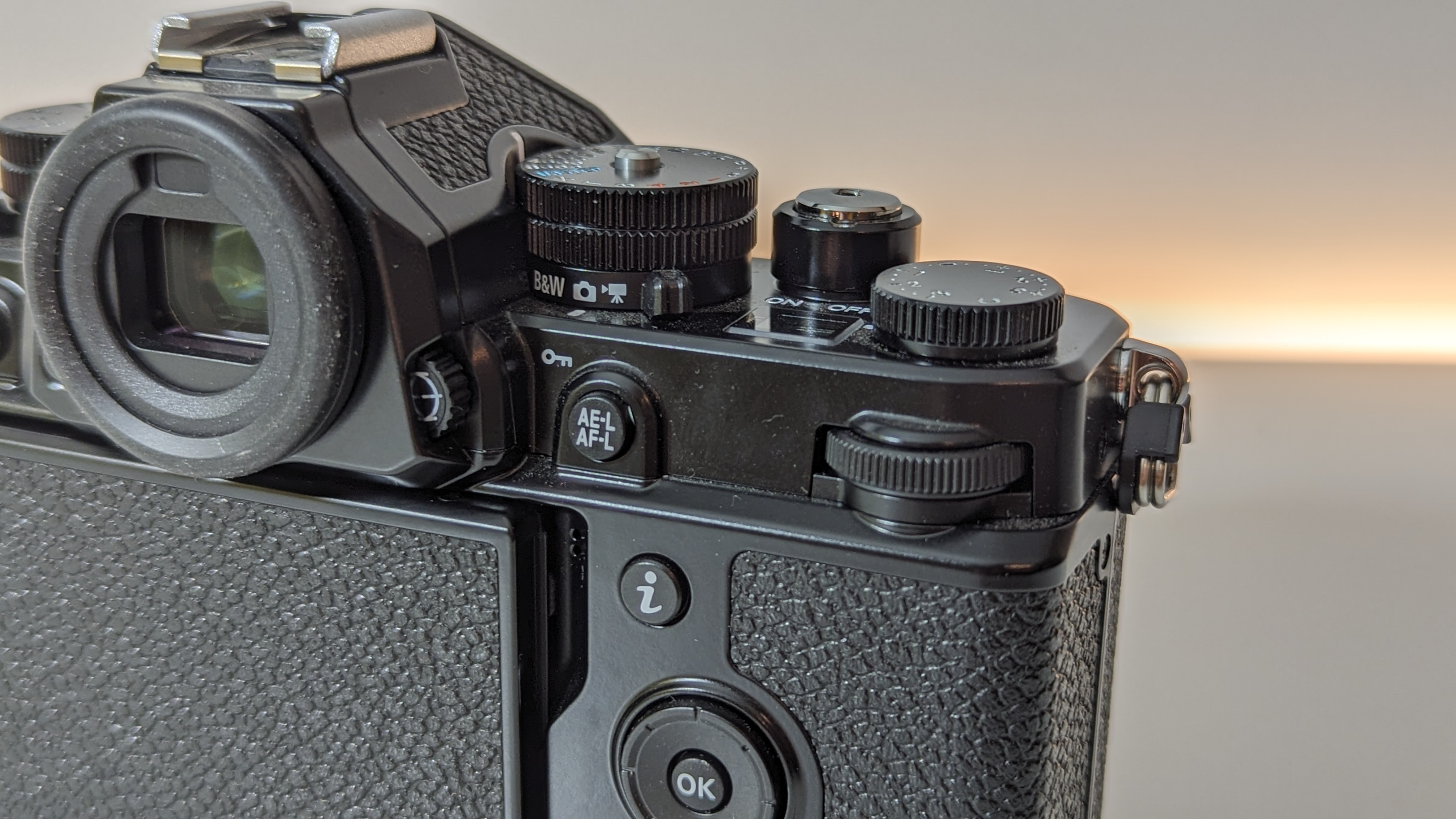
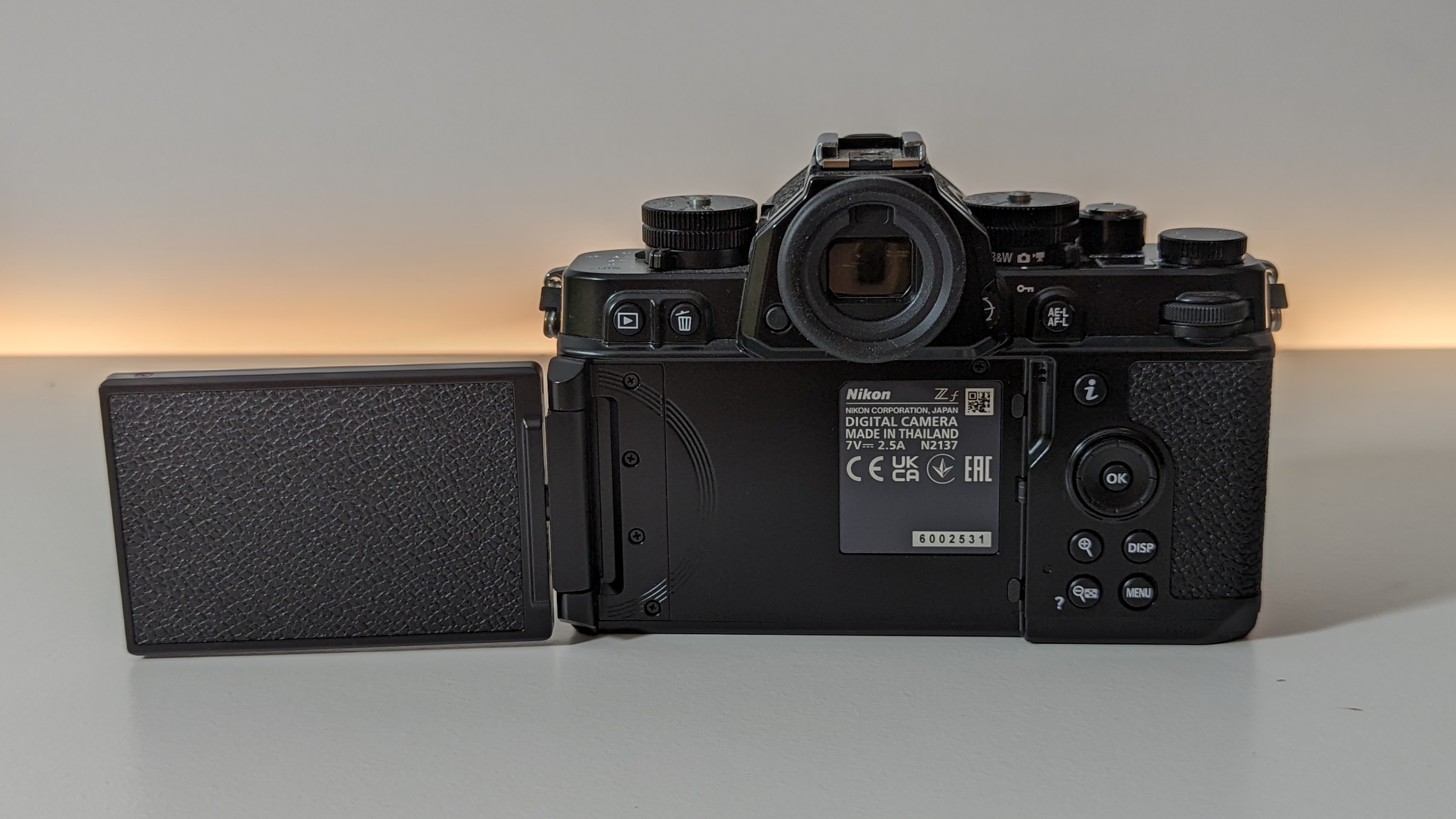
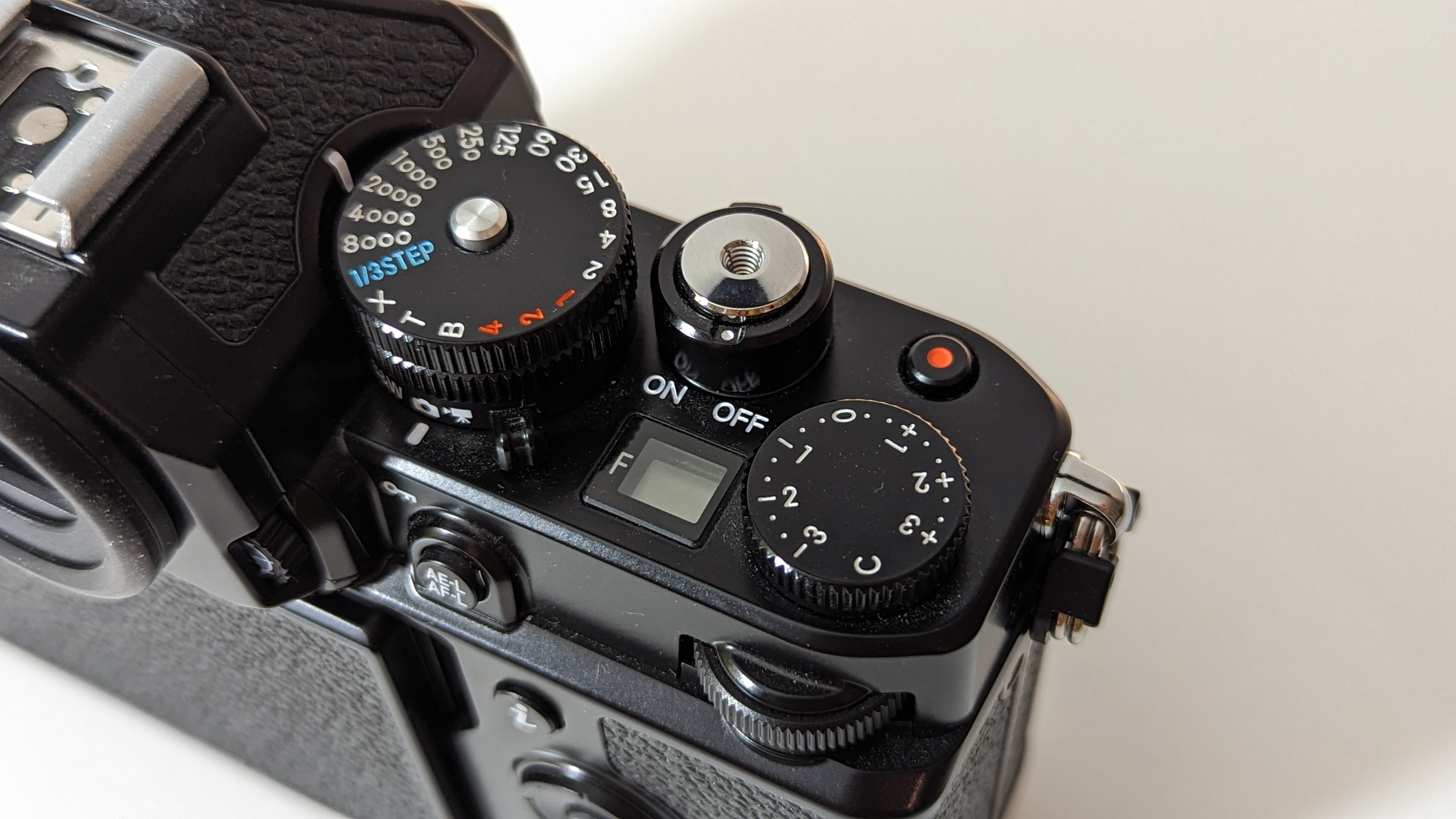
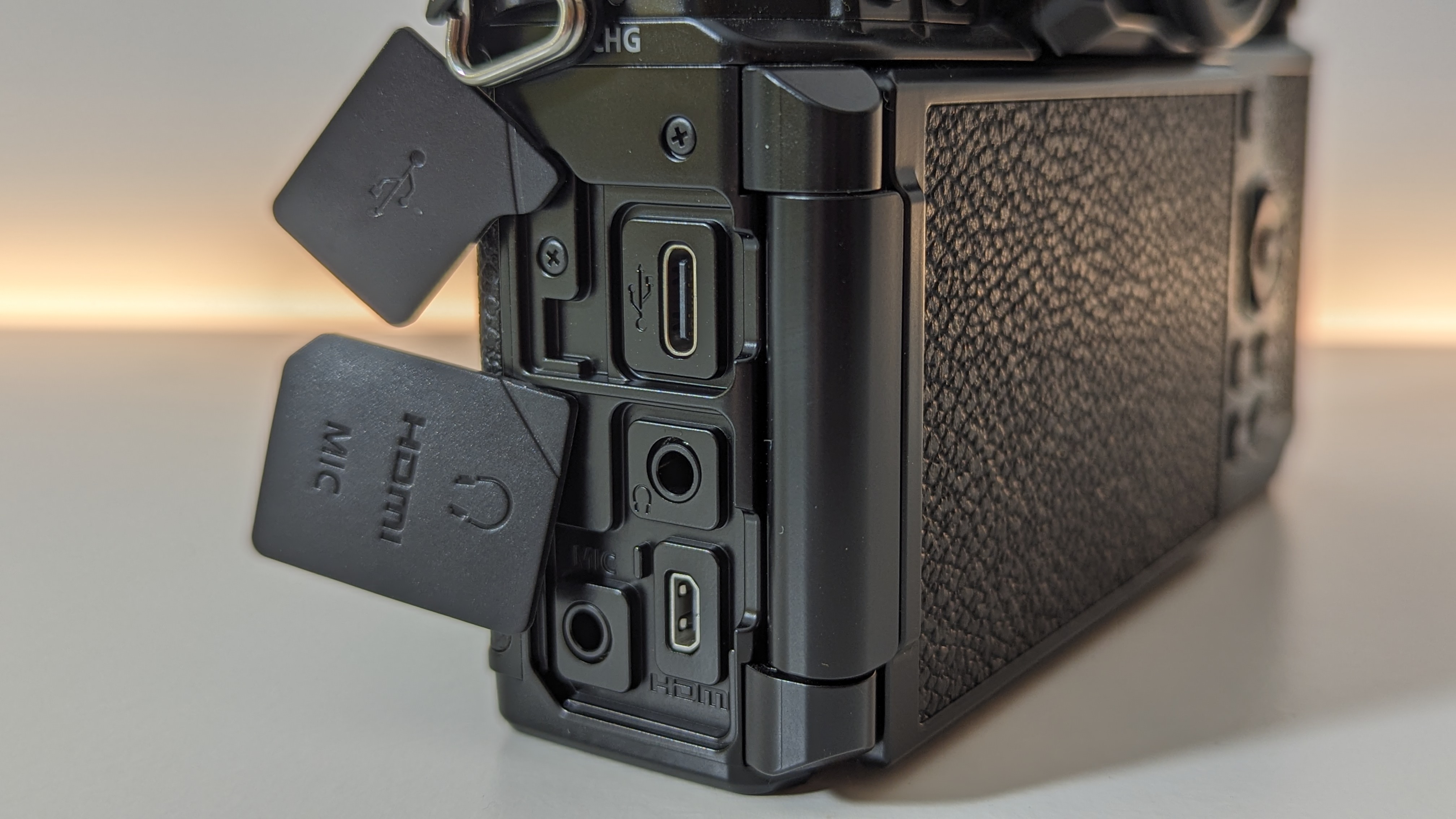
Looking for a quality camera that marries style and performance? Look no further than the Nikon Zf. Despite its vintage looks, it's one of the best Nikon cameras you can buy and with its excellent low-light performance, we also rank it as one of the best astrophotography cameras. Now, thanks to this deal, it's the cheapest it's been since last year's Black Friday.
In our Nikon Zf review, our expert called it "A great buy that offers excellent value for money when compared with some of the much more expensive Nikon models." Now less than $1,800, this is a steal for astrophotographers and photographers in general.
Save $453 on this impressively capable Nikon Zf camera. It isn't just a great low-light performer, it's an excellent all-rounder. Its retro-aesthetic is a bonus for those who miss the look and feel of film cameras. View Deal
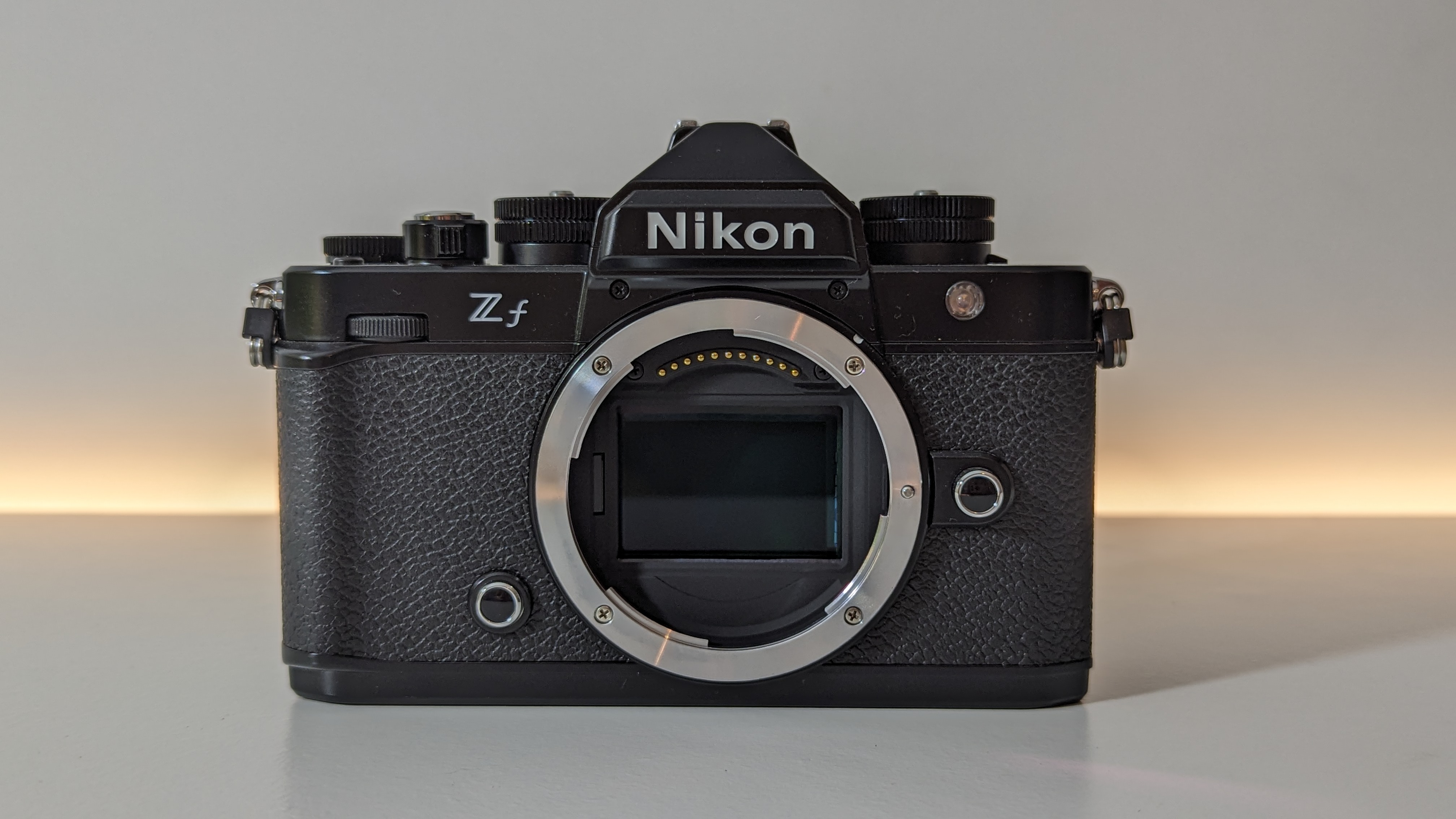
Couple the Nikon Zf with a suitable lens and you've got a camera that excels at astrophotography. FutureFutureFutureFutureFuture
What's not to love about this Nikon Zf camera? We ranked it as the best camera under $2,000, before inflation pushed it past that price point, and this deal makes it the cheapest it's been since last Black Friday.
Not only does this full-frame mirrorless camera offer excellent low-light performance, so much so that we think it's one of the best cameras for astrophotography, it's a brilliant all-rounder too.
In their Nikon Zf review, expert Jase Parnell-Brookes awarded it four-and-a-half stars, discovering that its strengths go far beyond its vintage stylings, remarking that "It delivered an impressive dynamic range and performed well in various lighting scenarios."
And, while you can point and shoot, the Nikon Zf is packed with controls designed to enhance your experience. From changing the ISO and ISO sensitivity, through to switch to black-and-white mode, you have complete control over your images. That much choice may seem daunting but the buttons and dials are intuitive enough that using them becomes second nature.
There are Nikon cameras out there that can beat its 24.5 MP images, but you'd have to spend significantly more. The Nikon Z8, for example, is over half as much again. If you want to make your money count, the Nikon Zf is the camera to buy. However, you'll have to hurry if you want to make the most of this deal. As we write this, there are just a handful of units left in stock.
Key features: 24.5 MP FX CMOS Sensor, Z mount, 100-64000 (expandable to 204,800) ISO, 4K UHD 30p video, 1 lb 9.1 oz / 710 g weight, 1SD UHS-II + MicroSD UHS-I card slots.
Product launched: September 2023
Price history: This is the cheapest this camera has been all year. It last dropped to around this price last Black Friday.
Reviews consensus: Reviewing theNikon Zf, we awarded it four-and-a-half stars praising, in particular, its low light performance and how it stacks up to Nikon's more expensive cameras. We were also impressed by its vintage appearance, replicating the look of a film camera. Its Amazon reviews are just as positive, with just a few purchaser complaining about its weight.
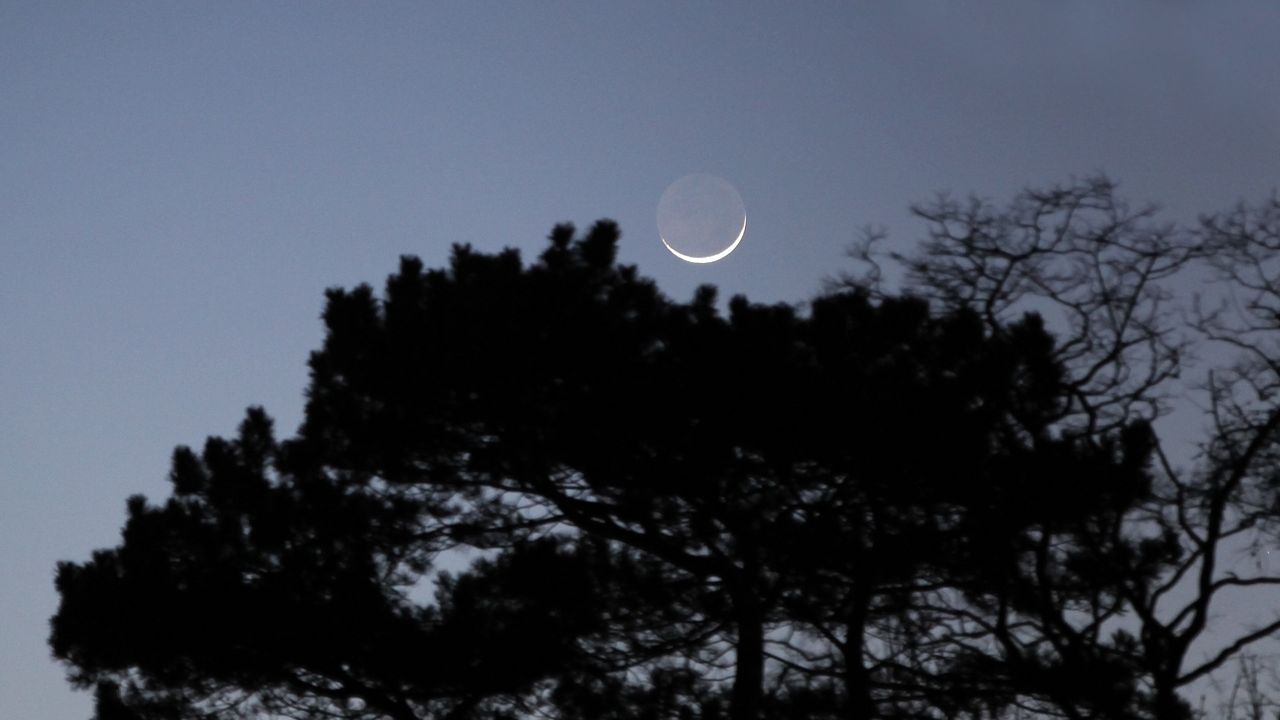
Today (Sept. 8), skywatchers can first catch a striking predawn pairing of the crescent moon and Jupiter, then — where conditions and location allow — attempt the much harder daytime occultation, when the moon hides the planet from view.
Before sunrise: Find the moon and Jupiter
Set your alarm for 5 a.m. local time on Tuesday and look low toward the east-northeast sky. Check in advance for tall obstructions that could block your view of this delicate predawn tableau. A slender waning crescent moon — just under 10% illuminated and resembling a "celestial smile" — will be immediately apparent. About 5 degrees below it, roughly half the width of your clenched fist held at arm's length, will be brilliant Jupiter.
Jupiter rises in the east-northeast shortly before 4 a.m. local daylight time, but it does not climb fairly high until just before dawn's first light. The planet is in the dim zodiacal constellation Cancer; one of my astronomy mentors at New York's Hayden Planetarium, Dr. Ken Franklin, used to call Cancer "the empty space between the Sickle of Leo and the Gemini Twins." If you set up a telescope before dawn, you can be among the first to see what became of Jupiter's tumultuous cloud belts while the planet was hidden in the sun's glare from early July through mid-August.
Later in the day: The daytime occultation
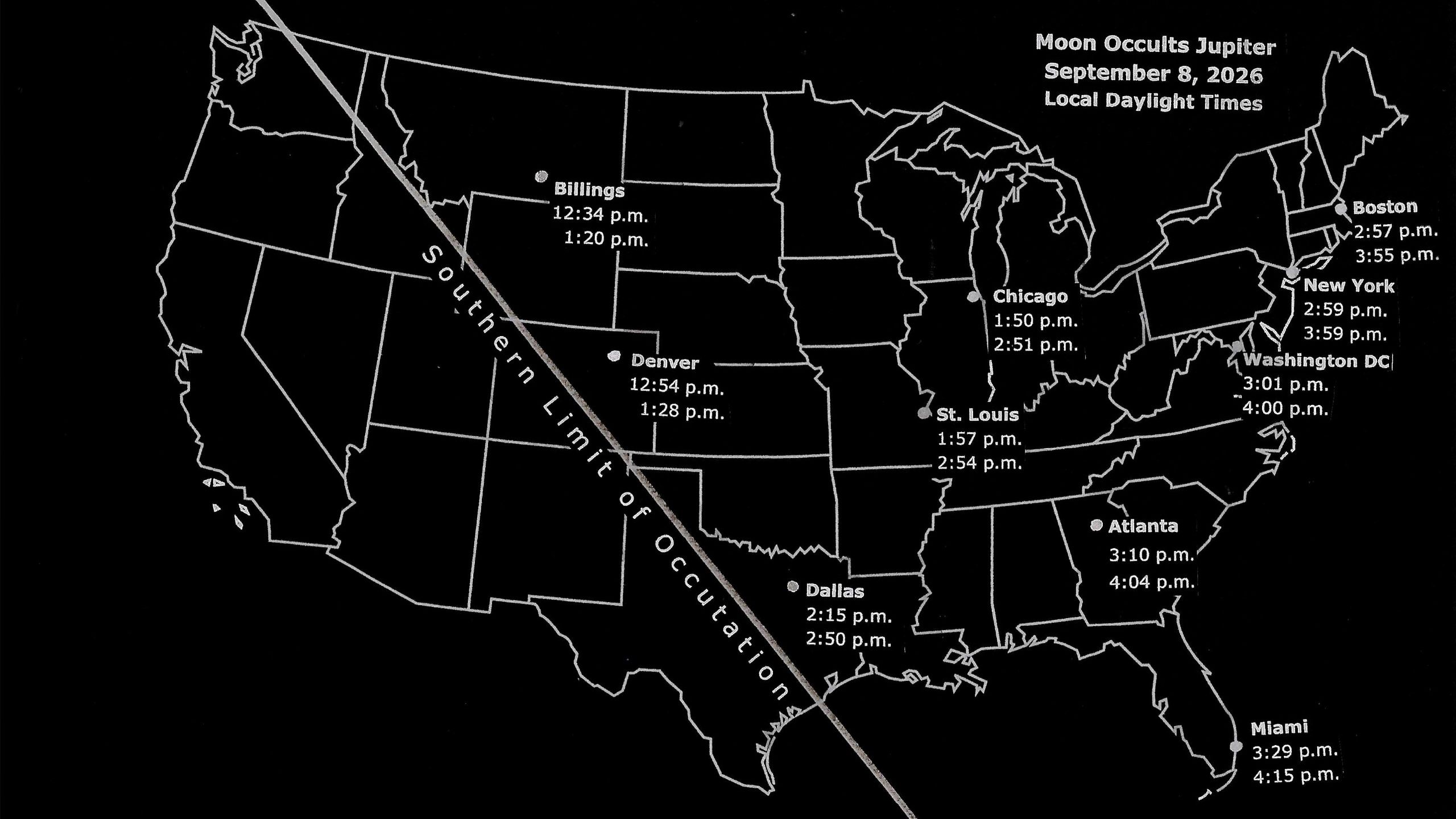
Another moon-Jupiter show awaits later in the day: a daytime occultation, when the thin waning crescent moon will hide Jupiter from much of North America. Unfortunately, a swath of the western United States — anywhere west and south of a line running roughly from Bellingham, Washington, to Rockport, Texas — falls outside the occultation's visibility zone.
The occultation occurs during the afternoon, when the moon and Jupiter will appear somewhat lower than the sun and well off to its right. Jupiter will disappear behind the moon's sunlit limb, with the moon taking roughly a minute or more to inch across the giant planet's face. Approximately 50 minutes later (give or take ten minutes), Jupiter will gradually reappear from behind the moon's dark edge.
Jupiter will vanish (going from north to south) between 2:55 and 3:30 p.m. for those in the Eastern Time Zone, 1:45 to 2:20 p.m. for the Central Time Zone, and 12:30 to 1:00 p.m. in the Mountain Time Zone.
To find out when these events occur at your location, use the accompanying map. Interpolate between the ten selected cities to find the local daylight time of Jupiter's disappearance (top) and reappearance (bottom) for your site.
(Image credit: Joe Rao)
How to find them in daylight
The chief challenge will be finding the moon and Jupiter at all, so give yourself plenty of time. The easiest method is to locate the pair before sunrise and track them into daylight. Much will depend on the transparency of your local sky — how deep its blue color is. If the day is hazy, the search will be harder.
Start before sunrise, when the crescent moon and Jupiter are easiest to identify.
As daylight strengthens, keep tracking the pair or return to the same region of sky about 30 degrees — roughly four fist-widths at arm's length—from the sun, mostly to the right and, for most locations, somewhat lower.
Sweep the area with a finderscope or binoculars, remembering that the crescent moon's low surface brightness may make it hard to distinguish from the blue sky.
Once you have the moon, the next challenge is Jupiter. In a telescope, it will appear far smaller than the moon — about one-sixtieth of the moon's diameter — and it will have an even lower surface brightness. Watch for Jupiter to return along the moon's dark limb, a captivating sight as the planet seems to emerge literally from out of the blue.
If you miss it
Sighting the moon and Jupiter in daytime will be challenging, so do not despair if you fail to find them. In less than a month, on the morning of Tuesday, Oct. 6, the moon and Jupiter will have another interaction, but this time about eight hours earlier, before sunrise in a dark or twilight sky. That resultant event should be a spectacular sight, easily visible with the naked eye, binoculars, or a telescope. Space.com will provide details as the date approaches, so stay tuned!
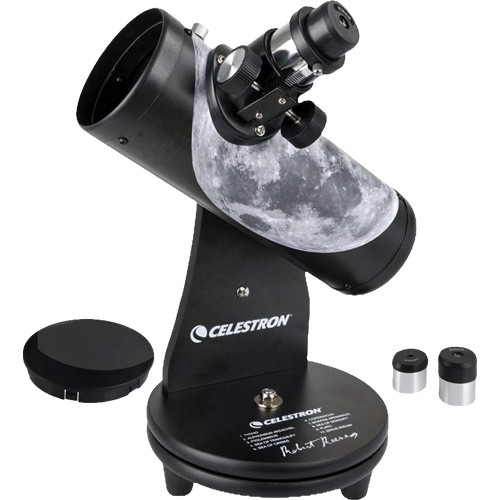
I've got three telescopesin my home, but the Celestron FirstScope is my first stop when it comes to stargazing. Now this super-portable, beginner-friendly tabletop scope is $60 at Amazon, even cheaper than Prime Day!
What makes the Celestron FirstScope so fantastic? It's all down to ease of use and portability. There's next to no assembly and once you've unboxed it, you can pick it up in one hand and head outside.
Save $15 on this moon-themed Celestron Firstscope which, with 76mm aperture and tabletop mount, is ideal for quick stargazing sessions as well as introducing children to a new hobby. View Deal
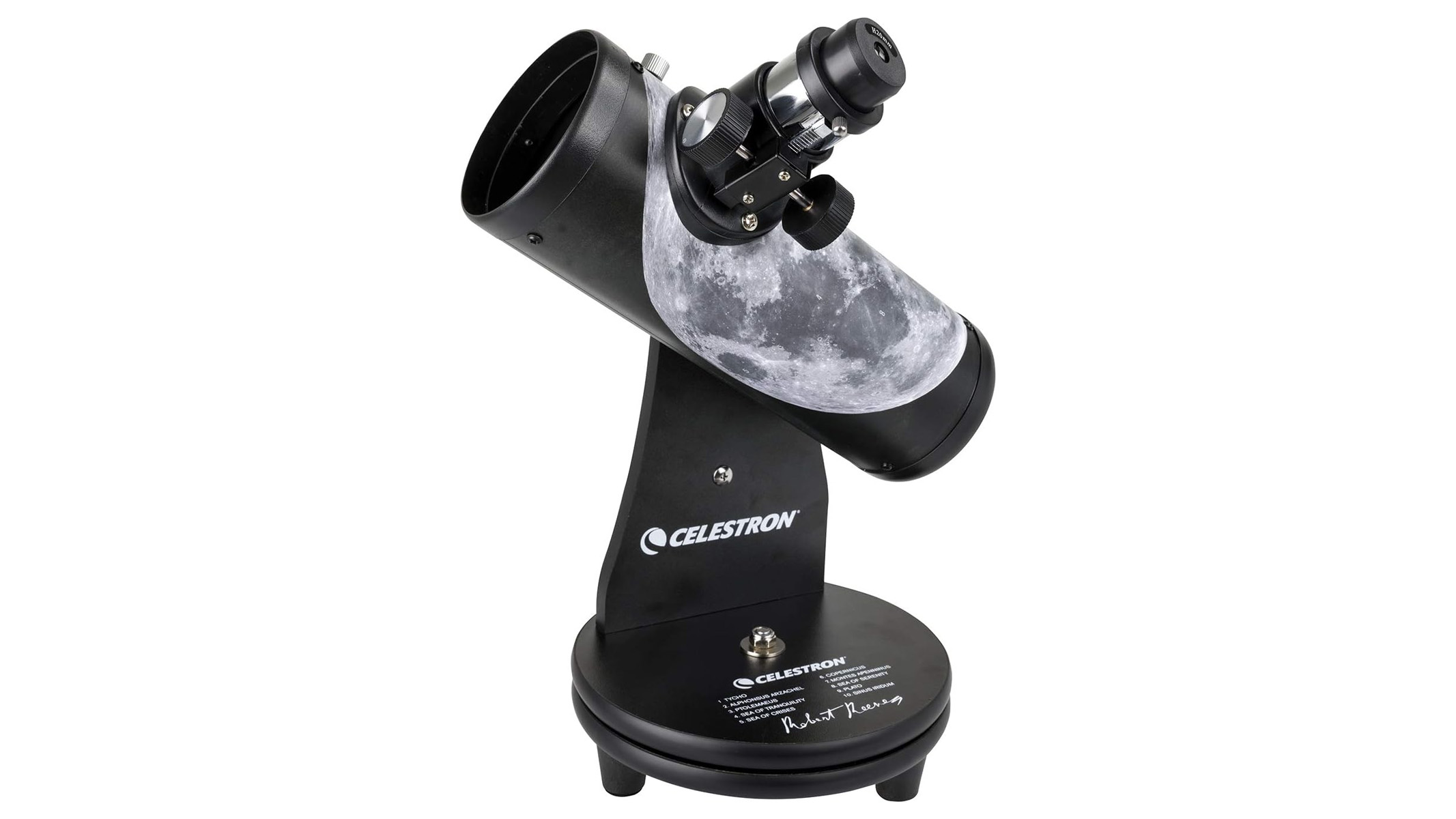
The Celestron Firstscope is a small but perfectly formed scope, great for a quick spot of skywatching. (Image credit: Celestron)
Even though I've got two bigger telescopes in my home, a Skyatcher Classic 200Pand a Bresser Solarix 114/500, I wouldn't dream of parting with my Celestron FirstScope. This tabletop scope is so easy to use and so portable, you can just grab it, head outside and get stargazing.
No fuss, no mess, no scraping the door frame because folding the tripod down seems like too much work. It's also small enough that you can sling it in a backpack, ideal for hopping on your bike and pedalling away from light pollution.
It comes with 20mm and 4mm eyepieces, but you can also trade up to any of the best eyepieces. As a tabletop telescope you'll need to find something to rest it on but a wall or even a trash can will do. And if you're a beginner, or buying for children, you'll be delighted with how the FirstScope performs. We think it's the best tabletop telescope for kids.
The lack of a finderscope is slightly disappointing but you can purchase one separately and, even without one, this is an impressively capable telescope, at a price that won't break the bank. It really is that simple. Want to watch Saturn at opposition this Oct. 4? Grab your FirstScope, perch it on a table or wall, and home in on this ringed planet. It's excellent for moonwatching too, especially if you're short on time. We think this is the best tabletop telescope for kids and beginners will love it too.
Key features: Newtonian reflector with Dobsonian mount, 2.99-in (76mm) aperture, 11.81in (300mm) focal length, 20mm and 4mm eyepieces.
Product launched: March 2009
Price history: This is even cheaper than Prime Day, when the Celestron FirstScope dropped to $70.
Reviews consensus: Reviewing the Celestron Firstscope, we awarded it four stars, saying "It exudes portability, ease of use and a price that's not going to break the bank." That sentiment still stands and its Amazon reviews are just as positive. At this price, it's a steal.
Soon, the sky's most glamorous evening performer will take its leave.
Since late March, Venus has been the unmistakable "Evening Star," gleaming shortly after sunset and stealing attention from nearly everything else in the twilight. In June, it helped stage a striking three-planet lineup after sundown, outshining both Jupiter and Mercury.
Now the curtain is beginning to fall: Venus is sinking night by night and will trade its evening role for a morning one before October is over.
A familiar dance around the sun
Venus moves to a remarkably regular beat. Our nearest planetary neighbor circles the sun in an almost perfect path, completing 13 orbits in 8 Earth years. From Earth, that rhythm makes Venus appear to trace five great loops across the sky in the same span. It is a long cycle noticed by skywatchers — and important to the ancient Aztec and Mayan civilizations — and it gives each Venus year its own recognizable personality. In 2026, the pattern closely echoes 2018, differing by only about two days.
Key dates this month
Venus is about to blaze at peak brilliance, but this farewell performance comes with a challenge. All month long, the planet will slide lower in the southwest after sunset, shortening the window for a good view. If the horizon is clear and the weather cooperates, these are the evenings to circle on your skywatching calendar.
Sept. 7: On Labor Day, Venus sets about 1¼ hours after sunset.
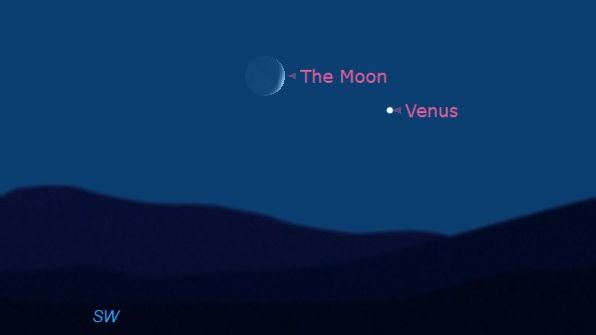
Sept. 14: Look low in the west-southwest 30 to 45 minutes after sunset, when a waxing crescent moon appears around 5½ degrees to the left of Venus.
Late September: The planet slips quickly from view, setting just 35 minutes after sundown by month's end.
Venus shines near a waxing crescent moon very low in the southwestern sky, 45 minutes after sunset on Sept. 14. (Image credit: Starry Night Pro 8.0)
Why this farewell is so low-key
Ordinarily, the weeks between greatest elongation and greatest brilliancy are prime time for Venus watchers. Not this year. For evening observers, this apparition has been more frustrating than triumphant, with Venus lingering low in the glow of twilight instead of climbing into a commanding position.
The best views came back in June, when Venus lingered until around 11 p.m. Since then, it has been ducking out earlier each night. By Aug. 15, the evening of greatest elongation — when Venus reached its greatest apparent distance east of the sun — it was already setting just as evening twilight faded.
For observers at mid-northern latitudes, the finale is especially low to the horizon. Around 40 degrees north latitude, Venus will stand only about 5½ degrees above the southwest horizon at sunset by the end of September. That is barely more than half the width of your clenched fist held at arm's length — a beautiful but fleeting target in the fading light.
A crescent world in the twilight
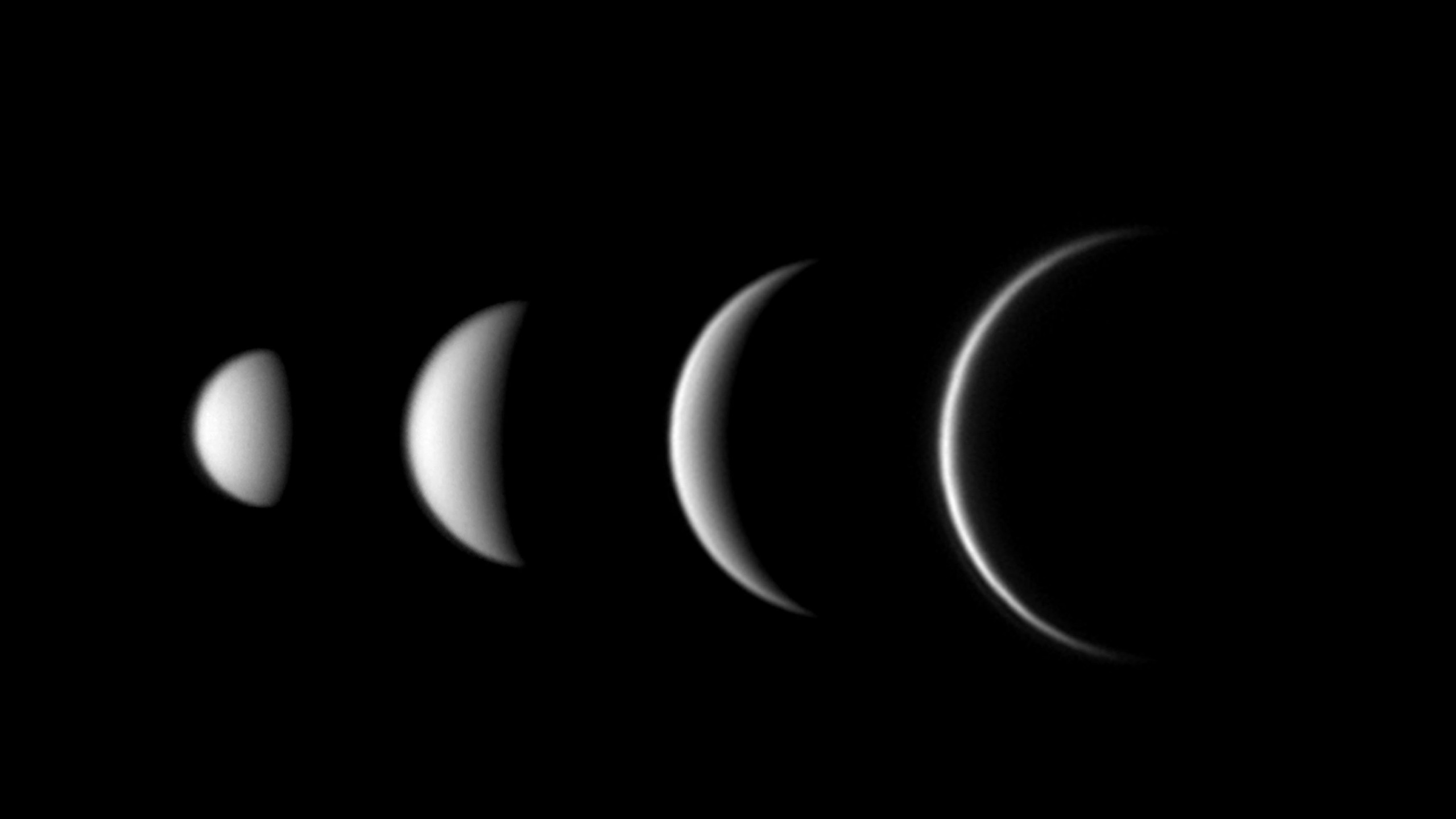
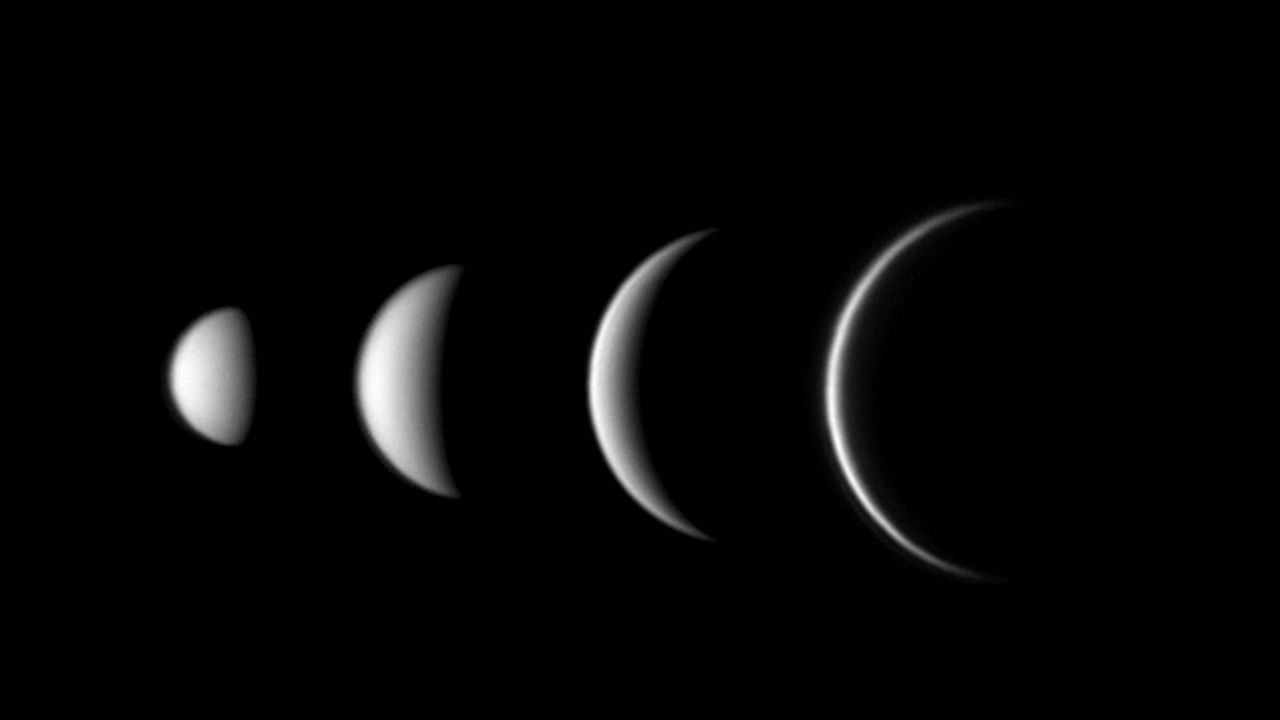
Through a telescope, Venus now shows one of its most striking faces: a narrowing crescent. As its sunlit side turns farther away from Earth, that crescent grows thinner and longer, becoming a delicate arc of brilliant light. With very steady binoculars, you may even glimpse the shape during the next couple of weeks, though the planet's low altitude will make the view shimmer and blur.
Set of images taken in 2004 show the phases and relative size of Venus as seen from Earth as it moves around the Sun. (Image credit: Photograph by Jamie Cooper. (Photo by SSPL/Getty Images))
The morning star returns
By the end of the first week of October, Venus will have slipped from the evening sky altogether. It reaches inferior conjunction on Oct. 24, passing about 6 degrees south of the sun. Around that time, spotting it on nearby evenings or mornings will be extremely difficult.
But Venus never stays away for long. In November, it reappears before dawn, opening a brilliant new morning apparition. By the winter holidays, it will shine high in the eastern sky as a fitting "Christmas Star," rising more than two hours before daybreak — and nearly four hours before the sun.
Venus is something of a frustration for stargazers. It's the brightest planet and the easiest to see, while the sight of it close to a crescent moon is one of the most achingly beautiful sights in the sky. Yet it gives almost nothing away.
Mars has its reddish color. Saturn rewards even a small telescope with its spectacular rings. Jupiter has moons, belts and an obvious disk. Venus, meanwhile, spends months blazing away in twilight looking exactly like what people who do not stargaze assume a star should look like — a brilliant white point. What we're seeing is sunlight reflected by its global cloud cover, which in turn makes it impossible to see in any detail.
But every now and then, it does something revealing by becoming a crescent. That is when Venus, an inner planet relative to Earth, finally makes sense.
Put a small telescope on Venus this week and its appearance is completely different from the dazzling dot seen with the naked eye. This week, its disk will dim from 36% to 32% lit as it shrinks toward a thinner crescent as September progresses. At the same time, its apparent disk is getting larger because Venus is moving closer to Earth.
Those two changes are connected. Venus reached its greatest eastern elongation, about 46 degrees from the sun, on Aug. 15. It's now swinging around the inside of its smaller, faster orbit of the sun towards inferior conjunction on Oct. 24, when it will pass roughly between Earth and the sun, and be lost in the sun's glare. Before that, it will reach its peak — greatest brilliancy — in the evening sky on Sept. 18, shining at magnitude -4.8 while just 26% lit. That's the sweet spot, when its increasing angular size and decreasing crescent combine at their brightest, as seen from Earth (though its modeled visual brightness peaks a few days later, around Sept.22). After that, it becomes an increasingly dim crescent.
Seeing Venus as a crescent makes the geometry beautifully obvious. We are no longer looking across the solar system towards the brightly illuminated side of Venus. We are increasingly looking at the planet from behind, towards its night side, with sunlight catching only one edge.
It is almost the same idea as a crescent moon — except Venus is another world tens of millions of miles away. As it passes roughly between Earth and the sun on Oct. 24, it will be 0.27 AU away — equivalent to 25 million miles (40 million kilometers). At its farthest, Venus can be 162 million miles (261 million kilometers) from Earth.
The phases of Venus were historically important. When Galileo observed Venus through a telescope in the early 17th century, seeing it display a broad range of phases helped demolish the traditional Ptolemaic model in which Venus was supposed to orbit Earth in a way that could not produce the full sequence he observed.
Four centuries later, the same observation remains one of the simplest ways to understand our place in the solar system.
Venus becomes far more interesting when it stops looking its best through the naked eye and instead becomes a "wow" moment in a small telescope. As the "Evening Star" sinks lower into twilight, we're not just seeing a crescent — we're seeing a planet orbit the sun.
What's happening and when to look
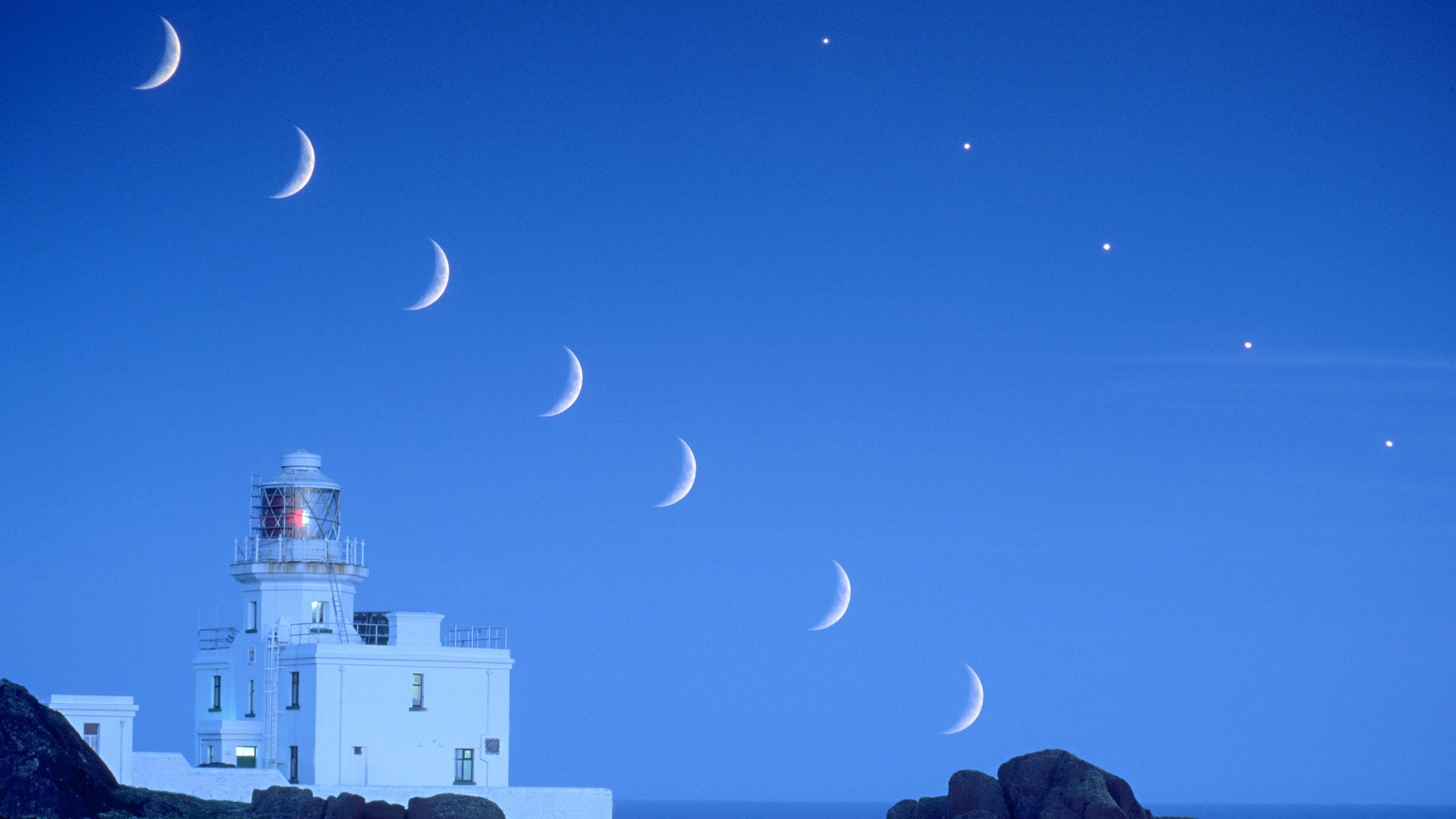
A crescent moon and Venus over a lighthouse. (Image credit: Richard Packwood via Getty Images)
Venus remains an evening object throughout September, but it is rapidly becoming more challenging from mid-northern latitudes. Look very low towards the west-southwest shortly after sunset, where it should be obvious because practically nothing else in the twilight comes close to its brilliance.
Do not search for Venus with a telescope or binoculars while the sun is still above the horizon. Wait until sunset and make sure the sun has disappeared before pointing optical equipment anywhere near the western sky.
Venus will move through Virgo during the coming days before a particularly attractive conjunction on Sept. 14, when a 16%-lit waxing crescent moon will pass extremely close to a 29%-lit Venus. Two crescents together.
How and when I'm watching it
Venus is one of those objects I prefer to revisit several times rather than observe once. A single look shows a crescent, but observing every week reveals movement.
I'll mostly use my small spotting scope in the front yard to look at Venus as a crescent this month, but if I'm short on time, I'll use some 10x50 binoculars, which can also reveal the phase. The trick is not to expect surface detail — just a clean geometric shape.
Atmospheric turbulence near the horizon can make Venus wobble and shimmer, but its phase usually cuts through.
Stargazer's corner: Sept. 4–10, 2026
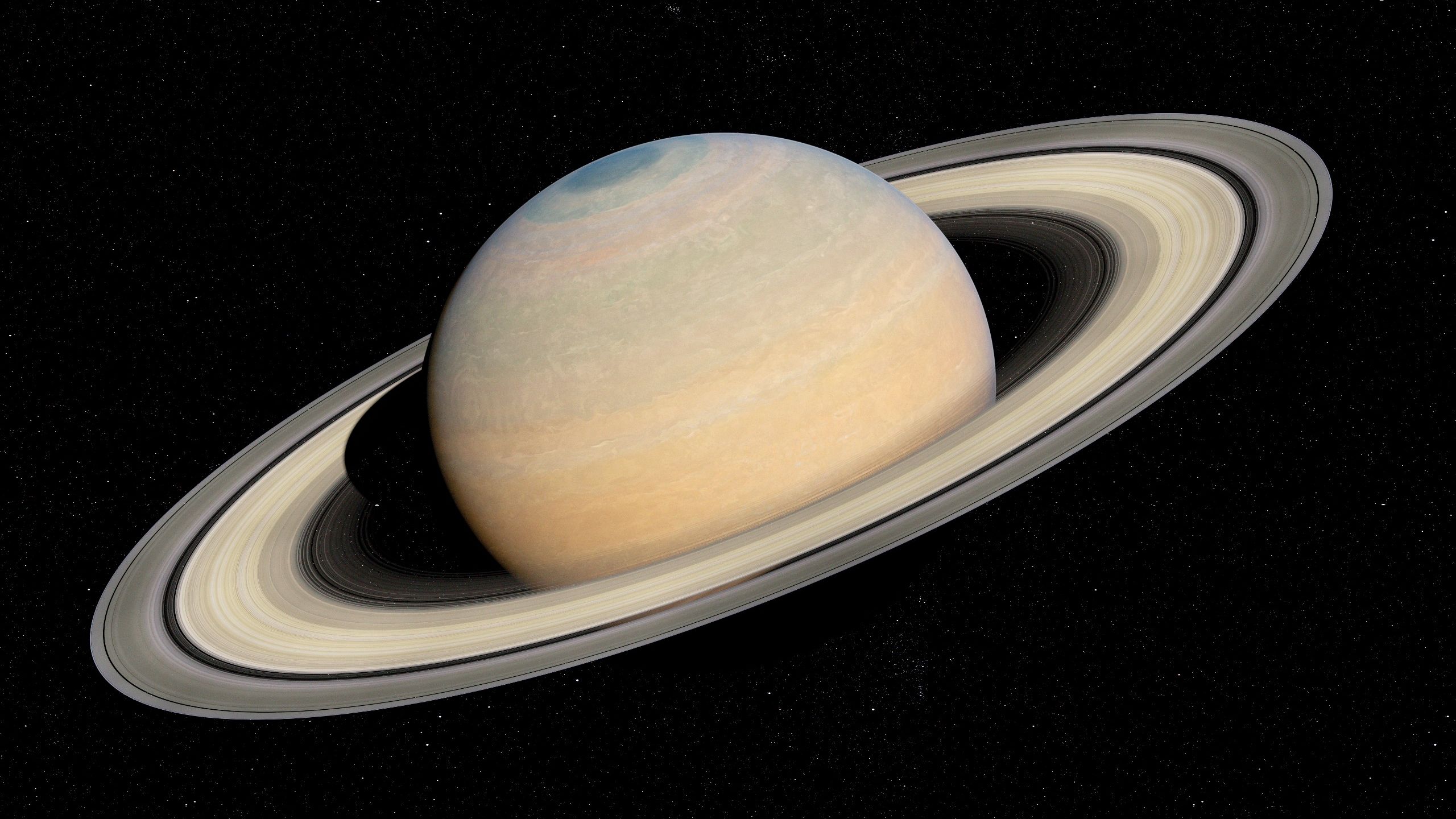
Saturn continues to brighten in the east after dark. (Image credit: SCIEPRO/SCIENCE PHOTO LIBRARY via Getty Images)
With the moon now past last quarter, the early evening sky is finally free from bright moonlight. It's an excellent opportunity to revisit the Milky Way, along with star clusters, nebulas and other deep-sky objects before autumn gradually takes over and its bright center slumps into the horizon. Before dawn, the waning crescent moon moves through Taurus, passing close to Mars on Sept. 6 in Gemini, while brilliant Venus continues to dominate the western twilight after sunset. The dazzling planet remains the unmistakable evening beacon, shining low above the west shortly after sunset. Saturn, meanwhile, continues to brighten in the east during the late evening, making this an increasingly good time to point binoculars or, better still, a small telescope toward the ringed planet.
Constellation of the week: Pisces
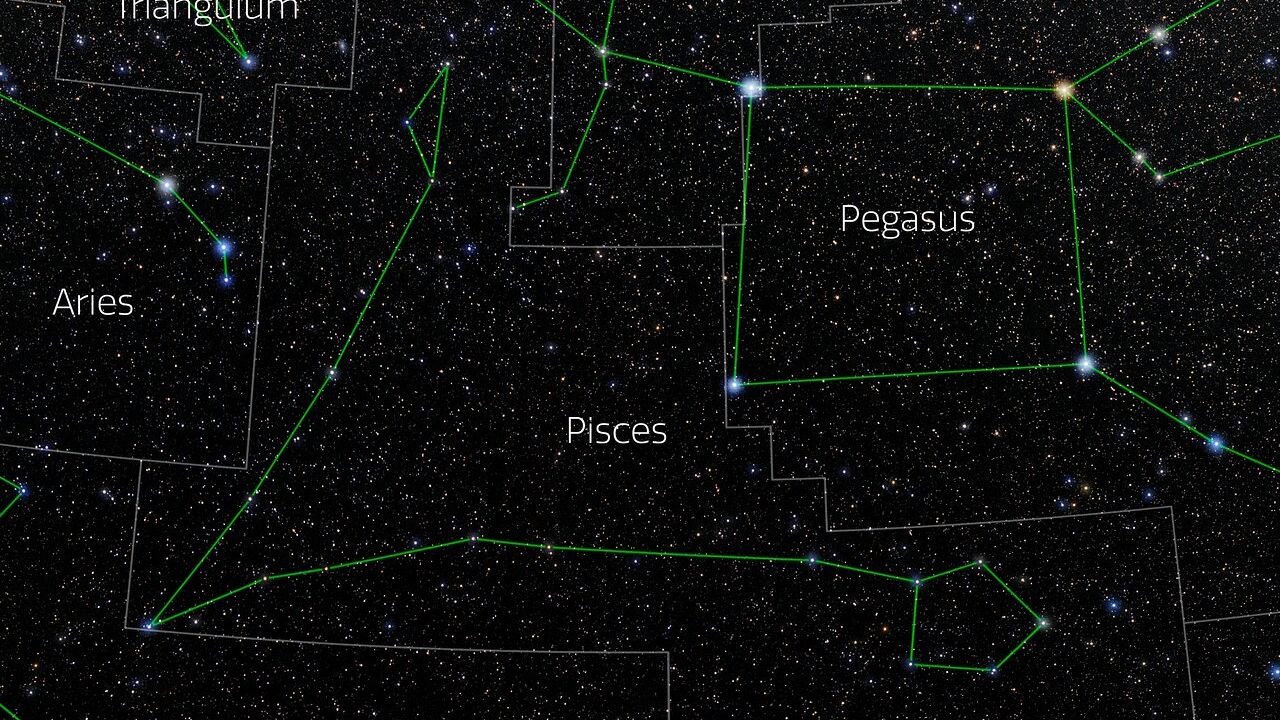
Pisces, "The Fishes," is now visible in the south after dark. (Image credit: E. Slawik/NOIRLab/NSF/AURA/M. Zamani))
Pisces is easy to overlook. Its faint stars form two celestial fish joined by a long cord, creating a broad V-shape beneath the easy-to-find Great Square of Pegasus in the eastern evening sky after dark this month.
This week is a great time to find it because Neptune soon reaches opposition within Pisces, making the distant planet brighter than at any other time this year. Although Neptune needs binoculars or a telescope to spot it, learning the constellation
Pisces has been associated with mythology and water for thousands of years, but finding its subtle pattern also signals that the autumn constellations are beginning to take over the night sky.

 Login